 XinYe Metal
1 / 4
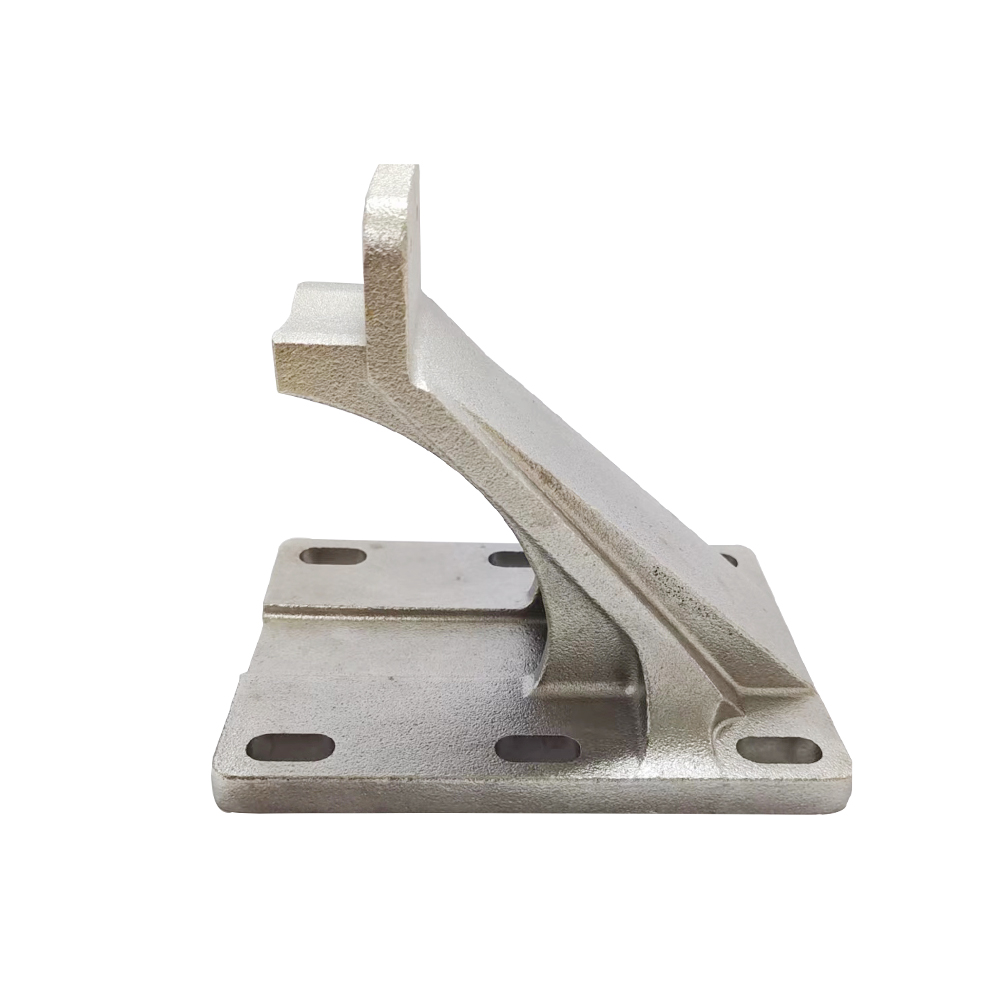
The roughness average (RA) of a lost wax cast part averages around 125, which is the average of the peaks and valleys on the finished surface.
The biggest advantage of lost wax casting is the tight and accurate tolerances that have a standard of ± 0.005. CAD computer designs are accurately and precisely recreated to exactly fit the final application.
There are very few limitations to the types and kinds of metals that can be used in lost wax casting. The types of metals include bronze, stainless steel, alloy steel, iron, and copper.
As there is little limitation on the types of metals used in lost wax casting, the same applies to the size of parts to be formed. The range of sizes starts with small dental implants up to complex aircraft engine parts weighing thousands of pounds. The size and weight of lost wax cast parts is dependent on the mold handling equipment.
Lost wax casting uses less expensive equipment, which makes it less dangerous. Also the tooling cost is cheaper.
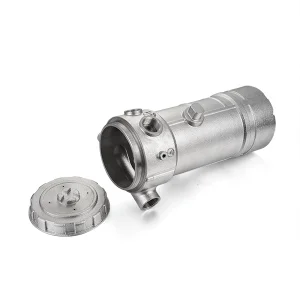
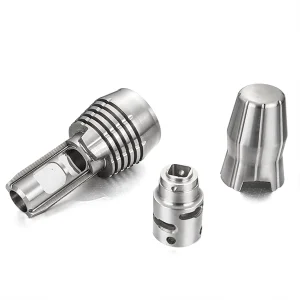
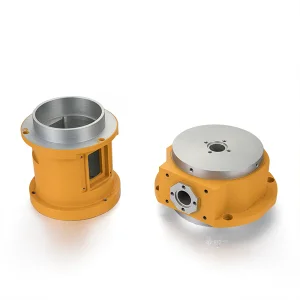
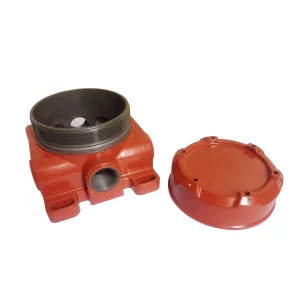
Lost wax casting is widely utilized across various key sectors, including the Oil and Gas, Food Industry, Aerospace, Automotive, Medical, and Chemical Industries.
Lost wax casting produces smooth surface finishes with a roughness average (RA) of around 125, which represents the average measurement of the peaks and valleys on the cast part's surface.
The process offers highly precise and tight dimensional tolerances, with a standard limit of ± 0.005. This accuracy ensures that complex CAD designs are exactly replicated to fit their final applications.
There are very few metallurgical restrictions. The process can handle a wide variety of metals, including bronze, stainless steel, alloy steel, iron, and copper.
The size range is highly versatile. It can produce parts ranging from tiny dental implants up to heavy aircraft engine components weighing thousands of pounds. The final size and weight limits depend primarily on the mold handling equipment.
No, the process is cost-effective and safe. It utilizes less expensive equipment and offers affordable tooling costs, making it both a budget-friendly and less hazardous manufacturing option.