 XinYe Metal
1 / 5
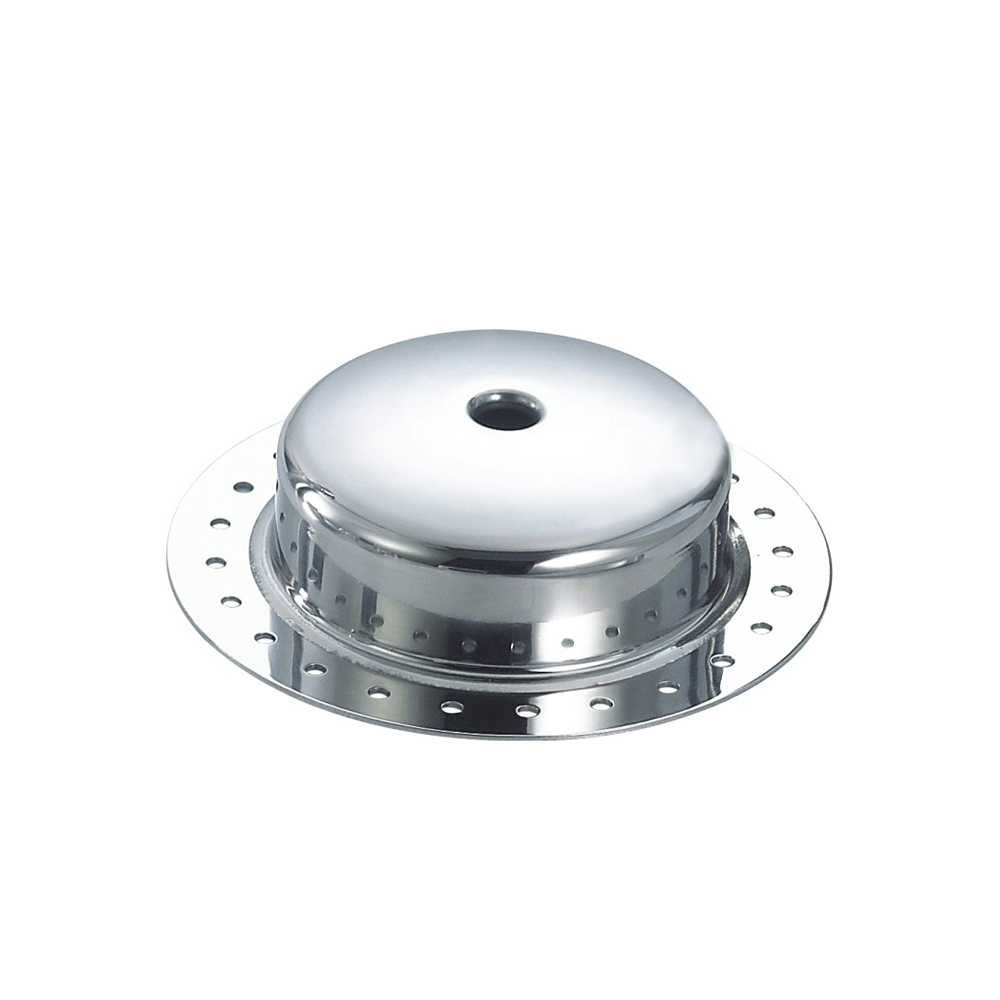
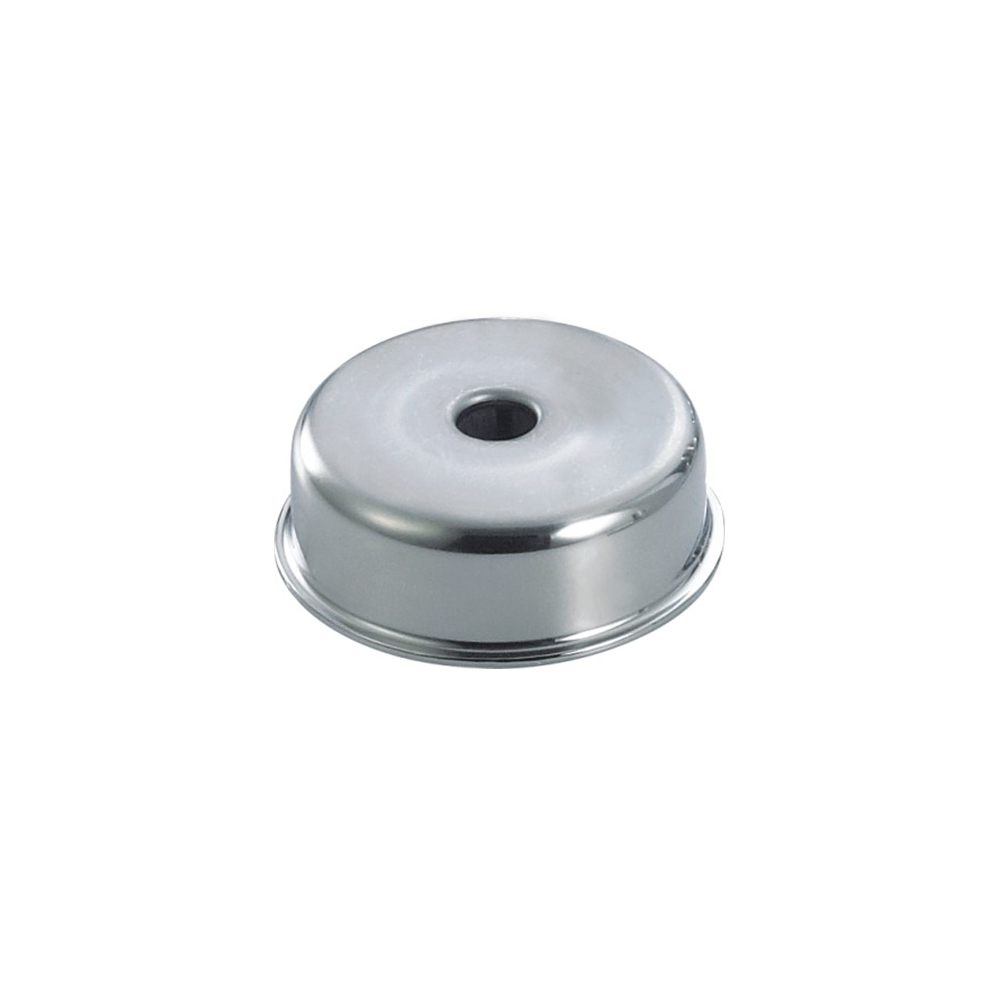
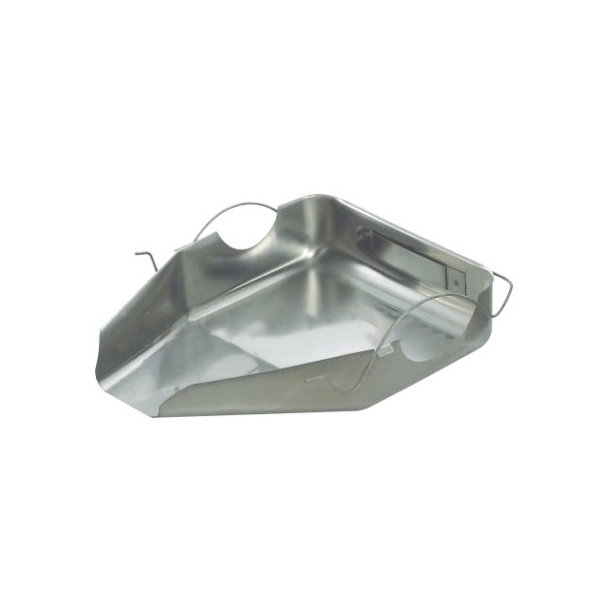
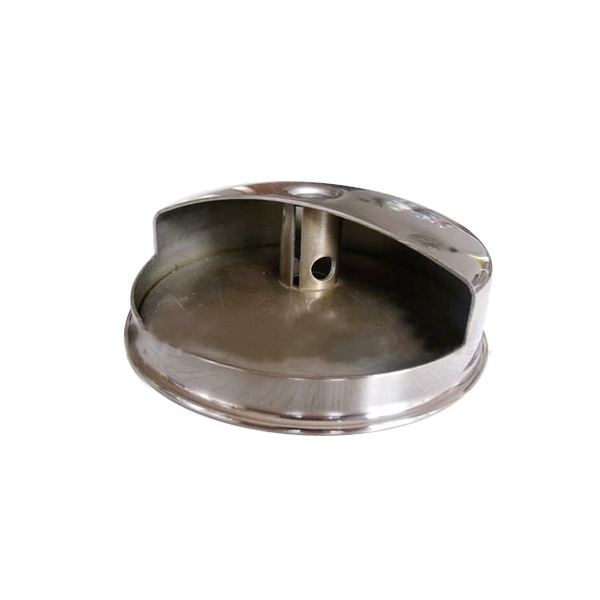
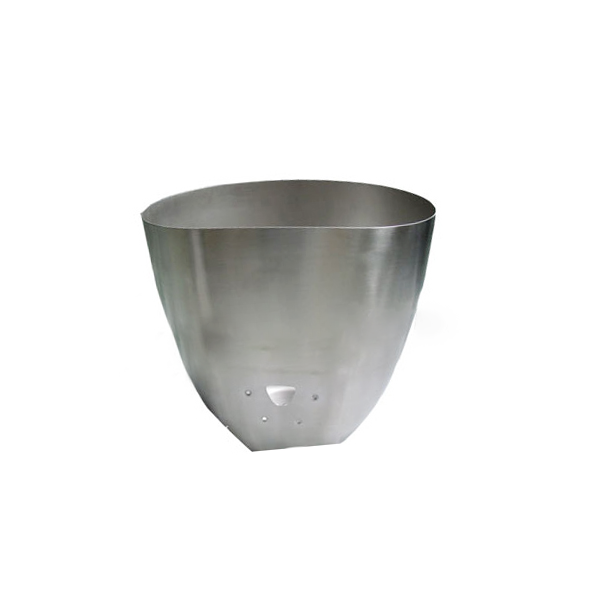
Stamping is a forming processing method that relies on presses and molds to apply external force to plates, strips, pipes and profiles to cause plastic deformation or separation, thereby obtaining stamping parts of the required shape and size.
Stamping is an efficient production method. It uses composite dies, especially multi-station progressive dies, to complete multiple stamping processes on one press (single-station or multi-station) to achieve strip uncoiling and straightening. Fully automatic production from flattening and blanking to forming and finishing. High production efficiency, good working conditions, low production costs. It can generally produce hundreds of pieces per minute. Compared with other methods of mechanical processing and plastic processing, stamping processing has many unique advantages both in terms of technology and economy.
Stamping processing has high production efficiency, is easy to operate, and is easy to implement mechanization and automation. This is because stamping relies on dies and stamping equipment to complete processing. The number of strokes of an ordinary press can reach dozens of times per minute, and the high-speed pressure can reach hundreds or even thousands of times per minute, and each stamping stroke may get a stamped part.
During stamping, the mold ensures the dimensional and shape accuracy of the stamped parts and generally does not damage the surface quality of the stamped parts. The life of the mold is generally longer, so the quality of the stamping is stable, interchangeable, and has "exactly the same" characteristics.
Stamping generally does not generate chips and scraps, it consumes less material, and does not require other heating equipment. Therefore, it is a material-saving and energy-saving processing method, and the cost of stamping parts is low.
Stamping can process parts with a wide range of dimensions and more complex shapes. Coupled with the cold deformation hardening effect of the material during stamping, the strength and stiffness of stamping are both high.
Because stamping has such advantages, stamping processing has a wide range of applications in various fields of the national economy. For example, stamping processing is found in aerospace, aviation, military industry, machinery, agricultural machinery, electronics, information, railways, post and telecommunications, transportation, chemical industry, medical equipment, daily appliances and light industry.
Stamping is a high-efficiency forming processing method that relies on presses and molds to apply external force to plates, strips, pipes, and profiles. This force causes plastic deformation or separation to produce stamping parts of a specific shape and size.
It achieves fully automatic production from flattening and blanking to forming and finishing by using composite dies and multi-station progressive dies. This allows multiple stamping processes to be completed on a single press, generating hundreds of pieces per minute.
No. Molds used during the stamping process ensure precise dimensional and shape accuracy, which prevents damage to the surface quality of the stamped parts. This ensures stable and highly interchangeable parts.
Stamping generally does not generate chips and scraps, consumes less raw material, and eliminates the need for additional heating equipment. This makes it a highly material-saving, energy-saving, and low-cost manufacturing process.
Due to the cold deformation hardening effect of the materials during the stamping process, the finished parts exhibit high strength and stiffness, allowing the processing of a wide range of complex dimensions.
Stamping is widely used across the national economy, including aerospace, aviation, military industry, machinery, electronics, transportation, medical equipment, agricultural machinery, and daily appliances.