 XinYe Metal
1 / 5
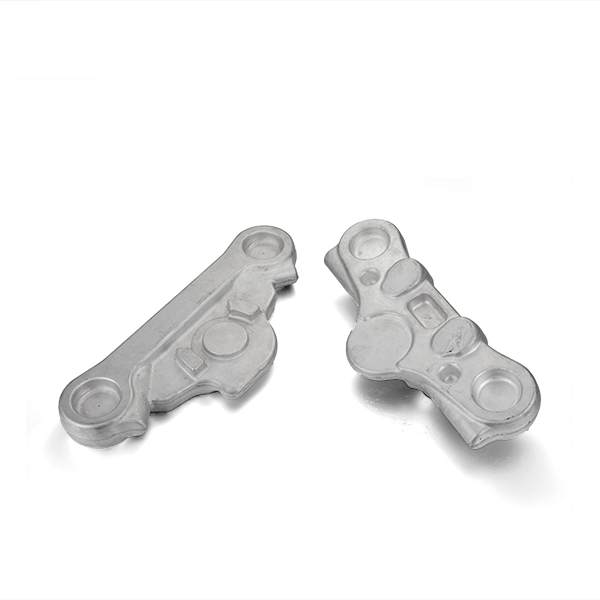
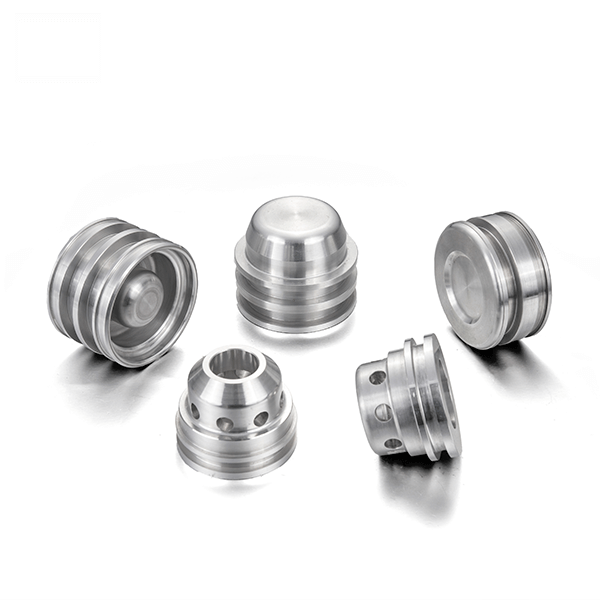
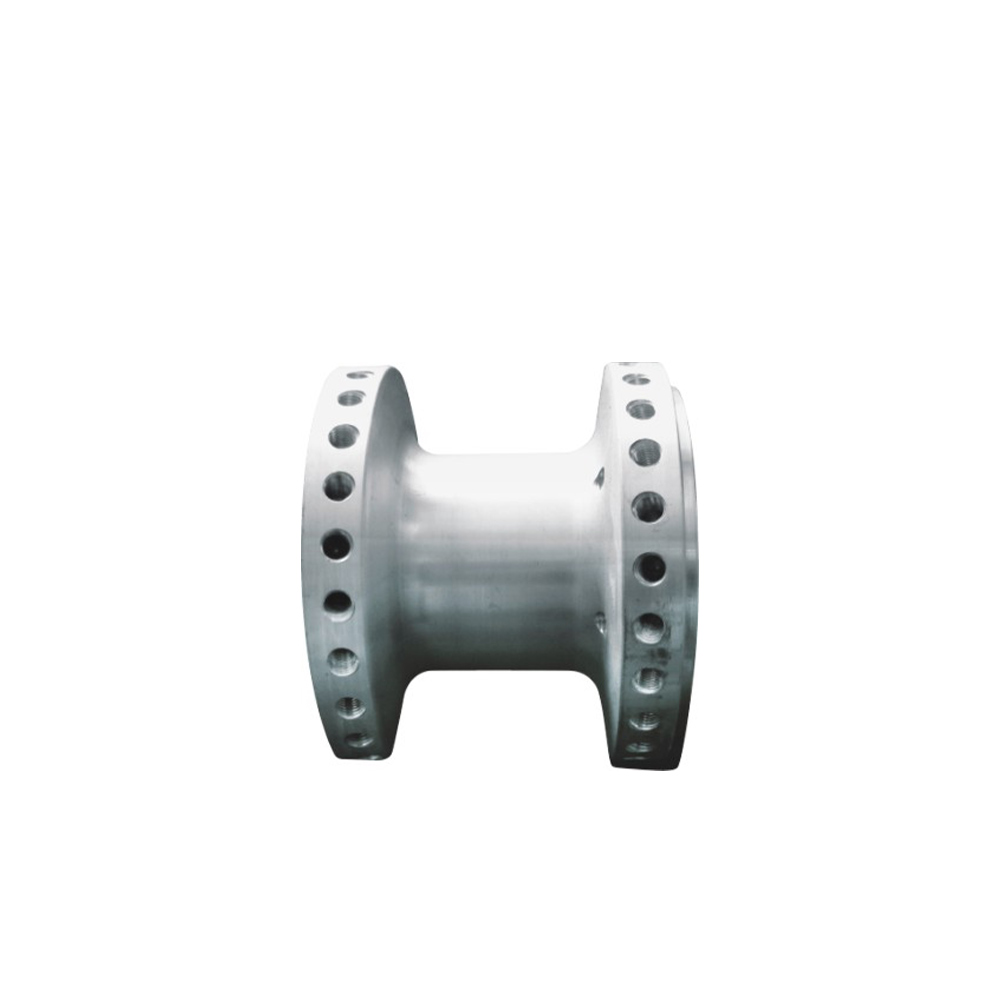
The characteristics of the forged part can be summarized as follows:
Heat treatments are conducted in-house to meet the production cycle. After forging, the components are subjected to solution treatment, hardening and artificial ageing.
The subsequent aging phase consists in hardening by precipitation of the alloy constituents, which can occur in the oven (physical state T6). This process gives the products the most appropriate physical and mechanical characteristics for subsequent uses.
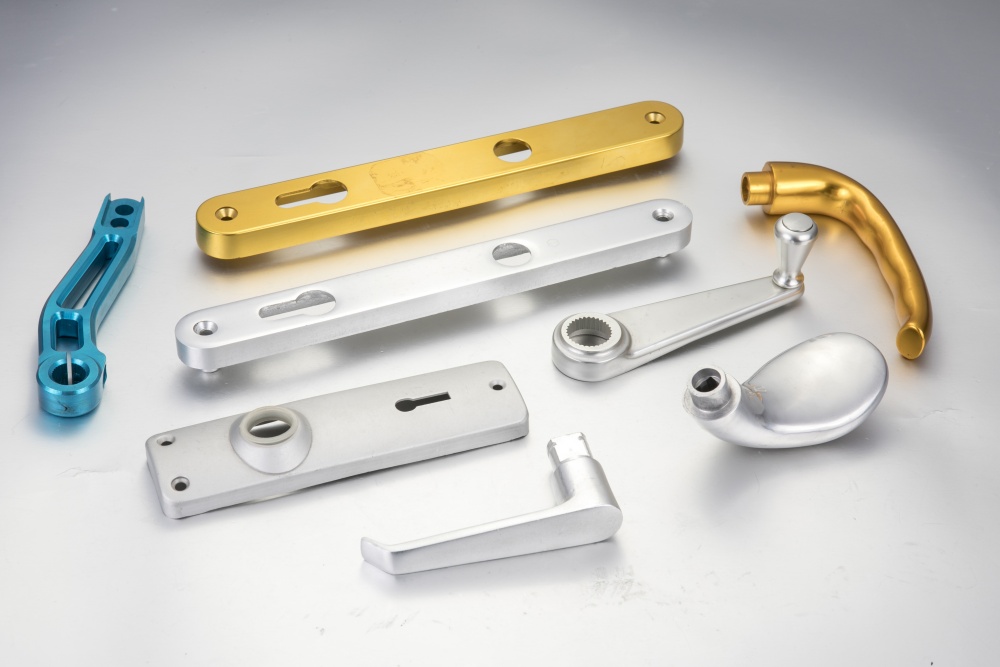
Surface processing is carried out in compliance with customer needs, in order to offer a finished product that conforms to its intended use.
Pickling is a typically chemical or mechanical treatment, which aims to remove a very thin surface layer, to make the product free of contamination such as oxides, fats and processing residues.
Anodic oxidation is an electro-chemical process through which a thin surface layer of aluminum oxide is generated, usually between 5 and 20 microns, which increases corrosion protection. This layer can be supplied neutral, i.e. the same color as the aluminium, or coloured.
Forged parts provide maximum resistance values including high tensile strength, alternating bending fatigue limit, elongation, and resilience. They also feature good electrical conductivity, high chemical resistance, and a homogeneous, porosity-free, clean, and smooth structure.
Yes, forged parts feature absolute tightness to both liquids and gases, preventing any leakage due to their dense, homogeneous structure.
The aging phase involves precipitation hardening of the alloy constituents, which is performed in an oven to achieve the T6 physical state. This process optimizes the physical and mechanical properties of the parts for their intended applications.
Pickling is a chemical or mechanical surface treatment designed to remove a very thin surface layer from the product. This eliminates contaminants like oxides, grease, and processing residues, leaving the surface clean.
Anodic oxidation is an electro-chemical treatment that creates a protective aluminum oxide layer (typically 5 to 20 microns thick) on the surface, significantly increasing corrosion resistance. This layer can be finished in a neutral tone (matching the aluminium) or in color.