The Seoul Capital Area (Sudogwon), comprising Seoul, Incheon, and the Gyeonggi province, represents the epicenter of East Asia's high-tech manufacturing, automotive innovation, and consumer electronics production. Home to global conglomerates (Chaebols) such as Hyundai Motor Group, Samsung Electronics, LG, and Kia Motors, this region sets exceptionally high benchmarks for component quality, dimensional consistency, and raw material purity.
As industrial assemblies become smaller, lighter, and more complex, conventional manufacturing methods reach their physical limits. This is where deep drawn stamping offers distinct advantages. By converting flat sheet metal into hollow, three-dimensional shapes through controlled tensile compression, deep drawing produces seamless components characterized by increased strength-to-weight ratios, minimal raw material waste, and high dimensional stability.
Seamless cylindrical and prismatic lithium-ion battery housings engineered for high pressure sealing and thermal conductivity required in South Korea's growing electric vehicle supply chain.
Precision deep drawn metal enclosures for telecom systems and electronic control units (ECUs) in automotive applications, blocking high-frequency electromagnetic interference.
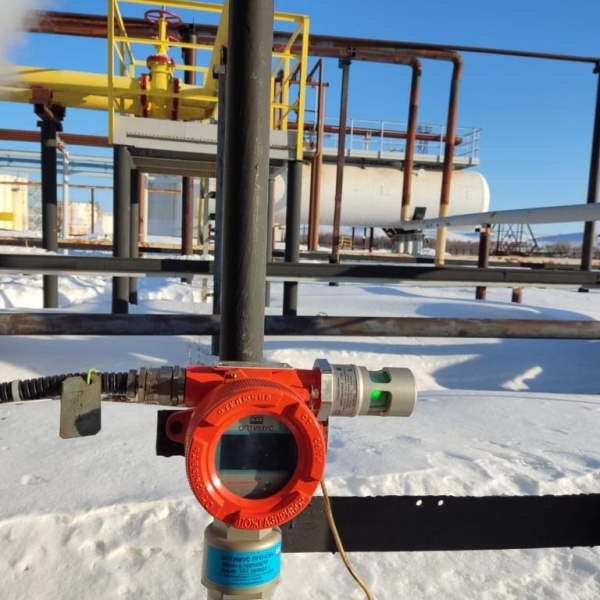
Corrosion-resistant stainless steel and aluminum sensor sleeves deployed in petrochemical facilities, semiconductor fabrication units, and automated processing lines in Incheon and Gyeonggi-do.
For manufacturing procurement managers in Seoul, supply chain security, geographical proximity, and engineering support are critical factors. Ningbo Jiangbei XinYe Metal Works Co., Ltd., founded in 1996, operates at the intersection of cost efficiency and manufacturing technology. Located in the Ningbo Jiangbei Industrial Zone, our facility is within a 3-hour transport window of Shanghai International Airport and adjacent to the Port of Ningbo-Zhoushan—the world’s largest port by cargo throughput.
For South Korean buyers, the Ningbo-to-Busan/Incheon maritime shipping lane provides transit times of just 2 to 3 days. This geographical proximity, combined with our advanced manufacturing and logistics capabilities, offers an efficient alternative to domestic production with competitive cost structures.
Our factory standard operates 16 hours a day, 6 days a week. In response to fluctuating order volumes, we can scale to 24/7 production within 30 days. Our facility includes dedicated engineering land for rapid manufacturing expansion, allowing us to align production capacity with client needs.
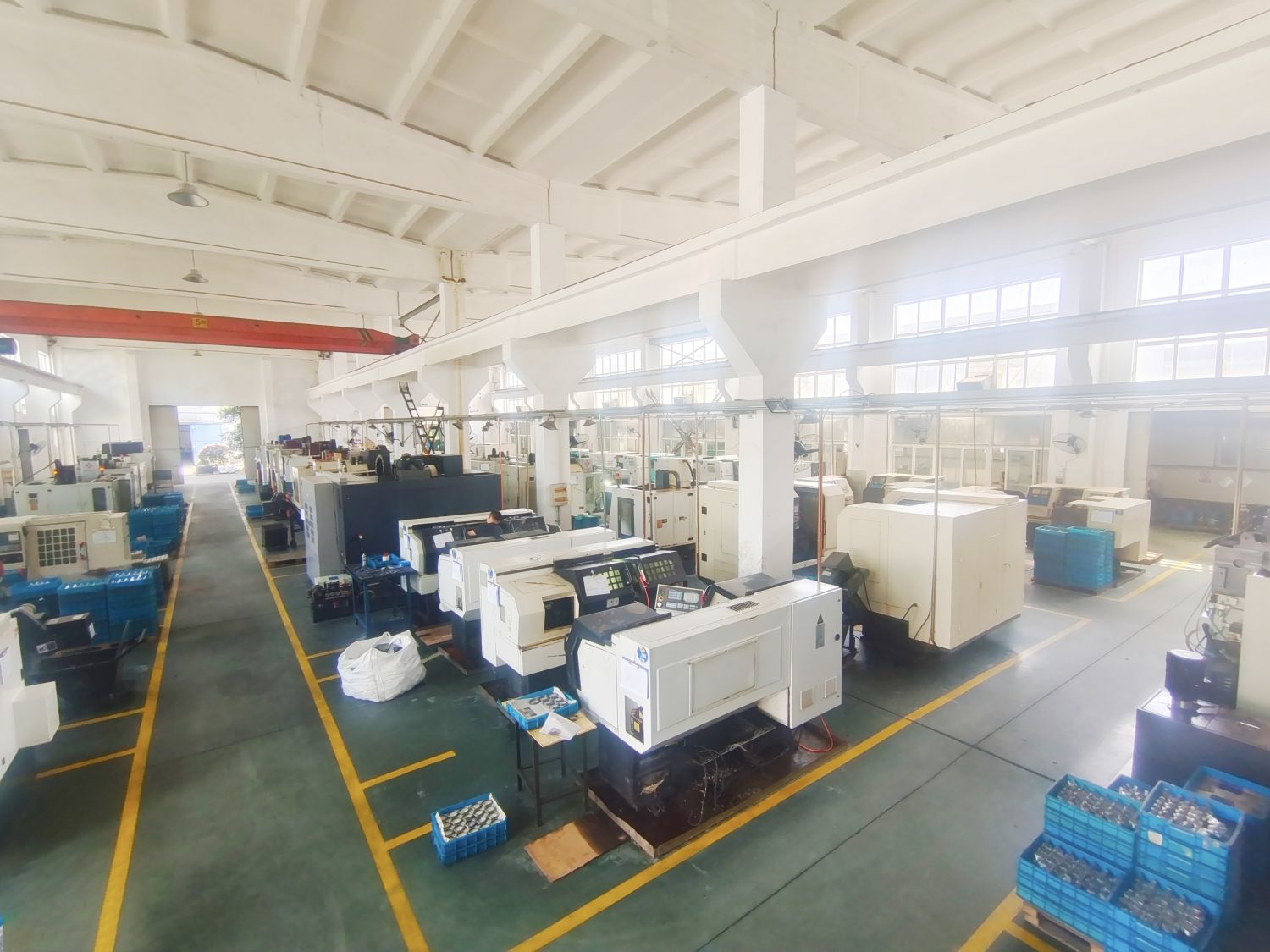
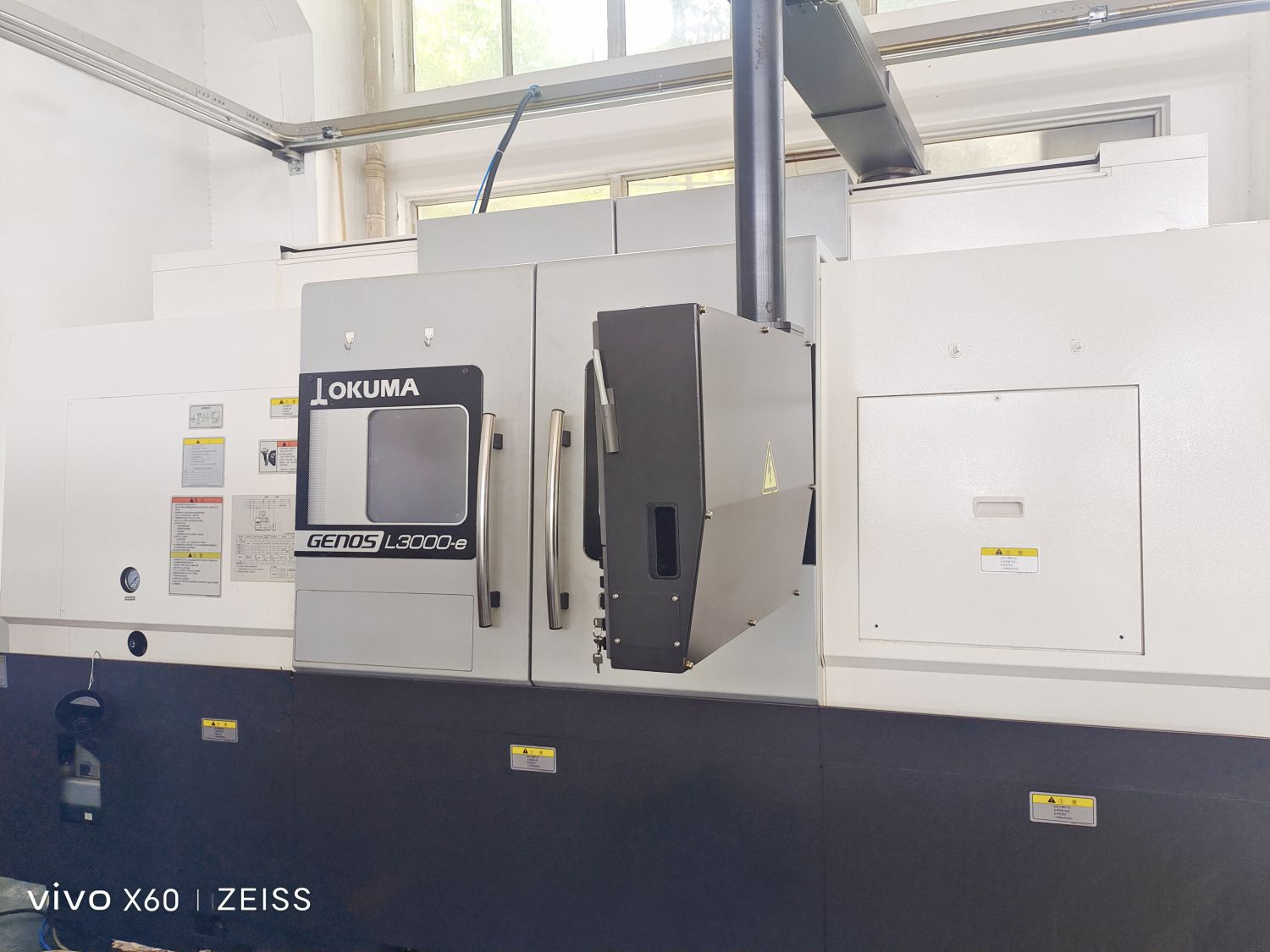
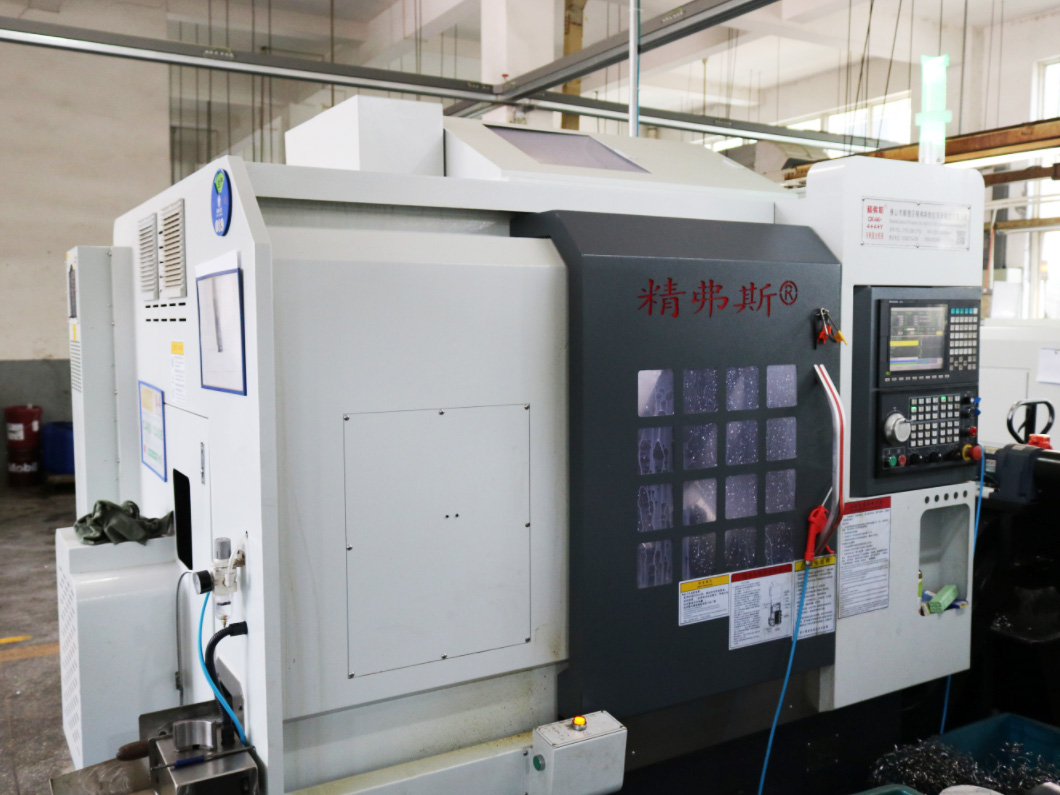
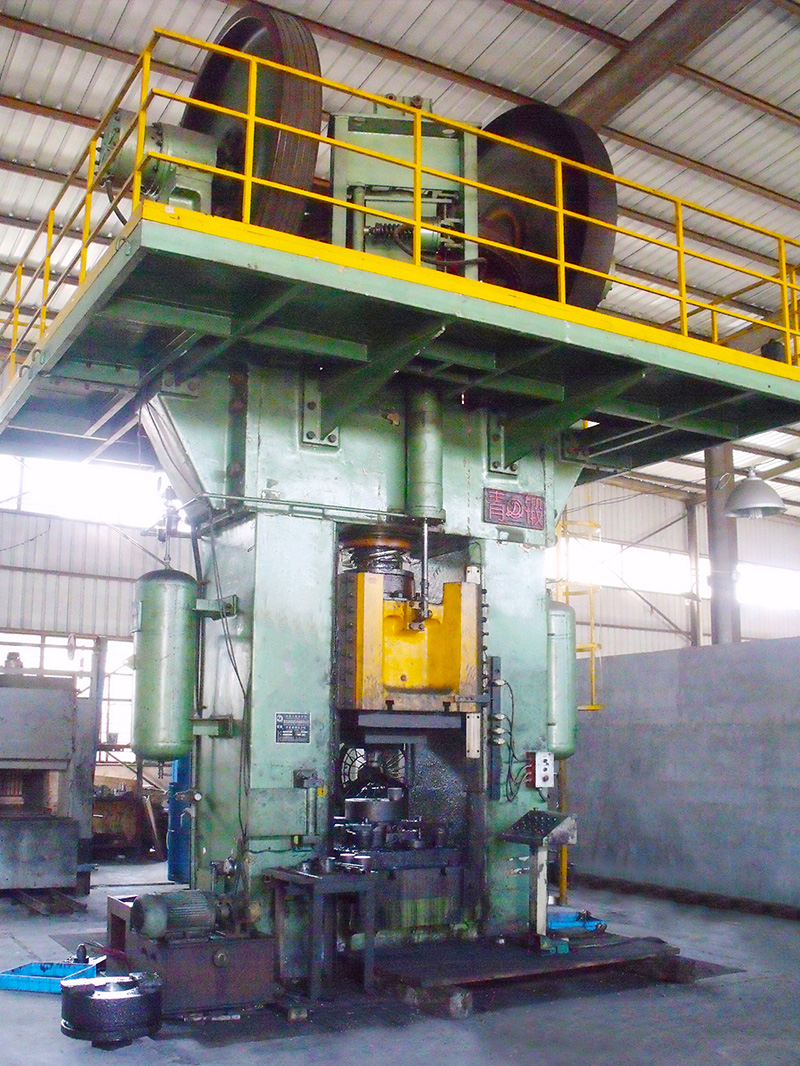
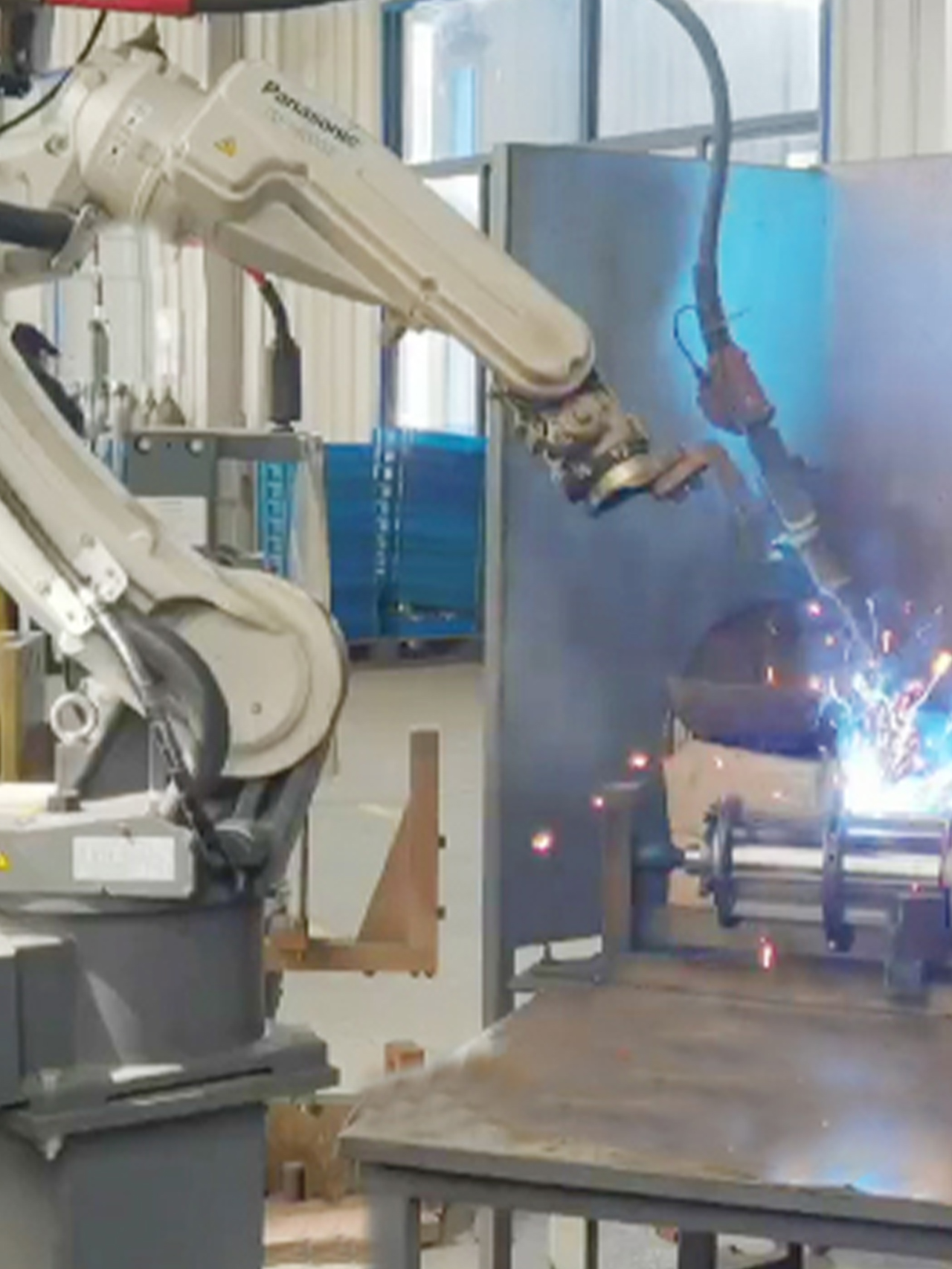
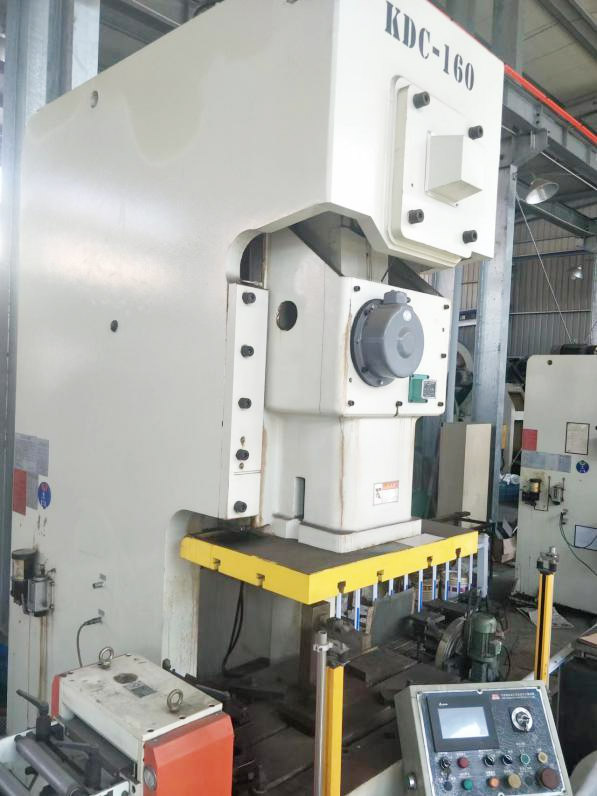
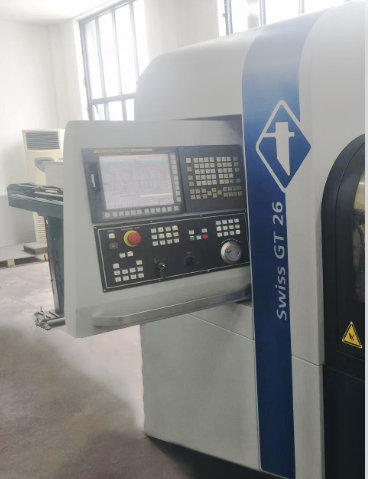
Manufacturing precision stamped and deep drawn parts requires reliable machinery, robust tool design, and precise execution. We utilize modern machinery to ensure repeatable results for complex metal components.
| Equipment Type | Press Capacity Range | Common Materials | Typical Applications |
|---|---|---|---|
| Friction Press Machines | 300 Tons to 1,000 Tons | Alloy Steel, Brass, Copper | Heavy industrial forging, high-stress structural parts |
| Column Hydraulic Presses | 100 Tons to 630 Tons | Stainless Steel (304, 316), Aluminum Alloys | Deep drawing, complex multi-stage cylindrical shapes |
| Punching Presses | 5 Tons to 250 Tons | Carbon Steel, Pre-galvanized Alloys, Copper | High-speed progressive stamping, thin-wall electronic brackets |
| CNC Machining Centers (4-Axis) | High Precision Milling/Turning | Aluminum (6061-T6, 7075), Steel Alloys | Post-stamping calibration, structural automotive inserts |
The success of any deep drawing process depends on tool design. Our engineering team, consisting of 50 R&D and QA professionals, designs and tests dies in-house. We run numerical simulations to analyze metal flow limits, predict thin spots, and prevent cracking before manufacturing begins.
By controlling tool design in-house, we can extend die service life and reduce cost-per-part over high-volume production runs.
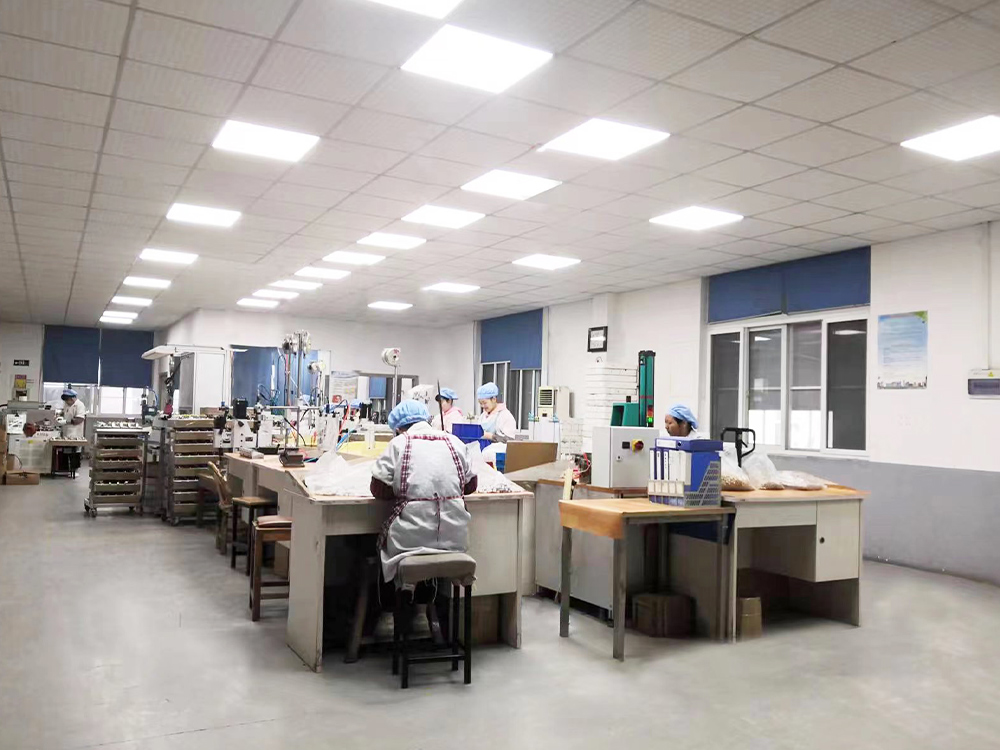
Quality control is built directly into our manufacturing processes. Ningbo Jiangbei XinYe Metal Works operates under ISO 9001-2015 and SA8000 certifications, meeting international automotive and industrial standards.
Our QC laboratory utilizes testing systems to verify critical dimensions and material integrity. We provide full documentation with every batch, including material mill sheets, coordinate measurements, and surface finish profiles.
Quality assurance begins before stamping occurs. We inspect all incoming raw materials, checking chemistry, mechanical properties, and grain structures.
Whether forming thin aluminum alloys, oxygen-free copper, or tough stainless steels, our strict controls ensure material consistency and parts reliability.
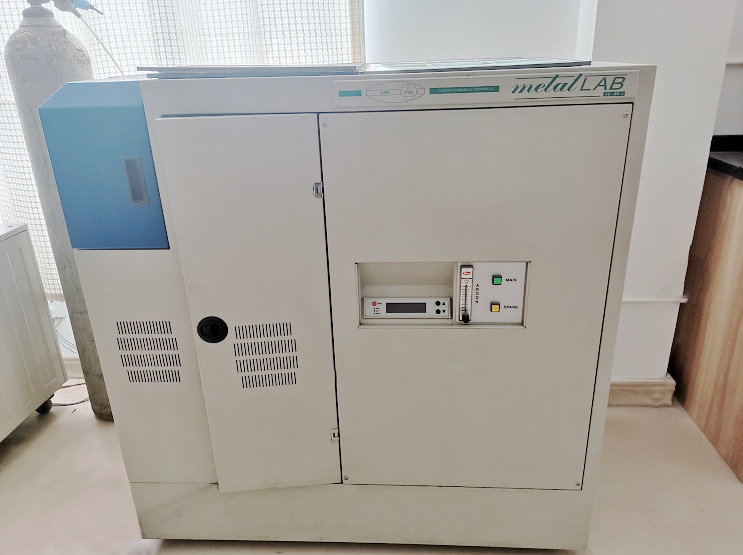
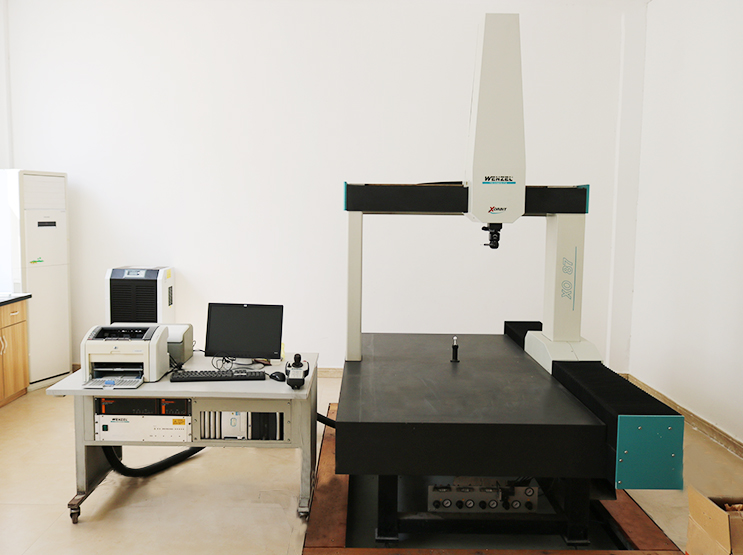
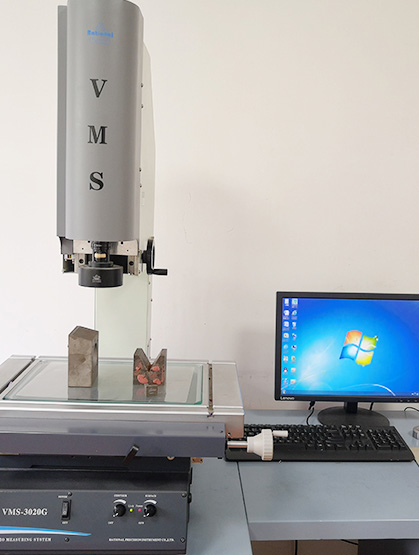
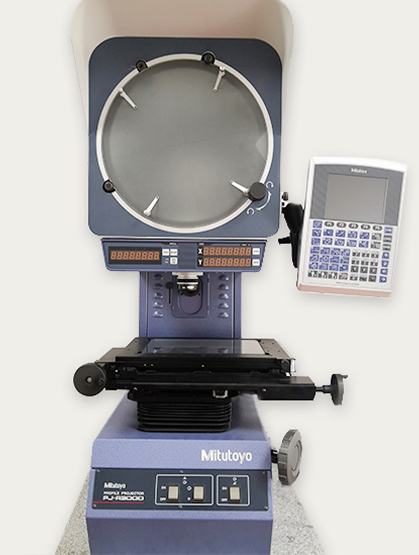
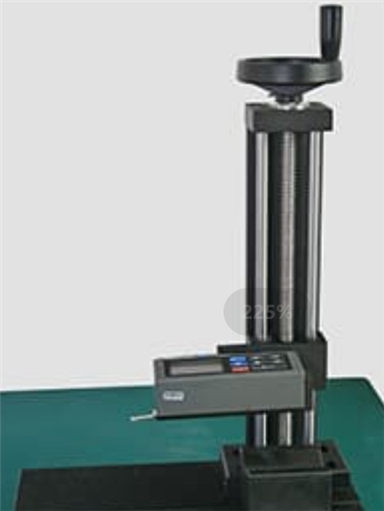
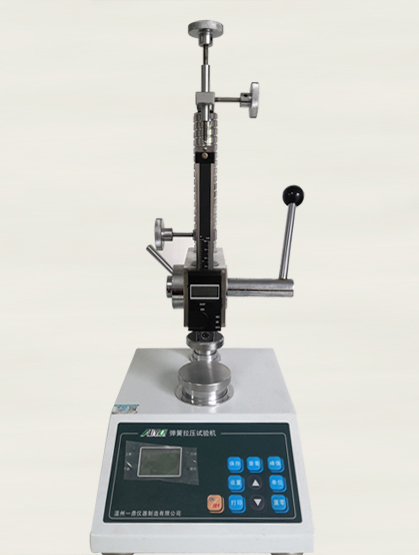
From the initial RFQ and drawing evaluation to rapid tool fabrication and door-to-door logistics in Seoul, our systematic production flow maintains consistency.
Customers submit engineering files (STEP, DXF, DWG). Our design engineers conduct DFM (Design for Manufacturability) analysis, reviewing material thickness, corner radii, and draw depths to optimize part configuration.
Our in-house tool shop designs and fabricates progressive stamping and deep drawing dies. We then execute a sample run, generating prototypes for functional and dimension testing by the client.
Upon receiving sample approval, we launch mass production. Statistical process controls are integrated into the line to monitor dimensions throughout the stamping run.
Finished parts undergo batch testing before packing. Parts are packed for export shipping to protect against rust and physical damage, and then dispatched to Seoul, Busan, or Incheon.
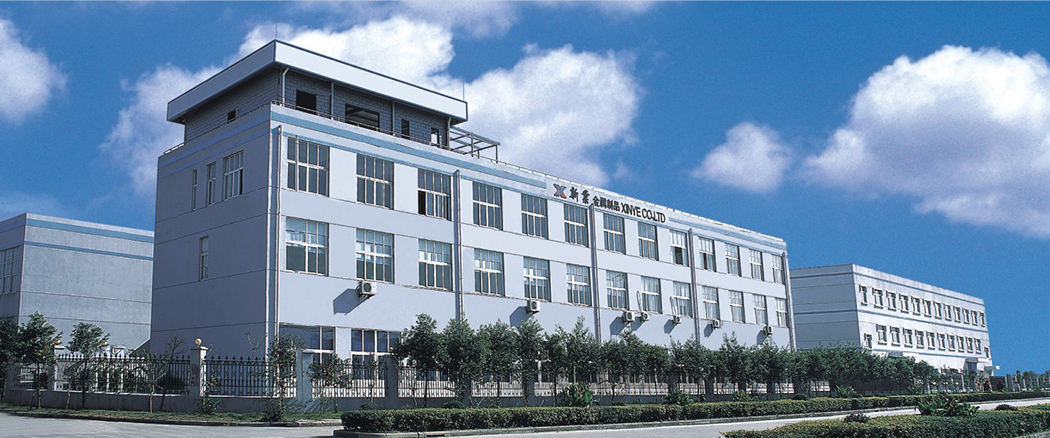
Take a look inside our high-capacity production facility. Here, we run precision progressive dies and multi-action hydraulic drawing presses to produce metal components.
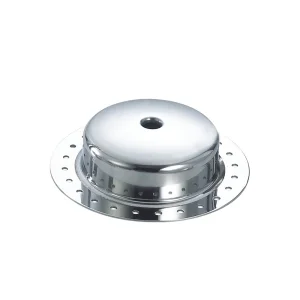
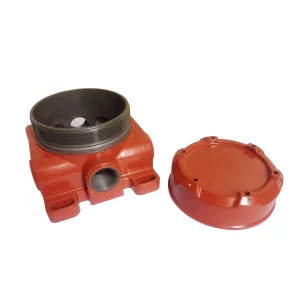
Precision aluminum parts for heavy industrial machinery, produced via hot forging technology.
Material: Stainless Steel, Aluminum Alloy

Powertrain components engineered to meet tight dimensional tolerances for automotive manufacturers.
Material: Carbon Steel, HSLA Alloys
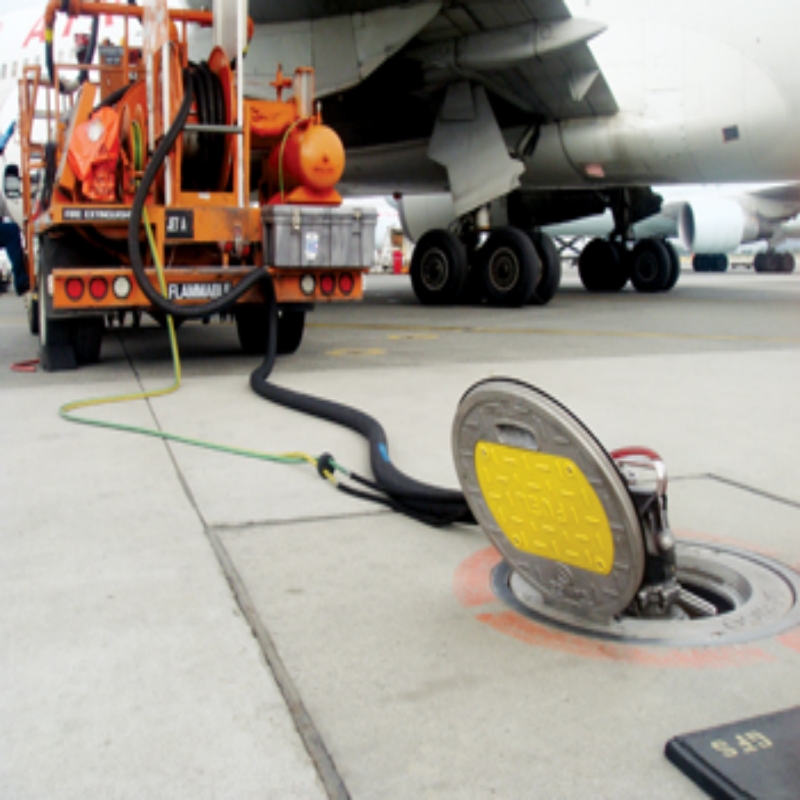
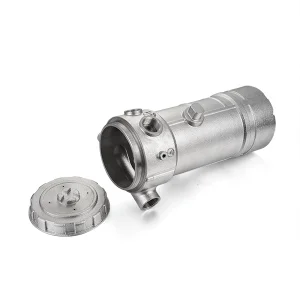
Aviation Fuel Hydrant Pit Boxes, hinge brackets, and turbine intake components.
Material: High-Grade Aluminum, SUS316
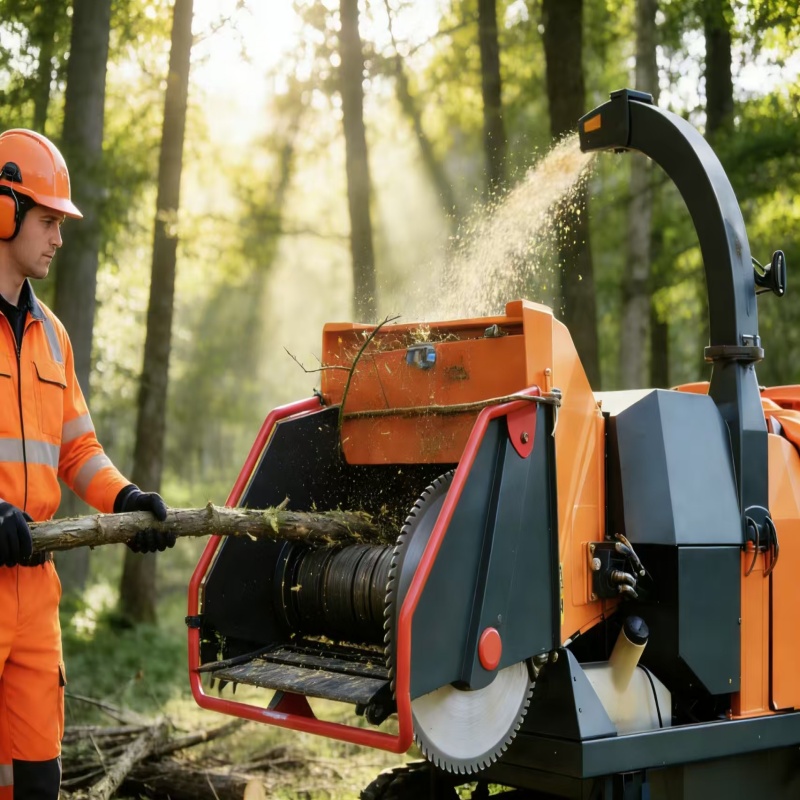
Machined cutter discs and feed rollers built to withstand continuous operational impact.
Material: Q345B, High-Strength 42CrMo
Our press fleet (including column hydraulic presses from 100T to 630T) can produce deep drawn shapes with drawing depths up to 300mm, depending on material choice and thickness. We commonly form sheet thicknesses ranging from 0.4mm to 6.0mm. During drawing stages, we use finite element simulations to optimize drawing ratios and minimize the risk of thinning or tearing.
Our rates depend on material costs, press tool complexity, part thickness, post-stamping operations (such as CNC machining or surface treatments like anodizing), and batch sizes. We generate formal quotes indicating raw material costs, tool creation expenses, processing costs, packaging, and shipping options. Please share your engineering drawings for an updated price estimate.
For custom stampings and deep drawn parts, we evaluate MOQ requirements based on component complexity, material grade, and production tooling demands. We ask for regular, ongoing order schedules to help amortize custom tooling costs. For smaller development runs or evaluation batches, please get in touch with our sales team to discuss feasibility.
Yes. We support global supply chain protocols by providing complete quality documentation. This includes material mill sheets, certificate of conformity (CoC), chemical analysis records, dimensional inspection reports from our CMM, and surface roughness profiles. We also supply PPAP Level 3 documentation for automotive projects.
Under typical conditions, tool design and progressive die fabrication require about 25 to 35 days. Once tooling is complete, we run initial samples within 7 days. Mass production begins after receiving customer approval, with typical production lead times ranging from 20 to 30 days depending on total order volume.
We export under common international freight rules (FOB Ningbo/Shanghai, CIF, or DDU/DDP terms). Given Ningbo's location, shipping directly to Incheon or Busan takes only 2 to 3 days. We supply all export clearance documentation, including certificates of origin, to ensure smooth customs processing at Korean ports.
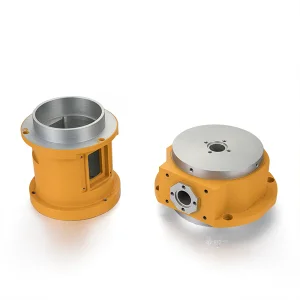
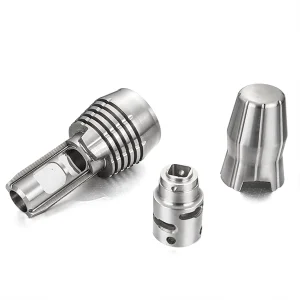
Optimize your component costs, improve production quality, and secure your supply chain. Our engineering team is ready to analyze your technical requirements and provide feedback on your design files.
 XinYe Metal