Explore our core high-precision fabrication solutions engineered for performance, precision, and alignment with international quality standards.
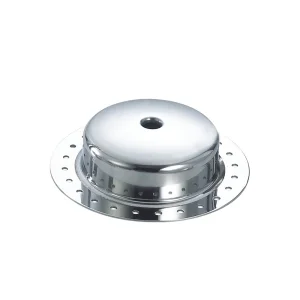
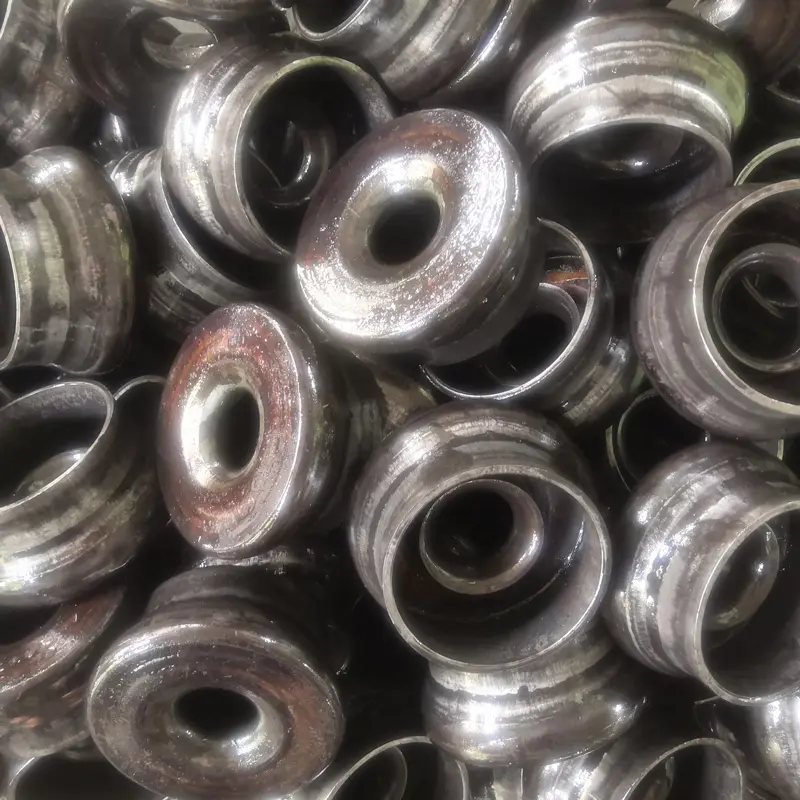
High-grade alloy progressive stamping, customized drawing depths, and precision enclosures.
View Details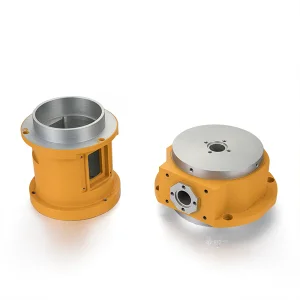
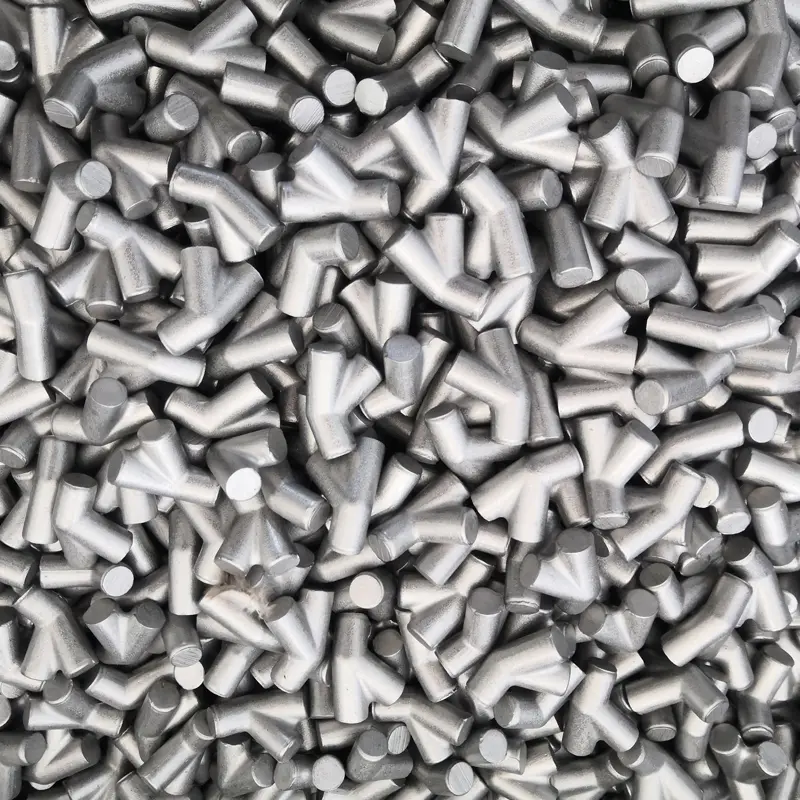
Lightweight, high-tensile components tailored for automotive and industrial structures.
View Details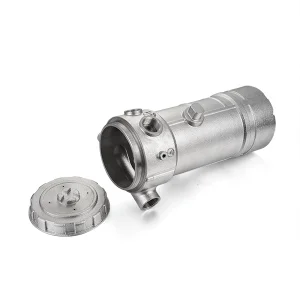
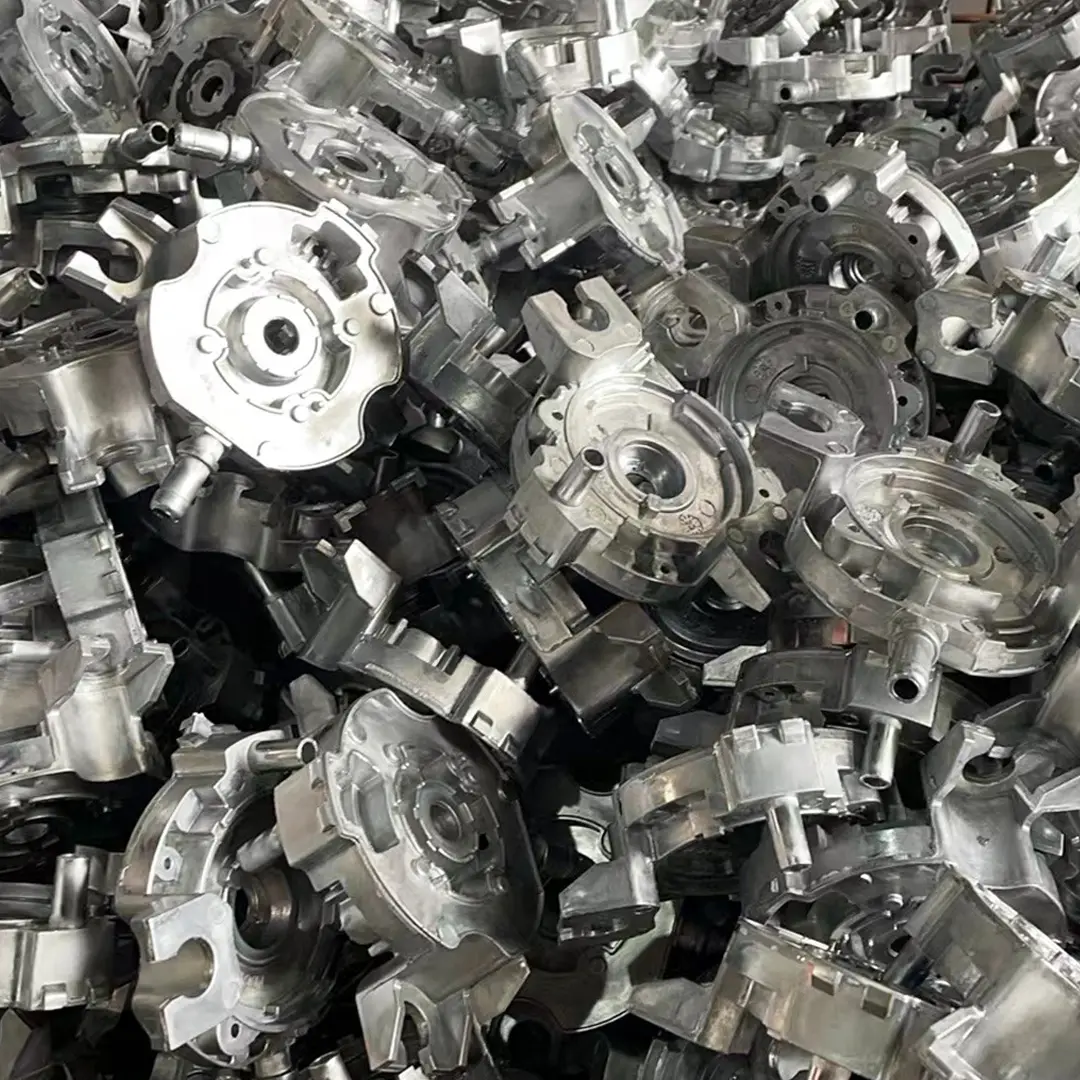
Stainless steel investment casting offering tight structural tolerances and clean surface finishes.
View Details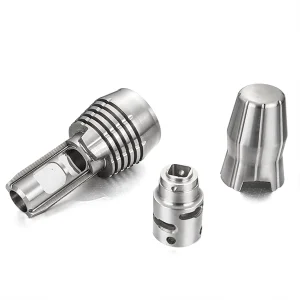
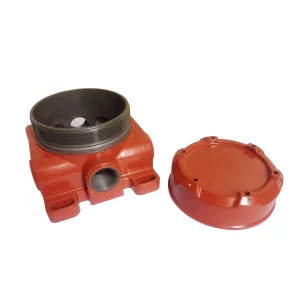
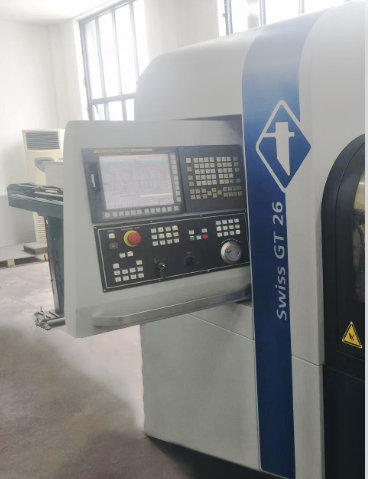
Multi-axis precision milling, turning, and post-machining surface treatments.
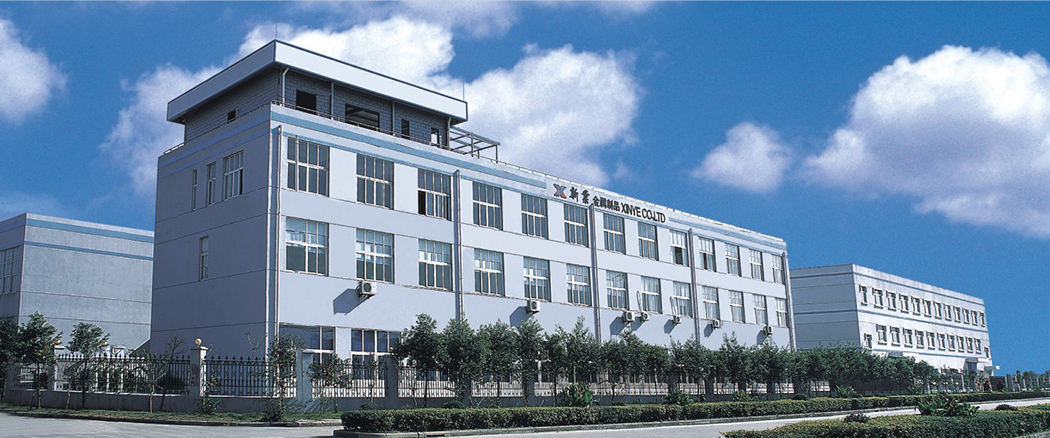
View DetailsEstablished in 1996 as an owner-managed SME corporation, Ningbo Jiangbei XinYe Metal Works Co., Ltd. has grown to become a premium international manufacturer of custom metal components. Located strategically in the Ningbo Jiangbei Industrial Zone, our facility is within a three-hour transit of Shanghai International Airport via high-speed rail, and directly adjacent to the Port of Ningbo-Zhoushan—the world’s busiest port by cargo tonnage.
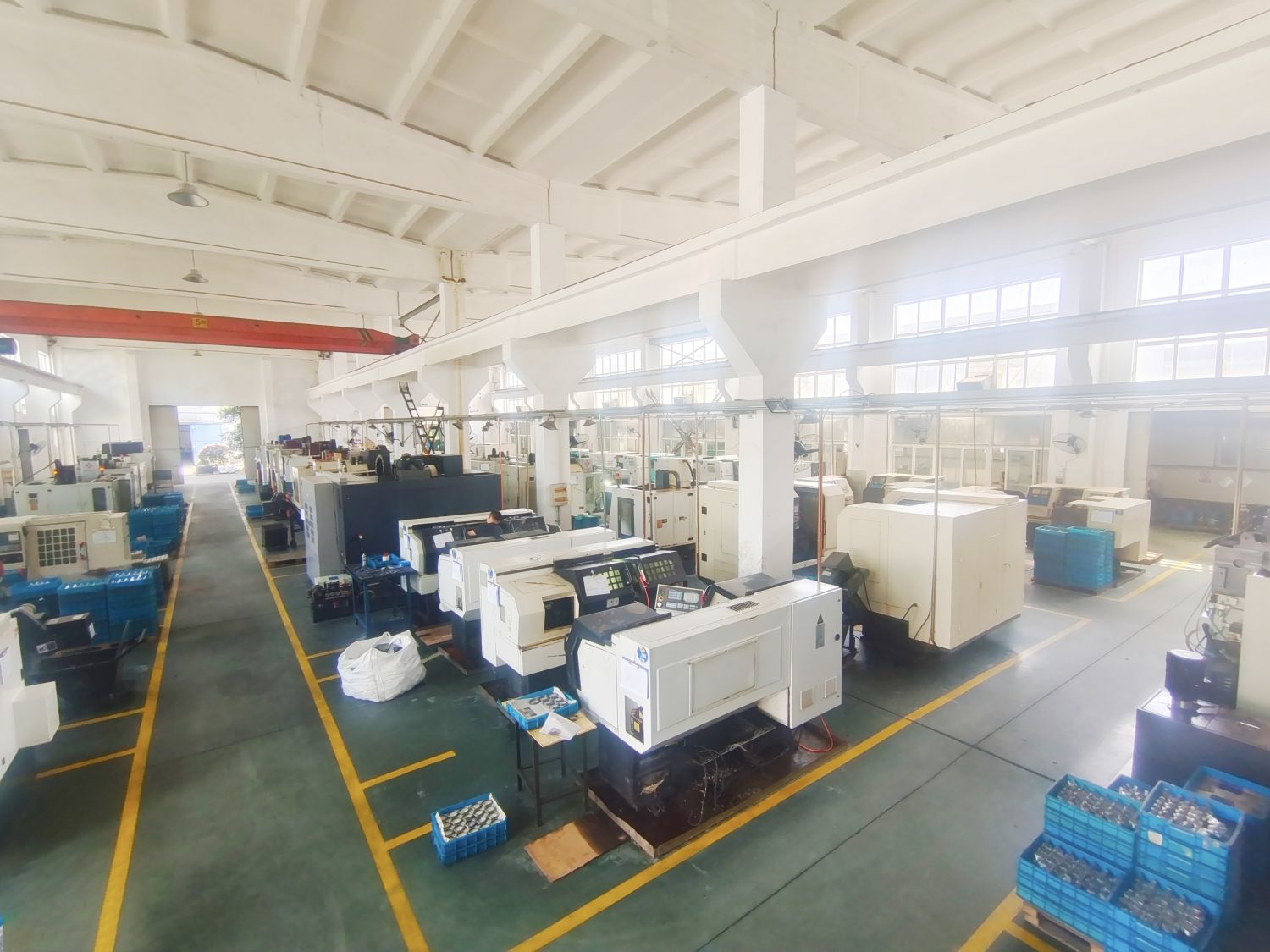
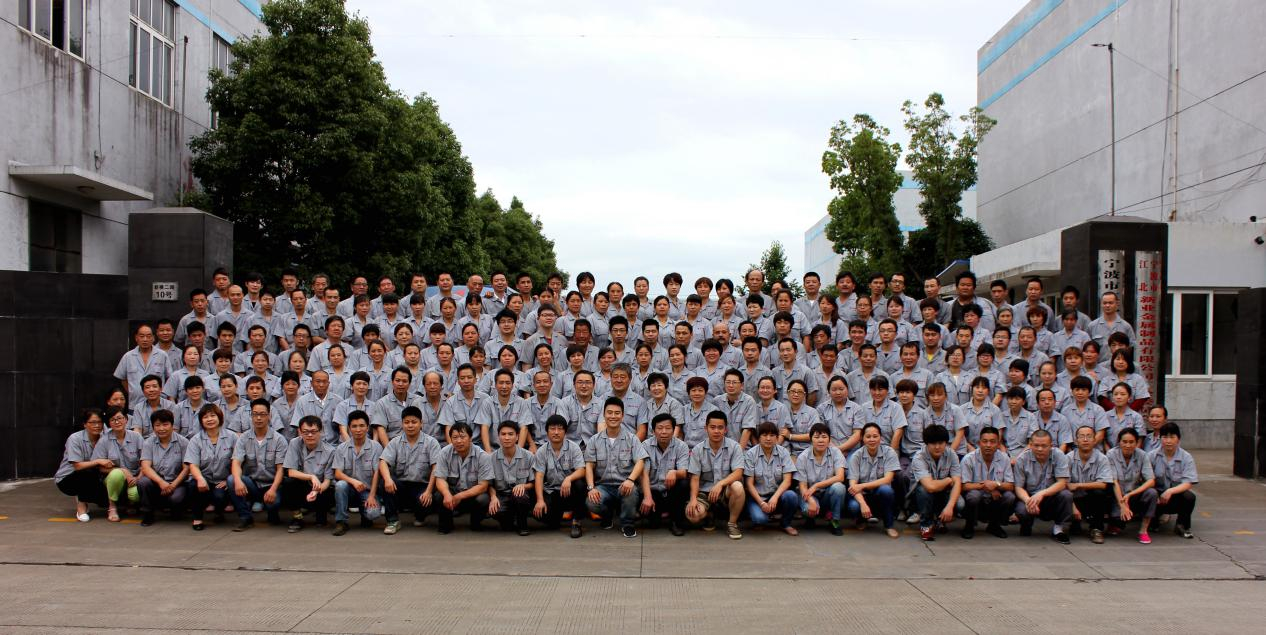
Our operation is anchored in a 16,000-square-meter production footprint, supported by 11,000 square meters of dedicated construction space. To maintain high process capability and dimensional stability, our team of 130 professionals includes 80 skilled production technicians and 50 specialists in product development, tooling engineering, quality control, and global logistics coordination.
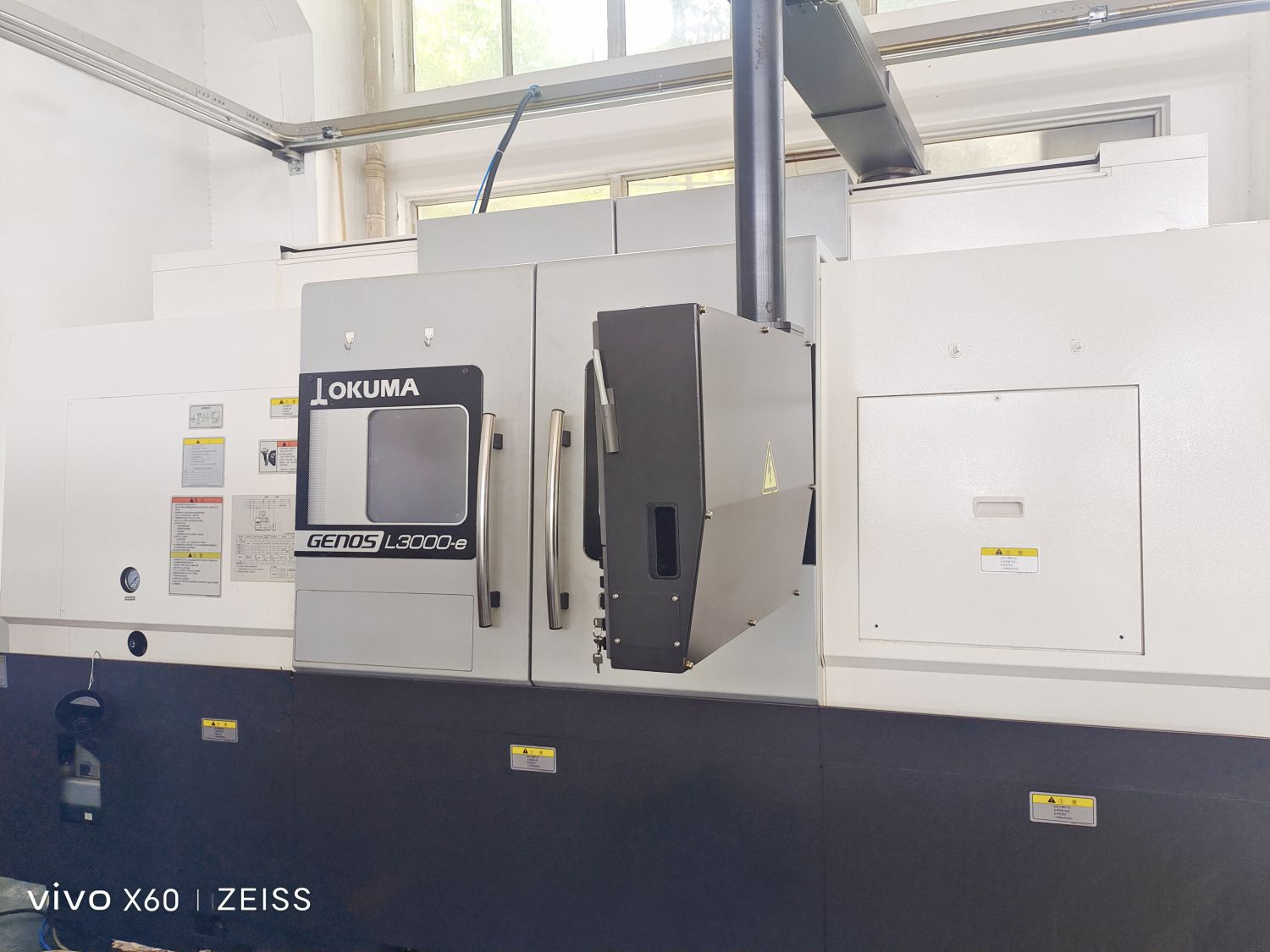
Our core capabilities combine heavy-duty hydraulic pressing, high-volume progressive stamping, multi-axis CNC machining, hot aluminum alloy forging, and specialized lost wax casting. Guided by ISO 9001:2015 and SA8000 certifications, we supply critical components to high-fidelity industries in Japan, North America, and Western Europe.
Tokyo is the administrative and engineering core of Japan's advanced industrial sector. Regions such as Ota City (Ota-ku) and the broader Keihin Industrial Zone (spanning Tokyo, Kanagawa, and Saitama) demand manufacturing solutions with low defect rates and structural integrity. Tokyo’s focus has transitioned from heavy manufacturing to advanced R&D, prototype verification, automotive electronics, sub-assembly development, and robotics.
At Ningbo Jiangbei XinYe Metal Works, we understand that Japanese procurement managers operate under the strict frameworks of JIS (Japanese Industrial Standards). When sourcing deep drawn shells, progressive stamping parts, and complex CNC-machined components, maintaining equivalence or superiority to local domestic suppliers is critical. Our engineering division reviews physical raw materials, metal grain orientation, and drawing ratio calculations to guarantee structural integrity.
We work with a wide range of materials, ensuring strict adherence to mechanical tolerances and chemical composition profiles:
| Material Group | JIS Classification Equivalent | Key Industrial Applications in Tokyo | Processing Methods |
|---|---|---|---|
| Stainless Steel | SUS304, SUS316, SUS430 | Sensors, medical devices, automotive exhausts, corrosion-resistant housings | Deep drawing, progressive stamping, laser cutting |
| Carbon Steel | SPCC, SPCD, SPHC, S45C | Structural brackets, automotive components, consumer electronics boxes | High-speed stamping, bending, e-coating |
| Aluminum Alloys | A5052, A6061, A7075 | E-bike enclosures, sensor housings, aerospace brackets, heat sinks | Hot forging, extrusion, CNC milling, anodizing |
| Copper & Brass | C1100, C2680, C3604 | Electrical connectors, busbars, grounding lugs, terminal blocks | Precision stamping, bending, surface plating (tin/nickel) |
Deep drawing is a complex metal forming process where a sheet metal blank is radially drawn into a forming die by the mechanical action of a punch. The transition from flat blank to hollow vessel requires careful control over material flow, draw ratios, blank holder force, and lubrication. Any calculation error can lead to wrinkling, tearing, or excessive wall thinning.
Our stamping division is equipped to handle varied components, ranging from small connectors to heavy-gauge industrial enclosures. Key mechanical capabilities include:
Friction press machines with capacity ranging from 300 tons to 1000 tons. This allows for hot aluminum forging and heavy-duty forming where deep metal displacement and high structural density are required.
Equipped with column hydraulic machines delivering forces from 100 tons to 630 tons. This setup supports deep draw actions requiring constant press speeds and controllable blank holder pressure.
Punching press machines from 5 tons to 250 tons. These enable progressive stamping processes for high-volume runs of electrical components and brackets.
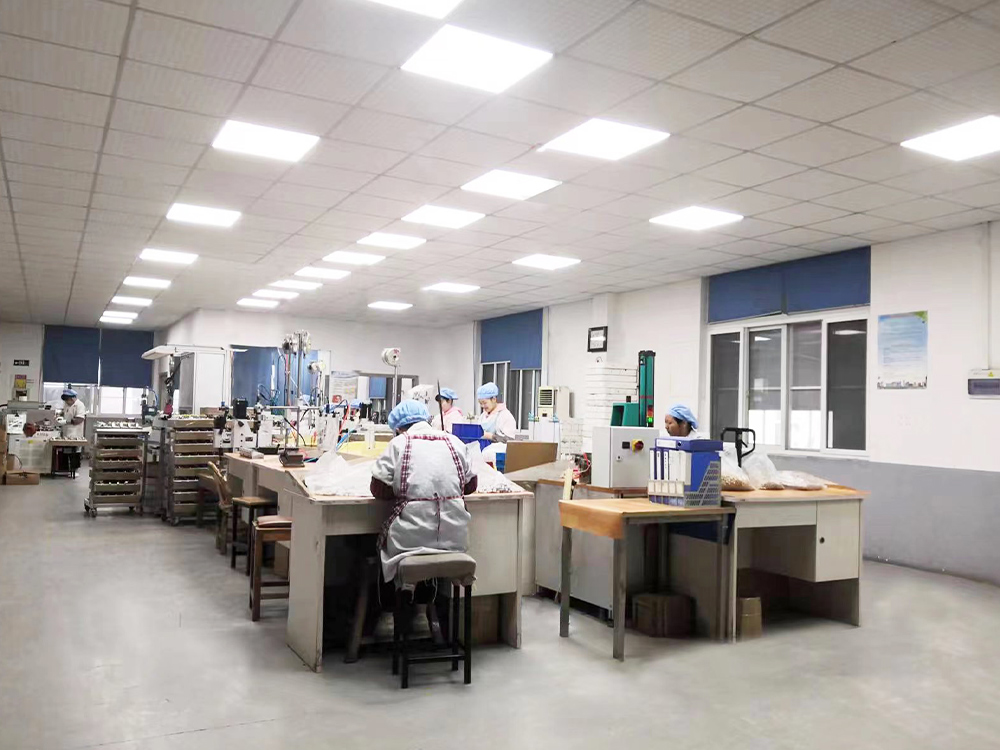
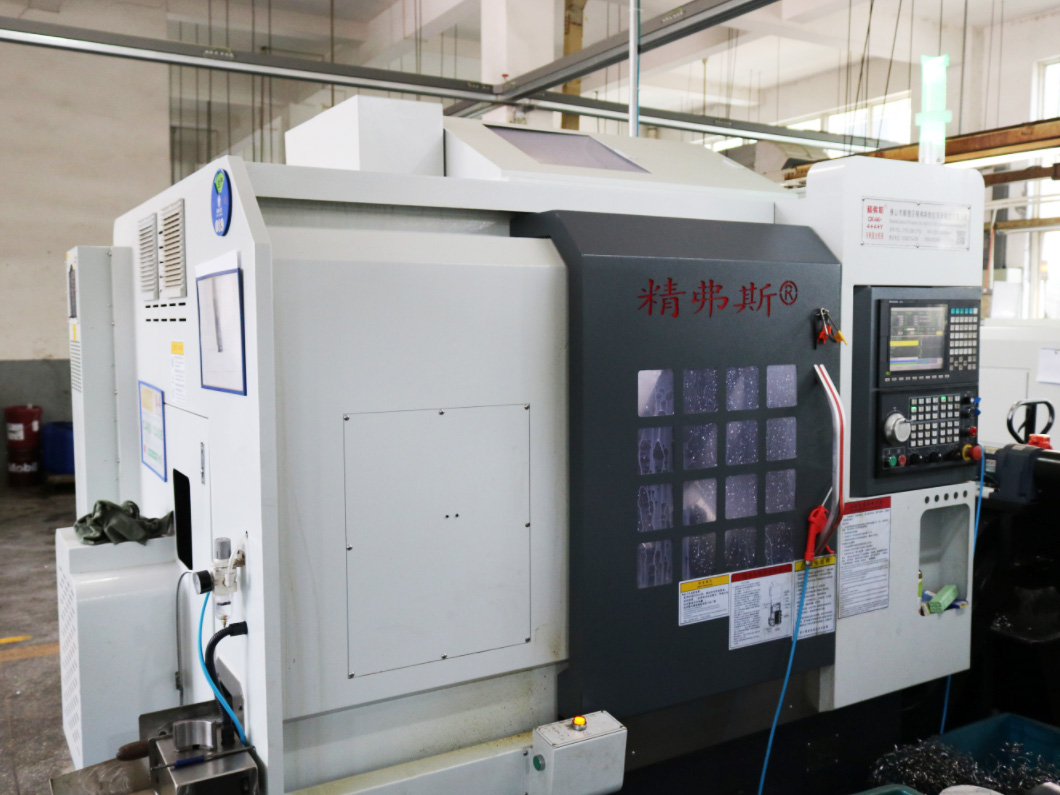
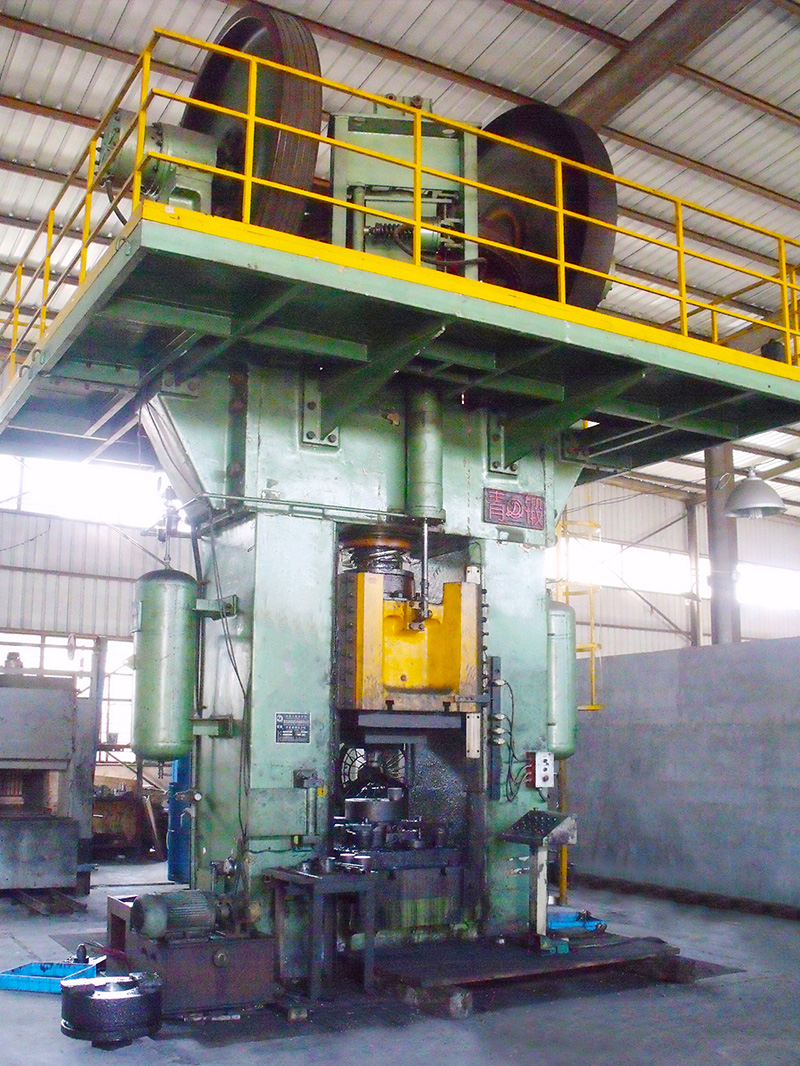
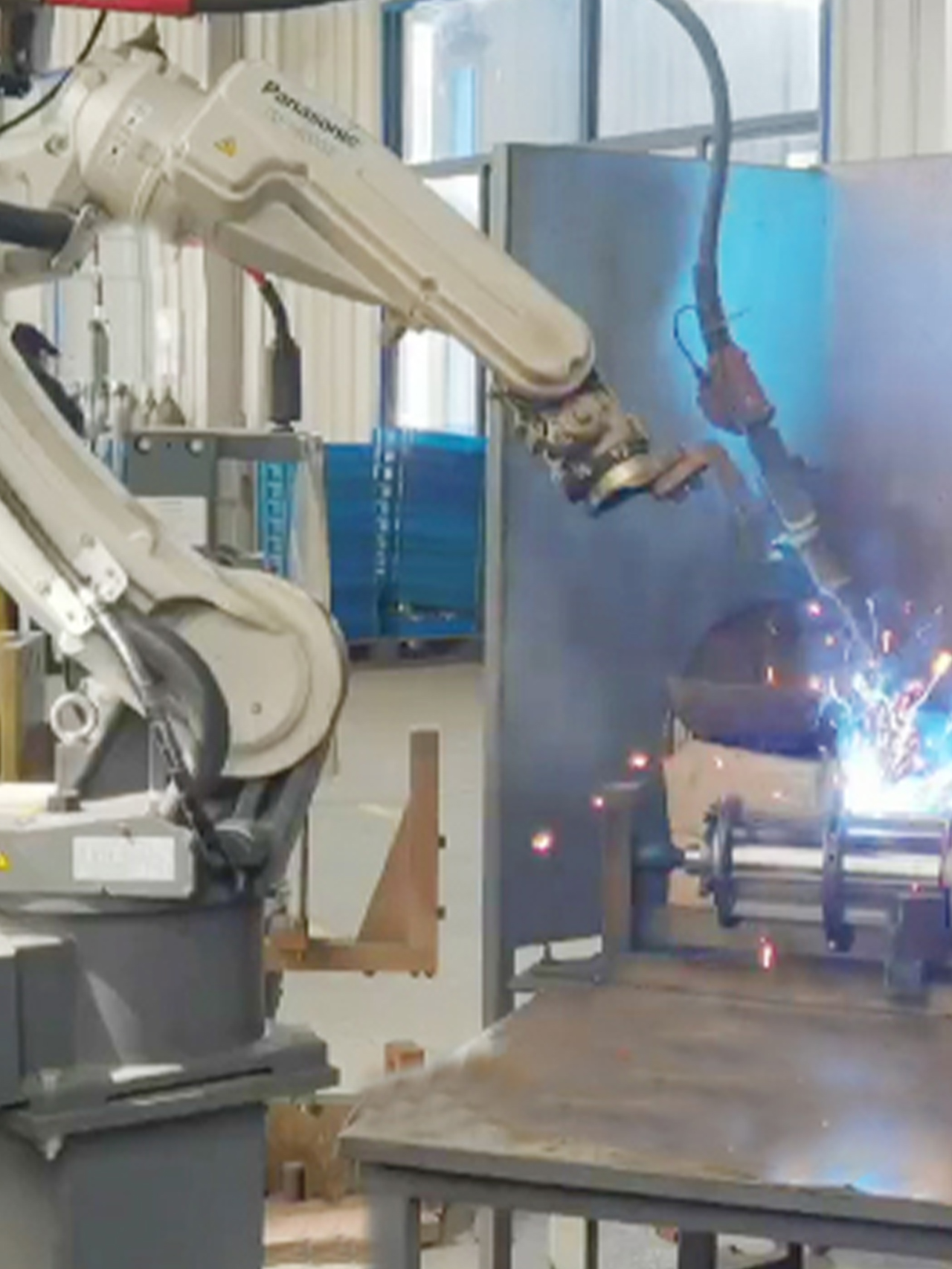
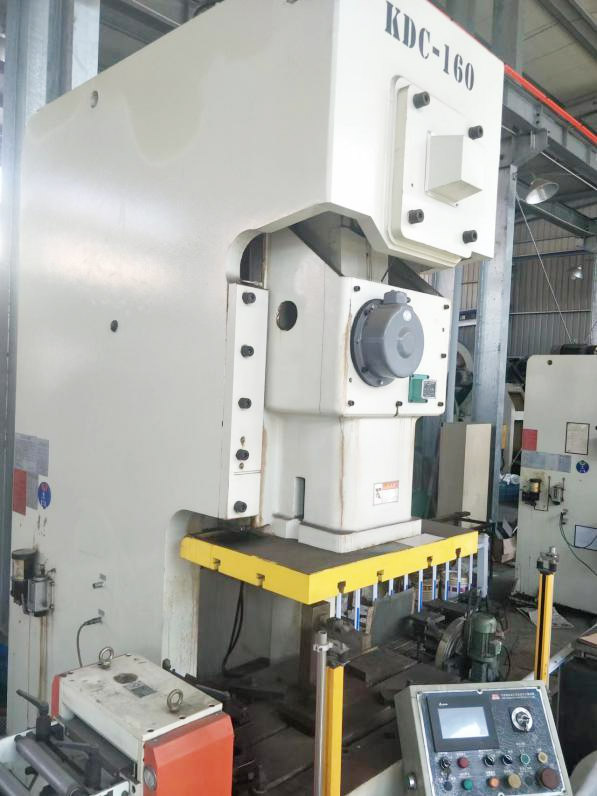
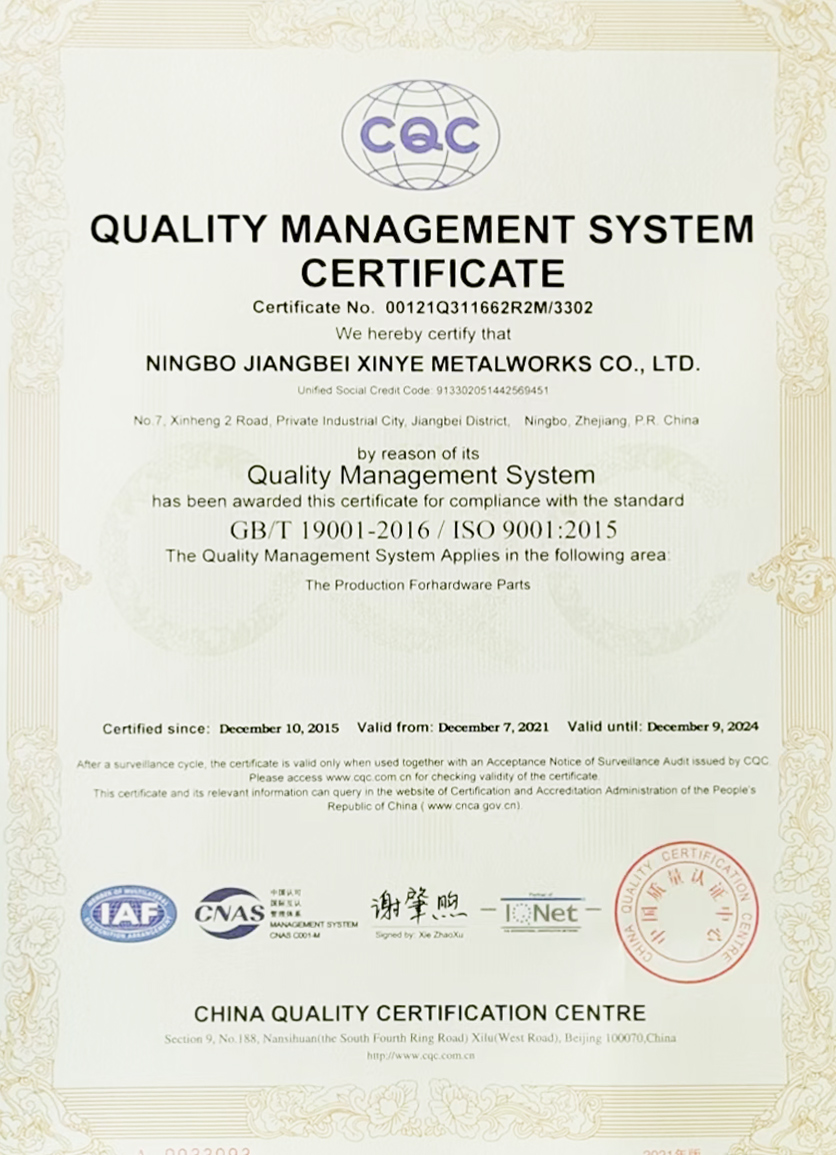
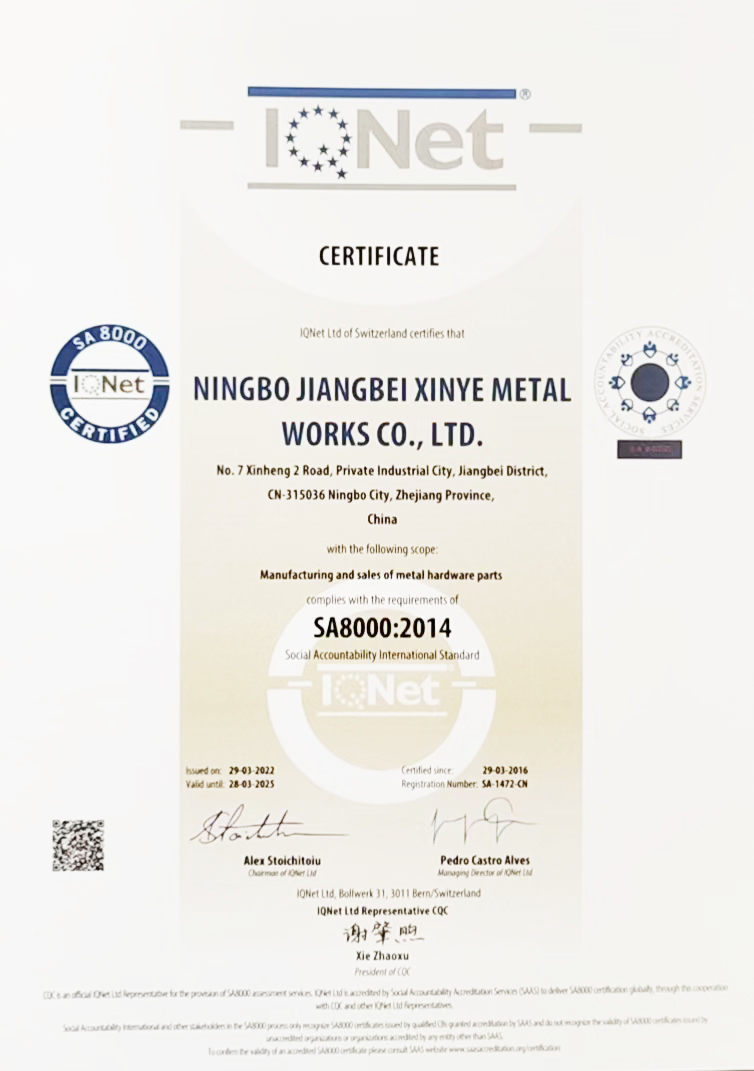
For engineering departments in Tokyo, quality control documentation is a standard requirement. Our quality system is certified to ISO 9001:2015 (Quality Management Systems) and SA8000 (Social Accountability Standard). We perform quality inspections at key production stages, starting with incoming raw materials and continuing through blanking, drawing, post-machining, surface finishing, and assembly packaging.
Our quality department uses advanced analytical and dimensional validation equipment. We provide complete material certification sheets, raw material heat treatments, CMM measurement maps, and surface profile documentation with every shipped batch.
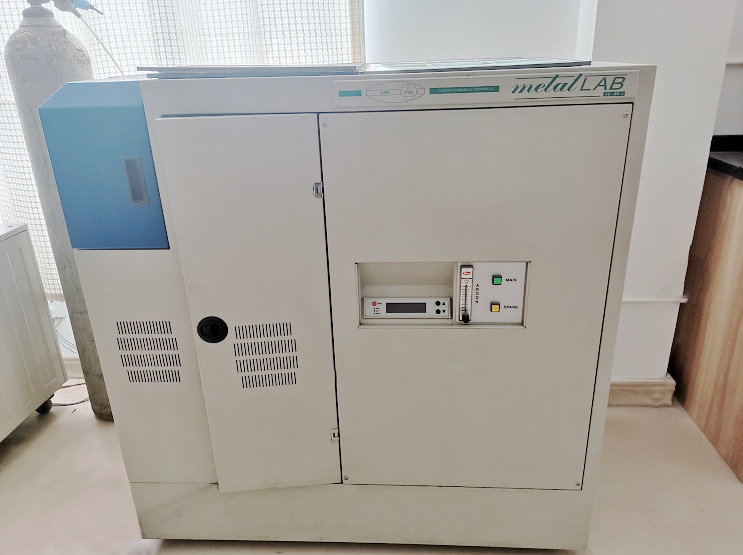
Verifies alloy chemical compositions to prevent material substitutions.
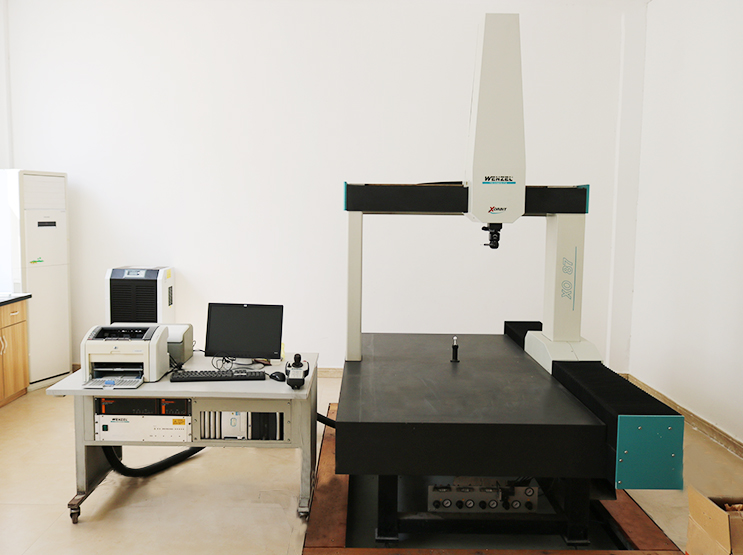
3D Coordinate Measuring Machine for verifying complex GD&T parameters.
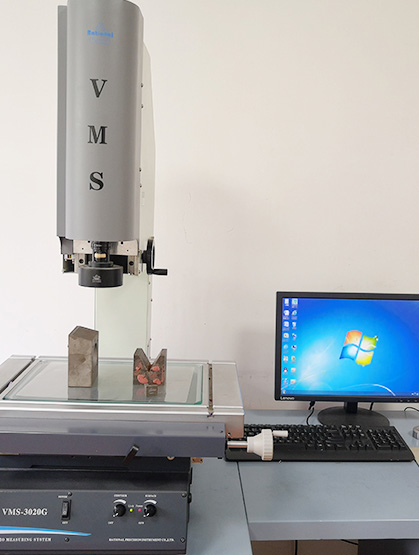
Non-contact optical dimension inspection for small, complex parts.
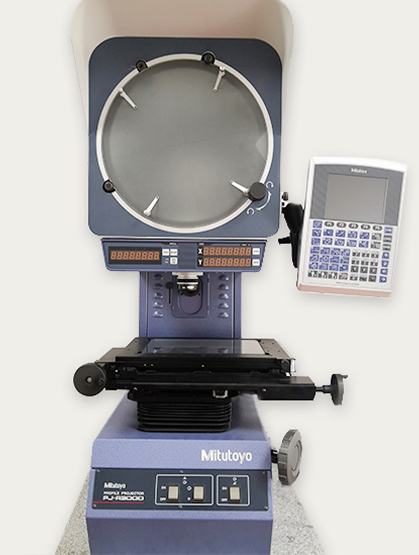
Dual-laser measuring setup for high-resolution visual checking.
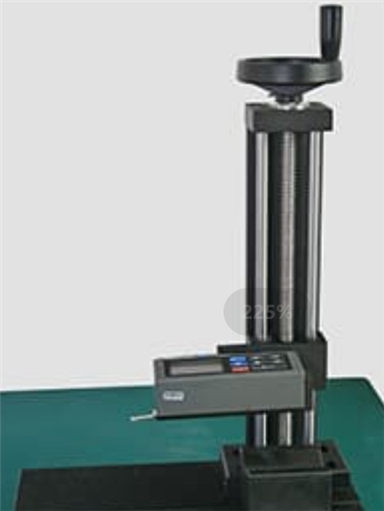
Ensures surface roughness meets specified parameters after machining.
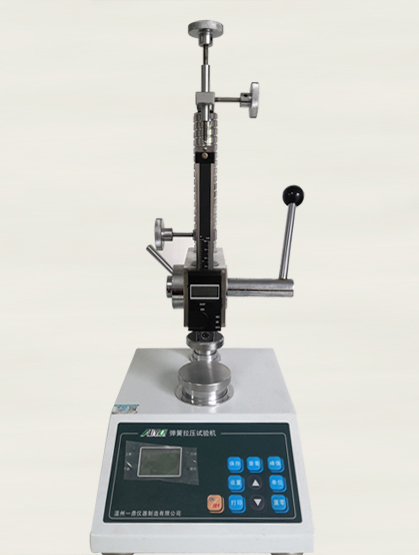
Measures structural yield strength and compression resistance limits.
Review verified case studies demonstrating our engineering standards in forging, casting, machining, and stamping.
Forged and machined structural items engineered for heavy machinery, providing high fatigue resistance.
Material: Stainless Steel, Aluminum Alloy
Engineered components designed for tight dimensional constraints, supporting heat dissipation under load.
Material: Stainless Steel, Aluminum Alloy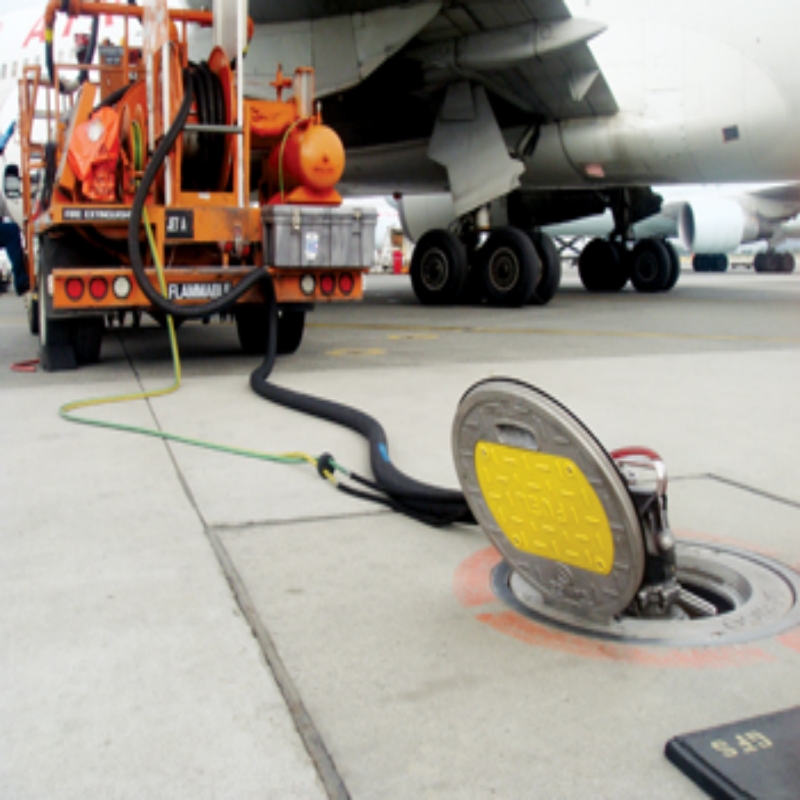
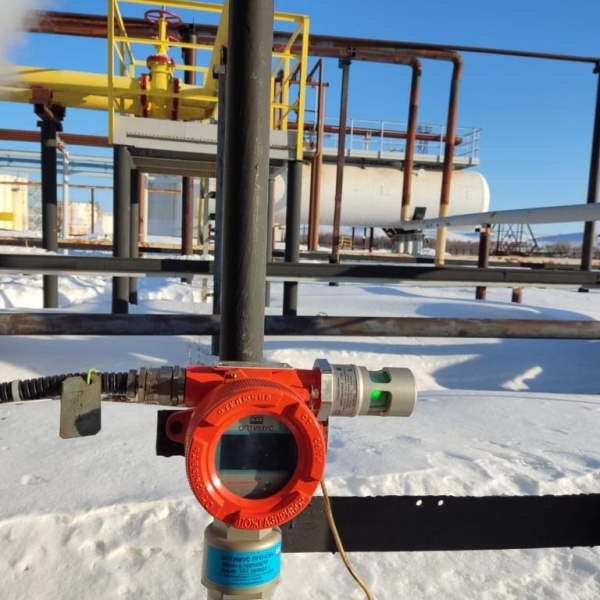
Components for specialized applications: Aviation Fuel Hydrant Pit Box, safety detector housings, and transmission elements.
Material: Stainless Steel, Aluminum Alloy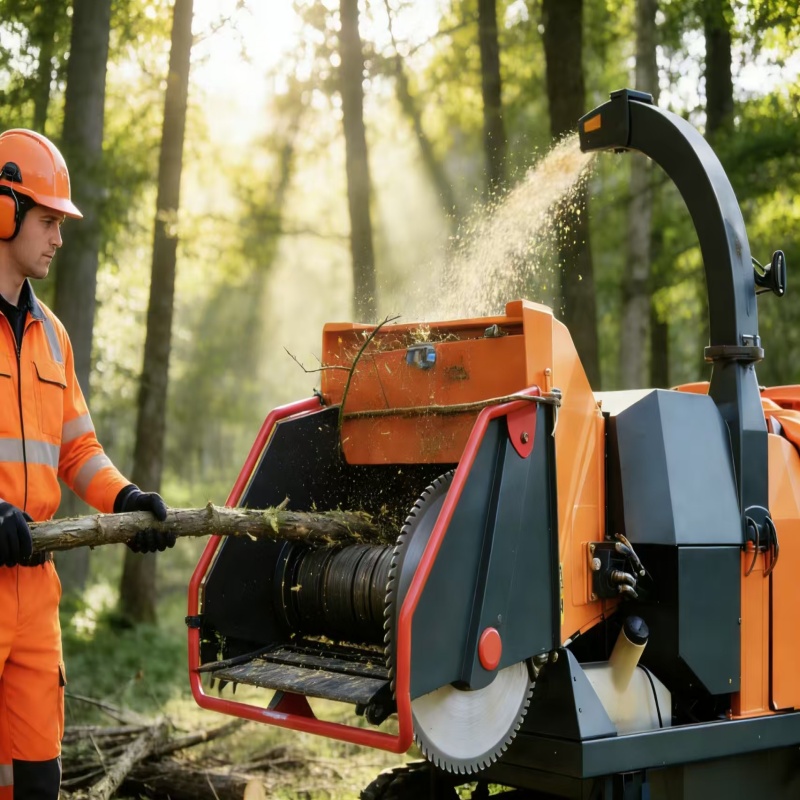
Heavy-duty cutter discs and feed rollers engineered for high-wear environments and impact resistance.
Material: Q345B, 42CrMo, NM400 Steel AlloysWe offer structured engineering and manufacturing services, from initial review to secure transport to Tokyo ports.

We receive your 2D drawings (PDF/DWG format) and 3D CAD files (STEP/IGES format). Our engineering team reviews the tolerances against JIS standards, confirms material availability, evaluates drawing ratios for potential thin spots, and optimizes cost structures.

Our toolmakers design forming dies and stamping systems using specialized simulation software to optimize material usage and prevent wrinkling. We construct trial tooling to run prototype samples, checking geometries using coordinate measuring machines before mass production begins.



We provide First Article Inspection (FAI) reports, chemical breakdown spectrum charts, and dimensional measurements for evaluation. Tooling adjustments are performed if required based on engineering feedback.


Upon sample approval, we launch production runs utilizing progressive dies, mechanical presses, and automated feeders. High-frequency in-process inspection (SPC) tracks quality metrics to ensure part consistency.

Finished components undergo ultrasonic cleaning to remove processing lubricants, followed by rust prevention treatment. We pack items in secure crates using protective wrap to ensure safe transport. Shipping is coordinated directly from Ningbo Port to Yokohama or Tokyo Port.

Our workforce is structured to maintain reliable operational standards. Out of 130 employees, 80 manage daily machinery setups and quality checks, while 50 are dedicated to tooling design, metallurgy verification, client services, and administrative support. We hold more than 20 utility and design patents related to forming processes and tooling design.
Our operations are guided by three core values:
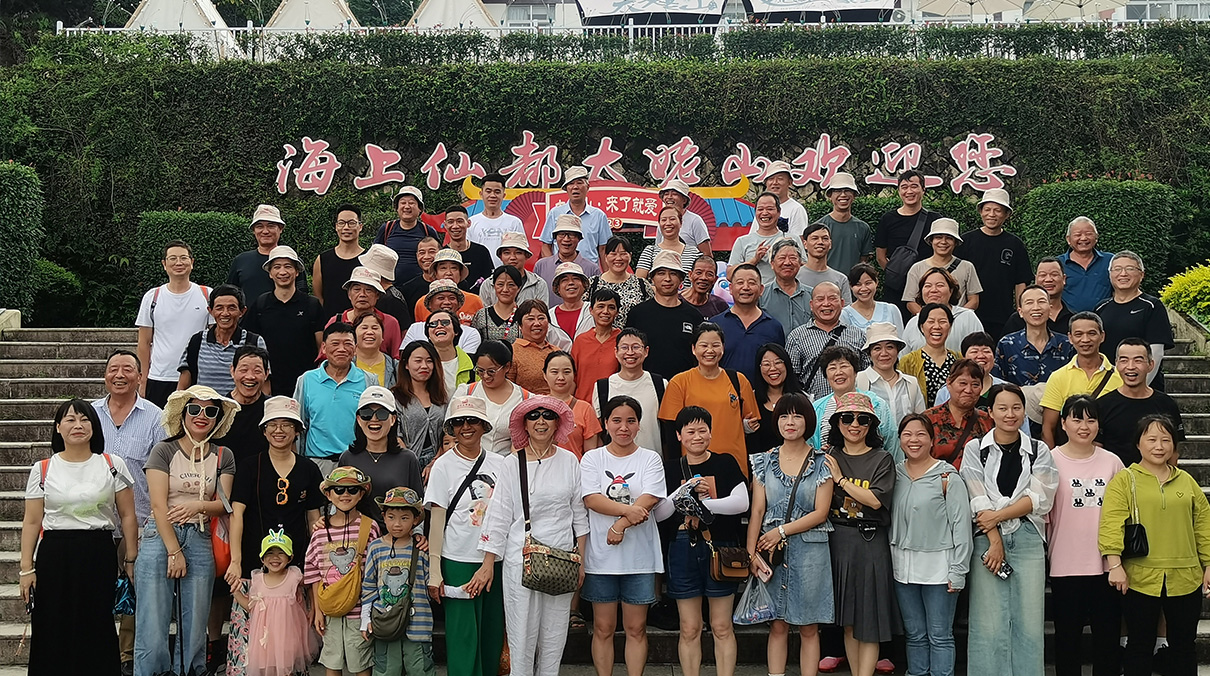
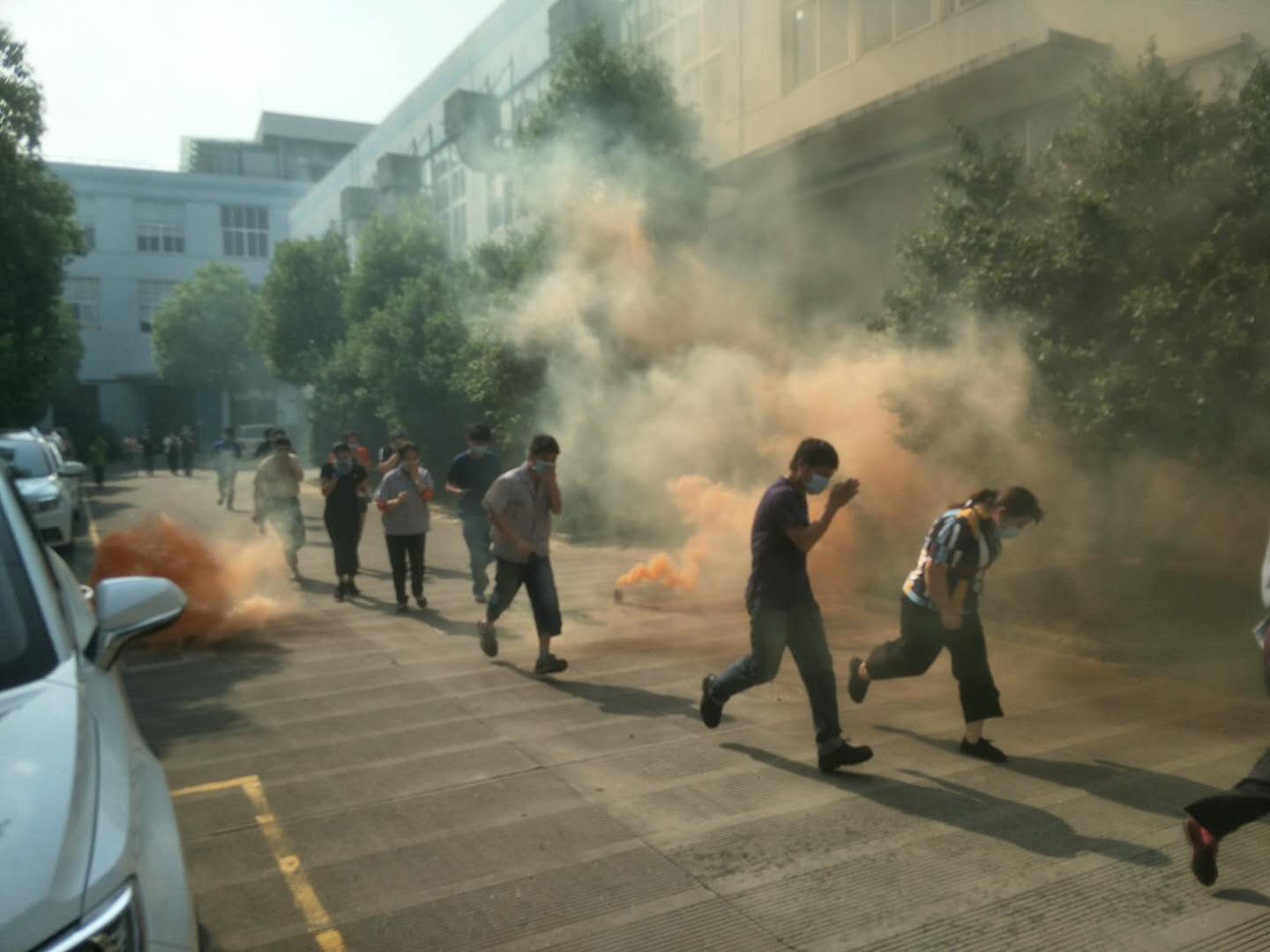
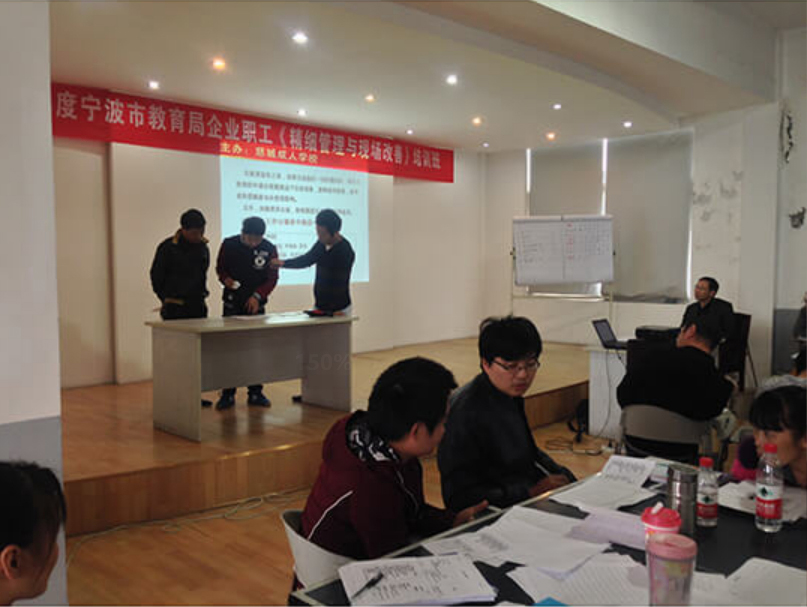
Observe our manufacturing and testing facilities, including automated cold-forming lines, multi-axis machining tools, and precision measurement equipment.
An overview of our production floors, showcasing mechanical presses, cold stamping setups, and quality checking zones.
Deep-dive demonstration of automated multi-axis precision machining, threading, and turning cycles.
Answers to common inquiries regarding engineering processes, logistics to Japan, compliance certifications, and pricing structures.
Select from our full range of metalworking processes, from stampings to high-precision CNC machining.
Partner with a certified supplier for custom stamping, deep drawing, casting, and multi-axis CNC machining, ensuring reliable logistics to Tokyo and the broader Kanto region.
 XinYe Metal