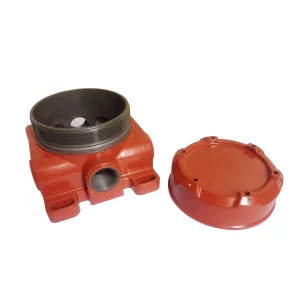
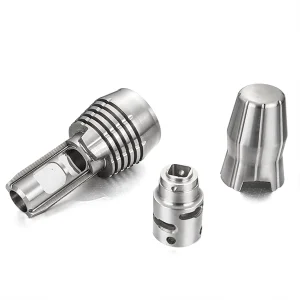
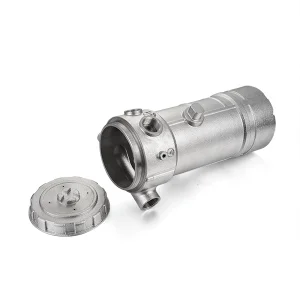
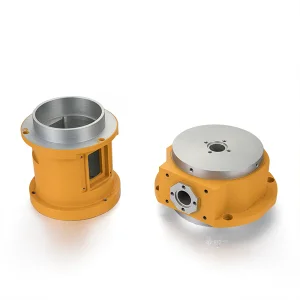
As safety-critical infrastructure, multi-spectral optical flame detectors—such as the IPES-IR/UV—are deployed in environments where explosive gases, volatile organic compounds, and high-intensity fire hazards are constant threats. Achieving reliable operation demands rugged structural integrity, precision alignment for sensor modules, and long-term corrosion resistance. This white paper highlights key engineering insights, material specifications, and manufacturing protocols necessary to produce high-grade structural parts for modern flame detection systems.
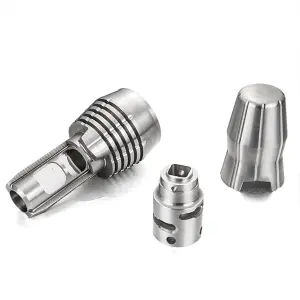
Multi-spectral IR/UV detectors depend on precise angular positioning of the optical window and internal photo-sensors. Precision CNC milling controls the orientation offsets within micron-level tolerances, eliminating refractive errors.
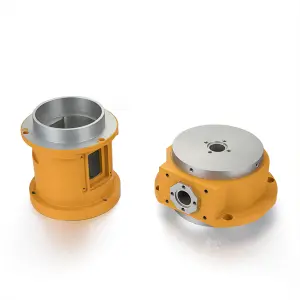
Aluminum die-casting and stainless steel lost wax casting are designed to contain internal explosions and prevent the ignition of external hazardous atmospheres. Flameproof joint configurations demand zero-defect casting surfaces.
Offshore oil rigs, desert pipelines, and marine terminals subject devices to heavy UV, salt spray, and extreme thermal cycles. Advanced anodizing, passivating, and electro-polishing prevent oxidation and degradation.
Founded in 1996 as an owner-managed SME corporation, XinYe Metal Works has spent over 25 years establishing a global reputation for manufacturing precision metal components. Strategically situated in the Ningbo Jiangbei Industrial Zone, our facility is within a 3-hour journey from Shanghai International Airport via China's high-speed rail network.
Currently, our footprint spans 16,000 square meters of production floor area alongside 11,000 square meters of construction space. Supported by a workforce of 130 professionals, our personnel includes 80 production staff and 50 experts specialized in product development, engineering, quality assurance, and management. We provide full service delivery from custom engineering to final compliance documentation.

Our engineering portfolio has evolved to address demanding requirements across safety, aerospace, automotive, and food manufacturing industries. Our primary export corridors include Europe, North America, and Russia.
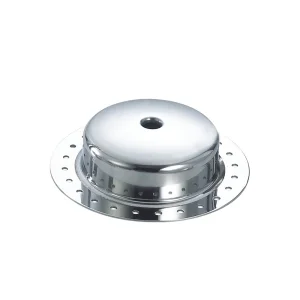
We produce core enclosures, optical lens holders, sensor mounting bases, explosive and toxic gas sensor caps, and custom hydrant pit box enclosure kits for the Oil & Gas and Mining sectors.
Manufacturing highly critical parts including Turbine Inlet guides, Transmission parts, and structural housing assemblies where mechanical integrity under vacuum and heat is vital.
We specialize in custom automotive transmission components and high-strength E-bike parts (connectors, frame tubes, levers) utilizing high-impact hot forged alloys.
The international transition toward smart cities, hydrogen production facilities, LNG terminals, and automated chemical plants is pushing optical flame detection into more severe zones. These parameters require critical evolutionary paths for mechanical components:
Traditional single-channel detectors are being replaced by multi-spectral (Triple-IR / IR3 + UV) systems to eliminate false alarms from sunlight or welding. This calls for highly intricate mounting plates that position distinct sensor diodes on an exact focal plane behind sapphire or quartz windows.
As micro-electronic footprints shrink, there is a rising demand for compact, thin-walled, yet durable explosion-proof enclosures. Utilizing advanced stamping, deep-drawn techniques, or thin-wall aluminum alloy die casting allows for weight reduction while retaining full ATEX containment properties.
Modern industrial installations from the Arctic Circle to desert extraction fields subject safety devices to thermal ranges spanning -60°C to +120°C. Forged aluminum housings provide superior grain structures, preventing micro-fractures under rapid thermal expansion cycles.
Get an inside look at Ningbo XinYe's manufacturing processes, from engineering prototyping to full scale machining operations.
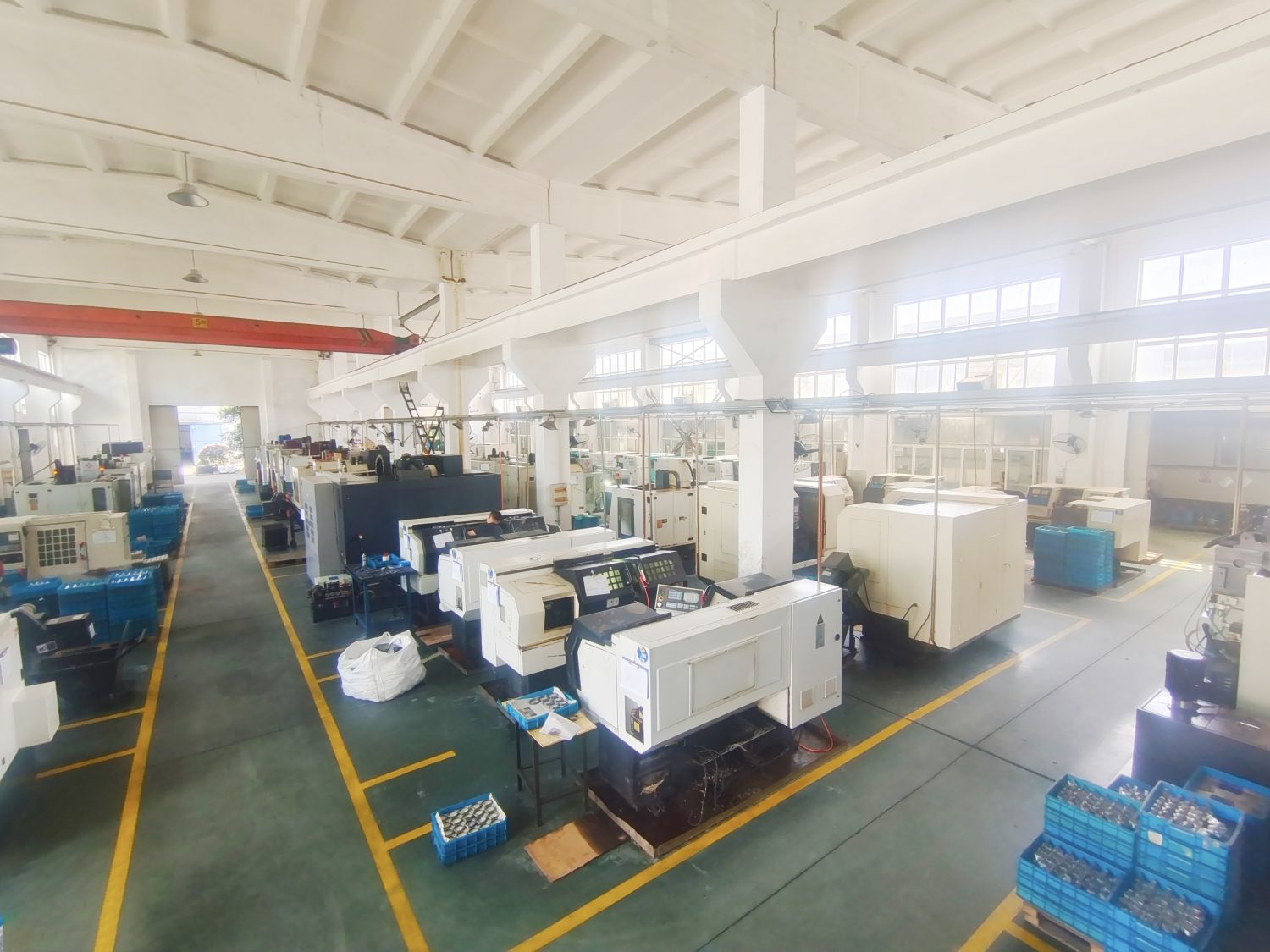
Explore our manufacturing departments, tooling areas, forging lines, and quality verification lab located in Ningbo, China.
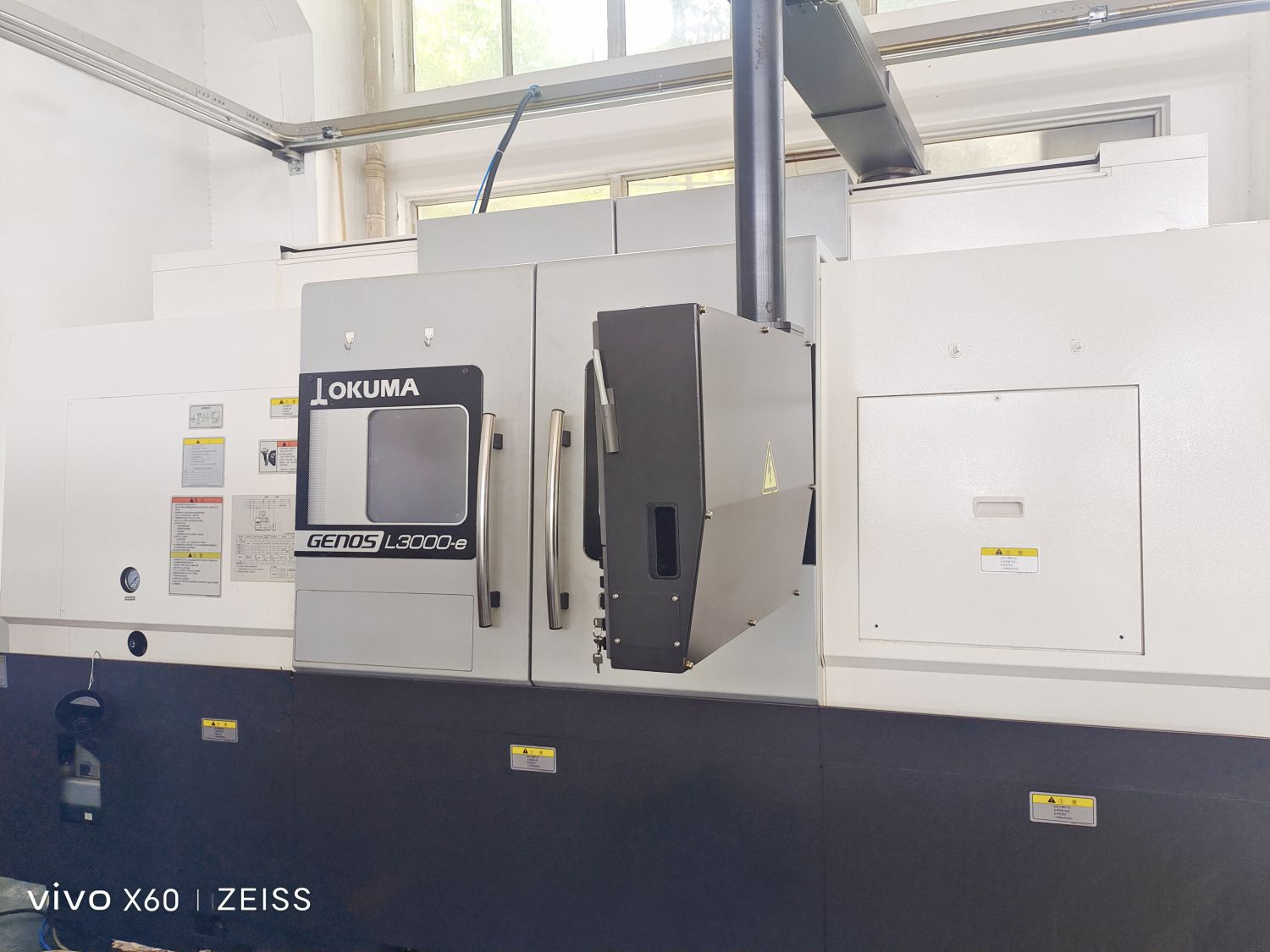
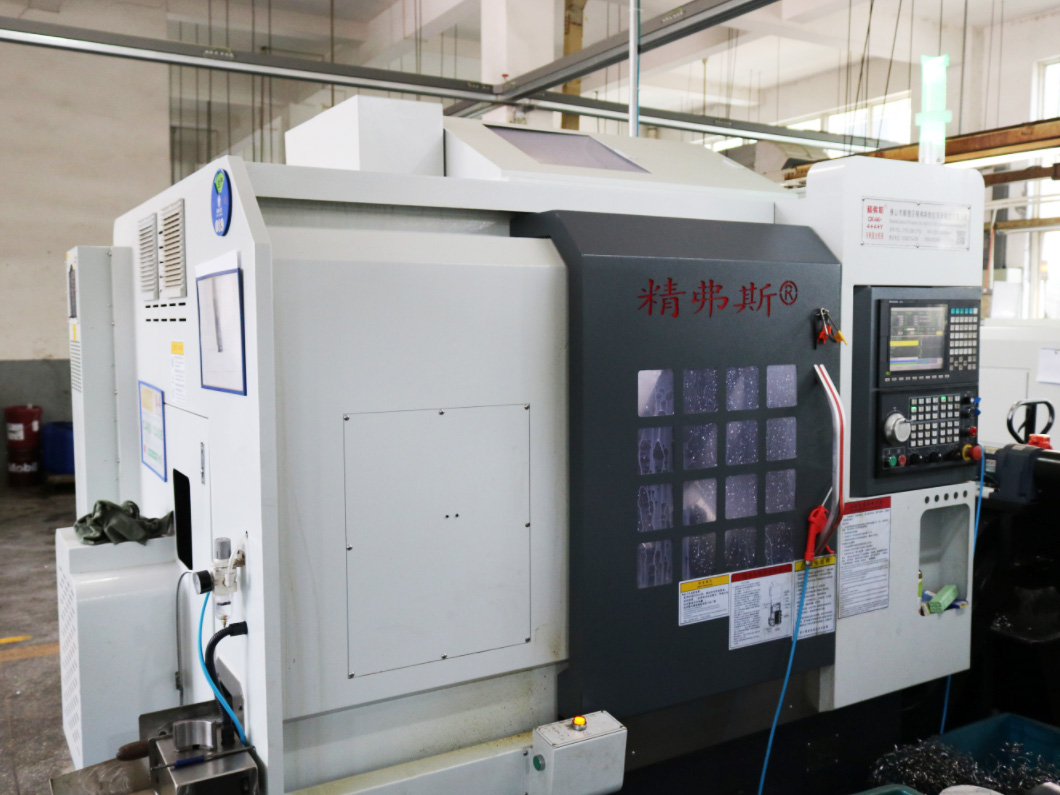
Demonstration of a high-precision multi-axis CNC machining center processing complex industrial metal components with tight tolerances.
Sourcing metal parts for explosion-proof safety assemblies requires rigorous quality controls and supply security. Global OEMs and EPC contractors seek manufacturing partners who can guarantee several core requirements:
Comprehensive material mill certificates and optical chemical spectrum analyses (conducted in-house using GNR Spectrum Analyzers) are mandatory to verify raw alloy integrity before casting or forging begins.
XinYe operates six days a week, 16 hours a day, and maintains the ability to transition into full 24/7 continuous operations within 30 days of client request, ensuring lead times are met.
All safety parts must be accompanied by detailed inspection files, including Certificates of Analysis/Conformance, Origin documentation, and shipping safety clearances.
Components undergo strict dimensional inspection via CMM Coordinate Measuring Machines, Video Measuring Systems, and surface rough meters to verify compliance with hazardous site standards.
Our facility operates state-of-the-art machinery imported from Japan and domestic precision manufacturers, enabling us to handle highly demanding fabrication tasks.
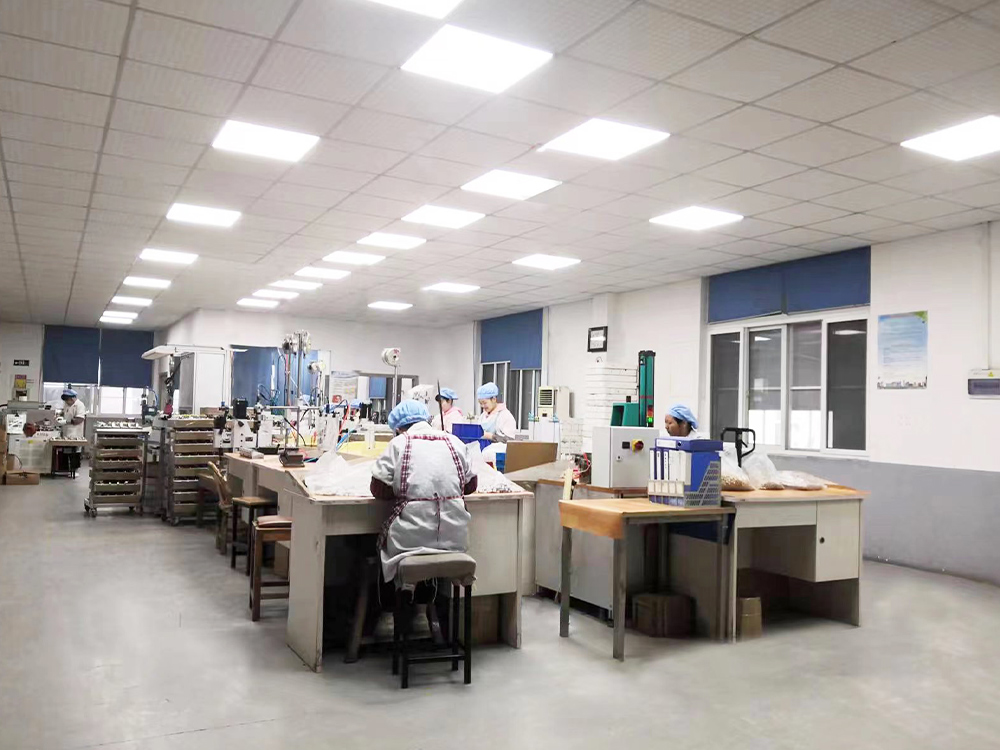
XinYe operates an internal quality department applying advanced measurement and testing systems to guarantee precision. We hold ISO 9001-2015 and SA8000 certifications, establishing traceable records at every processing step.
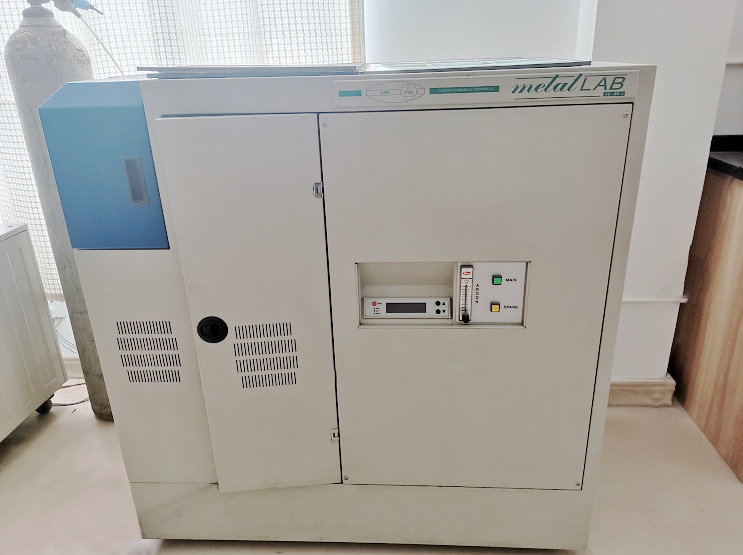
Verifies exact alloy percentages prior to casting, forging, or stamping.
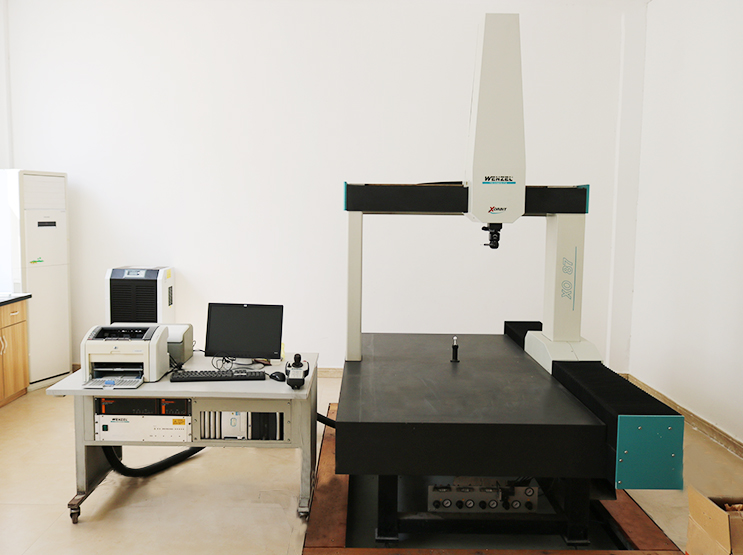
Measures complex 3D profiles to ensure tolerances match mechanical designs.
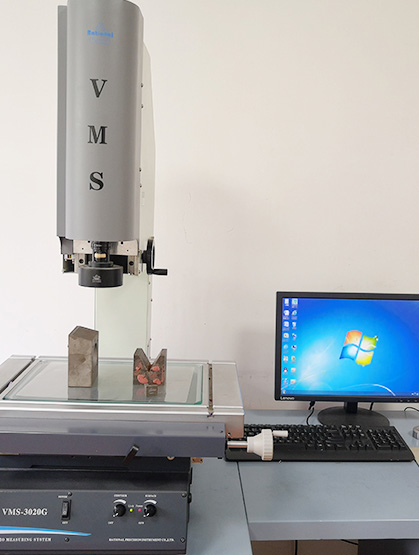
High-precision optical dimensional inspection system for fine details.
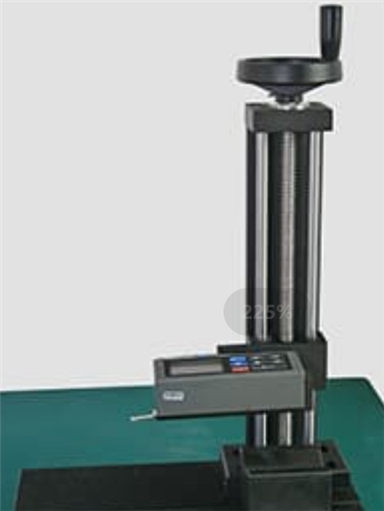
Confirms surface finishes to support gas-tight and flameproof sealing pathways.
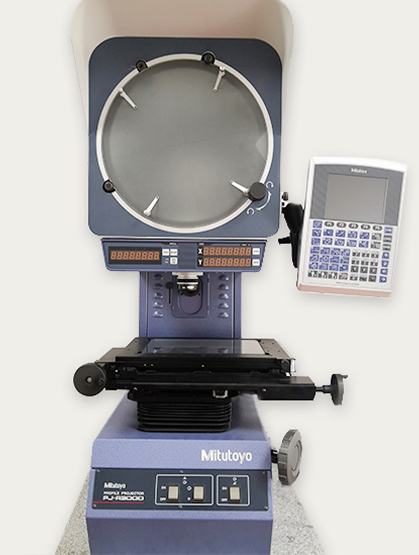
Verifies key alignments on critical flame detector base fittings.
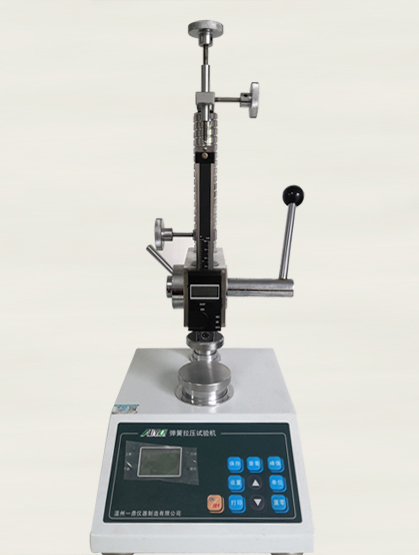
Checks load limits on mechanical release springs and valve assemblies.
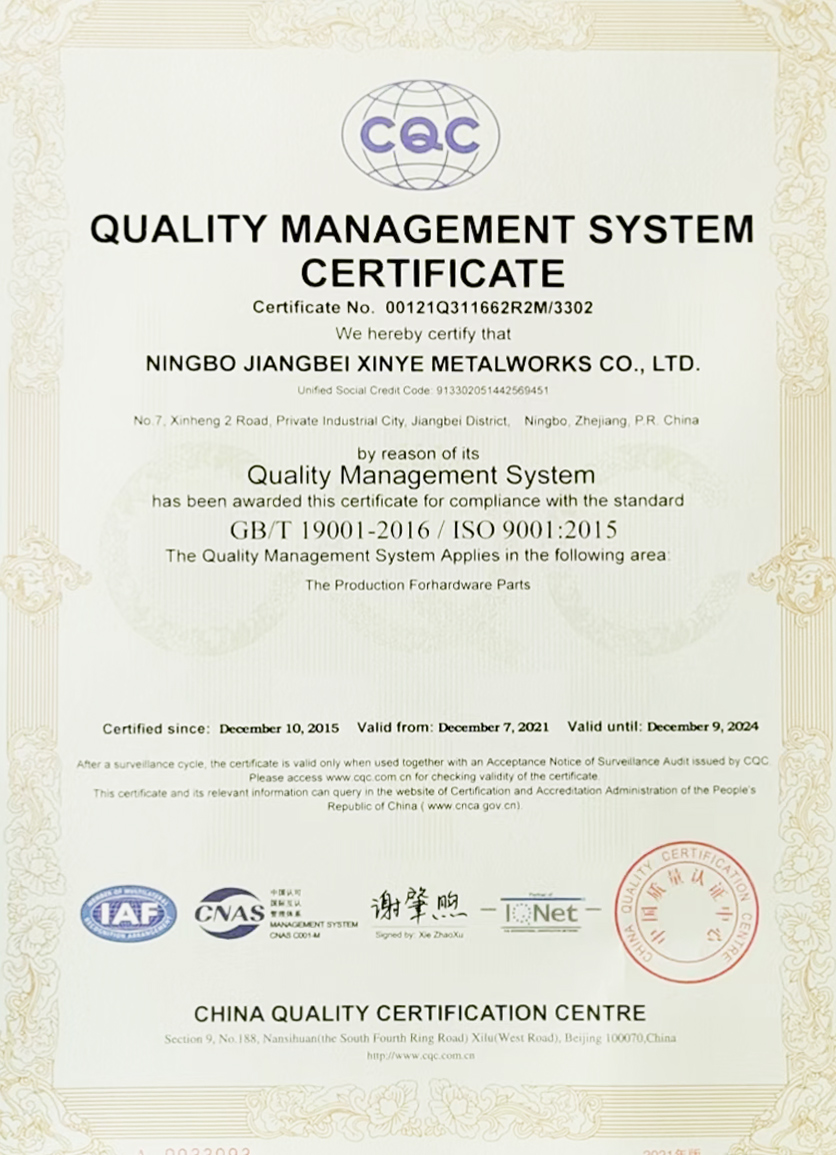
ISO 9001:2015, SA8000, and patent certifications support our E-E-A-T values.
From order placement to final delivery, we maintain a structured, audited production cycle to ensure efficiency and product quality.
Clients provide detailed engineering drawings, 3D CAD models, and technical requirements. Our engineering team reviews the specifications, calculates material/processing costs, confirms lead times, and issues a comprehensive quotation.

Our sample production protocol ensures initial component batches meet your design requirements before mass production starts:



We work closely with client engineering departments, executing any necessary modifications based on physical testing results to ensure compliance before authorizing full-scale manufacturing.


Upon sample approval, we initiate full-scale production. Standard quality inspection gates are established at critical steps of the machining, casting, or surface treatment cycles. Completed batches are cleaned, packed with custom protective packaging to prevent transport damage, and shipped with the necessary export documentation.

We back our craftsmanship with a 1-year warranty covering manufacturing defects. Our team remains available for post-delivery technical queries, material audits, and design improvements. We also offer dedicated final assembly space within our 11,000 m² workshop to deliver complete mechanical sub-assemblies.


A look at some of the precision components we manufacture for global industrial safety and commercial projects.
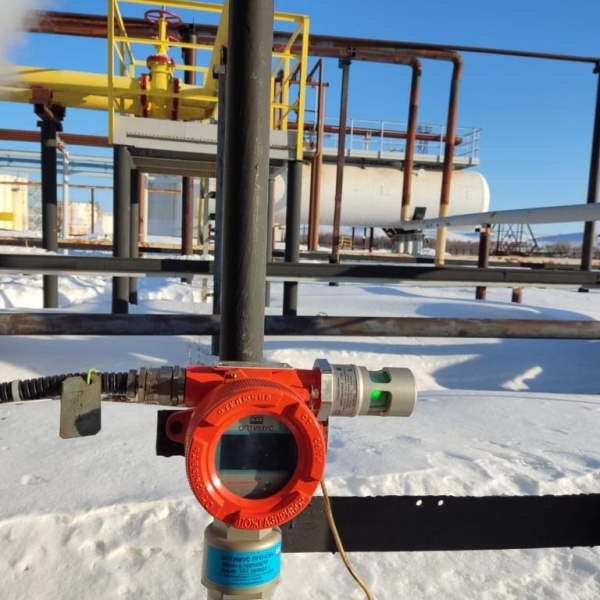
Precision aluminum components for heavy machinery, produced using our hot forging technology.
Material: Stainless Steel / Aluminum Alloy
High-durability engine brackets and motor mounts with tight tolerances and structural integrity.
Material: Stainless Steel / Aluminum Alloy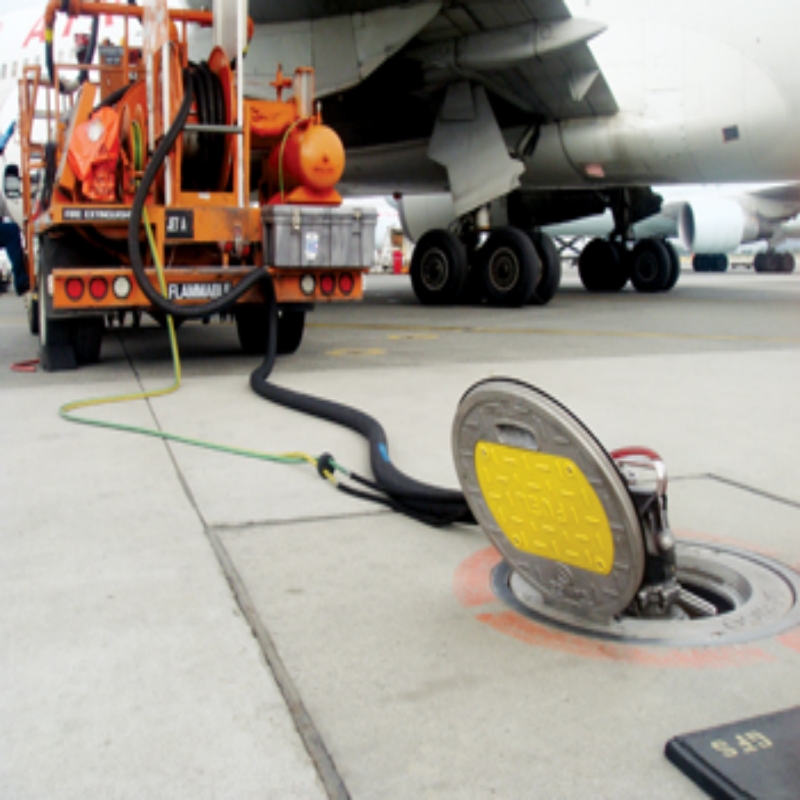
Aviation fuel hydrant pit box components, hinge brackets, turbine inlet housings, and transmission housings.
Material: Stainless Steel / Aluminum Alloy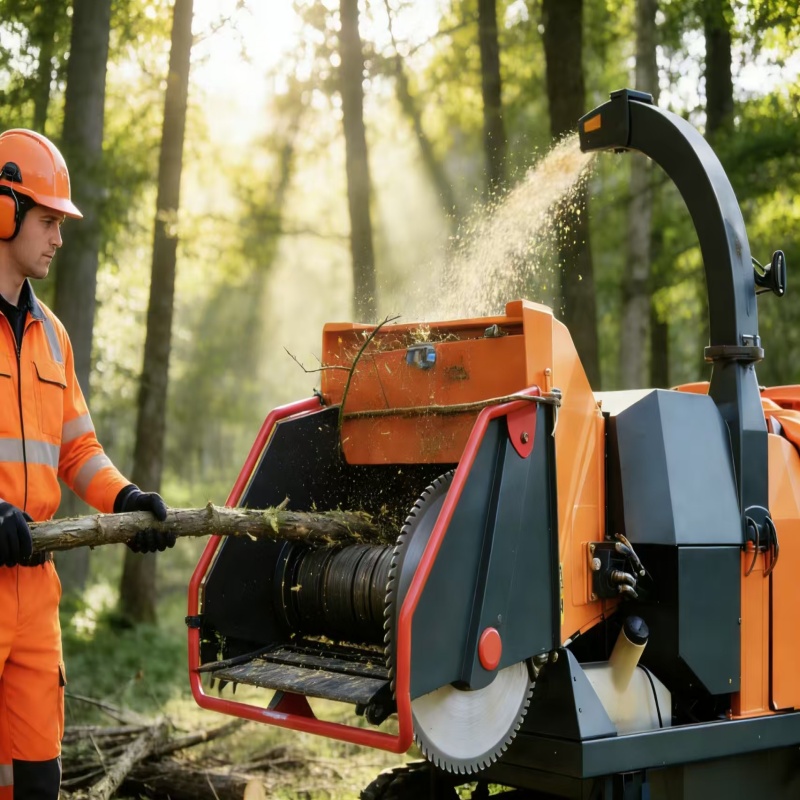
High-wear wood chipper cutter discs and heavy feed rollers with customized structural steel profiles.
Material: Q345B / 42CrMo / NM400 Steel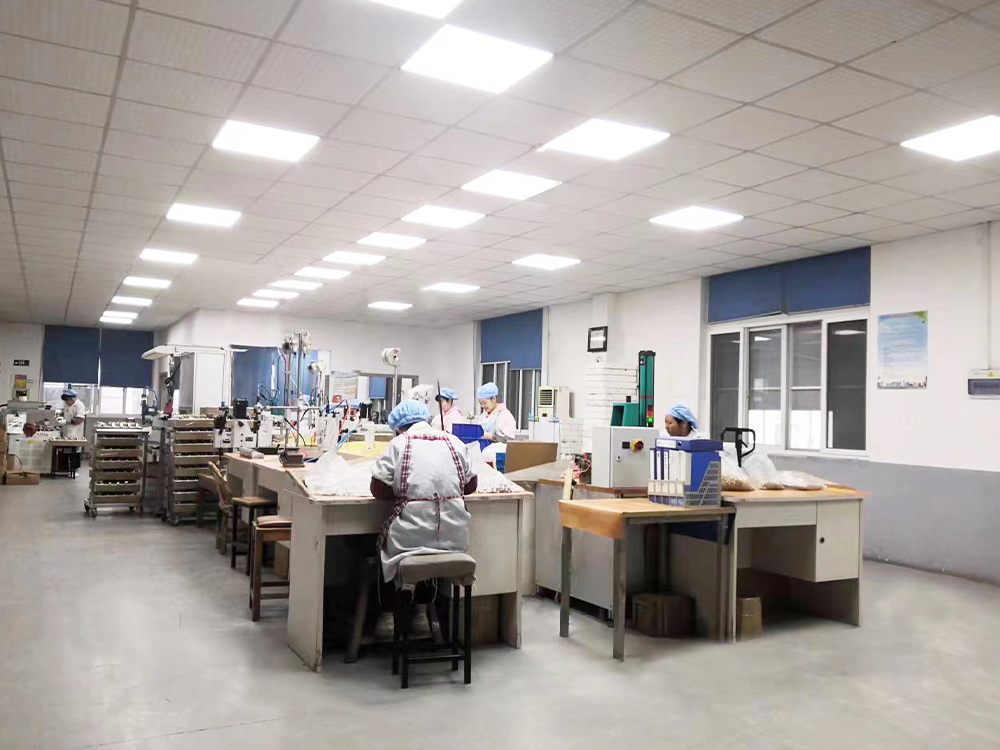
We utilize raw material inspection, in-process quality gates, and final mechanical verification to ensure all finished parts match customer designs.
Raw Material Auditing: Every batch of incoming steel, copper, or aluminum alloy undergoes spectral verification via spectrum analyzer before being processed.
In-Process Control (IPQC): Machinists conduct interval dimension checks during CNC processing, hot forging, and casting to verify parameters remain within design tolerances.
Final Inspection (FQC): Completed orders undergo a full metrological audit. We generate coordinate data, surface roughness profiles, and dimension inspection sheets for every shipment.
The safety industry continues to transition toward higher performance standards and smart monitoring capabilities. We are preparing our manufacturing lines for these emerging trends:
We are exploring advanced physical vapor deposition (PVD) and fluoropolymer coating technologies. These coatings provide flame detector lenses and metal parts with enhanced protection against exposure to marine acids and high-concentration hydrogen sulfide (H2S).
To support next-generation explosion-proof enclosures, we are integrating hybrid modeling. This method combines the internal geometry possibilities of advanced casting with the dimensional precision of multi-axis CNC post-machining.
As microprocessors handle more complex real-time spectral data, flame detector electronics generate higher heat loads. We design custom internal heat sinks, utilizing high-conductivity aluminum alloys forged directly into the housing structure.
Get answers to common queries regarding our custom manufacturing capabilities, quality controls, and supply processes.
 XinYe Metal