Explore our core manufacturing and processing operations designed to meet the specifications of global industries.
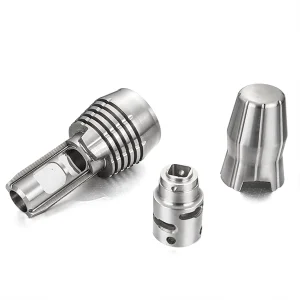
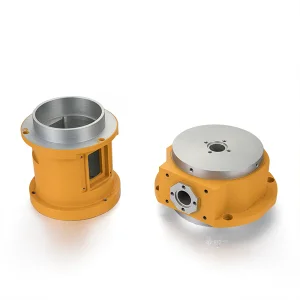
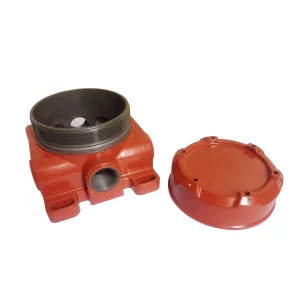
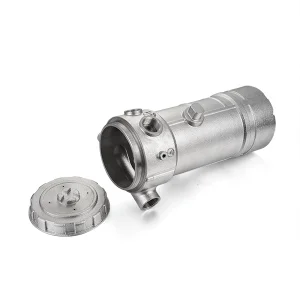
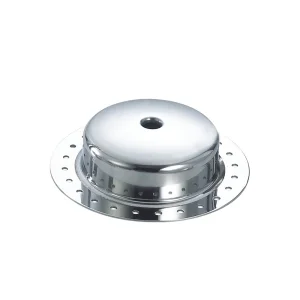
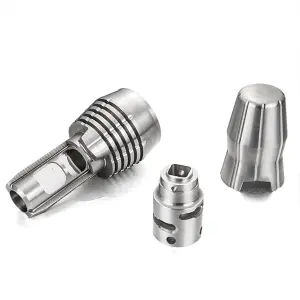
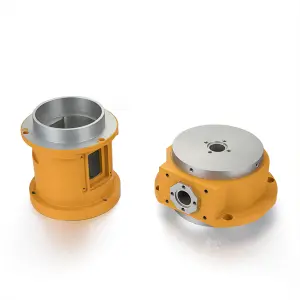
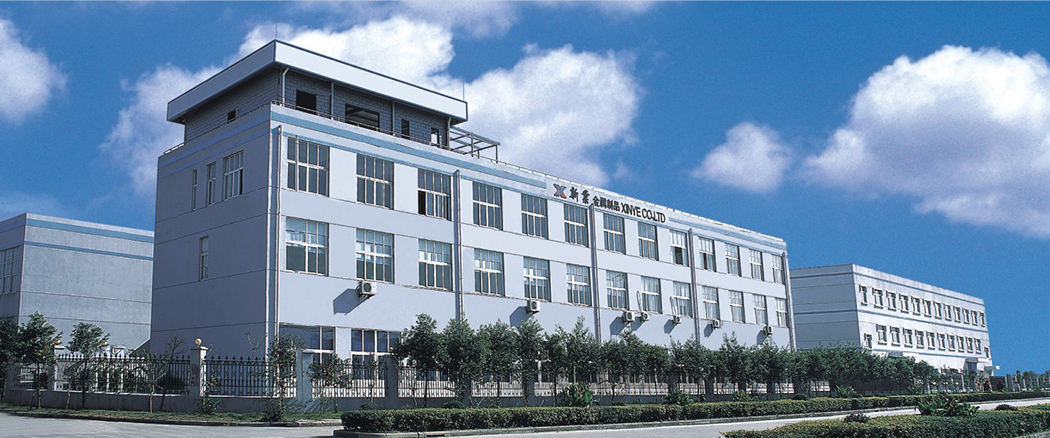
Founded in 1996 as an owner-managed family enterprise, Ningbo Jiangbei XinYe Metal Works Co., Ltd. has developed into a leading small-to-medium enterprise (SME) specializing in advanced metal forming and precision engineering. Spanning a total footprint of 16,000 square meters of production floor space and 11,000 square meters of specialized manufacturing facilities, we support dynamic operations with a staff of 130 highly specialized professionals. Among them, 80 execute our precision production lines while 50 are dedicated to engineering, product design, quality control, and global supply chain management.
Positioned within the Ningbo Jiangbei Industrial Zone, our facility is within a 3-hour transit range from Shanghai International Airport via the Chinese high-speed rail network. This gives our factory logistical reach, enabling swift shipping through Ningbo port and direct connectivity to international freight links. We integrate product design support, engineering, and manufacturing to deliver stamping, forging, CNC machining, and surface treatments.
Analyzing macro challenges, manufacturing trends, and engineering solutions in global metal fabrication.
China's metal stamping and processing ecosystem has transitioned from a labor-intensive sector to an automated hub. As a Tier-1 manufacturing provider, XinYe leverages this regional infrastructure to secure raw materials and specialized post-processing capacity.
The primary advantage of sourcing metal stamping from our Ningbo facility lies in supply chain integration. The local industrial cluster provides immediate access to raw material options, including premium cold-rolled steel, copper alloys, stainless steel, and aluminum sheets. This local proximity shortens raw material lead times. Furthermore, specialized surface finishing partners—covering electro-plating, anodizing, powder coating, and specialized e-polishing—are integrated into our supply cycle. This allows us to offer finished components from a single source, minimizing cross-border freight friction and maintaining control over our supply chain.
Additionally, Ningbo's engineering pool contributes to efficient mold design and tool development. Tooling design is a critical factor in determining the unit cost and tool life of progressive dies and deep-drawn tooling. With our internal engineering department, we run advanced computer simulations to analyze metal flow, minimize shear stress, and predict springback anomalies before the physical tool is machined. This localized tooling capability reduces development cycles compared to Western facilities, allowing international OEMs to scale from initial prototype to volume production.
The stamping industry is shifting toward progressive, high-speed stamping mechanisms and deep-drawn procedures for complex geometries. High-speed progressive stamping utilizes multi-station dies, where raw coil sheet is fed into a press to undergo shearing, punching, bending, and forming stages in a single stroke. This approach minimizes part handling, maintains dimensional repeatability, and offers high efficiency for large production runs.
Deep drawing is a metal forming process that uses radial tension-tangential compression to transform flat sheet metal into hollow cylindrical or box-shaped structures. It is widely used in automotive components, medical enclosures, and aerospace fuel systems. The process requires precise control over raw material thickness, blank holder pressure, and drawing lubricants to prevent wrinkling, tearing, or localized thinning. By upgrading our punch press capacities (ranging from 5 to 250 tons) and column hydraulic systems (100 to 630 tons), XinYe maintains the structural integrity of deep-drawn parts even under high deformation ratios.
We are also observing integration between traditional metal stamping and secondary CNC finishing. Many stamped or deep-drawn enclosures require critical matching surfaces, threaded holes, or high-tolerance cross bores that cannot be formed by a press alone. By combining stamping, hot forging, and 4-axis CNC machining, we offer hybrid solutions that meet both cost targets and tight geometric tolerances.
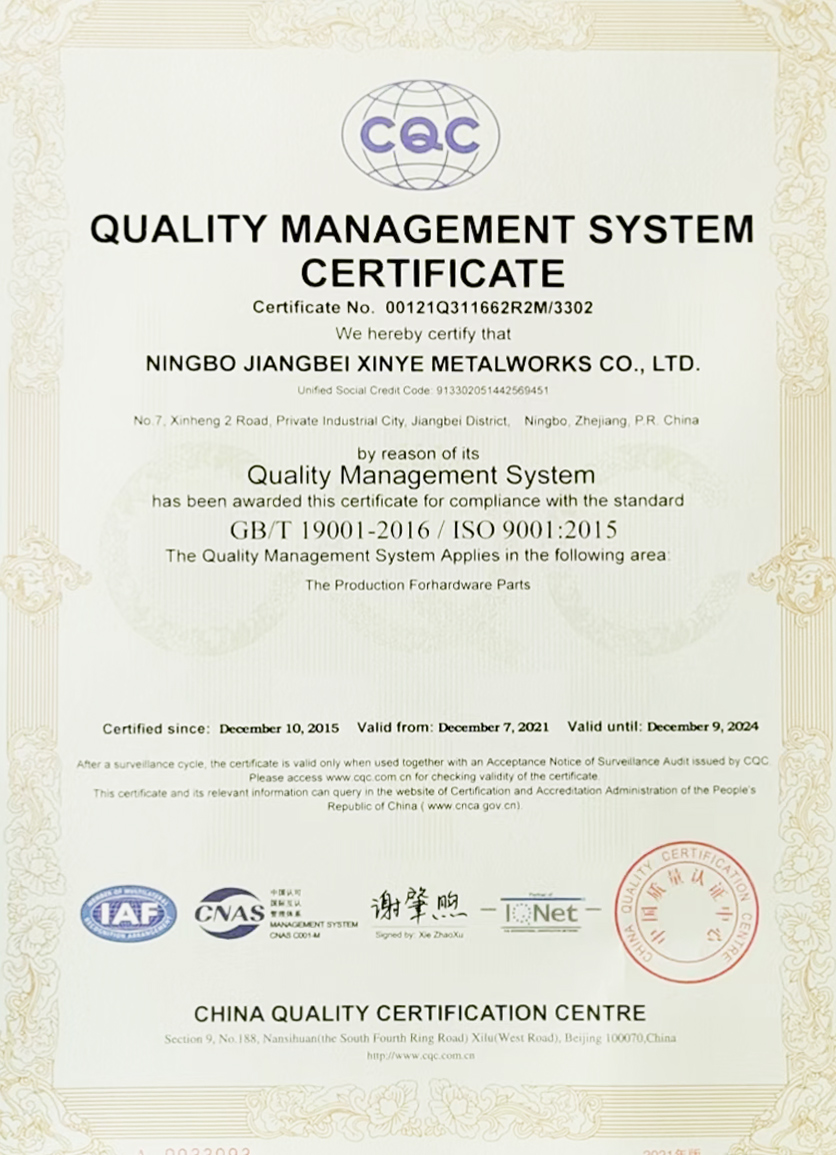
Modern procurement departments face challenges, including rising material costs, strict ESG (Environmental, Social, and Governance) compliance, and the need for high traceability. XinYe addresses these requirements through our certifications and structural capabilities:
Ensuring systematic management protocols alongside social accountability compliance, meeting Western ESG standards.
Operating on a default 16/6 schedule, with the ability to scale to a 24/7 continuous run within 30 days to support supply chain demands.
Complete traceability through material test reports, chemical composition checks, and mechanical performance validations.
We supply custom components to partners in Europe, North America, and Russia across critical industrial sectors:
Our core production is backed by import machinery and mechanical presses designed to deliver high repeatability across millions of strokes.
| Equipment Class | Tonnage / Capacity Scope | Primary Applications | Origin / Core Advantage |
|---|---|---|---|
| Friction Press Machines | 300 Tons to 1,000 Tons | Heavy duty forging & sheet deformation | High force stability |
| Column Hydraulic Press Machines | 100 Tons to 630 Tons | Deep drawn forming, custom stamp cycles | Constant pressure throughout stroke |
| Punching Press Machines | 5 Tons to 250 Tons | High speed blanking, progressive stamping | Automated coil-feed compatibility |
| 4-Axis CNC Machining Centers | High precision toolpath travel | Secondary high-tolerance detailing | Imported high-precision centers |
| CNC Turning & Milling Lathes | Multi-spindle operations | Fittings, bushings, sensor casings | Sub-0.005mm accuracy profile |
Our workshop is equipped with advanced machinery imported from Japan and top-tier domestic manufacturers.
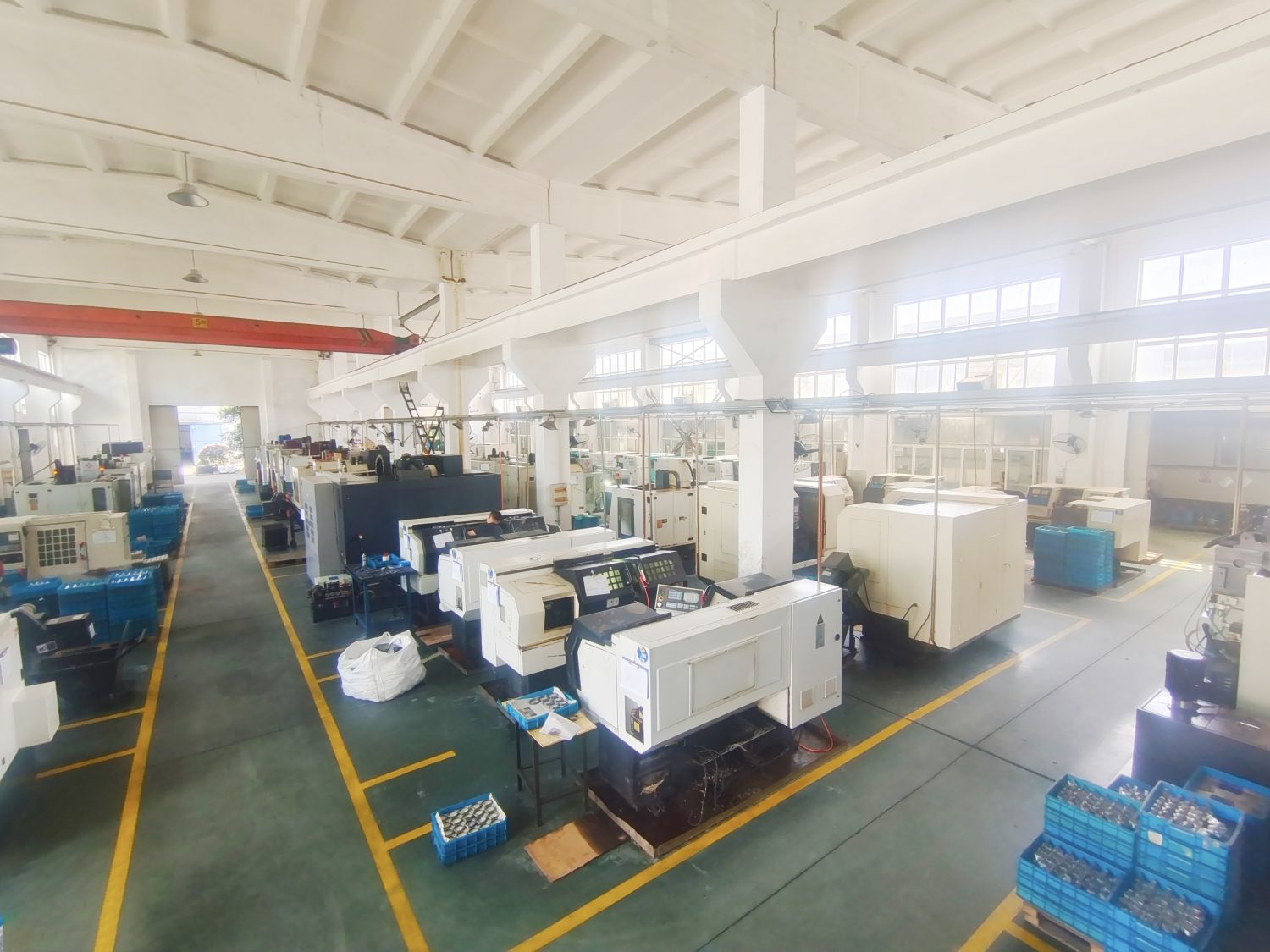
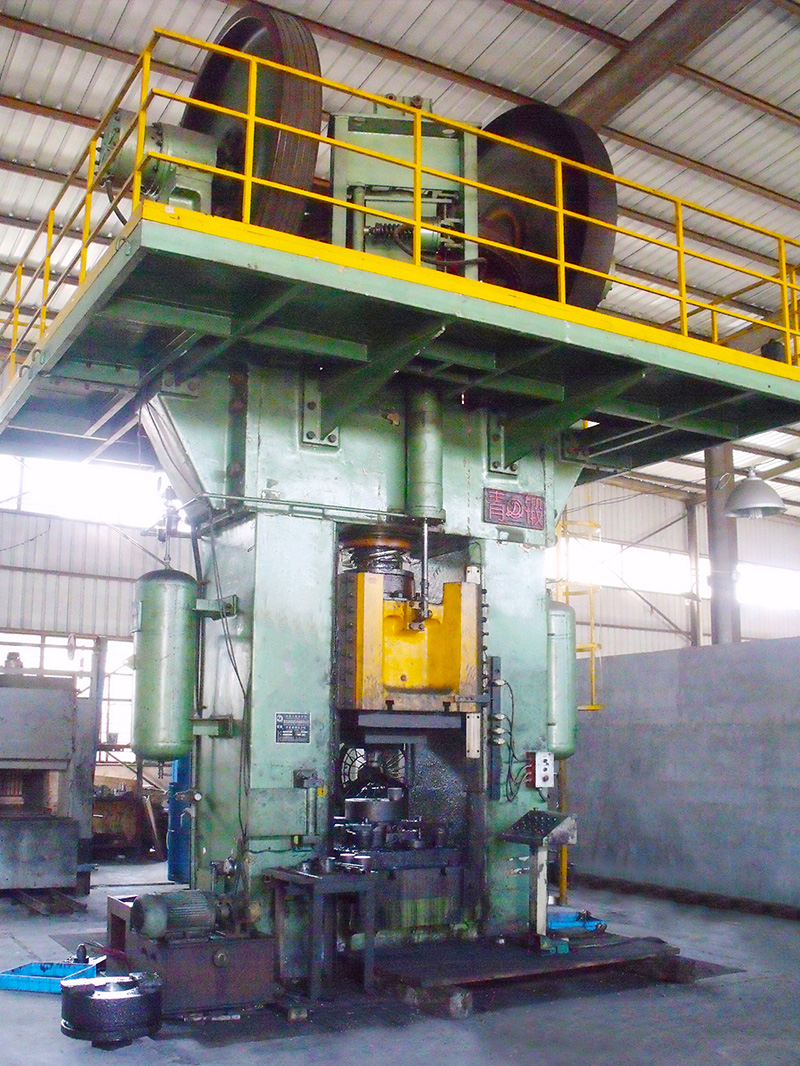
Heavy duty forming force from 300 to 1,000 tons.
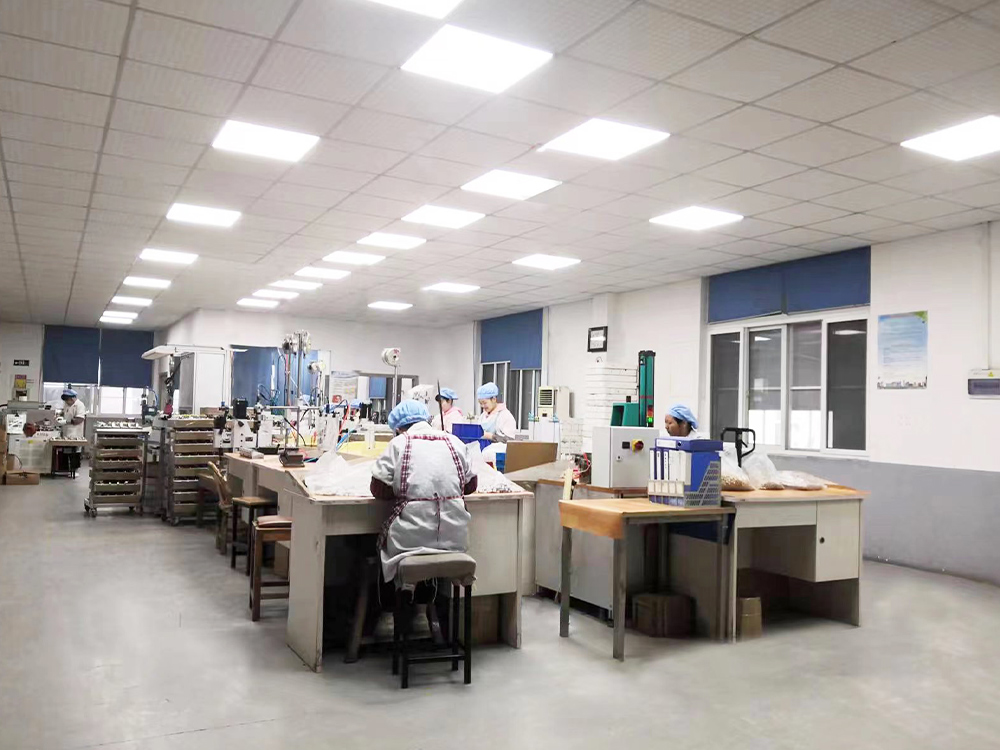
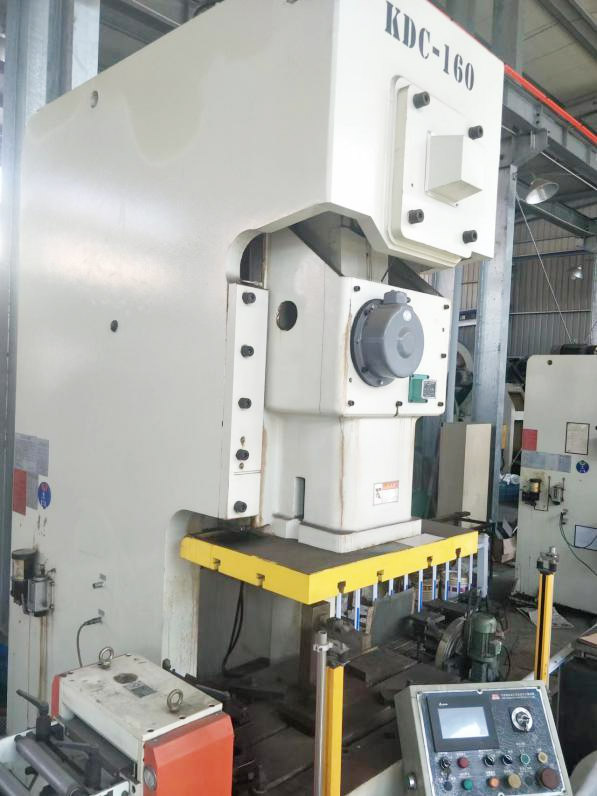
Multi-stage stamping control up to 630 tons.
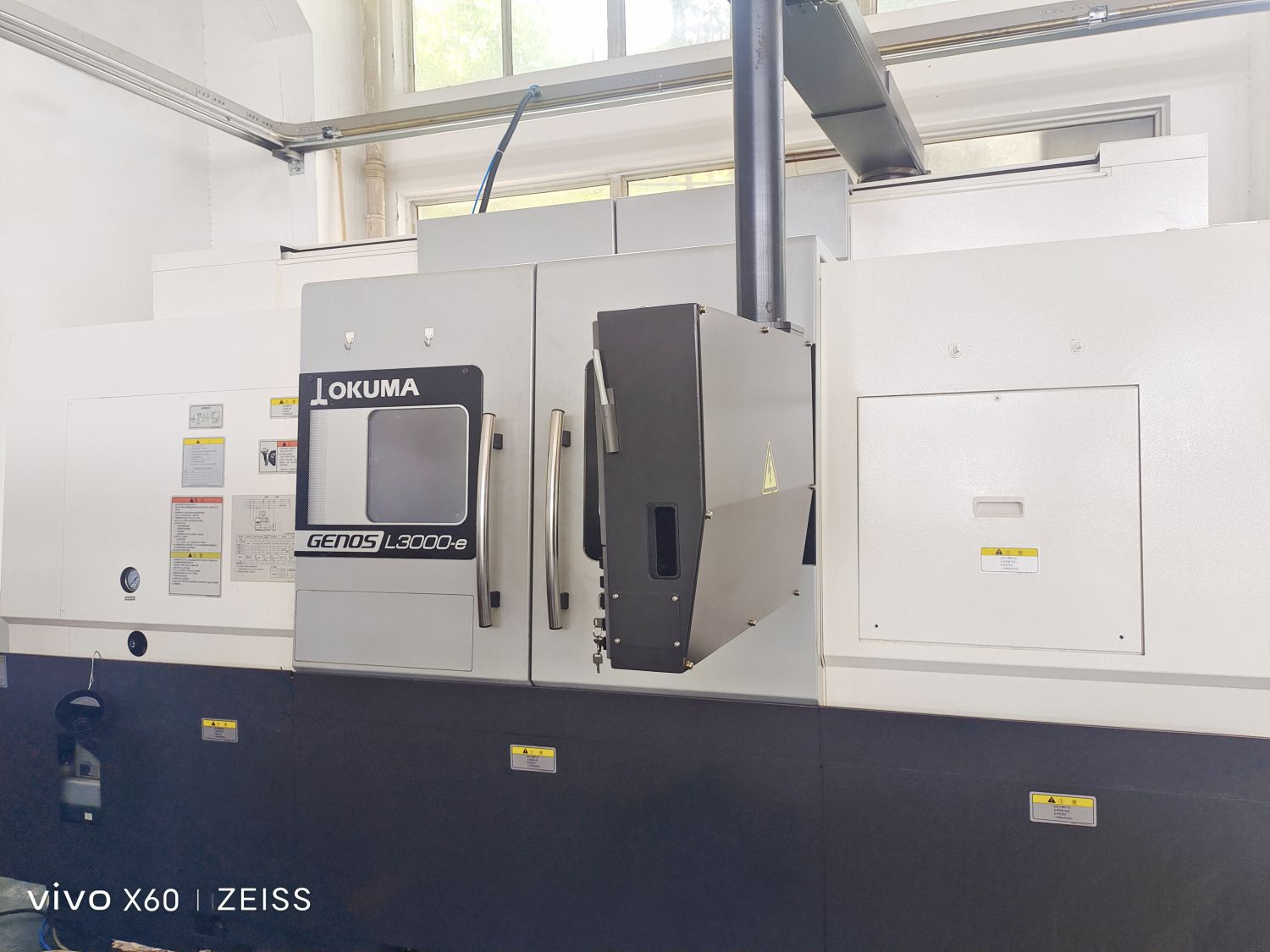
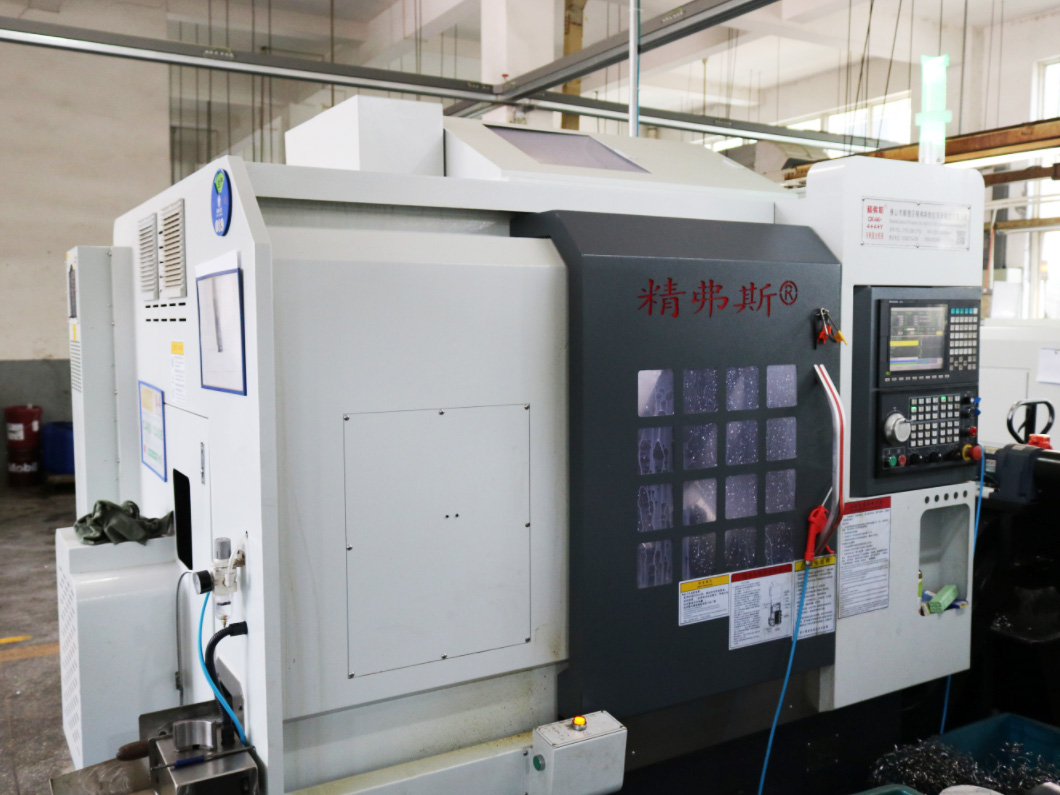
4-axis CNC turning and milling centers.
Speed line for sheet-metal component forming.
Ensuring components are integrated to specifications.
Final mechanical verification of production batches.
Secure containment and maintenance of custom dies.
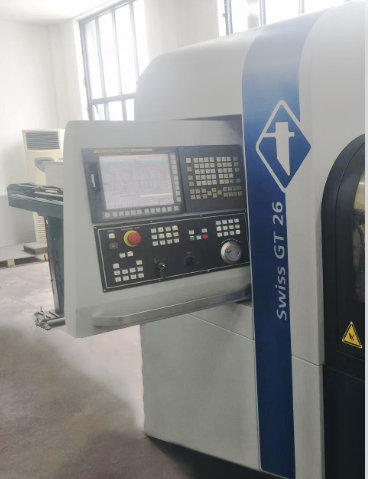
Supporting custom product design and tooling simulations.
Our QA processes trace and verify every phase, from raw materials to finished components.
Quality control begins before production starts. Using analytical testing equipment, our internal inspection department verifies raw materials, monitors in-process tolerances, and conducts final structural assessments.
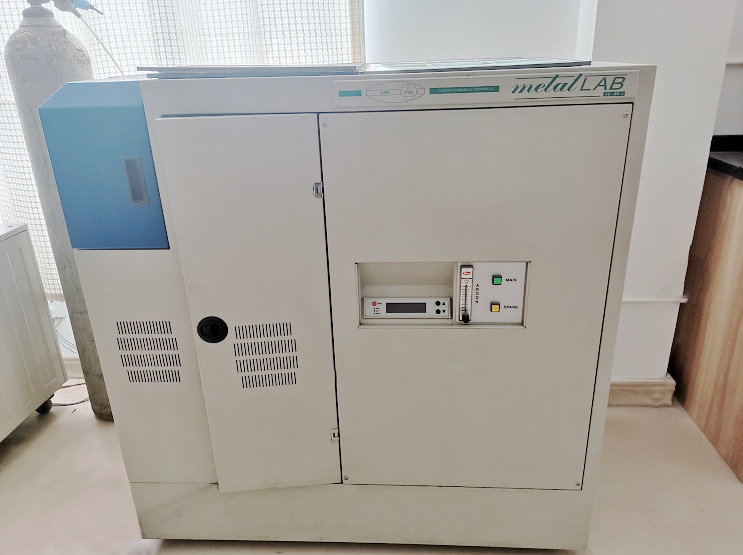
Verifies material alloy compositions before fabrication.
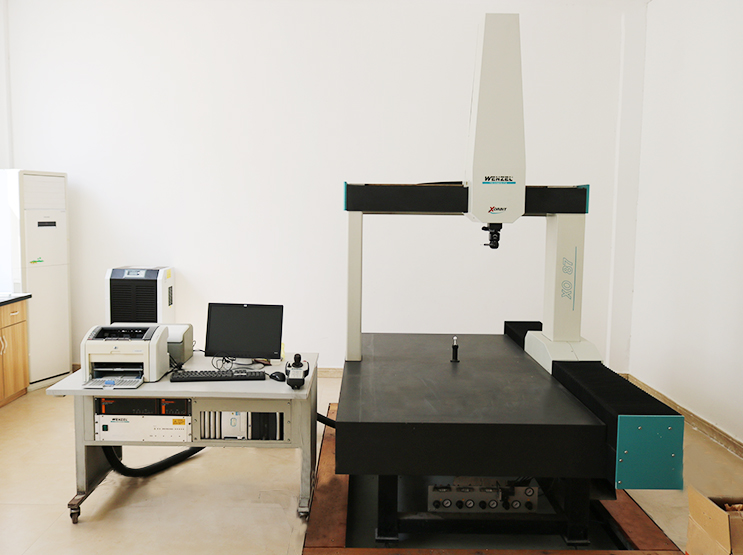
Coordinates dimensions in 3D with micron-level accuracy.
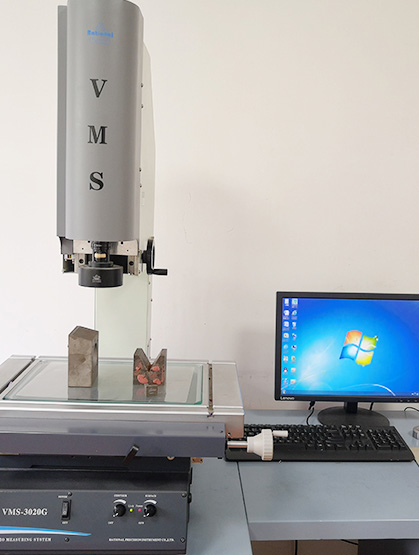
Provides optical checks for complex stamped layouts.
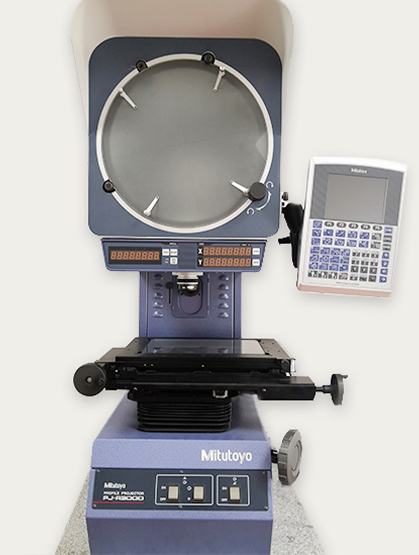
Automated visual screening for small components.
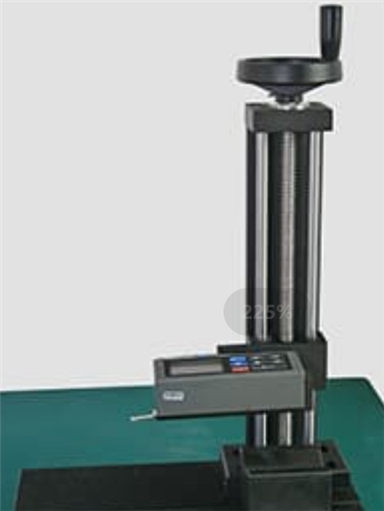
Measures surface finish profiles after polishing and anodizing.
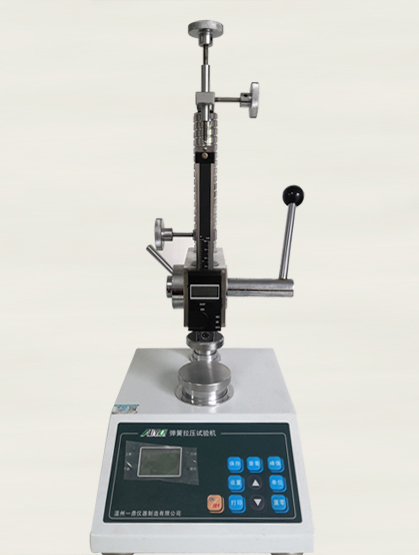
Analyzes mechanical load capabilities of critical parts.
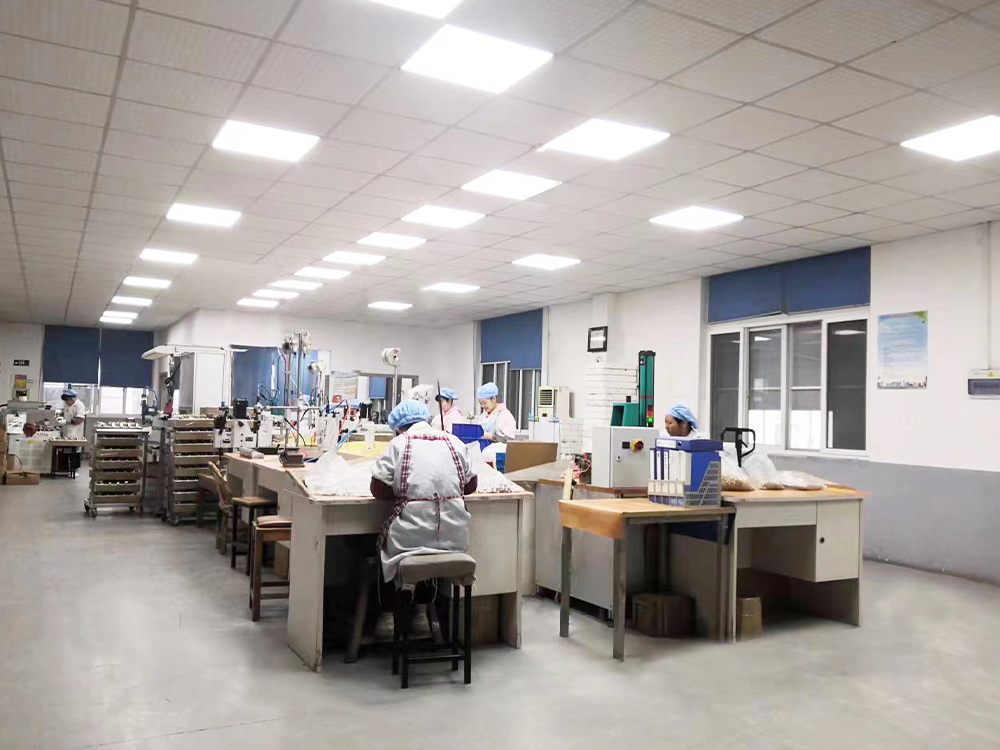
Daily calibration cycles run directly at our production cells.
Traceable quality metrics from incoming feedstock to final delivery.
From quotation to delivery, we manage each stage to ensure quality and efficiency.

Drawing verification, materials assessment, DFM design feedback, and cost modeling.

Custom tooling fabrication, prototype stamping, and dimensional validation.

Submission of test samples, CMM measurement reports, and material certificates.

Volume stamp runs, statistical process control, and real-time monitoring.

Standard export packaging, custom clearance support, and product warranty tracking.




A look into our production facilities, machining centers, and automated manufacturing processes.
A walk-through of our production facility showing metal forming, CNC machining, stamping, and multi-stage assembly lines.
Watch our multi-axis CNC turn-mill stations machine custom aluminum, steel, and brass parts down to high tolerance limits.
Review examples of how our engineered components are applied in international markets.
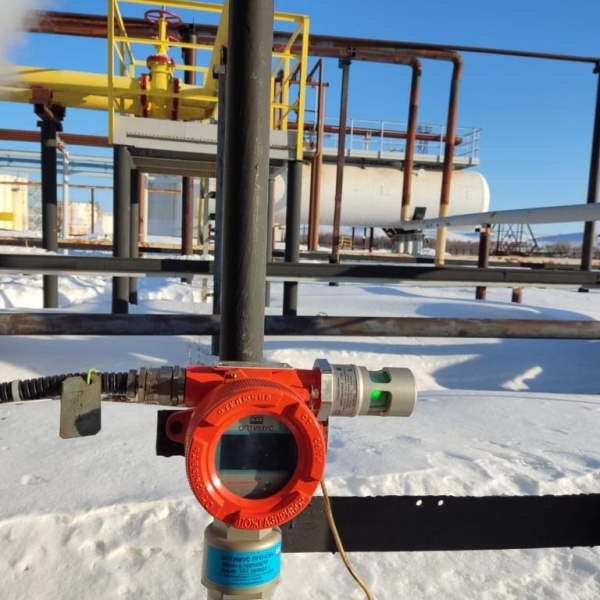
Precision forged aluminum components for heavy machinery, engineered to withstand high load conditions.
Stainless & Aluminum Alloys
Critical transmission linkages and mounting brackets designed to meet strict automotive fatigue parameters.
Automotive Tolerances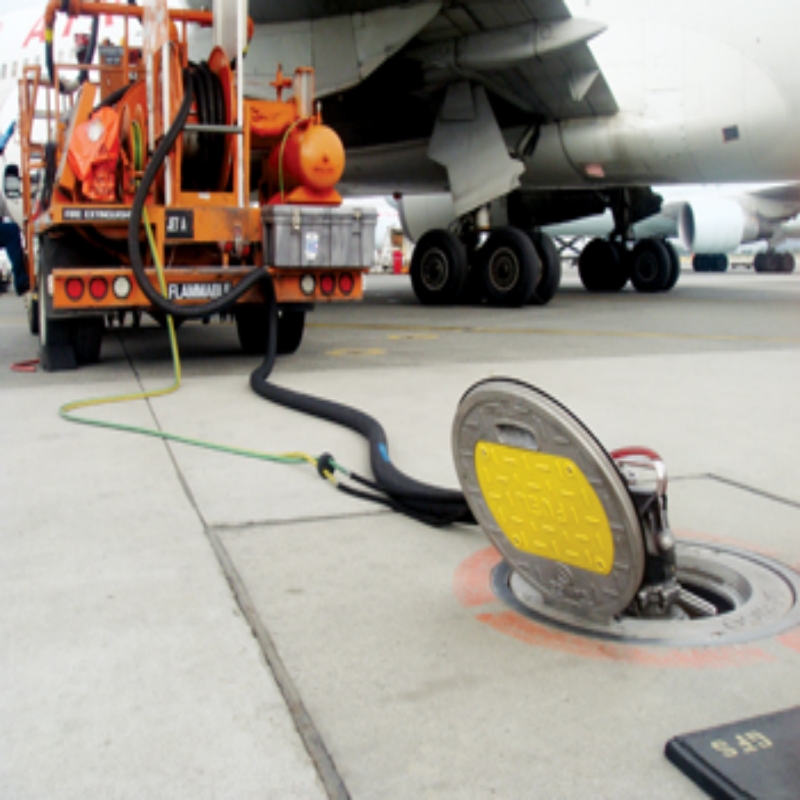
Aviation fuel hydrant pit boxes and mounting brackets engineered for corrosion resistance in open fields.
Aviation Grade Alloys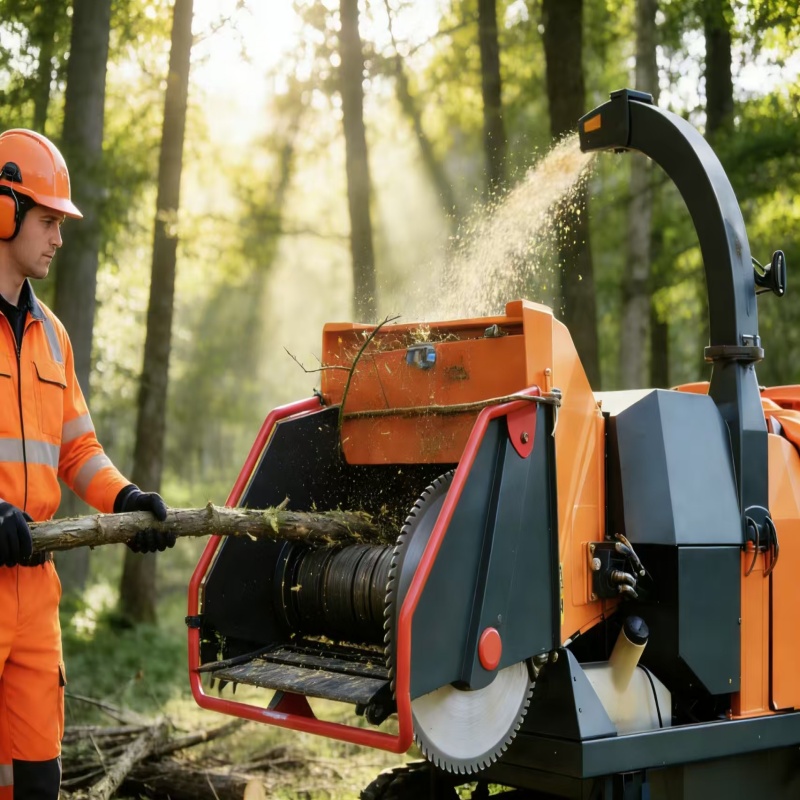
Cutter discs, feed rollers, and drive shafts manufactured from structural alloys for heavy-duty applications.
Q345B, 42CrMo, NM400Our corporate policies focus on manufacturing reliability and product quality.
Trust: We focus on meeting requirements, matching specifications, and supporting long-term production needs.
Responsibility: We manage development, material checks, production, quality control, and shipping documentation for every order.
Professionalism: We focus on technical accuracy and continuous improvement of our engineering and tooling processes.
Direct and transparent answers to assist global sourcing and technical teams.
Our manufacturing prices depend on design complexity, material selection, raw material market fluctuations, and order volumes. When you provide engineering drawings (STEP, IGES, or DWG formats) along with volume requirements, our engineering team conducts a manufacturing review and provides a detailed quotation.
Yes, we apply an ongoing minimum order quantity for international orders to optimize production efficiency and tooling setups. MOQ levels vary depending on whether the part is a standard stamped item, CNC machined component, or a large hot forged assembly. For smaller test batches or trial runs, please contact our sales office to discuss potential arrangements.
Yes, we provide quality documentation for our shipments. This includes Certificates of Analysis/Conformance (CoA/CoC) confirming raw material alloy chemistry, material heat codes, and physical properties. Additionally, we provide dimensional reports from our coordinate measuring machines (CMM) and video measurement systems.
For custom stamp tooling and sample validation, our typical development cycle is approximately 7 to 10 working days. Upon first article approval, mass production lead times generally range between 20 to 30 calendar days, depending on batch sizes and finishing processes.
Our standard international transaction protocol is a 30% advance deposit to initiate production tooling and raw material acquisition, with the remaining 70% balance payable upon presentation of the Bill of Lading (B/L) copy. We accept wire transfers (T/T), L/C arrangements for established accounts, and Western Union/PayPal for prototype tooling payments.
We warrant all components against manufacturing defects and workmanship failures. Our ISO 9001 and SA8000 compliance ensures a structured corrective action loop. If any components are found to be out-of-tolerance relative to the approved engineering drawing, we will rework or replace the affected parts.
We use reinforced wooden crates, vacuum barrier wrapping, and rust-preventative coatings (VCI packaging) to protect components during maritime transit. Our logistics team coordinates sea freight, air cargo, and express shipping options. Freight rates are determined based on shipment weight, volume, and destination port.
Select an engineering category below to review our capabilities and request a technical quotation.
 XinYe Metal