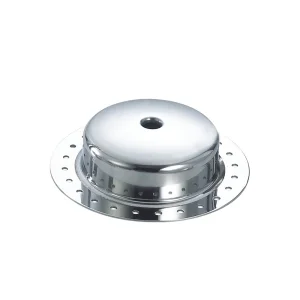
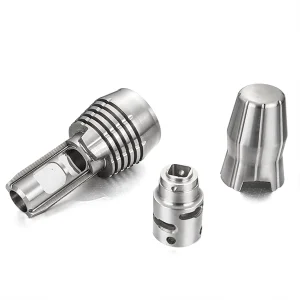
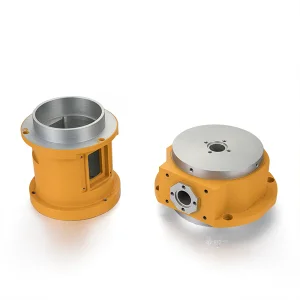
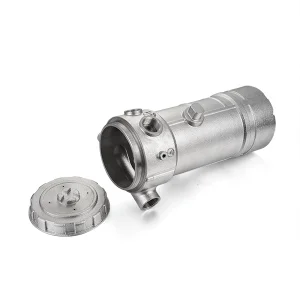
In modern industrial manufacturing, metal stamping is not merely a mechanical forming process; it is a complex discipline combining advanced metallurgy, precise mechanical engineering, and rigorous chemical stability. Stainless steel, specifically alloys such as SUS304, SUS316, and SUS430, presents unique processing challenges due to its high tensile strength and fast work-hardening characteristics. To navigate these processing challenges, procuring companies require a partner with deep engineering expertise, state-of-the-art machinery, and certified systems.
As a leading supplier of precision stainless metal stamping, Ningbo Jiangbei XinYe Metal Works Co., Ltd. offers a comprehensive manufacturing framework. Our operations cover tool development, high-speed progressive die stamping, secondary CNC machining, and electro-polishing. By combining structural and chemical validation with ISO 9001-2015 and SA8000 compliance, we help global buyers manage supply chain risks and minimize total cost of ownership (TCO).
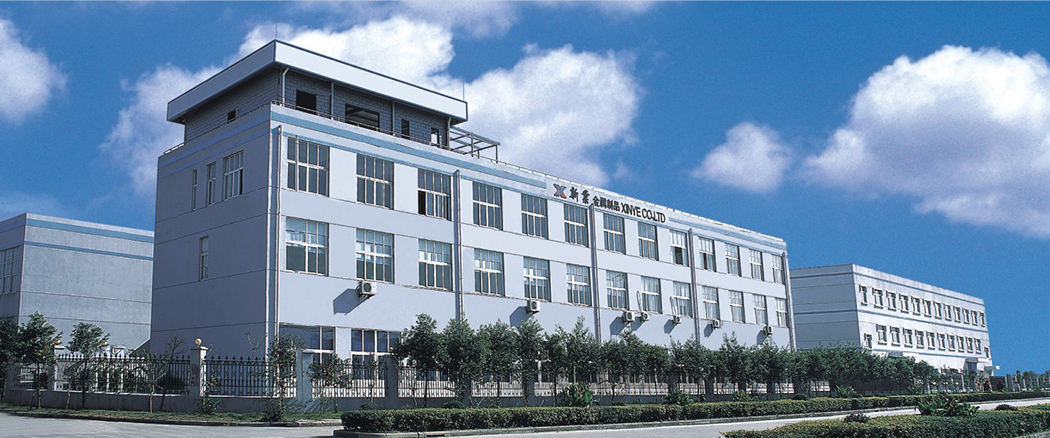
Established in 1996 as an owner-managed SME, XinYe has evolved from a local family business into a respected international manufacturing partner. Our headquarters in the Ningbo Jiangbei Industrial Zone covers 16,000 square meters of production space, with an additional 11,000 square meters dedicated to plant expansion.
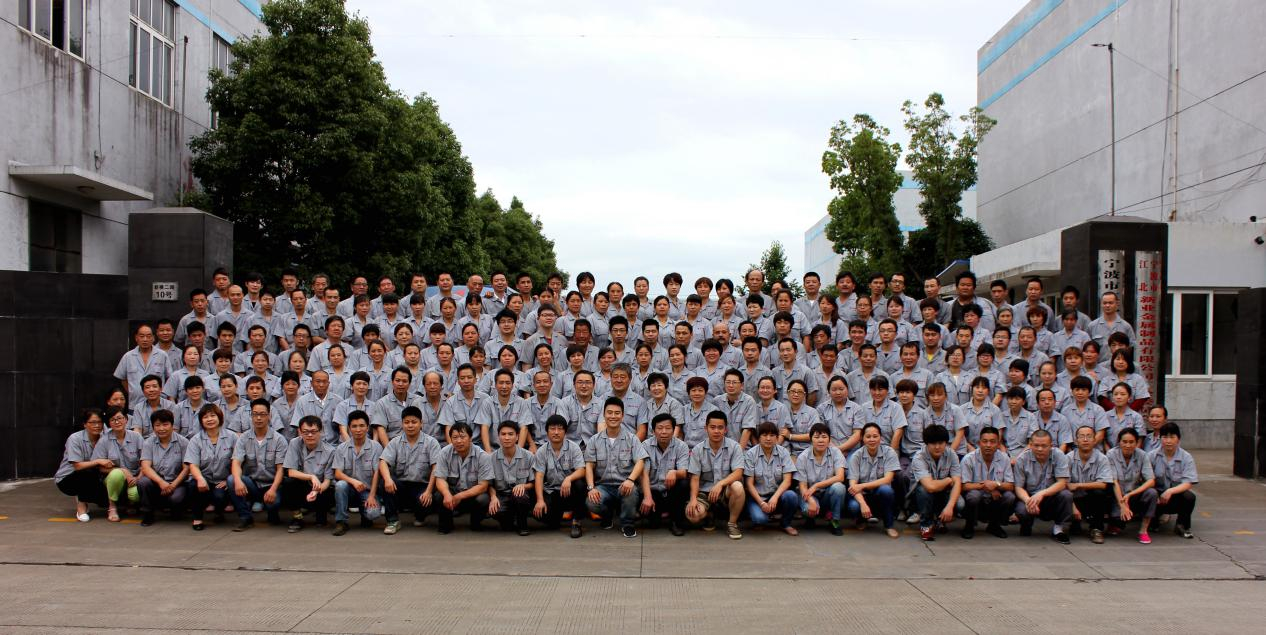
We employ 130 professionals, including 80 skilled production specialists and 50 experts in R&D, engineering design, quality inspection, and management. Located within three hours of Shanghai International Airport via high-speed rail, our facility integrates with East China's logistics networks, allowing us to export efficiently to Europe, North America, and Russia.
China's steel and manufacturing industries provide a robust ecosystem that helps companies like XinYe deliver both cost efficiency and quality. For global businesses, sourcing stamped parts from Ningbo offers key advantages:
We work directly with major domestic steel manufacturers, ensuring direct raw material access, traceable material testing reports (MTRs), and protection from supply shocks. We keep stock of key materials like SUS304, 316L, carbon steels, and specialty copper alloys.
Ningbo-Zhoushan port has one of the highest cargo throughputs globally. We arrange ocean, air, and multimodal shipments to minimize transit times. Our location allows easy access to deep-sea container lines, helping us ship goods worldwide.
East China hosts a comprehensive network of specialized tooling shops, tool-hardening facilities, and chemical processors. This regional expertise helps shorten tooling build times and simplifies the procurement process for our clients.
Our facility runs on a six-day, 16-hour operating schedule, and we can scale up to 24/7 continuous operations within 30 days to meet peak customer demand. We continue to invest in automated forming and machining tools to improve efficiency and consistency.
| Equipment Category | Technical Specifications / Press Force | Origin / Brand | Core Purpose |
|---|---|---|---|
| Friction Press Machines | 300 Tons to 1000 Tons | High-precision Japanese & Domestic brands | Aluminum & Stainless steel hot forging, heavy sizing |
| Column Hydraulic Presses | 100 Tons to 630 Tons | Precision Hydraulic Systems | Deep drawing, complex stamping, thick plate forming |
| Punching Press Machines | 5 Tons to 250 Tons | Automated Feeders Integrated | High-speed progressive die stamping, piercing, blanking |
| CNC Machining Centers | 4-Axis Simultaneous Control | Japanese imports | Secondary machining, tight-tolerance critical dimensions |
| CNC Lathes & Milling Tools | Sub-micron positioning index | High-speed precision systems | Rotational components, tooling development, prototyping |
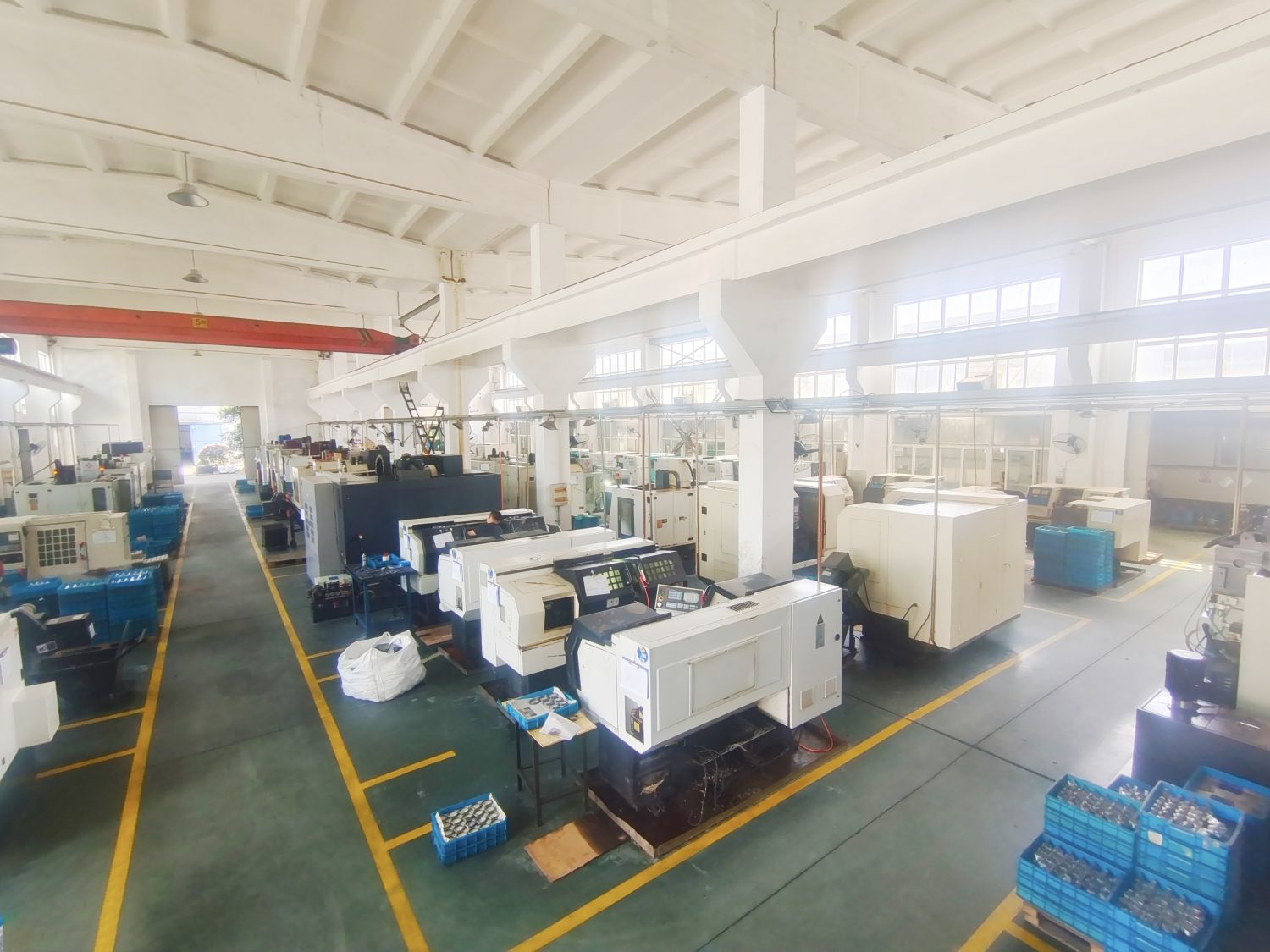
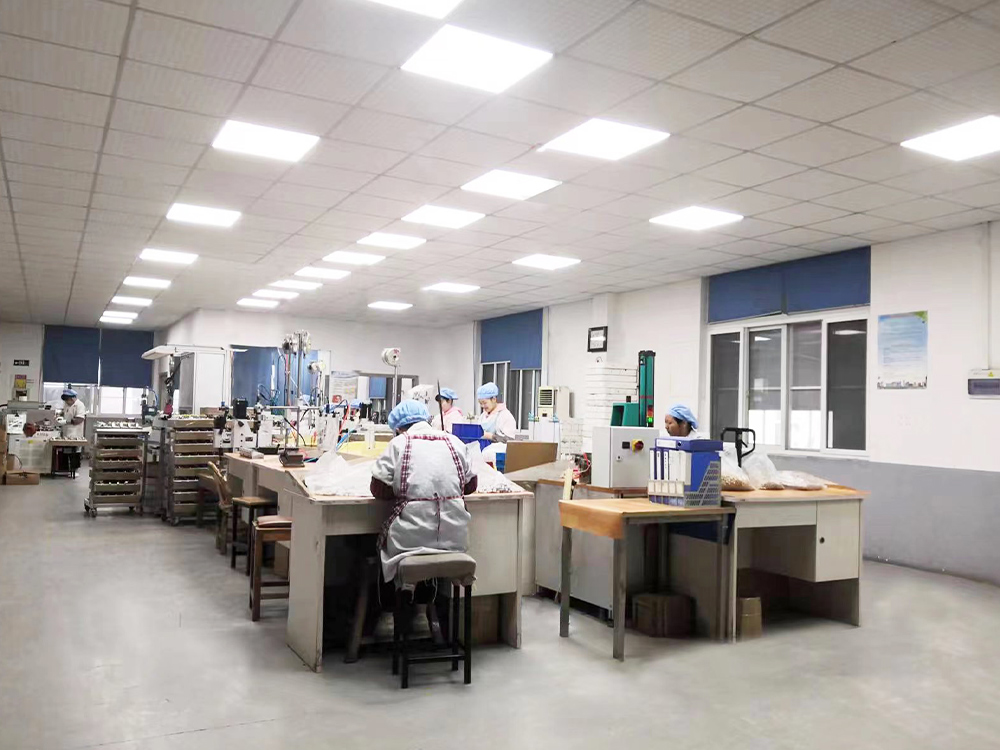
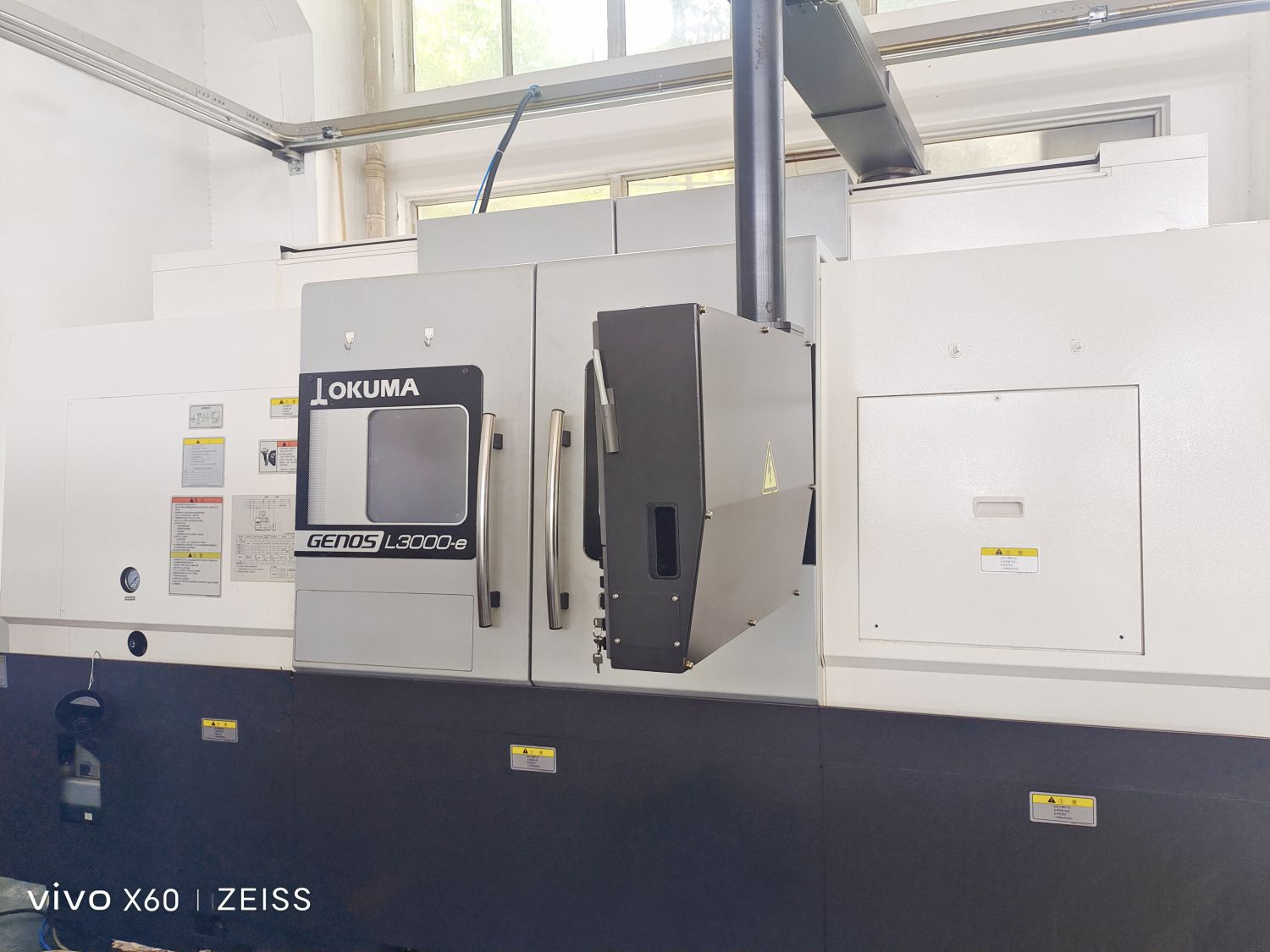
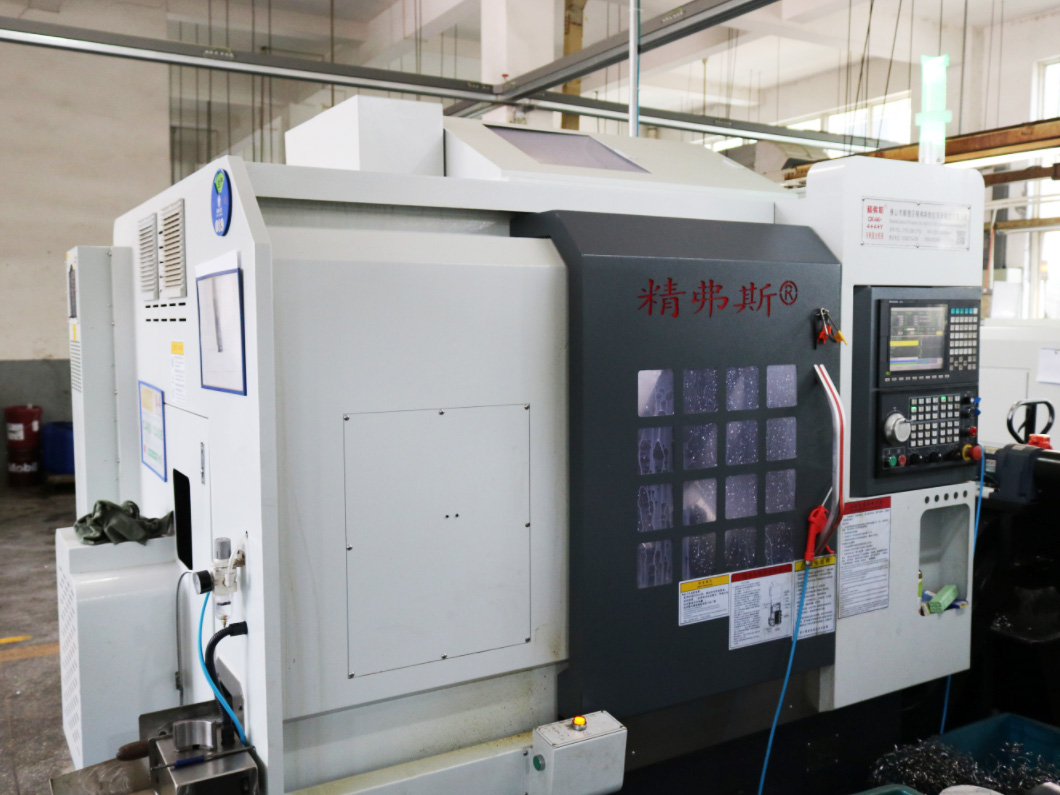
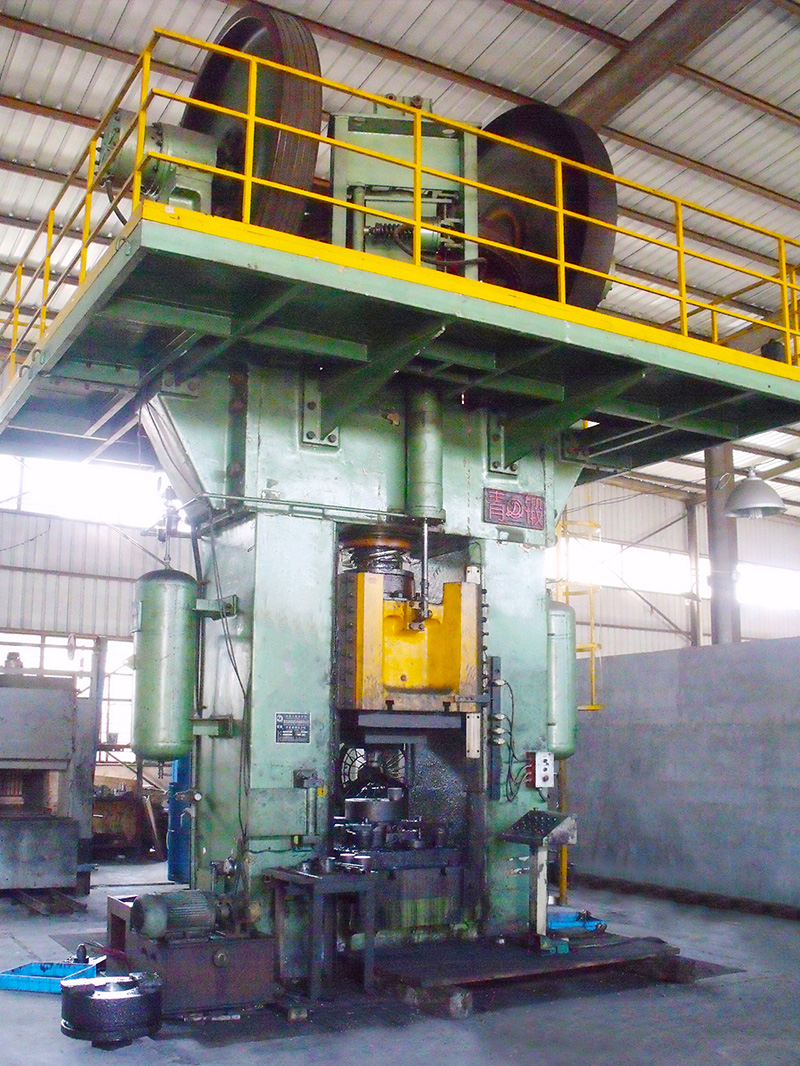
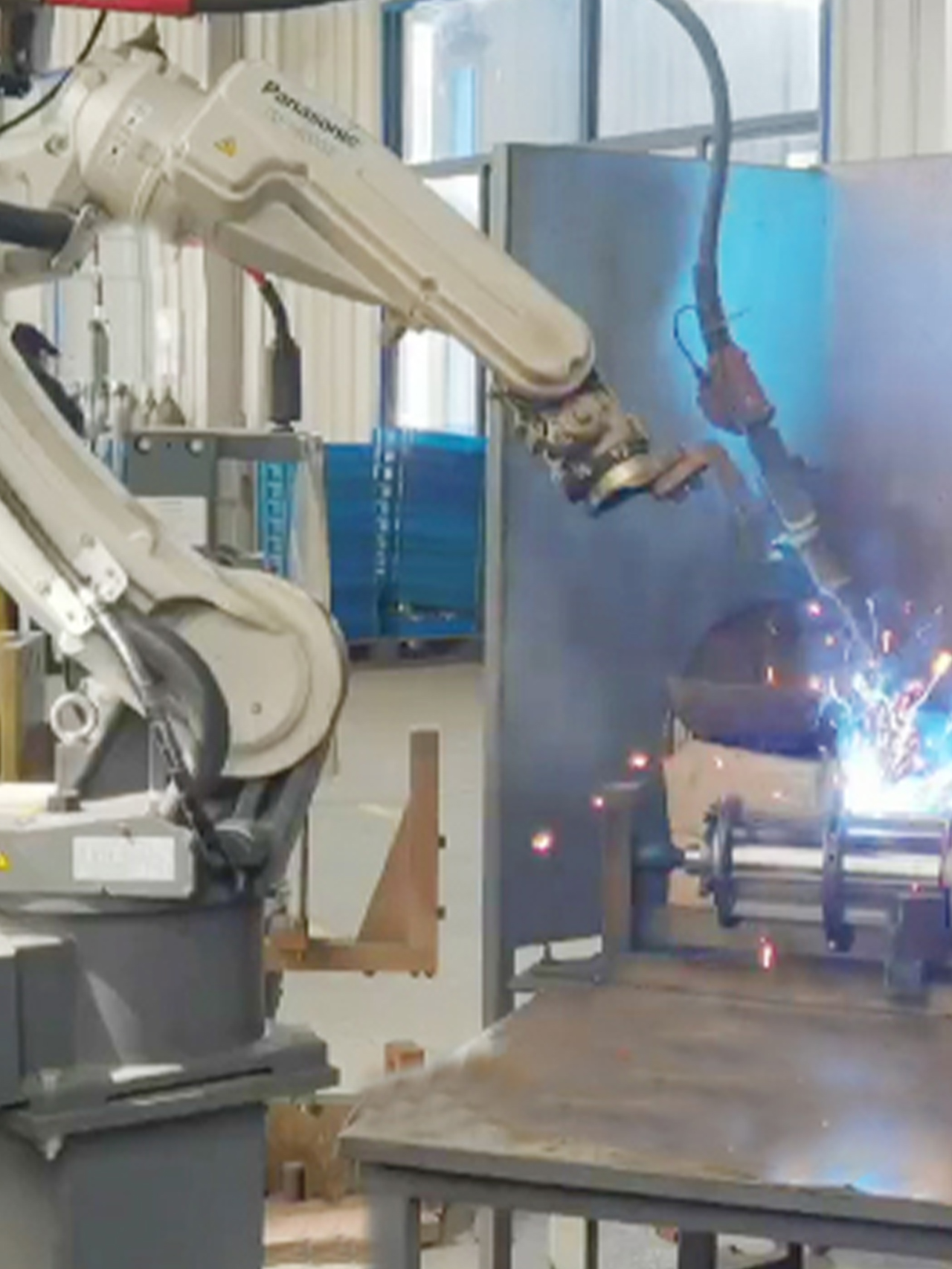
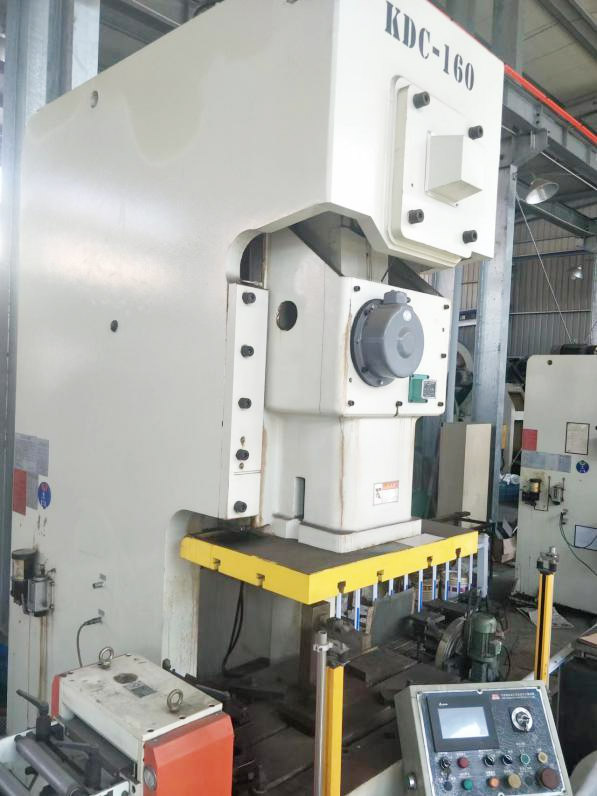
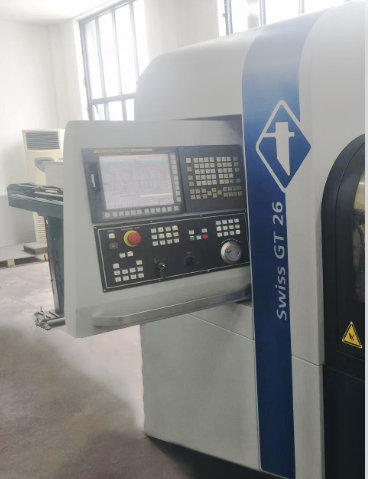
We work to integrate modern technology and mechanical systems. Our engineering department uses CAD, CAM, and finite element analysis (FEA) to simulate metal flow, helping us anticipate thin spots and avoid failures in deep-drawn parts before starting tool production.
To support high-precision requirements, we use the TIPAS MACHINE h65TMY tool-turning system. This machinery helps us produce high-quality, repeatable components for industrial and aerospace applications.
Whether you require a custom bracket, a thin-walled electronic shield, or a heavy structural plate, our stamping division combines precision engineering with technical expertise.
Our products are used in demanding industries. We provide custom solutions built to meet the standards of diverse markets:
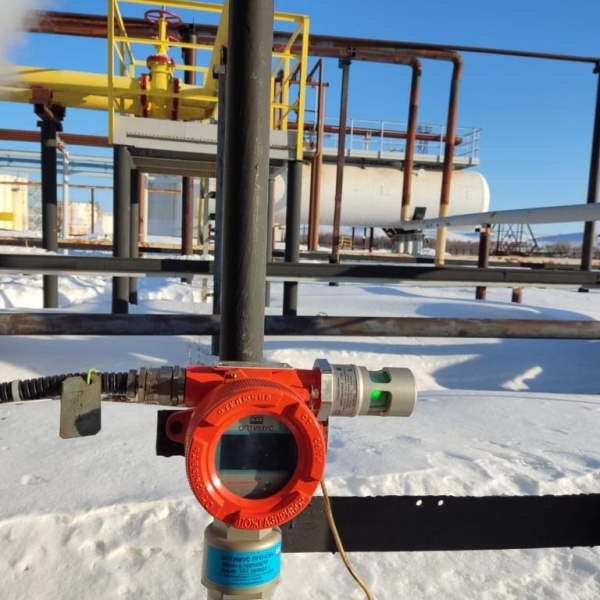
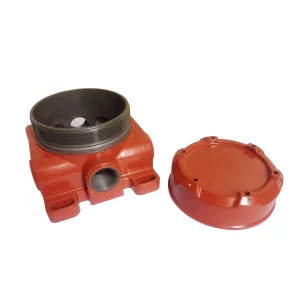
We produce flame sensors, gas detection enclosures, explosive-environment sensor housings, and fire hydrant pit box kits. Our products are designed for durability and environmental resistance in energy and mining operations.
Material: Stainless & Aluminum
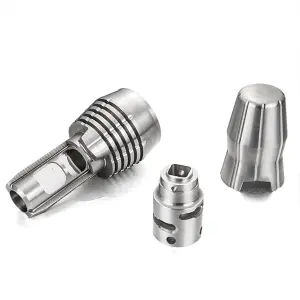
We supply structural components, transmission elements, and specialized e-bike parts, including cable connectors, high-strength tubes, and lever assemblies. These parts are built to withstand high mechanical loads.
Material: Alloys & Stainless Steel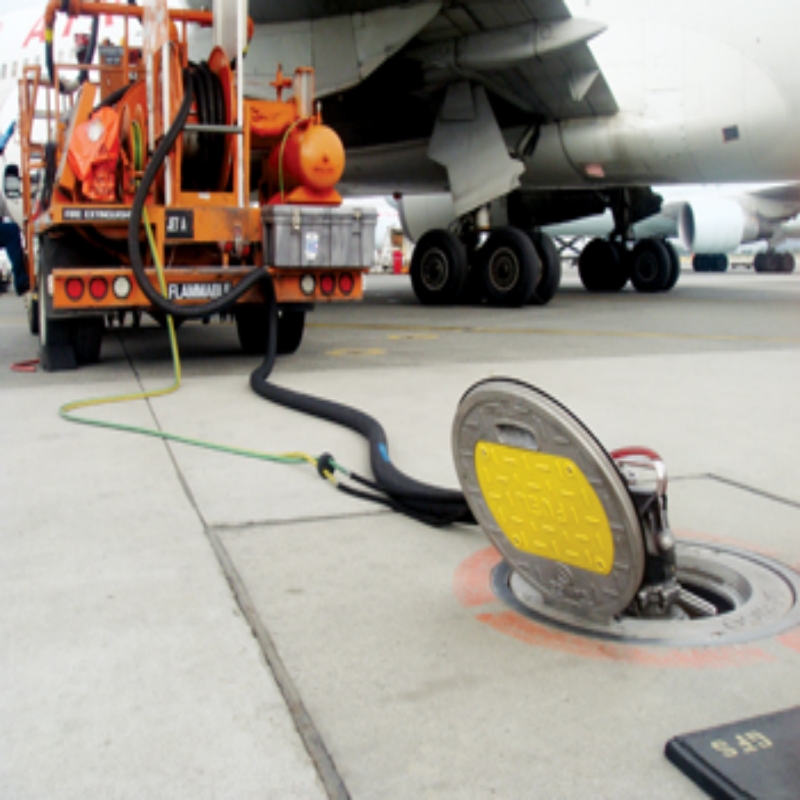
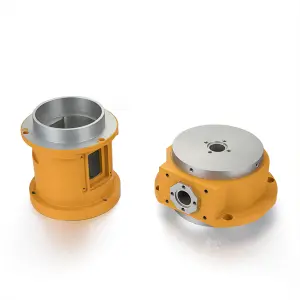
We manufacture critical components, including aviation fuel hydrant pit boxes, engine hinge brackets, turbine inlet housings, and transmission housings. These parts are produced to tight aerospace tolerances.
Material: Advanced Nickel Alloys & SUS316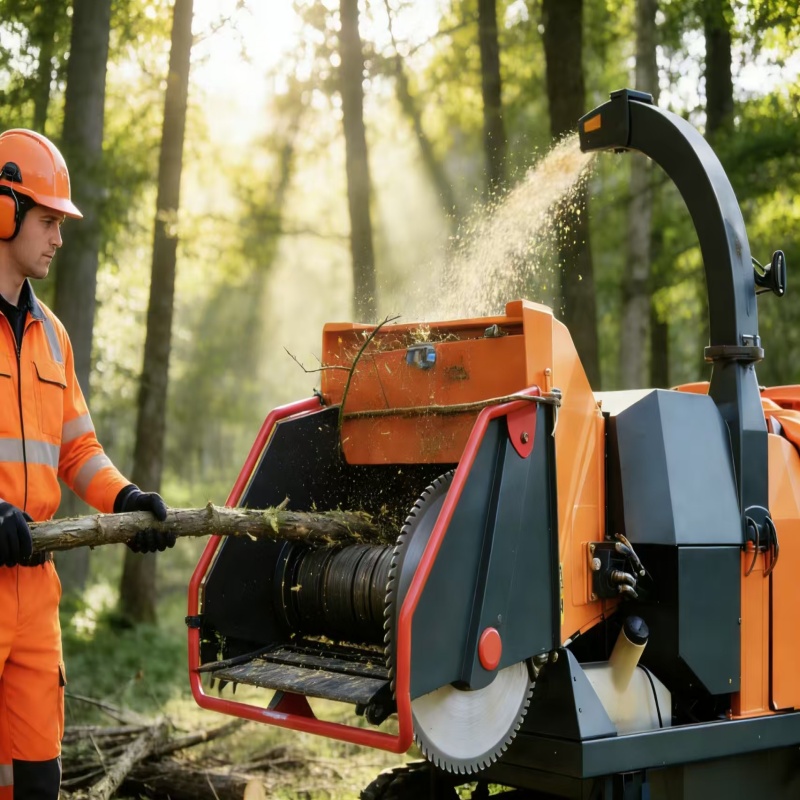
We build wood chipper cutter discs, high-precision feed rollers, and heavy wear components. These parts are constructed from specialized materials to perform under high impact and friction.
Material: Q345B, 42CrMo, NM400 Wear PlateOur quality department works to verify the physical, chemical, and dimensional compliance of every production run. With ISO 9001-2015 and SA8000 certifications, we demonstrate a commitment to both operational quality and fair social compliance.
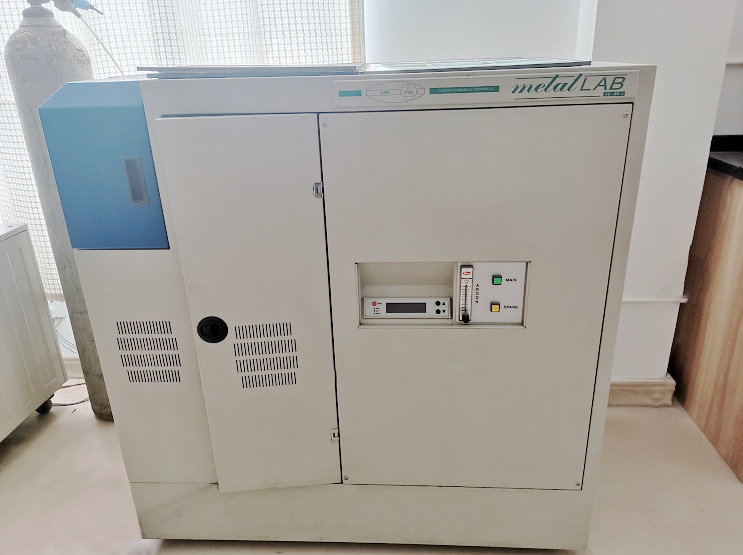
Provides raw material verification. We analyze incoming alloys for elemental composition, ensuring compliance with ASTM, DIN, or JIS standards before materials enter production.
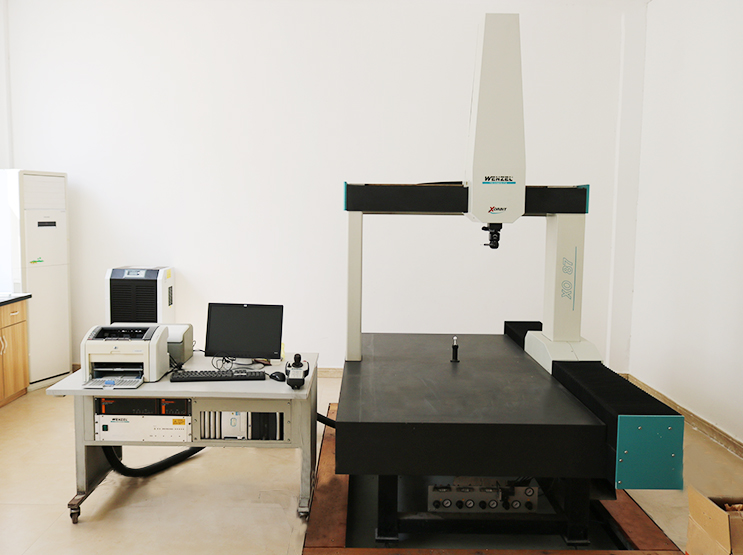
Provides computerized three-dimensional dimensional inspection. Ideal for measuring complex geometries, runouts, and positional tolerances down to single-micron ranges.
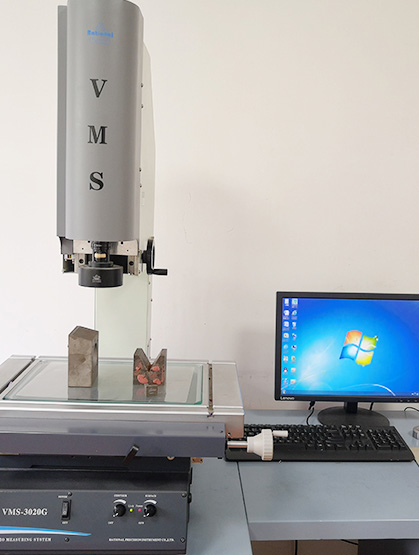
Non-contact optical inspection systems are used to verify outer diameters, hole locations, and complex surface contours on thin-gauge materials without distorting the part shape.
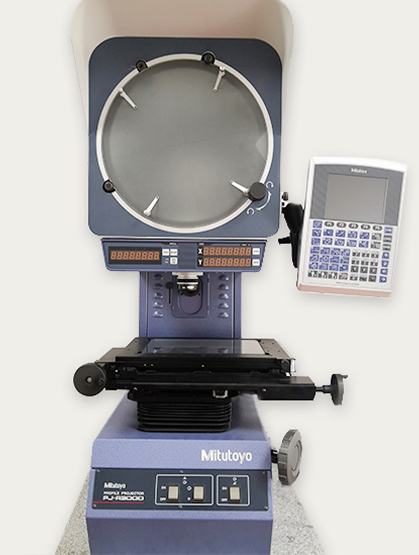
We use high-magnification optical profile tools for quick inspections during production runs, helping us monitor and adjust forming processes in real time.
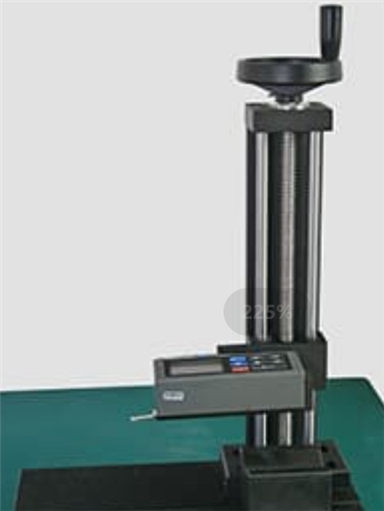
We measure surface profiles to verify that deburring, tumbling, sandblasting, and electro-polishing steps meet our customers' surface finish specifications.
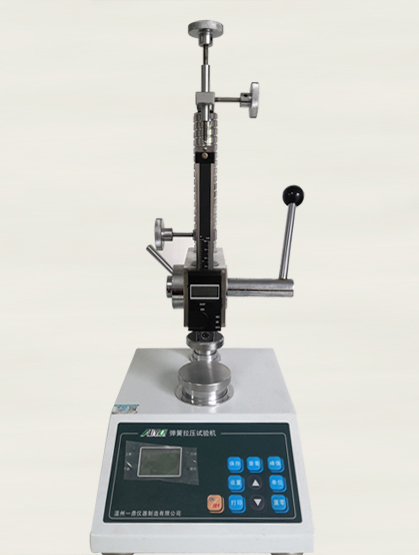
Determines mechanical properties, elastic limits, and ultimate tensile strengths to verify that structural and stamped components perform under load.
We inspect components at each stage of production. Incoming materials must pass visual and composition tests before they are issued for forming. Throughout production, quality control inspectors conduct systematic dimension checks to catch tool wear early.
Every shipment is packaged for transport and includes quality documentation, including 3.1 material certificates, dimensional inspection reports, and certificates of conformance (CoC).
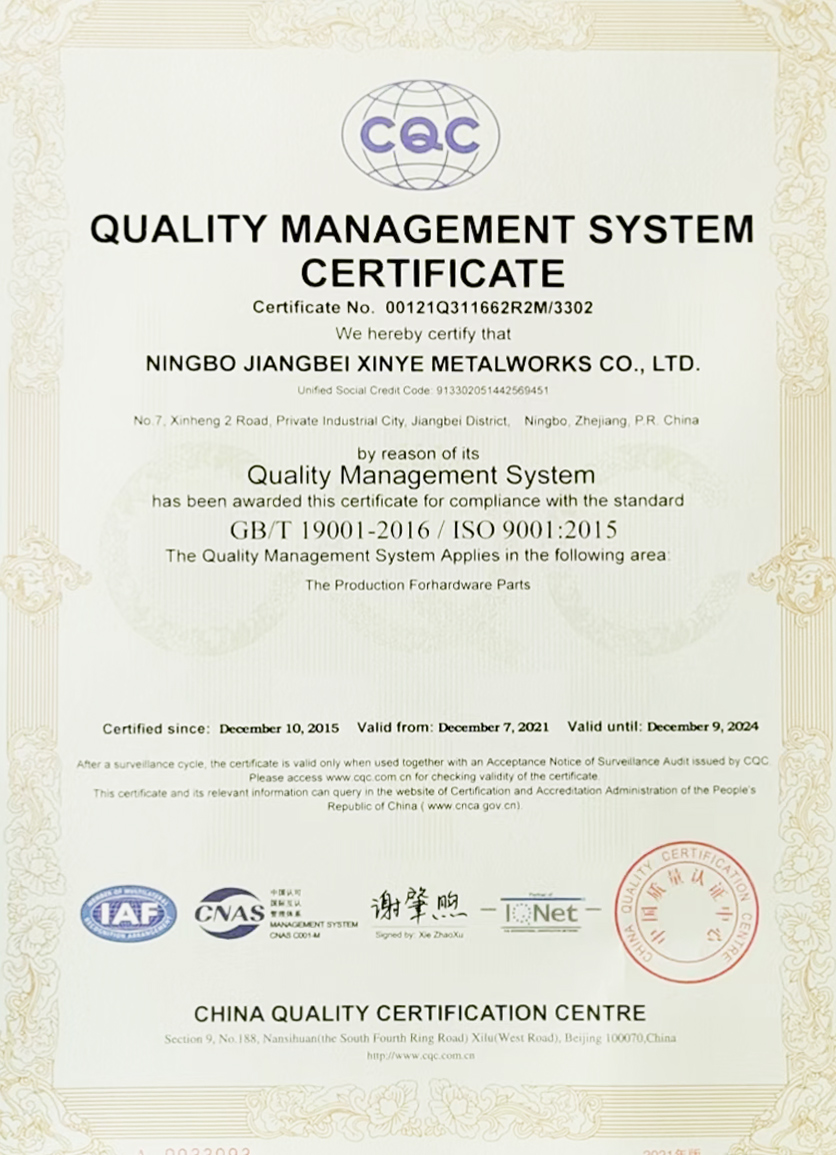
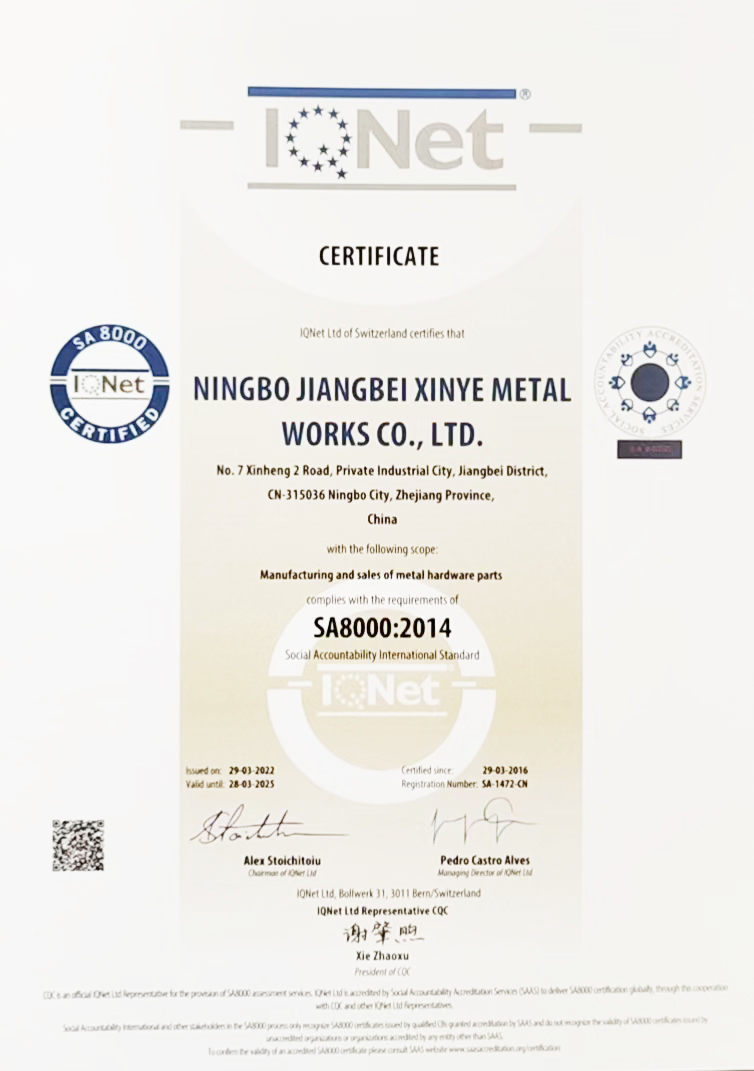
Sourcing metal parts internationally requires clear engineering communication, compliance with regulations, and reliable logistics. We work to support global engineering and procurement departments in several ways:
Our technical team coordinates in English, helping to resolve drawing queries, mechanical adjustments, or finishing requirements before starting tooling production.
We support environmental compliance standards, including RoHS, REACH, and California Proposition 65. Our supply chain works to source materials from compliant sources.
We offer shipping options to match your requirements, including FOB Ningbo/Shanghai, CIF, DDU, and DDP. We handle customs documentation to support clean customs clearance.
We review your drawings, tolerances, and material specifications. Our engineers look for potential design improvements to optimize forming, reduce scrap, and lower production costs.
We build tool sets in-house. We run trial stampings to inspect dimensions, surface finishes, and repeatable tolerances before starting mass production.
We send samples with full inspection records to your engineers for review and approval. We adjust tooling settings as needed based on your feedback.
After approval, we schedule production. Parts are stamped, finished, deburred, and surface treated according to specifications under continuous quality control.
Parts are assembled in our dedicated workshop as needed, packed in protective packaging, and shipped with all required customs documentation.

The global metal fabrication industry is changing quickly. To remain competitive, we focus on investing in key industry advancements:
We adapt our tooling and stamping processes to handle high-strength, thin-gauge alloys. This helps automotive and aerospace designers reduce weight without sacrificing strength.
We integrate acoustic and physical sensors into our stamping tooling to monitor tool wear. This helps us predict maintenance needs and maintain dimensional consistency over long production runs.
We use nesting software to design stamping patterns. This helps us optimize sheet layout, reduce scrap steel waste, and manage raw material costs for our clients.
 XinYe Metal