Explore our industrial range of high-tolerance stamping, precision hot forging, advanced CNC components, and complete assemblies.
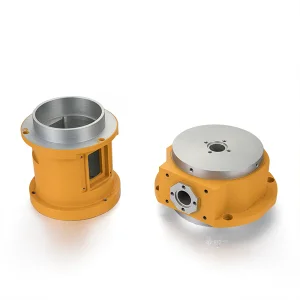
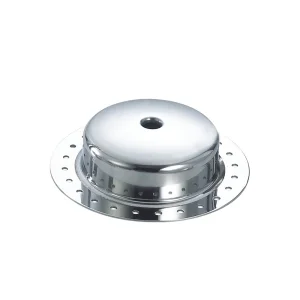
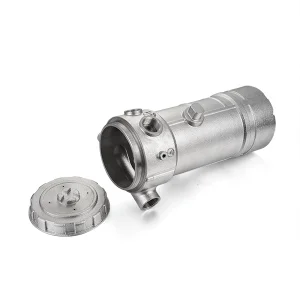
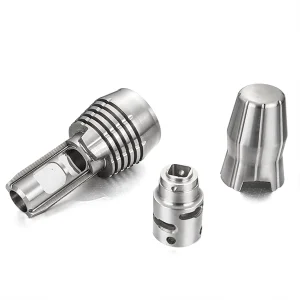
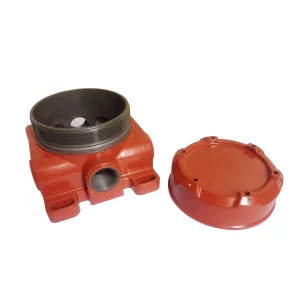
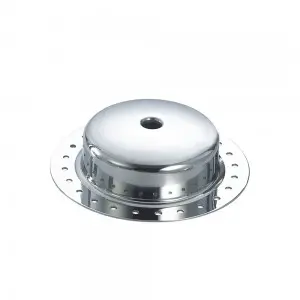
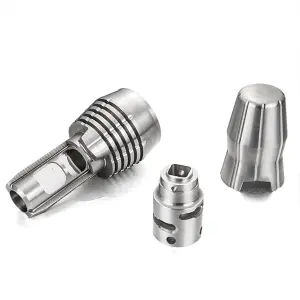
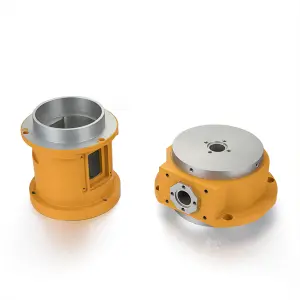
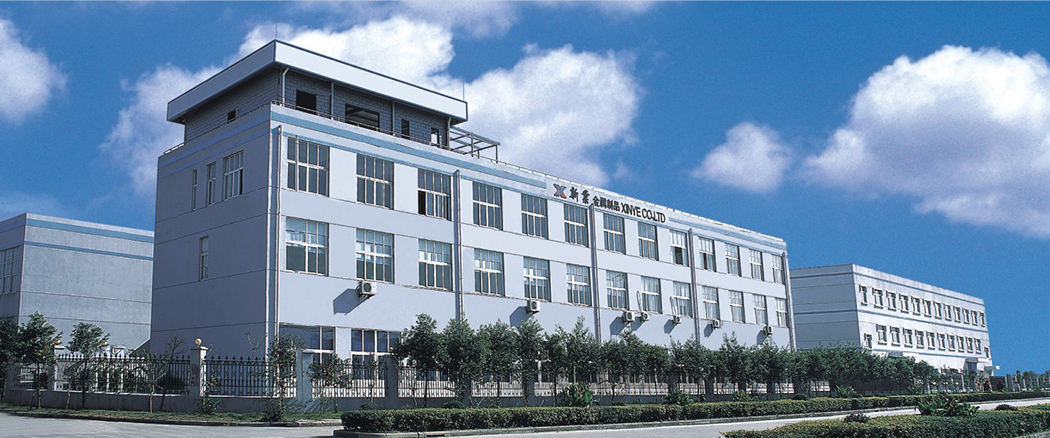
Founded in 1996 as an owner-managed family enterprise, XinYe Metal Works has matured into a leading SME hub for precision metal forming and manufacturing. Strategically located in the Ningbo Jiangbei Industrial Zone, our facility is within a 3-hour commute from Shanghai International Airport via the high-speed rail network, giving global clients easy access for factory audits and engineering reviews.
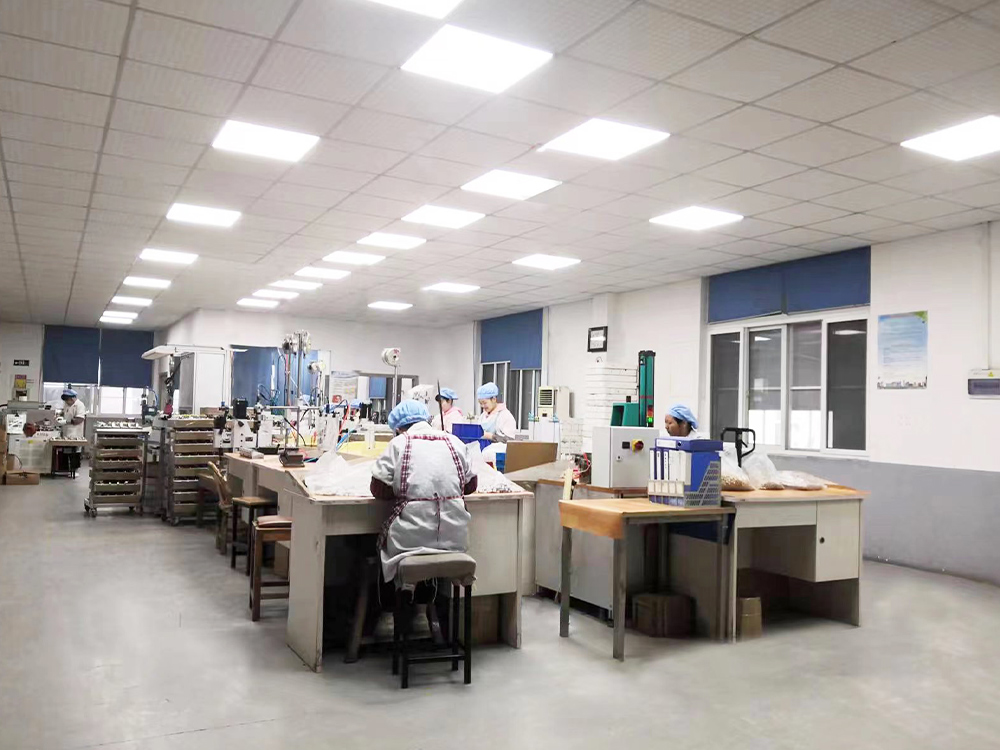
Our operations span a total facility area of 16,000 square meters of high-density production space, with an additional 11,000 square meters designated for upcoming construction. Our 130-strong workforce comprises 80 highly skilled production technicians and 50 dedicated personnel in product development, engineering design, quality control, and management logistics. Over the last two decades, our constant drive for technology integration and strict quality management has positioned us as a reliable partner for companies across Europe, North America, and Russia.
Established
Production Space
Technical Staff
Whitepaper Analysis: Market Drivers, Geopolitical Challenges, and Technological Shifts in Modern Metal Fabrication.
The global metal stamping market is undergoing a structural transition. Driven by the light-weighting requirements of the automotive sector, the expansion of green energy infrastructure, and the complexity of modern consumer electronics, suppliers must now operate at the intersection of metallurgy, design engineering, and automated logistics. Traditional manual press operations have given way to smart servo press systems, advanced progressive die setups, and real-time vision inspection technologies.
With geopolitical tensions focusing attention on supply chain resilience, global OEMs are prioritizing suppliers who offer vertically integrated processes under one roof. By combining raw tool design, progressive metal stamping, deep drawing, secondary CNC machining, and automated finishing like anodizing or electropolishing, suppliers can reduce transit lead times, mitigate component deviation, and provide verifiable raw material traceability. Ningbo Jiangbei XinYe Metal Works Co., Ltd. addresses this market demand, helping international partners move seamlessly from prototype development to scaled mass production.
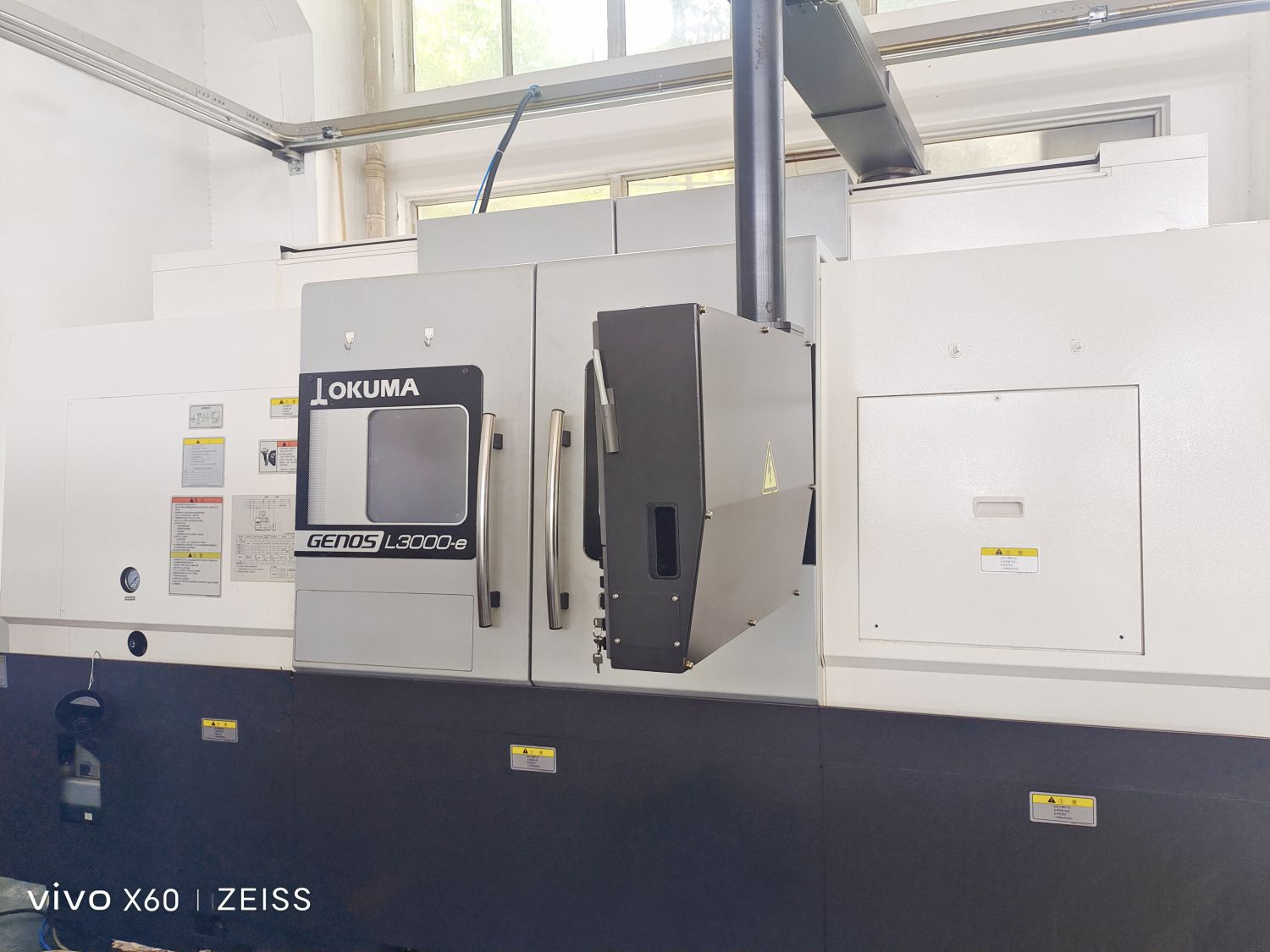
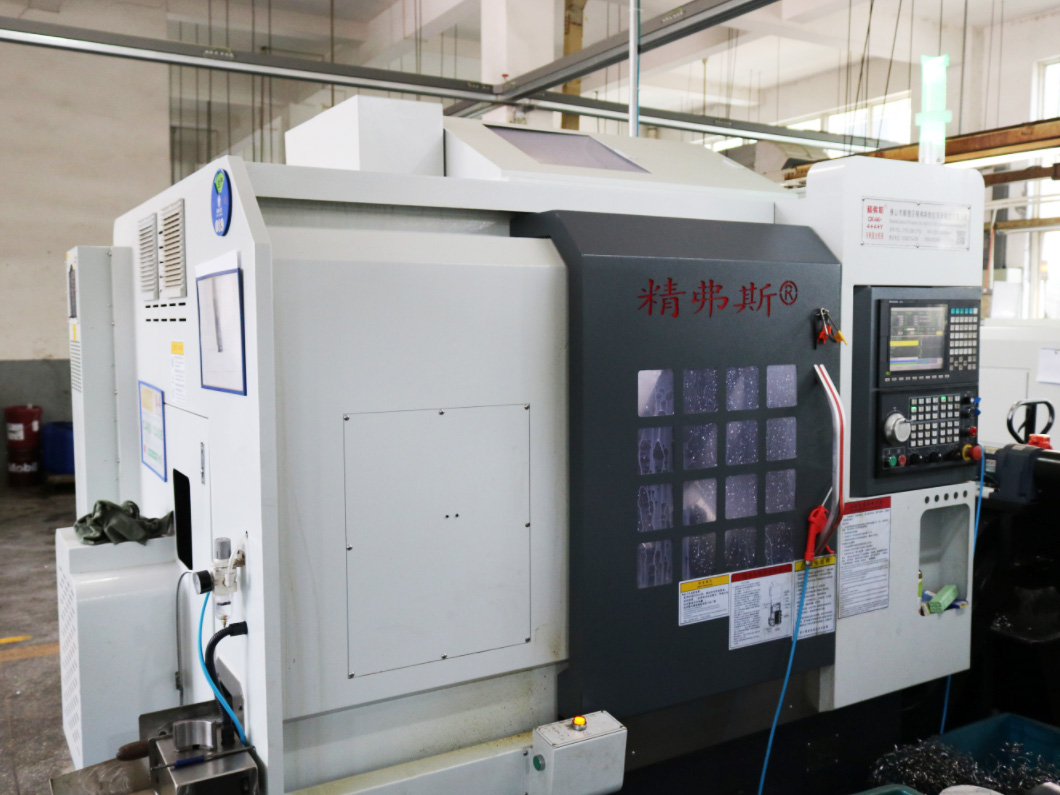
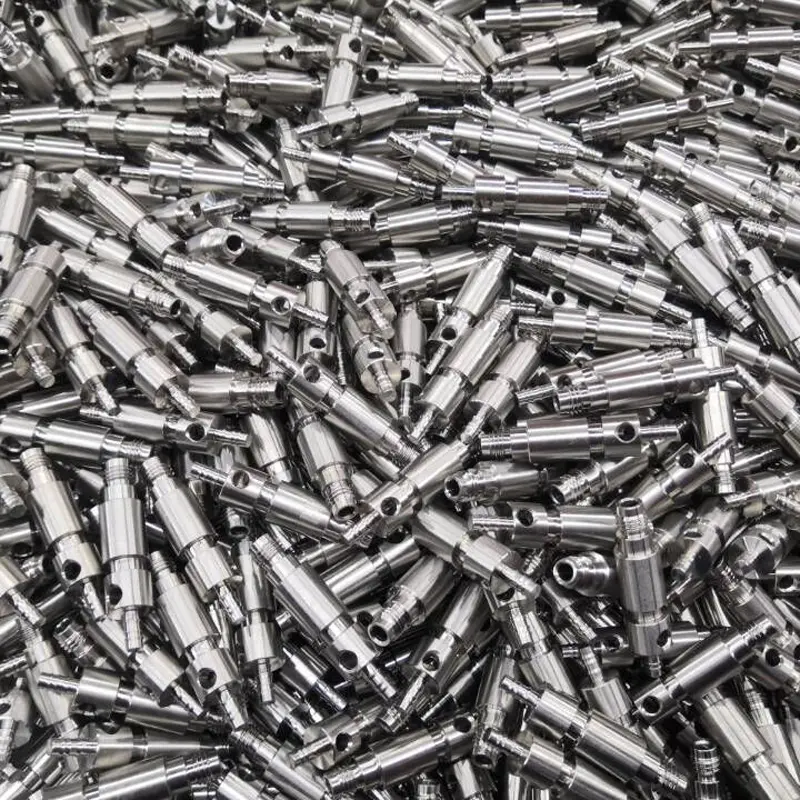
4-axis CNC turning and milling centers delivering tolerances up to 0.001mm. Suitable for high-accuracy finishing of forgings and cast structures.
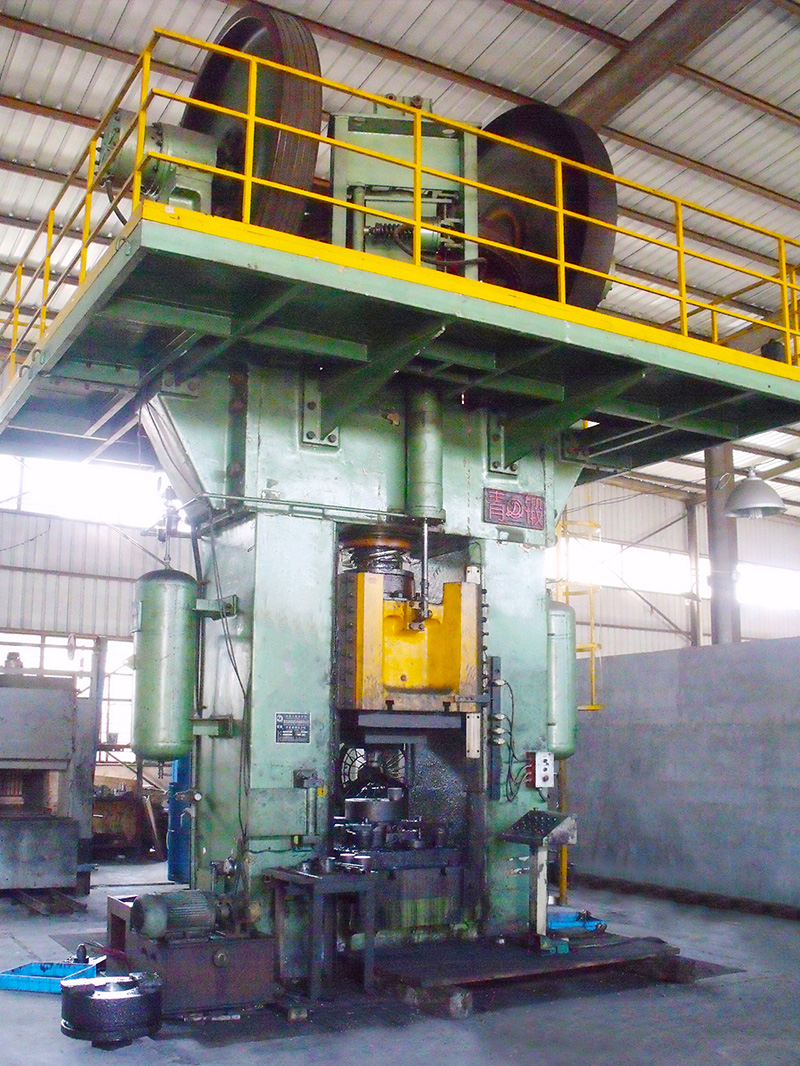
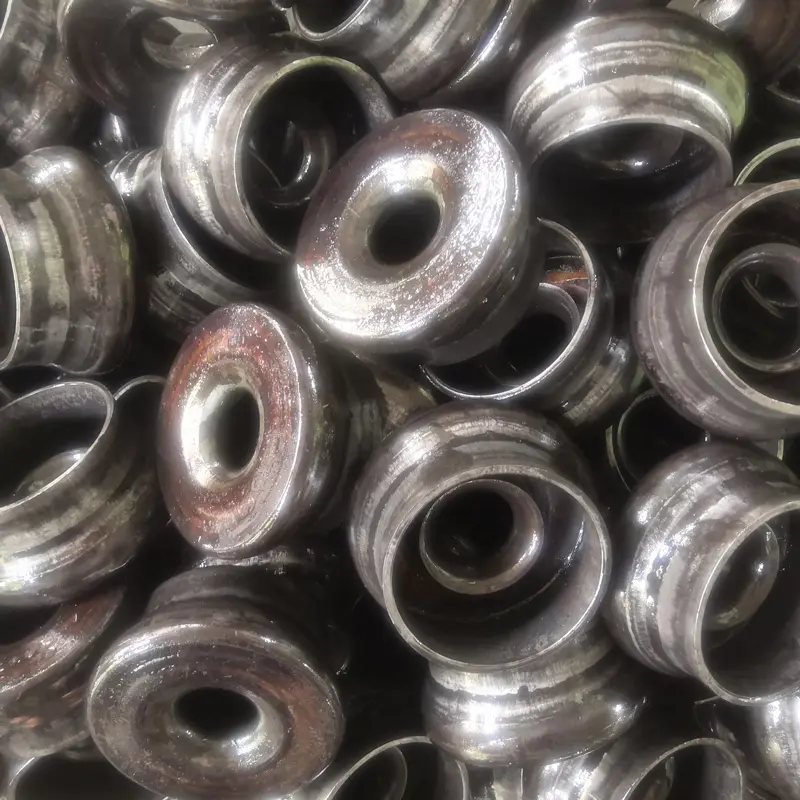
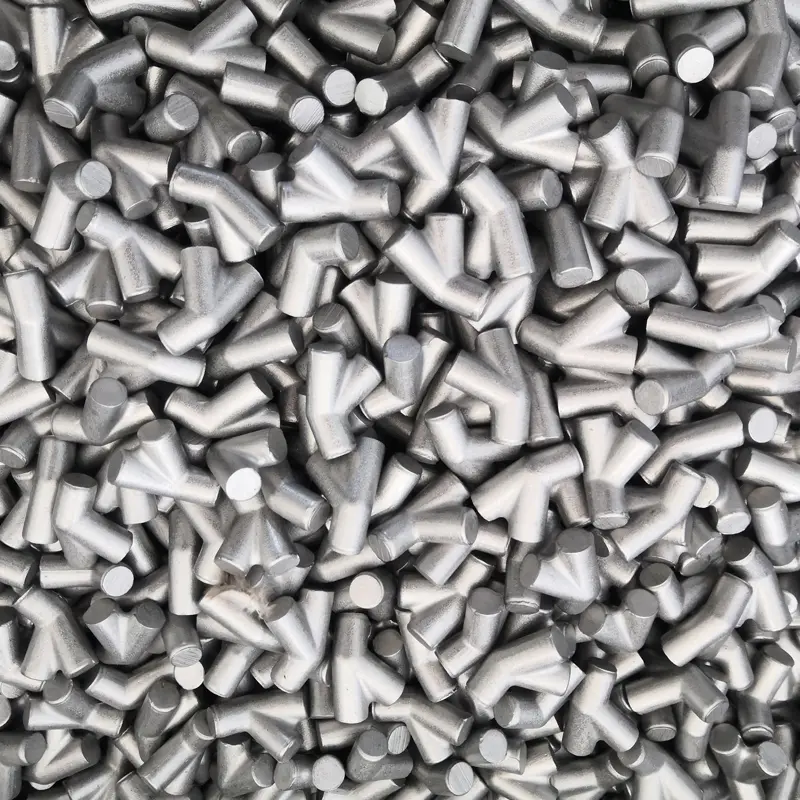
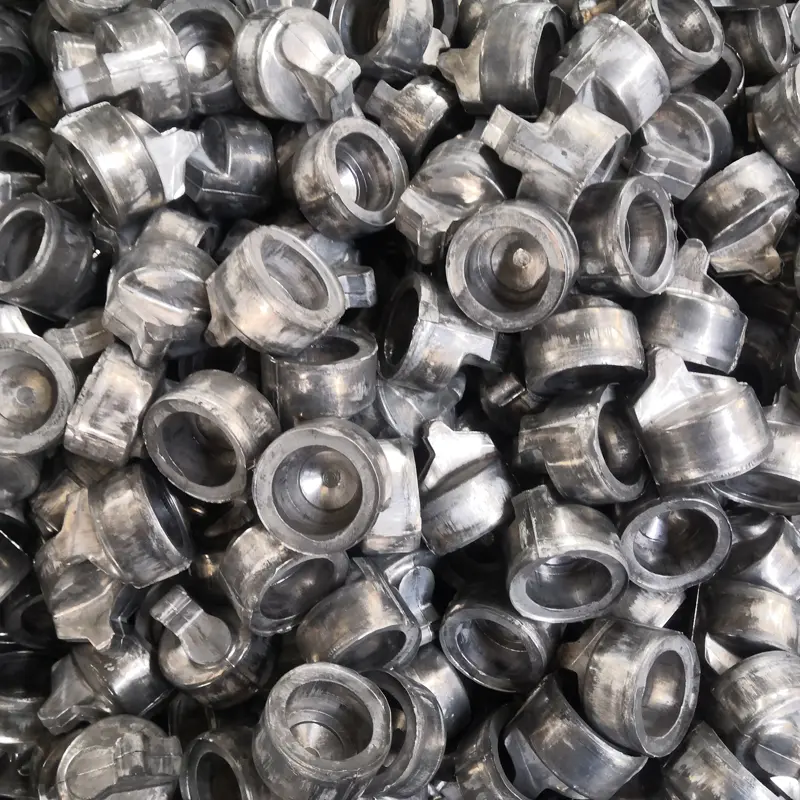
Utilizing high-capacity friction presses (300 to 1000 tons) to optimize grain structures, improving fatigue strength and mechanical properties.
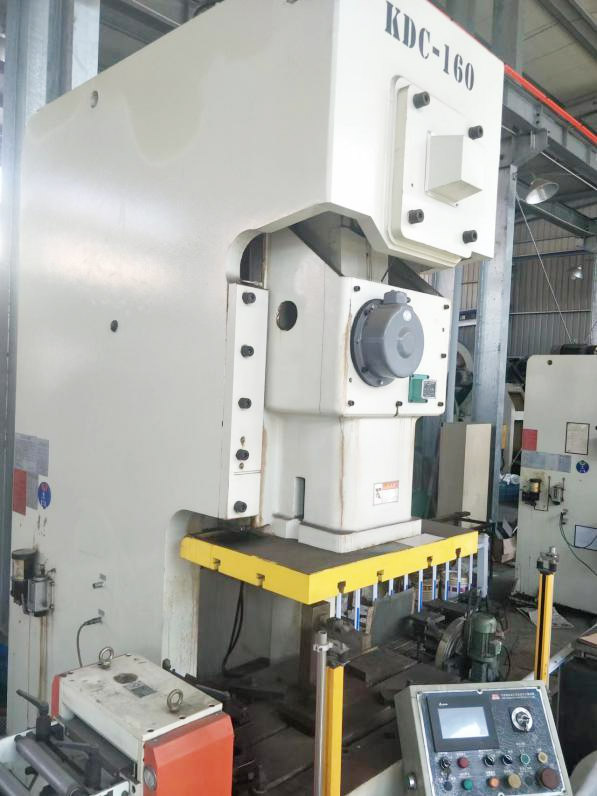
Punching press configurations from 5 to 250 tons. Handling steel, copper, specialty alloys, and engineered plastics with complex geometries.
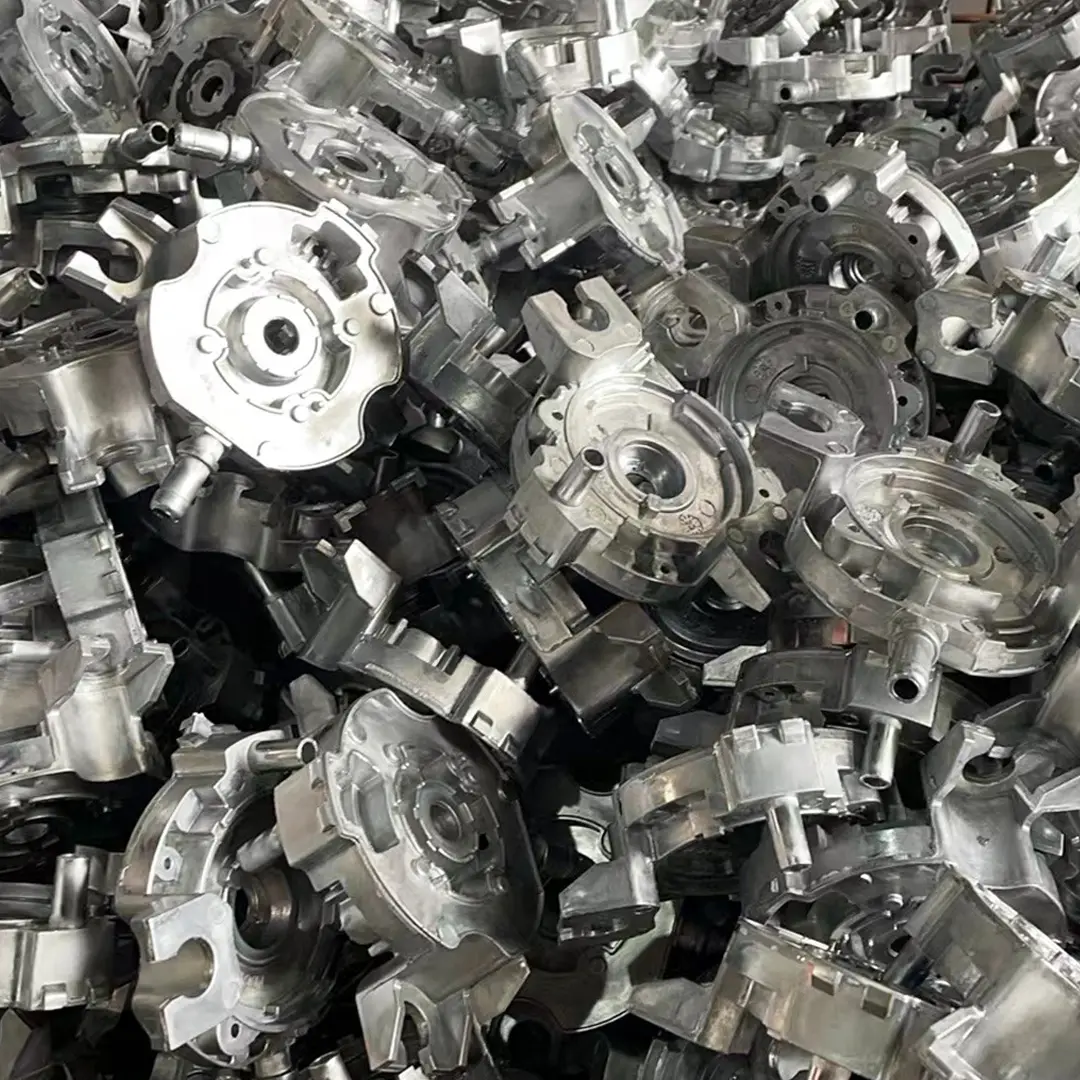
Stainless steel and alloy wax die casting, delivering precise component replication with smooth surface finishes and complex internal paths.
In-house anodizing and electrochemical polishing (E-polish) that provide corrosion resistance and surface prep for harsh environments.
Dedicated assembly lines and global logistics networks, exporting custom assemblies to markets in Europe, North America, and Russia.
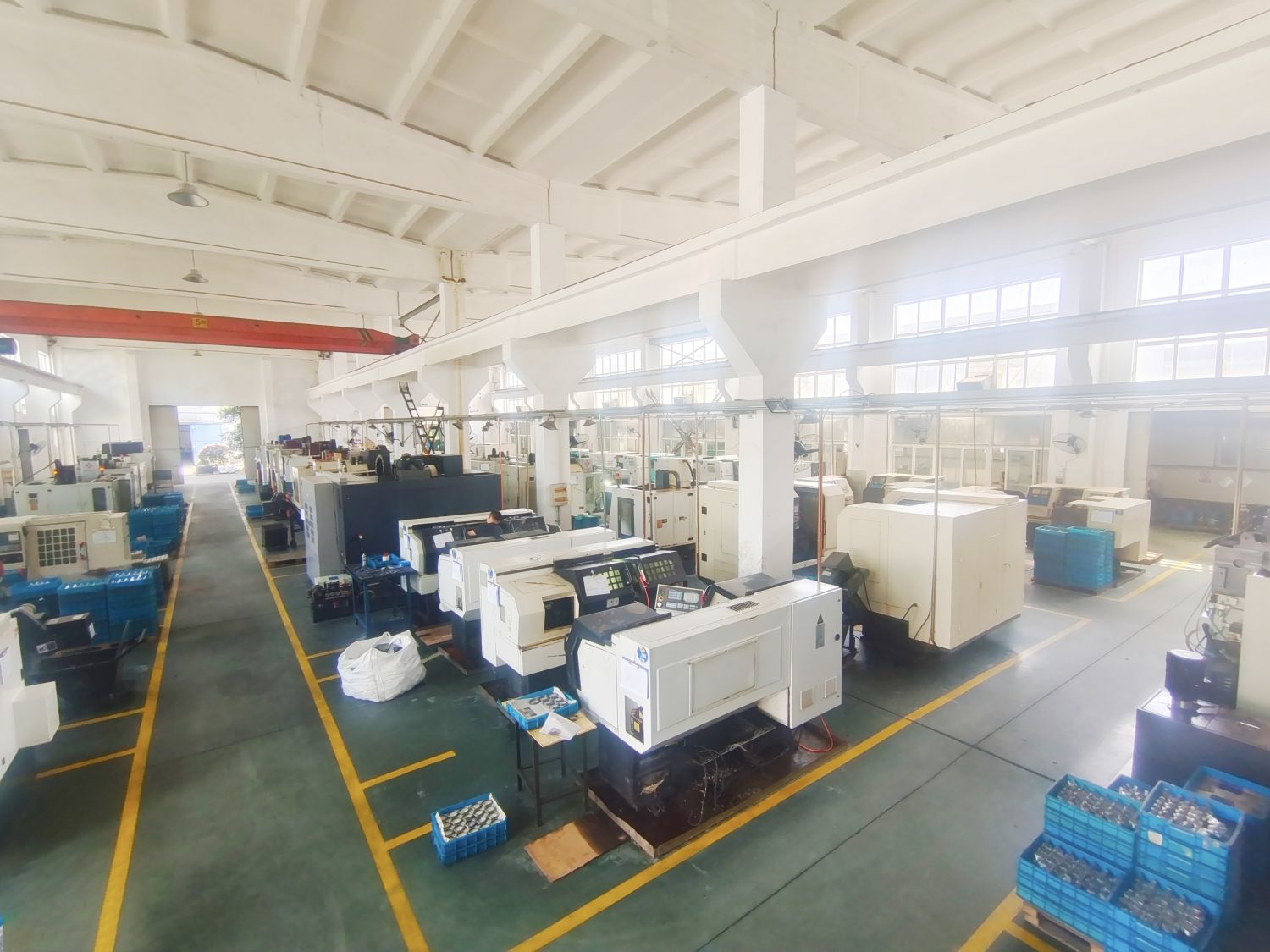
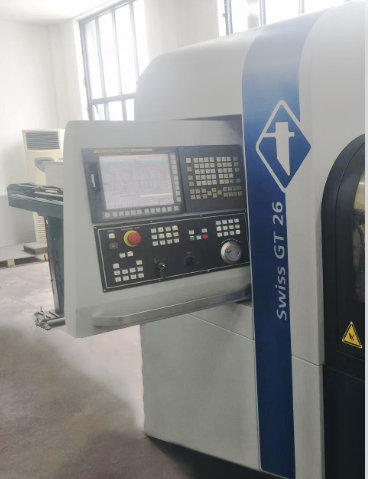
Equipped with advanced machinery from Japan and custom-built lines for repeatable precision.
Our core production facility operates on a standard 16-hour schedule over a 6-day week. To accommodate unexpected demand fluctuations, our engineering layout and shift patterns are structured to scale to full 24/7 continuous operation within 30 days. Supported by our own engineering team, we have structural land reserves available for future facility expansions.
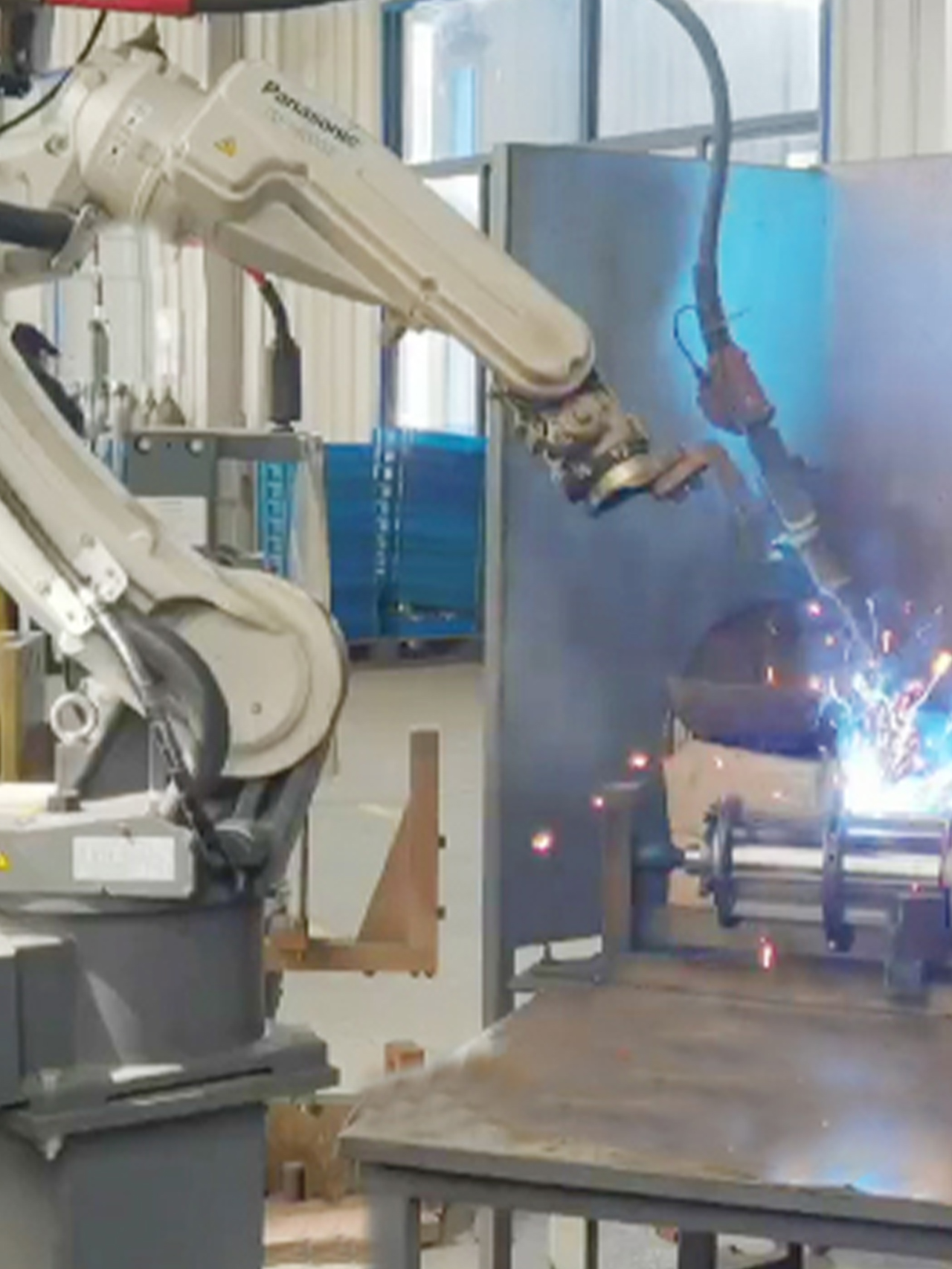
We invest in production machinery imported from Japan and configure press lines to match exact customer needs. Our primary machinery fleet includes:
From engineering review to validation, our processes are optimized for precision and transparency.
Verification of CAD data, die geometry simulation, raw material suitability testing, and cost estimation.
Designing tool steel dies and sample components, followed by dimensional inspection and documentation.
Component testing, verification of metallurgy and finish, and client approval of the golden sample.
Continuous stamping runs, in-line quality controls, batch serialization, and export packing.
1. Drawing Confirmation: Our engineering team performs a thorough DFM (Design for Manufacturability) review of incoming technical drawings. This step ensures that tolerances, draft angles, and raw material yields are optimized for tool durability.
2. Tooling Calculation & Quotation: We calculate manufacturing costs by analyzing material utilization, press configurations, die maintenance cycles, and secondary post-processing steps.
3. Prototyping Run: Once tooling is developed, we execute prototype stampings or forgings. This validates the metal flow characteristics and progressive die sequences.
4. Verification & Inspection Reports: Before shipping, prototype components undergo inspection. We supply complete material analysis reports, dimension inspection certificates, and structural verification data.




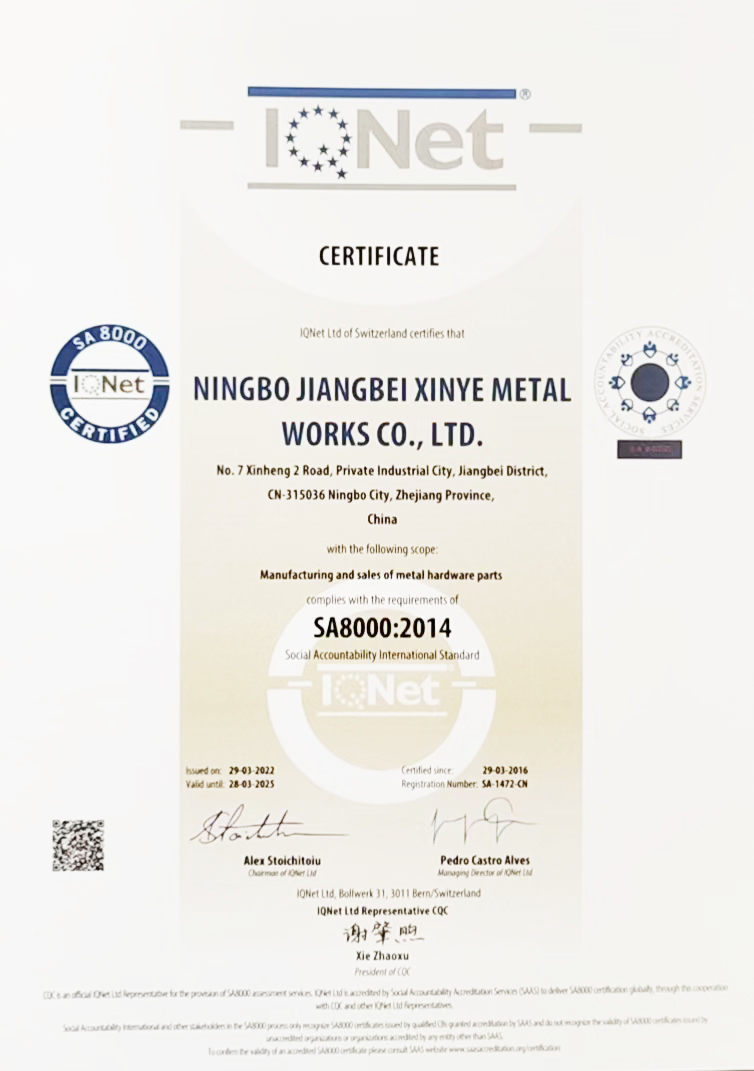
ISO 9001:2015 and SA8000 Certified — Adhering to strict standards from incoming material to final inspection.
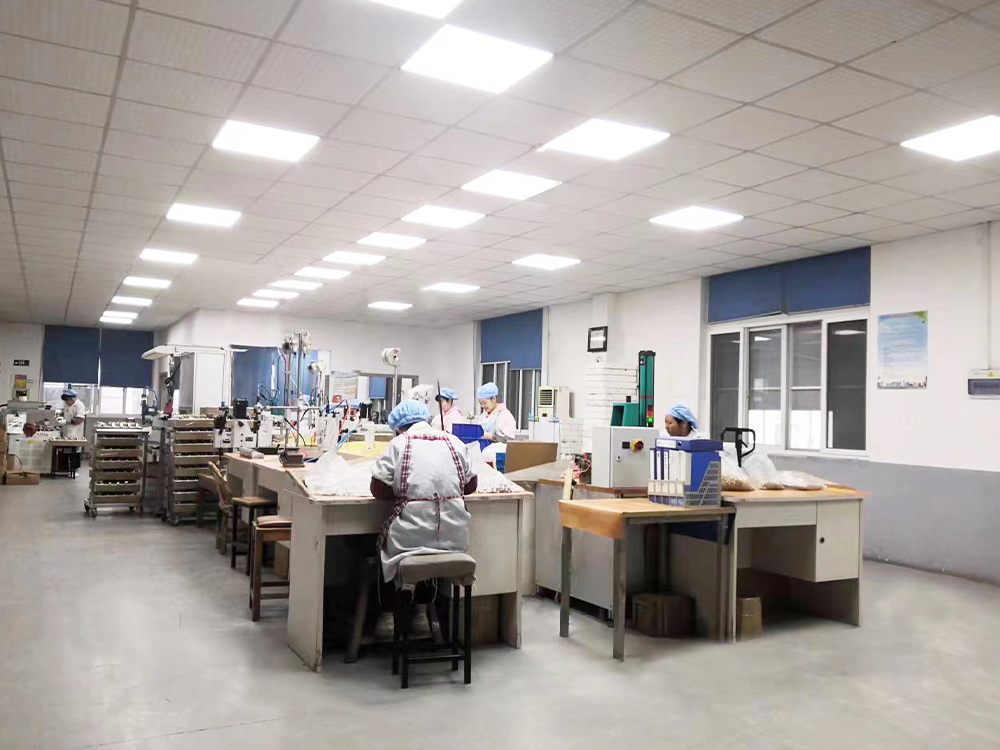
For industrial components, quality control is central to functional performance. XinYe Metal Works utilizes a robust traceability system, recording production stages from mill heats to final export packing.
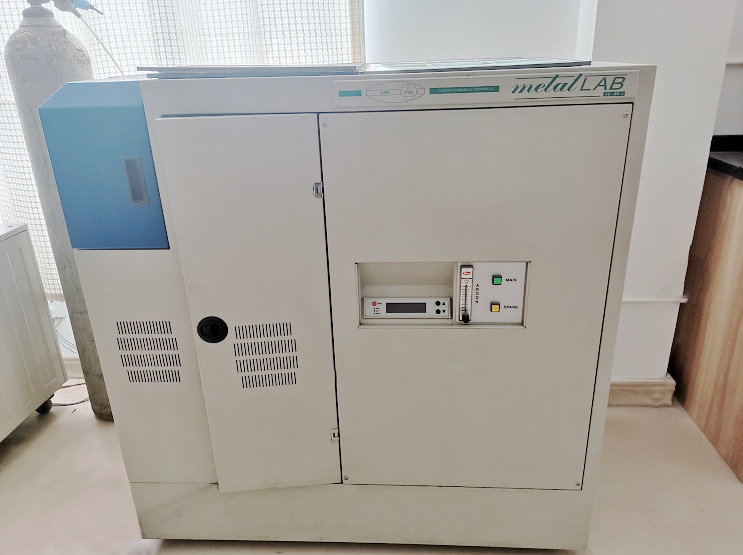
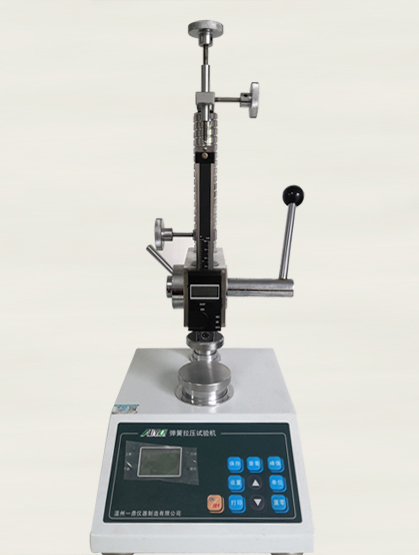
Spectrochemical analysis of alloy chemistry, grain boundary checks, and hardness testing ensure raw stock aligns with specifications before production starts.
Operator-led and QC technician audits verify dimensional tolerances during fabrication, preventing component drift across long stamping runs.
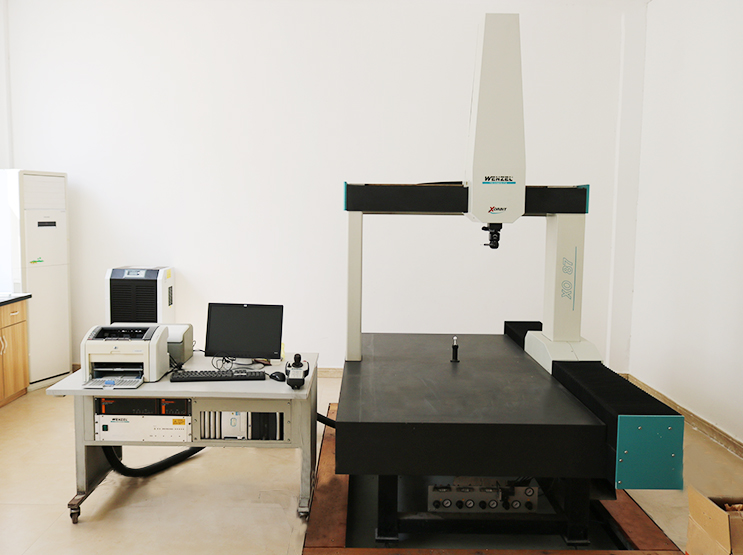
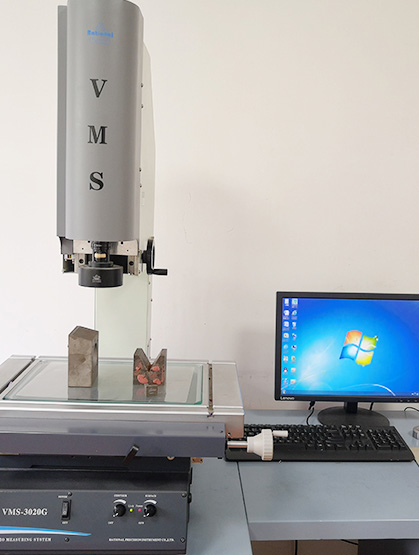
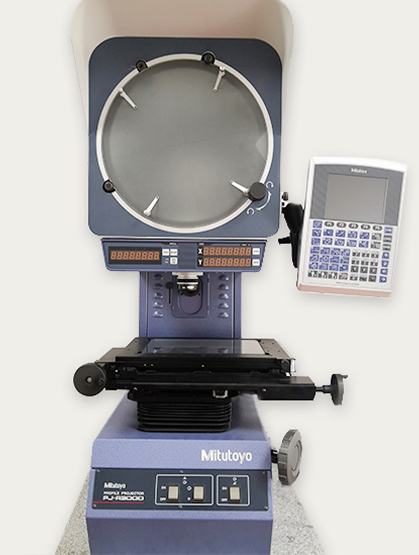
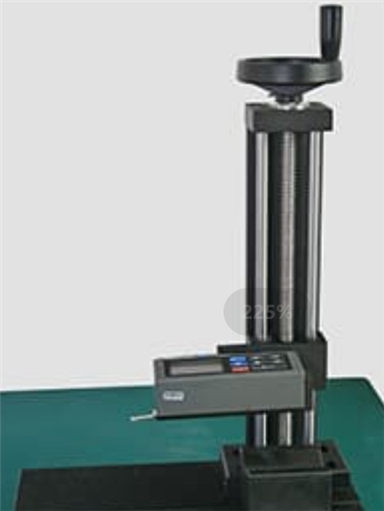
Coordinate Measuring Machine (CMM) analysis, optical video measurements, and surface finish tests check all mechanical dimensions.
Understanding the technological developments shaping the future of metal forming.
1. Servo-Driven Press Technologies: Servo-press systems allow customizable slide kinematics. Unlike mechanical flywheels, servo systems let engineers slow the press stroke at the point of contact. This reduces material stress, minimizes tool wear, and allows for deep drawing of complex, thin-walled designs.
2. Sustainable Green Metallurgy: Environmental footprint reduction is a priority across the supply chain. Today's stamping operations use biodegradable lubricants and prioritize materials with high recycled content. The recycling of sheet metal scrap remains standard practice to support circular manufacturing models.
3. Advanced High-Strength Steels (AHSS): Modern automotive and structural engineering uses lighter, stronger alloys. Forming these materials requires high-pressure presses, robust tooling materials, and finite element analysis (FEA) simulations to manage structural integrity during production.
AI-Assisted Surface Defect Inspection: Visual checking is being replaced by machine vision camera systems. Real-time scanning algorithms detect scratches, surface splits, and thinning during production, helping prevent out-of-spec batches.
Closed-Loop Thermal Feedback: In hot forging operations, structural performance relies on precise temperature control. Future production runs will incorporate pyrometer sensors connected directly to induction heating furnaces, keeping material temperatures within target forging windows.
Digital Tooling Twin Integration: Transitioning tooling design to cloud-based CAD/CAE models supports remote engineering reviews and accelerates tool correction cycles during prototype development.
Explore how our stampings, forgings, and machined components perform in critical industrial environments.
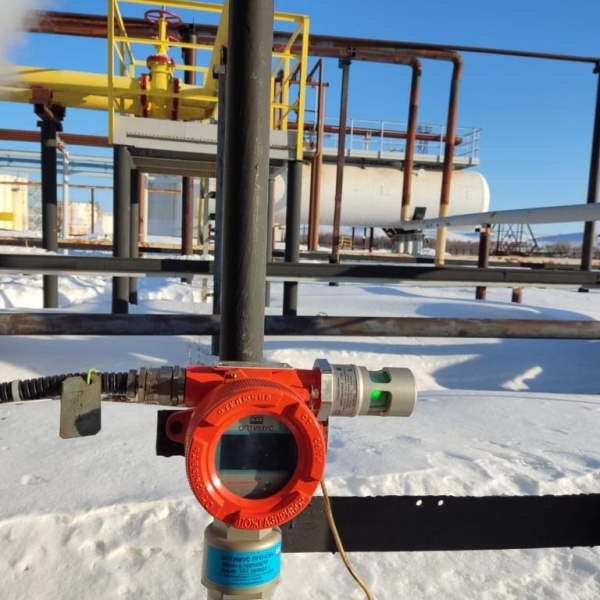
Components for fire and toxic gas detection systems. Designed to resist corrosion in chemical plants, oil refineries, and mine shafts.

Transmission components, lever linkages, and structural parts for electric bikes. Engineered for high fatigue resistance and weight reduction.
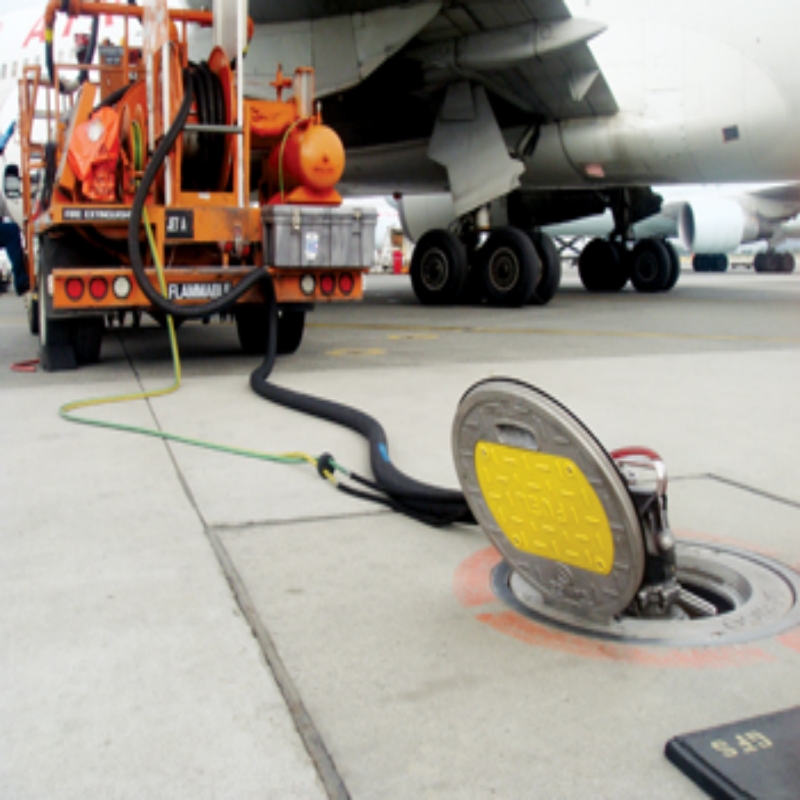
Aviation fuel hydrant pit box enclosures, hinge brackets, transmission gears, and turbine components. Built to withstand high working pressures.
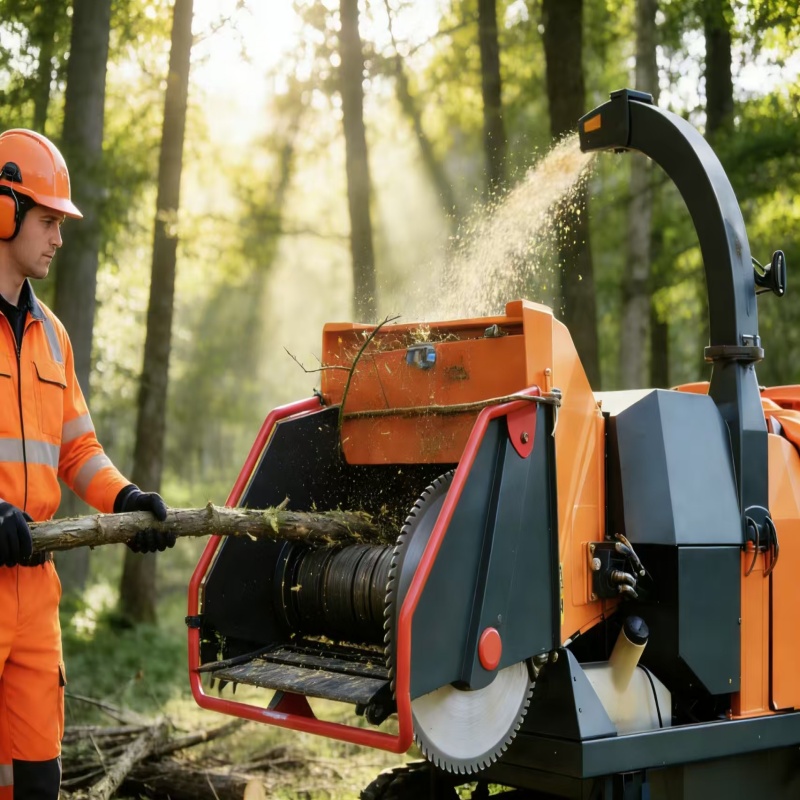
Wood chipper crushing discs and feed roller assemblies. Designed for high impact environments and heavy structural loads.
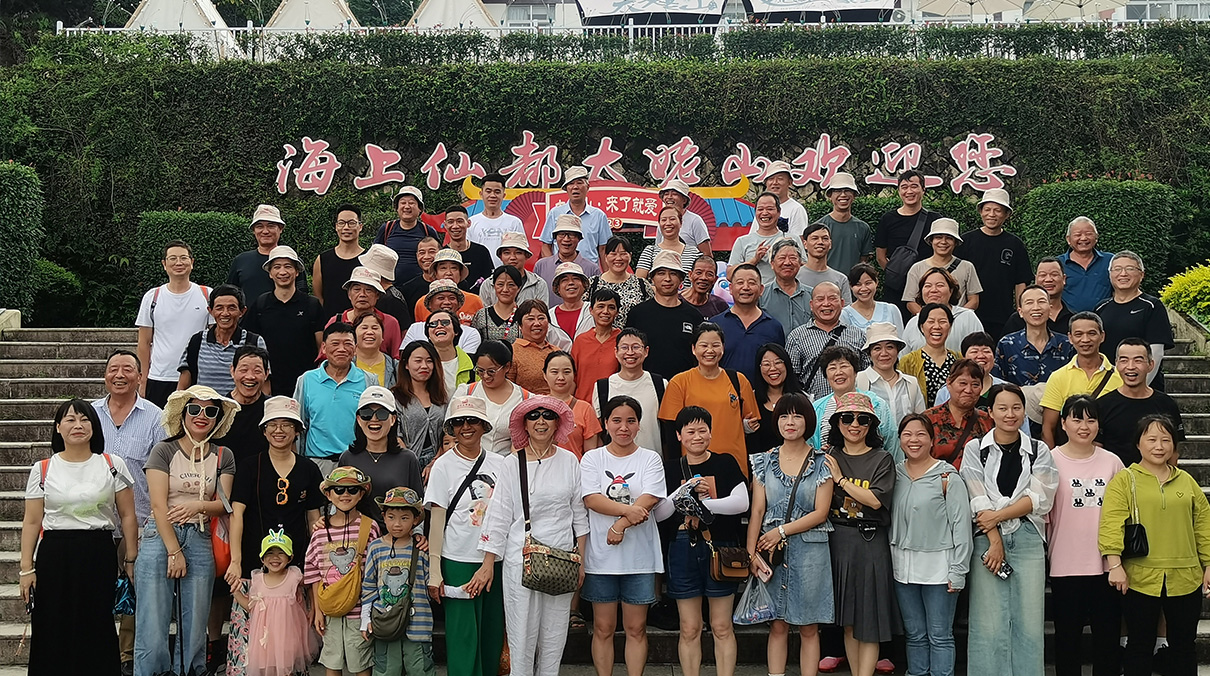
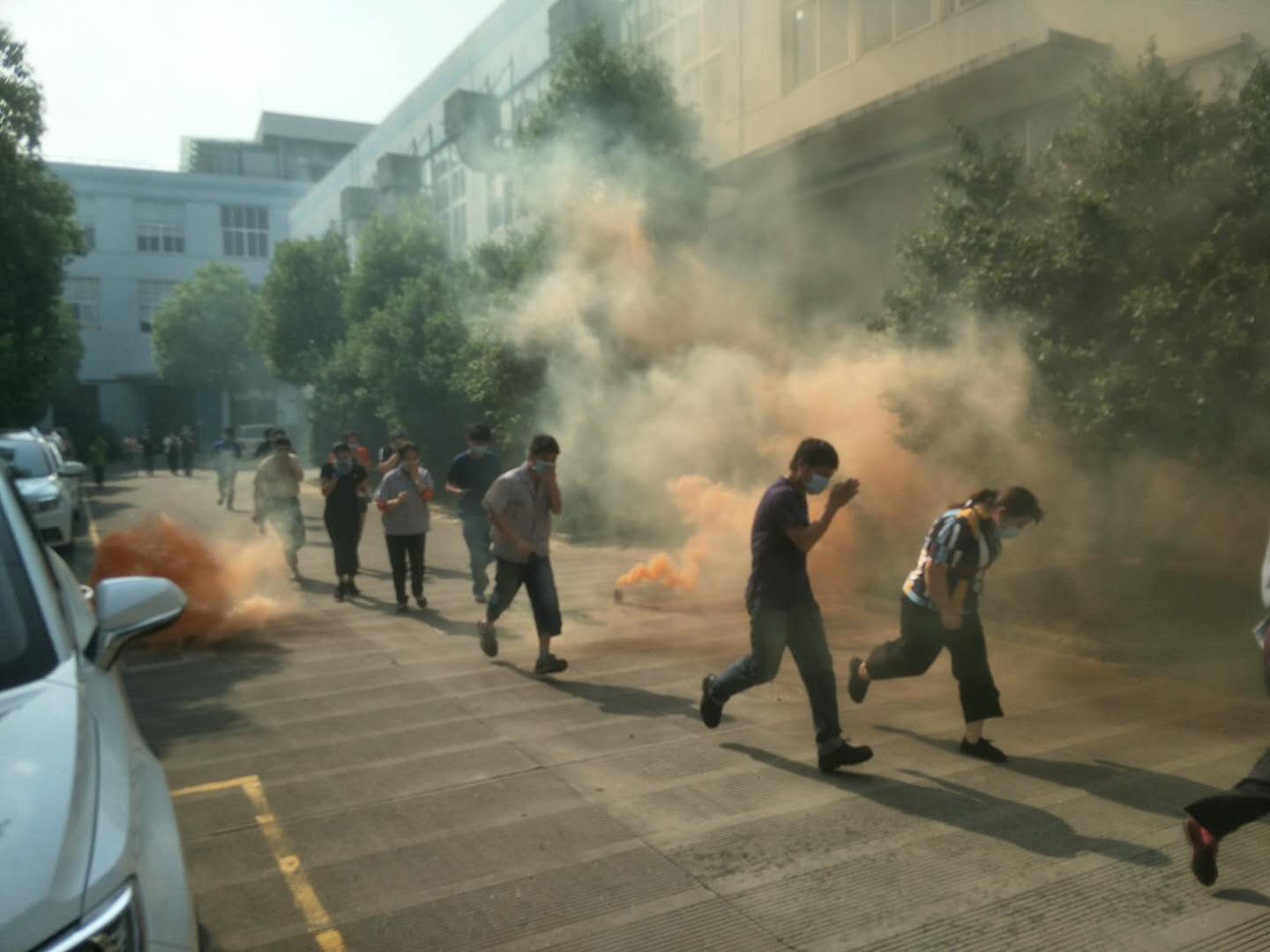
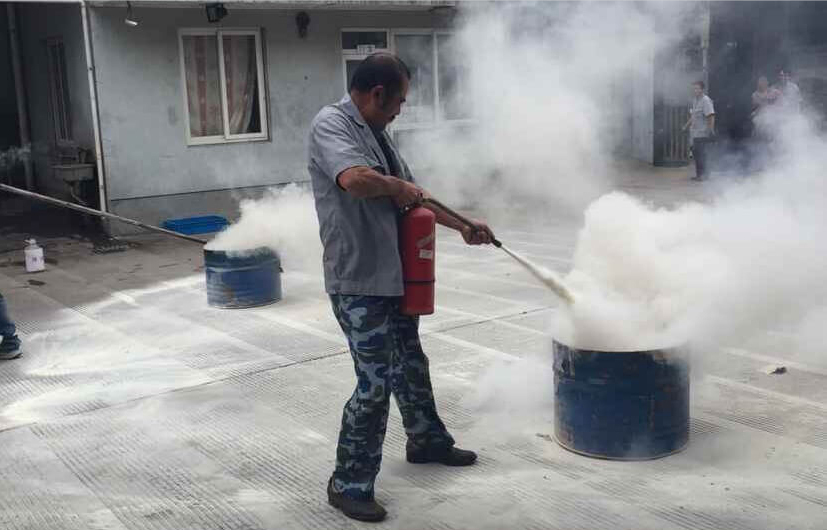
Our workforce is structured around trust, accountability, and continuous process improvement.
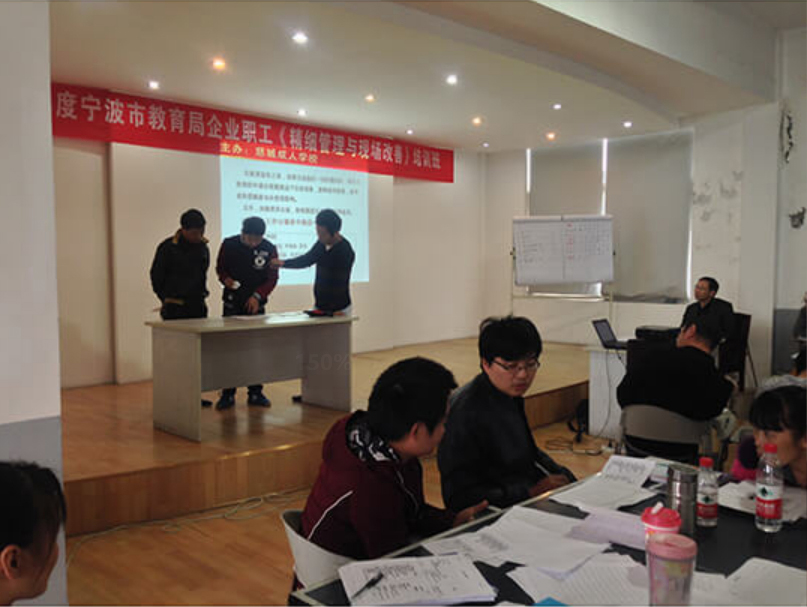
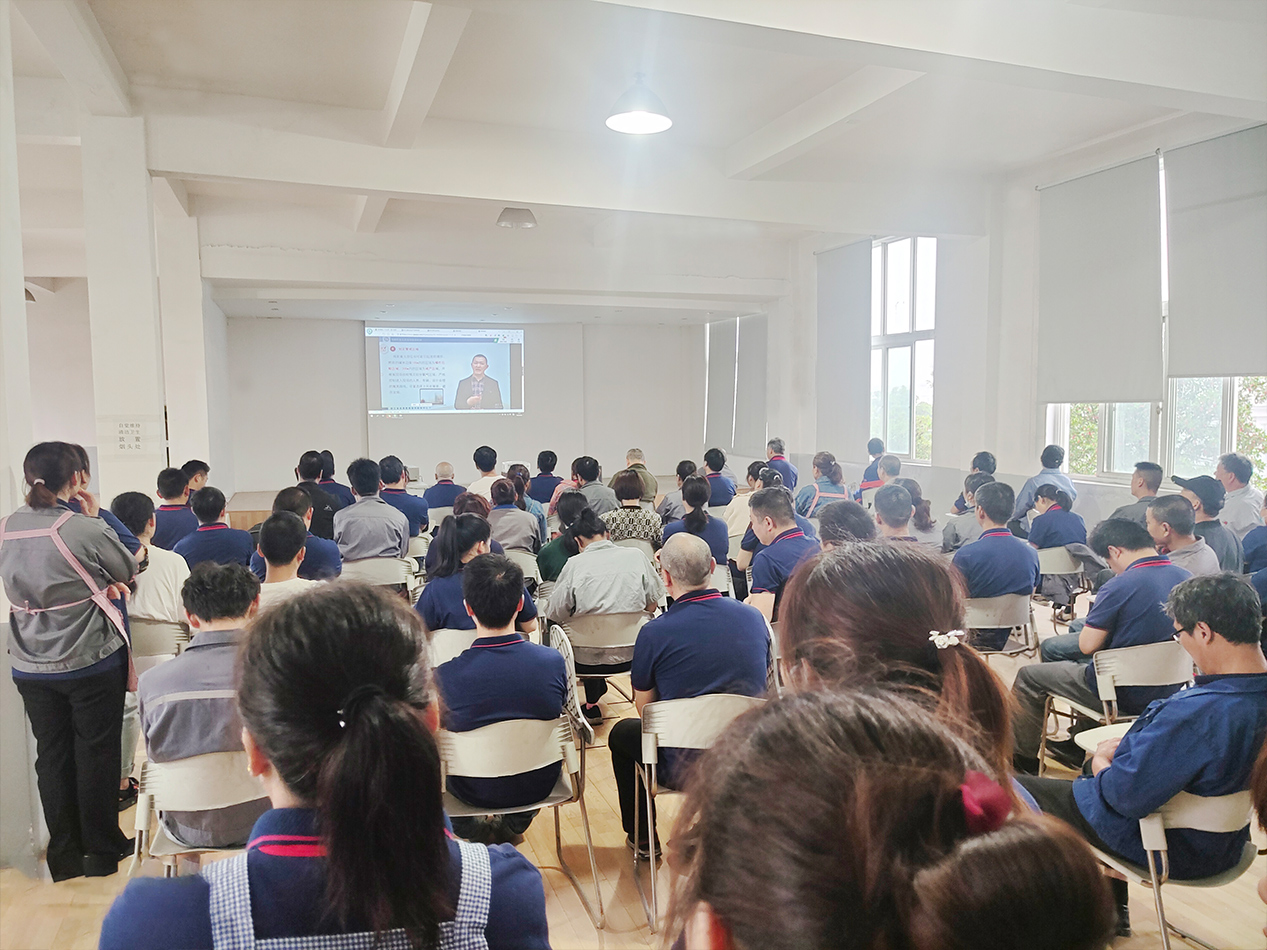
XinYe Metal Works maintains a team of 130 employees. To sustain technical capabilities, our R&D engineering staff undergo regular training in modern metallurgy and mechanical CAD simulation. This focus on engineering has helped us secure more than 20 technical model patent certificates, helping optimize our tooling systems and manufacturing layouts.
We manage our daily operations under a defined set of values:
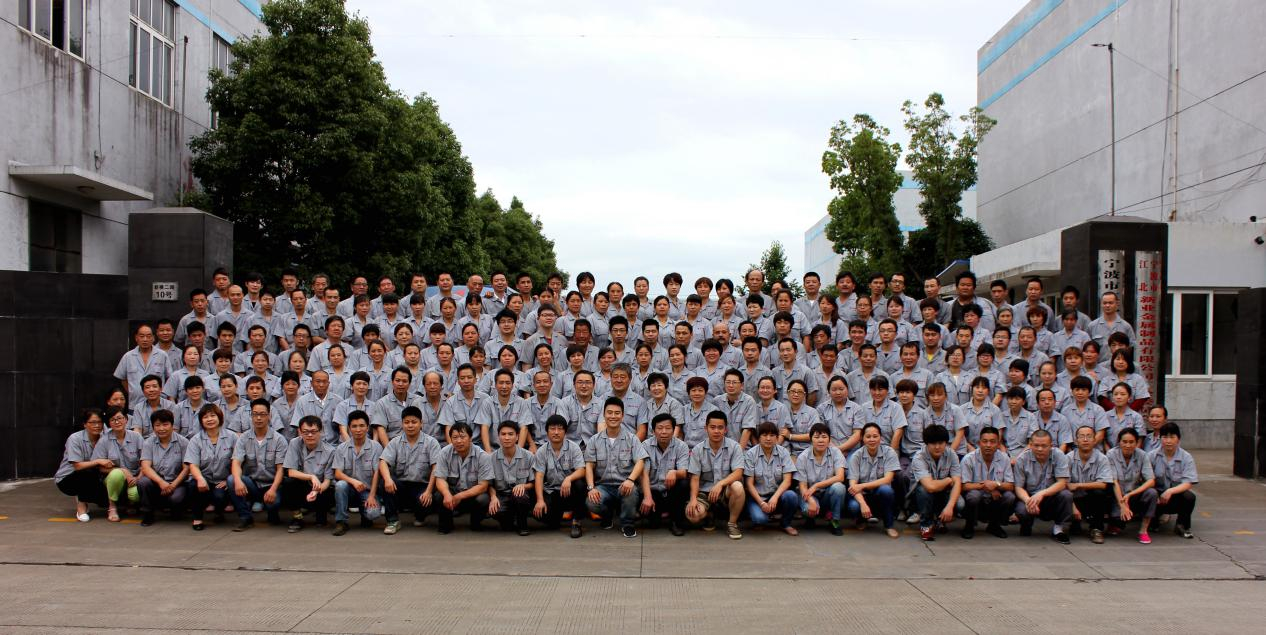

A trusted global supplier, verifying material specifications and production control standards.
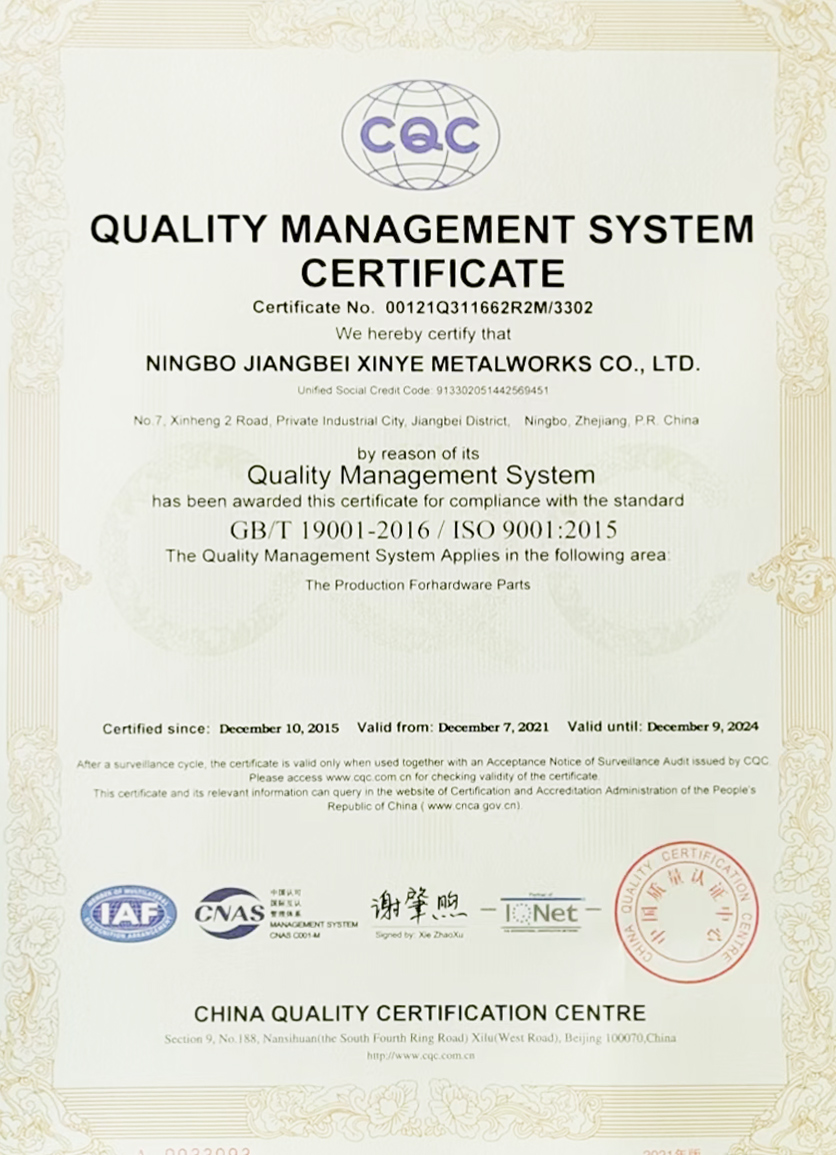
XinYe Metal Works operates under a certified ISO 9001:2015 Quality Management System. This structure guides our internal auditing, document control, calibration, and corrective action workflows. We also hold SA8000 Social Accountability certification, confirming our compliance with international labor and workplace standards.
For international supply chains, we provide documentation including:
Find answers to common questions about our capabilities, tooling processes, quality control, and logistics.
Our pricing model is based on raw material market index values, tool complexity, and batch sizes. Material costs are indexed to London Metal Exchange (LME) or regional spot markets. When you contact our sales team with your drawings and volume requirements, we will provide an itemized quote detailing tooling fees, material usage, and unit processing costs.
Yes. International orders require a minimum order volume to cover setup costs, tooling calibration, and run efficiency. MOQ levels vary depending on the product type (such as small stamped clips versus large hot forged components). Please consult our engineering team to discuss your production needs.
We provide full documentation to verify material traceability and compliance. Standard documentation packets include material chemical/mechanical reports, ISO 9001:2015 conformance certificates, dimensional measurement reports, surface plating validation records, and standard customs export documents.
Tooling development and sample production typically require about 7 days once drawings are finalized. Mass production runs generally take 20 to 30 days after receiving your deposit and sample approval. Lead times may vary based on project scale and material availability.
We accept payment via direct bank telegraphic transfer (T/T), Western Union, and PayPal. Our standard terms are a 30% advance deposit to cover material prep and tooling setup, with the remaining 70% balance paid against the copy of the Bill of Lading (B/L).
We provide a one-year warranty against manufacturing defects, starting from the delivery note date. We warrant that all components conform to your supplied technical drawings. In the event of a dimensional deviation, our team will review the issue and work to resolve it.
We use heavy-duty export packaging, including vacuum sealed anti-rust bags, custom wooden crates, and impact absorption materials. Dangerous goods and sensitive components are packed according to international shipping regulations to prevent damage during transport.
Shipping fees depend on the chosen transit method (such as Express, Air freight, or LCL/FCL Sea freight), cargo weight, and destination. Sea freight is typically the most cost-effective solution for volume orders. Once order volumes are confirmed, we can provide estimated shipping rates from our logistics partners.
Ningbo Jiangbei XinYe Metal Works Co., Ltd. — High-accuracy metal components for global industrial applications.
 XinYe Metal