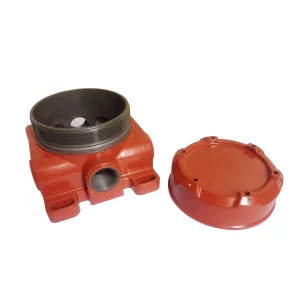
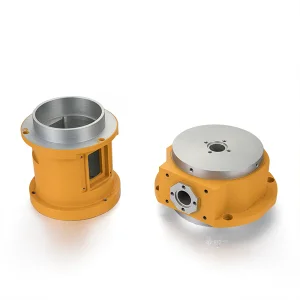
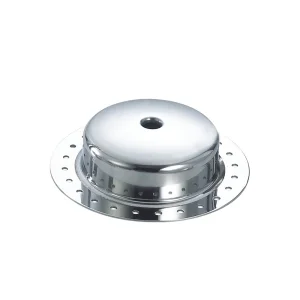
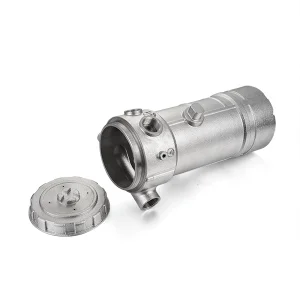
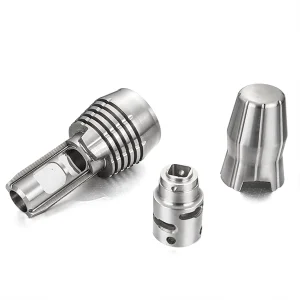
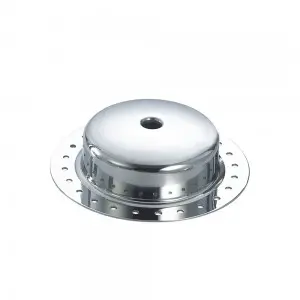
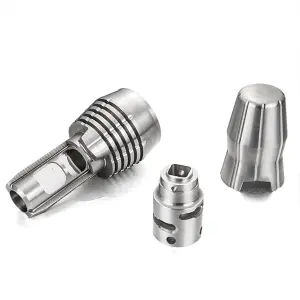
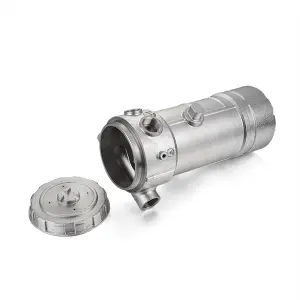
Explore our main product configurations customized for industrial gas detection, aerospace transmission, automotive systems, and food manufacturing applications.
Analyzing physical, chemical, and process-level breakthroughs in refractories, polymers, and metallurgical controls driving today's aerospace and automotive industries.
Investment casting, historically known as lost wax casting, has transformed from an artisanal process into a highly automated metallurgical science. The performance of the final cast components relies on the chemical and thermal consistency of the materials utilized throughout the shell creation and melting phases. Key components include refractories, binders, and specialty pattern waxes.
Modern lost wax casting requires materials with excellent thermal shock resistance, minimal thermal expansion coefficients, and compatibility with advanced alloys such as precipitation-hardened stainless steel, duplex steel, and specialized aluminum formulations.
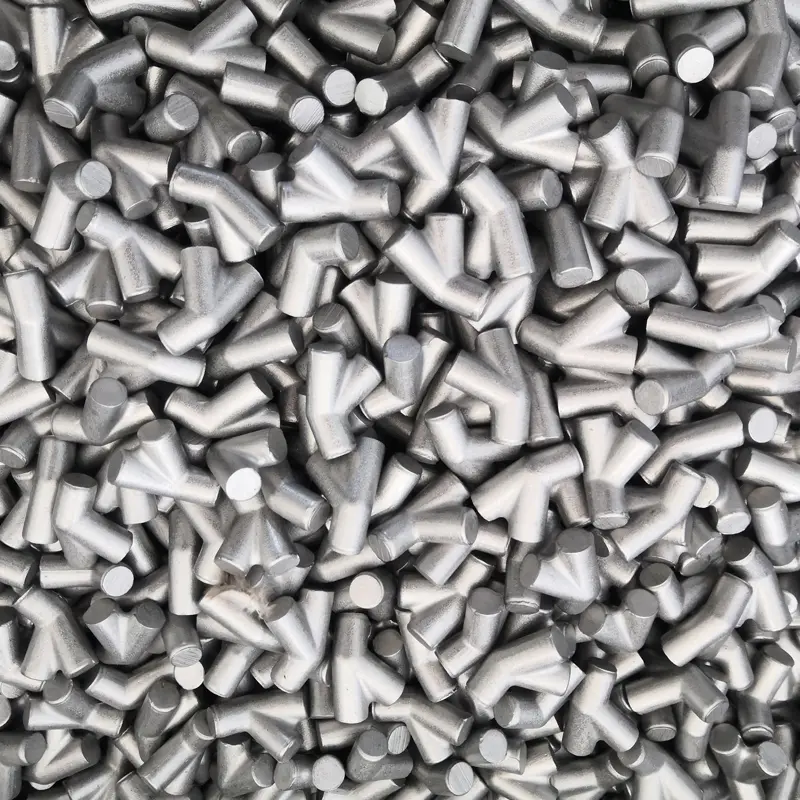
Technical Insignia: By controlling particle size distributions in the slurry and using organic polymers in pattern waxes, modern foundries achieve tolerances within CT4-CT6 levels under ISO 8062, minimizing post-cast machining requirements.
The global lost wax casting industry is shifting toward materials that support thin-walled castings and complex geometries. Key trends include:
Navigating the complex matrix of lead times, metallurgical certifications, and material logistics for international OEMs.
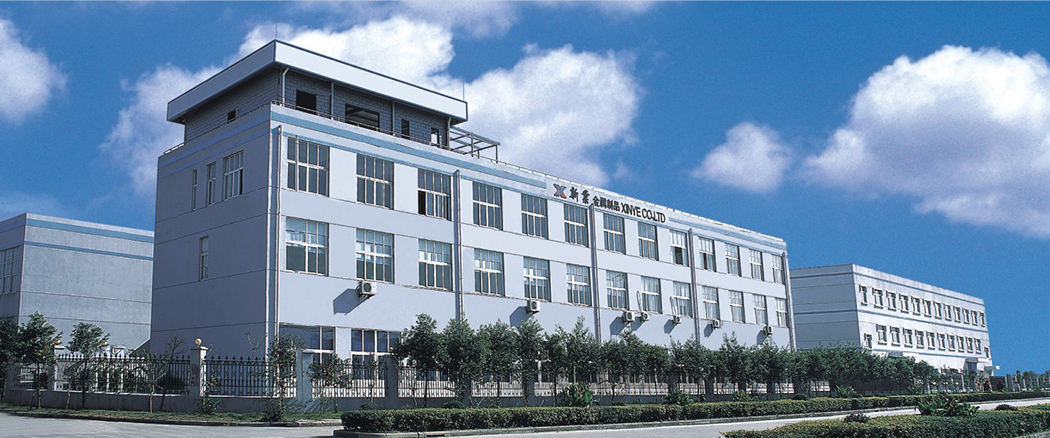
Global procurement directors require supply partners that offer more than basic manufacturing. Technical challenges such as surface defects, internal gas porosity, and dimensional warping must be addressed during the design phase.
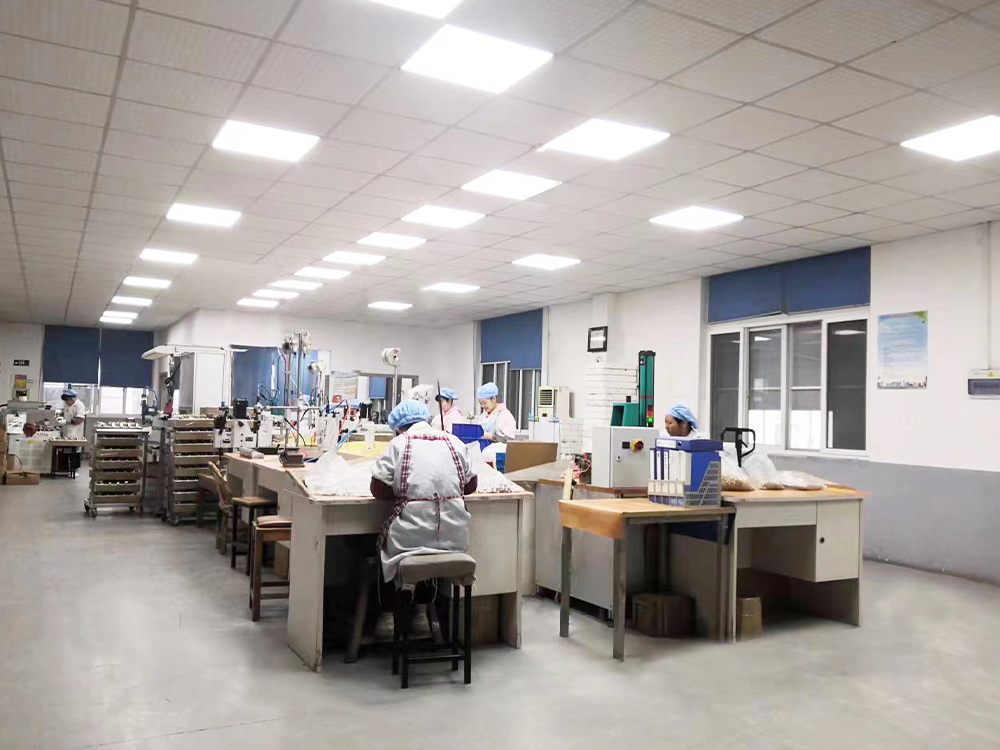
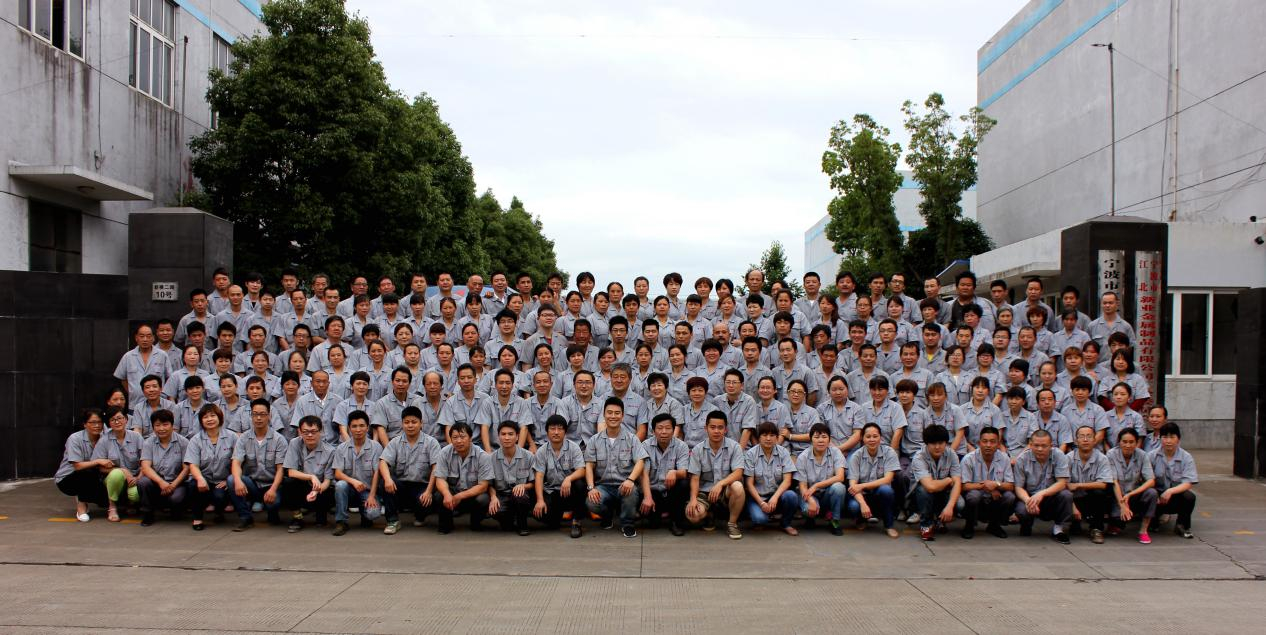
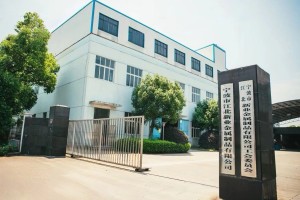
Ningbo Jiangbei XinYe Metal Works Co., Ltd. addresses these challenges by maintaining a ratio of technical to manufacturing personnel. With 50 engineers out of 130 total employees, we analyze 2D/3D technical drawings to optimize alloy choices, gating system designs, and shell parameters before pouring metal.
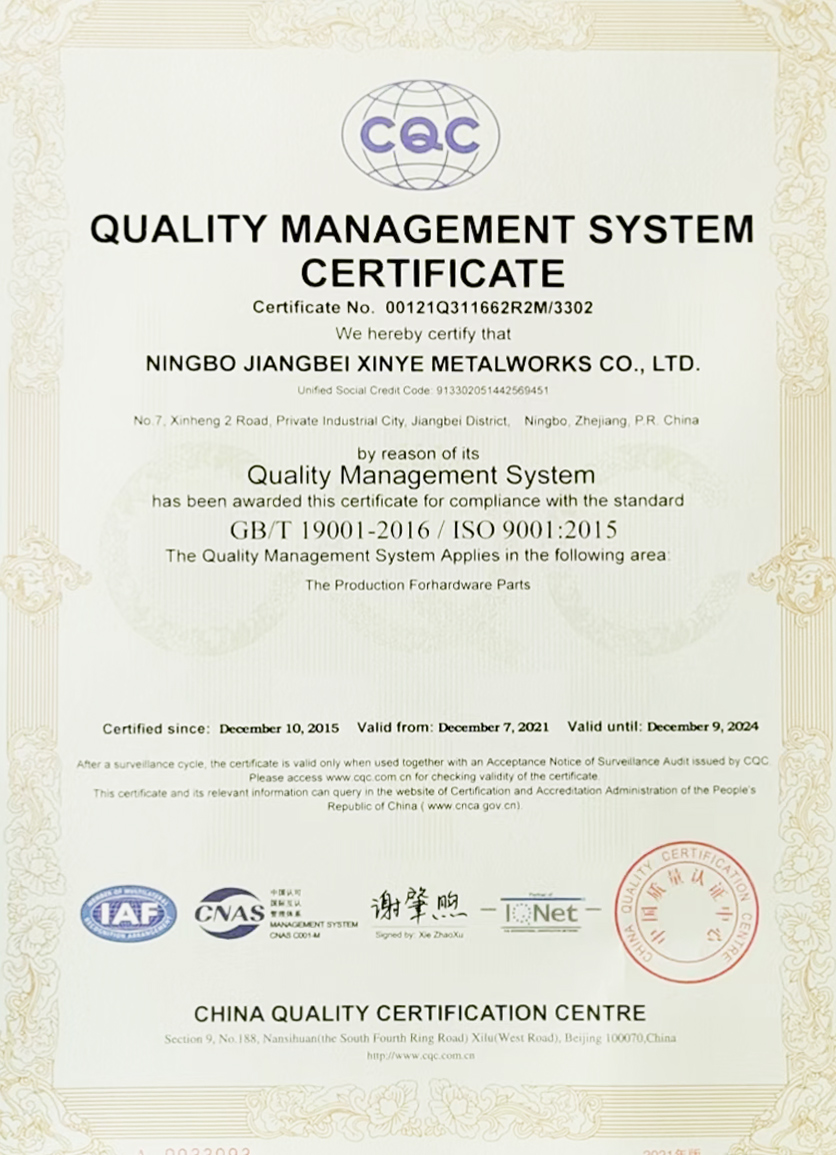
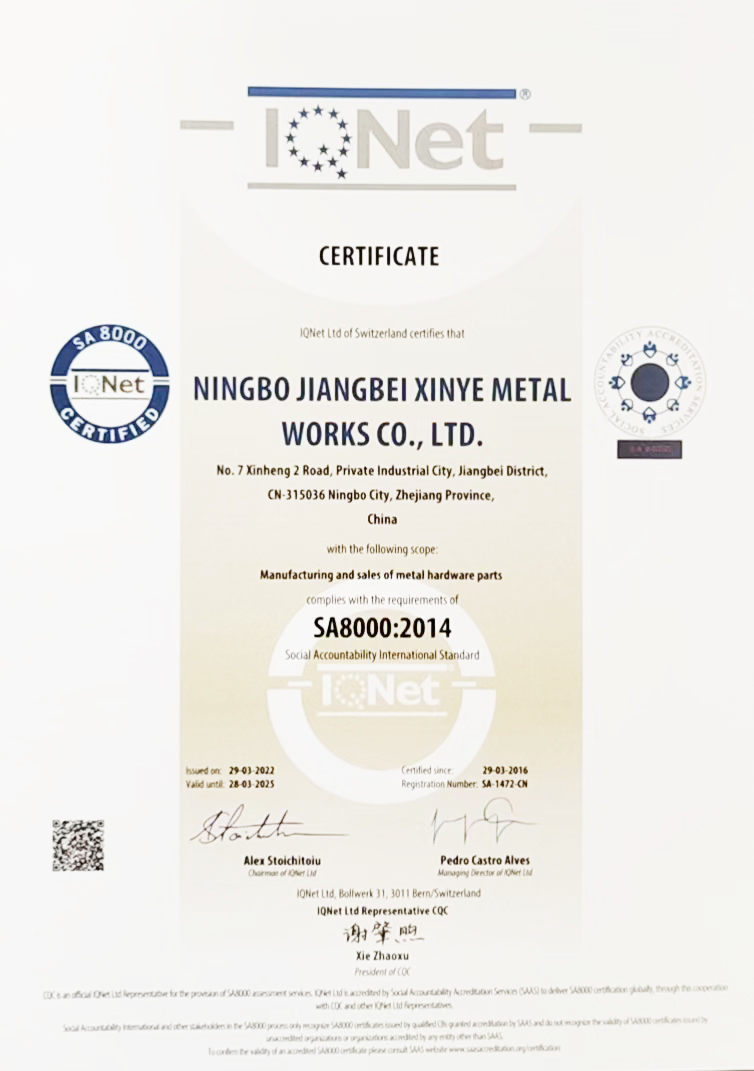
We source certified ingots with complete traceability documents (including heat numbers and spectroscopic reports). Our QA system guarantees that all outgoing shipments comply with international standards, including ISO 9001:2015 and SA8000 certifications.
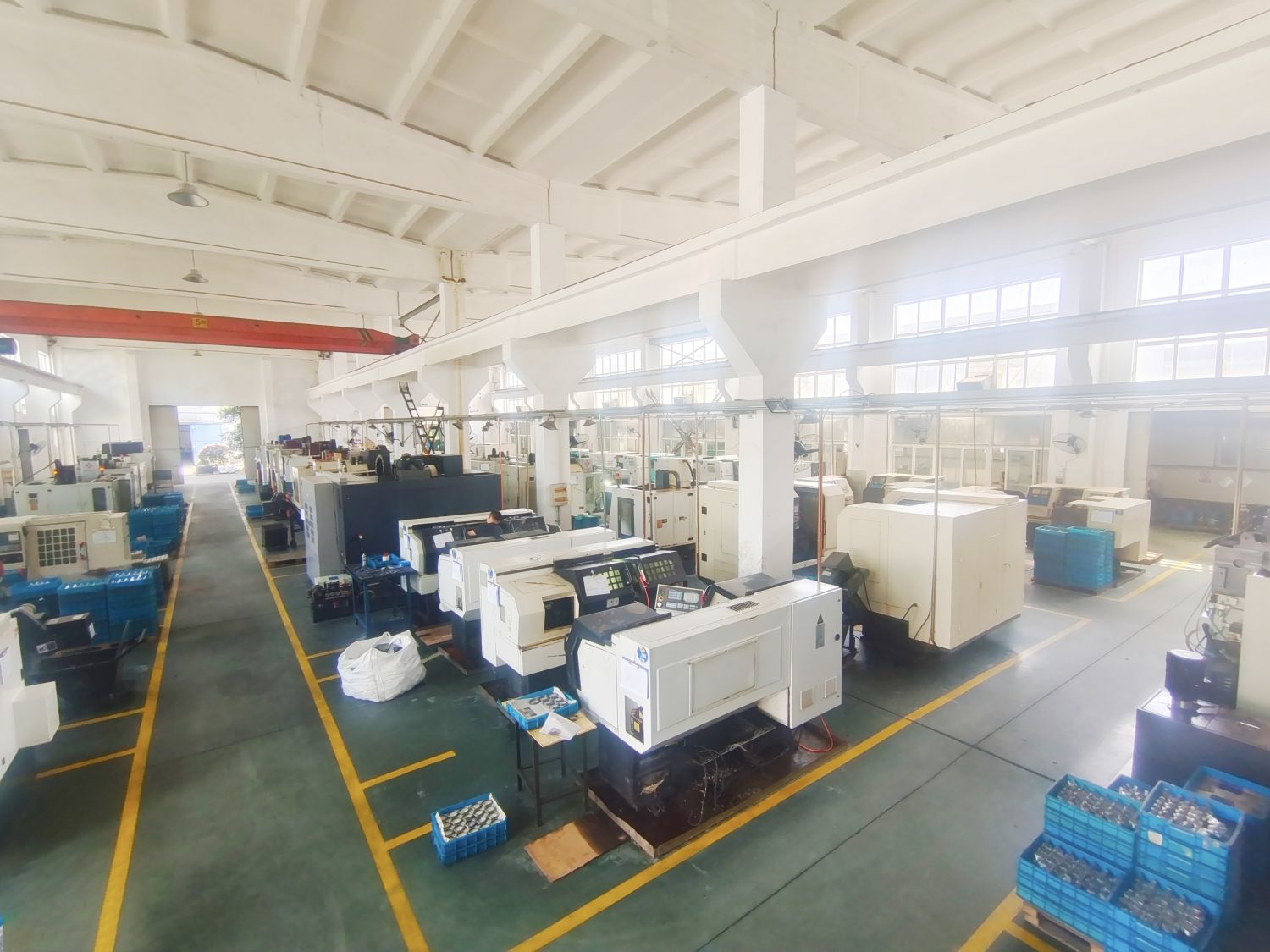
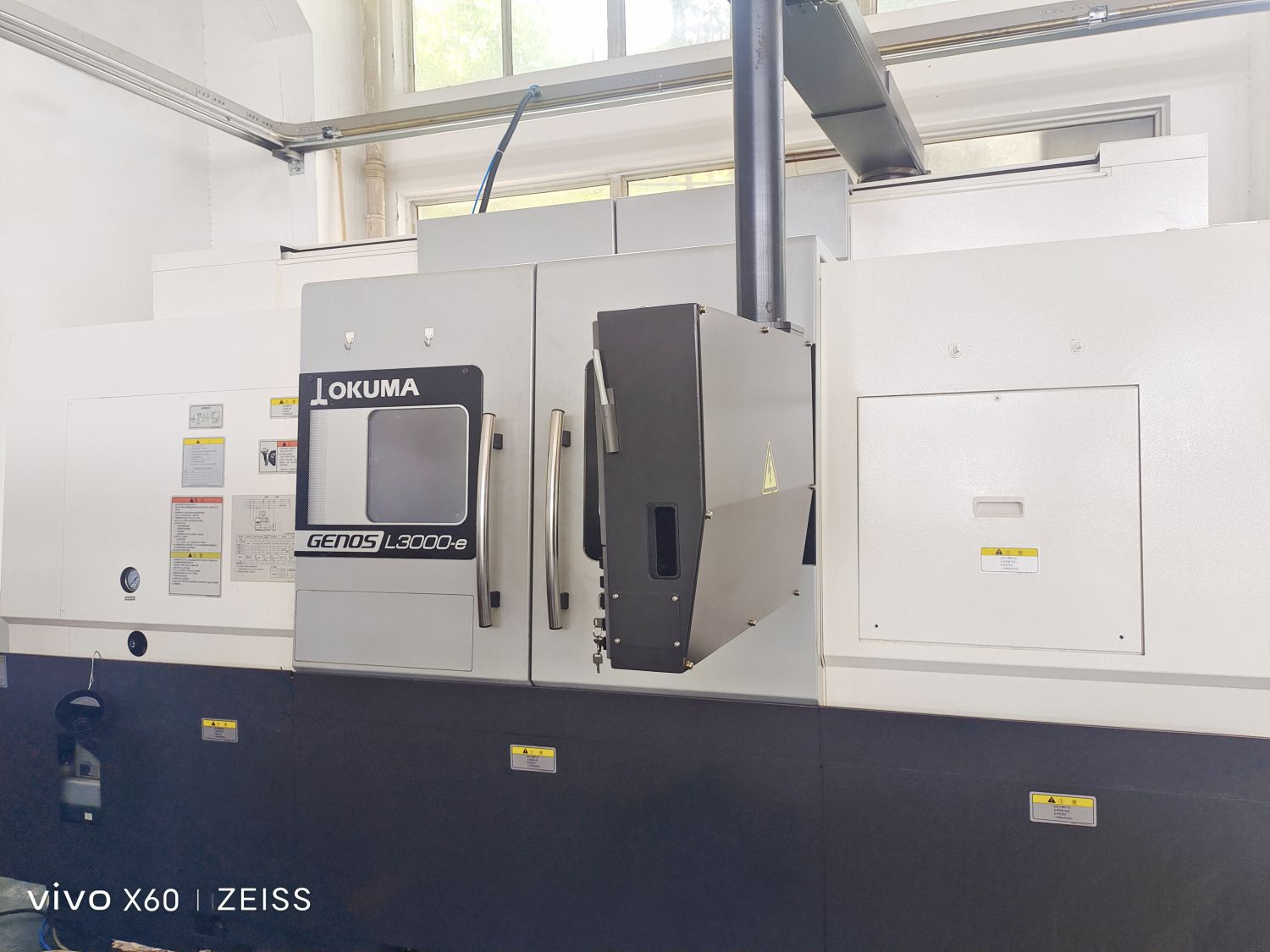
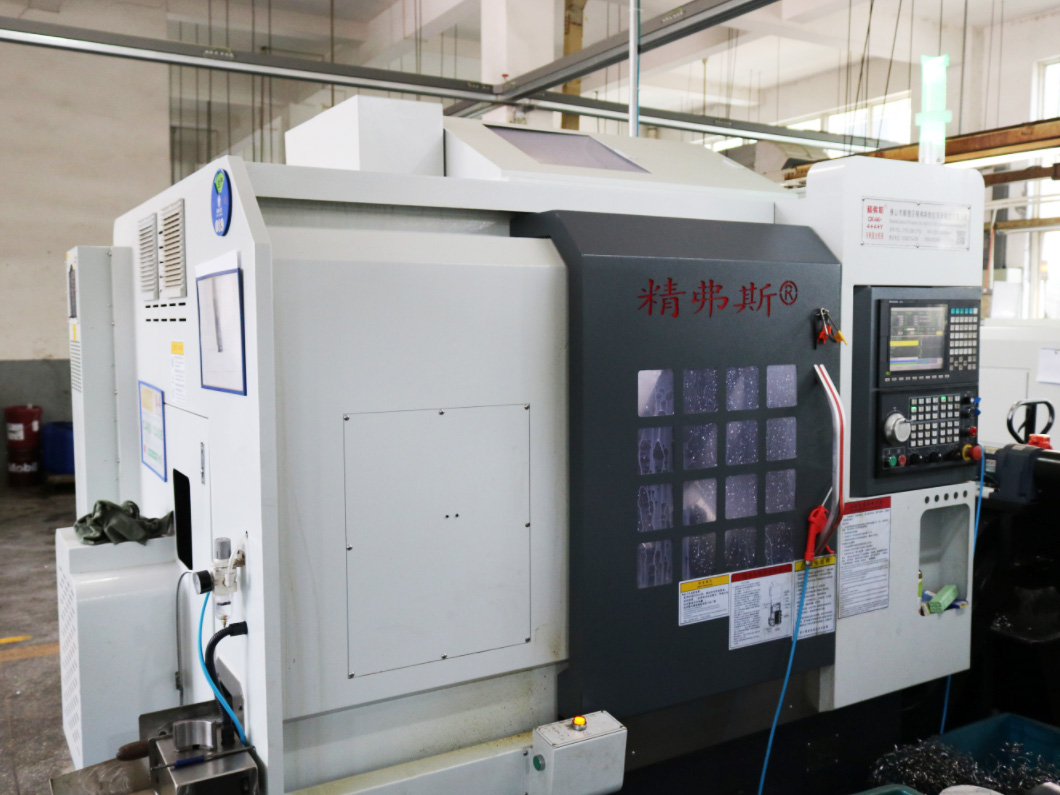
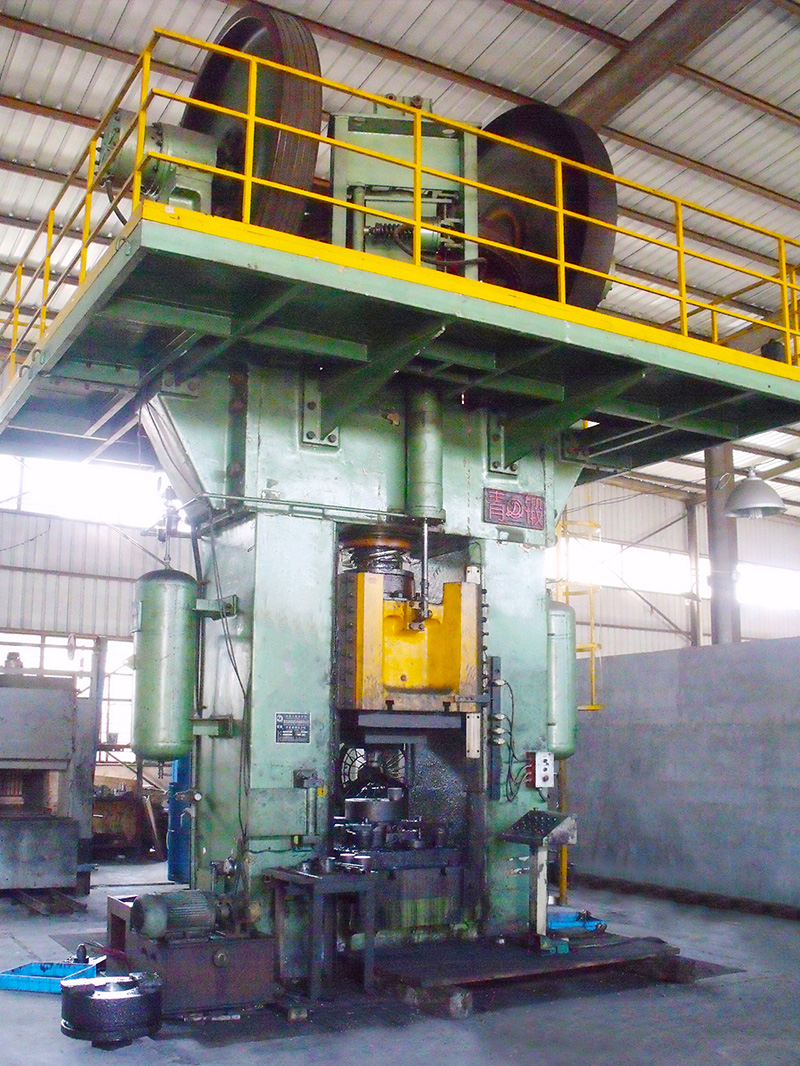
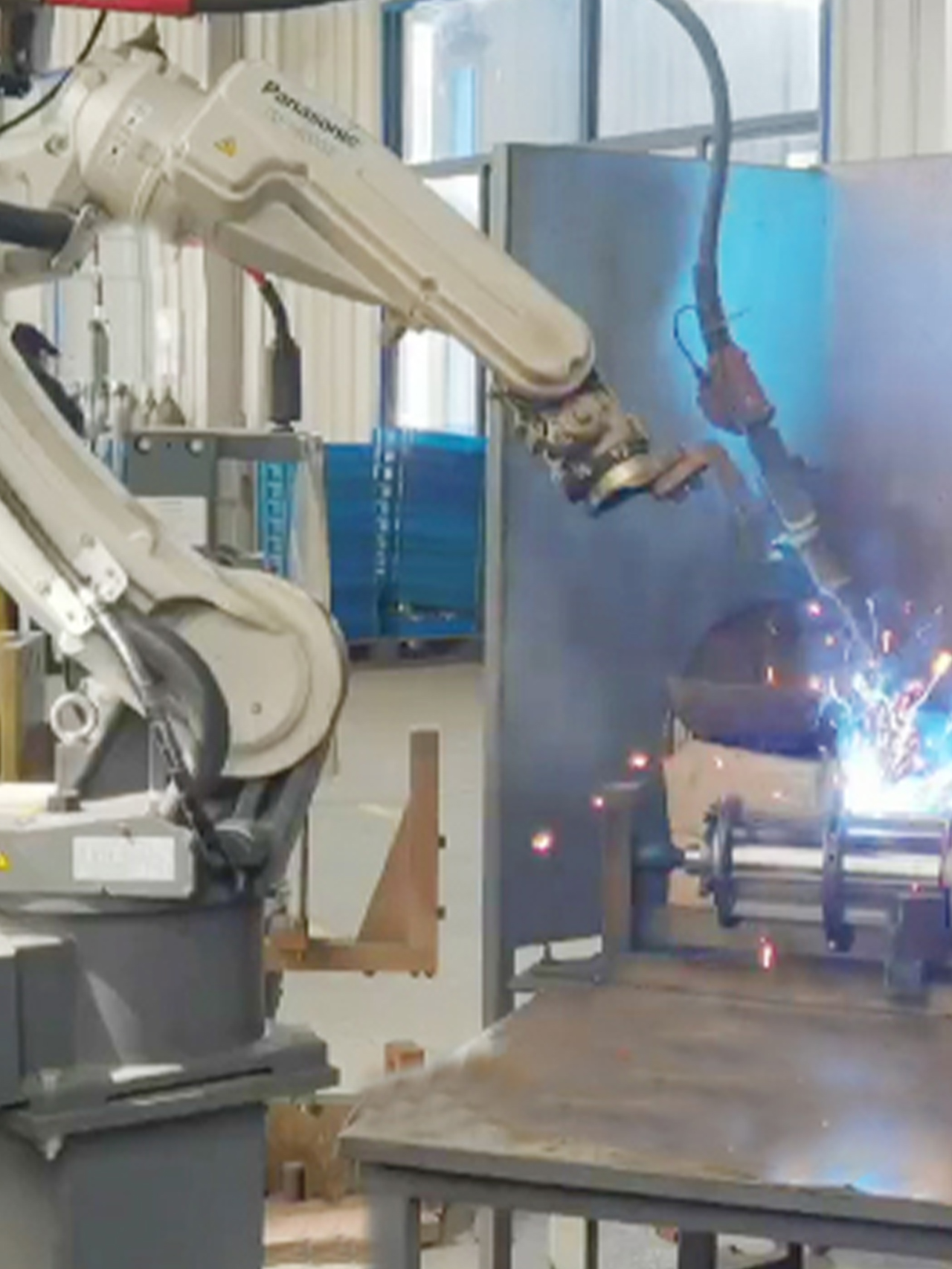
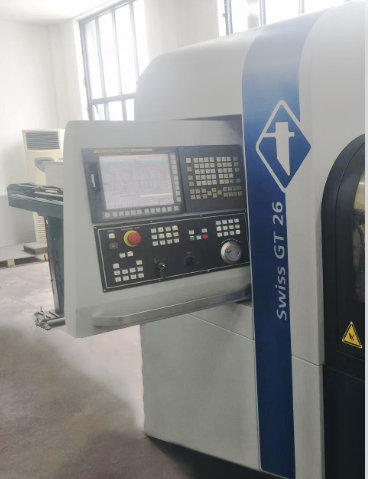
Our production floor features high-precision machinery imported from Japan, supporting forging, stamping, casting, and multi-axis CNC machining.
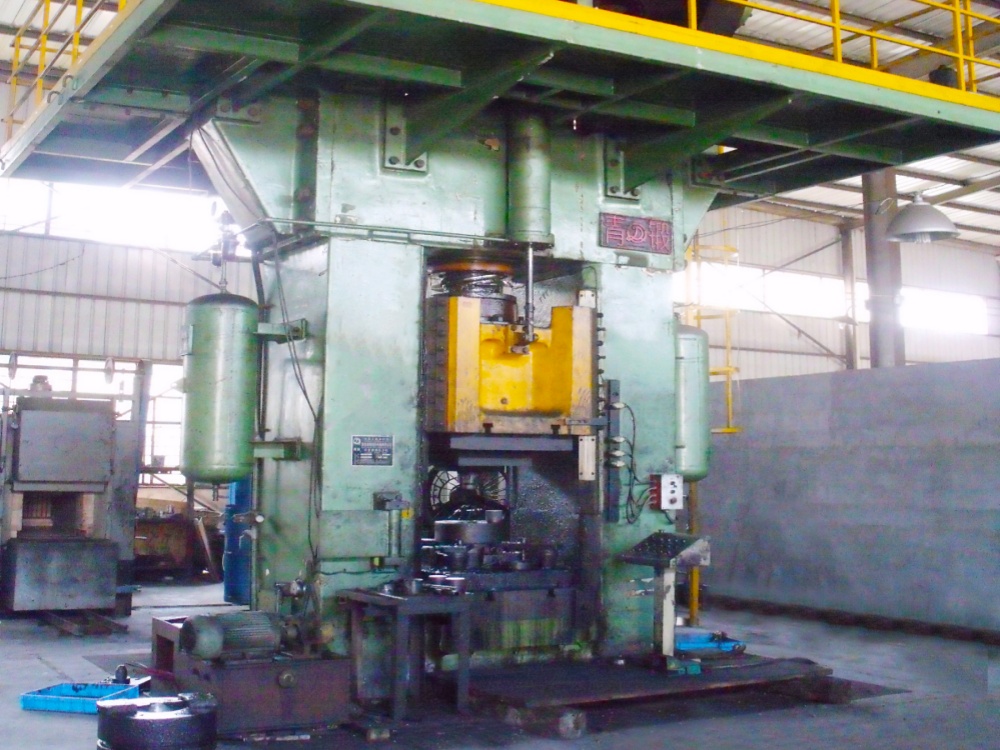
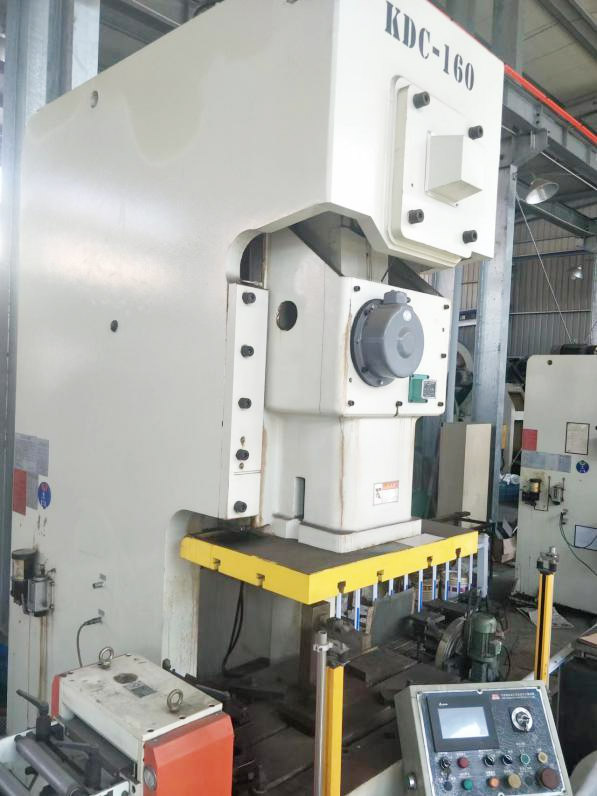
Friction press equipment featuring press forces ranging from 300 to 1,000 tons. Accompanied by column hydraulic machines (100 to 630 tons) and punching presses (5 to 250 tons).
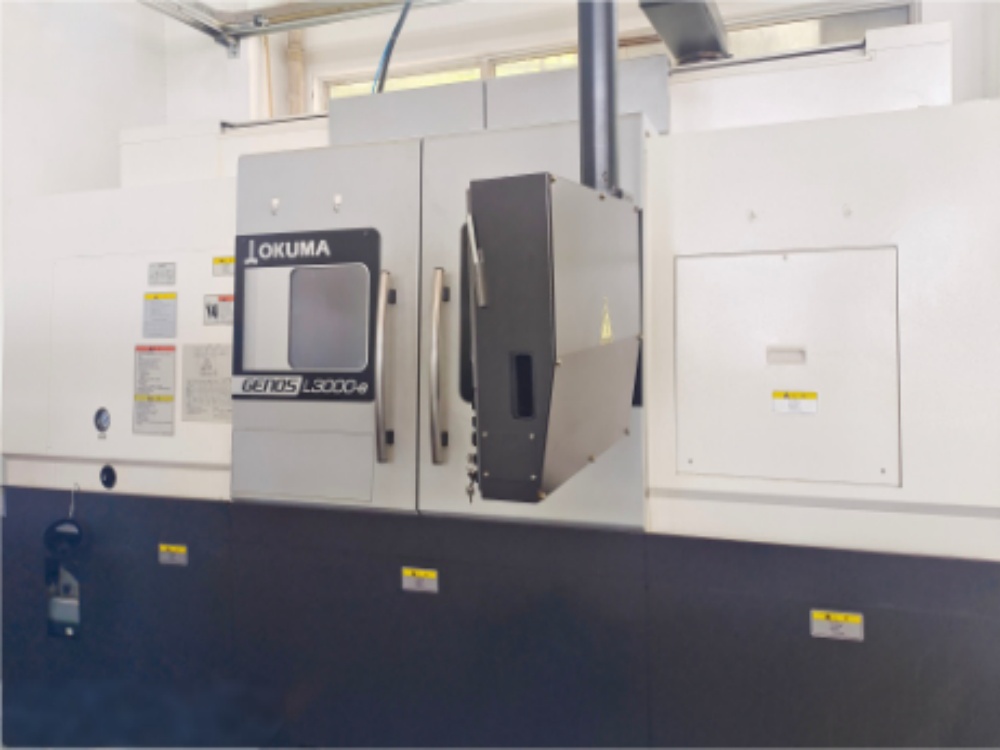
State-of-the-art CNC turning and milling centers with 4-axis control, capable of maintaining tolerances within 0.001mm for high-precision components.
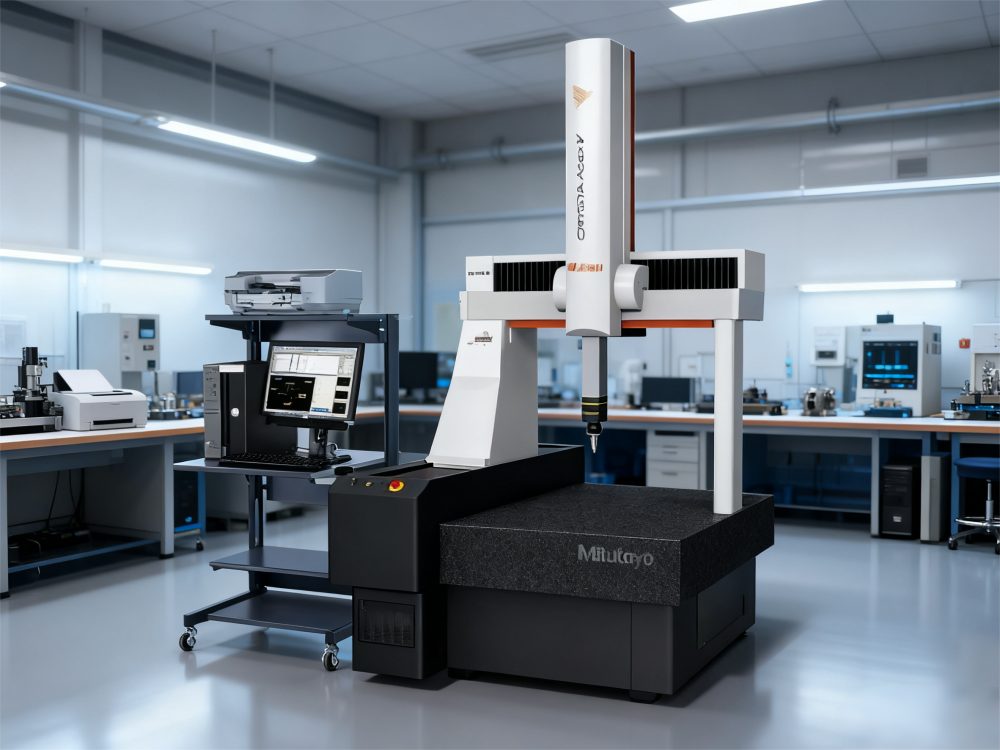
3D coordinate measuring machines (CMM), optical video measuring systems, non-destructive alloy composition verifiers, and surface roughness measuring instruments.
| Equipment Type / Category | Technical Capacity / Press Force | Origin / Control Spec | Common Industrial Application |
|---|---|---|---|
| Friction Press Machines | 300 Tons - 1000 Tons | Precision Mechanical Control | Hot forged automotive connectors and heavy industrial hooks |
| Column Hydraulic Machines | 100 Tons - 630 Tons | High-pressure hydraulic cycle | Structural metal parts pre-forming |
| Punching Press Machines | 5 Tons - 250 Tons | High-speed stroke control | Thin-sheet steel, alloy, copper stamping and drawing |
| CNC Machining Centers | 4-Axis & 3-Axis Centers | Japanese CNC Control Systems | Aerospace transmission parts, sensor enclosures |
| CNC Turning & Milling | High-speed Spindles | Precision Tool Changer Systems | Tabletop cooking stoves components, micro-connectors |
Analyzing how our metal fabrication processes meet the stringent demands of high-regulated industries.
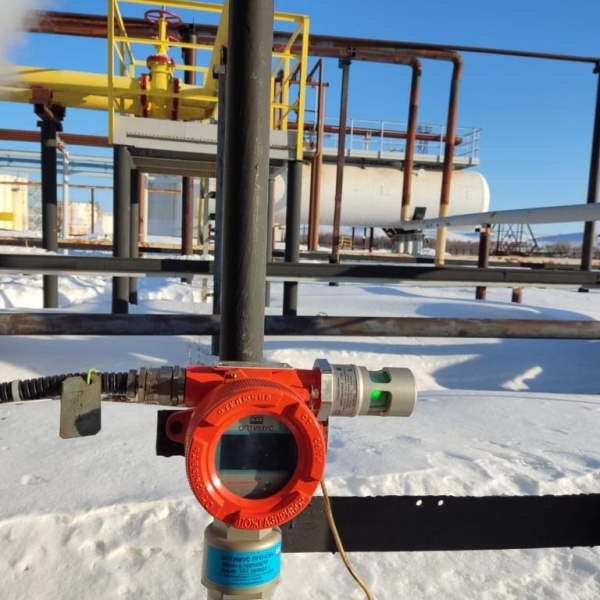
Safety devices operated in explosive atmospheres require spark-free, flameproof, and pressure-resistant enclosures. We supply high-precision lost wax casting components and anodized aluminum kits for flame sensors, toxic gas detectors, and hydrant pit box enclosure systems. These components must withstand corrosive environmental agents and show zero surface microporosities.
For turbine inlets and high-speed transmission gear brackets, we utilize hot forging and high-tolerance post-machining to secure dynamic mechanical balance. This process enhances structural load capacities and fatigue resistance, meeting aerospace standard profiles.
For e-bike components (connectors, specialized hydraulic levers, frame tube couplers), aluminum alloy forging provides structural integrity and weight savings compared to traditional casting. Our automated CNC centers clean complex geometries to tolerances of +/-0.005mm.
Components such as commercial whipped cream chargers and cooker stoves require food-safe, smooth surfaces. Electro-polishing is applied to stainless steel investment cast parts to prevent bacteria traps and withstand chemical cleaning agents.
From raw material verification to final coordinate measurements, our laboratory guarantees quality at every stage of the process.
We inspect all incoming raw materials before processing. Metal bars, alloys, and casting waxes undergo chemical and mechanical verification to ensure compliance with specifications.
Our ISO 9001:2015 and SA8000 certifications reflect our commitment to quality. The quality assurance workflow includes chemical composition spectrographic audits, dimensional checks, hardness testing, surface roughness checks, and structural testing.
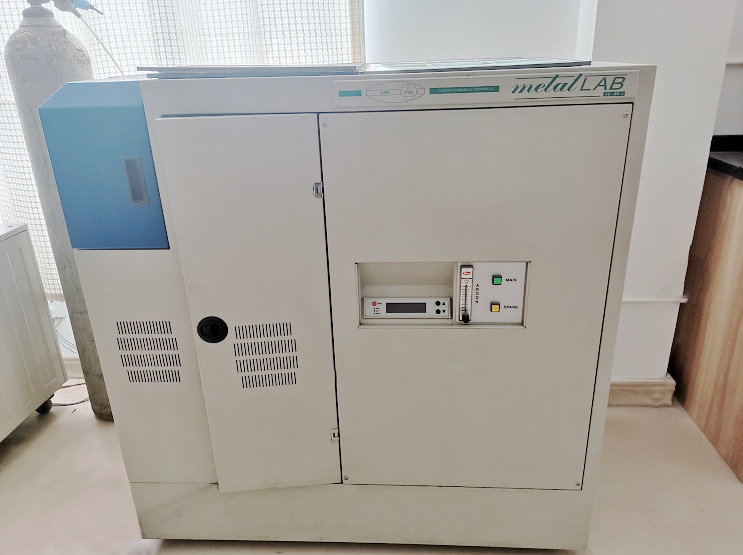
Chemical element evaluation of castings
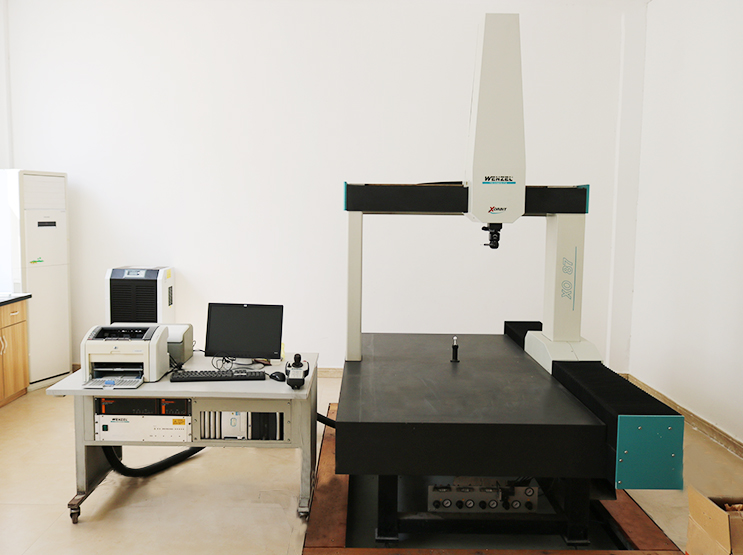
3D coordinate dimension verification
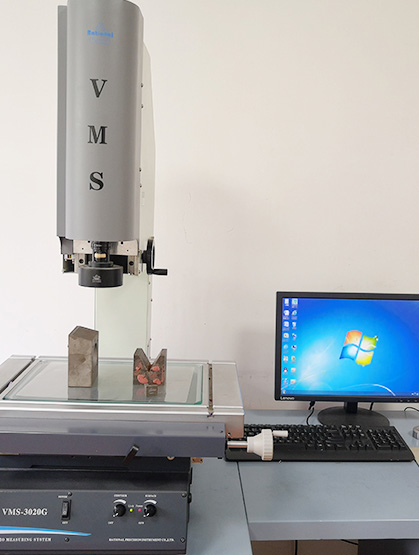
2D visual measurement
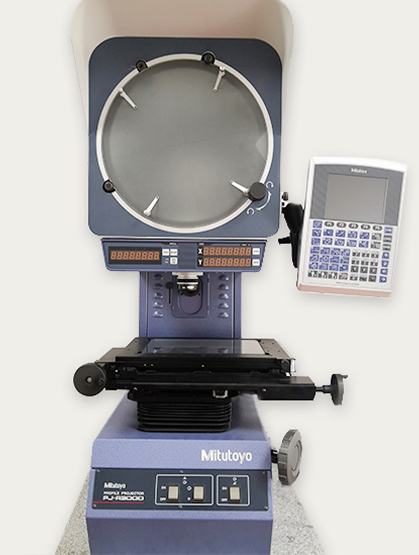
Secondary alignment validation
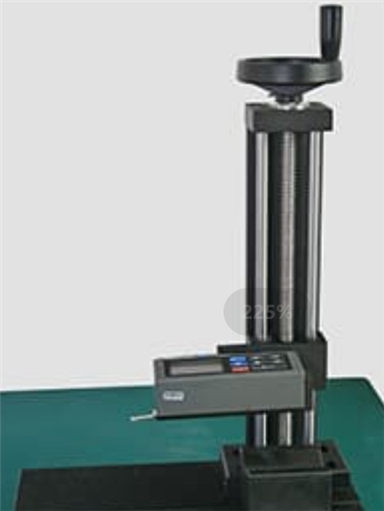
Surface texture (Ra) testing
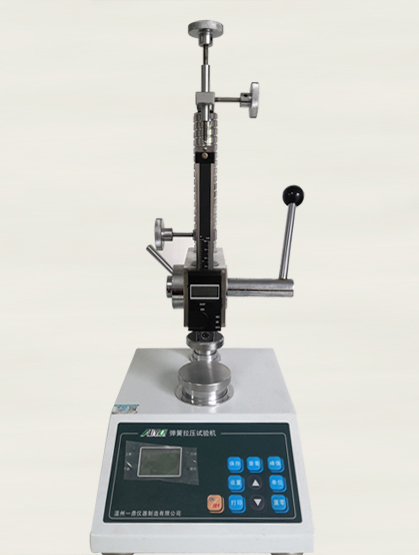
Elongation and yield strength testing
A structured manufacturing workflow ensures all engineering and physical parameters are checked prior to dispatch.

Drawing review, alloy mapping, and timeline planning.

Tooling setup and casting of initial prototypes.



Inspection reports, dimensional approval, and design revisions.


Automated mass casting, CNC machining, and surface treatment.

Finished inspections, packaging, and shipping coordination.
Explore real production configurations designed to meet specific engineering criteria across different industries.
Forged aluminum alloy connector blocks engineered to replace heavy welded frames, increasing tensile safety margins by 35%.

High-integrity steering and transmission linkages featuring strict density and fatigue-strength metrics.
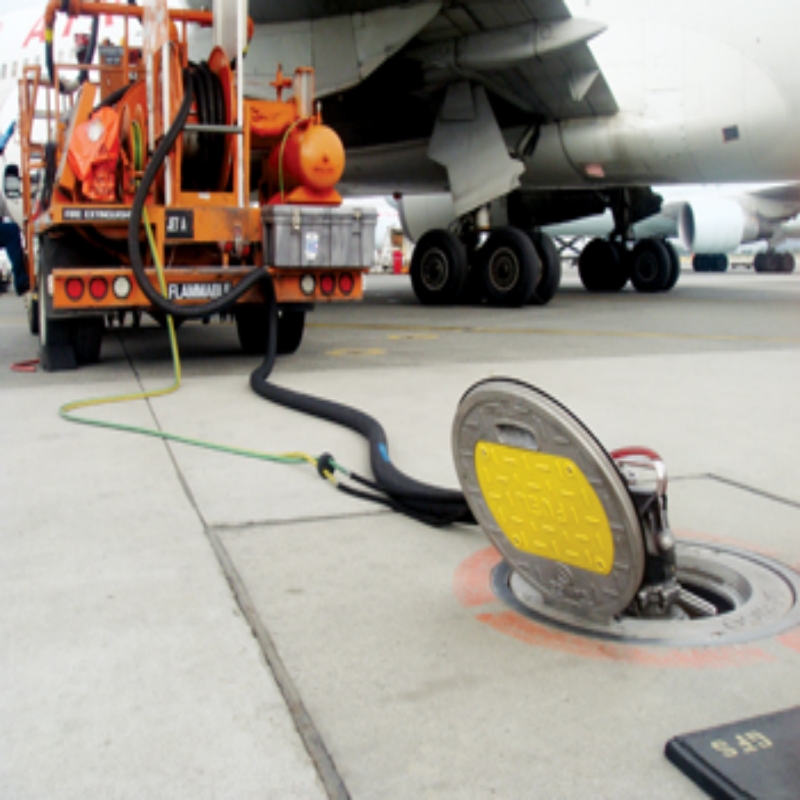
Aviation fuel hydrant pit box components and brackets featuring explosion-resistant designs and tight dimensions.
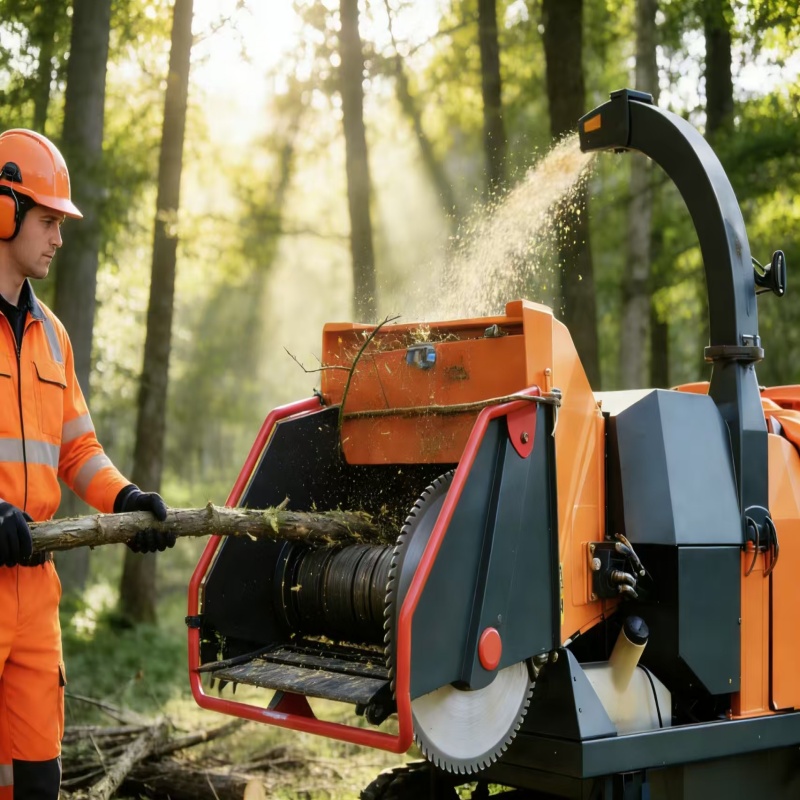
Precision wood chipper cutting discs and feed rollers. Designed for high wear resistance under heavy shock loads.
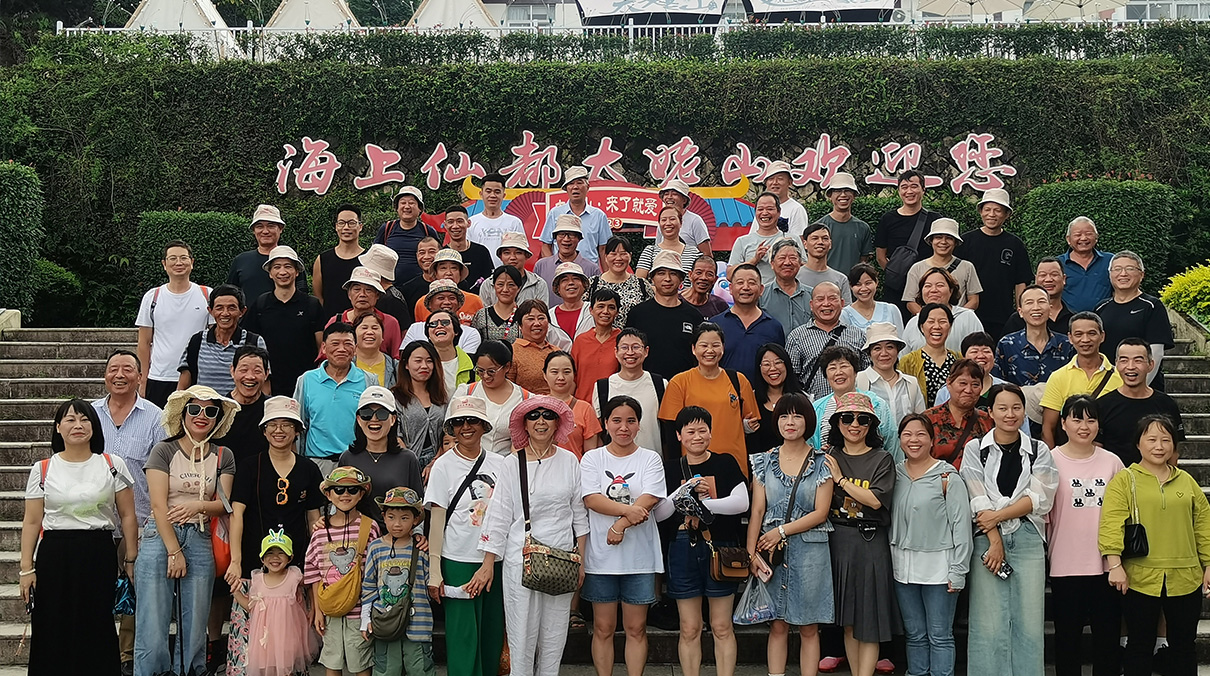
A family-managed manufacturing business built on trust, engineering expertise, and social responsibility.
Trust: We prioritize meeting client requirements and building long-term business partnerships.
Responsibility: We ensure thorough communication and manufacturing control, from initial raw material selection to post-machining assembly services.
Professionalism: We focus on continuous improvement in technology, manufacturing equipment, and staff qualifications.
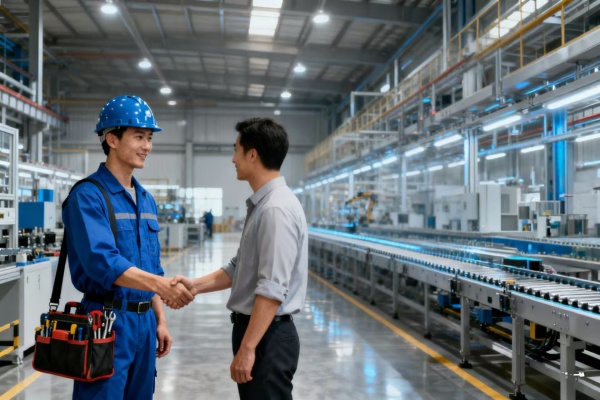
Adapting to the requirements of digital manufacturing and green foundry operations.
We are incorporating sensor technologies into our production lines. Monitoring slurry moisture levels, pattern wax temperatures, and cooling patterns helps prevent structural shrinkage and defects.
We also utilize digital design simulations to predict liquid flow path problems, optimizing design efficiency prior to tooling setup.
We are optimizing sand and slurry components to improve material recycling rates and reduce waste generation, in line with modern green foundry goals.
Access technical specifications, order logistics, payment details, and quality assurance workflows.
Select a product to view technical specifications, available material alloys, and manufacturing certifications.
 XinYe Metal