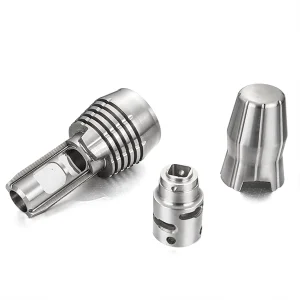
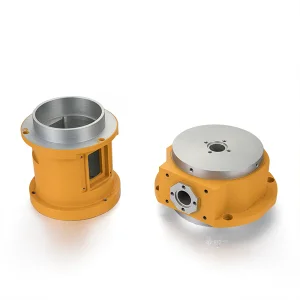
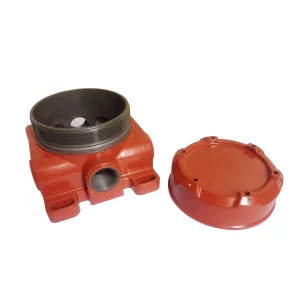
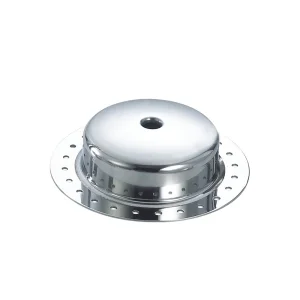
Explore our diverse manufacturing capabilities, supporting projects from concept to final assembly.
In modern structural engineering and metal fabrication, lightweight design must not compromise durability. Hard Anodizing (MIL-A-8625 Type III) acts as a critical technological bridge. Unlike traditional sulfuric acid anodizing, which is primary decorative, Type III hard anodizing forms a thick, dense aluminum oxide (Al₂O₃) ceramic matrix deep into the substrate. This layer increases surface micro-hardness to 60-70 Rockwell C (up to 700 HV), making aluminum alloy components match the wear-resistance of case-hardened steel while keeping their lightweight characteristics.
As global supply chains demand components capable of withstanding extreme abrasive wear, high thermal loads, and aggressive chemical environments, wholesale buyers face a challenge. They need to find manufacturers capable of keeping tight dimensional tolerances on hard-anodized parts. Our factory combines precision CNC Machining, Hot Forging, Die Casting, and Advanced Surface Treatment under one roof to meet this demand.
A Legacy of Quality, Trust, and Precision Engineering Since 1996
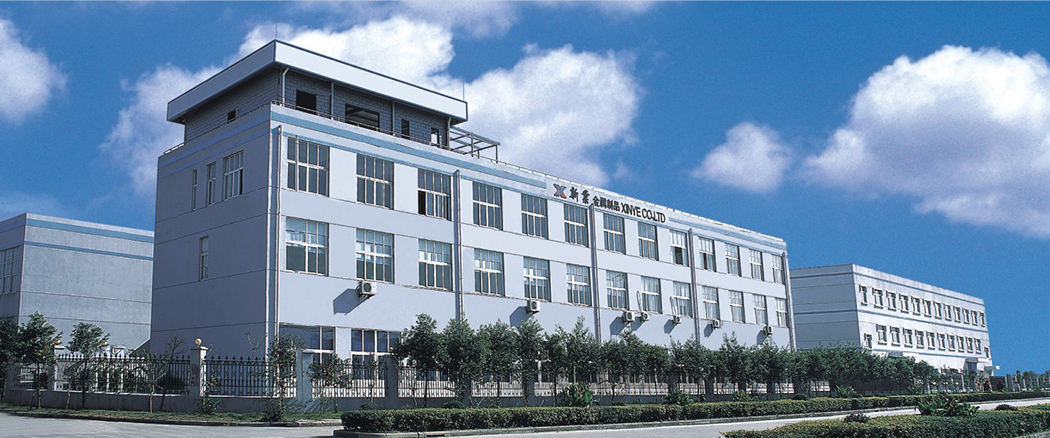
Founded in 1996 as a family-owned metal workshop, Ningbo Jiangbei XinYe Metal Works Co., Ltd. has grown into a highly specialized SME manufacturer. Strategically located in the Jiangbei Industrial Zone of Ningbo, China, our manufacturing campus is located within 3 hours of the Shanghai International Airport via the high-speed rail network.
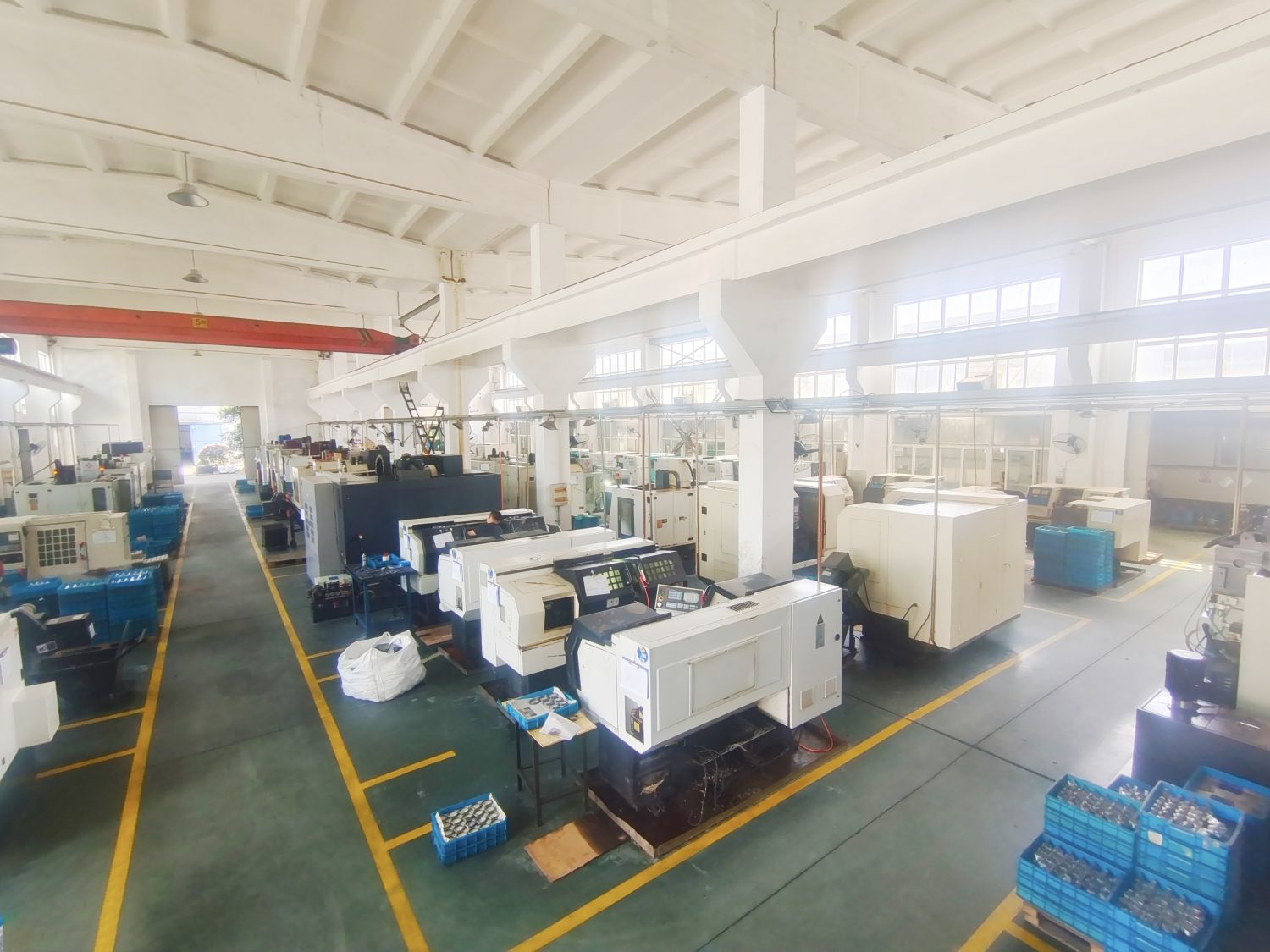
Today, the company operates across 16,000 square meters of high-tech production floors with an additional 11,000 square meters of planned construction. Supported by a team of 130 professionals—including 80 production staff and 50 specialists in product development, engineering, and quality control—we provide reliable custom manufacturing services to European, North American, and Asian industrial markets.
To understand why hard anodized aluminum performs reliably under heavy industrial use, it helps to understand the electrochemical conversion mechanism:
Type III anodizing requires a low-temperature sulfuric acid bath (typically 0°C to 4°C / 32°F to 40°F) and high current densities (30 to 36 Amps/sq. ft.). Operating at these temperatures slows down the dissolution of the oxide film, allowing a thicker coating to build up.
The thick alumina layer (typically 50-75 microns) provides excellent electrical insulation. It has a dielectric breakdown voltage exceeding 1000V, making it suitable for gas sensors and heat sinks in power electronics.
While 6000-series (6061-T6) and 5000-series alloys are ideal for dense, uniform hardcoat films, we have optimized our process to hard anodize 7000-series (high-strength aerospace alloys) and select die-cast aluminum alloys.
To comply with REACH and RoHS standards, we are continually upgrading our line with advanced hot-water and trivalent-chrome sealing systems. These modifications ensure excellent salt-spray performance (exceeding 336 hours without corrosion) while eliminating harmful hexavalent chrome from the production cycle.
Engineered components designed for high-stress applications across sectors
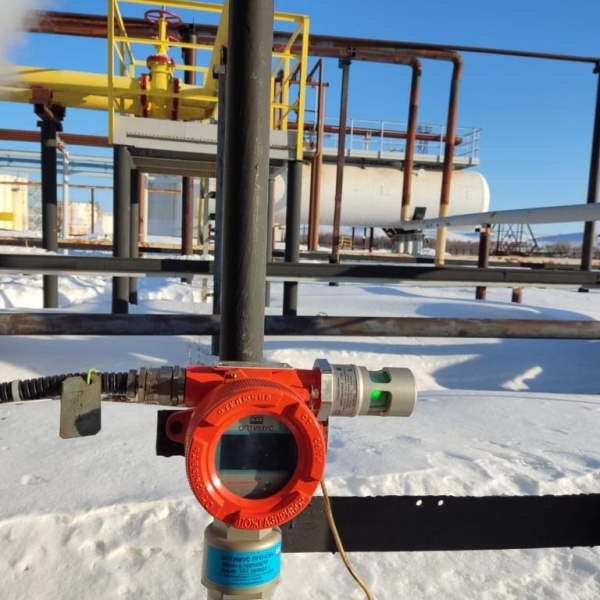
Explosion-proof sensor enclosures, gas detection components, and mining gas sensors require high resistance to galvanic and environmental corrosion. Hard anodizing protects these safety-critical systems in marine and subterranean environments.
From turbine inlets and transmission assemblies to Aviation Fuel Hydrant Pit Box components, our hard anodizing helps prevent stress corrosion cracking (SCC) under extreme friction and high temperatures.
Lightweight drivetrain components, suspension links, and brake levers for electric bikes benefit from hardcoat anodizing. The treatment keeps weight low while resisting abrasive wear from dust, mud, and water.
Used on components like commercial cream whippers, planetary mixers, and tabletop cooking stoves. Non-toxic, sealed Type III hardcoats provide a non-reactive surface that resists acidic food formulas and regular sanitation cycles.
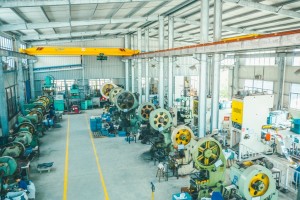
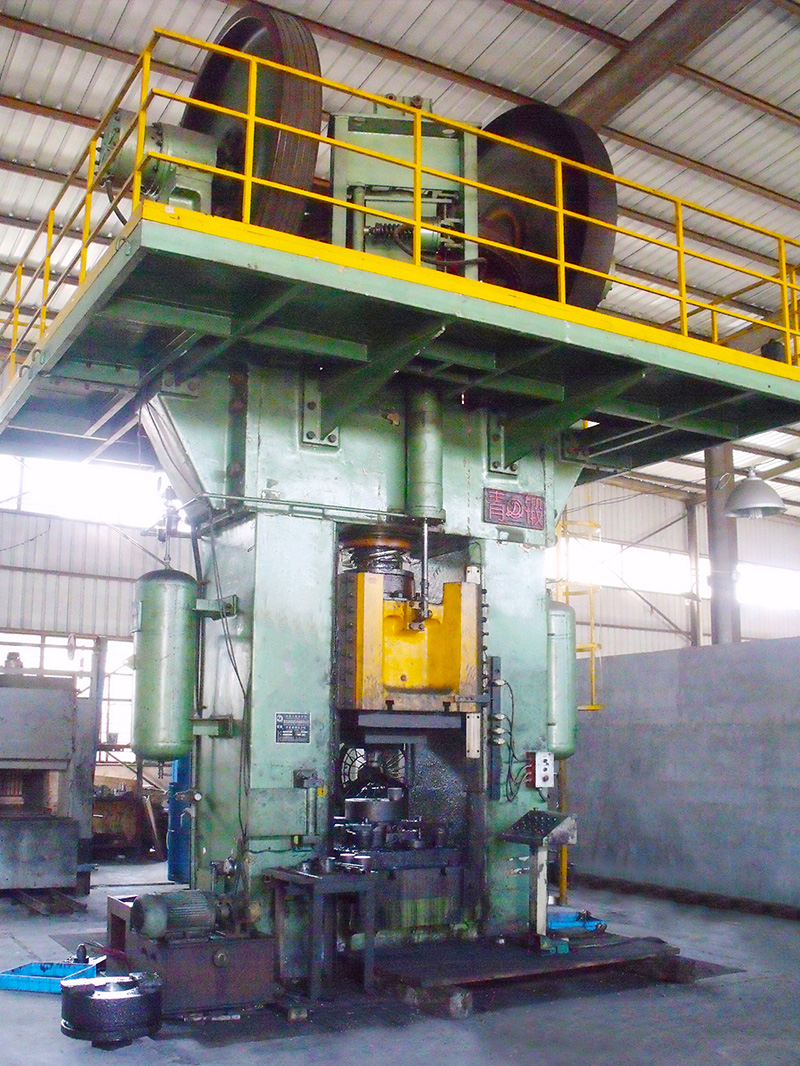
Combining high-tonnage friction presses with high-precision CNC machining centers
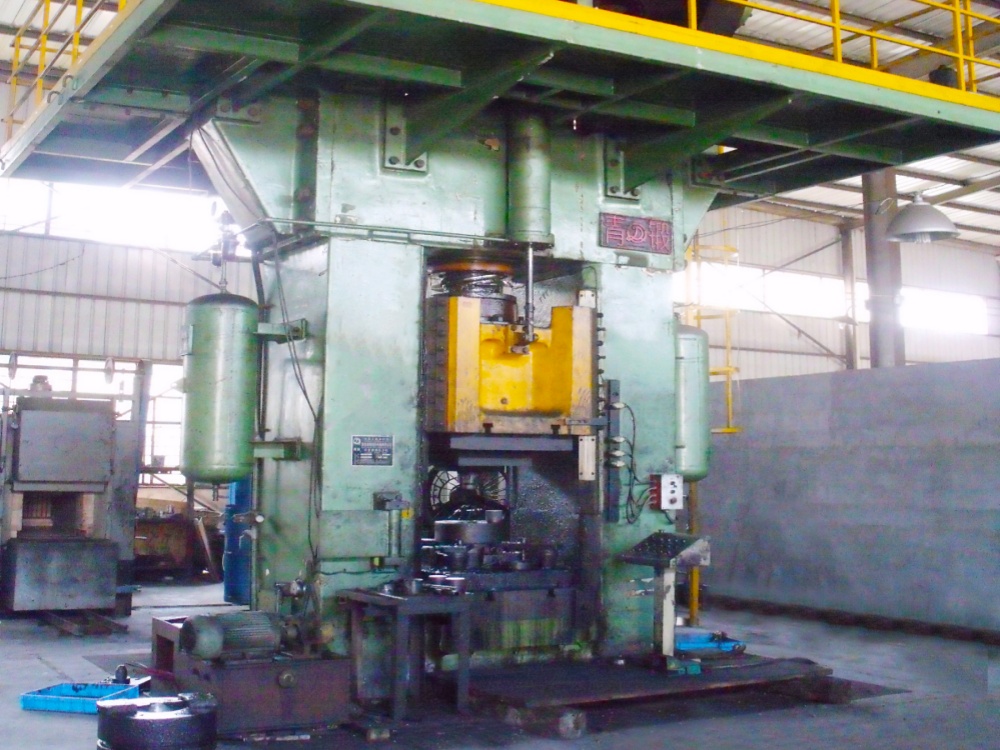
Equipped with Friction Press Machines (300T to 1000T) and Column Hydraulic Machines (100T to 630T) for high-density, void-free grain flow structures.
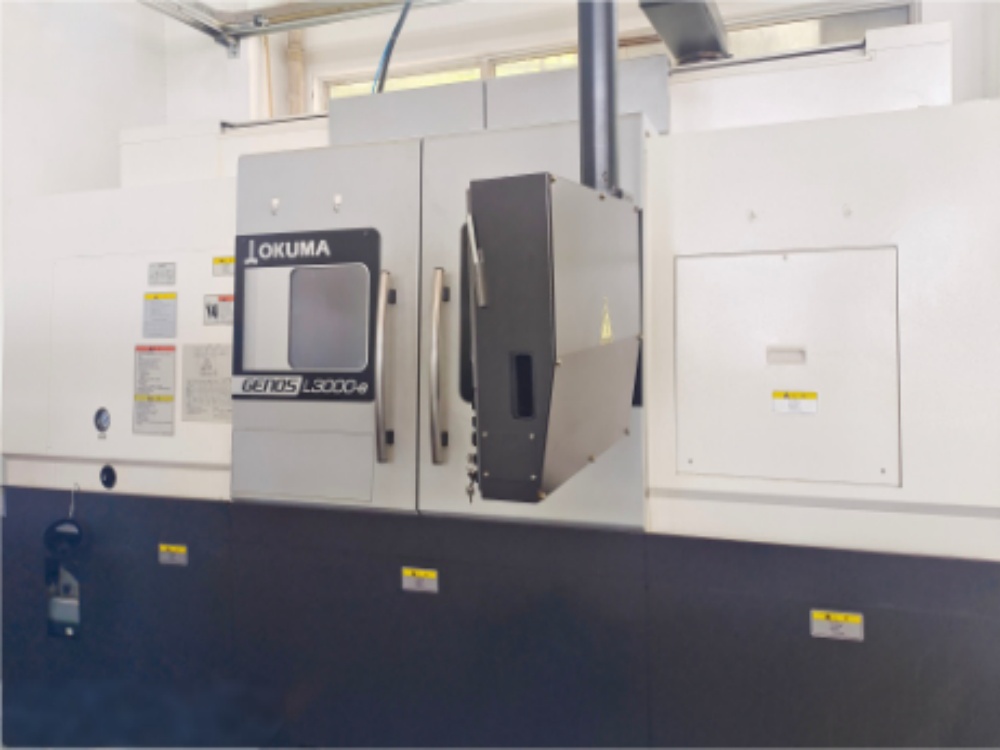
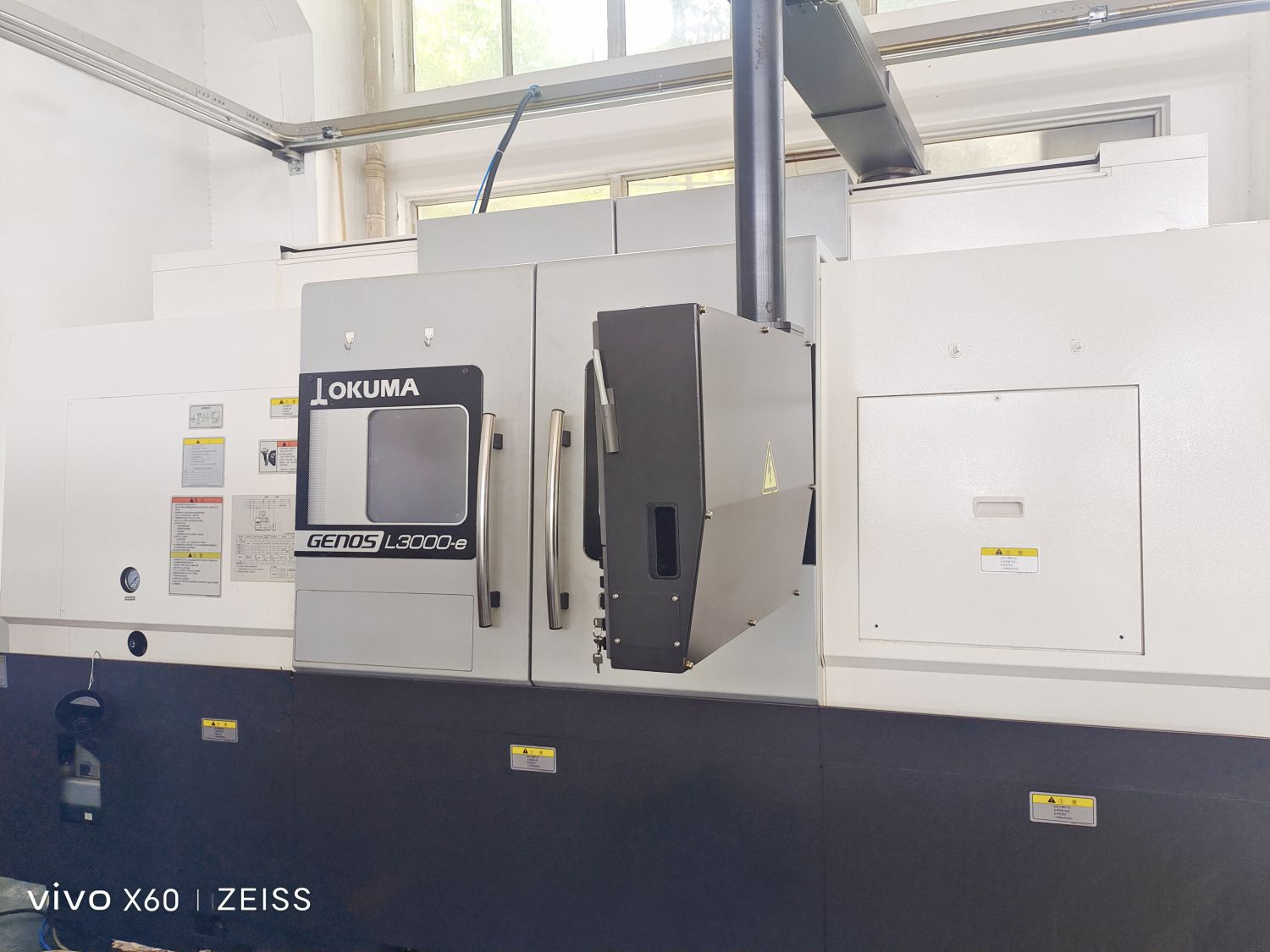
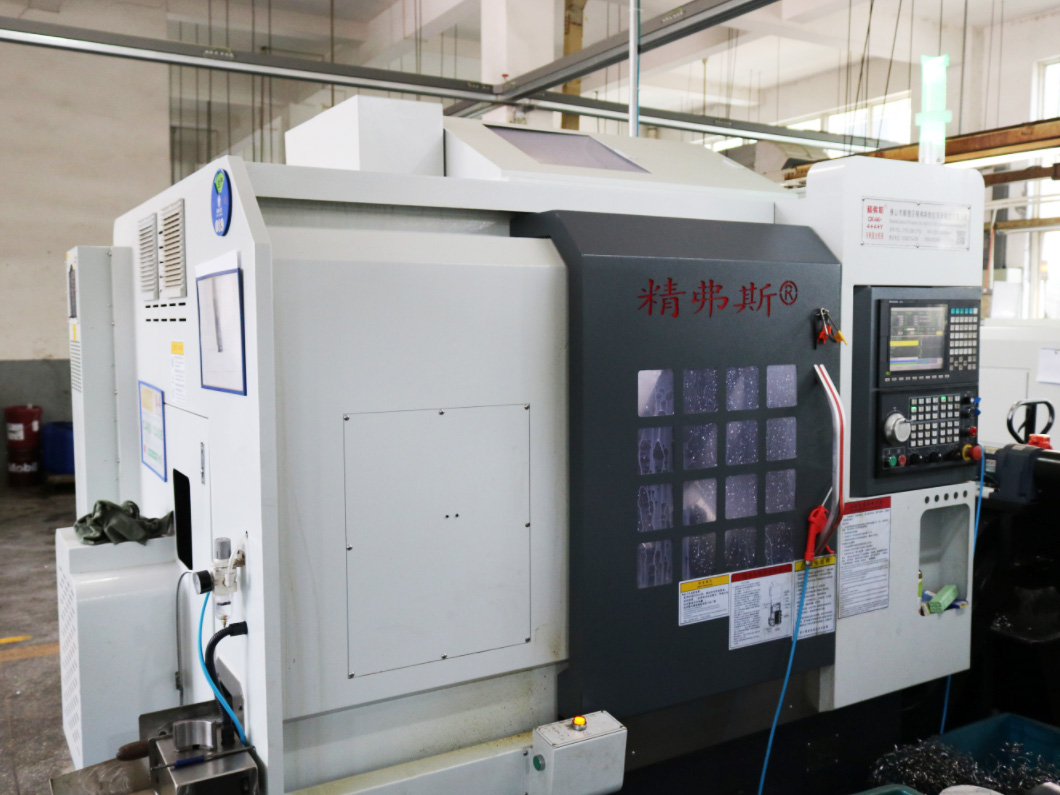
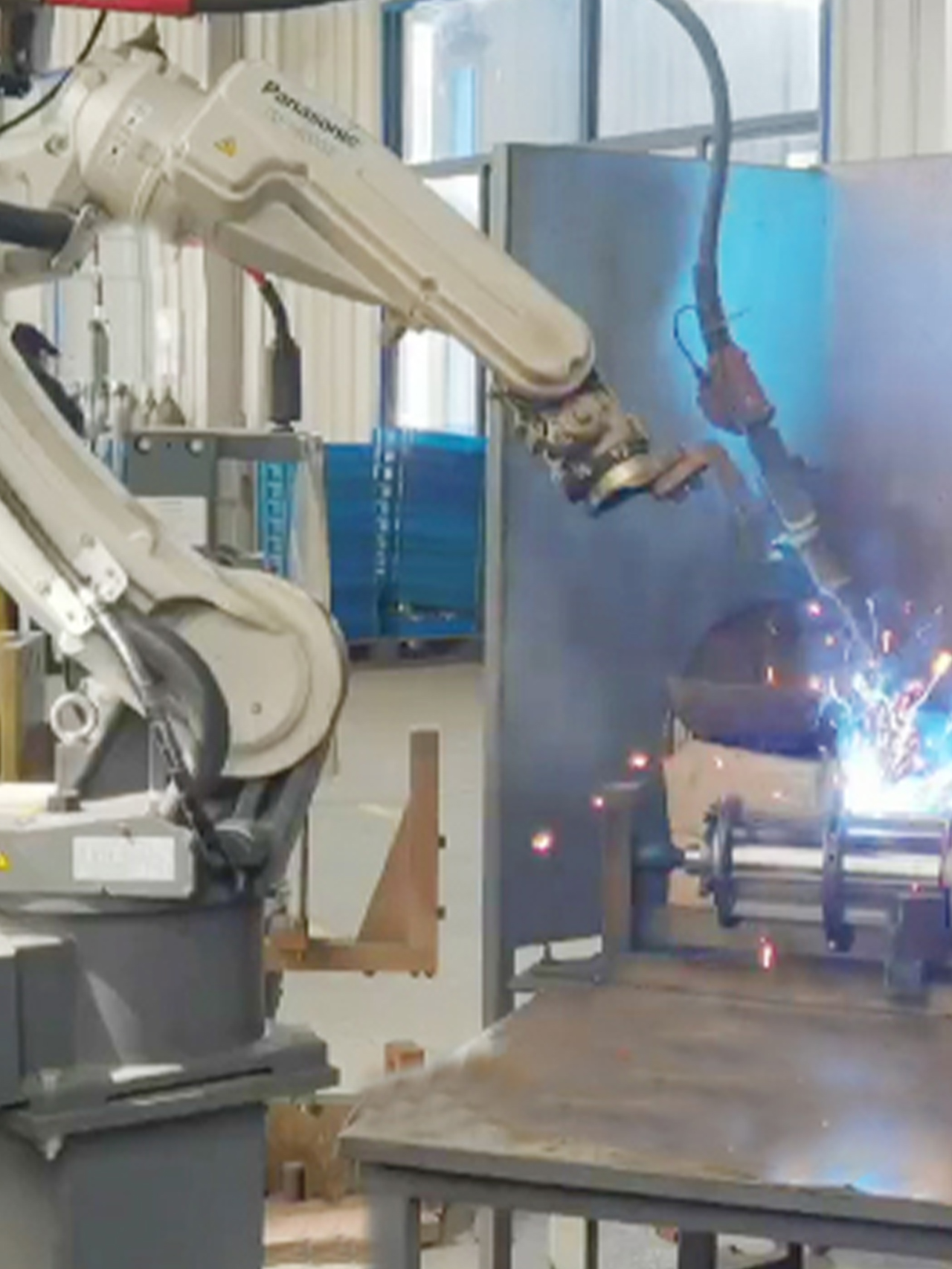
Features 4-axis control vertical machining centers, turning centers, and milling configurations designed for complex parts.
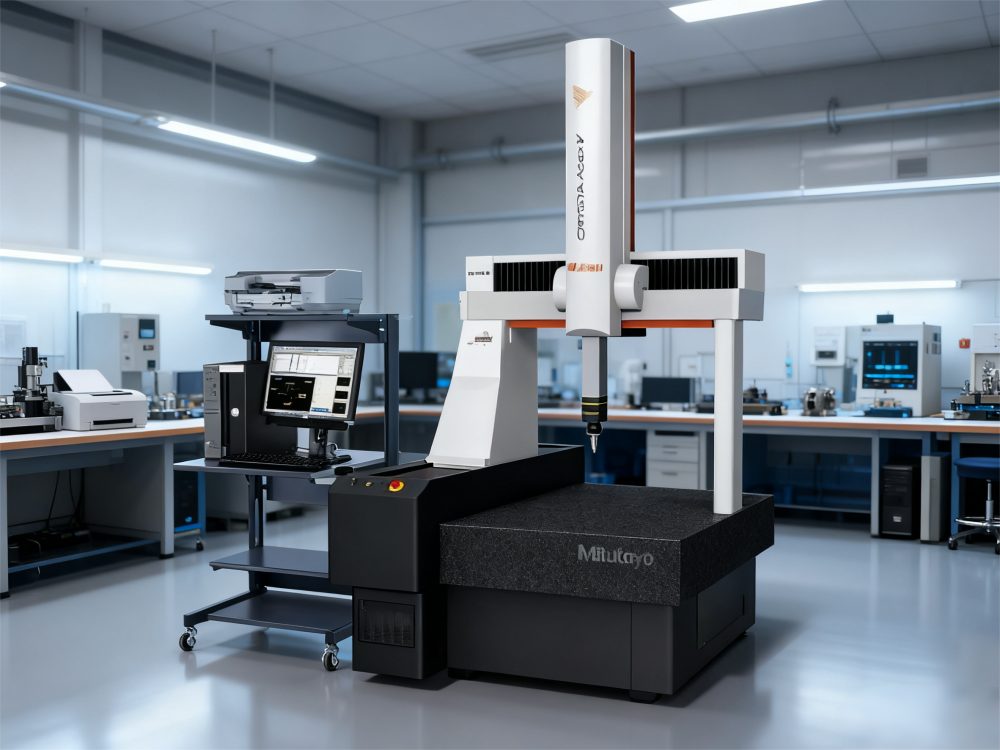
Our multi-tasking live-tool lathes allow us to perform complex machining operations in a single setup, improving dimensional accuracy.
How we handle large-scale orders and maintain lead-time stability
Ningbo is one of the world's most concentrated industrial hubs for advanced metallurgical processes, surface finishes, and raw aluminum casting materials. Operating out of the Ningbo Jiangbei Industrial Area gives us proximity to deep-water ports (Ningbo-Zhoushan Port) and local smelting networks, helping us reduce logistics lead times and shield clients from price fluctuations.
Our standard operations run 16 hours a day, 6 days a week. To accommodate sudden spikes in demand, we can scale to a 24/7 continuous operation mode within 30 days. Backed by capital reserves and expansion land on-site, we can quickly scale up production capacity for OEM contracts.
Rapid scale-up to 24/7 operating schedules ensures timely delivery for large seasonal orders.
Direct access to major shipping ports reduces shipping times to North America and Europe.
Local access to high-grade ingots (A356, A380, 6061, 7075) provides steady pricing and material availability.
Ensuring dimensional accuracy and oxide layer thickness consistency
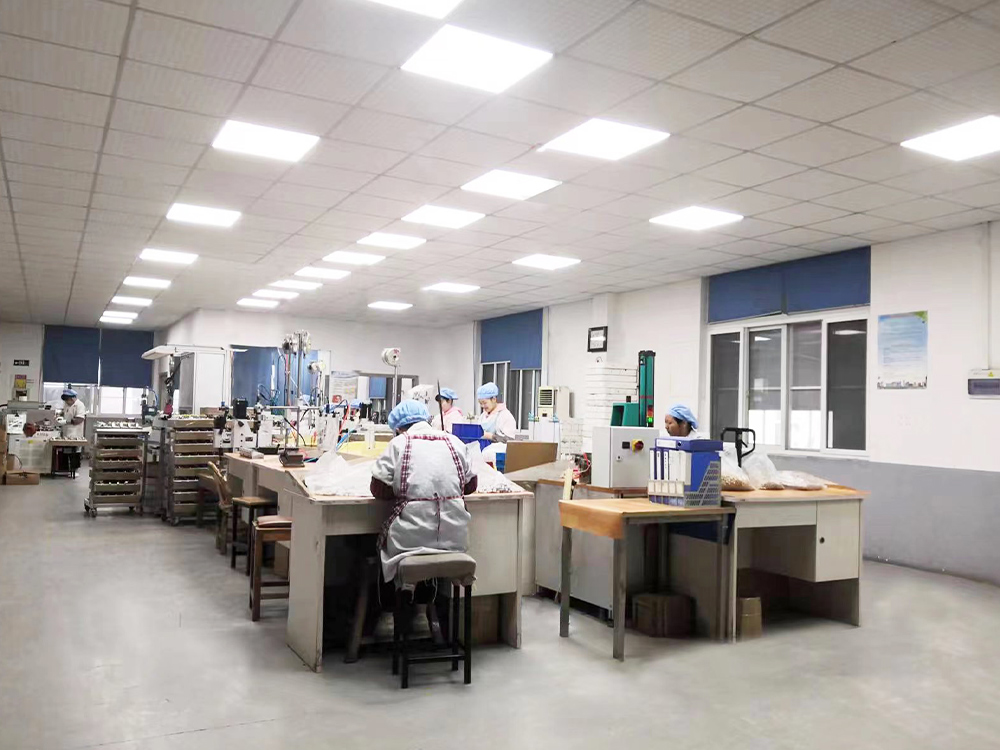
Quality is the lifeblood of our business. With our customers' help, we have established a strict quality control system from raw material receiving to final inspection.
To support this, we maintain certifications under ISO 9001-2015 and SA8000. This framework ensures traceability for all raw material lots, process logs, and final inspection sheets. Our internal lab uses advanced testing equipment to verify layer thickness, coating density, and dimensional conformity.
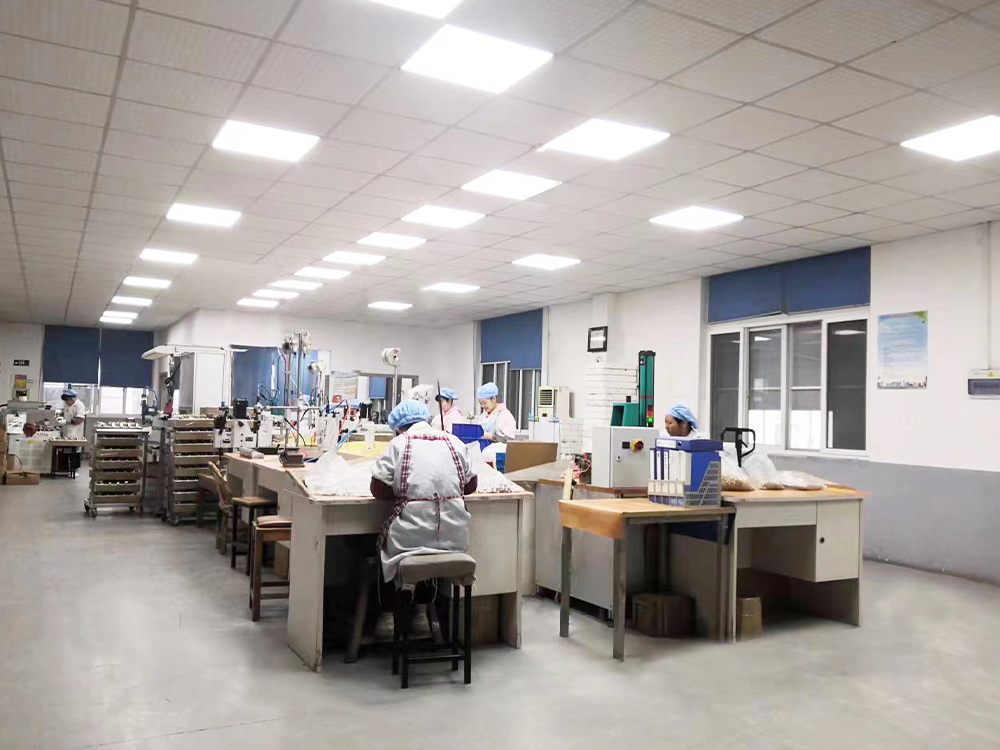
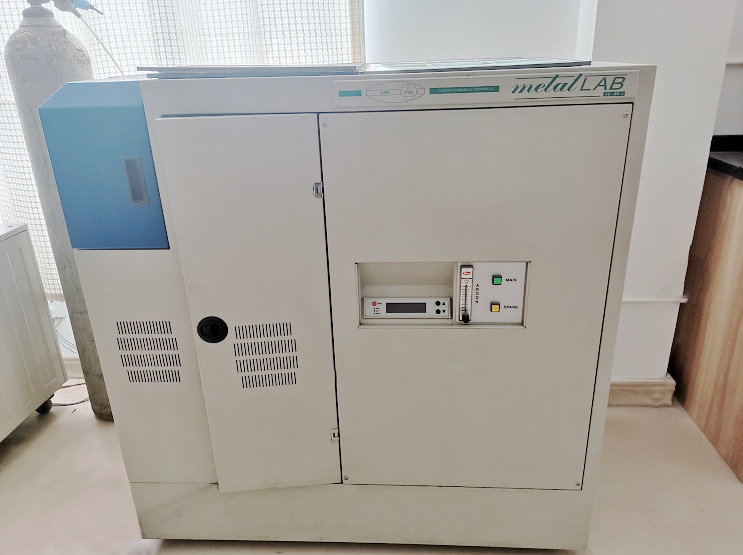
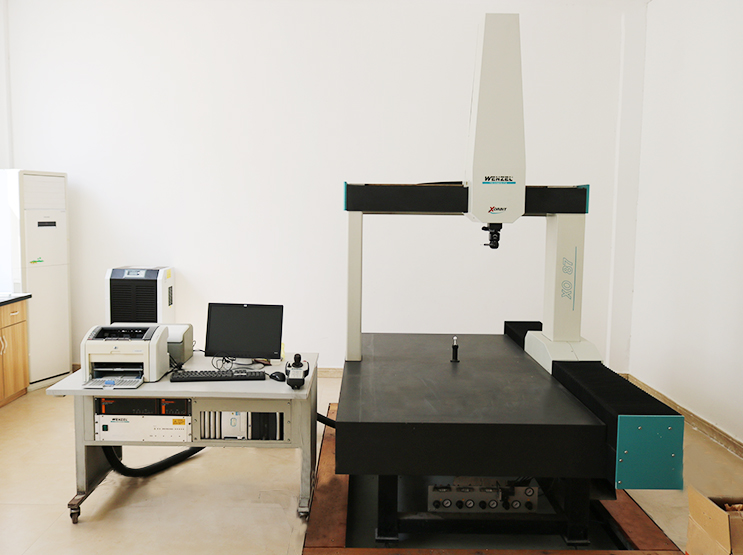
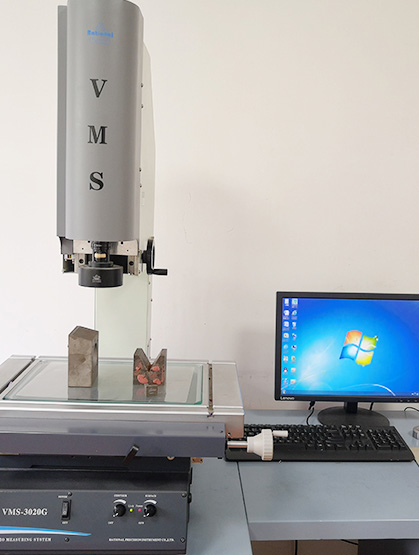
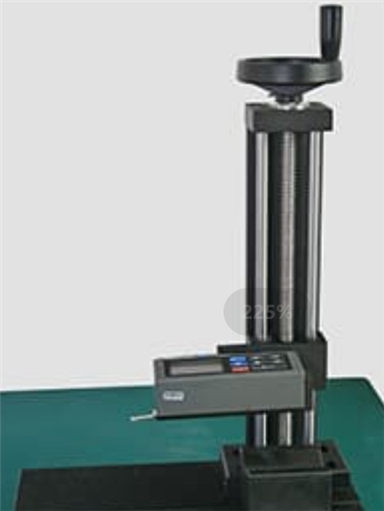
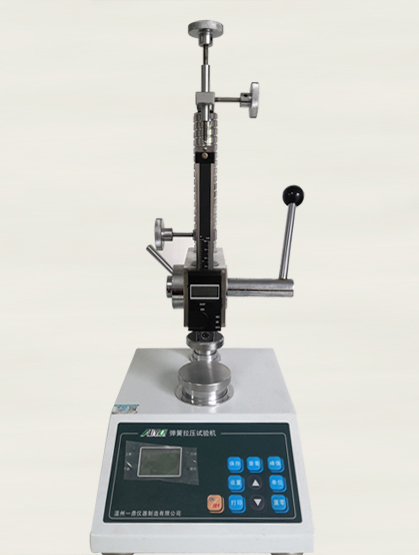
Review examples of our precision metal fabrication work
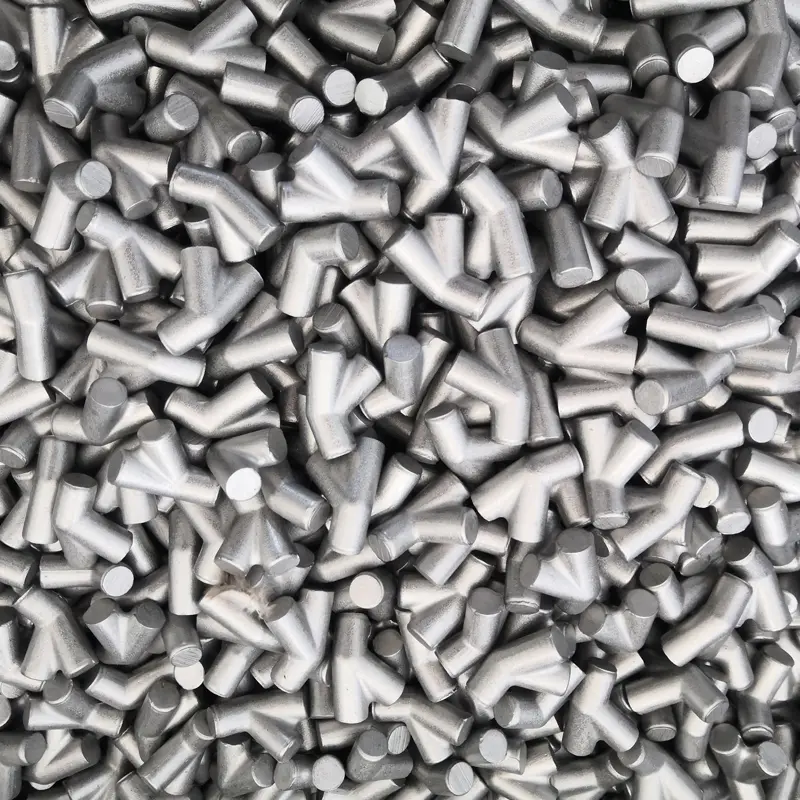
Material: Stainless Steel & Aluminium Alloy
Precision forged structural brackets and mounts designed to withstand high operational loads.

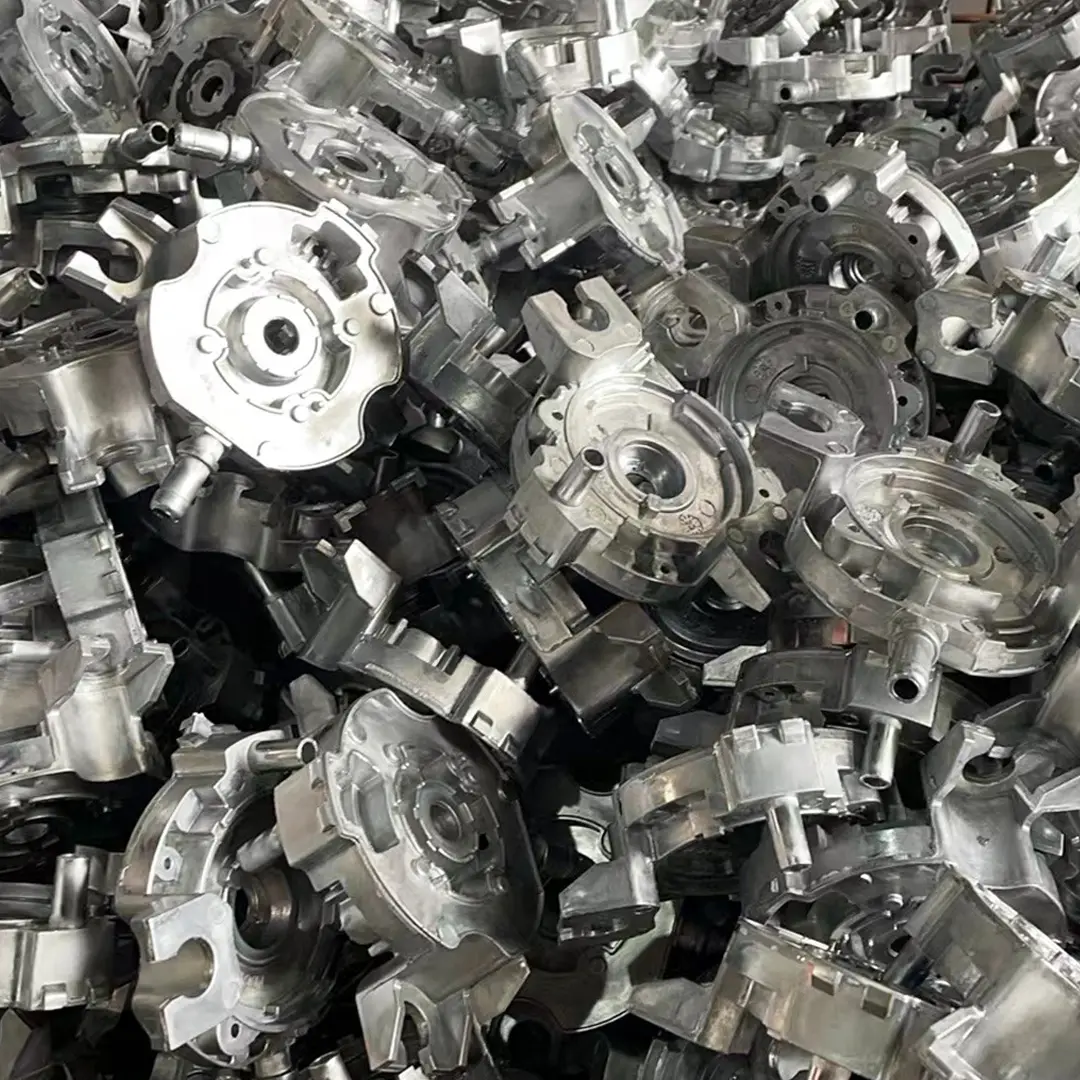
Material: Aluminium Alloy (6000/7000 Series)
Chassis suspension components built to handle dynamic loads with strict weight restrictions.
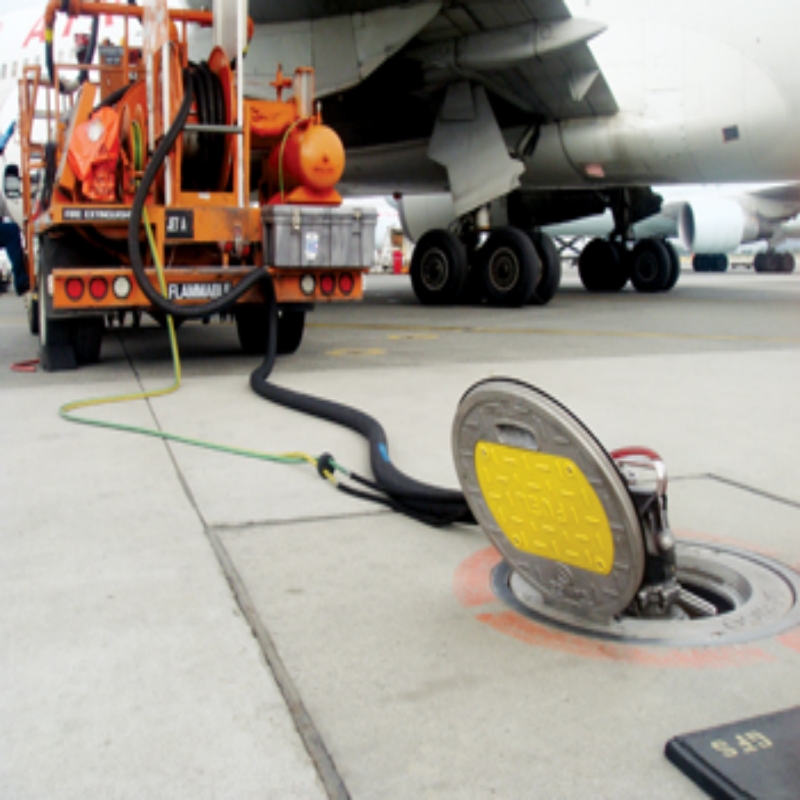
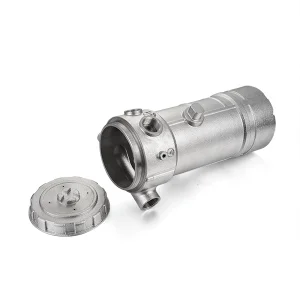
Application: Airport Fueling Infrastructure
Features high-corrosion protection and hard anodizing to withstand high-volume fueling operations.
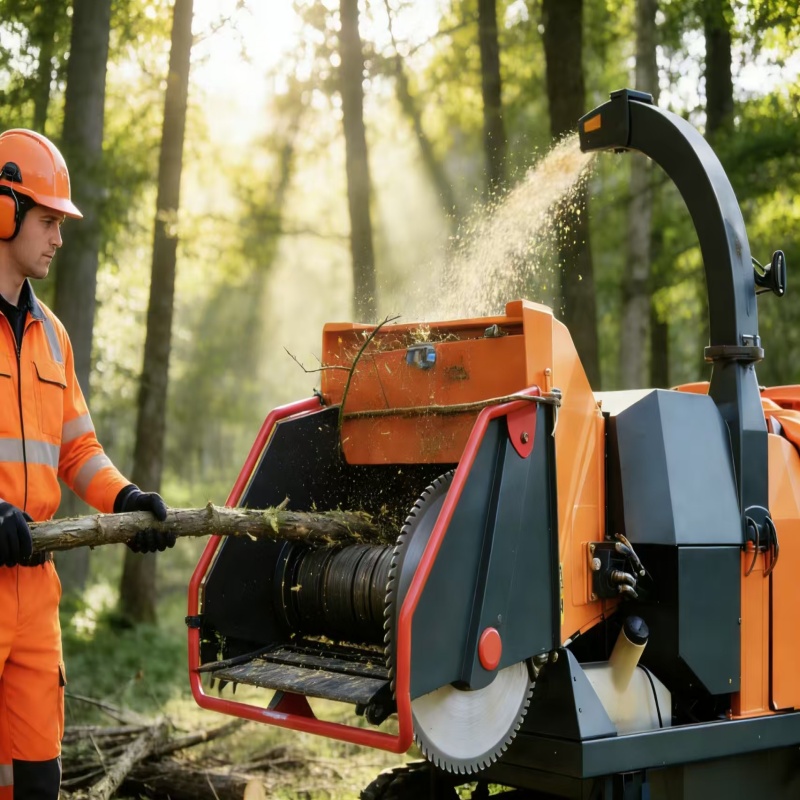
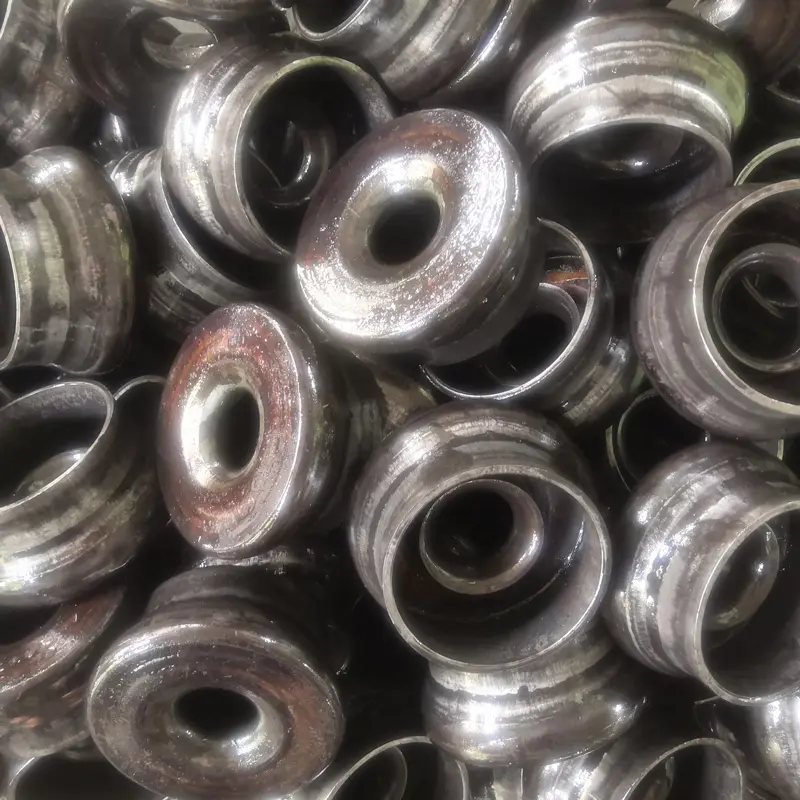
Material: Q345B, 42CrMo, NM400 Steel
Heavy-duty feed rollers and cutting discs manufactured for wood chipper systems.
Compliance, social responsibility, and international quality management
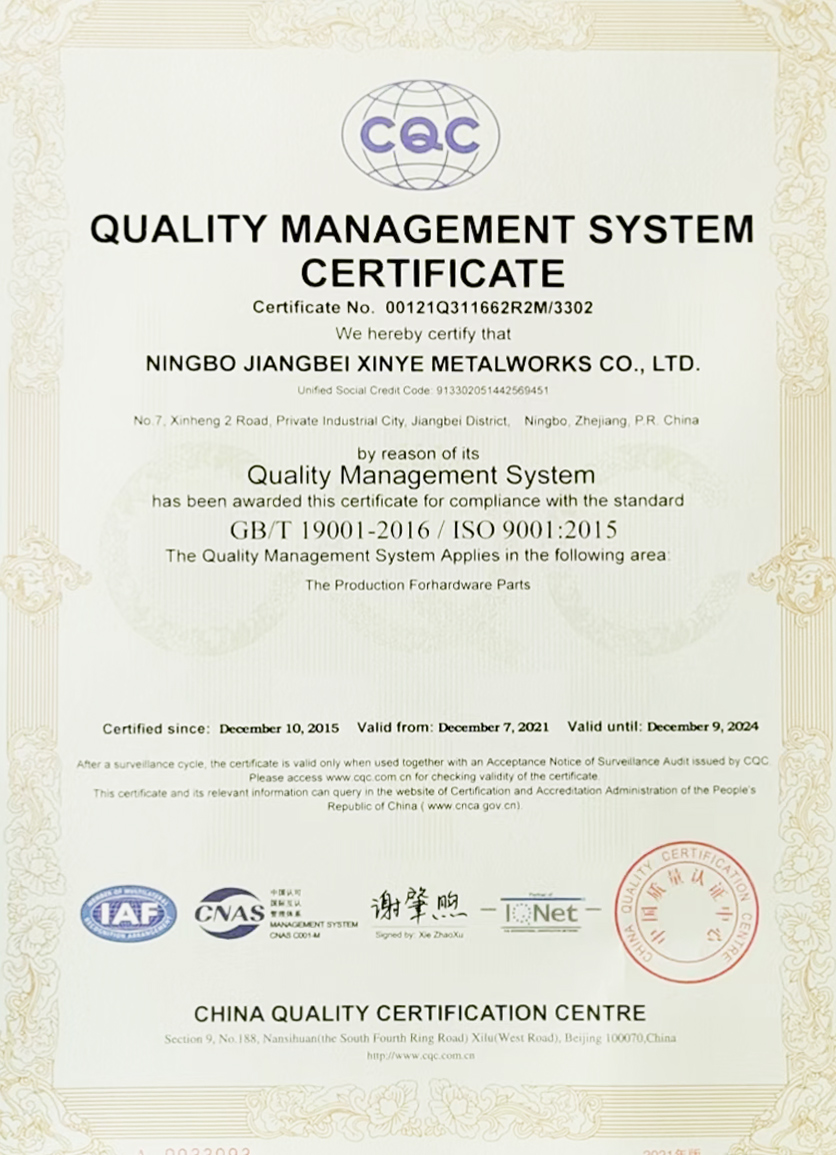
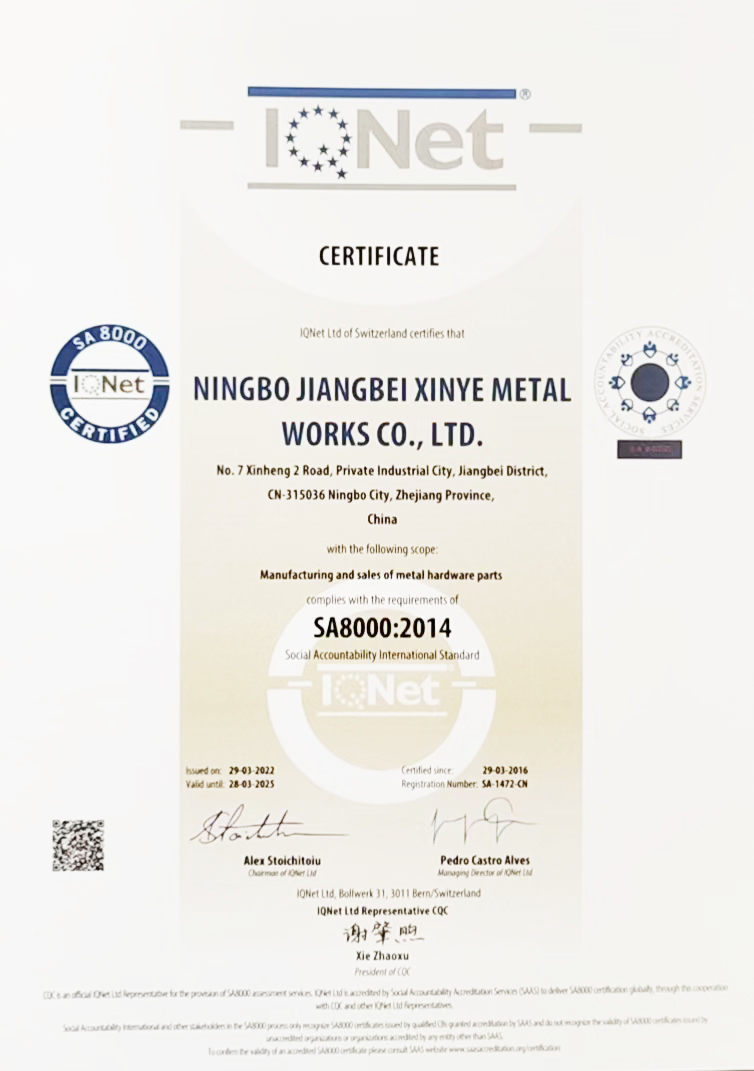
We maintain strict quality management under our verified ISO 9001:2015 certificate, combined with social compliance auditing under the SA8000 framework. This double-layer compliance guarantees that your supply chain meets international standards for quality control and ethical manufacturing practices.
How we manage custom metal projects from order to delivery
We start by reviewing your design requirements. We discuss material choices, target mechanical profiles, and surface finish specifications to confirm compatibility with hard anodizing process parameters.
We proceed with tooling design, raw material procurement, and prototype development. We then run a test batch of parts and verify hardcoat thicknesses using electromagnetic film gauges and cross-sectional testing.



We send inspection reports and prototypes to the customer for testing. Once the design is approved, we transfer the project details to our main production schedule.

We launch mass production using our forging and CNC machinery. Quality checkpoints monitor dimensional accuracy, surface finish, and anodizing density to keep quality consistent throughout the run.

Finished components are packed in customized, export-ready packaging to prevent damage during shipping. We provide a one-year warranty on manufacturing defects, starting from the delivery note date.

Find answers to common questions about our wholesale manufacturing and hard anodizing services
Our pricing is based on component complexity, material grade, tooling requirements, batch sizes, and current raw metal market costs. When you request a quote, we will send an itemized cost estimate showing material fees, machining, surface treatments, and packaging options.
Yes, we require minimum order quantities for international shipments to keep shipping and production costs efficient. We can discuss customized MOQs during initial project reviews based on component size and manufacturing complexity.
Yes, we provide standard quality and compliance documentation with our shipments. This includes Certificates of Analysis/Conformance (CoA), material certifications, dimensional inspection reports, and export compliance documents as required.
Standard prototype and sample lead times are about 7 days. Mass production runs typically take 20 to 30 days after receiving deposit payments and engineering approvals. We work with clients to accommodate tight schedules whenever possible.
We accept bank wire transfers (T/T), Western Union, and PayPal. Our typical terms for international custom manufacturing contracts are a 30% deposit to start production, with the remaining 70% balance due upon presentation of the Bill of Lading (B/L) copy.
We offer a one-year warranty on manufacturing defects and material specifications under normal operating conditions. If any quality issues arise during assembly or installation, our team works with you to resolve them.
High-quality components manufactured to international industry standards
 XinYe Metal