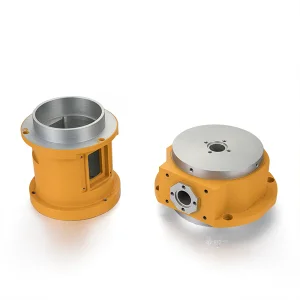
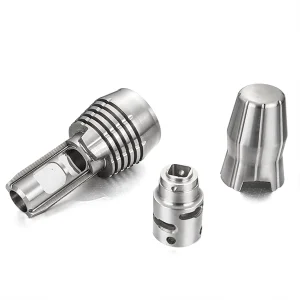
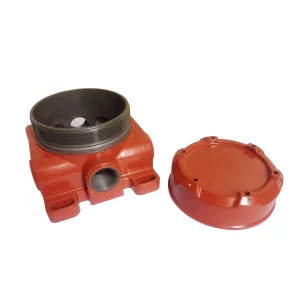
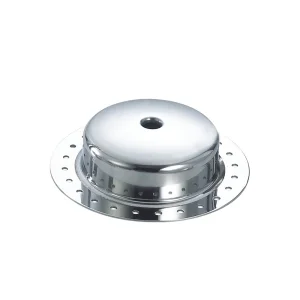
Explore our core engineering capabilities and precision extruded metal profiles designed to meet rigorous architectural and industrial specifications.
The global demand for extruded aluminum channels has witnessed unprecedented growth over the past decade. Driven by structural shifts towards lightweighting in transportation, high-performance thermal management in electronics, and architectural frameworks, these profiles serve as structural backbones in thousands of projects. Modern industrial applications require high-strength, low-weight alternatives to structural steel, rendering aluminum alloys (specifically the 6000 and 7000 series) the material of choice for engineers worldwide.
Currently, global supply chains depend heavily on high-precision manufacturers capable of delivering structural consistency, tight dimensional tolerances, and high-quality surface treatments. From standard U-channels and C-channels to custom architectural T-tracks, the extrusion process requires strict metallurgical controls and post-extrusion heat treatments (such as T5 or T6 tempering). As infrastructure projects become more complex, sourcing from verified factories that possess integrated tool-design, extrusion, CNC machining, and anodizing capabilities is essential for keeping supply chains resilient and competitive.
Leading industrial designers are no longer selecting materials based solely on static structural capacity. They evaluate the entire lifecycle carbon footprint. Recycled, low-carbon extruded aluminum profiles are gaining massive traction in European and North American markets. By integrating closed-loop scrap recycling directly into our casting process, Ningbo Jiangbei XinYe Metal Works enables clients to secure significant reductions in Scope 3 carbon emissions without sacrificing structural load-bearing parameters.
Three critical trends are reshaping the wholesale aluminum channel extrusion sector:
Founded in 1996 as an owner-managed family enterprise, Ningbo Jiangbei XinYe Metal Works Co., Ltd. has developed into a sophisticated engineering and metal fabrication partner. Situated strategically within the Ningbo Jiangbei Industrial Zone, our facility is positioned within a brief 3-hour high-speed train connection from Shanghai International Airport, giving global inspectors and buyers efficient access to our facility.
Our footprint spans a massive 16,000 square meters of production floor space, complemented by an additional 11,000 square meters of modern construction area optimized for advanced CNC machining, forging, and stamping. Our workforce of 130 highly specialized professionals includes a dedicated team of 50 engineers, product developers, quality control specialists, and administrative managers focused on global client alignment.
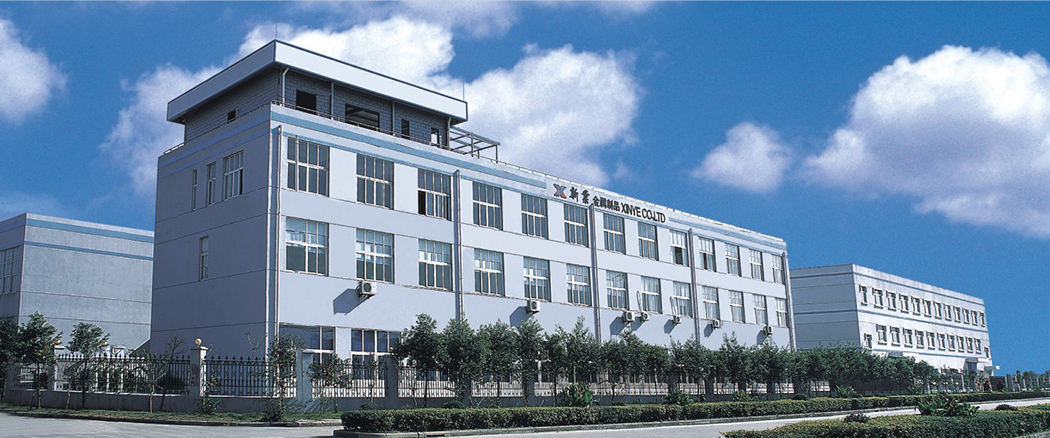
XinYe provides a complete end-to-end technological suite. We manage the development lifecycle from material science formulation to high-precision surface finish processing.
Alloy structures including custom architectural and heavy structural profiles.
High-precision post-extrusion milling, drilling, tapping, and tight-tolerance facing.
Professional anodizing, sandblasting, chemical powder coating, and E-polish processing.
How our custom extruded aluminum channels meet the demands of global industries.
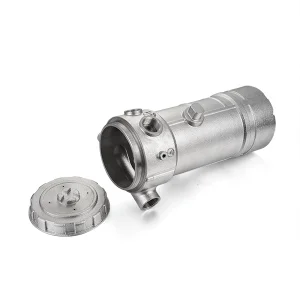
We supply explosion-proof housings, flame sensors, and gas detection kits designed to withstand corrosive and high-pressure environments in mining and hazardous industries.
Structural tubes, powertrain suspension brackets, and precision e-bike connectors. Designed with high yield strength to withstand critical impact loads.
We manufacture turbine inlets, structural cabin frames, and complex aviation fuel hydrant pit box enclosures utilizing specialized aerospace-grade alloys.
Medical-grade surface treatments for cream whippers, high-pressure tabletop stoves, and components requiring non-reactive and highly hygienic materials.
Robust structural channels, solar mounting frames, and heavy-duty structural rails with long-term weatherability and UV-resistant clear anodized coatings.
Specialized heat sinks and custom multi-port micro-channels that maximize surface area contact to enhance thermal transfer efficiencies.
XinYe's manufacturing capacity operates on a standard schedule of 16 hours per day, 6 days a week, and is expandable to a full 24/7 continuous operation within 30 days of client notification. Our production scaling is backed by planned capital reinvestment, with pre-cleared industrial land available for footprint expansion.
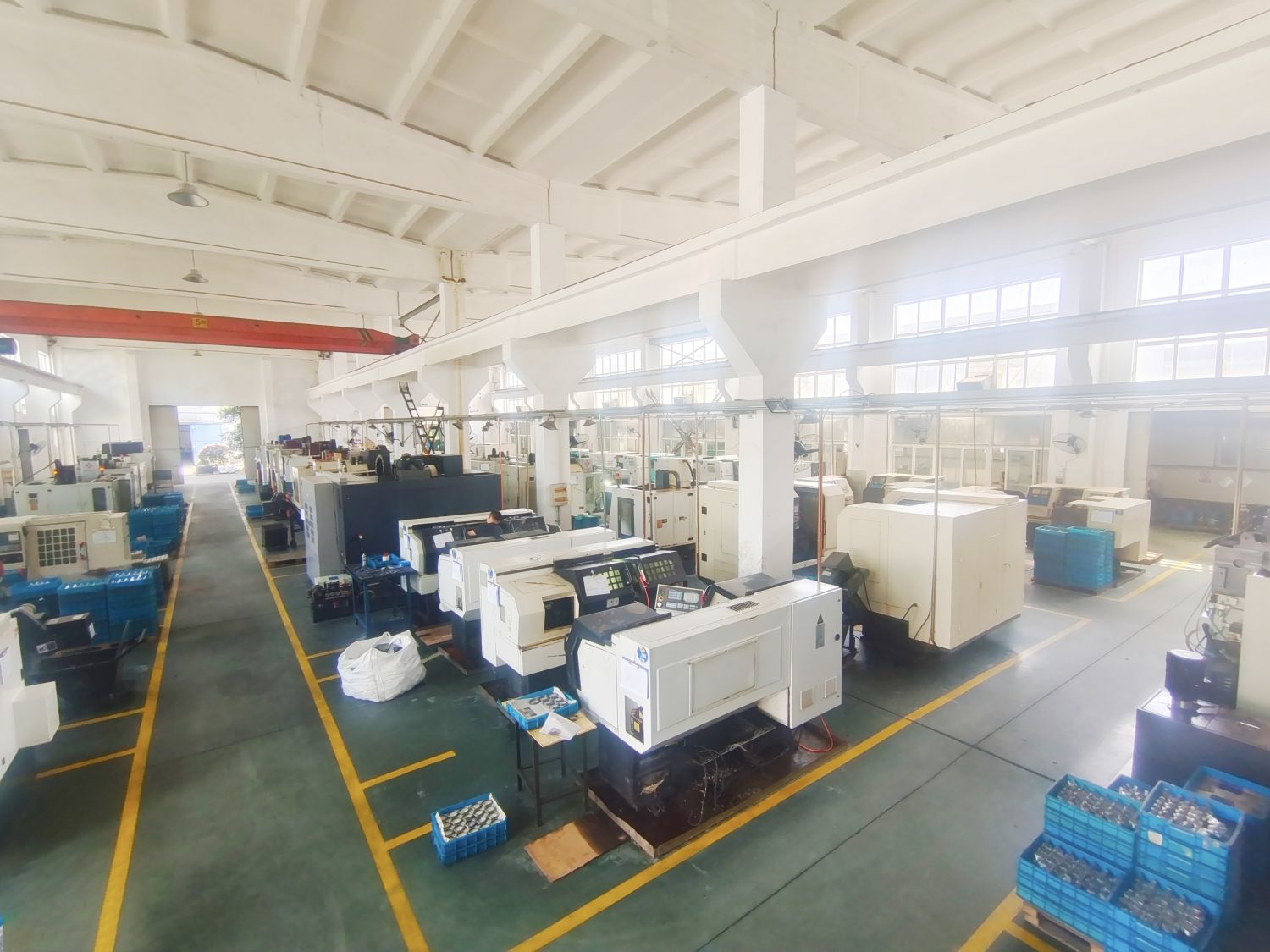
Thermal forging equipment for densifying aluminum alloy matrices.
4-axis control units imported from Japan to ensure component repeatability.
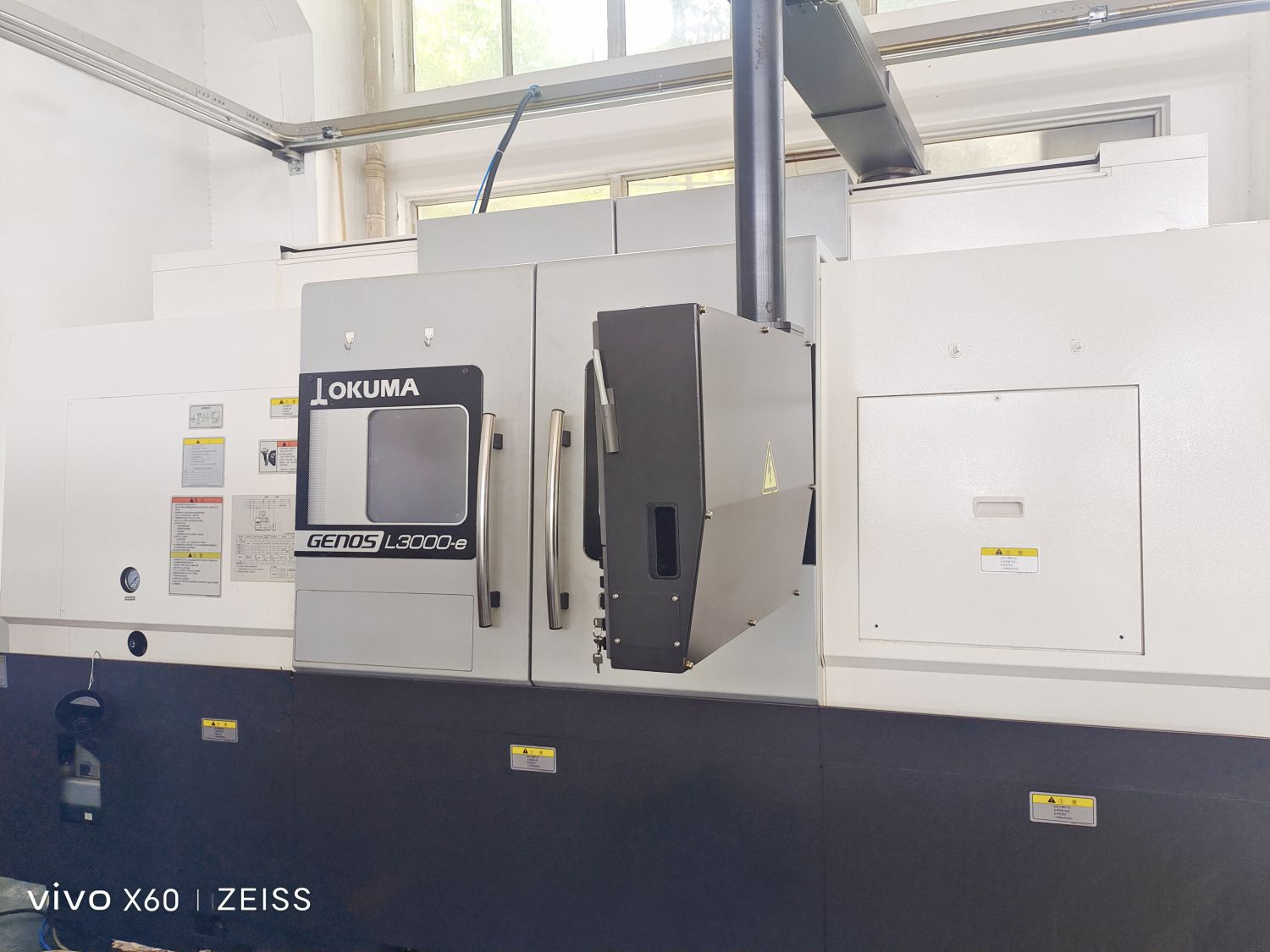
Configured for rapid surface profiling and close tolerance engineering.
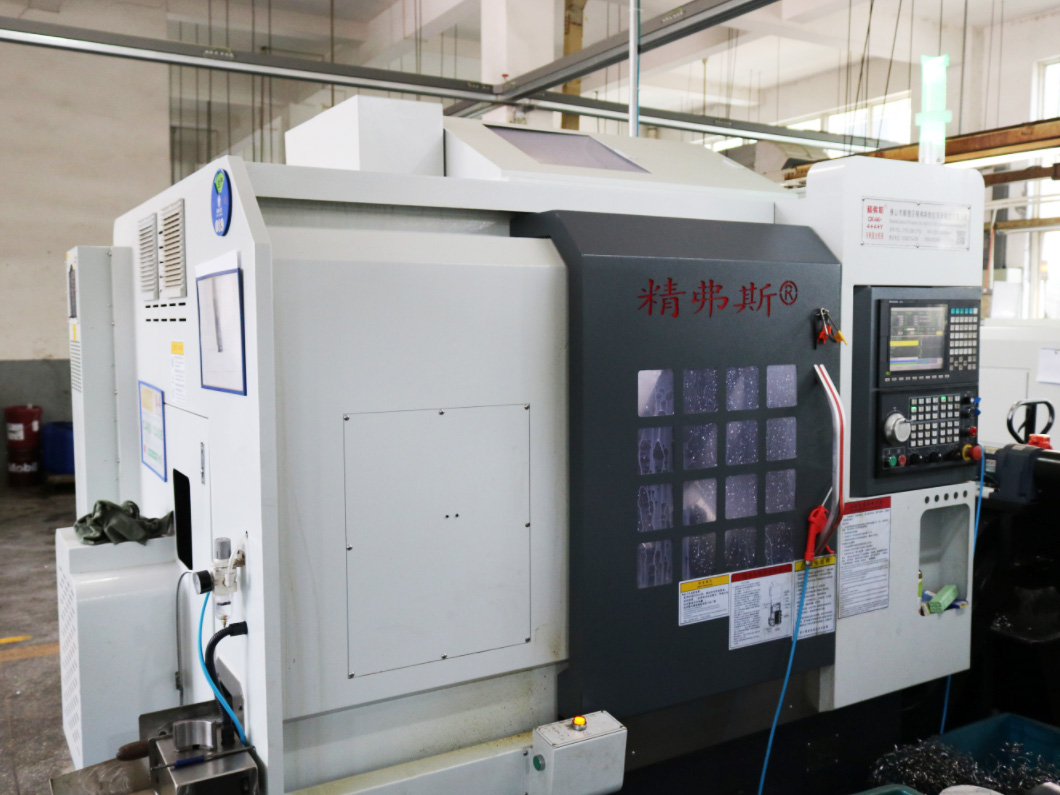
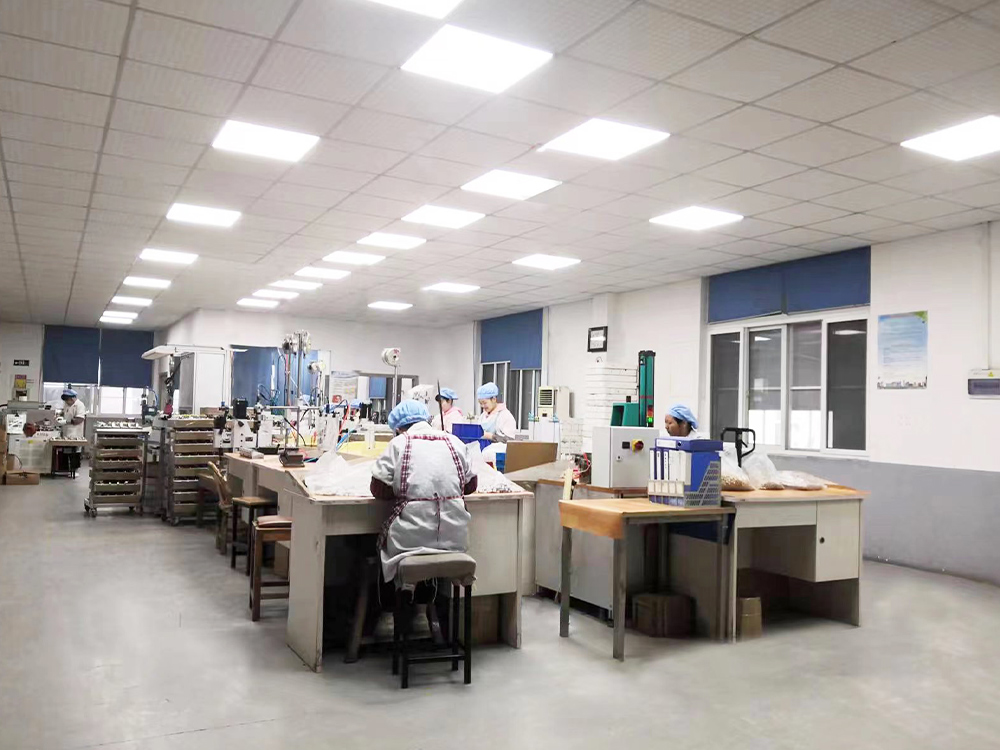
Calibrated physical stations integrated directly alongside production lines.
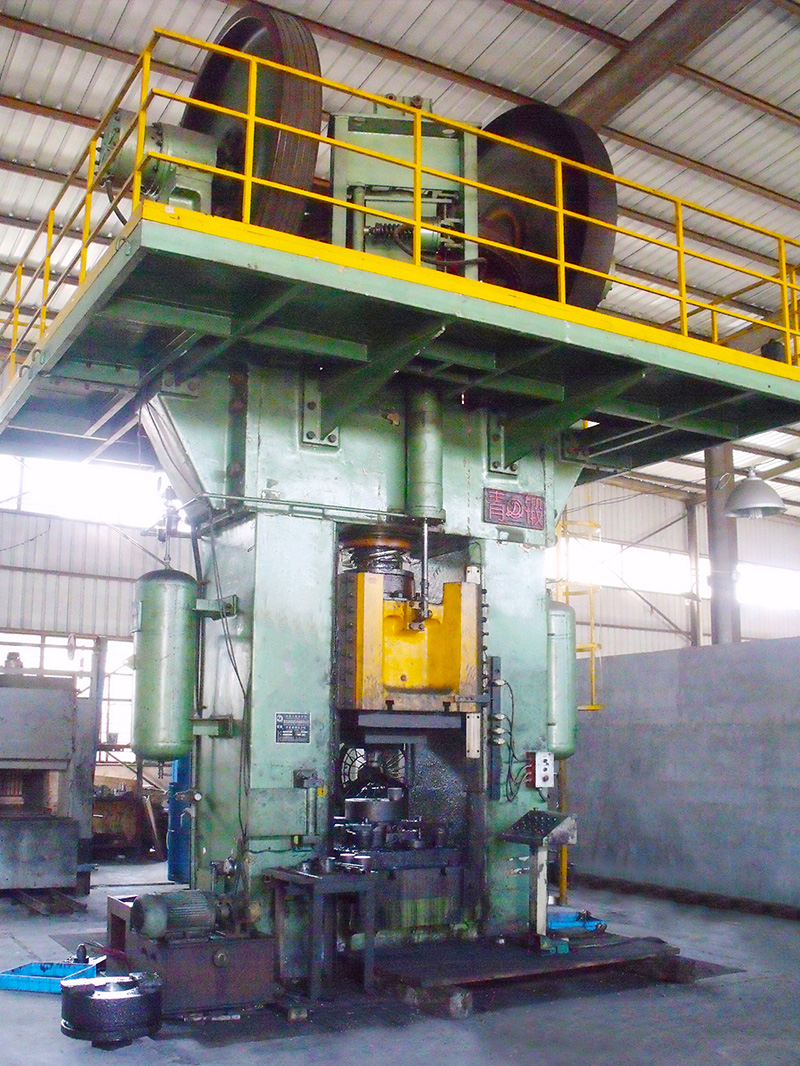
Engineered for high-volume execution of symmetrical profile components.
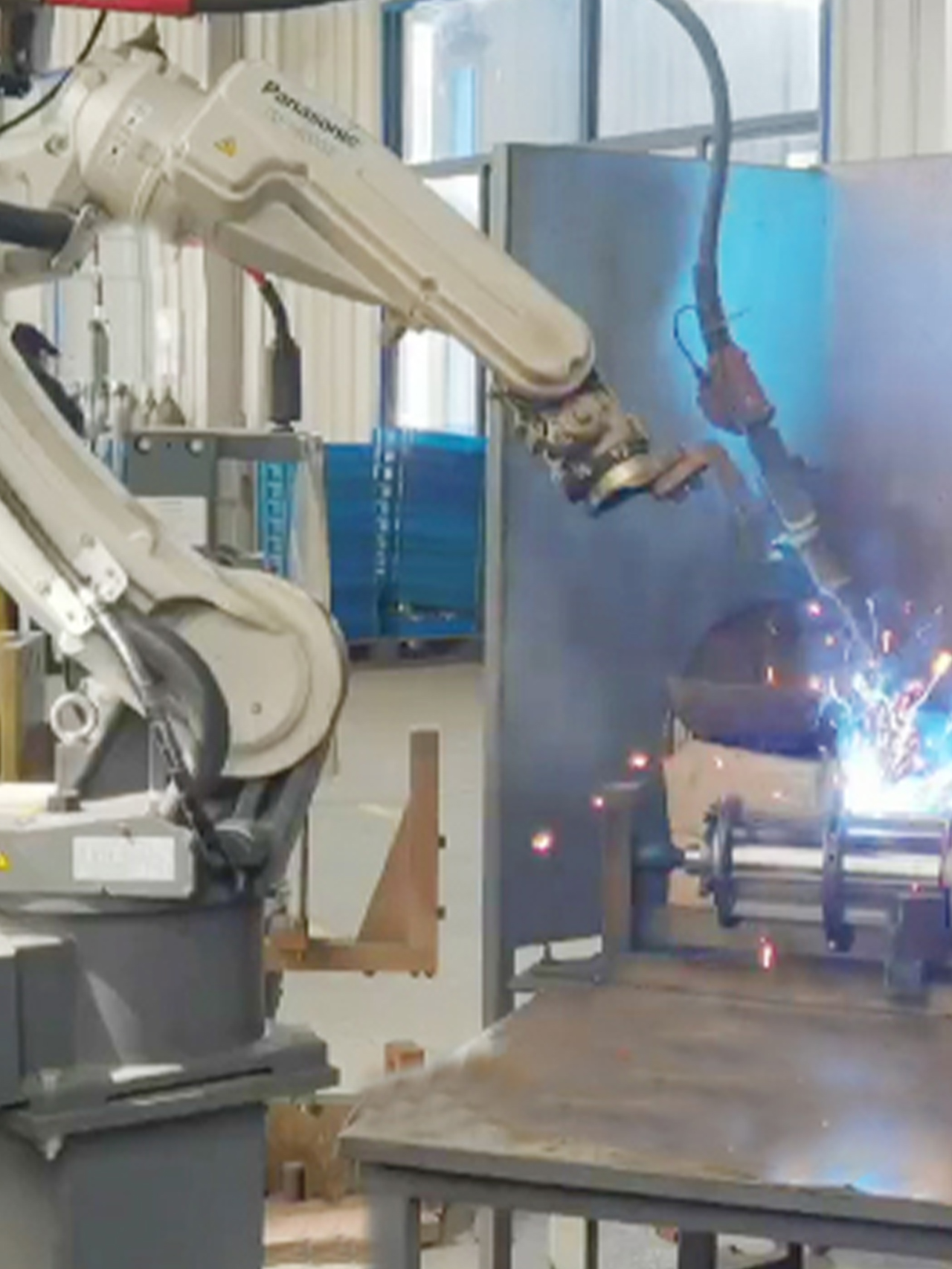
Strictly segregated and cataloged raw billet inventories for traceability.
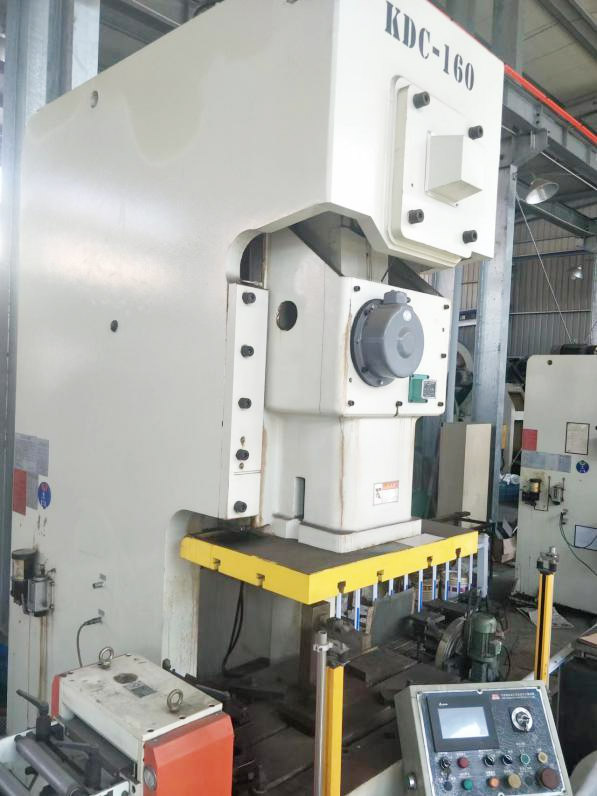
Automated stamping lines capable of delivering mass quantities.
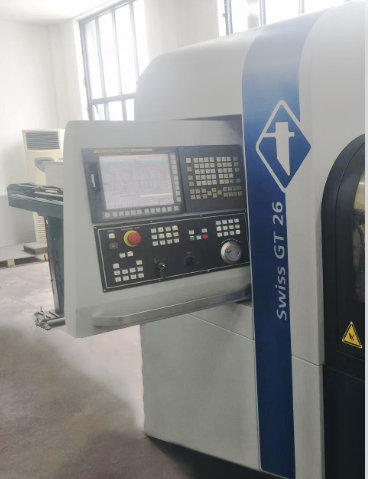
Optimized lines combining multi-stage drawing, punching, and sizing.
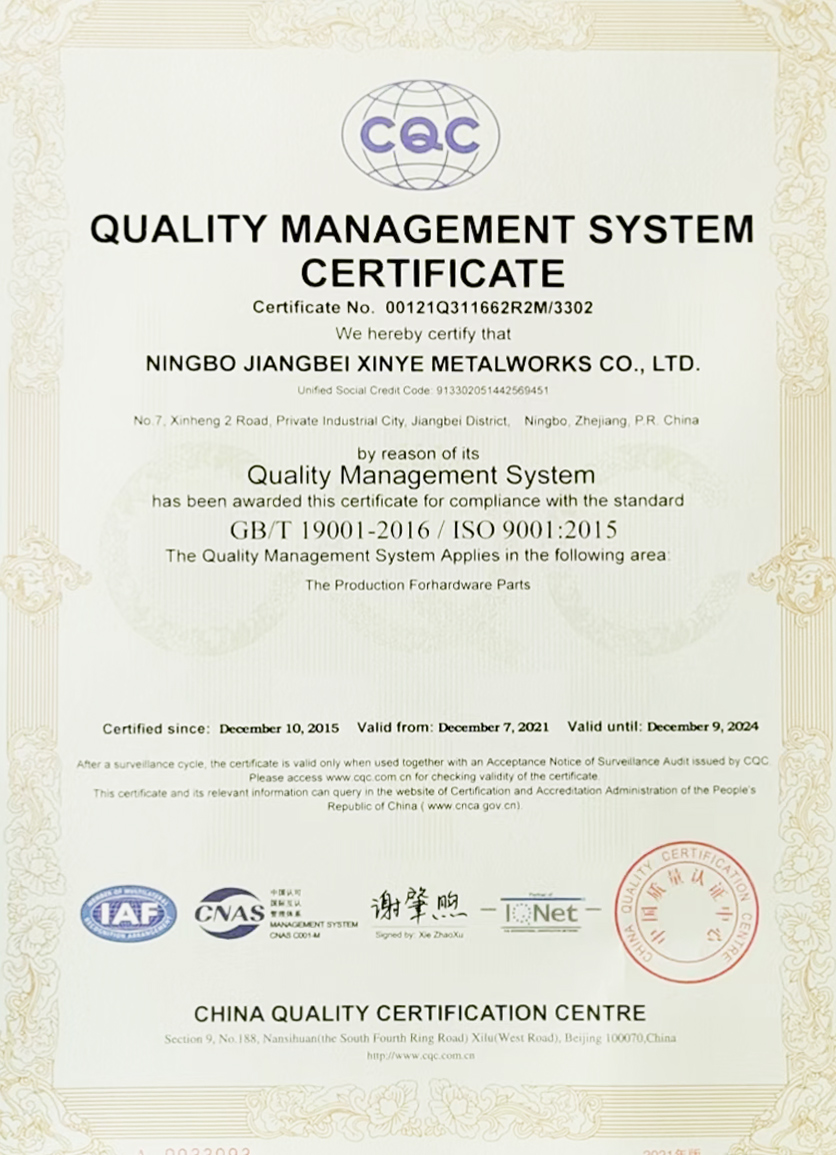
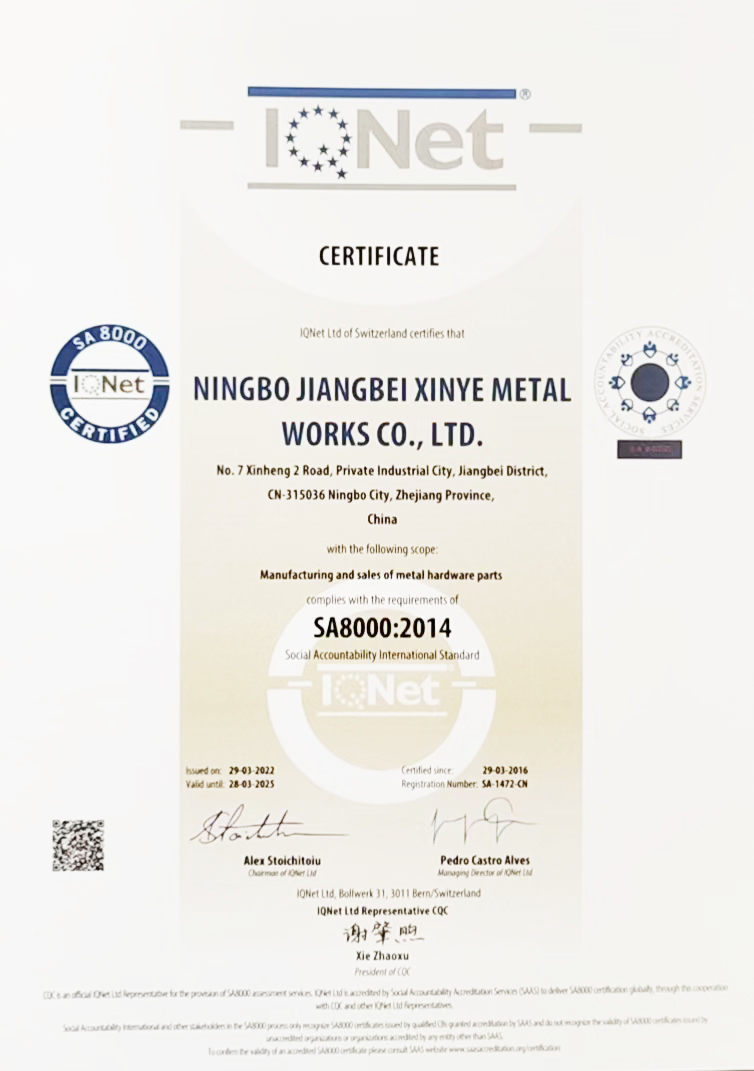
At XinYe, we believe that quality is life. To maintain compliance and reliability across international supply networks, we have implemented a strict quality control system certified to ISO 9001-2015 and SA8000 standards.
Every single batch of aluminum extrusions is traceable back to its raw material source melt. We perform chemical composition analysis on all incoming raw billets to verify purity and alloying element distribution. In-process control monitors die temperature, extrusion pressure, quench rate, and mechanical straightening parameters. The final inspection phase guarantees that dimensional tolerances and surface aesthetics meet or exceed the engineering specifications.
"Our dedicated quality control department utilizes high-precision measurement facilities to assure compliance with the tightest tolerances required by healthcare and aerospace applications."
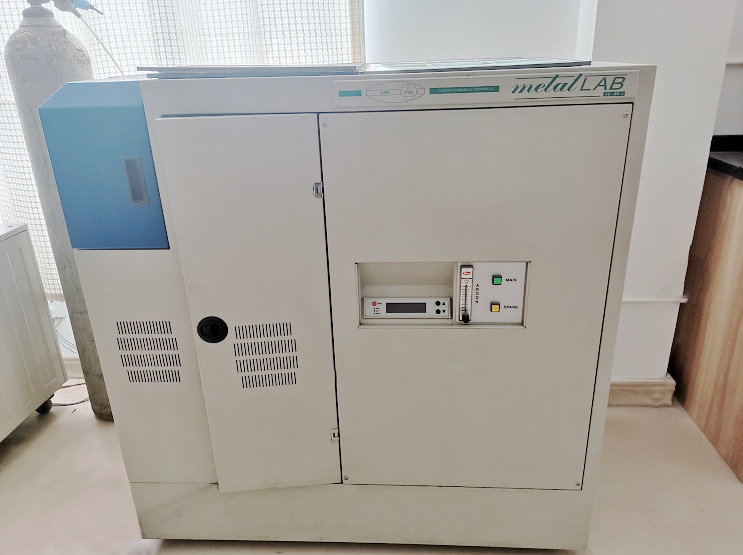
Chemical composition check.
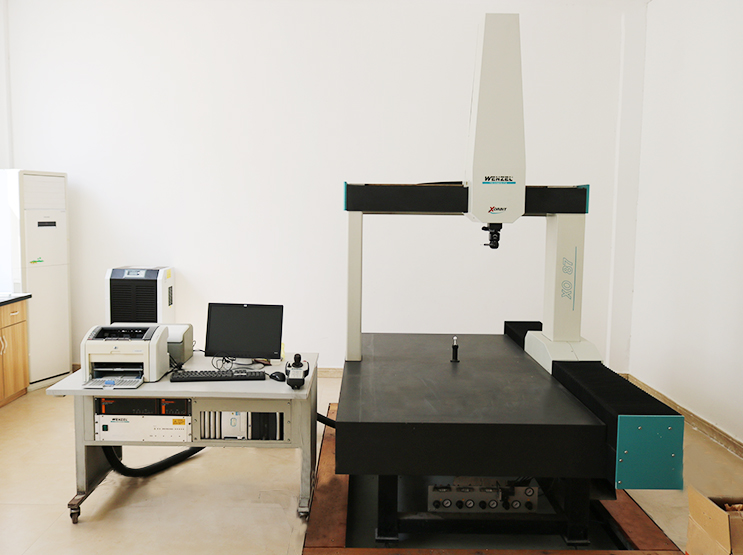
3D coordinate dimension analysis.
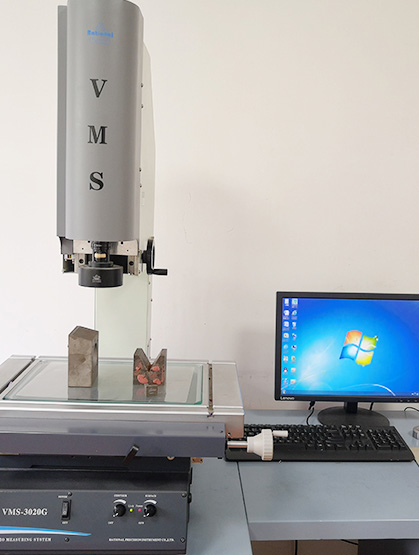
High-precision optical profile projection.
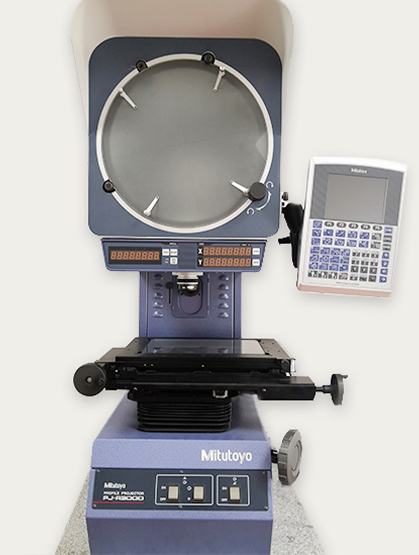
Dynamic geometric validation.
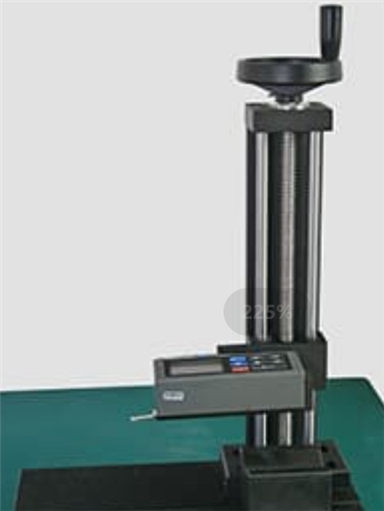
Surface finish microscopic testing.
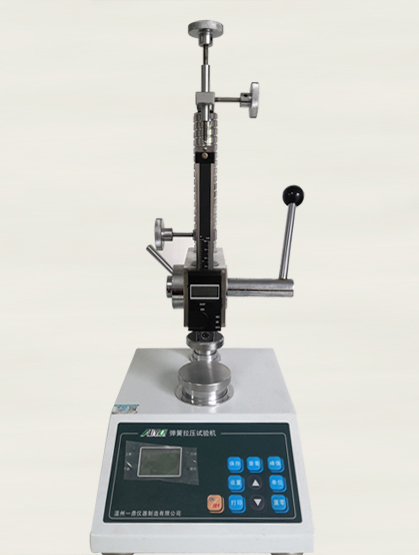
Mechanical strength & failure limit test.
Understanding the physics of aluminum extrusion is vital to designing the ideal channel profile. The process begins with selecting the proper alloy grade. For structural and architectural applications, Alloy 6063 and Alloy 6061 are the standard choices.
| Alloy Designation | Main Alloying Elements | Key Characteristics | Typical Channel Applications |
|---|---|---|---|
| Alloy 6063 | Magnesium (Mg) & Silicon (Si) | Excellent surface finish, high corrosion resistance, highly anodizable. | Architectural trims, LED mounting channels, window frames. |
| Alloy 6061 | Mg, Si, Copper (Cu) & Chromium (Cr) | High structural strength, good weldability, great mechanical properties. | Heavy duty structures, structural rails, automotive frames. |
| Alloy 6082 | Manganese (Mn), Mg & Si | Superb stress corrosion cracking resistance, highest strength in 6xxx series. | Marine infrastructure, scaffolding systems, structural trusses. |
Designing custom channels requires careful evaluation of the Extrusion Ratio ($E_R = A_{billet} / A_{profile}$). High extrusion ratios yield dense, homogeneous structures, but place high stress on the steel die. Our engineering team utilizes finite element analysis (FEA) to simulate metal flow through the die cavity. This allows us to adjust wall thickness variations, balance flow rates, and prevent local cooling issues that could lead to micro-fissures or dimensional warping.
To transition the extruded aluminum from its soft state to structural grade, it undergoes heat treatment. After extrusion, the profile is water or air quenched directly at the press to lock in alloying elements. It is then placed in aging ovens at 170°C–190°C for several hours. This process creates fine precipitates within the aluminum lattice, increasing the material's yield strength by up to 200%.
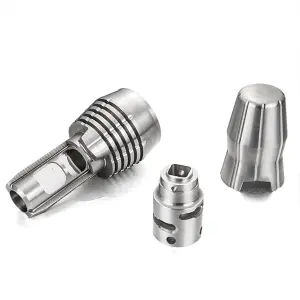
An extrusion process is rarely complete without secondary operations. Many industrial channels require precision mounting slots, counter-sunk holes, custom angular beveling, or specific length cuts. With our imported CNC milling centers, we machine extruded sections to tolerances as close as ±0.05 mm.
From initial design evaluation to secure global transport, we manage every phase of manufacturing.
We work closely with clients to review 2D/3D CAD models, evaluate tolerances, select alloys, and assess production feasibility (Design for Manufacturability).

We build extrusion dies and forging tools using H13 hot-work steel. Initial trial samples are extruded, heat-treated, and subjected to dimensional inspection.



Detailed measurement reports and material certificates are sent to the client. Mass production begins only after receiving formal customer sign-off.


Our automated production lines extrude and machine the profiles. Secondary surface treatments (anodizing, powder coating, E-polishing) are applied based on project requirements.

Our dedicated assembly workshop handles sub-assembly, protective foam packaging, and dynamic loading to ensure zero damage during international shipping.


Real-world examples of our metal fabrication and extrusion projects across key global industries.
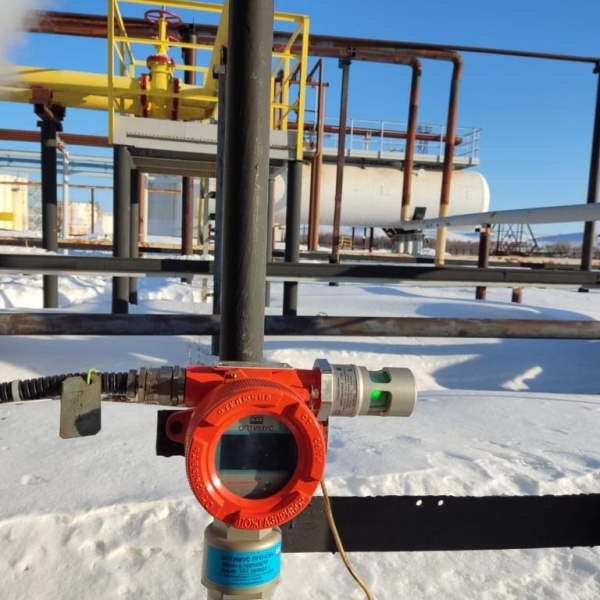
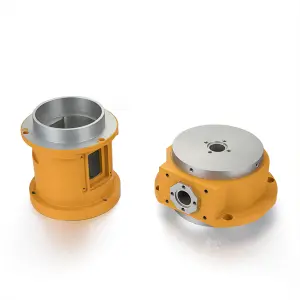
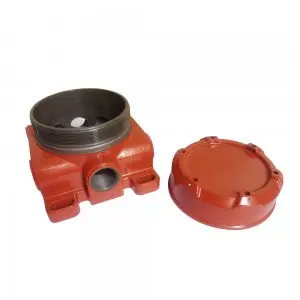
High-load aluminum components for heavy machinery, manufactured utilizing custom alloy formulations.
Material: Stainless Steel, Aluminum Alloy
Precision automotive parts machined under tight tolerance bands to handle engine vibrations.
Material: Stainless Steel, Aluminum Alloy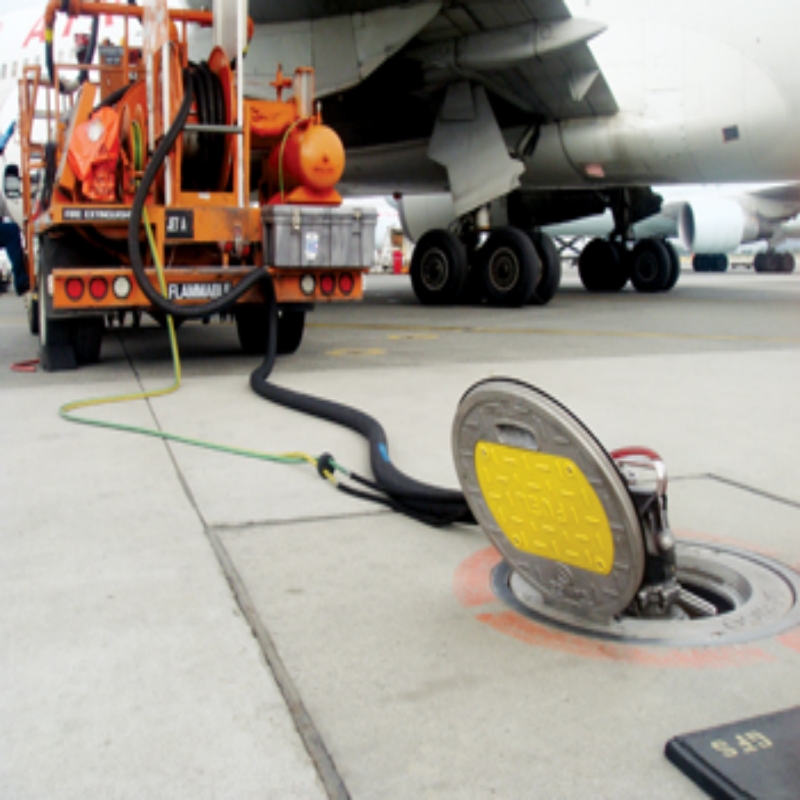
Aviation Fuel Hydrant Pit Box systems, hinge brackets, and turbine components built to aviation standards.
Material: Stainless Steel, Aluminum Alloy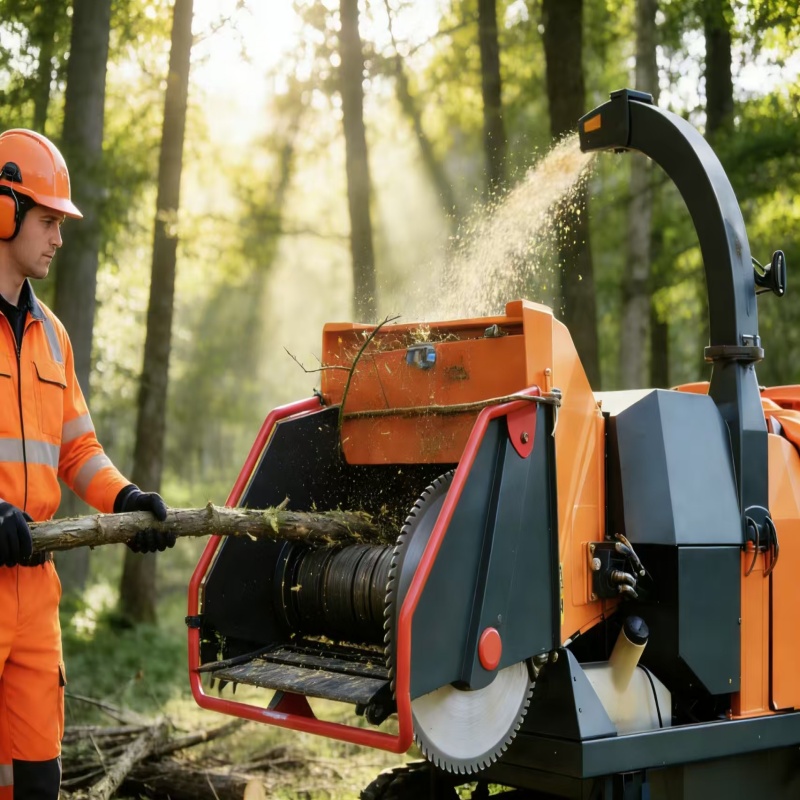
Wood chipper cutter discs and feed rollers engineered for extreme mechanical impact wear resistance.
Material: Q345B, 42CrMo NM400 (Shaft)Ningbo Jiangbei XinYe Metal Works Co., Ltd. operates under international quality management practices. We maintain current ISO 9001:2015 quality systems and SA8000 social accountability standards.
These credentials verify that our manufacturing facilities, workforce management, and supply chain logistics align with the expectations of global enterprises.
"Always comes first, our priority, our responsibility, to exceed your expectations."
"Taking action with precision and care to deliver integrated solutions tailored to clients' needs."
"Commitment, dedication, and technical competence applied to continuous improvement."
Answers to key technical questions from purchasing managers, engineers, and supply chain directors.
Select your manufacturing division below to initiate custom requests or request catalog profiles.
 XinYe Metal