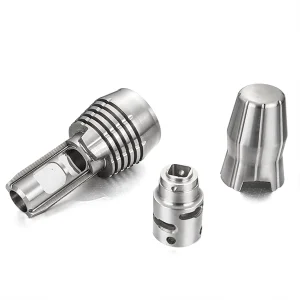
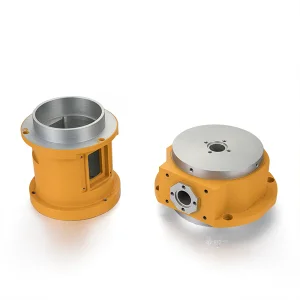
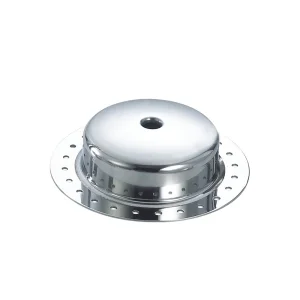
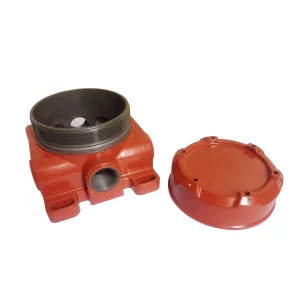
Direct integration of raw material quality into mechanical components precision. Discover our production catalog.
In the globalized precision manufacturing ecosystem, investment casting (lost wax casting) remains the benchmark process for producing components with complex geometries, close dimensional tolerances, and outstanding surface finishes. At the heart of this process is the casting wax pattern. The casting wax formulation acts as the critical template; any dimensional inaccuracy, thermal contraction anomaly, or chemical impurity in the wax translates directly into defects within the final metal components.
Industrial-grade casting waxes are complex mixtures of hydrocarbons, natural and synthetic resins, and organic fillers. Wholesale buyers and advanced foundry engineers categorize these materials based on their composition and mechanical behavior, such as paraffin-based waxes, microcrystalline-based waxes, filled pattern waxes, and emulsified system formulations. Understanding the rheology and solidification kinetics of these compounds is crucial for mitigating mold expansion stresses and preventing shell fracturing during the autoclave dewaxing stage.
Procurement directors in major industrial hubs (Europe, North America, and high-precision manufacturing clusters in Japan and South Korea) are shifting away from fragmented supply networks toward integrated manufacturing partners. A highly stable casting process requires not just standard wax formulations, but custom-tailored polymer matrix waxes that match the regional humidity and temperature conditions of the foundry.
Bespoke formulations containing precise percentages of polyfunctional organic fillers are designed to prevent cavitation (sink marks) in large, thick-section cross profiles.
Optimal thermal hysteresis parameters protect patterns against ambient shipping and storage fluctuations prior to ceramic slurry coating.
Reclaimed wax technologies enable foundries to recycle up to 80% of runner and gate patterns after separation, reducing waste and total operation cost.
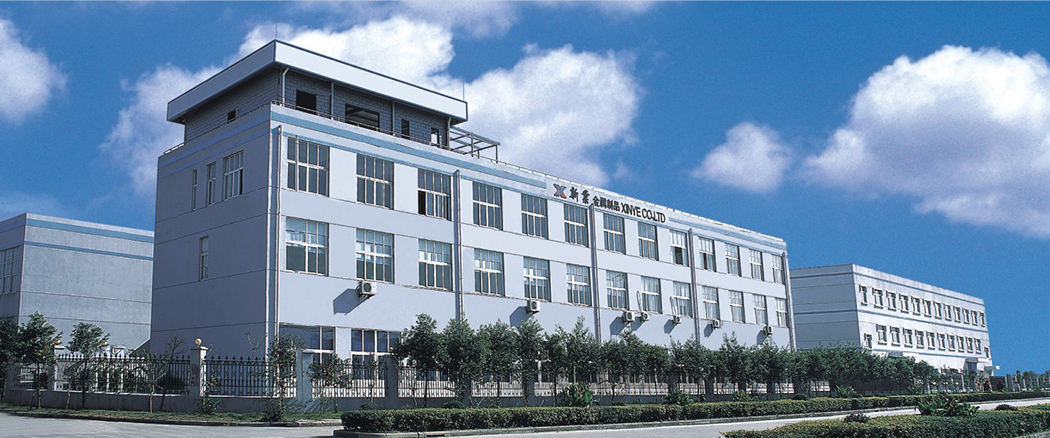
At Ningbo Jiangbei XinYe Metal Works Co., Ltd., we understand that casting wax quality determines the integrity of lost wax casting components. Since our founding in 1996, we have built a vertically integrated production floor that optimizes the entire flow: from mold engineering and wax pattern creation to alloy melting and high-precision CNC machining.
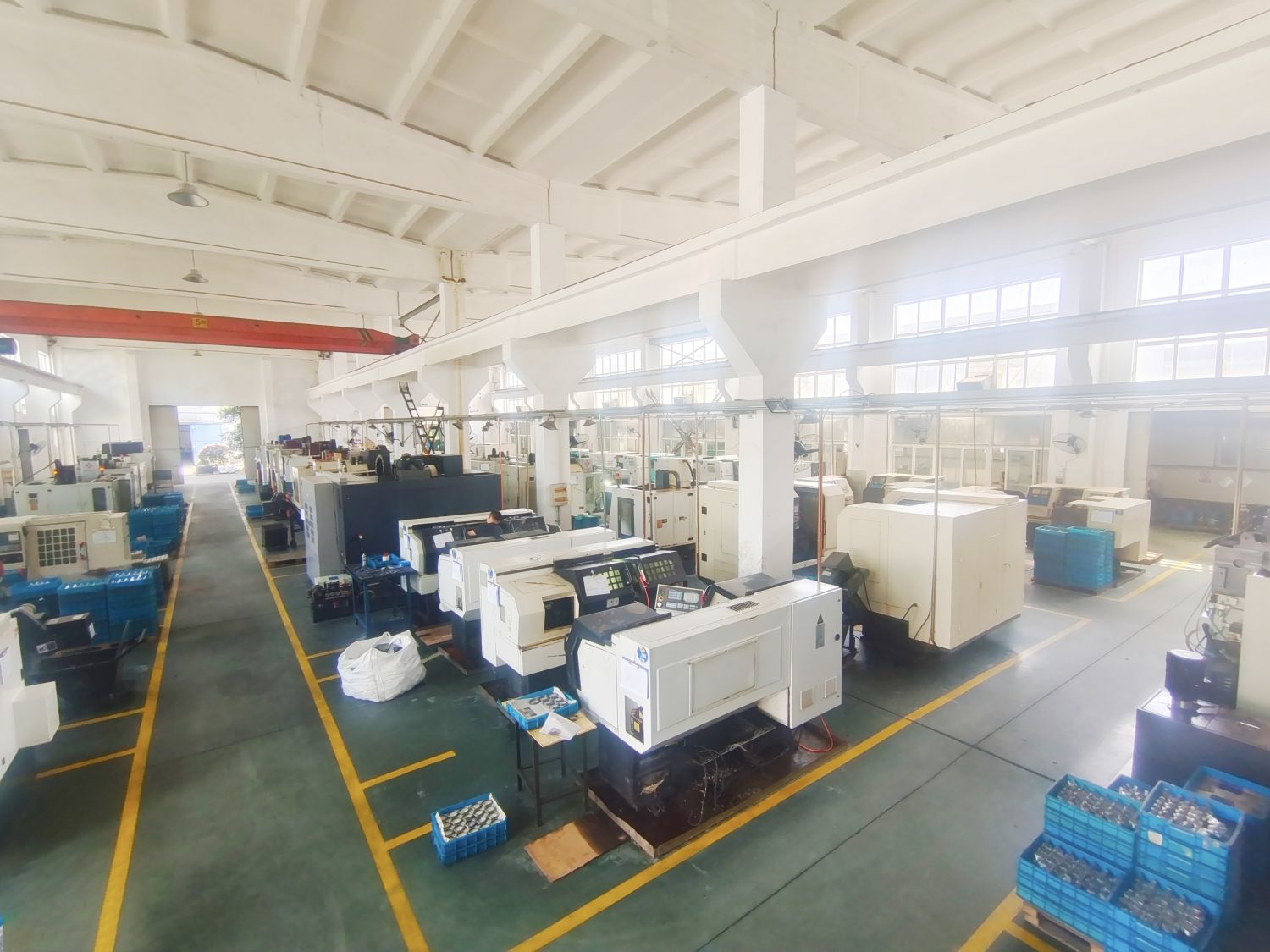
Ningbo Jiangbei XinYe Metal Works Co., Ltd. operates as an owner-managed SME corporation, strategically positioned in the Ningbo Jiangbei Industrial Zone. Our facility is easily accessible, located within 3 hours of the Shanghai international airport network by high-speed rail. With 16,000 square meters of production floor and an additional 11,000 square meters allocated for facility expansion, we support domestic and international partners with complex component requirements.
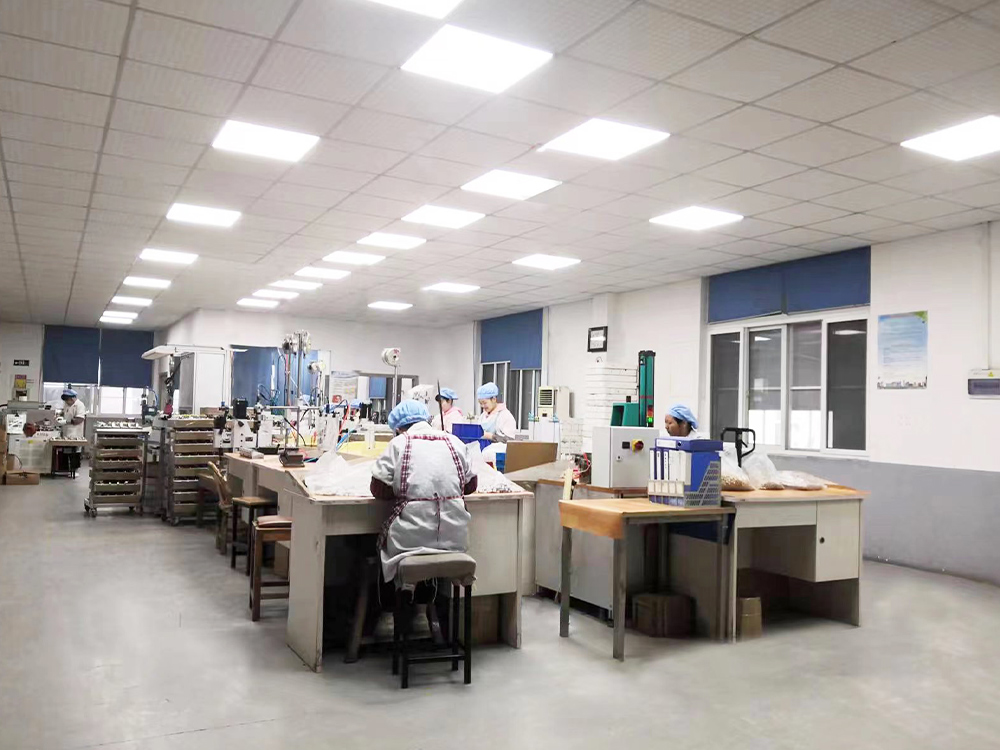
Our workforce of 130 professionals comprises 80 skilled production technicians and 50 specialists dedicated to product development, engineering design, quality control, and administration. By keeping structural engineering, metallurgical analysis, and final machining in-house, we eliminate transit-related quality variation.
We are certified under ISO 9001:2015 and SA8000 standard guidelines, ensuring our quality assurance processes and social compliance systems meet strict global procurement requirements.
We provide a comprehensive range of metal fabrication and surface modification solutions. By managing the process flow from formulation inputs to mechanical finishing, we maintain consistent control over product tolerances and chemical properties.
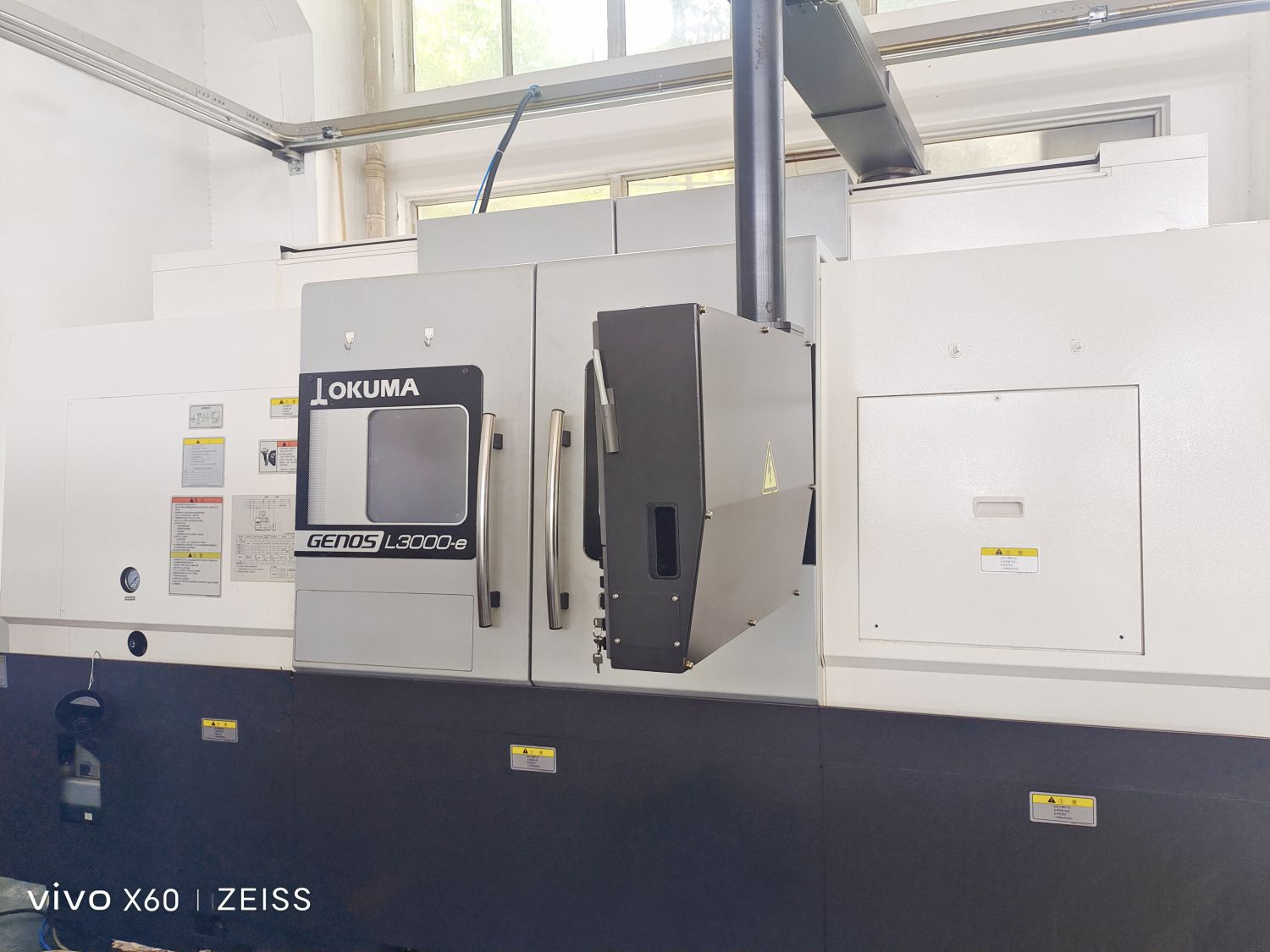
High-precision turning, milling, and 4-axis control centers optimized for tight tolerances.
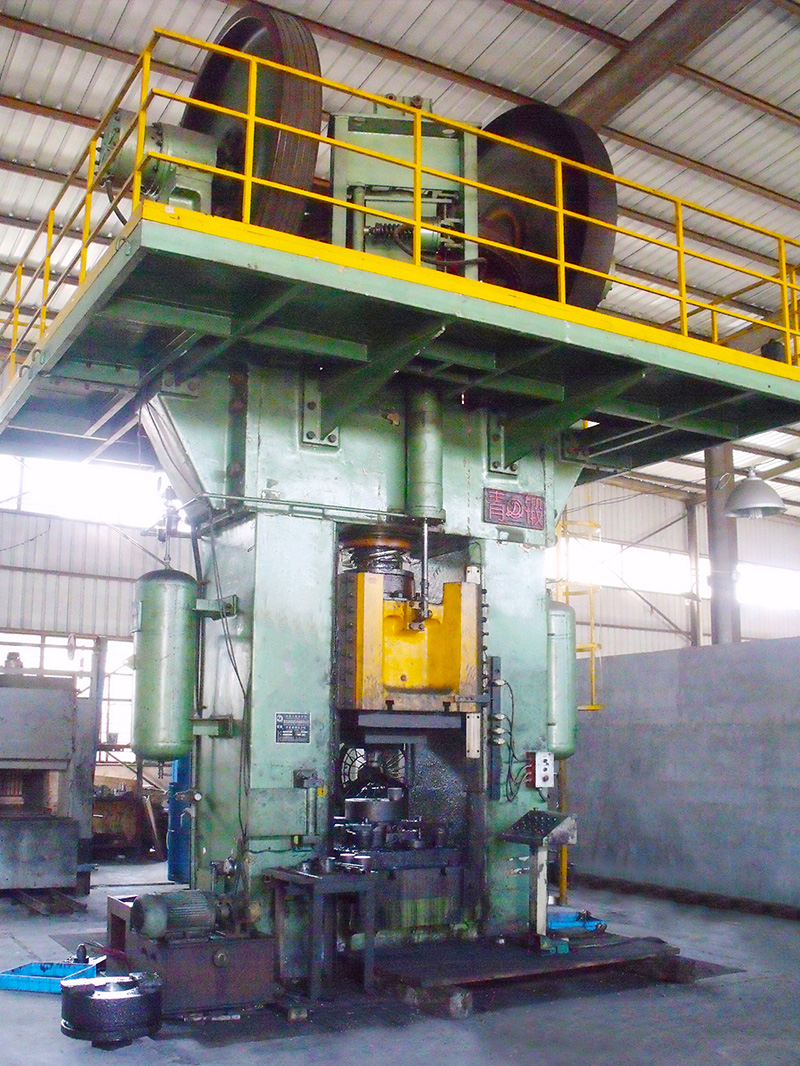
Hot forging equipment designed to refine grain structure and maximize mechanical strength.
Stainless steel and alloy investment casting utilizing controlled casting wax patterns.
Extensive capabilities across steel, brass, copper, and engineering alloys.
Our core production equipment is imported from Japan to ensure consistent tolerances and process stability:
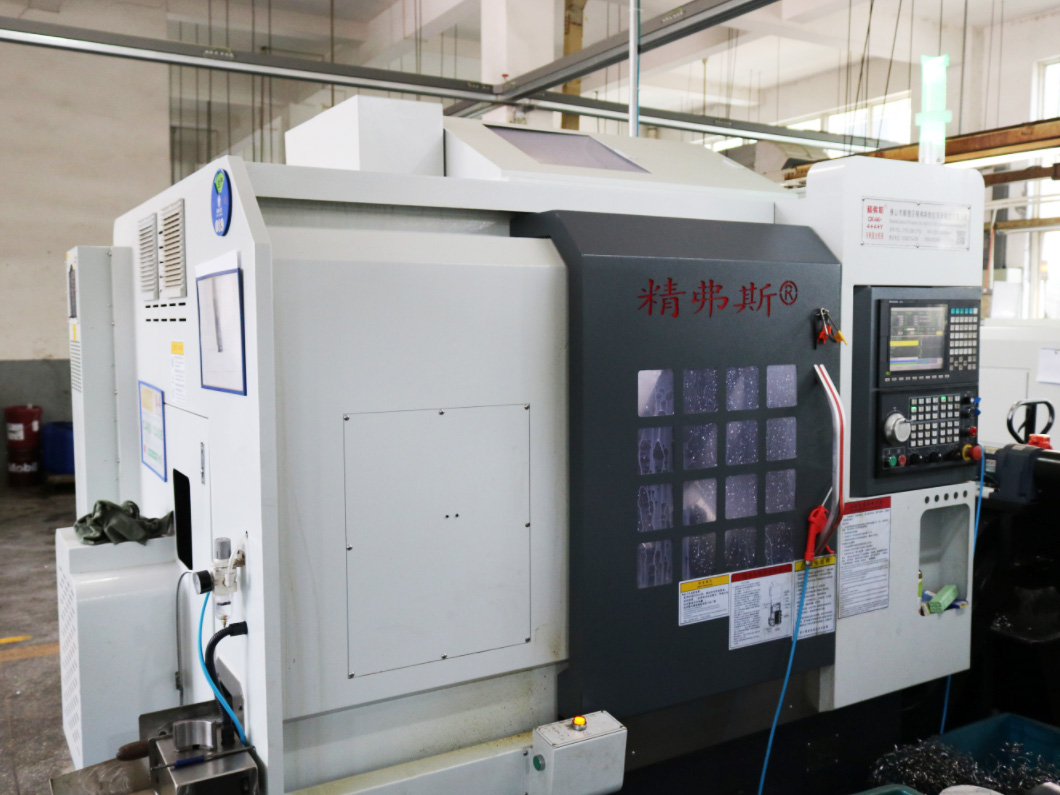
At Ningbo XinYe, quality assurance is integrated into every stage of the process. We evaluate chemical compositions and mechanical properties starting with raw material qualification, using trace verification protocols throughout production to ensure design conformity.
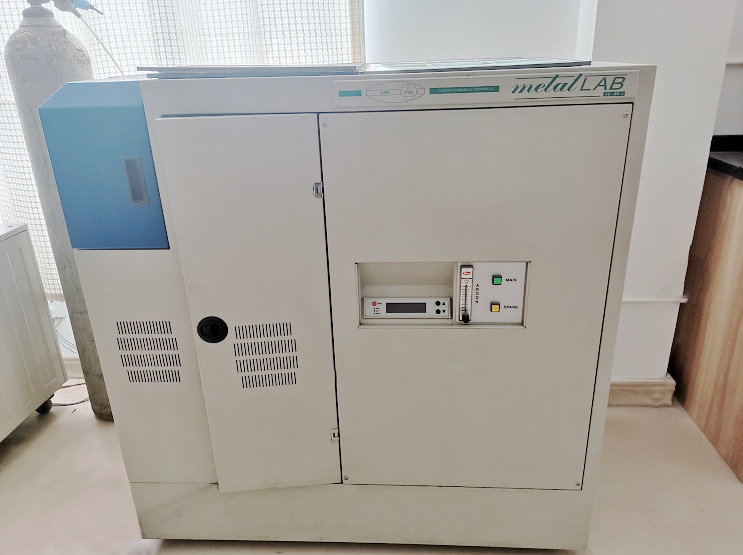
Provides rapid chemical analysis of incoming raw metals and alloys to ensure complete material conformity before casting or forging.
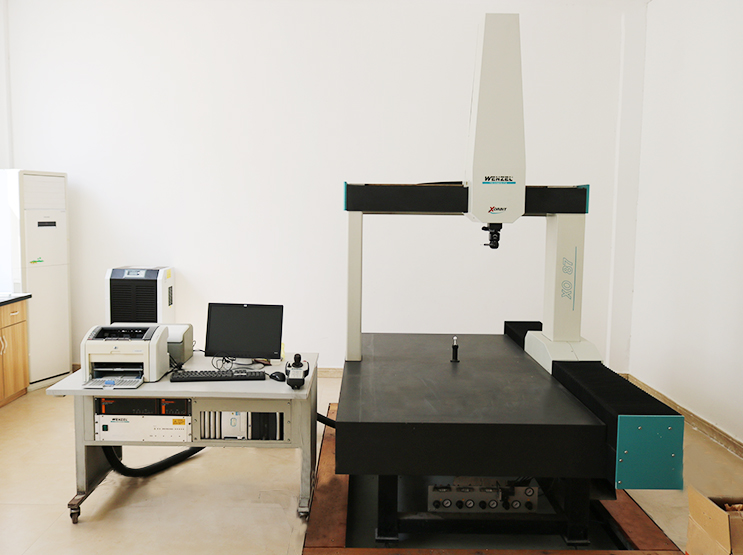
Enables precise dimensional inspection of complex geometric profiles and critical internal shapes to confirm tolerance conformity.
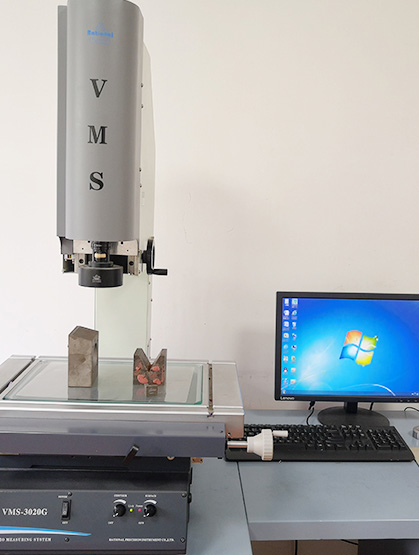
Utilizes non-contact optical imaging to inspect micro-dimensions and critical edge profiles on delicate parts.
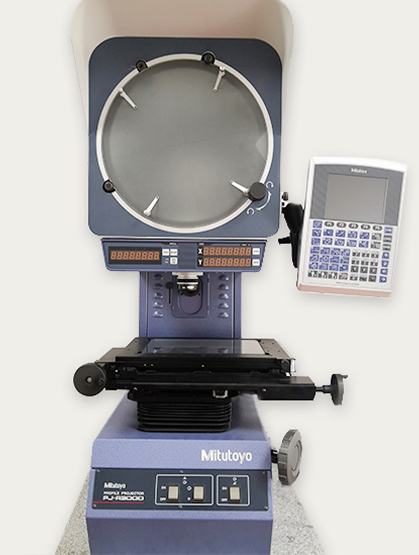
Provides high-contrast silhouette inspection to compare profile shapes against 2D CAD templates.
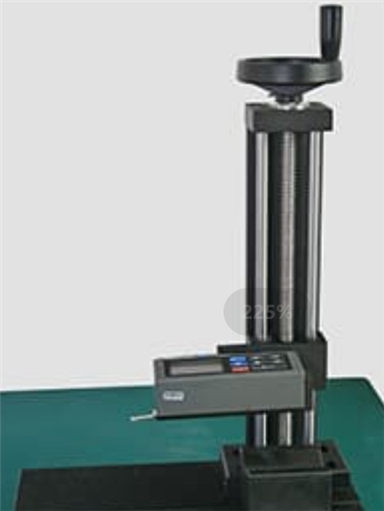
Measures surface topography (Ra and Rz) to confirm compliance with target finish requirements.
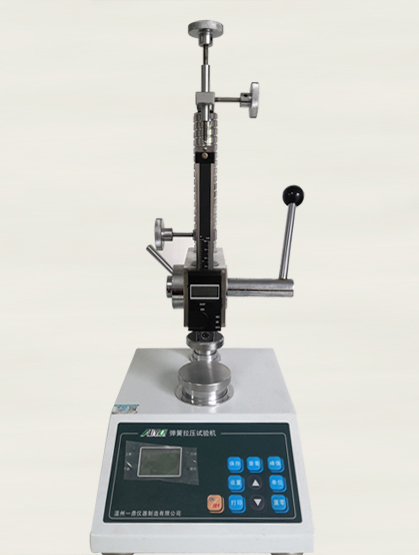
Evaluates mechanical performance, verifying yield strengths and elastic deformation limits.
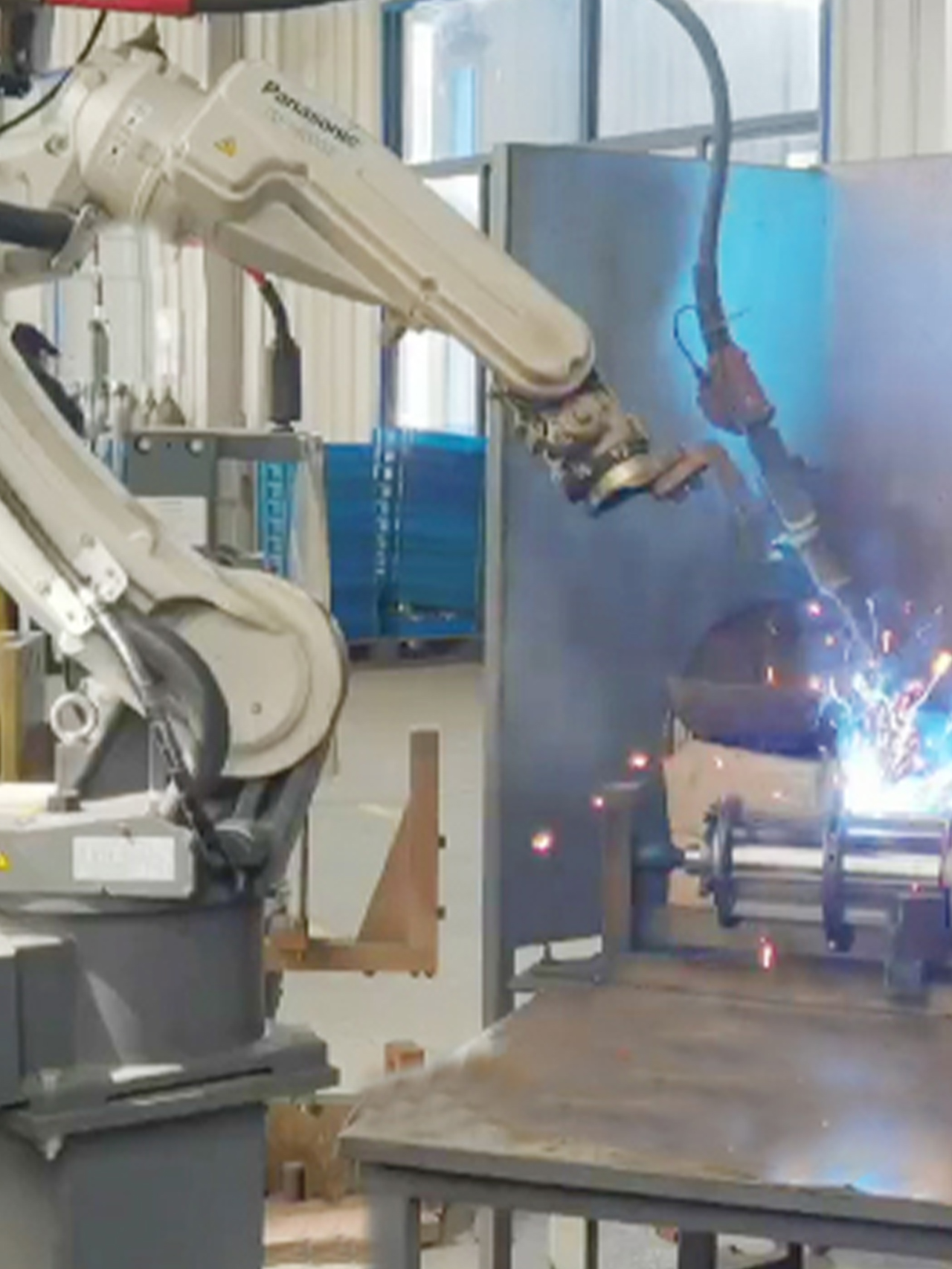
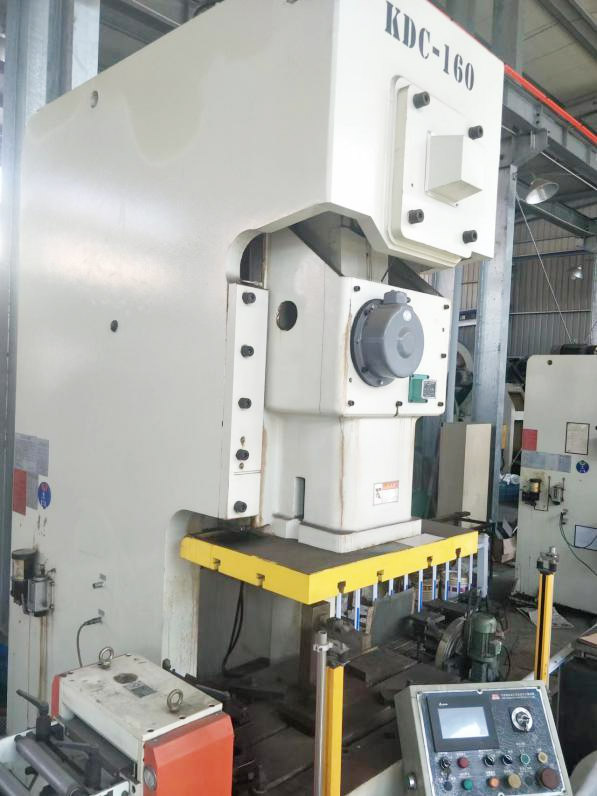
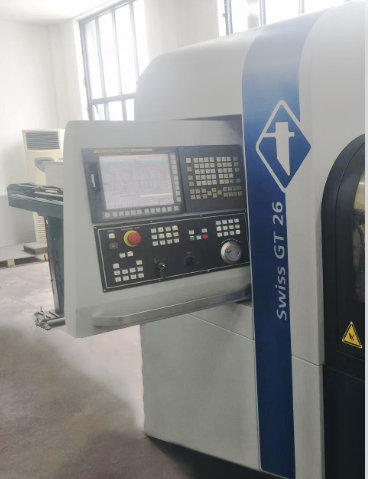
Ningbo XinYe operates on a standard 16-hour schedule over a 6-day week. To accommodate unexpected demand fluctuations, we maintain the logistical capacity to scale to 24/7 continuous operations within 30 days. We serve customers across key global regions, including Western Europe, North America, and Eastern Europe.
Our corporate model focuses on three primary values:
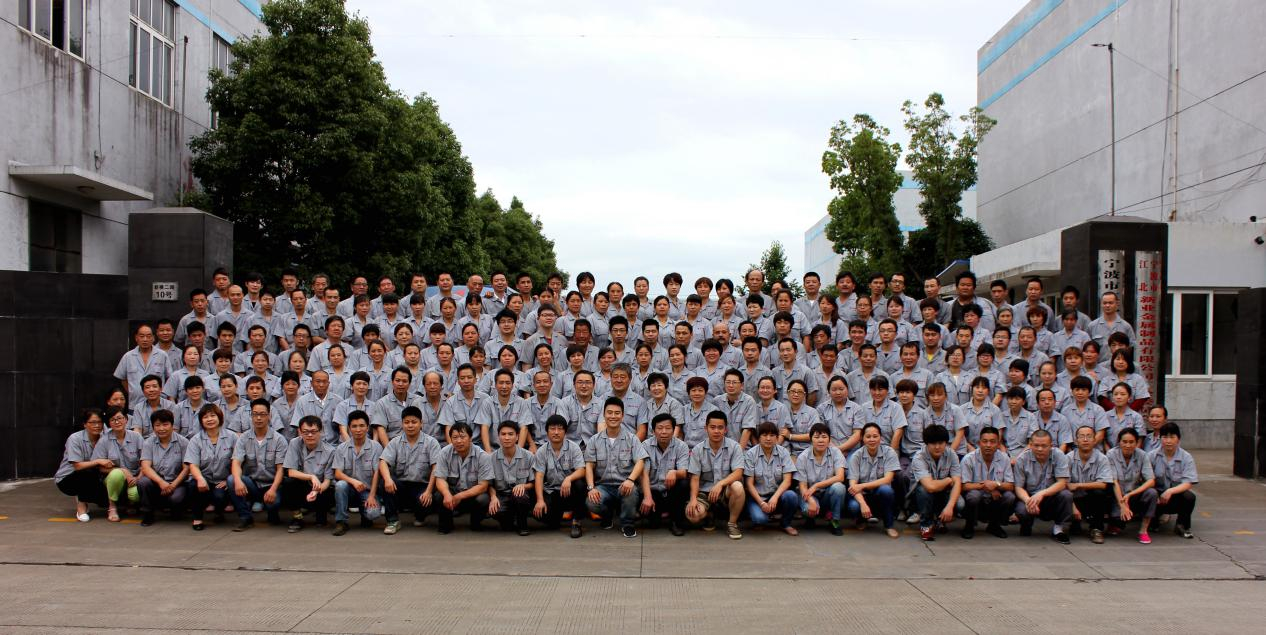
XinYe's manufacturing processes conform to recognized international system requirements. We maintain updated certifications to support integration with global supply chains.
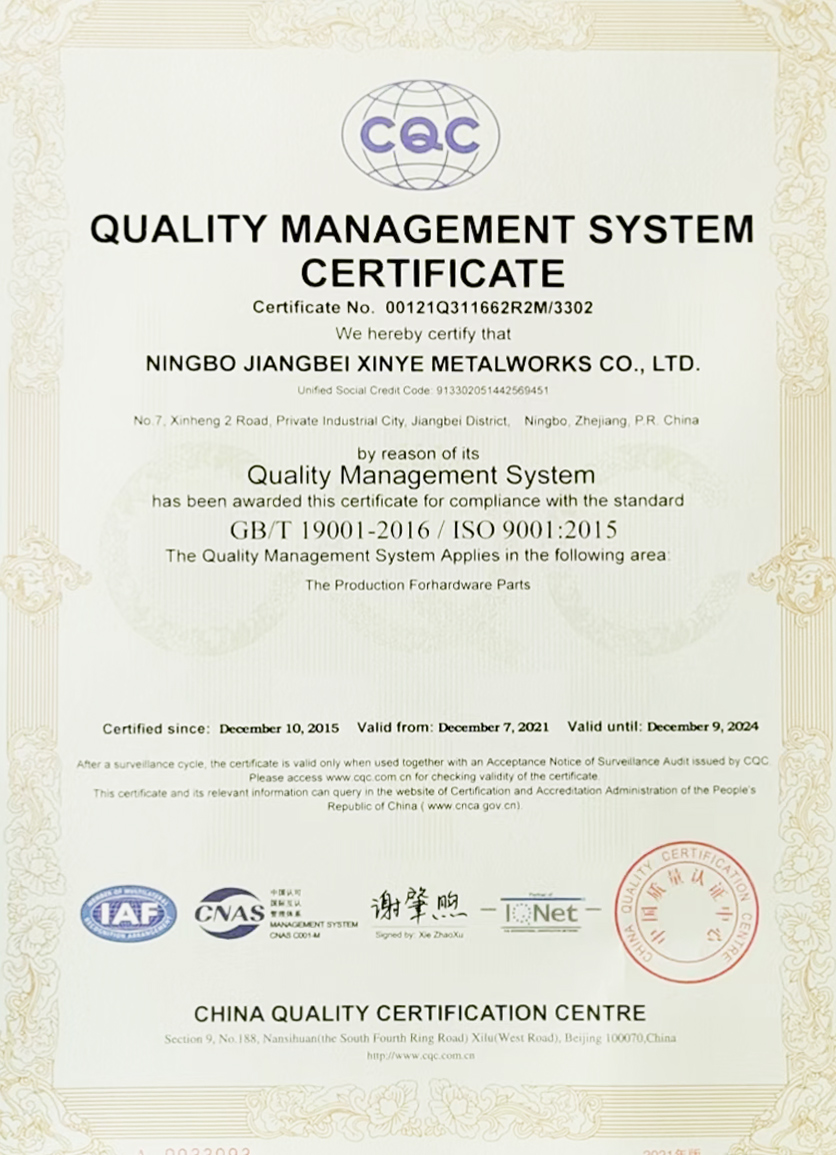
Confirms compliance with international quality management guidelines for engineering design, casting, and machining processes.
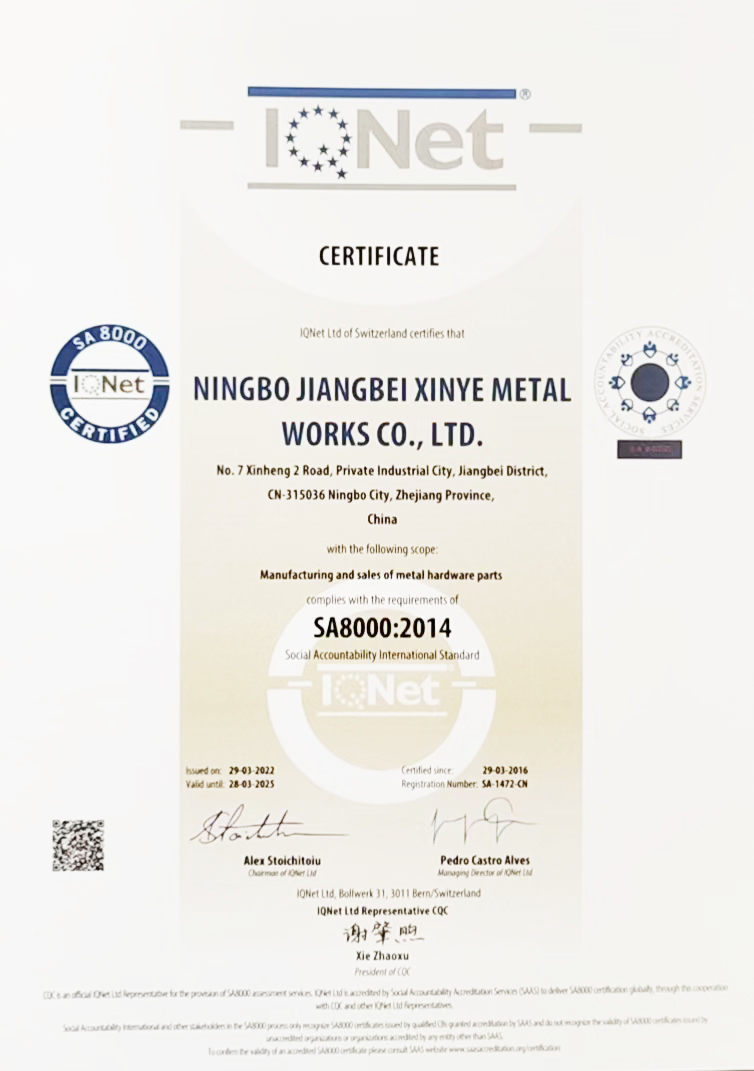
Verifies compliance with ethical manufacturing practices, worker safety standards, and fair workplace guidelines.
Our manufacturing process, from engineering evaluation to final delivery, uses designated control gates to maintain configuration control.

Our team reviews customer specifications, drawings, and functional criteria. We coordinate project parameters—including lead times, alloy types, and cost estimations—to align with the target application before starting tooling.

We manufacture prototype patterns to confirm production parameters. This phase includes drawing review, cost verification, pilot material sourcing, and physical property inspection.



We provide the prototype samples to the customer alongside dimensional inspection sheets, material analysis documents, and surface roughness records for engineering sign-off.


Upon prototype approval, the project enters batch production. We monitor chemical composition, manufacturing tolerances, and surface treatment quality throughout the run. After final quality approval, parts are packed using protective materials to prevent shipping damage.

We provide a one-year warranty starting from the date of shipment delivery. Our engineering team remains available to support integration requirements or design modifications.
We maintain an in-house assembly workshop to complete mechanical builds, sub-assemblies, and final verification checks.

See our production lines in operation. We utilize automated tooling and precise temperature controls to produce metal parts designed for demanding applications.
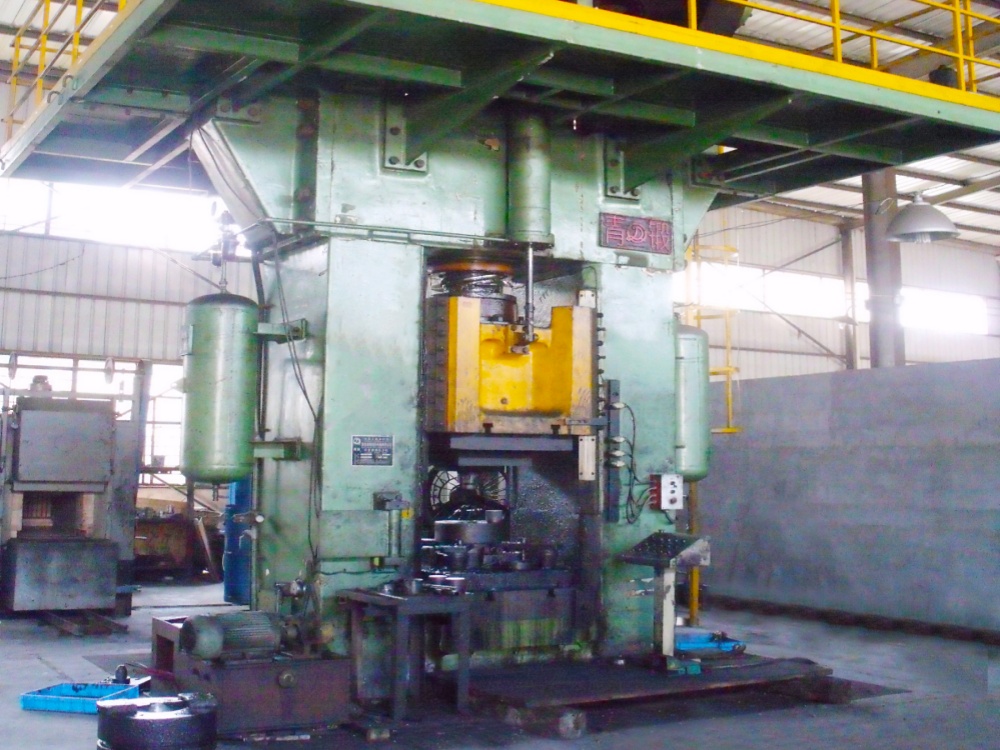
Designed for shaping structural aluminum parts. Precise temperature controls help ensure consistent grain structure and material strength.
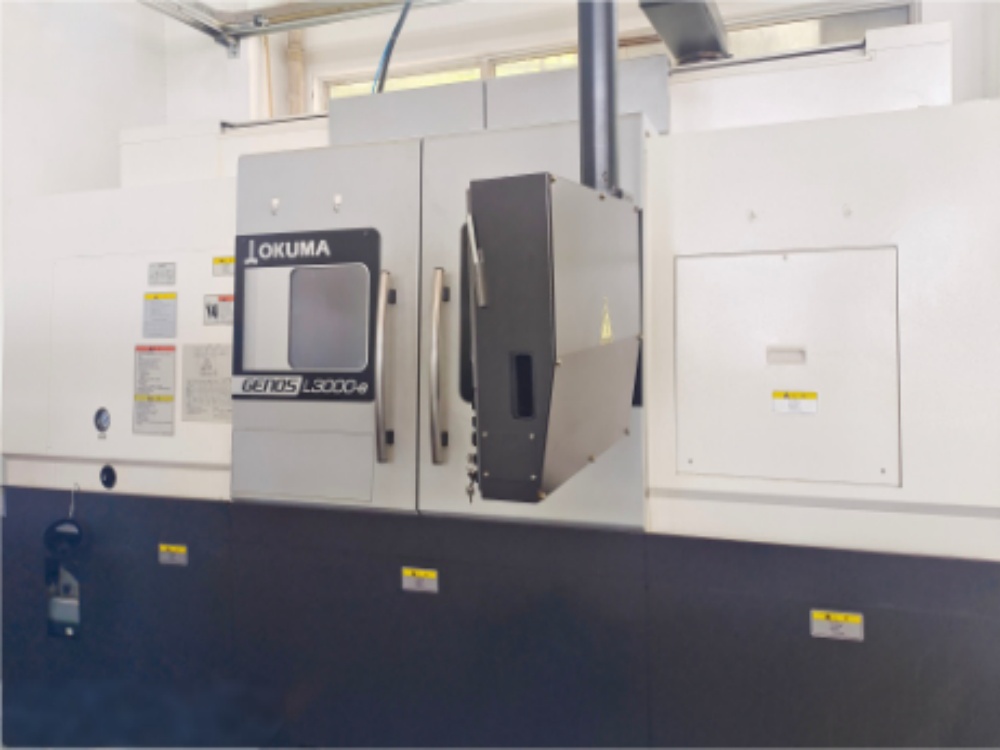
Automated turning, milling, and multi-axis finishing centers verify final dimensions match specified tolerances.
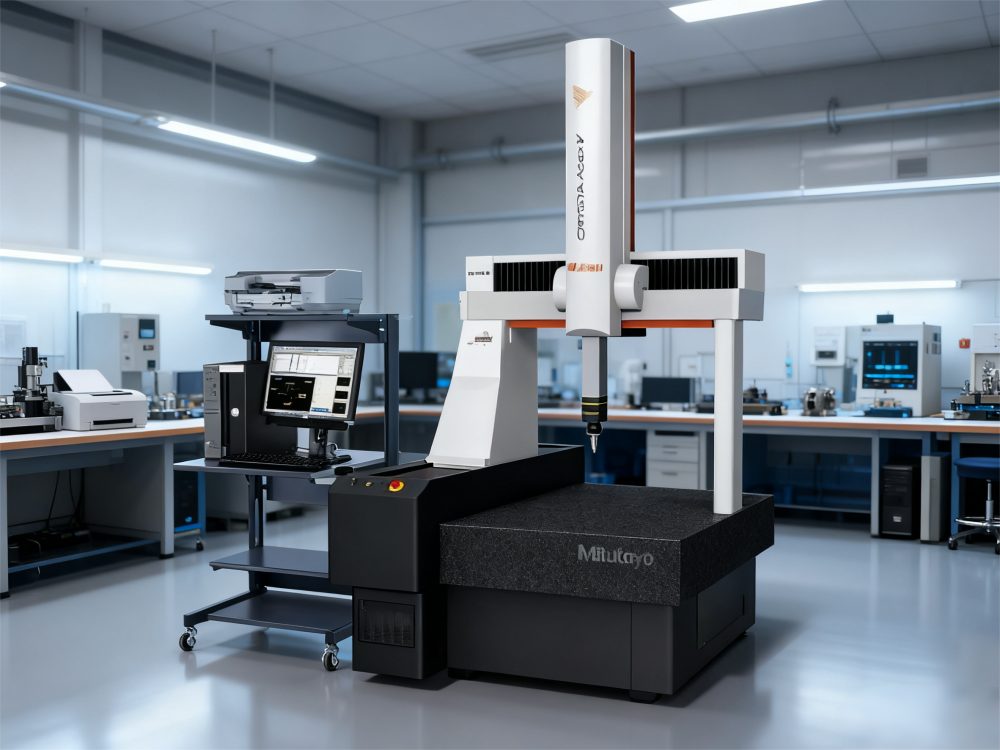
We use dedicated metrology instruments, material testers, and optical systems to verify compliance with engineering drawings.
This technical demonstration showcases our automated machining workflows, tooling setups, and precision verification steps on custom orders.
TIPAS MACHINE h65TMY: Integrates multi-axis turning and high-speed milling into a single operational setup to reduce part handling and maintain concentricity.
By sourcing qualified wax polymers and control materials, we produce castings that meet strict design criteria. Below are representative projects across key industries:
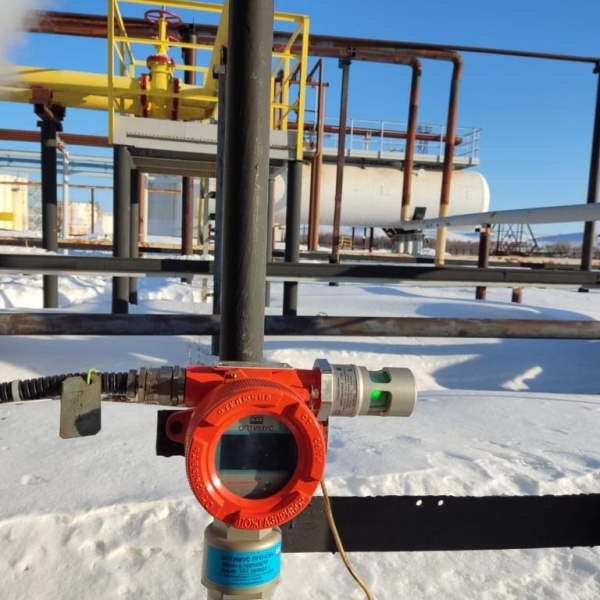
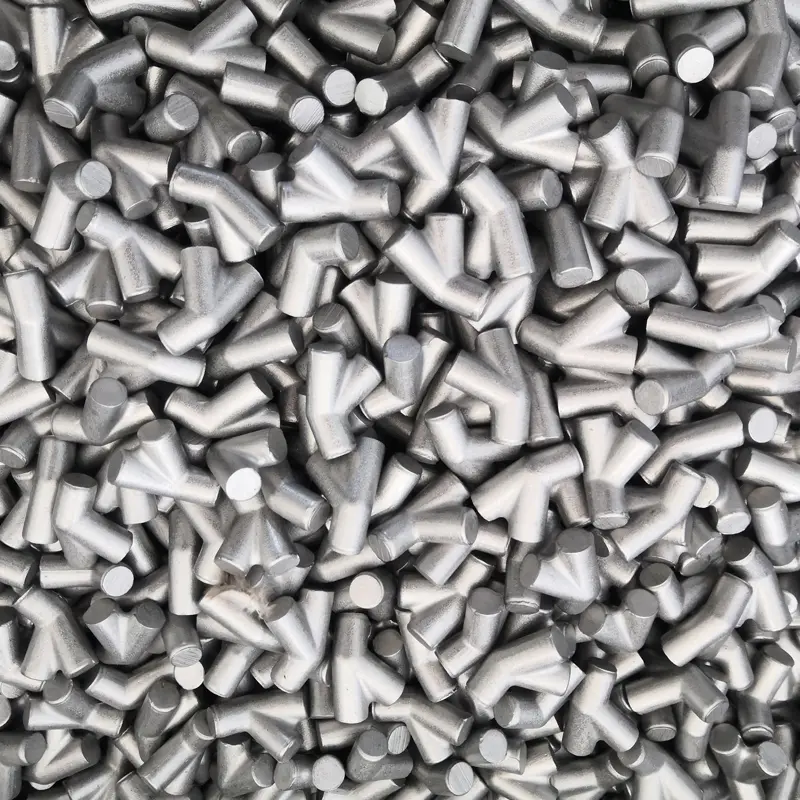
Application: Heavy machinery assemblies and high-stress structural parts.
Process: Aluminum hot forging combined with multi-axis CNC finishing.
Material Group: Stainless steel, high-strength aluminum alloys.

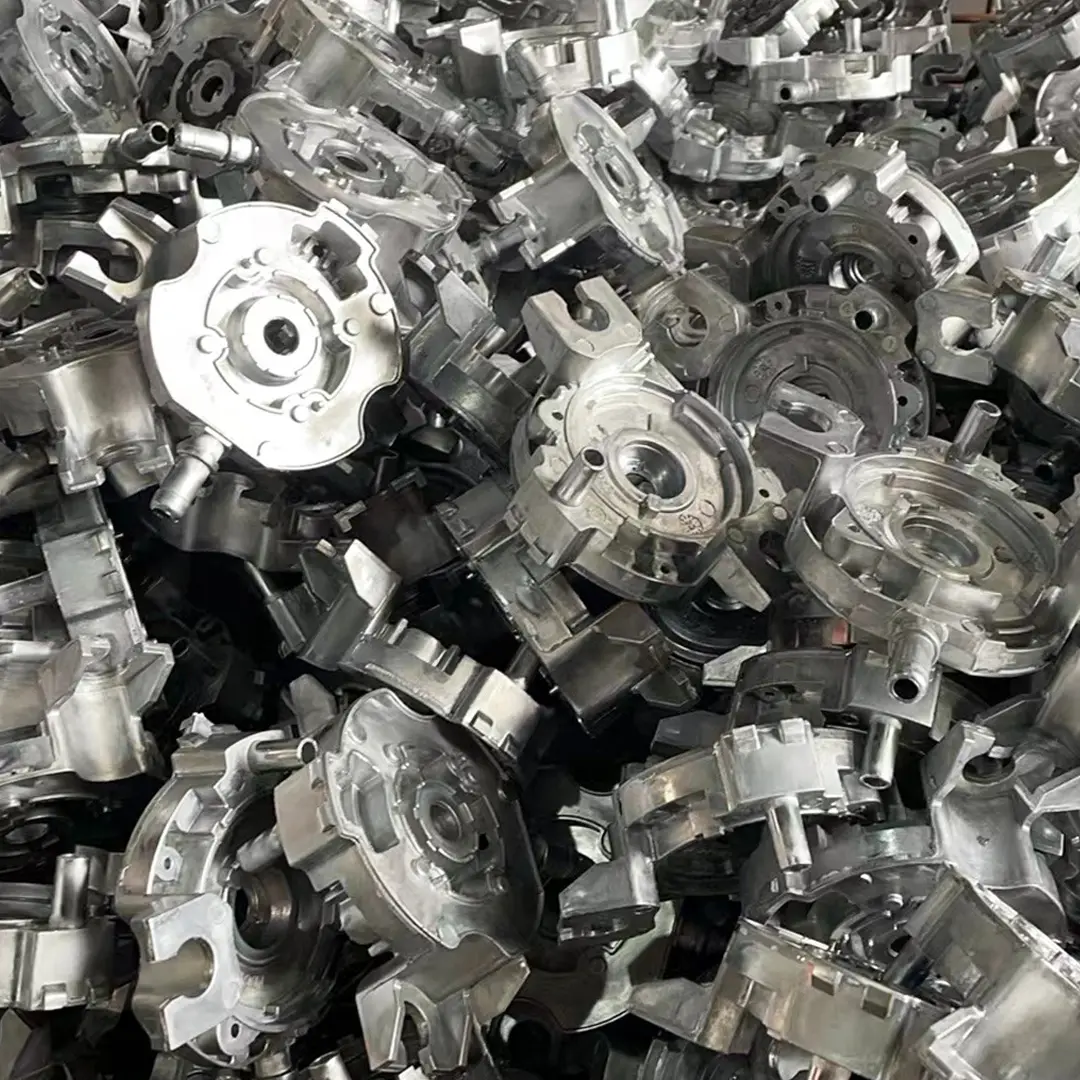
Application: Structural steering knuckles, fluid control valves, and engine transmission mounts.
Process: Lost wax casting matched with dimensional tolerance controls.
Material Group: Medium carbon steel, non-ferrous aluminum castings.
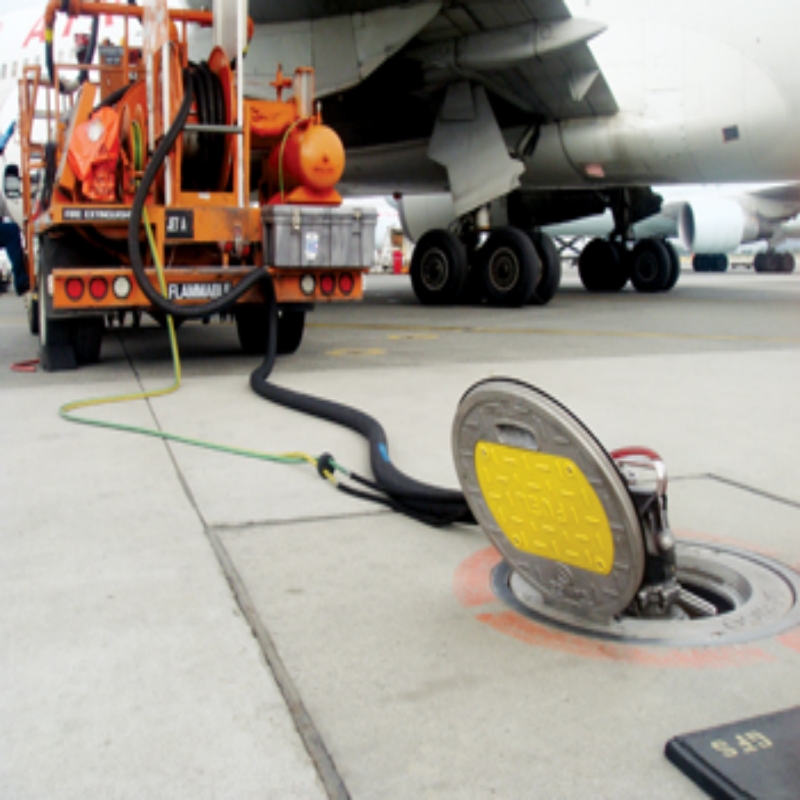
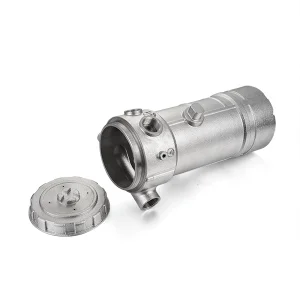
Application: Aviation fuel hydrant pit boxes, hinge bracket mounts, turbine inlet manifolds, and transmission housings.
Process: Lost wax investment casting featuring low-residual wax formulations.
Material Group: Corrosion-resistant stainless steel, structural alloys.
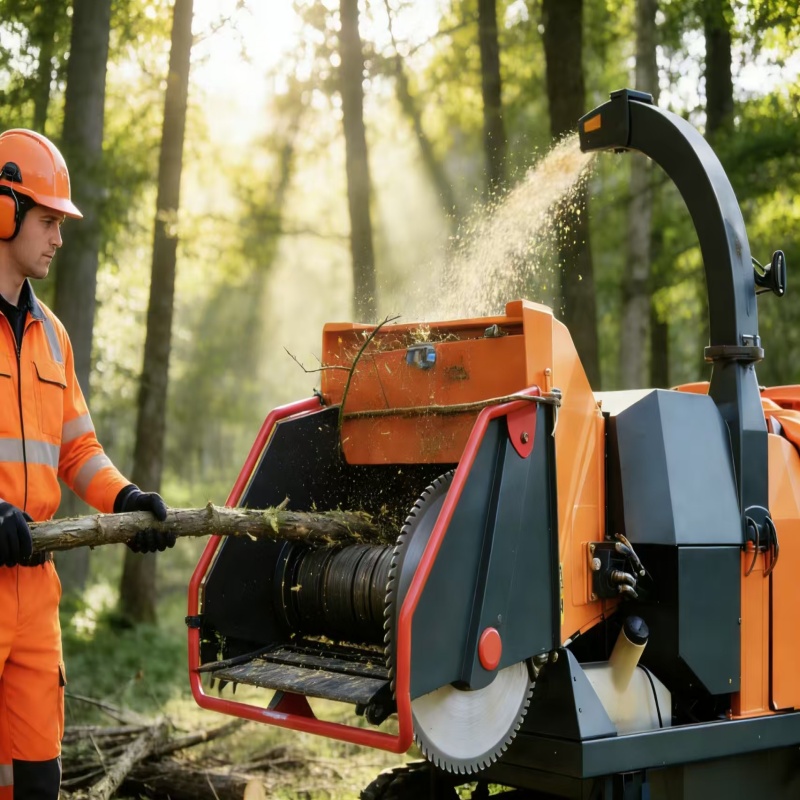
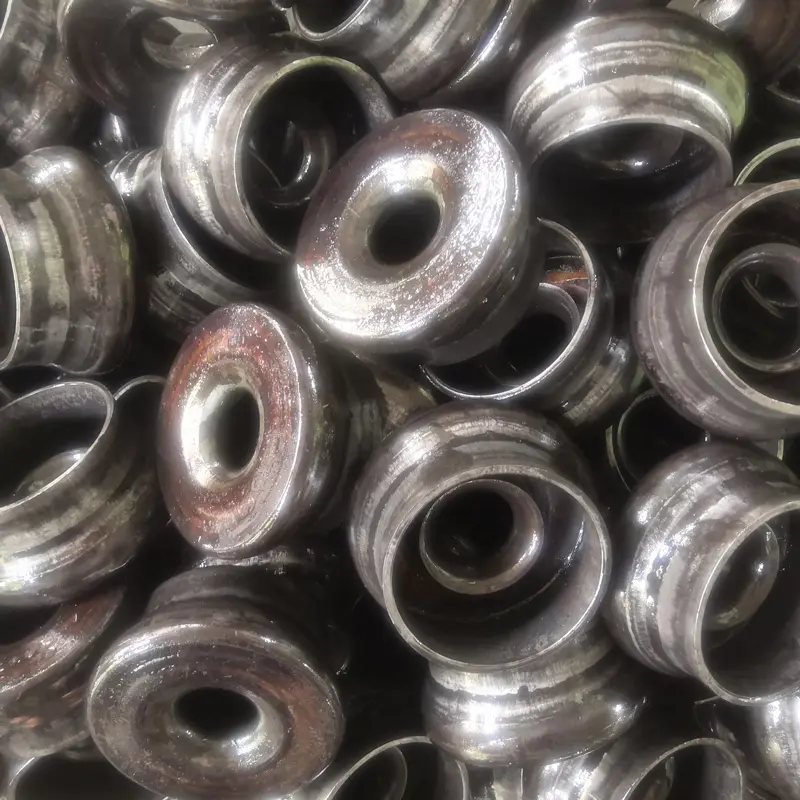
Application: High-impact cutter discs and industrial feed roller systems.
Process: Steel forging and assembly validation.
Material Group: Q345B carbon steel, 42CrMo alloy steel, NM400 wear-resistant shafts.
We use 3D manufacturing simulations and process analysis to identify potential material stress points or casting voids before cutting tool dies. This step helps optimize gating layout and pattern placement.
Modern foundries select casting waxes based on physical performance criteria. Emulsified polymer waxes are increasingly used to minimize dimensional shrinkage on complex shapes. These filled waxes contain inert organic powders that reduce overall thermal expansion, helping maintain pattern uniformity during cooling.
Controlling ash content is critical. Waxes must burn off cleanly during the firing cycle; residual carbon or inorganic ash can react with the molten metal, leading to surface inclusions and structural weak points in critical aerospace and gas detection components.
Optimizing the initial wax chemistry helps minimize downstream surface finishing requirements. When patterns maintain smooth, defect-free surfaces, the ceramic mold replicates this texture. This reduces the need for extensive secondary treatments, such as electropolishing or grinding, for industries with strict surface finish requirements, like food processing and medical devices.
By coordinating initial tooling design, wax selection, metallurgical casting, and final CNC machining within one facility, we help simplify the supply chain and maintain consistent product quality.
Here are technical answers to common questions about our casting processes, material specifications, and production logistics.
Select a product below to access detailed technical specifications and request a quote.
 XinYe Metal