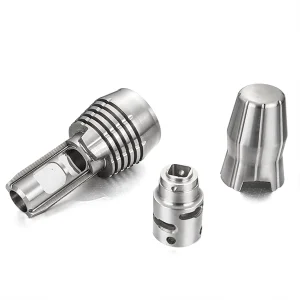
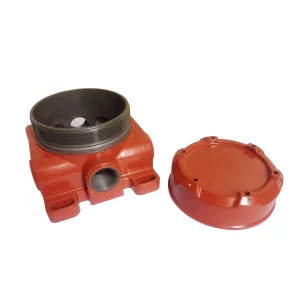
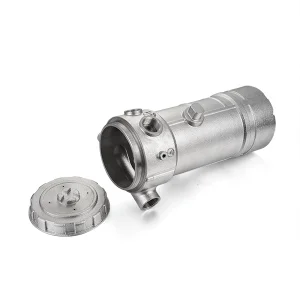
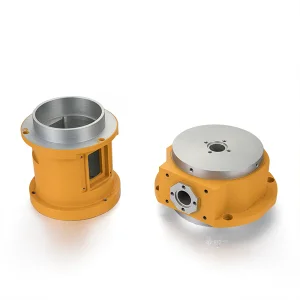
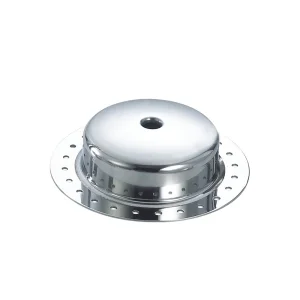
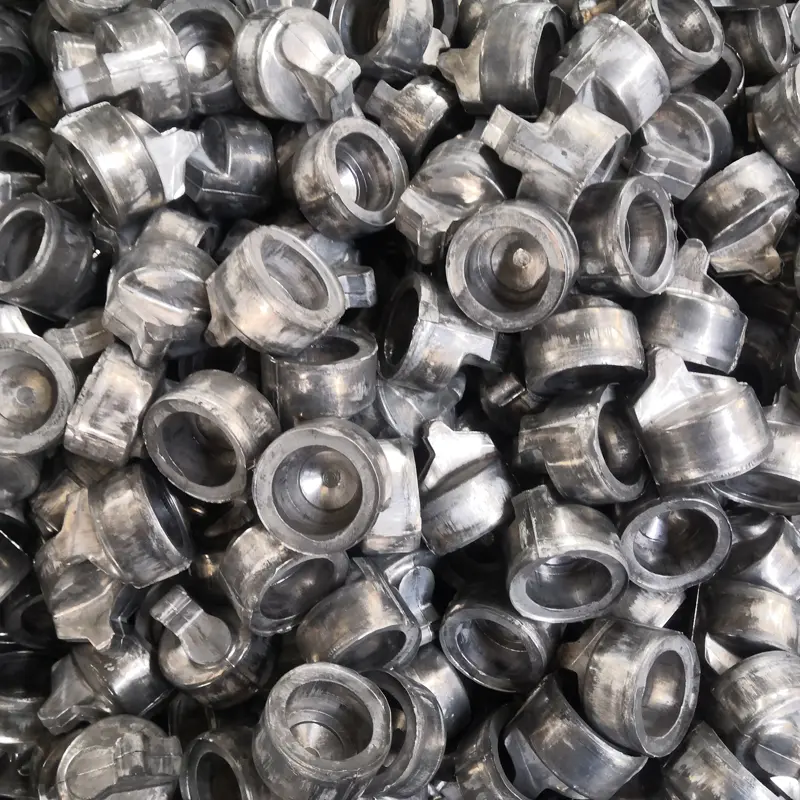
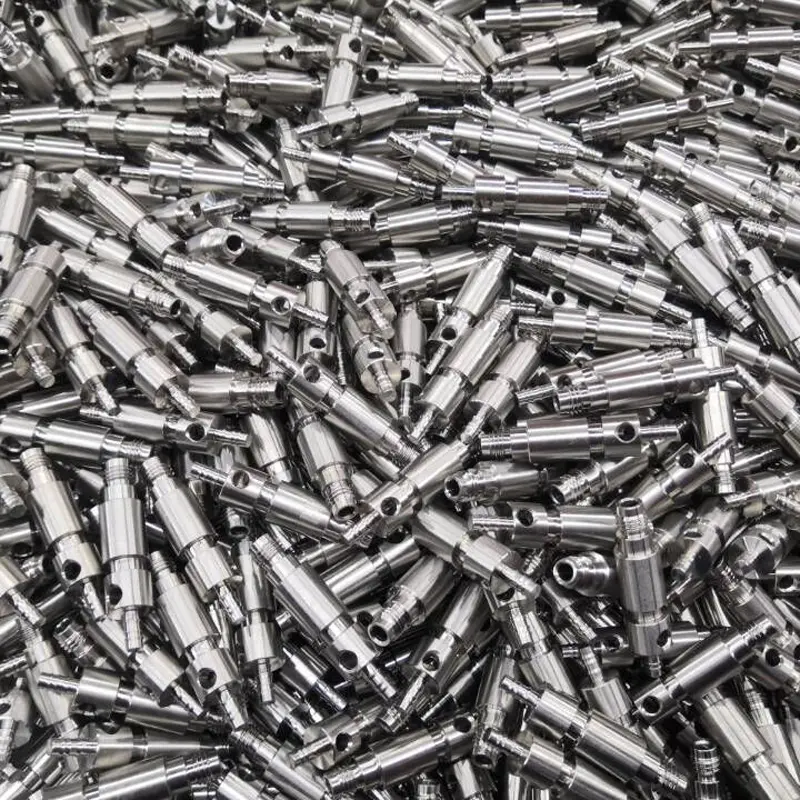
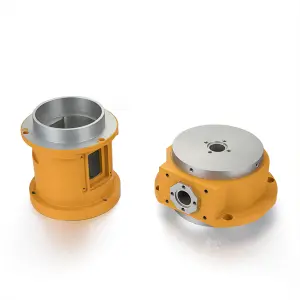
High-precision manufactured metal components with optimal structural integrity, ready for premium protective and decorative anodizing surface treatments.
Anodized Aluminum Oxide (AAO) constitutes one of the most critical structural and functional surface modifications utilized in modern precision engineering. Unlike typical overlay coatings, anodization is an electrochemical passivation process that transforms the raw aluminum substrate into a highly durable, integrated, and porous aluminum oxide (Al₂O₃) layer. This protective barrier is chemically bonded at the atomic level, ensuring zero risk of peeling, chipping, or flaking under high thermomechanical stresses.
As global industries pivot toward lightweighting, high mechanical resilience, and stringent environmental sustainability standards, AAO serves as a core technology. The porous nature of the anodic film allows for advanced functionalization, such as organic/inorganic colorant absorption, polymer impregnation, and the creation of ultra-hard barrier coatings (Type III Hardcoat). At Ningbo Jiangbei XinYe Metal Works, we specialize in bridging high-strength metal forming technologies—like forging and die-casting—with advanced surface finishing processes.
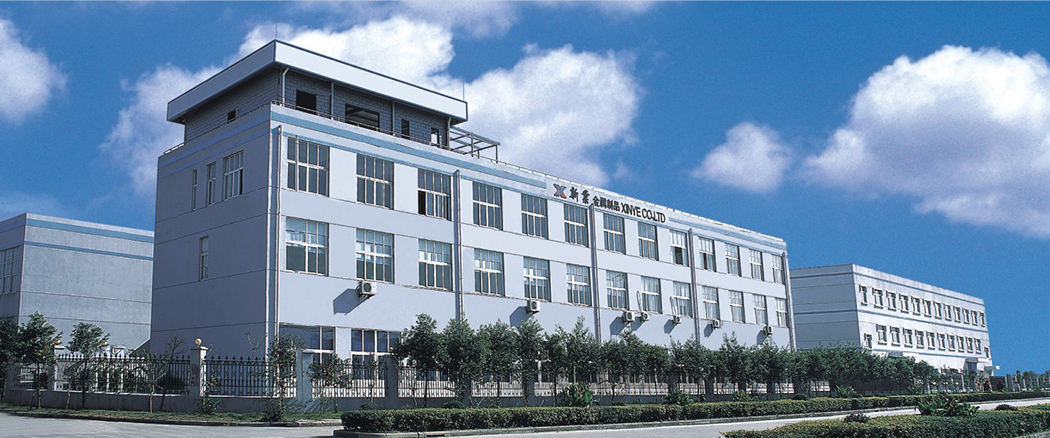
Established in 1996 as an owner-managed family business, XinYe Metal Works has matured into a highly specialized Small and Medium Enterprise (SME) specializing in advanced metal forming and precision surface finishing. Strategically situated in the Ningbo Jiangbei Industrial Zone, our facility benefits from excellent logistics connectivity, located within a 3-hour high-speed rail network transit from Shanghai International Airport.
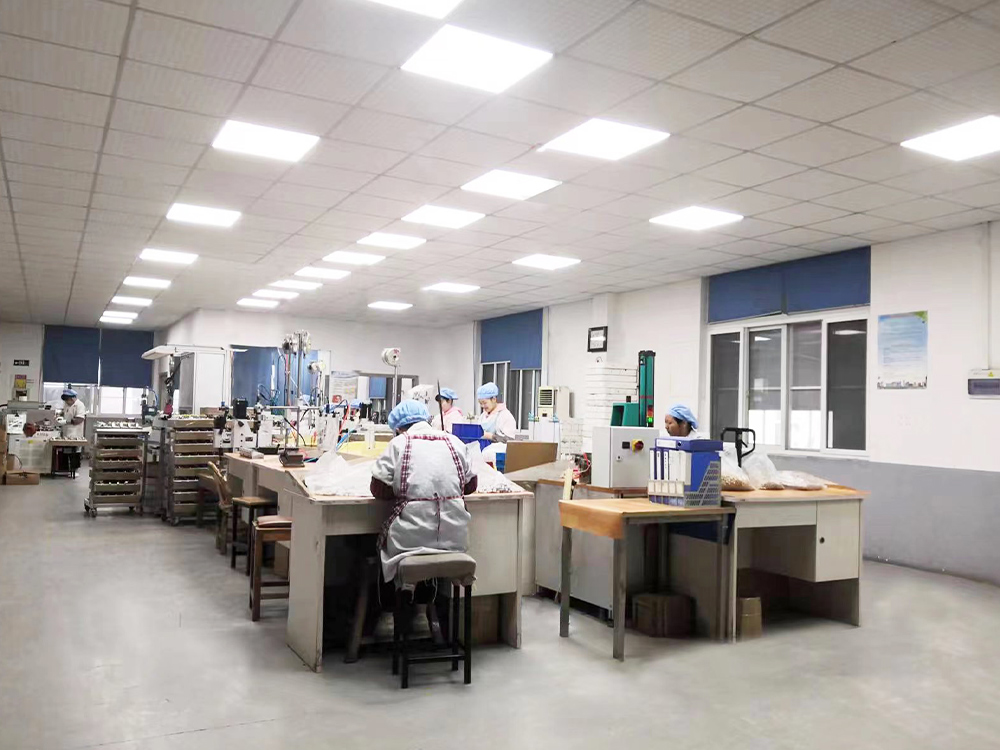
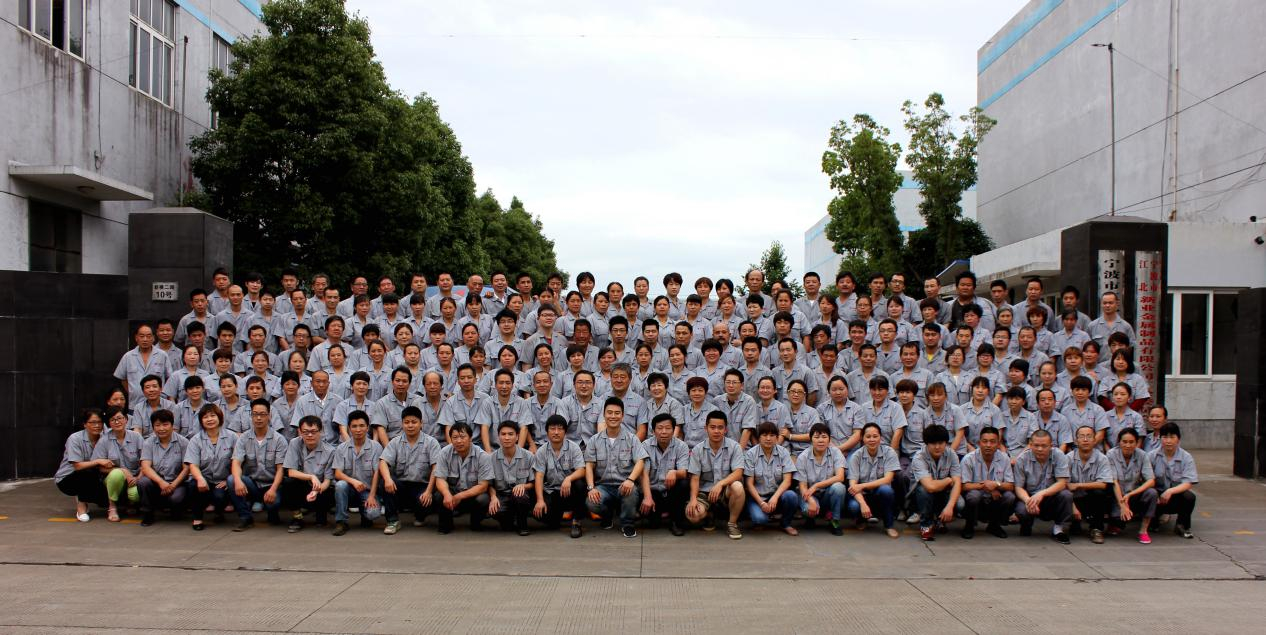
Spanning over 16,000 square meters of production floor space and utilizing an additional 11,000 square meters of constructible growth area, our operation is built to scale alongside our clients' evolving demands. With a dedicated team of 130 skilled employees—comprising 80 highly trained production technicians and 50 dedicated personnel in research, product development, structural engineering, quality assurance, and global supply management—we guarantee operational agility, compliance, and excellence.
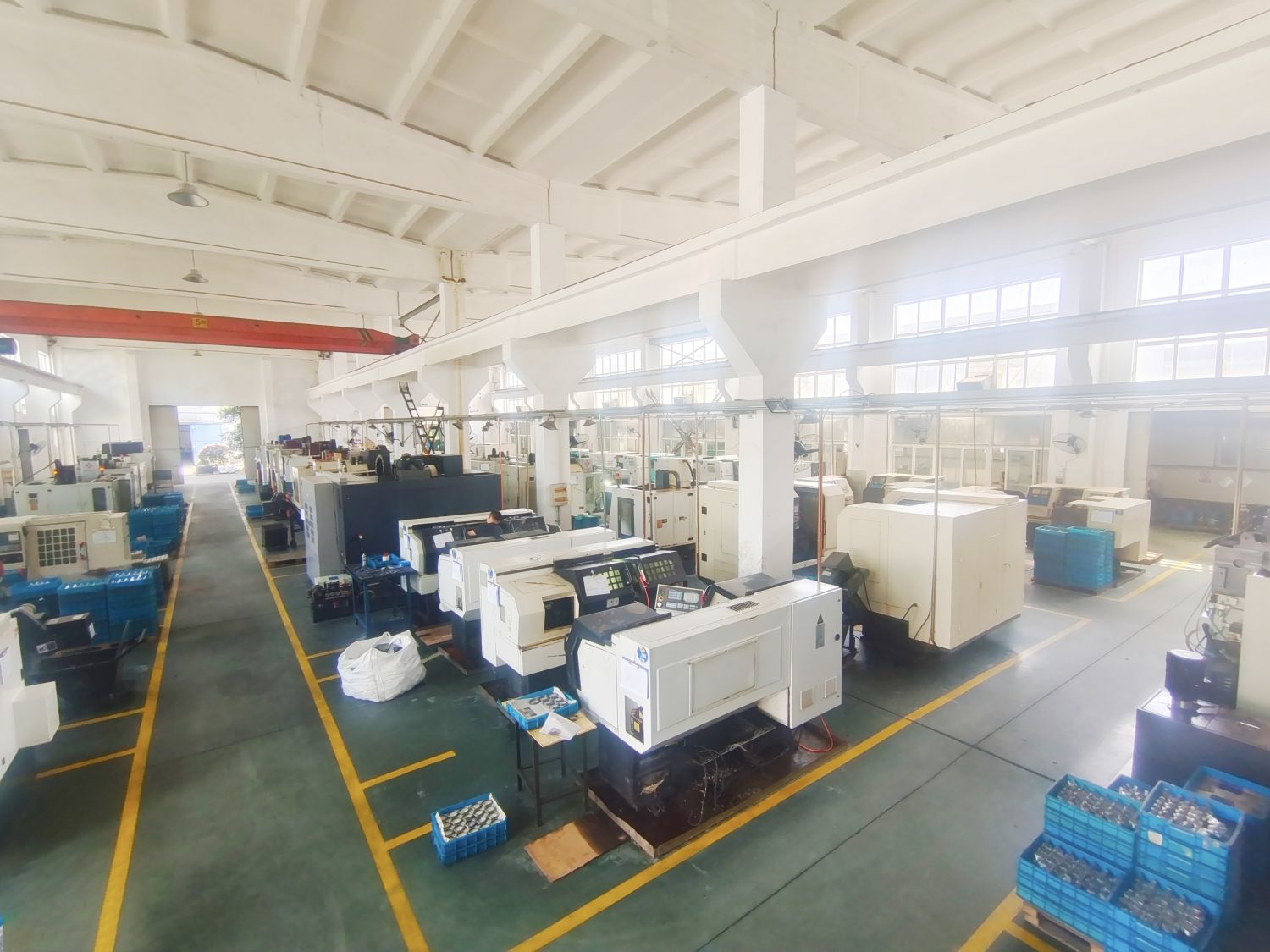
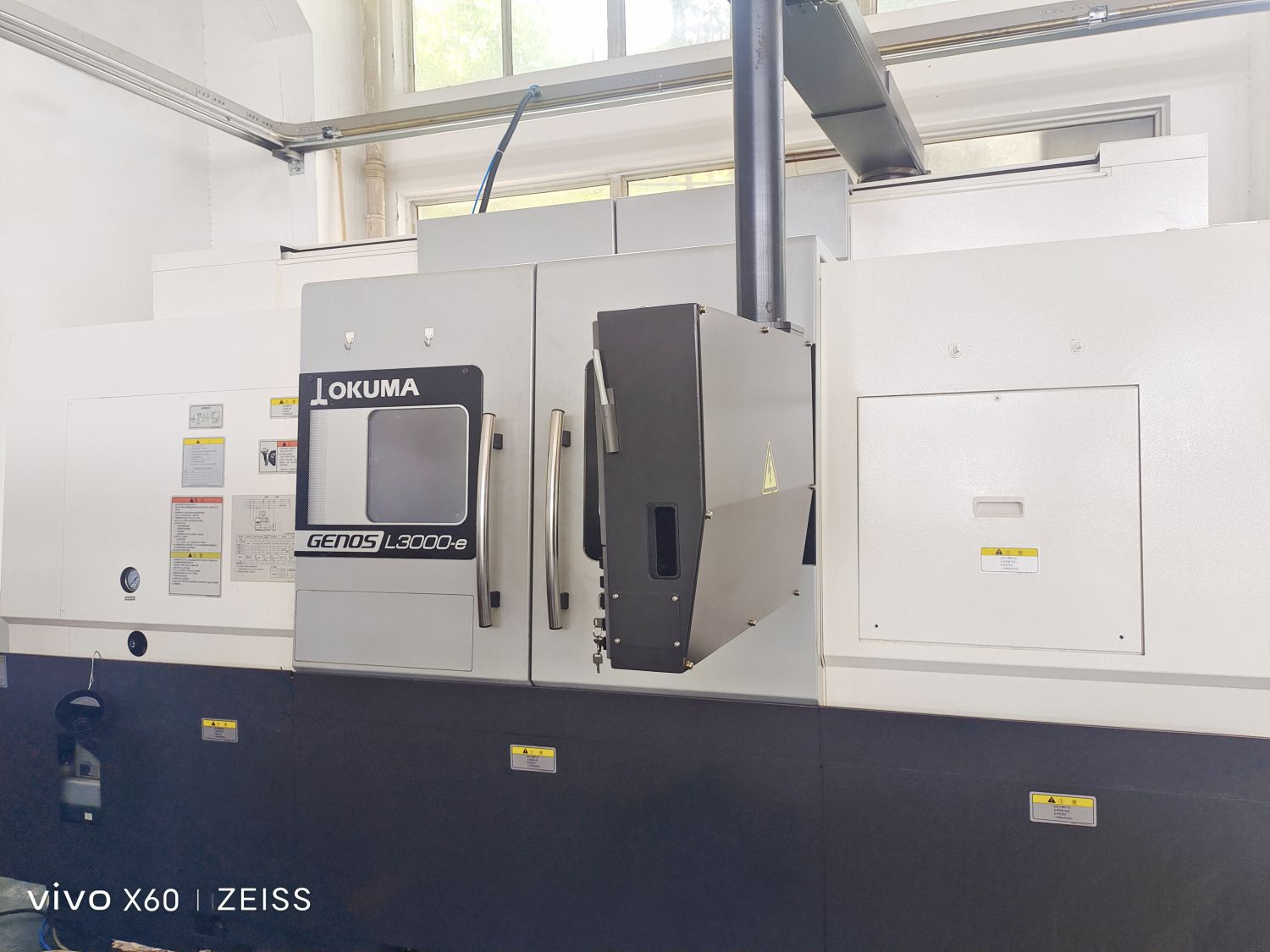
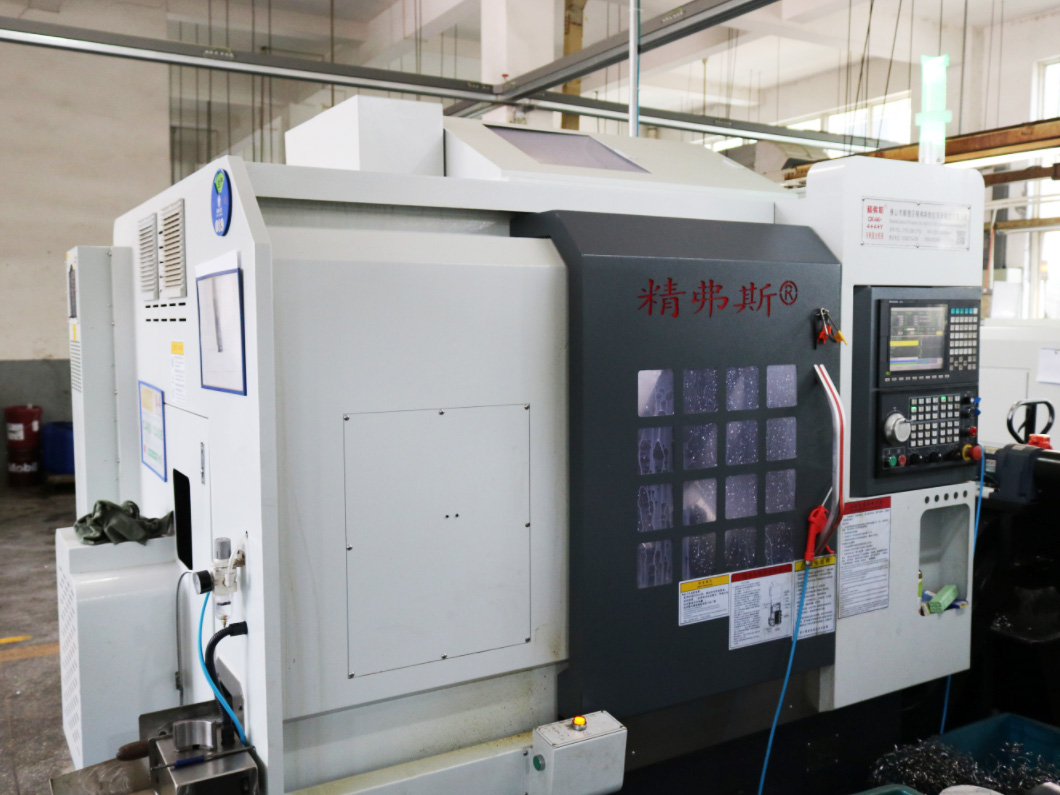
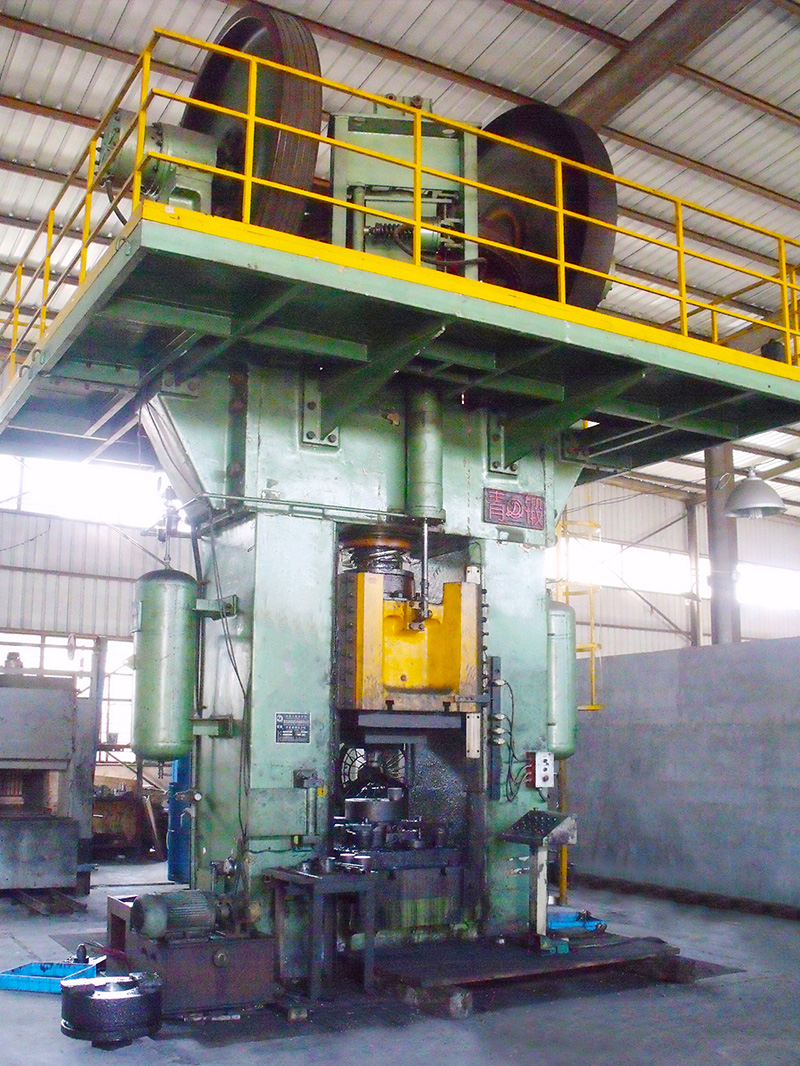
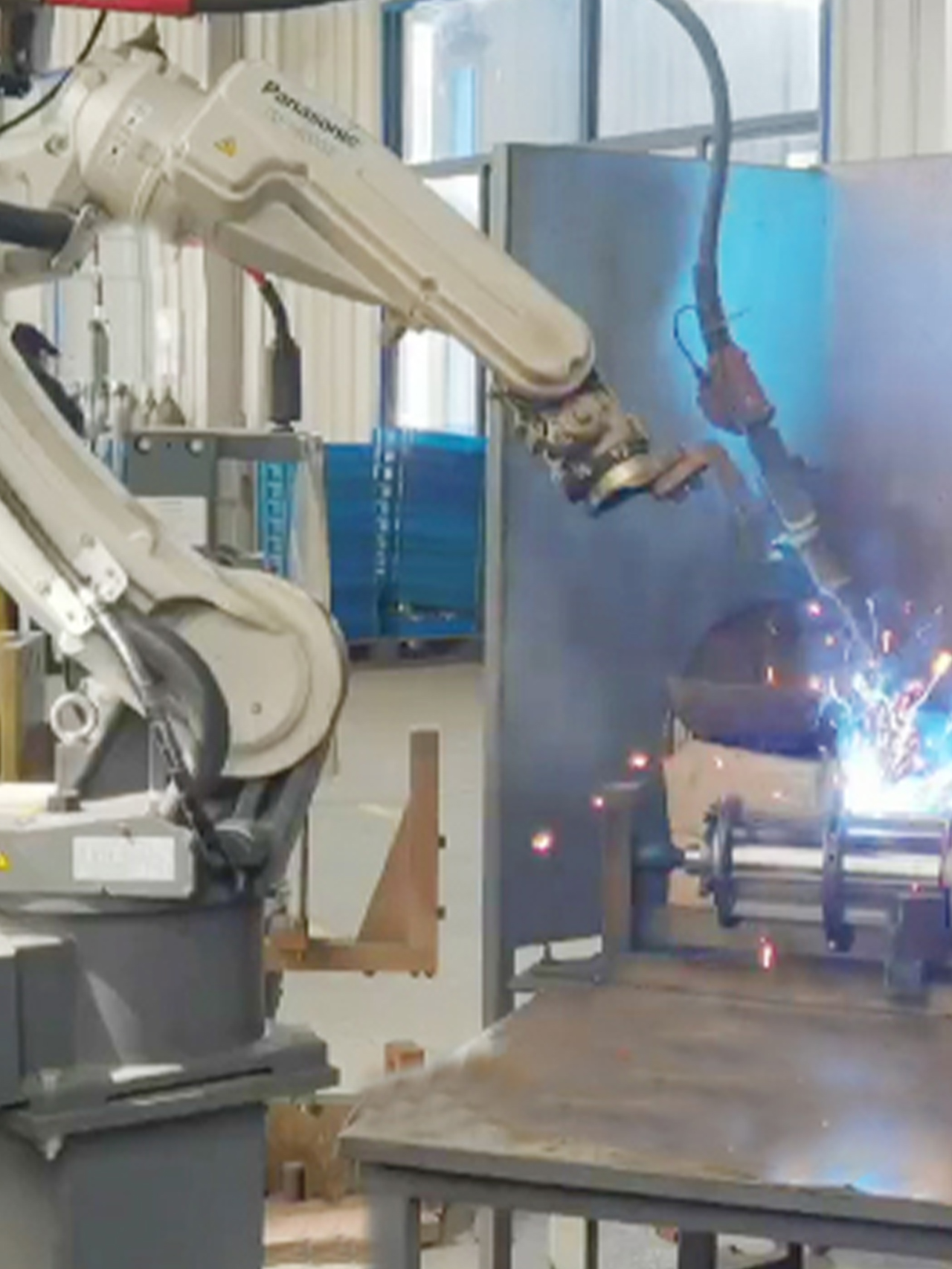
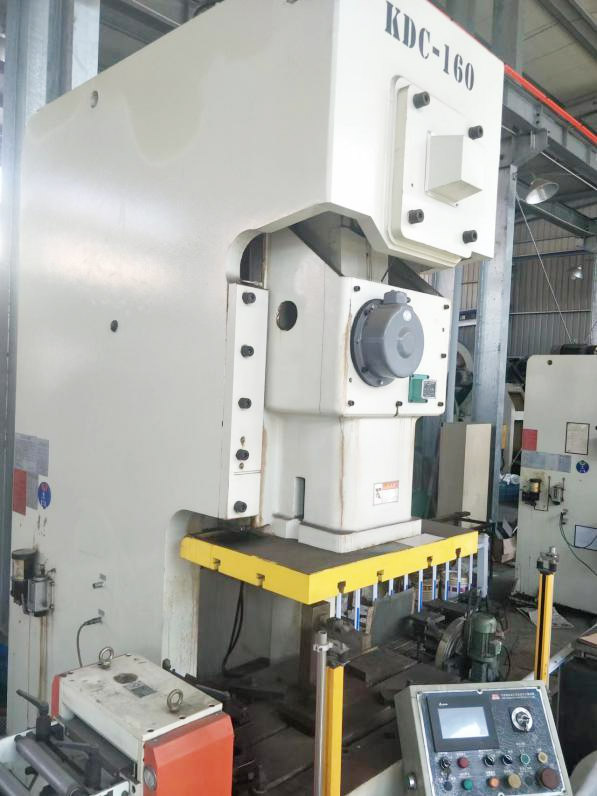
We deploy heavy-duty and high-precision machinery imported from Japan and Europe to secure high-yield, repeatable production cycles.
Equipped with 4-axis and multi-axis CNC machining centers, precision CNC turning machines, and advanced milling machinery. We achieve tolerances as tight as 0.001mm, critical for aerospace couplings and complex electronic assemblies.
Operating heavy friction press lines with capacities ranging from 300 to 1,000 metric tons, alongside secondary hydraulic column machines (100 to 630 tons). Perfect for generating grain flow patterns that maximize mechanical fatigue life.
Advanced Type II Sulfuric Acid Anodizing, Type III Hardcoat Anodizing (wear-resistant barrier layer generation), and precision Electropolishing (E-polish). Excellent control over oxide layer depth, coating thickness, and pore sealing structures.
Understanding the electrochemical process, microstructure configurations, and custom engineering potentials of anodic oxide coatings.
The anodization of aluminum involves the controlled oxidation of the metal surface inside a concentrated acid bath—typically sulfuric acid (H₂SO₄) for Type II and Type III films. When an electric current is passed through the electrolyte, water molecules dissociate, yielding oxygen ions that react directly with the aluminum anode. This reaction forms a duplex structure consisting of:
Depending on the targeted end-use application, the temperature, current density, and acid concentrations are modulated to yield distinct oxide characteristics:
| Parameters | Type II Anodizing (Decorative & Protective) | Type III Hardcoat Anodizing (Engineering/Wear) |
|---|---|---|
| Electrolyte Temperature | 18°C – 22°C (Typical) | -2°C – 5°C (Chilled bath) |
| Coating Thickness | 8 to 25 microns (μm) | 50 to 100 microns (μm) |
| Hardness (Vickers HV) | 200 – 350 HV | 400 – 600 HV (Comparable to tool steel) |
| Pore Density | Higher (optimal for brilliant color dyes) | Lower, highly compressed, dense cell walls |
| Primary Applications | E-bike components, food processor parts, appliances | Aerospace turbine inlets, transmission parts, valves |
Unsealed anodized aluminum oxide is highly susceptible to chemical attack and staining due to its open porous structure. To prevent this, our production facility performs advanced sealing processes:
How our anodized metal parts resolve engineering challenges across demanding global markets, from automotive electrification to aerospace mechanics.
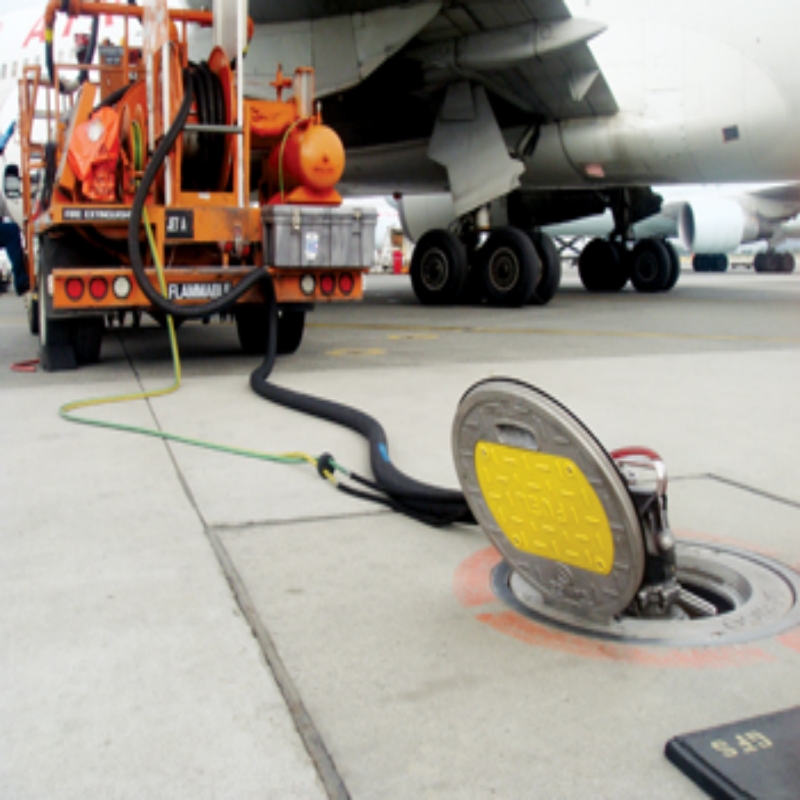
Modern aerospace systems demand parts that endure vacuum conditions, corrosive aviation fuels, and rapid thermal cycling. We manufacture and anodize critical components such as Aviation Fuel Hydrant Pit Box enclosure kits, turbine inlets, and complex structural transmission parts. Our Type III hardcoat anodizing ensures these structural assemblies offer high dielectric insulation and wear resistance against continuous fuel/air particle friction.
In the EV space, reducing mass while maintaining reliability is crucial. We supply precision forged and CNC machined transmission components, high-integrity connector brackets, and structural tubes/levers for E-bikes. Anodization guarantees that lightweight aluminum alloys resist corrosion from road salt spray and high moisture exposure.
Explosive environments demand non-sparking, chemical-resistant sensor housings. Our anodized enclosures for oil & gas and mining industries house flame sensors, explosive/toxic gas detectors, and fire safety systems, ensuring long-term field stability in marine oil platforms and underground mine galleries.
For food safety compliance, coatings must be inert, easy to sanitize, and wear-resistant. We fabricate high-quality aluminum components for commercial cream whippers and tabletop cooking stoves. Proper sealing of our anodized layers prevents acid corrosion from food ingredients and ensures zero metallic contamination.
Our advanced production facilities operate under structured management workflows to guarantee precision. We maintain a fleet of state-of-the-art Japanese CNC machining centers, hot forging presses up to 1,000 tons, and multi-stage surface treatment baths.
By utilizing automated controls over bath chemistry, current density, and operating temperatures, we achieve consistent oxide growth curves across various series of aluminum alloys (including 2000, 6000, and 7000 series). Watch our technical overview videos to see our production capacity and automated equipment in real-time execution.
Ensuring dimensional precision and material integrity through advanced testing instrumentation.
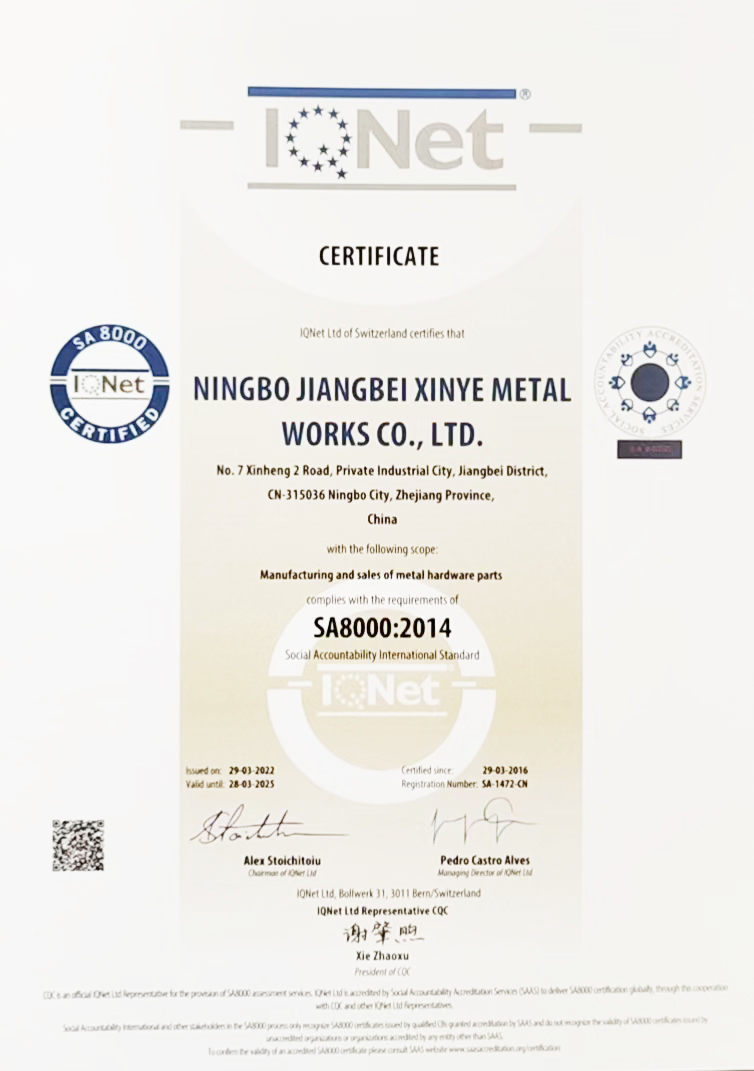
Quality is our lifeblood. We deploy a comprehensive inspect-and-trace tracking protocol from raw ingot entry down to the final packaging stage. Our facility complies fully with ISO 9001-2015 and SA8000 standards. Each production run has fully traceable files, material certifications, and micro-dimensional testing records.
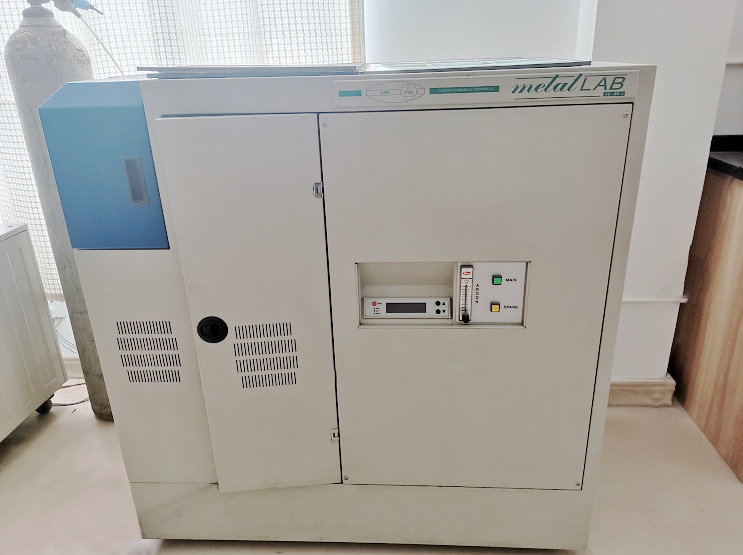
Determines raw material alloy compositions prior to press processing.
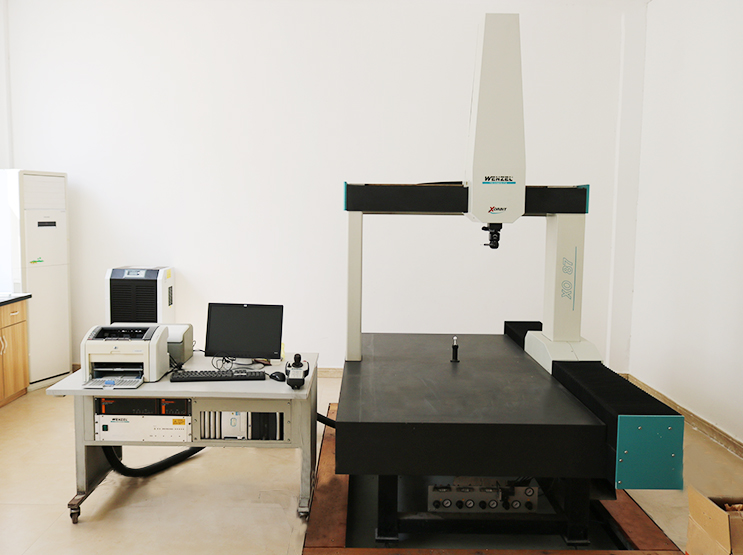
3D coordinate measuring verification for high-precision components.
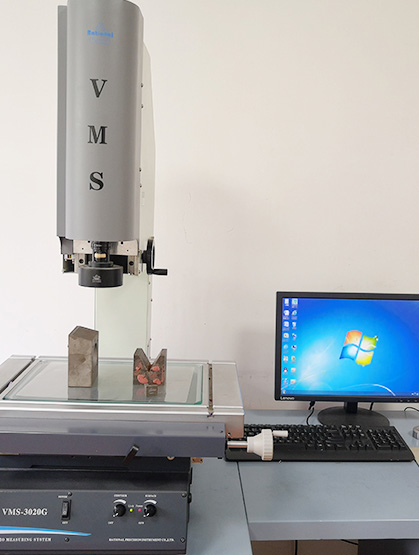
Optical projection system checking tight tolerances of stamping files.
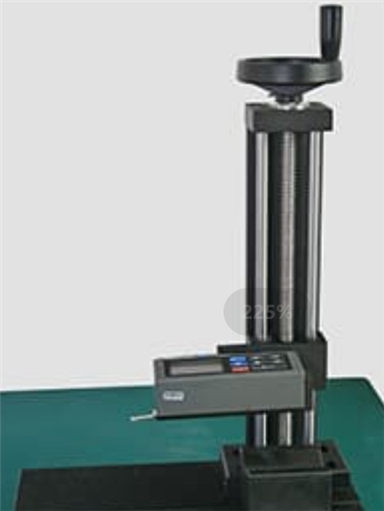
Monitors surface texture profiles before and after anodization.
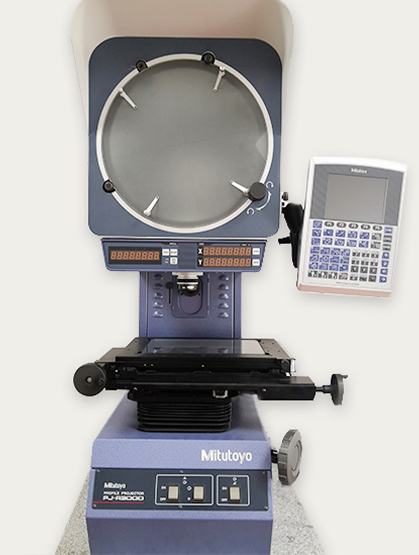
Dedicated to detailed inspection workflows for aerospace hardware.
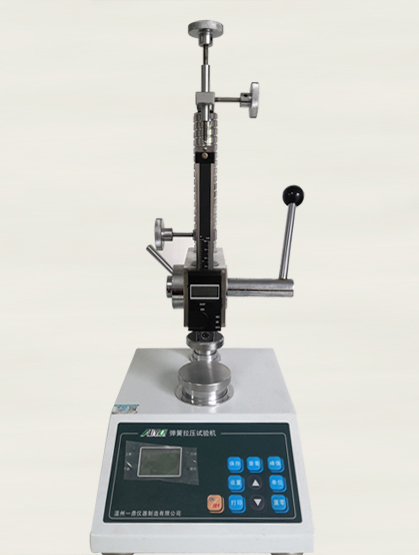
Assures target mechanical elasticity parameters are met.
Exploring structural designs engineered to exact tolerance boundaries.
High-strength structural brackets for industrial operations. Engineered from 6061-T6 alloy, utilizing our hot forging process to establish consistent grain alignment.
Material: Stainless Steel, Aluminum Alloy
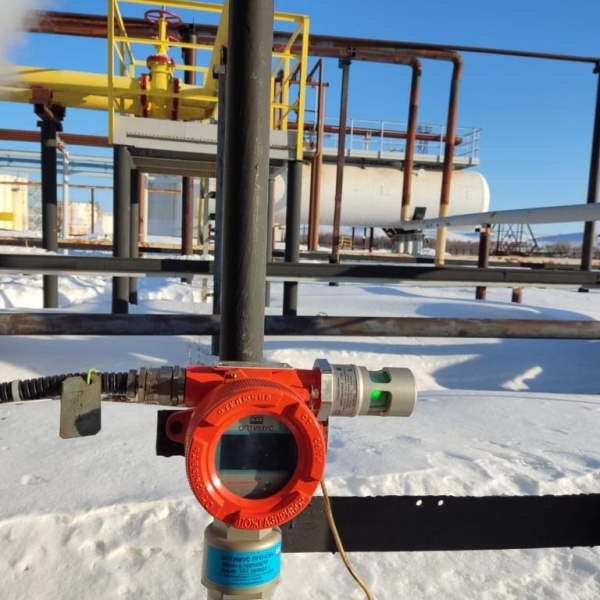
Custom drive train adapters with tight tolerance criteria. Machined and anodized for corrosion resistance in under-the-hood placements.
Material: Stainless Steel, Aluminum Alloy

Aviation Fuel Hydrant Pit Box componentry, hinge bracket systems, and transmission interfaces designed for rugged operating conditions.
Material: Stainless Steel, Aluminum Alloy
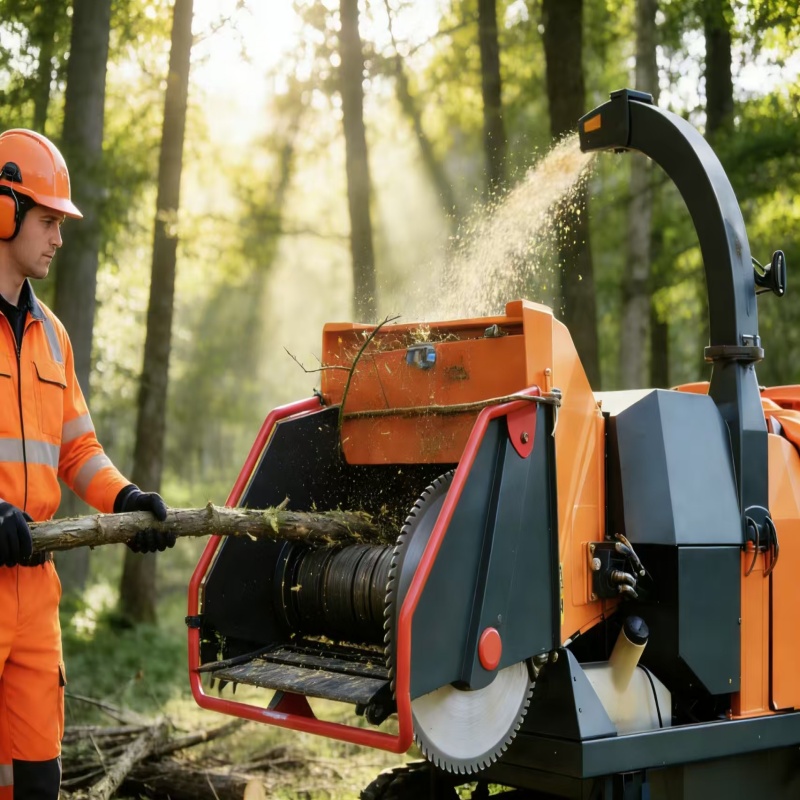
Precision manufactured Cutter Discs and Feed Rollers, designed to withstand continuous impact loads and abrasive tree bark contact.
Material: Q345B, 42CrMo, NM400 (Shaft)
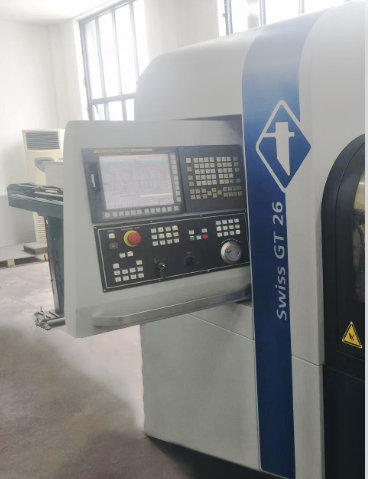
Precision tooling and CNC setup are critical to achieving zero mechanical distortion during structural anodizing. Our manufacturing facility utilizes the Tipas Machine h65TMY multi-spindle configuration. This high-efficiency platform allows for rapid turning and milling operations in a single setup, ensuring concentricity and surface finish characteristics are optimized for subsequent oxide growth stages.
By machining components to micron-level tolerance boundaries, we prevent uneven current distribution in the anodizing bath, eliminating surface burning and thin spot defects.
Ningbo Jiangbei XinYe Metal Works Co., Ltd. values professional integrity. We support a team of 130 dedicated personnel, including 50 engineers, metrologists, and designers holding technical certifications. We hold more than 20 utility model patent certificates, reflecting our focus on technical innovation.
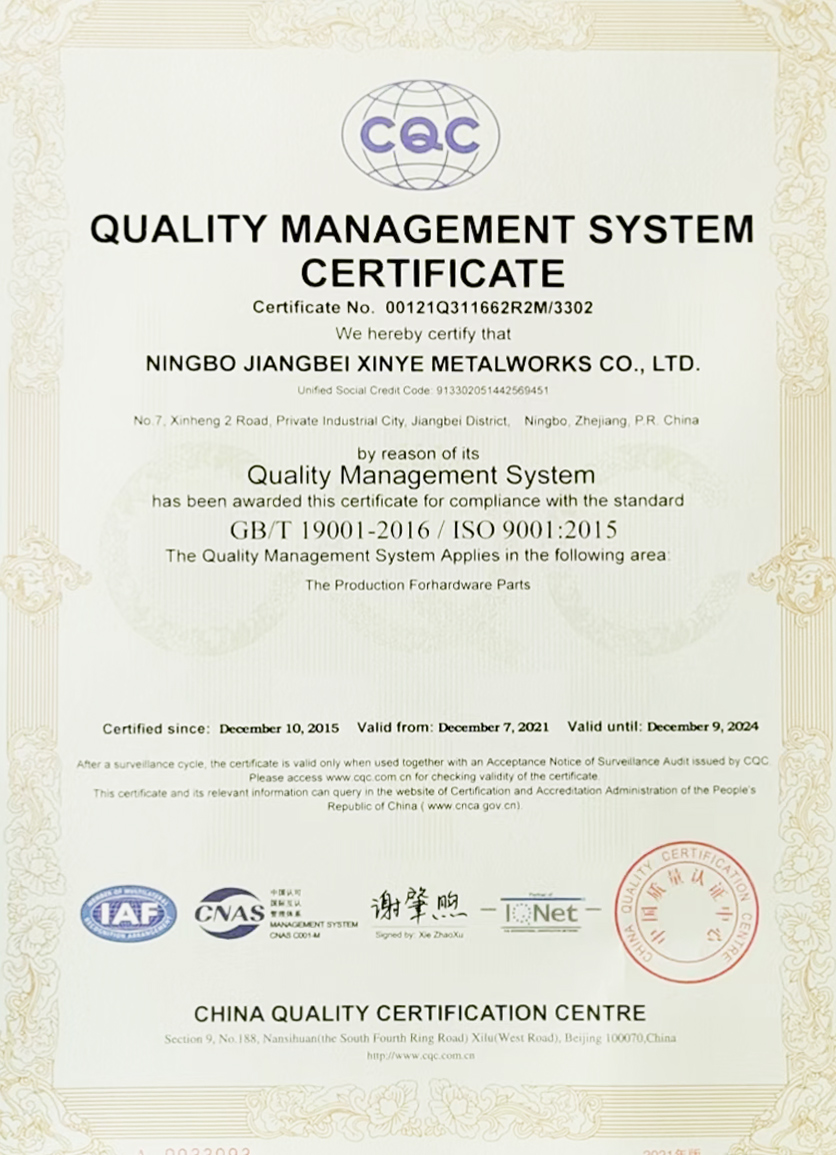
ISO 9001:2015
Quality Standard Verification
Technical Patent File
Social Accountability Certification
From preliminary CAD files to final surface treatments, we maintain quality at every phase.

Client provides structural drawings. Our engineering team conducts design review (DFM) to evaluate tool geometry, parting lines, and anodizing rack contact points.

We execute custom sample runs using precision CNC milling. We provide the client with dimensional reports and raw material certifications for initial validation.

Client reviews the sample parts and provides feedback. Adjustments to alloy chemistry or bath parameters are implemented prior to mass production.

We proceed with production runs, using statistical process control (SPC) to monitor forging pressure, CNC dimensions, and anodizing bath parameters.
Detailed technical and commercial answers regarding our custom metal manufacturing and anodized aluminum oxide services.
The 6000-series (primarily 6061 and 6082) alloys offer excellent anodizing response, yielding uniform structural coatings with great corrosion protection. The 5000-series also anodizes well. The 7000-series (e.g., 7075), containing zinc, can result in slightly darker, yellow-tinted films and requires dedicated bath configurations to prevent pitting, especially for Type III hardcoat specifications.
Tooling design and initial sample runs require approximately 7 to 10 working days. Industrial mass production is completed in 20 to 30 days, depending on part complexity, batch volume, and chosen surface finishes.
Yes. We supply comprehensive documentation packages with every shipment, including material chemical certificates, heat treatment charts, dimensional reports from our CMM/video inspection stations, and salt-spray test results if requested.
We require an ongoing minimum order quantity for international orders. This MOQ varies based on part geometry, material grade, and processing routing. Please contact our sales team with your structural designs for a custom quote.
Anodization grows both outward and inward from the original metal surface. As a rule of thumb, approximately 50% of the film thickness penetrates the surface, while the remaining 50% builds up. For a typical Type III hardcoat coating of 50 microns, the outer radius of the component will expand by 25 microns. Our machining calculations account for this dimensional change during the raw milling phase.
We typically accept a 30% deposit in advance, with the 70% balance paid against a copy of the Bill of Lading (B/L). We offer flexible shipping arrangements (FOB, CIF, DDP) via major ports in Ningbo and Shanghai.
Reliable precision components, manufactured to specification, with durable anodic finishes.
 XinYe Metal