Explore our high-precision custom parts engineered to global standards and treated with advanced colored anodizing solutions.
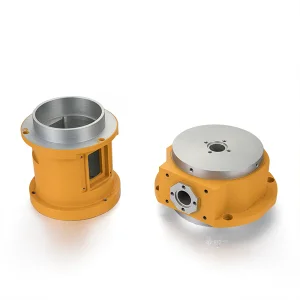
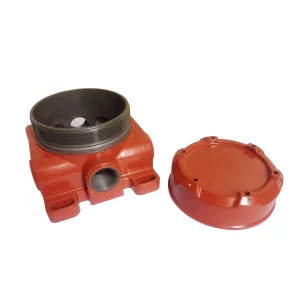
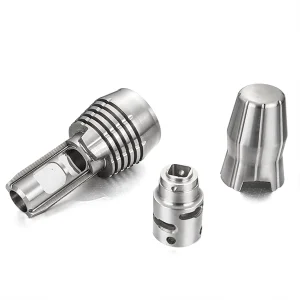
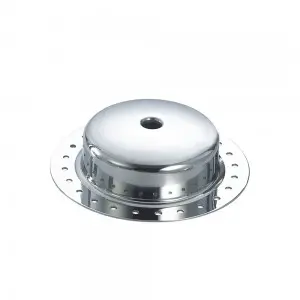
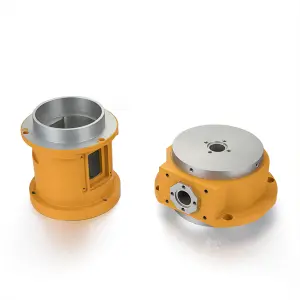
A technical examination of electrolytic oxidation, dye absorption thermodynamics, and industrial color consistency control.
Anodized aluminum color matching is a precise science combining electrochemical dynamics and material metallurgy. At Ningbo Jiangbei XinYe Metal Works Co., Ltd., we transform raw aluminum alloys into highly durable, corrosion-resistant, and aesthetically striking components. The standard anodizing process (Type II under MIL-A-8625 specs) creates a porous aluminum oxide layer (Al₂O₃) that serves as a highly receptive honeycomb structure for organic or inorganic metallic dyes. The mechanical integrity and color fastness of the finished anodized coat depend on structural parameters like pore diameter, barrier layer thickness, and the density of the electrochemical cells formed during bath immersion.
One of the primary difficulties in industrial anodizing is avoiding color variation between different production batches. Aluminum is inherently sensitive to metallurgical composition variations. Subtle differences in iron, copper, or silicon content in alloys like 6061, 7075, or 5052 can alter the transparency of the oxide film, leading to batch-to-batch color shifts. We counter this by enforcing tight incoming material controls and utilizing advanced chemical baths. Our factory monitors variables in real-time:
Color sealing is the final, critical phase of color anodizing. The open pores of the dyed oxide layer must be fully hydrated or chemically closed to lock in the colorants and block environmental corrosive elements. We utilize three distinct sealing methods depending on the end-use environment: high-temperature hot-water sealing (for clean food contact appliances), nickel acetate cold sealing (for outdoor industrial housings needing superior UV resistance), and mid-temperature sealing. These treatments ensure our parts pass rigorous testing, including a 120-hour neutral salt spray test (ASTM B117) and acid/alkali resistance testing, ensuring long-term durability in tough conditions.
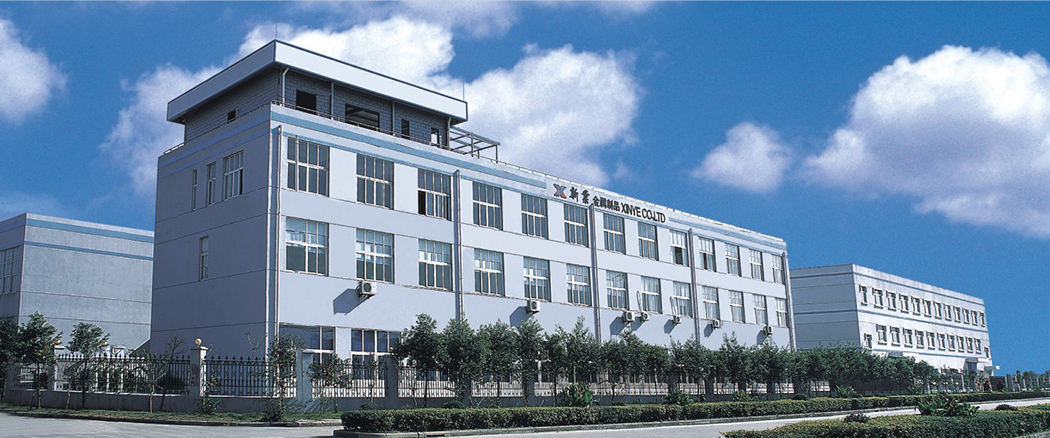
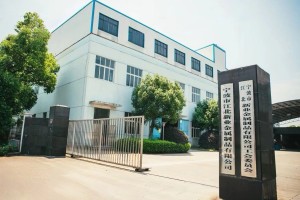
Founded in 1996 as an owner-managed SME family business, Ningbo Jiangbei XinYe Metal Works has grown over more than two decades into a highly reliable precision engineering partner. Our facilities are located in the Jiangbei Industrial Zone of Ningbo, China. This location is well-connected to international shipping lanes and sits within a three-hour high-speed rail radius from Shanghai International Airport, streamlining global supply chain logistics.
Today, our company operates with 130 skilled employees. Our team includes 80 production professionals and 50 dedicated personnel specializing in product development, quality control, precision engineering, and administrative management. Our operation spans 16,000 square meters of production floor space, complemented by an additional 11,000 square meters of construction area optimized for CNC setups, forging machinery, and metallurgical testing.
Established
Production Area (m²)
Expert Employees
Technical Patents
Combining heavy press forging, advanced multi-axis CNC machining, and specialized surface finishes under one roof.
Our workshop features advanced Japanese multi-axis machining centers capable of handling complex geometries with dimensional tolerances down to ±0.005mm.
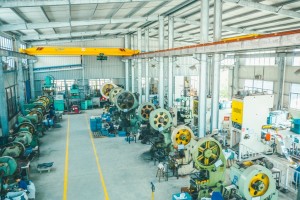
Equipped with 300 to 1000-ton friction presses and hydraulic systems, we forge high-density aluminum parts with optimized grain flow and high structural strength.
We offer colored anodization, Type III hard anodizing, and electrochemical polishing to deliver protective and decorative finishes that meet strict automotive and medical specifications.
Using punching presses ranging from 5 to 250 tons, we manufacture complex thin-walled shells, metallic enclosures, and deep-drawn structures from steel, copper, and aluminum.
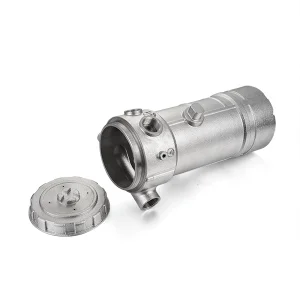
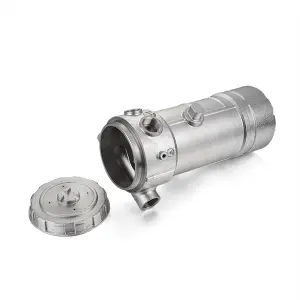
Our investment casting line produces high-quality, complex components in stainless steel and specialized alloys, reducing the need for extensive post-machining.
We provide full assembly services within our dedicated workshop, delivering complete box-build assemblies and packaged components directly to global supply chains.
A transparent workflow from initial drawing review to mass production and quality assurance.

Customers submit CAD designs and color codes (Pantone/RAL). Our engineering team reviews the geometry and material properties for manufacturing feasibility.

We run initial prototype trials, calibrating raw material prep and color anodization parameters to meet the customer's specific aesthetic requirements.

Samples are dispatched along with full dimensional reports and material certificates. We collect customer feedback and refine parameters for bulk production.

After sample approval, bulk manufacturing begins. Multiple in-line inspection points monitor tolerances and color consistency throughout the run.

Finished components are packed in customized protective materials to prevent surface damage. We provide a one-year warranty against manufacturing defects.




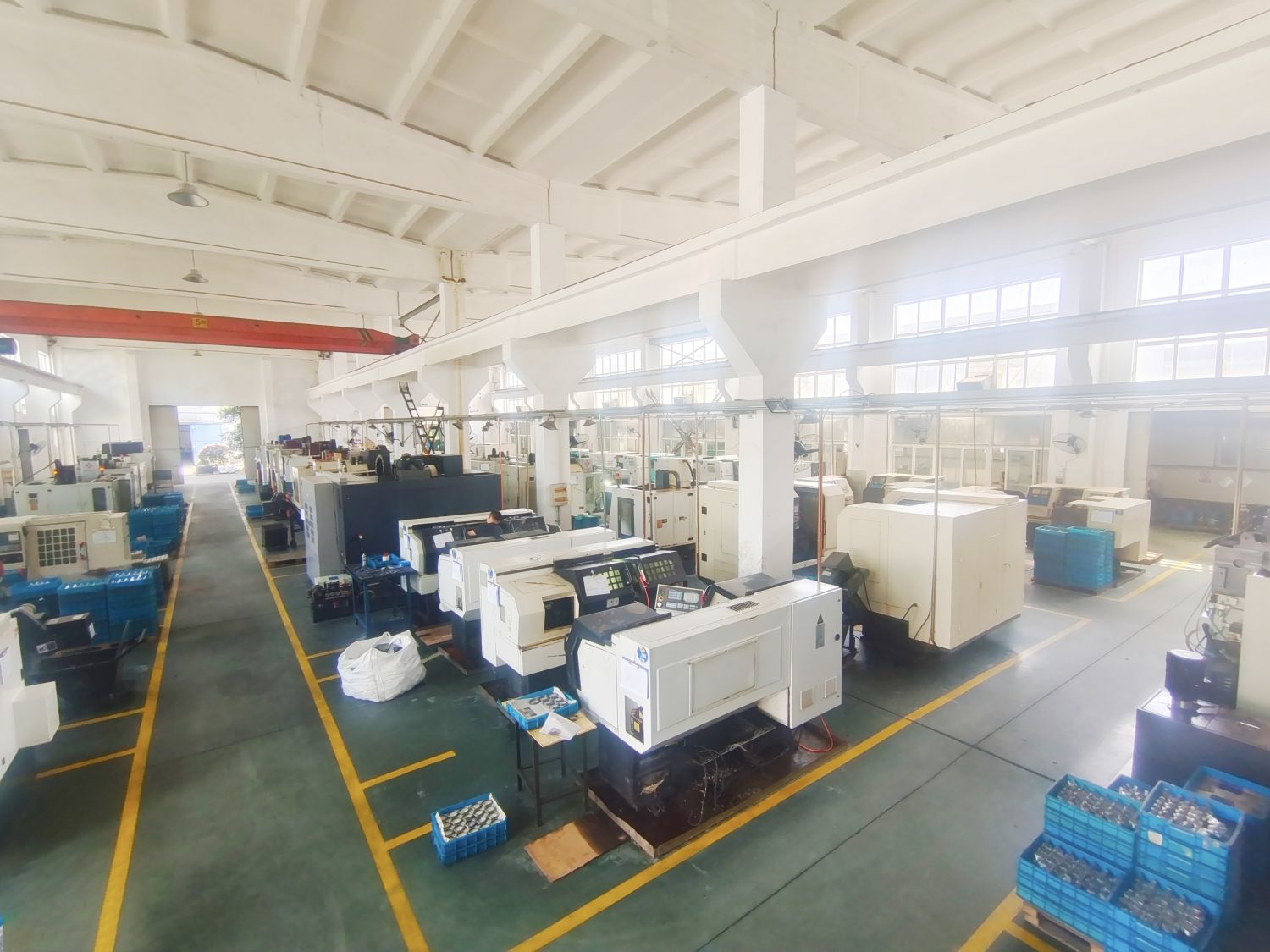
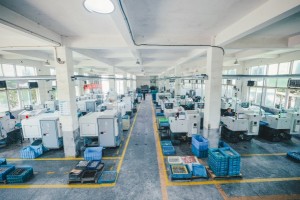
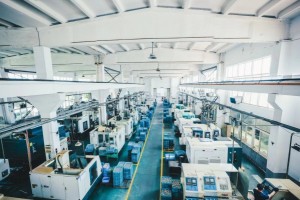
Our factory features advanced Japanese manufacturing machinery and heavy metal presses to ensure precision and scale.
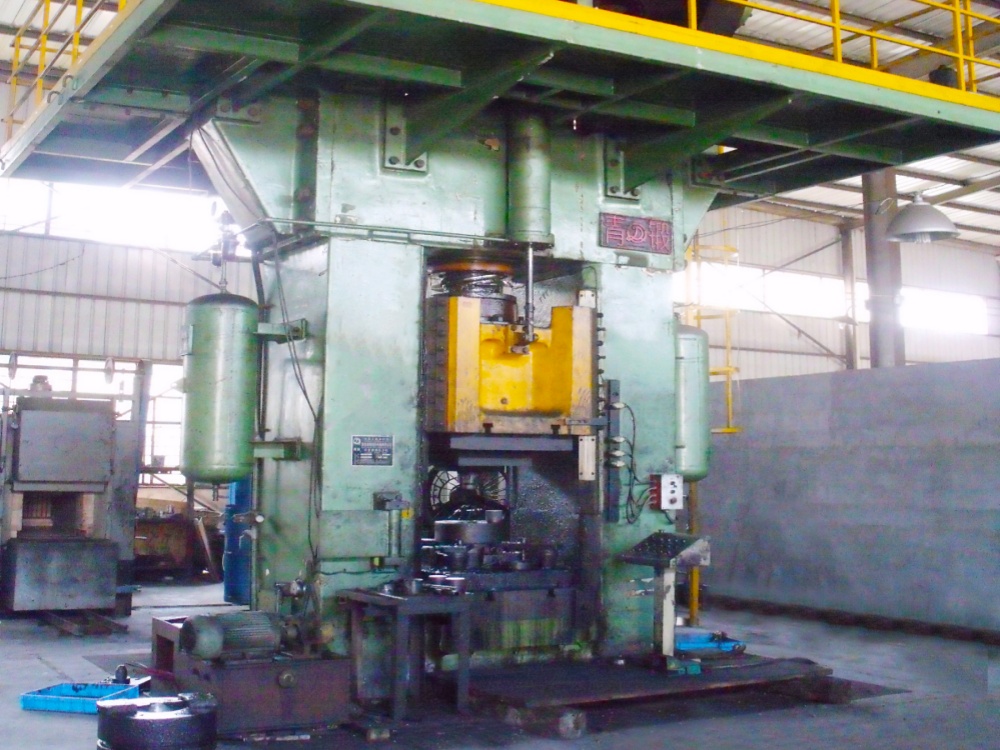
Friction press capacity from 300 to 1000 tons. Column hydraulic presses from 100 to 630 tons.
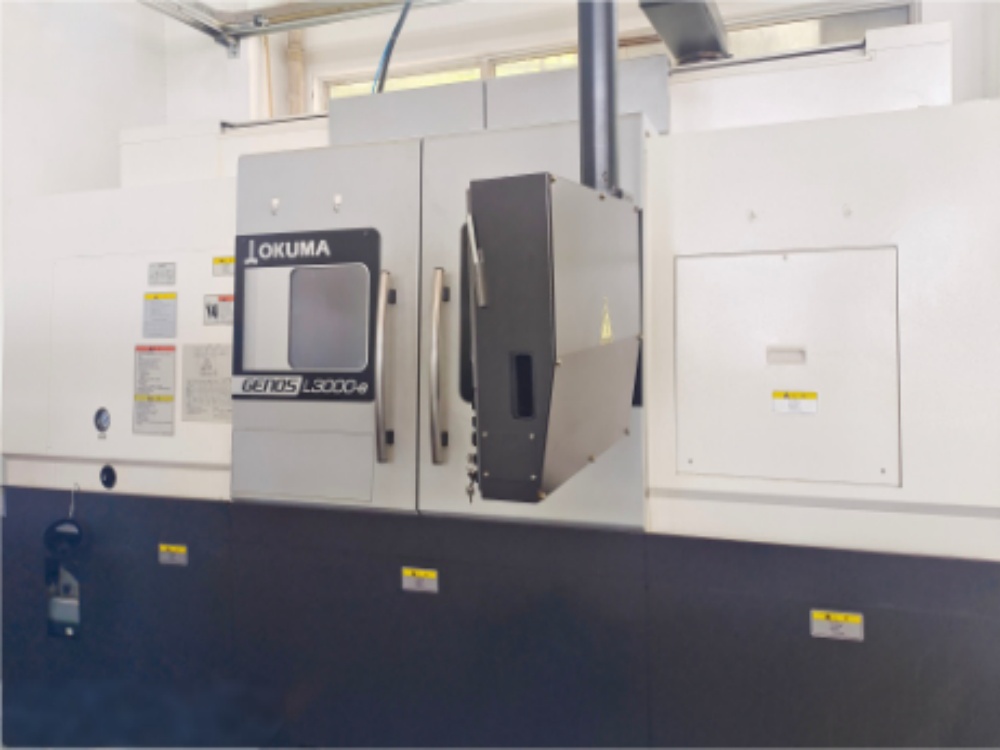
Equipped with 4-axis control centers, precision lathes, and milling systems for complex designs.
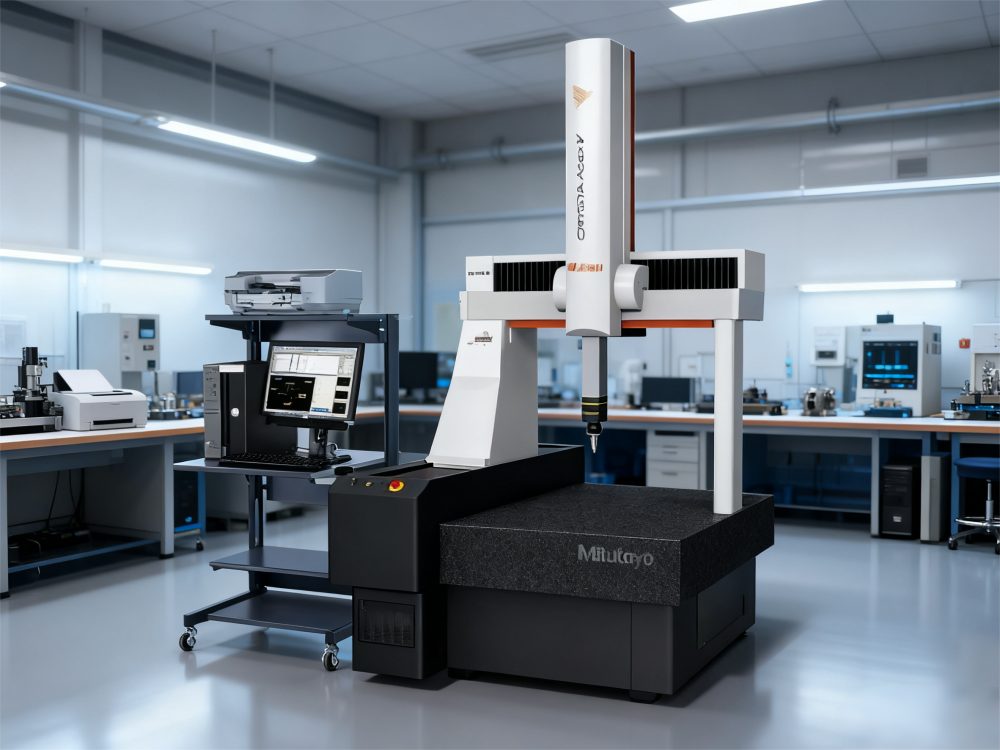
Advanced measurement rooms equipped with 3D coordinate measuring machines (CMM) and spectrometer analysis.
We invest in advanced machining technology like the TIPAS h65TMY system to improve throughput and precision. This helps us maintain color consistency and dimensional accuracy across high-volume production runs.
ISO 9001:2015 and SA8000 certified processes to ensure reliability and traceability.
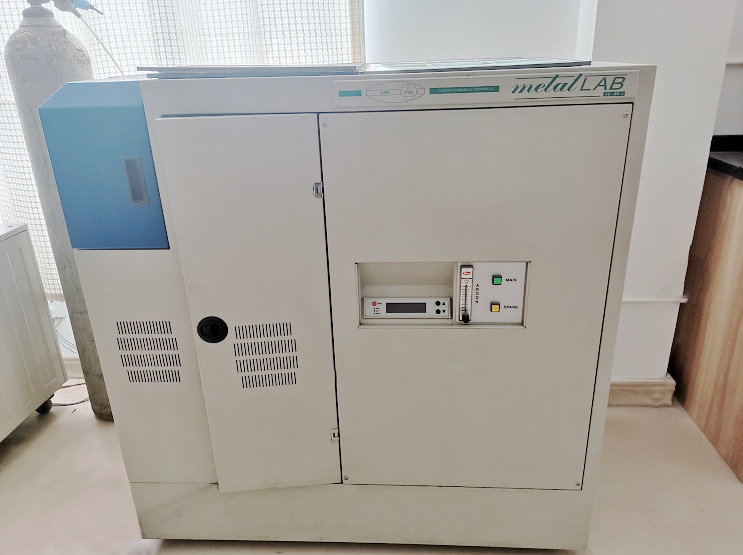
Validates alloying element percentages before extrusion, forging, or casting, preventing anodizing color shifts.
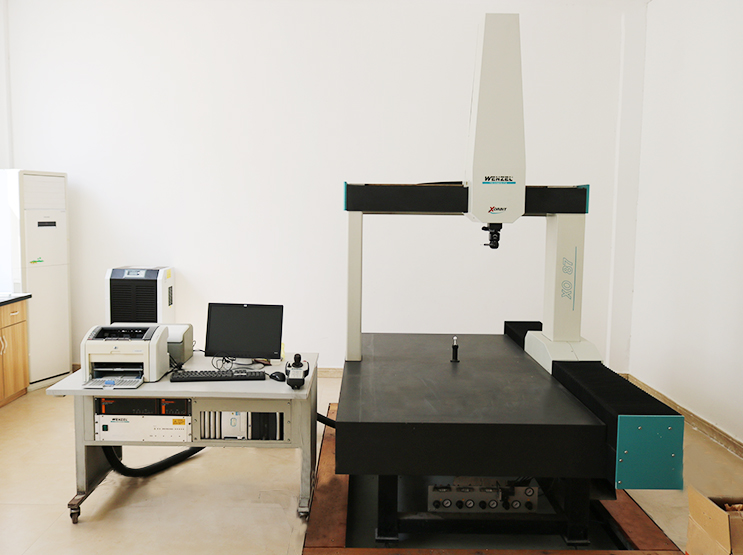
Captures 3D spatial points to check tolerances down to the micron level, matching dimensions to CAD files.
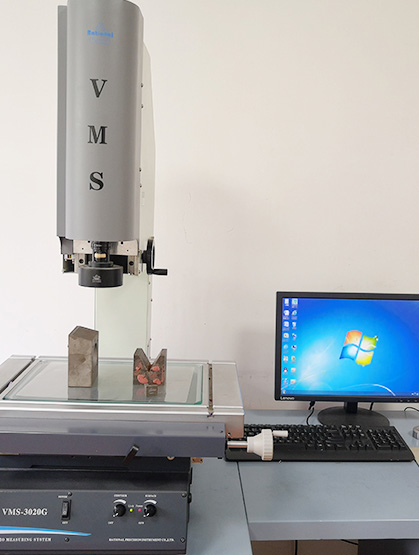
Utilizes high-resolution optical arrays to inspect complex shapes and precision-stamped contours.
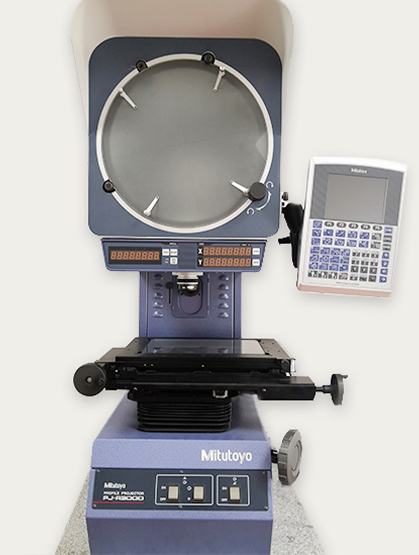
Provides non-contact surface and edge scanning for fragile or highly polished anodized finishes.
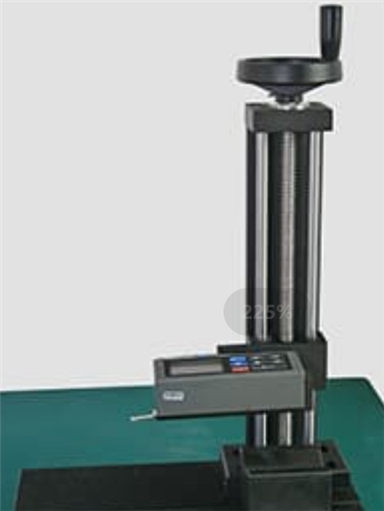
Verifies surface roughness (Ra) values post-machining and polishing to ensure uniform dye absorption.
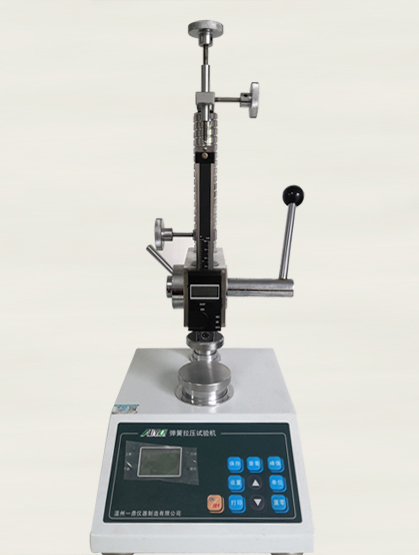
Tests mechanical spring rates and tensile limits for safety-critical hardware and industrial products.
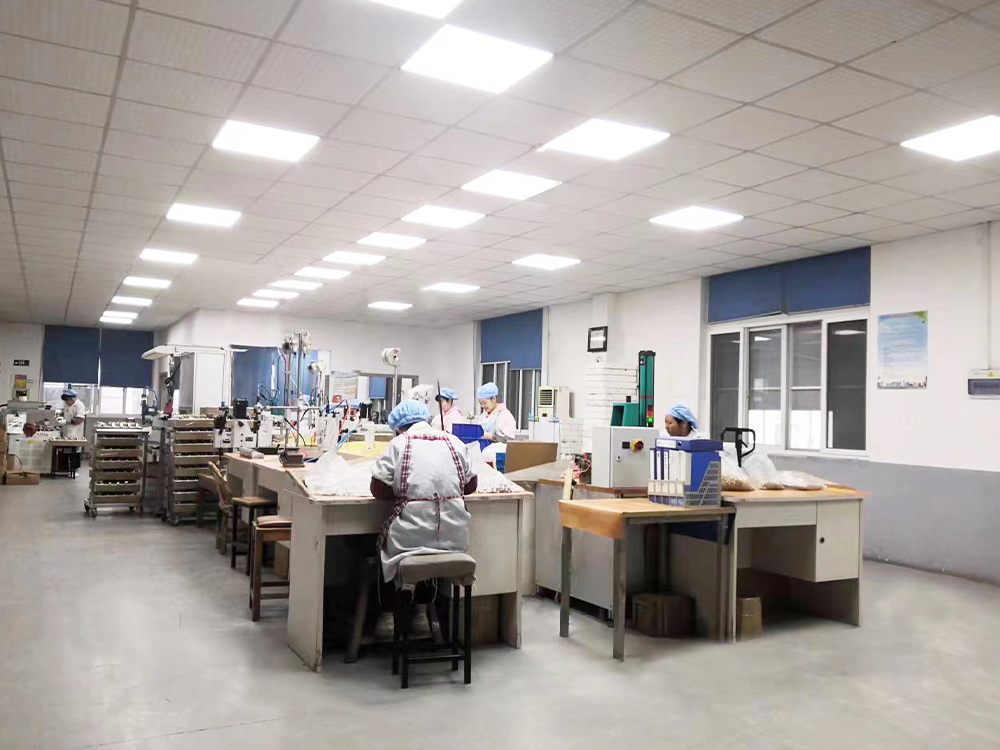
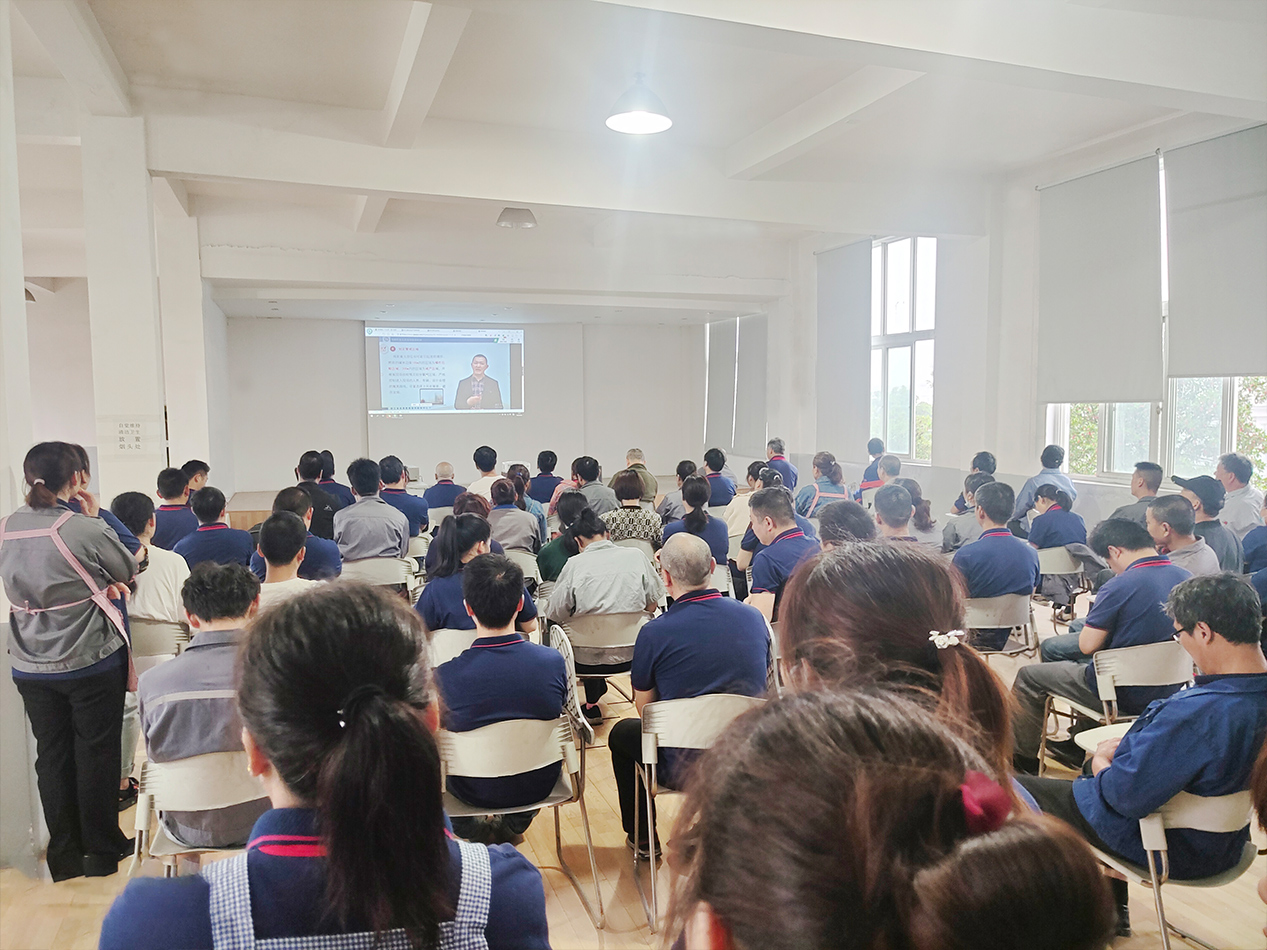
Quality is the foundation of our manufacturing. In collaboration with our global partners, we have established a robust tracking system from raw materials to finished products. Every step of our workflow is documented, providing complete batch traceability.
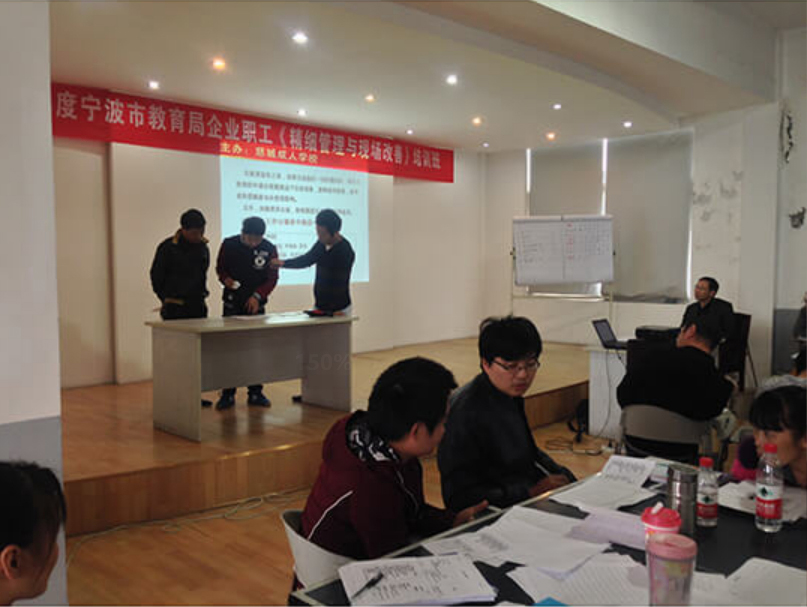
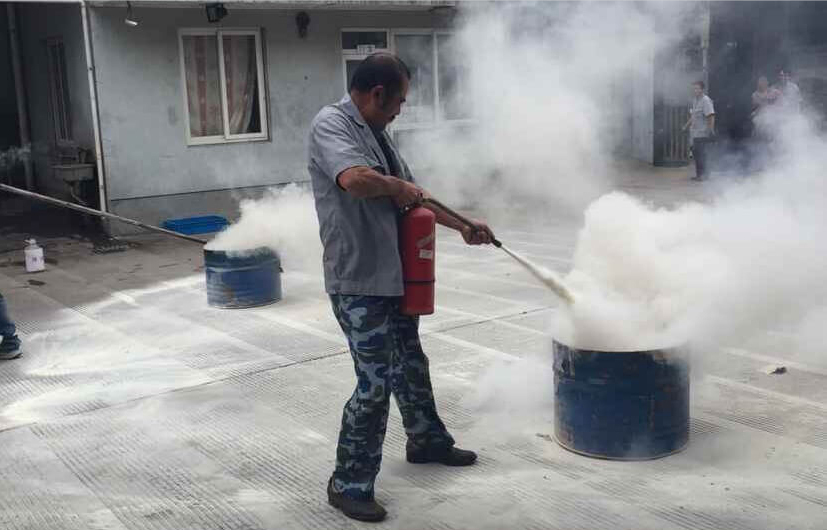
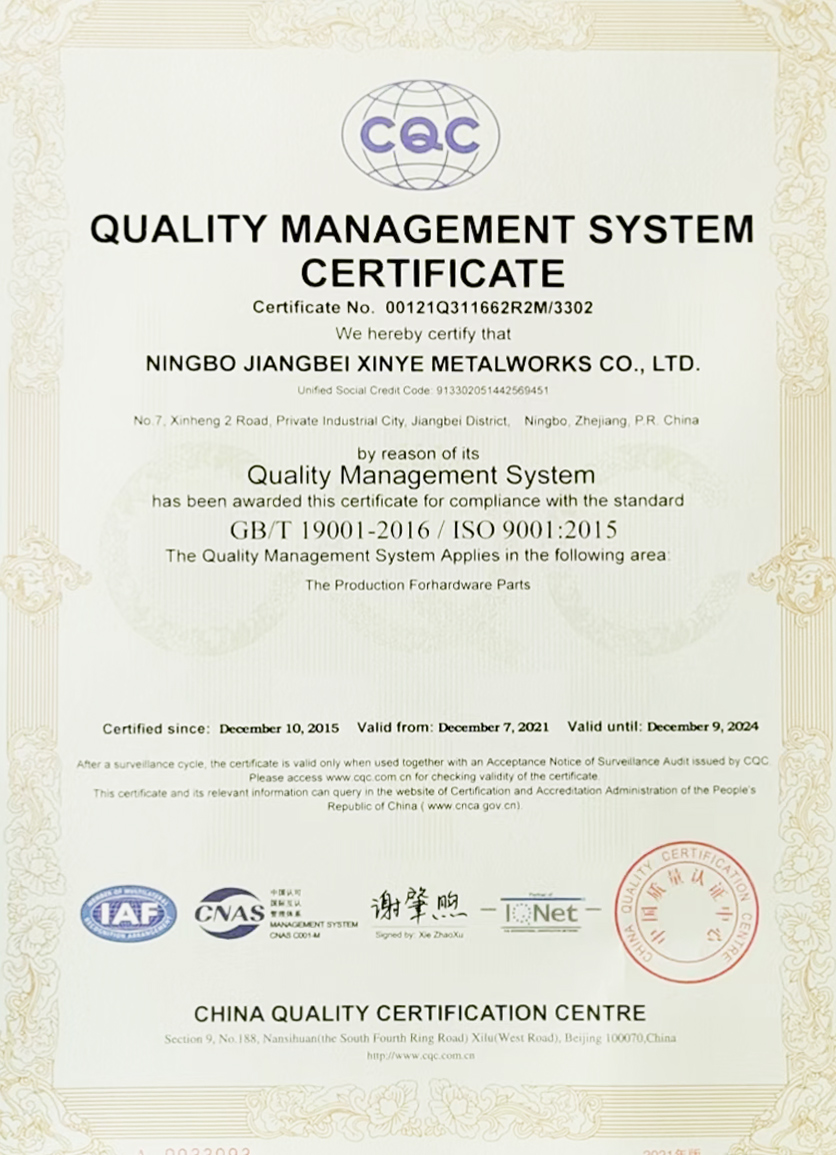
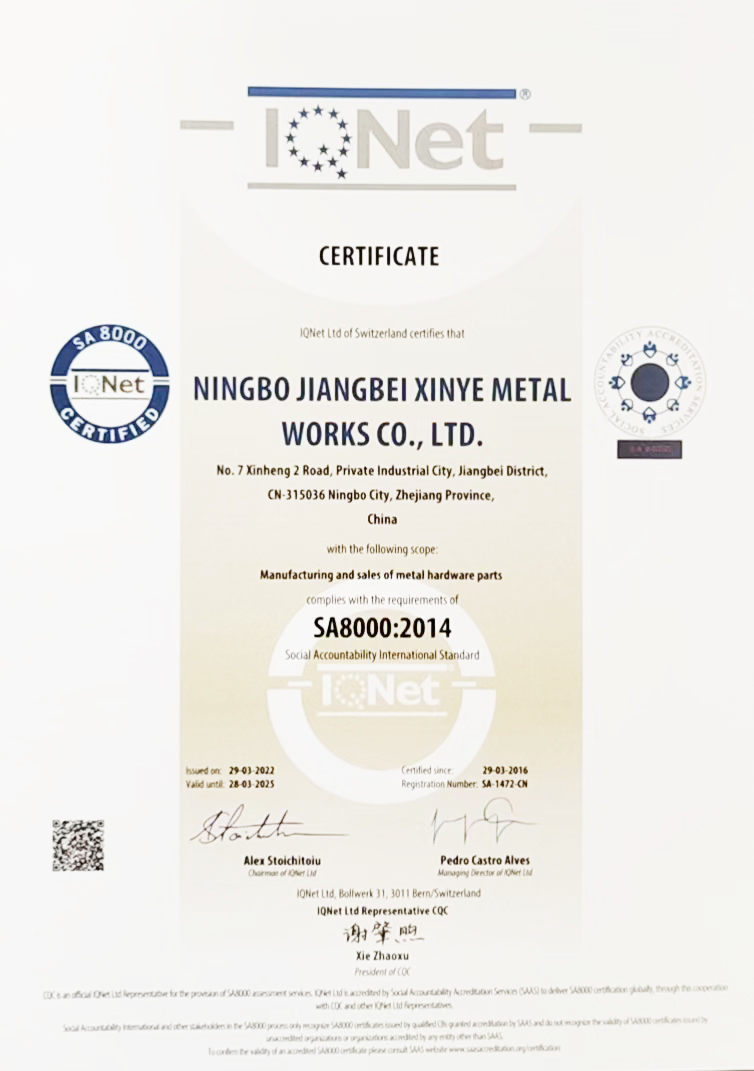
We maintain ISO 9001:2015 and SA8000 certifications to ensure our products and business practices meet international standards. Through continuous training and regular investments in metrology instrumentation, our engineering team ensures that every batch meets the required specifications.
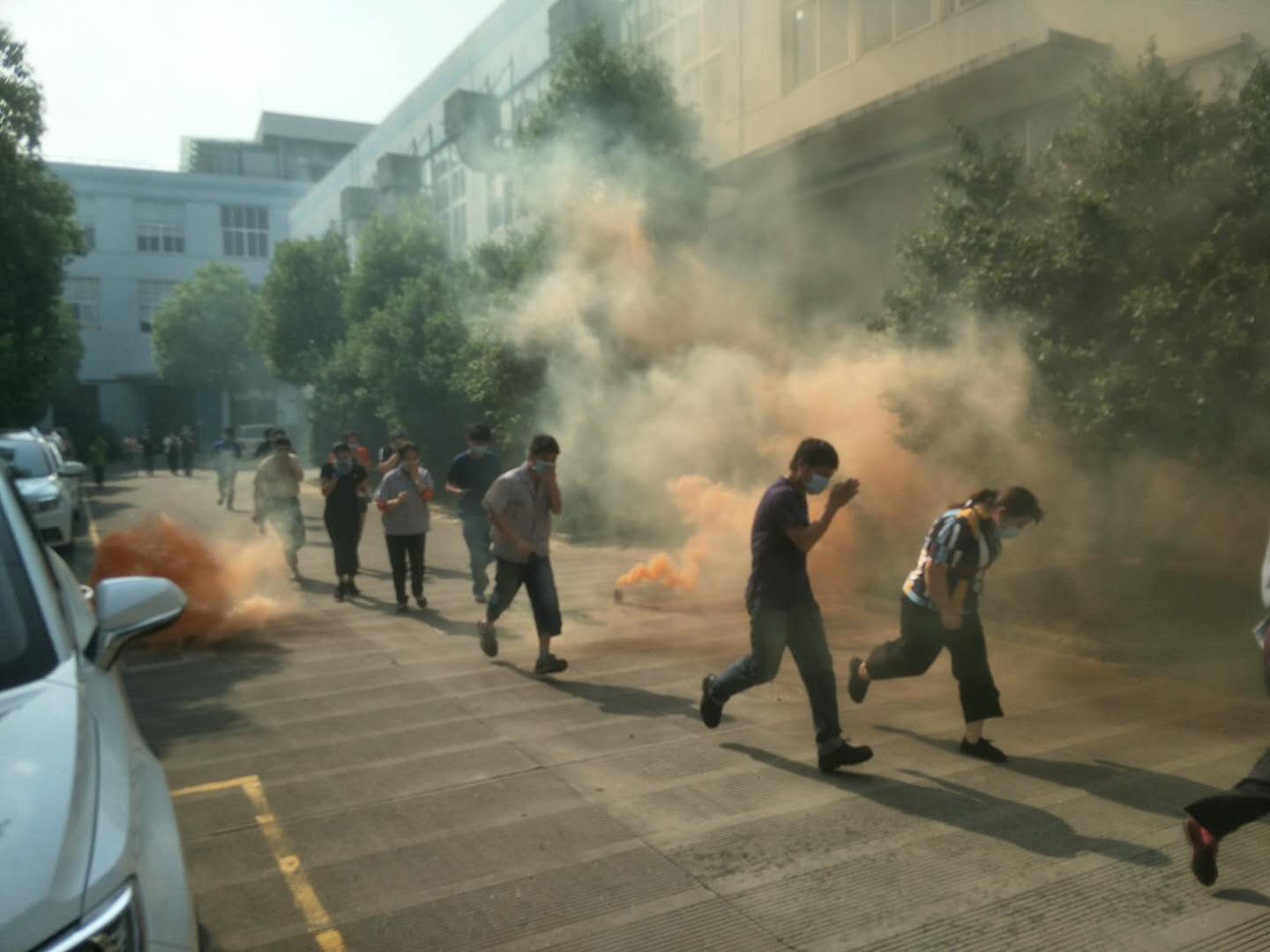
Inside Ningbo Jiangbei XinYe Metal Works Co., Ltd. — production, warehousing, and testing operations.
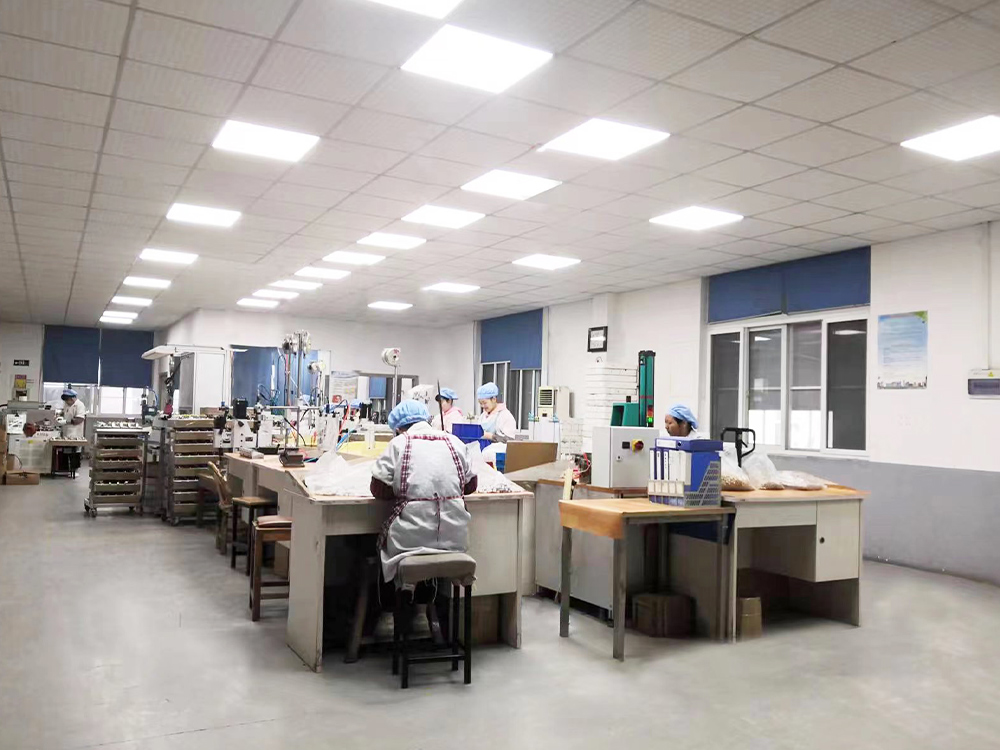
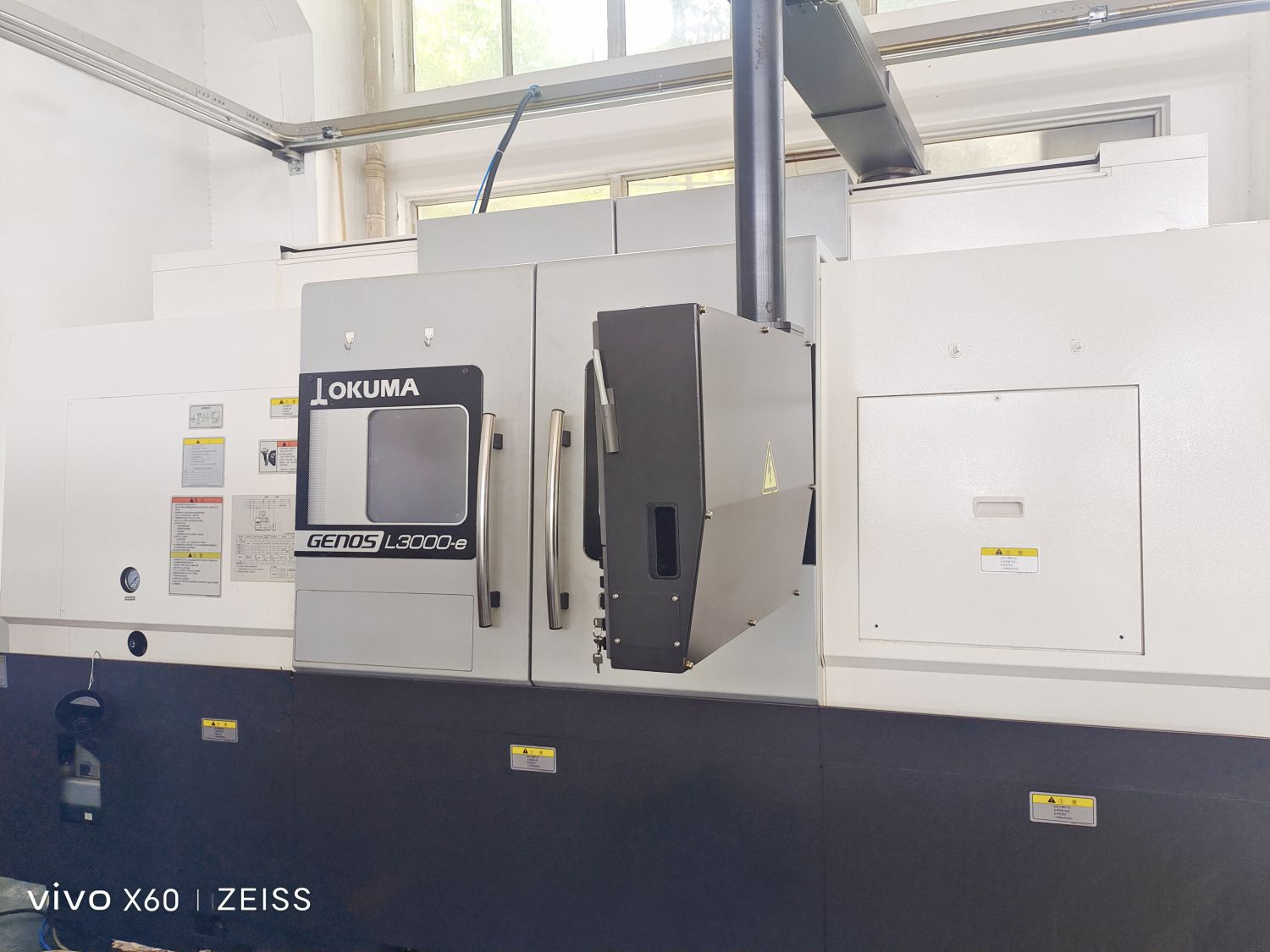
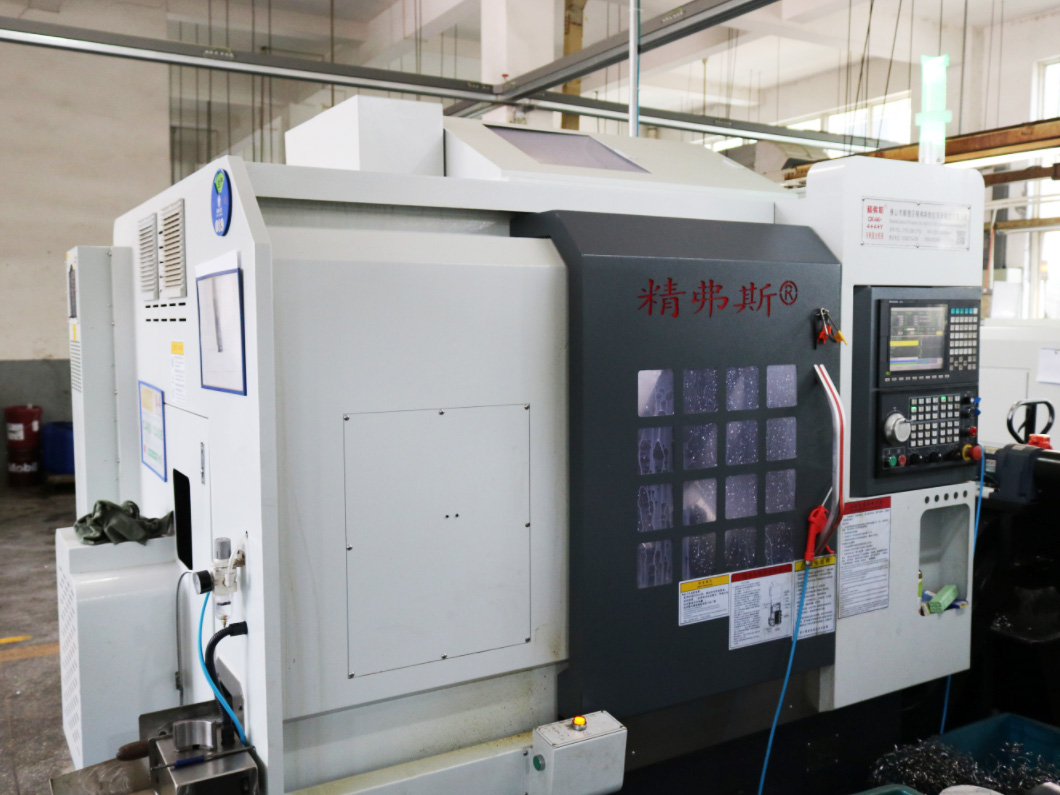
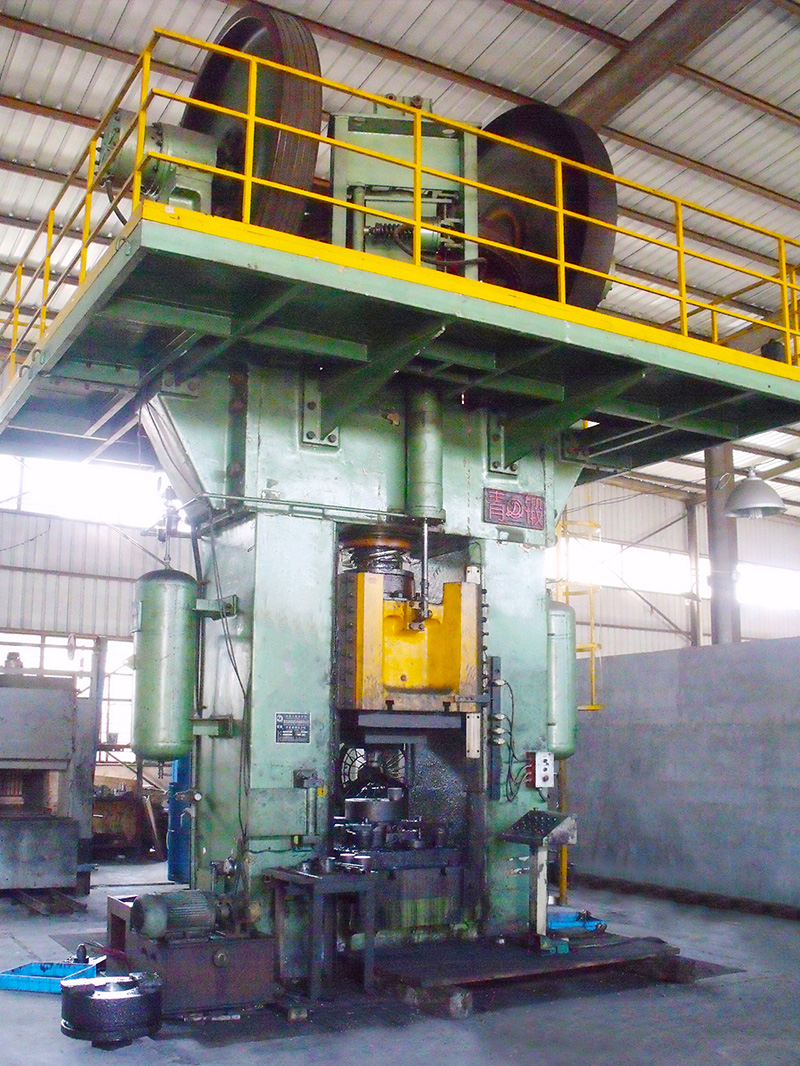
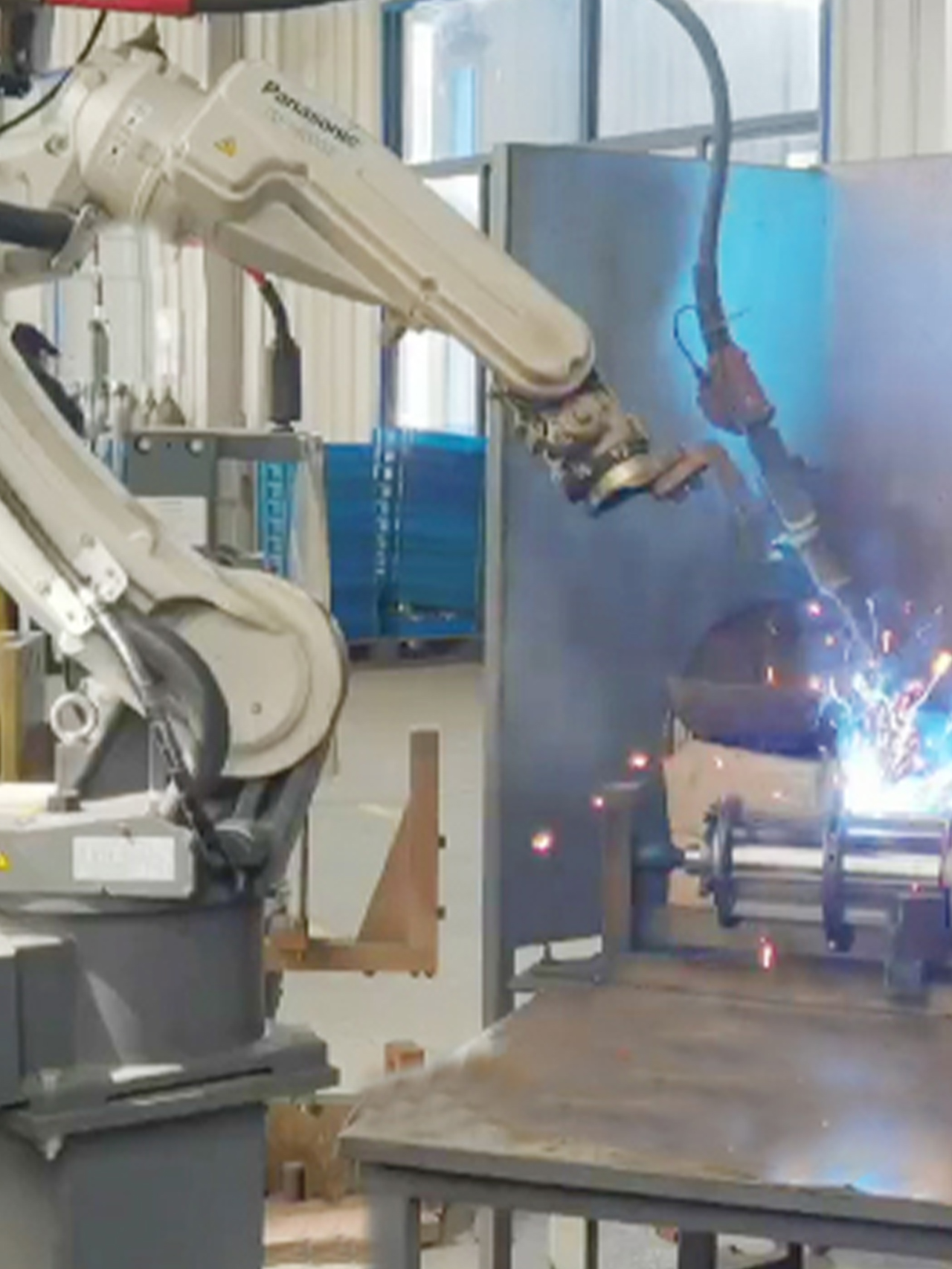
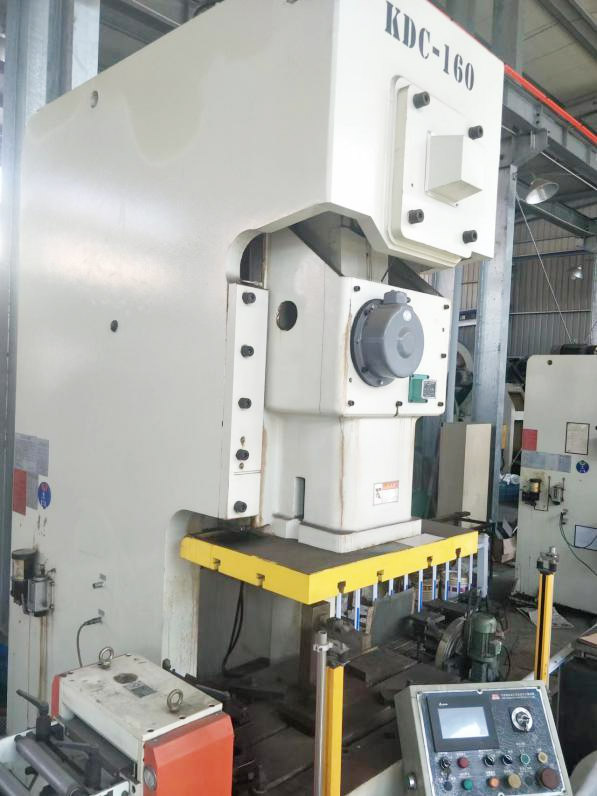
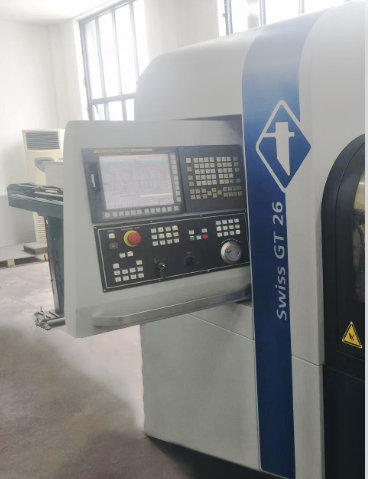
Built on trust, professional capability, and shared operational values.
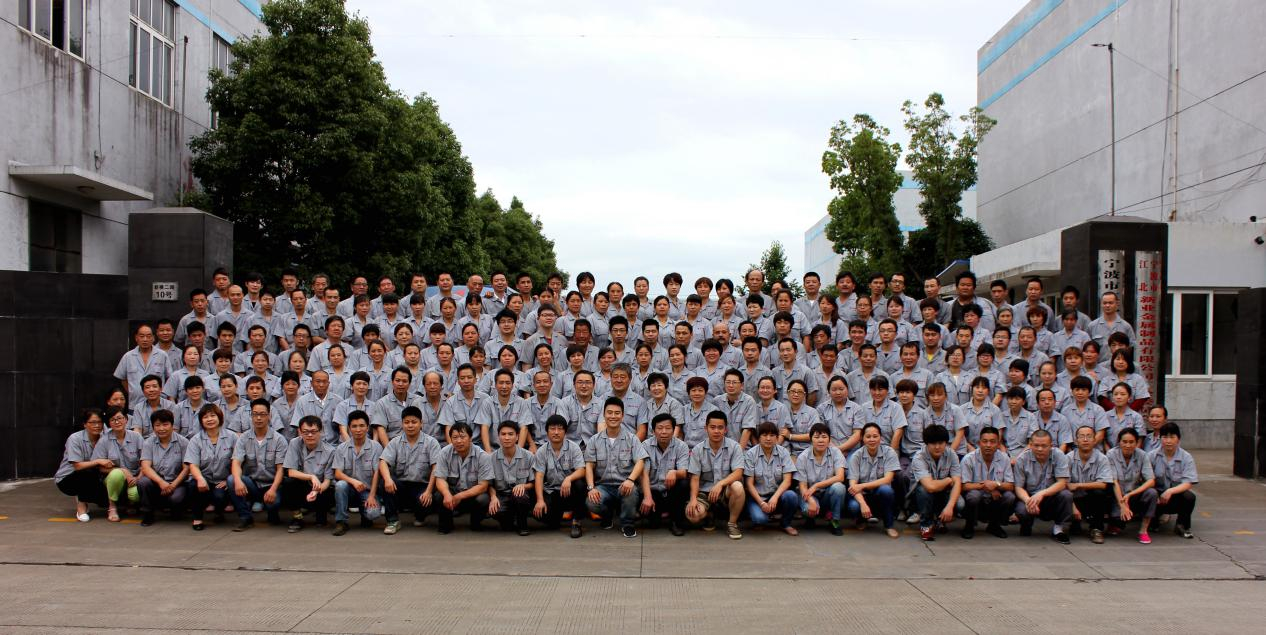
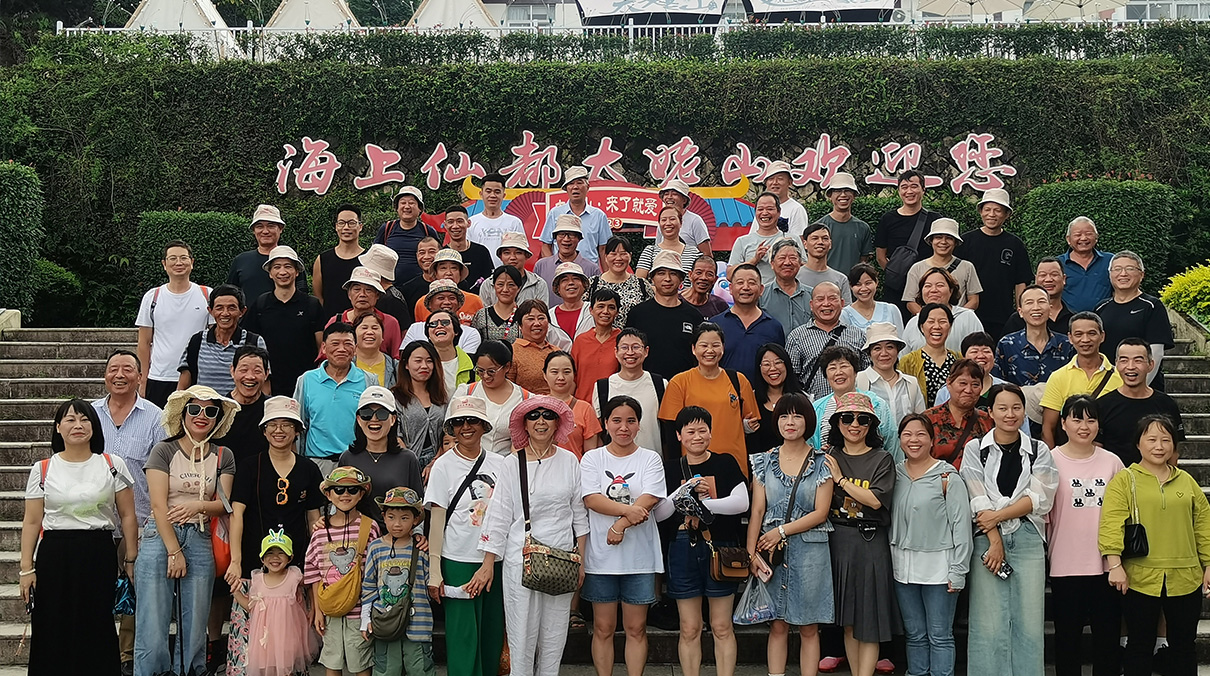
Ningbo Xinye maintains a staff of 130 professionals. 80 team members oversee daily production, while 50 work in product development, engineering, and quality assurance. Our engineering group has secured over 20 technical model patent certificates, helping us develop and manufacture custom metal parts efficiently.
Exceeding customer expectations through reliable service.
Managing production details carefully to provide end-to-end solutions.
Applying experienced engineering to every project.
Our production facilities maintain compliance with global quality and manufacturing standards.
ISO 9001 Quality System Certificate
SA8000 Certification
System Audit Registration
Compliance Audit Document
Custom metal manufacturing matching specialized requirements across diverse markets.
We manufacture custom components from prototyping through to final finishing. Our services integrate technology, engineering, stamping, drawing, multi-axis machining, color anodizing, and final assembly into a single, coordinated production path.
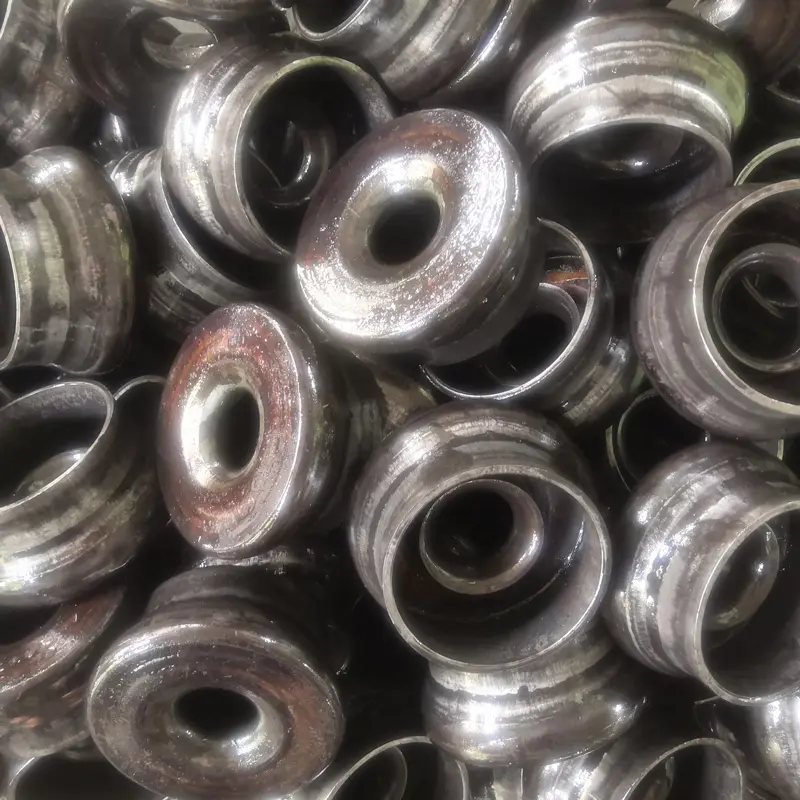
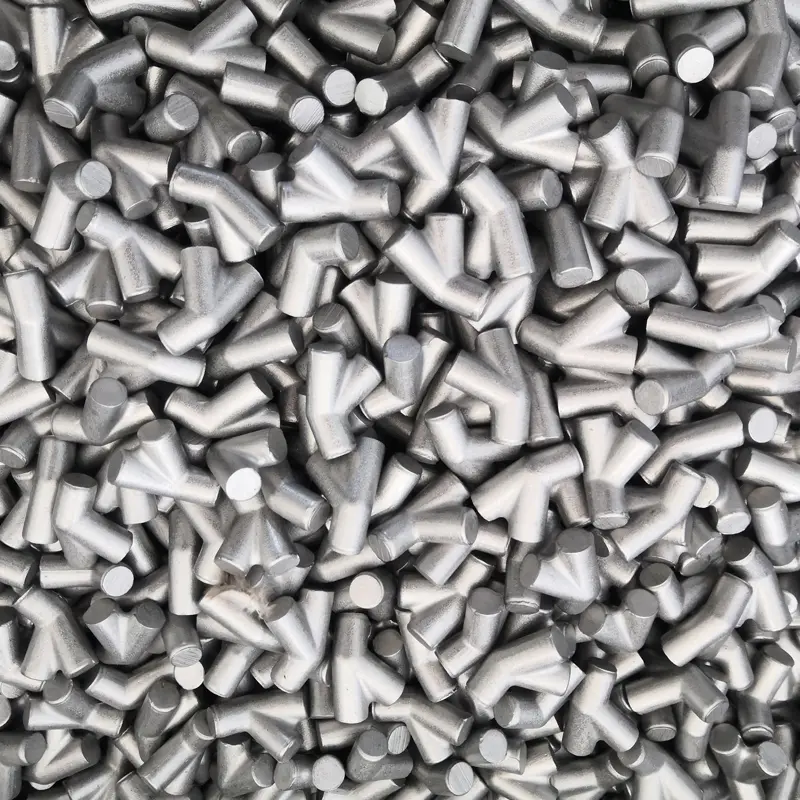
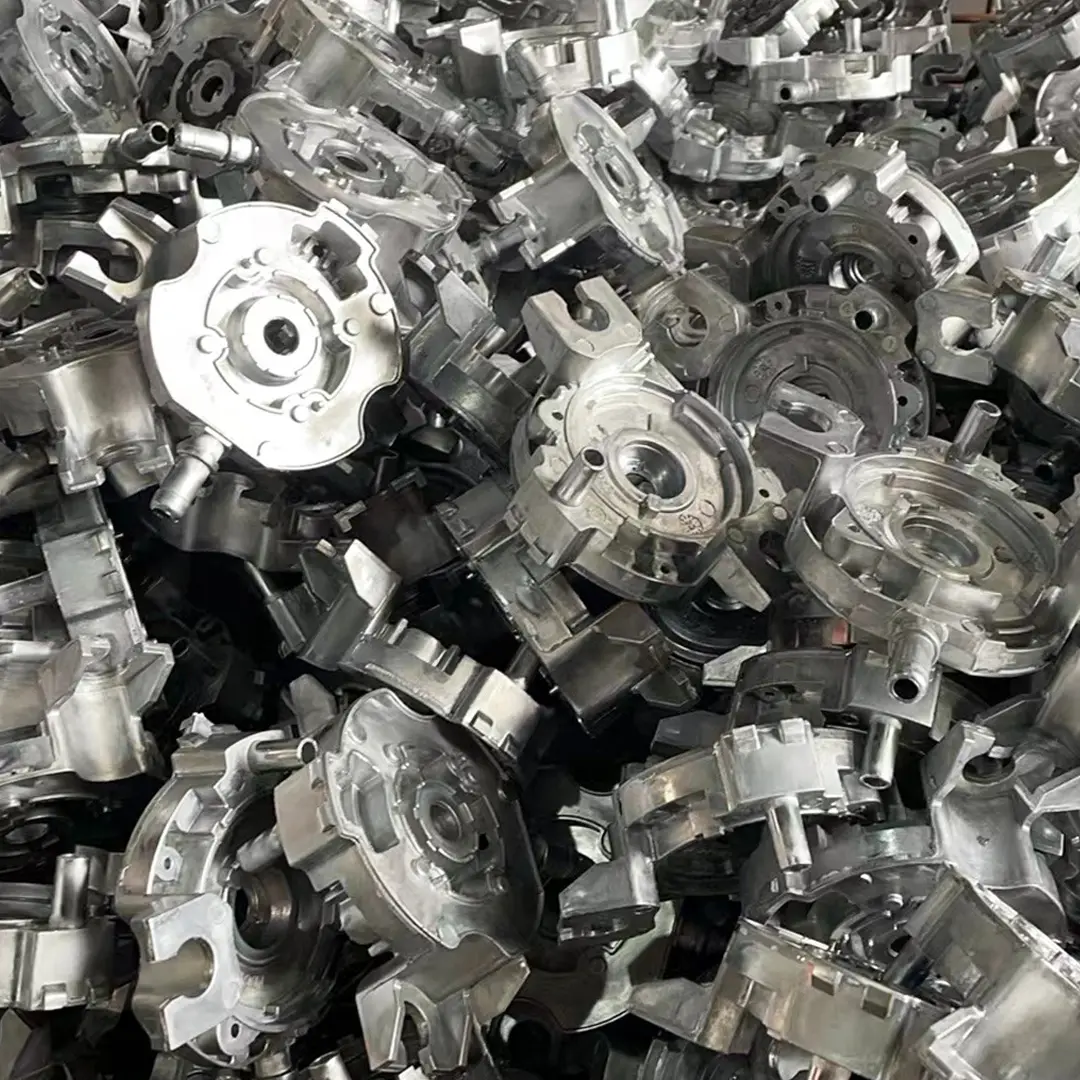
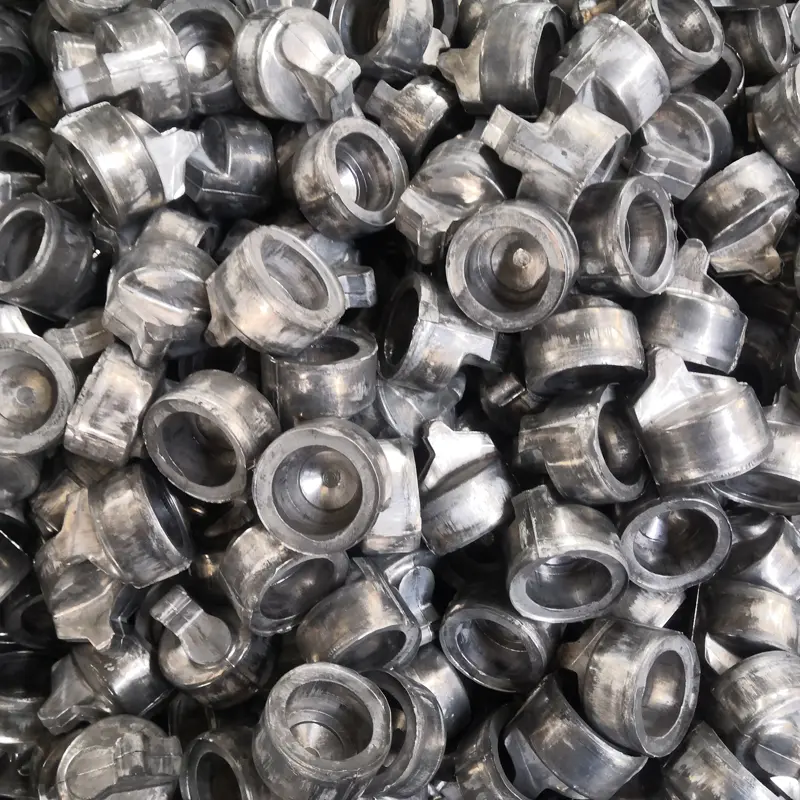
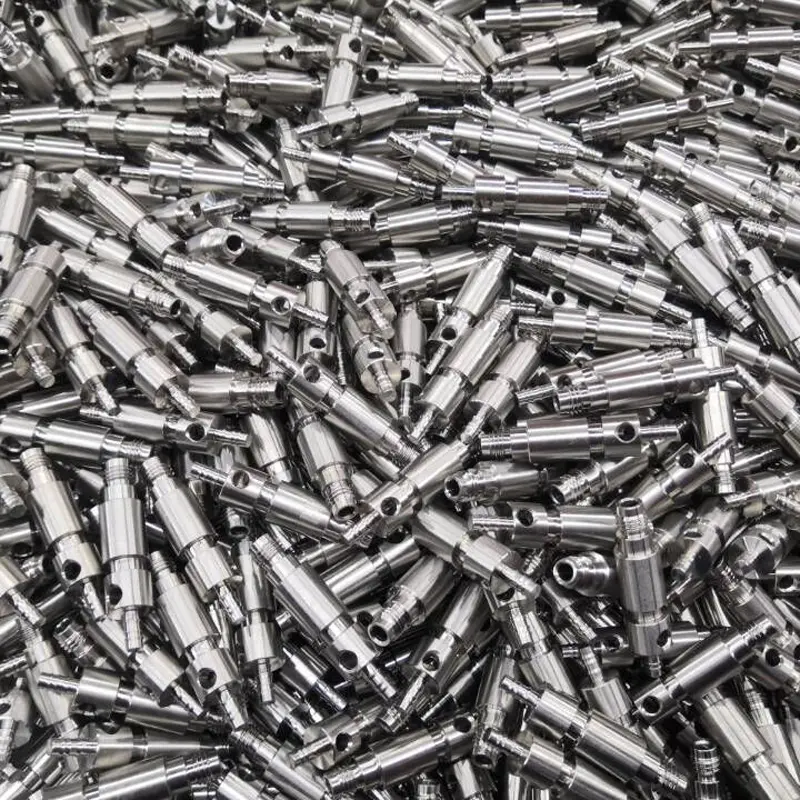
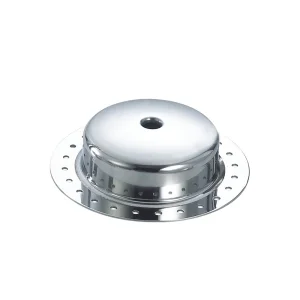
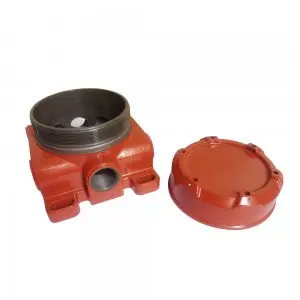
Examples of our custom components engineered for demanding industrial, automotive, and aerospace applications.
How Ningbo's industrial ecosystem supports global manufacturing requirements.
In high-volume custom manufacturing, color anodizing is rarely a standalone step. It is the final stage of a production path that often starts with raw casting, forging, or stamping, followed by multi-axis CNC machining. Buying components from separate casting houses, machine shops, and finishing providers introduces logistical risks, potential tolerance stack-up issues, and supplier coordination challenges. Ningbo Jiangbei XinYe Metal Works Co., Ltd. addresses this by housing casting, hot forging, CNC machining, and surface finishes under one system.
Ningbo is a major global hub for mechanical tooling, metallurgy, and mold manufacturing. Operating within this cluster gives us direct, local access to raw alloy materials, specialized tooling, and modern processing technology. For global procurement teams, sourcing from Ningbo translates to structural efficiencies: reduced internal shipping times, lower handling costs, and streamlined material tracking. Additionally, being close to the Ningbo-Zhoushan Port—one of the world's busiest container ports—allows us to arrange container shipments and coordinate customs clearance efficiently.
Modern industrial supply chains require flexible suppliers. Our standard operations run on a 16-hour, 6-day weekly schedule. However, to support sudden customer project demands, we can ramp up to continuous 24/7 production cycles within 30 days. This scaling capability is supported by our direct material supply channels, our modular factory layout, and a local talent pool, allowing us to increase throughput without compromising quality control.
Clear answers to common questions about our custom fabrication, quality processes, and ordering logistics.
A: Our pricing is based on raw material market index values, part complexity, machining cycle times, tooling costs, and the specified surface finish. When you contact us with engineering drawings (STEP/IGS/DWG) and volume requirements, our engineering team provides a detailed itemized quote.
A: We maintain minimum order requirements to optimize machine setups and chemical bath volumes. While we support prototype runs, we require ongoing batch sizes for international production orders. Please contact our sales team to discuss requirements for your specific part design.
A: We supply comprehensive documentation packages with each shipment, including Certificates of Conformance (CoC), material chemical composition analysis (mill test certificates), CMM dimensional inspection reports, and salt spray or anodizing film thickness test results where requested.
A: Sample lead times typically range from 7 to 10 days, depending on tooling requirements. For mass production runs, delivery is usually 20 to 30 days after drawing approval and receipt of the deposit. We work to coordinate production schedules with customer deadlines.
A: Our standard payment terms are a 30% deposit in advance to initiate production, with the remaining 70% balance due against copy documents (B/L). We accept bank wire transfers (T/T) and establish customized credit terms for long-term partners after credit evaluation.
A: We pack anodized parts using customized foam dividers, bubble wrap, and heavy-duty outer cartons to prevent metal-on-metal contact. For sea freight, cartons are palletized and stretch-wrapped to protect against moisture and handling during transit.
Send your CAD drawings and anodizing requirements to our engineering team for a detailed review and quotation.
Contact Our Engineering TeamA selection of custom-engineered cast, forged, stamped, and CNC machined parts.
 XinYe Metal