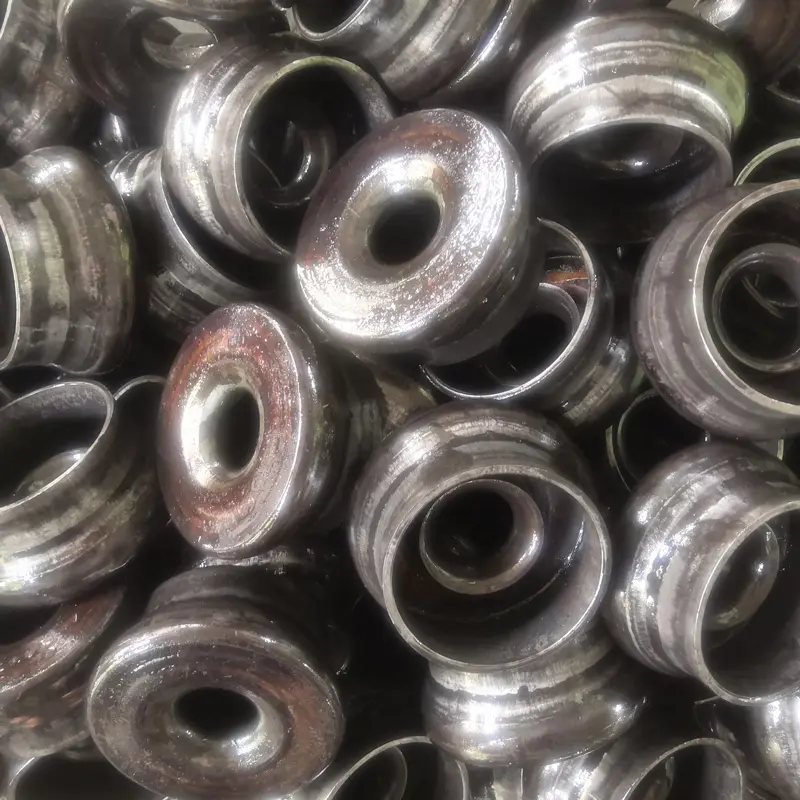
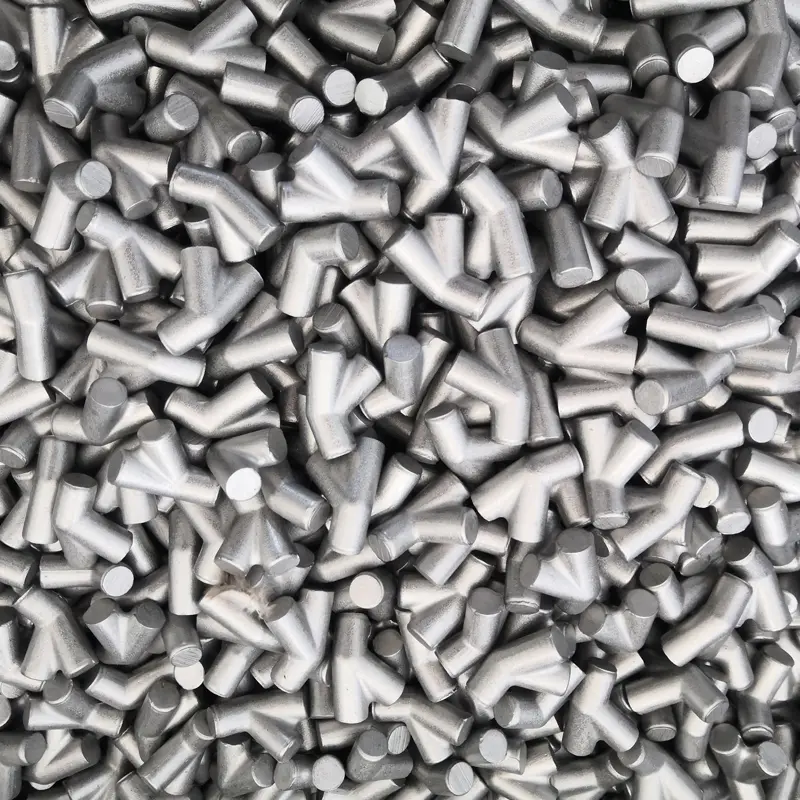
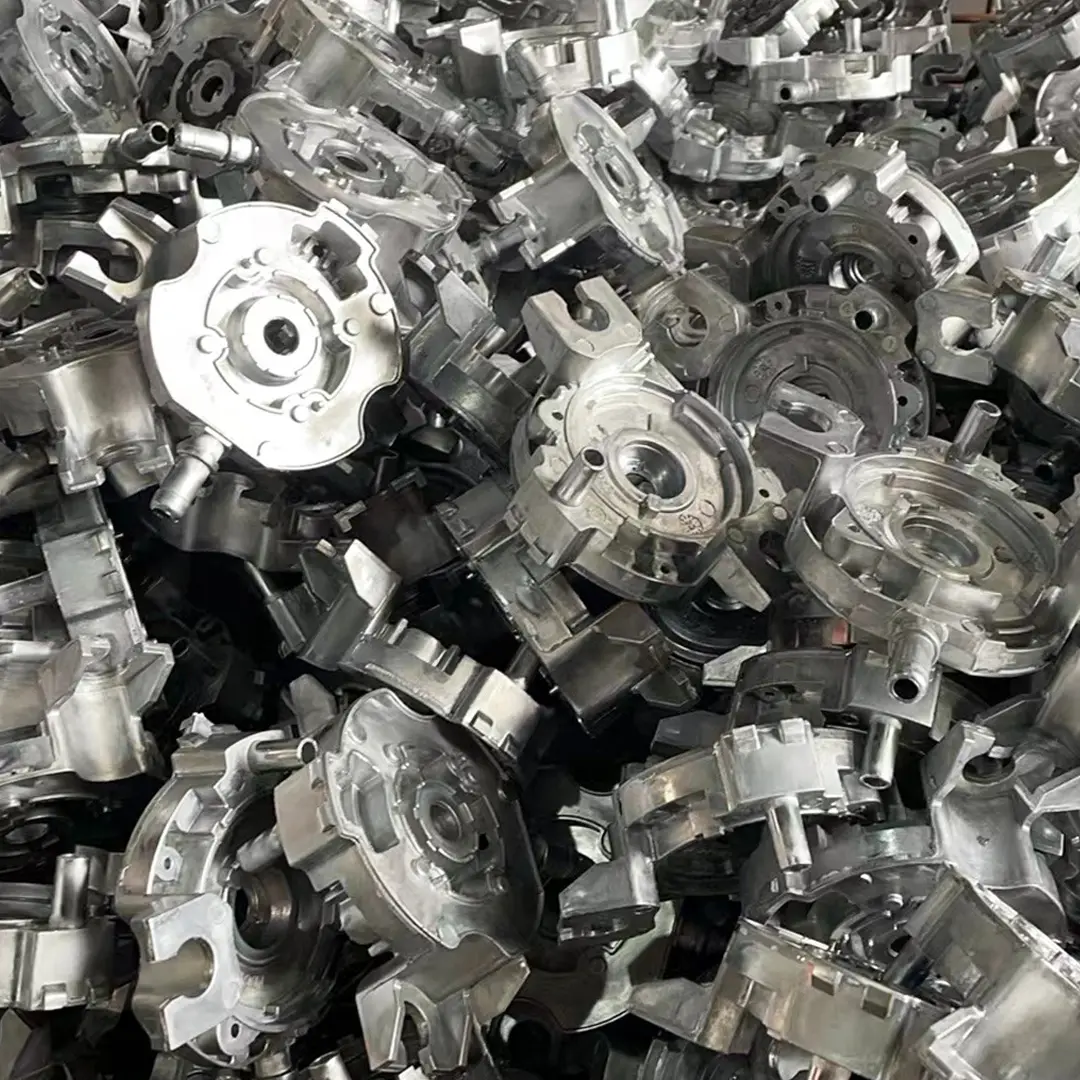
Direct supply from our state-of-the-art manufacturing facility in Ningbo. Engineered to match strict industrial tolerances and mechanical specifications.
In modern structural engineering, industrial automation, and architectural layouts, Aluminium Frame Profiles (also recognized as aluminum structural extrusions or T-slot framing systems) serve as the fundamental scaffolding. The transition from general-purpose profiles to high-strength, precision-engineered frame profiles requires deep knowledge of metallurgy, tooling, and post-extrusion processes.
As a leading Chinese manufacturer, Ningbo Jiangbei XinYe Metal Works Co., Ltd. bridge the gap between heavy structural load requirements and tight dimensional tolerances. By offering customized compositions of 6000-series (such as 6061, 6063, and 6082) and high-stress 7000-series alloys, we ensure that every frame profile possesses optimal mechanical properties, including high yield strength, outstanding corrosion resistance, and superb anodizing responses.
This whitepaper details the structural dynamics, manufacturing criteria, and supply chain efficiencies that global purchasing managers must evaluate when selecting a wholesale aluminium profile manufacturer in China.
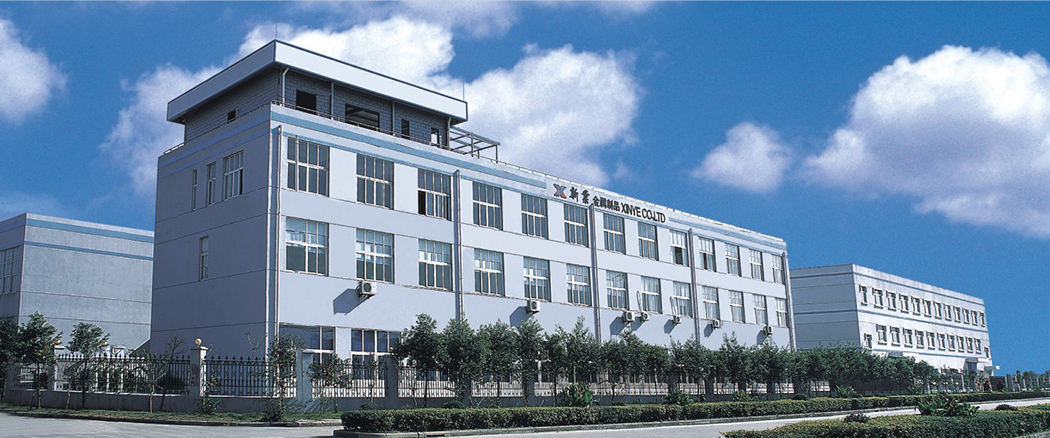
Founded in 1996 as a dedicated family enterprise, Ningbo Jiangbei XinYe Metal Works Co., Ltd. has developed into a premier owner-managed SME corporation specializing in advanced metal fabrication. Strategically positioned within the Ningbo Jiangbei Industrial Zone, our facility offers efficient logistics connections, located within a convenient 3-hour journey from Shanghai International Airport via China's high-speed rail network.
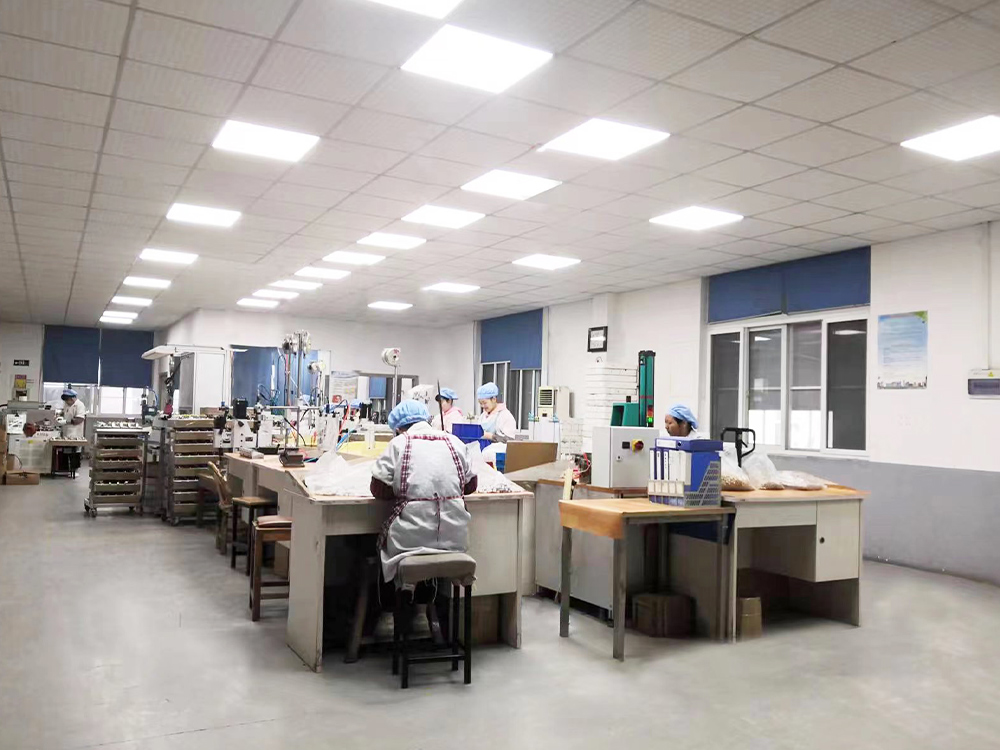
Our expansive industrial footprint features a 16,000 square meter production floor complemented by 11,000 square meters of planned engineering construction. Supported by a skilled team of 130 professionals—comprising 80 specialized production technicians and 50 dedicated R&D engineers, QC inspectors, and administrative managers—we deliver reliable manufacturing services that align with global expectations.
We provide a comprehensive range of metalworking capabilities to meet complex engineering designs under one roof:
By integrating these secondary processes directly with our extrusion lines, we eliminate the logistics delays and quality issues associated with using multiple sub-contractors.
We leverage advanced fabrication technology to produce high-tolerance aluminium frame profiles and structural assemblies.
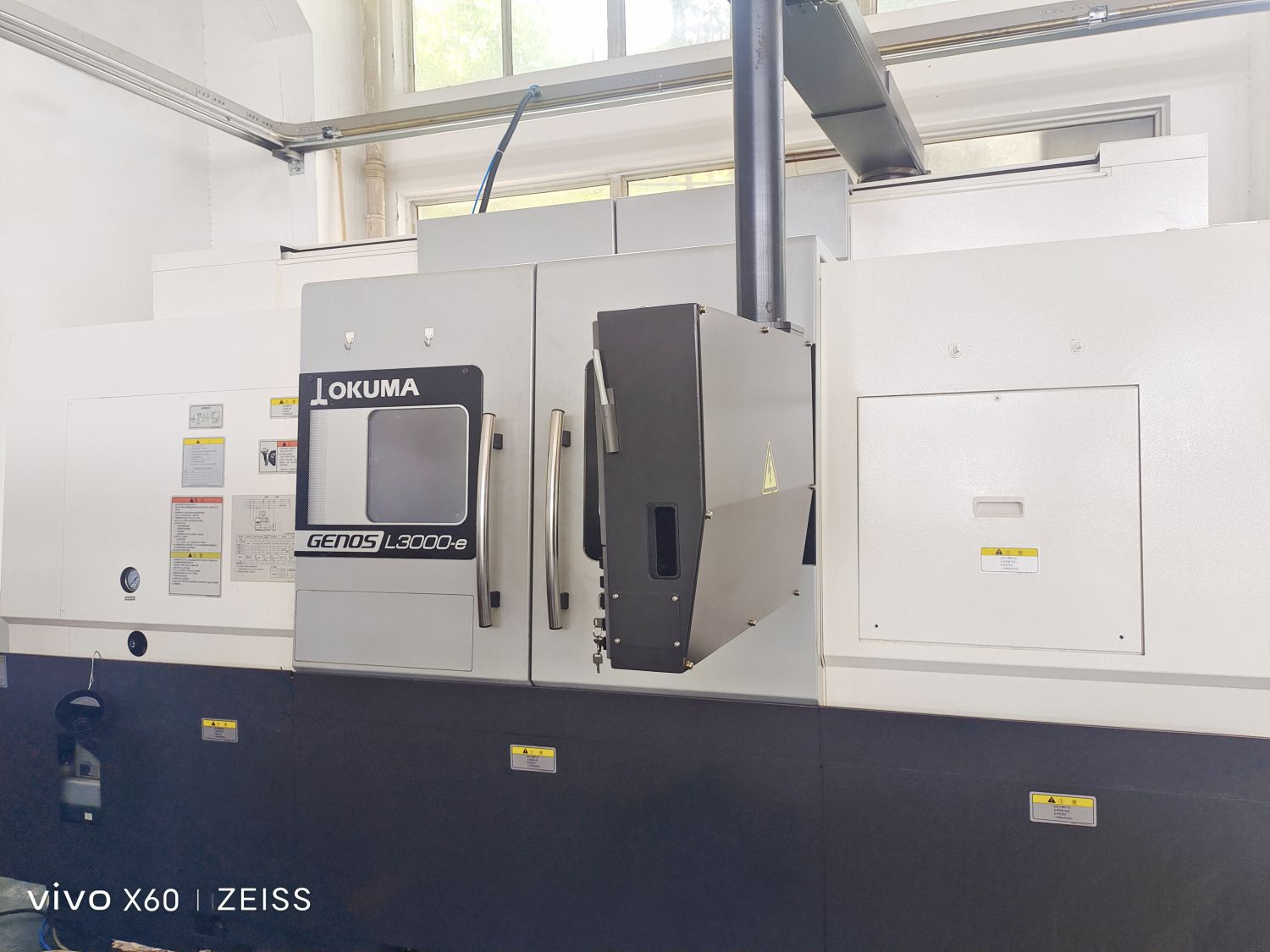
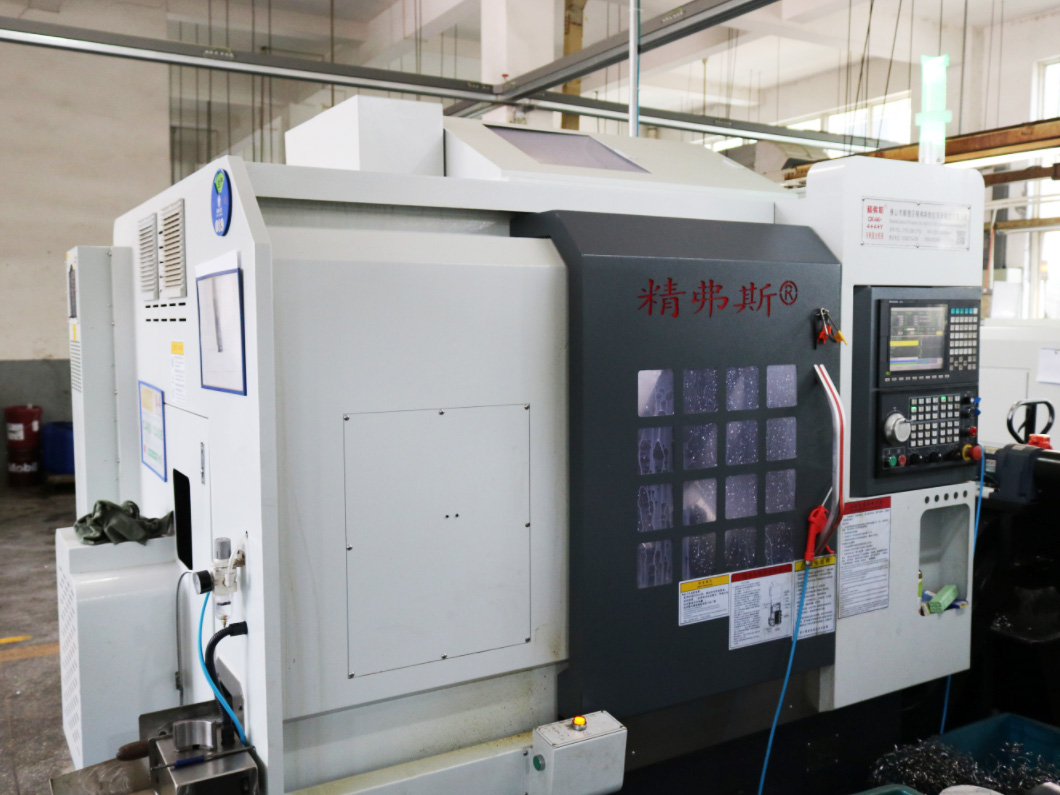
4-axis CNC centers and milling machines delivering precision down to ±0.01mm for profile cut-outs, slots, and taps.
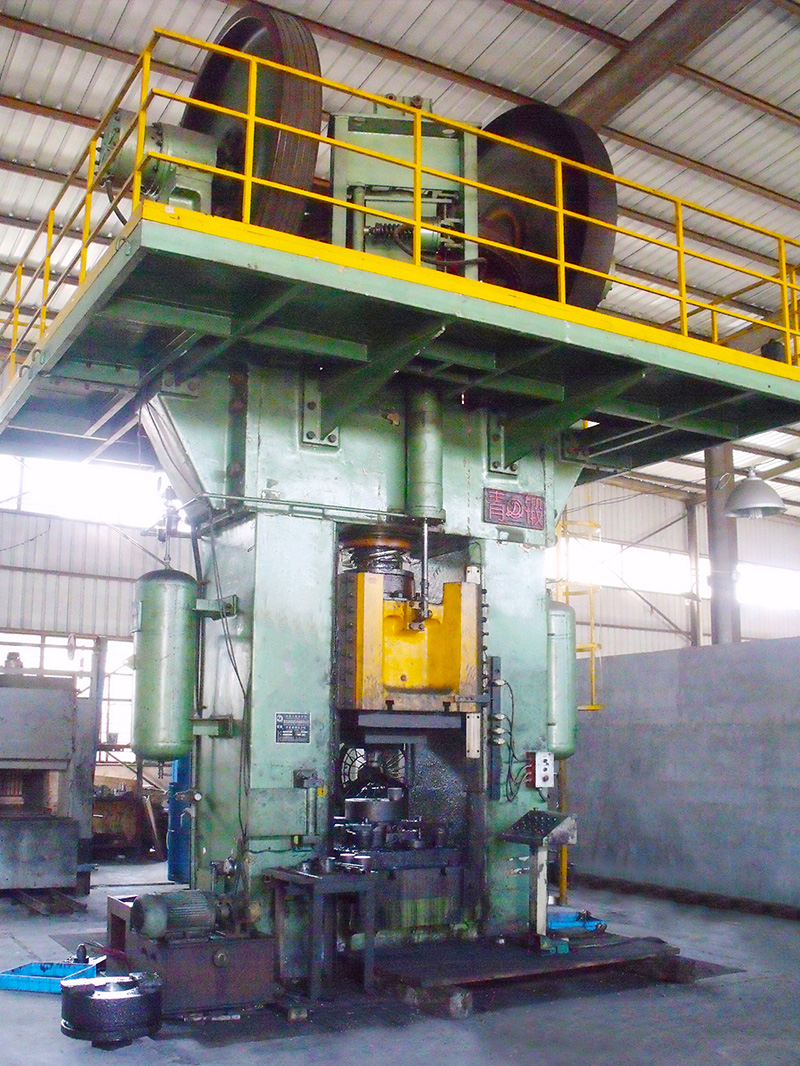
Friction press capacity from 300 to 1000 tons. Refines grain structure for high-strength load bearing joints.
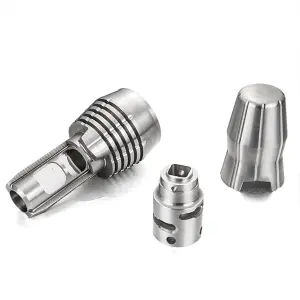
Stainless steel structural parts and latch assemblies optimized via precision wax molding for complex shapes.
Punching press configurations up to 250 tons, handling profiles and brackets in alloy, copper, and structural plastics.
Specialized surface finishes preventing oxidation. Consistent coating thickness for harsh environments.
Why international procurement teams choose Ningbo Xinye for wholesale aluminium profile manufacturing.
Ningbo is a leading industrial hub for aluminum metallurgy, die development, and secondary processing. We source premium primary aluminum ingots locally, ensuring material purity. Our in-house extrusion, forging, stamping, CNC machining, and anodizing lines form a closed-loop production system that reduces lead times.
Our location in the Ningbo Jiangbei Industrial Zone is connected to the Port of Ningbo-Zhoushan, one of the world's busiest container ports. This allows us to offer flexible, cost-effective shipping options (FOB, CIF, DDP) directly to markets in Europe, North America, and Russia with minimal domestic transit delays.
We utilize precision tooling manufacturing technologies to extend the lifespan of our profile dies. This reduces replacement costs and ensures consistent wall thickness across large-volume wholesale production runs, keeping unit costs competitive.
Addressing the strict engineering requirements of key international industries.
Modern manufacturing facilities rely on modular structural framing for robotic enclosures, safety fencing, and assembly workstations. Our aluminium frame profiles feature standard T-slot designs for fast assembly, modification, and integration with linear motion guide systems.
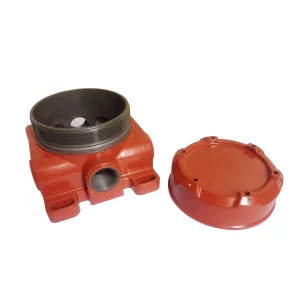
Specific Application: Fire and gas safety detection systems for the oil, gas, and mining industries. We supply hydrant pit box enclosures and flame sensor mounting brackets designed to withstand high stress and corrosive environments.
Lightweighting is a key design priority for both aerospace components and modern electric vehicles. Our 6000 and 7000 series aluminum profiles offer an excellent strength-to-weight ratio to reduce total assembly mass while maintaining structural integrity.
Specific Application: Aerospace turbine inlets, transmission parts, and structural E-bike components (including battery tubes, connectors, and brake levers) that require precise tolerances and high fatigue resistance.
Equipment used in food preparation must comply with strict hygiene standards. Our profiles feature smooth surface finishes and dense anodized layers that resist chemical cleaning agents and organic acids.
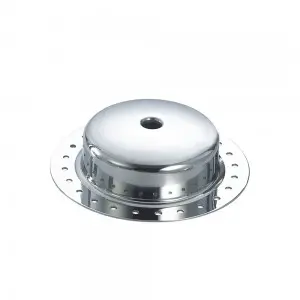
Specific Application: Structural bodies for whipped cream dispensers and tabletop commercial stoves, where clean interfaces and aesthetic finishes are required.
Solar mounting frames and wind turbine enclosures must withstand challenging outdoor conditions for decades. Our heavy-duty frame profiles undergo advanced anodizing treatments, producing oxide layers up to 25 microns thick to prevent pitting and galvanic corrosion.
Specific Application: Photovoltaic array support structures and wind generator sub-frames requiring high wind-load tolerance.
Our imported machinery and flexible scheduling support large-scale OEM/ODM projects.
To maintain high accuracy across our product lines, Ningbo Xinye invests in precision manufacturing systems. Our core CNC machining machinery is imported from Japan, providing stable performance and high repeatability.
Our standard production schedule operates 16 hours a day, 6 days a week. However, to support urgent production demands, we can scale to a 24/7 continuous production mode within 30 days. Additionally, our facility has adjacent land available for expansion, allowing us to build dedicated assembly lines for long-term customer contracts.
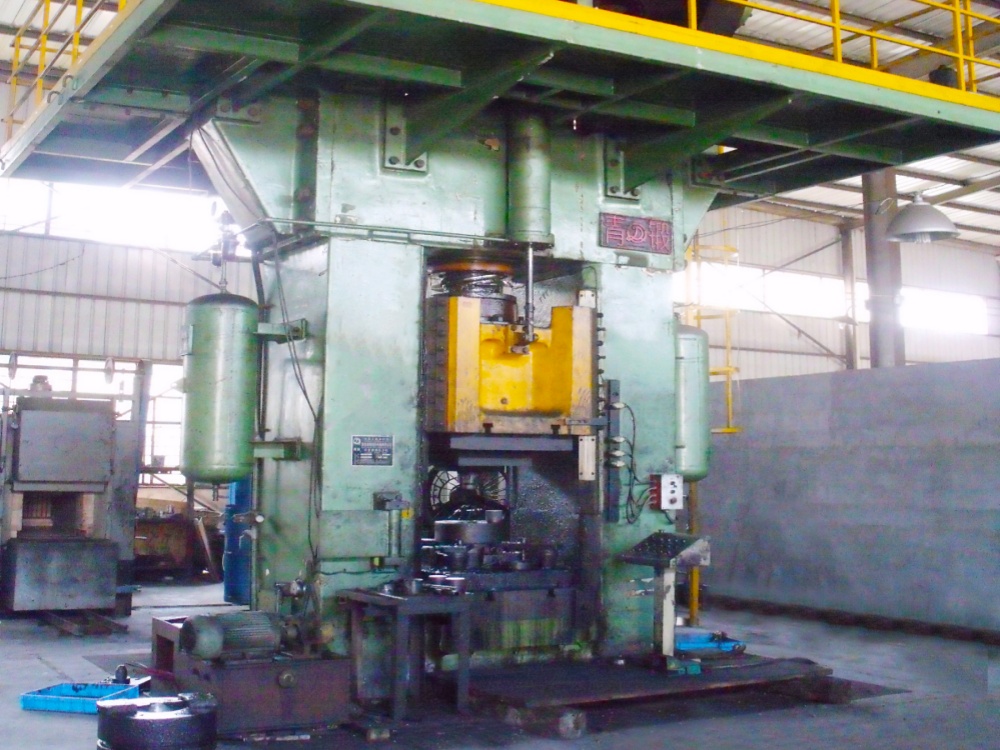
High-tonnage forging unit for structural frame connectors.
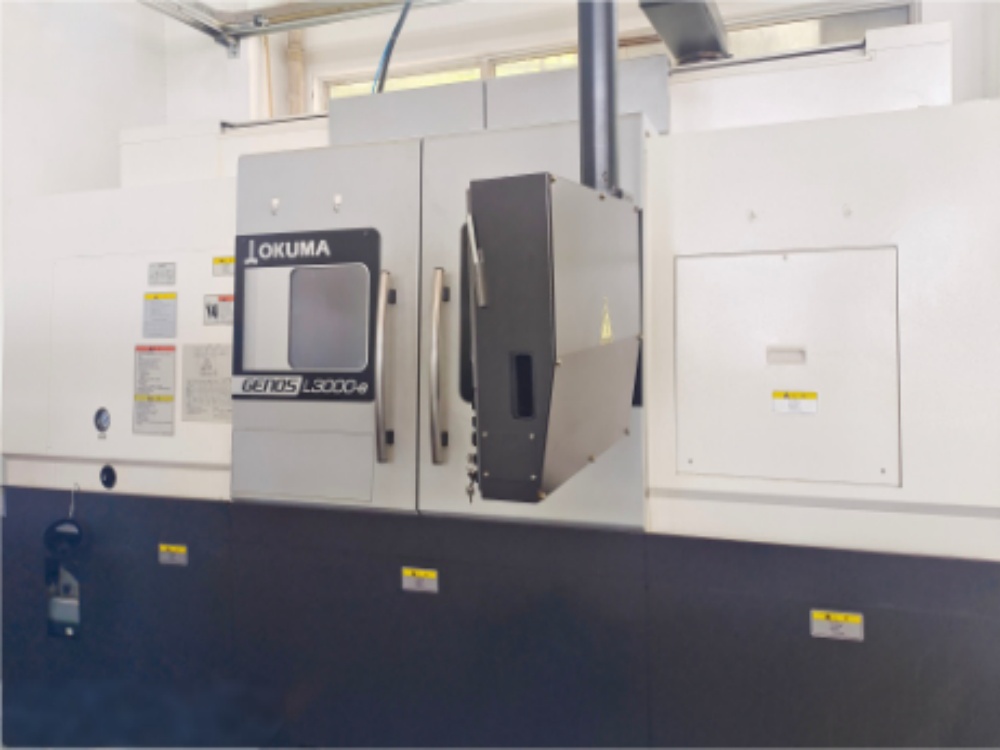
4-axis Japanese imports for high-precision profile processing.
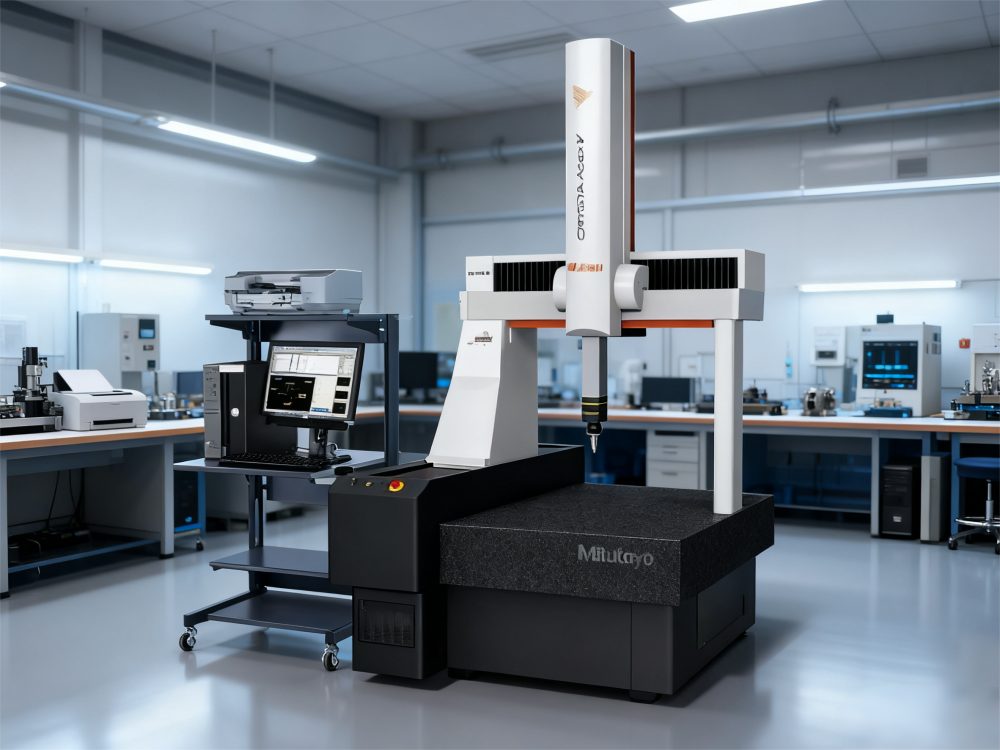
Advanced instruments confirming dimensional and material alignment.
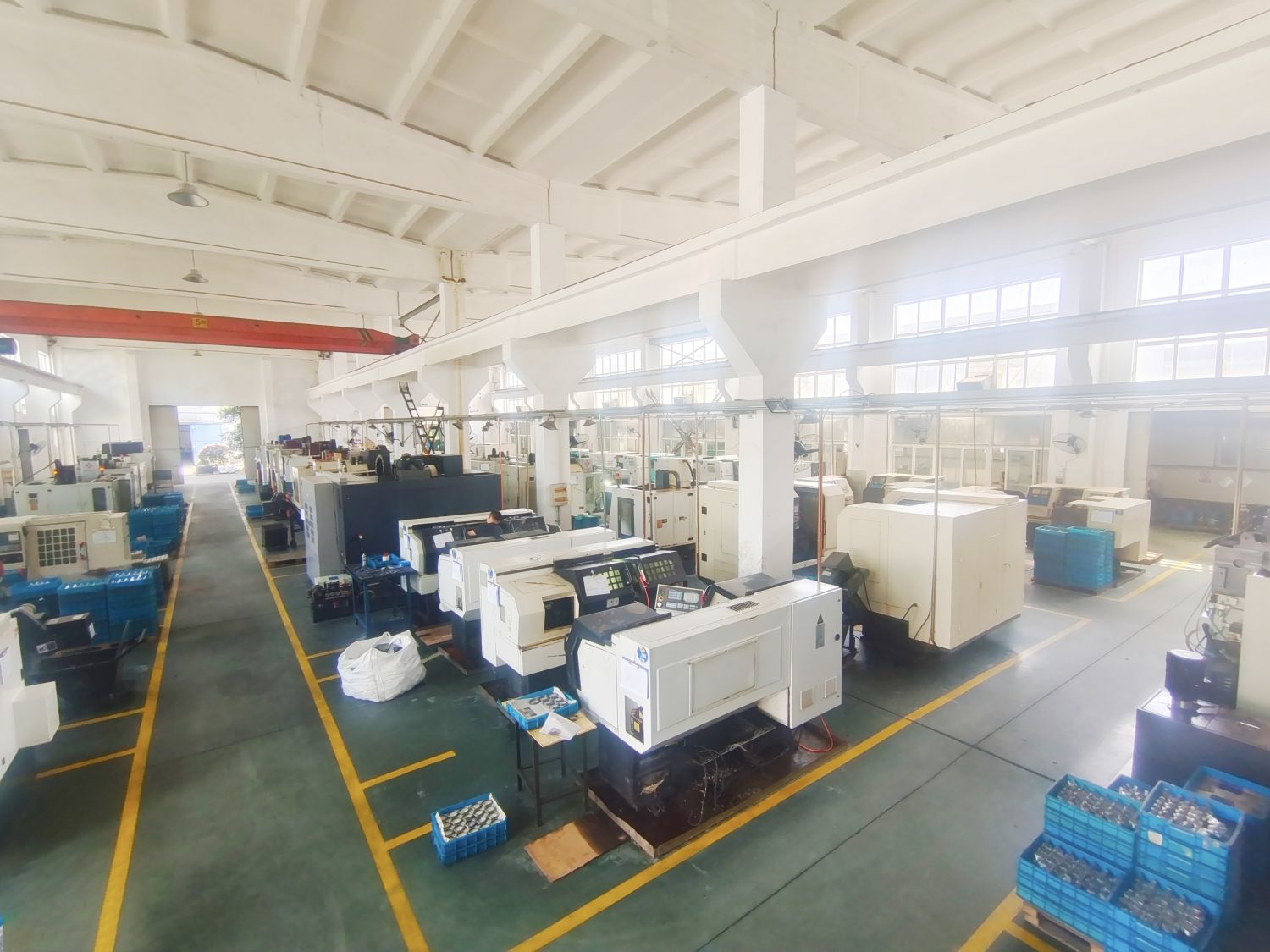
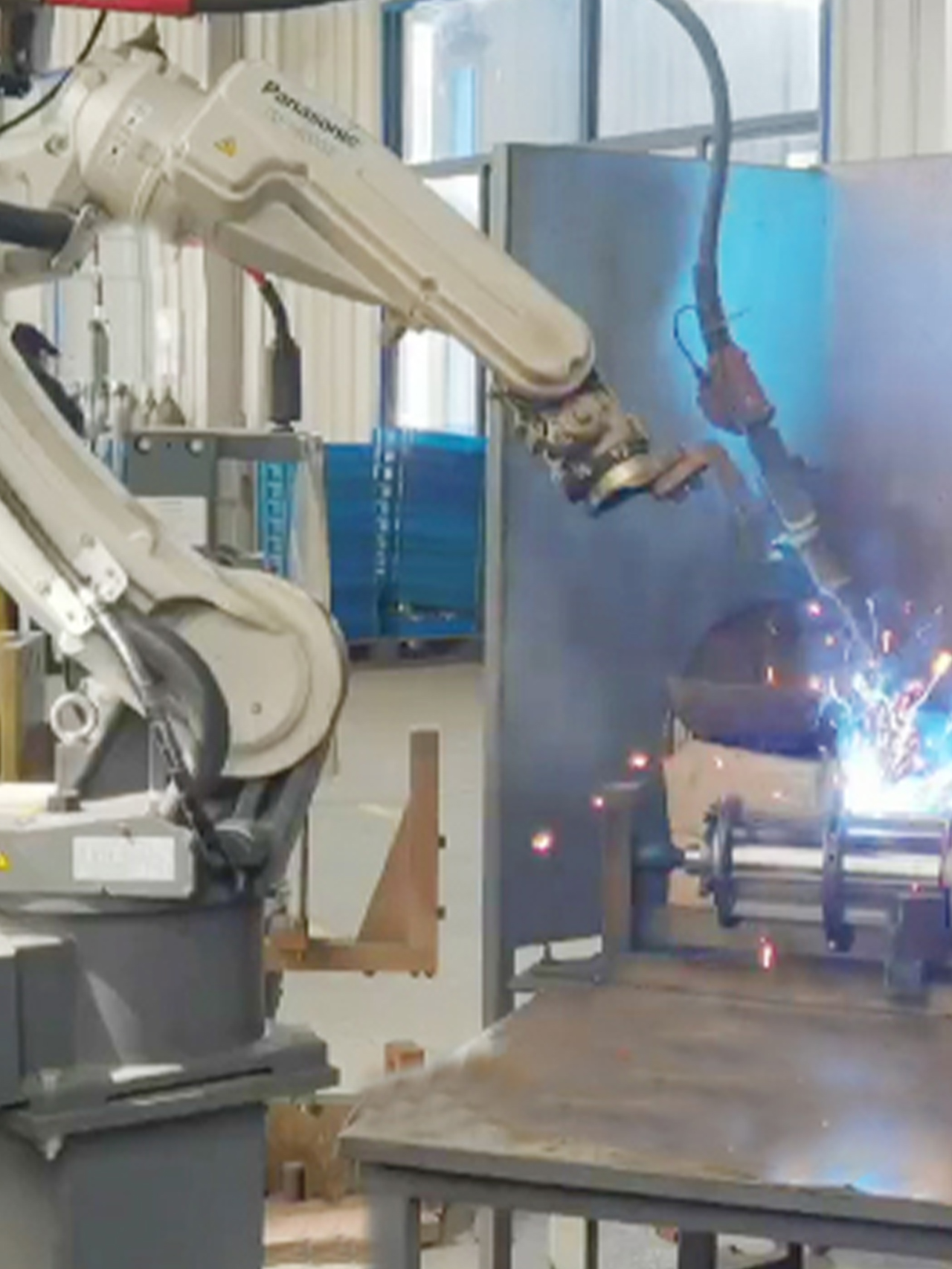
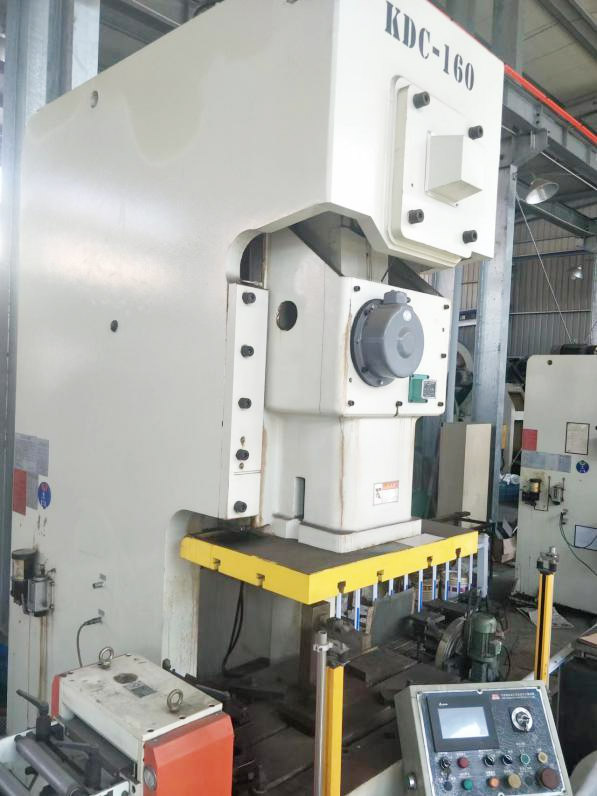
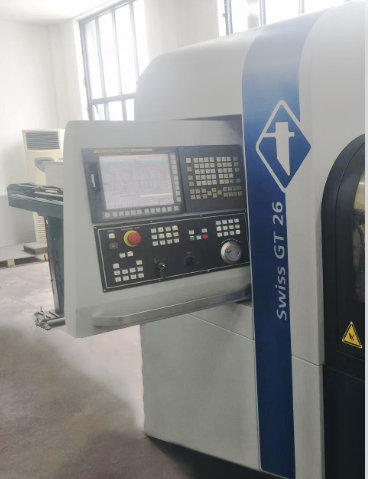
Our quality assurance program is designed to monitor production from raw material receipt through to final inspection.
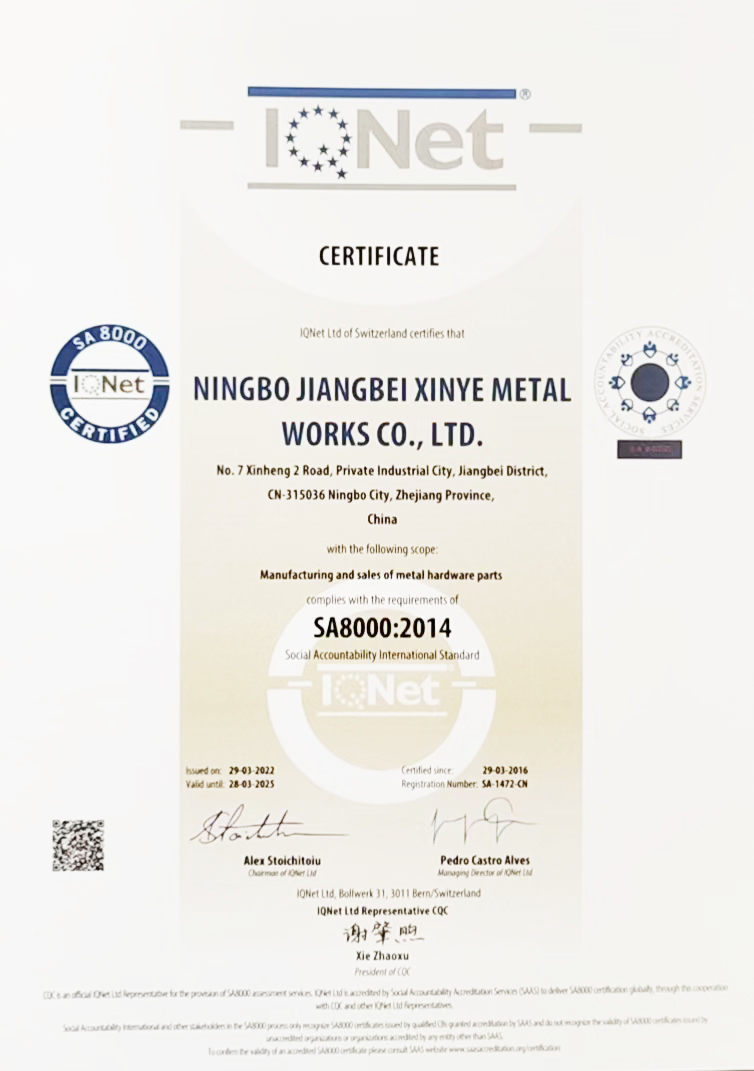
We treat quality as a core priority. Guided by international B2B requirements, we maintain a complete traceability framework where every batch of profiles is linked to its raw material chemical analysis. Our operations are certified under ISO 9001:2015 (Quality Management) and SA8000 (Social Accountability), verifying our commitment to consistent quality and ethical manufacturing practices.
Our internal Quality Control department operates dedicated laboratory spaces featuring advanced testing systems. By verifying mechanical tolerances and metallurgical properties at each stage, we ensure final parts match customer drawings.
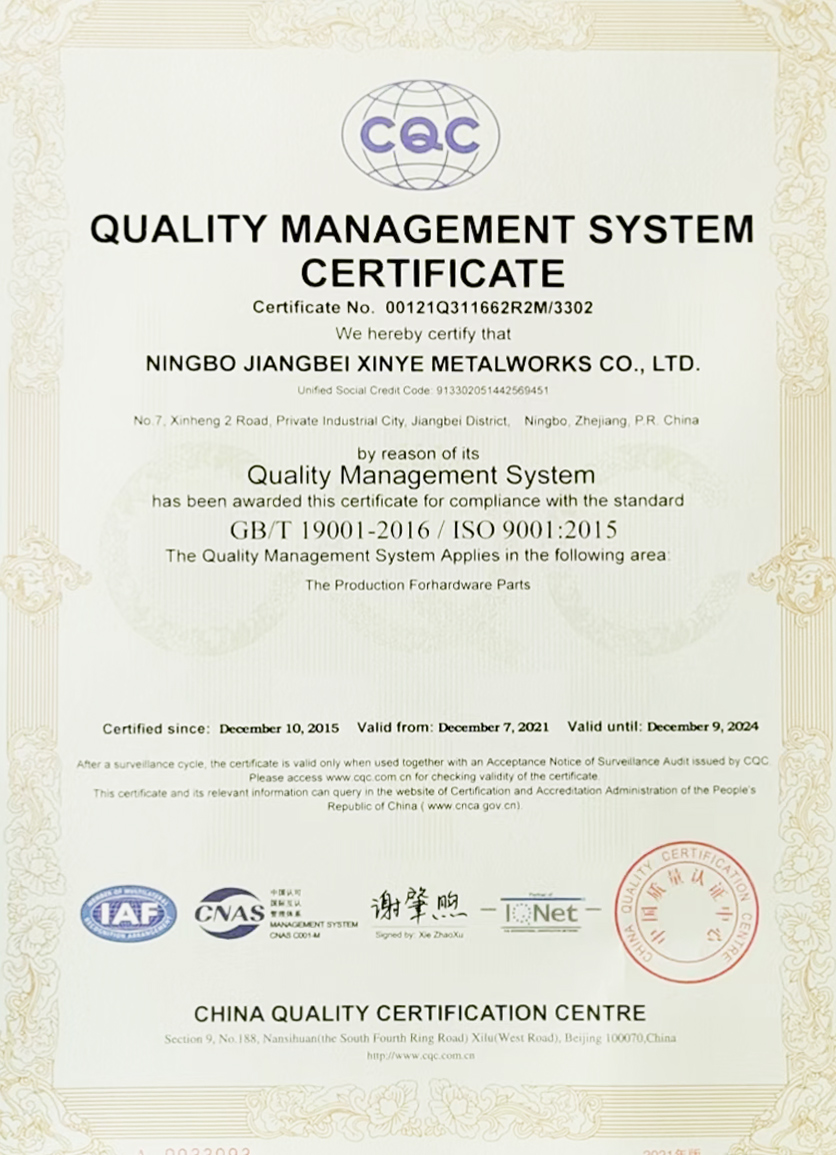
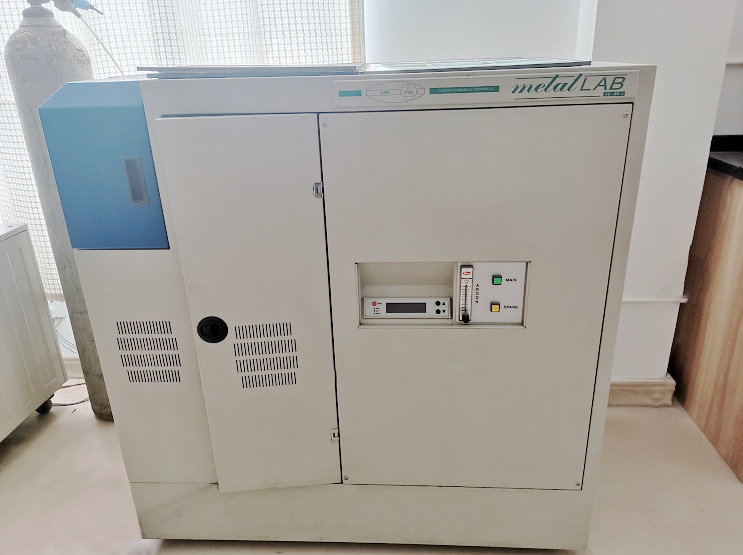
Verifies alloy composition and detects trace element levels before extrusion.
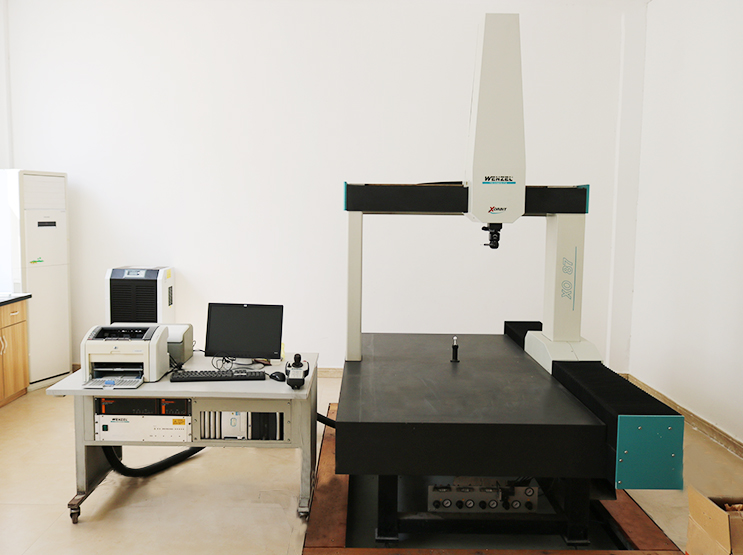
Coordinates measurements to check dimensions against 3D CAD models.
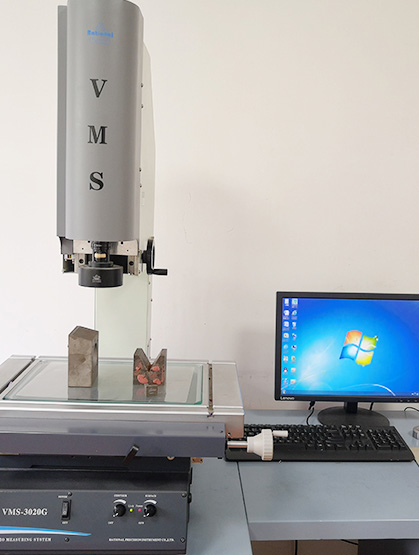
Visual validation of profile cross-sections and groove geometries.
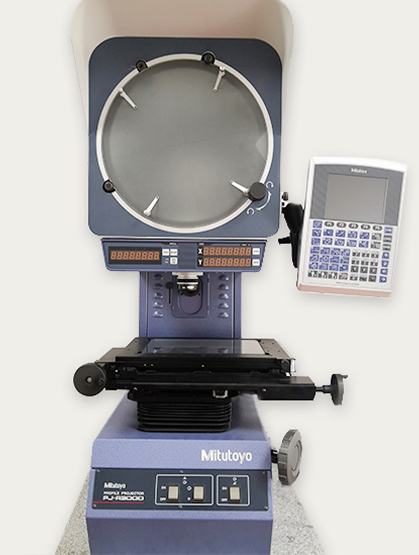
Secondary optical checking systems for fast verification during extrusion.
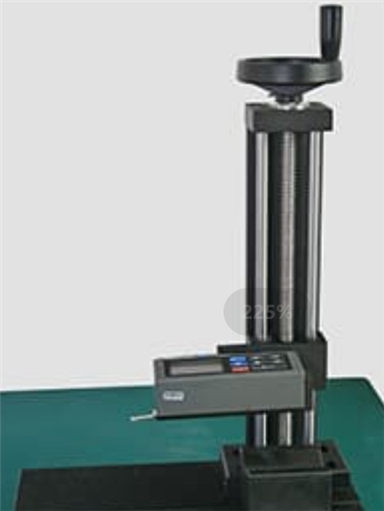
Measures surface finish metrics to confirm compatibility with anodizing.
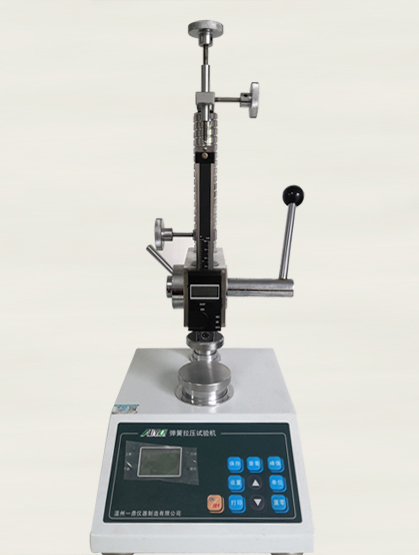
Tests the yield point and mechanical load limit of forged frame brackets.
Examples of custom aluminum components and profiles manufactured for our international partners.
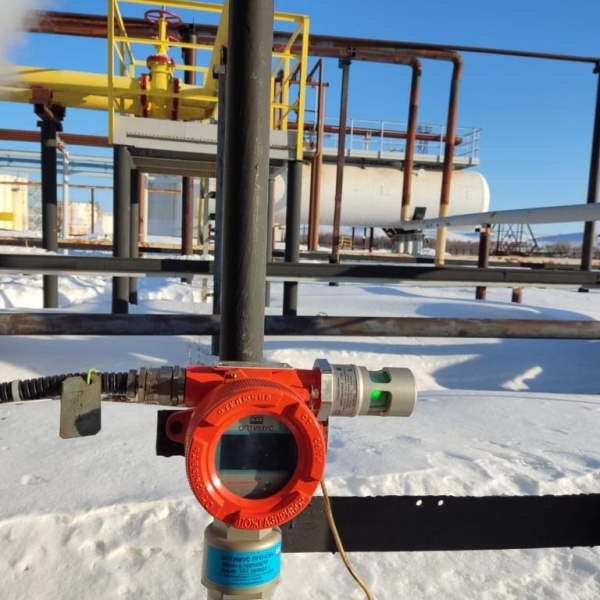
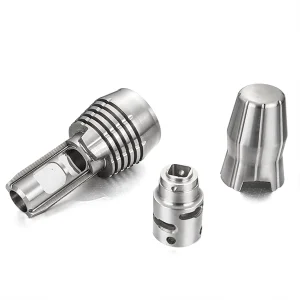
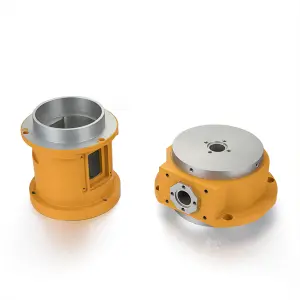
Precision structural components designed for high-stress automation machinery.
Materials: Stainless Steel, Aluminium Alloy
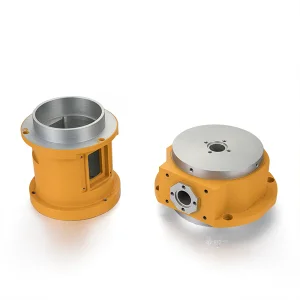
Forged and CNC finished mounting plates featuring tight tolerance profiles.
Materials: Stainless Steel, Aluminium Alloy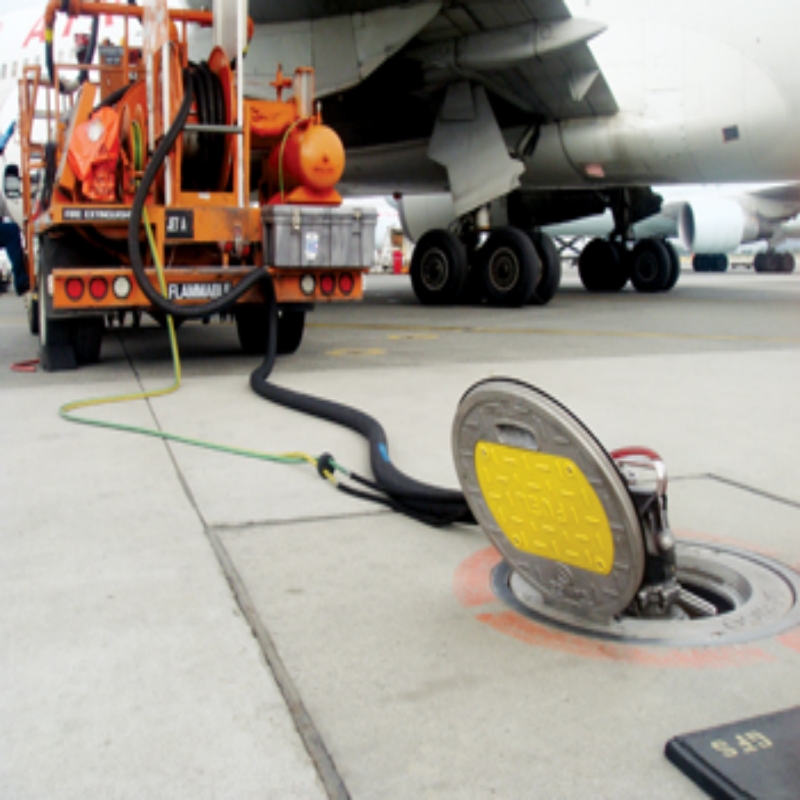
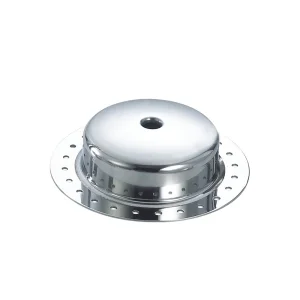
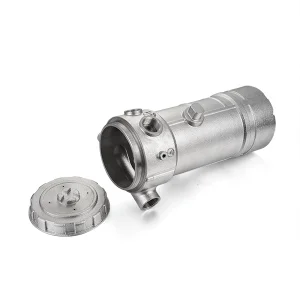
Structural parts and fuel hydrant pit box components for aviation systems.
Materials: High-Spec Aluminium Alloys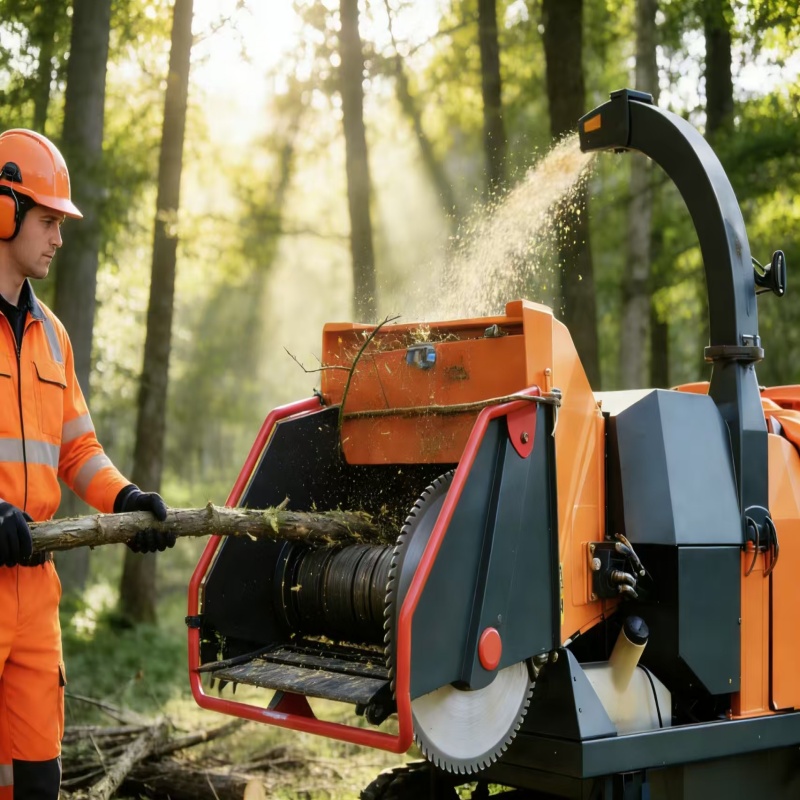
Cutter discs and feed rollers built to withstand continuous impact loads.
Materials: Q345B, 42CrMo, NM400 Steel AlloysOur technical capabilities are supported by a strong engineering team. Ningbo Xinye maintains a staff of 130 personnel, including 50 specialists focused on product development, tooling design, quality engineering, and global logistics. Through ongoing training, our technicians maintain up-to-date knowledge of metallurgy, GD&T standards, and CNC programming.
Our team holds over 20 utility model patents for manufacturing and tooling designs, demonstrating our focus on technical development and process optimization.
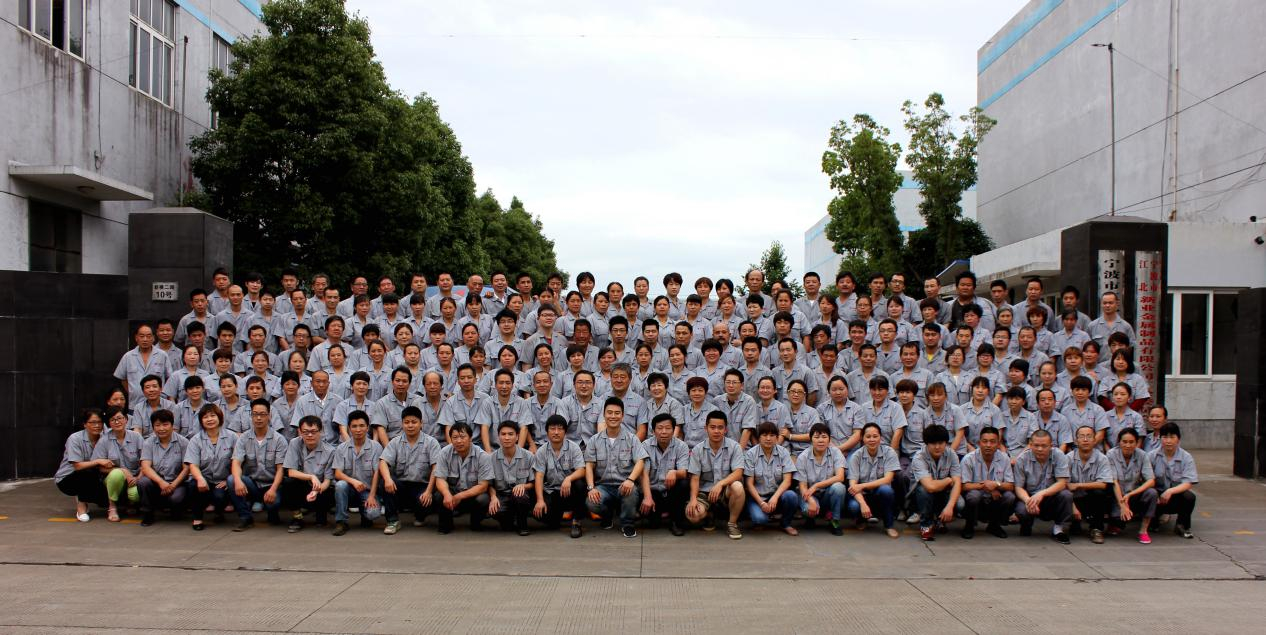
We focus on transparent technical communication, providing detailed material certs, full dimensional layout inspections, and reliable project timelines.
We utilize advanced manufacturing machinery and tooling designs to meet complex shape requirements and tight tolerances.
We regularly review our production data to identify efficiency gains and optimize our extrusion and forging processes.
A systematic workflow designed to maintain consistency from initial drawing review to final export delivery.

Customers submit their custom 2D/3D engineering drawings. Our engineering team reviews the tolerances, alloy choices, and surface treatment specs to ensure manufacturability and provide an accurate quotation.

We manufacture custom extrusion dies and forge tooling in-house. A test run is completed to generate initial product samples. These samples undergo coordinate measuring machine (CMM) analysis to confirm dimensional accuracy before customer approval.



Initial samples are dispatched along with complete material certificates and dimensional inspection reports. We coordinate with the client's engineering team to confirm the parts meet design criteria before proceeding to mass production.


Upon sample approval, the production run is scheduled. Quality control checkpoints monitor critical dimensions at regular intervals. Profiles undergo precise cutting, deburring, CNC machining, and surface treatments as required.

Finished components are assembled in our dedicated assembly workshop, packaged in protective export crates, and shipped via Ningbo Port. We provide a one-year warranty covering manufacturing defects.
Detailed engineering and procurement answers regarding our custom aluminium frame profile manufacturing services.
Explore our main product categories. All parts are manufactured to order based on customer technical specifications.
 XinYe Metal