Explore our core manufacturing product series, engineering capabilities, and high-performance forged & cast components
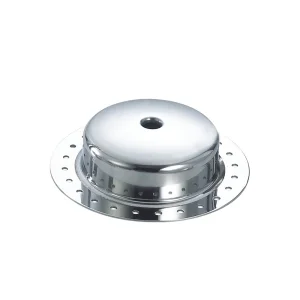
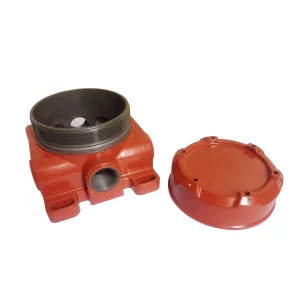
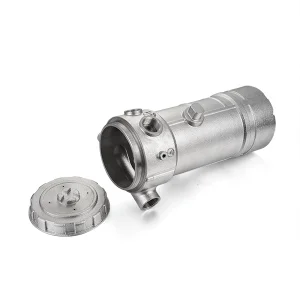
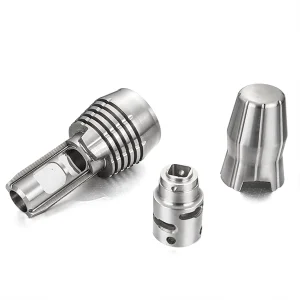
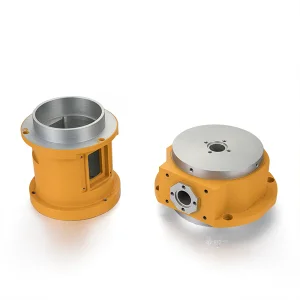
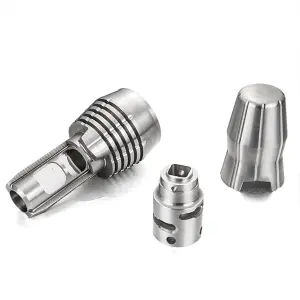
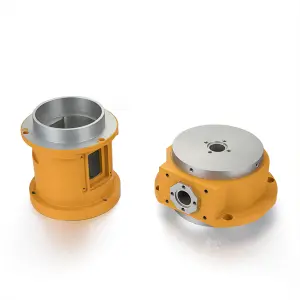
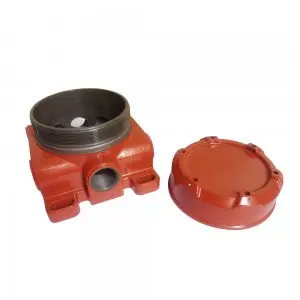
In modern high-precision mechanical engineering, sourcing components fabricated by low-tonnage, highly controlled small forging machines is key to structural optimization. Unlike large structural forging units designed for heavy ship components or massive infrastructure, small and medium-capacity closed-die forging setups (typically operating within press forces of 100 to 1,000 tons) specialize in components requiring exceptional grain flow alignment, dimensional stability, and zero internal porosity. Global procurement directors in the automotive, aerospace, industrial safety, and medical device sectors prioritize small-scale forging machines to achieve complex geometries without sacrificing mechanical integrity.
The transition toward electrification, light-weighting, and clean energy storage places new demands on metallurgy. OEM suppliers must not only possess raw pressing machinery but also maintain deep technical portfolios in CAD/CAM die engineering, custom alloy thermal cycling, and secondary processes like multi-axis CNC machining, anodizing, and electropolishing. Ningbo Jiangbei XinYe Metal Works Co., Ltd. serves as an expert partner here, leveraging vertical manufacturing capabilities to supply high-stress structural parts directly to global industrial networks.
While casting operates by melting metal and pouring it into mold structures—which often leads to micro-porosity and structural weak points—the closed-die forging process compresses metal billets within their recrystallization range. Under controlled force, the metal flow is directed to realign its crystalline structure, matching the component's geometry. This results in superior tensile strength, ductility, and resistance to fatigue, allowing designers to reduce material thickness and weight while keeping security limits high.
Founded in 1996 as an owner-managed family enterprise, Ningbo Jiangbei XinYe Metal Works Co., Ltd. has evolved into a leading, technology-driven SME specializing in custom precision metal manufacturing. Headquartered within the highly developed Jiangbei Industrial Zone in Ningbo, Zhejiang Province, our facility offers convenient logistical connectivity. We are located within a three-hour high-speed train transit circle from Shanghai International Airport, allowing for efficient direct client visits and technical alignment meetings.
Our operations occupy a total production floor space of 16,000 square meters, with an additional 11,000 square meters optimized for technical development, engineering offices, quality assurance spaces, and warehousing. Today, the XinYe team consists of 130 dedicated personnel, structured strategically to support complex engineering requirements: 80 skilled production specialists and 50 dedicated engineers in product development, quality control, process engineering, and management.
This layout ensures that our technical teams can communicate directly with customers' product design teams. This enables direct engineering support from initial CAD concept creation to prototype verification, high-volume production planning, and international supply chain coordination.
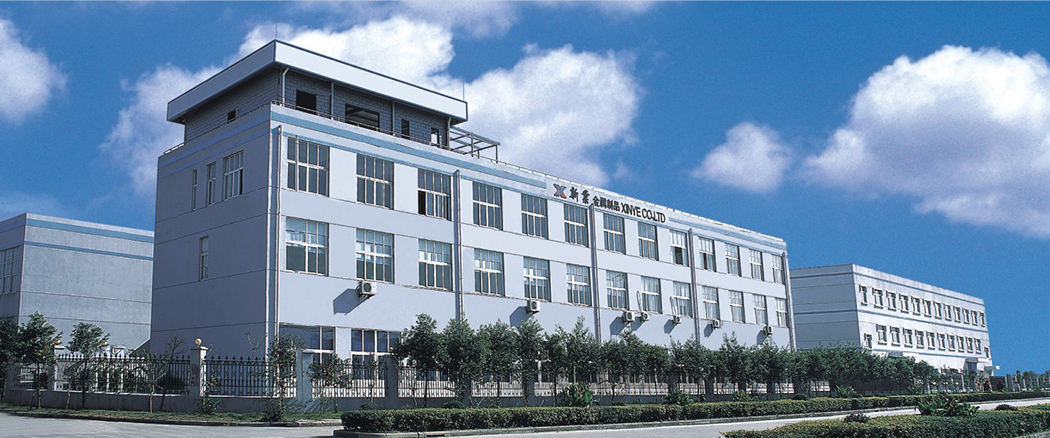
Fully integrated factory floor with Japanese imported precision assets, friction presses, and multi-axis CNC centers
Our facility houses high-performance friction press machinery operating with force limits ranging from 300 tons up to 1,000 tons. This fleet serves as our core strength for small closed-die aluminum alloy hot forging, ensuring consistent deformation pressure and reliable microstructure density.
For operations requiring continuous deformation speeds and long pressure dwell times, we utilize specialized 4-column hydraulic press machines ranging from 100 tons to 630 tons capacity. Ideal for warm forging, drawing, and precision stamping.
Equipped with a stamping matrix of mechanical punching presses ranging from 5 tons up to 250 tons. This department specializes in high-volume, rapid-turnaround thin sheet metal processing, progressive die stamping, and deep drawing.
Post-forging dimensional accuracy is achieved through our CNC machining centers, featuring 4-axis control units, high-speed CNC turning lathes, and specialized CNC milling machines. We maintain tolerances down to 0.001mm.
Video Showcase: Inside Xinye Metal Works - Equipment & Processes
Our core capabilities enable a vertical production chain. From raw materials through tool/die creation, forging, heat treatment, secondary machining, surface finishing, and assembly, everything is managed under a single unified quality management program. This setup minimizes logistical handovers and decreases lead times while ensuring quality control across the production process.
Actual views of our production processes, equipment, and technology infrastructure
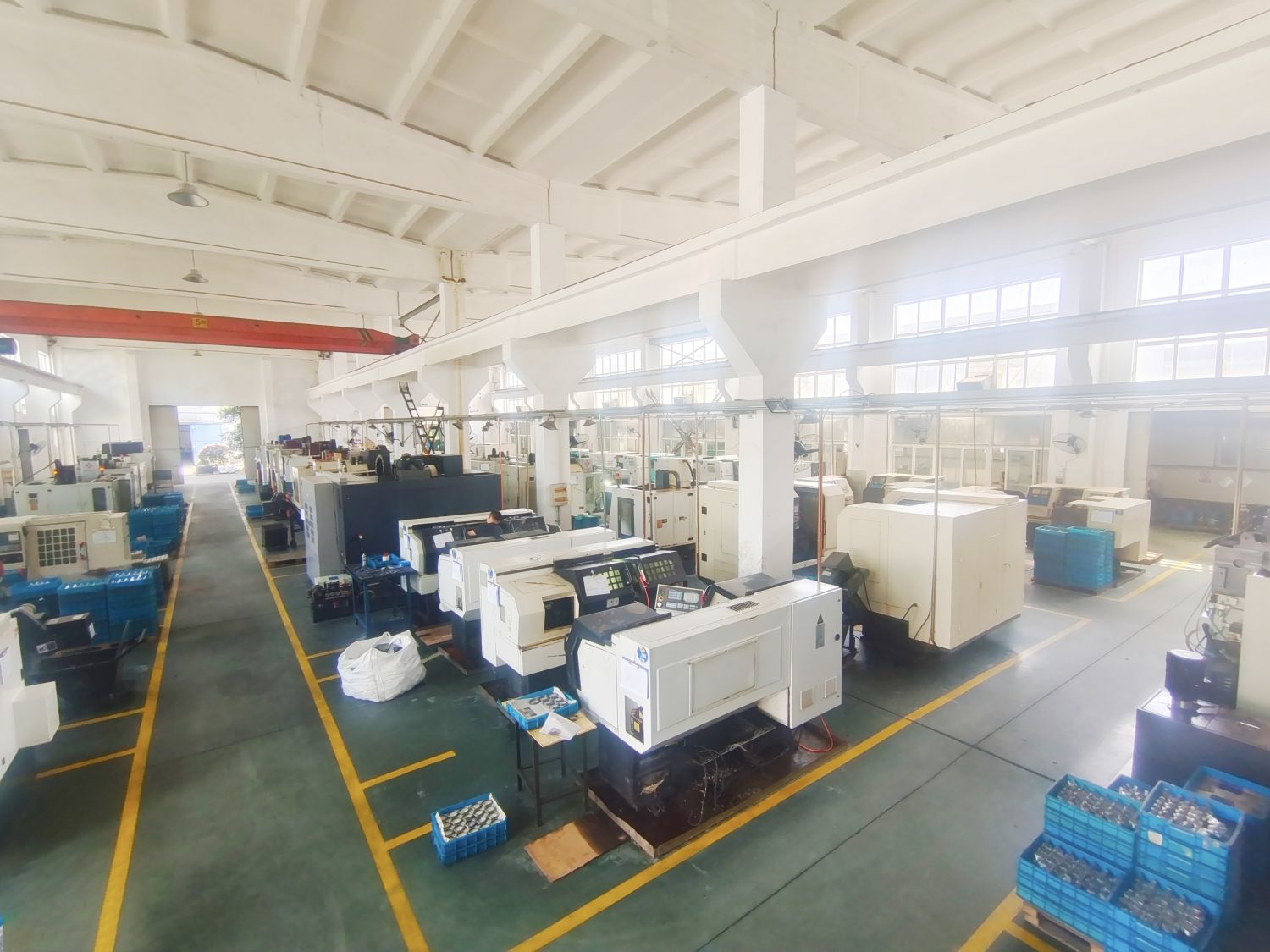
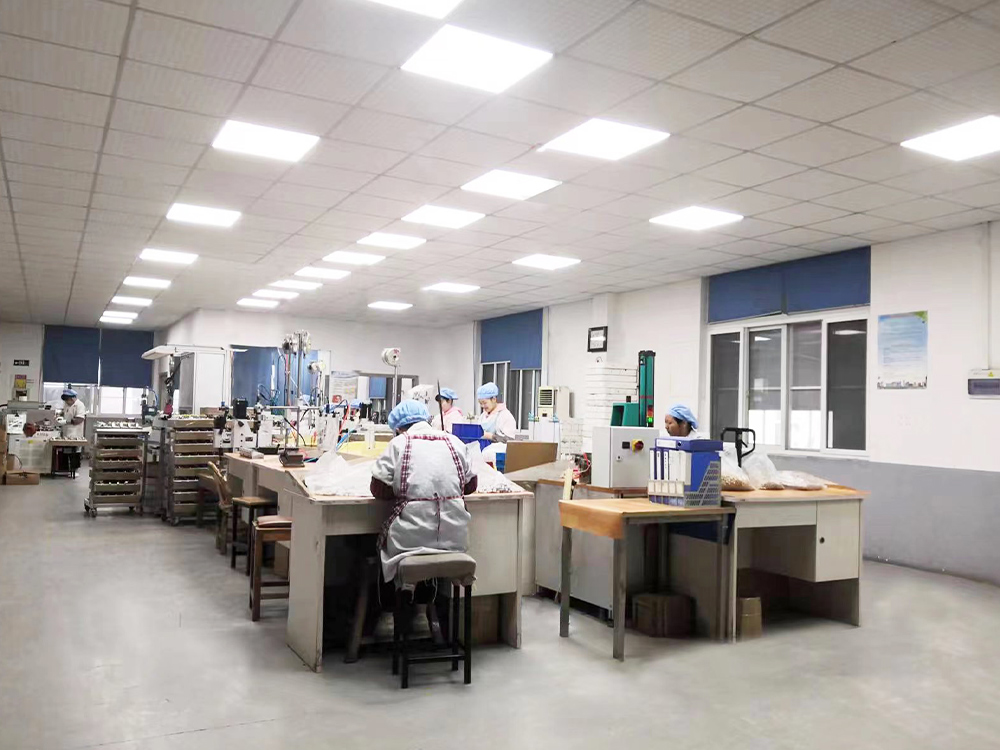
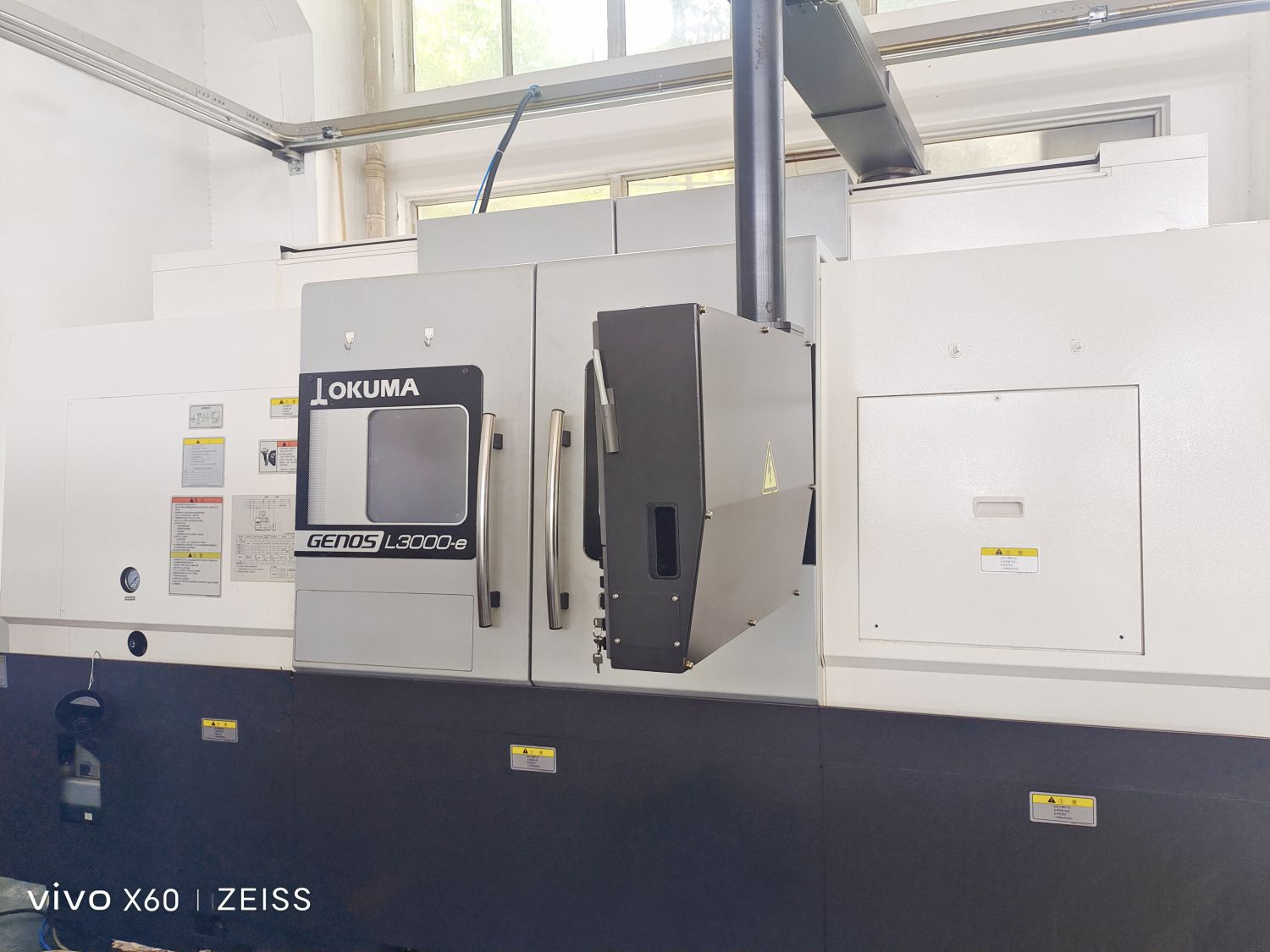
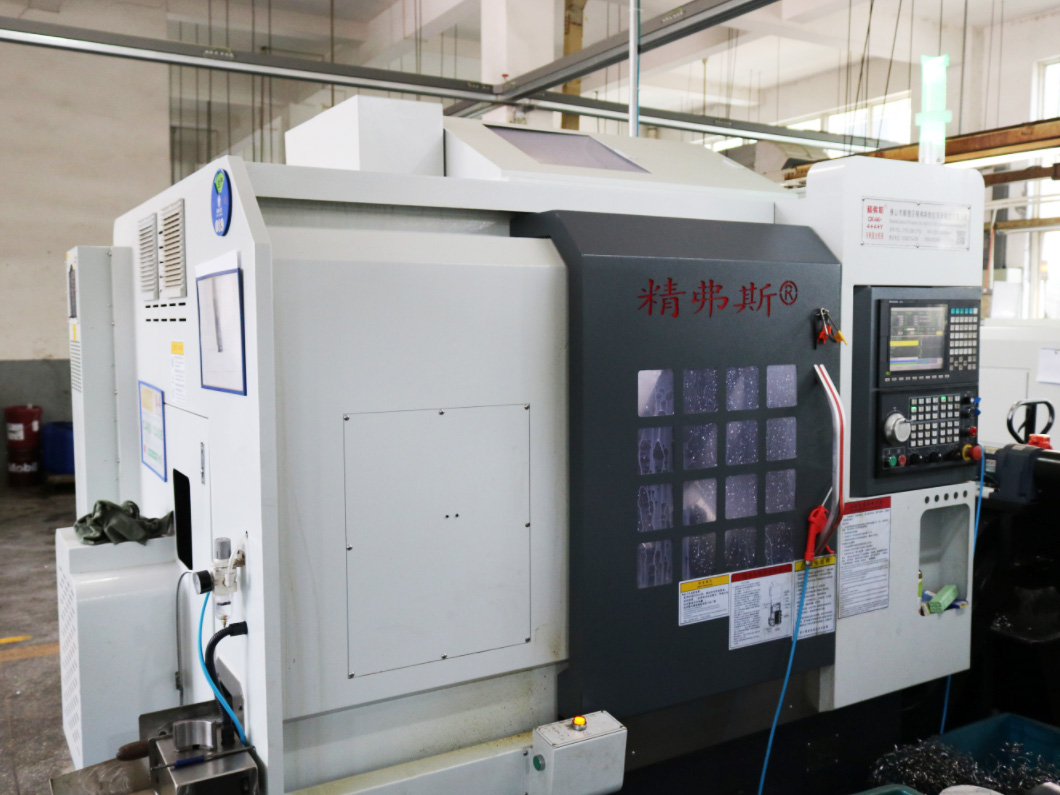
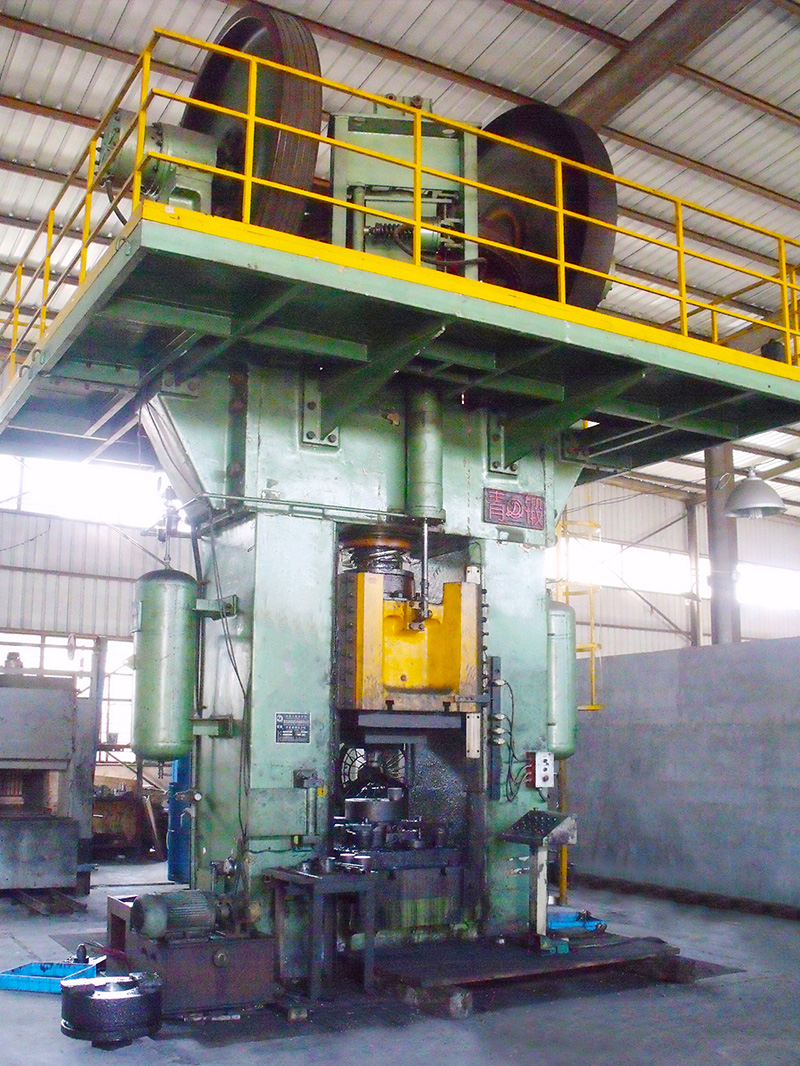
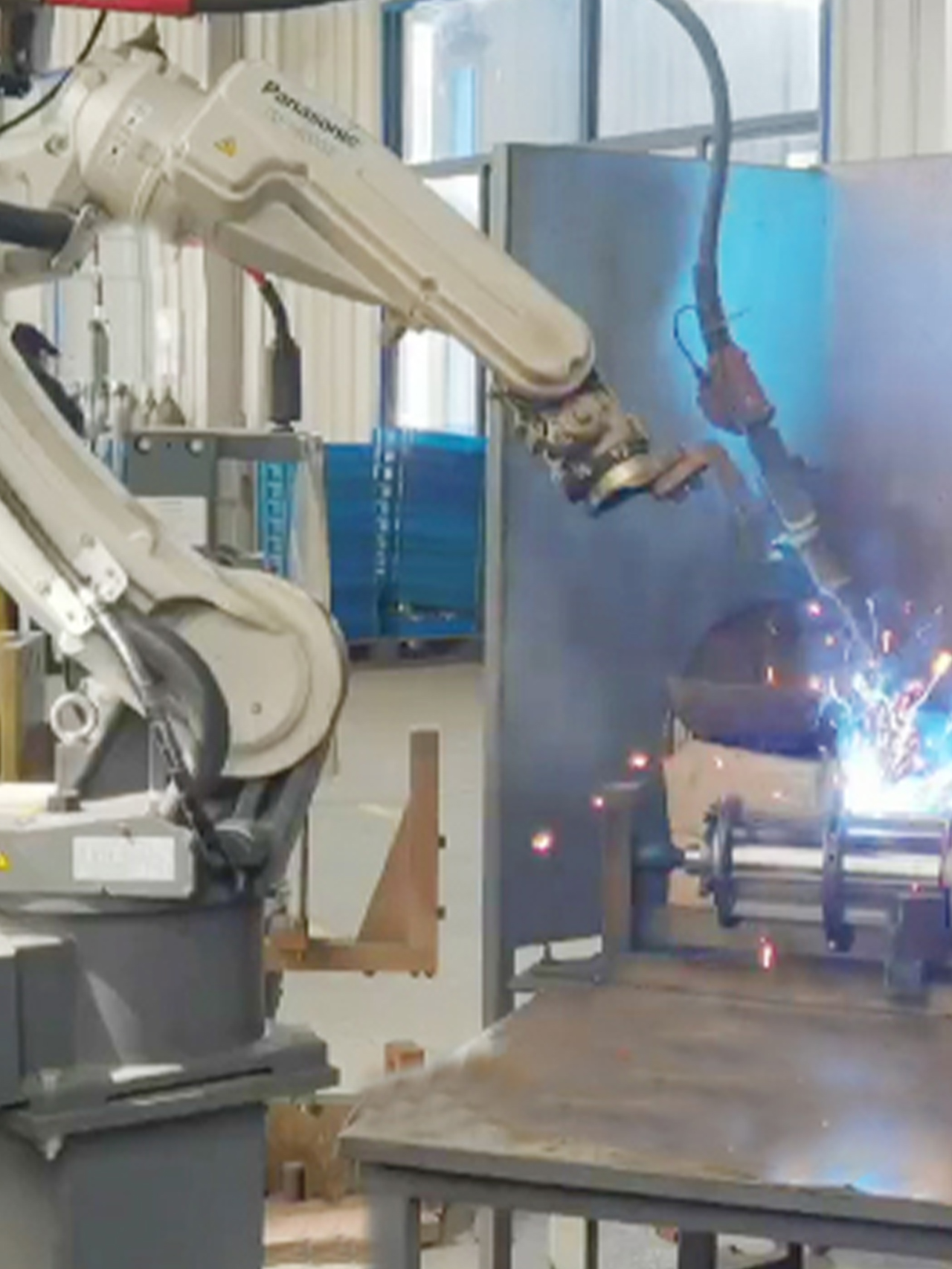
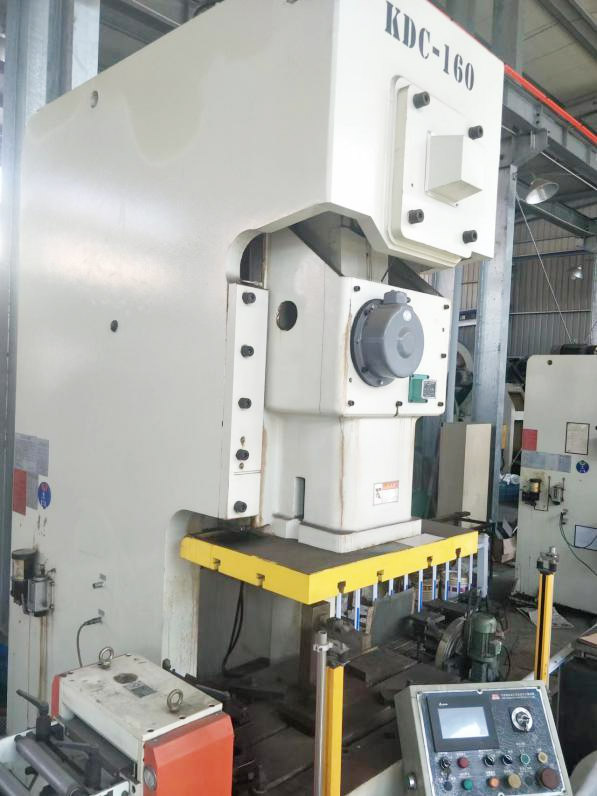
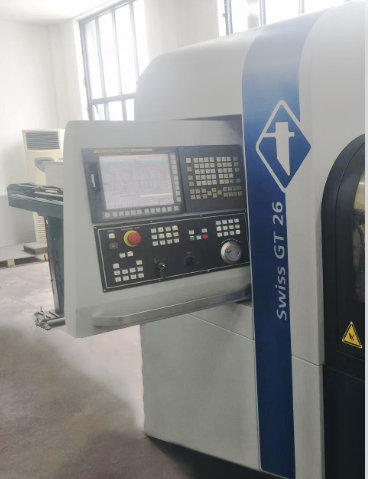
Precision closed-die hot forging requires balancing temperature, material flow dynamics, and tool wear rates. As an OEM manufacturer, Ningbo Jiangbei XinYe Metal Works Co., Ltd. continuously refines our process parameters to match client specifications. Our technological roadmap includes several advanced steps:
Before forging starts, our engineering team uses thermodynamic modeling software to predict how aluminum and steel alloys will flow inside the die cavity. Controlling the heating profile prevents mechanical issues like grain growth or shear cracking. Using high-efficiency induction heating, our billet preparation systems reach correct thermal ranges quickly, reducing surface oxidation and saving energy.
By studying how materials deform, we design closed-die forgings that place the natural grain flow direction along the paths of highest mechanical stress. This design helps prevent failure in parts subject to high cyclic fatigue, such as aerospace engine components, E-bike connector brackets, and automotive drivetrain hubs. Forging grain alignment yields tensile properties up to 25% higher compared to bar-stock machining alone.
For high-precision industrial output, we integrate state-of-the-art turn-mill technology, including the TIPAS MACHINE h65TMY. This advanced CNC system performs multiple operations in a single setup, integrating turning, milling, and axis indexing to reduce handling times. For our global customers, this technology delivers precise structural parts with minimal dimensional deviation between batches.
Discover Core FeaturesTechnical Highlight: TIPAS MACHINE h65TMY Operations
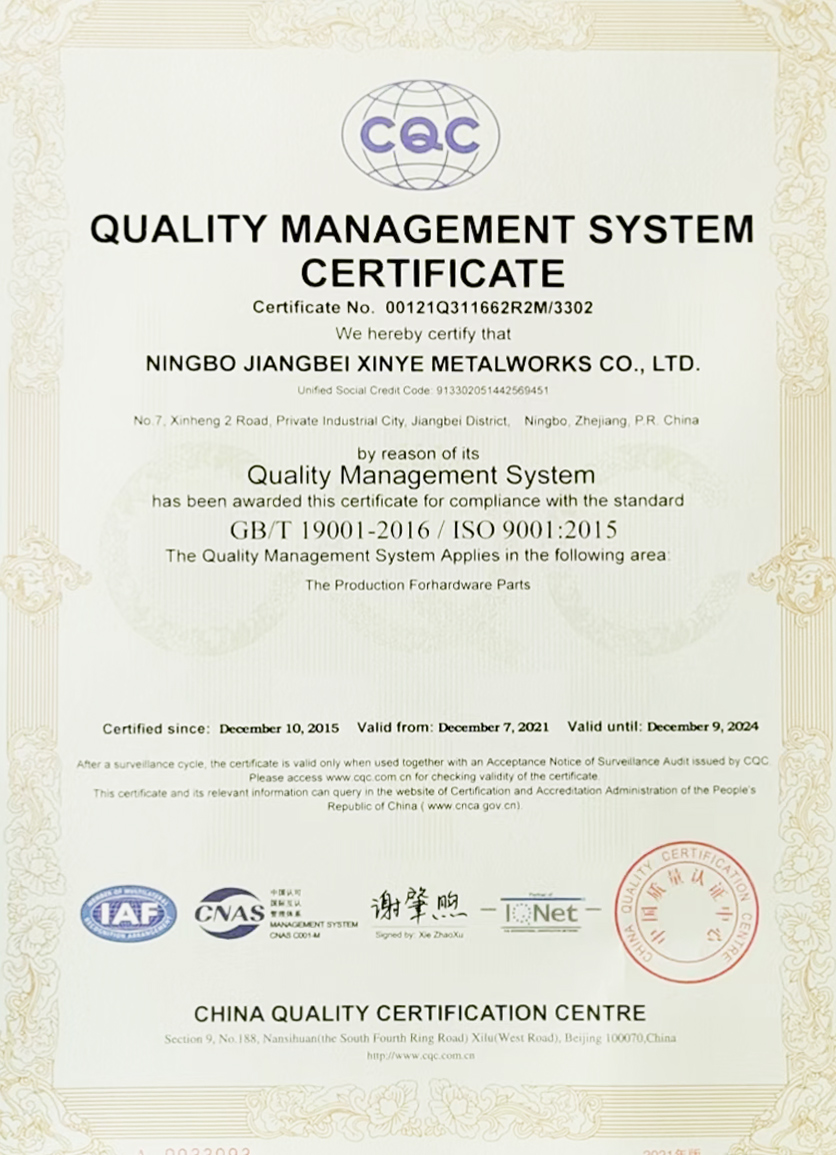
ISO 9001-2015 and SA8000 certified system for traceability and precision
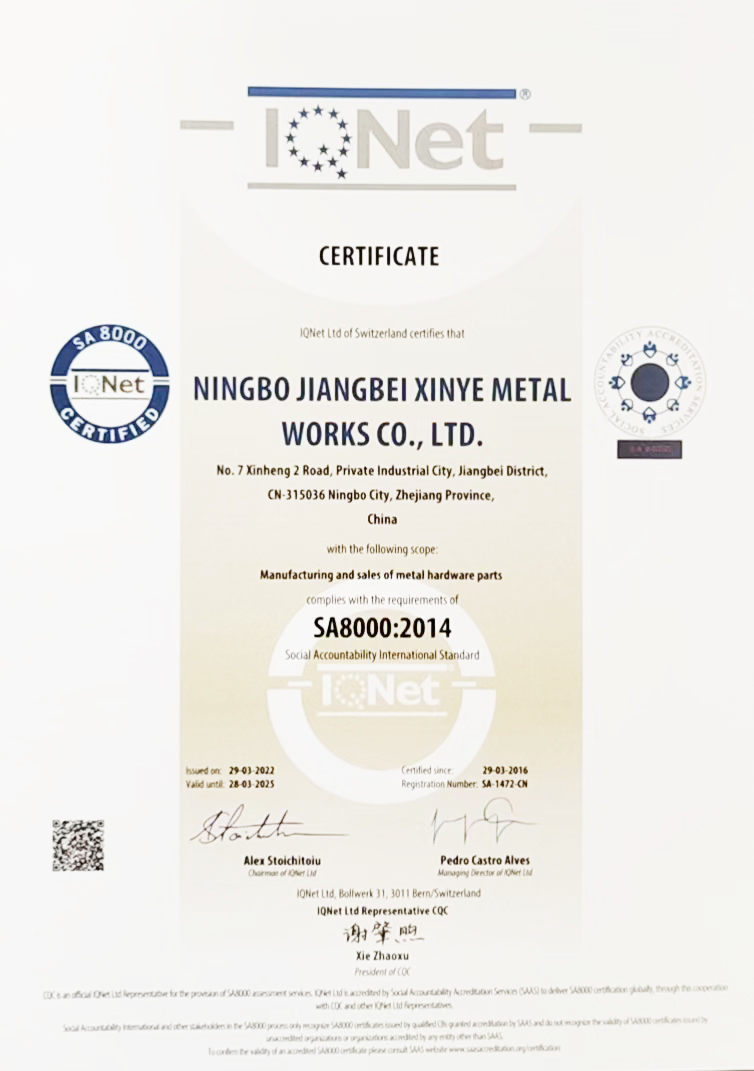
Within our organization, quality is life. With the collaboration of our long-term global clients, we have established a strict quality control system spanning from raw material intake to final packaging. Our processes are certified under ISO 9001:2015 for quality management and SA8000 for social accountability and worker welfare. This structure helps ensure that our products and processes meet high corporate standards.
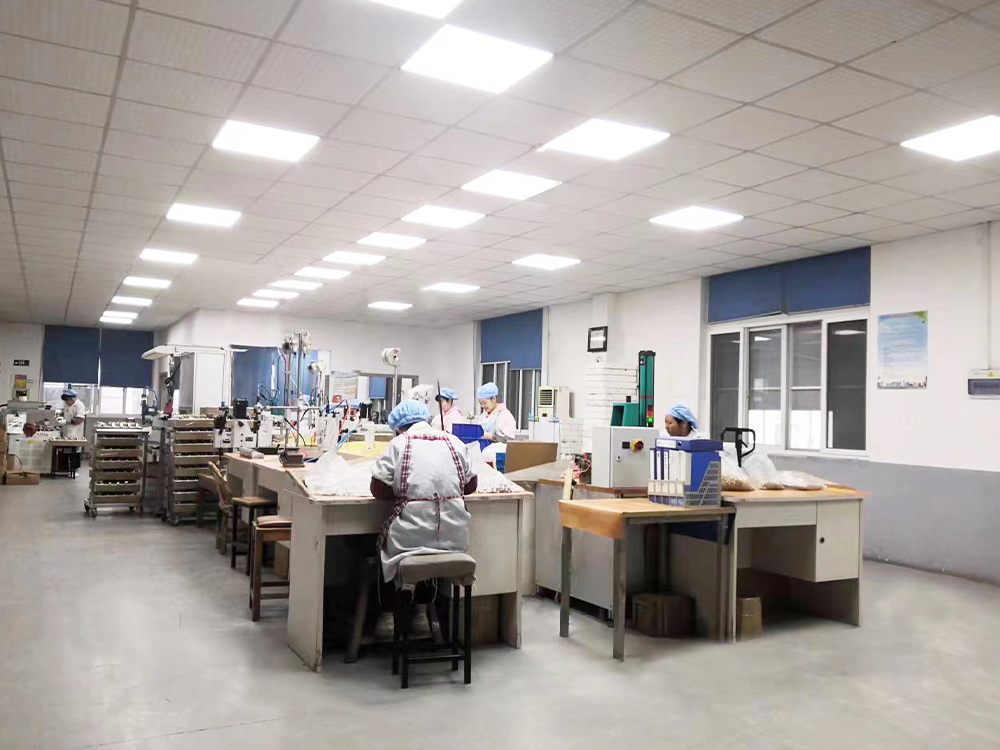
Every delivery includes complete quality documentation, including Material Certificates (Mill Test Reports), Dimensional Inspection Reports, Surface Roughness Mapping, and Coating Thickness Verification. Our testing lab features advanced analytical equipment, ensuring that incoming material batches match design specifications before entering our production flow.
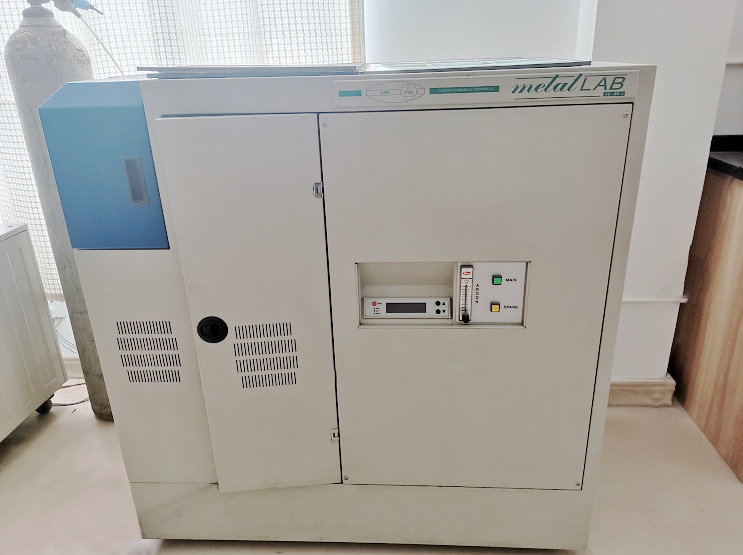
Enables accurate chemical composition analysis of incoming aluminum, stainless steel, and alloy stock. This verification ensures that raw metals meet specification limits before hot stamping or forging begins.
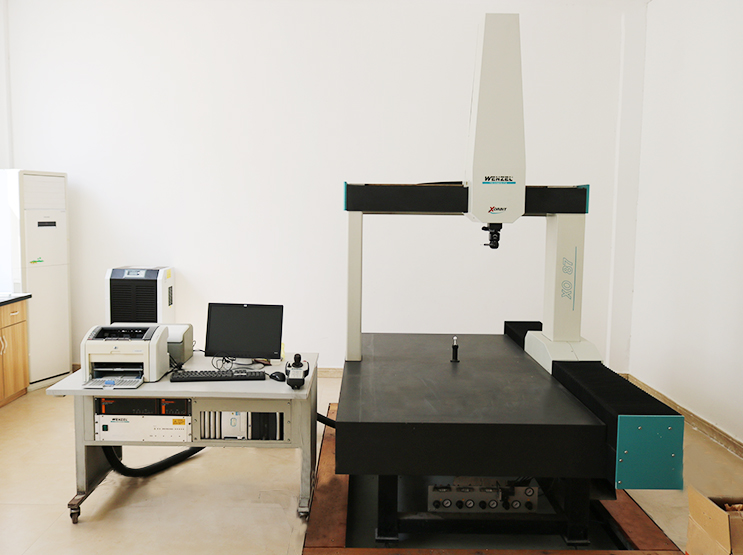
Our Coordinate Measuring Machine performs automated touch-trigger probe dimension mapping. This lets us verify complex geometries and tight geometric tolerances against the original 3D CAD files.
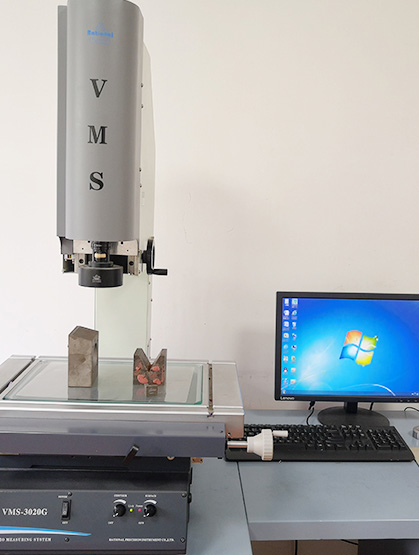
Optical measurement technology provides non-contact verification of small profiles and complex shapes. This is ideal for checking stamping profiles, micro-machined parts, and critical component edges.
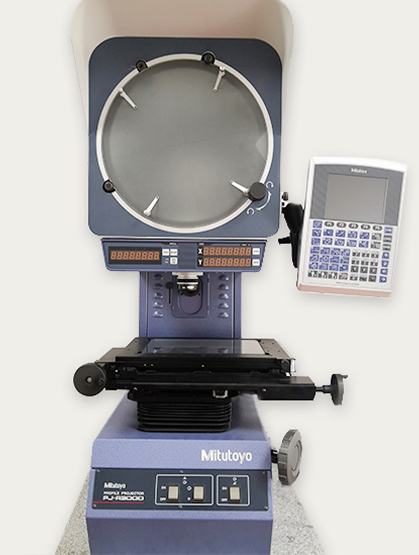
Dedicated to supporting high-volume inline production batches. High-resolution camera sensors capture dimension data quickly, allowing real-time monitoring of machining and stamping runs.
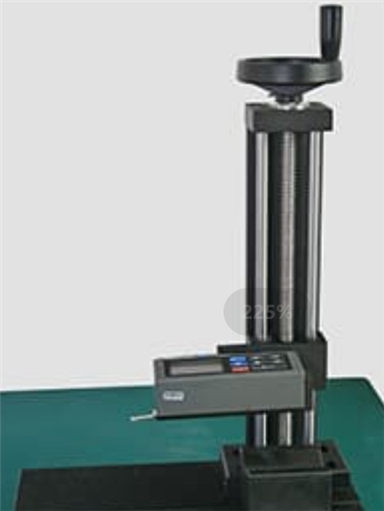
Used to verify surface texture parameters after machining, anodizing, or electropolishing. This ensures parts meet Ra roughness limits required for fluid seals and dynamic wear surfaces.
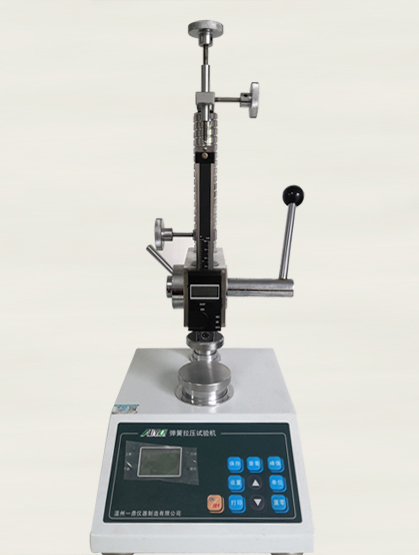
Performs physical testing on raw stock, structural components, and assemblies. This tool helps confirm that tensile yield strengths and compression limits meet design requirements.
How we manage custom metal projects from early design to global shipping

Our process begins with an intake of your engineering drawings, materials parameters, and required tolerances. We perform a manufacturing review, looking for opportunities to improve tool life, reduce raw material waste, and optimize unit costs.

We configure the internal tooling and run test production batches. Samples are inspected in our laboratory, and we provide you with a comprehensive dimensional testing report and raw material verification certificates for final review.

You test the prototype parts in real-world application conditions. If modifications are needed, our design and production teams adjust the tooling geometry or thermal profile to resolve performance issues before mass production.

Once approved, we schedule production on our friction or hydraulic presses. Our QA inspectors perform regular dimensional and surface checks throughout the run. After forging and machining, parts undergo final mechanical testing and surface treatment.

Parts can be assembled in our clean workshop area to deliver complete sub-assemblies. We package parts using custom export crates and corrosion-preventive wrapping, ensuring they arrive safely at your facility via sea or air transport.
Discover how our components are applied in critical high-demand global markets
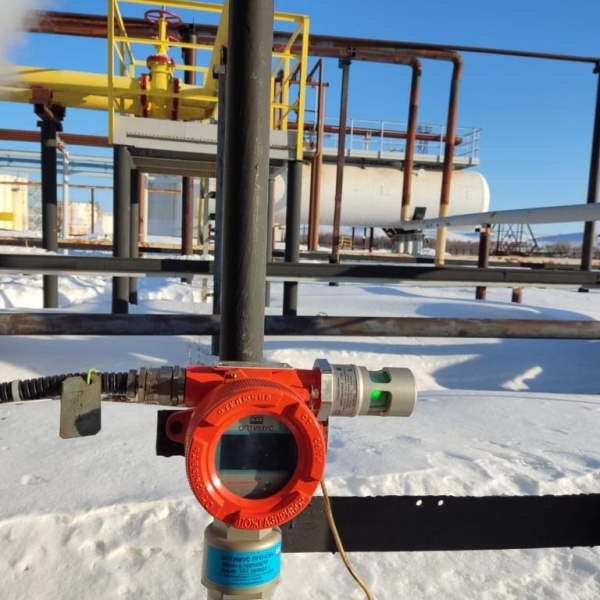 Industrial Safety
Highly sealed, explosion-proof enclosures for oil & gas and mining applications. Realized using hot aluminum forging coupled with multi-axis CNC milling to protect critical gas sensor systems.
View Case Details → Automotive / E-Bike
Engineered for high fatigue resistance and low weight. These forged aluminum parts serve in electric bikes (levers, connectors) and light vehicle transmission lines, meeting strict passenger safety standards.
View Case Details →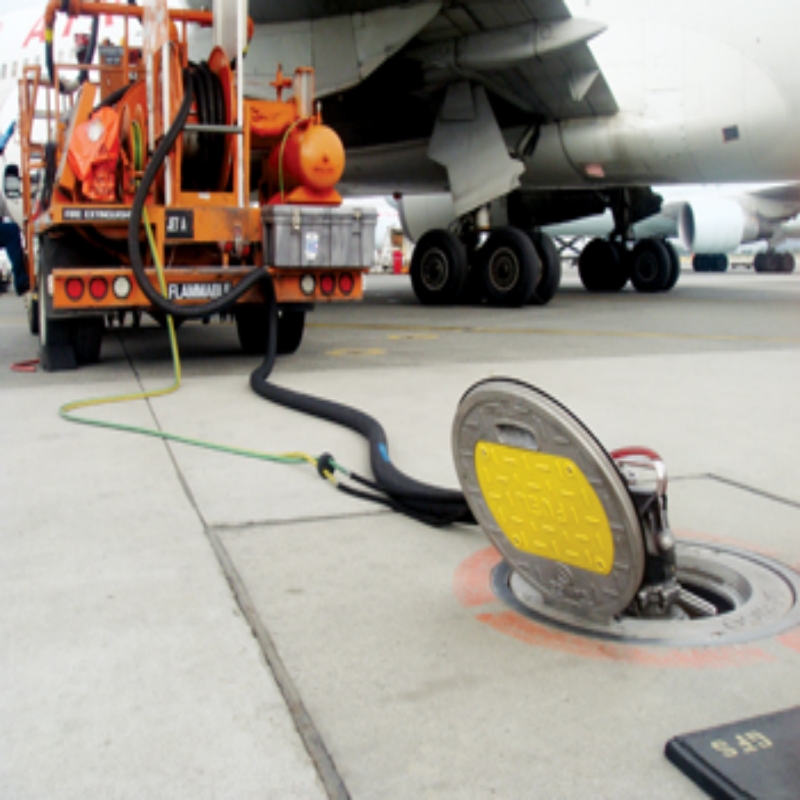 Aerospace
Critical structural support components, hinge brackets, and turbine inlets designed for extreme environment service. Constructed using 6061-T6 aluminum alloys for optimal strength-to-weight performance.
View Case Details →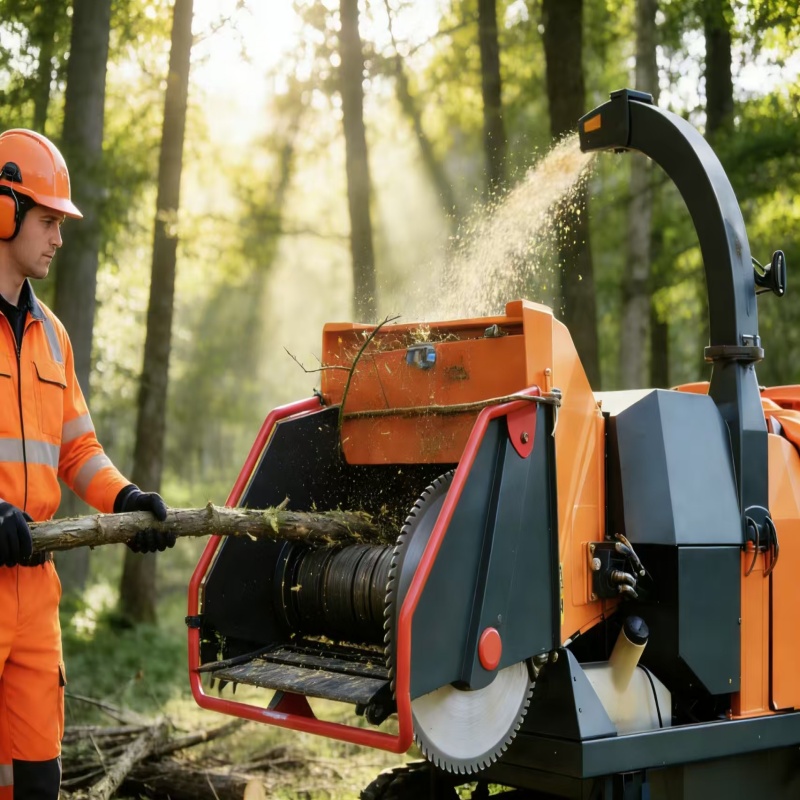 Heavy Machinery
Forged heavy-duty steel components designed for high impact resistance in wood processing. Utilizing alloy materials like Q345B and 42CrMo NM400 for shafts to ensure durability under stress.
View Case Details →Managing a global supply chain requires clear transparency, social responsibility, and regulatory compliance. Our SA8000 audit certification reflects our commitment to fair labor practices, safe working conditions, and ethical treatment across all production sectors. Our international corporate buyers value this compliance, as it helps mitigate operational risk and aligns with global ESG reporting requirements.
Technical and logistics questions answered by our engineering and sales teams
Access our individual product categories and start your OEM/ODM request
 XinYe Metal