High-tolerance customized component manufacturing powered by advanced metallurgical expertise and lean production systems.
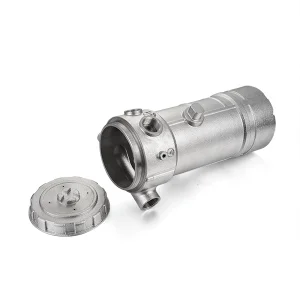
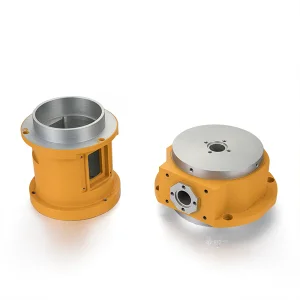
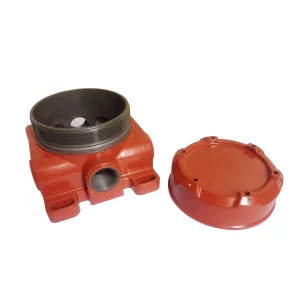
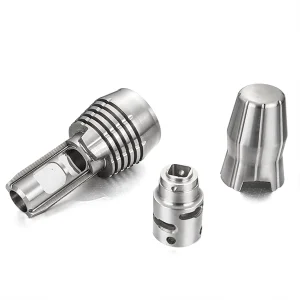
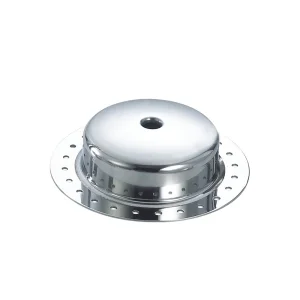
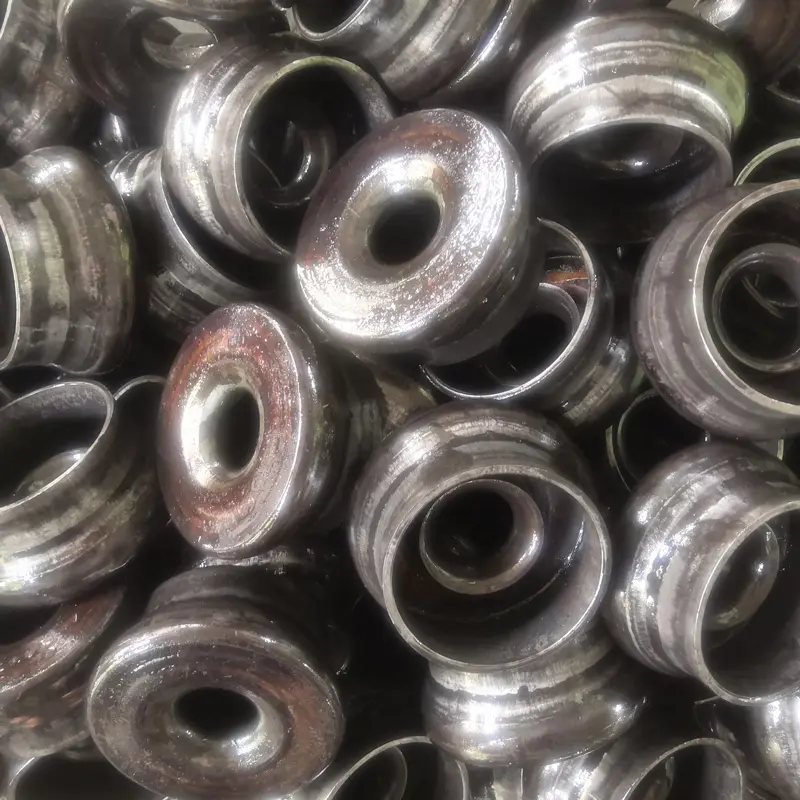
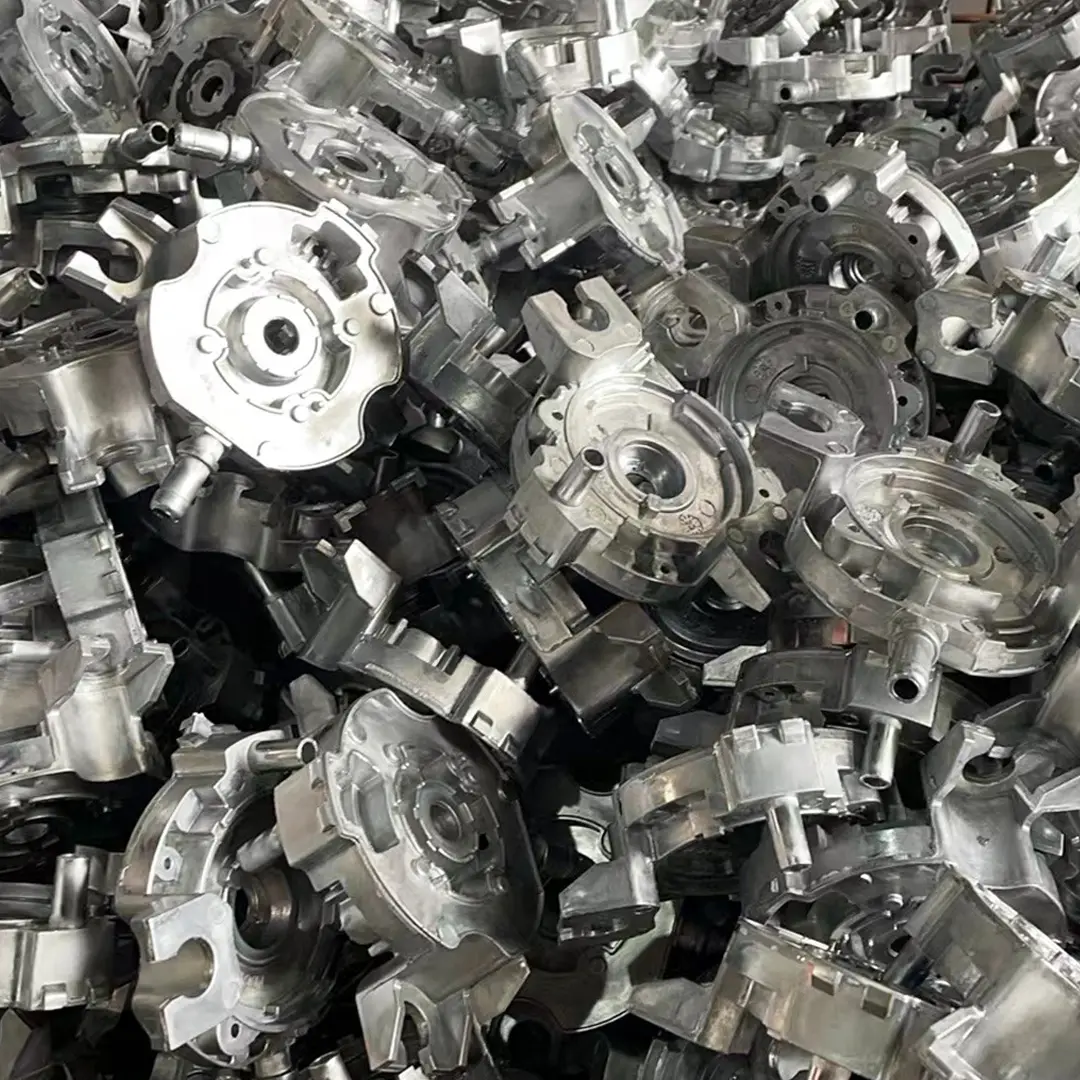
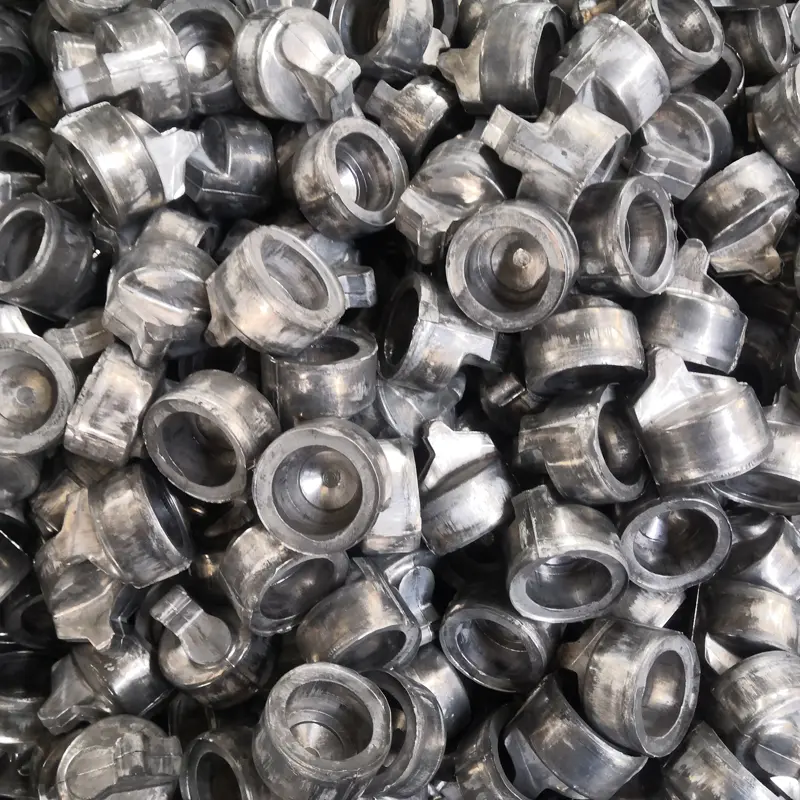
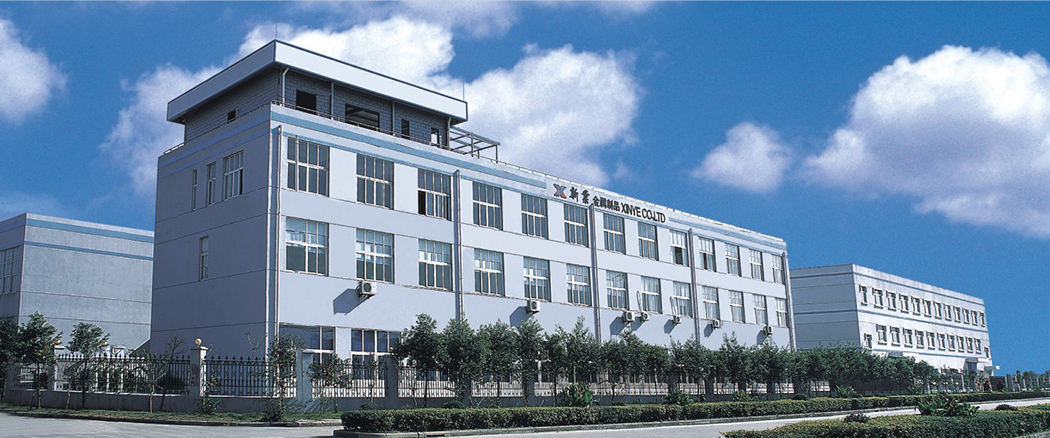
Established in 1996 as an owner-managed enterprise, XinYe Metal Works has evolved from a family business into a leading technical manufacturer of custom engineered metal components. Strategically located in the Ningbo Jiangbei Industrial Zone, our facility is within a 3-hour high-speed rail network radius of Shanghai International Airport, offering seamless global logistics connections.
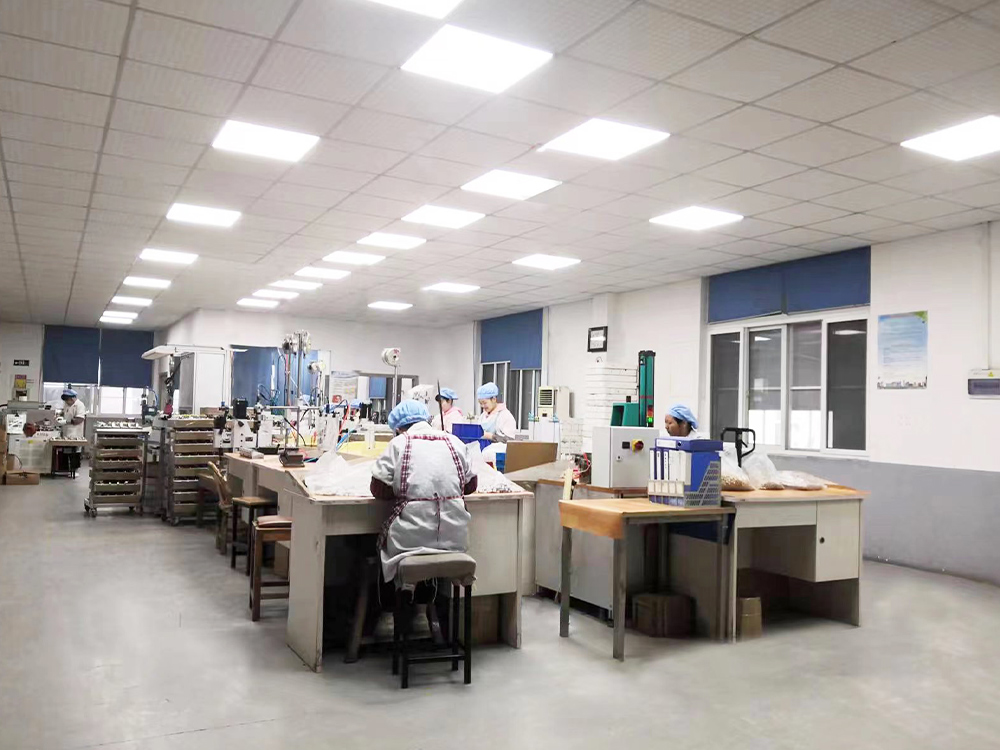
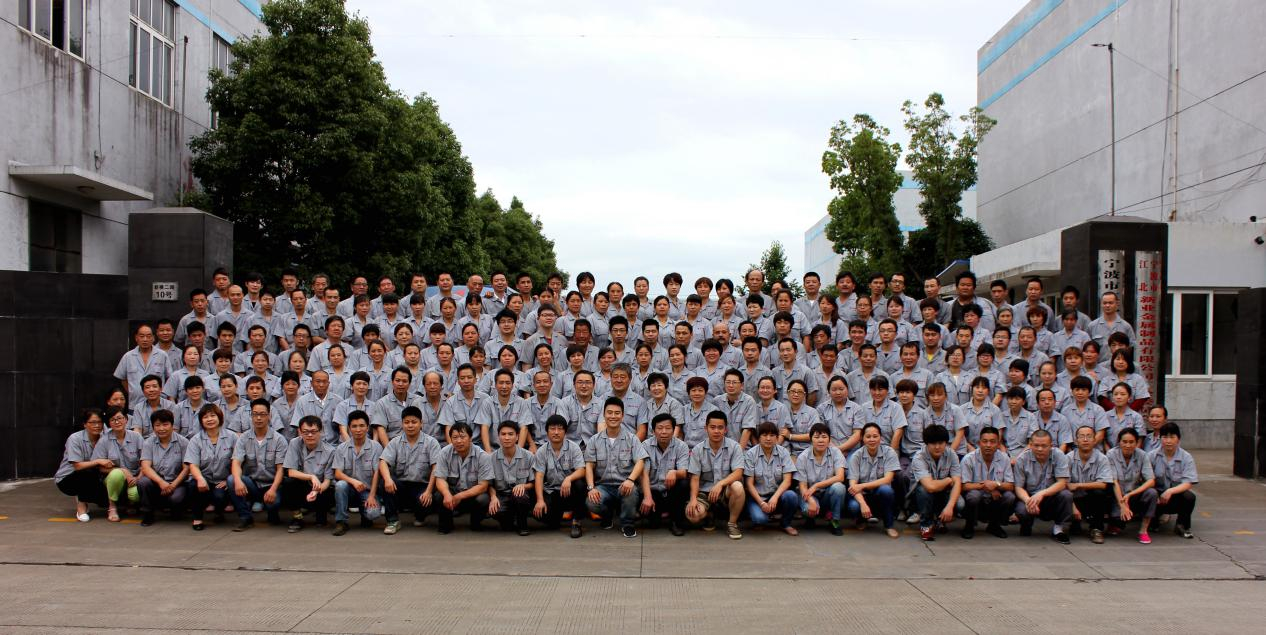
Spanning over 16,000 square meters of specialized production floor space with 11,000 square meters of modern engineering build-up, our operations are optimized for high-mix, high-complexity components. Our dedicated team of 130 employees includes 80 skilled production technicians and 50 experts operating in product design, metallurgic engineering, strict quality control systems, and global management.
An authoritative analysis of metal forming processes, metallurgical configurations, and high-performance component engineering.
Deep drawing involves transitioning flat metal sheets into complex hollow vessels via controlled compressive and tensile plastic deformation. Our hydraulic and mechanical presses achieve optimal drawing ratios, utilizing precise blank-holder force profiles to prevent wrinkling and earing, even when handling demanding aerospace-grade alloys and high-yield stainless steels.
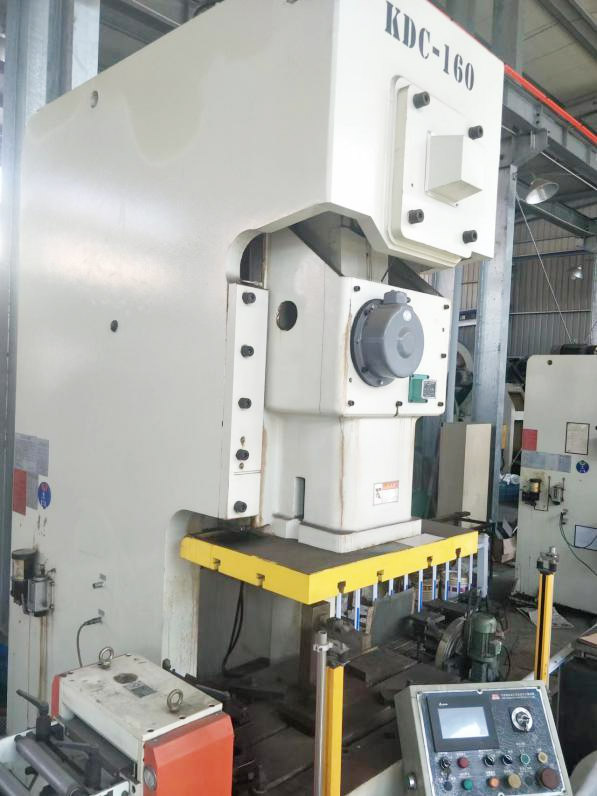
For mass production efficiency, our progressive die configurations execute multiple operations—including punching, blanking, bending, and coining—within a single high-speed stroke. Each tool is developed using advanced FEA simulation software to predict stress limits, calculate springback compensation, and maximize die life, ensuring dimensional consistency down to ±0.01mm.
Understanding material anisotropy is crucial for high-quality metal forming. Our engineering division monitors alloy chemistry, grain orientation, work-hardening rates, and surface roughness of incoming steel, copper, and aluminum sheets. We match custom lubricant formulations to specific metal types, reducing friction heat and preventing surface micro-cracking.
Ningbo is globally recognized as the center of advanced precision metal processing, offering an unmatched industrial ecosystem that combines raw material procurement, localized tooling expertise, and deep technical competencies.
A complete suite of metal forming, precision machining, and finishing services under one roof.
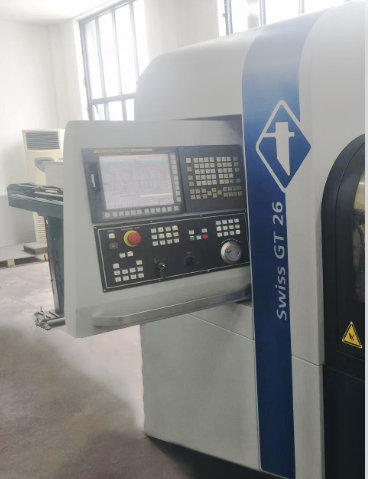
Equipped with 4-axis control vertical and horizontal machining centers, CNC lathes, and precision mill-turn systems. Ideal for turning out complex geometries with tolerances tighter than ±0.005mm.
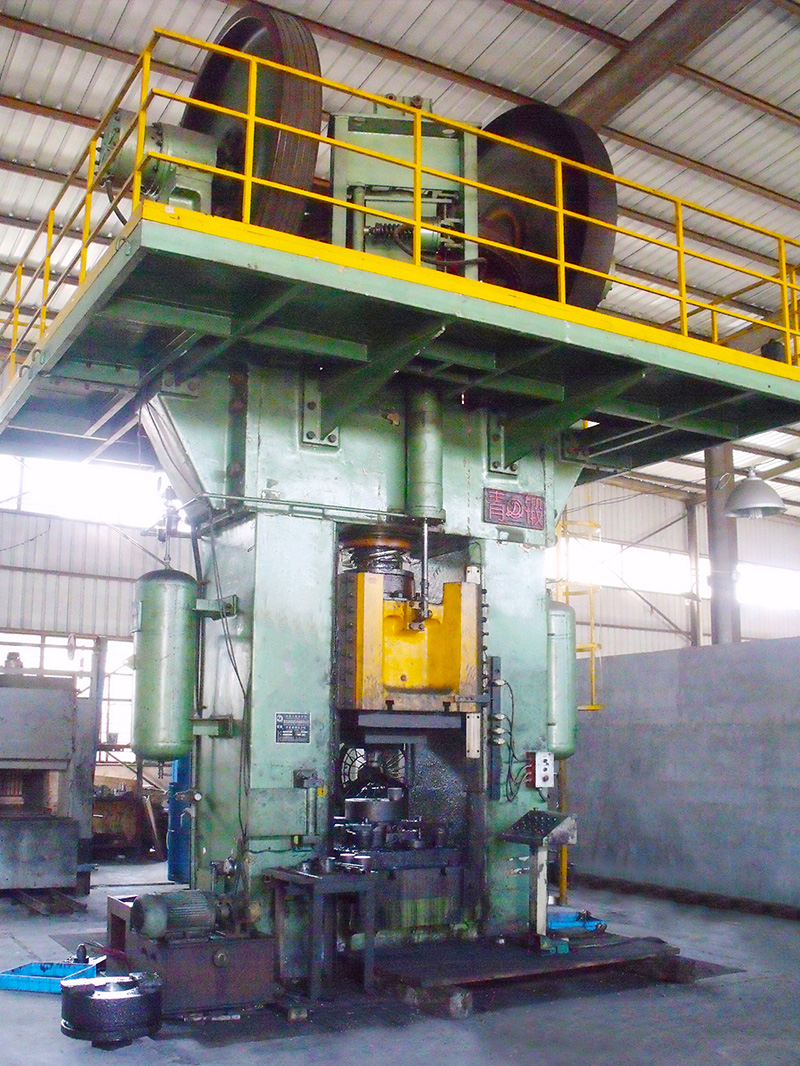
Features friction press machines delivering 300 to 1000 tons of press force. Refines internal grain structures to eliminate structural porosity, ideal for high-strength aerospace components.
High-precision investment casting using high-purity stainless steel and copper alloys, yielding components with excellent surface finishes and reduced secondary machining requirements.
Covers drawing, forming, blanking, anodizing, and electropolishing (E-polish). Offers a complete, single-source manufacturing cycle from raw material to ready-to-assemble components.
From critical fire detection sensors to high-performance aerospace hinges, we engineer parts that keep critical systems running.
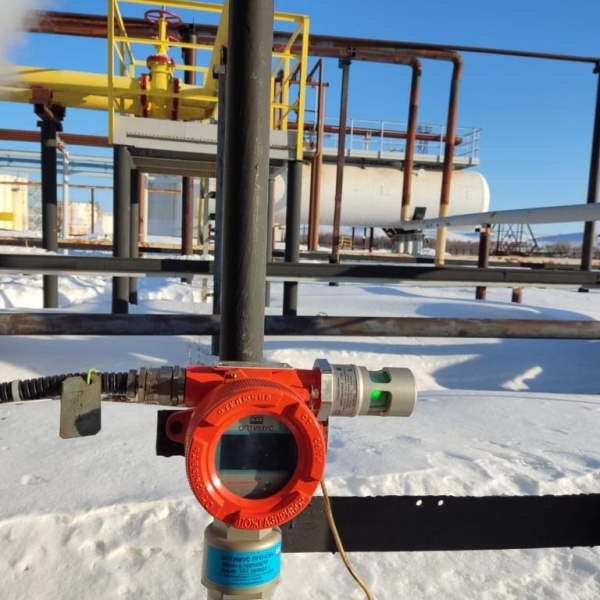
We manufacture robust, corrosion-resistant housings and internal components for fire and explosive gas detection sensors used in petrochemical facilities and mining operations. Our parts, including custom hydrant pit box enclosure kits, are designed to withstand extreme thermal fluctuations and corrosive atmospheric conditions.

To support lightweight designs in modern vehicles, we forge and stamp high-integrity aluminum components, including transmission components, E-bike connector tubes, structural levers, and brackets. Our parts maintain high mechanical fatigue limits under continuous vibrations.
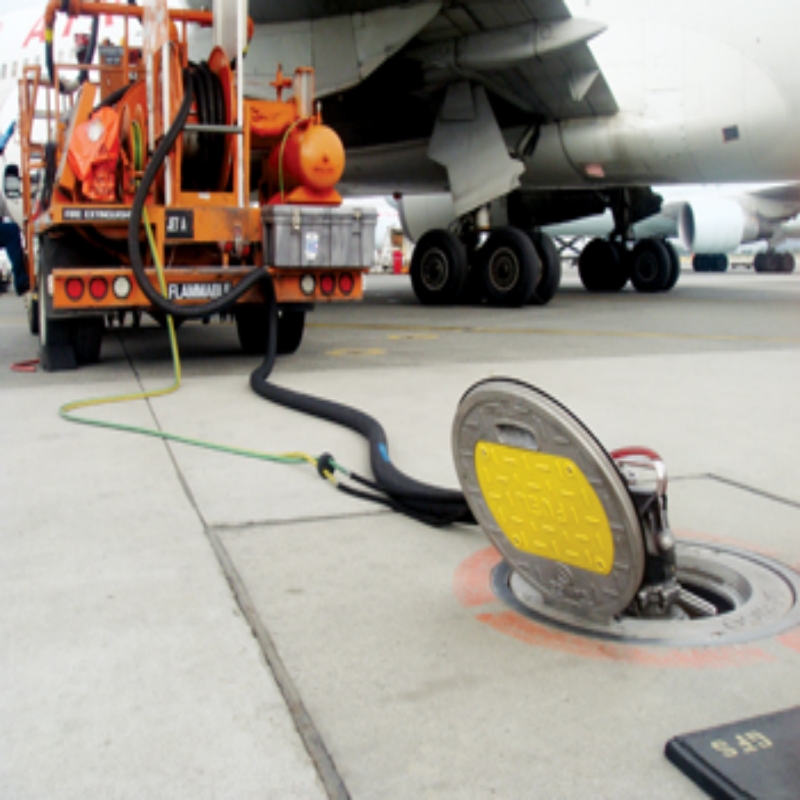
Our aerospace division supplies high-strength, low-weight structural parts, including aviation fuel hydrant pit boxes, hinge brackets, transmission gears, and turbine inlets. These components are subjected to rigorous non-destructive testing (NDT) to ensure compliance with aerospace safety margins.
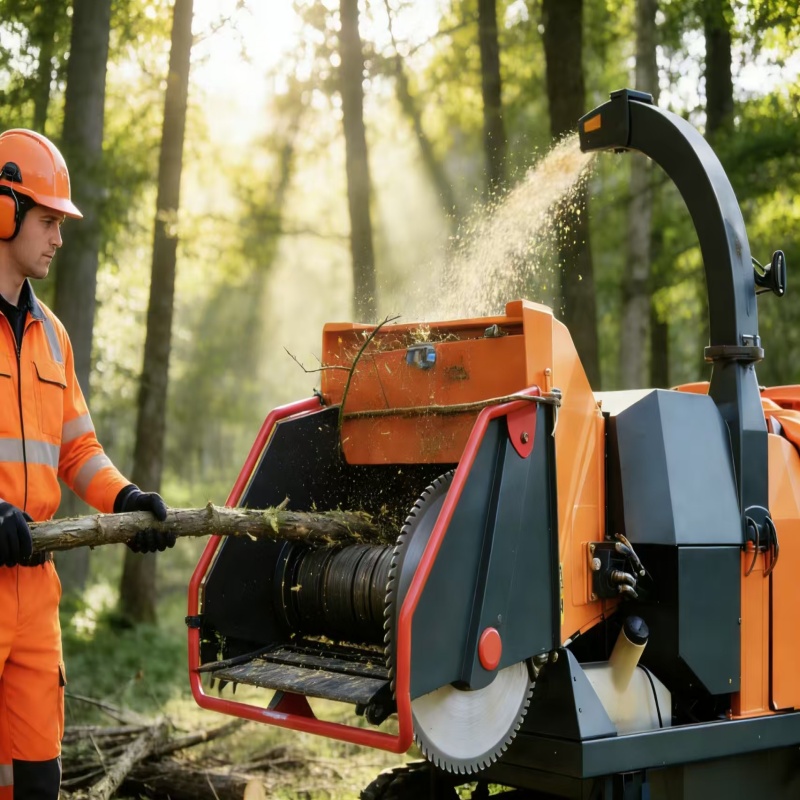
We manufacture food-safe stainless steel components, such as cream whippers and tabletop cooking stove frames, ensuring smooth finishes that prevent bacterial buildup. For agricultural equipment, we produce wear-resistant wood chipper cutter discs and feed rollers using high-durability steels like Q345B, 42CrMo, and NM400.
High-capacity equipment configurations engineered to deliver dimensional accuracy, repeatable processes, and scalable volume output.
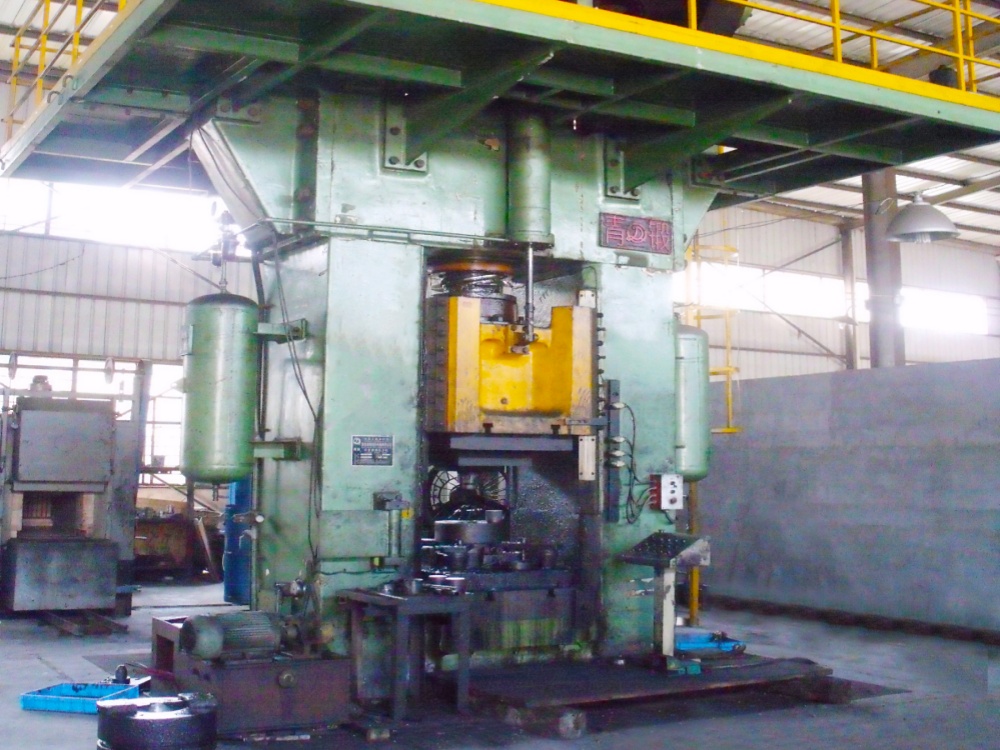
Our press lines feature high-capacity Japanese and domestic friction and column hydraulic press machinery, giving us the versatility to process a wide range of component sizes.
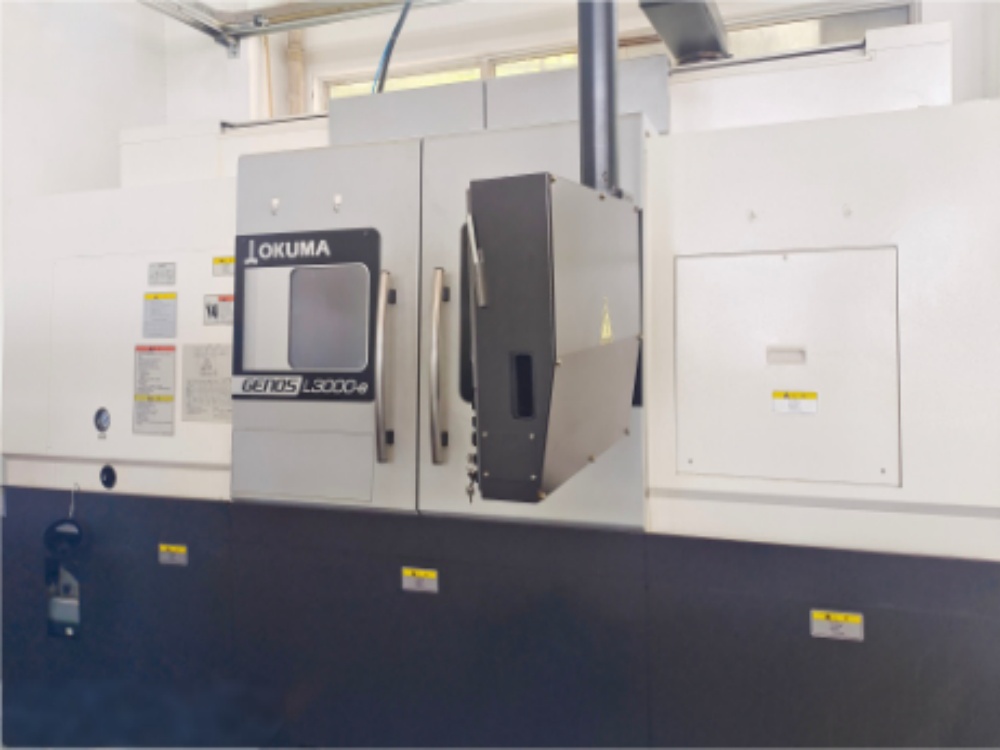
We operate multi-axis CNC milling and turning centers to perform secondary post-forging or post-casting machining with high precision.
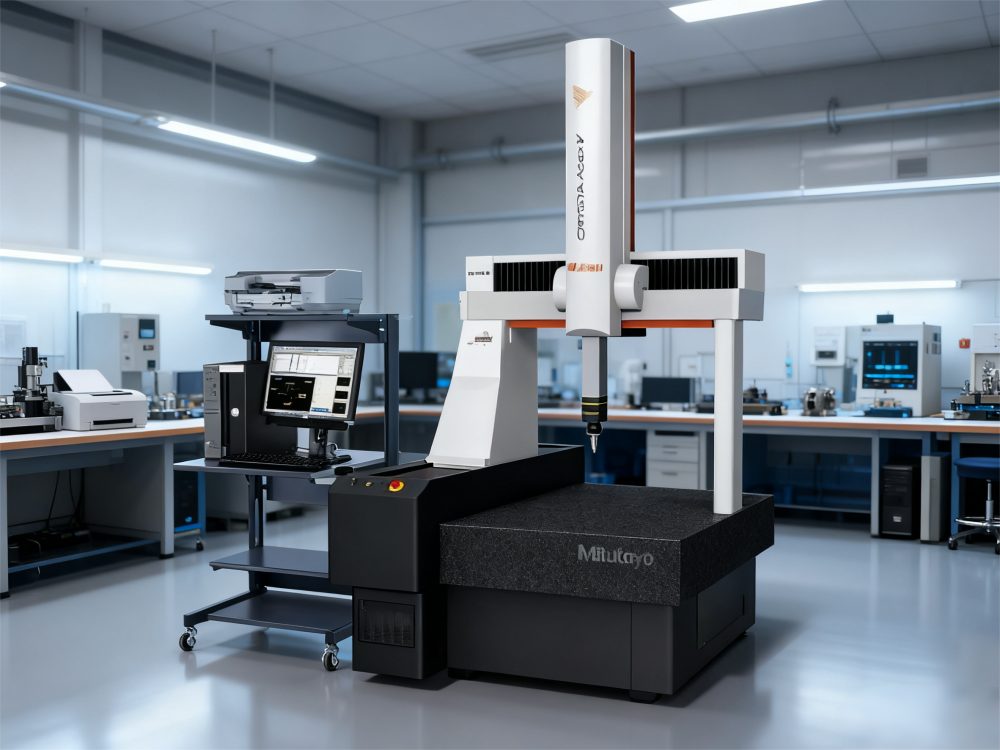
Our QA labs are outfitted with high-accuracy dimensional inspection tools, material analyzers, and mechanical properties testing instruments.
Our facility runs on a default 6-day, 16-hour schedule. Depending on customer volume requirements and order urgency, we can transition to a 24/7 run-time within 30 days.
Every component is fully traceable and undergoes strict quality validation in accordance with ISO 9001-2015 and SA8000 standards.
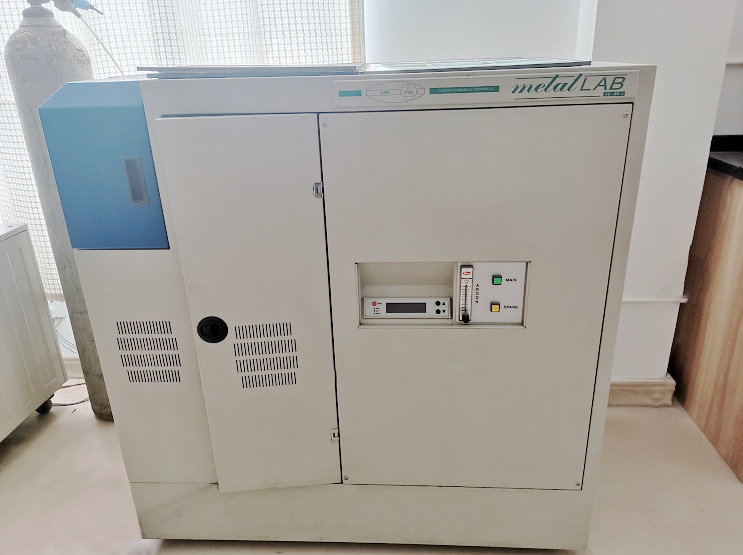
Verifies metallurgical chemistry, alloy integrity, and chemical compositions of raw materials before they enter the production line.
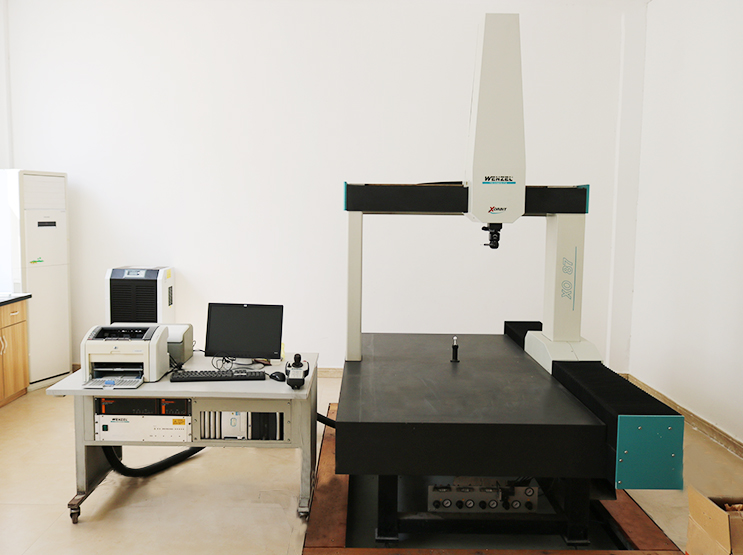
Performs computerized 3D measurements of intricate dimensions, ensuring complex shapes conform to cad designs within ±0.005mm.
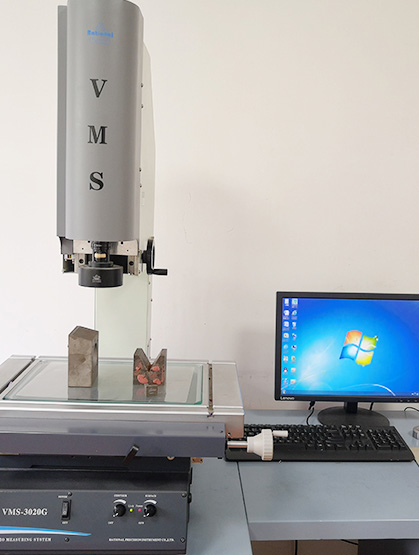
Enables contact-free measurements of profile shapes and stamping parameters, verifying drawing dimensions and tolerances.
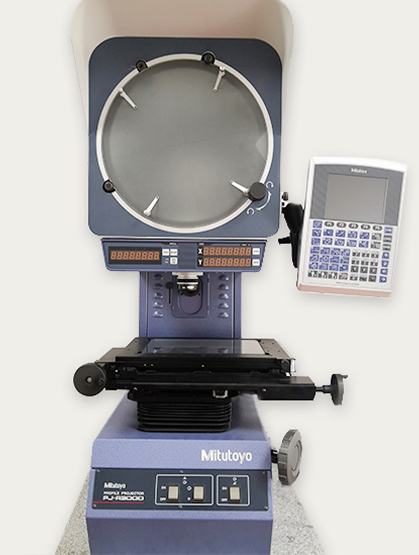
Inspects edge finishes, stamp burrs, and deep-drawn structures, helping prevent cracking or wear during long-term use.
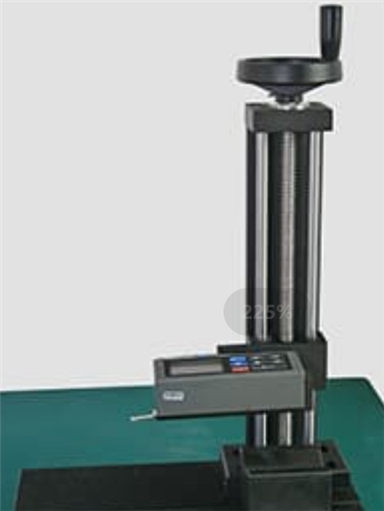
Verifies micro-finish parameter values, including Ra and Rz, on machined, electropolished, and anodized surfaces.
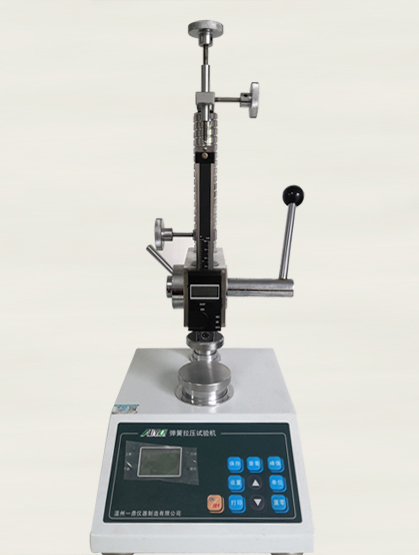
Measures structural load limits, yield point, and mechanical properties of formed parts under real-world stress conditions.
Quality is the lifeblood of our factory. Supported by our international customers, we have established a strict quality control system that monitors production from raw materials to final packaging.
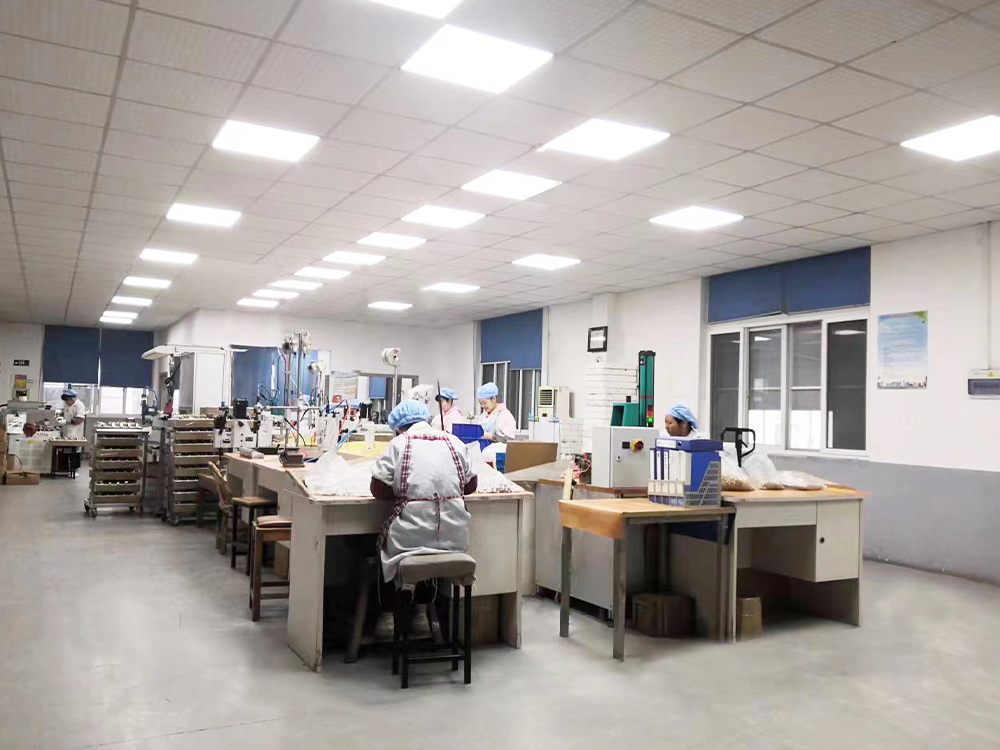
Our workforce is our most valuable asset. Of our 130 employees, 50 operate in product development, tool engineering, quality assurance, and management. We hold more than 20 technical design and utility model patents, demonstrating our commitment to innovation.
Our priority is delivering high-performance parts that exceed expectations.
We take care of every detail, from tooling design to the final delivery documents.
Every component is manufactured with a commitment to continuous quality improvement.
From initial CAD review and raw material inspection to final packaging, we maintain strict quality standards at every step.
Our engineers review your technical drawings and performance specifications. We perform a thorough Design for Manufacturability (DFM) check to optimize component designs, lower manufacturing costs, and ensure consistent quality.

We purchase certified materials matching your requirements. Our tooling division designs and manufactures the forming dies, producing sample parts for validation and dimensional verification.



We compile full dimensional reports, spectrometer alloy certificates, and surface finish metrics. We only proceed to mass production after the customer reviews and signs off on the samples.


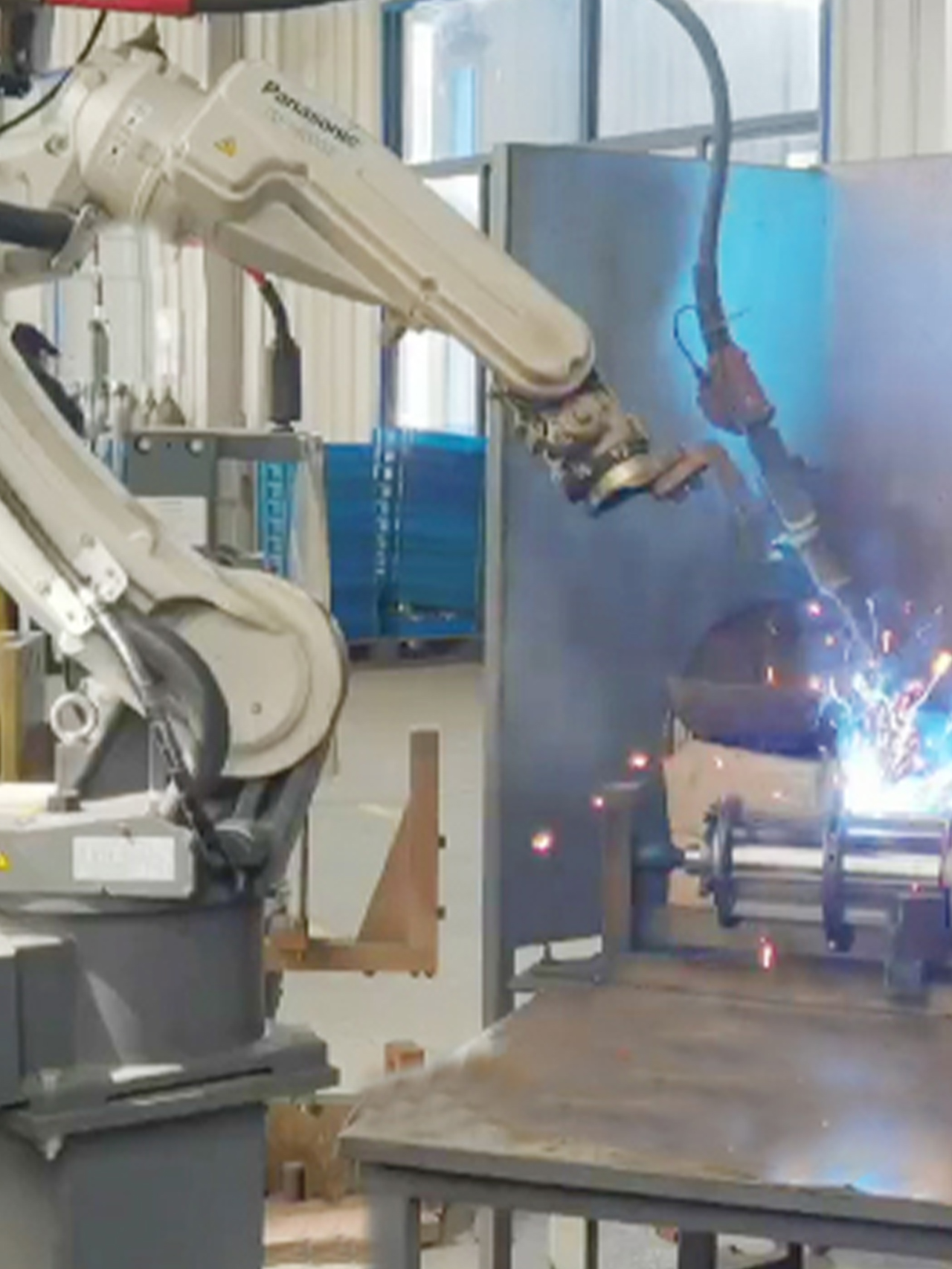
Our production floor schedules stamping, deep drawing, hot forging, or CNC machining according to the project plan. Multiple inspection stations monitor parts in-process to ensure tolerances are maintained.

Components are assembled, finished, and packed in custom export packaging to prevent transit damage. All deliveries are shipped with complete trace documentation.


Major technological developments and regulatory shifts shaping global precision metal manufacturing.
Modern stamping processes increasingly incorporate inline acoustic and optical sensors within forming dies. This enables real-time monitoring of raw material positioning, feed rate consistency, and tool wear, helping operators catch and correct errors before parts fall out of tolerance.
As industries prioritize lightweighting—particularly in automotive and aerospace—factories are adapting to stamp thinner, high-strength steels and aerospace-grade aluminum. This requires advanced lubricants and precise press velocity controls to manage higher springback.
Strict social accountability standards like SA8000 and environmental regulations require metal manufacturers to reduce carbon emissions and minimize material waste. Factories are implementing closed-loop scrap recycling systems and using biodegradable drawing oils.
Technical details, order policies, and logistics information for global procurement managers.
Tooling development and sample production typically take about 7 to 15 days, depending on geometry complexity. Once samples are approved, mass production runs are completed within 20 to 30 days. We adjust production schedules to accommodate urgent deadlines whenever possible.
We use a GNR Spectrum Analyzer to test all incoming raw material batches. By verifying chemical composition before machining, casting, or stamping, we ensure the material meets standard mechanical and environmental requirements.
We supply complete documentation packages with our shipments, including Certificates of Analysis/Conformance (COA/COC), dimensional CMM reports, raw material certificates, export declarations, and certificates of origin.
Our standard payment term is a 30% deposit in advance via wire transfer (T/T), with the remaining 70% balance paid upon presentation of the copy of the Bill of Lading (B/L). We also accept secure options like Western Union or PayPal for sample and prototype payments.
We package parts in custom-designed export boxes, using specialized dividers, vacuum packaging, and anti-rust (VCI) papers. This keeps parts stable and protected from moisture and impact during ocean transport.
Select an engineering category below to review design guidelines, materials, and tolerance capabilities.
 XinYe Metal