Explore our core engineering services and featured product categories with international specifications.
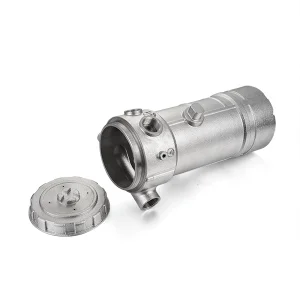
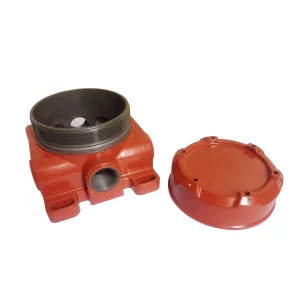
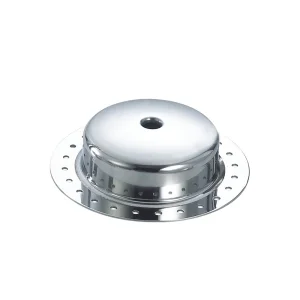
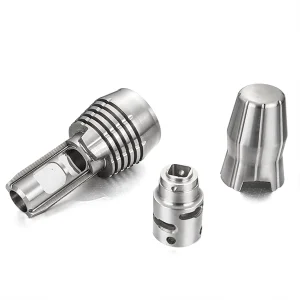
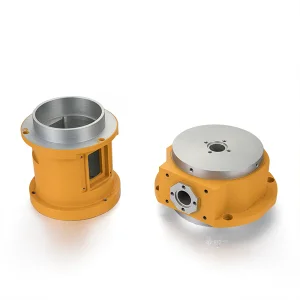
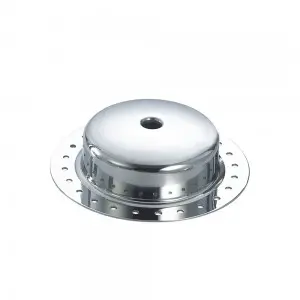
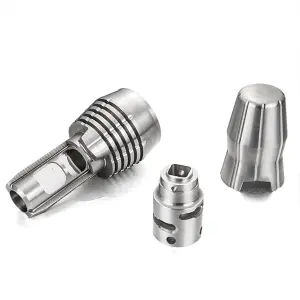
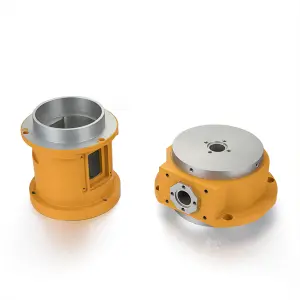
Global procurement teams across aerospace, defense, medical machinery, and automotive industries operate in highly regulated environments. Choosing a reliable OEM Hard Anodizing Supplier & Factory is critical to guarantee component reliability under extreme tribological stress. Hard Anodizing (electrochemical process conforming to MIL-A-8625 Type III) converts the surface of aluminum alloys into an ultra-hard aluminum oxide (Al₂O₃) layer, providing critical structural and performance enhancements:
XinYe Metal Works addresses these challenges by implementing precise electrolyte temperature controls (0°C to 5°C), custom rack tooling configurations, and current density profiling, ensuring standard-compliant, consistent finishes across complex geometries.
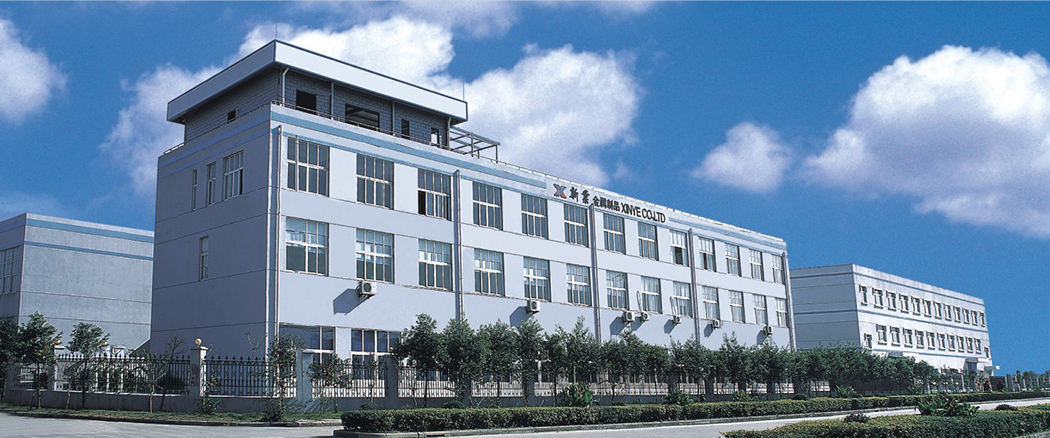
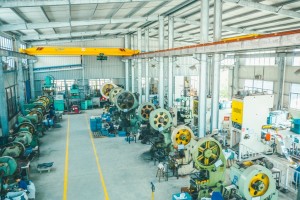
Established in 1996, Ningbo Jiangbei XinYe Metal Works Co., Ltd. has evolved from a specialized family business into a leading, owner-managed SME corporation. Located in the Ningbo Jiangbei Industrial Zone, our facility is strategically positioned within a 3-hour transport window of Shanghai International Airport via China's high-speed rail network.
Our footprint spans a total area of 16,000 square meters of production floor, with an additional 11,000 square meters allocated for construction and manufacturing expansions. The team comprises 130 highly trained employees, with a staff layout of 80 production professionals and 50 dedicated personnel handling Product Development, Mechanical Engineering, Quality Assurance, and Global Logistics. We secure reliable, robust OEM custom workflows from mechanical prototyping to high-volume assembly.
A comparison of technical specifications between commercial Type II and high-performance Type III Hard Anodizing.
| Property / Metric | Standard Anodizing (Type II) | Hard Anodizing (Type III) - XinYe Standard | Methodology / Standard Compliance |
|---|---|---|---|
| Typical Thickness Range | 8μm - 20μm | 50μm - 100μm (Customizable) | ISO 2360 / ASTM B244 (Eddy Current) |
| Microhardness (Vickers) | HV 200 - 300 | HV 400 - 650 (Depending on Alloy) | ISO 4516 / ASTM E384 Microindentation |
| Electrolyte Temperature | 18°C - 22°C | 0°C - 5°C (Chilled Sulfuric Bath) | XinYe Real-time In-bath Monitoring |
| Current Density | 1.0 - 1.5 A/dm² | 2.5 - 4.5 A/dm² (Controlled Ramp) | Constant/Pulsed Current Automation |
| Salt Spray Corrosion Resistance | Approx. 96-120 Hours | Exceeding 336 - 1000 Hours | ASTM B117 / ISO 9227 Corrosion Testing |
| Dielectric Breakdown | Lower values, thin layer limit | >1000 Volts (High Electrical Resistance) | ASTM D149 Dielectric Strength |
Combining structural forging, multi-axis machining, and advanced surface finishes inside a single controlled ecosystem.
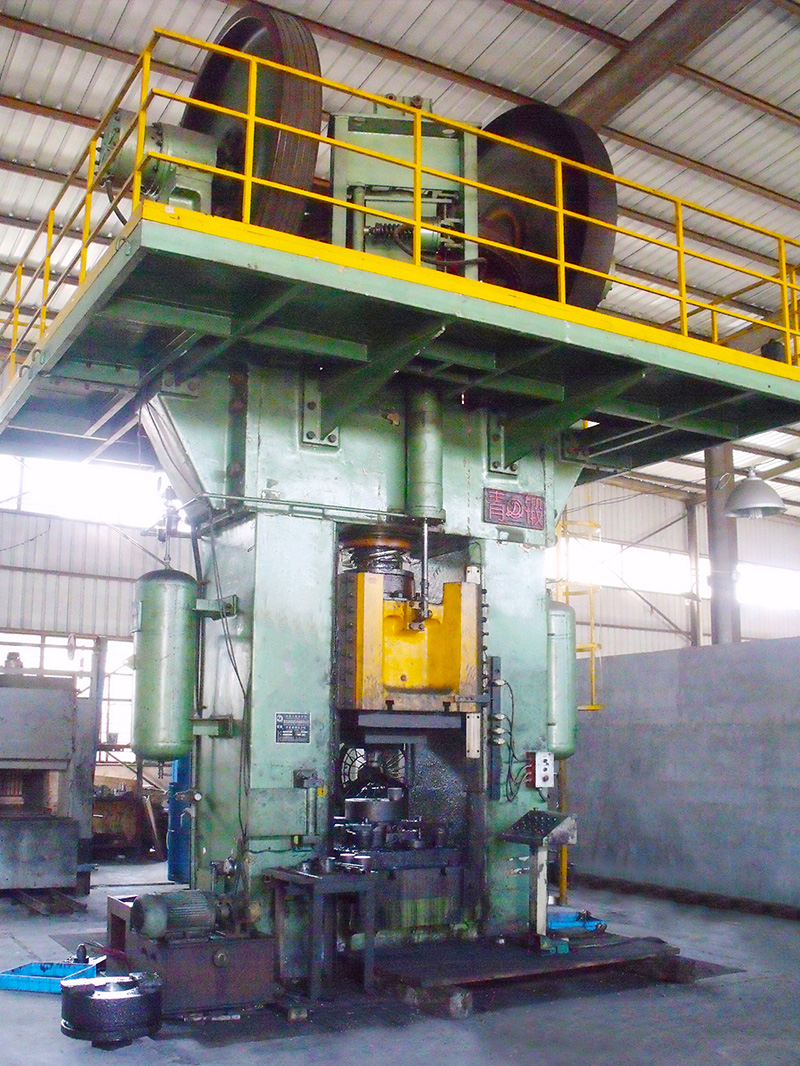
Friction press capabilities from 300 to 1000 tons and hydraulic forming lines (100 to 630 tons). Processing of high-strength Al6061, Al7075, and custom copper/steel alloys.
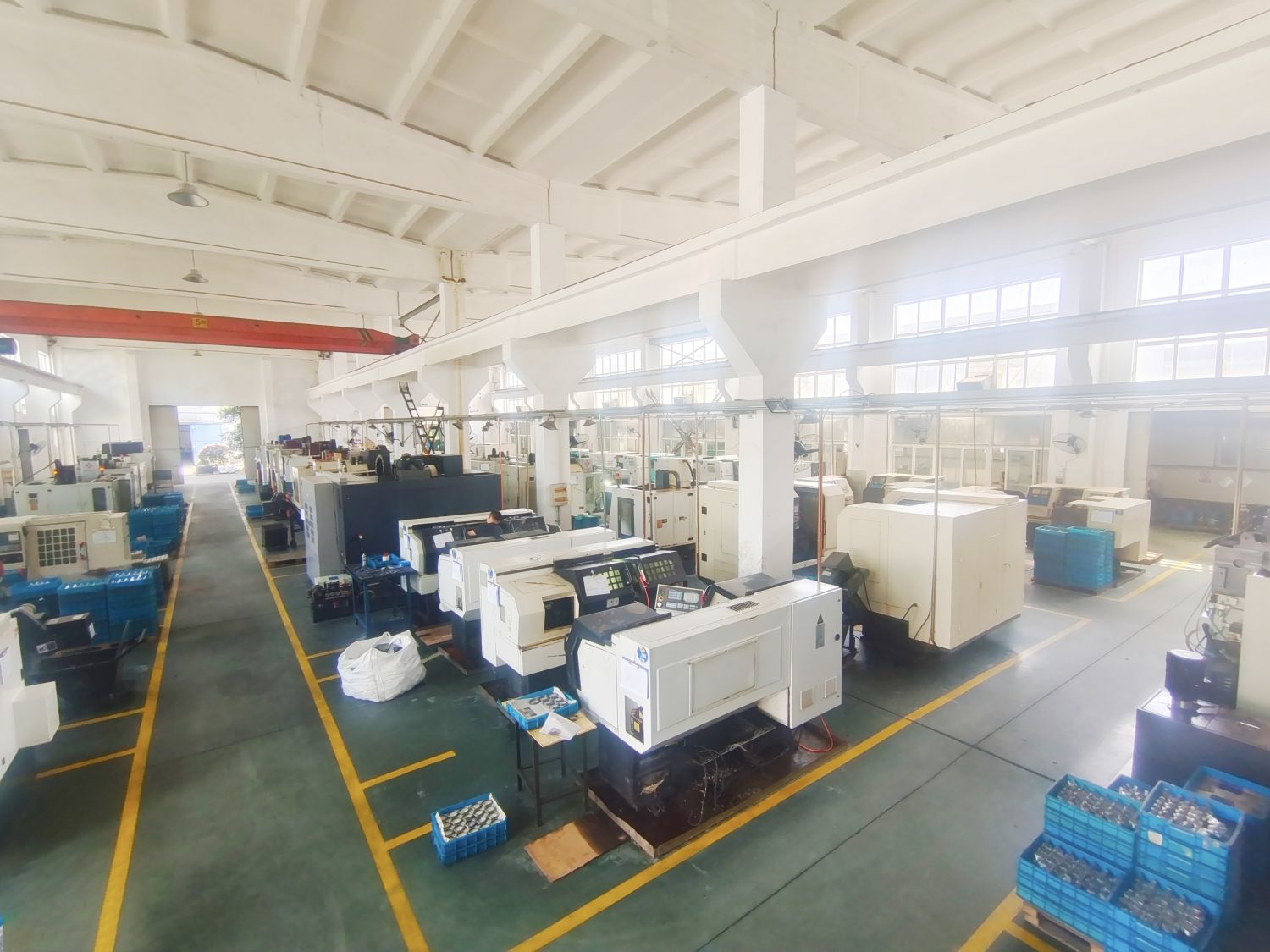
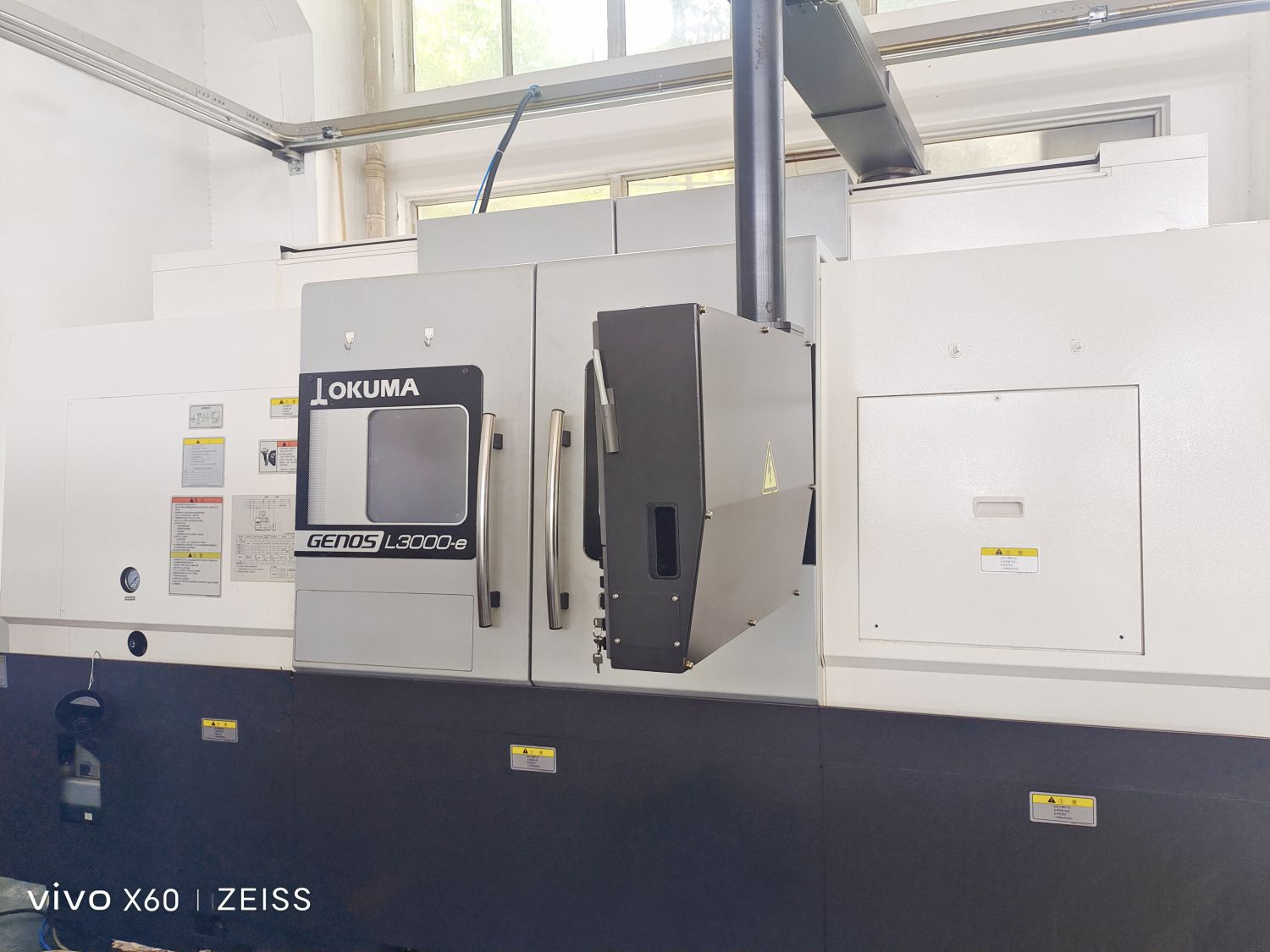
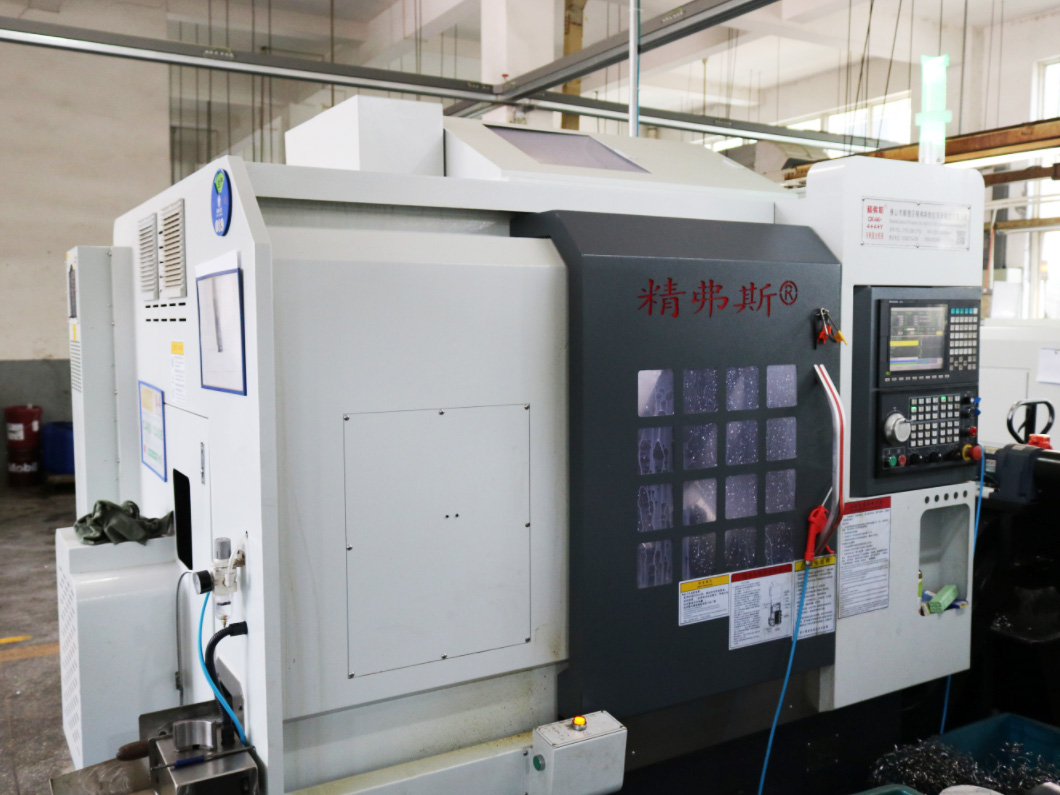
Equipped with Japanese imports: multi-axis CNC milling, 4-axis control machining centers, and high-speed CNC turning stations for dimensional tolerances within ±0.005mm.
Integrating chemical cleaning, electropolishing, and MIL-A-8625 Type III Hard Anodizing with sub-assembly lines to deliver ready-to-install components.
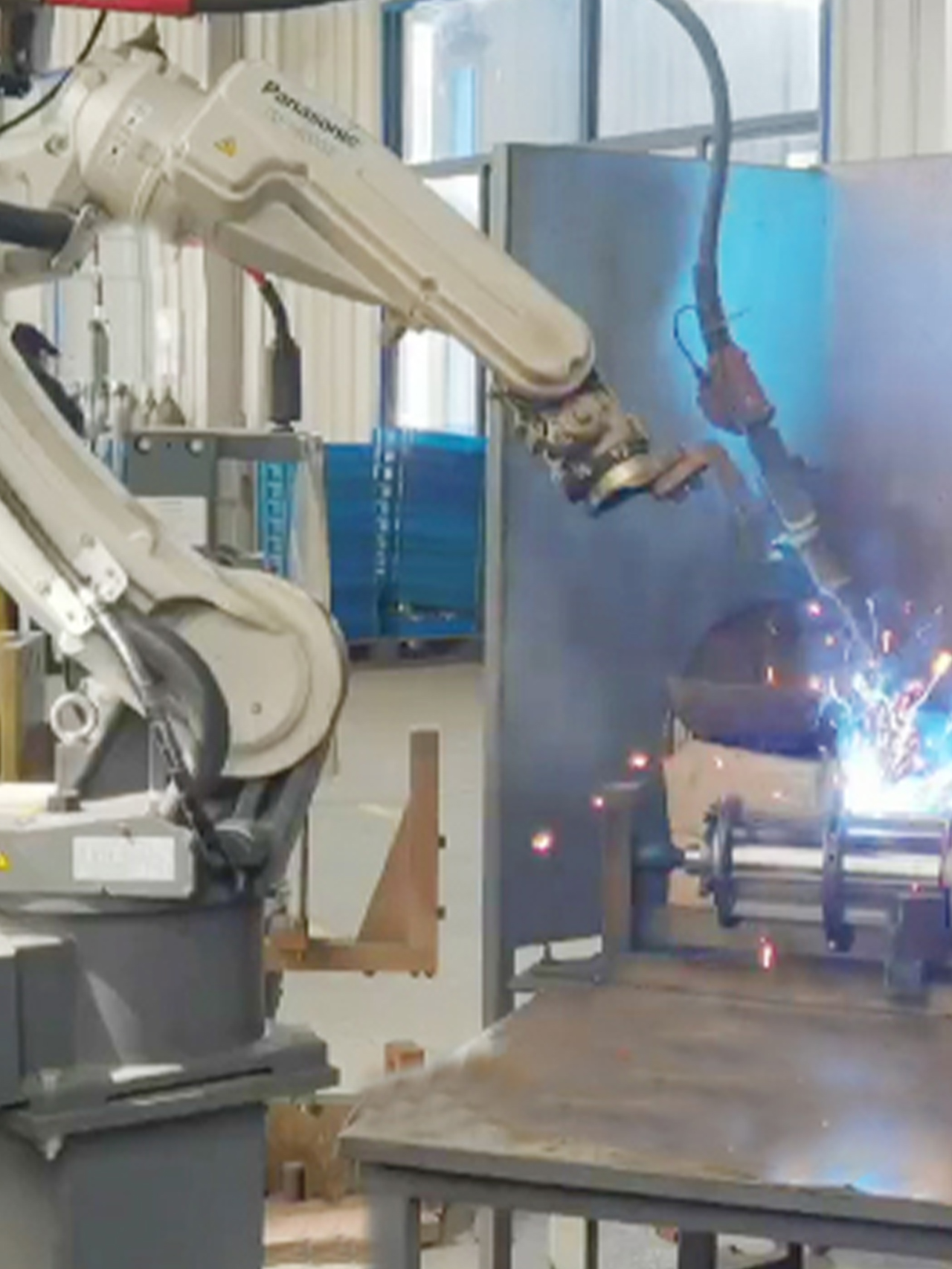
Our core production lines are equipped with Japanese manufacturing centers, automated forging, and high-precision testing equipment.
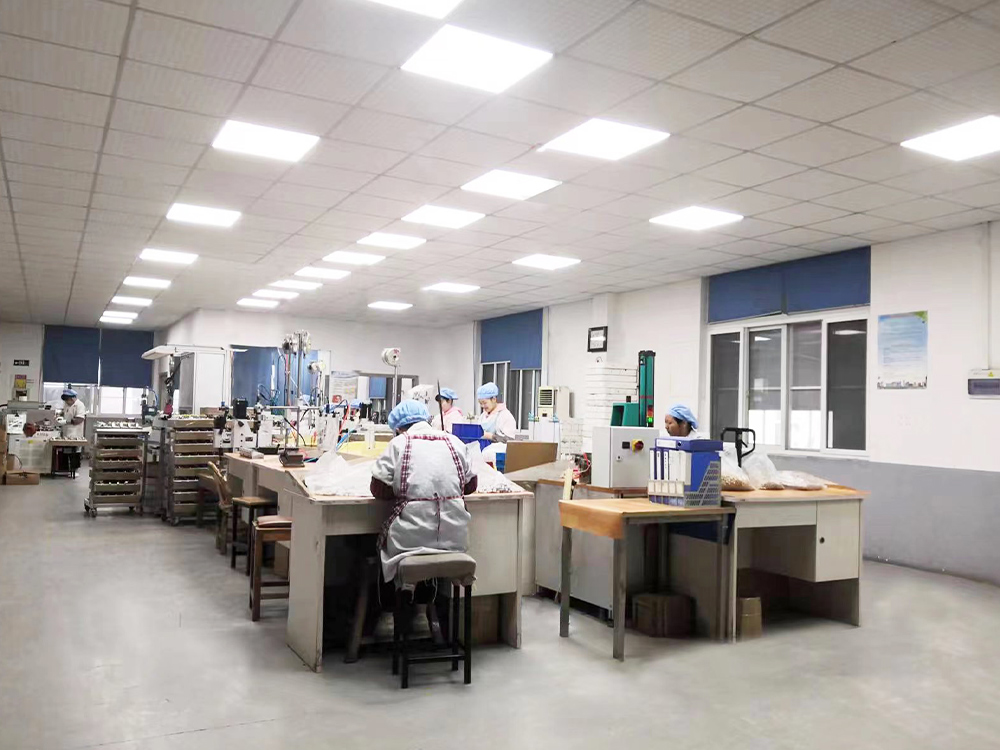
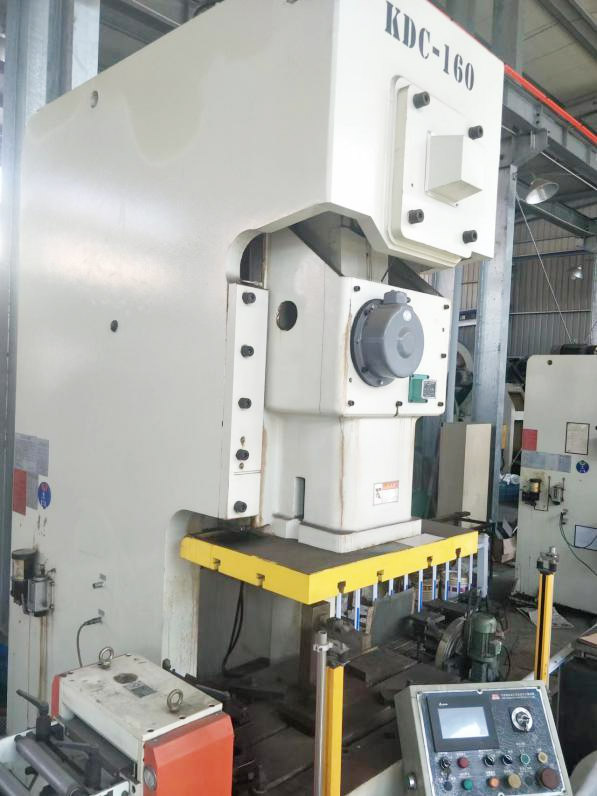
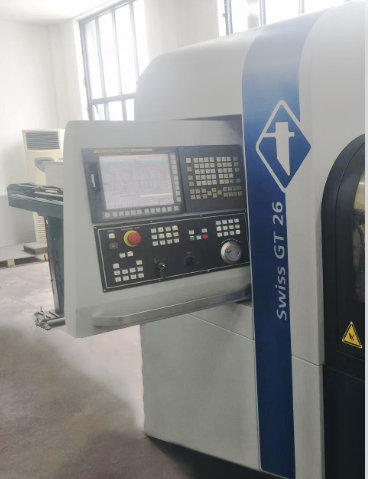
Quality is the foundation of our engineering services. With assistance from international clients, we have established a closed-loop quality control system. Material certificates (MTRs), spectral analyses, and chemical compositions are documented starting from incoming raw materials to prevent quality issues down the line.
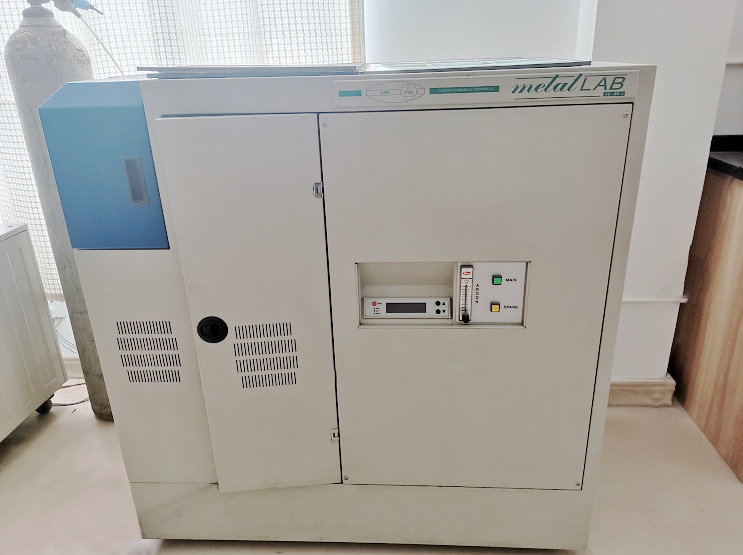
Our internal Quality Assurance department operates advanced metrology instrumentation to verify critical dimensions and surface parameters. These include 3D Coordinate Measuring Machines (CMM) for geometric tolerancing, Spectrum Analyzers for chemical analysis, and Video Measuring Systems for complex profiles.
Operational equipment testing mechanical, material, and electrical specifications.
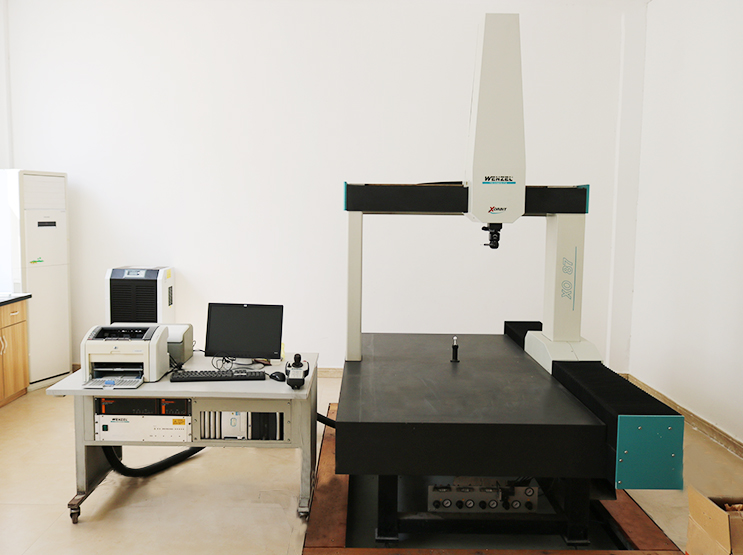
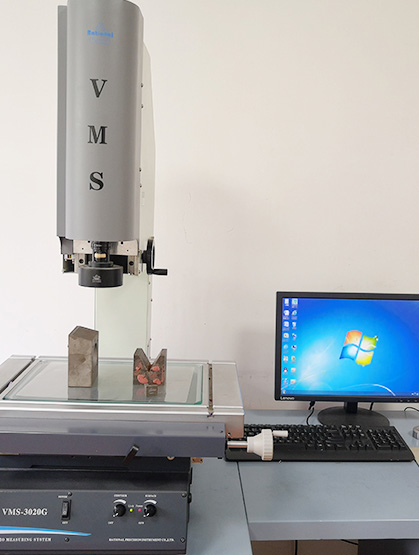
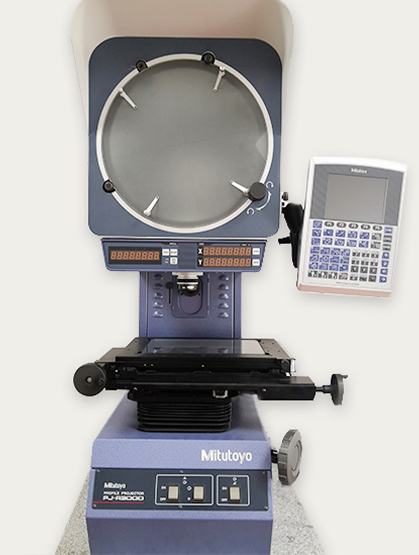
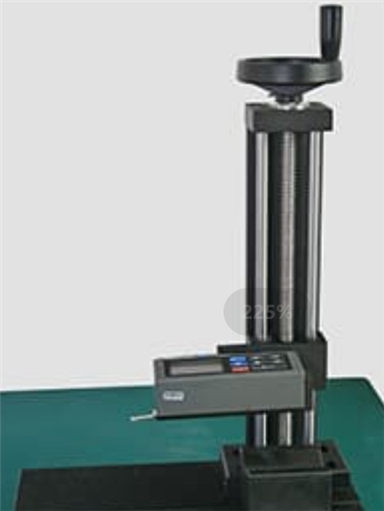
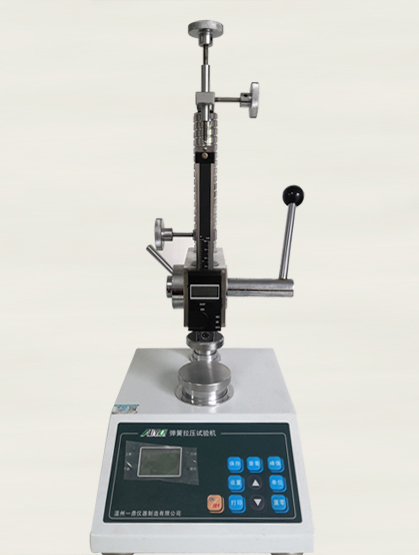
From initial design evaluation to final verification, our processes are optimized for maximum efficiency.
We perform structural evaluations on customized drawings. Our technical engineers review geometric tolerances, alloy designations, and targeted hard anodizing masking templates. We then establish formal quotes, tooling cost amortizations, and lead times.

Our prototyping team manufactures physical samples using exact machining pathways. Dimensions, material consistency, and anodization layer thickness are documented in dimensional test reports and material certificates before shipment for client approval.



We incorporate mechanical engineering feedback on alloy properties, surface coatings, and mechanical fits, adjusting machining programs as needed before production scaling.


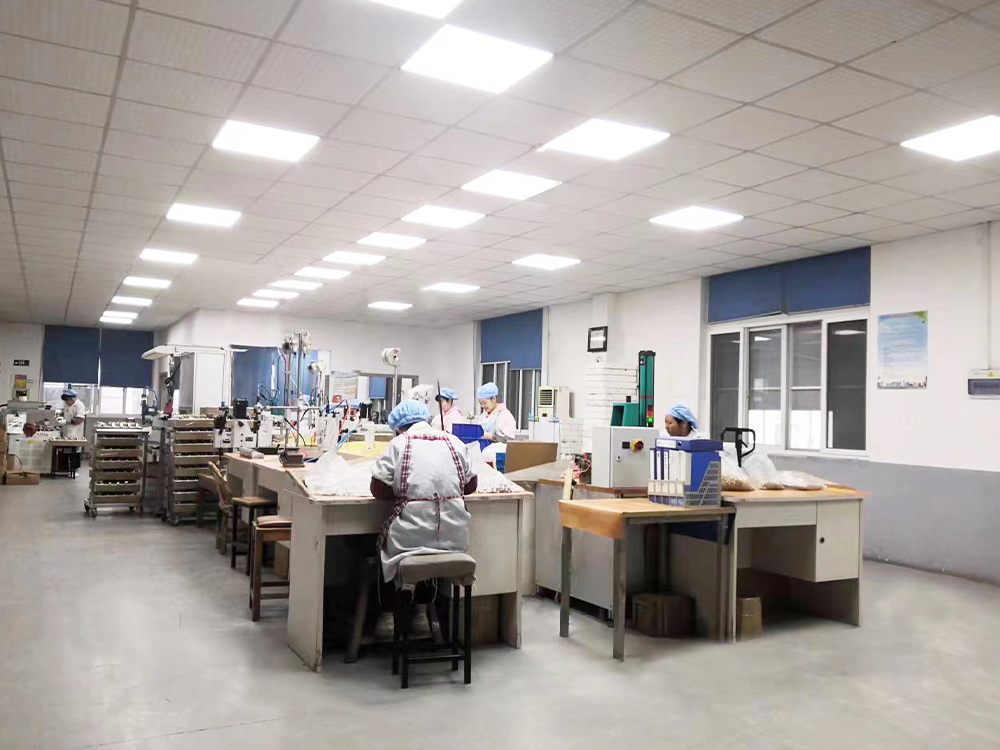
Our production floor runs 16 hours a day, 6 days a week, and can scale to a 24/7 run-time within 30 days to meet spikes in demand. Quality checkpoints verify dimensional tolerances after forging, machining, and surface treatments.

Every batch undergoes final dimension inspections, layer depth measurements, and packaging using export-safe methods. We also provide a 1-year product warranty against manufacturing defects.


Real-world examples of our metal fabrication and hard anodizing applications across demanding industries.
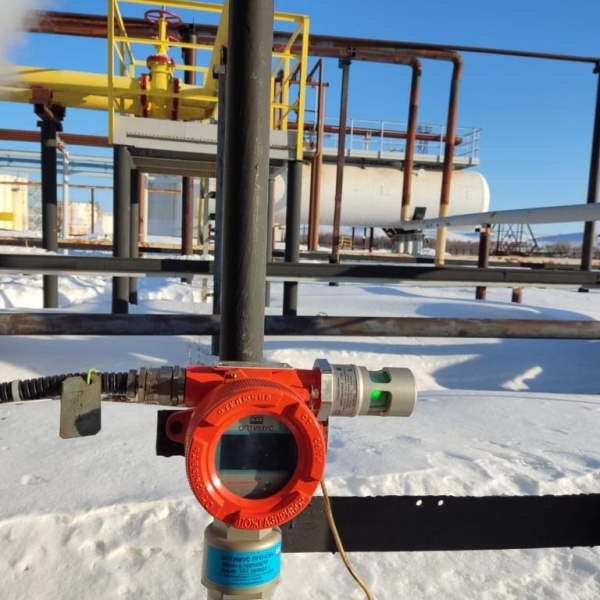
High-stress aluminum structural parts manufactured via hot forging and multi-axis CNC milling, delivering high tensile strength and fatigue resistance.
Stainless Steel & Al Alloy
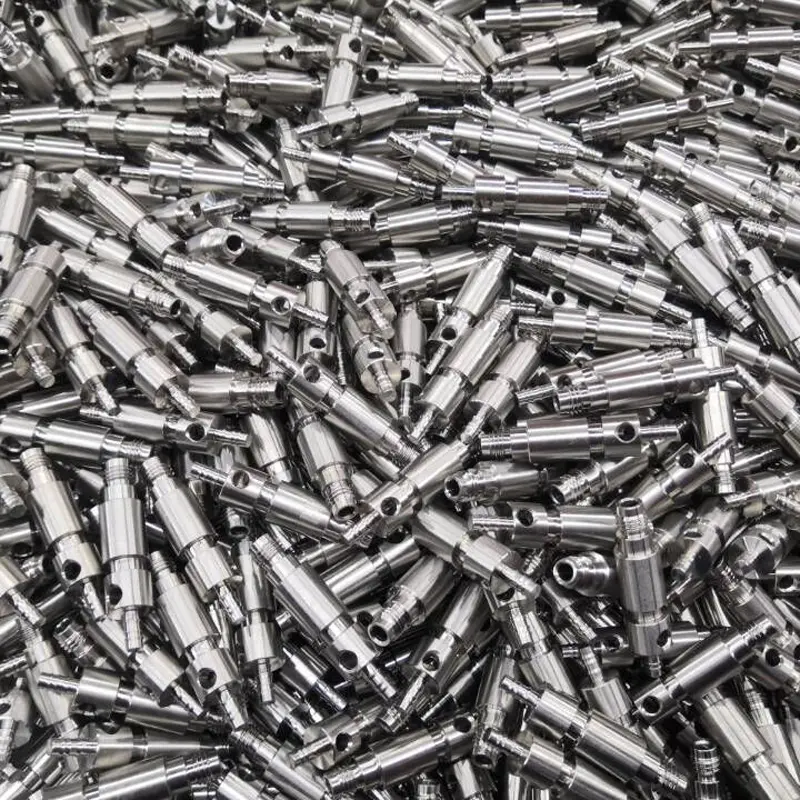
Precision transmission housings and structural bracket assemblies engineered to strict automotive tolerances and safety guidelines.
Aluminium Alloy 6000 & 7000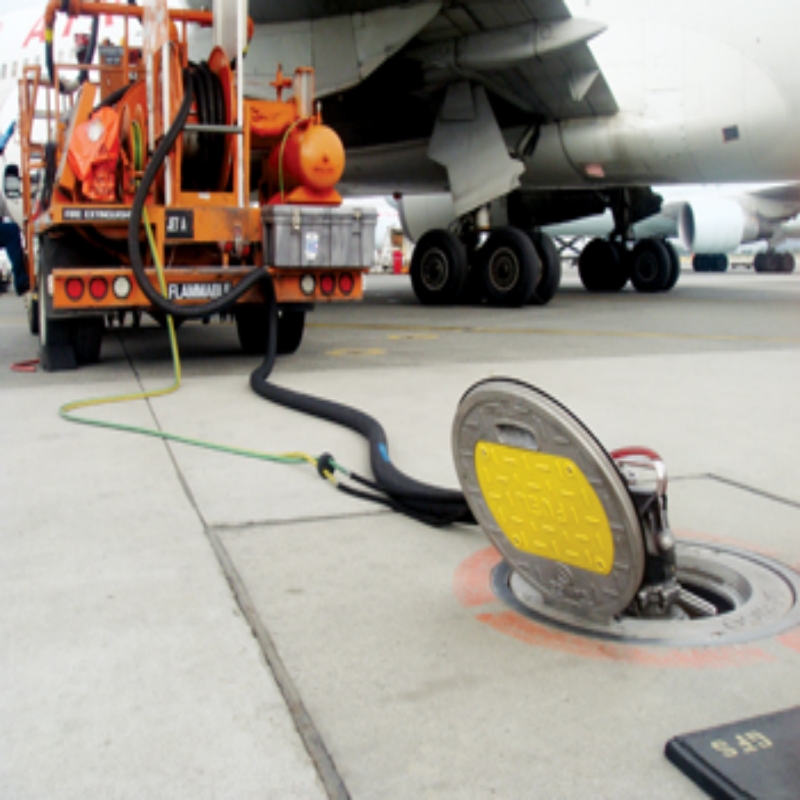
Custom heavy-duty pits, hinge brackets, transmission connectors, and high-impact structural components engineered for ground support safety.
Hardcoat Anodized Aluminum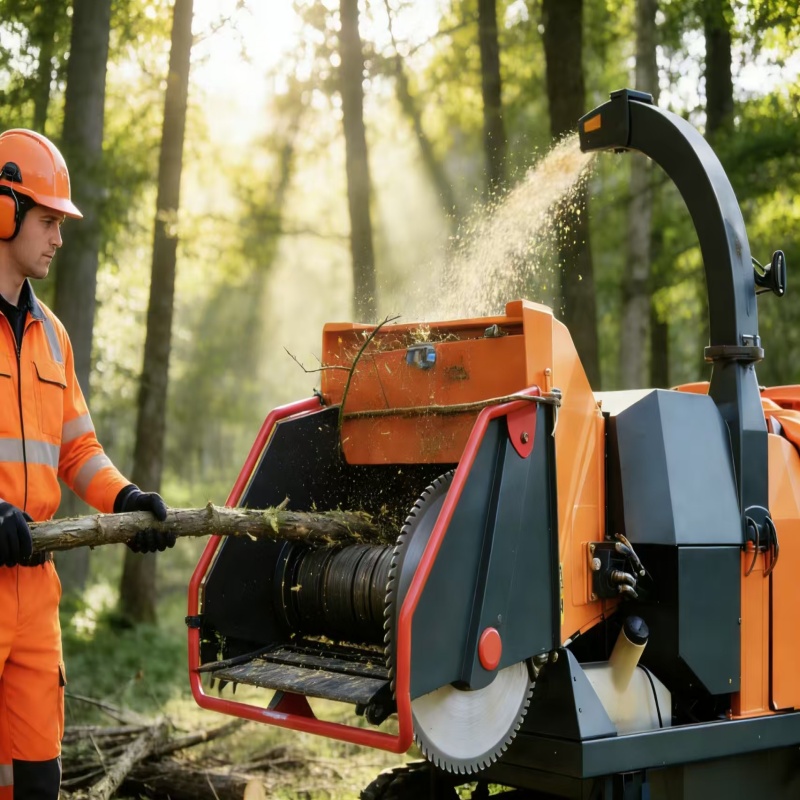
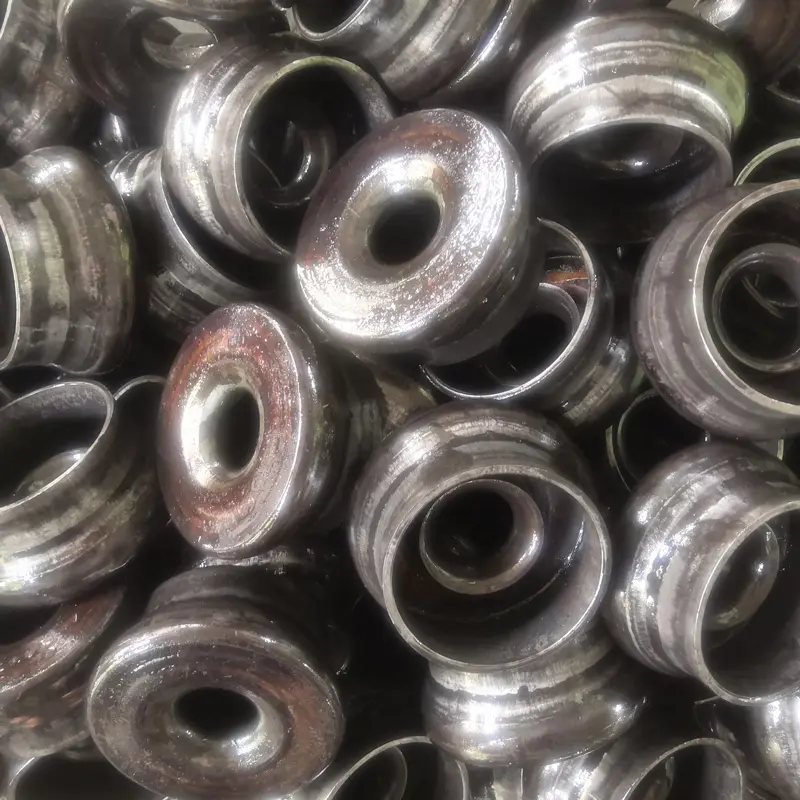
Heavy-duty forestry cutting components manufactured from high-impact structural steel to withstand continuous abrasive loads.
Alloy Steel Q345B & 42CrMoCheck out our machinery, automated systems, and precision anodizing lines via our processing videos.
We operate advanced multi-spindle processing technologies to handle complex mechanical components and finish hard coatings within a single production loop.
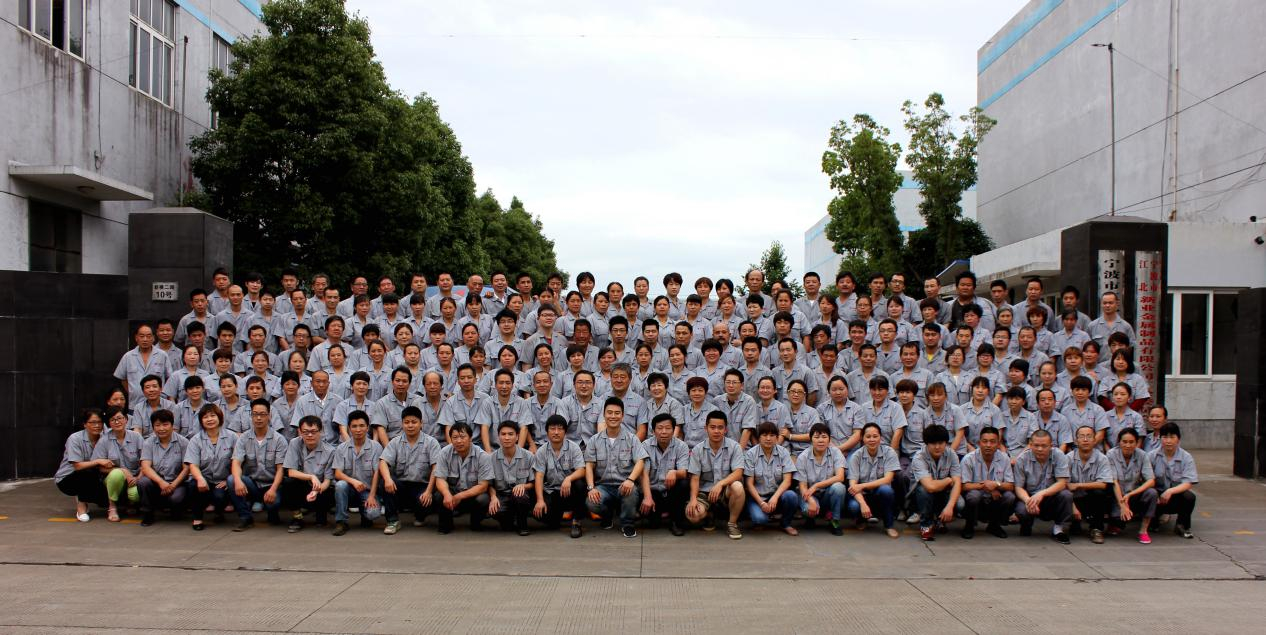
Out of our 130 employees, over 50 are dedicated to product design, materials engineering, and quality management. This ensures that custom orders run smoothly from CAD layout to final surface treatment.
Additionally, we hold over 20 utility and technical patent certificates, highlighting our commitment to continuous research, structural updates, and surface treatment optimizations.
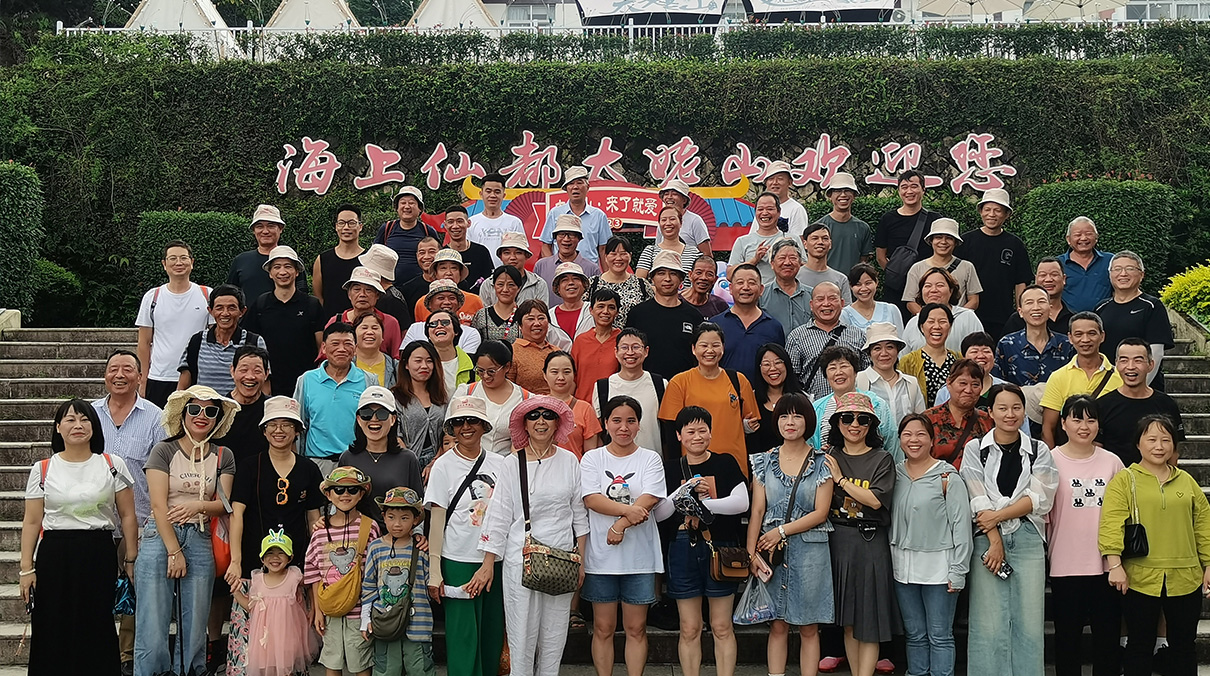
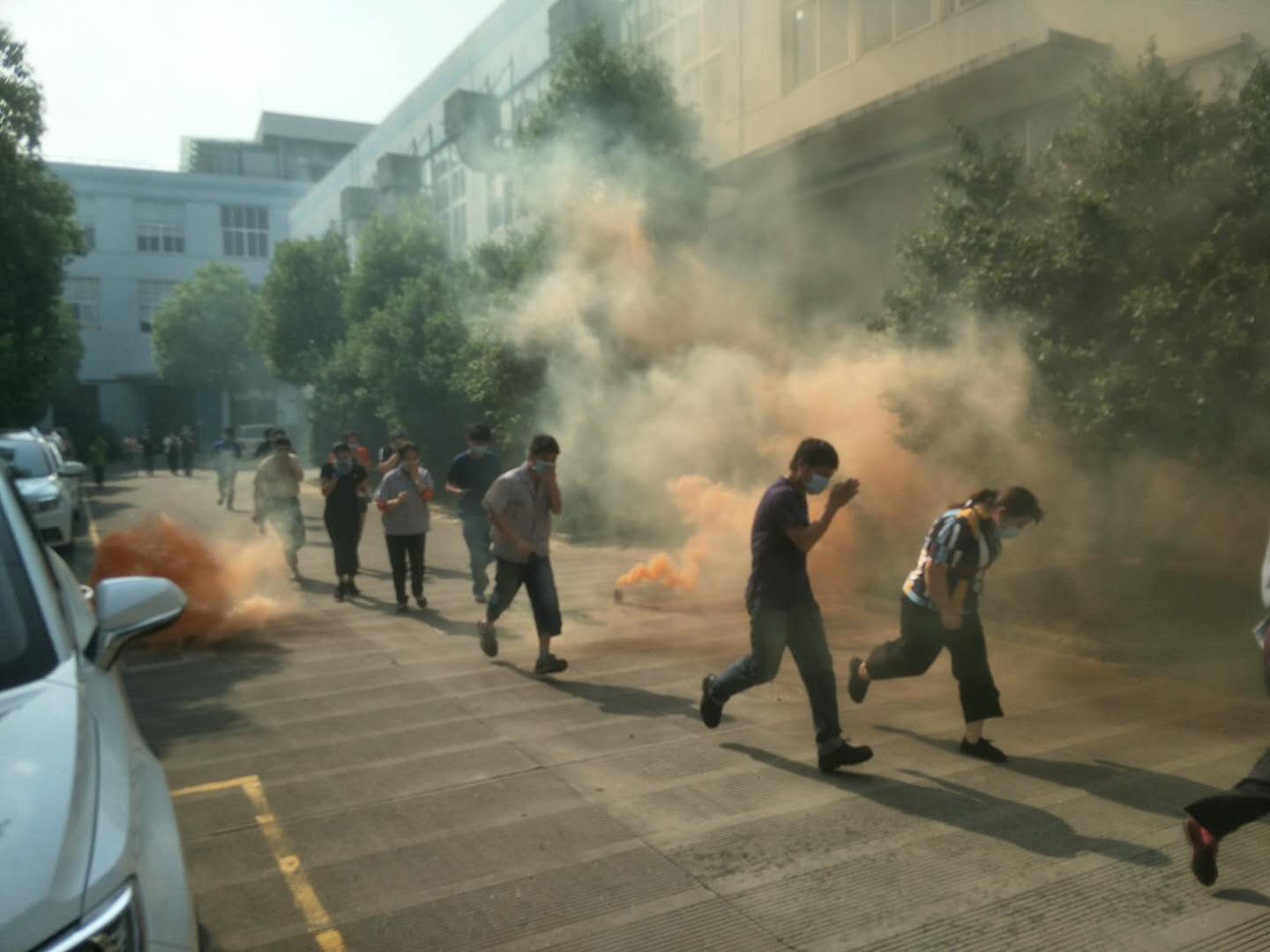
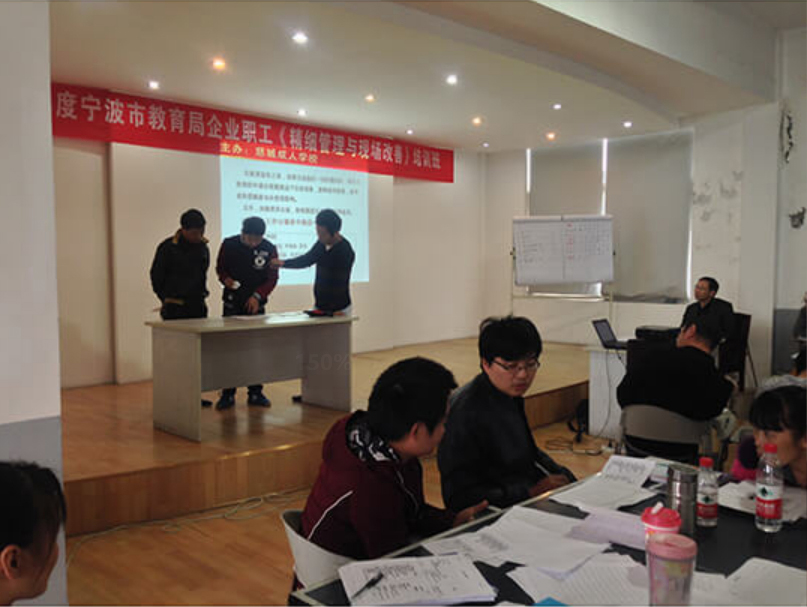
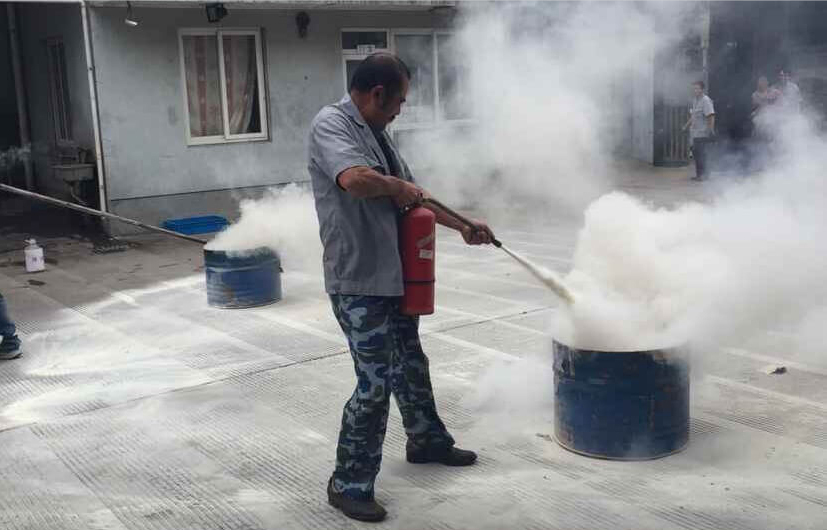
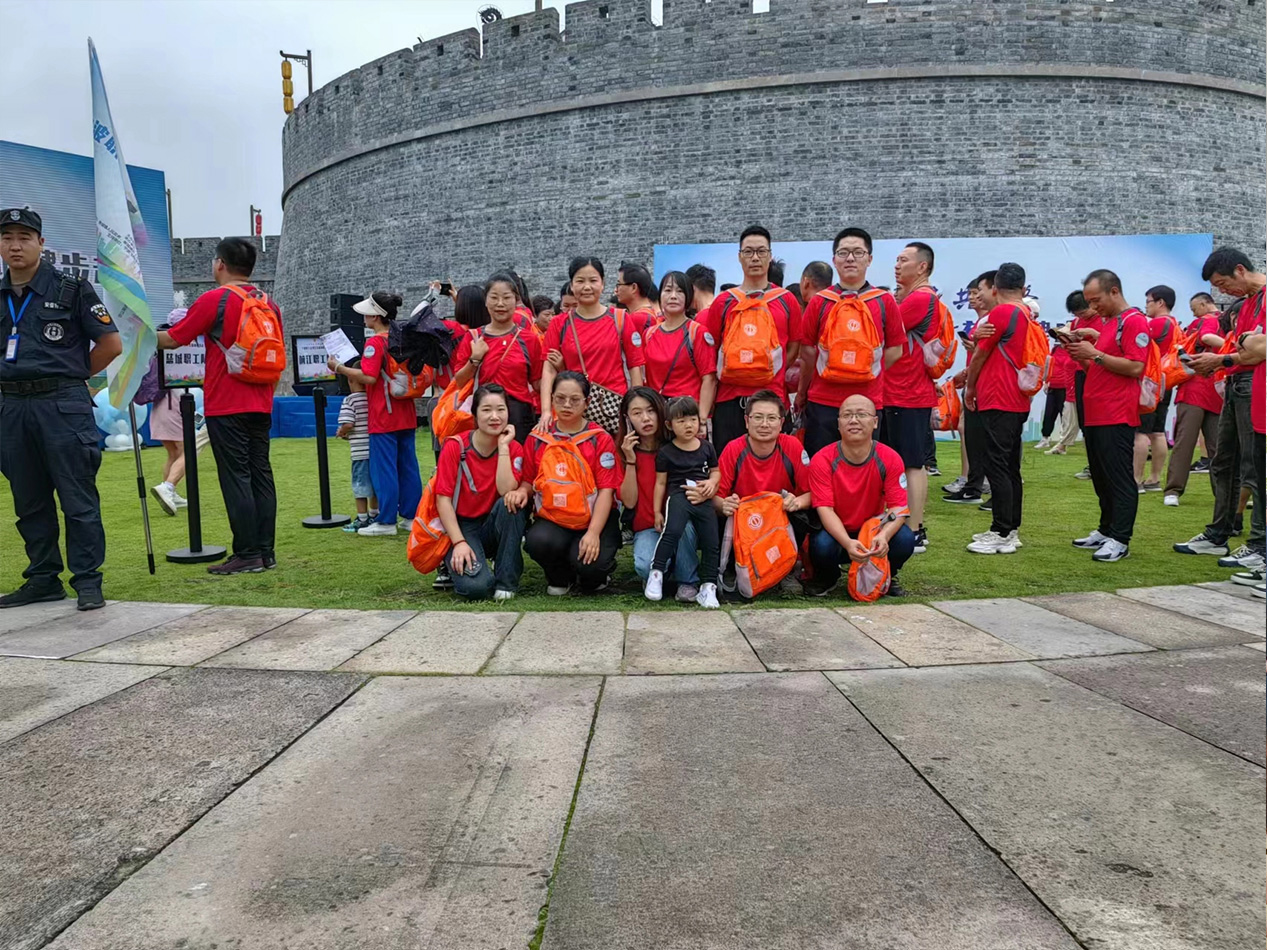
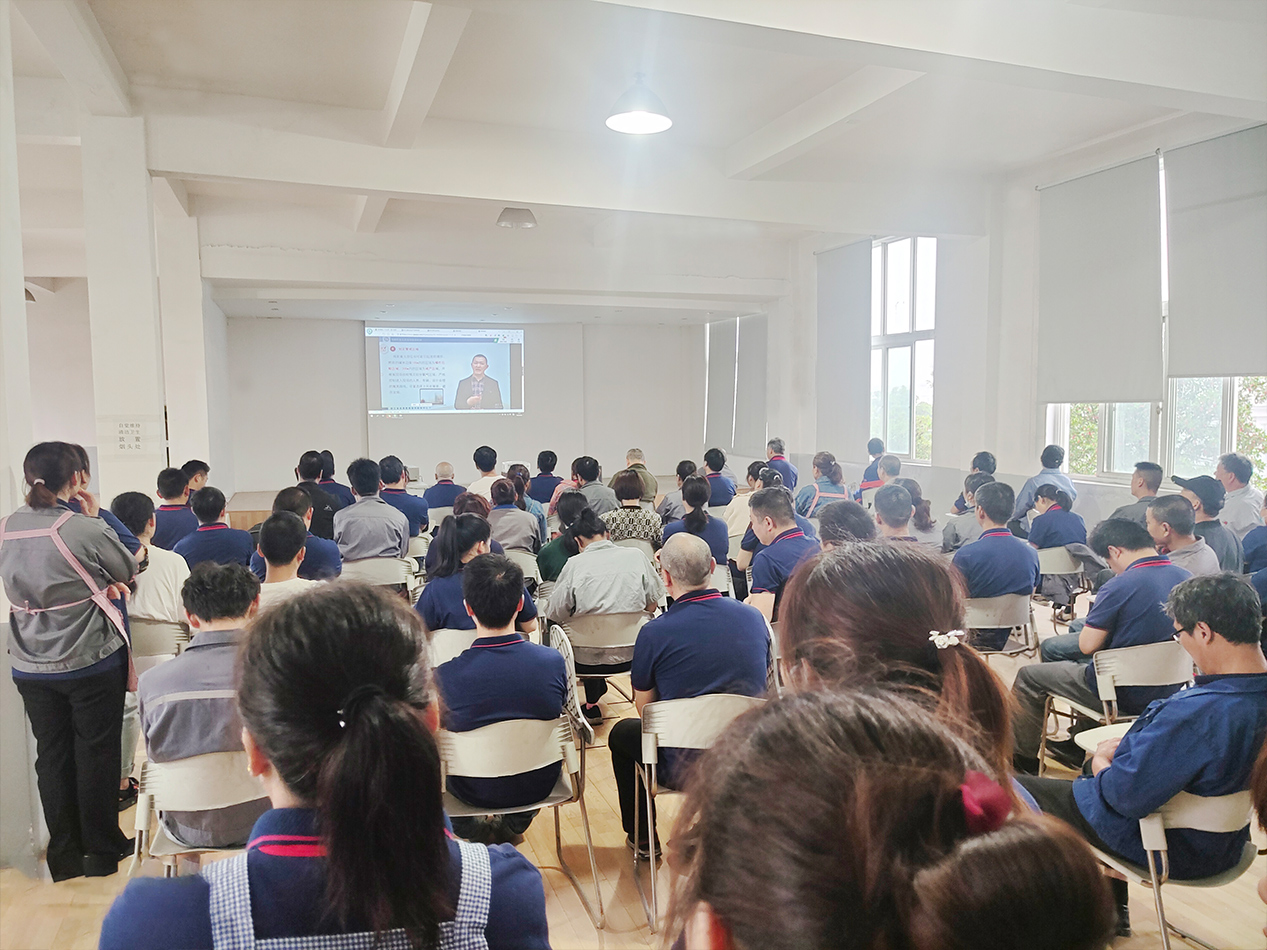
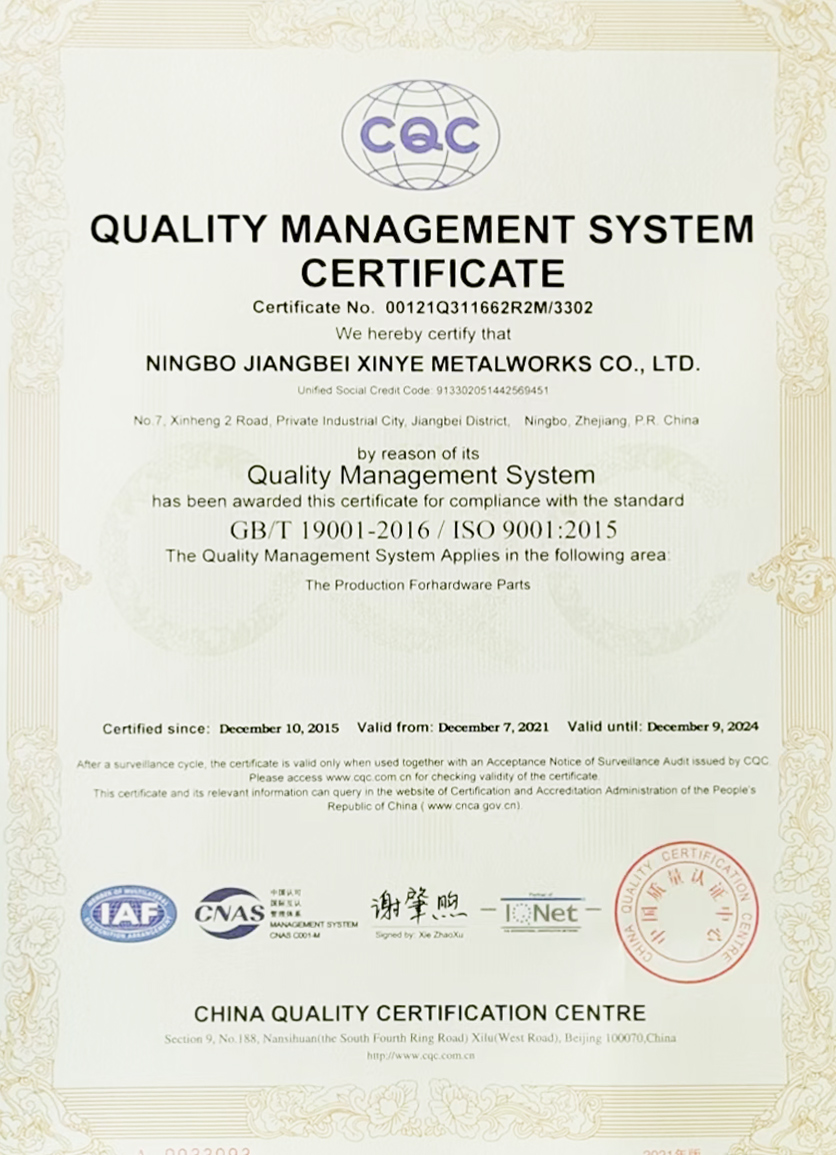
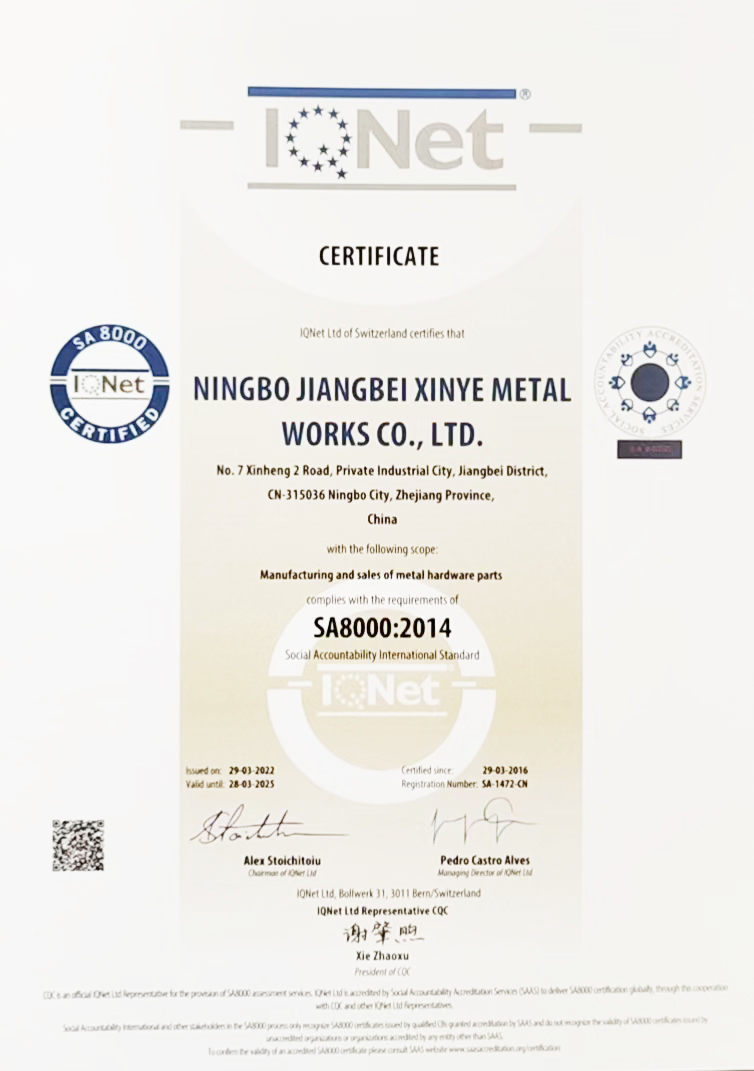
Our production facilities are certified to international quality, environmental, and ethical standards.
In modern industrial applications, mechanical wear remains a primary cause of component failure. Hardcoat anodizing addresses this issue by converting the parent aluminum substrate into a dense, porous, yet highly structured crystalline aluminum oxide layer. At XinYe, we maintain strict control over this process by using chilled sulfuric acid baths (0-5°C) and high current densities (up to 4.5 A/dm²). This approach minimizes dissolution rates while accelerating oxide formation, resulting in a finish that excels in wear resistance and thermal dissipation.
Different alloy compositions yield varying results when subjected to Type III anodization. High-silicon cast alloys (such as A380 or A356) require specialized electrical parameters to prevent localized pitting, whereas wrought alloys (like Al6061 or Al7075) anodize more uniformly. XinYe's technical team calibrates current ramp speeds to manage these differences, ensuring reliable coating quality across diverse alloy grades.
As global environmental regulations tighten (including REACH and RoHS compliance), we are upgrading our processes to support eco-friendly alternatives. By developing nickel-free and chrome-free sealing lines, we help our clients meet strict environmental standards while maintaining high corrosion resistance and dielectric performance.
Answers to common questions regarding our manufacturing processes, lead times, quality control, and engineering standards.
Prices vary depending on the chosen alloy, dimensional complexity, masking requirements, and production volume. We provide detailed quotes outlining material, processing, tooling, and packaging costs after reviewing your engineering drawings.
Yes, we require ongoing minimum order quantities for international shipments to maintain production efficiency. Please contact our sales team with your project requirements to discuss sample runs and volume targets.
Yes, we provide comprehensive quality documentation, including Certificates of Analysis/Conformance, material certifications, dimensional inspection reports, and export compliance documents as needed.
Prototype samples are typically delivered in about 7 days. Mass production orders generally ship within 20 to 30 days after drawing approval and deposit receipt. We work to accommodate tight project timelines whenever possible.
We accept payments via direct wire transfer (T/T), Western Union, and PayPal. Our standard terms are a 30% deposit in advance, with the remaining 70% balance paid against the copy of the Bill of Lading (B/L).
We use robust, export-ready packaging to protect completed components during shipping. For sensitive items, we utilize custom crating, temperature-controlled transport, or specialized packaging configurations to prevent transport damage.
We back our workmanship and materials with a 1-year product warranty starting from the delivery date. We work to quickly address and resolve any quality or technical issues to our customers' satisfaction.
Shipping fees depend on the delivery speed, weight, volume, and transport method (express, air freight, or ocean freight). We calculate shipping options based on your order metrics to secure reliable rates.
Type II is standard anodizing designed for cosmetic appeal and light corrosion protection, typically producing a layer thickness of 8-20μm. Type III is hard anodizing designed for high wear resistance, processed at near-freezing temperatures to create a thick, dense oxide layer (50-100μm) with high abrasion and dielectric performance.
Browse our core engineering capabilities and component categories.
 XinYe Metal