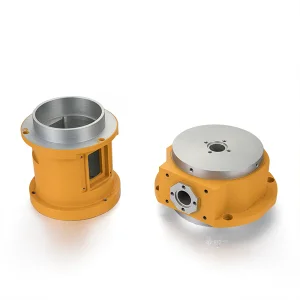
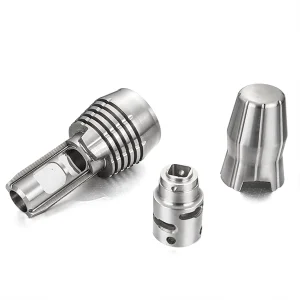
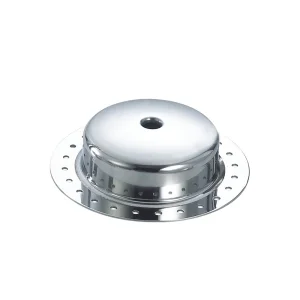
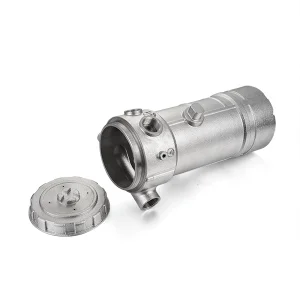
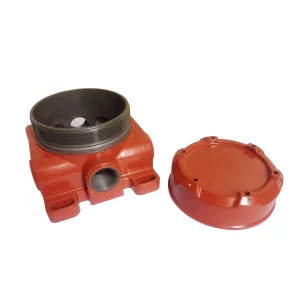
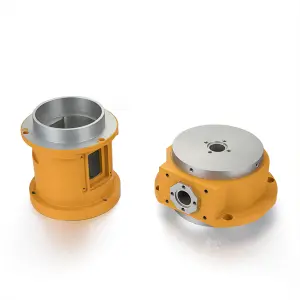
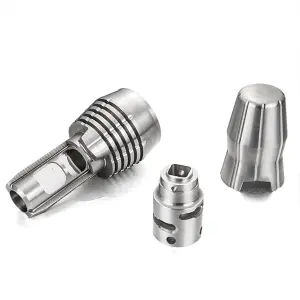
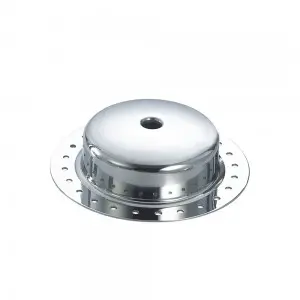
Explore our high-performance forged and precision-machined metal components engineered for tight tolerances and extreme environments.
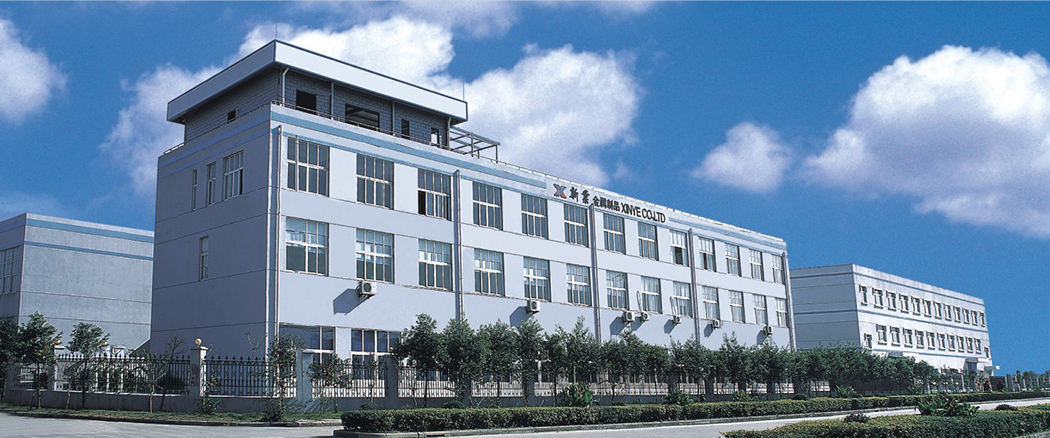
Founded in 1996 as a family-run business, Ningbo Jiangbei XinYe Metal Works Co., Ltd. has developed into an owner-managed SME corporation renowned for high-precision metal manufacturing. Located within the Ningbo Jiangbei Industrial Zone, our facility is strategically positioned for global trade, reachable within 3 hours from Shanghai Pudong International Airport via China's high-speed rail network.
Today, our facility comprises 16,000 square meters of modern production floor and an additional 11,000 square meters under construction to support our capacity expansion. We employ a skilled workforce of 130 staff, with 80 production line operators and 50 dedicated engineers, product developers, quality control specialists, and administrative personnel.
An in-depth look at grain structures, metallurgical performance, and structural integrity optimization in modern B2B manufacturing.
In high-stress industrial applications, the choice of metal fabrication method directly dictates the operational lifecycle and failure rates of components. Traditional casting and machining processes are often insufficient for parts subjected to high fatigue, cyclic loads, or high fluid pressures. Ningbo Jiangbei XinYe Metal Works Co., Ltd. addresses these challenges by offering a integrated technology ecosystem combining closed-die hot forging, CNC machining, and specialized thermal processing.
Our aluminum alloy and steel hot forging processes utilize controlled deformation temperatures above the material's recrystallization point. Unlike casting—which introduces gas porosity, shrinkage voids, and dendritic grain boundaries—hot forging refines the metal's internal microstructure. Under massive compressive force, the crystalline structure of the metal is deformed and aligned with the physical geometry of the part. This directional grain flow drastically enhances tensile strength, impact toughness, and resistance to cyclic fatigue.
Uncontrolled cooling after forging can lead to uneven residual stresses and mechanical anisotropy. At XinYe, our post-forge thermal treatment is designed to bring out the optimal mechanical properties of each alloy:
As global industries demand lighter and stronger structural elements to meet efficiency and environmental mandates, the forging and heat treatment sector is rapidly evolving. Key trends we are actively incorporating into our roadmap include:
Equipped with modern machinery imported from Japan and built to handle custom high-volume industrial demands.
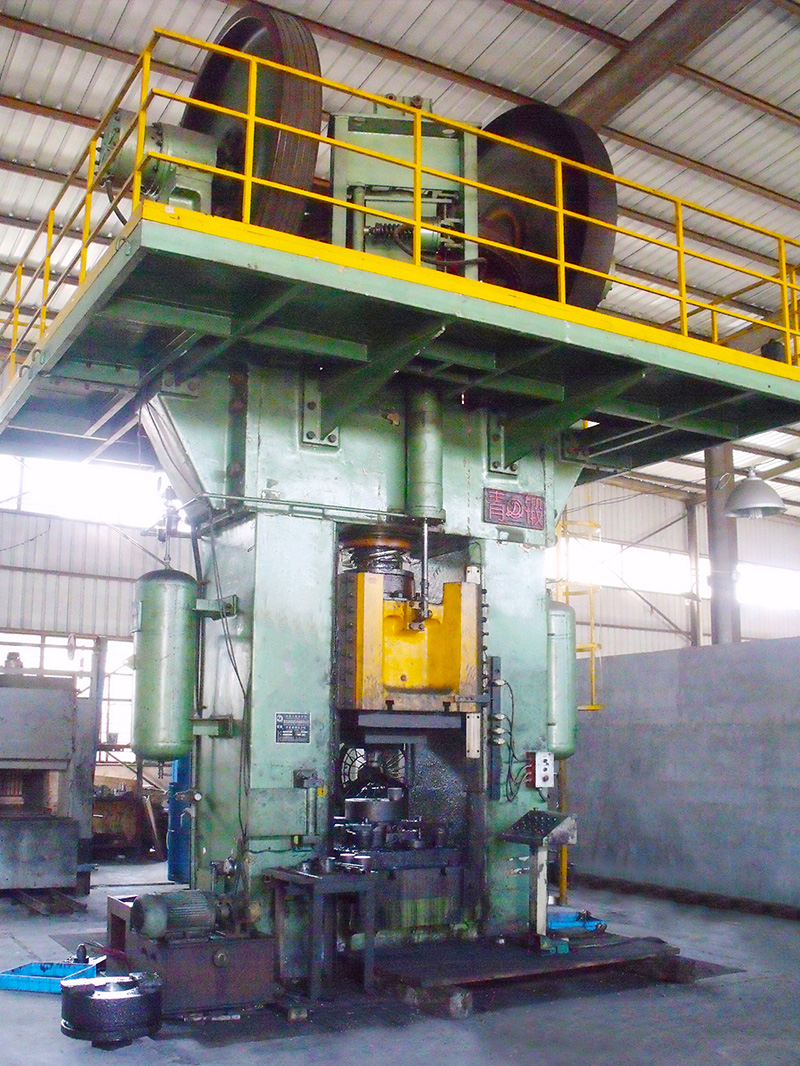
Our heavy-duty hot forging lines feature high-capacity friction press machinery with press force capacities ranging from 300 tons to 1,000 tons, allowing for deep and consistent metal deformation.
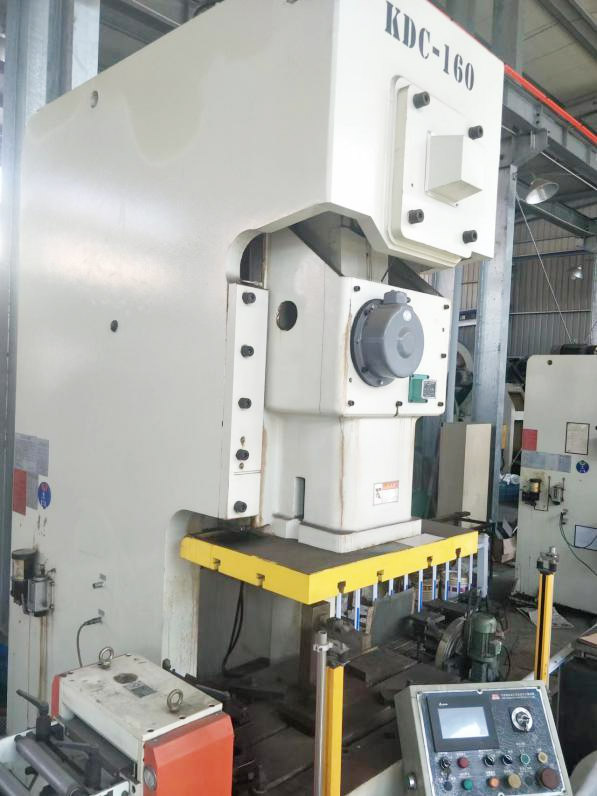
Equipped with column hydraulic machines delivering press force from 100 tons to 630 tons, alongside mechanical punching presses spanning from 5 tons to 250 tons.
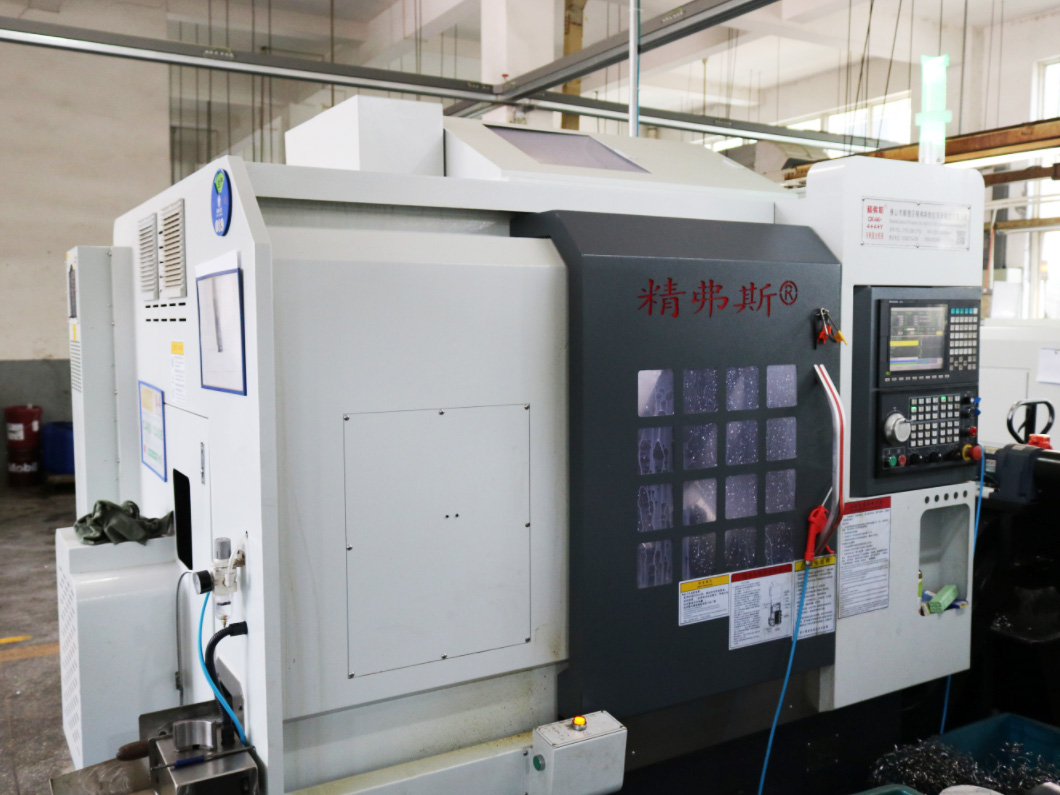
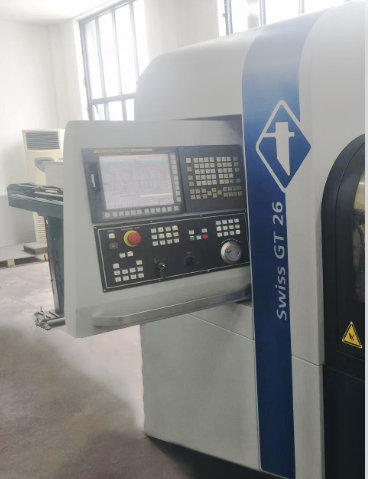
Our modern machining workshop hosts high-performance 4-axis control CNC machining centers, specialized turning machines, and precision milling machines to ensure tight-tolerance secondary machining.
Our manufacturing plant operates on a standard schedule of 6 days per week, 16 hours per day. To accommodate sudden spikes in seasonal demands or major contract rollouts, our management and personnel infrastructure are engineered to scale up to a full 24/7 continuous operation mode within 30 days.
Additionally, with 11,000 square meters of construction expansion area available, we are always prepared to make capital equipment investments tailored directly to our strategic partner's long-term supply chain needs.
A visual overview of our manufacturing facility, raw material processing, and heavy press lines.
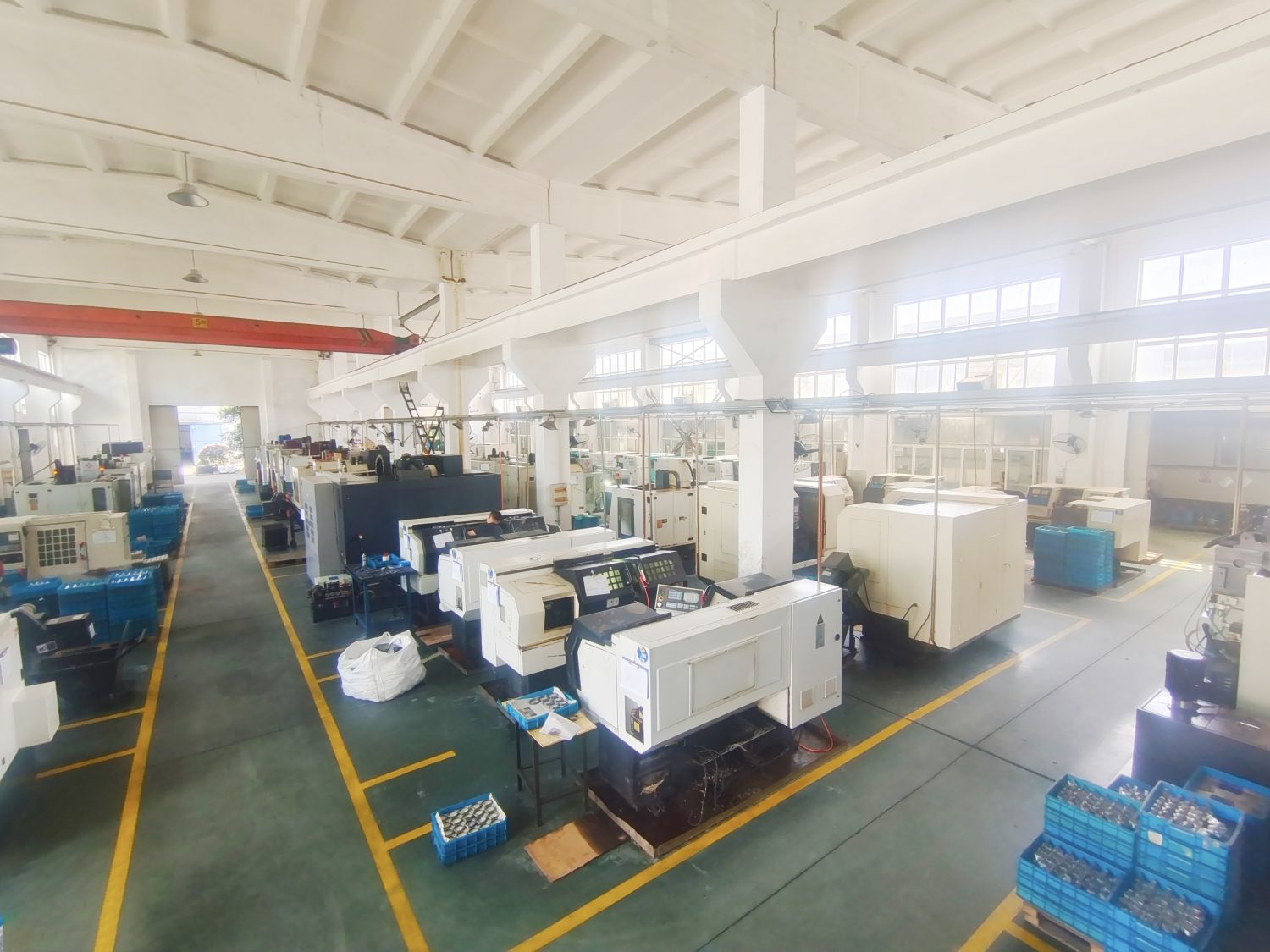
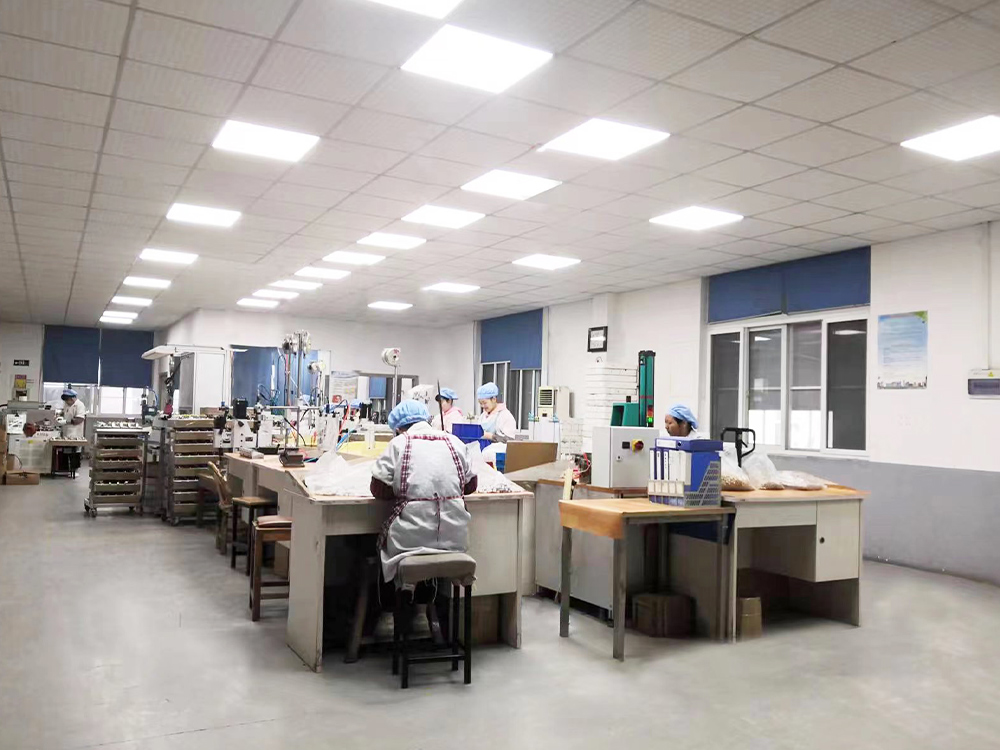
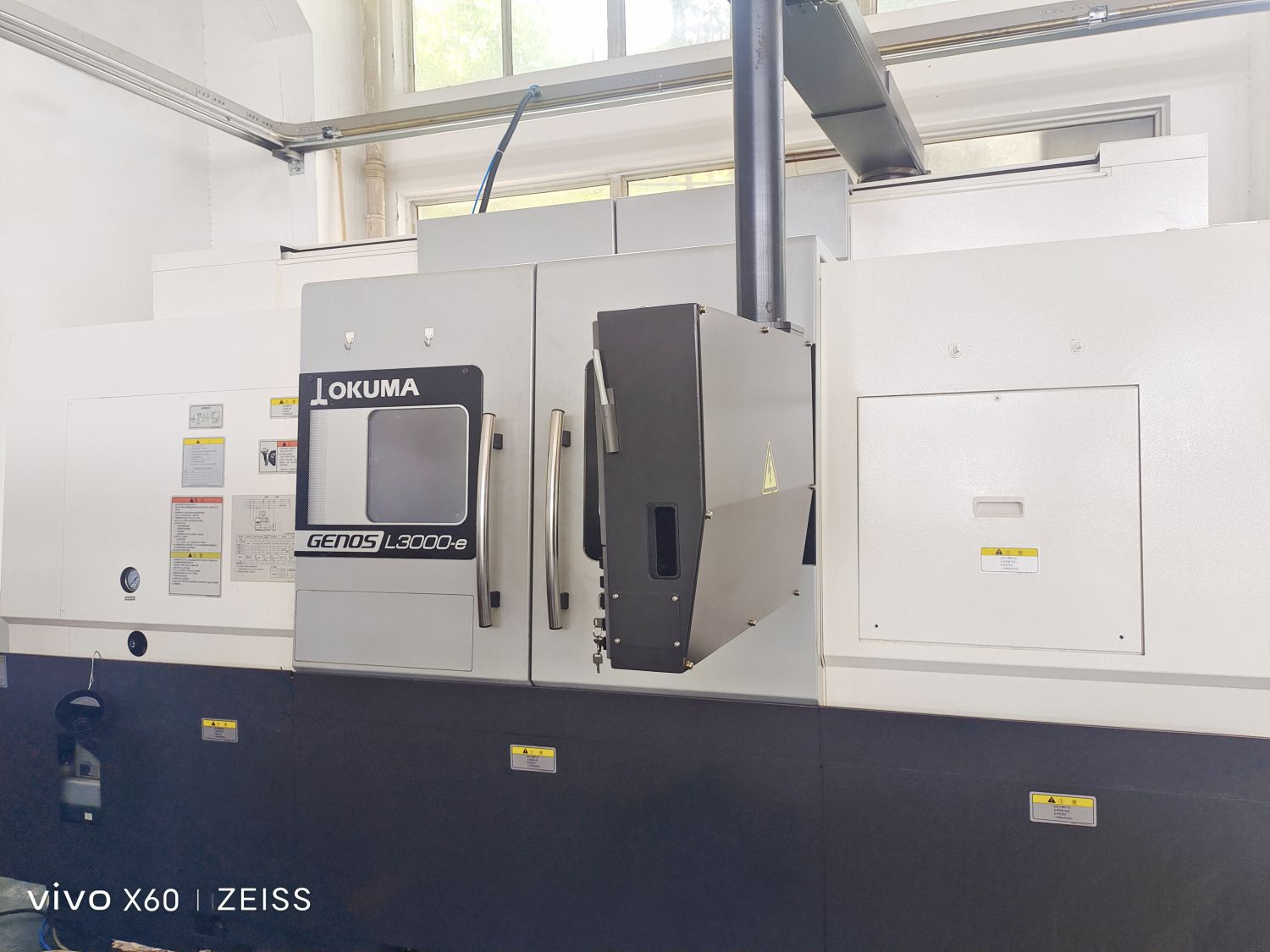
Experience our manufacturing process from raw billet heating to multi-axis CNC secondary finishing.
Take a tour of our 16,000 square meter production floor, showing the integration of forging presses, tooling manufacturing, and assembly workshops.
Learn about our high-speed, high-accuracy Japanese-imported multi-axis CNC machines, working on tight tolerances down to 0.001mm.
Quality is our core focus. We ensure structural reliability and chemical alignment with international engineering standards.
Operating under certified ISO 9001:2015 and SA8000 (Social Accountability) management systems, Ningbo Jiangbei XinYe Metal Works Co., Ltd. implements traceabiity control throughout the production cycle. Every batch is matched with raw material mill certificates, dimensional reports, and chemical testing data.
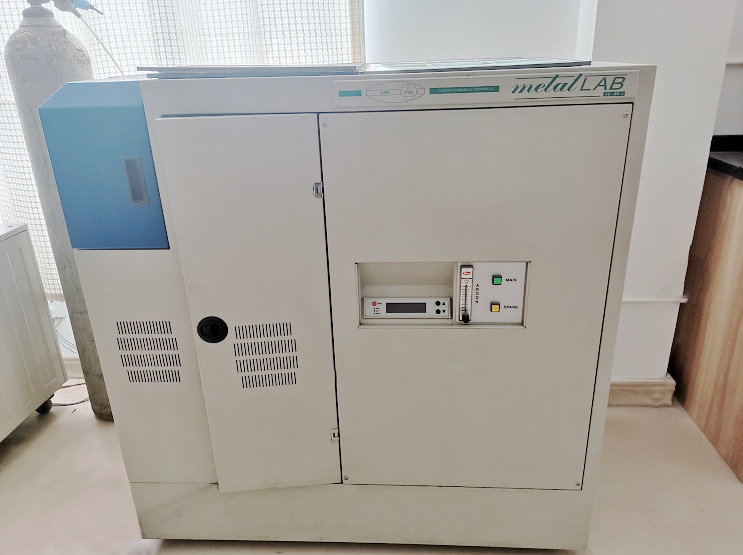
Performs rapid optical emission spectrometry to verify elemental percentages in alloys, ensuring no out-of-spec raw material enters the press lines.
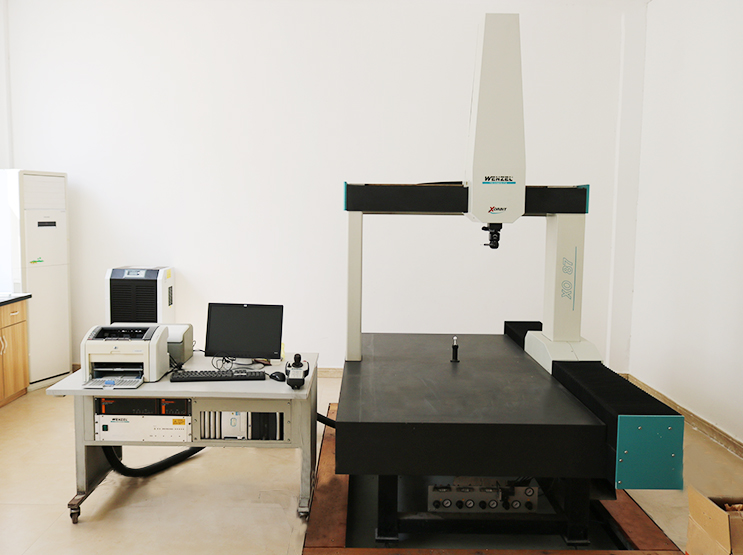
3D Coordinate Measuring Machines map physical geometries against digital CAD models to verify complex geometric tolerances and hole alignments.
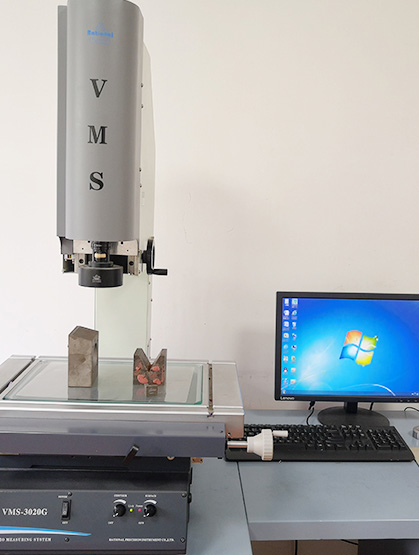
Utilizes non-contact high-resolution cameras and optical processing to measure micro-dimensions and profile geometries with high speed and accuracy.
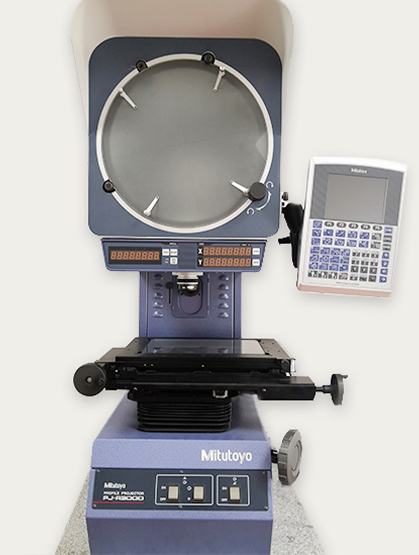
Double-checks thread geometries, radii, and external contours on complex CNC turned components for critical industrial machinery applications.
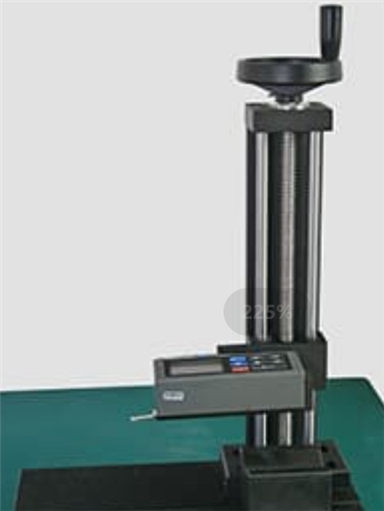
Ensures Ra, Rz, and Rq values conform to seals and moving interfaces, mitigating wear and micro-friction in dynamic assemblies.
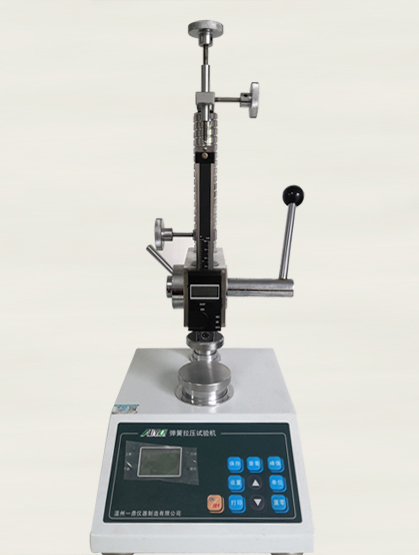
Verifies structural yield limits, elongation characteristics, and spring rates under mechanical pressure before product final sign-off.
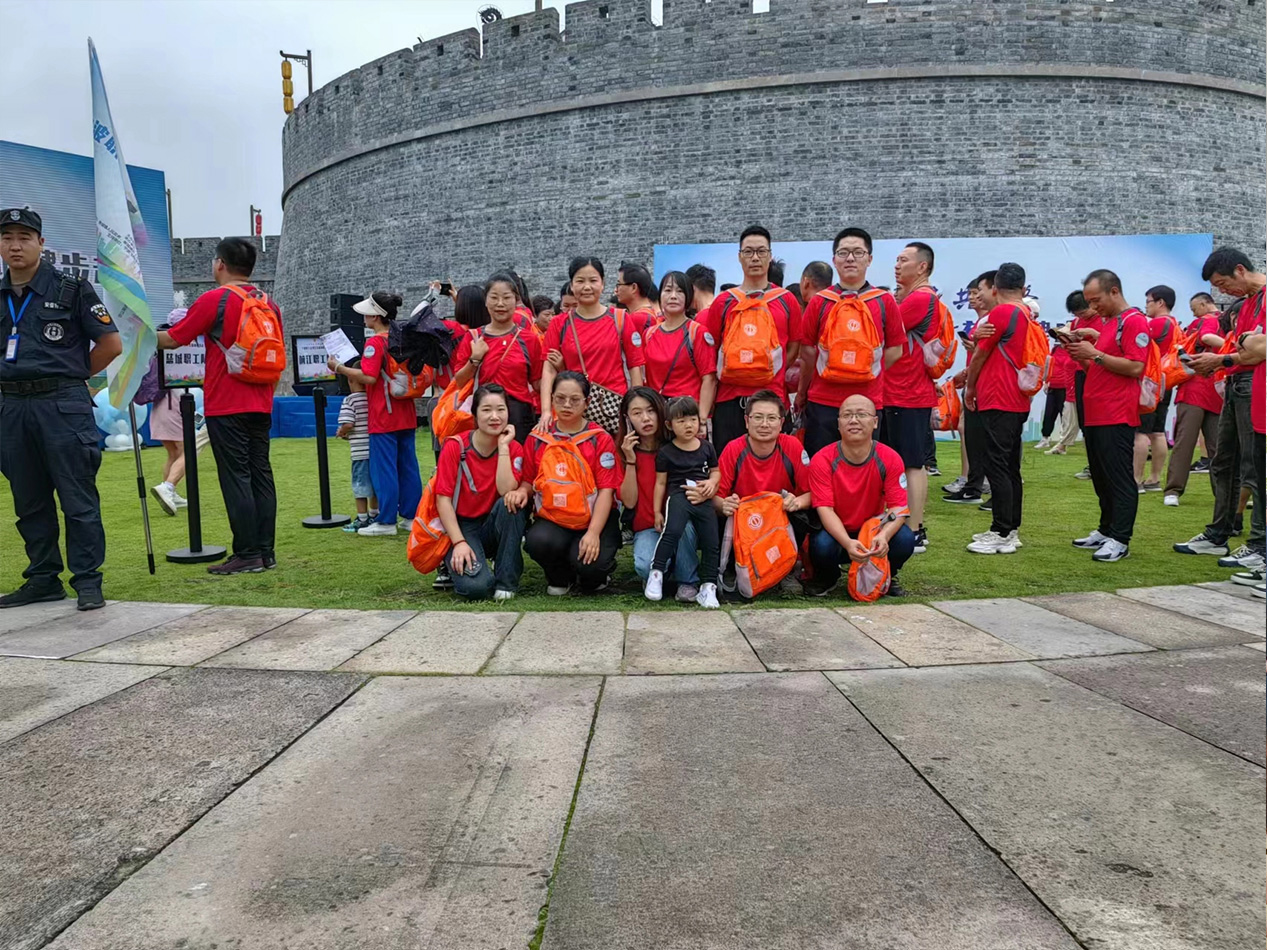
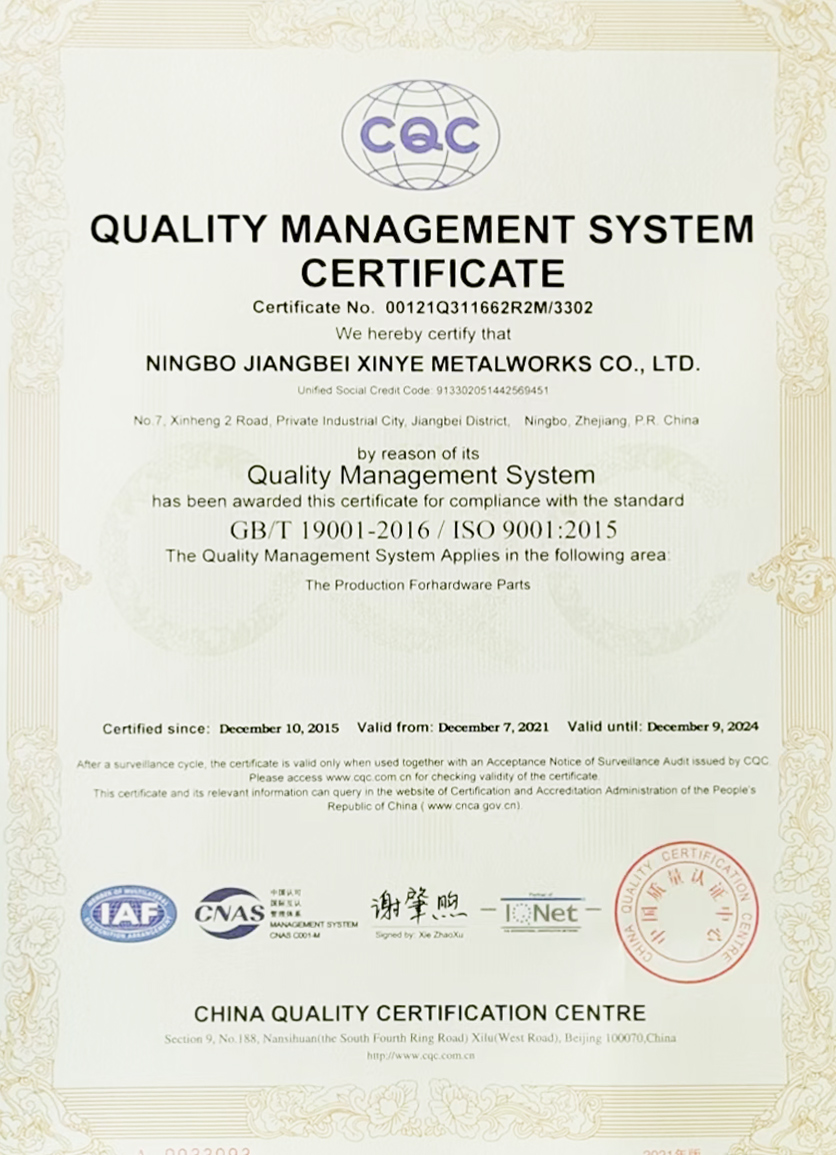
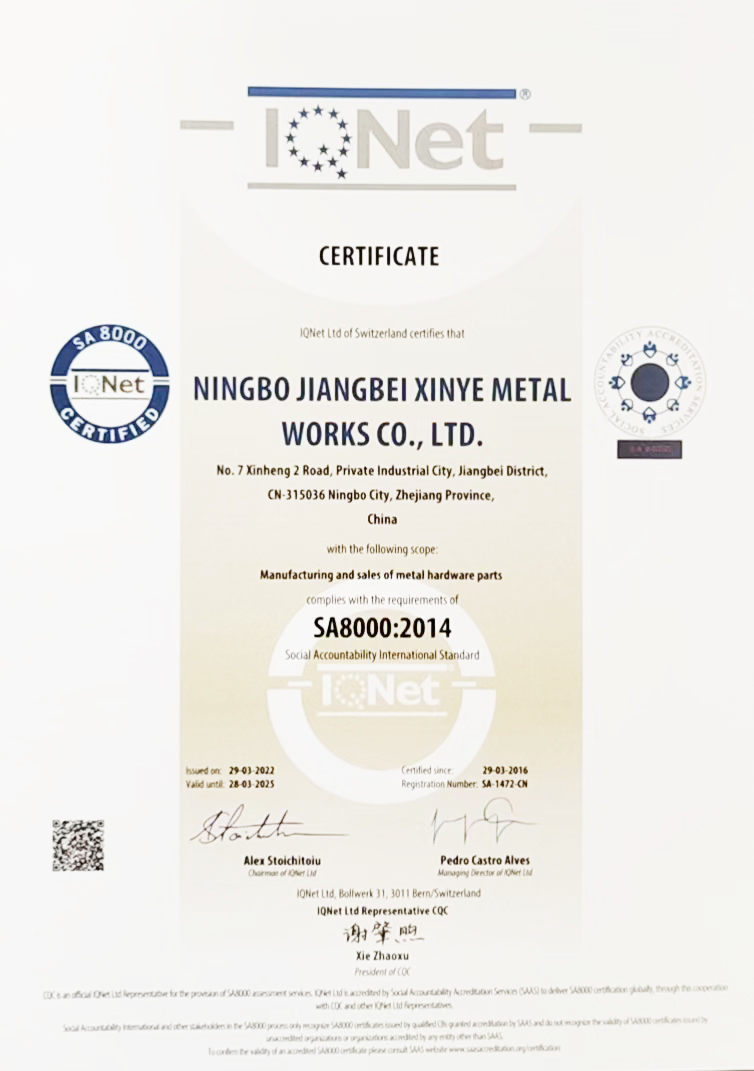
With over 20 technical model patent certificates, our continuous R&D drives technical evolution across our metalworks.
From initial design evaluation to mass production and logistics, we offer a transparent, quality-first workflow.

Customers provide 2D/3D engineering drawings (STEP, IGES, DWG) along with raw material grades, chemical configurations, post-forging temper expectations, and testing parameters. Our engineers evaluate formability and tooling pathways.

Our engineering team drafts optimal gating designs, designs hot forging tooling, and executes tool manufacturing in-house. Once tooling is finalized, test forging samples are created.

Tooling and simulation analysis to check metal flow behavior.

Provide full dimension reports & material certificates.

Samples undergo CMM geometry checks and spectrochemical analysis. We dispatch the pilot run components alongside comprehensive quality documentation to the client for operational tests and field approvals.

Upon sample sign-off, we schedule raw material procurement and queue the parts for mass forging, post-forge thermal tempering, precision CNC finishing, and surface treatments. Quality inspection checkpoints are integrated throughout the line.

Our secondary operations include component assembly in our dedicated, spacious workshop. We offer a comprehensive 1-year warranty covering manufacturing flaws, beginning from the date on the shipping delivery note.
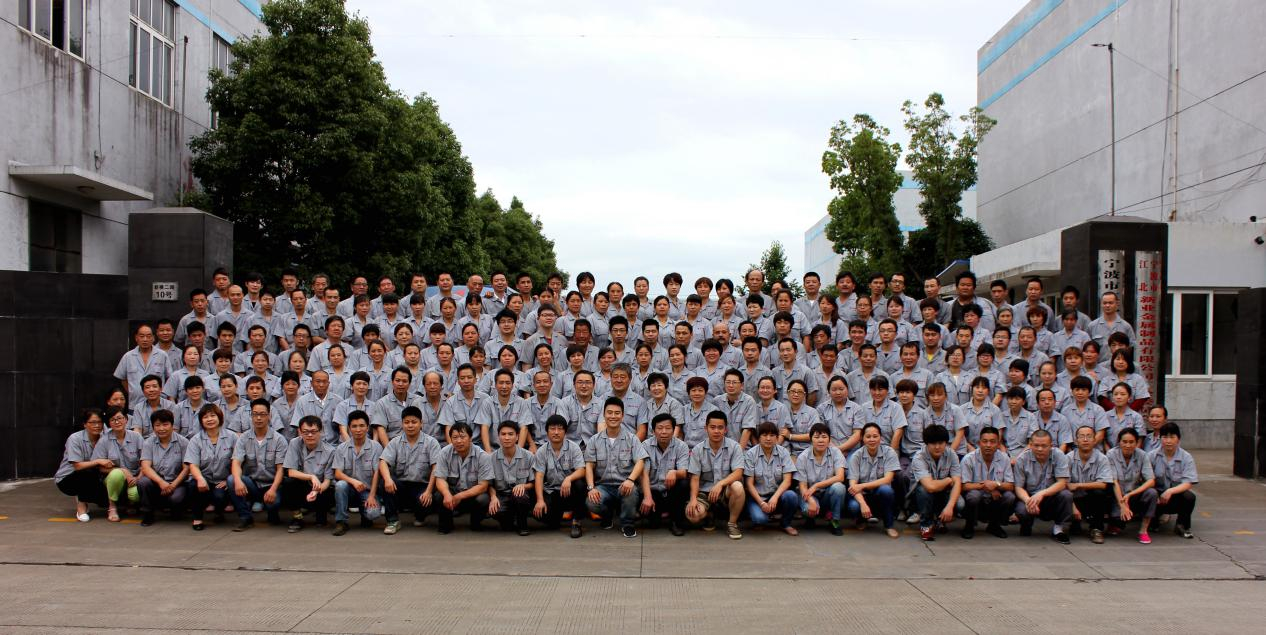
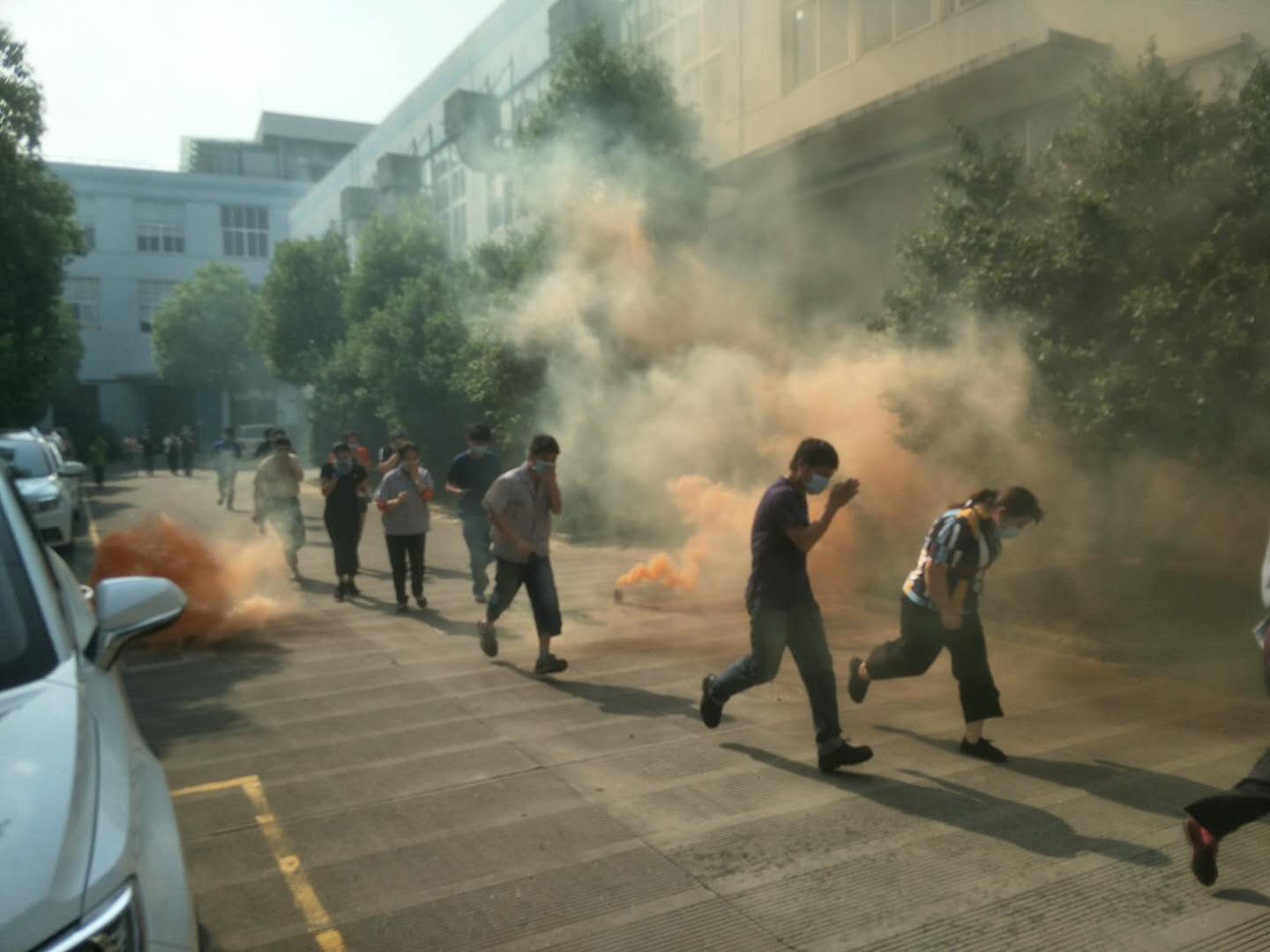
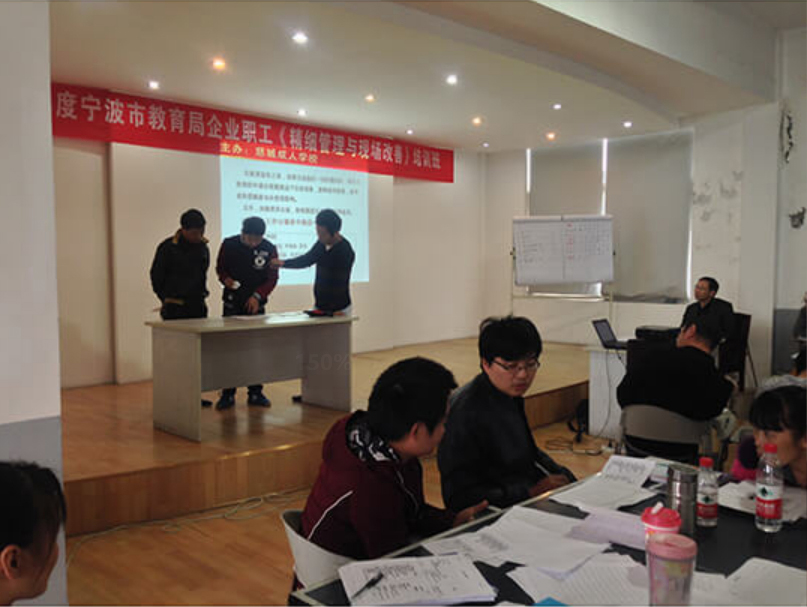
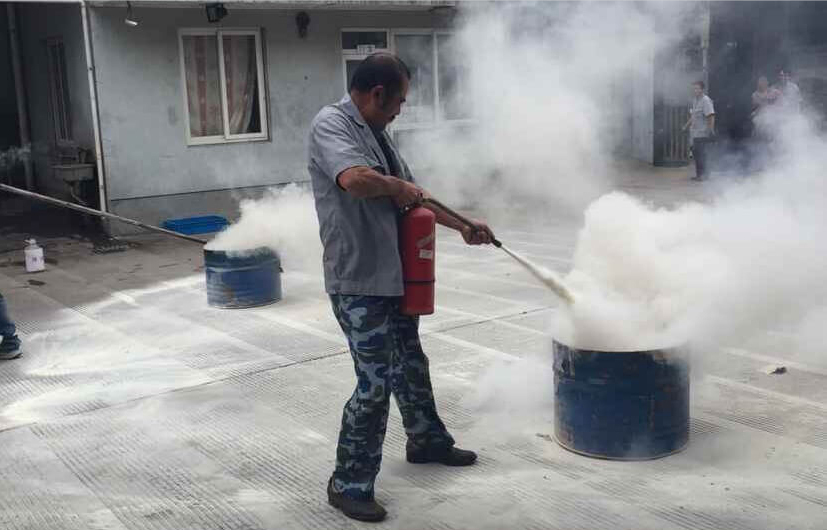
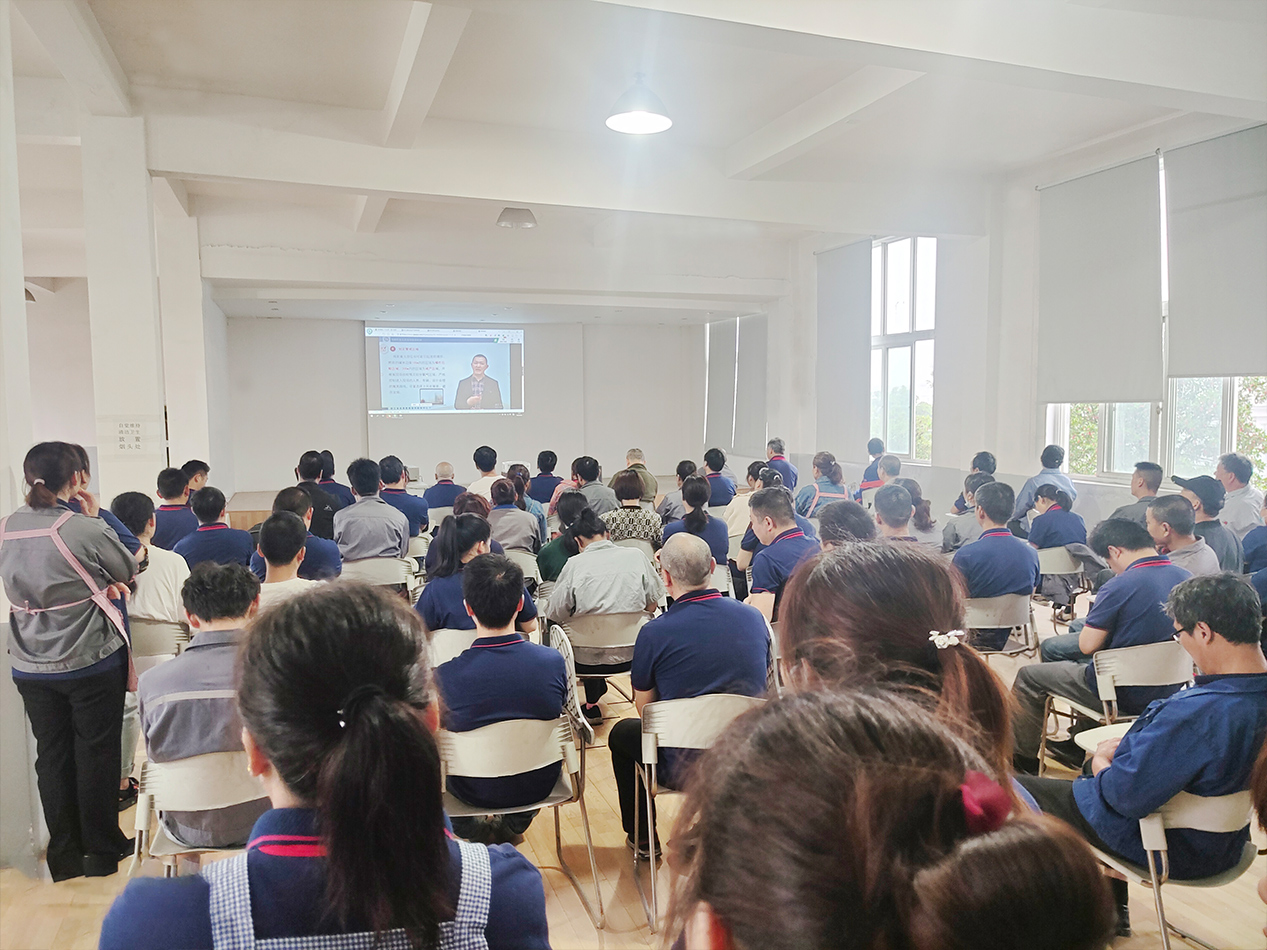
A manufacturing plant's output is only as reliable as the collective discipline of its team. At Ningbo Jiangbei XinYe Metal Works Co., Ltd., we combine technological modernization with a solid foundation of core corporate values.
Building relationships by delivering consistent products that meet or exceed client expectations. We view our plant as an extension of our customer's supply chain.
Careful execution of every step from raw material analysis to dimensional verification. We prioritize the needs and safety of our employees, customers, and business principles.
Dedication, craftsmanship, and a focus on continuous improvement. We consistently invest in team training and machinery to remain competitive globally.
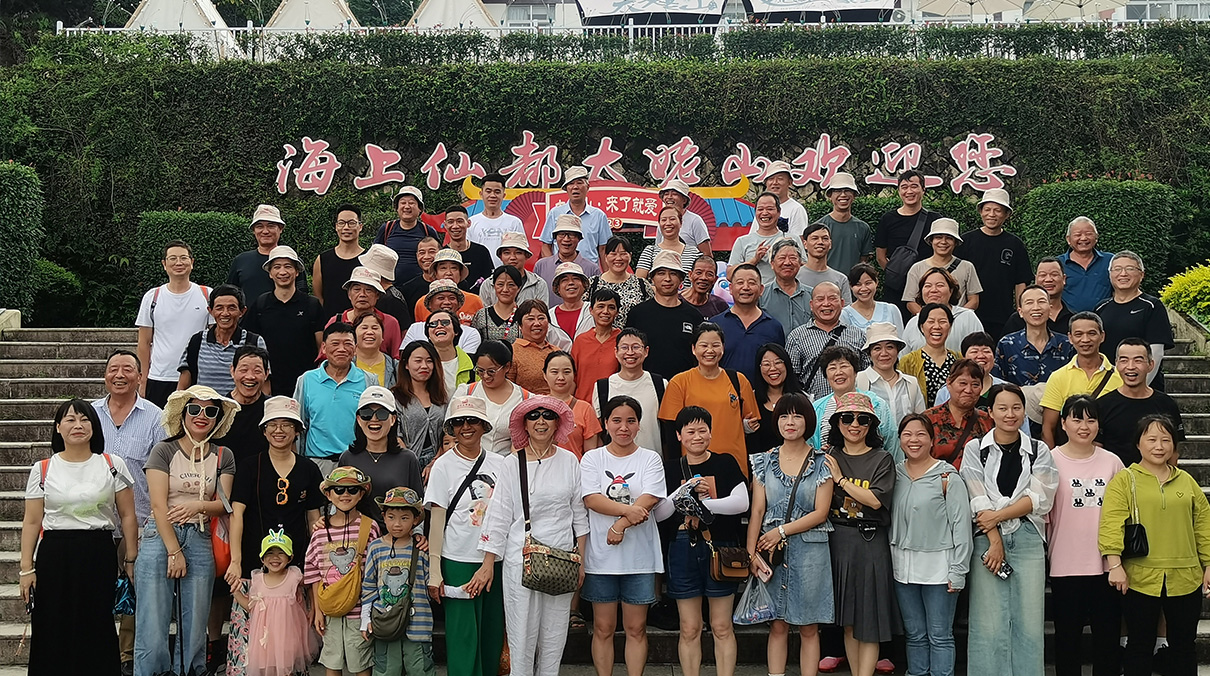
Continuous Improvement & Clean Manufacturing Environment
Addressing the challenges of global supply chain managers: Lead time reduction, risk mitigation, and strict quality control.
For international procurement directors sourcing metal components, managing Total Cost of Ownership (TCO) and mitigating supply chain risks are critical. Operating from our logistics-connected facility in Ningbo, we offer customized solutions to address these procurement priorities:
Proven applications of our precision metal fabrication across multiple sectors.
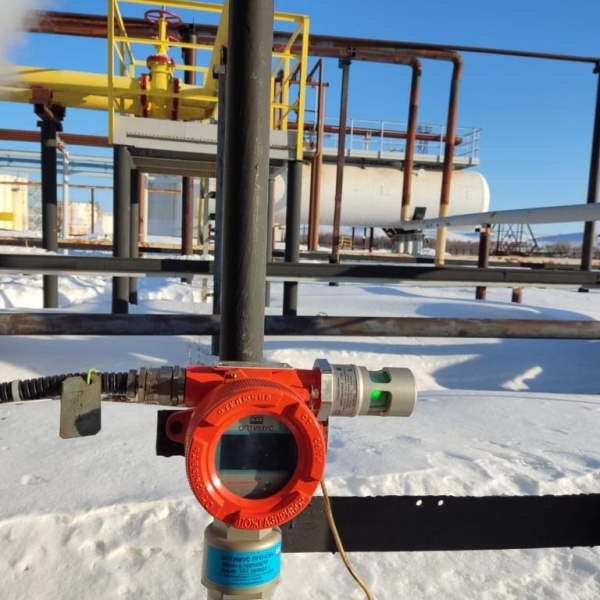
Forged heavy machinery components built to endure high load cycles and wear. Extends machine operational lifespans by up to 40% compared to cast alternatives.

High-precision components built for demanding automotive tolerances, including EV drivetrain adapters and heavy chassis brackets.
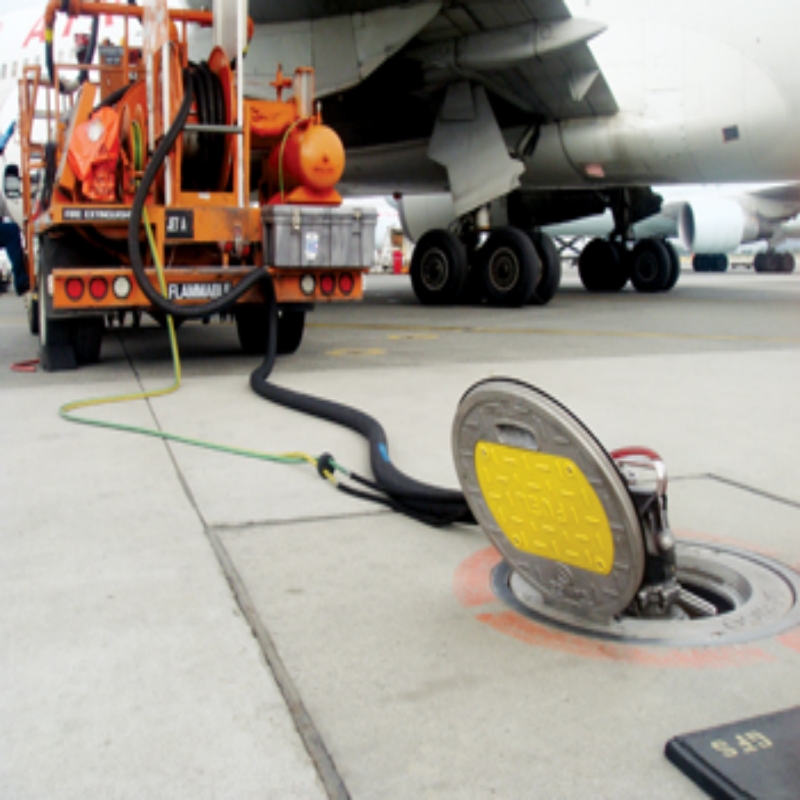
High-strength fuel hydrant pit boxes and hinge bracket transmission parts designed to meet strict safety criteria in airport fueling networks.
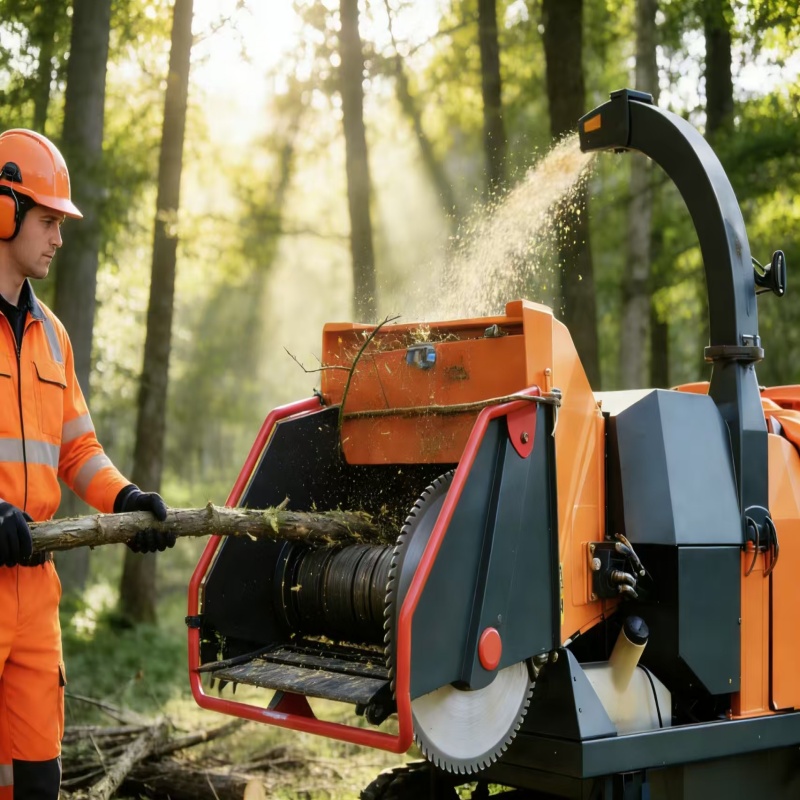
Heavy-duty cutter discs and feed roller assemblies designed for intense impact resistance. Shaft built with heat-treated 42CrMo steel.
Expert answers to common questions about our capabilities, logistics, and technical specifications.
Our quotes are calculated based on raw material market index values, tool complexity, machining cycle times, and batch sizes. When you send your drawings and specifications, our engineering team conducts a thorough review and provides a detailed quotation detailing material costs, processing expenses, and tooling charges.
We require minimum order quantities for international orders to ensure production efficiency and material cost optimization. Because hot forging requires custom tooling changes and setup times, MOQ scales depending on the size and complexity of the part. Please contact our sales team to discuss details.
Yes, we provide full quality documentation including Certificates of Analysis (COA), Certificates of Conformance (COC), raw material mill heat codes, heat treatment charts, dimensional reports, and country of origin documents to support regulatory compliance.
Tooling design and first-article prototype sample fabrication usually take 7 to 10 days, depending on geometry. Mass production runs are typically completed within 20 to 30 days after tooling sign-off and receipt of deposit payment. We strive to accommodate tight production deadlines whenever possible.
We accept bank telegraphic transfers (T/T), Western Union, and PayPal. Our standard terms are 30% deposit upon order confirmation and tool release, with the remaining 70% balance payable against the copy of the Bill of Lading (B/L).
We run regular microstructural and hardness tests using our internal lab equipment. Parts undergo brinell, rockwell, or vickers hardness tests based on alloy specifications. In addition, our spectrometer verifies correct alloy chemistry before parts are sent for forging, preventing heat treatment issues caused by wrong materials.
We package finished parts in heavy-duty export-approved cases. Precision machined areas are wrapped with anti-corrosion VCI sheets or protective netting, preventing moisture damage or scratches during transit. Custom partitions or foam dividers can also be implemented based on customer requirements.
Review our product types and click below to view complete engineering specifications.
 XinYe Metal