High-fidelity engineering fabrication options designed for aerospace, automotive, oil & gas, and industrial automation networks.
Aluminum extrusion stands at the core of the lightweighting revolution across modern infrastructure sectors. With global commitments to carbon neutrality, the transition from heavy steel to high-strength 6000 and 7000 series aluminum alloys has accelerated. Modern applications demand structural profiles that possess exceptional strength-to-weight ratios, intrinsic corrosion resistance, and high thermal conductivity.
Internationally, the procurement paradigm has shifted. Large-scale developers and manufacturing groups no longer seek simple extrusion shapes; they require ready-to-assemble profiles integrated with multi-axis CNC machining, structural stamping, and advanced surface finishes like chemical anodizing. This hybrid demand pattern necessitates a vertically integrated OEM supplier capable of consolidating manufacturing steps, reducing tolerance stack-ups, and securing downstream logistics.
From custom heat sinks for power electronics to safety-critical transmission components in electric vehicles (EVs), the micro-tolerances of extruded profiles impact system reliability. Consequently, design engineers focus heavily on alloy composition, mechanical temper controls, and profile geometry optimization to prevent localized stress fractures under operational loads.
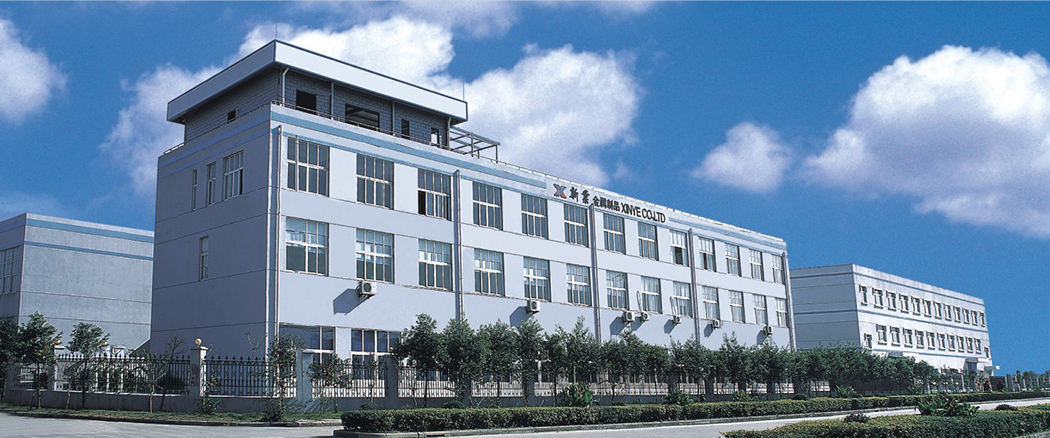
Why manufacturing in Ningbo, Zhejiang remains the premier choice for international tier-1 supply chains.
Ningbo Jiangbei Industrial Zone is embedded within the world's most dense metal fabrication cluster. Raw billet logistics, custom die design shops, alloy smelters, and specialized chemical surface treatment facilities operate within a 50km radius. This geographic concentration minimizes material transit times and mitigates lead-time volatility.
Located within a 3-hour high-speed rail network from Shanghai International Airport and adjacent to the Port of Ningbo-Zhoushan (the world's busiest port by cargo tonnage), our location ensures rapid sea-freight vessel bookings, efficient customs clearance, and reduced transit overheads for containerized ocean shipping.
Founded in 1996 as an owner-managed SME, Ningbo Jiangbei XinYe Metal Works Co., Ltd. combines institutional capabilities with executive decision-making speed. We can shift shifts, adjust capital allocations for dedicated tooling, and approve engineering modifications without multi-tiered corporate delays.
Under our roof, we run multi-disciplinary production processes to handle complex component requests.
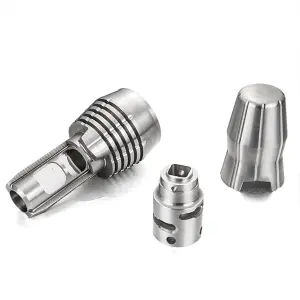
We deploy high-accuracy Japanese CNC turning, milling, and 4-axis control centers to post-process extruded or forged blanks. Our machining tolerance ceiling extends down to 0.001mm precision levels, ensuring mating surfaces match target clearances in safety-critical assemblies.
Using vertical friction presses ranging from 300 to 1,000 tons of clamping force, we forge high-density structural components. This hot forging capability aligns grain flows along critical load vectors, drastically increasing shock endurance compared to cast alternatives.
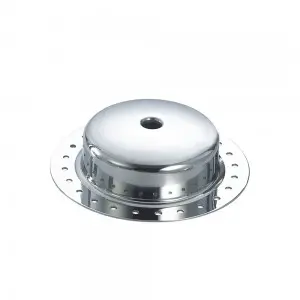
Our stamping division runs punching presses from 5 tons to 250 tons, accommodating steel, brass, copper, and polymer drawing projects. Combined with our extrusion lines, this allows us to deliver hybrid profiles complete with localized shear cuts, deep-drawn cavities, and complex bend radii.
For highly complex geometries that cannot be machined or extruded, our stainless steel and aluminum wax die casting facility produces components with intricate internal channels and minimal finishing requirements.
We provide chemical anodizing, electrolytic polishing (E-polish), shot blasting, powder coating, and passivation. These protect aluminum extrusions from harsh environments while meeting specific dielectric breakdown or decorative color matching requirements.
Our standard operational output runs 16 hours a day, 6 days a week. To accommodate unexpected demand spikes or bulk rollouts, we can scale to 24/7 continuous production mode within a 30-day window.
High-end hardware imported from Japan and Europe to guarantee stable manufacturing cycles.
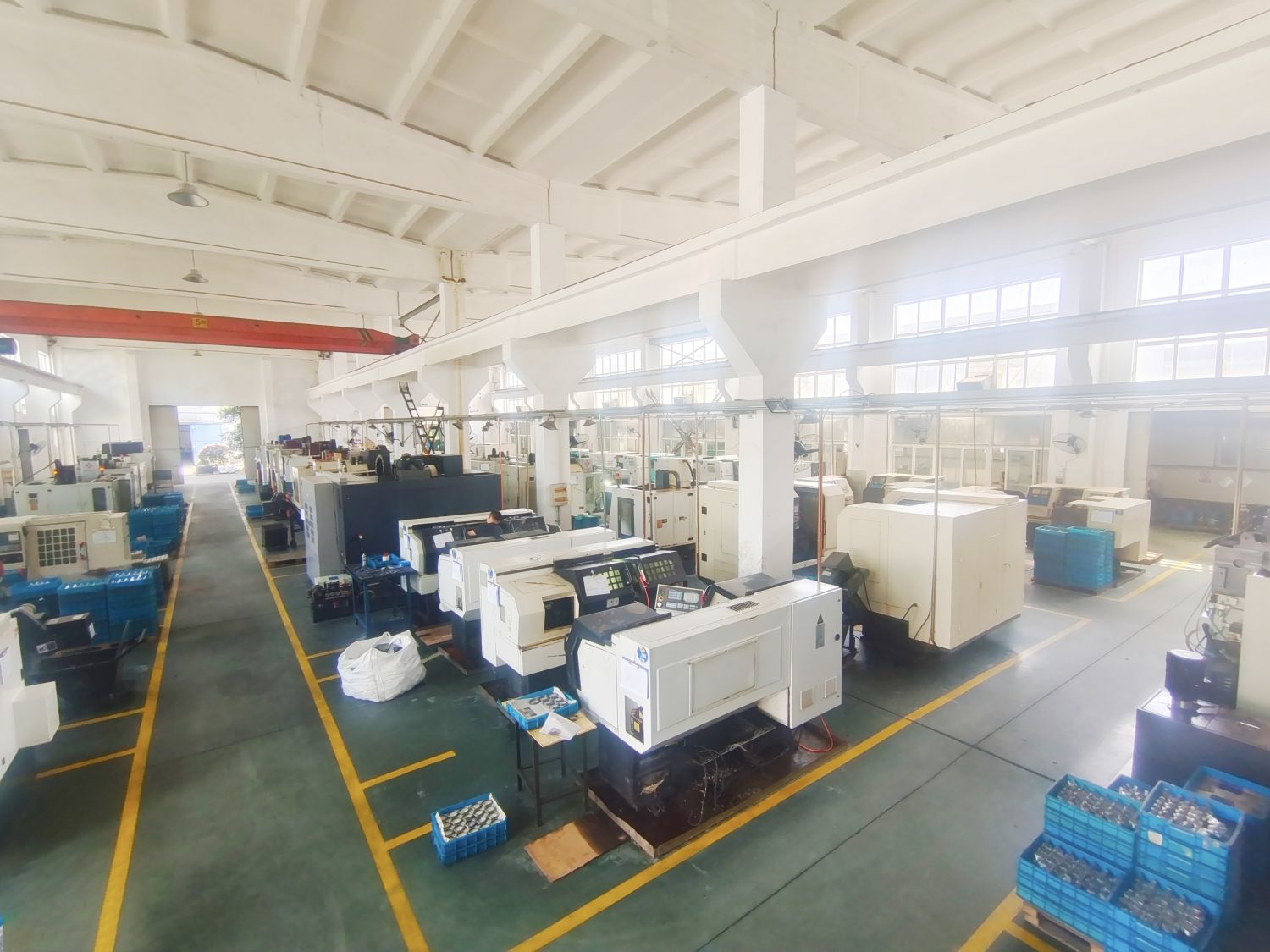
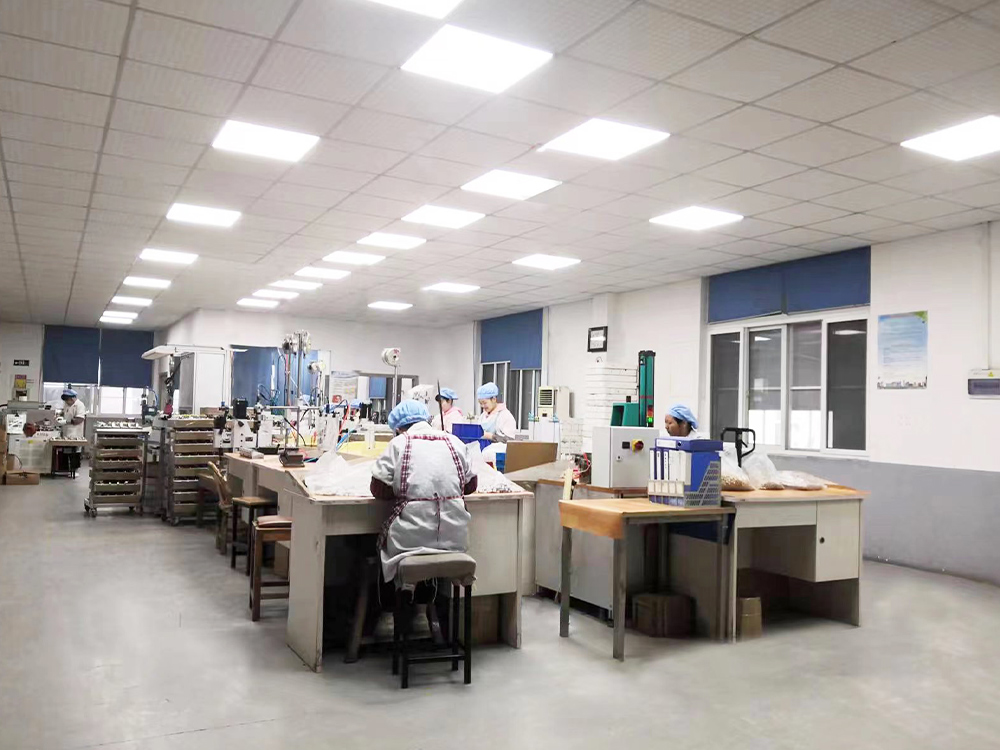
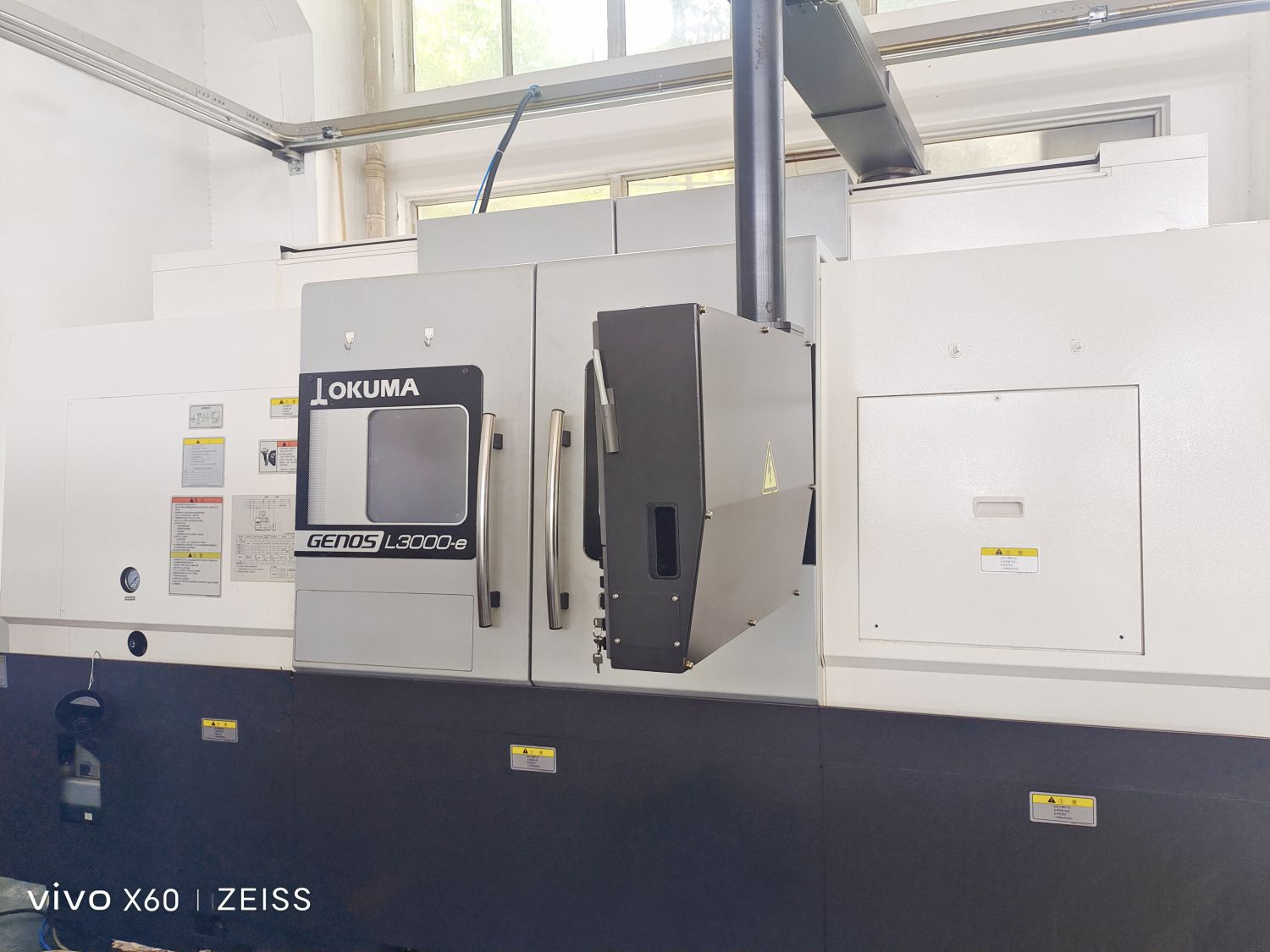
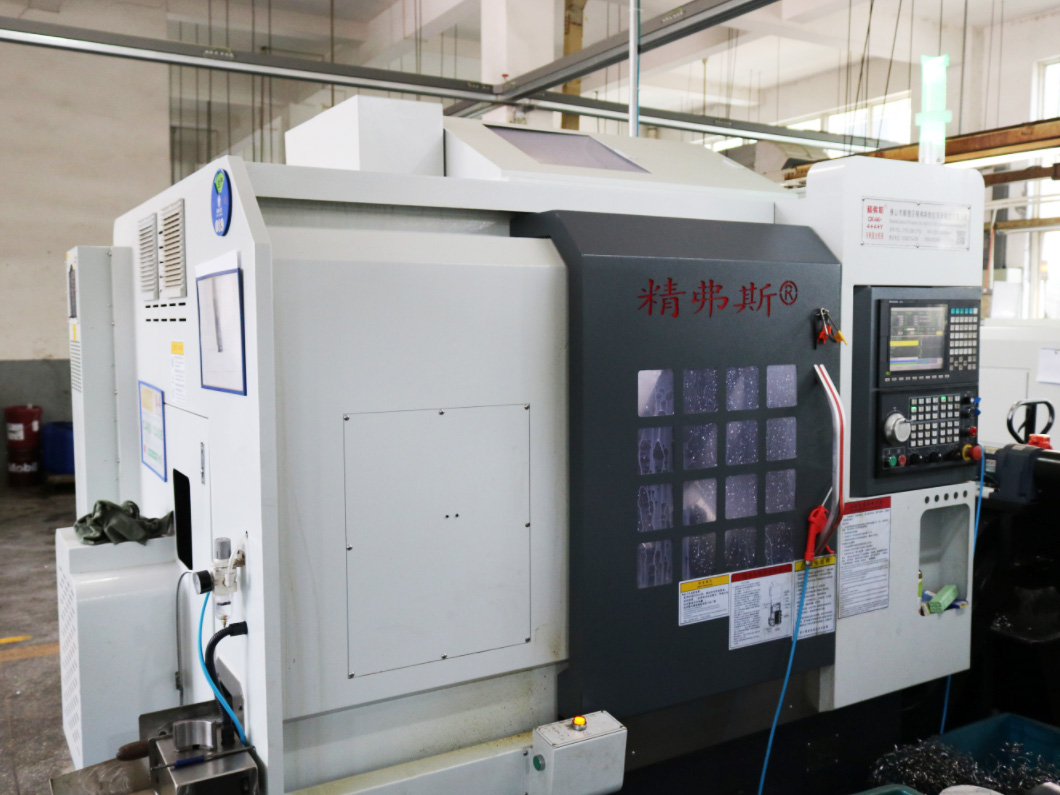
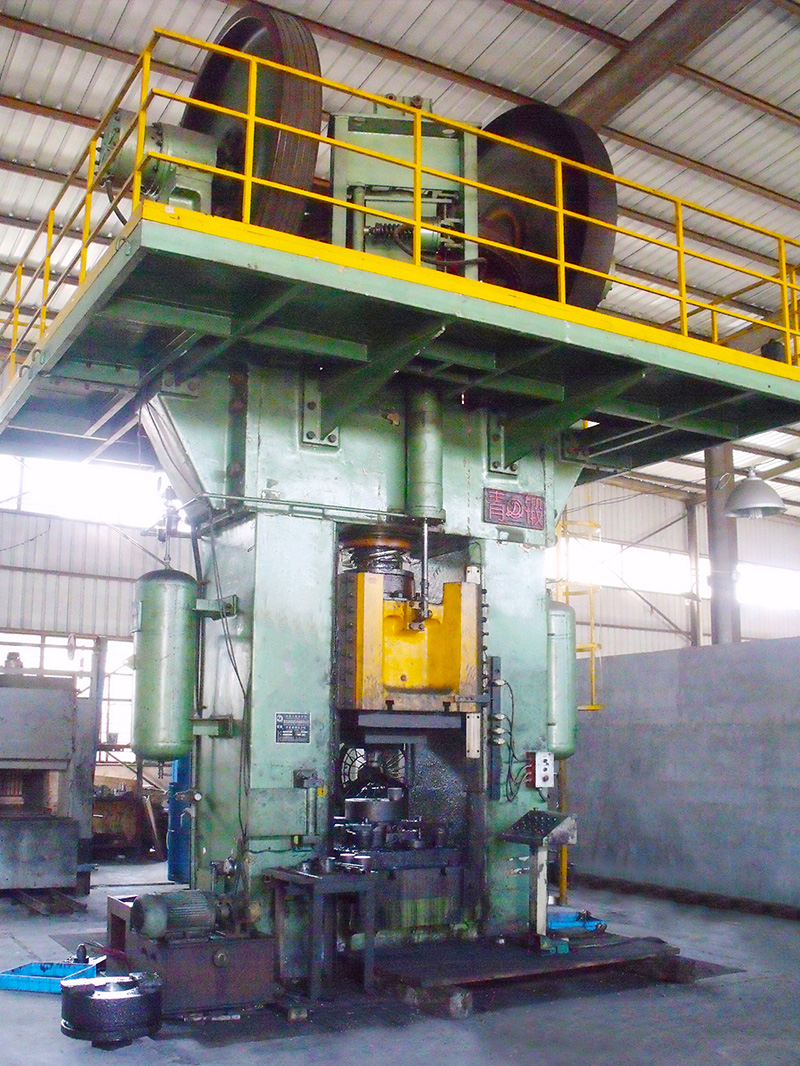
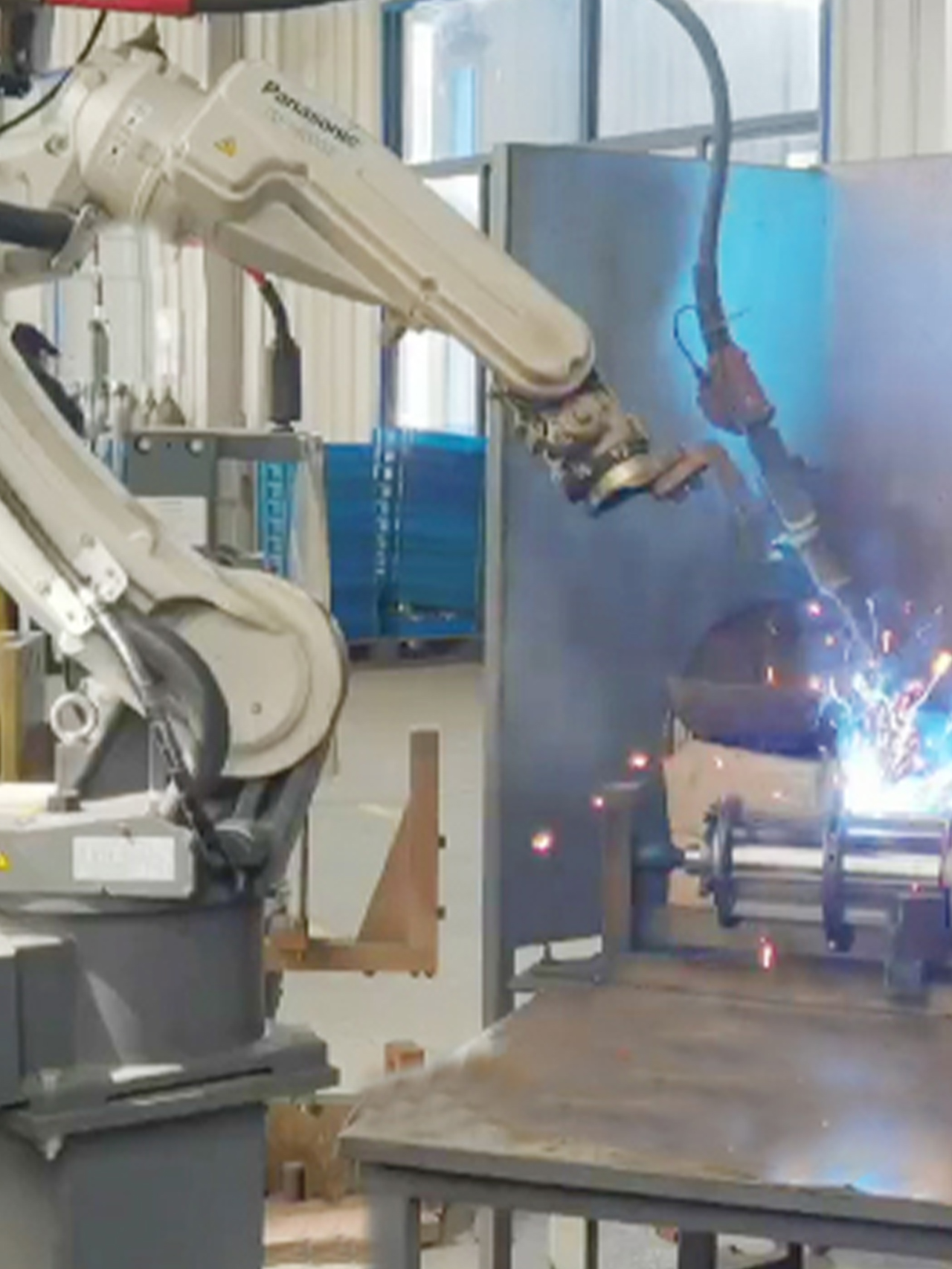
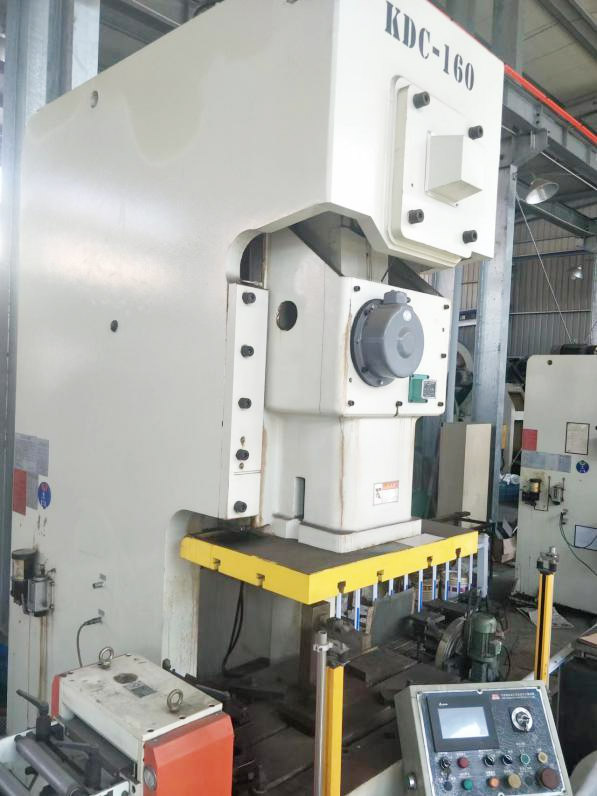
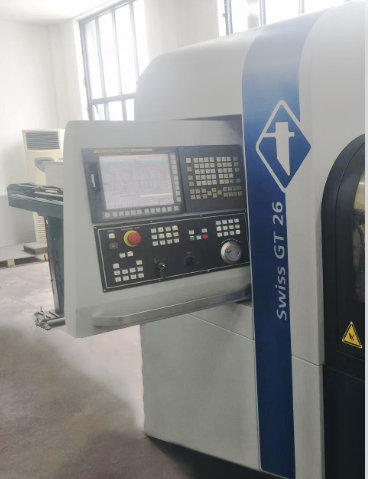
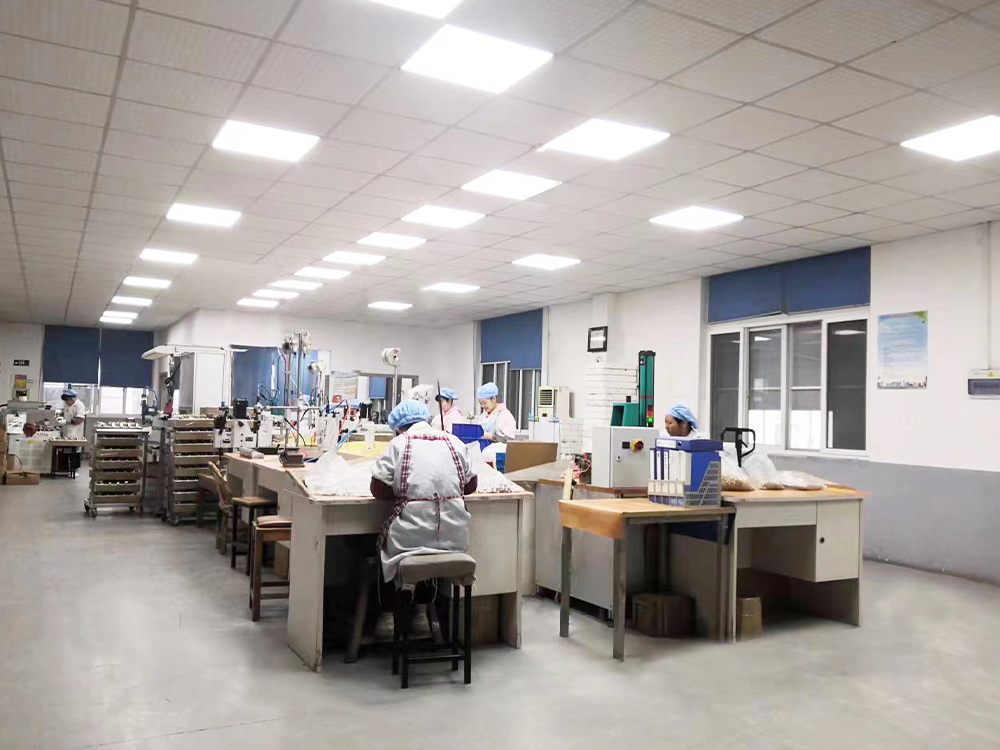
Get a visual tour of Ningbo Jiangbei XinYe Metal Works Co., Ltd.'s processing units. From CNC coordinate setups to extreme-load hot forging presses, see how our precision manufacturing matches strict European and American engineering guidelines.
We continually invest in updating our production equipment. Over 60% of our primary machinery is upgraded every five years to keep our cycle times short and ensure high accuracy.
Every shipment undergoes extensive material validation and dimensional inspection before dispatch.
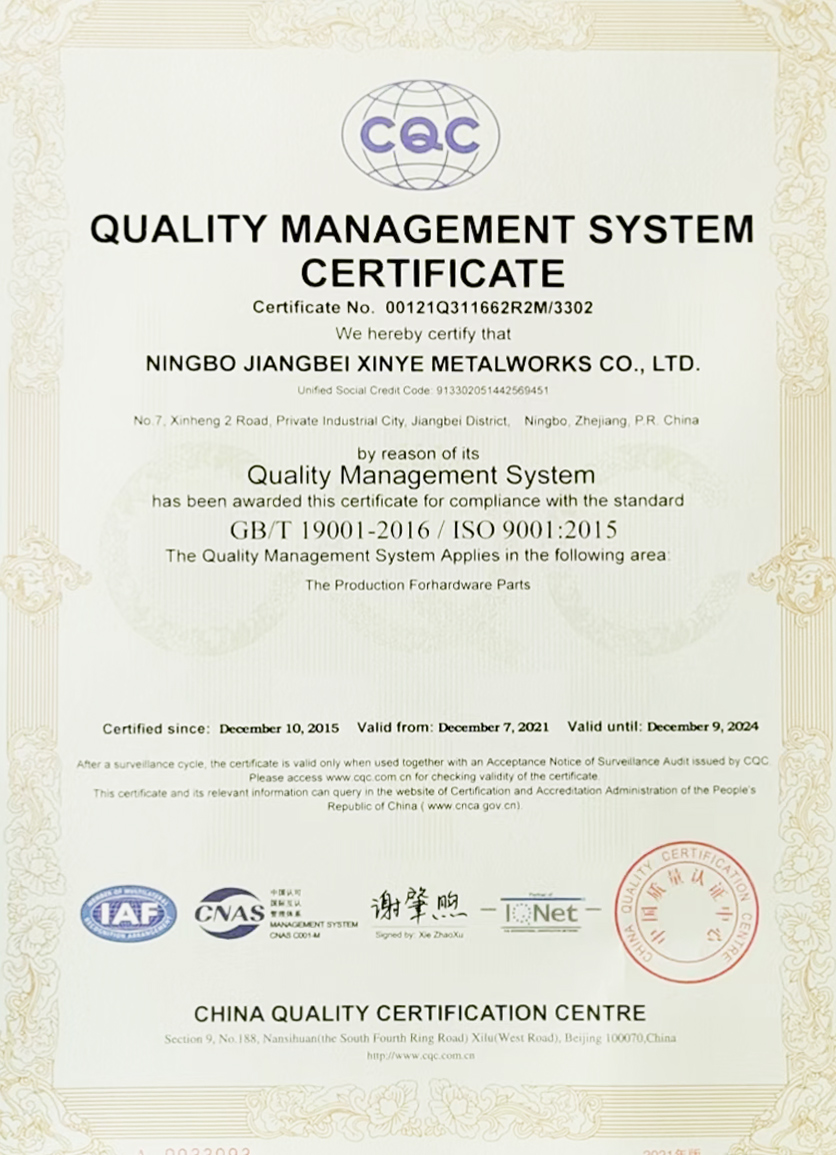
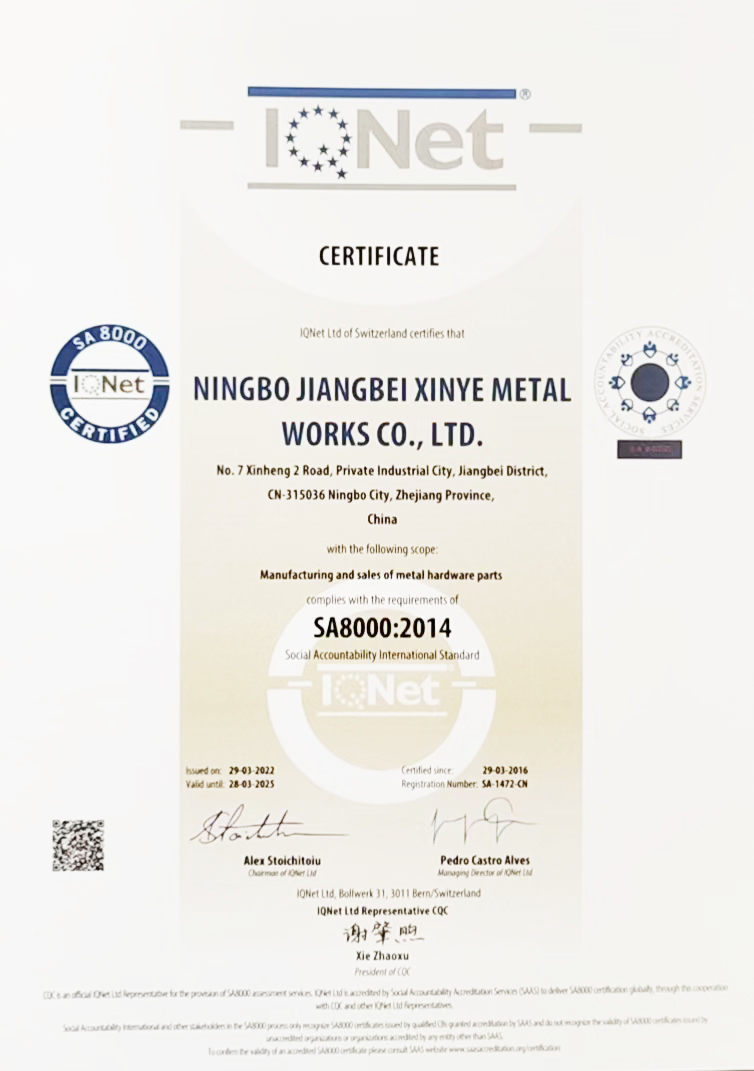
Quality is more than a metric—it is the core of our business. Our Quality Management System (QMS) is certified under ISO 9001:2015 for structural metal manufacturing, and our labor standard alignment carries full SA8000 certification. This dual qualification assures international buyers that their supply chain complies with both engineering requirements and ethical standards.
Our material traceability starts at raw billet reception. Each batch is logged with its melt certificate, and its chemistry is validated using our internal spectrum analyzers. During manufacturing, parts undergo inspection at each stage before moving to the next. Our final inspection includes full coordinate checks, roughness testing, and mechanical temper verification.
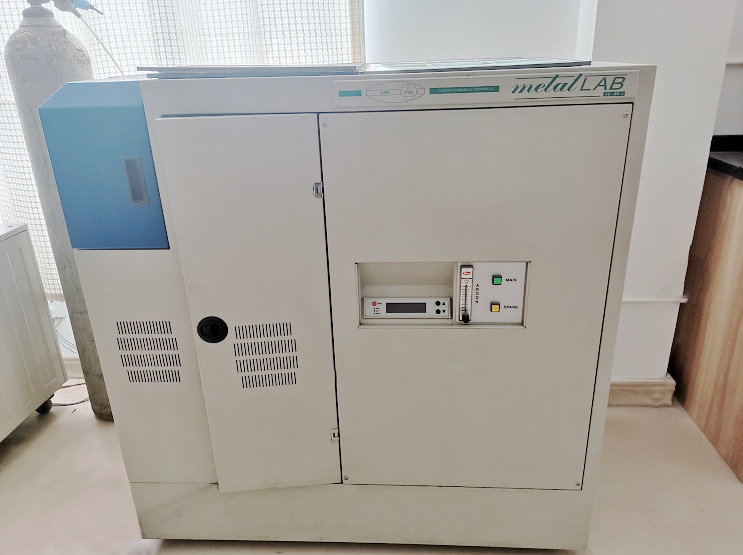
Used to verify raw metal chemistry, preventing zinc contamination or incorrect alloy tempers.
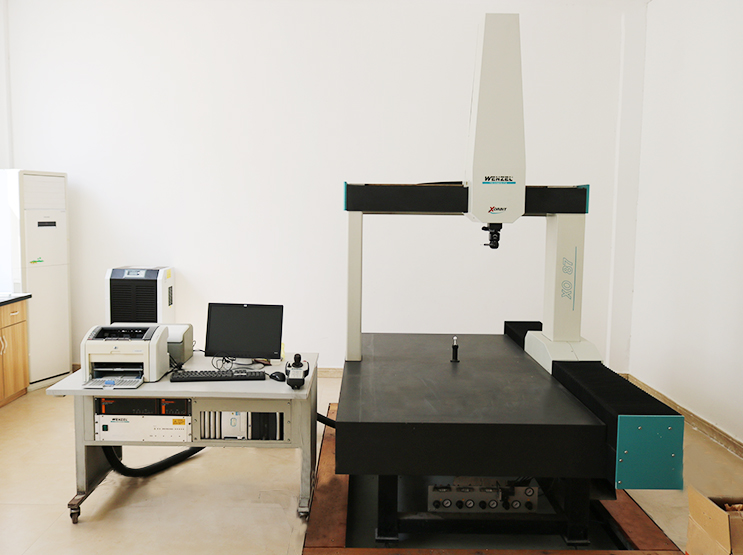
Coordinate Measuring Machine to verify tight spatial and geometrical tolerances on 3D surfaces.
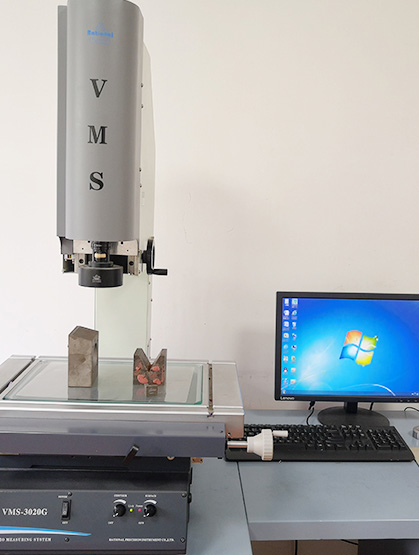
Used for optical projection profiling of complex extrusion cross-sections and stamping edges.
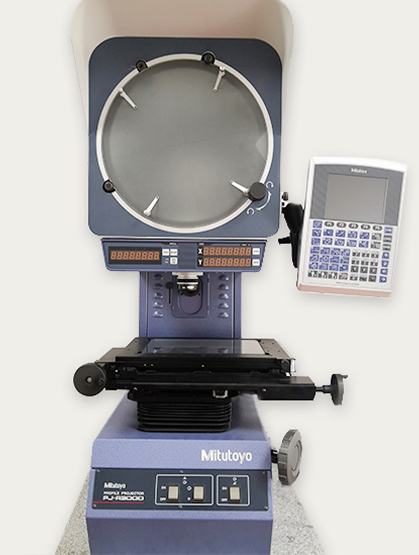
Secondary backup sensor array for detailed thread pitch and radius verification.
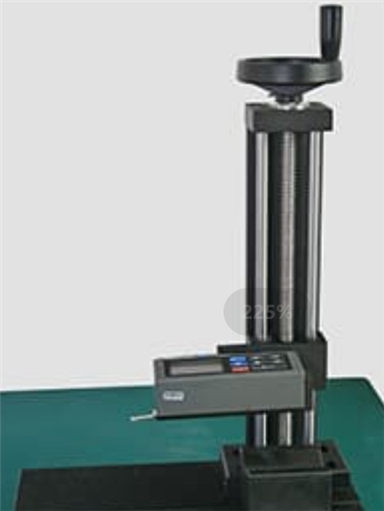
Measures exact surface roughness values (Ra) after milling or shot blasting steps.
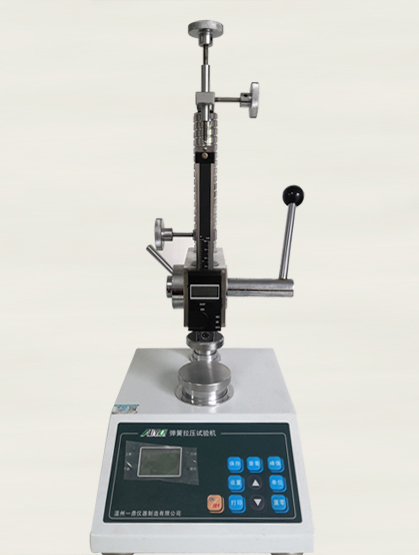
Tests mechanical load limits, yield point deformation, and elastic recovery properties.
How our components perform in demanding field applications.
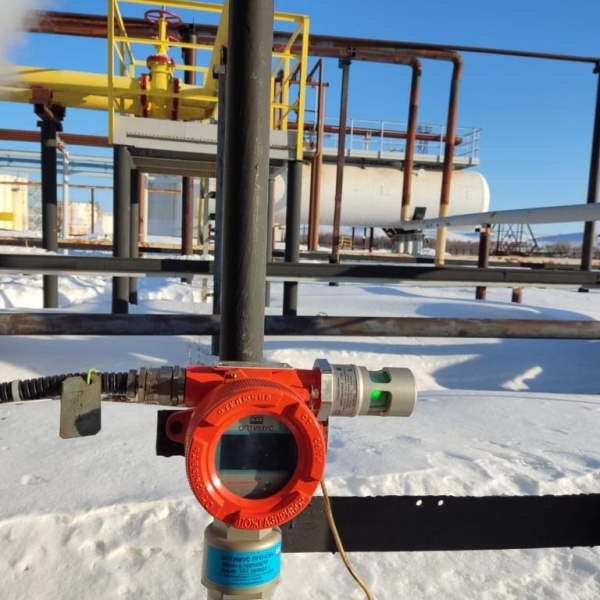
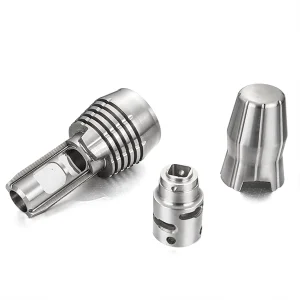
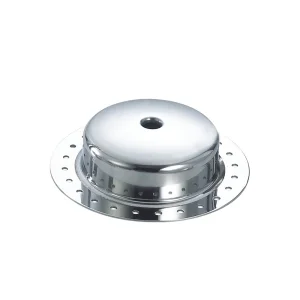
Forged components for processing lines requiring high dimensional stability under extreme mechanical loads.
Material: Stainless Steel, Aluminum Alloy
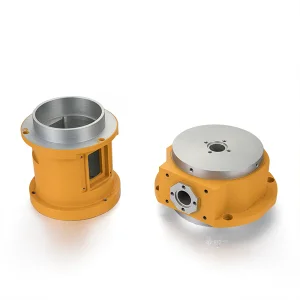
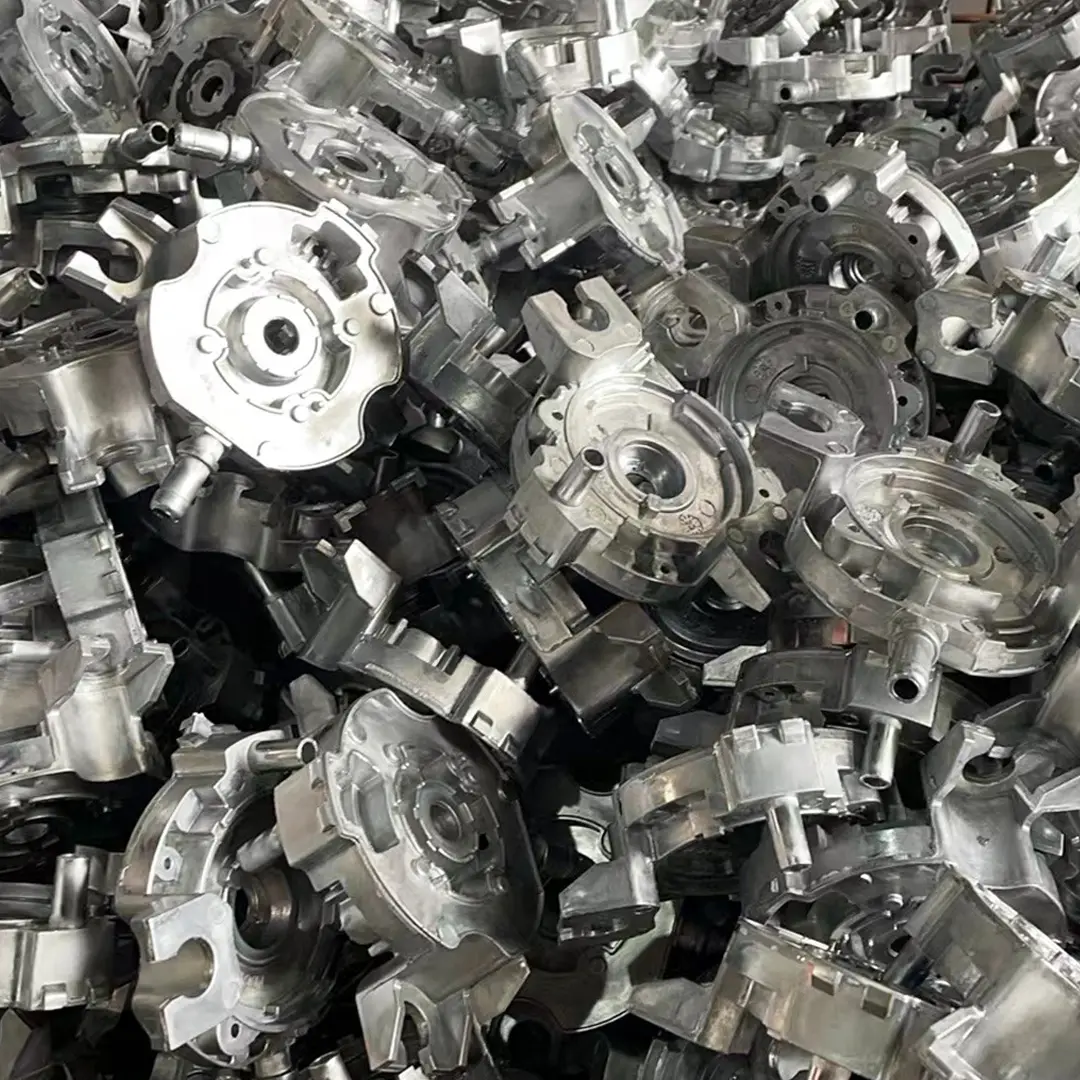
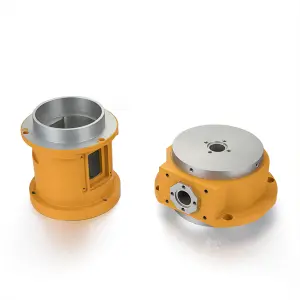
Components with tight structural design limits for gear and motor casing systems.
Material: High-Yield Aluminum Alloy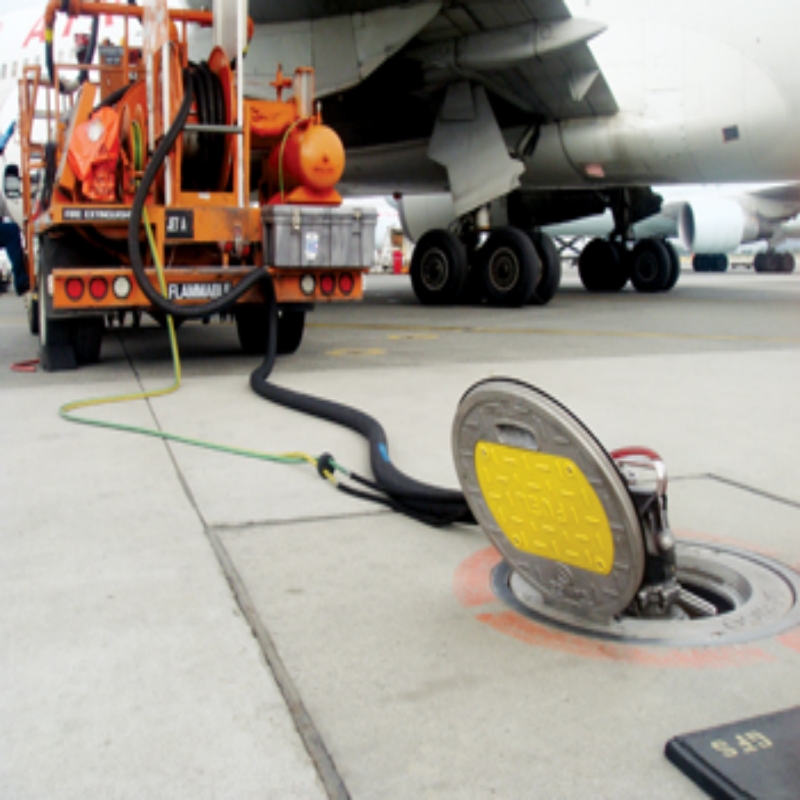
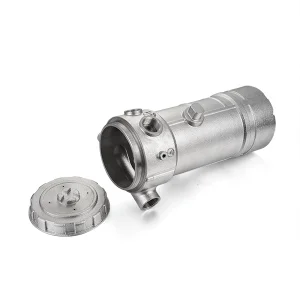
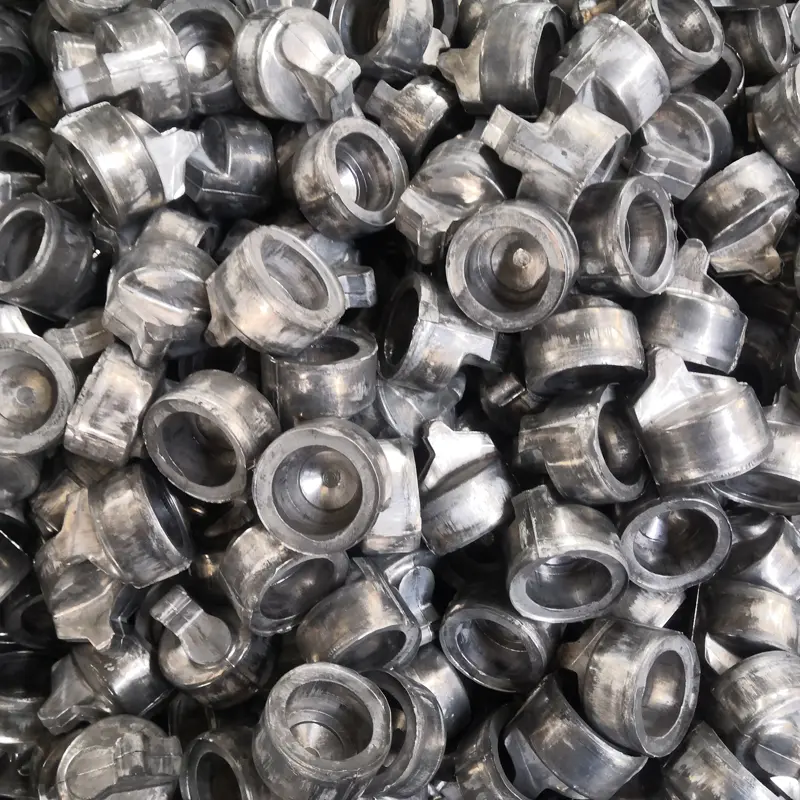
Aviation fuel hydrant pit boxes and hinge bracket connectors built to aerospace performance requirements.
Material: Aviation-Grade Aluminum Alloys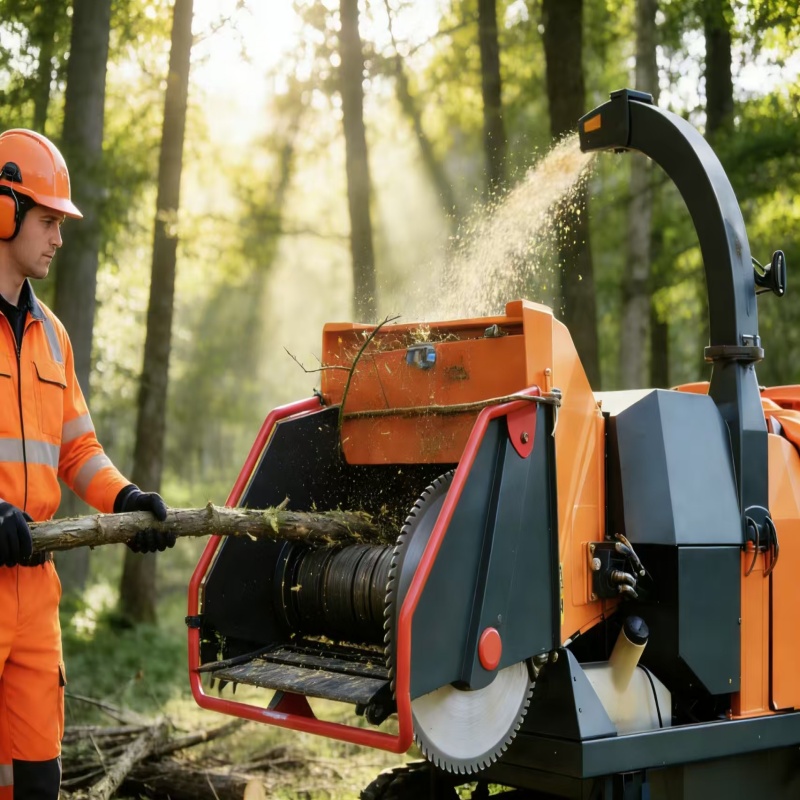
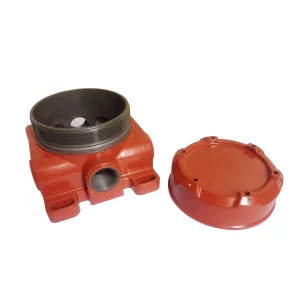
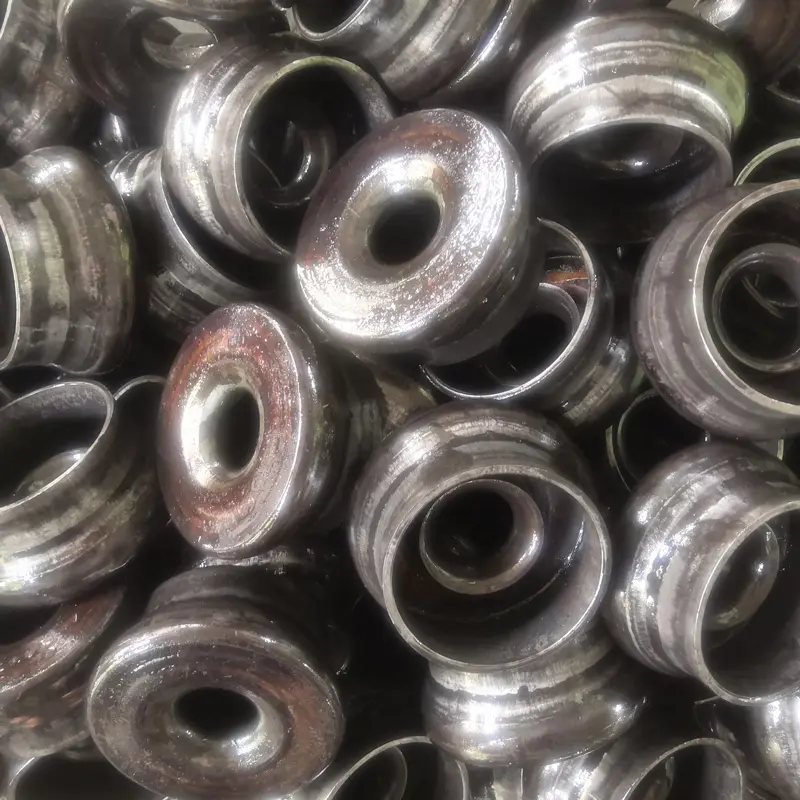
High-wear crushing components, cutter discs, and feed rollers engineered for agricultural machinery.
Material: Q345B, 42CrMo, NM400 SteelA transparent timeline showing how we control quality from custom sample requests to final delivery.
Customers submit detailed 2D/3D engineering drawings. Our engineering team reviews the tolerances, drafts die adjustments to prevent extrusion splits, and calculates raw material, machining, packaging, and tooling costs to provide a detailed, itemized quotation.

Upon design sign-off, we build custom extrusion dies or forging tools. We run a sample batch to verify the tooling's performance. The first articles are fully inspected with our coordinate measuring machine (CMM) and optical systems, and a complete dimension testing report and material certificate are sent to the client.



The client tests the physical sample prototypes under real-world conditions. Any necessary modifications to the alloy chemistry, hardness, surface polish, or machining dimensions are completed and documented before mass production begins.


Our workshop schedules mass production tasks. The raw aluminum billets are extruded, cooled, stretched, and heat-treated to the specified temper (T5/T6). Post-processing steps—like CNC milling, stamping, and anodizing—are completed, with inline inspection points monitoring for defects.

Finished components are cleaned, verified, and packed. We use heavy-duty export crates, custom thermoformed trays, or vacuum packaging to prevent transport scratches and moisture damage. Shipments include full dimensional logs and chemical assay records.


Our assembly workshop handles full mechanical assemblies, combining extruded profiles with stampings, gaskets, fasteners, and electronics.
Our engineering department combines practical experience with a clear focus on customer satisfaction.
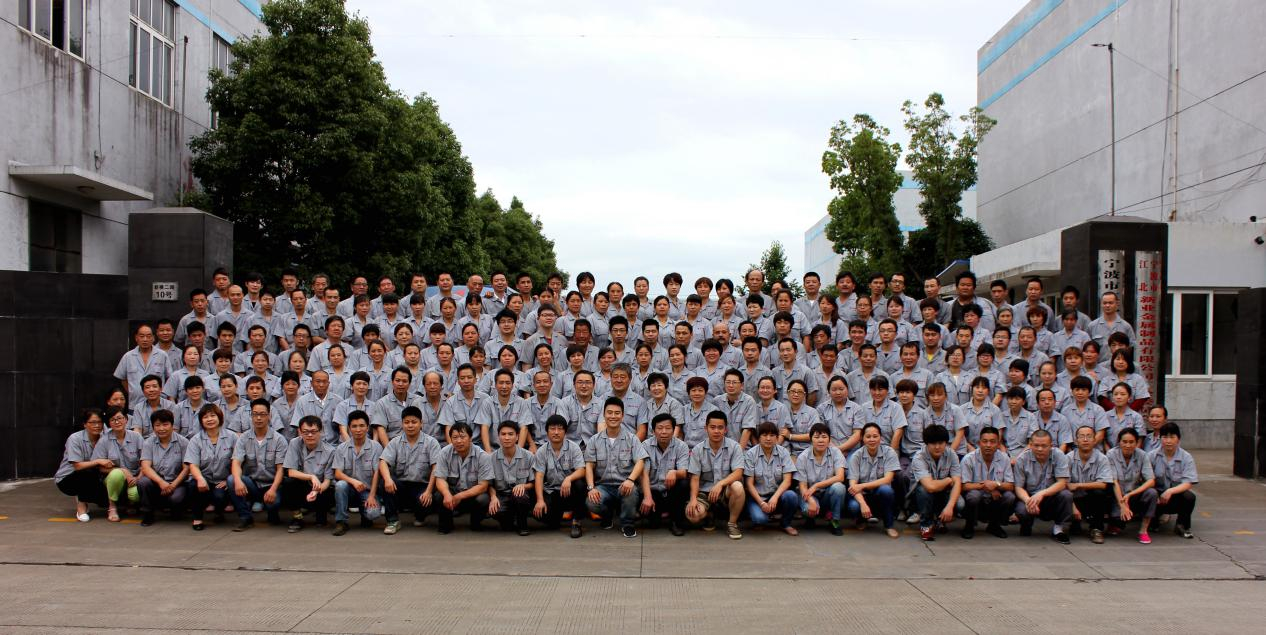
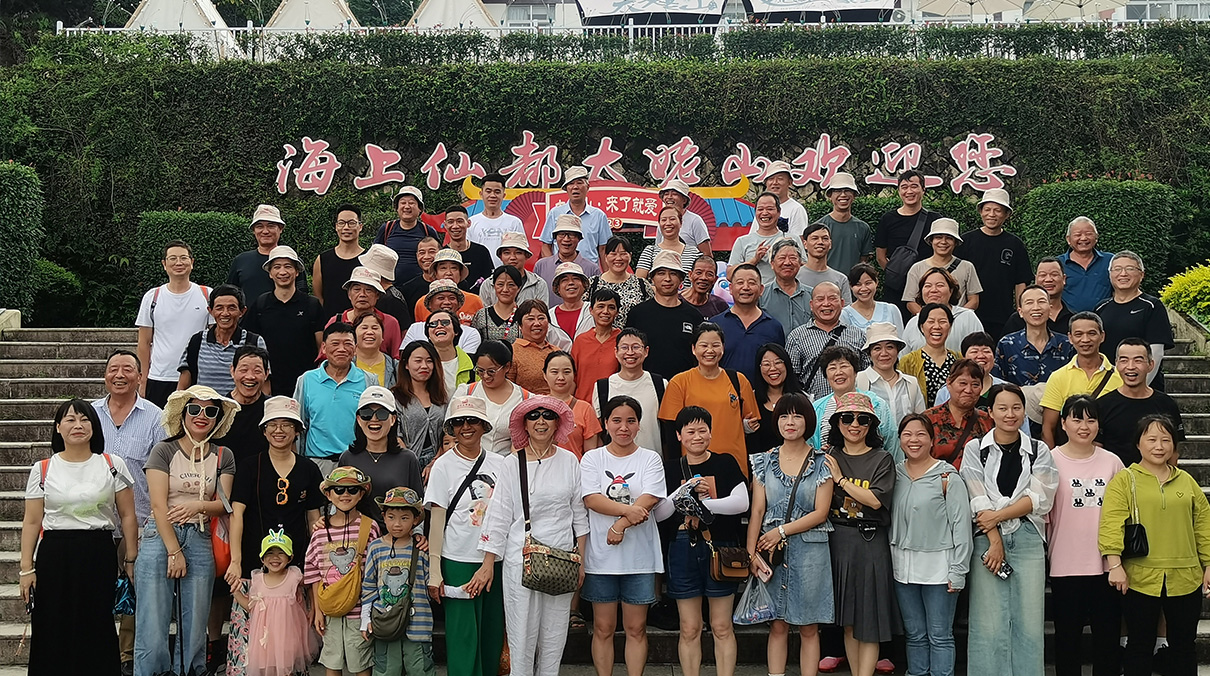
Ningbo Jiangbei XinYe Metal Works Co., Ltd. employs a team of 130 staff. Among these, 50 specialists are dedicated to engineering, product design, quality control, and management. The remaining 80 operators manage our forging, stamping, CNC, and assembly lines.
Supported by more than 20 technical patent certificates, our engineering team works directly with clients' design staff. We optimize geometries to reduce material waste, simplify extrusion profiles to lower die costs, and suggest machining steps that reduce unit costs without compromising structural integrity.
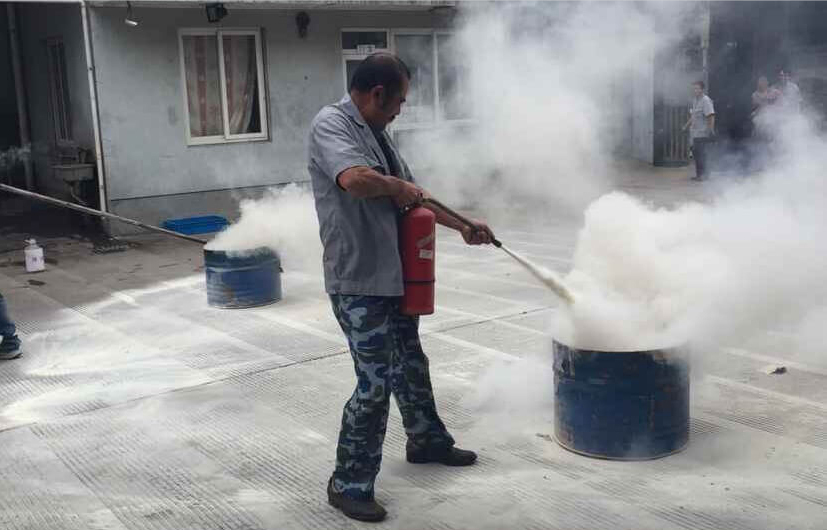
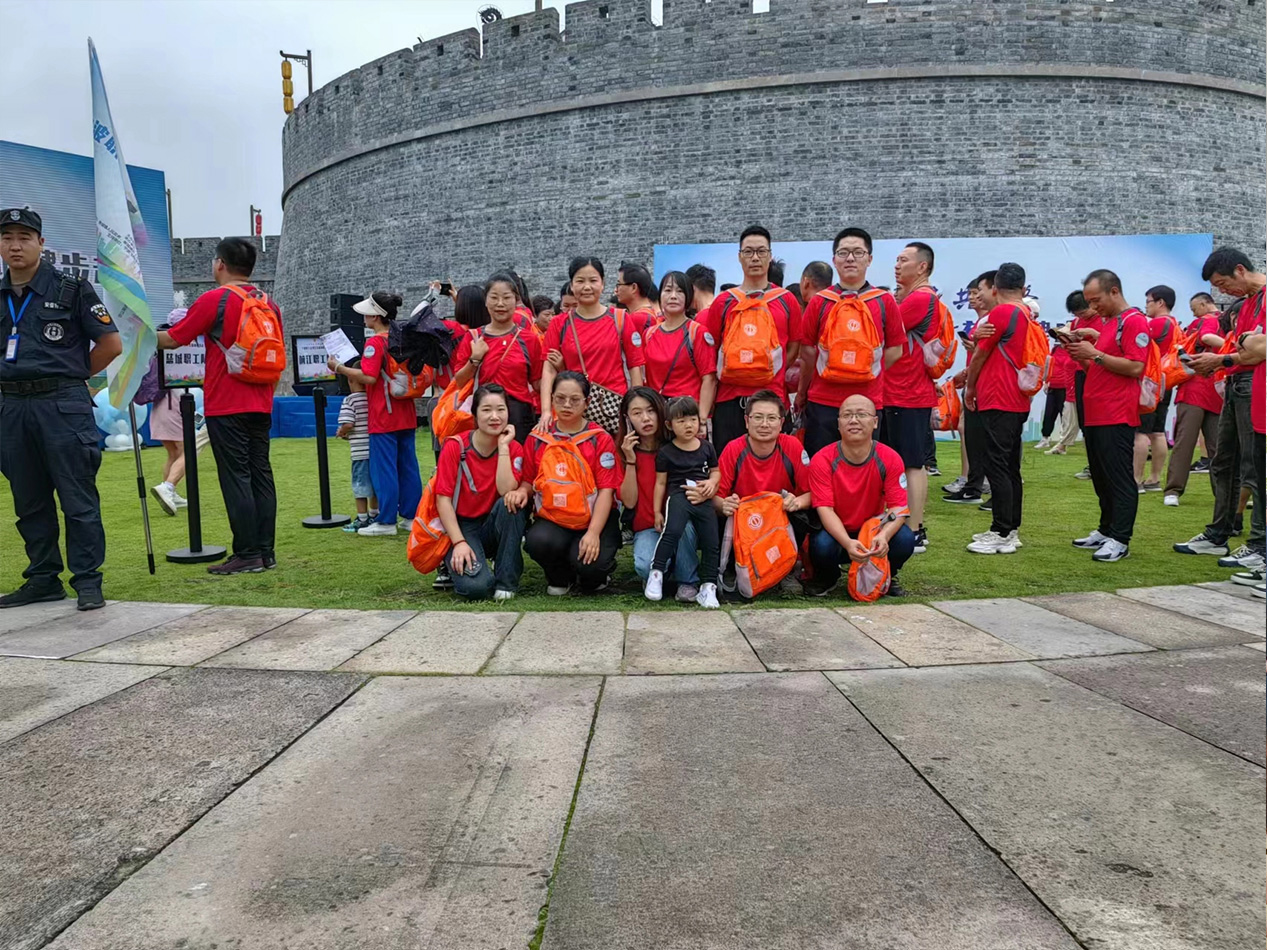
A detailed list of our machinery and production limits for technical evaluations.
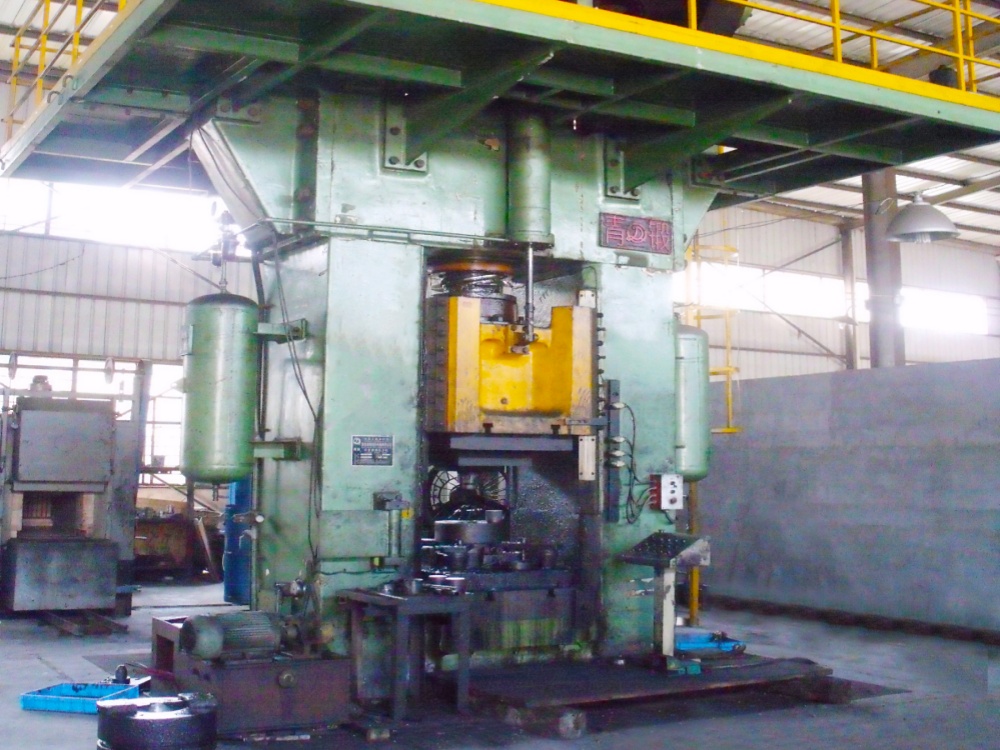
Forging and deep-draw setups from 300 to 1,000 tons of clamping force, combined with hydraulic column systems from 100 to 630 tons. This capacity allows us to produce high-density structural components with low internal porosity.
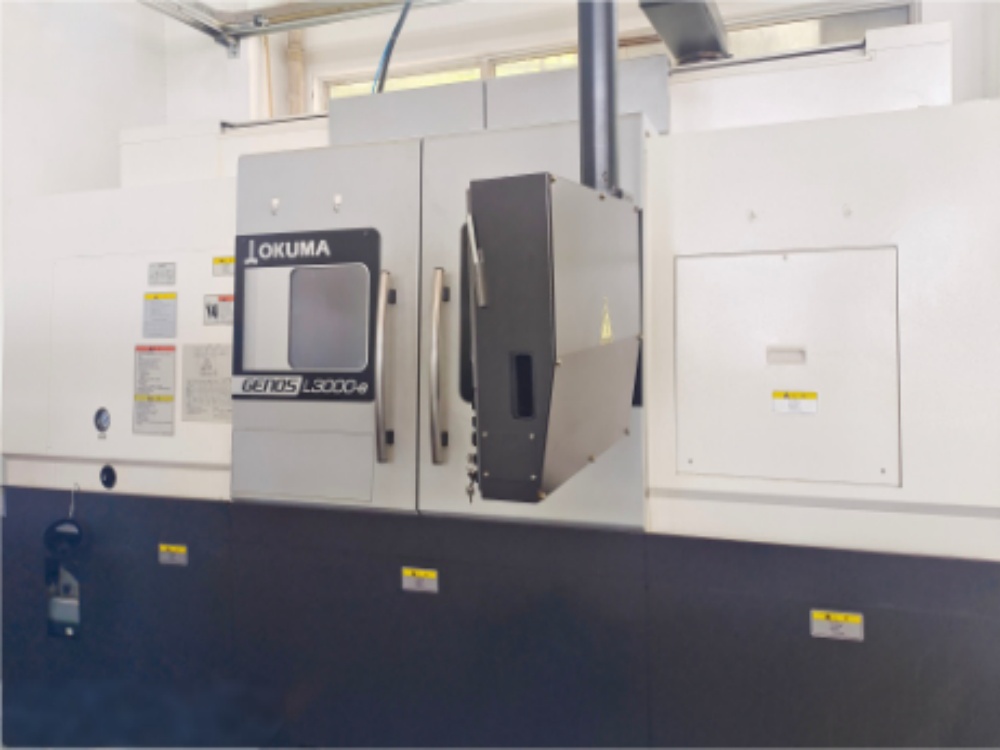
Equipped with 4-axis machining configurations, automated tool changers, and dynamic coordinate tables. These systems drill, tap, slot, and mill extruded profiles to match complex assembly requirements.
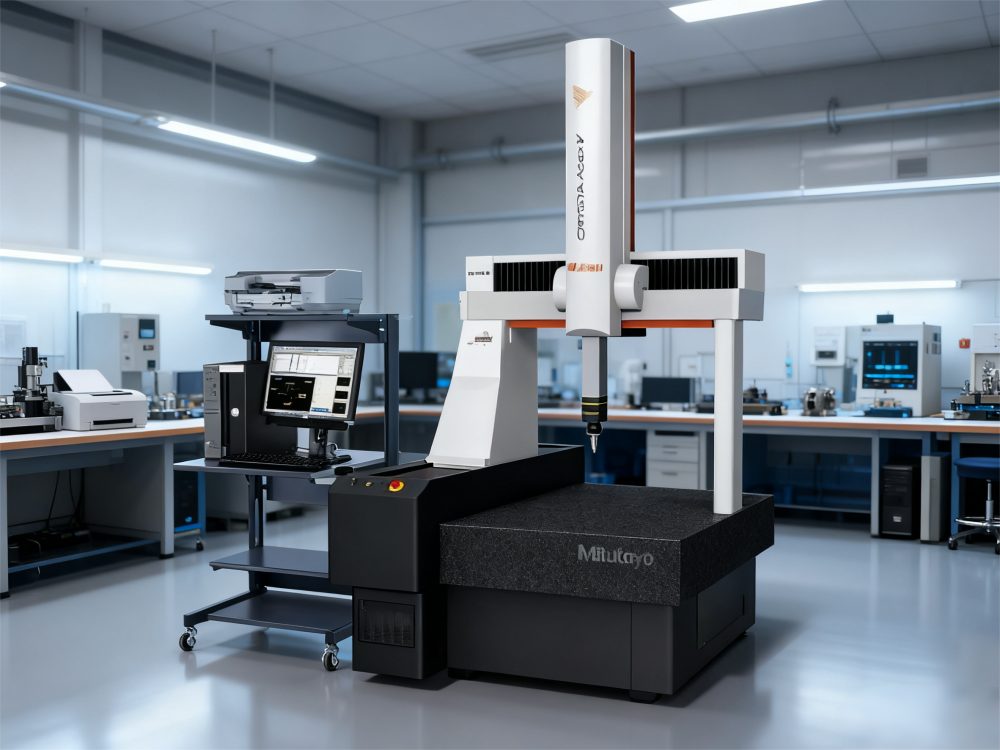
Our temperature-controlled inspection lab uses coordinate measuring machines (CMM), surface profile systems, and spectrometers to verify that physical dimensions match digital design tolerances.
Developing new extrusion profiles requires balancing wall thickness, screw ports, and web configurations to avoid distortion. Our engineering division uses mold flow analysis to simulate metal extrusion paths before cutting the tooling dies.
This pre-production modeling extends die life, avoids profile surface cracking, and reduces the testing loops needed to achieve dimensional approval.
The structural strength of an extruded profile depends on chemical purity and controlled cooling. Low-grade billets with trace element variations can develop stress fractures or poor surface finishes during anodizing.
To ensure consistent quality, we inspect incoming billets for chemical and metallurgical defects before extrusion:
Common questions from procurement managers and engineers regarding tooling, lead times, and global delivery logistics.
Select from our manufacturing lines. We combine multiple processes under one roof to deliver ready-to-assemble parts.
 XinYe Metal