Explore our high-performance components manufactured with strict tolerances, ready for clear hardcoat anodizing and robust industrial integration.
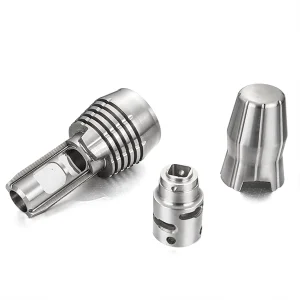
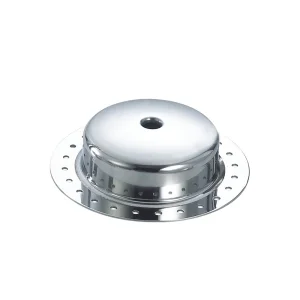
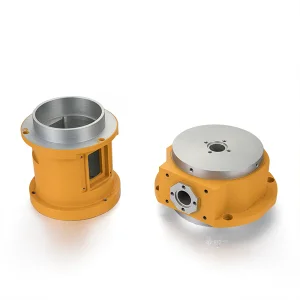
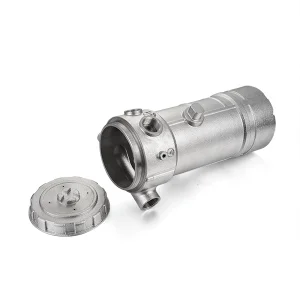
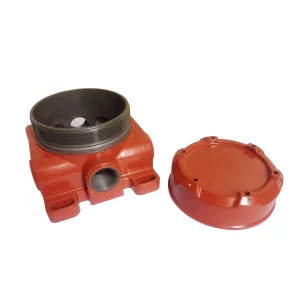
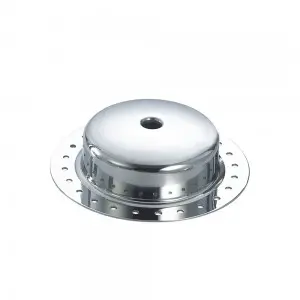
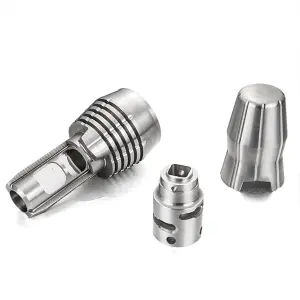
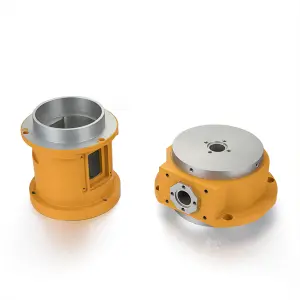
A rigorous industrial perspective on the demands, chemical structures, and applications of Clear Hardcoat Anodizing in modern metallurgy.
Unlike standard Type II anodizing, Type III Clear Hard Coat Anodizing is performed in a sulfuric acid bath at close to freezing temperatures (0°C to 4°C / 32°F to 40°F) with high current densities. This controlled electrochemical process forces the rapid growth of a thick, highly structured, and dense aluminum oxide layer (>50 microns / 2.0 mils). The absence of organic dyes maintains the natural silver/grey metallic appearance of the underlying substrate—hence termed "Clear" Hard Anodizing—while providing surface micro-hardness levels ranging from 400 to 500 HV, equivalent to hardened tool steels.
In the current global manufacturing framework, industrial engineers favor clear hard coating when components require extreme surface wear resistance alongside thermal and electrical insulation without modifying the component’s visual profile. From semiconductor vacuum chambers to aerospace actuators, clear hard anodized surfaces protect high-value aluminum alloys (specifically the 6000 and 7000 series) from early-stage failure due to friction, abrasive wear, and harsh chemical attack.
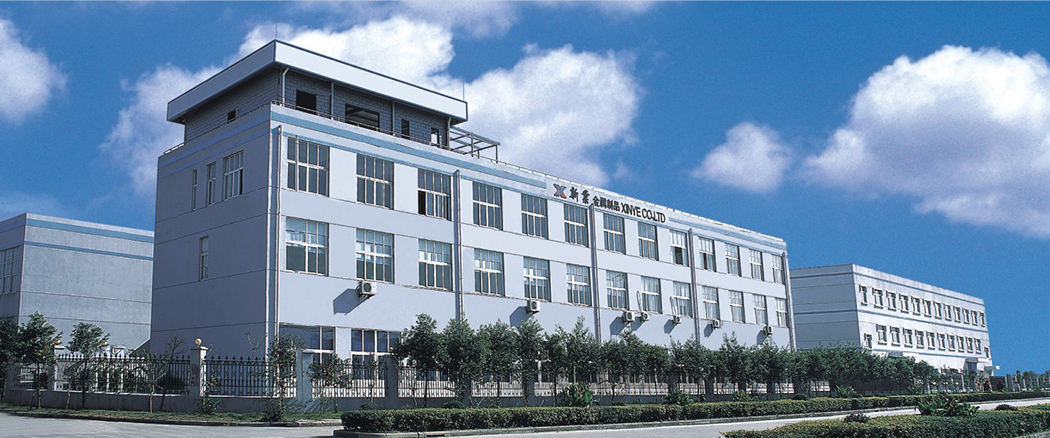
How Xinye Metal incorporates advanced mechanical fabrication with specialized surface engineering to meet modern global directives.
We deliver certified processing for aerospace components like turbine inlets, transmission housings, and aviation fuel systems. Clear hard anodizing ensures corrosion barriers in high-altitude atmospheres while retaining critical dimensional stability.
With the rise of electric bikes and electric vehicles, light-weighting is paramount. We forge and machine aluminum transmission parts and E-bike levers, providing hard anodized protection to withstand high-cycle stresses and road-salt exposures.
For applications like commercial cream whippers and tabletop stoves, clear hard anodized coatings are non-toxic, easy to clean, and extremely resistant to acidic food elements. This acts as a durable barrier protecting the core aluminum alloy.
Established in 1996, we are an owner-managed SME corporation dedicated to global standards of metal engineering.
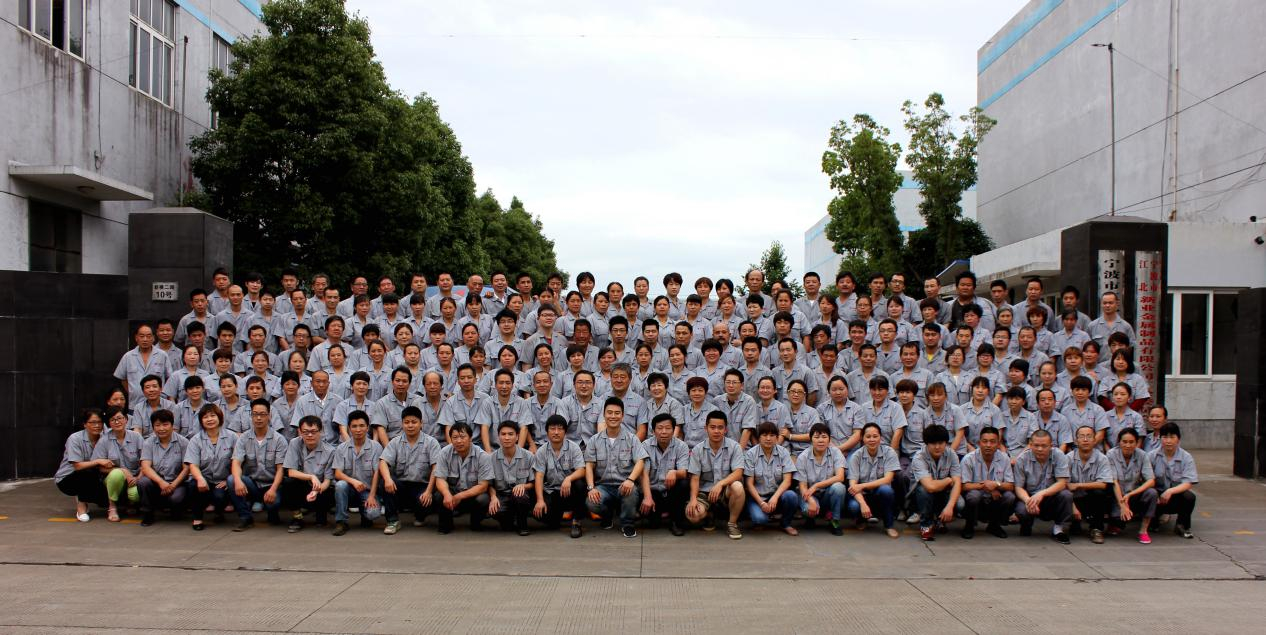
Founded in 1996 as a family business, Ningbo Jiangbei XinYe Metal Works Co., Ltd. has expanded into a state-of-the-art technological manufacturer. We operate in the Ningbo Jiangbei Industrial Zone, situated dynamically within 3 hours of the Shanghai International Airport via high-speed train networks. Our facilities cover a total of 16,000 square meters of production floors with another 11,000 square meters currently under construction to meet expanding global OEM order volumes.
Our total staff consists of 130 highly specialized employees. This includes 80 production line specialists and 50 experts dedicated to engineering design, product development, quality control, and executive management. Our core strengths are fully verticalized: from initial forging, casting, or stamping to final precision CNC machining and advanced electro-chemical clear hard anodizing.
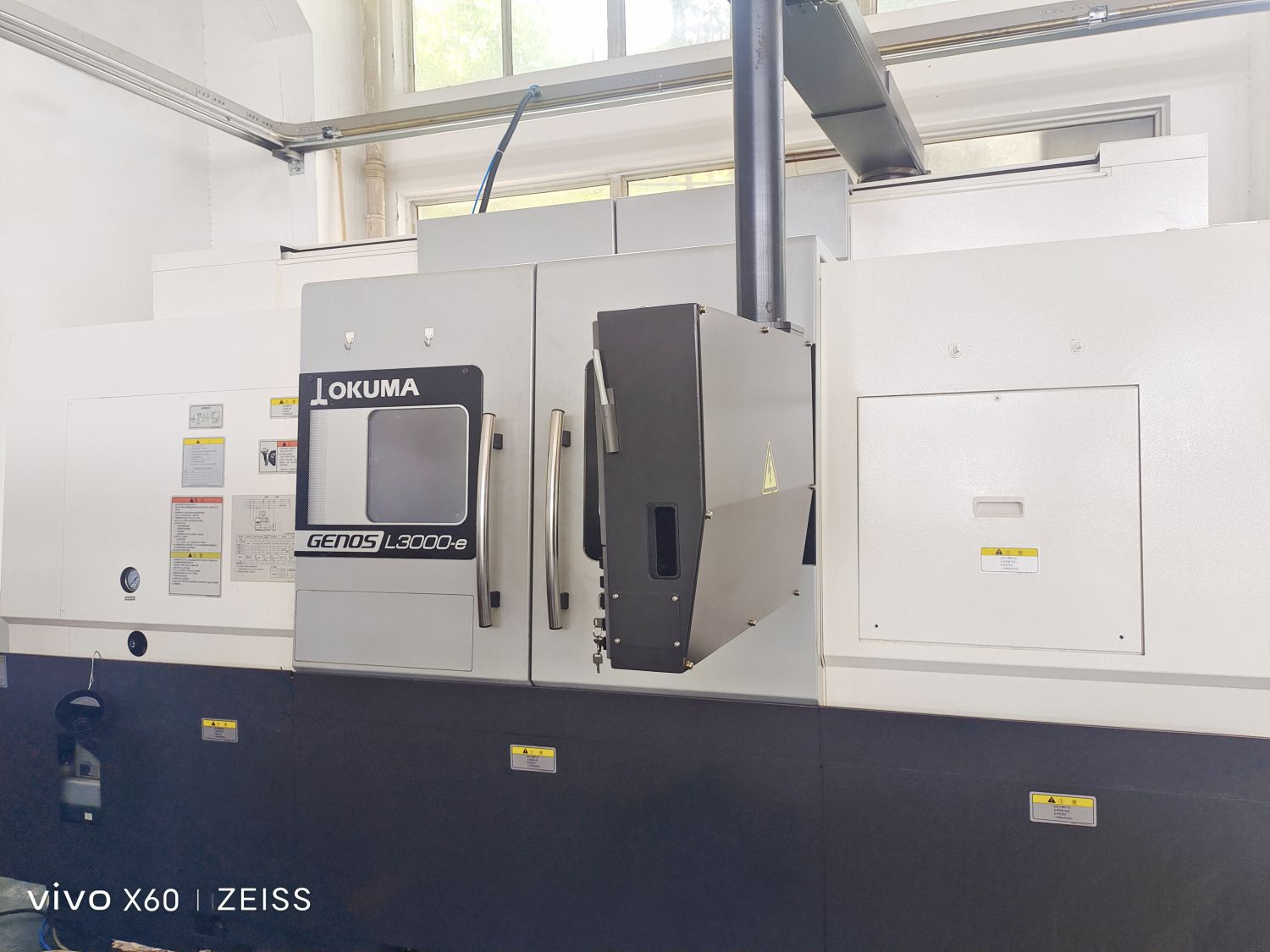
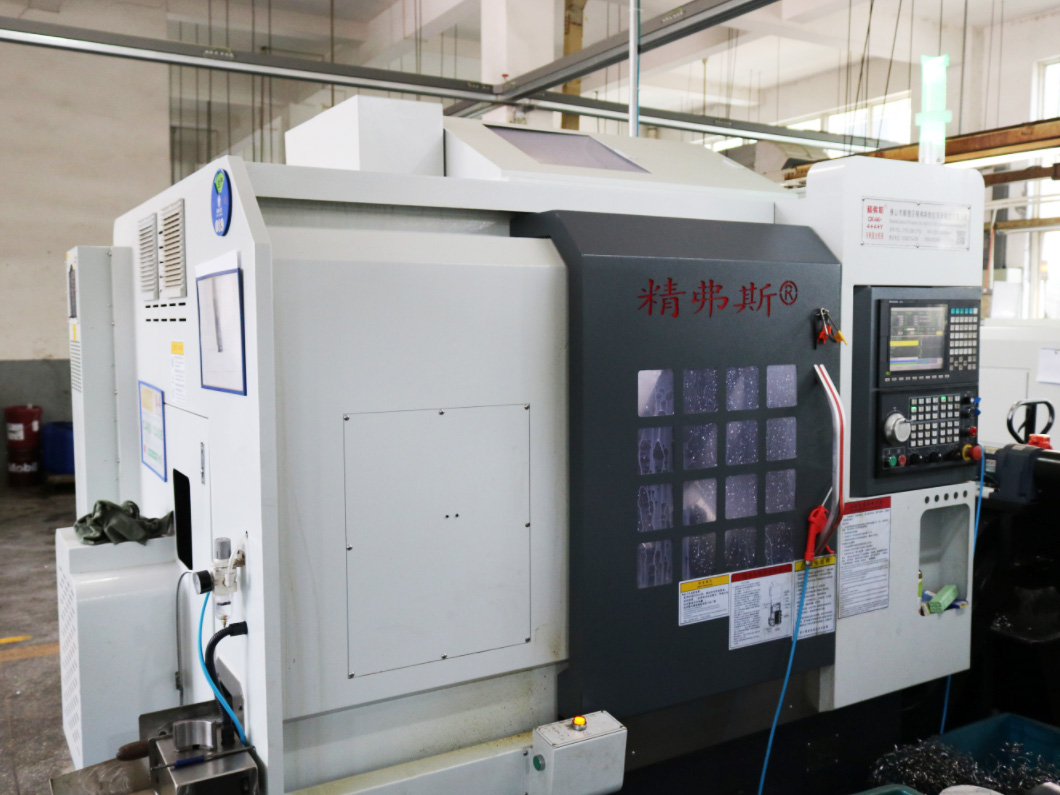
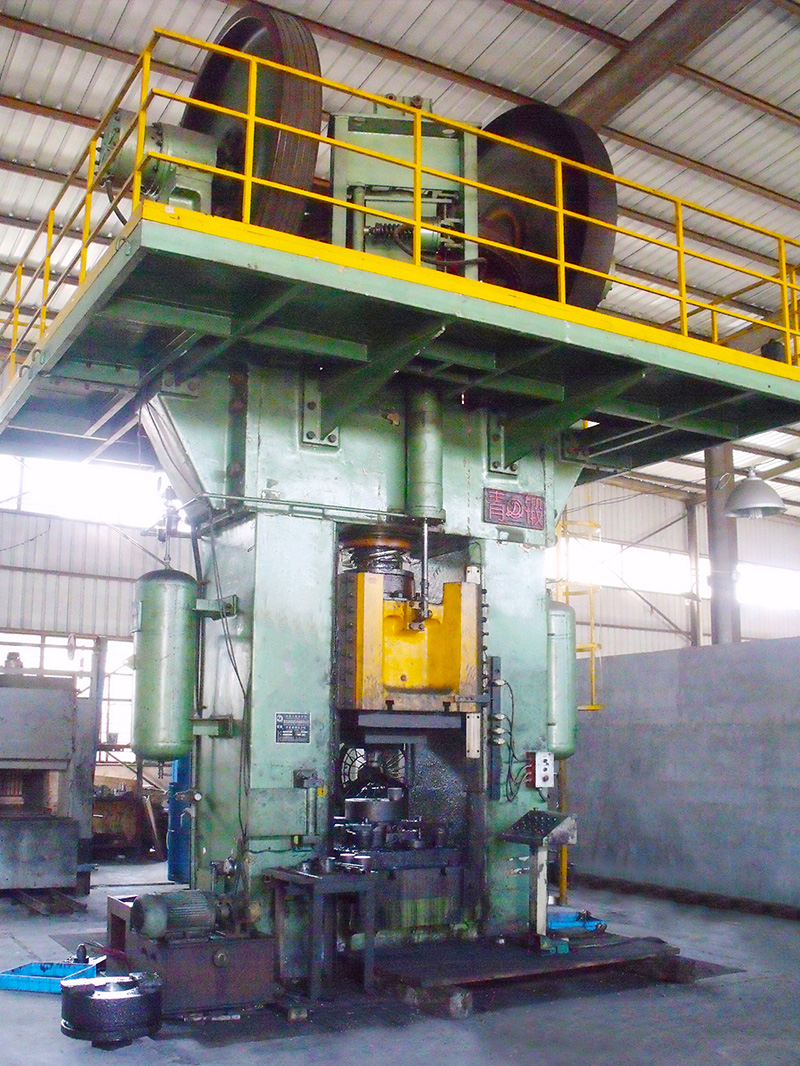
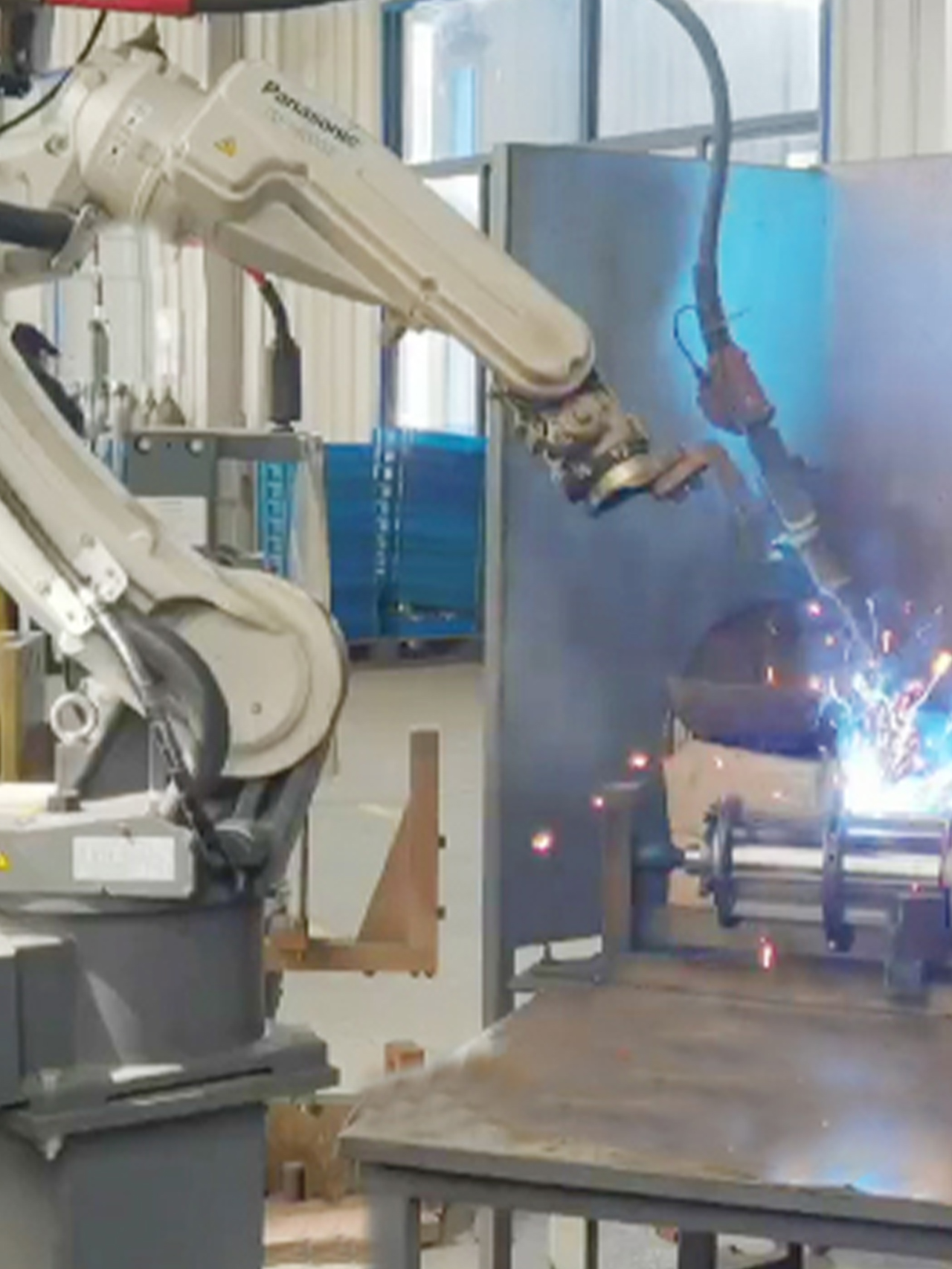
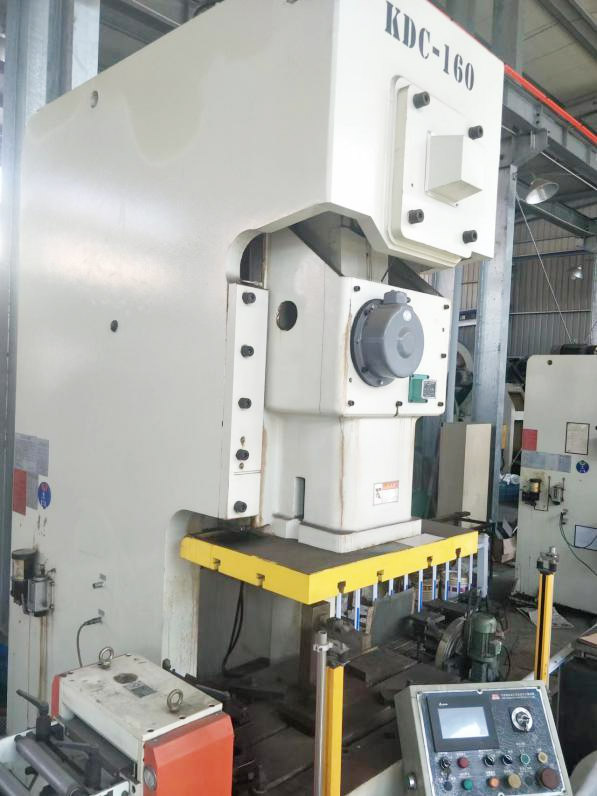
Our heavy industrial infrastructure is imported primarily from Japan, enabling unparalleled accuracy in production.
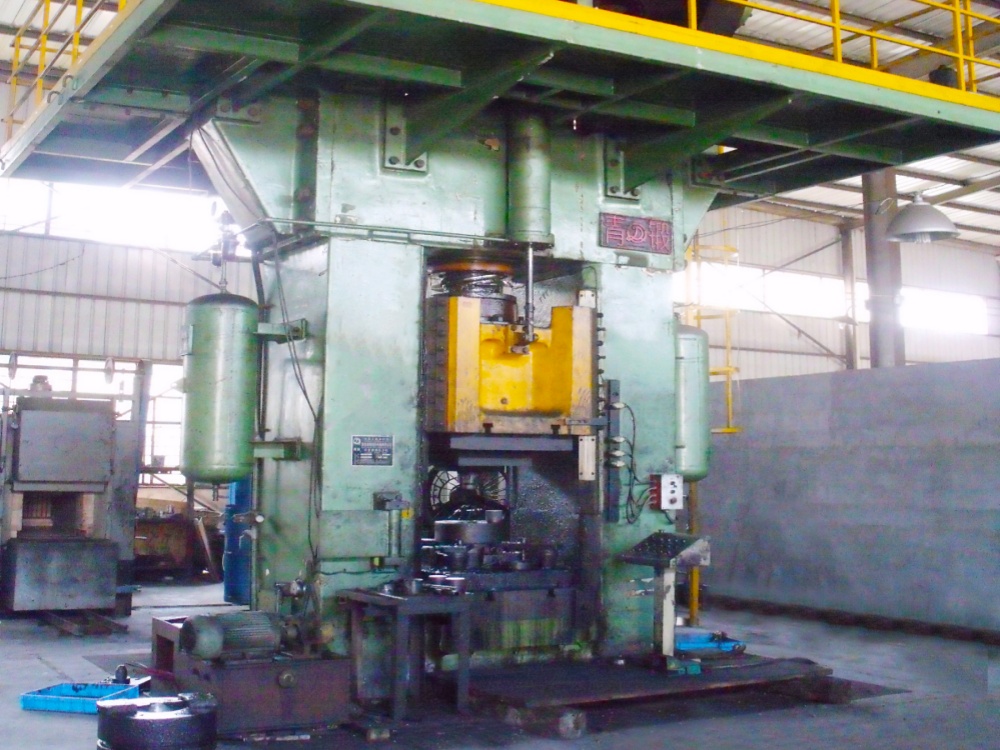
Equipped with friction presses ranging from 300 tons to 1000 tons, and column hydraulic presses ranging from 100 tons to 630 tons. Provides excellent mechanical grain alignment for high-stress aerospace applications.
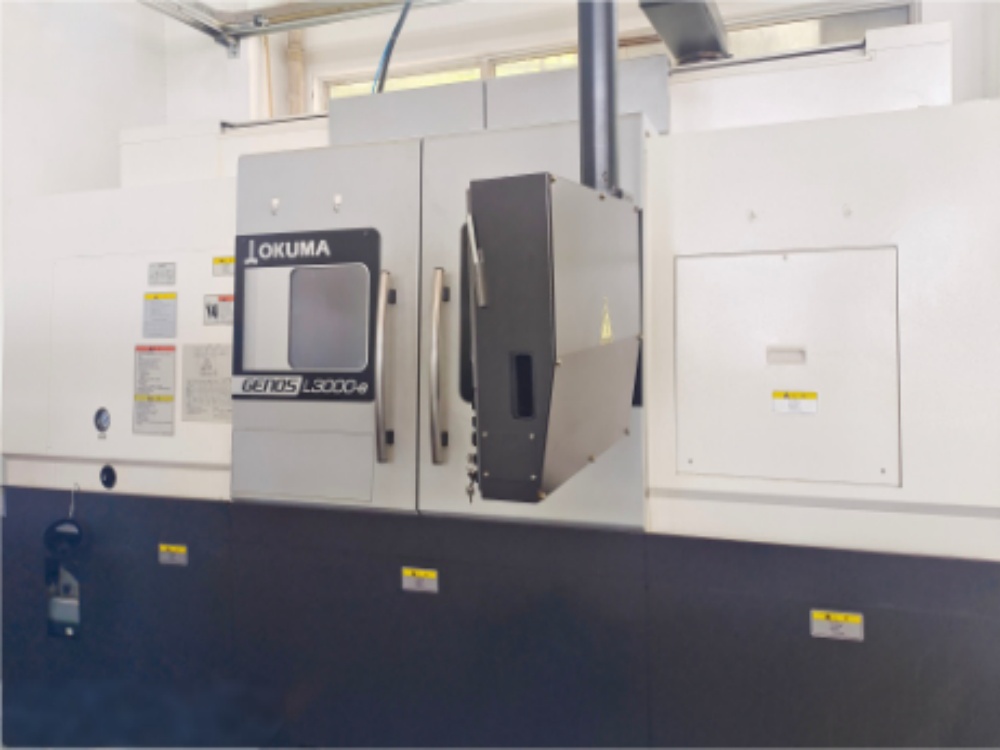
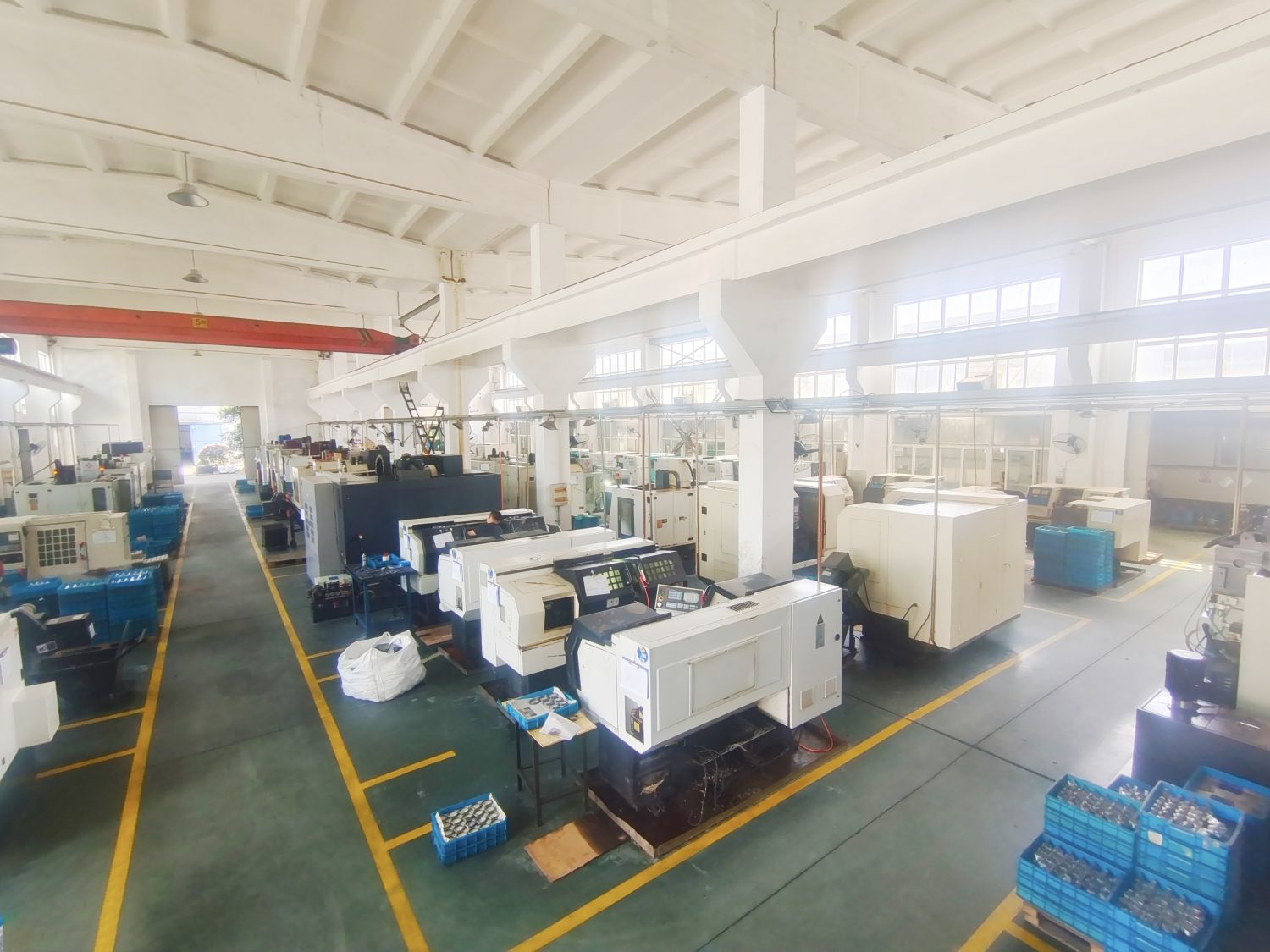
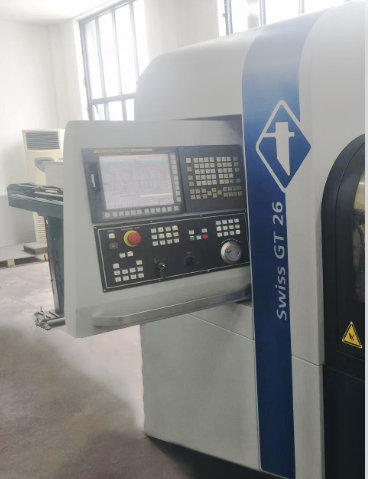
Features 4-axis control vertical and horizontal CNC milling and turning centers. We achieve machining tolerances of up to 0.001mm, ensuring complex assemblies align exactly prior to chemical clear hard coat treatment.
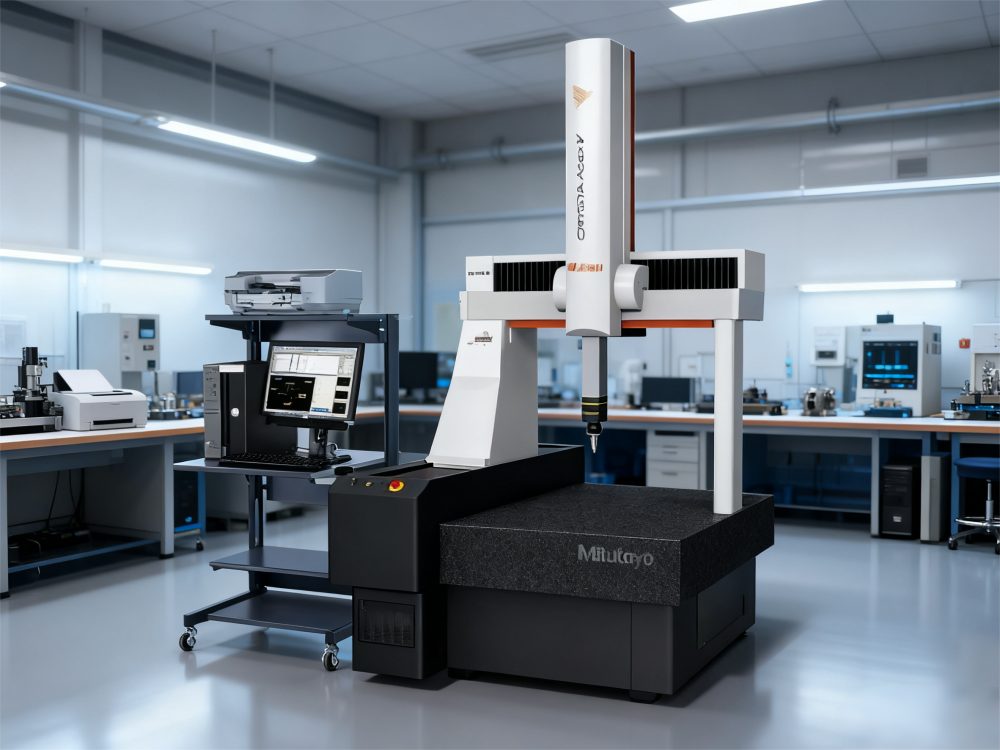
Equipped with specialized quality engineering facilities, including CMM coordinate measuring machines, video measuring systems, structural spectrum analyzers, and surface roughness measuring indicators.
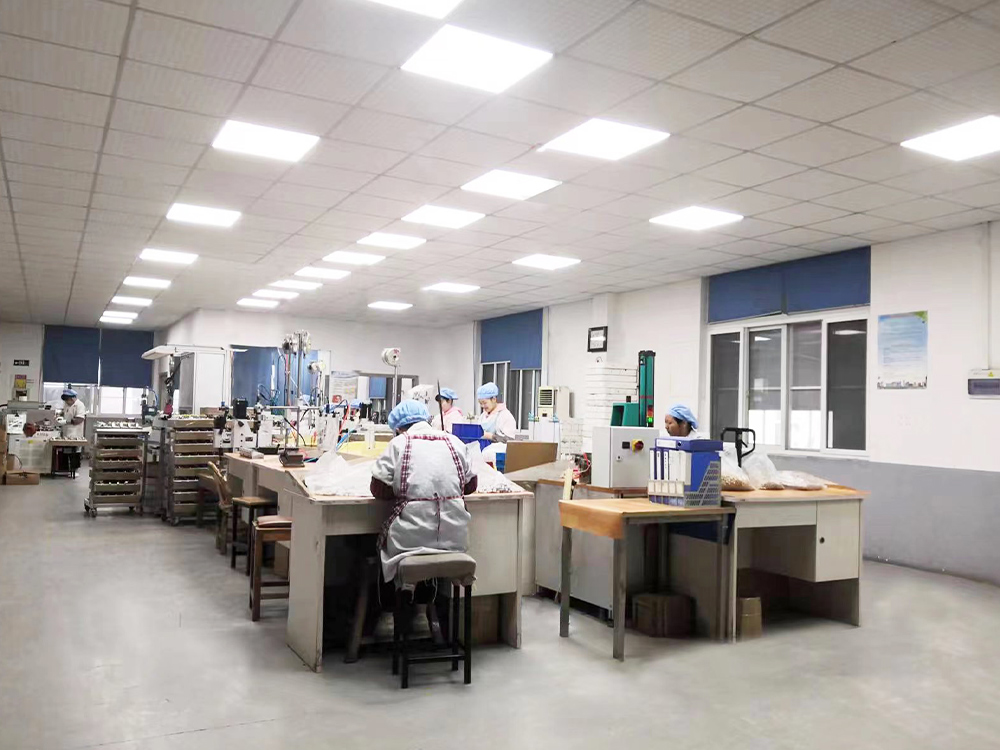
A closer look inside our Ningbo facilities, highlighting the systematic cleanliness and mechanical rigor we maintain daily.
Certifications and high-precision testing configurations that safeguard metallurgical stability and surface parameters.
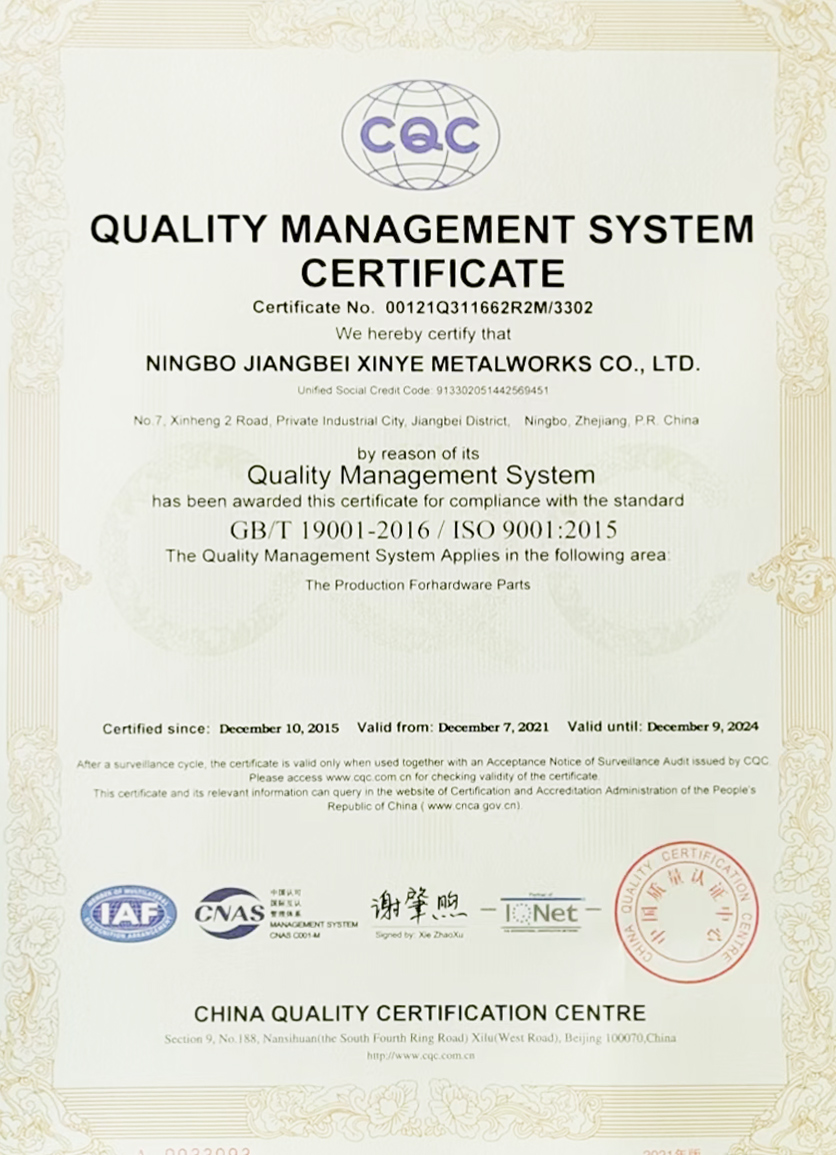
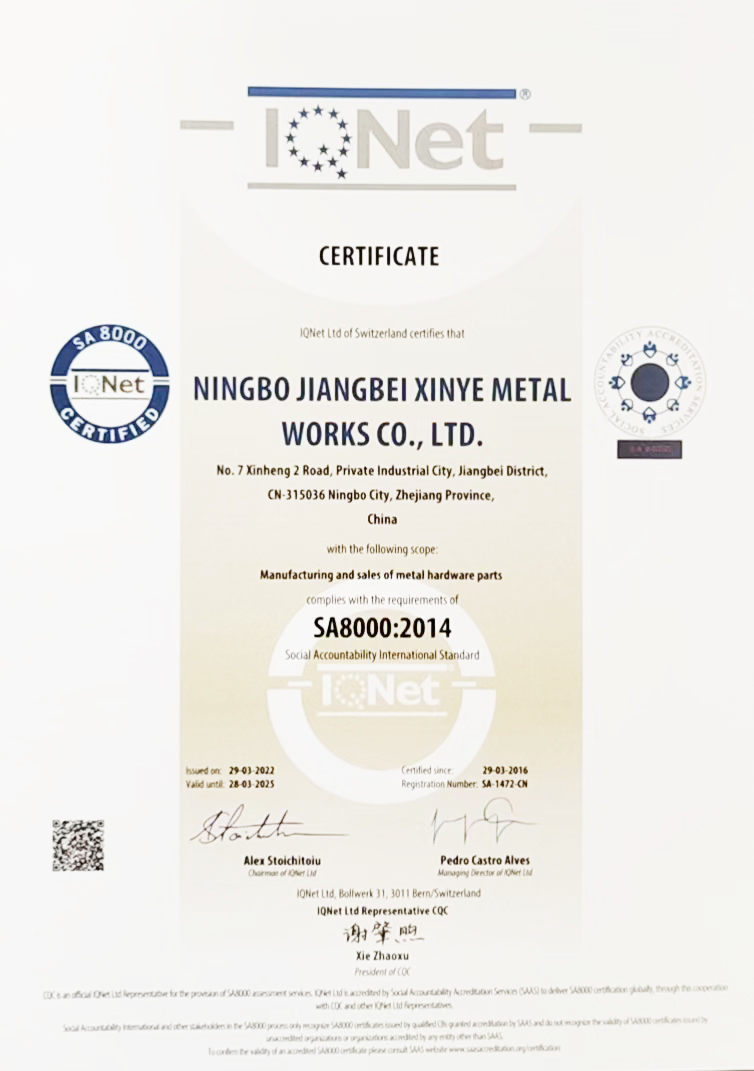
At Xinye, quality is the lifeblood of our business. Our operation conforms fully to ISO 9001:2015 (Quality Management Systems) and SA8000 (Social Accountability) standards. From the moment chemical raw materials and aluminum billets arrive at the receiving deck, they are subjected to spectroscopy chemical analysis to verify elemental ratios (Si, Fe, Cu, Mn, Mg, Cr, Zn, Ti).
Every anodizing batch undergoes strict dimensional verification before and after coating. Since hard coat anodizing penetrates the surface by 50% and builds up the surface by 50%, precise calculation is mandatory to prevent out-of-tolerance rejects on high-precision CNC threads and mating surfaces.
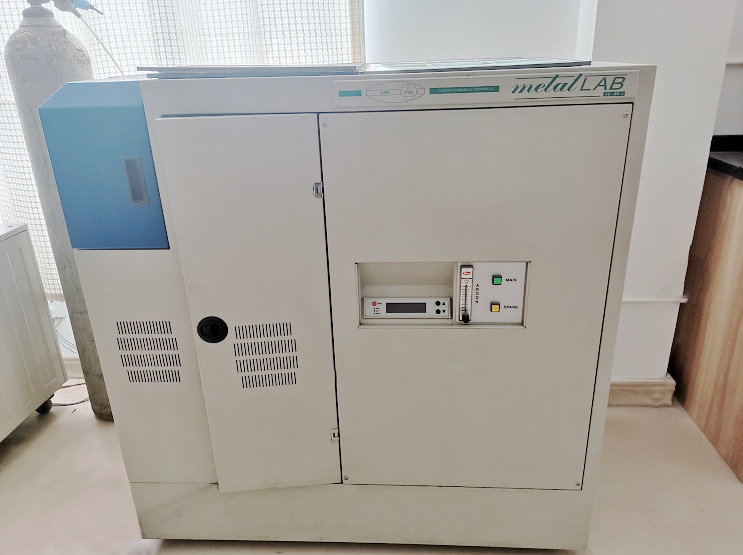
Verifies base alloy composition to prevent anodizing abnormalities.
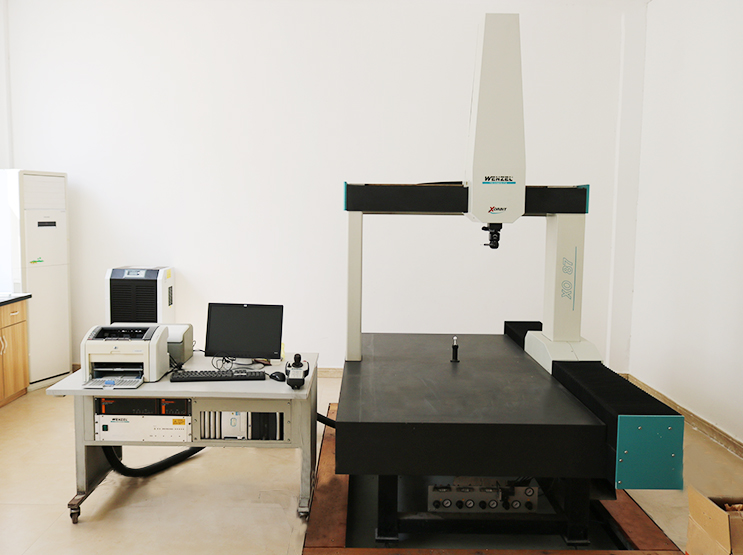
3D coordinate checking to ensure micron-level structural accuracy.
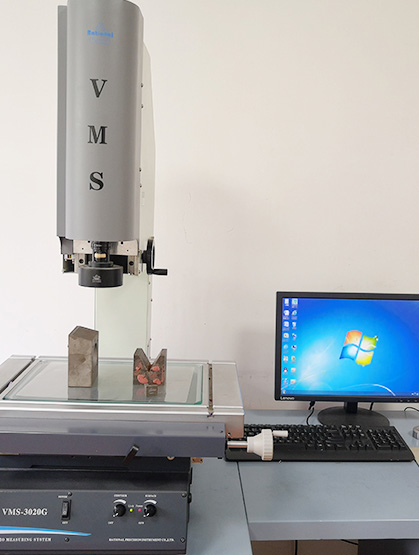
Non-contact optical dimension control for detailed profiles.
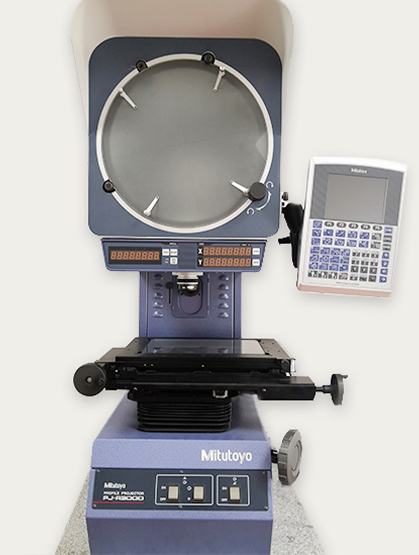
Secondary optical checking for bulk order validation processes.
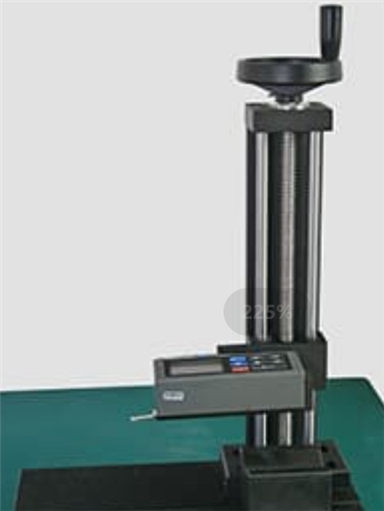
Measures Ra/Rz micro-finish roughness of raw and finished surfaces.
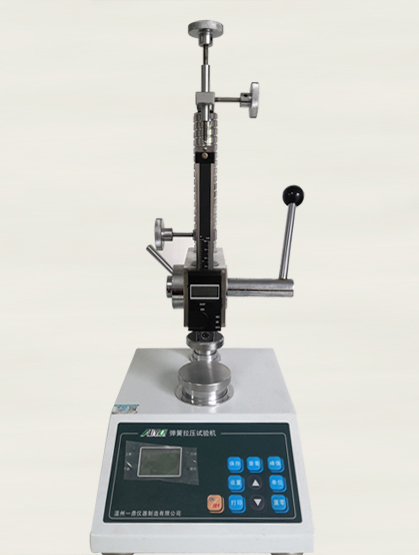
Ensures elastic mechanical tolerances meet specified design metrics.
Reviewing our real-world success cases in fabricating and coating components for demanding industries.
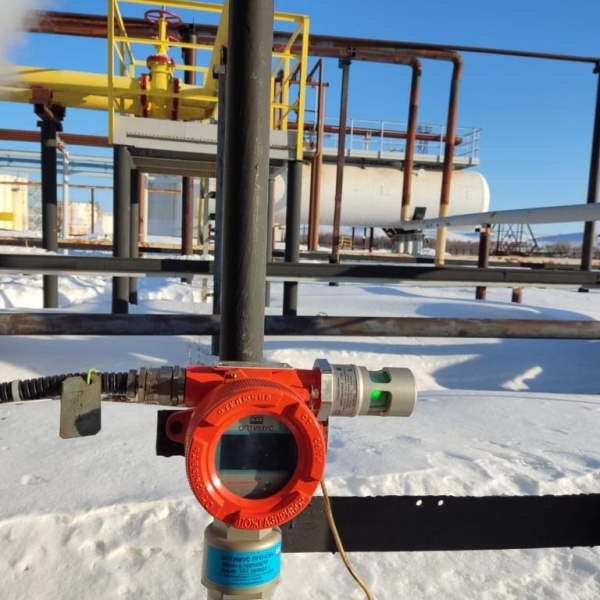
Precision forged aluminum brackets and links subjected to clear hard anodize coatings. Yields extreme resistance against wear in heavy mechanical setups.

Machined transmission housings engineered to tolerate continuous thermo-cycling. Anodization stops galvanic corrosion when mating with steel fasteners.
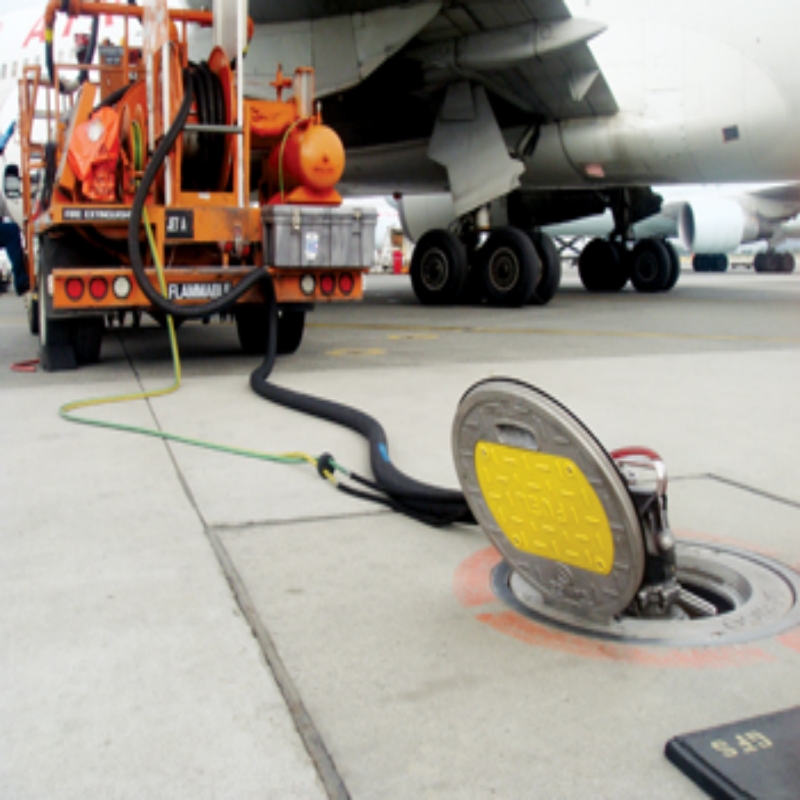
Components like Aviation Fuel Hydrant Pit Box housings, engineered with zero-leakage tolerances and coated to resist standard aviation fuels.
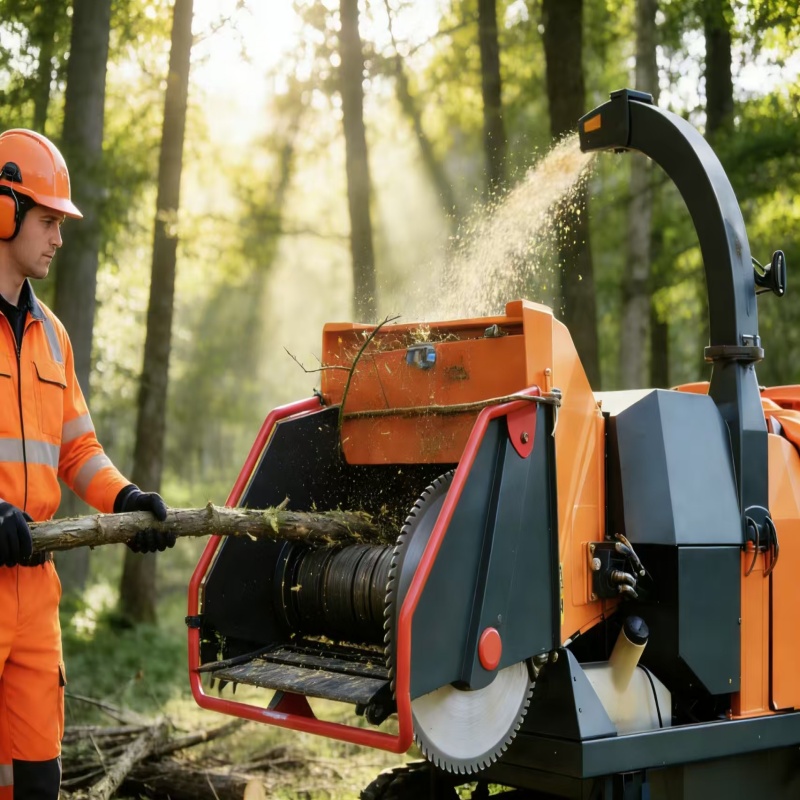
Precision feed rollers and cutter discs. Manufactured using robust high-tensile alloys (Q345B, 42CrMo, NM400 for shafts) to resist heavy abrasive wood forces.
From initial design specifications to final chemical processing, our path guarantees repeatability and precision.
We consult on custom drawings, finish specifications, target clearances, raw material properties, and expected wear metrics. We ensure clear hardcoat anodize tolerances are accounted for pre-machining.

Our engineering team verifies blueprints. We calculate tooling costs, forge/machine sample profiles, execute preliminary chemical coating processes, inspect with optical video measuring equipment, and ship prototype samples to you with a complete dimension report.



We align production paths according to custom functional feedback. If assembly modifications are required, we execute iterations rapidly before finalizing bulk-run tooling parameters.


Once approved, the order enters high-volume manufacturing. Friction forging presses and CNC multi-axis centers process items on a 16/6 schedule (expandable to 24/7 inside 30 days). Parts are chemical hardcoat anodized in temperature-controlled electrochemical baths under rigorous current-density tracking.

We provide comprehensive warranty coverage on structural raw materials and workmanship. In our dedicated assembly workshop, we can execute sub-component assembly, packing, and customized protective shipping protocols.


Read detailed metallurgical answers to the most common inquiries regarding Type III Hardcoat anodizing applications, lead times, pricing, and structural limits.
The core difference lies in temperature, density, and thickness. Clear hard anodizing (MIL-A-8625 Type III) is processed at low temperatures (0-4°C) with higher current density. This results in a dense ceramic-like layer with a typical thickness of 50 microns (2.0 mils), providing extreme wear and abrasion resistance (HV 400-500). Standard Type II clear anodizing is run at warmer temperatures (approx. 20°C), producing a thinner oxide layer (typical thickness of 5 to 20 microns) optimized for light corrosion protection and aesthetics rather than heavy sliding wear.
For custom forged or machined samples, our typical lead time is approximately 7 days. For mass production orders, the standard lead time ranges between 20 to 30 days after drawing approval and receipt of deposit payment. This timeline is subject to part complexity and batch volume.
Type III hardcoat grows equally inside and outside the original metal boundary. Specifically, 50% of the coating thickness penetrates into the raw aluminum substrate, and 50% builds up on the surface. For example, a target coating of 50 microns (2.0 mils) total thickness will increase the outer diameter of a cylinder by 50 microns (25 microns build-up per side). This dimensional change must be factored into our pre-machining tolerances.
6000-series (such as 6061-T6) and 5000-series alloys anodize beautifully, producing dense oxide structures with a clean, clear-to-light grey tint. 7000-series (7075) and 2000-series (2024) alloys are also anodizable, but due to their high copper or zinc content, the resulting coating is slightly darker (more olive/bronze-grey) and requires careful current adjustment during electrochemical processing.
Xinye provides comprehensive quality control documentation for international orders. This includes material certificates, dimensional inspection records, Certificate of Conformance (CoC), surface roughness measurement certificates, and export/origin declarations.
We accept T/T (bank transfer) and L/C. Standard payment terms are a 30% deposit in advance with the remaining 70% balance settled against the copy of the Bill of Lading (B/L). We offer a 1-year product warranty starting from the delivery note date. It is our company culture to immediately address and resolve any structural or surface quality concerns to our customer’s satisfaction.
Review our secondary catalog of custom OEM parts manufactured for heavy industrial and chemical environments.
 XinYe Metal