Explore our premium metal components manufactured under certified processes and clear anodized finishes.
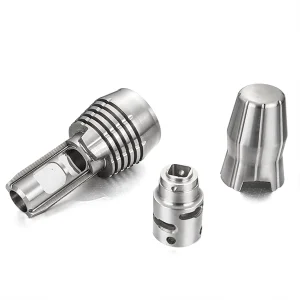
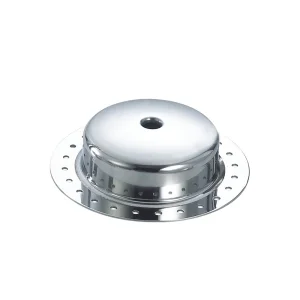
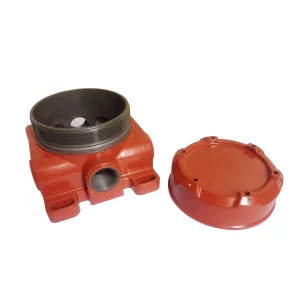
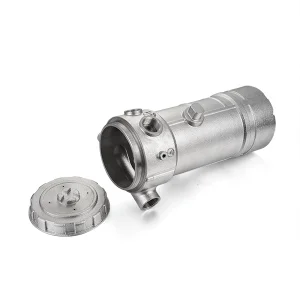
A technical overview of anodic oxidation processes, microstructure characteristics, and surface integrity standards.
Anodic oxidation (anodising) is an electrochemical passivating procedure designed to expand the depth of the natural oxide barrier layer residing on the surface of non-ferrous metal parts. In industrial applications, particularly for structural and thermal alloys like the 6000 and 7000 series aluminum, clear anodizing serves as the foundational surface treatment for long-term wear resilience and atmospheric corrosion mitigation. Unlike conventional coatings (such as powder coatings or wet paints) which rely on surface adhesion, anodization converts the underlying aluminum substrate itself into a highly structured aluminum oxide (Al₂O₃) coating. The result is a finish integrated into the metallic lattice, rendering it completely impervious to flaking, peeling, or particulate delamination.
By immersing the aluminum component into an acidic electrolyte bath (typically sulfuric acid, H₂SO₄, with concentrations ranging from 15% to 20% by weight) and applying a controlled direct current (DC), the aluminum workpiece acts as the anode. Water molecules in the electrolyte release oxygen ions at the anode surface, reacting with the aluminum to form an organized, porous oxide layer. The micro-pores formed have a typical diameter of 10 to 20 nanometers, providing the perfect canvas for subsequent chemical sealing (hydrothermal or nickel-acetate sealing) to block corrosive channels.
For global sourcing directors and hardware design engineers, the primary metric of clear anodised coatings is corrosion resistance verified by standardized testing regimens. According to MIL-A-8625 Type II and ISO 7599 standards, clear anodizing yields a protective film thickness typically ranging from 5 to 25 microns (µm). Parts treated with this process regularly undergo rigorous testing, including the ASTM B117 Neutral Salt Spray (NSS) test, demonstrating zero pitting or surface degradation even after exceeding 336 hours of continuous exposure. This exceptional chemical stability makes clear anodised components highly suited for extreme environments, including offshore marine applications, oil & gas sensory devices, and chemical processing enclosures.
| Anodizing Class | Layer Thickness (Typical) | Primary Application Fields | Standard Reference Compliance |
|---|---|---|---|
| Type II (Sulfuric Acid Anodizing) | 5µm – 25µm | Automotive components, medical devices, lighting housings, consumer appliances | MIL-A-8625, ISO 7599, ASTM B117 |
| Type III (Hard Anodizing / Hardcoat) | 25µm – 75µm | High-wear industrial tooling, hydraulic valves, aerospace gearboxes | MIL-A-8625 Type III, ISO 10074 |
| Chemical Conversion Coating (Alodine) | < 1µm | Aerospace structural assemblies, grounding electronics (electrical conductivity) | MIL-DTL-5541, ASTM B449 |
A legacy of precision metalworking, surface finishing, and engineering expertise since 1996.
Founded in 1996 as an owner-managed SME corporation, Ningbo Jiangbei XinYe Metal Works Co., Ltd. has evolved into a key partner for global OEMs. Strategically situated in the Jiangbei Industrial Zone of Ningbo, China, the facility is highly accessible, located within a three-hour transit of Shanghai International Airport via China's high-speed train network. XinYe operates within a production footprint encompassing 16,000 square meters of dedicated manufacturing floor space, with an additional 11,000 square meters allocated for ongoing facility expansion.
Our workforce consists of 130 personnel, featuring a structured balance of 80 production line operators and 50 dedicated engineers, product developers, quality inspectors, and project management specialists. This organizational framework allows us to maintain strict quality standards while offering short lead times for complex, multi-stage metal fabrication contracts.
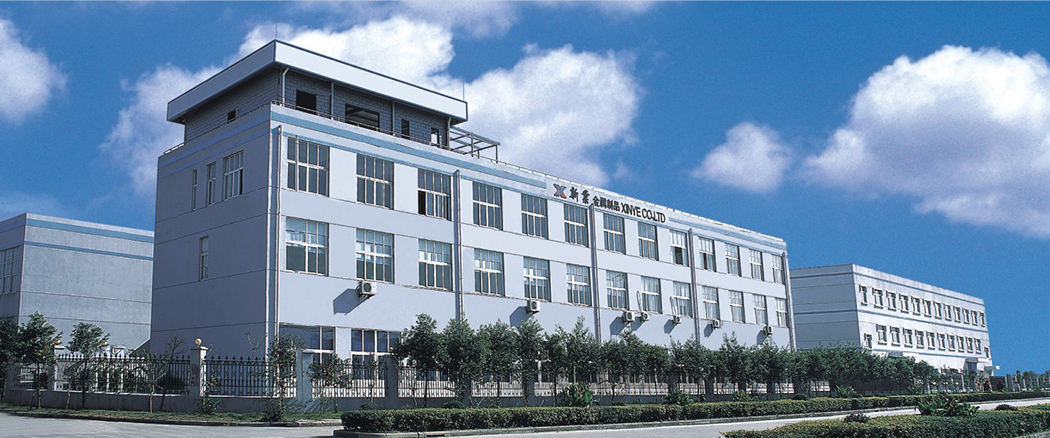
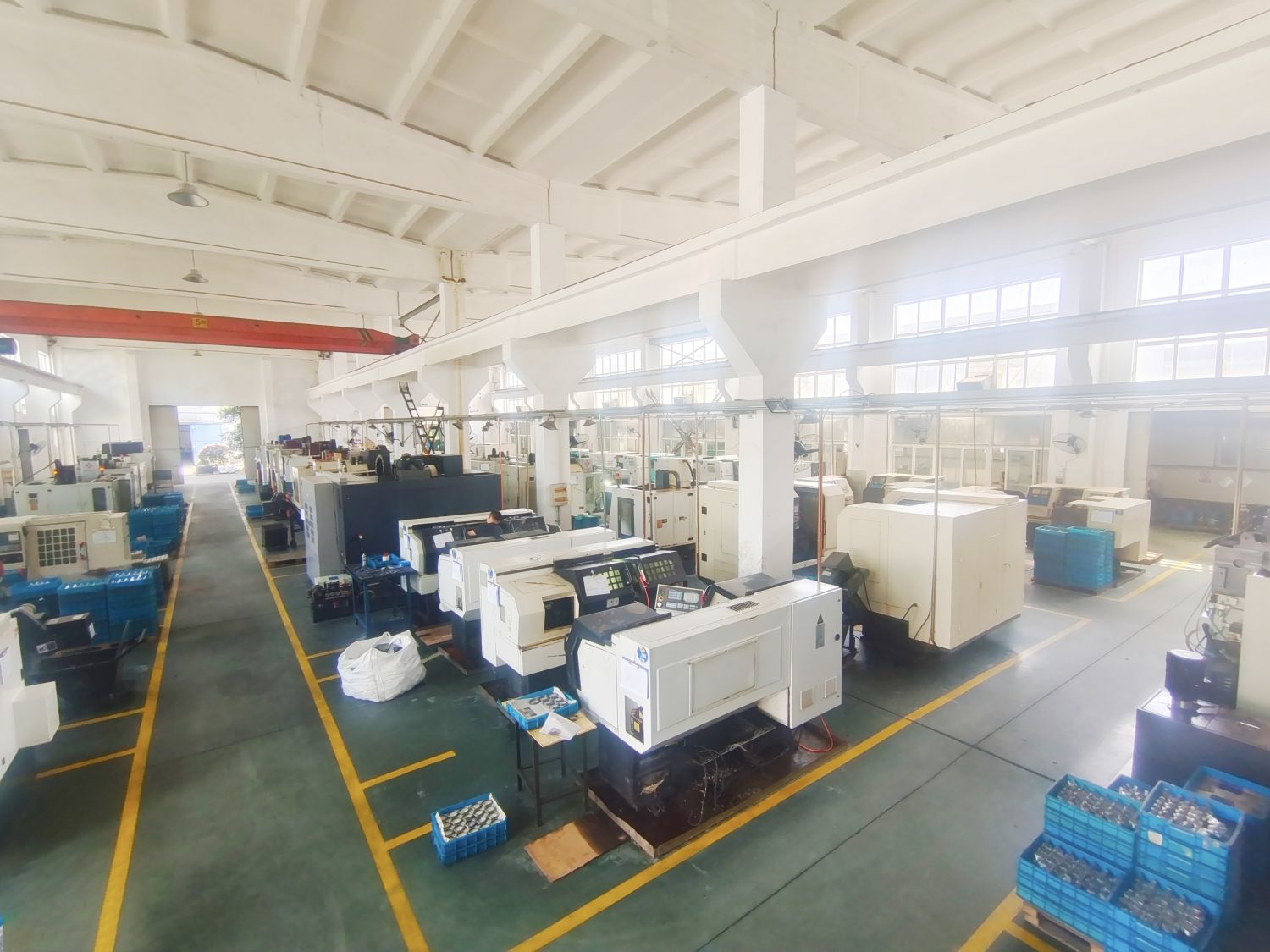
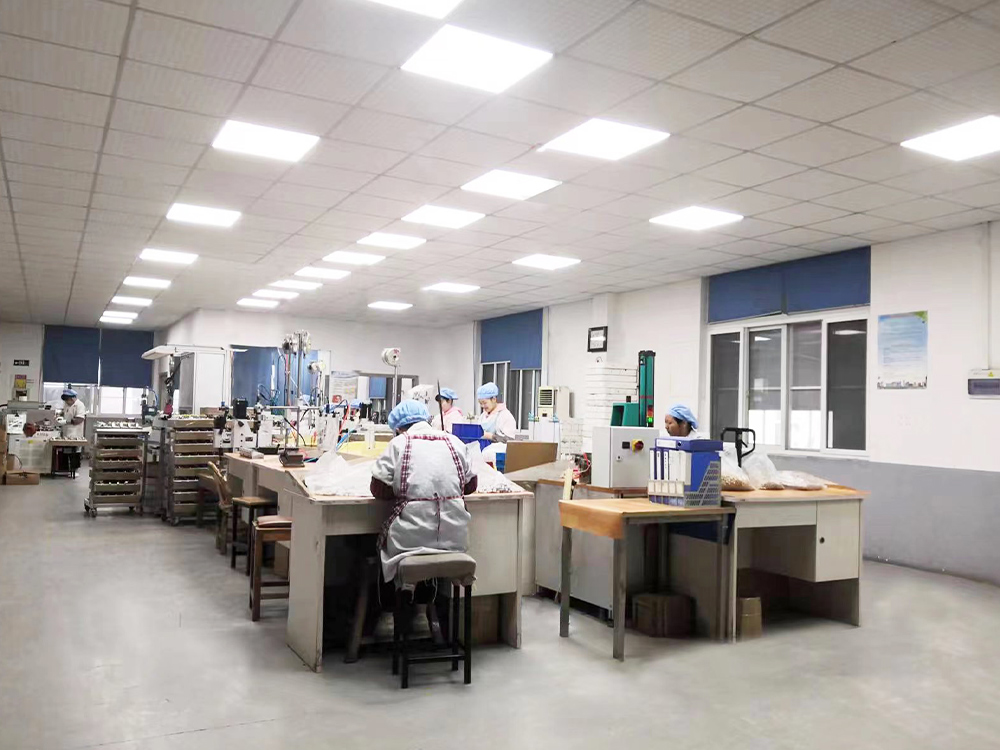
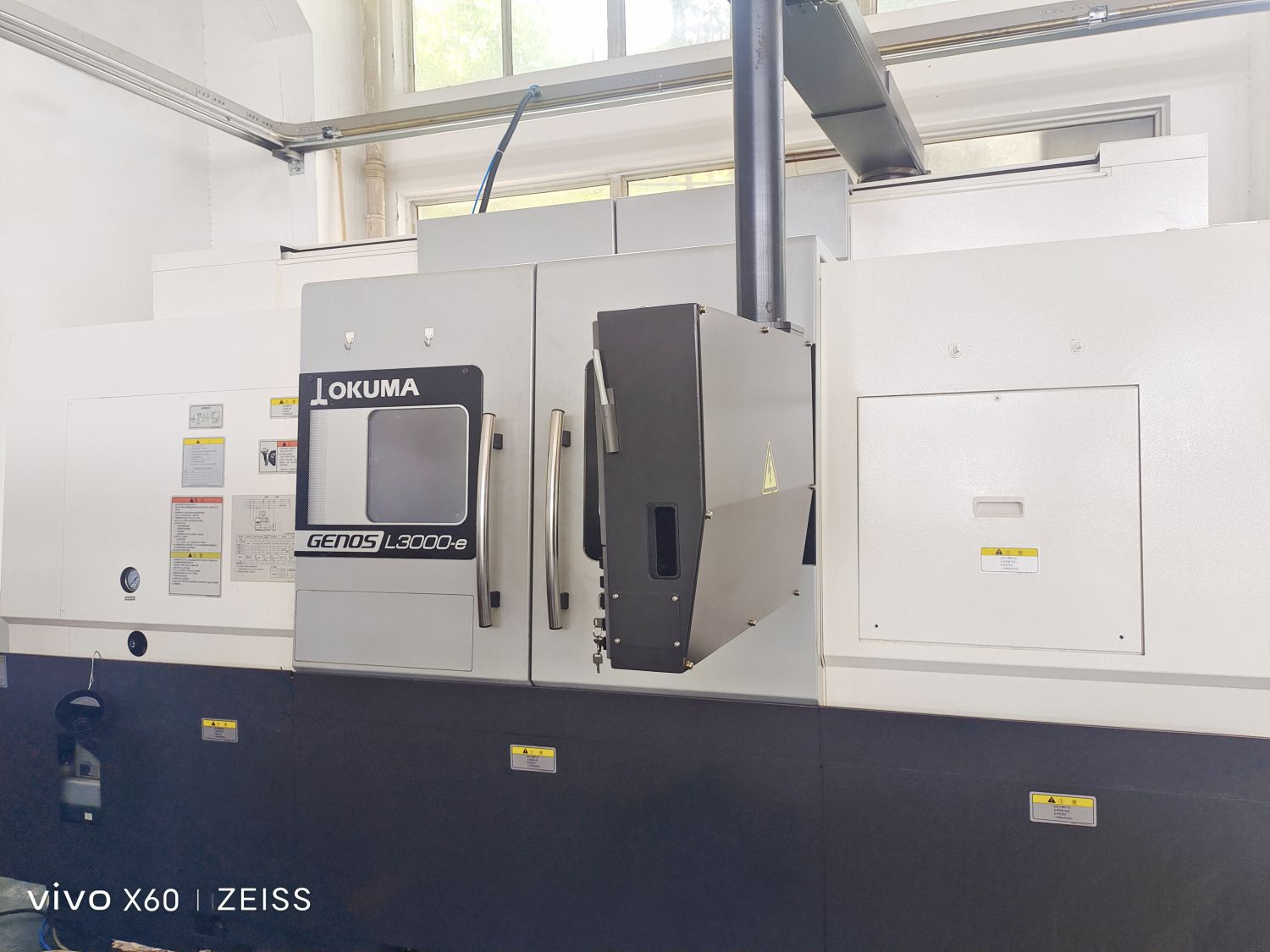
By leveraging an integrated setup that encompasses CNC Machining, Aluminum Hot Forging, Wax Die Stainless Casting, Metal Stamping/Deep Drawing, and Surface Treatments (including both Clear Anodizing and Electropolishing), XinYe offers a single-source solution for OEM metal parts. This localized consolidation of processes minimizes cross-factory transport dependencies, reducing product turnaround times and mitigating quality risks.
Analyzing the macro-economic and supply chain efficiencies of Ningbo-centric manufacturing nodes.
Sourcing clear anodised aluminum components from specialized Chinese factories presents distinct operational advantages for global OEMs. Key factors include raw material accessibility, local supply chain density, and specialized surface finishing infrastructure.
Ningbo's dense industrial clusters locate raw material suppliers, tooling makers, CNC machinists, and certified anodizers in close proximity. This local integration minimizes logistics-related delays.
Direct sourcing of raw materials allows for verification of aluminum grades, ensuring traceability through raw melt certificates, chemical spectrum analysis reports, and RoHS conformity.
Modern Chinese industrial zones maintain advanced environmental management infrastructure. Our facility operates with zero-emission wastewater filtration and automated processing systems.
Ningbo Jiangbei XinYe Metal Works Co., Ltd. addresses the risks of cross-continental sourcing through a clear compliance framework. Our facility holds ISO 9001:2015 for quality management systems and SA8000 certification for social accountability. We implement strict chemical monitoring to ensure all materials comply with RoHS and REACH regulations, facilitating trouble-free entry at international customs checkpoints.
A comprehensive inventory of our high-precision fabrication systems and machining capabilities.
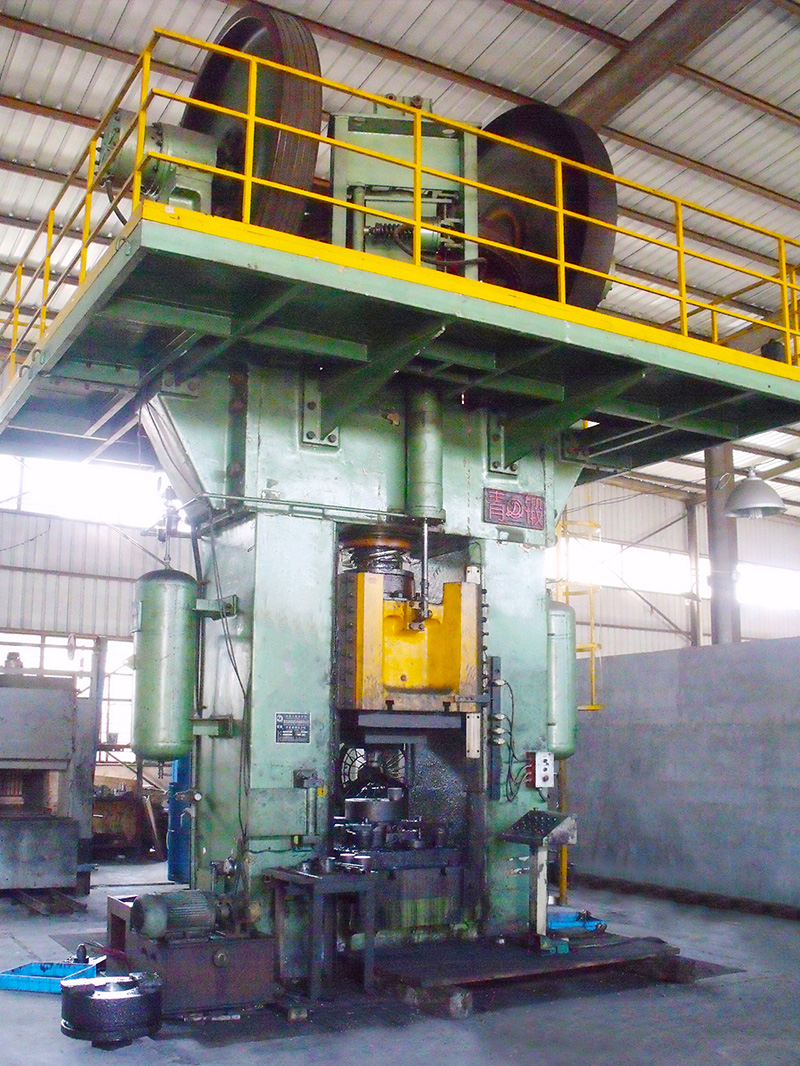
Equipped with press forces ranging from 300 tons to 1000 tons. Designed for heavy forging of structural aluminum alloys to optimize grain boundaries and ensure mechanical strength.
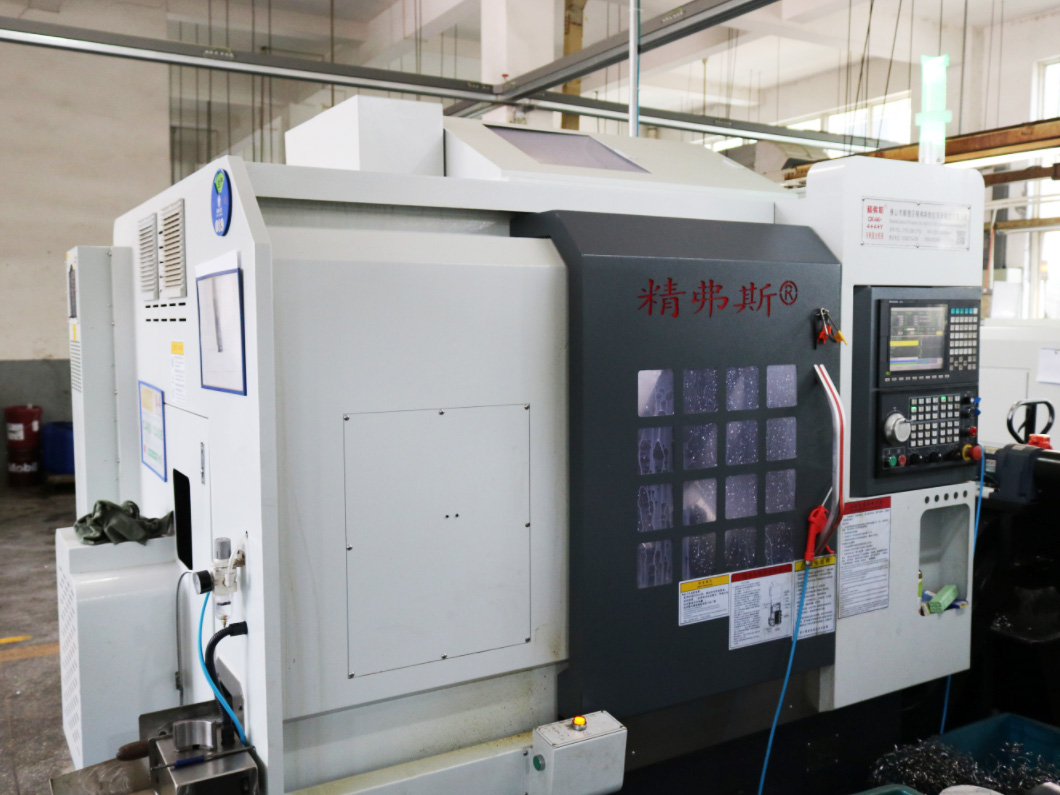
Featuring 4-axis control centers, CNC turning lathes, and CNC milling systems. Precision-controlled tooling allows for machining tolerances down to ±0.005mm prior to clear anodization.
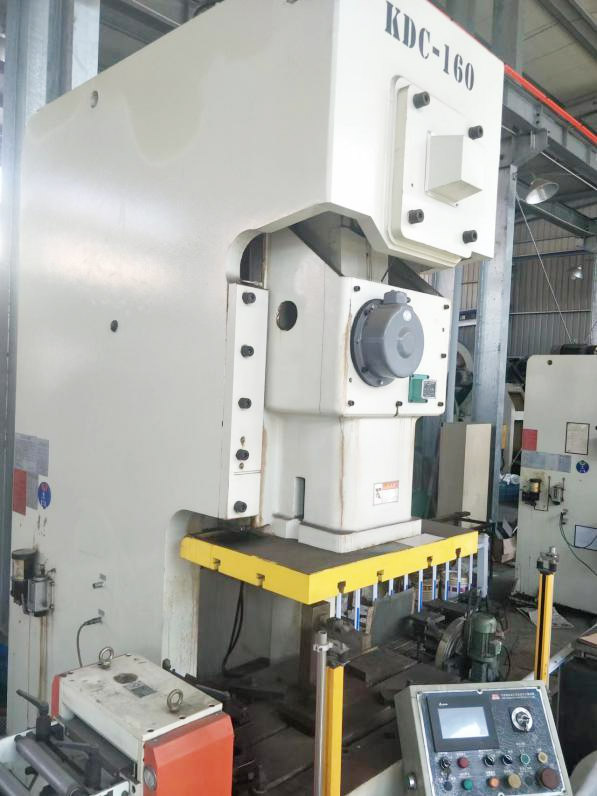
Equipped with column hydraulic machines (100 tons to 630 tons) and punching presses (5 tons to 250 tons) to handle both lightweight sheet metal and heavy deep-drawn projects.
Our structured processing path ensures dimensional accuracy and cosmetic consistency from concept to final delivery.
During the intake phase, the customer provides detail drawings (STEP, IGES, or DWG formats). Our engineering team reviews the geometry to confirm manufacturing feasibility and details the anodizing setup, identifying target locations for jig marks.

Before proceeding to bulk manufacturing, sample parts are processed using the designated production tooling. Samples are measured for dimensional compliance, surface roughness, and anodizing layer thickness, with results detailed in the sample inspection reports.



The pilot components are shipped to the customer for assembly verification and physical testing. Upon receiving written authorization and approval of the sample quality, the project is queued for scheduling in our production planning system.

Large-scale fabrication is initiated using automated CNC lines or hot forging presses. Our standard operations run on a 16-hour, 6-day weekly schedule, with the capacity to scale to 24/7 continuous operations within 30 days to support high-demand production spikes.

Completed components undergo final quality control checks, including coordinate measuring machine (CMM) validation and spectrum composition tests. Approved parts are routed to our assembly workshop for integration, followed by packing in sea-freight/air-freight packaging designed to protect anodised surfaces during transit.

A detailed look at our in-house testing equipment used to maintain precision tolerances and coat consistency.
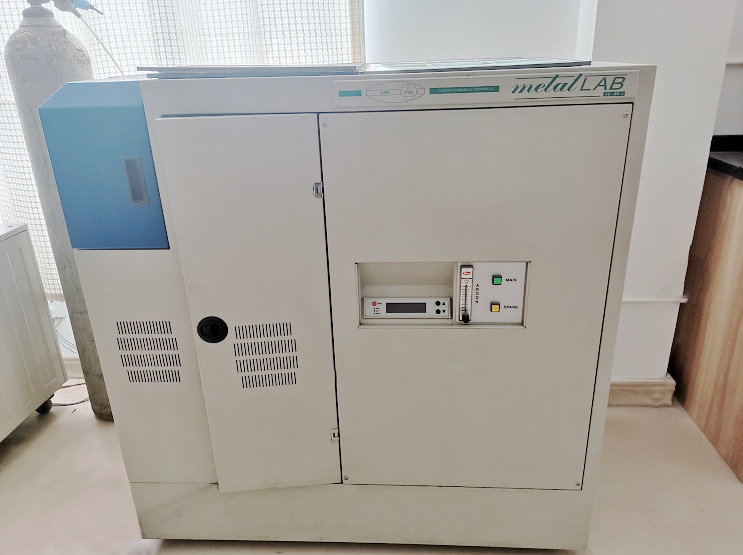
Verifies raw material chemistry prior to forging or casting processes.
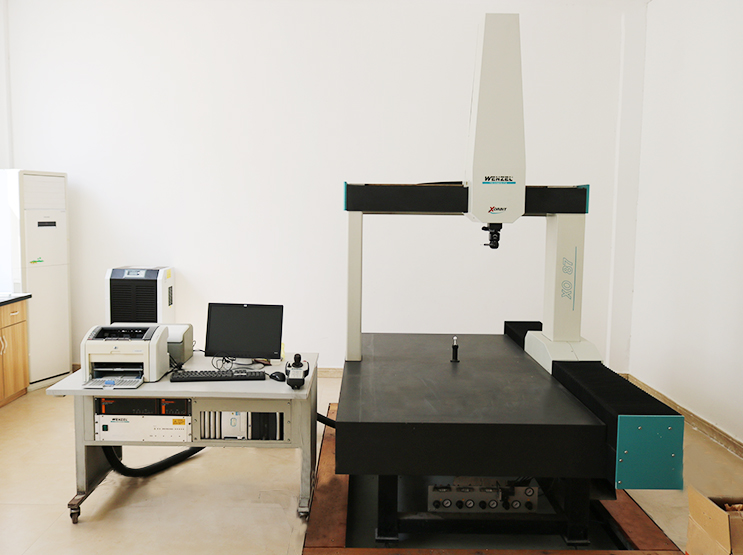
Ensures 3D spatial tolerances are maintained within technical limits.
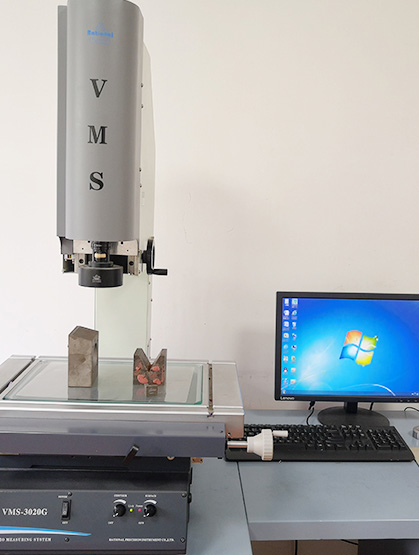
Enables non-contact 2D optical measurements of fine stampings.
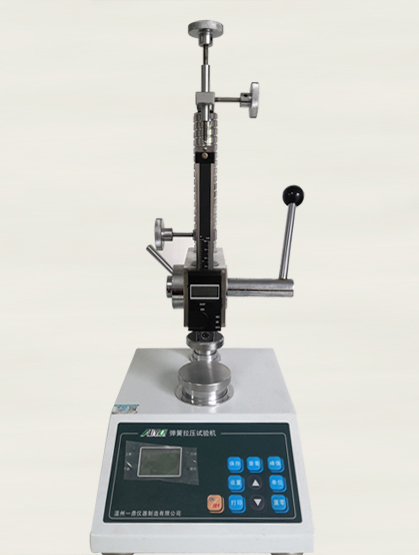
Measures mechanical spring coefficients and material yield load limits.
Our quality assurance program is designed to monitor each phase of the manufacturing process. Incoming aluminum stock is analyzed using optical emission spectroscopy to verify chemical composition. During production, in-process inspections verify critical dimensions. Post-anodizing checks include magnetic-induction coating thickness measurements, microscopic pore inspection, and cross-hatch adhesion testing (according to ASTM D3359) to confirm the integrity of the anodic layer.
How we design and manufacture clear anodised solutions across various regulated industrial sectors.
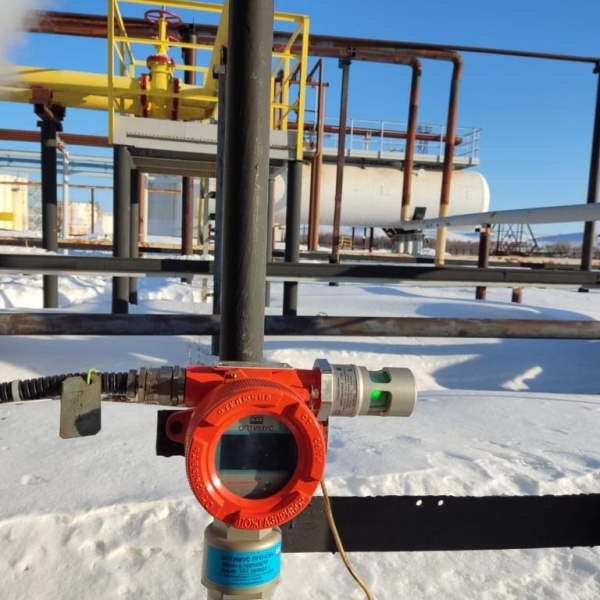
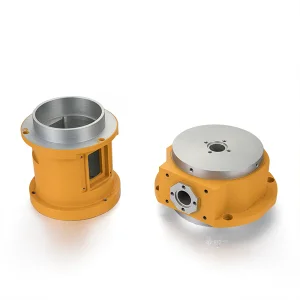
Forged aluminum structural components designed for heavy equipment applications. Features clear anodizing for wear protection.
Material: Stainless Steel, Aluminum Alloy
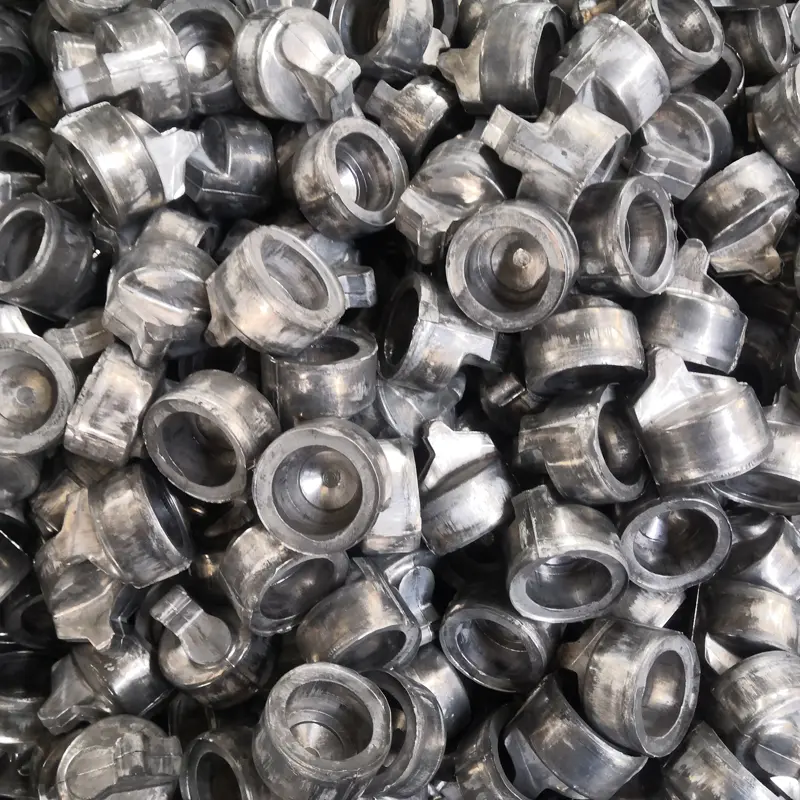
Lightweight chassis connections and transmission parts with strict dimensional tolerances and cosmetic requirements.
Material: Stainless Steel, Aluminum Alloy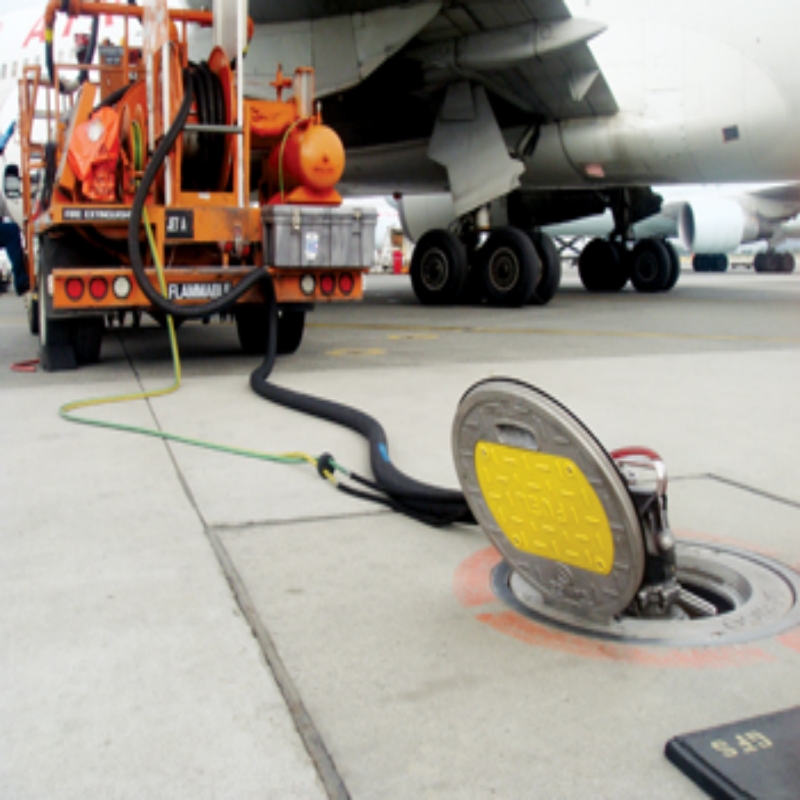
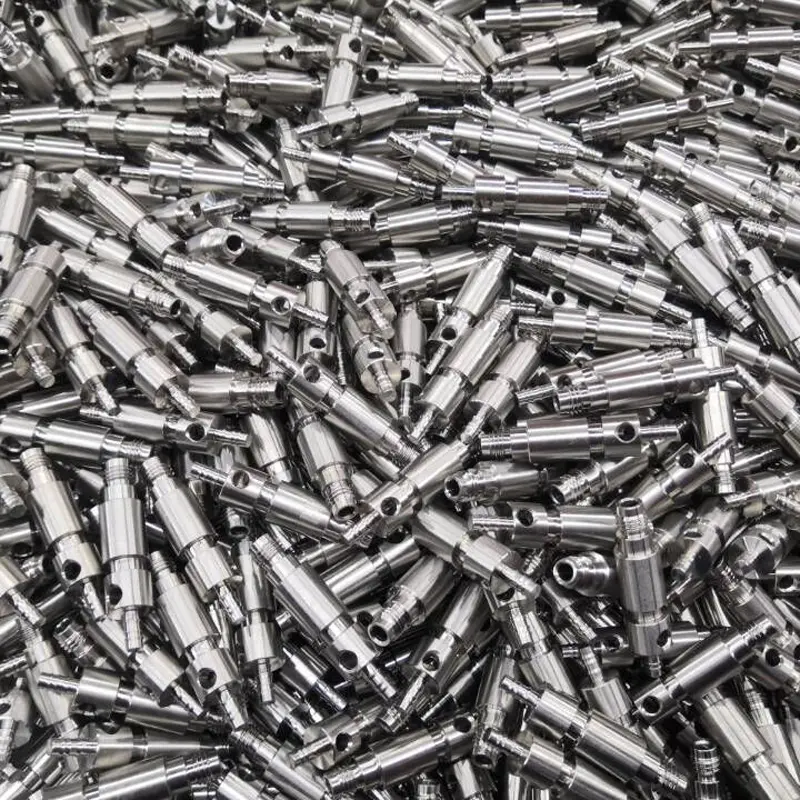
Turbine inlets, fuel control manifolds, and specialized hydrant pit box kits with corrosion-resistant finishes.
Material: Stainless Steel, Aluminum Alloy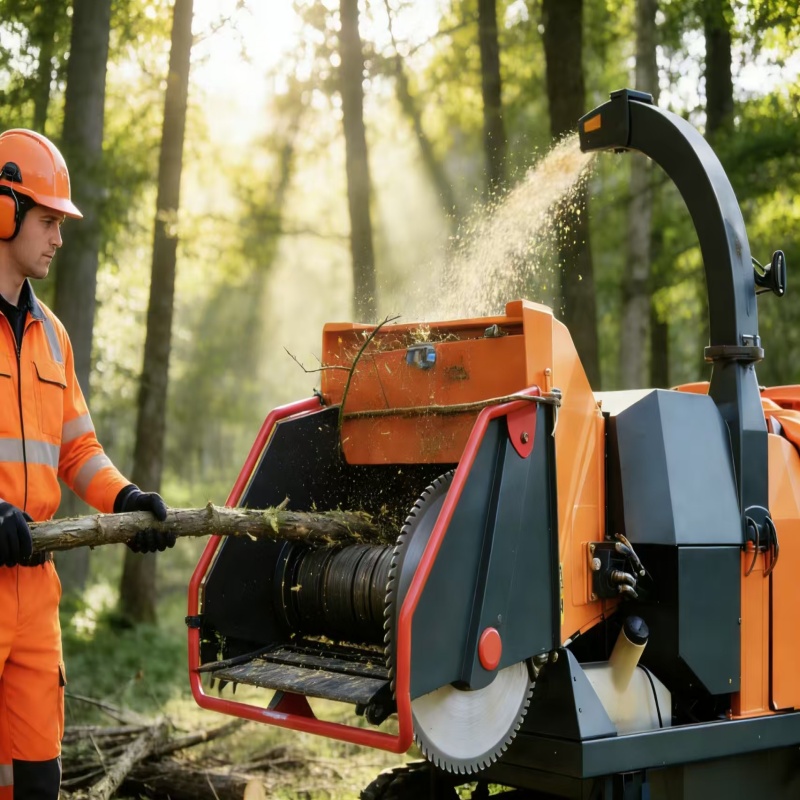
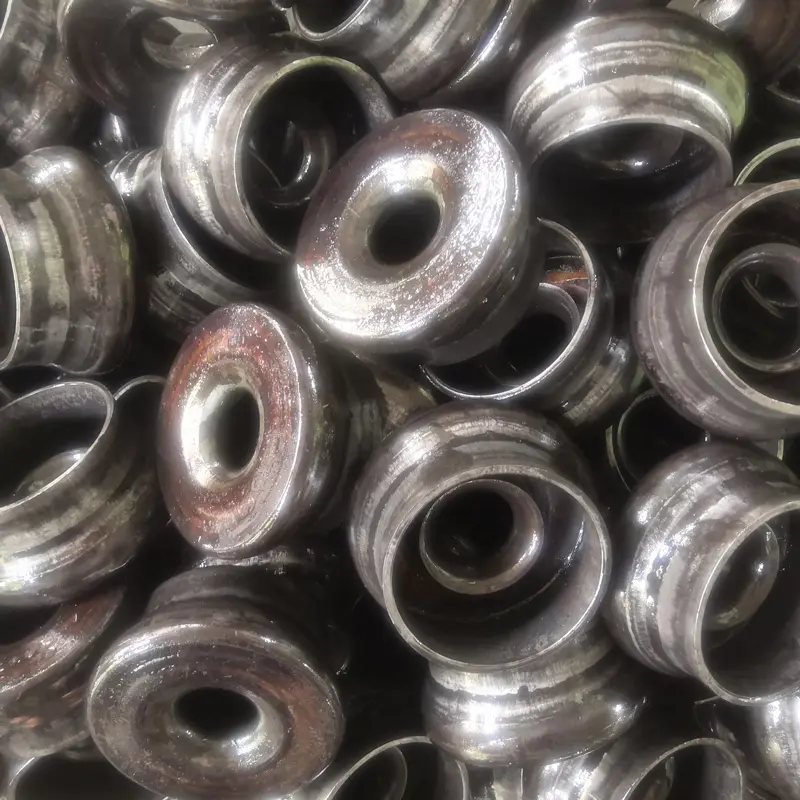
Precision crushing disks engineered for dynamic stress environments. Material options optimized for impact wear.
Material: Q345B, 42CrMo, NM400In addition to these sectors, our manufacturing capabilities serve the safety systems, medical device, and consumer appliance markets. For safety detection enclosures, clear anodising provides protection against corrosive gases in mining and chemical processing applications. In the food processing sector, the non-toxic, cleanable surface of clear anodised aluminum makes it well-suited for cream whippers and cooking components.
Technical guidance and answers to common questions about sourcing clear anodised aluminum components.
Detailed sourcing links to our principal fabrication and treatment divisions.
 XinYe Metal