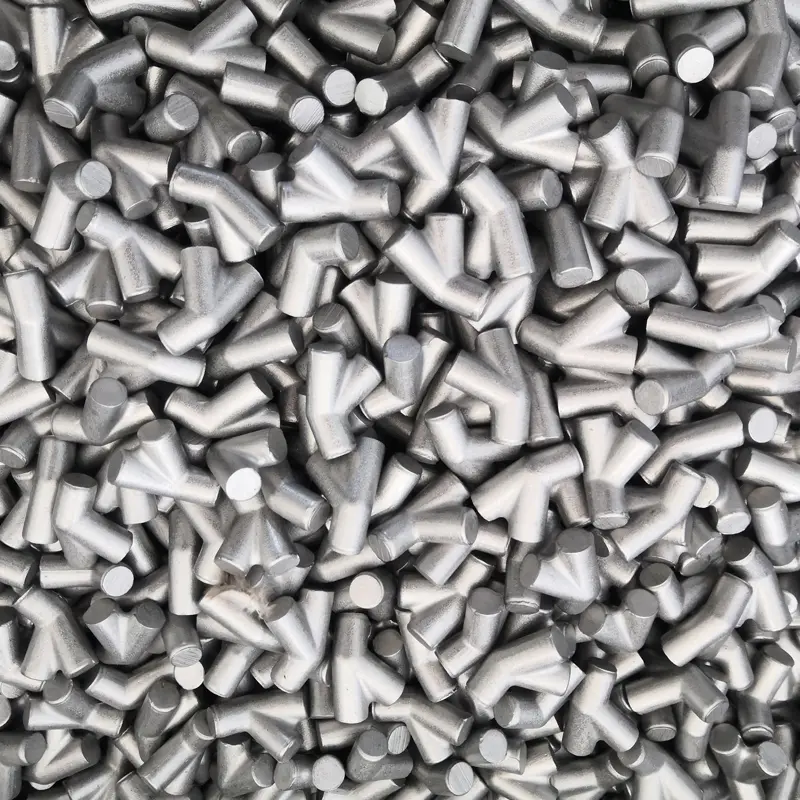
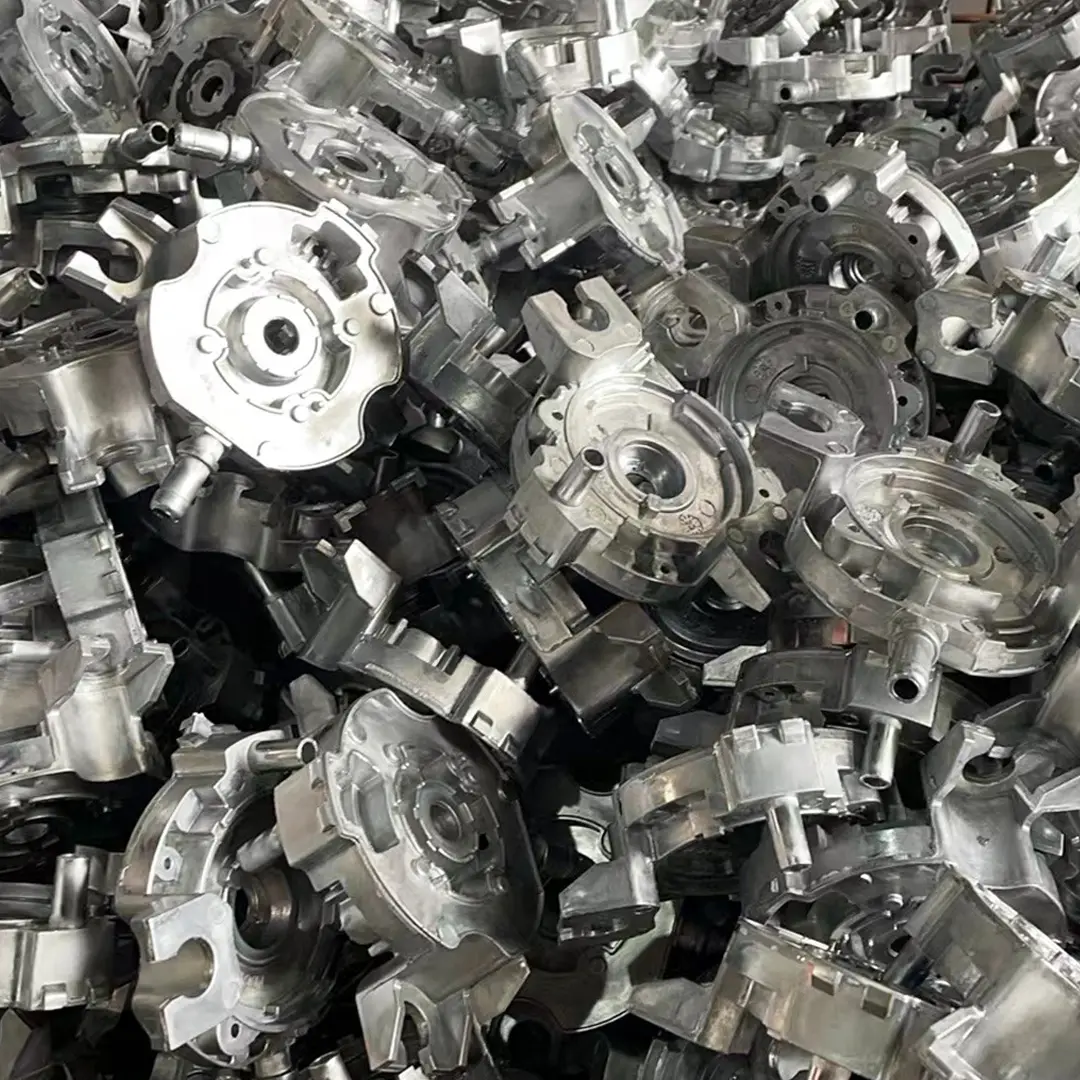
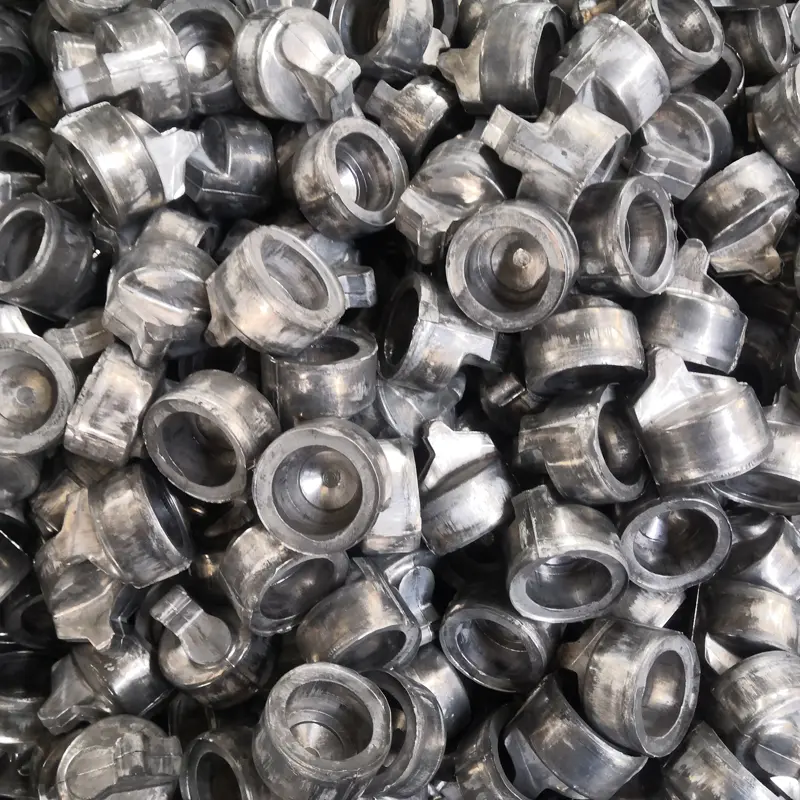
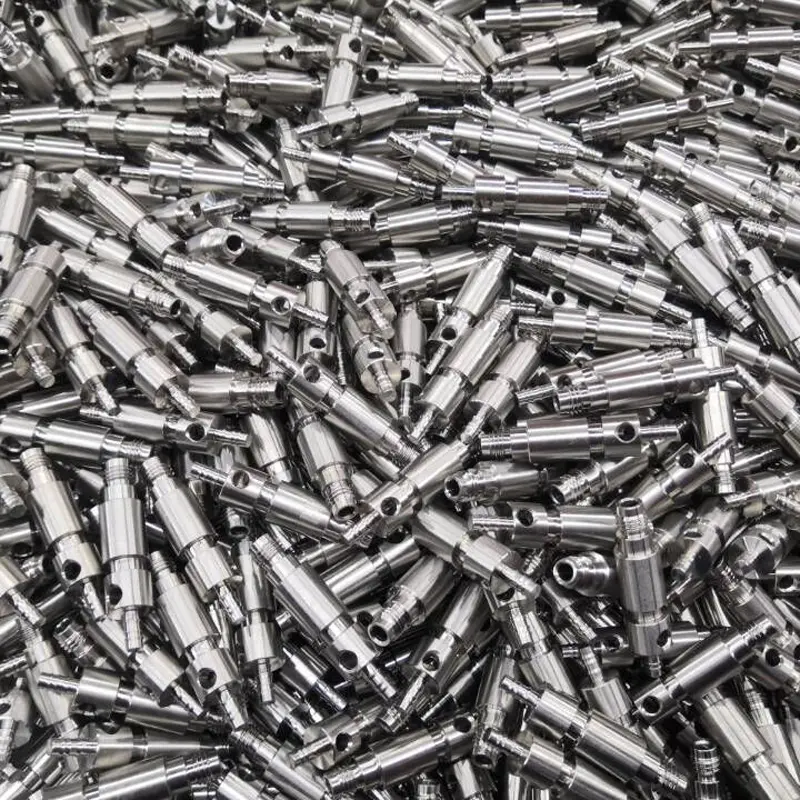
Explore our core manufacturing line of industrial components engineered to tight tolerances.
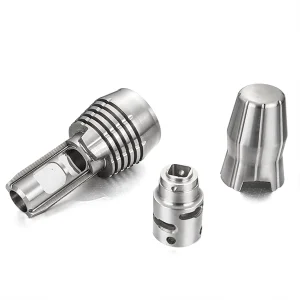
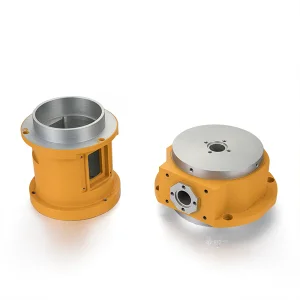
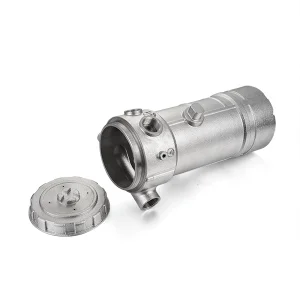
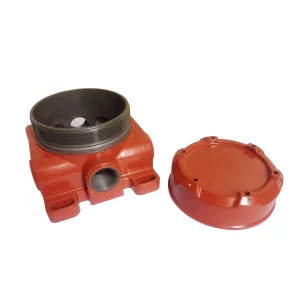
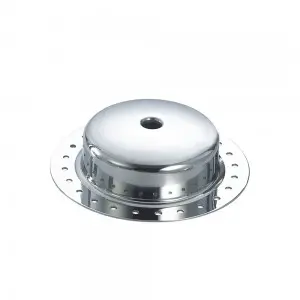
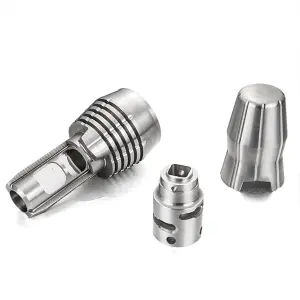
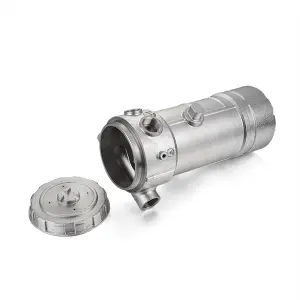
The global foundry industry relies heavily on precision casting wax to create the dimensional templates for high-tolerance bronze, stainless steel, and aluminum components. Investment casting (lost wax casting) remains the premier method for creating intricate geometries that are impossible to execute with traditional sand casting or die casting methods.
In modern industrial applications, the formulation of bronze casting wax must possess specific physical properties: negligible volumetric shrinkage, minimal ash residue upon burnout (ideally under 0.02%), high mechanical strength to resist deformities during slurry coating, and precise temperature-viscosity curves. Without reliable wax pattern chemistry, precision foundries cannot achieve the strict tolerances required by aerospace, defense, and energy sectors.
E-E-A-T Technical Focus: Industrial investment casting processes utilize specialized wax formulations (typically paraffin, microcrystalline, and natural/synthetic resins) to ensure that the initial solid model replicates the mechanical drawings within micrometer limits. Ningbo Jiangbei XinYe Metal Works Co., Ltd. integrates advanced casting wax tooling and premium alloy metallurgy to satisfy international engineering guidelines.
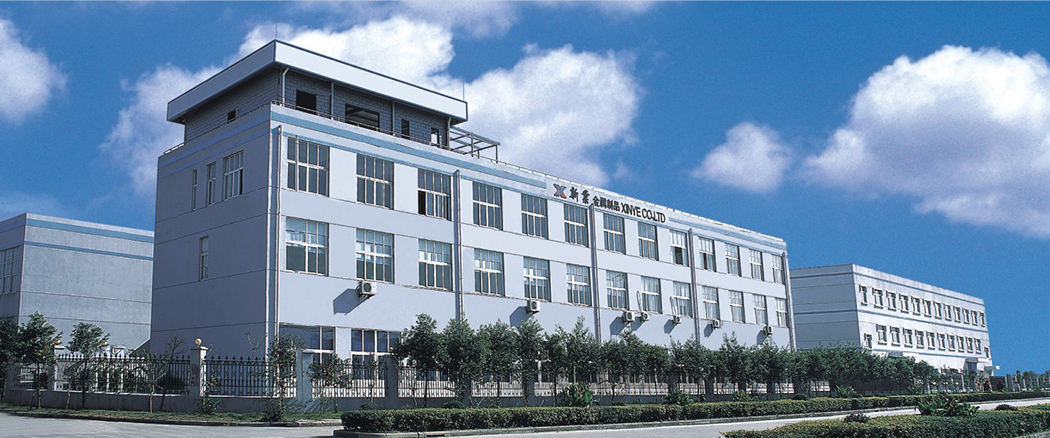
A legacy of metalwork excellence spanning nearly three decades in China's premier industrial zone.
Founded in 1996 as a family-owned metal fabrication business, Ningbo Jiangbei XinYe Metal Works Co., Ltd. has evolved into a leading owner-managed SME corporation specializing in advanced metal casting, forging, stamping, and high-precision CNC machining. Strategically located within the Ningbo Jiangbei Industrial Zone, our facility is within a 3-hour high-speed rail network radius of Shanghai International Airport, offering seamless global logistics connectivity.
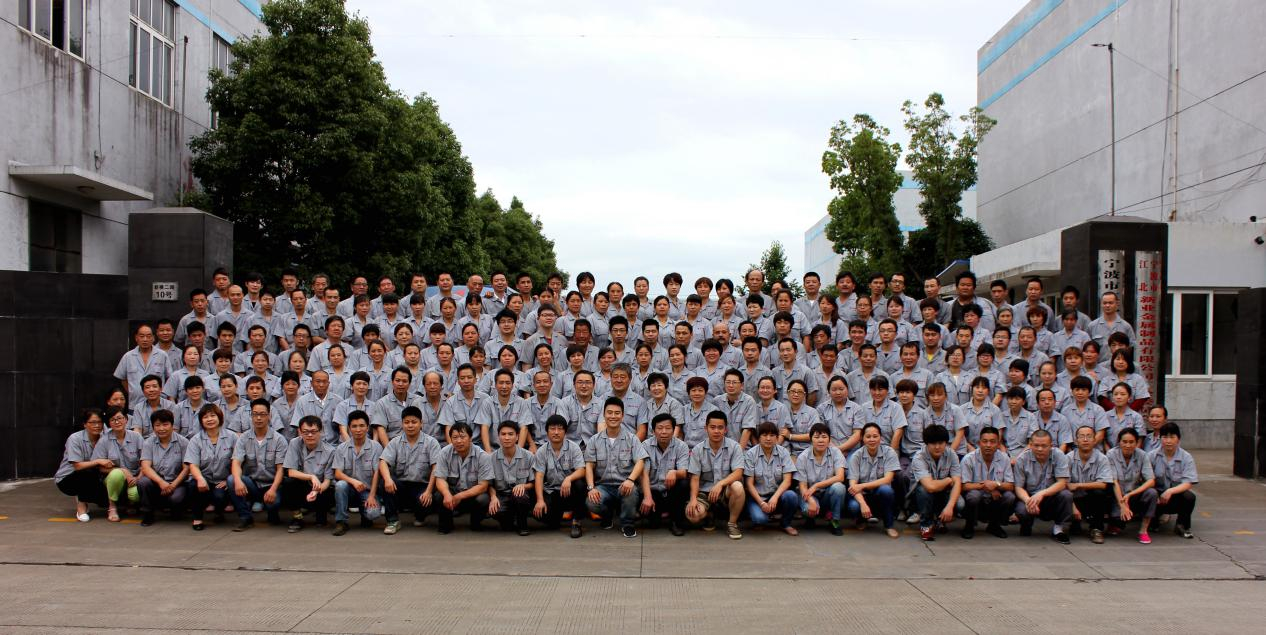
Our operations span a total facility floor area of 16,000 square meters dedicated to active production lines, supplemented by an additional 11,000 square meters under construction to support our capacity expansions. With 130 highly trained employees, including 80 production specialists and 50 experts across product development, engineering, and quality assurance, we manage complex engineering programs from initial blueprint to surface treatment and final sub-assembly.
We offer specialized, certified manufacturing solutions: CNC machining, Aluminum alloy forging, Wax die stainless casting (lost wax casting), extrusion, stamping, and surface treatments like anodizing and electro-polishing. Our engineering capabilities enable us to customize bronze casting wax formulations and metal tooling configurations to meet rigorous European, North American, and Asian customer needs.
Why global procurement departments choose Ningbo XinYe for reliable custom metal solutions.
Ningbo is the global epicentre for metallurgical engineering, mold making, and alloy distribution. Being located in this industrial hub allows us to source raw casting wax materials, bronze alloys, and specialty tool steel at rapid turnaround speeds and lower logistics costs than international competitors.
Our standard production facility operates 16 hours a day, 6 days a week. For high-volume projects, we can scale to a continuous 24/7 operation model within 30 days. We maintain dedicated land for expansion, enabling us to install custom machinery matched directly to clients' scaling targets.
With more than 20 technical utility model patents, our engineering team works directly with client design programs (CAD/CAM files) to refine geometries, eliminate casting defect potential, and lower raw material mass without sacrificing structural performance.
We deliver structural castings, precision forgings, and machined parts to specialized sectors globally.
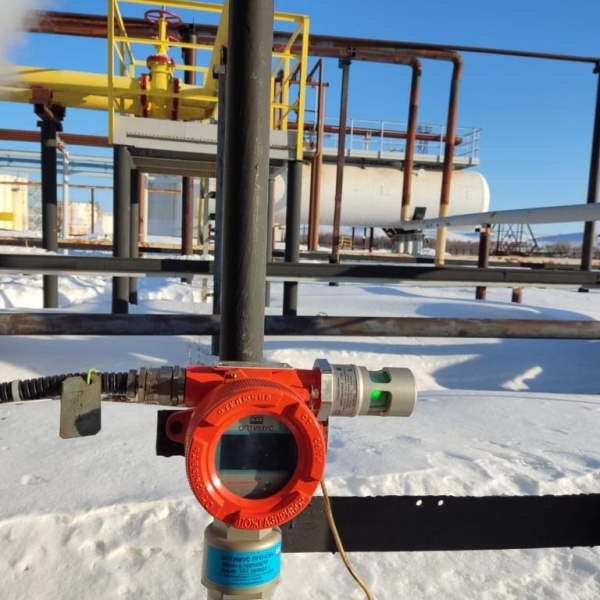
Our parts are integrated into safety hardware, including fire and gas safety detection systems for the oil, gas, and mining industries. Examples include explosive and toxic gas sensors, flame sensors, and fire hydrant pit box enclosure kits.
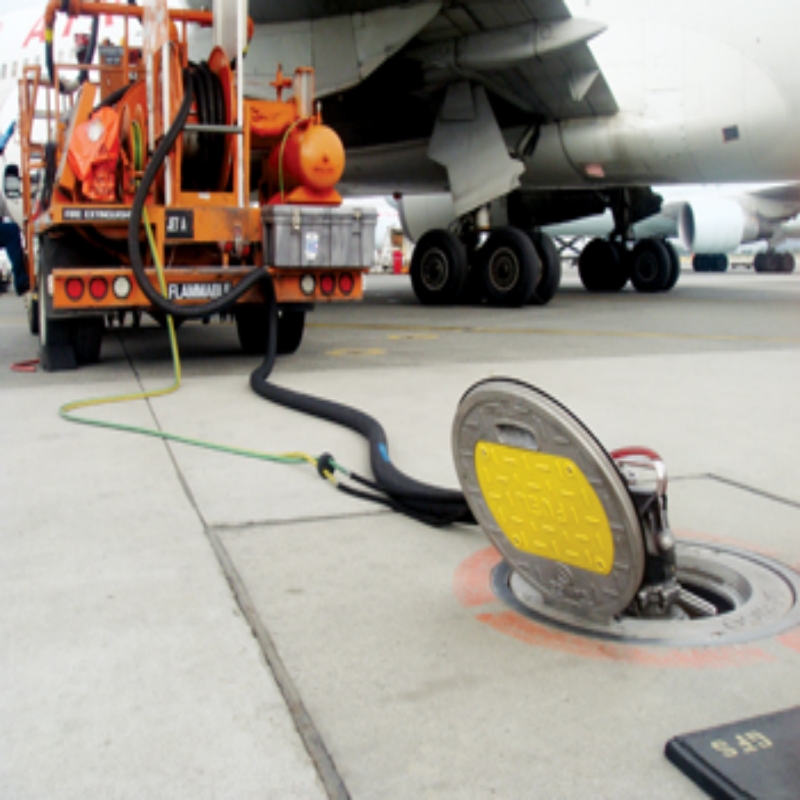
We manufacture safety-critical components for aerospace applications, including turbine inlets, transmission parts, and structural aviation fuel hydrant pit boxes and hinge brackets.
We support next-generation automotive transmission parts and micro-mobility products, providing high-precision structural parts like E-bike connectors, tubes, and control levers.
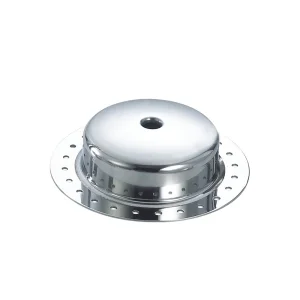
Our stainless steel and bronze castings are utilized in commercial culinary equipment, from components in cream whippers to functional burner bases for cooking stoves.

An analysis of material science and mechanical developments shaping modern metallurgy.
During the wax injection cycle, the molten wax is injected into a precision-machined aluminum tool cavity. The pattern must match the tool geometry exactly upon cooling. Conventional paraffin-based waxes have higher thermal expansion rates, which can lead to localized sink marks and distortion. By combining paraffin with specialized microcrystalline binders, manufacturers can achieve optimal dimensional stability.
Additionally, modern automated foundries rely on filled waxes, containing organic fillers like cross-linked polystyrene or organic acids, which further reduce volumetric contraction to under 0.5%. This allows us to cast thin-walled bronze castings and complex internal passages with minimal risk of dimensional drift.
Once the ceramic shell slurry is layered over the wax pattern assembly, the mold must undergo dewaxing inside a steam autoclave. Rapid pressure build-up (typically 6 to 8 bar within 3 to 5 seconds) is essential to melt the outer surface of the wax pattern first. This allows the wax to escape before volumetric expansion cracks the ceramic mold.
For custom engineering, low-volume prototypes, and complex geometries, the industry is shifting toward additive manufacturing (3D printing) of wax patterns. Technologies like MultiJet Printing (MJP) use 100% real casting wax to print high-resolution patterns directly from CAD files, removing the need for tooling. This technology speeds up the prototyping phase from weeks to days, allowing for fast verification of components before moving to mass production.
Sustainability in Dewaxing: Modern lost wax casting processes prioritize recycling. Over 90% of the dewaxed material is reclaimed, purified in reclamation units, and blended with virgin wax to be reused for gating systems and runners. This circular process reduces waste and lowers overall production costs.
Experience our manufacturing processes, equipment, and automated production floor.
A comprehensive look inside our production facilities: forging presses, stamping stations, CNC cells, and quality control departments.
Demonstrating multi-axis precision CNC milling and turning on complex components with tolerances down to 0.001mm.
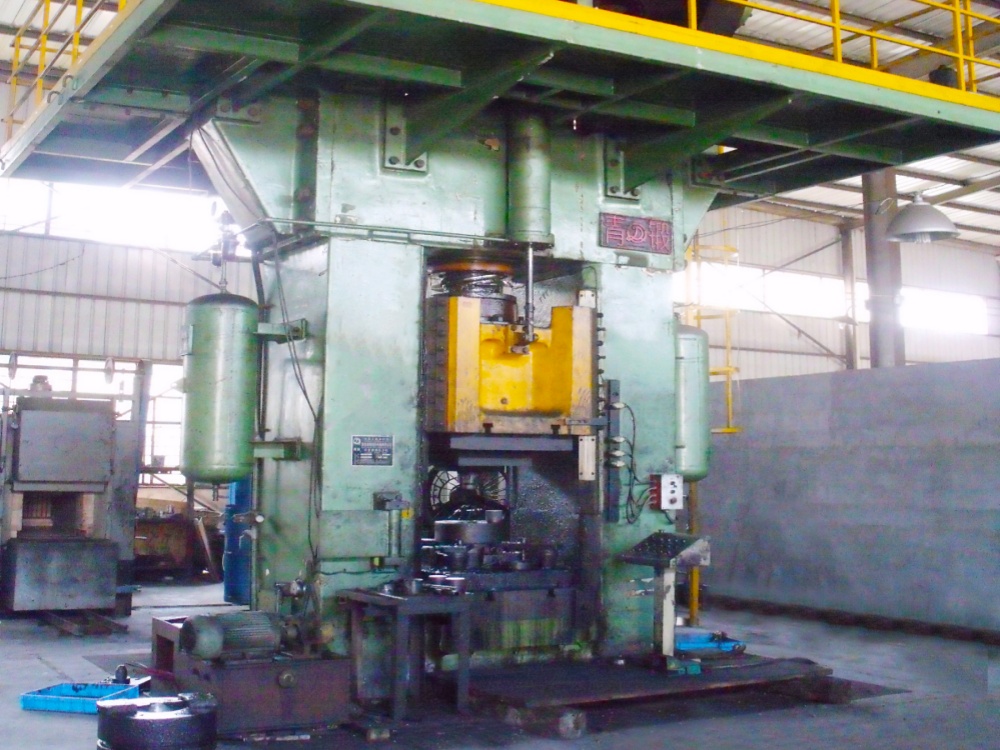
Featuring friction press machines with capacities ranging from 300 to 1,000 tons, alongside column hydraulic presses from 100 to 630 tons. These lines handle tough structural components with high metallurgical density.
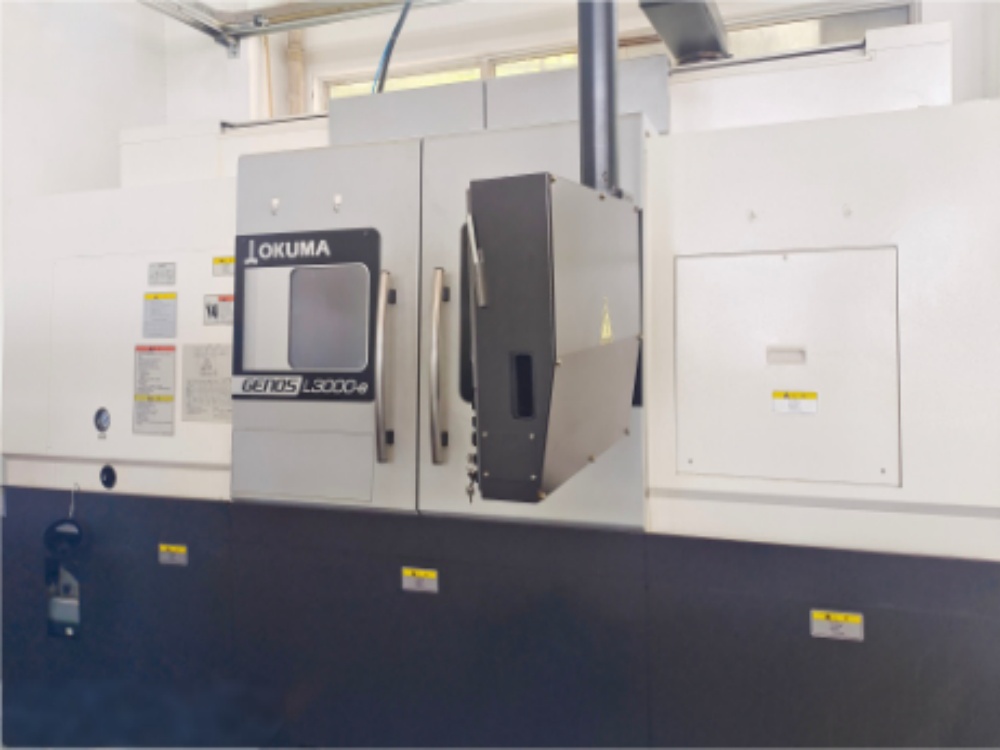
Equipped with 4-axis control vertical and horizontal machining centers, alongside high-precision CNC turning and milling systems imported from Japan, guaranteeing dimensional accuracy.
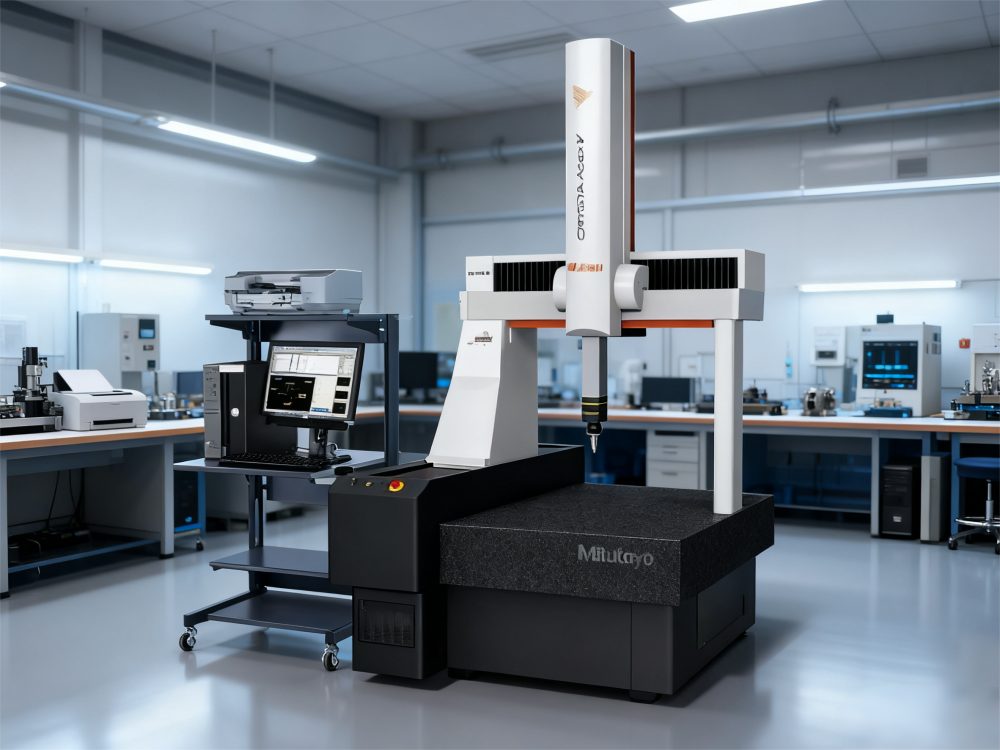
Our quality department utilizes coordinate measuring machines (CMM), multi-spectral analyzers, and video coordinate systems to inspect and verify parts at every phase of production.
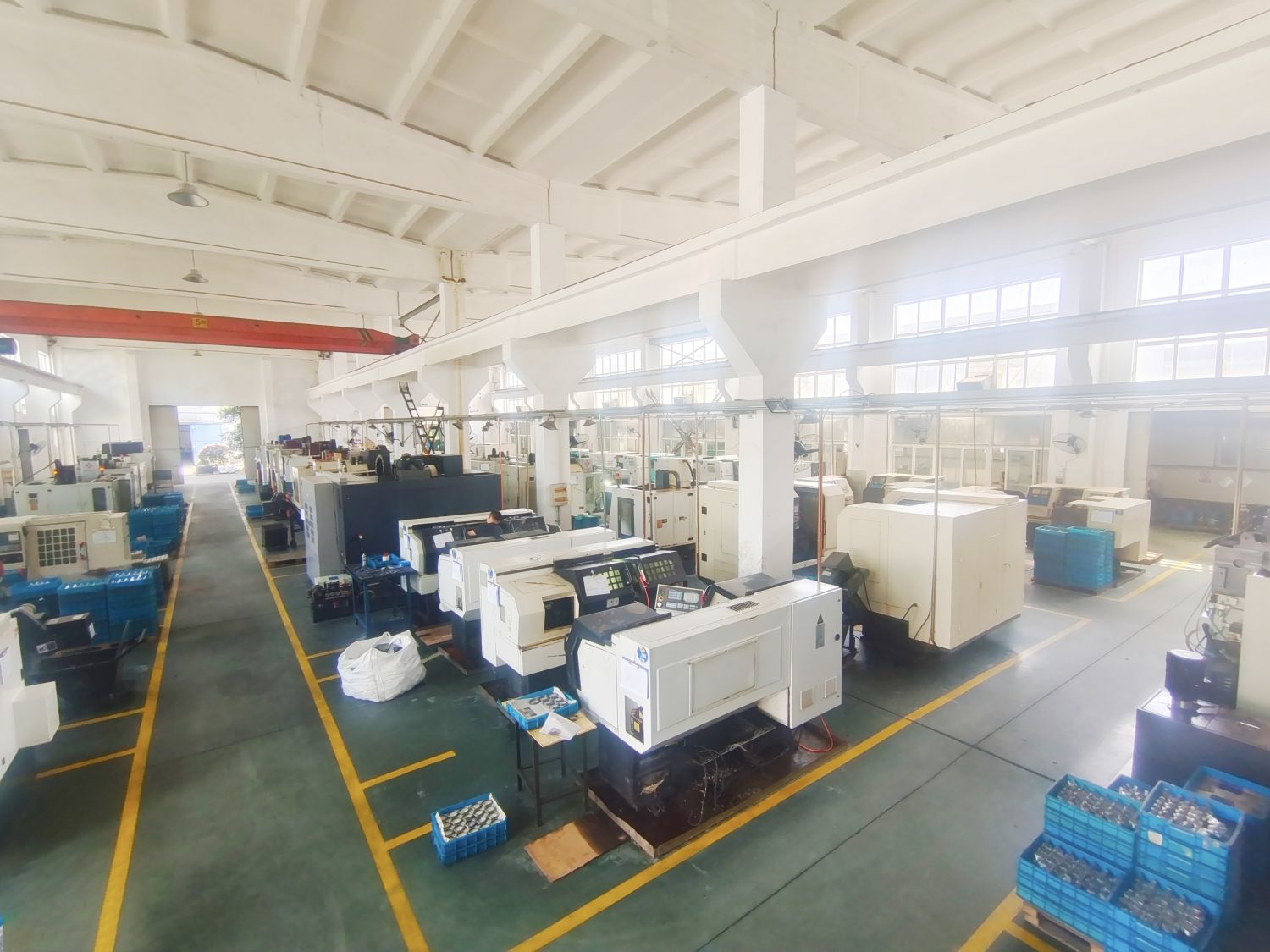
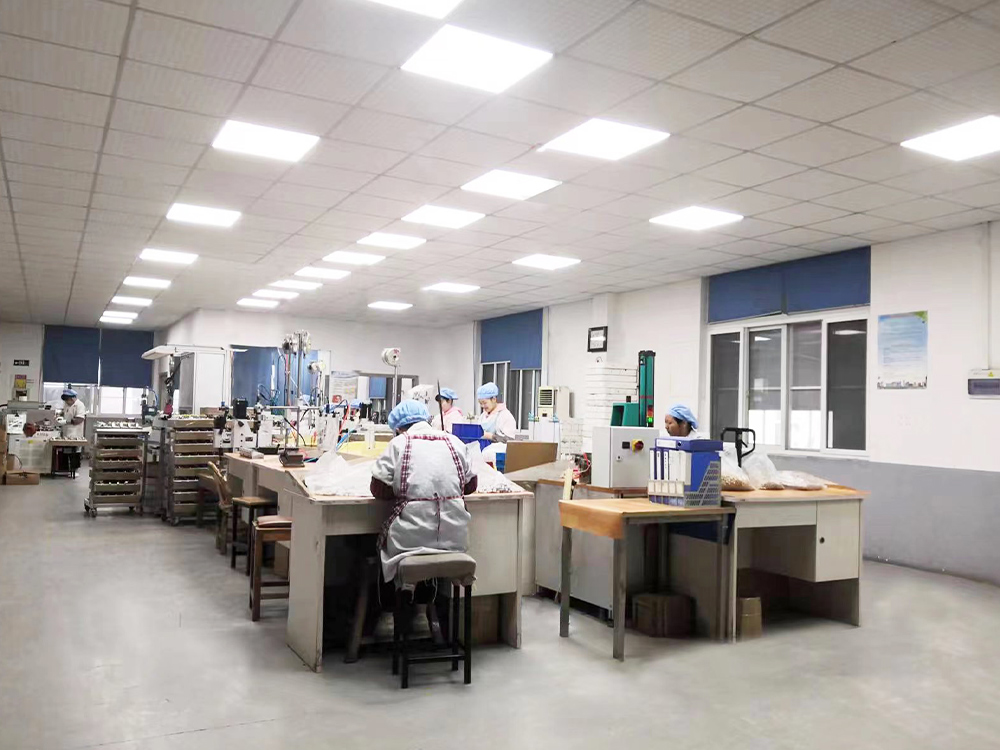
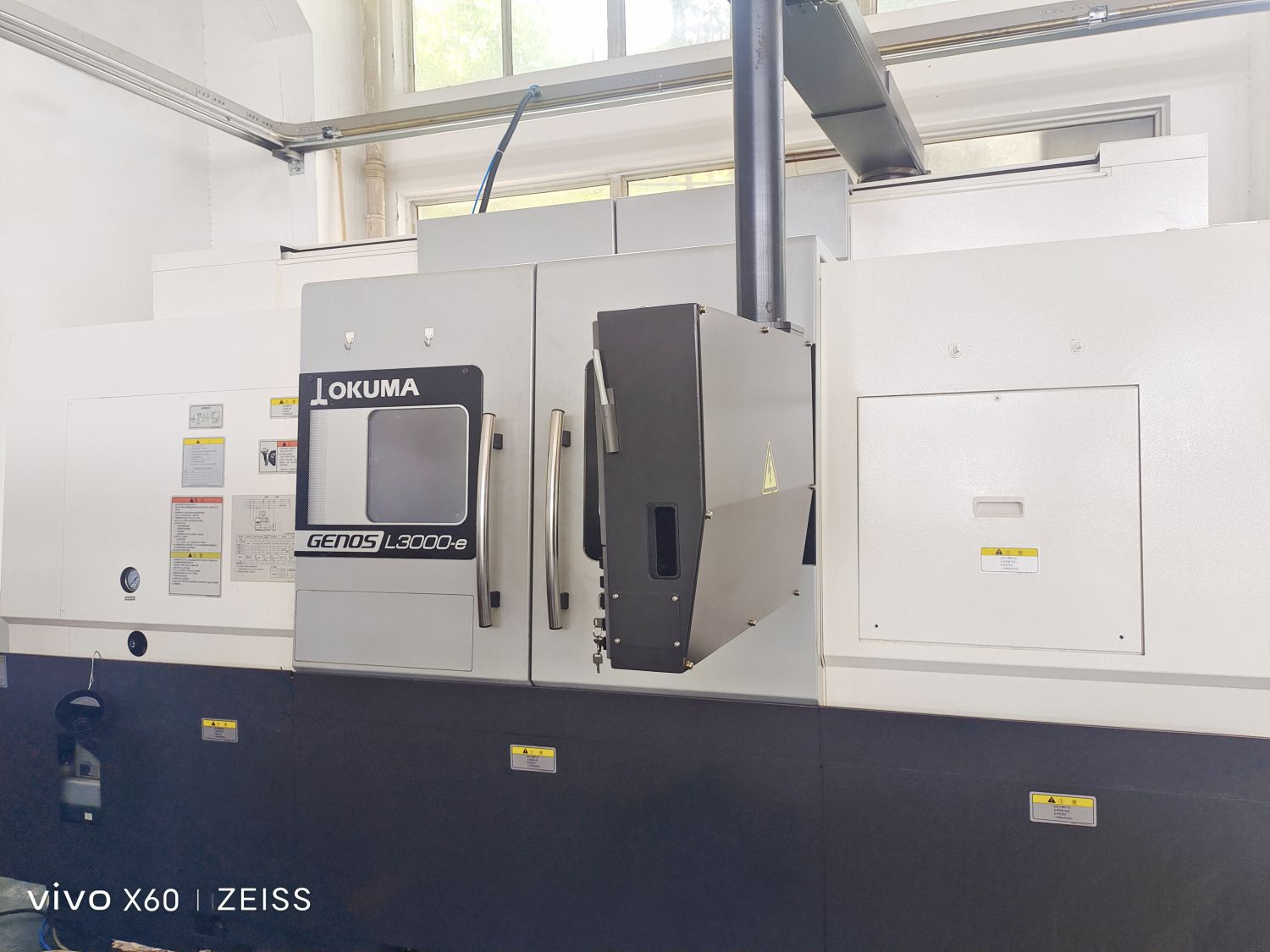
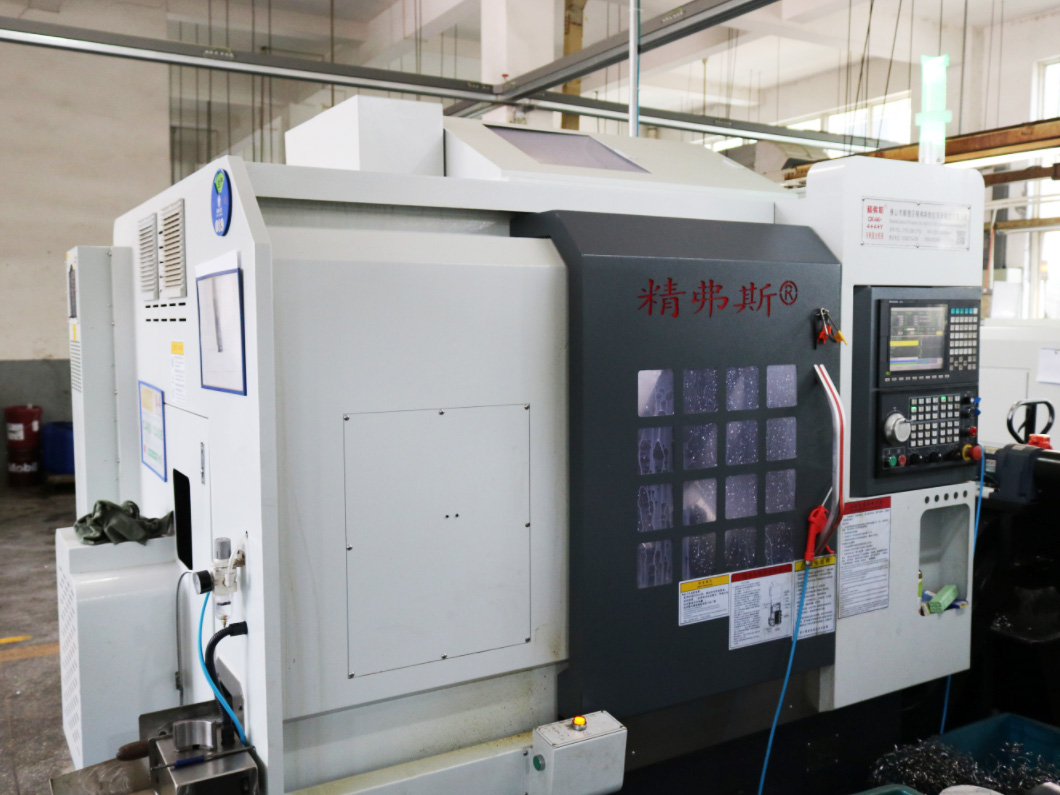
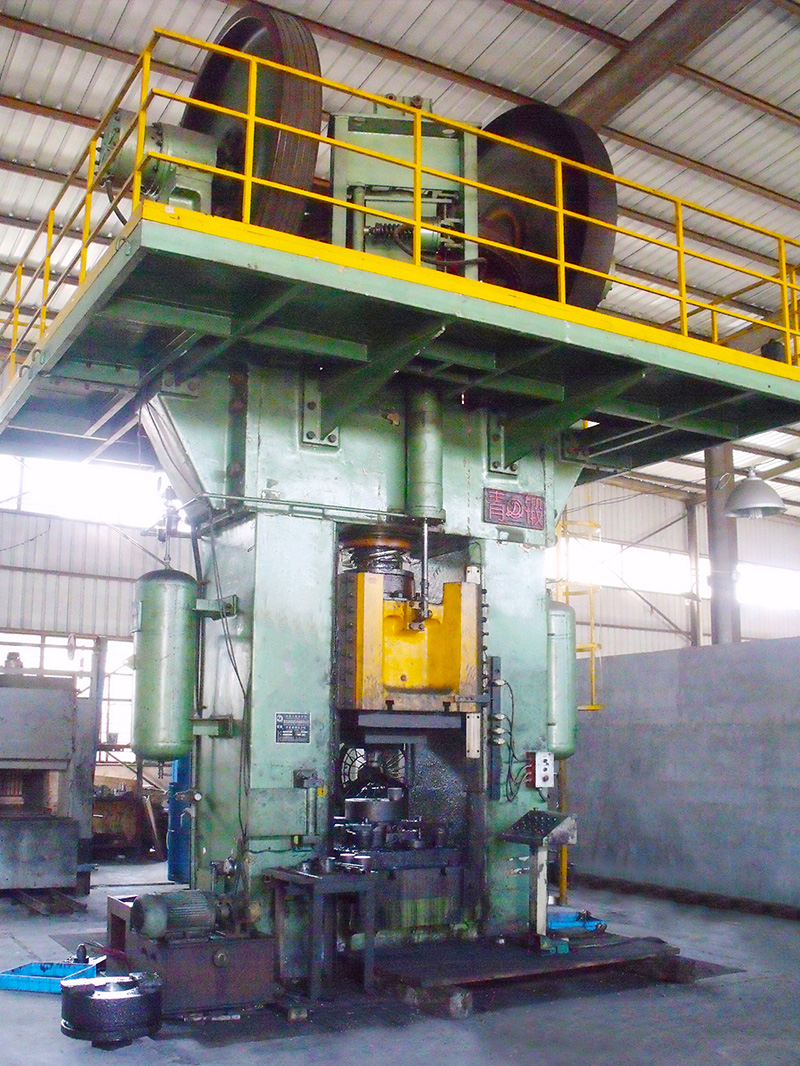
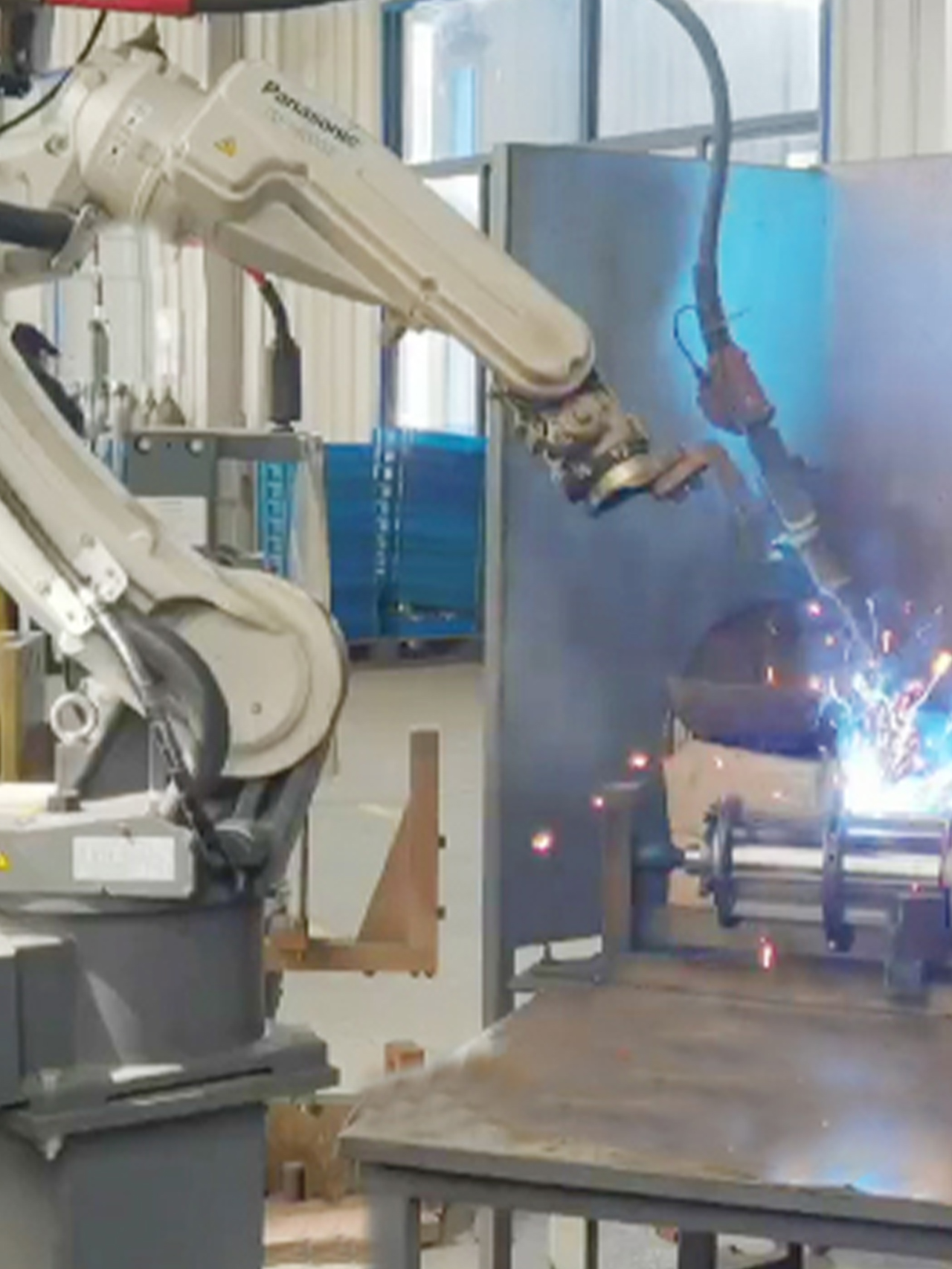
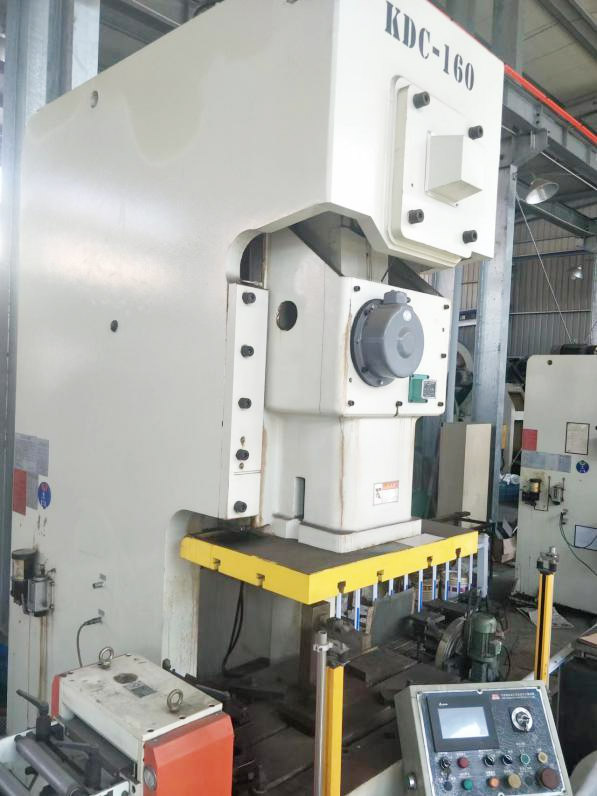
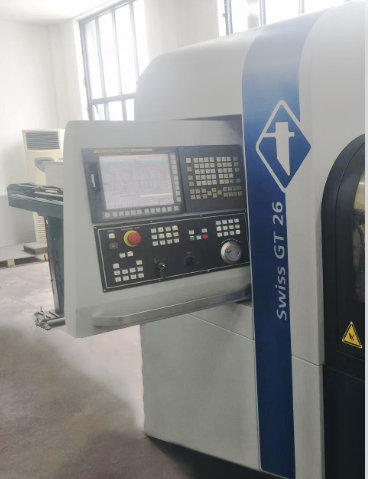
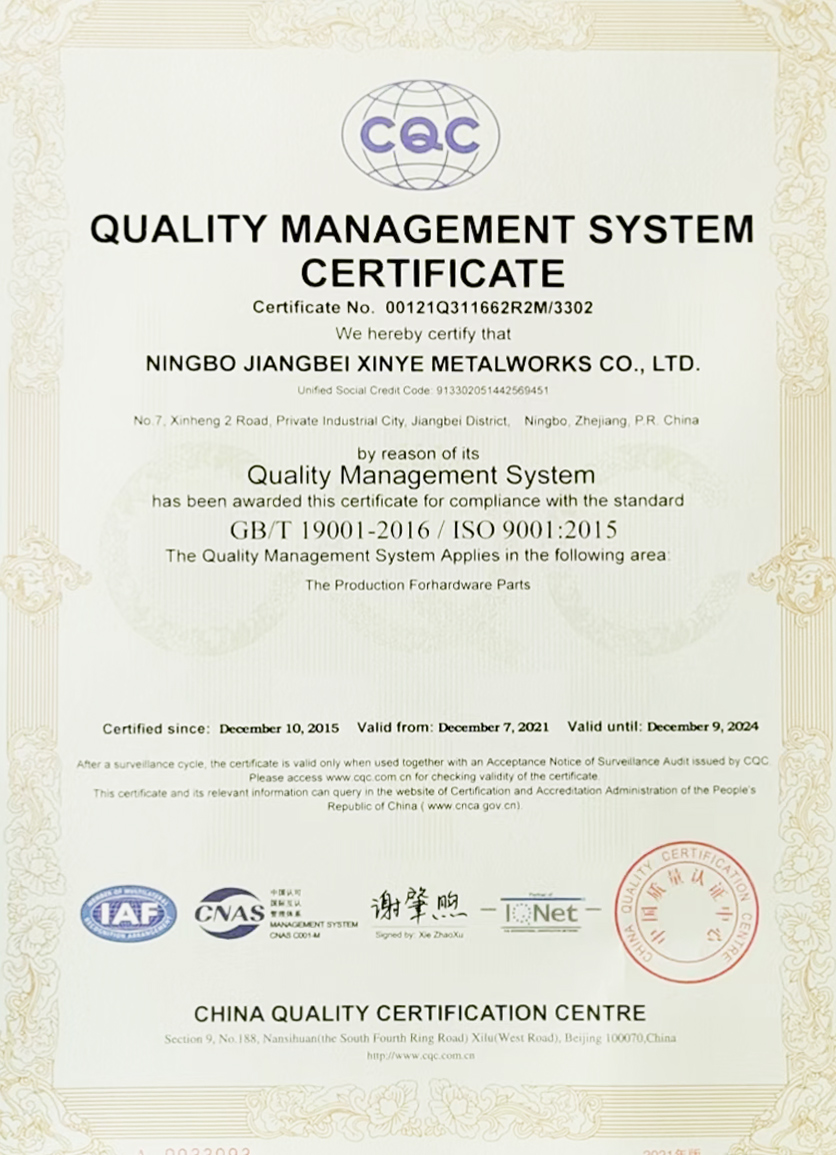
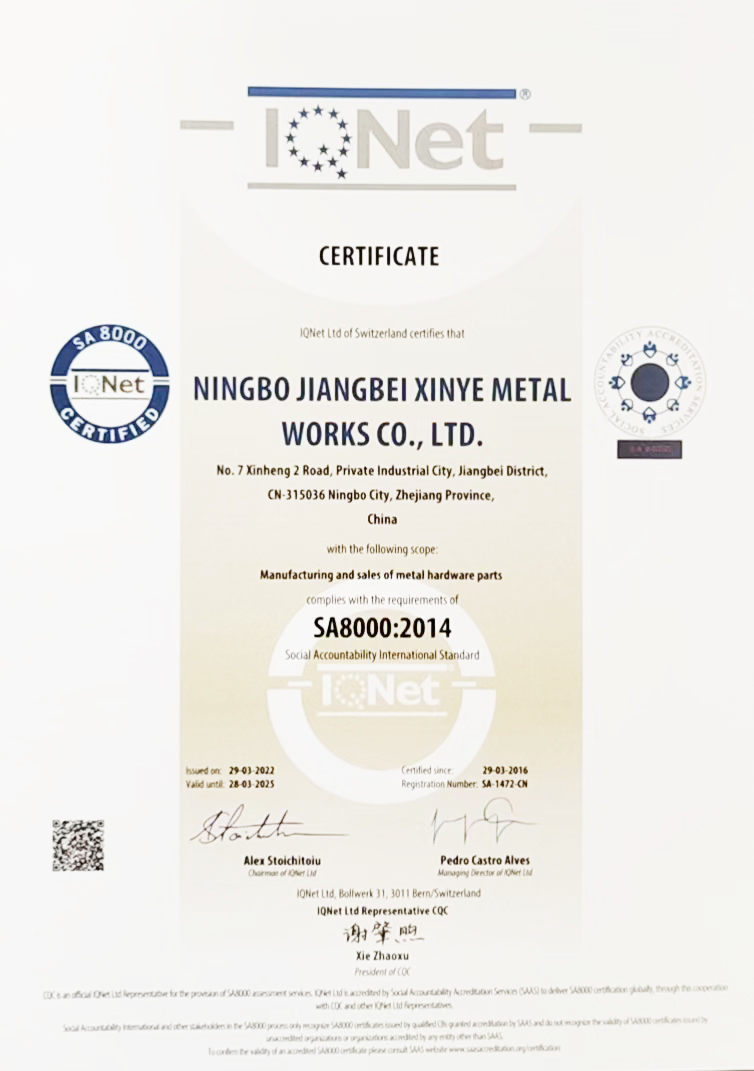
Maintaining certification to ISO 9001:2015 and SA8000, we prioritize absolute precision.
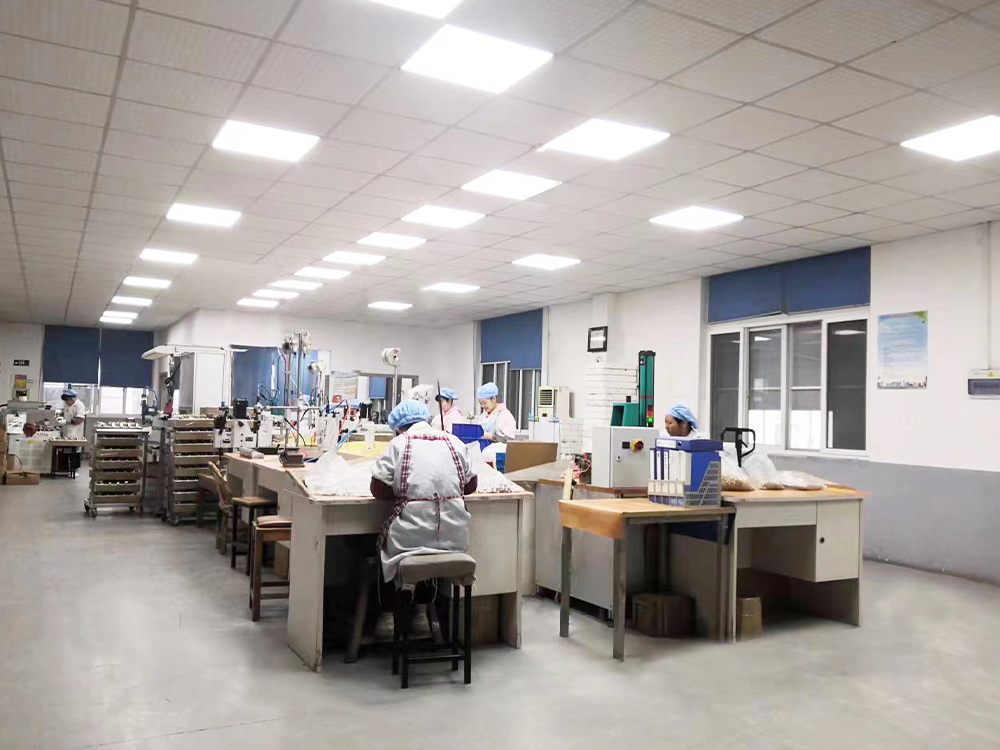
We operate under the philosophy that quality is the lifeblood of our business. From inspecting incoming raw metals and casting waxes to analyzing finished parts, every step is traceably documented.
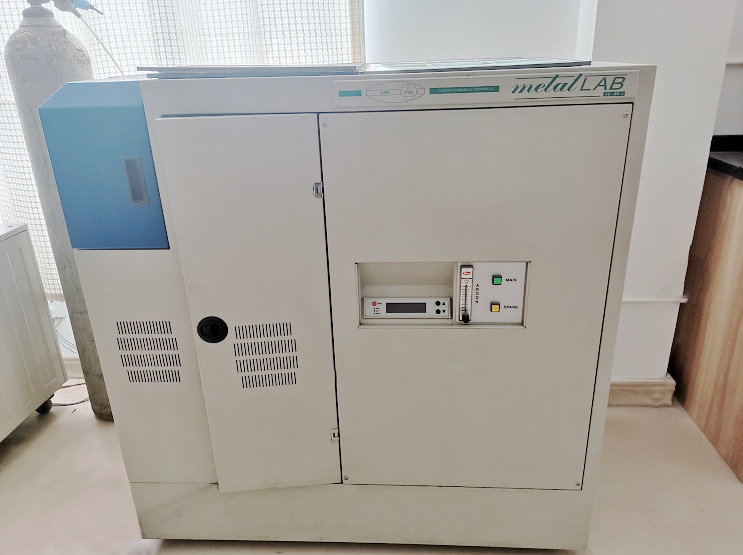
Analyzes chemical composition of metal alloys to verify copper, bronze, and stainless steel formulations before casting.
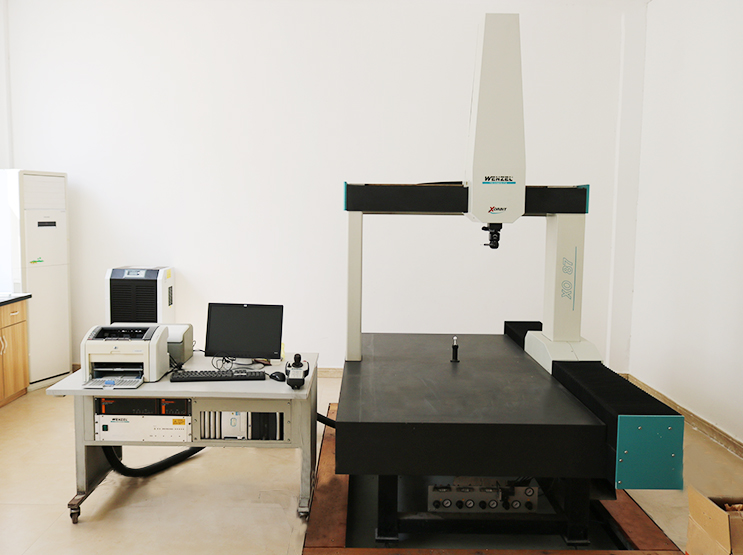
Utilizes contact probing to verify spatial geometries and features against CAD drawings within microns.
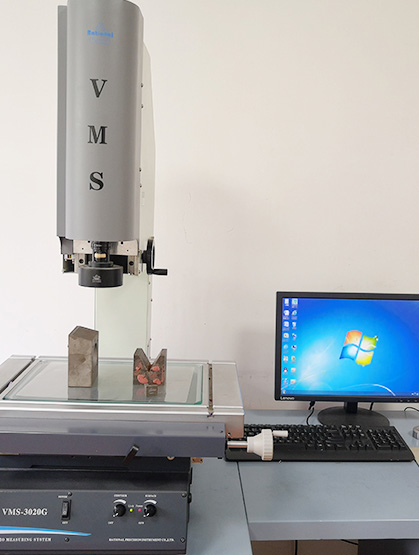
Provides non-contact optical measurements for small, complex features and surface shapes.
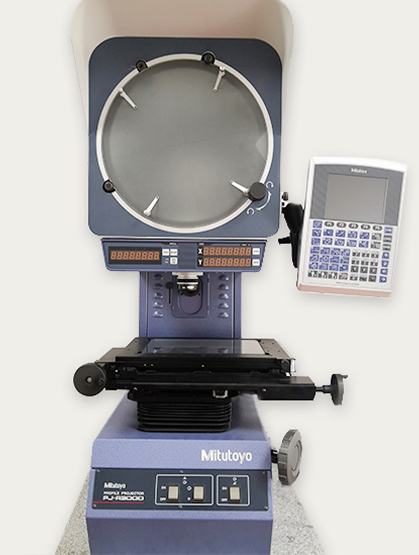
Secondary optical systems optimized for multi-axis part verification and edge-detection analysis.
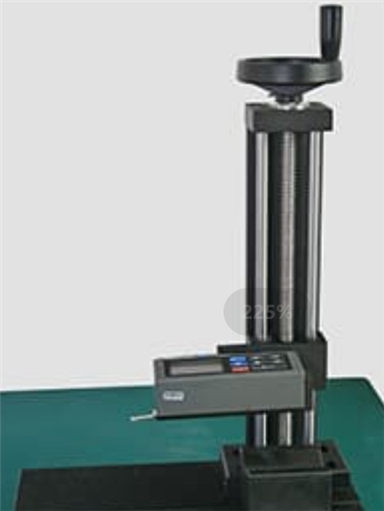
Measures surface roughness profile heights to confirm post-casting and post-machining finishes meet specs.
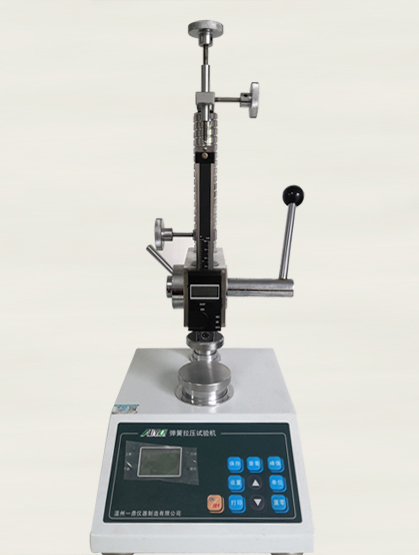
Tests structural integrity, spring force response, and tensile strength limit values on finished components.
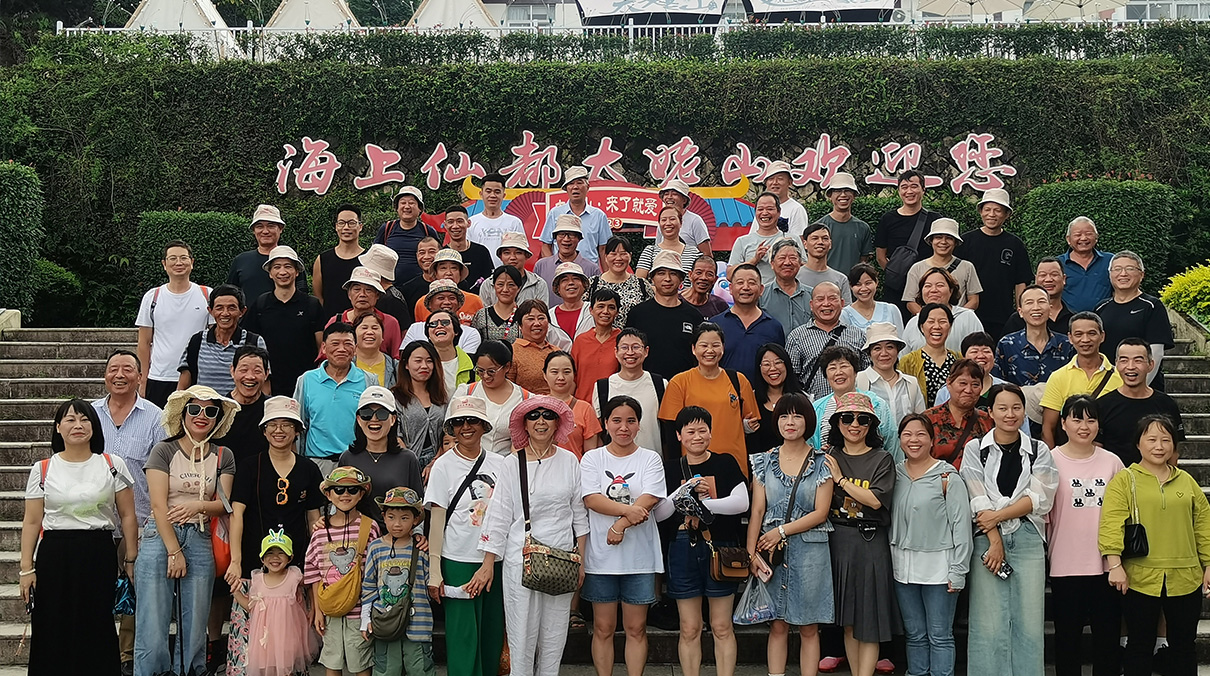
Our team of 130 professionals operates with a shared commitment to quality and reliable delivery. Guided by our key core principles:
XinYe has established structured manufacturing standards, backed by third-party international quality certifications, including ISO 9001:2015 and SA8000. These certifications keep our production operations aligned with demanding global standards.

From initial RFQ to final assembly and delivery, we prioritize efficiency and quality at every step.
We begin by discussing drawings, materials, specifications, pricing, and lead times with the client. Our engineering team reviews CAD files to optimize designs for manufacturing.

Our sample production process ensures we meet your design requirements before launching full runs. We check dimensions and verify materials at every turn.



We evaluate customer feedback on initial samples to make any needed tweaks before moving forward. This guarantees alignment with design tolerances prior to starting bulk runs.


Once samples are approved, we schedule and launch bulk production. We maintain quality inspection checkpoints at each major step of the manufacturing run.
Packaging & Shipping: We package finished products to prevent transit damage, choosing materials suited to the parts' weight and shape, and supply all export documents.

Our dedicated, spacious assembly workshop handles sub-assemblies for customers requiring ready-to-install packages. We provide a one-year warranty covering manufacturing defects from the date of delivery.


A summary of the core manufacturing options we offer to global supply chains.
Find answers to common questions about our casting, machining, and engineering services.
Access our full catalog of custom stampings, forgings, die castings, and CNC components.
 XinYe Metal