Precision Anodized Surface Engineering & High-Tolerance Custom Metal Fabrication
Explore our diverse manufacturing capabilities covering forging, casting, precision stamping, and complex CNC surface finishes.
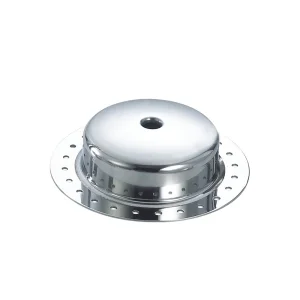
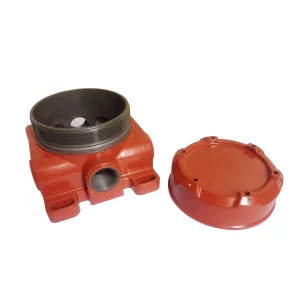
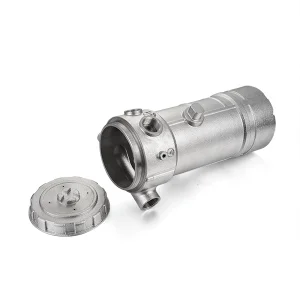
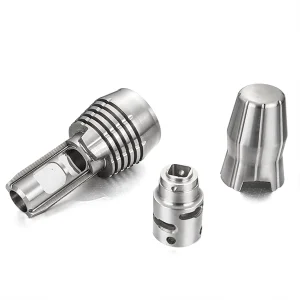
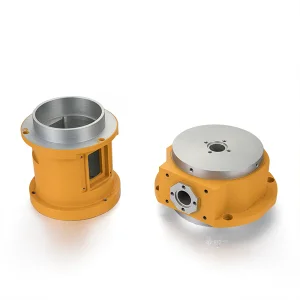
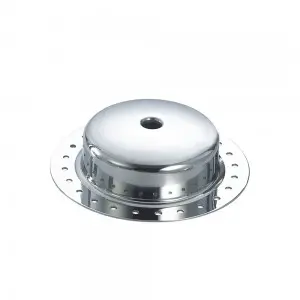
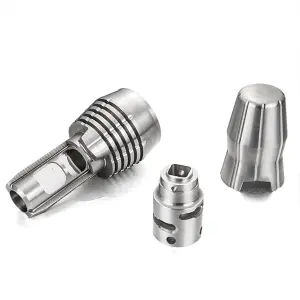
In modern industrial engineering, aluminum and steel components are expected to operate under increasingly demanding mechanical, environmental, and chemical conditions. Surface treatments are no longer an afterthought; they are a critical variable in component lifecycle, electrical isolation, and visual design. Anodizing—an electrochemical process that converts the metal surface into a durable, corrosion-resistant, anodic oxide finish—stands at the forefront of these surface solutions.
As a leading OEM anodizing metal manufacturer, Ningbo Jiangbei XinYe Metal Works Co., Ltd. integrates advanced metal fabrication technologies (hot forging, die casting, stamping, and multi-axis CNC machining) with high-grade anodizing and electrochemical polishing lines. This comprehensive, single-source capability eliminates the risks, delays, and quality variances associated with split-vendor supply chains, providing global buyers with components that match absolute engineering specifications.
Anodizing does not simply apply a layer of coating; it is fully integrated with the underlying aluminum substrate. By controlling bath concentration, temperature, current density, and hydration sealing variables, we engineer Type II (decorative & protective) and Type III (Hardcoat) anodic oxide layers optimized for specific industrial applications.
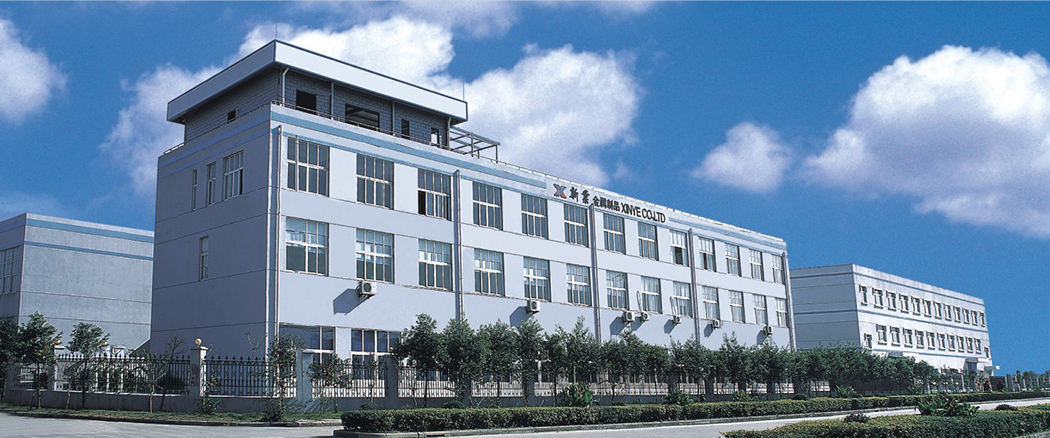
Founded in 1996 as a family-owned business, Ningbo Jiangbei XinYe Metal Works Co., Ltd. has developed into a highly specialized, owner-managed Small and Medium Enterprise (SME) corporation. Located in the strategically vital Ningbo Jiangbei Industrial Zone, our facility is positioned within a three-hour transit network of Shanghai International Airport via high-speed rail, granting us seamless global logistics capabilities.
Our operation spans 16,000 square meters of production floor area, with an additional 11,000 square meters dedicated to building construction. Our structured workforce of 130 highly trained professionals includes 80 core production technicians and 50 specialists in product development, engineering design, quality control, metrology, and global supply chain management.
Through our long-standing commitment to manufacturing innovation, Xinye has acquired more than 20 technical model patent certificates, highlighting our capability to translate complex customer engineering concepts into production-ready physical components.
Global procurement teams in North America, Western Europe, and the Asia-Pacific region face significant supply chain bottlenecks when sourcing anodized metal parts. Key concerns center around raw material traceability, environmental compliance (such as RoHS and REACH directives), and dimensional variances caused by material loss during machining or material growth during the anodizing process.
During sulfuric acid anodizing, the formation of the aluminum oxide barrier layer consumes a small amount of aluminum substrate and builds a crystalline layer on top. This changes the final dimension of precision-threaded holes, internal bores, and critical interfaces. XinYe engineers account for this dynamic at the tool-path design stage, adjusting CNC programming tolerances to ensure that post-anodized parts align perfectly with nominal dimensions.
We trace chemistry profiles in every melt batch using our optical emission spectrometer, preventing impurities that cause spotty or cloudy anodized finishes.
Using advanced spectrophotometers, we track Delta-E color variance values across anodized batches to guarantee uniformity for decorative applications.
Whether using hot water hydration, nickel acetate, or polymer seals, we customize the sealing process to optimize corrosion resistance or chemical compatibility.
Our factory provides a single-point solution for complex metal components, from forging or casting to precision machining and final surface treatment:
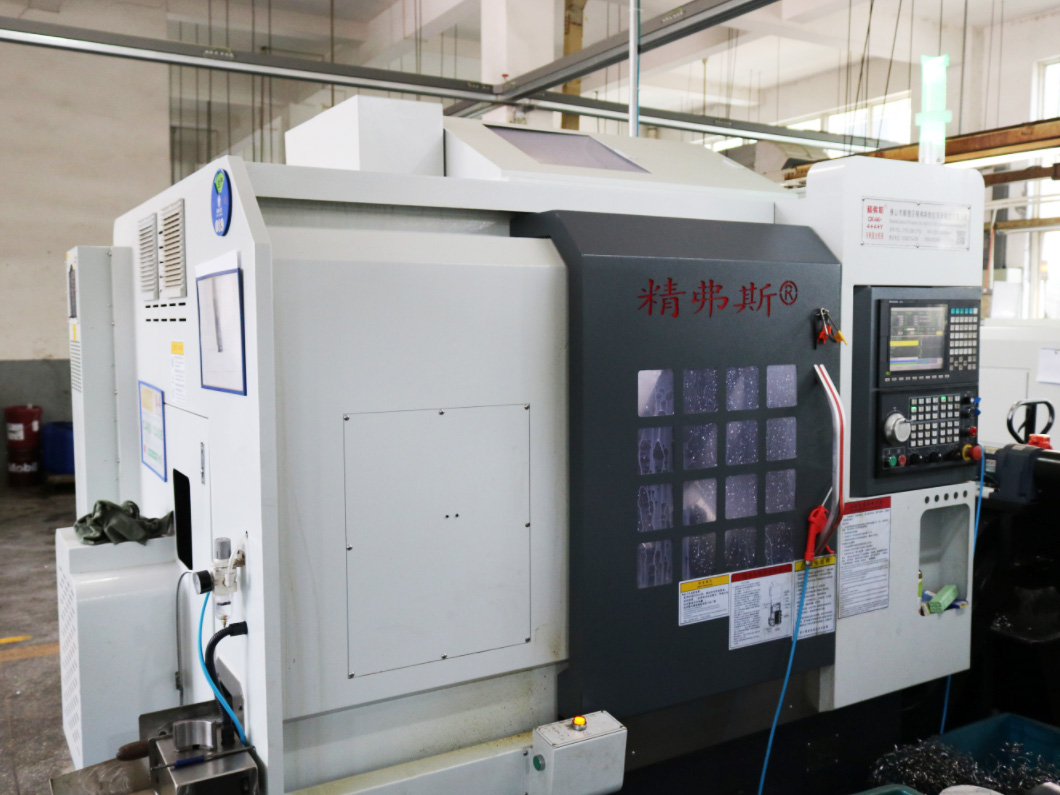
We run state-of-the-art multi-axis CNC milling, turning, and machining centers. Our machines achieve repeatable tolerances of 0.001mm, making them ideal for complex aerospace and automotive geometries.
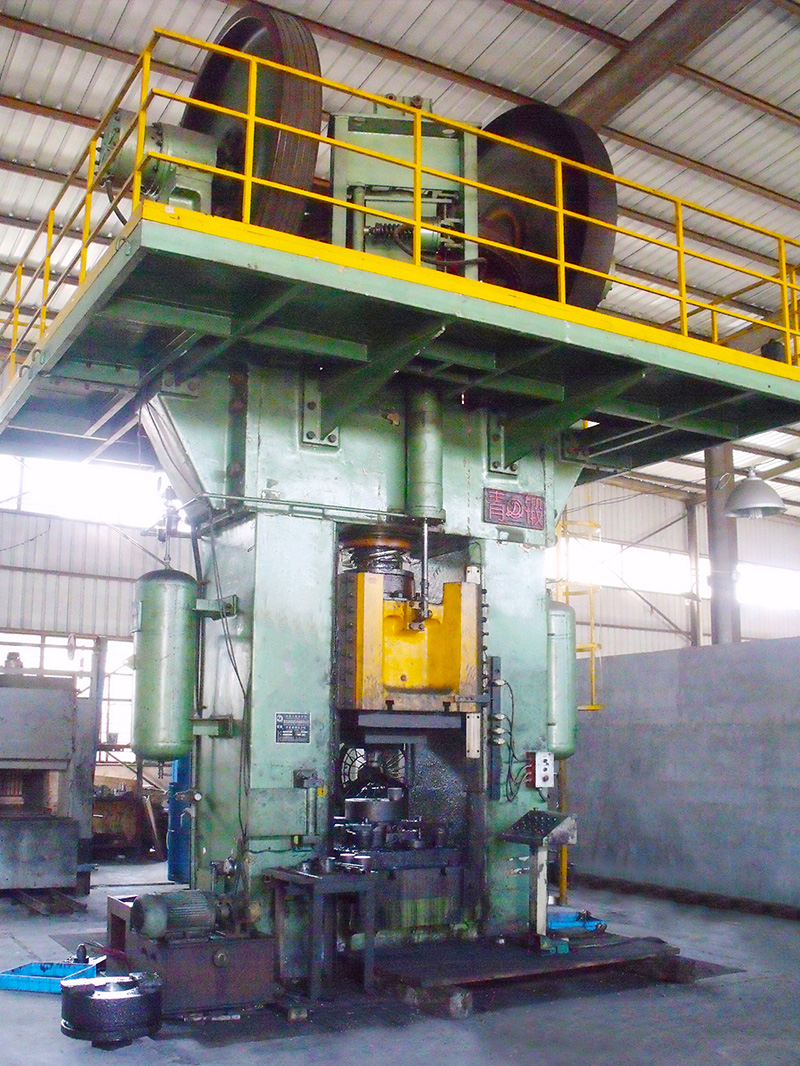
Equipped with friction press machines from 300 to 1,000 tons and column hydraulic presses from 100 to 630 tons, we produce high-density, grain-aligned forgings that offer superior structural strength.
Our investment wax casting and high-pressure die casting lines manufacture intricate parts from aluminum, copper, stainless steel, and alloy steels, minimizing the need for secondary machining.
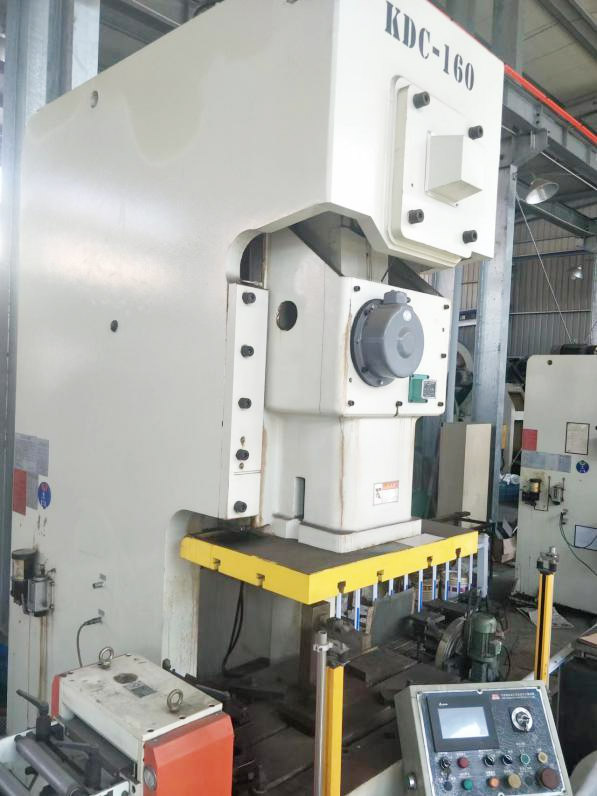
With mechanical punch presses ranging from 5 to 250 tons, we form metal sheets into deep-drawn enclosures and structural brackets with high speed and precision.
Our surface finishing lines include type II sulfur anodizing, hard coat anodizing, and electropolishing. These processes improve surface hardness, wear resistance, and cleanability.
We operate a clean assembly department where machined parts, seals, and hardware are integrated into complete sub-assemblies, shipped directly to your production lines.
Take a virtual tour of our production facility and see our precision machining and assembly operations.
Our production scheduling adapts to customer demands. By default, our factory operates on a two-shift, 16-hour schedule, six days a week. When demand rises, we can scale to a 24/7 operating model within 30 days.
Furthermore, our facility retains dedicated physical expansion land, allowing us to install customer-specific machinery or dedicated lines for long-term supply contracts.
Capacity Scaling: Transition to 24/7 continuous operation in under 30 days. Scalable floor layouts support custom production cells for strategic industrial partners.
From initial technical drawings to final container loading, every step of our workflow is documented and traceable.

During onboarding, our engineering team reviews your drawings. We check tolerances, drafts, and anodizing rack contact points. This early DFM feedback identifies design improvements that can lower manufacturing costs and prevent surface blemishes.

Once drawings are approved, we develop the tooling, fixtures, and anodizing templates. Our engineers run a sample batch to verify dimensional tolerances, coating thickness, and visual consistency. We provide a full first article inspection (FAI) report to the customer for approval.



Samples are tested in the customer's assembly line. We collect feedback regarding assembly fit, coating durability, and cosmetic details. If necessary, we adjust the anodizing bath temperature, voltage, or dye chemistry to match the target specification.


After sample sign-off, we schedule mass production. Operators monitor key process parameters at predetermined inspection points. Automated controls regulate anodizing bath temperature, while our quality control team checks coating thickness and surface roughness at regular intervals.

Completed components are moved to our assembly workshop. Parts are assembled, tested, and packaged with protective wraps to prevent damage during transit. We compile all quality documentation, including certificates of conformance and material test reports, to simplify import clearance.
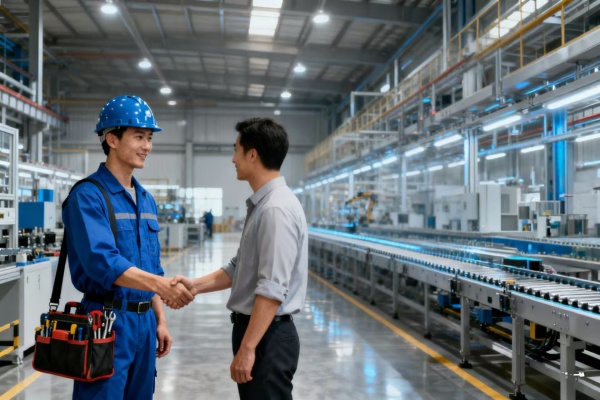
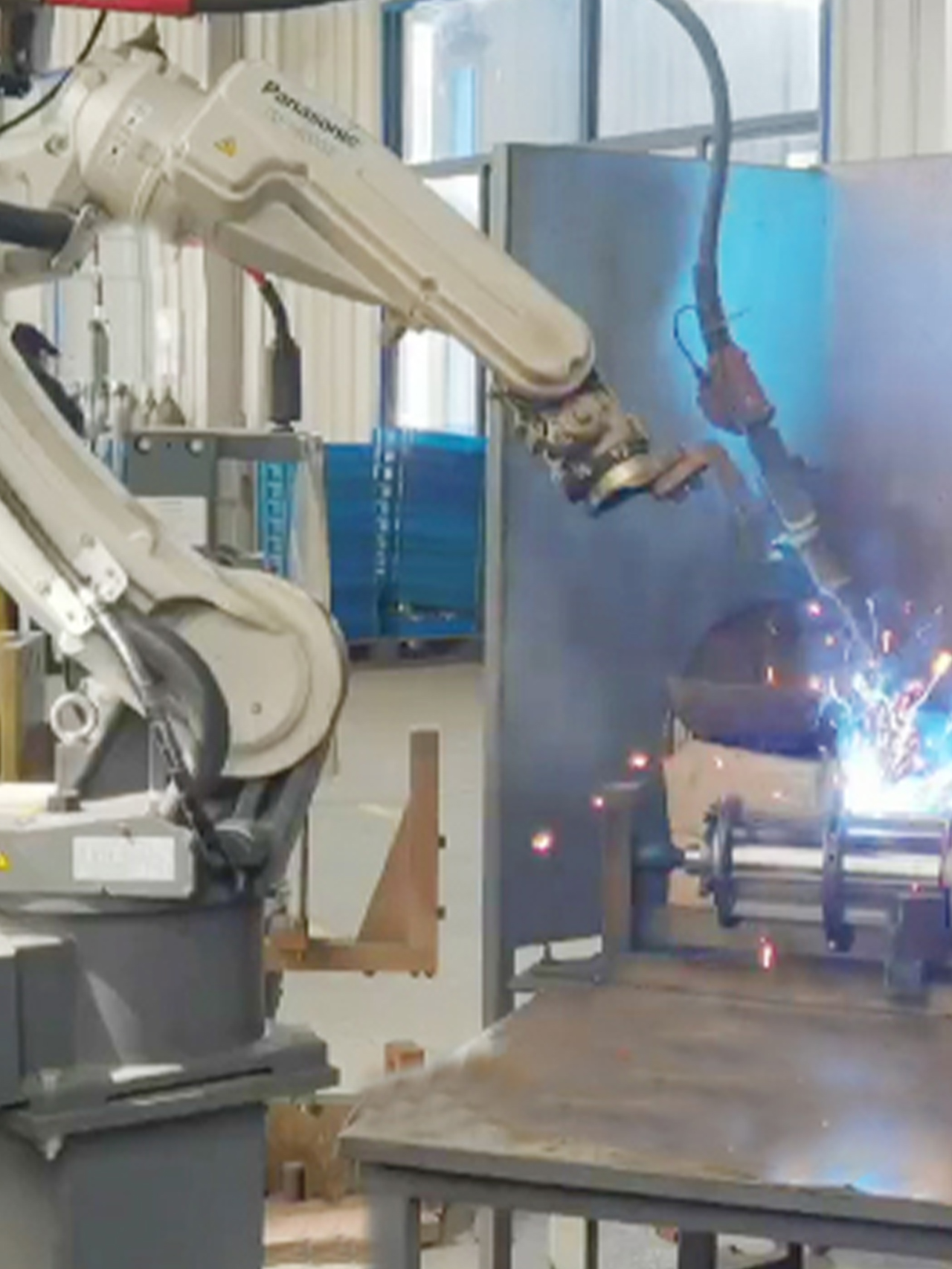
We invest in precise machinery to achieve tight tolerances and clean finishes across high-volume production runs.
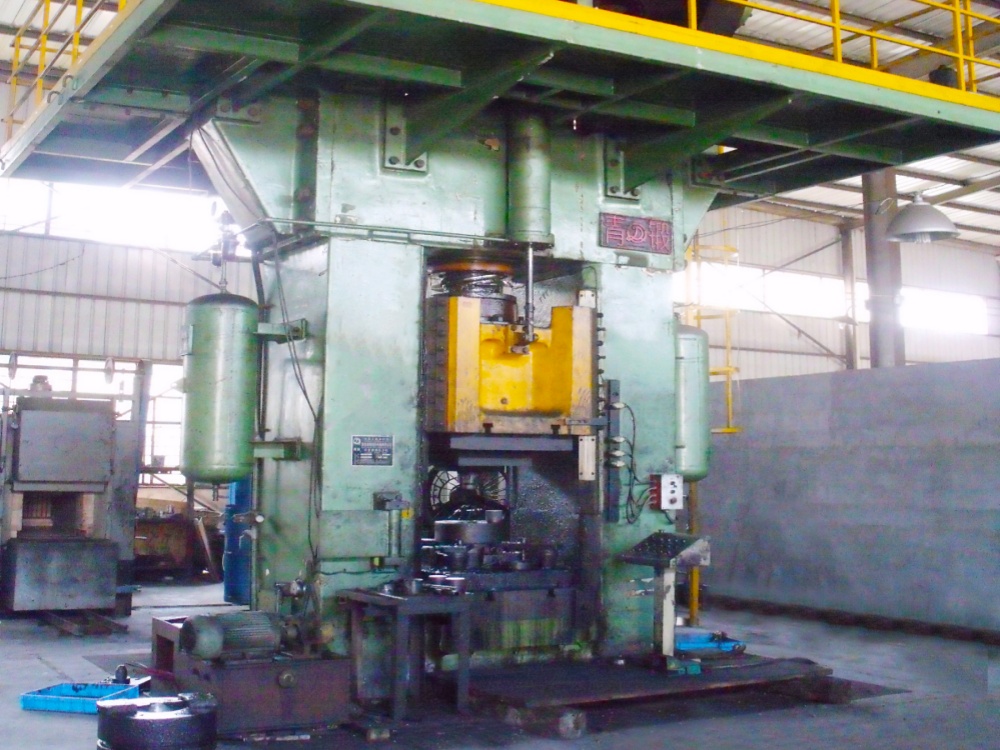
Our heavy forging lines reshape aluminum alloys at high temperatures, optimizing grain structures and structural properties for critical industrial parts.
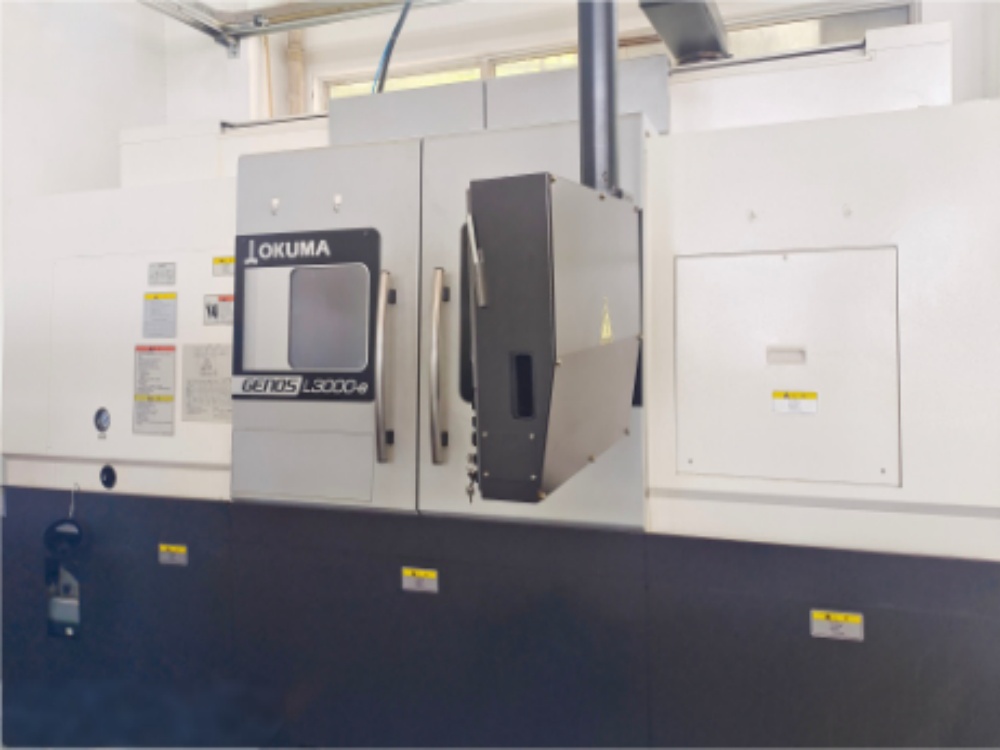
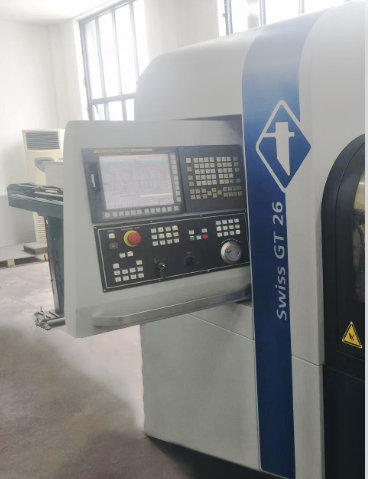
Equipped with 4-axis control, our CNC mills and lathes machine complex geometries in a single setup, reducing dimensional stack-up errors.
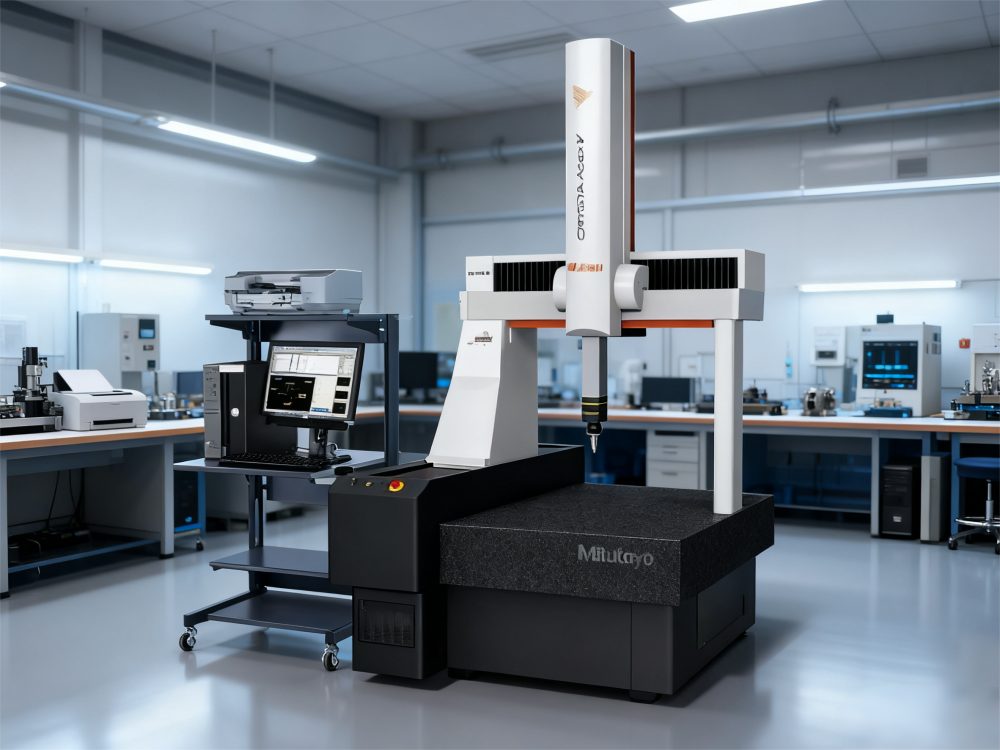
Our quality department uses advanced coordinate measuring machines and material spectrometers to check dimensions and alloy chemistry.
To support high-precision machining projects, we run advanced multi-axis turn-mill centers. This allows us to complete complex turning, drilling, and cross-milling operations on a single machine, reducing setup errors and maintaining concentricity across critical features.
This capability is vital for parts that require hard anodizing, where uniform material removal is necessary to achieve consistent coating thickness.
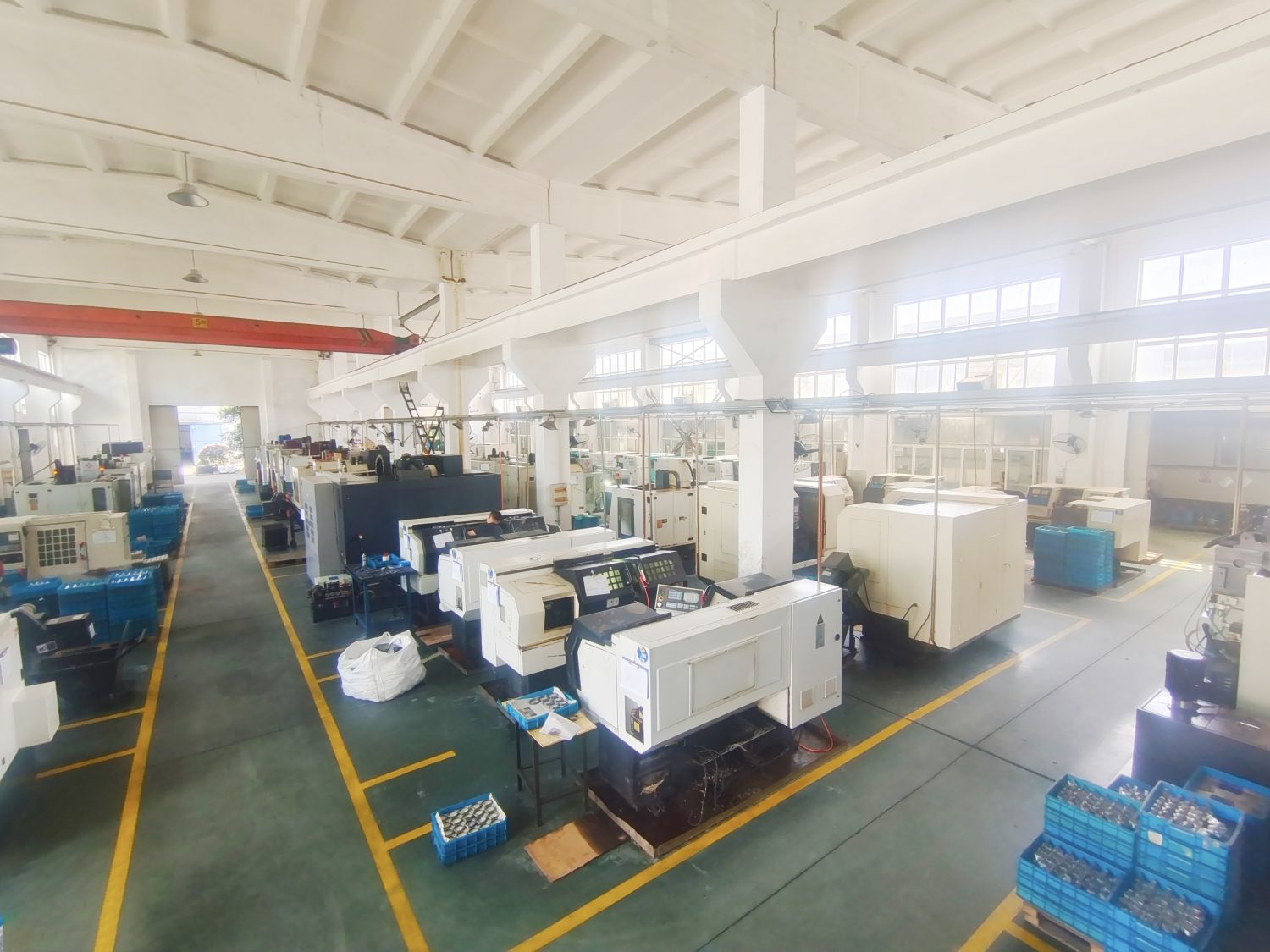
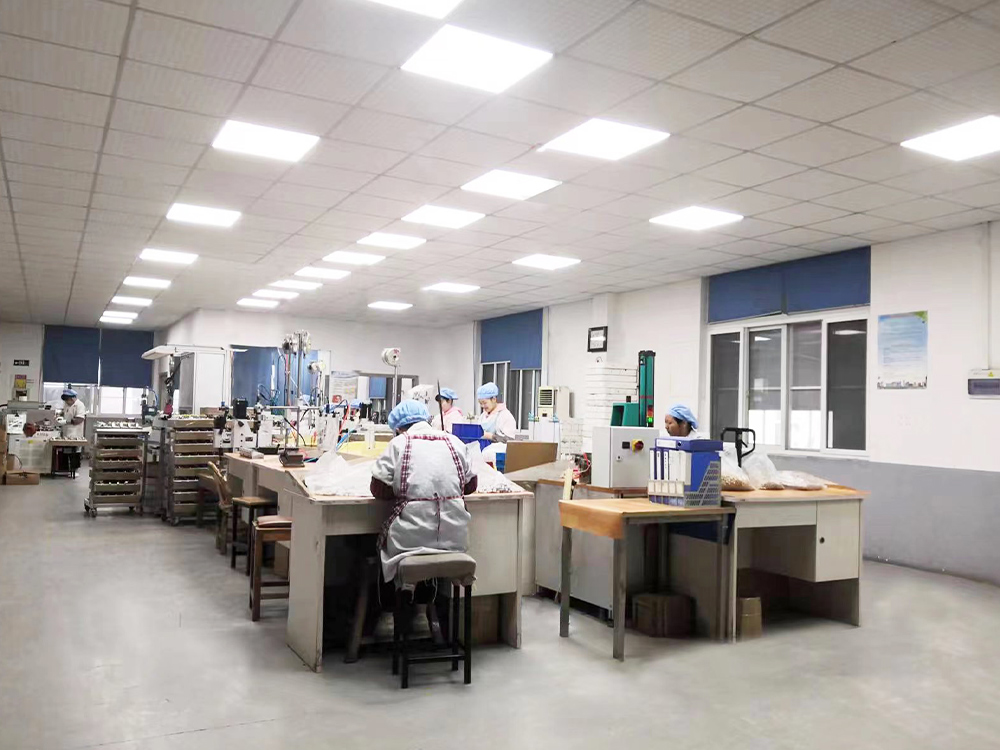
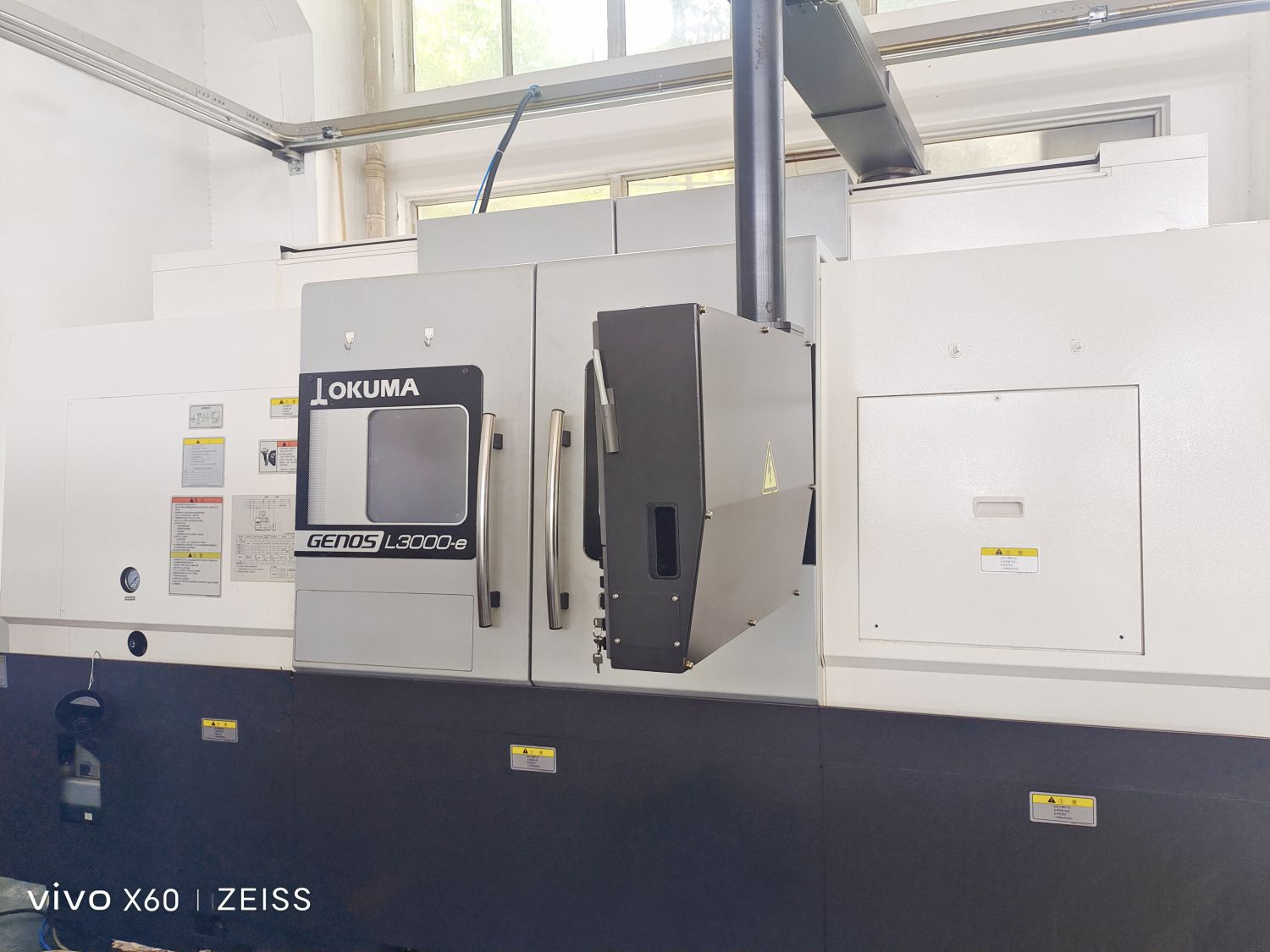
We maintain a quality control laboratory equipped to verify dimensions, material composition, and surface properties.
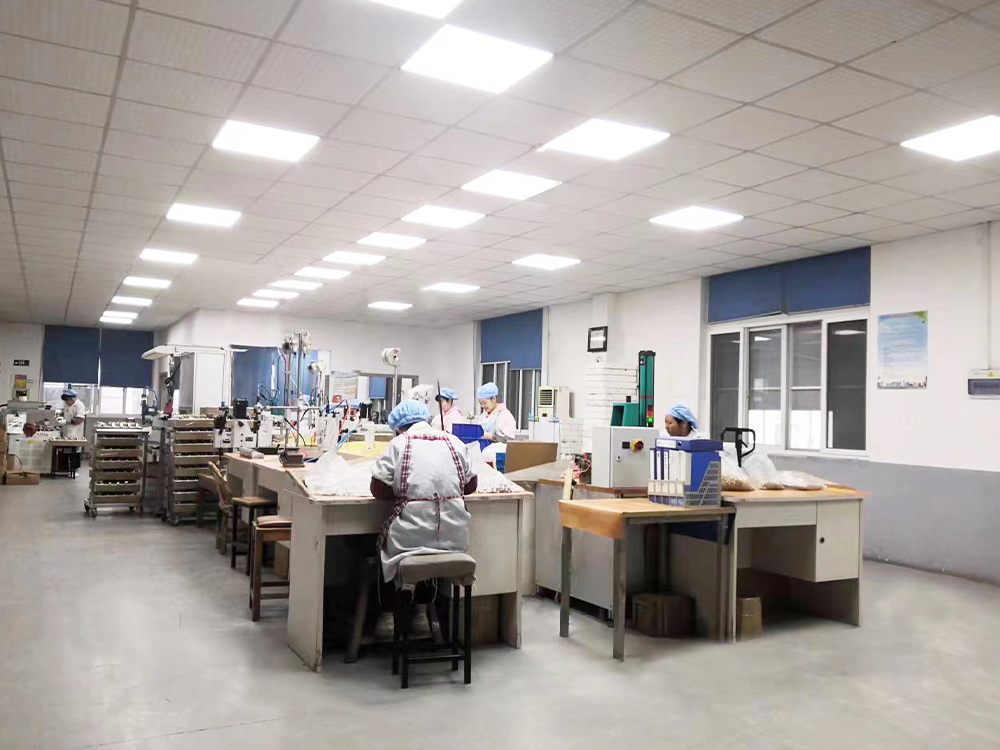
We start by checking incoming raw materials, verifying alloy composition against mill sheets before production. Every step of our forging, machining, and surface treatment process is documented to maintain full traceability.
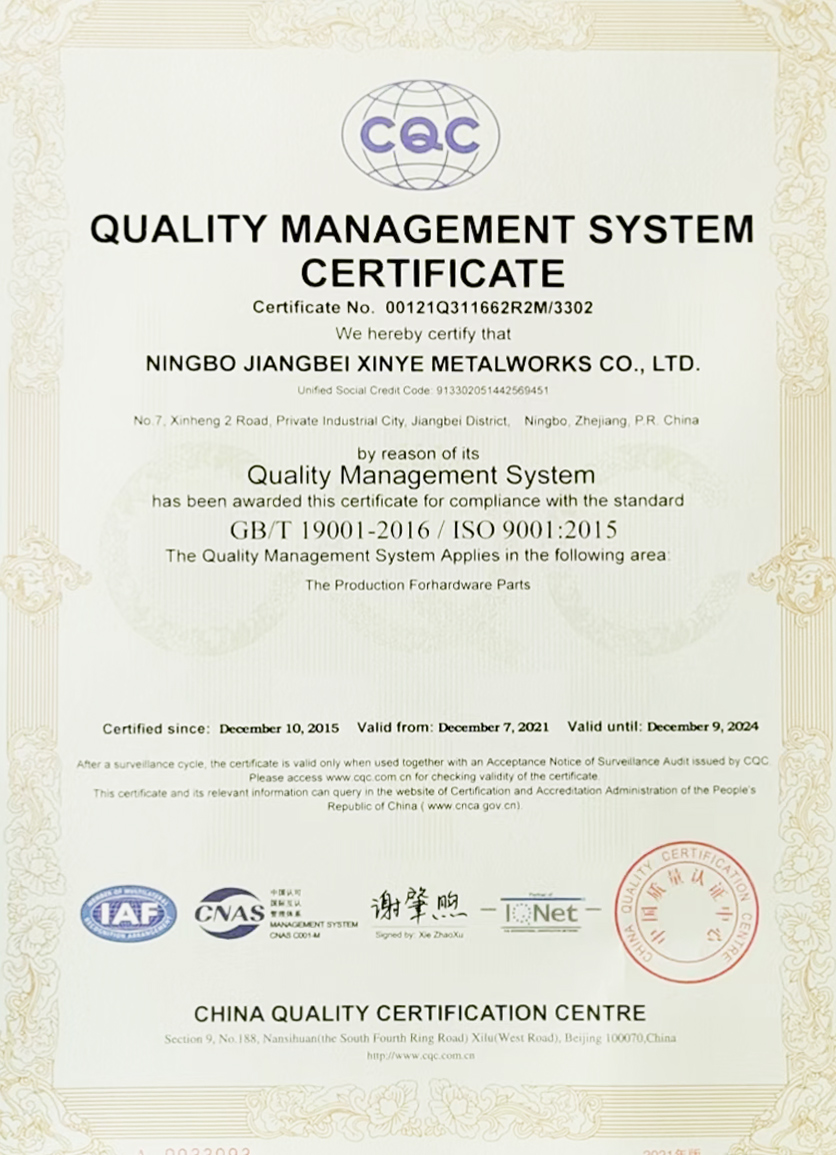
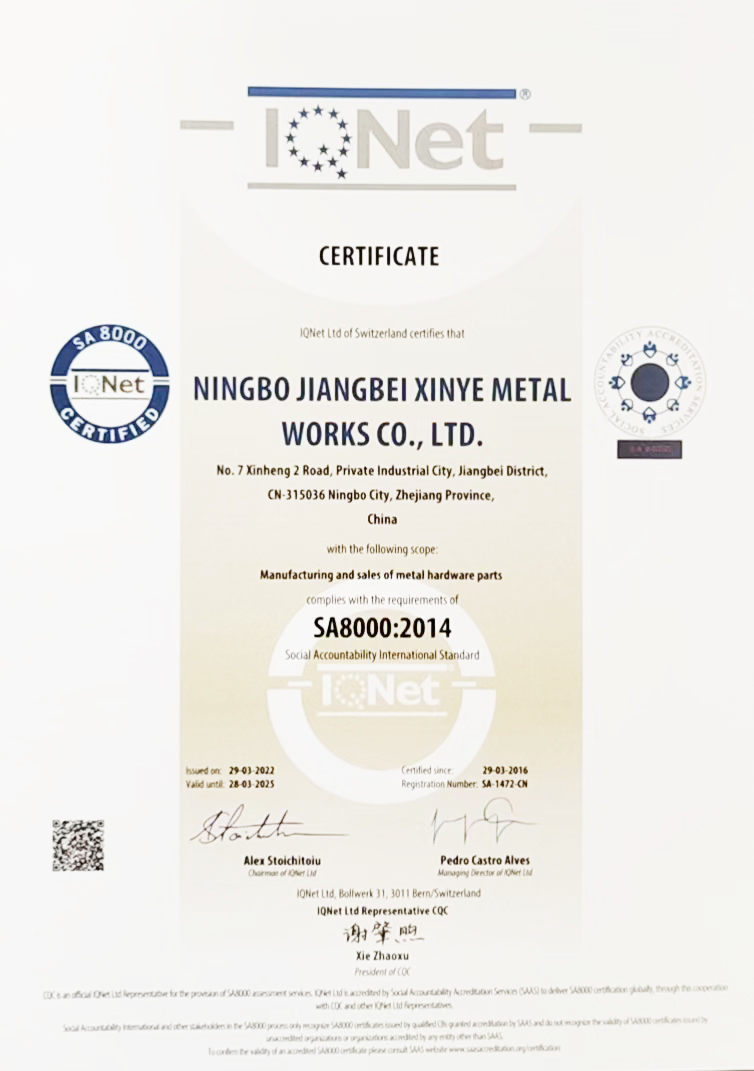
Our facility holds ISO 9001:2015 and SA8000 certifications, reflecting our commitment to quality management and responsible workplace standards.
We use dedicated metrology instruments to verify part characteristics, ensuring that finished components meet customer drawing specifications.
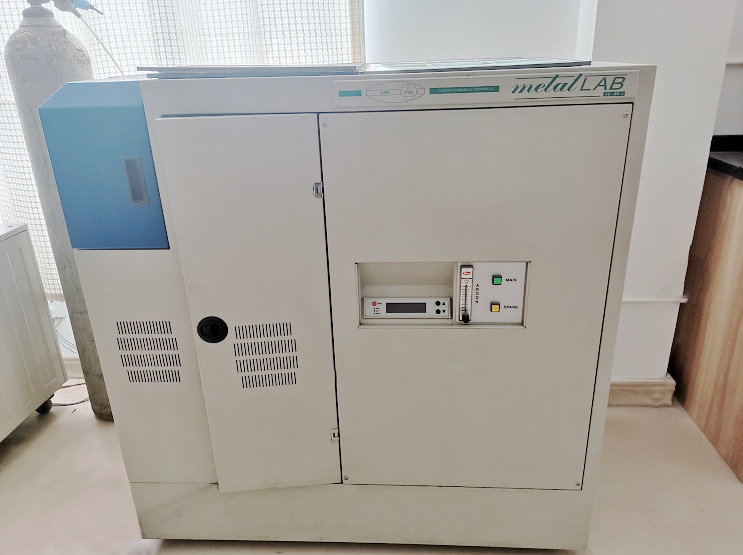
Used to verify incoming chemical composition, preventing alloy mix-ups and ensuring correct anodizing characteristics.
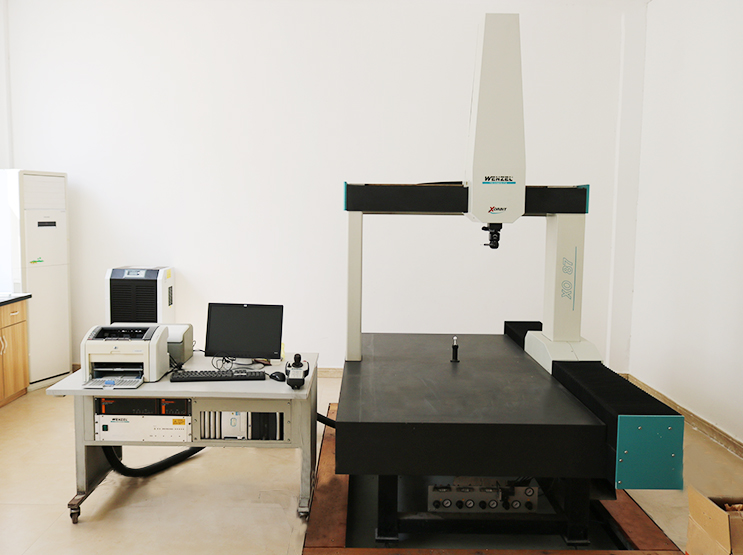
Our coordinate measuring machine checks complex shapes and geometric tolerances against CAD models.
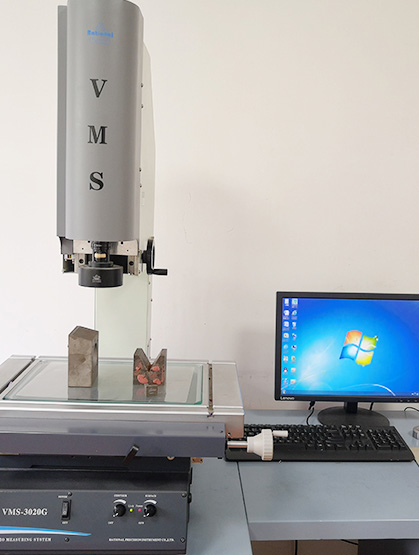
Provides non-contact 2D optical measurement of small features and profiles to verify critical dimensions.
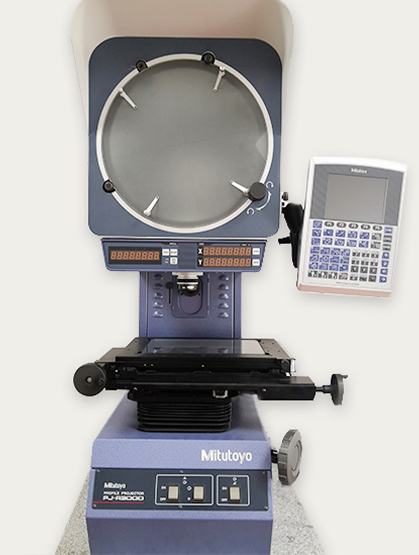
Allows rapid verification of threads, gears, and stamping profiles against engineered overlays.
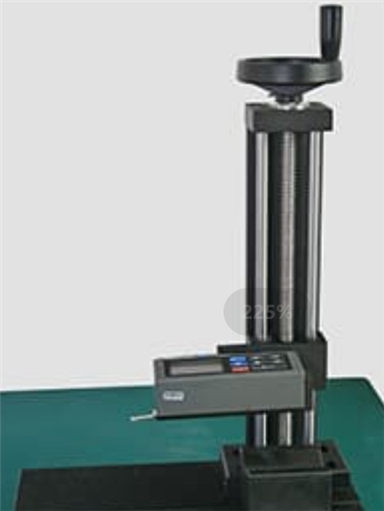
Measures surface roughness (Ra) post-machining and post-anodizing to ensure specifications are met.
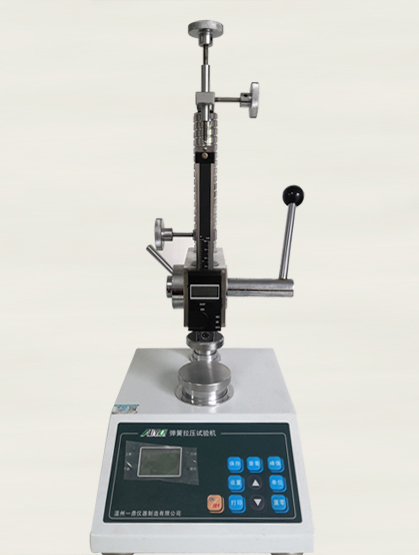
Tests the mechanical strength of forged and assembled components, checking yield and spring characteristics.
See how our forging, casting, machining, and anodizing capabilities serve demanding industrial sectors.
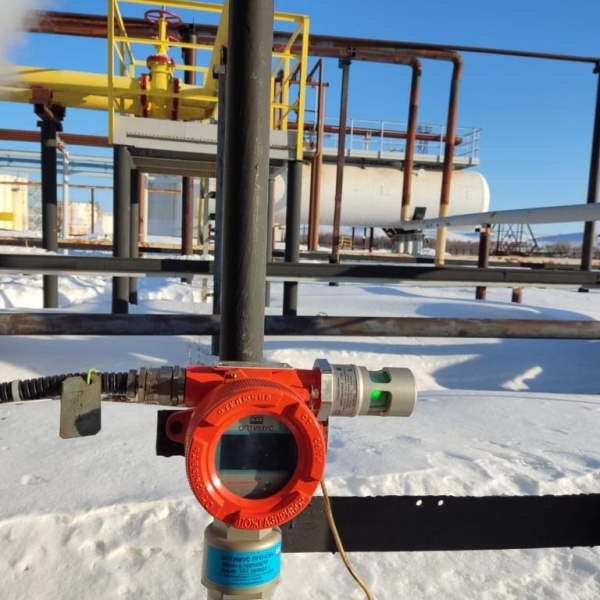
Heavy-duty forged and anodized connectors for resource extraction, built to withstand chemical exposure.

Anodized components for automotive chassis and brackets, balancing weight reduction with corrosion resistance.
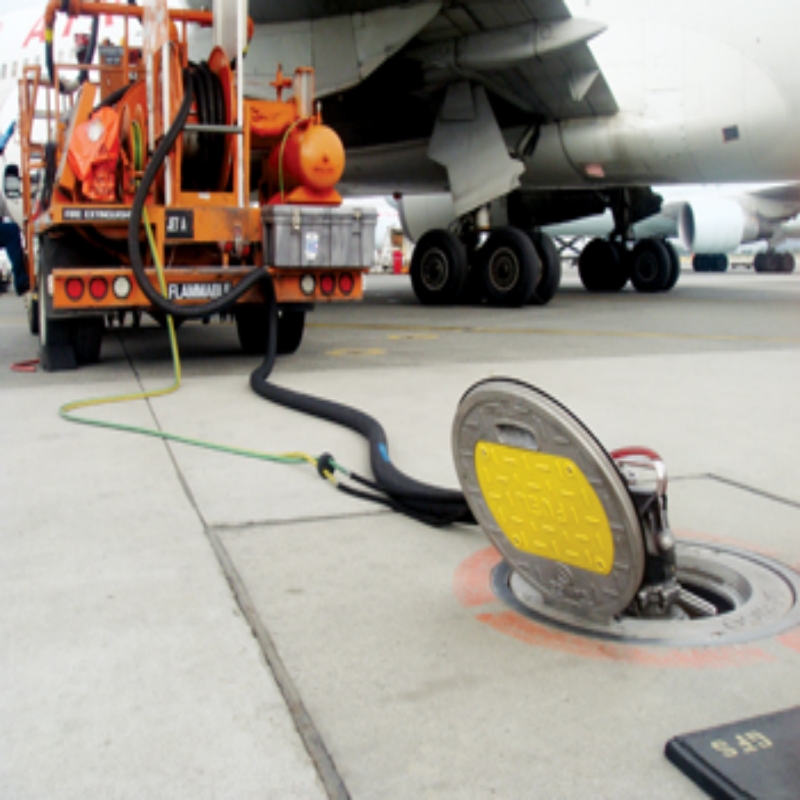
Hydrant pit boxes, turbine inlets, and transmission parts engineered for strict aerospace dimensional tolerances.
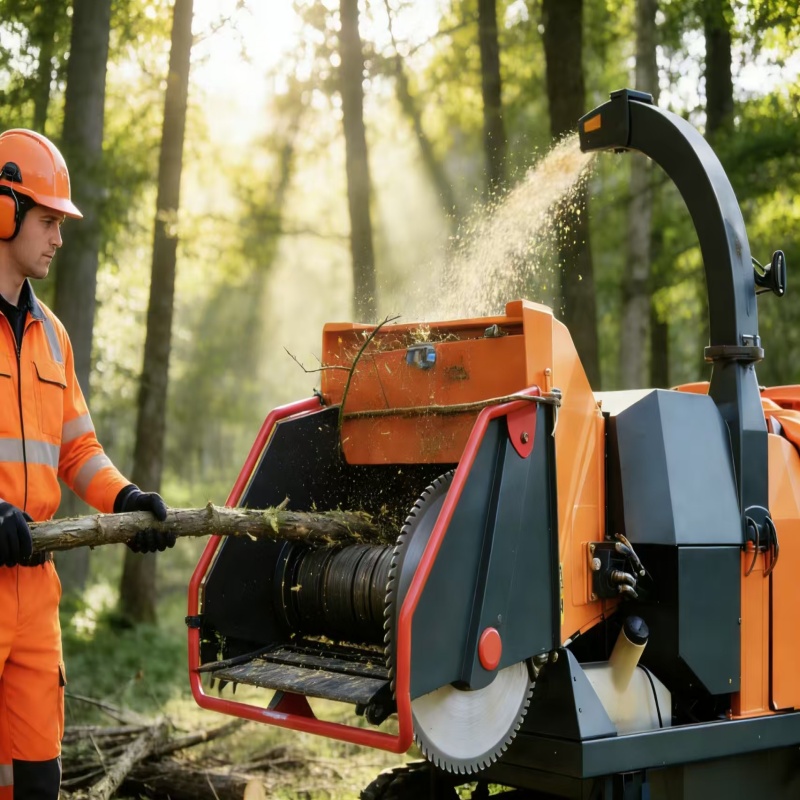
Heavy feed rollers and cutting discs designed for high impact resistance in wood processing machinery.
At Xinye, we believe that long-term business relationships are built on trust, clear communication, and consistent quality.
Trust: We aim to be a reliable partner by delivering parts that match print specifications, on time.
Responsibility: We maintain structured production and quality controls to manage supply risk for our customers.
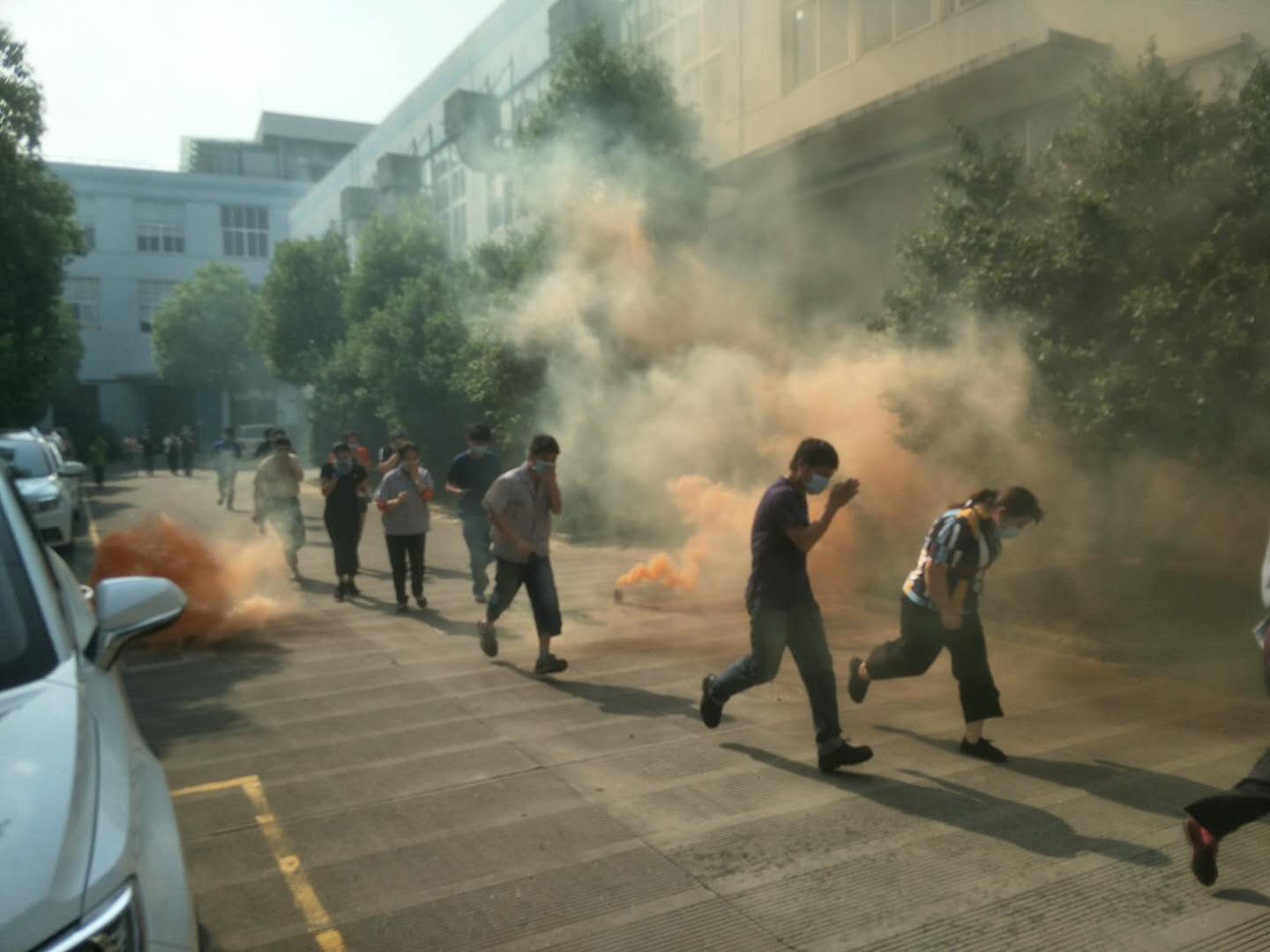
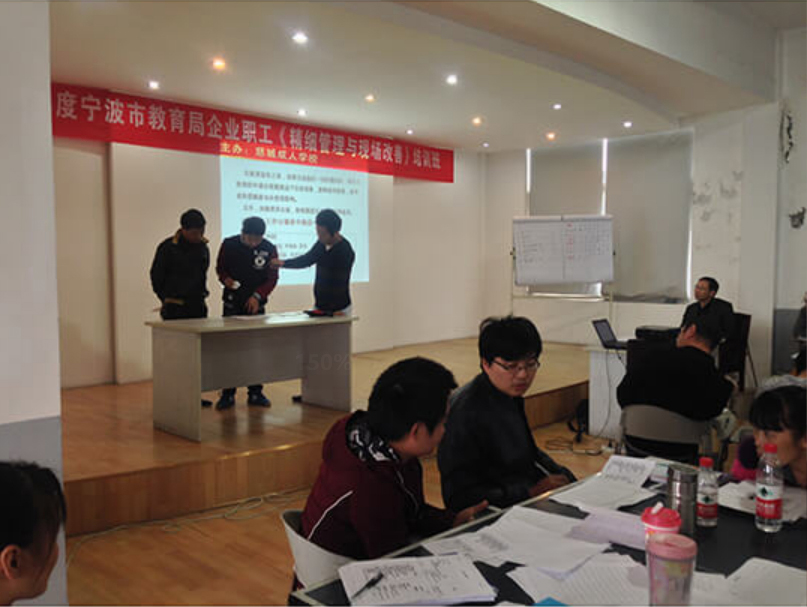
Professionalism: We focus on manufacturing discipline, operator training, and process control to maintain stable production.
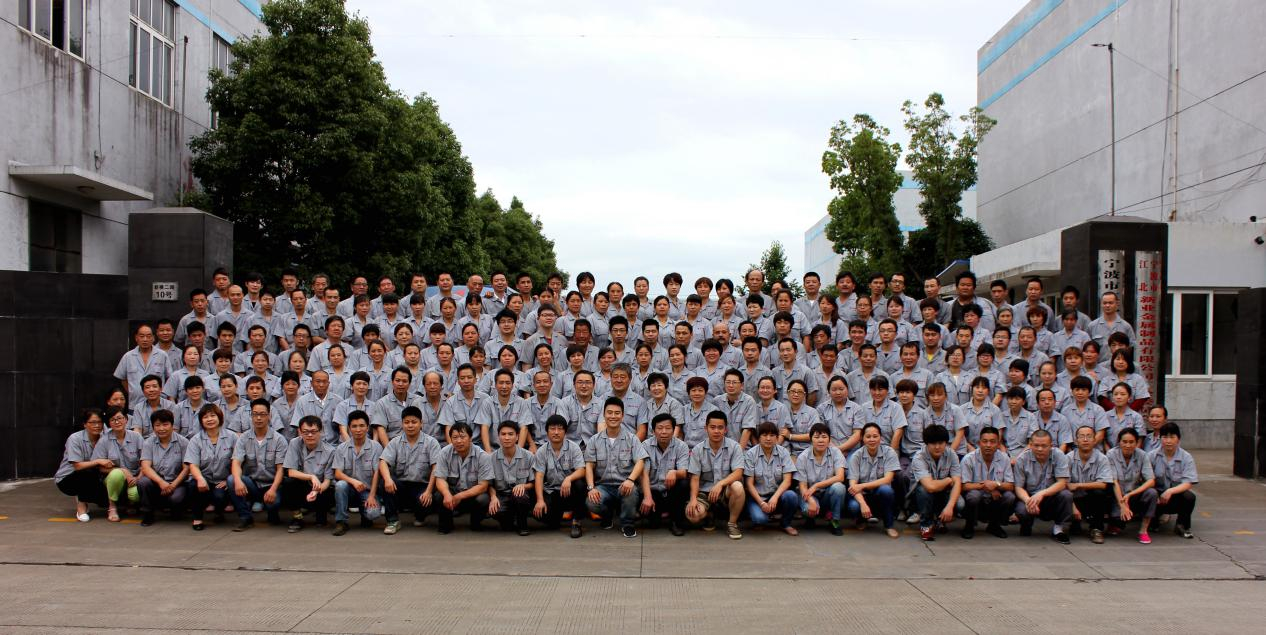
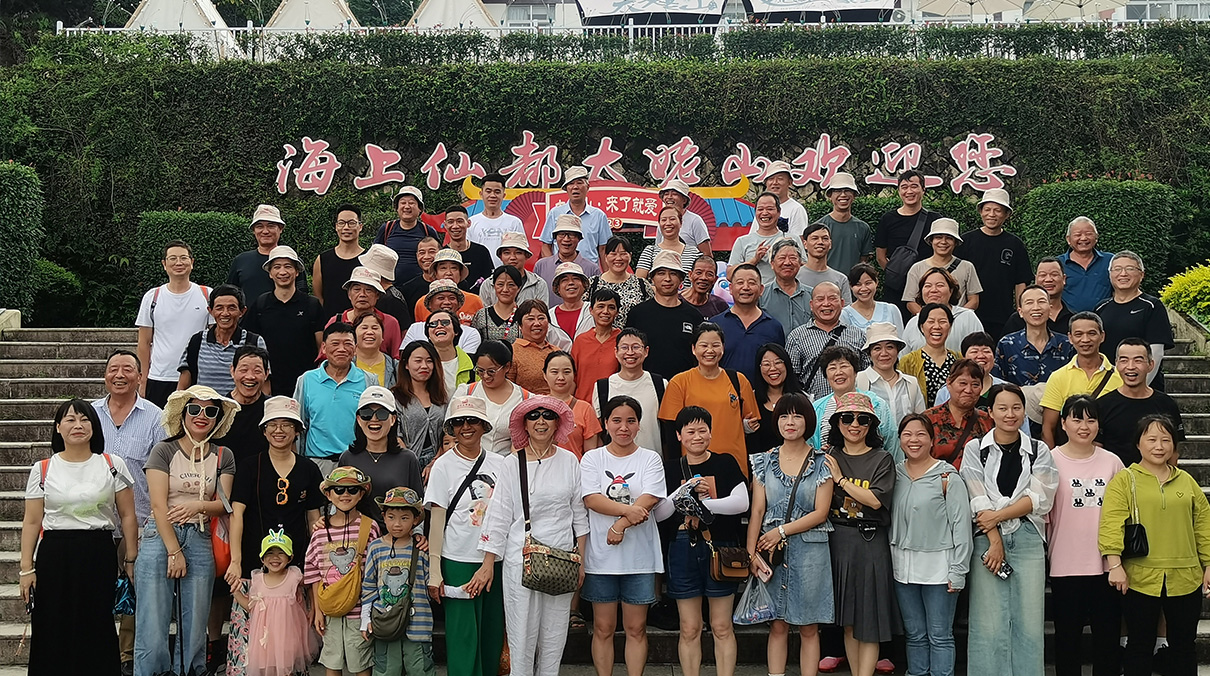
Our quality management system is certified to ISO 9001:2015, and our social responsibility compliance is verified under SA8000. These standards guide our daily operations, raw material inspection, and process controls.
Answers to common engineering and commercial questions regarding our fabrication and surface treatment capabilities.
Select a category below to view technical specifications and request quotes for custom metal components.
 XinYe Metal