Engineered structural parts and specialized cast components matching global industrial specifications.
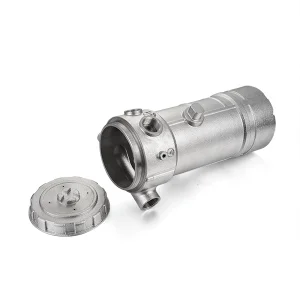
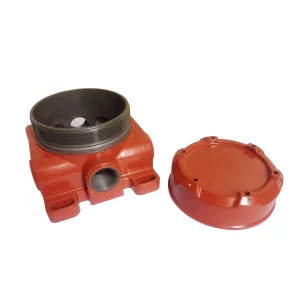
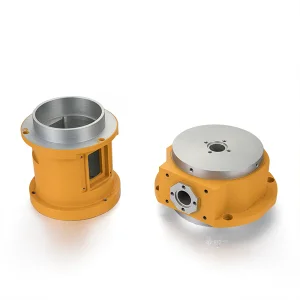
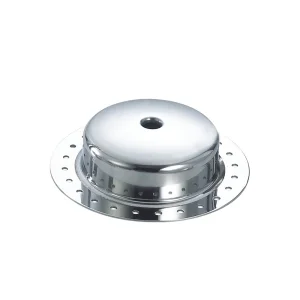
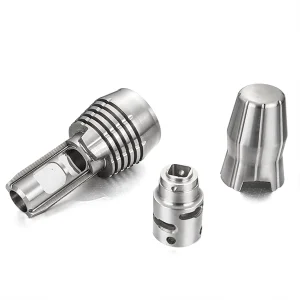
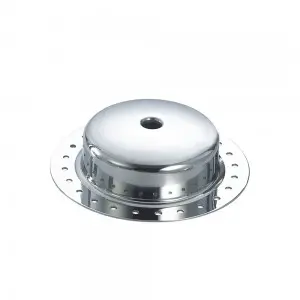
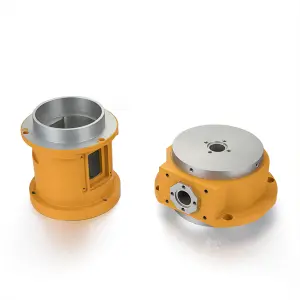
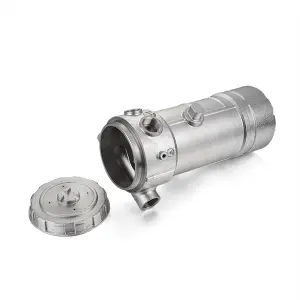
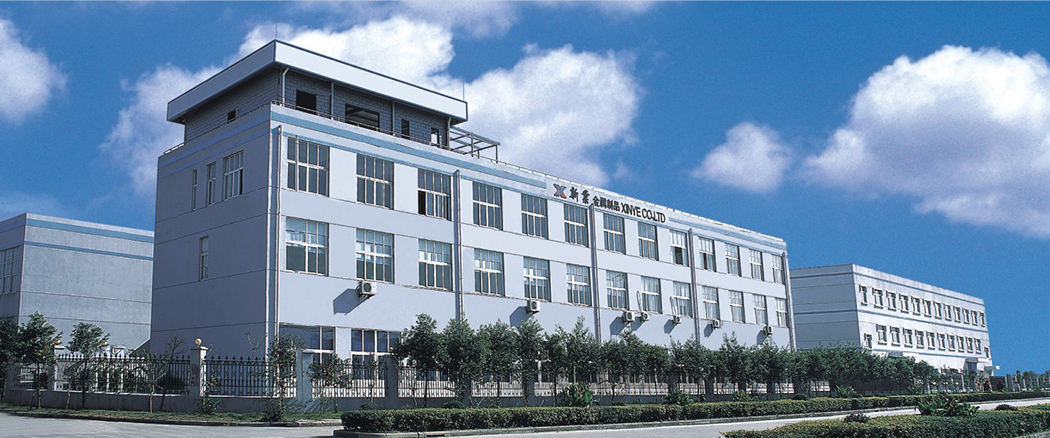
Founded in 1996 as an owner-managed SME corporation, Xinye has grown into a leading developer and manufacturer of high-precision metal components. Strategically located in the Ningbo Jiangbei Industrial Zone, our facility is within a 3-hour high-speed rail transit window from Shanghai International Airport.
Spanning a total production footprint of 16,000 square meters with an additional 11,000 square meters of construction, our operation relies on the expertise of 130 staff members. Among them, 80 specialists handle production, while 50 lead product development, quality control, process engineering, and administrative workflows.
Our customers appreciate our commitment to quality, engineering rigor, and continuous innovation. We deliver technical, regulatory, and mechanical consistency for demanding industries worldwide.
Technical challenges and solutions for anodizing silicon-rich cast aluminum alloys.
Anodizing cast aluminum presents distinct challenges compared to anodizing extruded or forged alloys (such as the 6000 or 7000 series). Cast aluminum alloys, including A380, A356, A360, and ADC12, typically contain high levels of silicon (ranging from 5% to 12%). Silicon is essential for melt fluidity and preventing hot cracking during casting, but it does not dissolve in the anodizing bath. Instead, silicon particles remain on the alloy's surface, creating structural discontinuities and causing a grey or dark coloration in the anodic layer.
Without correct chemical preparation, anodizing cast aluminum can result in poor corrosion protection, spotty coverage, and low wear resistance. At Xinye, we manage this through specialized chemical pre-treatments, bath optimization, and precise temperature controls:
Standard nitric acid baths cannot dissolve surface silicon. We use customized acid blends containing hydrofluoric acid to strip silicon residues from the surface before anodizing, ensuring a clean substrate.
Keeping the sulfuric acid electrolyte bath at lower temperatures (between 0°C and 10°C) helps build a dense, hard anodic layer. This prevents dissolution of the oxide film around silicon clusters.
Because cast structures can have micro-porosity, sealing is critical. We use high-temperature nickel acetate or hot deionized water sealing to close the anodic pores, protecting the alloy from environmental corrosion.
The growing role of anodized cast aluminum components across global supply chains.
Global demand for lightweight, high-strength structural parts continues to grow. Industrially developed regions like the EU, North America, and East Asia are adopting anodized cast aluminum components to meet strict fuel efficiency and carbon reduction goals. Anodizing provides casting parts with durability comparable to steel, without the weight penalty.
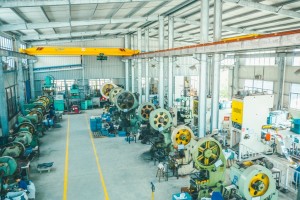
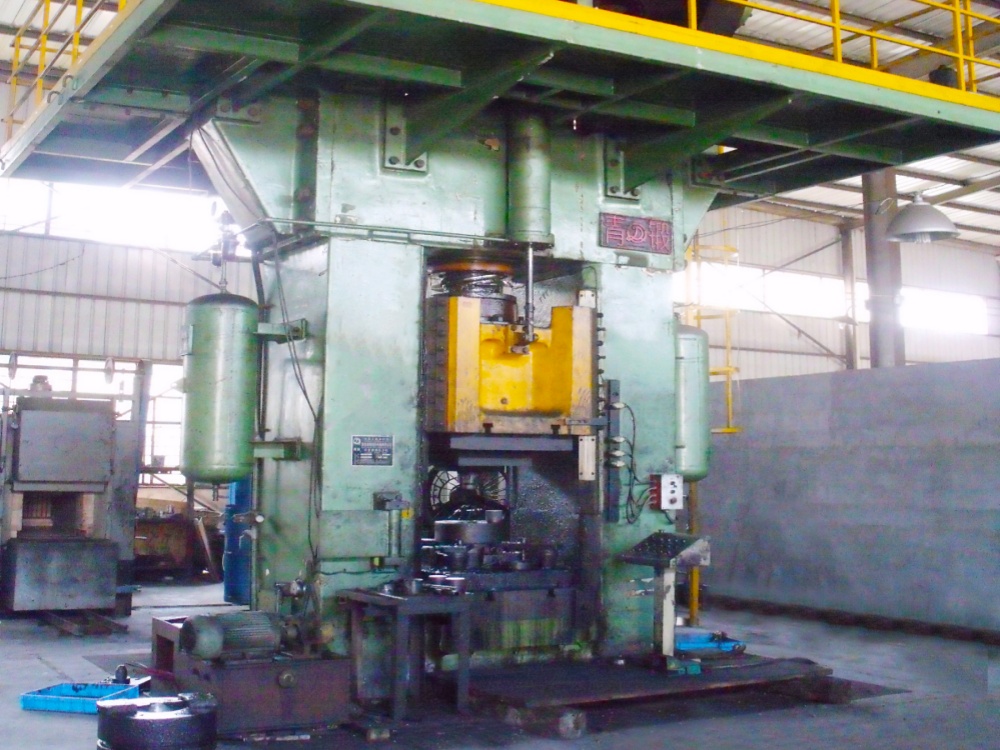
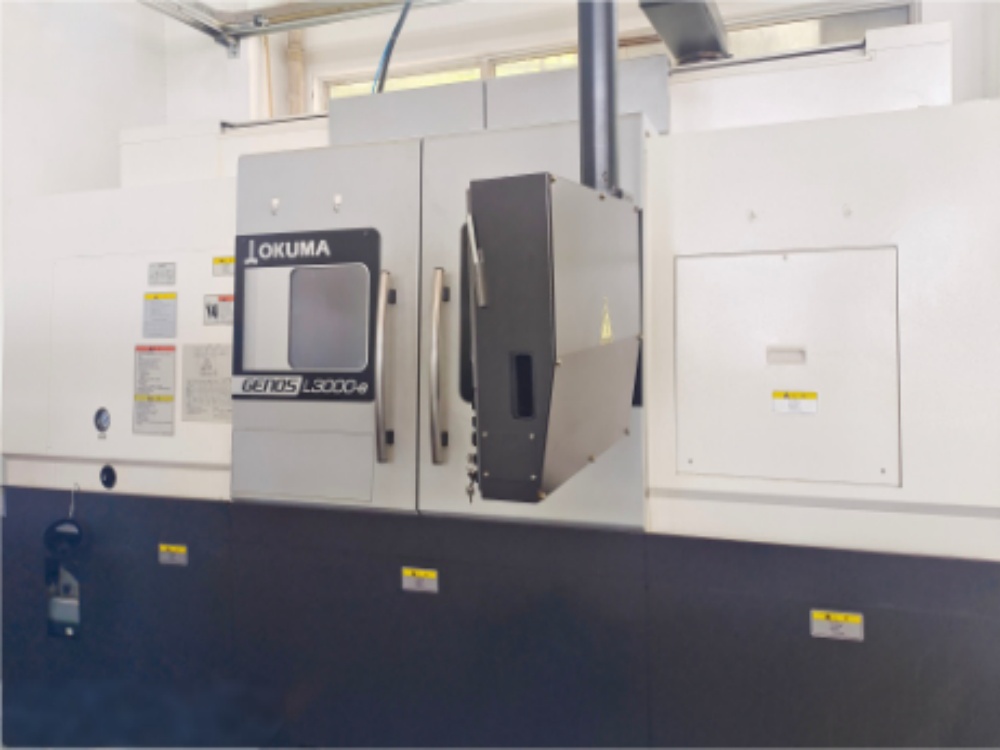
Inside our manufacturing facilities: precision forming, casting, and advanced machining.
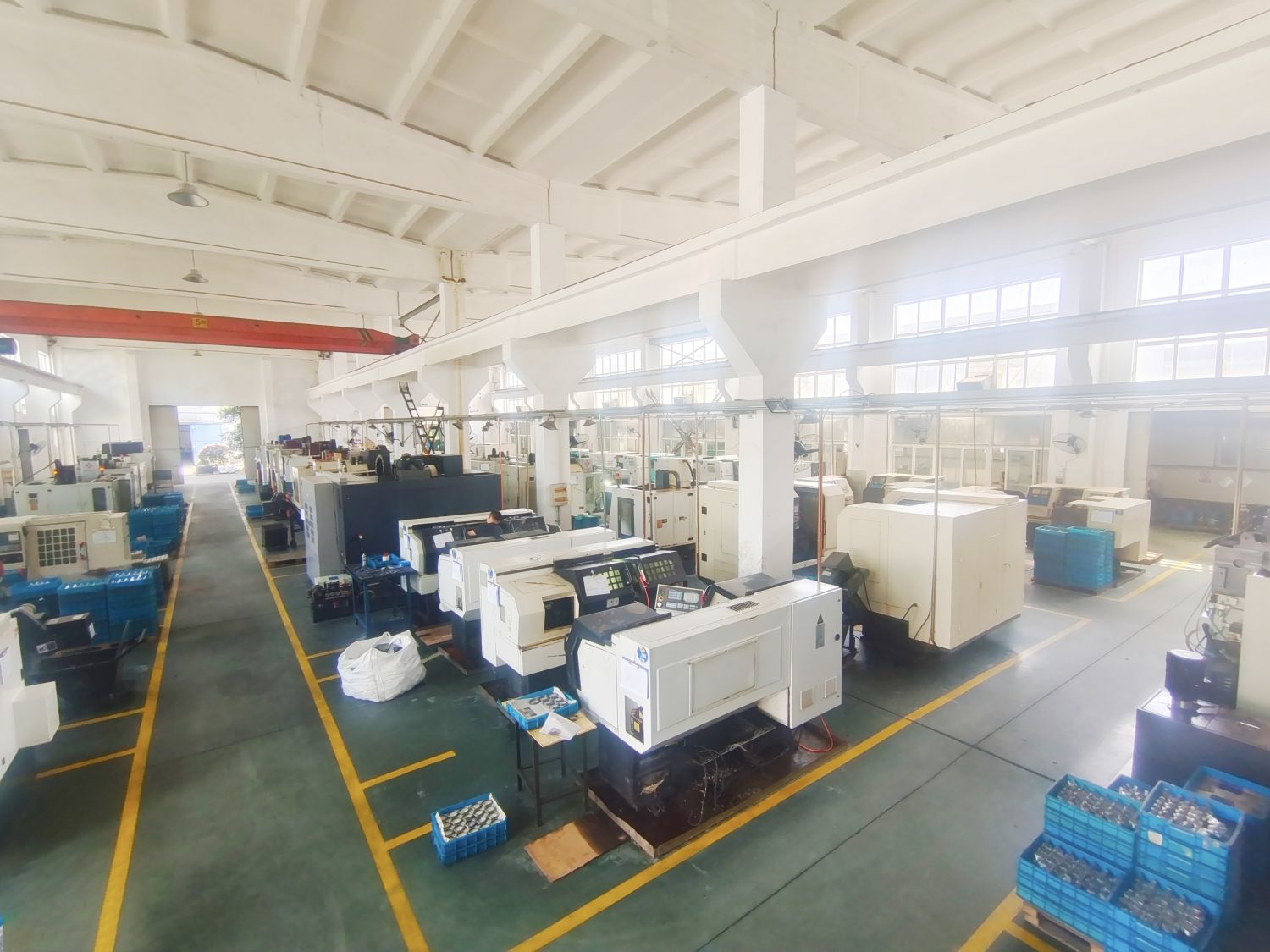
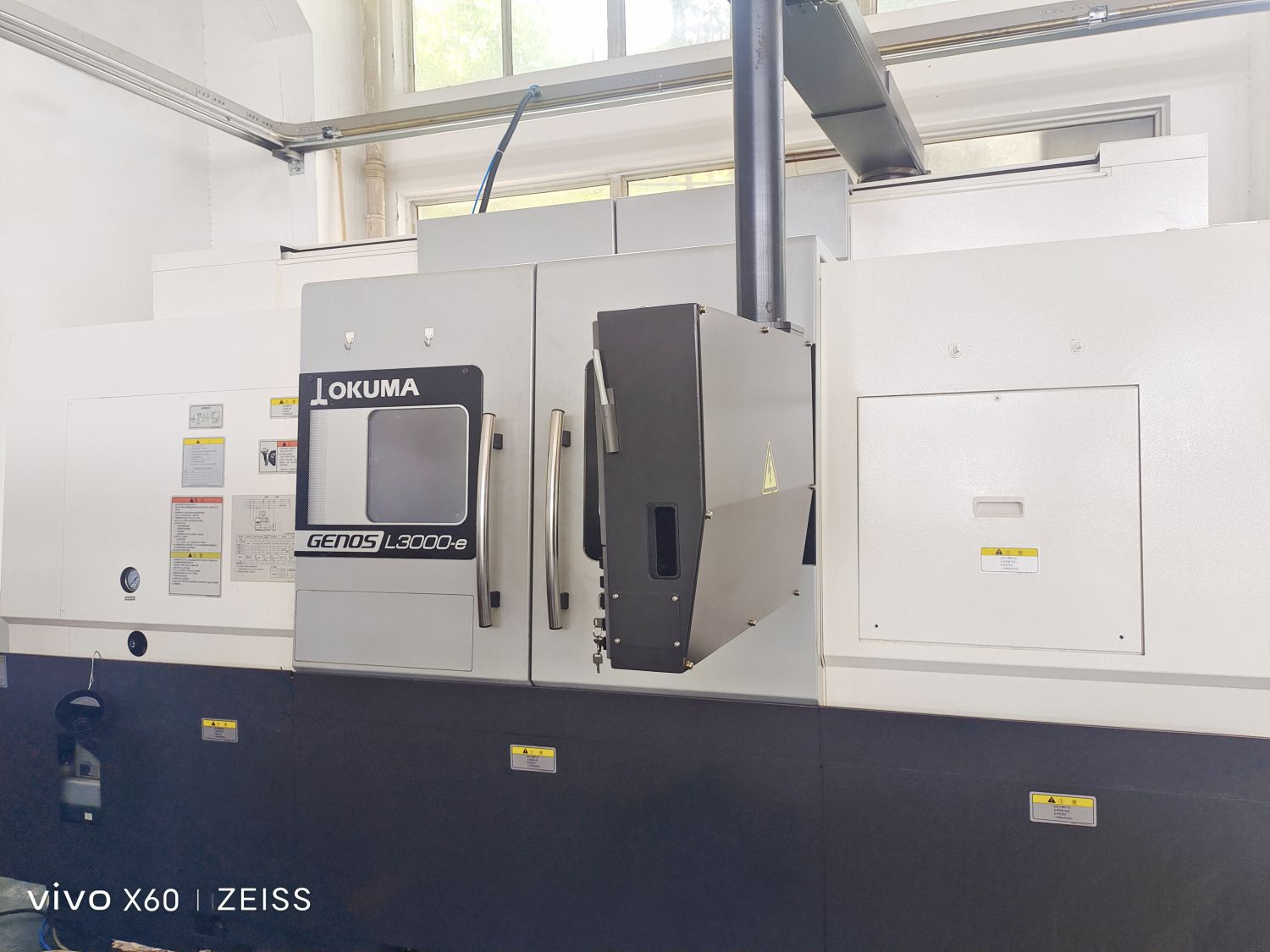
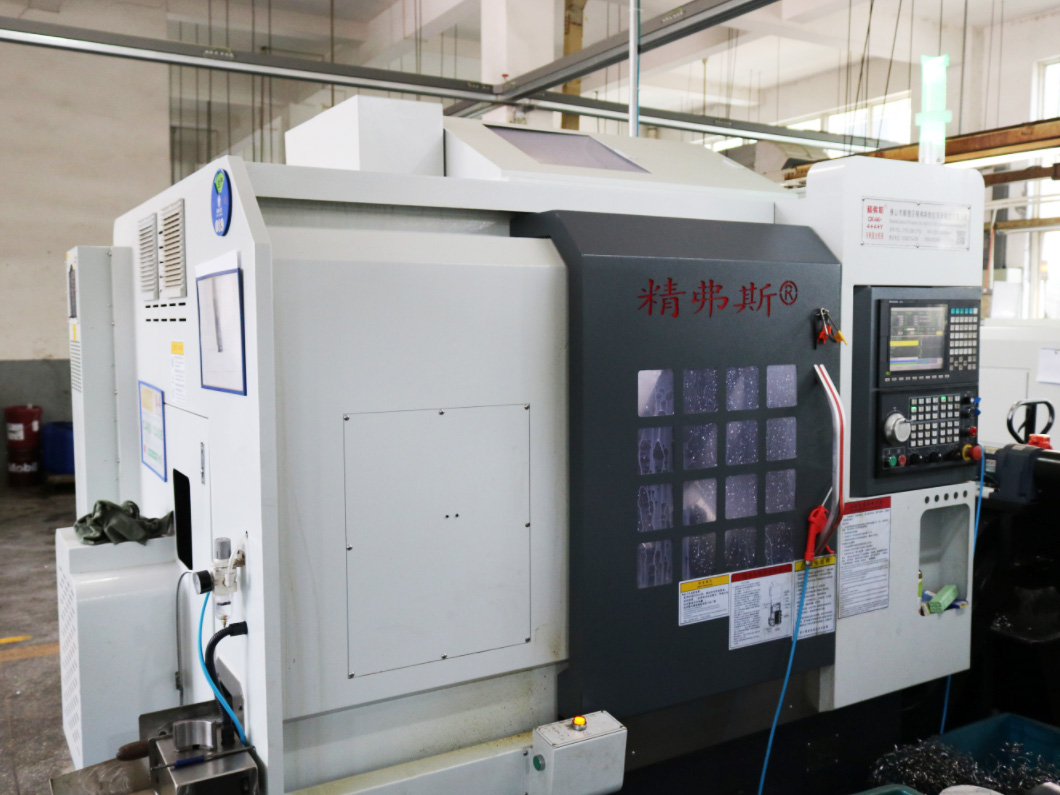
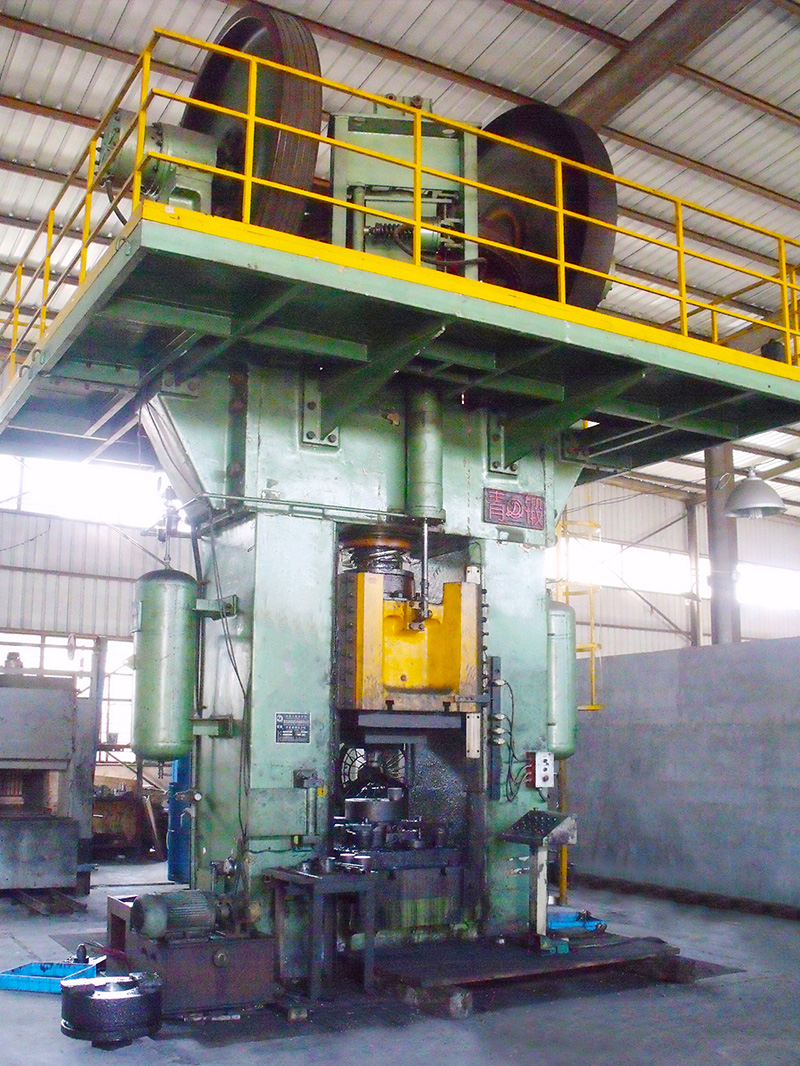
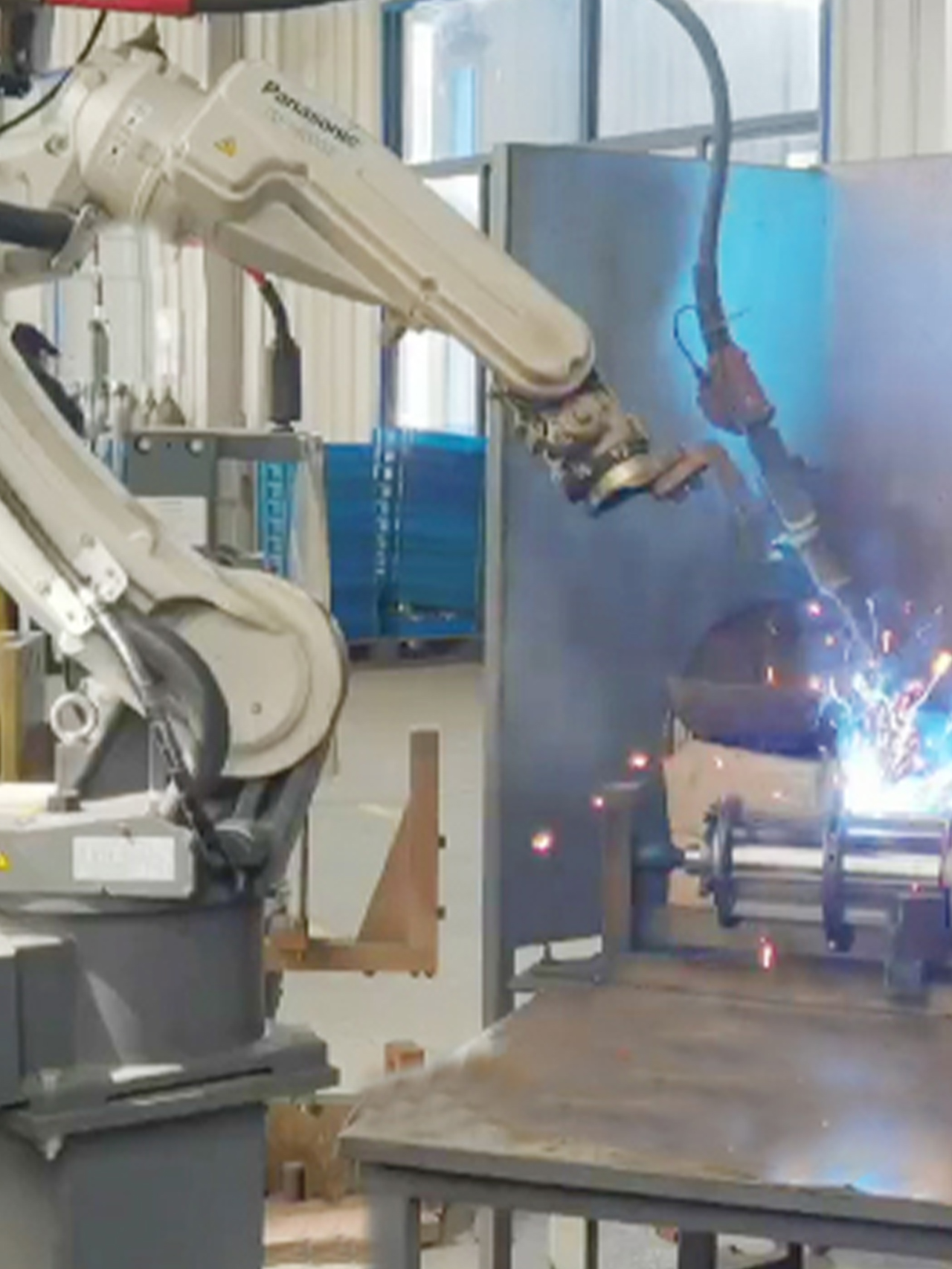
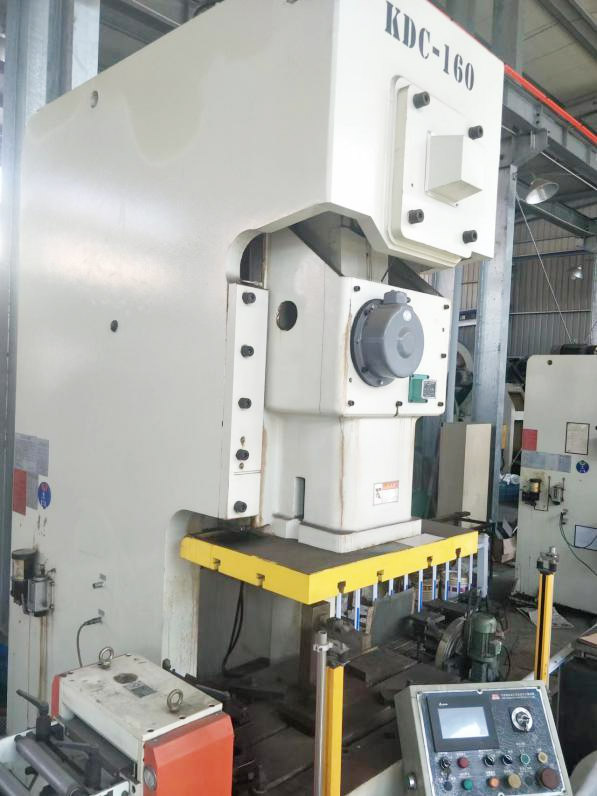
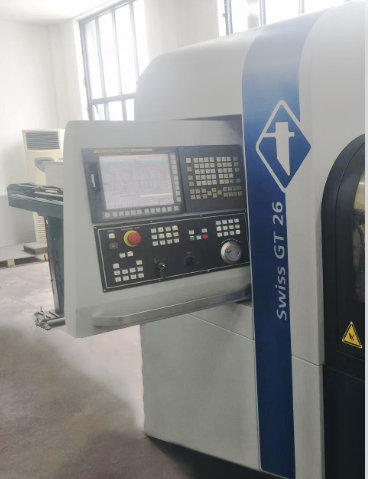
Advanced production equipment imported from Japan and built for precision.
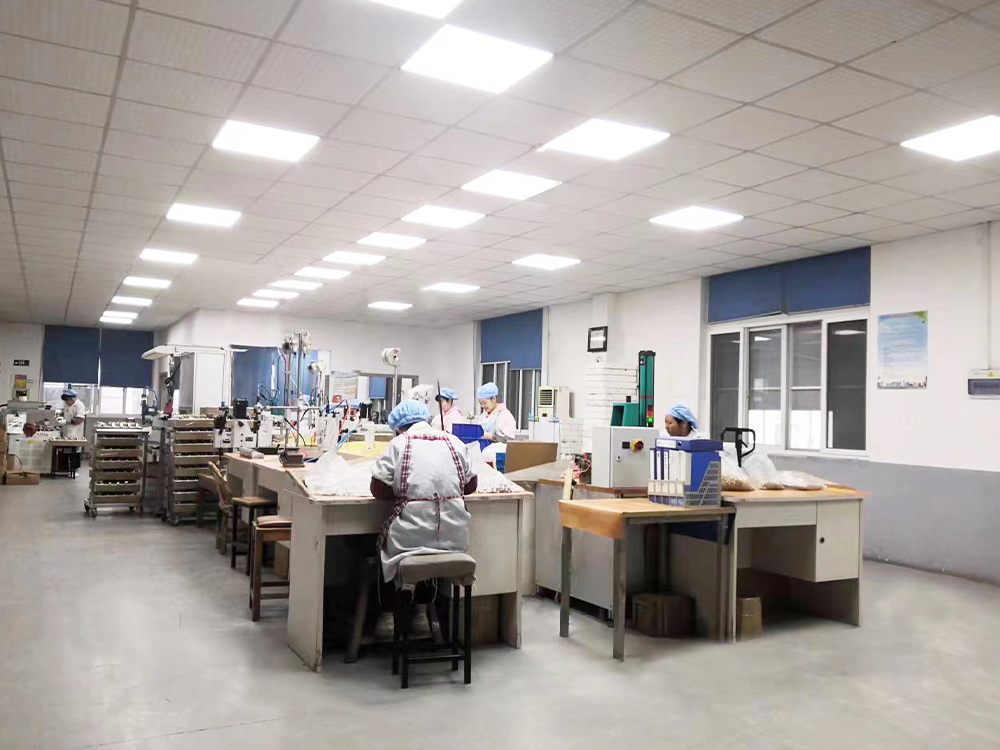
Xinye operates a versatile production line designed to handle raw materials and convert them into finished, surface-treated components. Our facilities are equipped to run on a 16-hour, 6-day weekly schedule, with the capacity to transition to 24/7 continuous operation within 30 days when required for large orders.
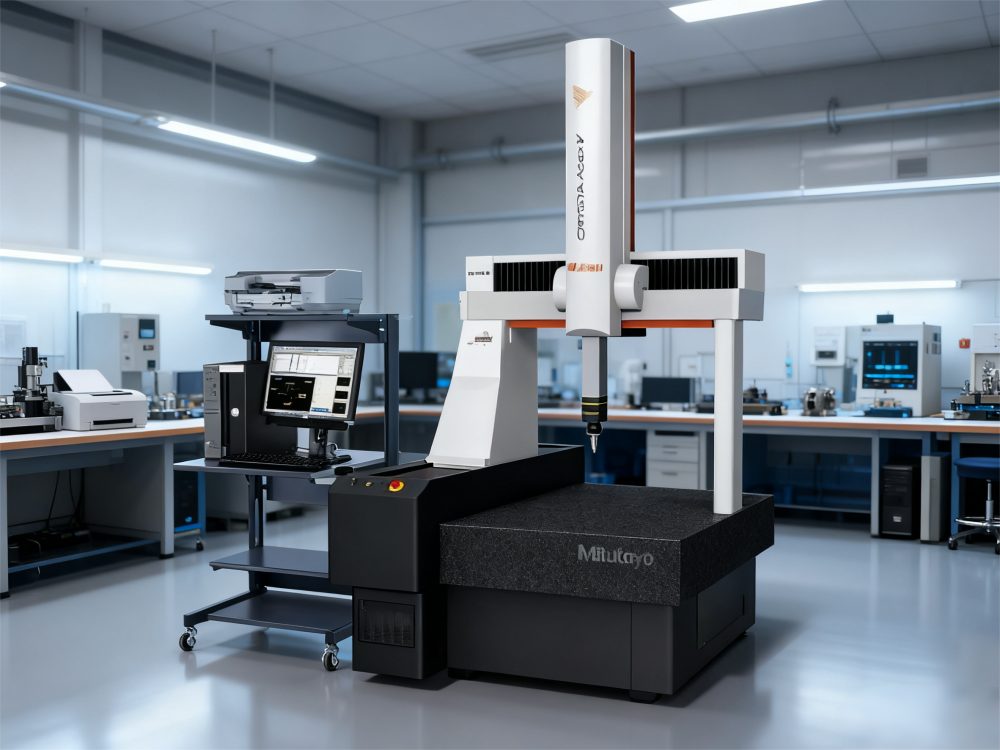
Traceable quality management systems certified to ISO 9001-2015 and SA8000 standards.
For Xinye, quality is structural. We run a verification process starting at material receipt and continuing through to final dispatch. All production stages generate traceable records, confirming that physical and chemical criteria align with the design specifications.
To support high-precision requirements, our metrology and analysis laboratory uses testing instruments to verify dimensional accuracy, surface condition, and alloy chemistry.
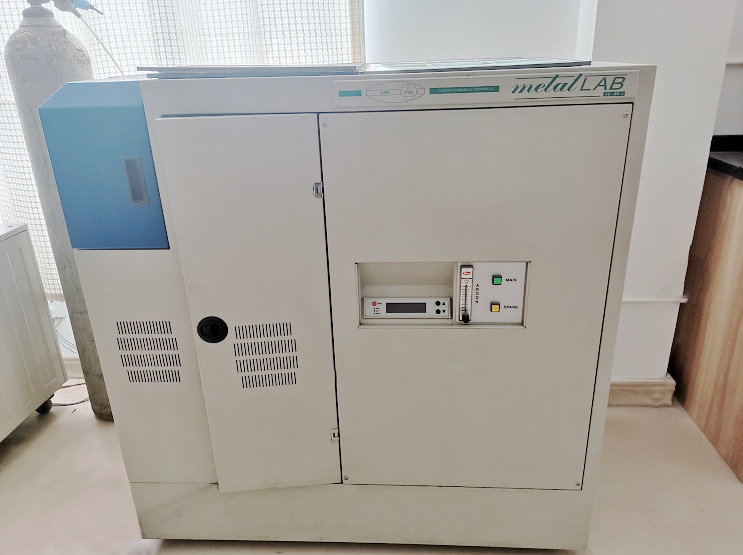
Used to verify chemical composition of aluminum and steel alloys.
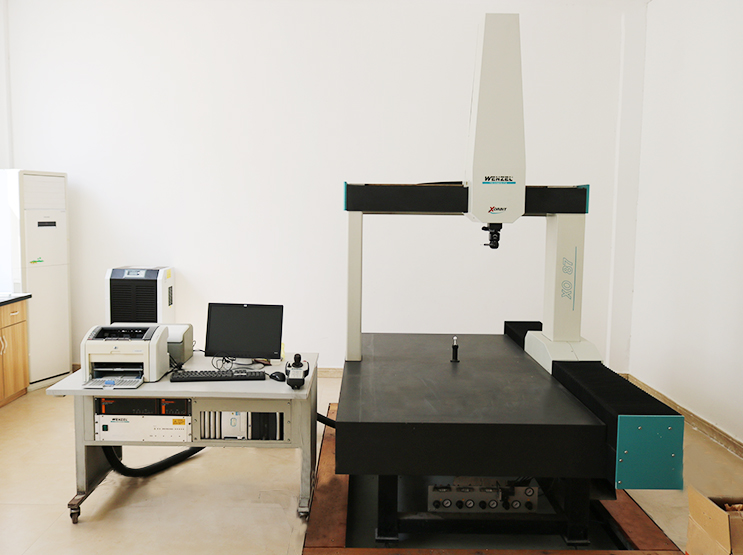
Coordinate Measuring Machine for high-precision 3D dimensional mapping.
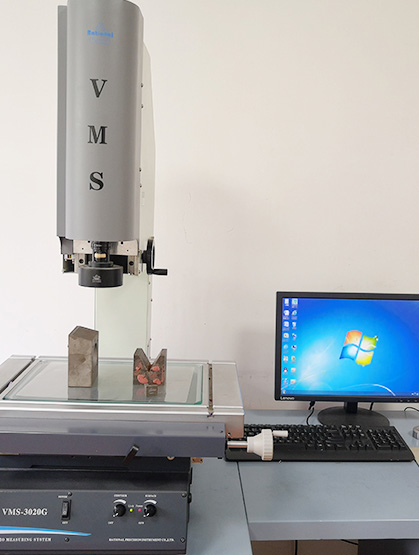
Optical verification system for complex profiles and micro-features.
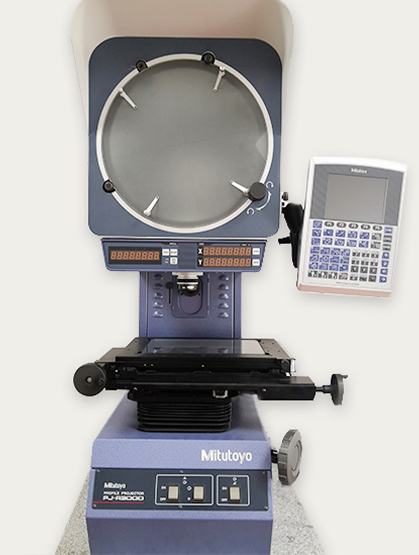
High-resolution optical scanner for surface geometry checking.
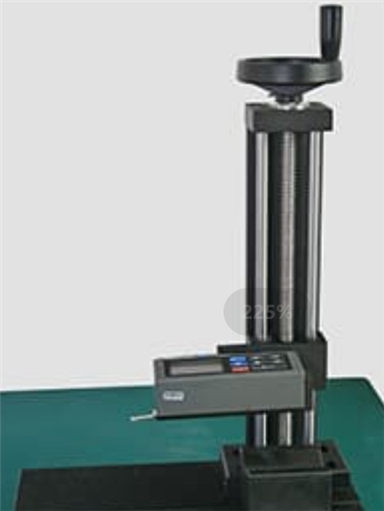
Verifies surface roughness (Ra) post-anodizing and polishing.
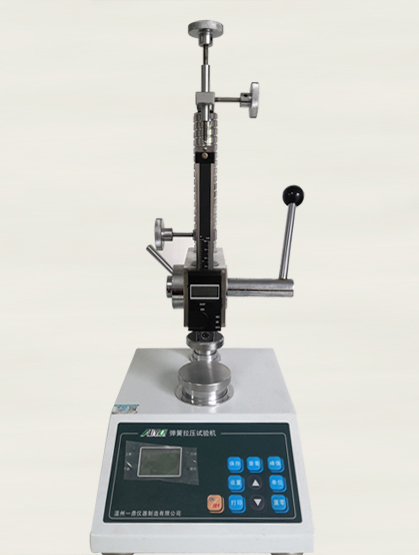
Measures spring tension, compression, and shear limits.
Examples of our components in global industrial and commercial markets.
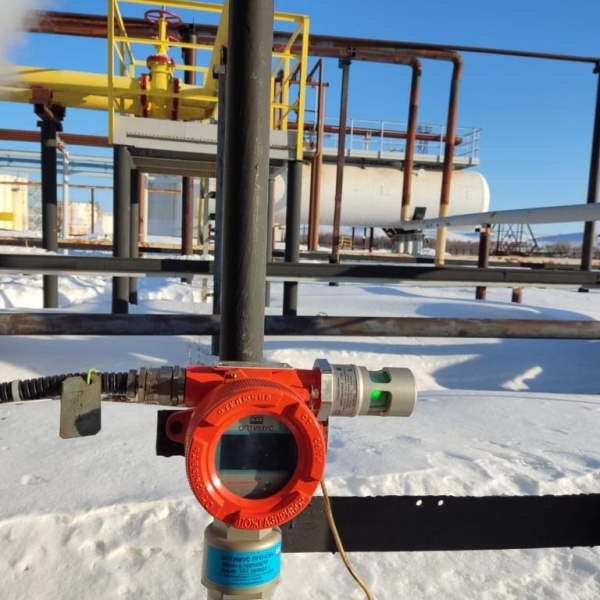
Precision components designed for heavy machinery, made using our hot forging and anodization technology.

Lightweight structural components built to meet automotive weight and tolerance specifications.
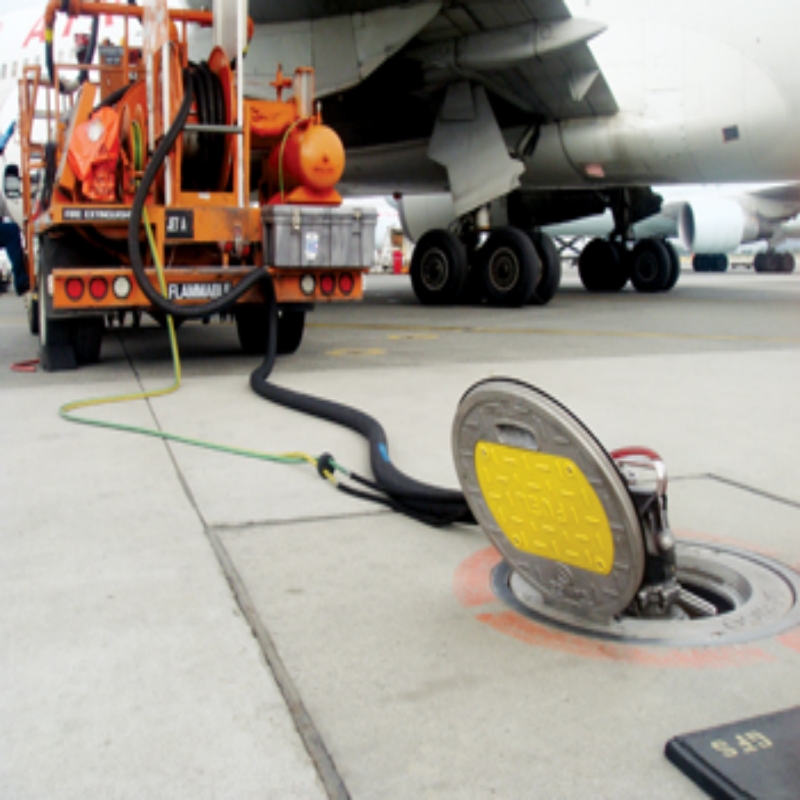
Aviation fuel hydrant pit boxes, hinge brackets, turbine inlets, and transmission parts.
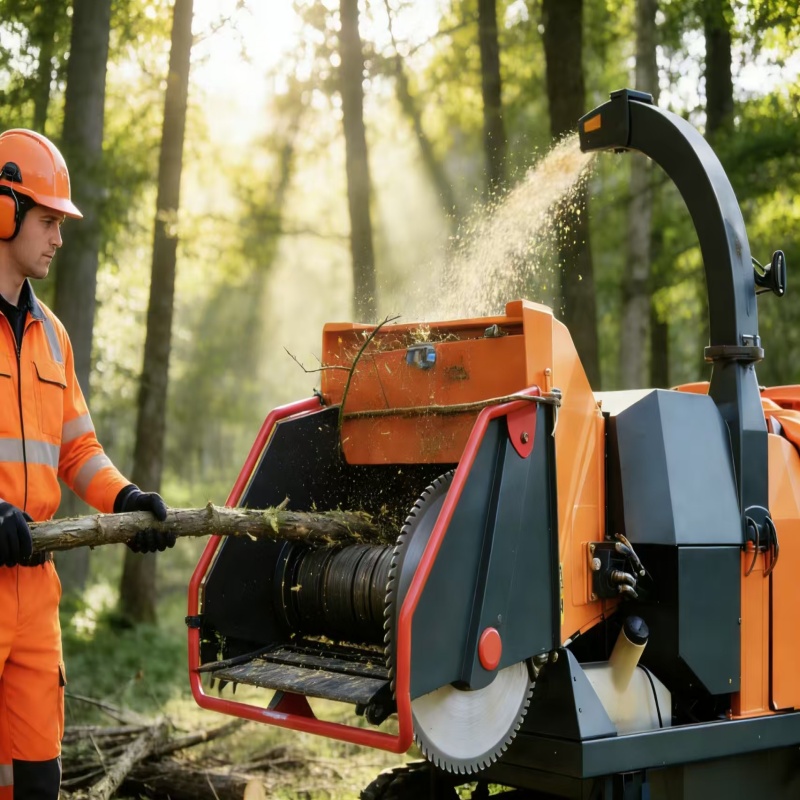
Precision wood chipper cutting discs and feed rollers built to resist impact and abrasive wear.
From receipt of engineering drawings to finished delivery: a structured workflow.

Custom sample design, drawing alignment, target pricing, and scheduling reviews.

Confirming geometry and tolerances, purchasing materials, producing prototype samples, and issuing inspection reports.

Reviewing sample dimensions and finish options, with adjustments made before mass production.

Executing scheduled runs, conducting quality checks, and preparing secure packaging for transport.




Our commitment to safety, reliable service, and technical expertise.
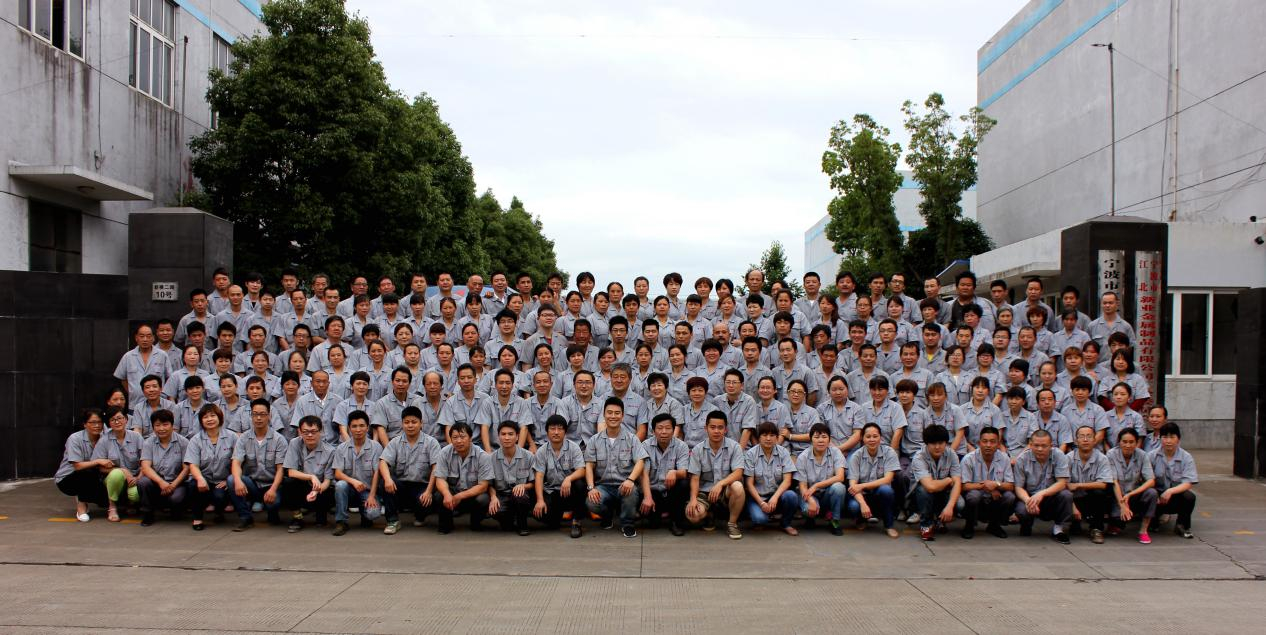
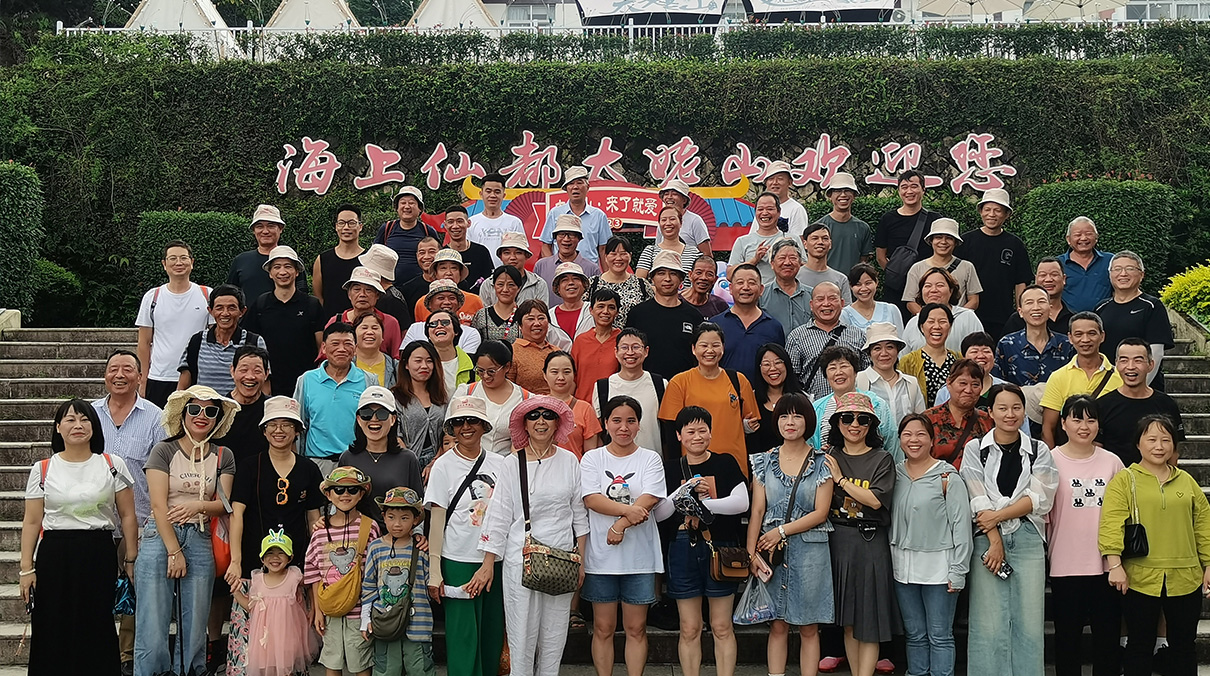
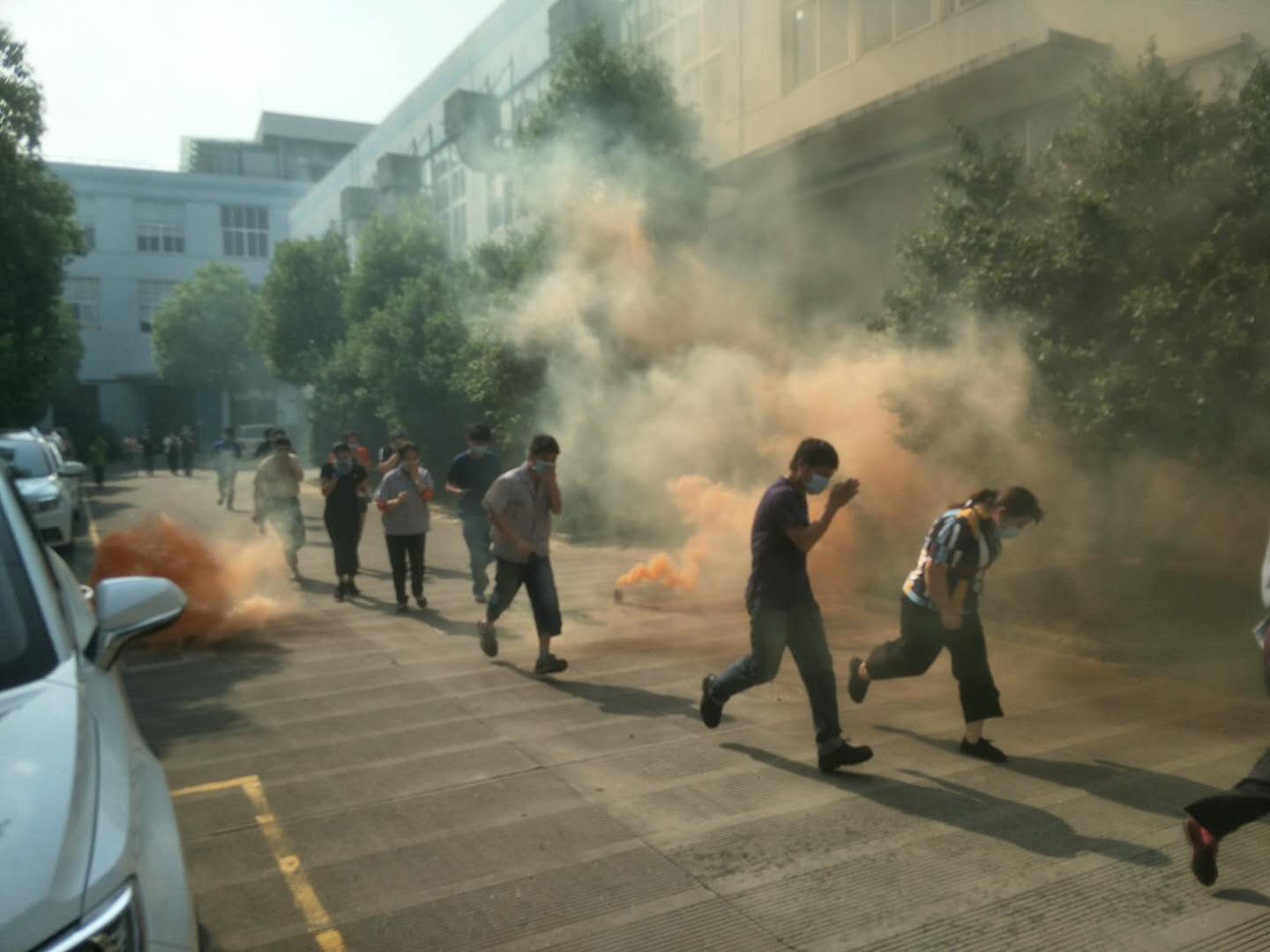
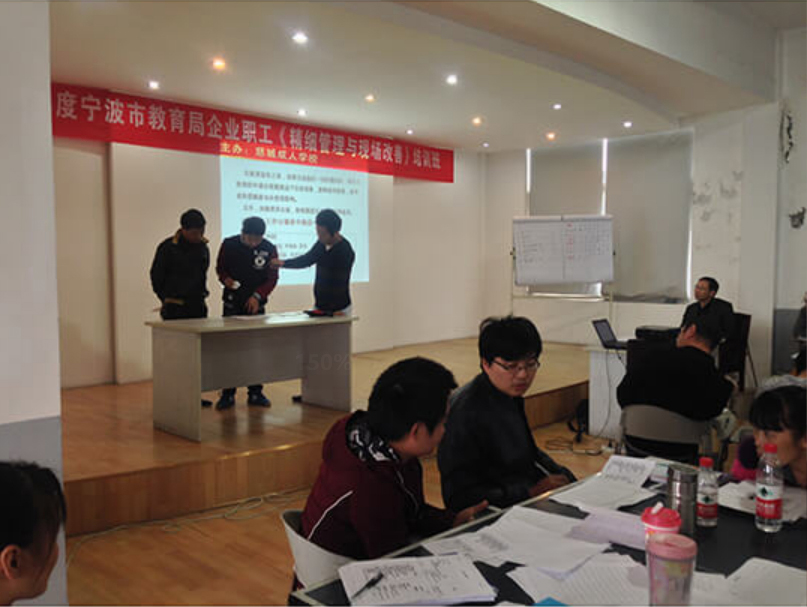
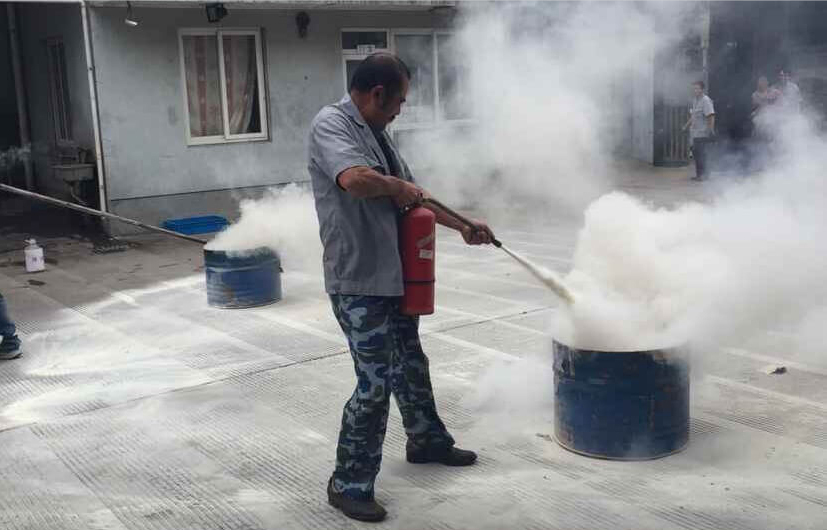
Our workforce operates under three core values: Trust, Responsibility, and Professionalism. Every project runs under clear responsibility protocols, ensuring team alignment from initial design queries to shipment logistics.
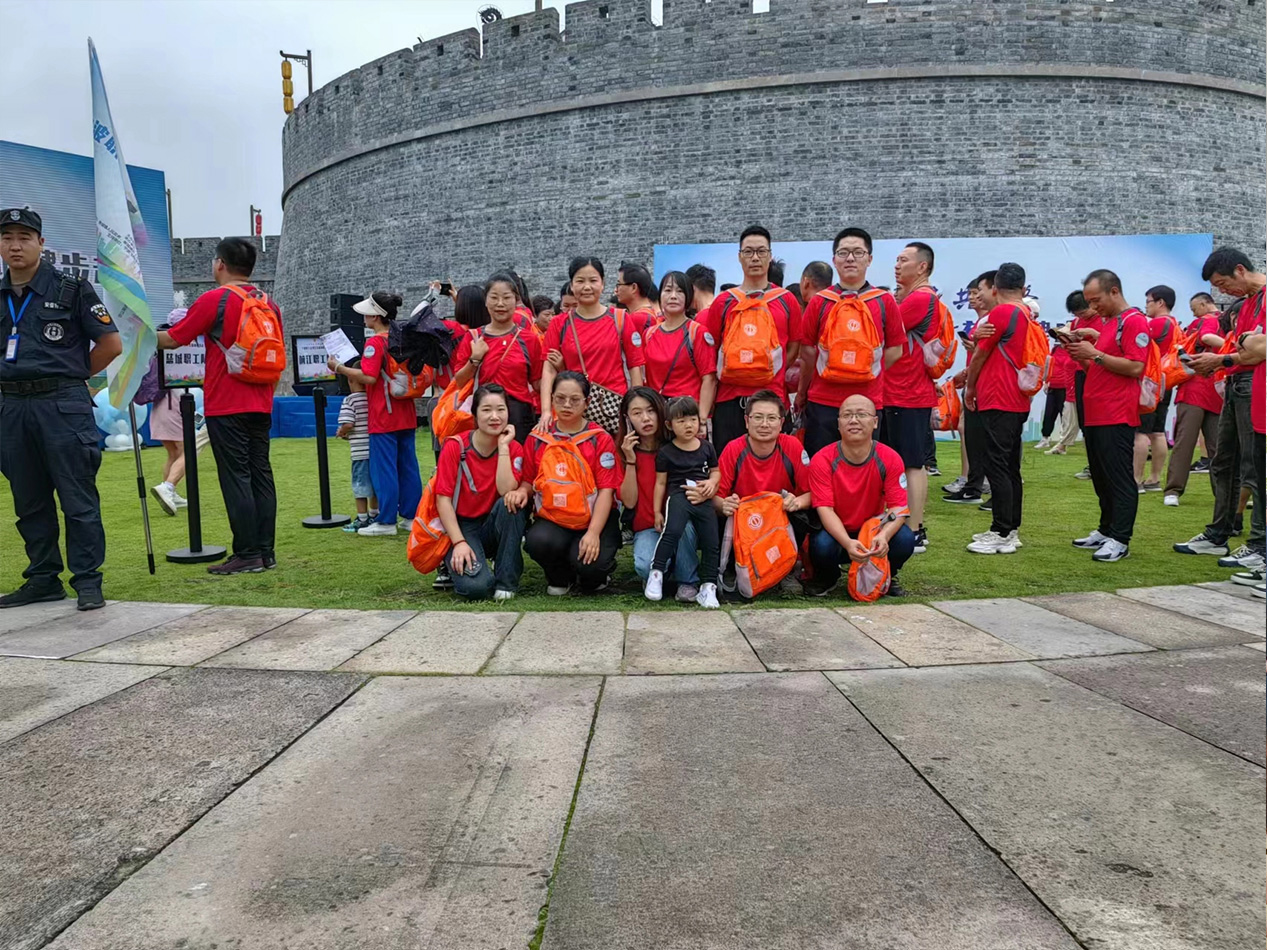
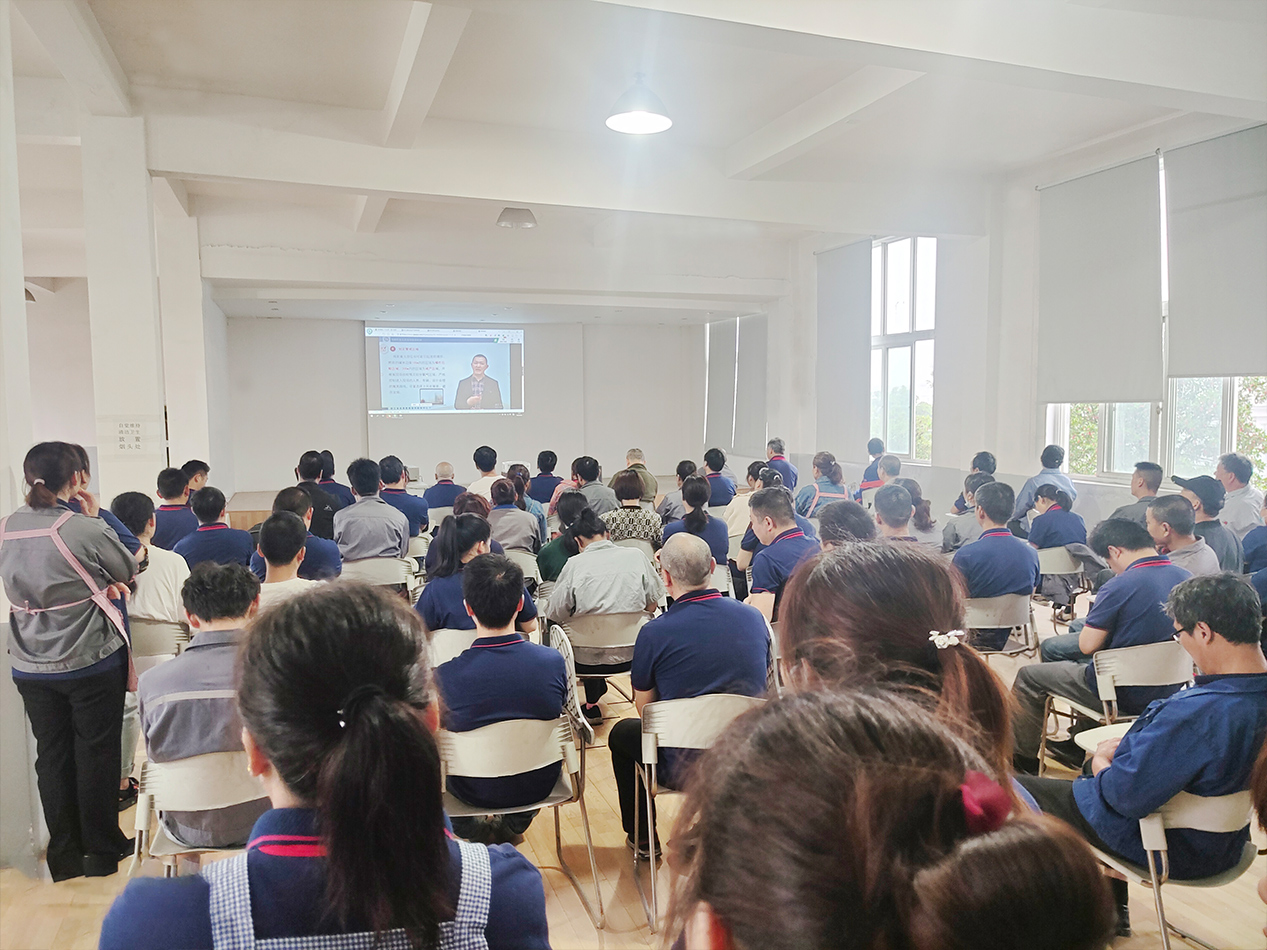
"Always comes first, our priority, our responsibility, to exceed your expectations." We build long-term business partnerships through operational transparency.
"Taking any action carefully and detailed as the commitment to give a total solution and services based on principles, customers and employees' needs and desires."
"What we do, what we create, what we give it all with an attitude, dedication and ambition. We always give it all with an improvement."
Inside our machining cells and dedicated structural assembly lines.
We run specialized multi-axis CNC machines to achieve high-precision tolerances on casting and forging parts. Our equipment options include dynamic 4-axis control blocks, allowing us to machine intricate shapes in a single setup. This reduces handling errors and improves geometric alignment across long production runs.

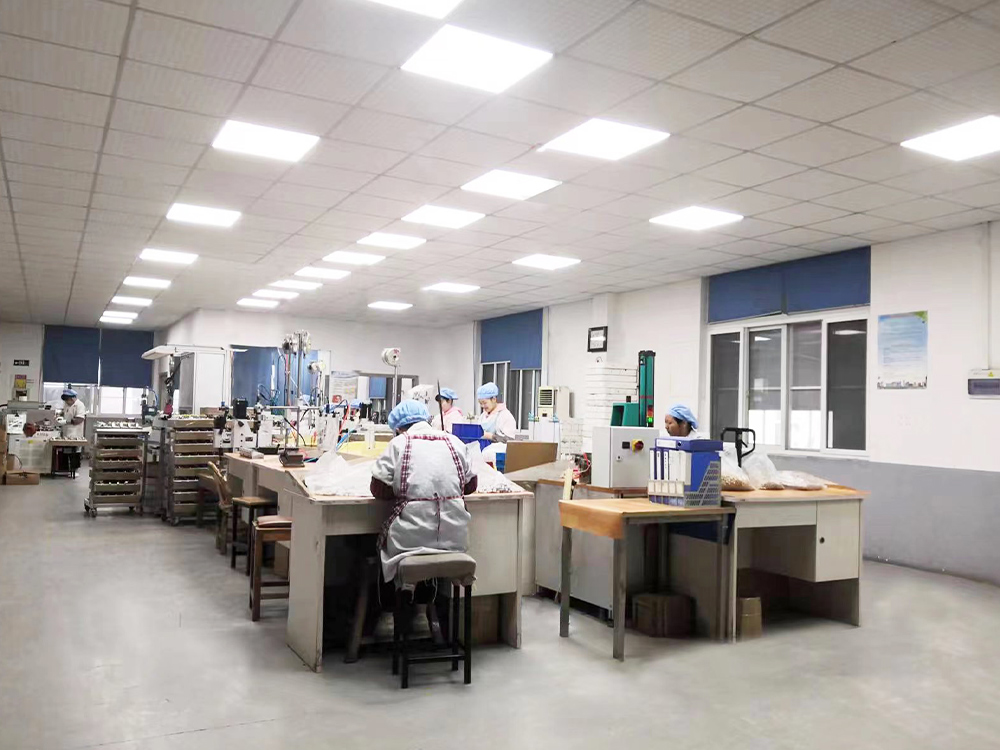
Our facility includes a clean, organized assembly area designed to handle multi-part component assembly. By combining casting, CNC machining, surface anodizing, and final hardware assembly under one roof, we help streamline our clients' supply chains and ensure consistent quality at every stage.
International quality systems and environmental certifications.
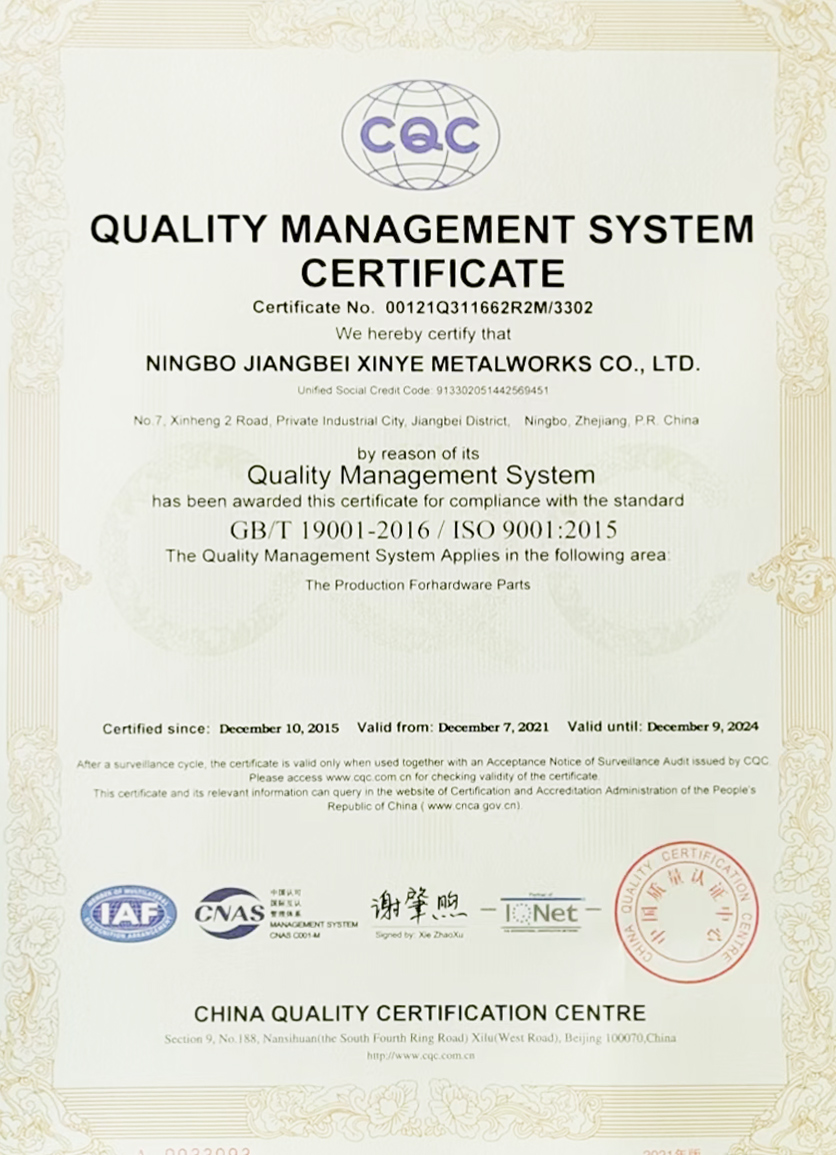
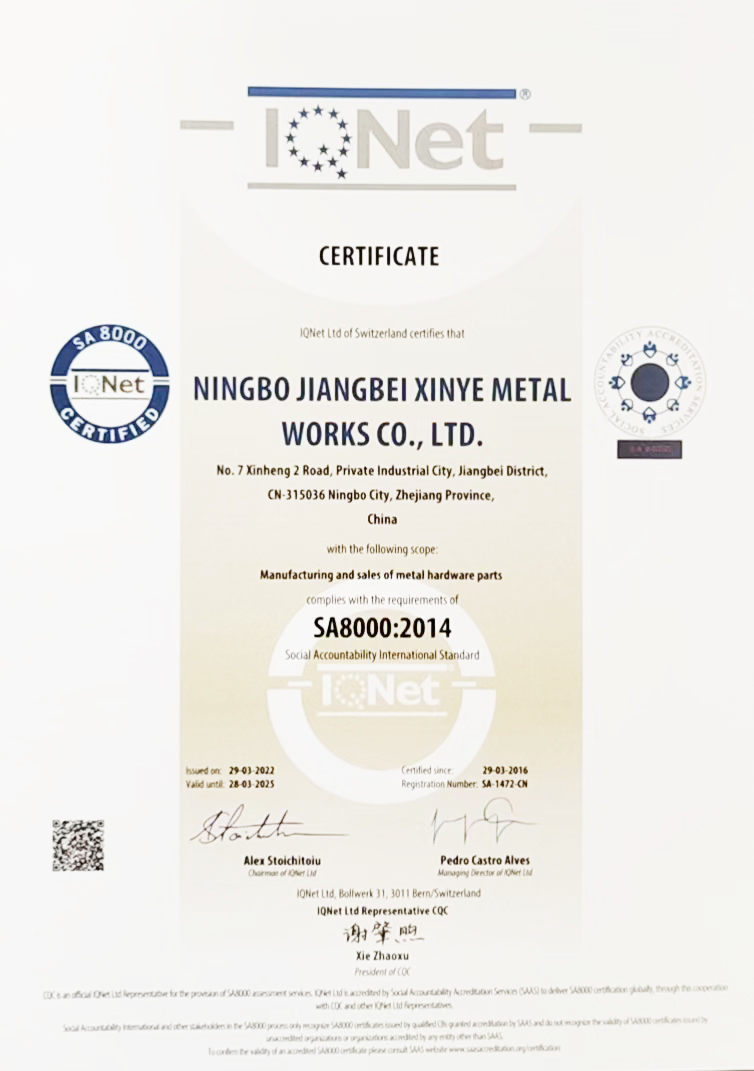
Xinye operates under global manufacturing standards. Our quality management systems are certified to ISO 9001-2015, and we maintain SA8000 certification for social accountability. These standards guide our daily operations, ensuring clean and safe working conditions alongside structured quality controls.
For international shipments, we provide complete compliance documentation, including chemical analysis sheets, dimension test files, and conformity certificates. This helps ensure smooth customs clearance and verification for our clients.
Strategic access in the Ningbo industrial corridor.
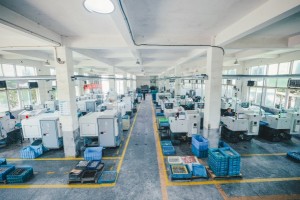
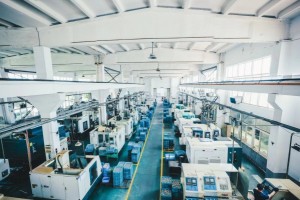
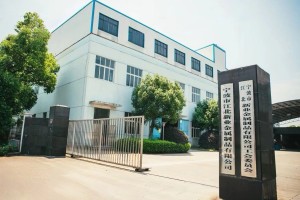
Our facility is located in the Ningbo Jiangbei Industrial Zone, offering direct access to Shanghai and Hangzhou via the regional high-speed rail network. This hub allows us to manage ocean freight shipping through the Port of Ningbo-Zhoushan, helping to ensure reliable international logistics.
Technical details and support information for our manufacturing services.
Our prices depend on raw material costs and market factors. Please contact us with your specifications, and we will send you an updated price list and custom quotation.
Yes, we require minimum order quantities for international orders to ensure efficient production runs. If you need smaller quantities, please contact our team to discuss alternative options.
Yes, we can provide necessary quality and compliance documents, including Certificates of Analysis/Conformance, raw material certifications, origin documents, and standard export files.
For prototype samples, the lead time is about 7 days. For mass production, the typical lead time is 20-30 days after sample approval and receipt of the deposit. Lead times are calculated from these two confirmation dates.
We accept payments via direct bank transfer (T/T), Western Union, or PayPal. Our standard terms are a 30% deposit in advance, with the 70% balance paid against the copy of the Bill of Lading (B/L).
We warranty our materials and workmanship. In addition to our formal warranty, our company culture focuses on resolving all customer issues and ensuring satisfaction with our products.
Yes, we use standardized export packaging to protect products during transit. We also offer specialized packaging options for fragile or unique components as needed.
Shipping fees are determined by the shipment method, volume, and destination. Air express is faster but has higher costs, while ocean freight is the standard solution for large production orders. We can provide shipping estimates once we have your order volume and destination details.
Alloys with lower silicon content, such as A356, typically yield a more uniform anodized finish. High-silicon alloys like A380 or ADC12 can still be anodized, but they require customized desmutting steps and will result in a darker, matte grey surface. We optimize our process based on the specific alloy you choose.
We control casting parameters to reduce internal porosity. We also use specialized chemical sealing steps (such as hot nickel acetate baths) to fill surface pores, helping to prevent environmental corrosion.
Select a product category below to view detailed specifications and technical capabilities.
 XinYe Metal