Explore our specialized range of high-tolerance aluminum alloy castings, hot forgings, and precision CNC components designed for challenging global engineering operations.
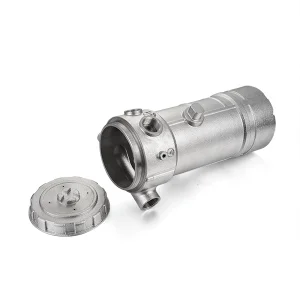
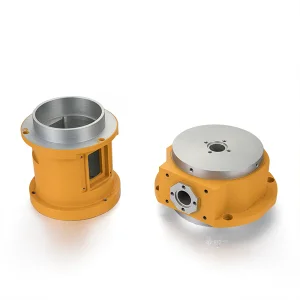
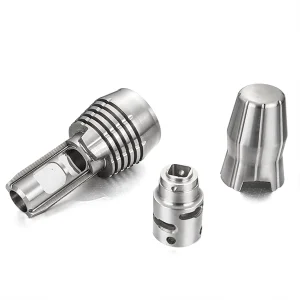
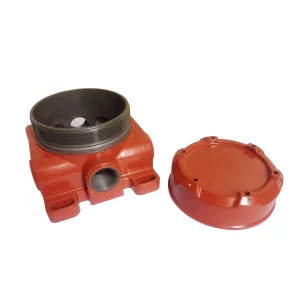
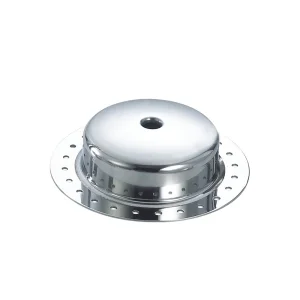
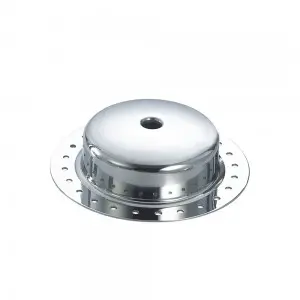
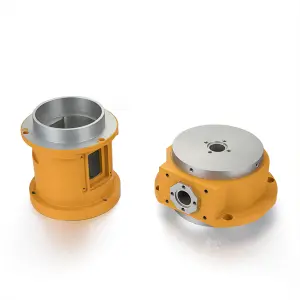
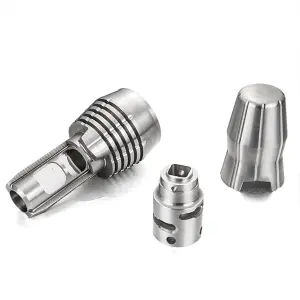
In the realm of advanced engineering, raw aluminum is rarely sufficient. The integration of anodizing surface treatment transforms aluminum alloys into robust, corrosion-resistant, and dielectric components essential for extreme environments.
Across aerospace structures, electric vehicle drivetrains, and deep-sea exploration rigs, anodized aluminum alloy provides a remarkable strength-to-weight ratio while maintaining exceptional thermal conductivity. By thickening the natural oxide layer via controlled electrochemical processes, industrial assemblies obtain enhanced protection against abrasive wear, marine corrosion, and high-voltage discharges.
As a leading OEM Anodized Aluminum Alloy Supplier & Factory, Ningbo Jiangbei XinYe Metal Works Co., Ltd. addresses the complex structural demands of modern global industries, combining raw metallurgical selection with state-of-the-art Japanese tooling and micro-thickness anodizing controls.
How industry requirements are shifting towards higher durability, smart manufacturing, and green metallurgy.
The demand for light alloy components is scaling exponentially. Industrial sectors are aggressively substituting steel with 6000 and 7000 series aluminum to improve energy efficiency, particularly in automotive electrification and aerospace structural components.
Moving beyond basic Type II sulfuric anodizing, the future centers on micro-arc oxidation (MAO) and nano-pore modification. This allows the integration of hard coatings with self-lubricating qualities, providing ultra-low friction parameters in heavy mechanical friction zones.
Modern plants must adopt closed-loop acid recovery and zero-discharge water purification systems. Simultaneously, the manufacturing flow requires computerized data collection at every stage—an integration standard fully embedded at XinYe's factories.
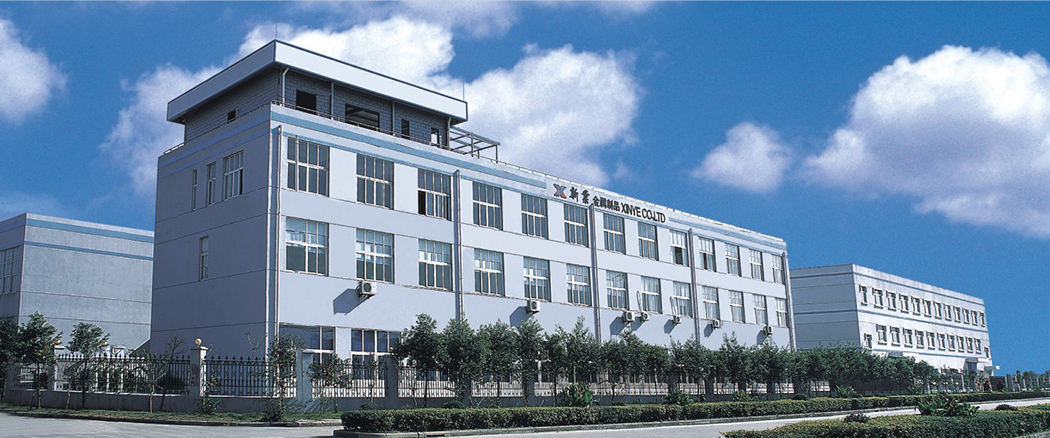
Established in 1996 as a highly dedicated family enterprise, XinYe has evolved into an owner-managed SME corporation recognized globally for precision fabrication and surface engineering.
Strategically located in the Ningbo Jiangbei Industrial Zone, our facility offers rapid logistical advantages, reachable within a brief 3-hour commute from Shanghai International Airport via the high-speed rail network. We run a comprehensive layout covering 16,000 square meters of production floors, backed by an additional 11,000 square meters reserved for strategic construction and future capacity scaling.
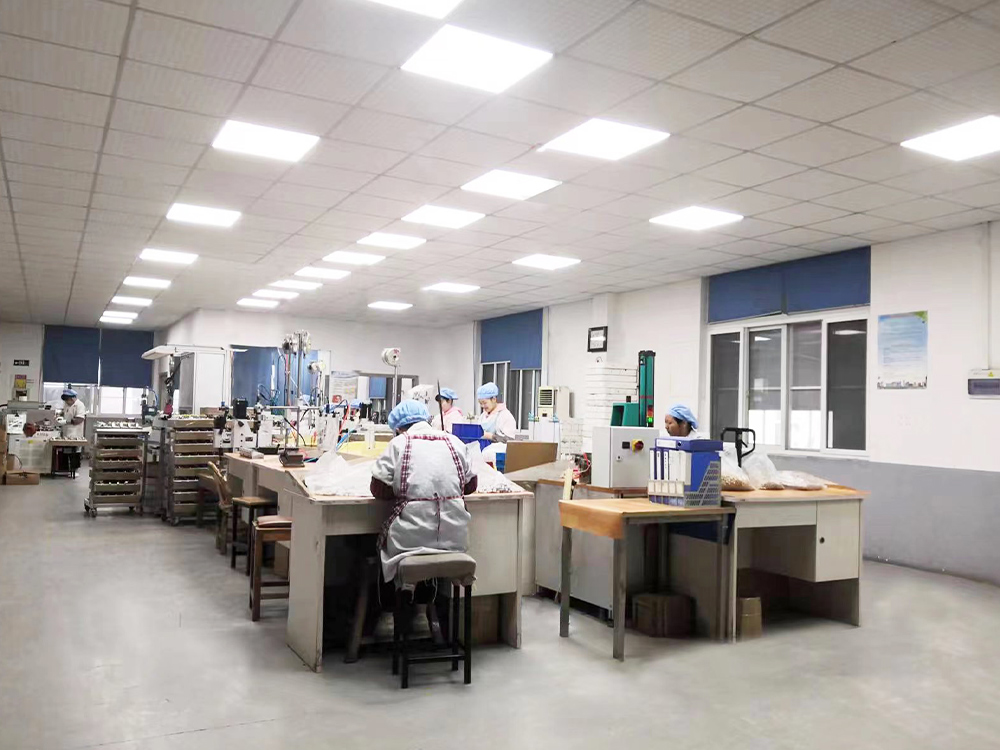
Our corporate backbone consists of 130 highly specialized personnel: 80 skilled operators on the production floor, and 50 experts dedicated to engineering, QA controls, rapid prototyping, and senior operations management.
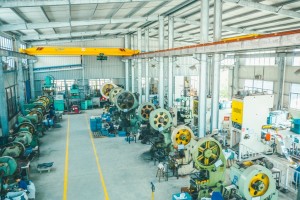
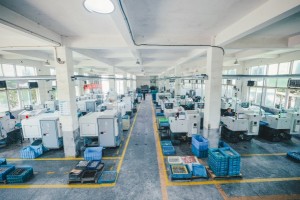
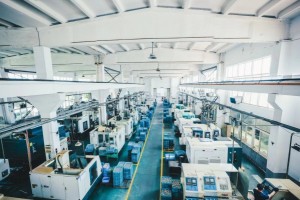
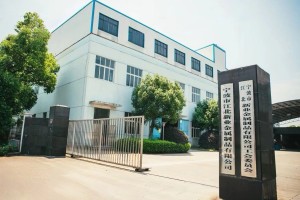
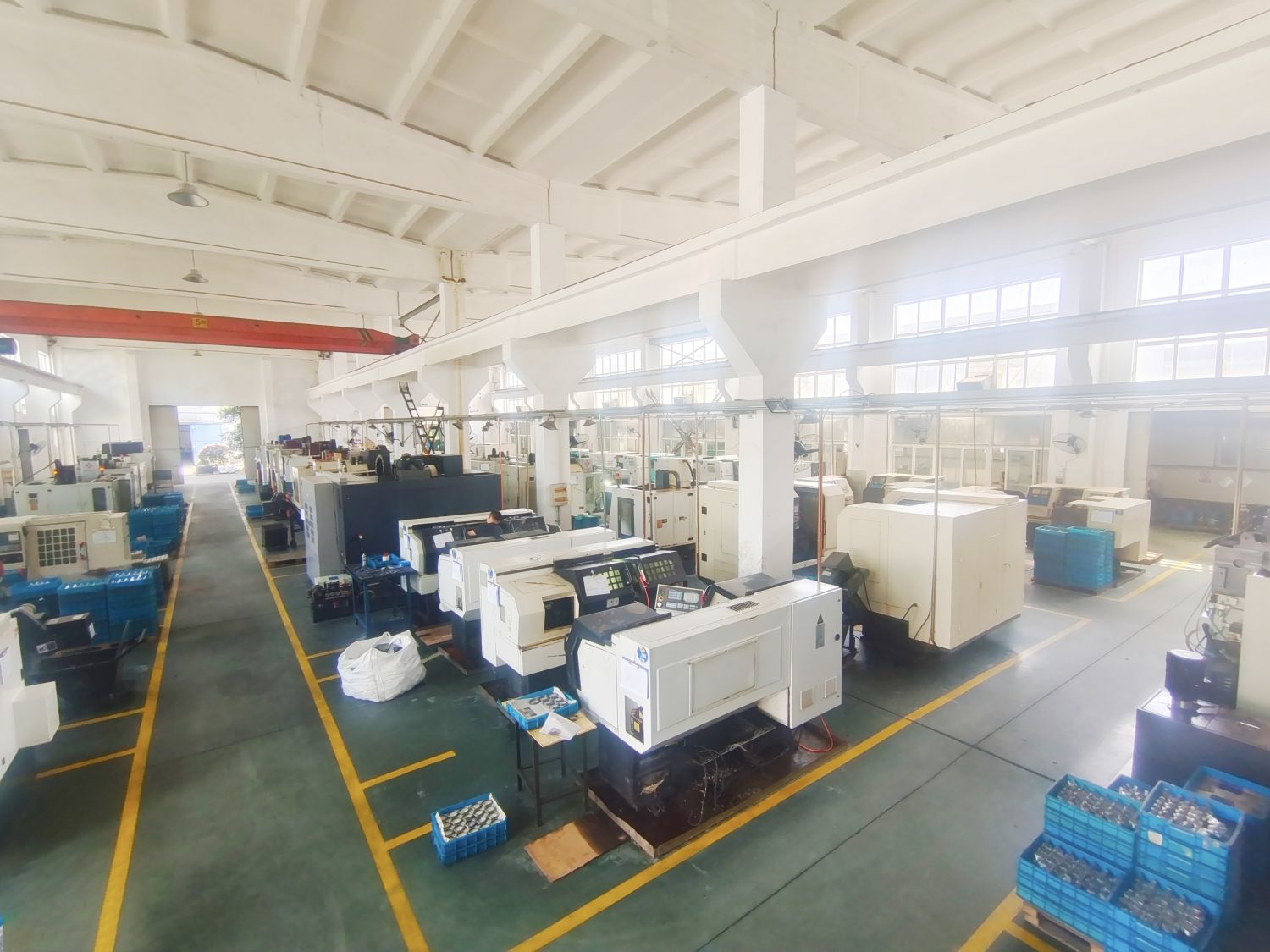
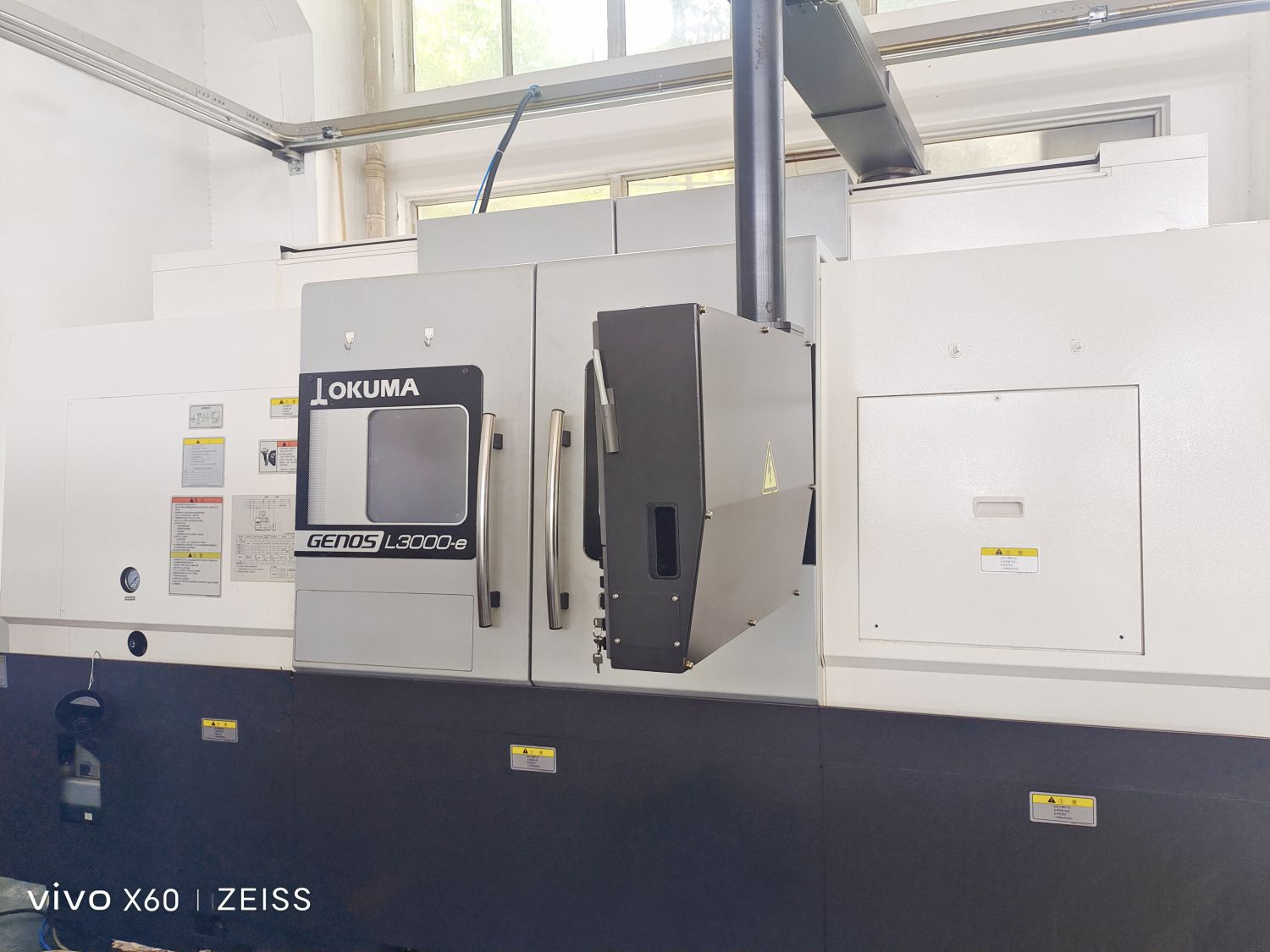
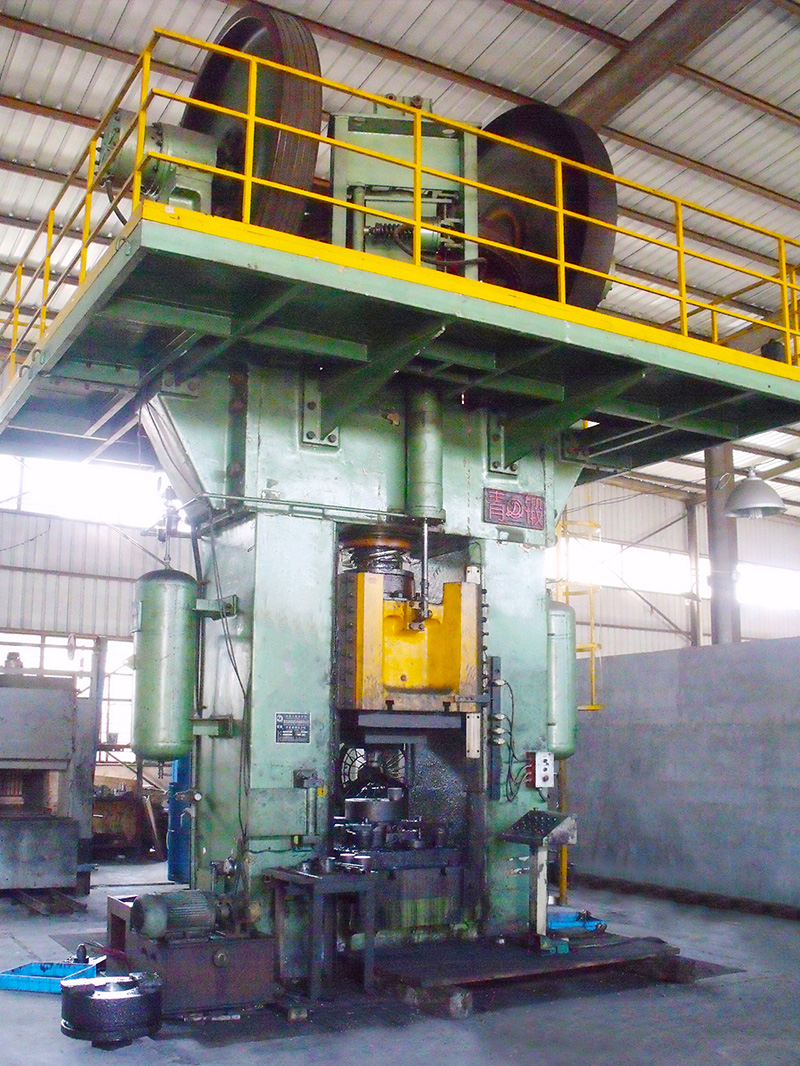
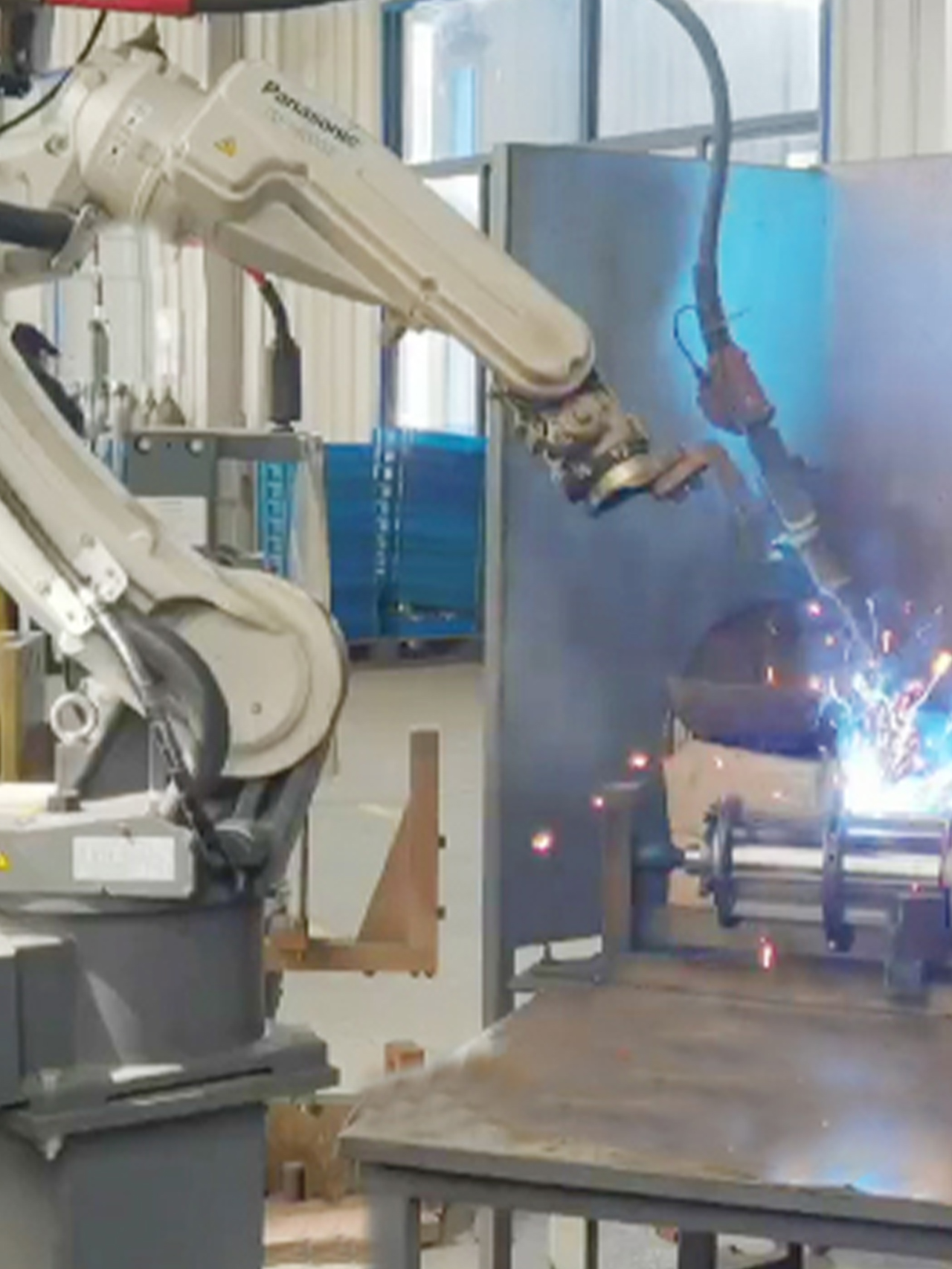
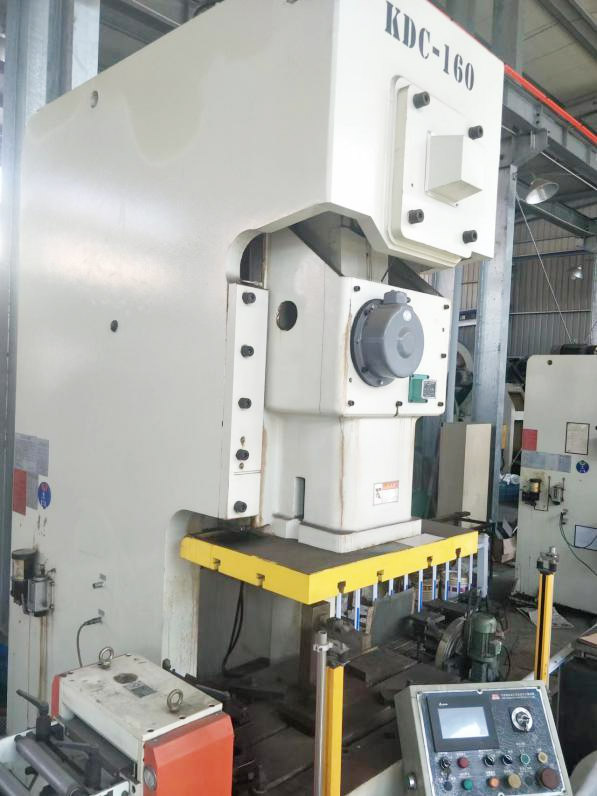
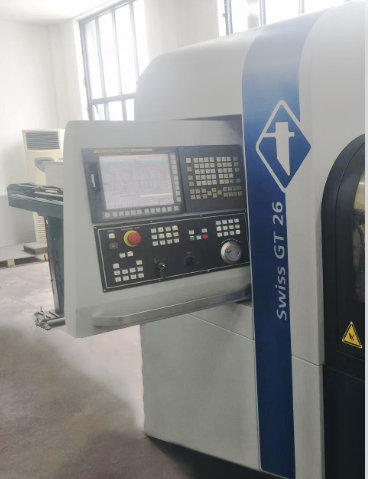
We deploy advanced, imported machinery primarily from Japan to sustain high reliability and tight dimension tolerances for complex components.
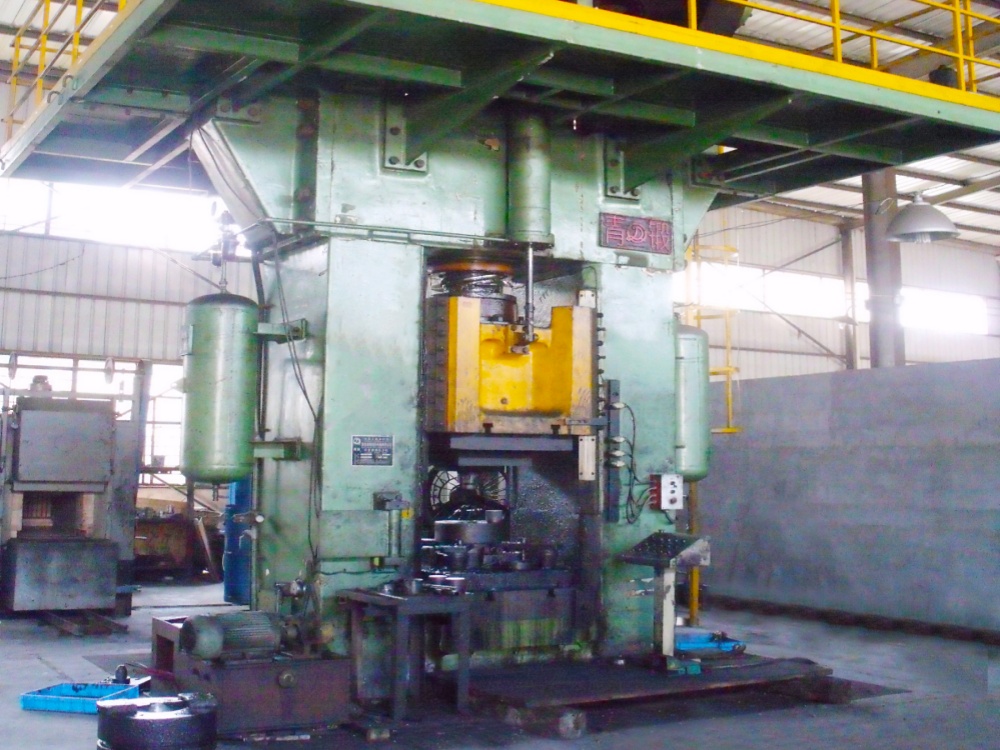
Friction press lines (300 to 1,000 tons force) and column hydraulic press setups (100 to 630 tons force). Perfect for high-density, void-free grain structures in structural metals.
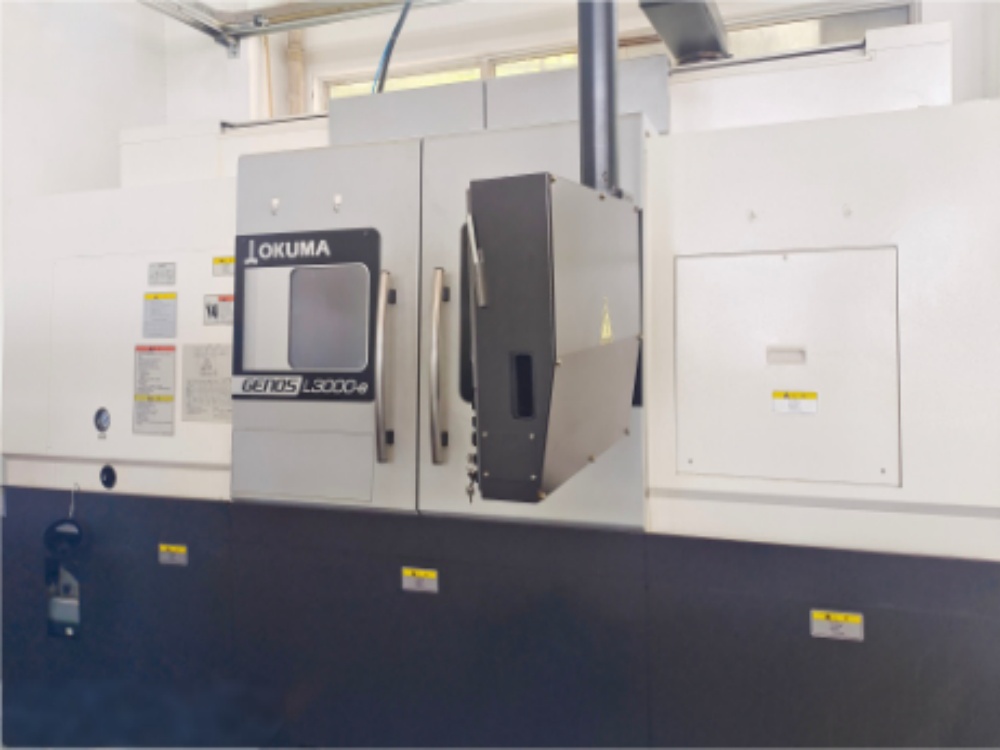
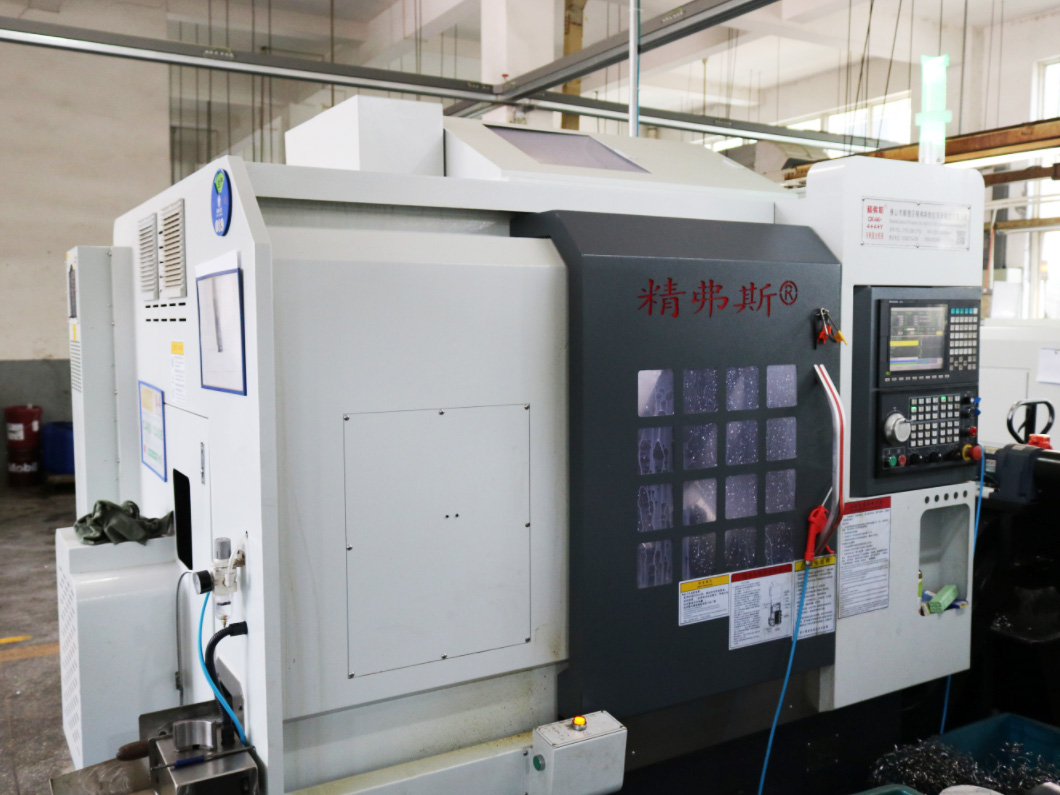
Equipped with Japanese 4-axis control CNC machining centers, turning centers, and milling configurations achieving positional tolerances within 0.001mm.
Specialized chemical clean rooms for clear/colored type-II anodizing and high-luster electropolishing, serving strict environmental demands.
XinYe Metal Corporate Production Overview Video
TIPAS MACHINE h65TMY Operations & Features
A visual look into our production facilities, tooling departments, and high-force forming machinery.
Engineered solutions tailored to meet the strict regulatory frameworks and performance metrics of global industrial segments.
Flame sensors, explosive/toxic gas sensor housings, fire detectors, and heavy-duty hydrant pit box enclosure kits. Typically anodized to combat aggressive chemical vapors in petroleum and underground mining environments.
Structural turbine inlets, specialized transmission housings, fuel supply brackets, and hydraulic connection components. Machined from aerospace-grade aluminum alloys followed by corrosion-preventative anodizing.
E-bike structural connection terminals, light tubes, control levers, and powertrain transmission components. Engineered for weight reduction with an aesthetic and wear-resistant colored anodized surface finish.
Pressurized components like commercial cream whippers and tabletop cooking stove burner heads. Demands certified food-grade materials and chemical passivation to ensure zero degradation when exposed to acidic food products.
Examples of how we transition complex technical blueprints into certified metal components.
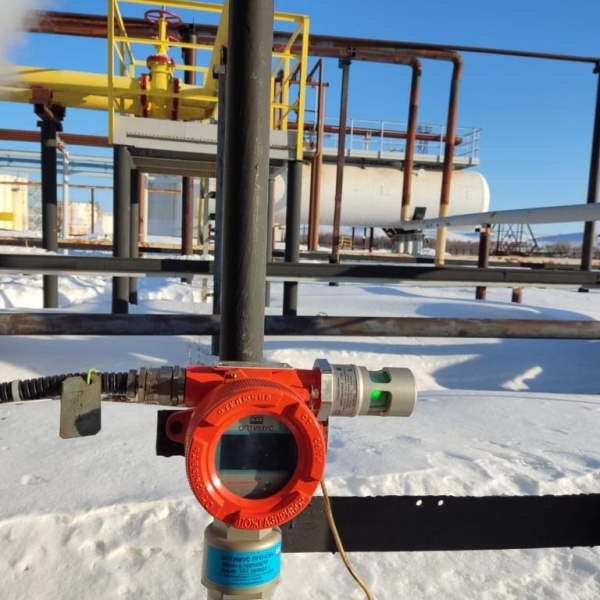
Manufactured via hot forging technology combined with precision 4-axis milling. Features high fatigue strength and dimensional tolerances within 0.005mm.
Material Composition: Stainless Steel, Premium Aluminum Alloys
Analyze Project Specifications →
Precision-machined structural mounts for passenger vehicles, subject to rigorous thermal expansion and dynamic vibration analysis.
Material Composition: Stainless Steel, Light-Weight Aluminum Alloys
Analyze Project Specifications →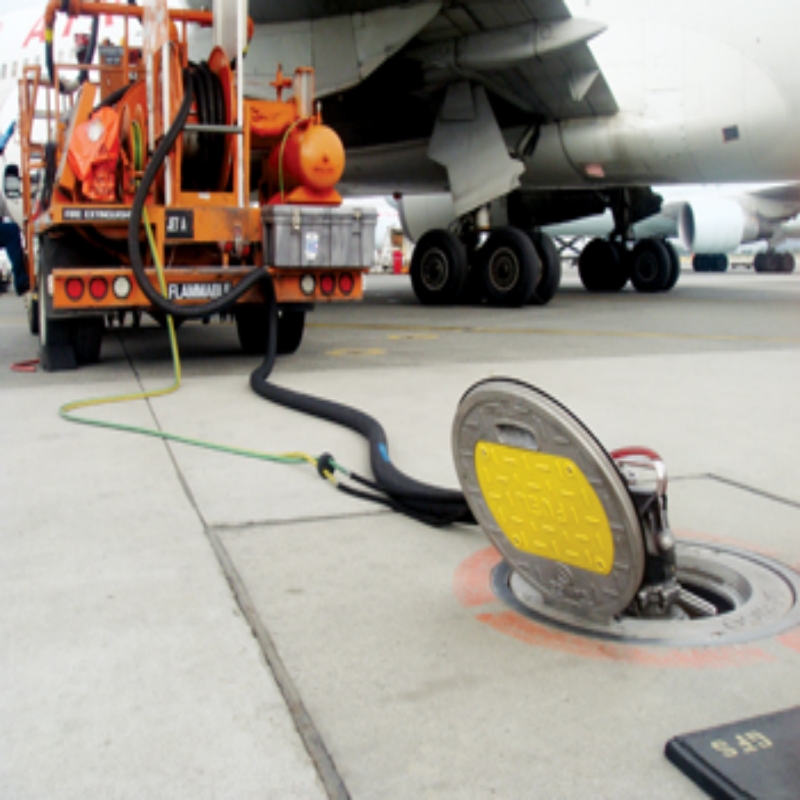
Corrosion-resistant aviation pit boxes and transmission hinge brackets, meeting rigorous fire-safety, ground load, and chemical exposure parameters.
Material Composition: High-Grade Structural Alloys & Stainless Steels
Analyze Project Specifications →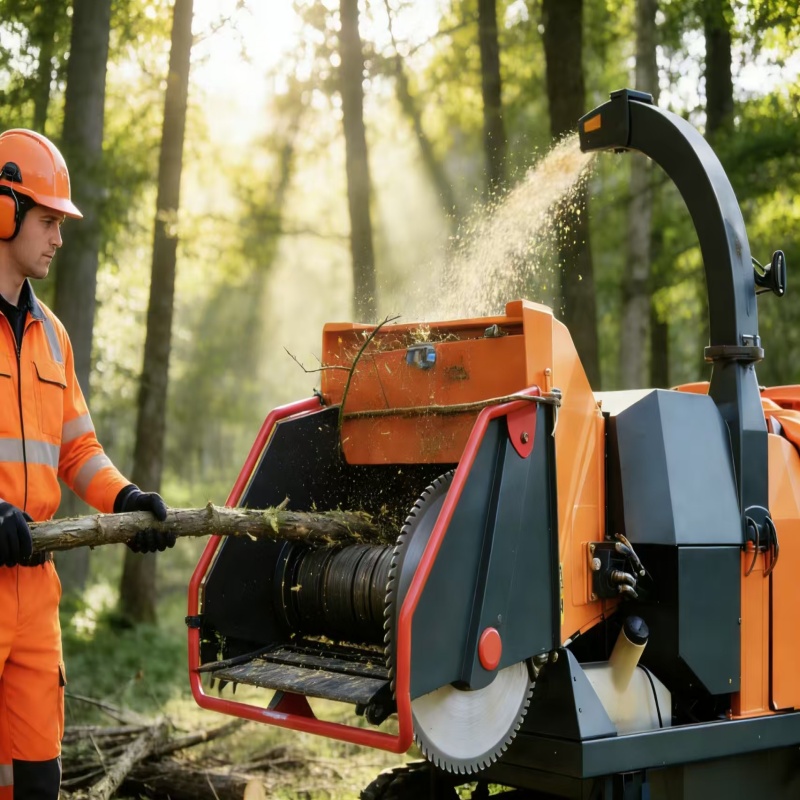
Heavy-duty wood chipper systems designed for extreme impact resistance. Utilizes carbon steel combined with alloy steel pins and shafts.
Material Composition: Q345B Carbon Steel, 42CrMo, NM400 Hard Wear Plate
Analyze Project Specifications →Every alloy composition is verified and certified before release. Quality is the core foundation of our engineering production.
At XinYe Metal, quality control begins at the chemical level. We inspect every incoming material batch via optical emission spectrometers to verify precise magnesium, silicon, iron, and copper ratios in our alloys. This prevents structural issues like micro-cracks during high-force hot forging.
Our QA testing workflow integrates in-process inspections at intermediate manufacturing stages and full final component audits. We issue complete documentation packages with each shipment, including material certificates, surface thickness readings, and 3D coordinate inspection sheets.
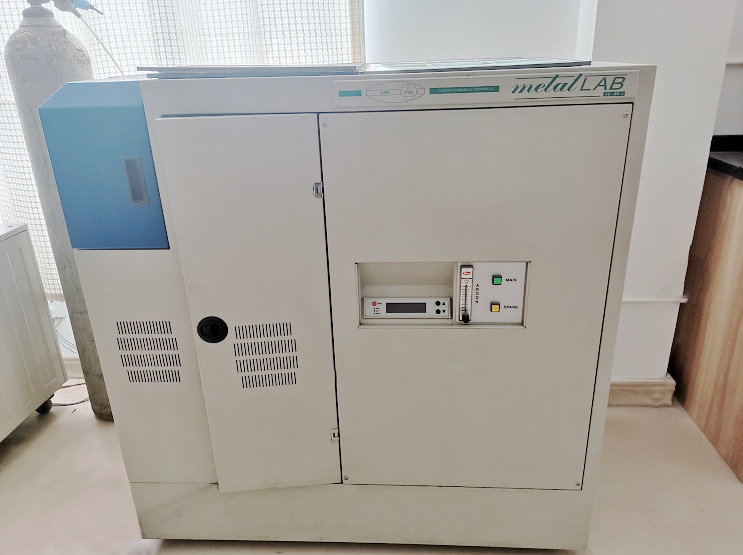
Direct-reading spectrometer for precision raw material chemical composition analysis.
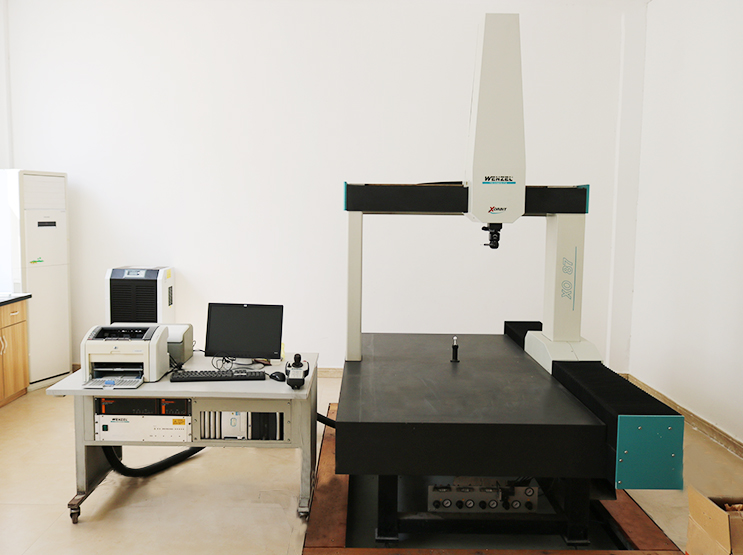
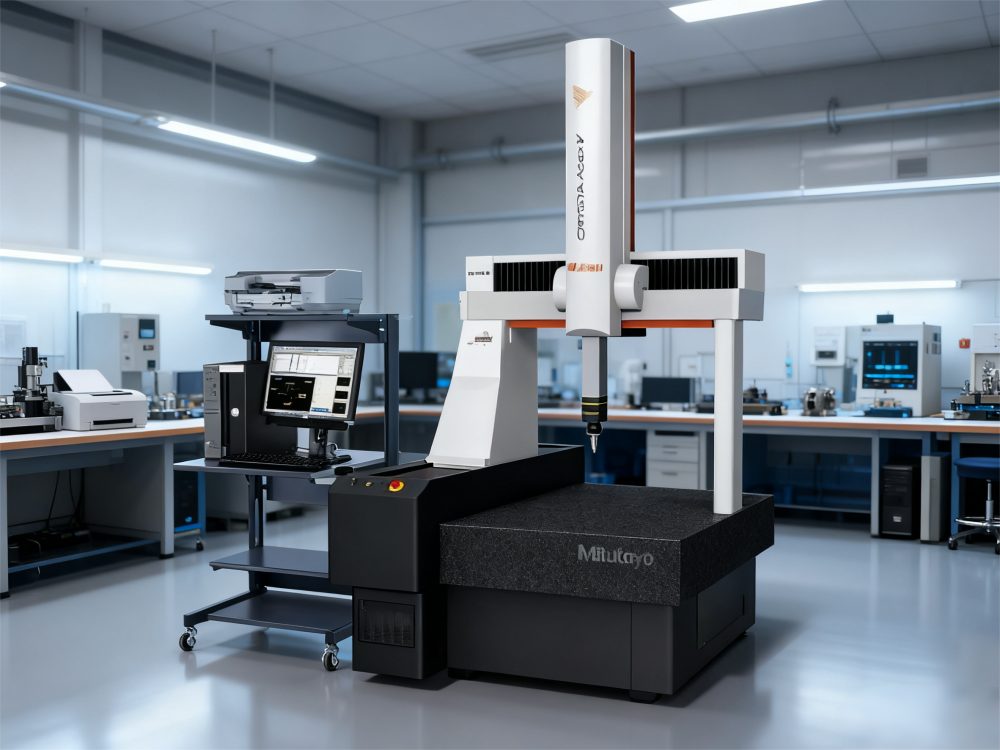
3D Coordinate Measuring Machine analyzing complex structural dimensions down to microns.
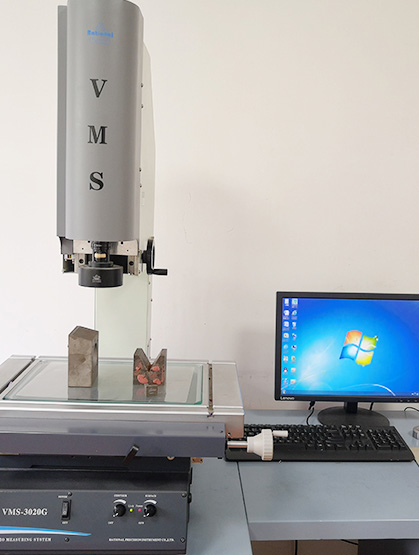
Multi-sensor optical measurement system for micro-tolerances and rapid part profile audits.
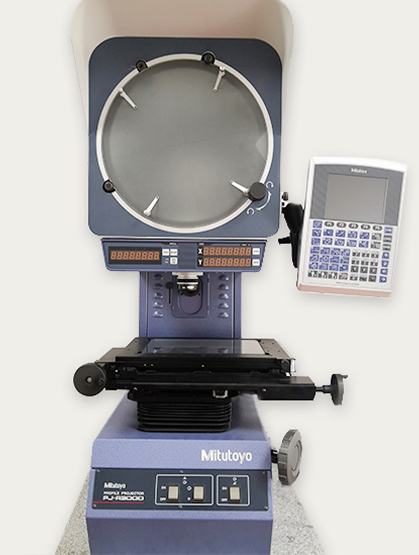
High-resolution optical system measuring flat geometries and surface features with high speed.
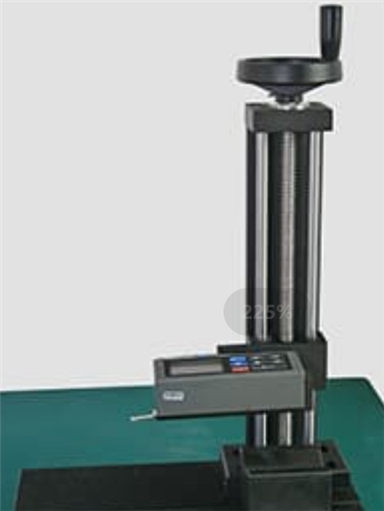
Surface roughness tester verifying micro-inch (Ra) values for optimal surface texture compliance.
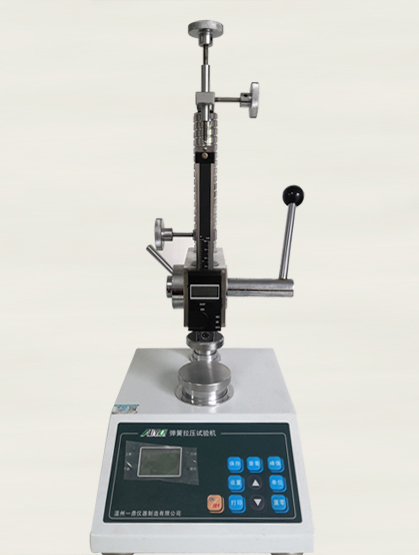
Mechanical tester measuring material deflection limits, yields, and fracture limits under stress.
From order intake to final shipment, our structured workflow ensures quality standards and efficient lead times.

Initial drawing communication, alloy selection, parameter definitions (tolerances, surface hardness, micron depth), price calculations, and scheduling setup.

We build test prototypes with custom tooling if needed. Includes initial drawing analysis, material acquisition, sample machining, and dimension auditing.



Samples undergo testing in our quality lab. The client evaluates the test reports and physical samples to confirm fit, function, and finish.


Upon sample sign-off, we initiate mass production under strict quality checks. Finished pieces are packed using protective materials for secure transit.

We provide continuous engineering and design support. Our assembly workshop offers secondary integration services, backed by a 1-year product warranty.

Experience our multi-axis manufacturing process through interactive 3D rendering. Check tolerances, tool paths, and anodizing density parameters visually.
Initialize 3D SimulationTrust: We build long-term relationships by matching technical specifications and project milestones reliably.
Responsibility: We maintain structured traceability from the melt batch to the final delivered component.
Professionalism: We invest in employee training and advanced instrumentation to deliver consistent results.
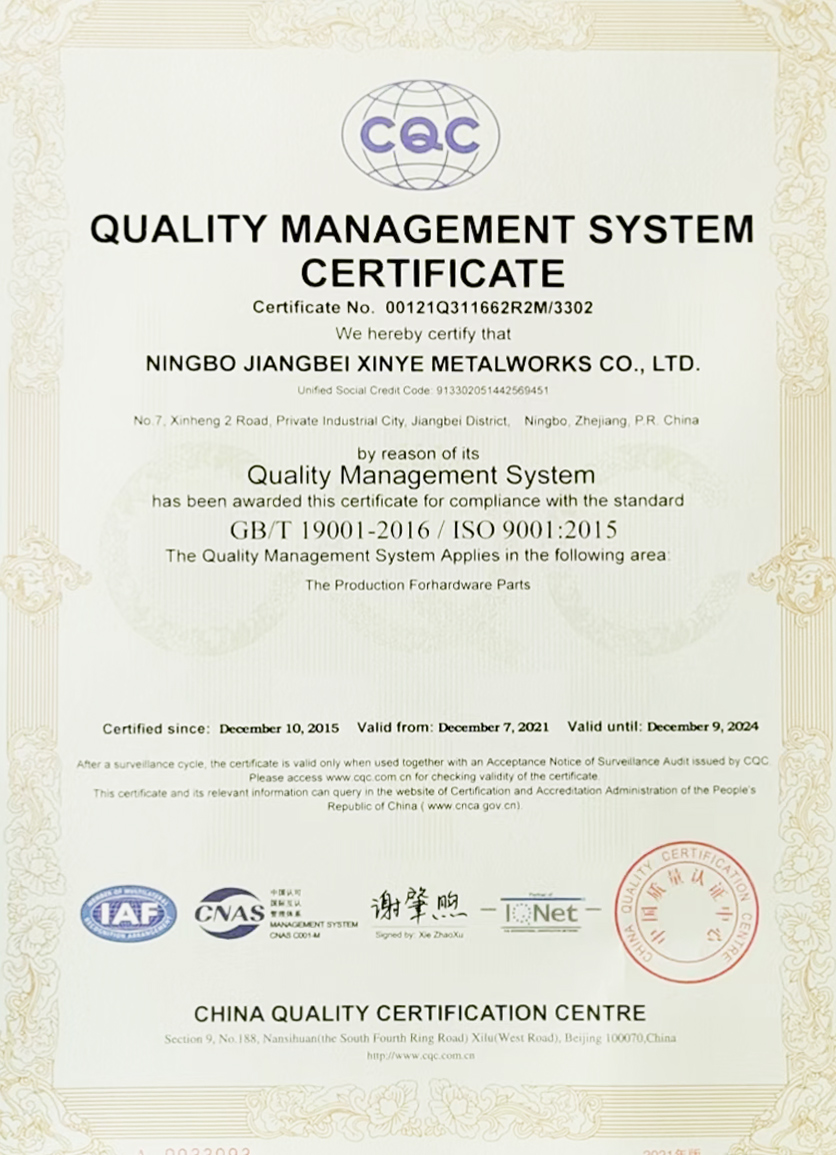
ISO 9001-2015 Certification
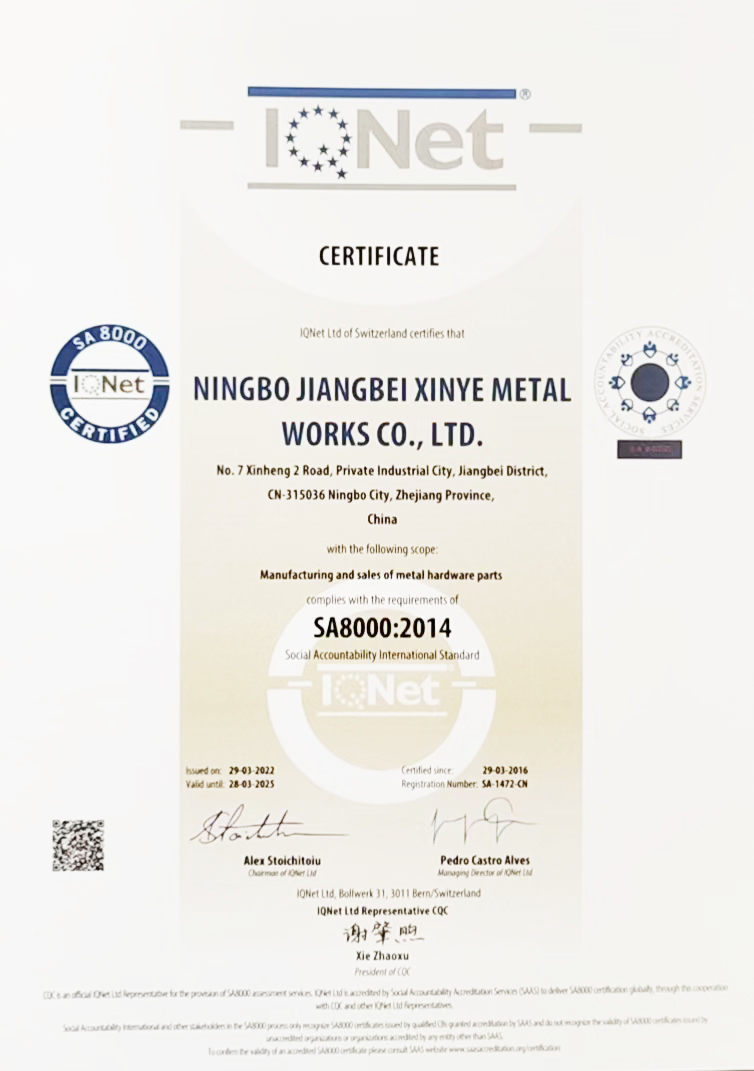
SA8000 Management Standard
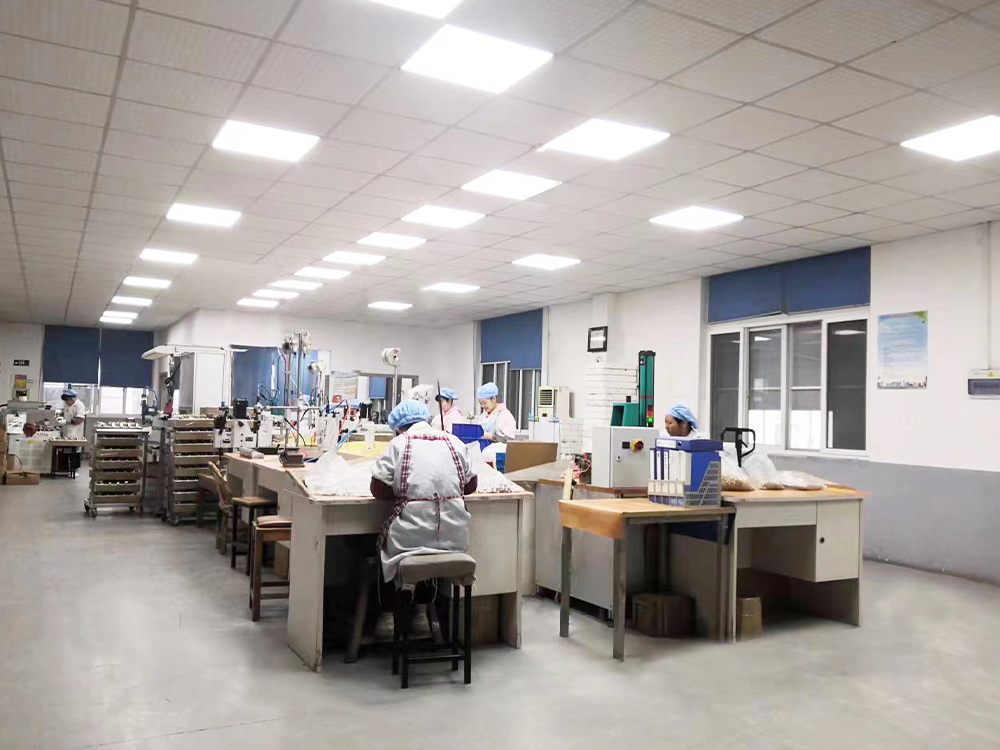
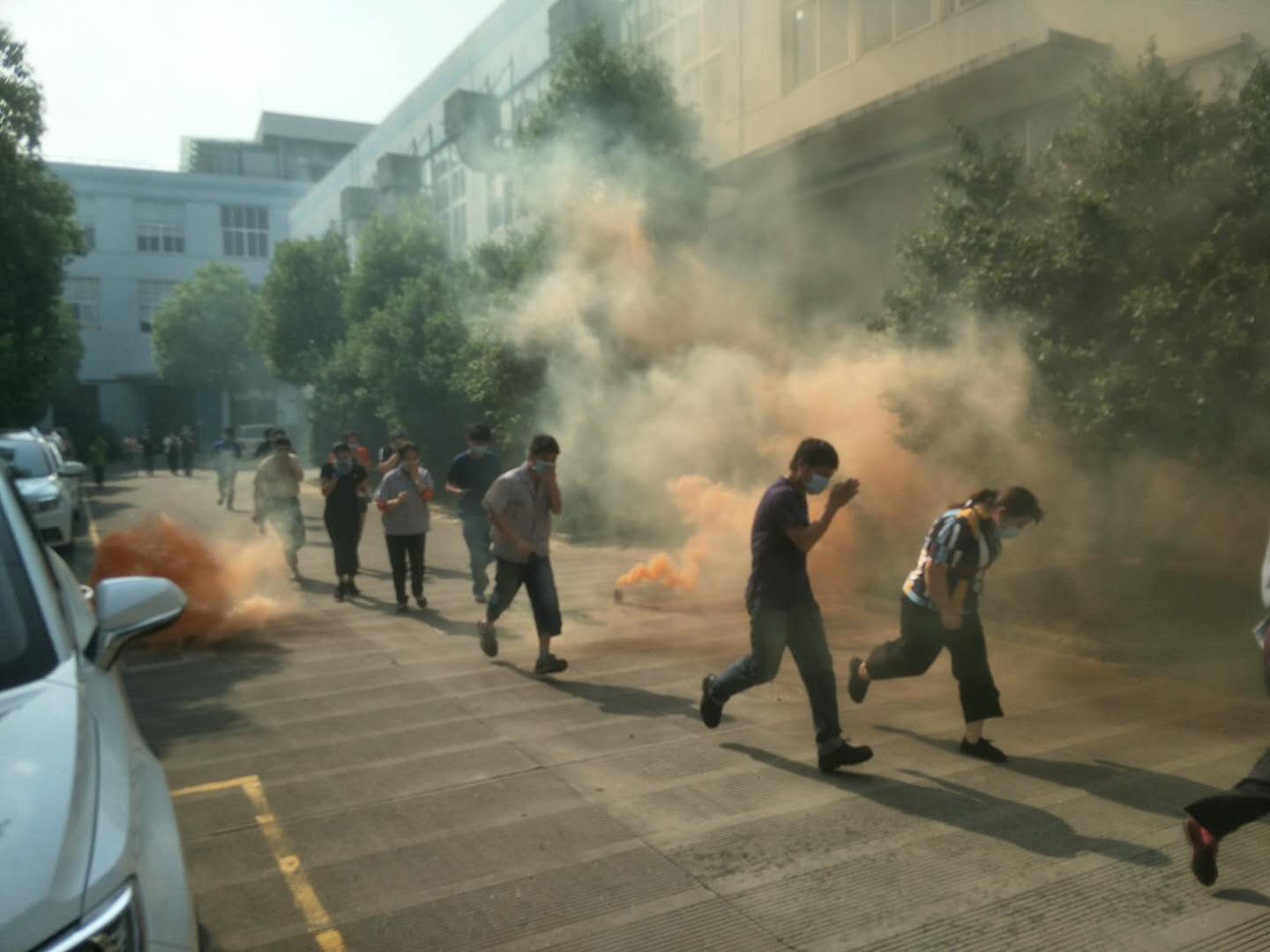
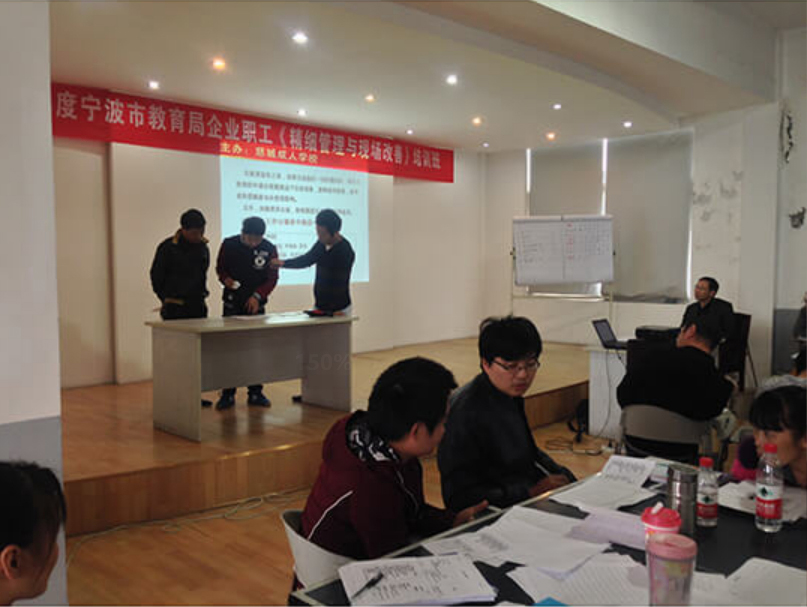
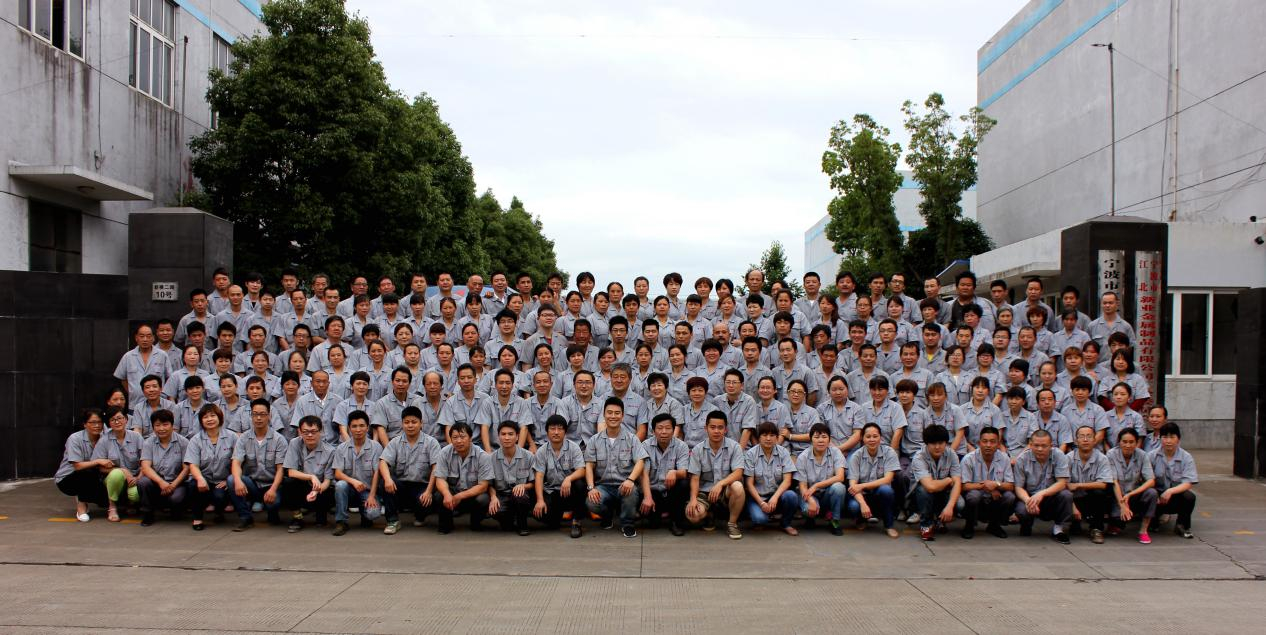
A detailed view of our team and facilities during production and inspection.
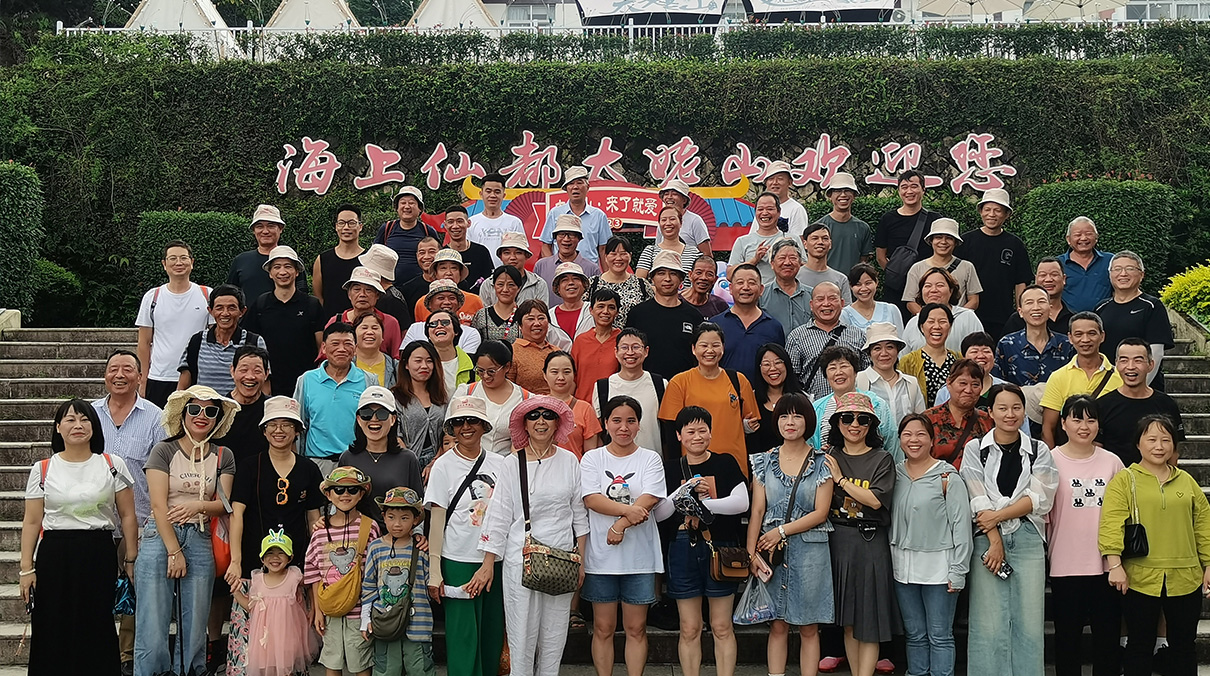
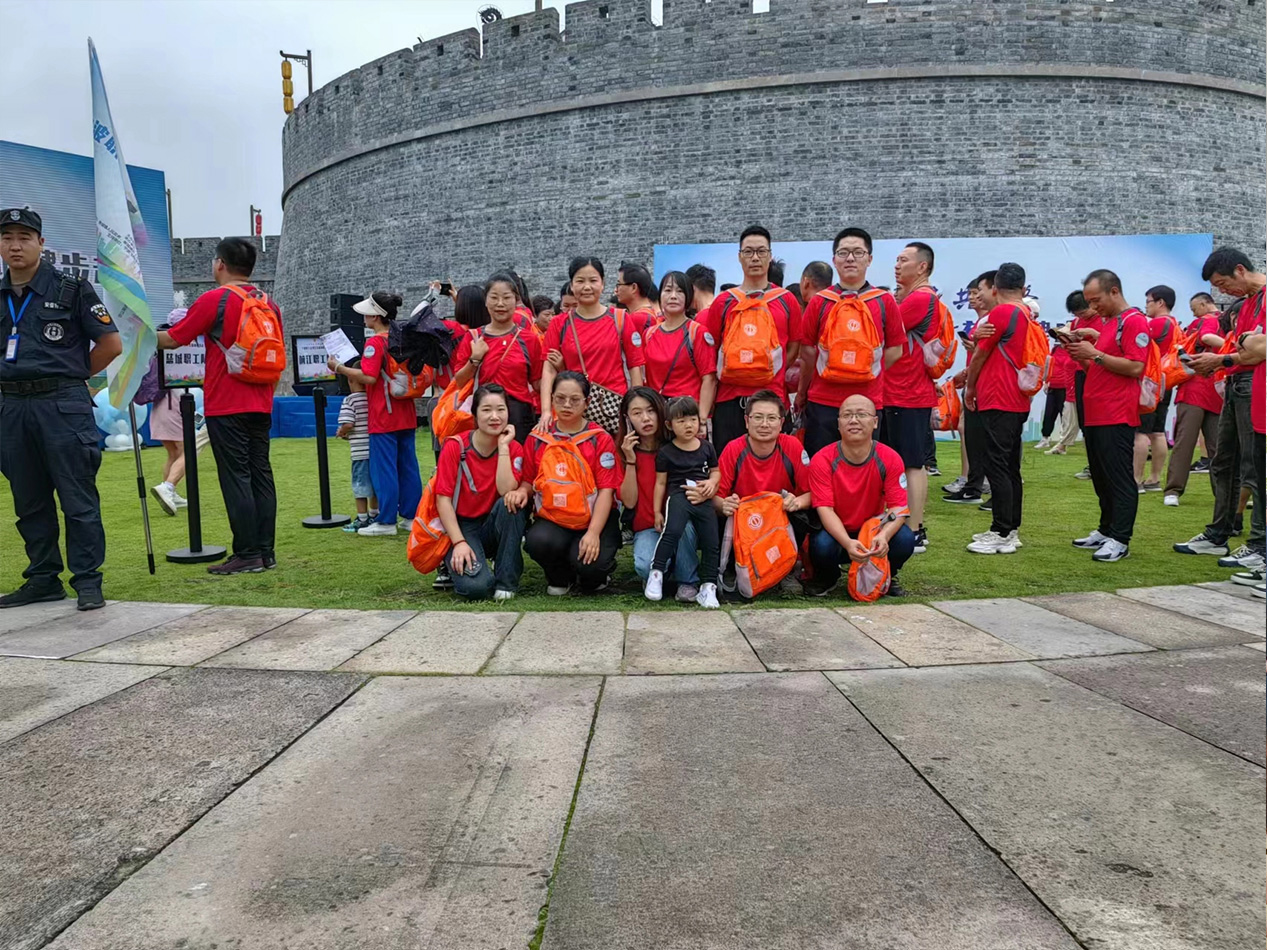
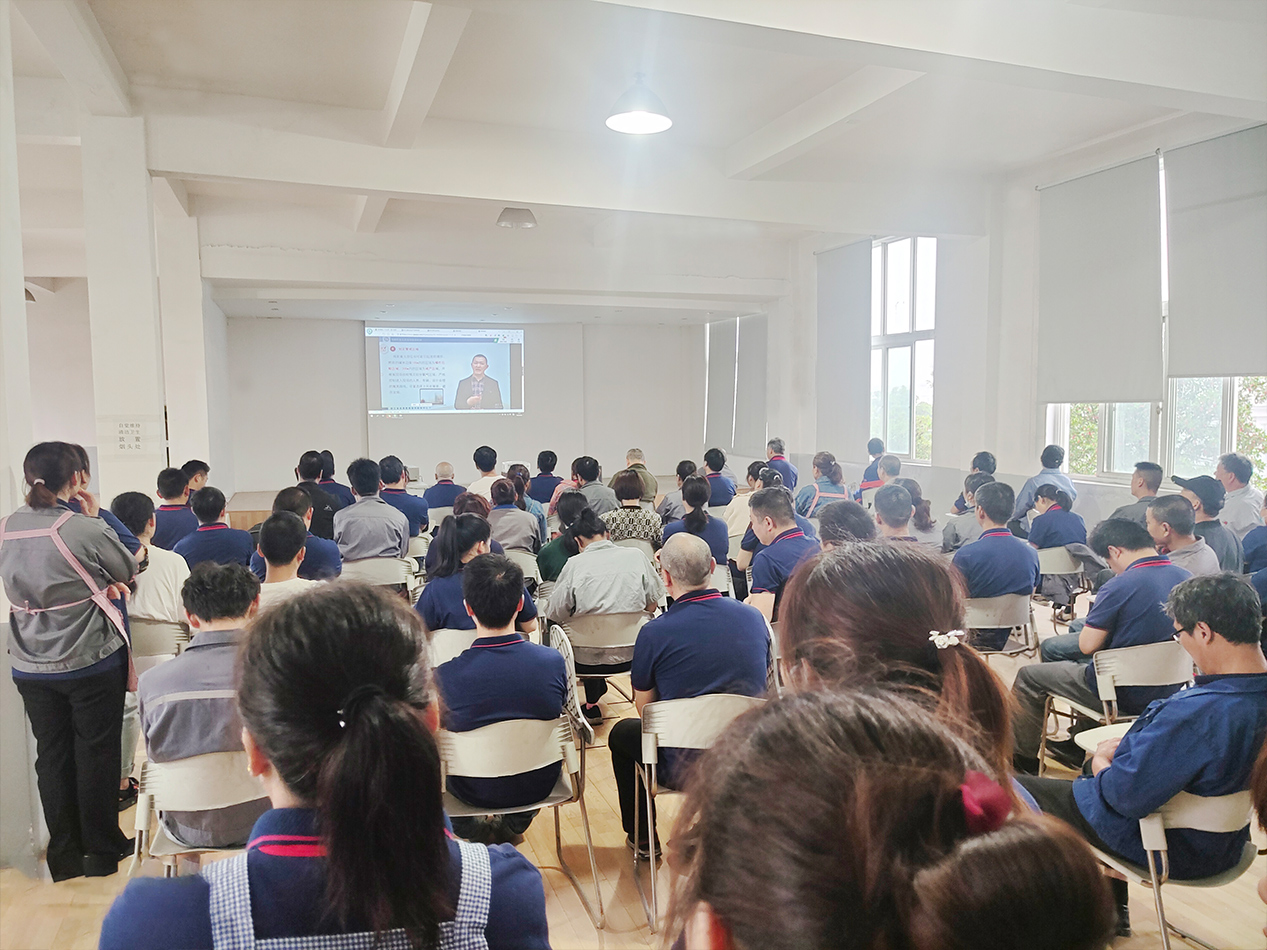
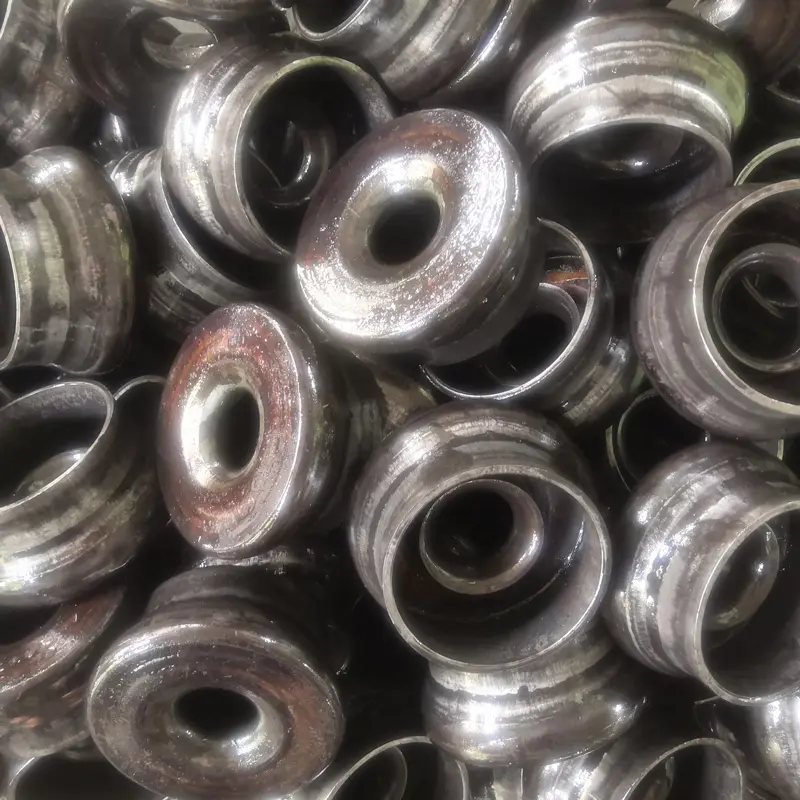
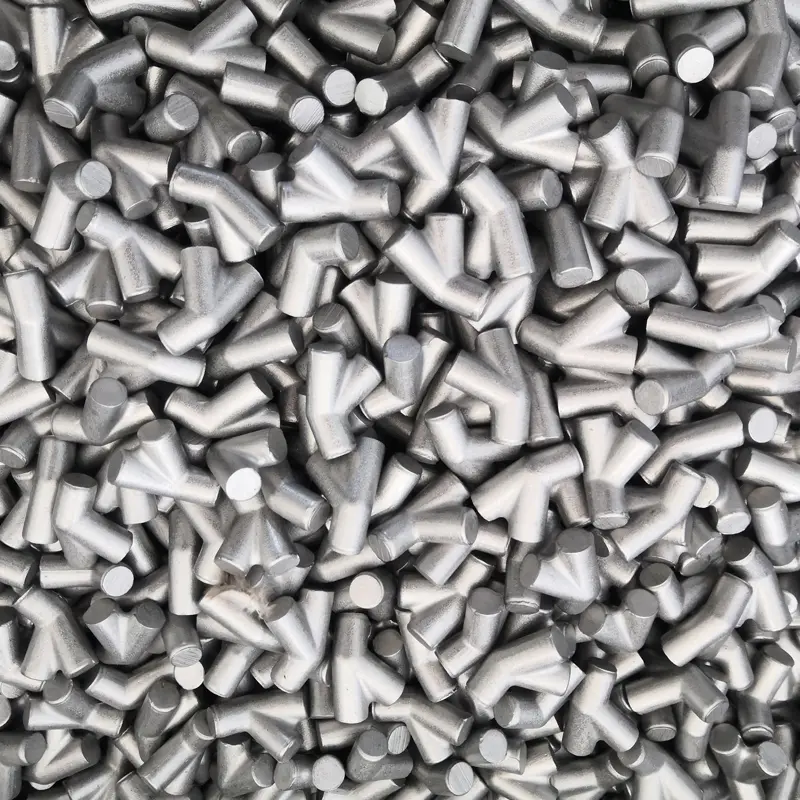
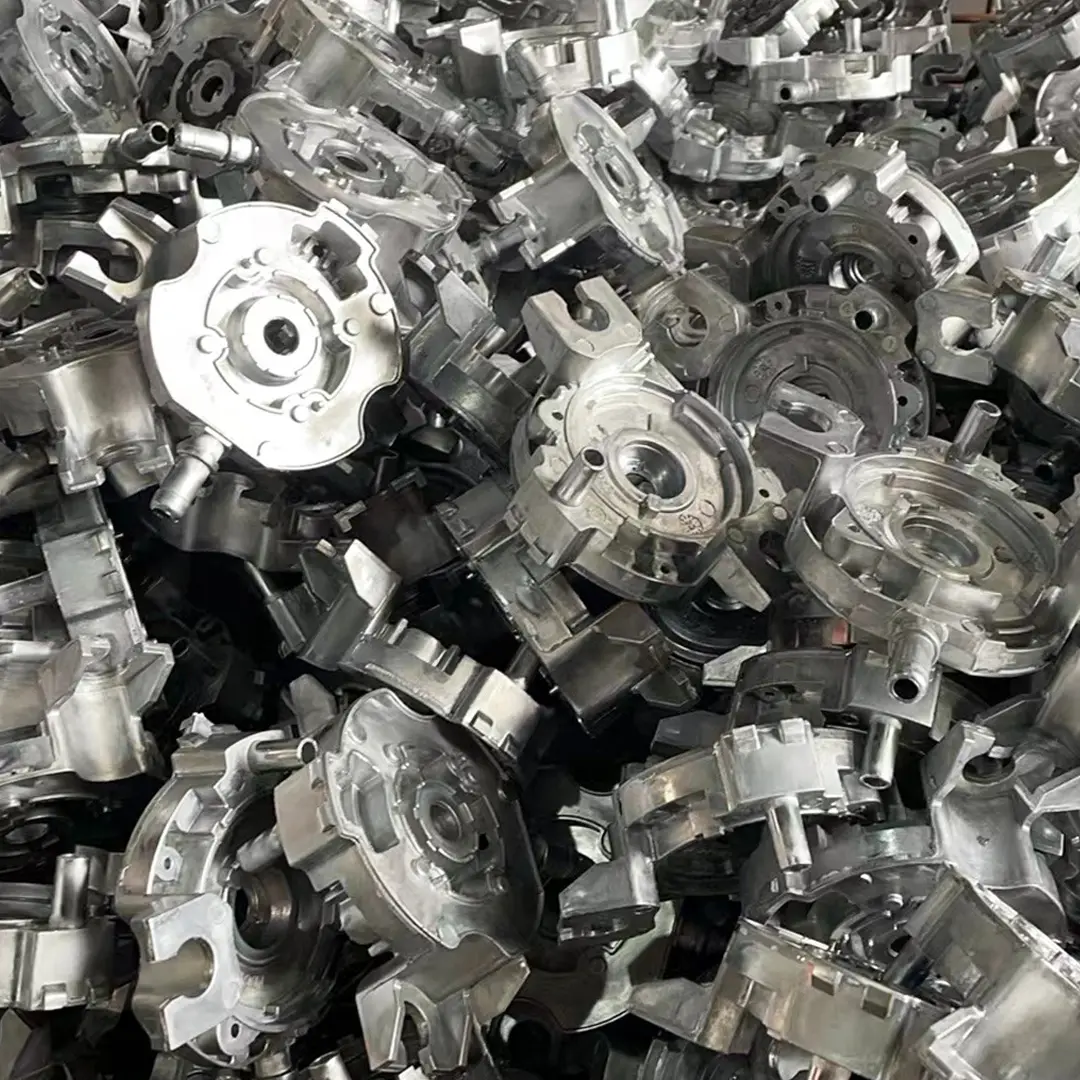
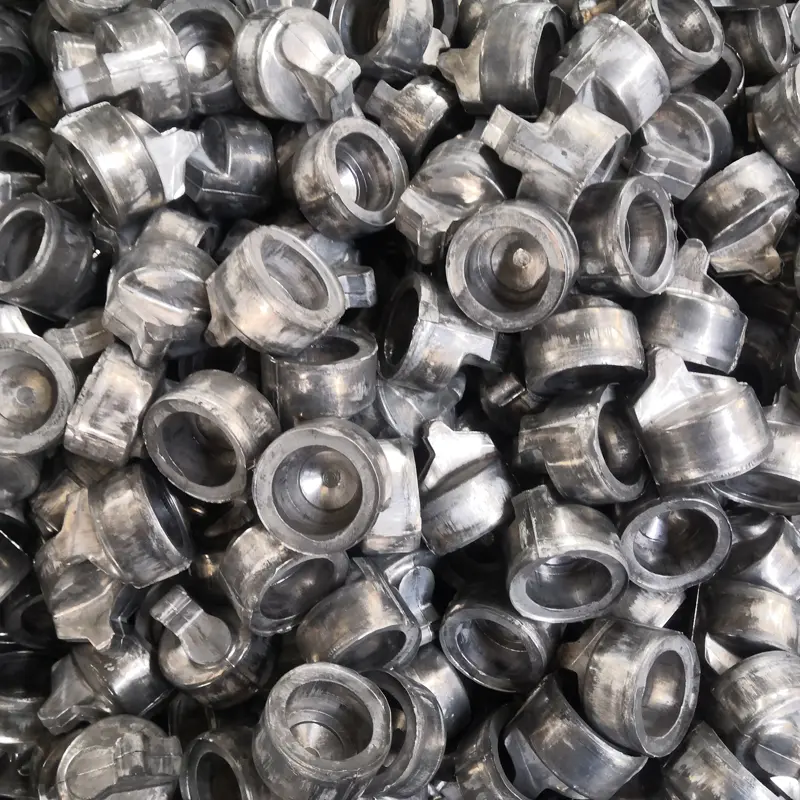
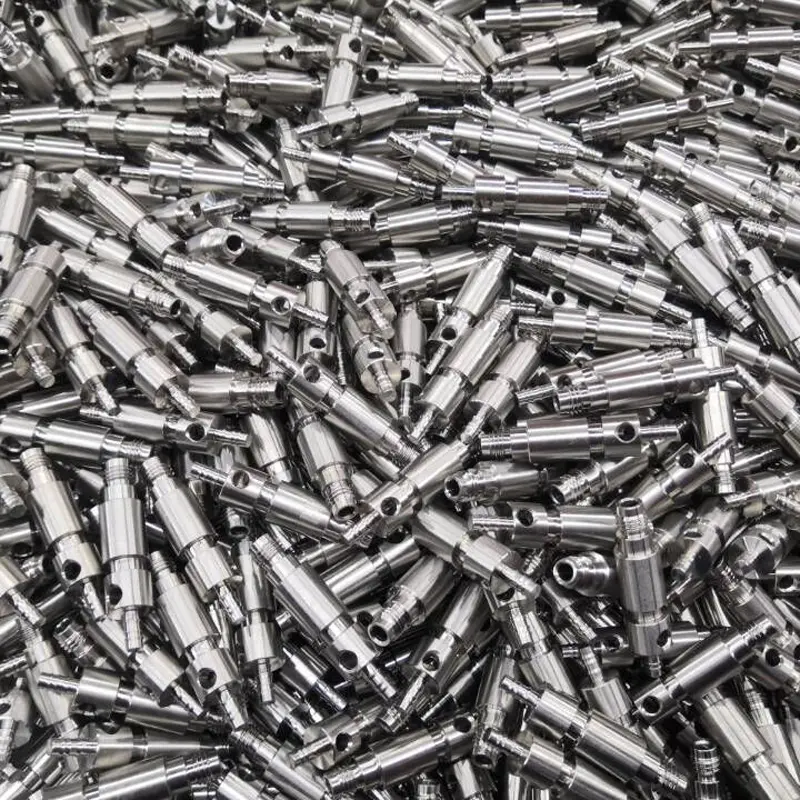
Common questions regarding our engineering standards, lead times, coatings, and compliance protocols.
Our prices are calculated dynamically depending on alloy supply index, component geometry, tooling complexity, and raw market factors. Please share your engineering drawings (STP/DWG) with us to receive a detailed, itemized quotation.
Yes, to maintain industrial efficiency, we require an ongoing minimum order quantity for international shipments. For specific component runs or sample-based approvals, please contact our engineering sales department to discuss options.
Yes, we supply comprehensive compliance documentation including Certificates of Analysis (CoA), material traceability certificates, dimensional CMM evaluation reports, surface anodizing thickness records, and certificates of origin for international custom compliance.
For prototype samples, lead times range from 7 to 10 days. Mass production averages 20 to 30 days following engineering review and deposit payment. Lead times depend on current tooling queue status and specific finish requirements.
We accept wire transfers (T/T), Western Union, and PayPal. Our standard commercial terms are a 30% advance deposit to secure materials, with the remaining 70% balance paid against the copy of the Bill of Lading (B/L).
We provide a comprehensive one-year warranty on all materials and workmanship defects, starting from the delivery note date. We work closely with our clients to resolve all engineering and quality feedback post-delivery.
We pack all shipments in custom, heavy-duty export crates, featuring individual foam dividers to prevent surface scratches. For hazard-prone or highly delicate electronics components, we utilize certified shock-absorbing protective layers.
For standard aesthetic or light wear parts, we apply Type II anodizing between 5 to 15 microns. For severe wear applications requiring high-dielectric properties, we offer Type III hard anodizing exceeding 25 to 50 microns depending on component tolerances.
Select a product category below to access full specifications, raw materials lists, and chemical data sheets.
 XinYe Metal