Premium fabricated components optimized for demanding aesthetic and high-wear operational environments.
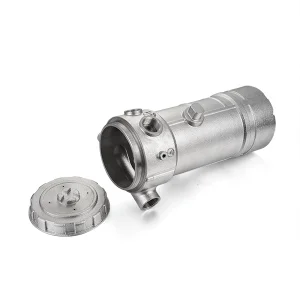
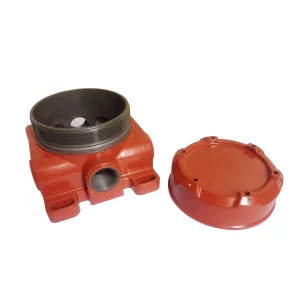
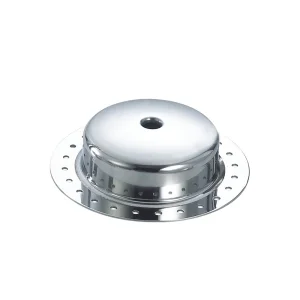
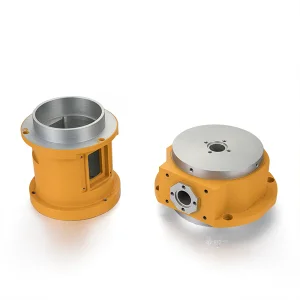
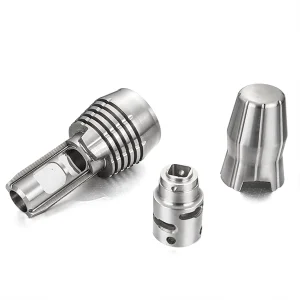
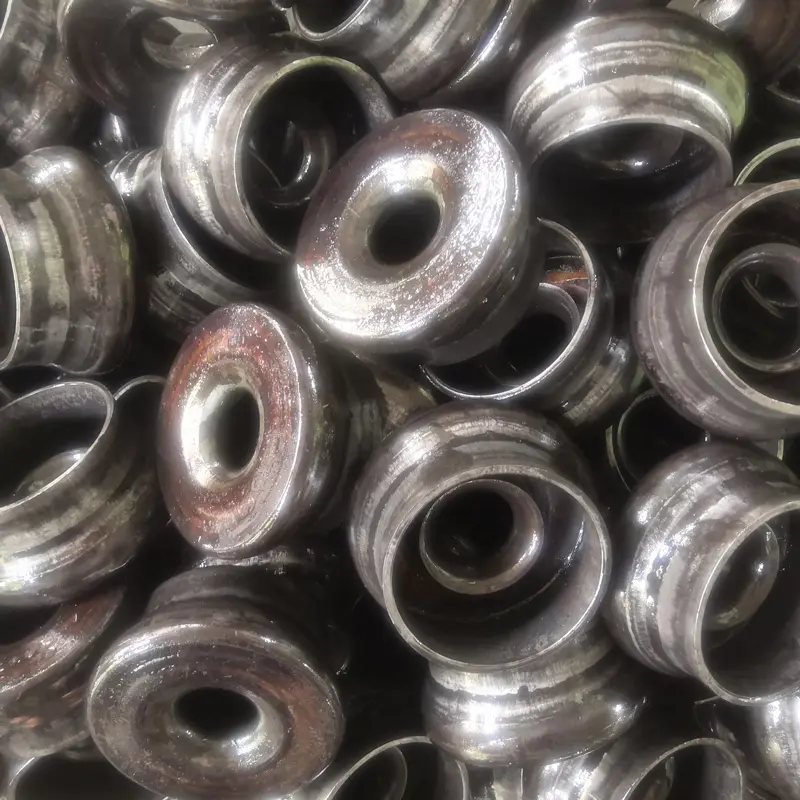
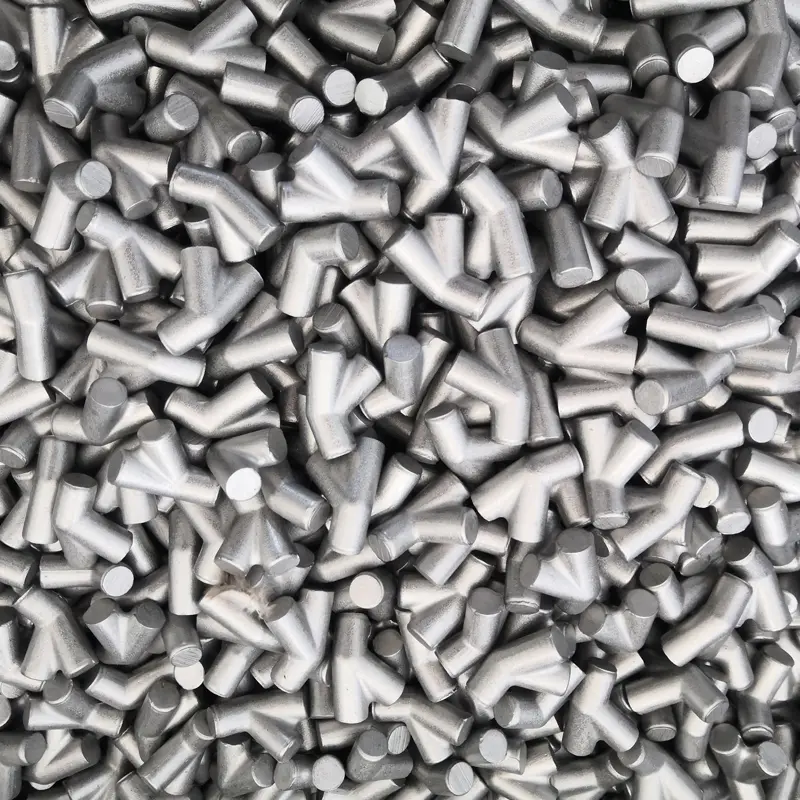
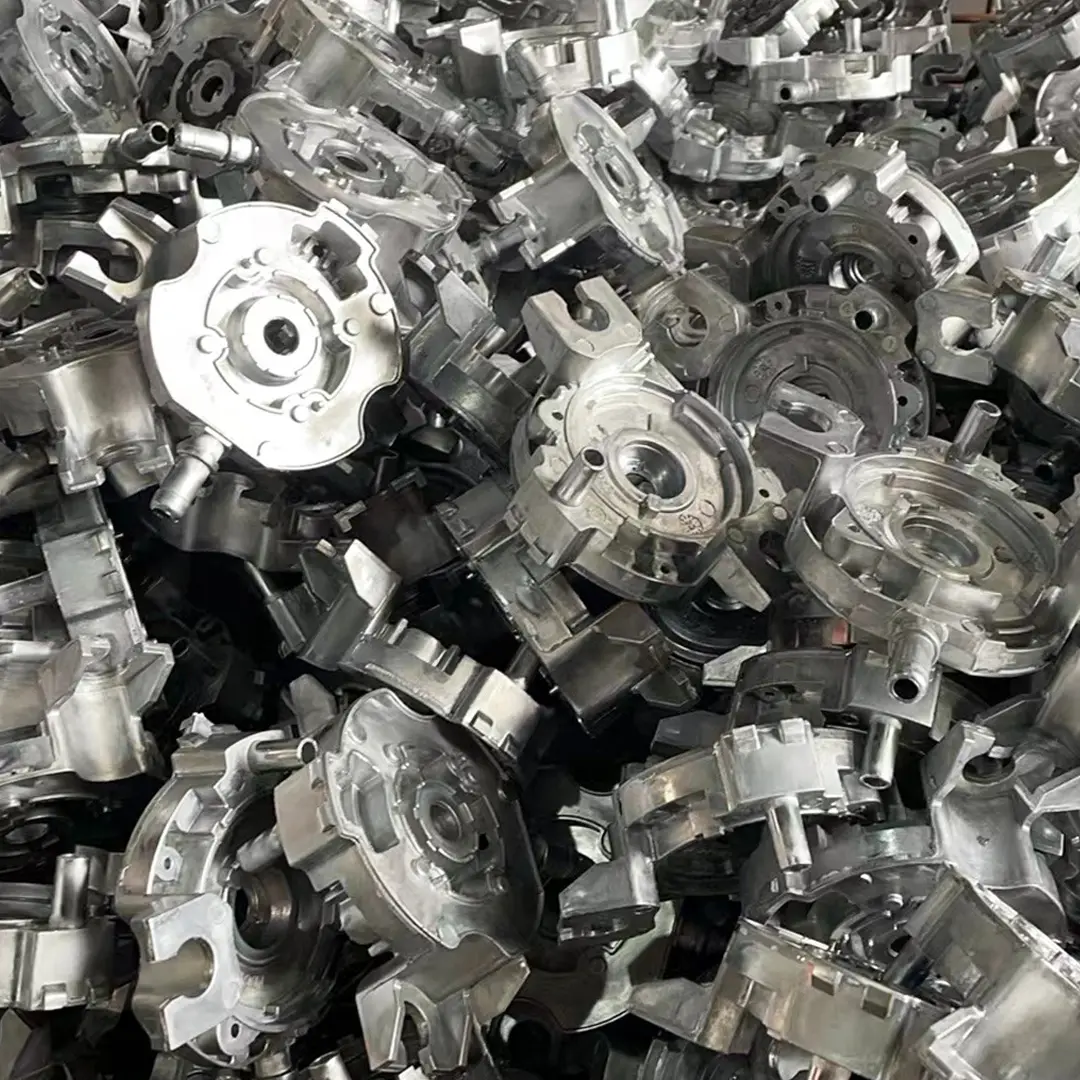
The global demand for high-performance architectural coatings and industrial surface modifications is undergoing a paradigm shift. In modern industrial design, Anodised Aluminium Finishes have evolved from basic corrosion protection coatings into multi-functional materials that meet the challenges of 21st-century engineering. Through controlled electrochemical oxidation, the metallic surface of the substrate is converted into a highly durable, integrated, and corrosion-resistant anodic oxide barrier layer. This process does not merely apply a layer onto the surface; it chemically bonds with the parent metal, preventing peeling, flaking, or weathering under harsh environmental conditions.
Key drivers behind the global market growth include the rising regulatory push for volatile organic compound (VOC) reductions and the demand for lightweight, high-performance materials in structural engineering. Anodising utilizes non-toxic chemical electrolytes that do not emit VOCs or hazardous air pollutants (HAPs), making it a sustainable alternative to PVDF liquid coatings or solvent-rich painting processes. B2B procurement offices globally, particularly in North America, Europe, and the APAC region, are standardizing on anodised alloys to achieve environmental declarations (EPDs) while meeting demanding salt spray and UV testing criteria.
Leading-edge manufacturers are integrating technological advances such as computerized bath control systems, computerized micro-arc oxidation (MAO), and ecological sealing technologies. The traditional hot-water sealing has been updated with energy-efficient nickel-free ambient sealers, delivering exceptional acid resistance while minimizing energy usage. With these technologies, custom OEM anodised finishes can achieve extreme hardness (up to 400-500 HV for hard anodizing Type III) and outstanding color fastness, making them the preferred choice for consumer electronics, automotive trim, aerospace systems, and food manufacturing appliances.
Compliance with REACH, RoHS, and local zero-emission parameters. Anodising creates zero toxic organic runoffs, offering a low carbon footprint compared to standard painting systems.
With coating thicknesses ranging from 5µm (decorative) to 50µm+ (hardcoat Type III), components gain superior wear resistance, high dielectric insulation, and thermal stability.
Available in a variety of organic and inorganic colors. Our processes yield rich finishes including satin, brushed, chemically brightened, and matte textures.
International engineering projects demand supply partners who understand complex quality specifications. Global engineering teams require anodised aluminum components to meet standard specifications such as MIL-A-8625, ASTM B117 (Salt Spray Resistance), and AAMA 611 (Architectural Anodising). Procuring from a verified manufacturer guarantees consistency in color matching, dimensional tolerances, and coating thickness uniformity.
For critical applications like aerospace parts, offshore sensors, and automotive fluid distribution channels, a minor variation in coating thickness or seal quality can lead to unexpected oxidation or mechanical failure. As a result, B2B procurement managers emphasize tracking parameters such as spectral purity, alloy composition (avoiding secondary iron impurities in casting feeds), and mechanical structural integrity prior to the anodisation stage.
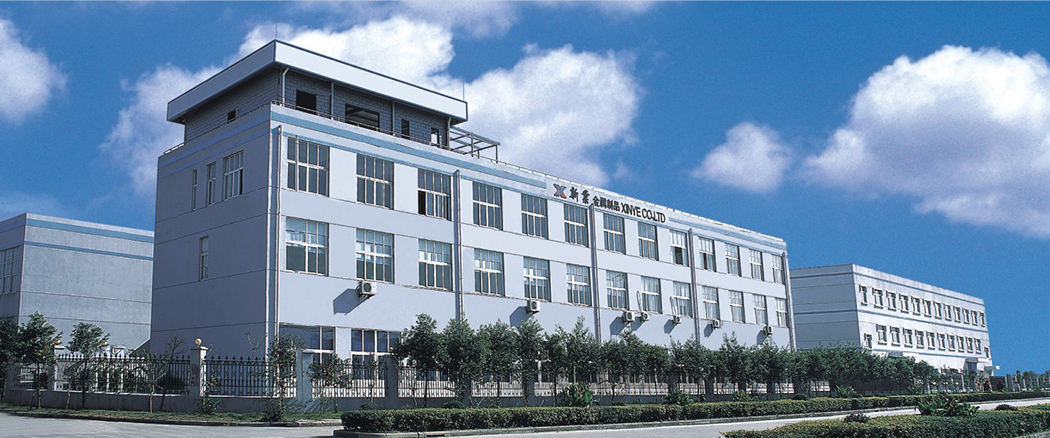
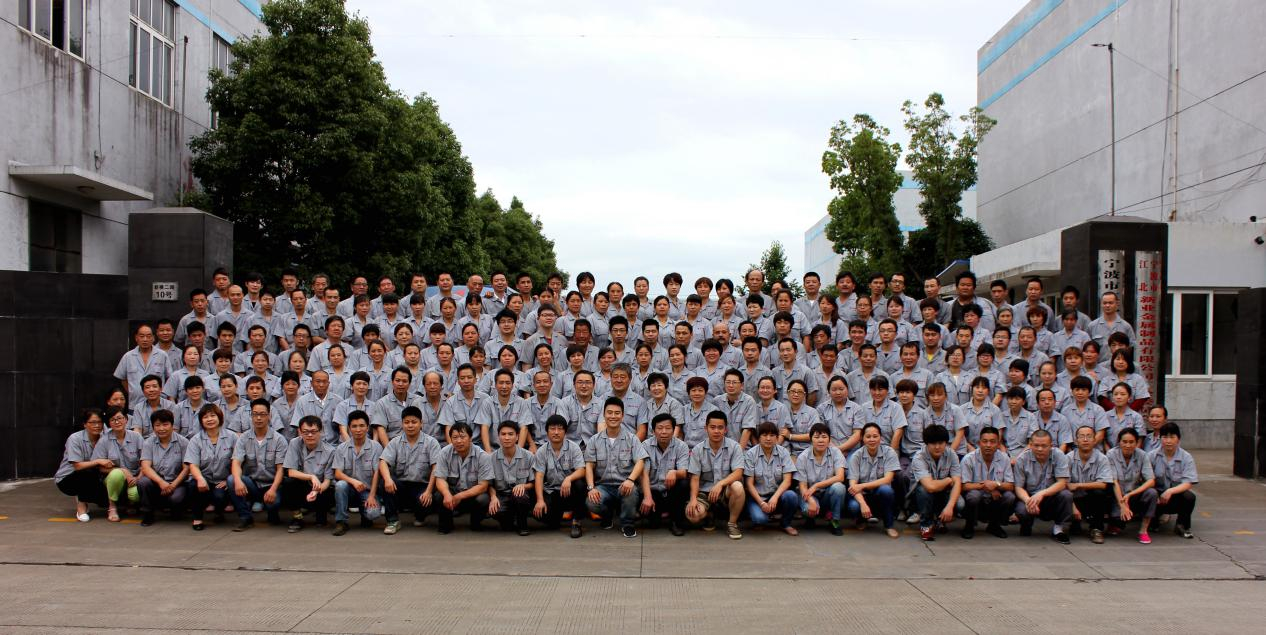
Located in the Ningbo Jiangbei Industrial Zone, Ningbo Jiangbei XinYe Metal Works Co., Ltd. represents the modern paradigm of Chinese precision metal manufacturing. Established in 1996 as an owner-managed enterprise, the company has expanded its manufacturing footprint to 16,000 square meters of production space, with an additional 11,000 square meters ready for development. With over 27 years of manufacturing experience, XinYe combines raw material sourcing, multi-axis machining, hot forging, lost wax casting, and advanced surface finishing within a unified quality framework.
Our location provides access to major trade infrastructure, situated within 3 hours of the Shanghai International Airport and near the Port of Ningbo-Zhoushan. This proximity reduces transit times and helps mitigate geopolitical supply chain challenges. Backed by a team of 130 skilled workers—including 50 specialists in product development, quality control, and engineering management—XinYe utilizes a vertically integrated business model. This enables us to transition from raw material to finished, surface-treated components with reduced lead times compared to typical outsourced supply chains.
Combining metal deformation processes with CNC finishing and in-house chemical anodising.
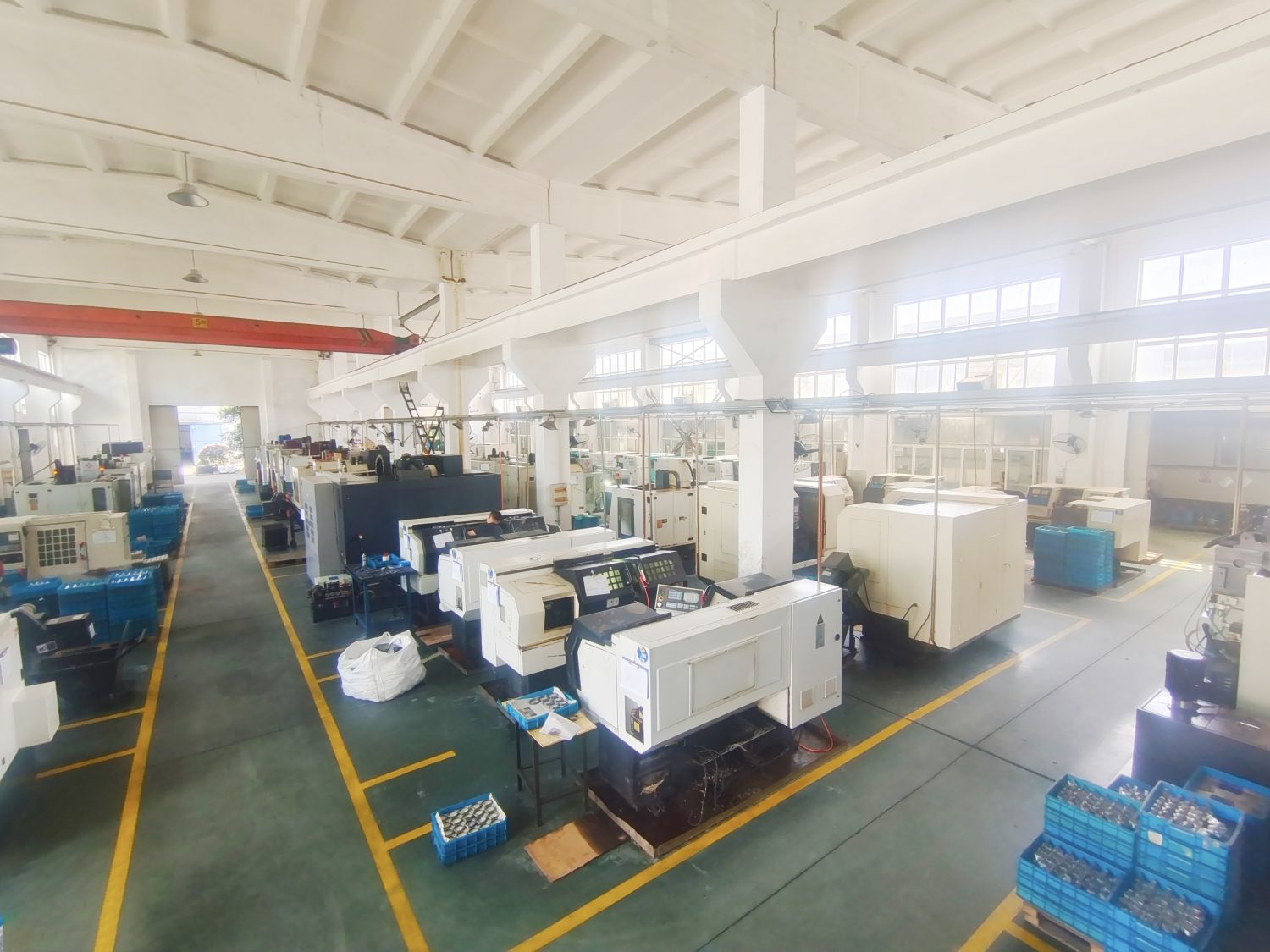
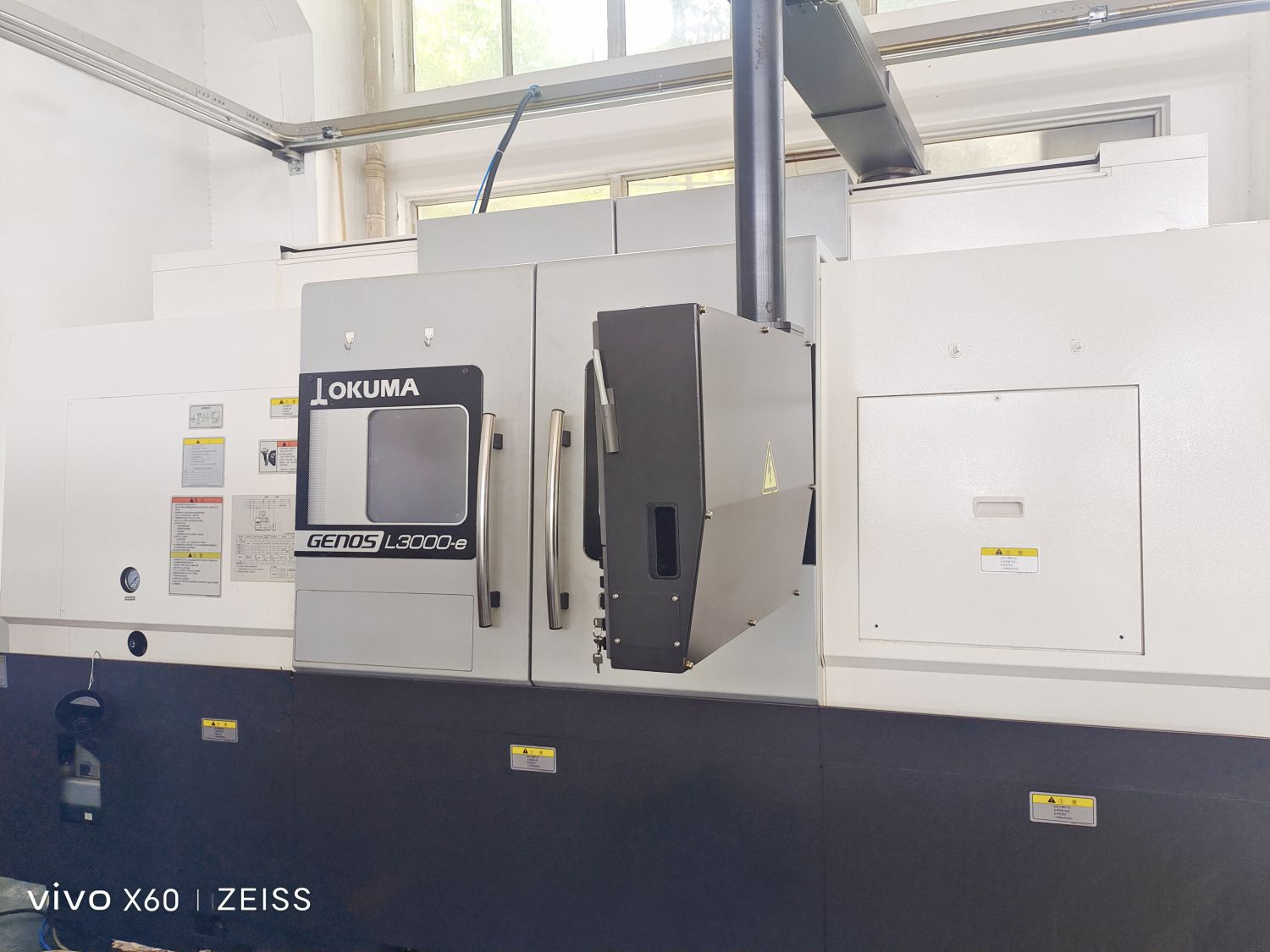
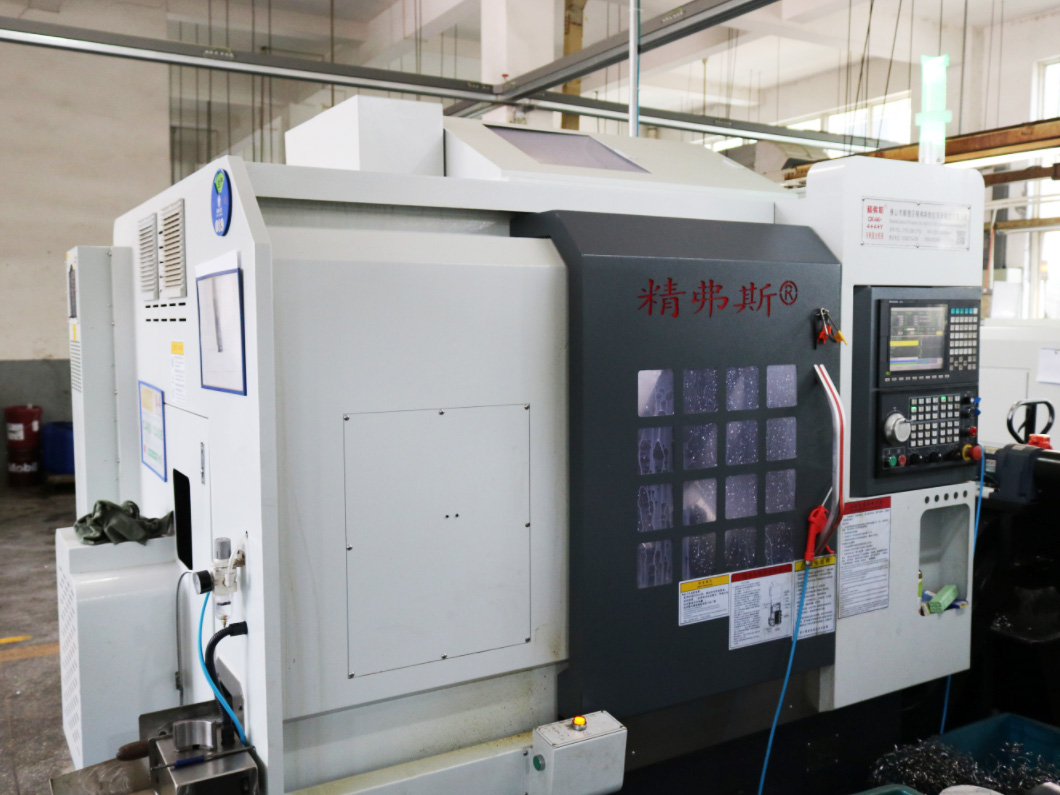
Equipped with imported Japanese multi-axis CNC machines, 4-axis control milling centers, and high-speed CNC lathes. We deliver close tolerances on complex aluminum geometries prior to anodizing.
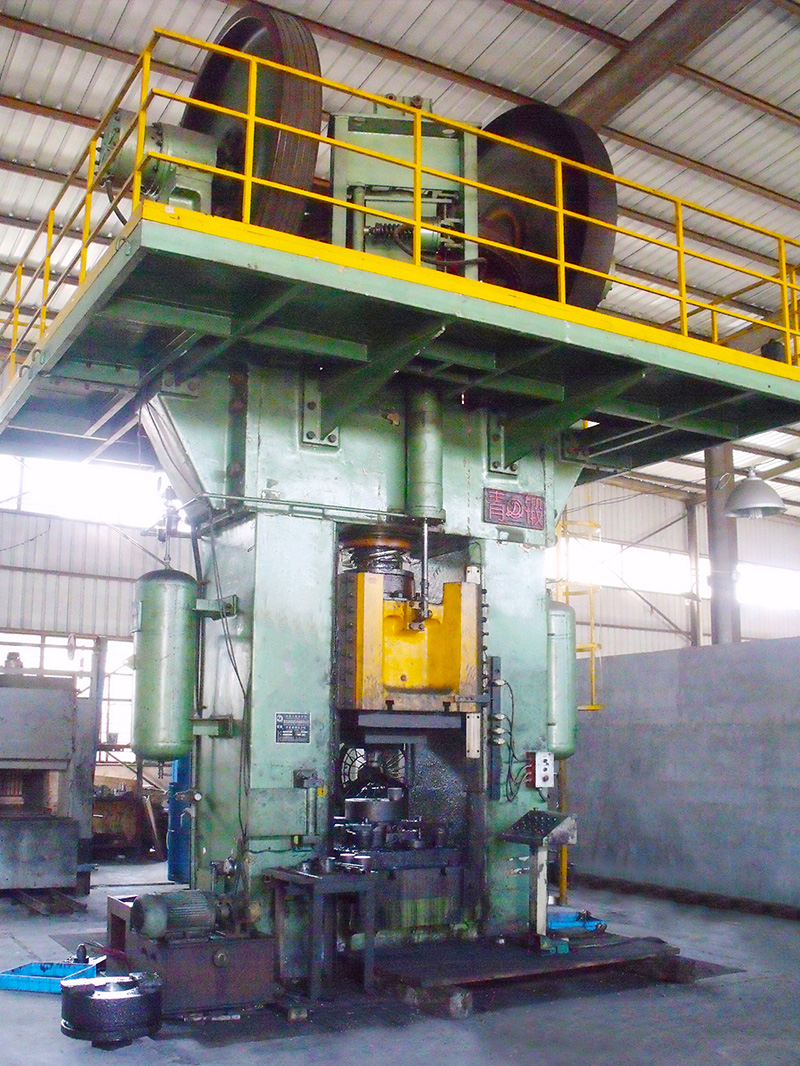
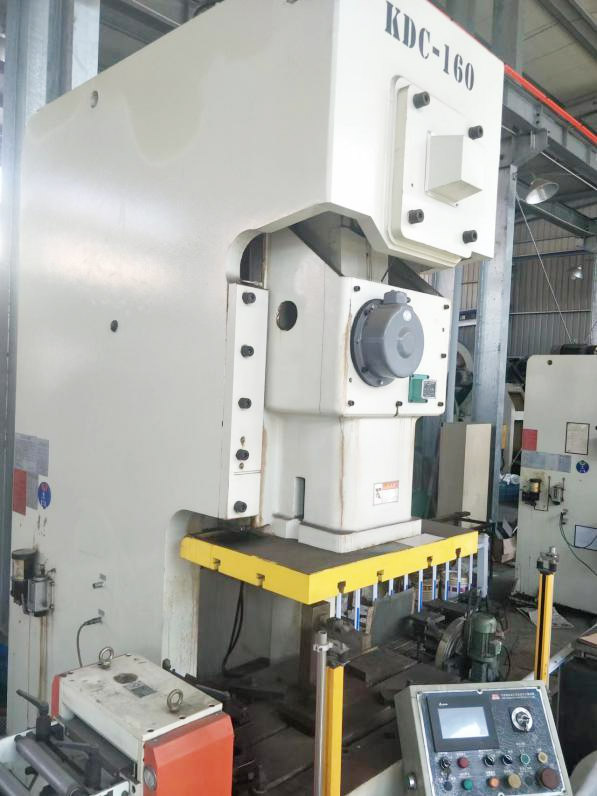
Friction press equipment operating from 300 to 1,000 tons, alongside hydraulic systems from 100 to 630 tons. Provides dense, porosity-free component microstructures ready for high-grade finishing.
In-house chemical surface finishing lines providing decorative anodising, hard anodising, and electropolishing. Optimized for corrosion resistance and aesthetic requirements.
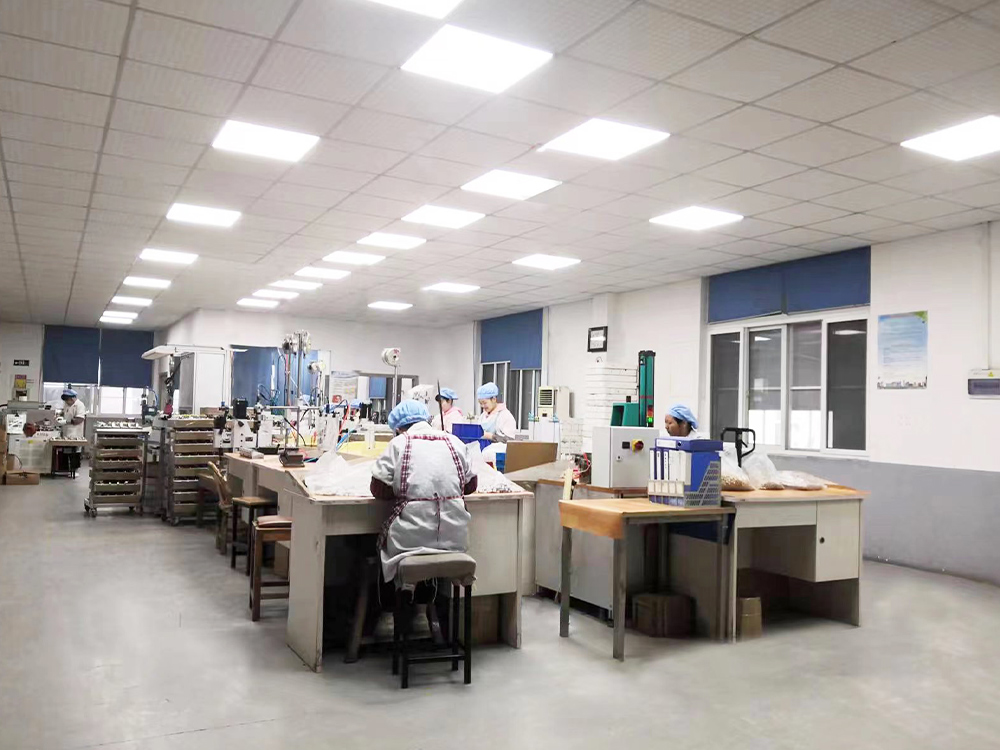
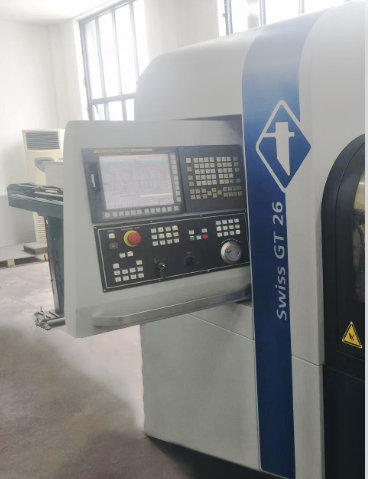
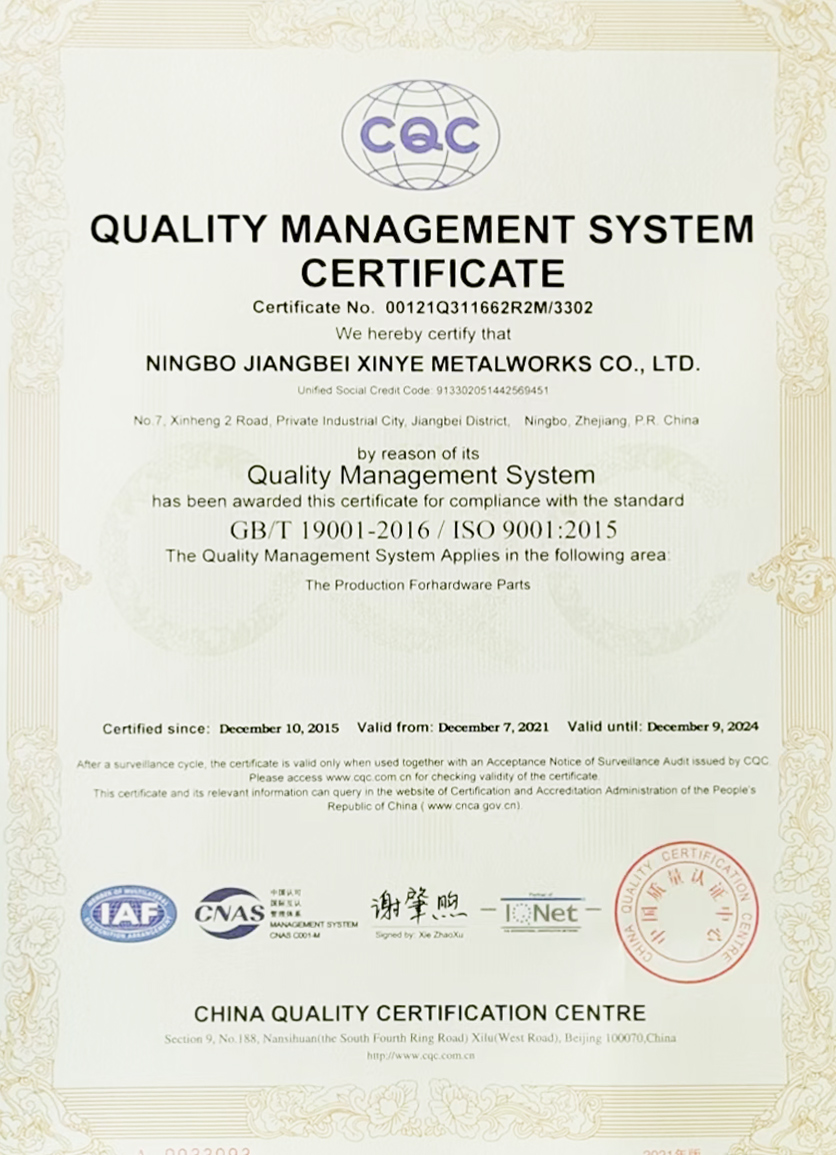
XinYe operates under ISO 9001:2015 and SA8000 certifications. We execute chemical validation, mechanical stress checks, and surface profiling.
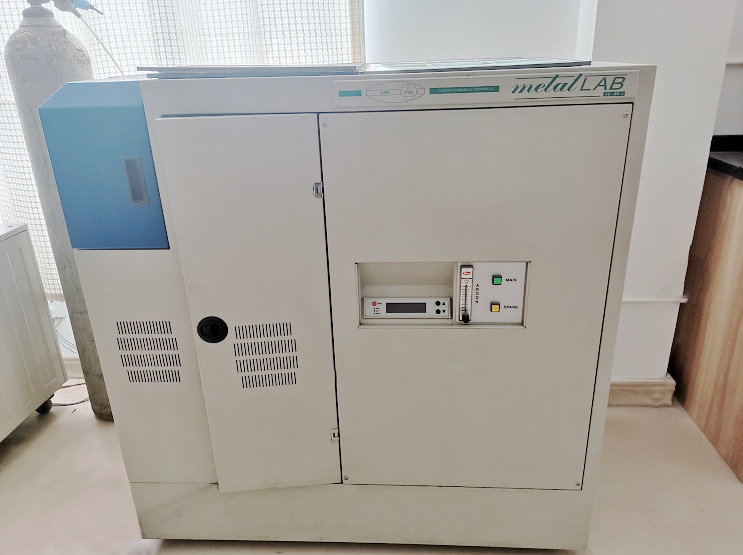
Validates raw ingot chemical compliance, ensuring proper levels of silicon, copper, and magnesium to prevent anodising discolorations.
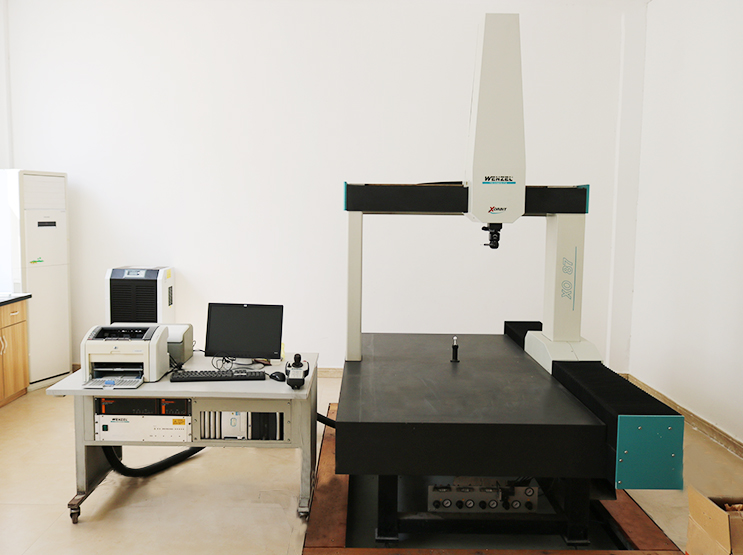
Verifies dimensional geometry of post-treated parts against CAD files, ensuring compliance across key features.
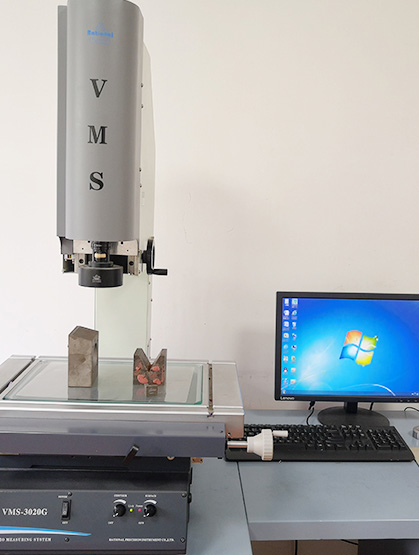
Inspects complex profiles under optical magnification, measuring anodising layers and micro-features.
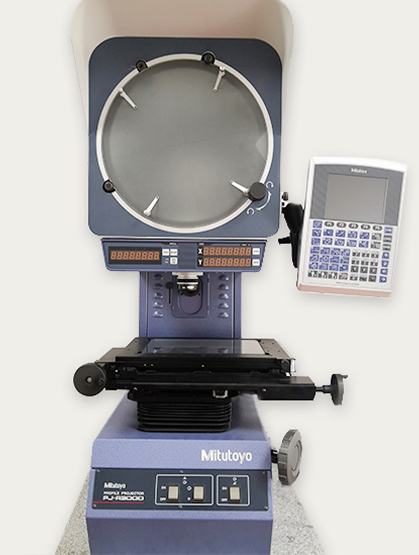
Second optical inspection system dedicated to structural alignment checks for stamping and deep-drawn components.
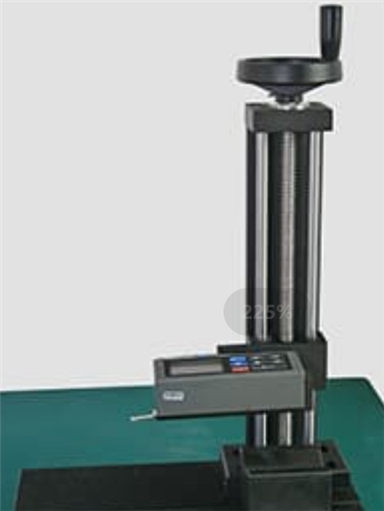
Monitors Ra values before and after anodisation, ensuring compliance with specified surface roughness requirements.
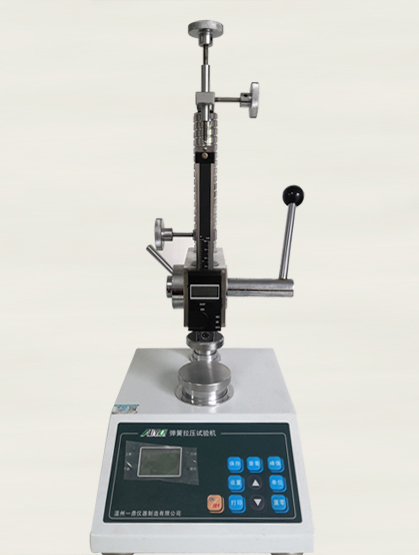
Measures structural strength limits for mechanical linkages, springs, and critical assemblies.
XinYe metal products and specialized anodised finishes are utilized in demanding markets globally.
Anodised fire & gas safety detection enclosures, flame sensors, explosive gas detectors, and hydrant pit box enclosure kits that resist hydrogen sulfide degradation.
Engine turbine inlets, hinge brackets, transmission components, and structural housings that require high strength-to-weight ratios and corrosion-resistant finishes.
Transmission components, high-stress structural parts, and specialized E-bike fittings (connectors, chassis tubes, brake levers) requiring durability and precise finishes.
Sanitized cream whippers, tabletop cooking stove manifolds, and food preparation machinery components that meet strict cleaning and contact requirements.
A review of custom component designs engineered for complex operating conditions.
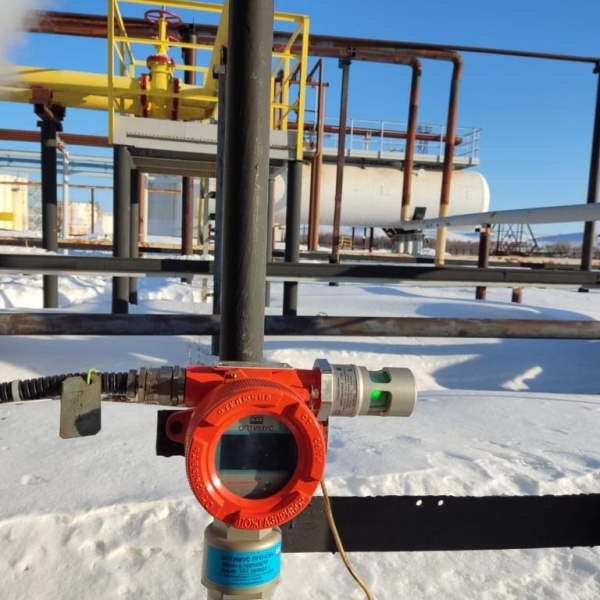
Forged structural linkages utilizing 6000-series alloy with custom anodised coatings for harsh industrial settings.
View Technical Case Study →
CNC-machined transmission blocks featuring controlled-depth hardcoat anodising to reduce surface wear.
View Technical Case Study →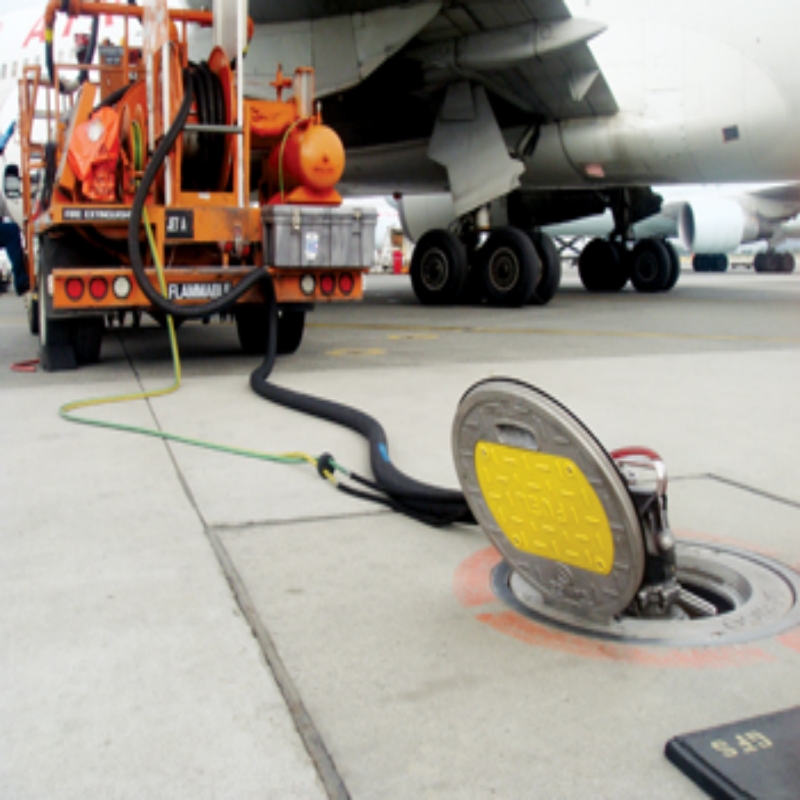
Aviation fuel hydrant pit boxes and hinge assemblies designed for fuel compatibility and environmental protection.
View Technical Case Study →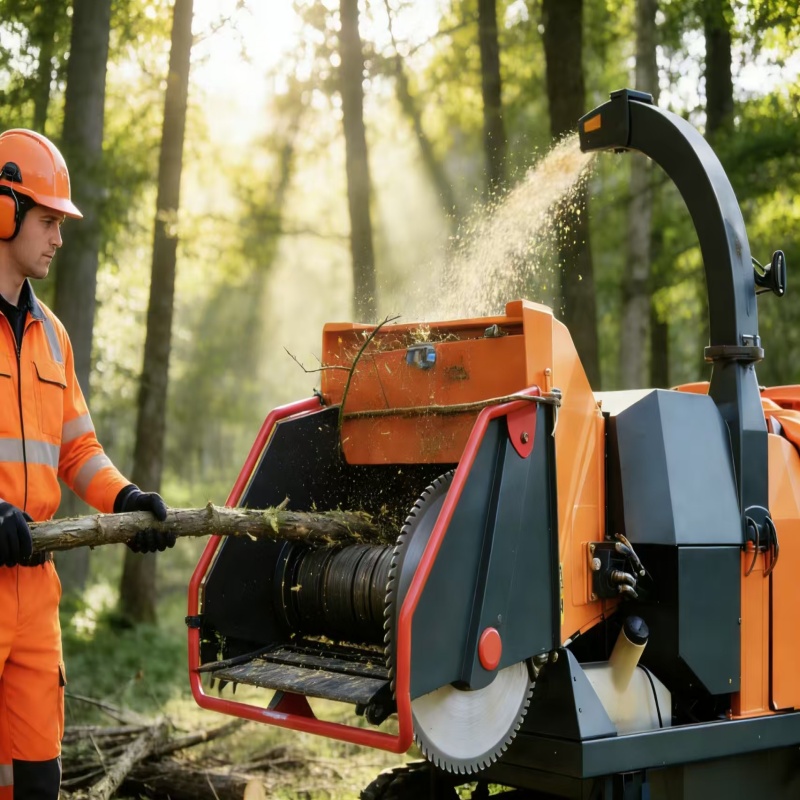
High-toughness feed rollers and cutter discs manufactured from Q345B and 42CrMo structural steel alloys.
View Technical Case Study →From technical drawing analysis to final quality validation, we ensure consistency across manufacturing stages.

Our engineering team reviews custom client drawings, selecting chemical parameters, masking plans, and manufacturing steps to meet performance and dimensional standards.

We source raw materials and manufacture prototype samples. Parts undergo dimensional and surface finish verification, and a test report is provided to the client for validation.


We integrate client feedback on samples before initiating volume production. The chemical bath parameters, CNC tooling configurations, and masking protocols are finalized for consistency.


Components are manufactured under CNC control, followed by chemical surface modification in our anodising line. Quality inspectors verify surface thickness and seal quality throughout the run.

Components are assembled in a clean, dedicated space, packed in custom export packaging to prevent surface damage, and shipped with all required material and dimensional certificates.

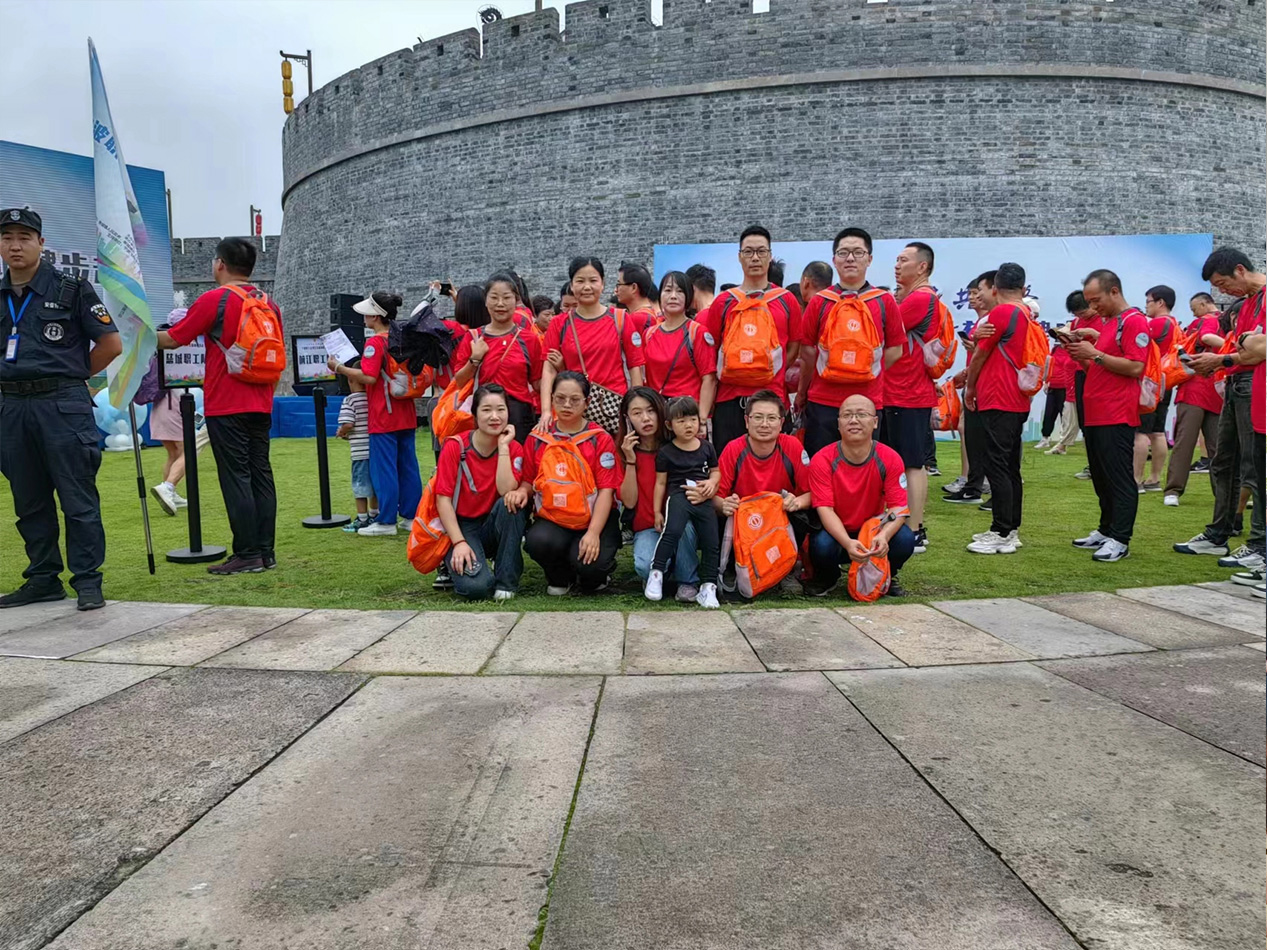
Our business philosophy is built on three core values: Trust, Responsibility, and Professionalism. We build trust by delivering custom metal components that consistently meet our clients' target specifications. Our responsibility drives us to manage the entire manufacturing cycle—from raw material inspection through packaging—to deliver reliable, complete engineering solutions.
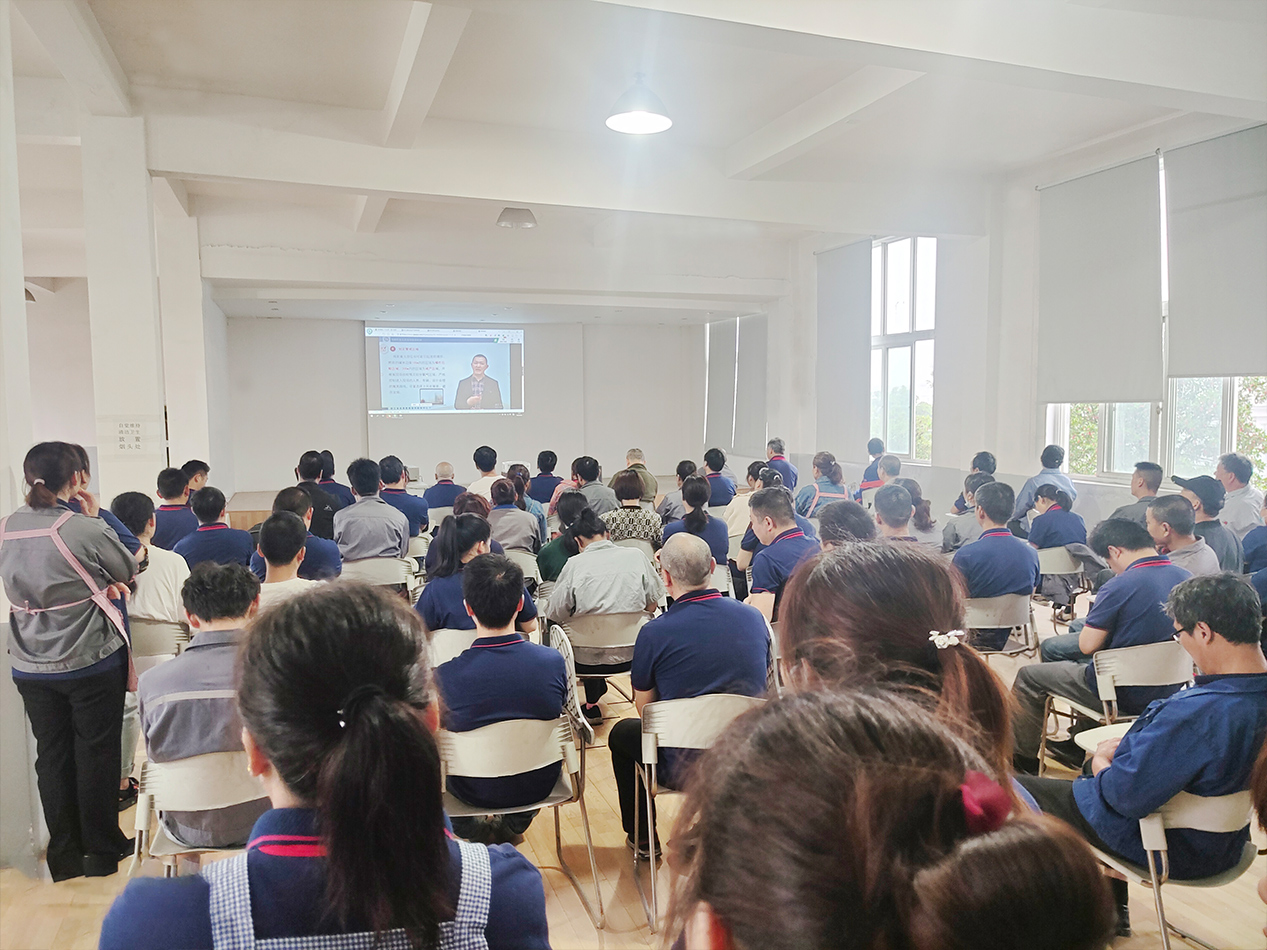
Professionalism defines our engineering team, which holds over 20 utility patents. We maintain our technical standards through ongoing training and investments in machinery and testing instrumentation, ensuring we remain a reliable partner for your metal fabrication projects.
We utilize modern manufacturing equipment to ensure structural integrity and precision across our product lines.
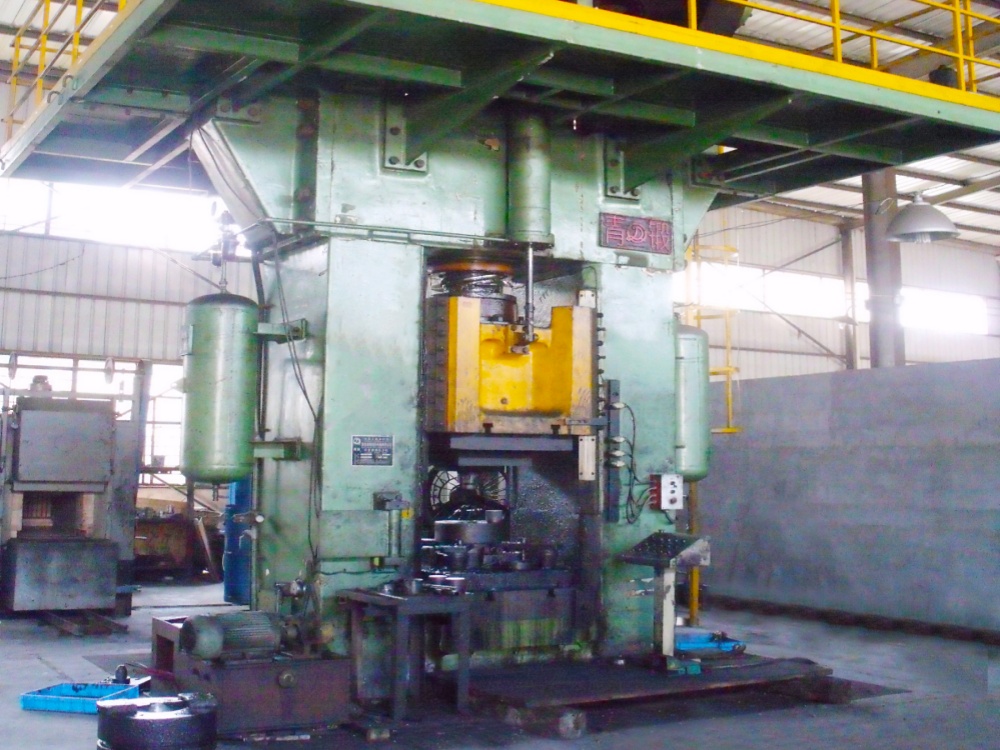
Our friction press systems generate from 300 to 1,000 tons of press force. This enables high-density forging of complex geometries from 6000 and 7000 series aluminum alloys.
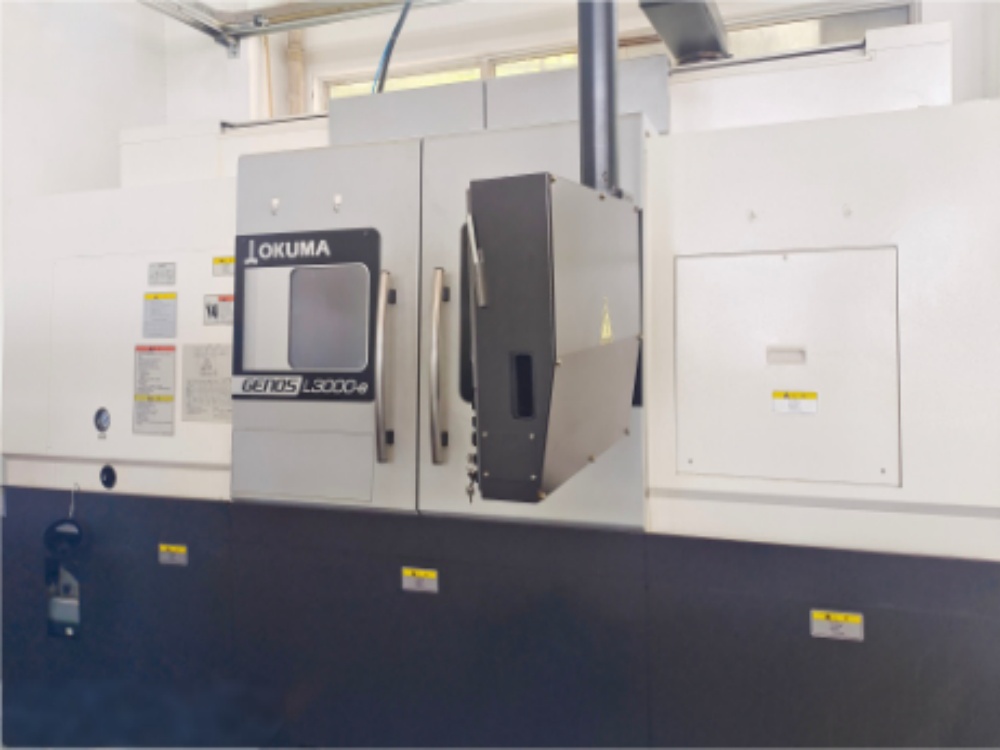
Equipped with 4-axis control units, these systems run automated programs to achieve tight dimensional tolerances down to ±0.005mm.
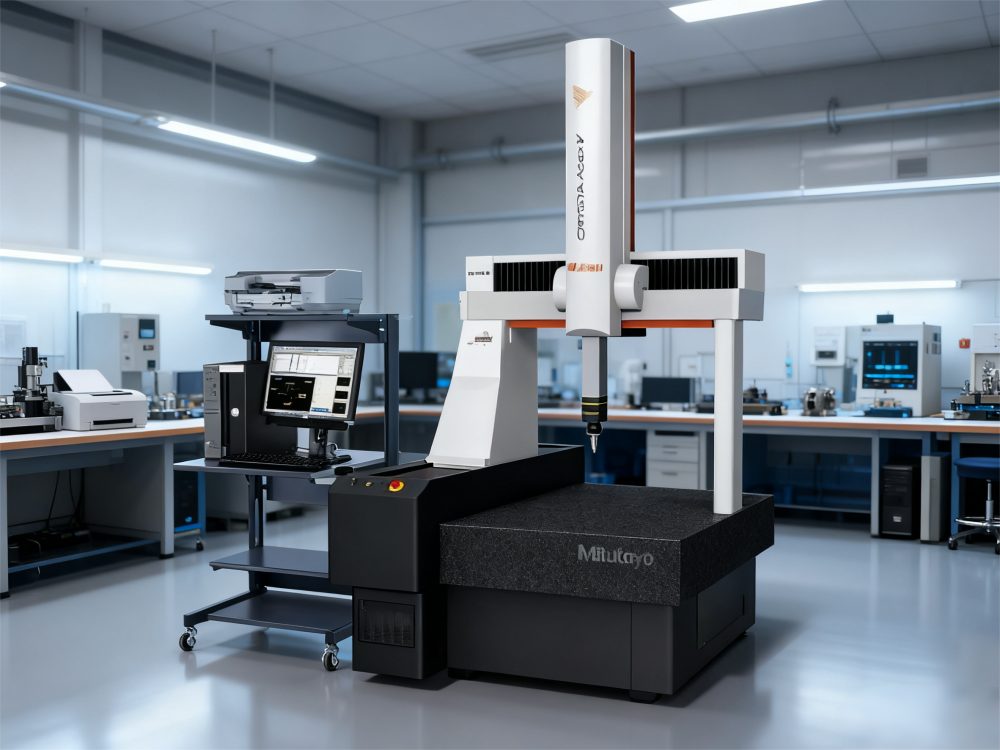
Advanced coordinate measuring machines (CMM) and video metrology systems verify part geometries before surface treatment steps.
Detailed answers regarding our OEM anodising processes, production capacity, lead times, and quality assurance standards.
Our core product categories manufactured under strict ISO quality standards.
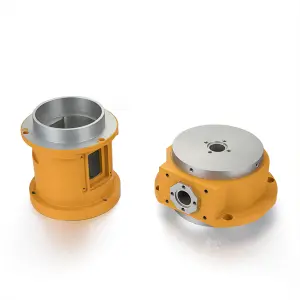
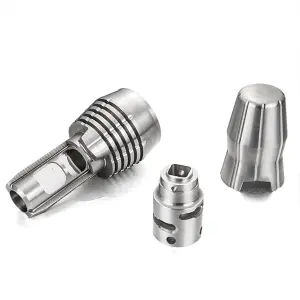
 XinYe Metal