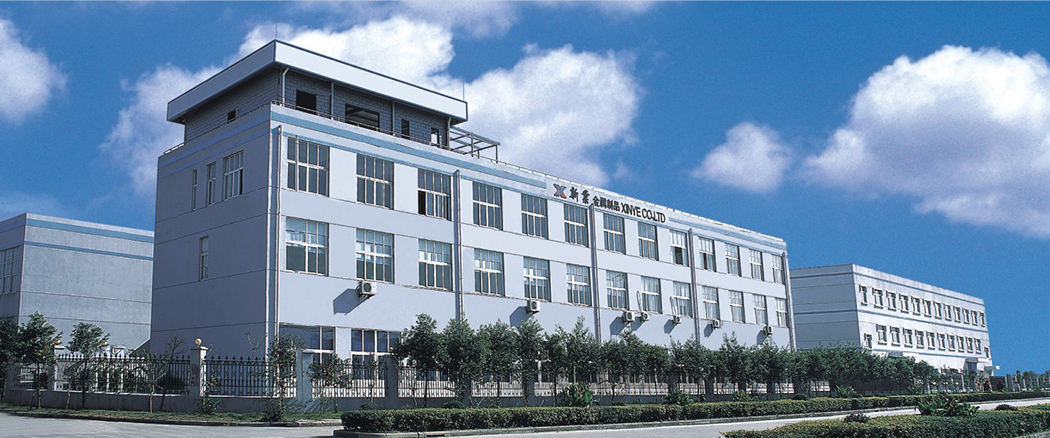
Founded in 1996 as an owner-managed family business, Ningbo Jiangbei XinYe Metal Works Co., Ltd. has developed into a highly qualified, technology-driven SME corporation. We operate from the Ningbo Jiangbei Industrial Zone, situated within a highly accessible location only 3 hours from Shanghai International Airport via the high-speed train network.
Today, our company covers a total of 16,000 square meters of production floor, complemented by an additional 11,000 square meters of construction space designated for expansion. We employ a skilled staff of 130 professionals, consisting of 80 dedicated production operators and 50 experts in product development, engineering, quality control, and management structures.
XinYe provides integrated, one-stop technical solutions spanning raw materials processing to advanced secondary surface finishes: CNC Machining, Aluminum Alloy Forging, Wax Die Stainless Casting, Extrusion, Stamping, and Anodizing / E-Polish Surface Treatments. Global industrial clients count on us for reliable execution, engineering innovation, and high conformance standards.
Although aluminum is the metal most traditionally associated with anodizing, the process of anodically modifying stainless steel has become a vital technical pathway for advanced industries. In stainless steel, anodic treatment is not merely about growing a soft oxide layer, but rather about the highly controlled electrochemical coloring and thickening of the passive chromium oxide film (typically forming Cr₂O₃). This process (often related to the INCO process or acidic electrolysis) creates interference colors on the steel surface without using organic dyes or pigments. The resulting finish is completely UV-resistant, highly ductile, and chemically inert.
Alternatively, where maximum cleanliness is required, Electropolishing (E-Polish) works as a reverse plating process. E-polish removes a microscopic layer of material from the stainless steel surface, removing iron deposits and enhancing the chromium-to-iron ratio. This leaves a smooth, burr-free, mirror-like finish that minimizes micro-cavities where bacteria or corrosive agents could settle.
Industrial fields requiring critical corrosion resistance, high cleanliness, and stable electrical properties choose passivated and electropolished stainless steel components:
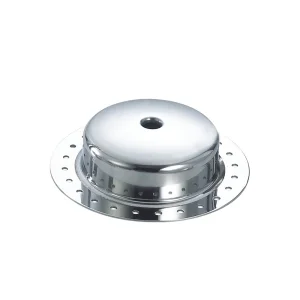
For items like cream whippers, surgical trays, and tabletop cooking stoves where cleanliness and chemical resistance are mandatory.
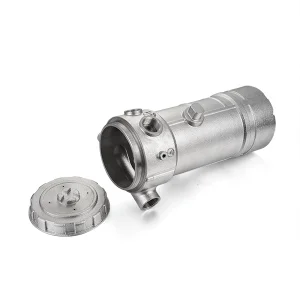
Explosive and toxic gas sensors, flame sensors, and fire safety systems exposed to saline or sulfurous atmospheres.
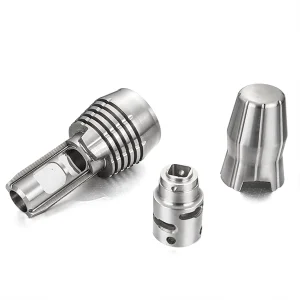
E-bike connectors, engine structural brackets, transmission systems, and turbine inlet piping needing high mechanical reliability.
| Method | Primary Mechanism | Target Alloys | Typical Thickness | Key Benefits |
|---|---|---|---|---|
| Anodic Coloring | Electrochemical growth of chromium oxide interference film | 304, 316, 430 Stainless Steel | 0.05 to 0.5 µm | Exceptional UV stability, non-flaking colors, corrosion improvement |
| Electropolishing (E-Polish) | Electrolytic dissolution of surface roughness (anodic leveling) | 300 & 400 series stainless steels | Microscopic removal (5-25 µm) | Ultra-smooth finish, reduces friction, eliminates micro-cracks |
| Chemical Passivation | Nitric/Citric acid bath to remove free iron molecules | All Stainless Steel series | Molecular monolayer | Restores natural corrosion resistance without changing dimensions |
| Aluminum Anodizing | Controlled conversion to porous aluminum oxide (Al₂O₃) | 6000 & 7000 series Aluminum | 5 to 50 µm | High hardness, dye coloring capability, electrical insulation |
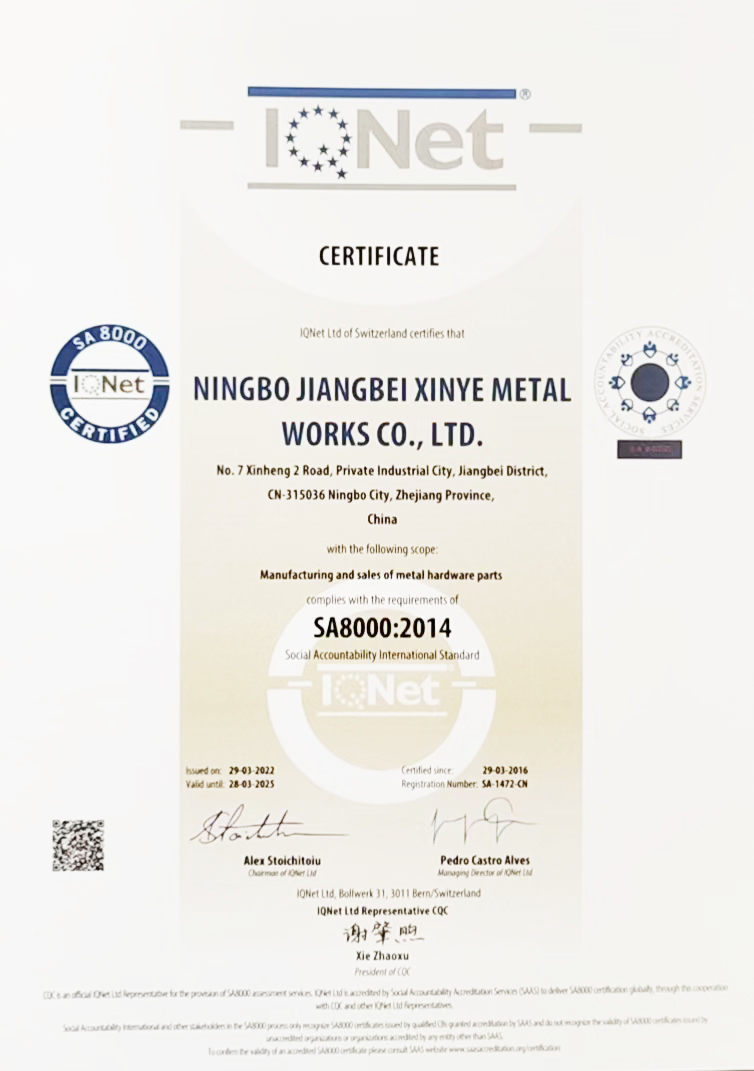
Ningbo Jiangbei XinYe Metal Works Co., Ltd. serves a diverse, international customer base across Europe, North America, and Russia. Operating globally requires strict adherence to international industrial compliance, local environmental regulations, and supply chain reliability.
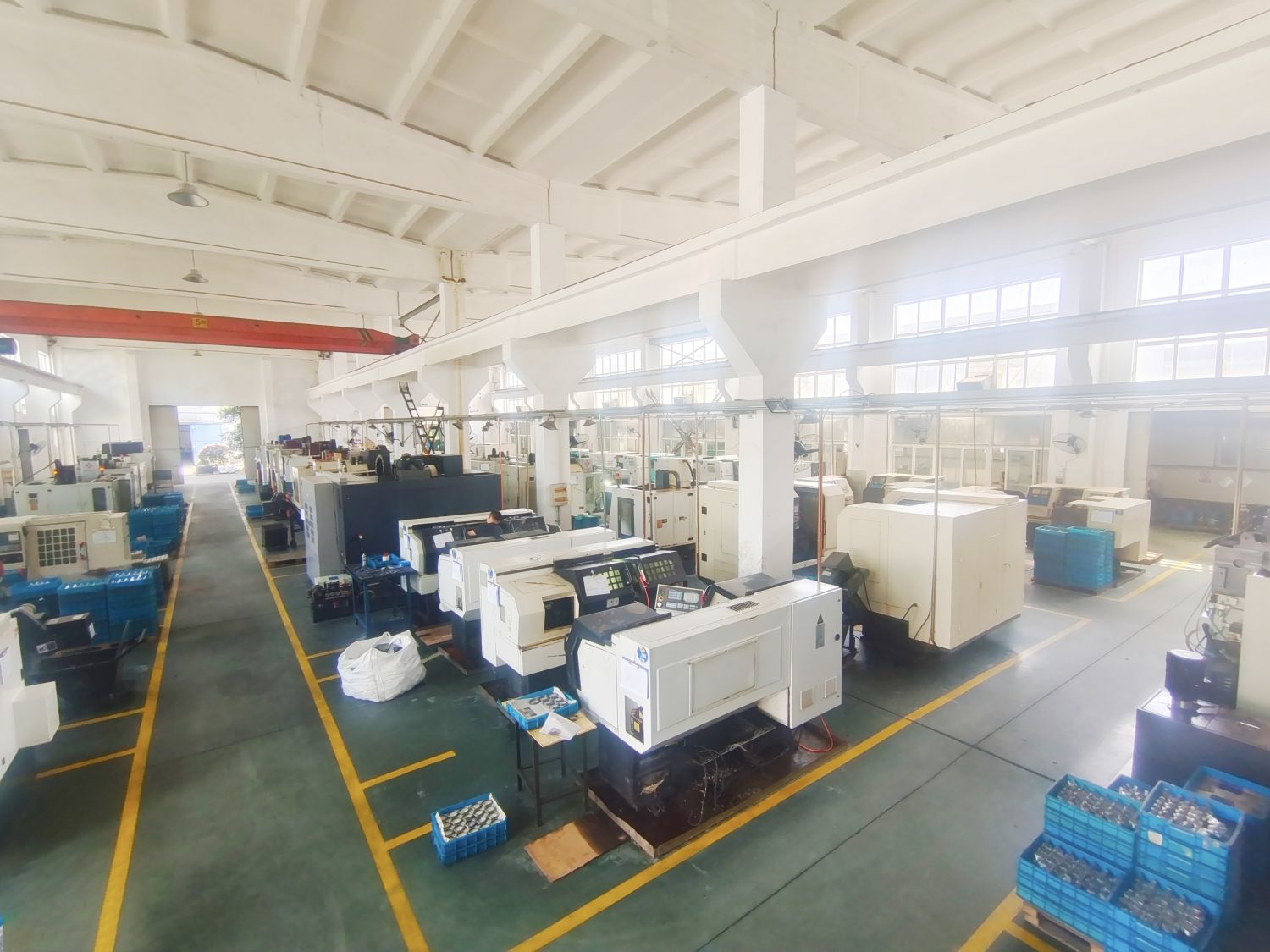
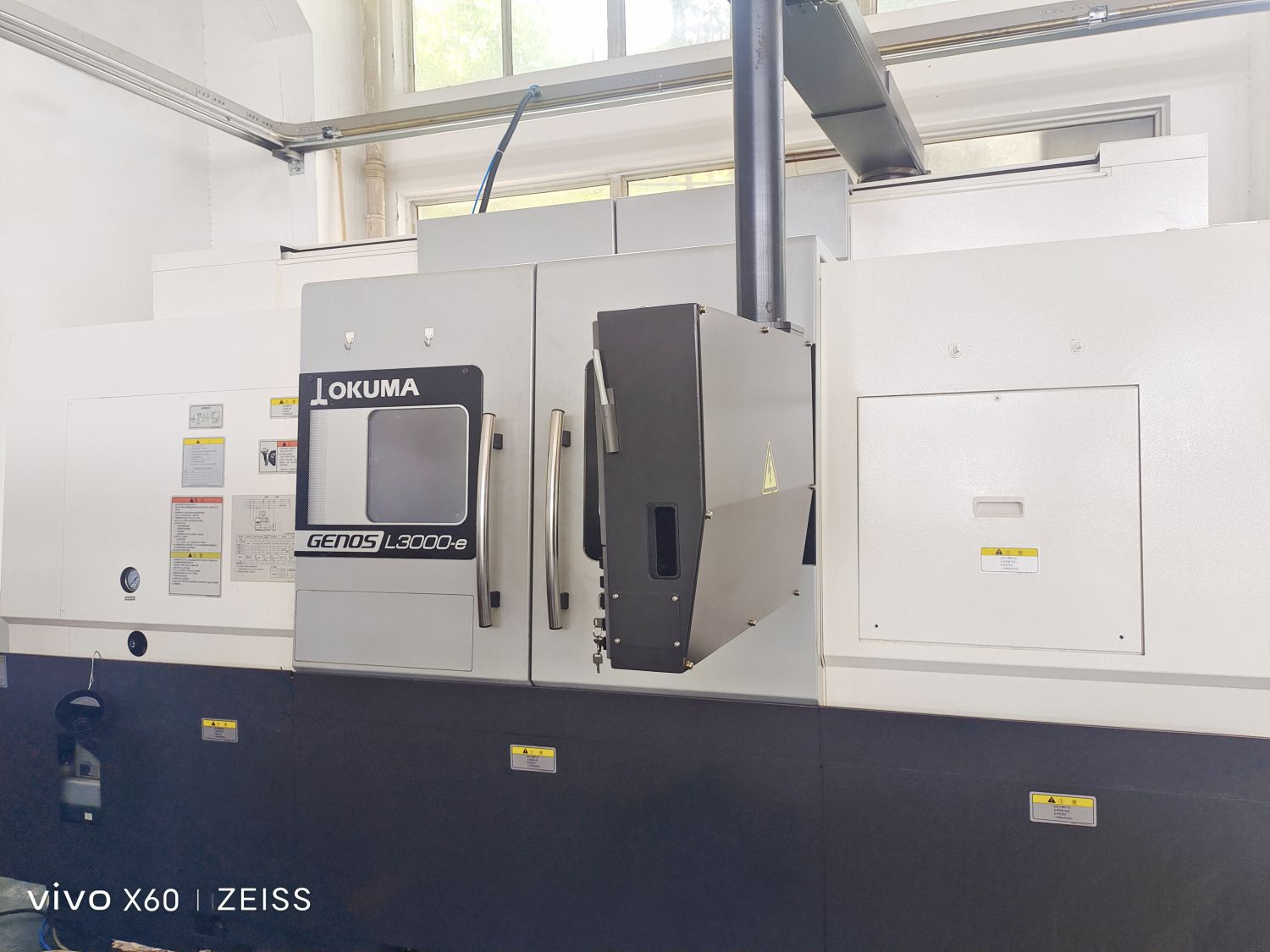
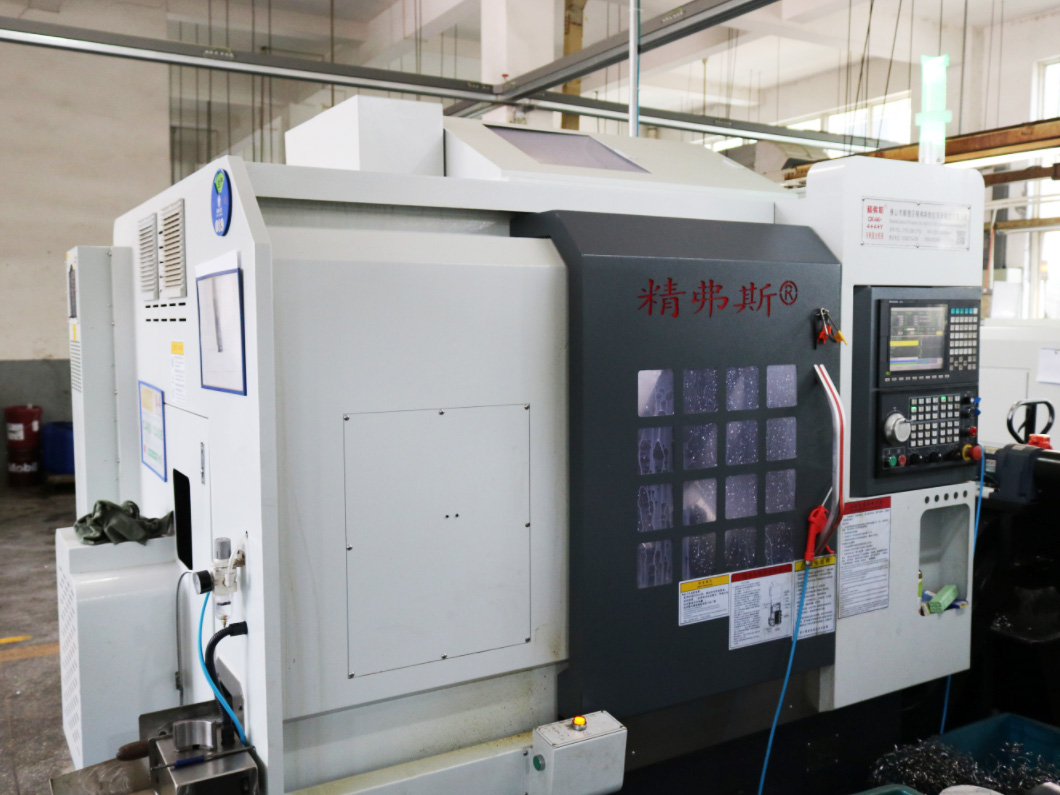
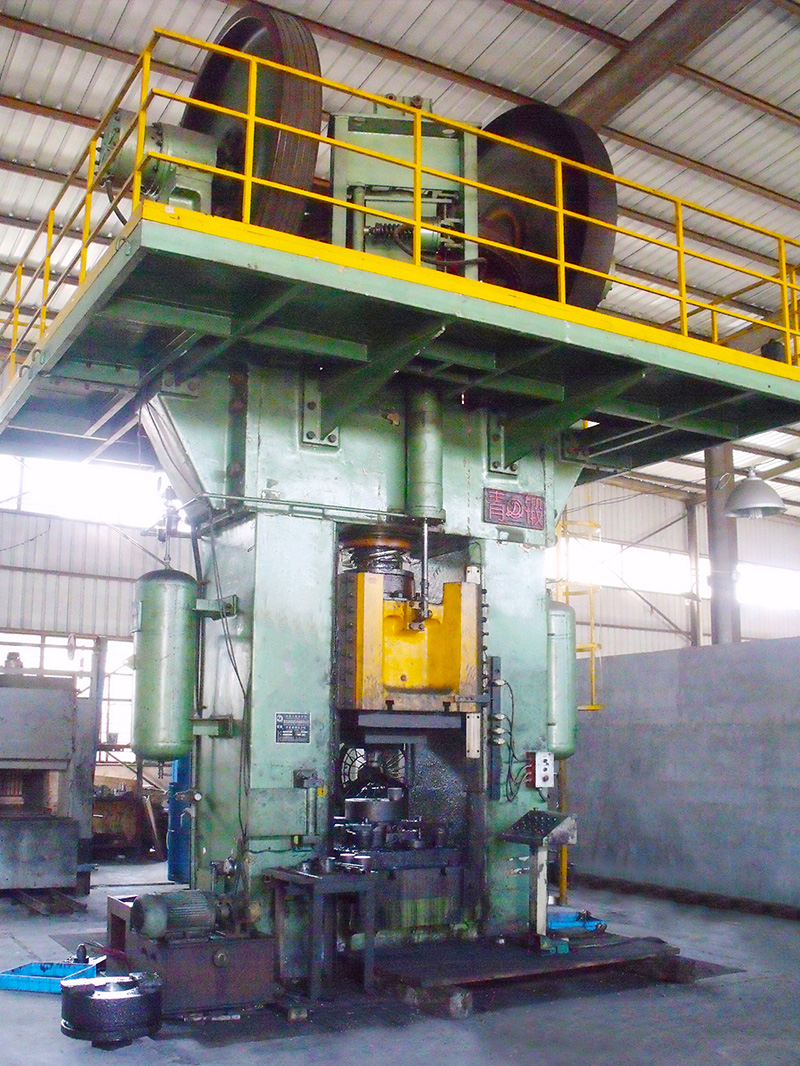
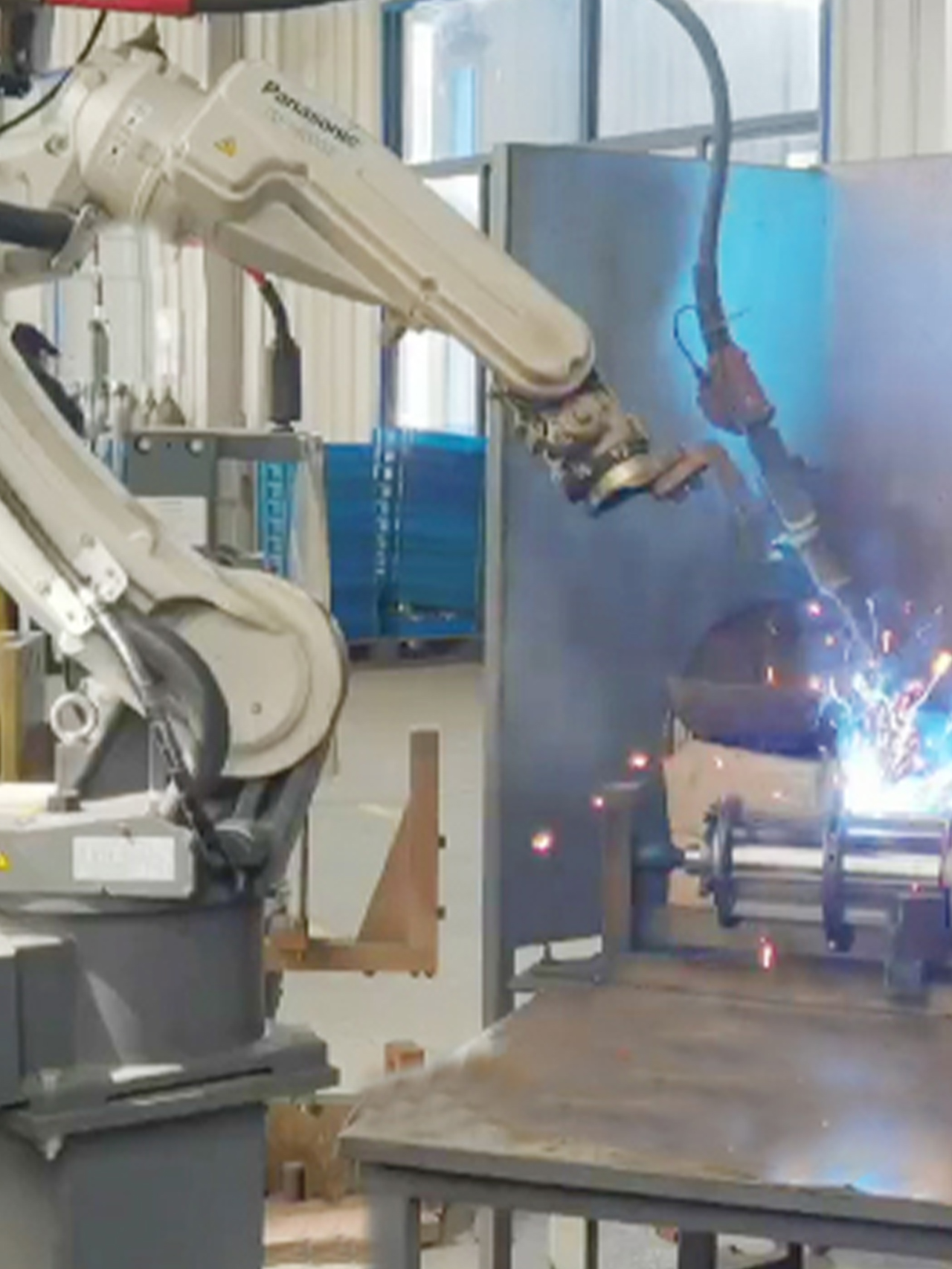
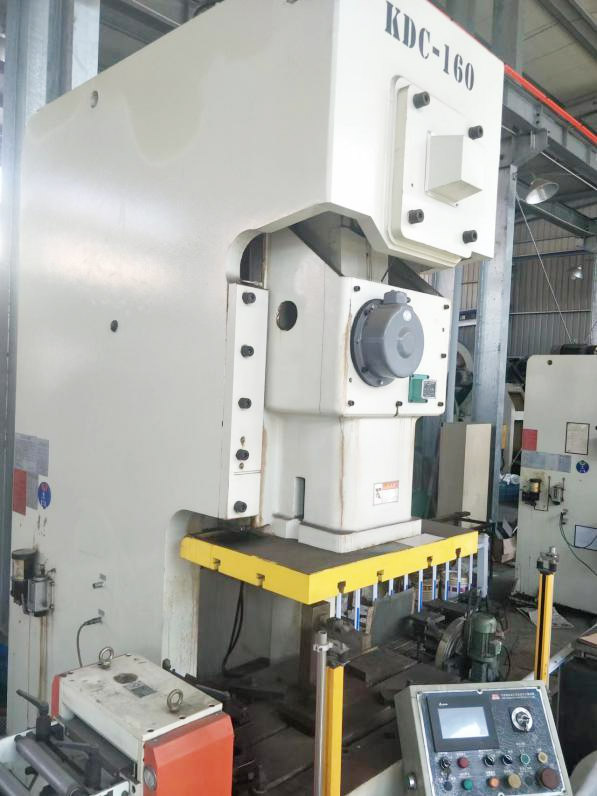
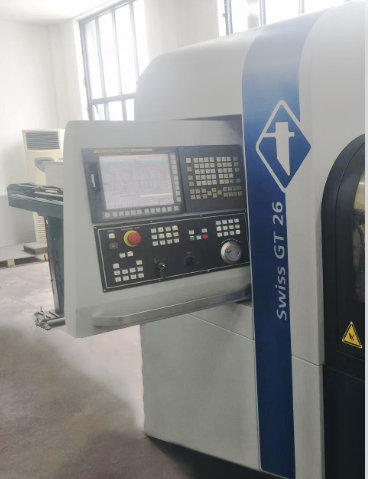
XinYe operates a comprehensive collection of precise, import-grade production machines, ensuring repeatable tolerances for complex metal components. Our capability scope scales from heavy pressing machinery to precise 4-axis CNC turning and milling stations.
By keeping both casting/forging operations and final surface finishing (like anodizing and electropolishing) within the same facility, we minimize quality drop-offs and logistical transport times for international clients.
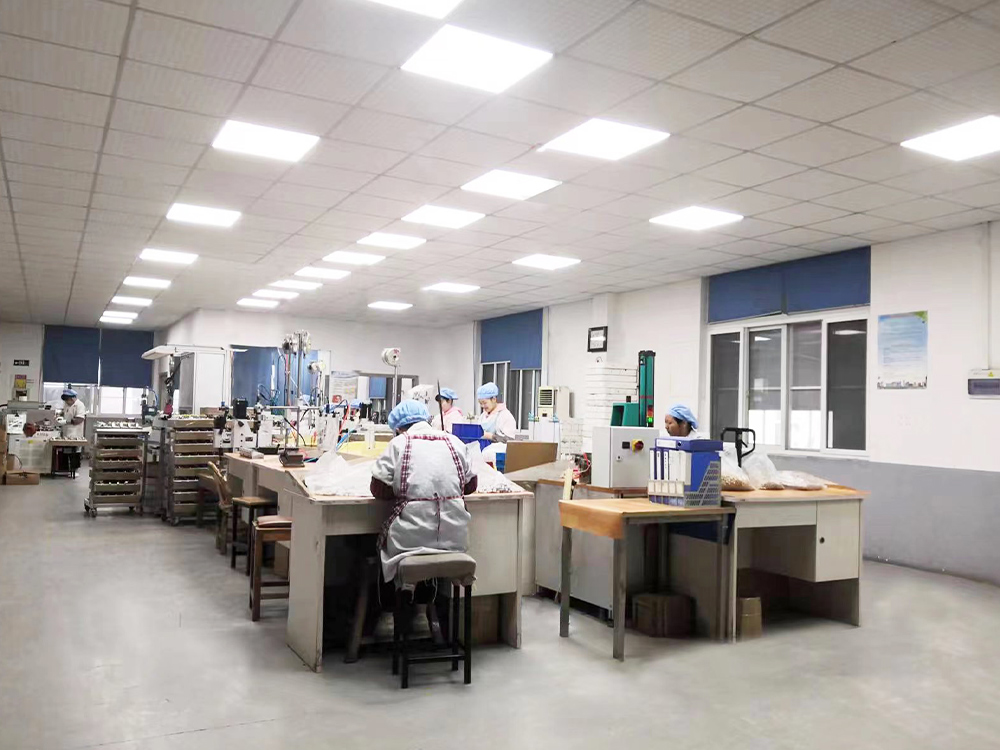
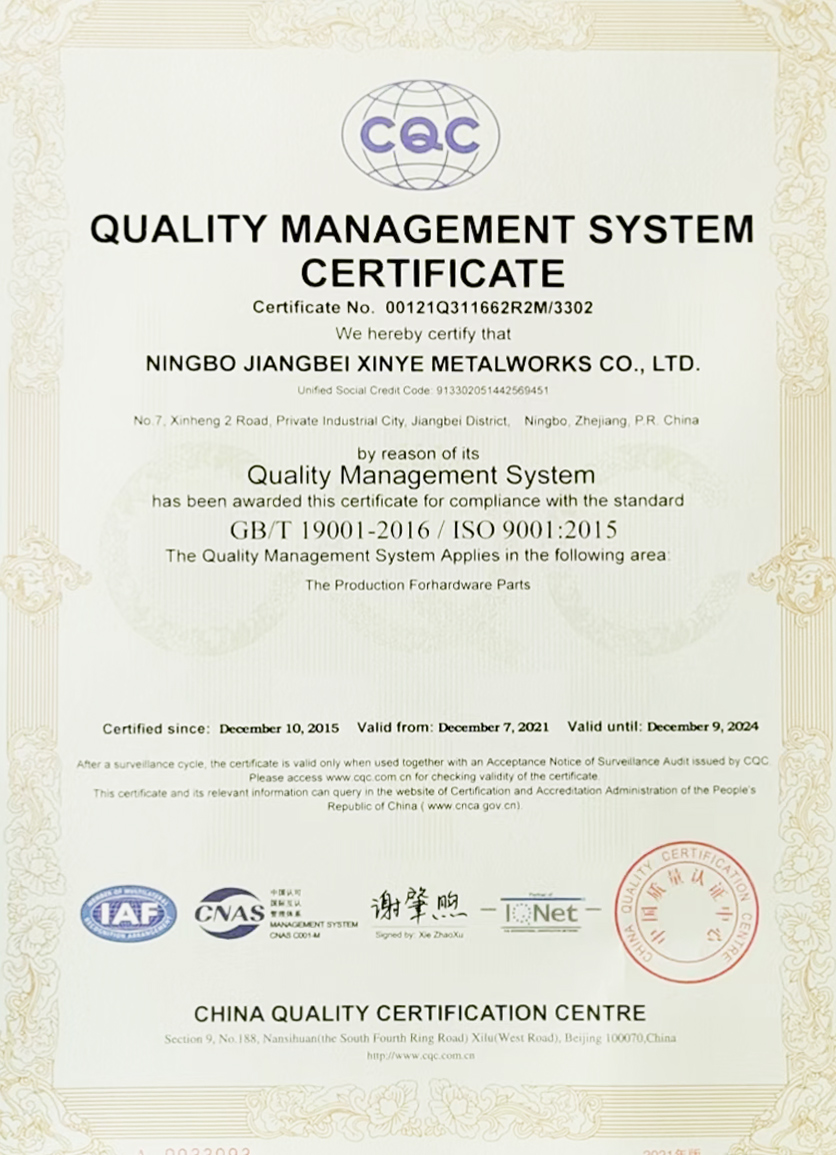
At XinYe, quality is not a phase; it is built into the workflow. From checking raw material ingots to final surface inspections, our dedicated testing department utilizes precise instrumentation to ensure dimensional and structural performance.
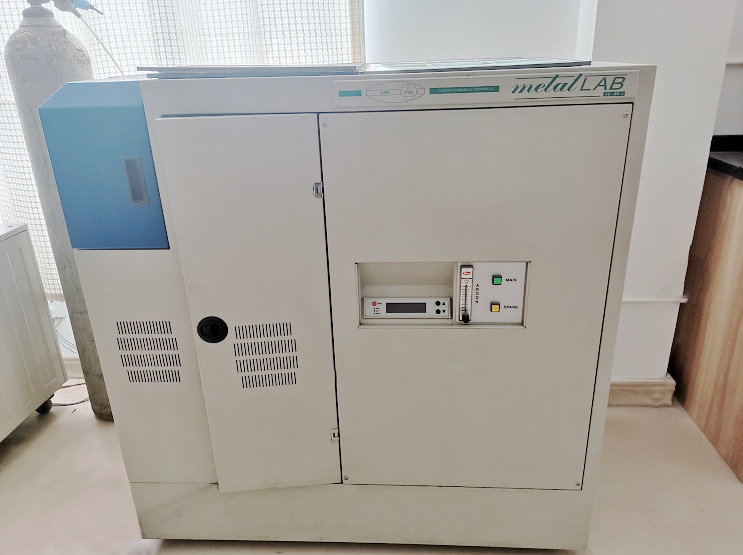
Provides precise elemental analysis of raw alloy batches (stainless steel, copper, aluminum) before casting and machining, preventing material non-conformance.
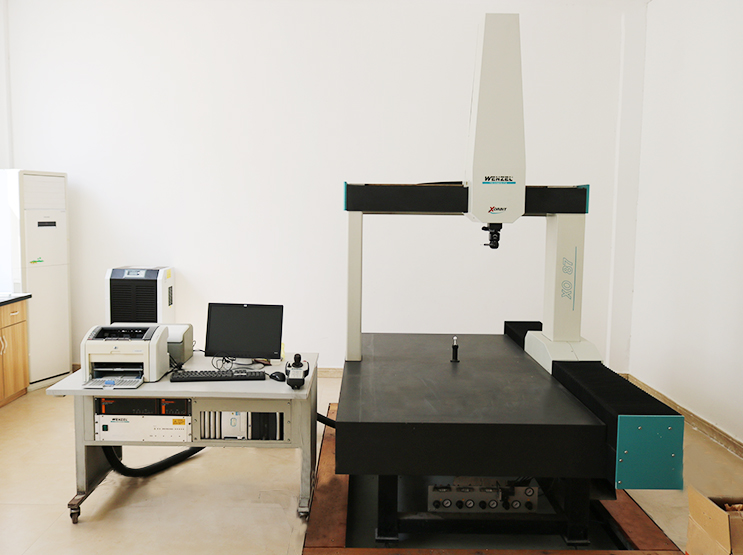
Coordinate Measuring Machine verifies 3D geometry of components, ensuring tight tolerance matches against 3D CAD parameters.
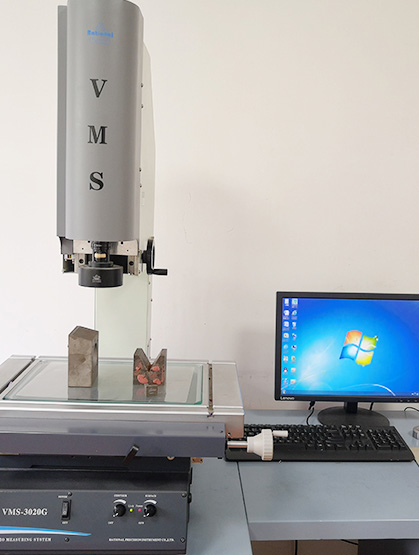
Performs optical dimension checks on delicate parts, threads, and internal features without surface contact.
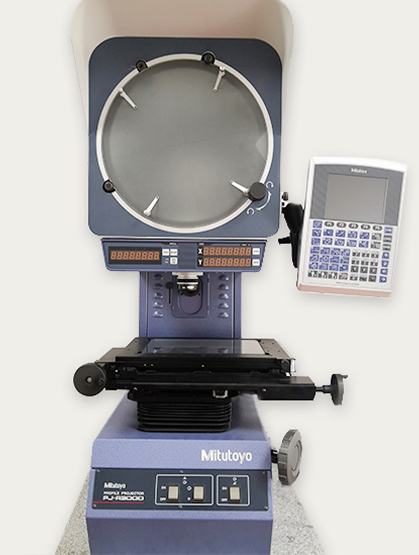
Additional high-resolution optical inspection system dedicated to verifying bulk run stamping components.
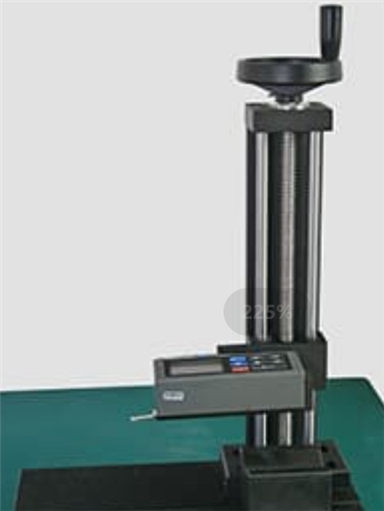
Analyzes surface profile roughness (Ra) down to sub-micron scales to certify the performance of electropolished and anodized finishes.
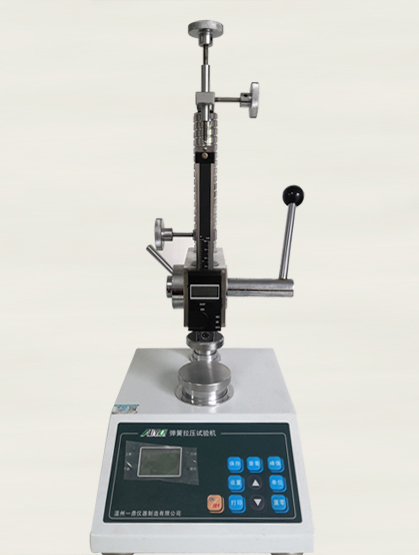
Measures functional elasticity and mechanical compression properties, guaranteeing safety under active loads.
From design input to final shipping logistics, every step in our system ensures component quality.
We receive detailed engineering drawing files (STEP, IGES, DWG) and review them for manufacturability (DFM). We align on dimensions, tolerances, base metals, and preferred surface treatments (electropolishing, anodizing, or custom passivation).

Our engineering team designs and fabricates custom sample tooling to confirm production variables. Sample runs undergo measurement inspection and raw material confirmation, generating a full dimensional report and material certificate for client approval.



Clients inspect sample models in active working environments. Any requested changes to tolerances or surface finishes are integrated into our manufacturing plans before launching mass production.


We execute bulk forging, stamping, casting, or machining operations under strict ISO 9001 control. Regular testing checks ensure consistency across components. Finally, parts undergo surface treatment (electropolishing, anodizing, or passivating) and are packaged to prevent transport damage.

We supply complete quality documentation, including certificates of conformance and testing records. We offer a one-year manufacturing defect warranty (starting from delivery date) and provide full after-sales support to resolve any design or material questions.


Review some of our precision metal fabrication projects, highlighting our manufacturing flexibility.
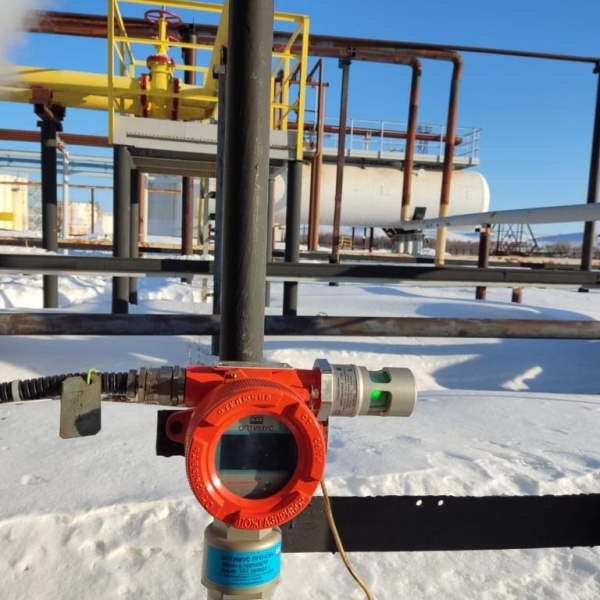
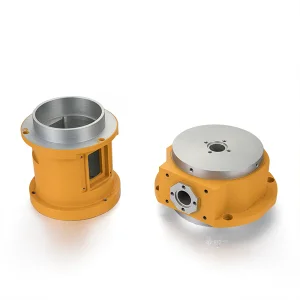
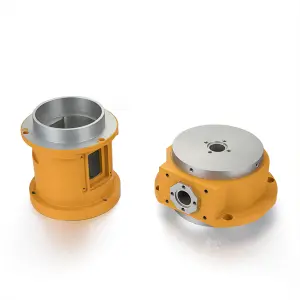
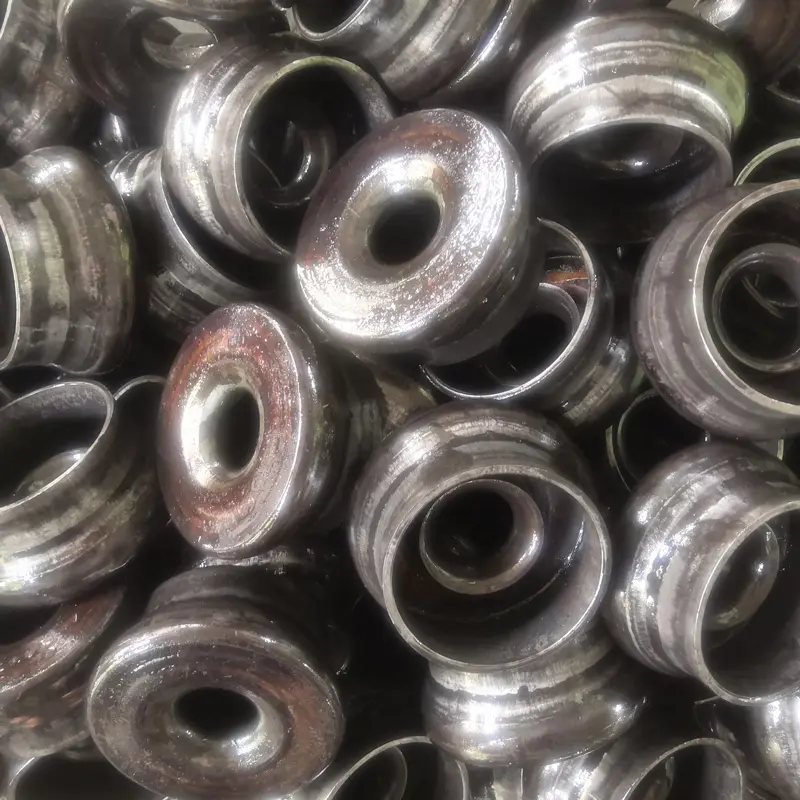
Precision-forged aluminum and steel parts designed for heavy machinery applications, ensuring long-term wear resistance under continuous operating stress.
View Details
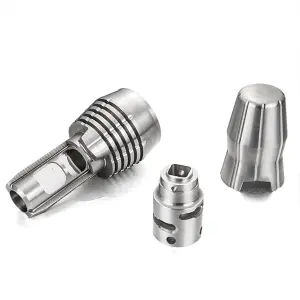
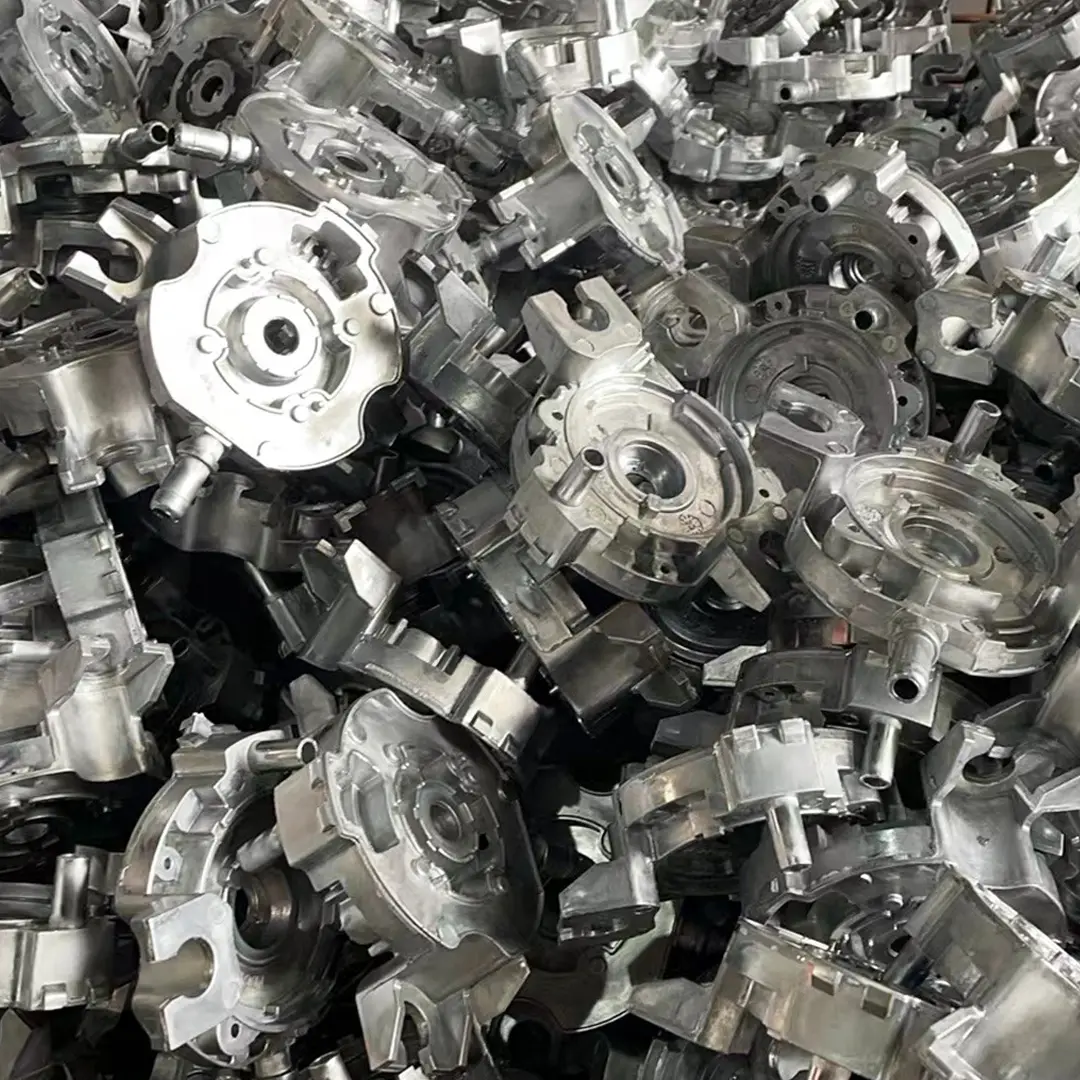
Components produced under tight tolerance constraints, serving critical engine, bracket, and drive system locations within automotive assemblies.
View Details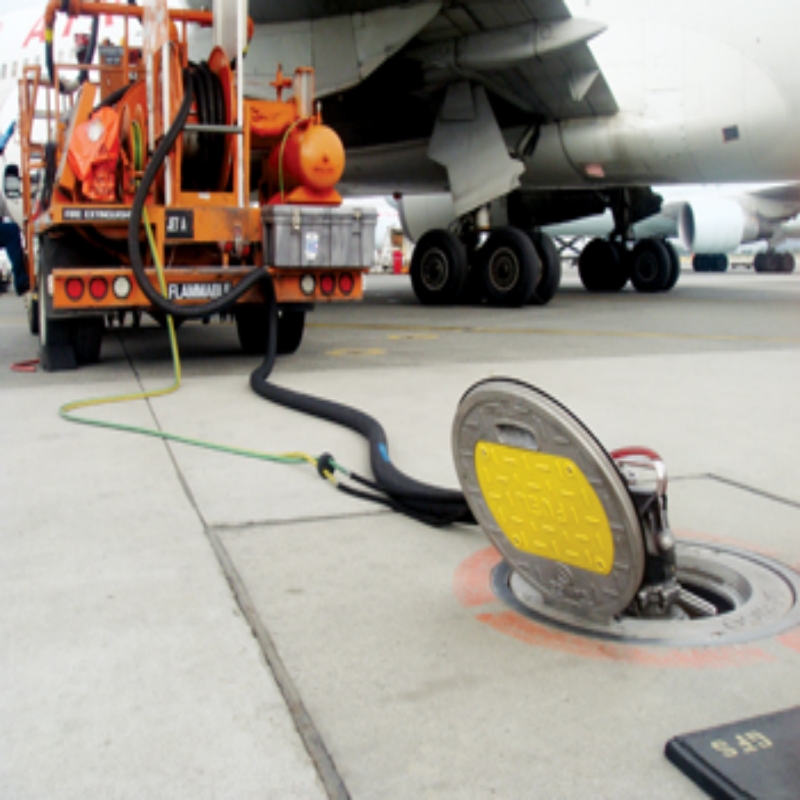
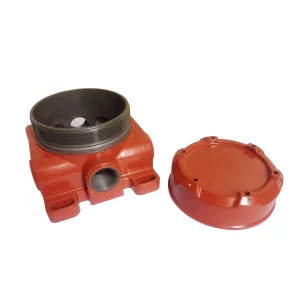
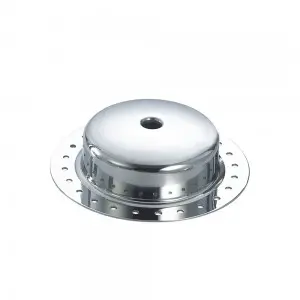
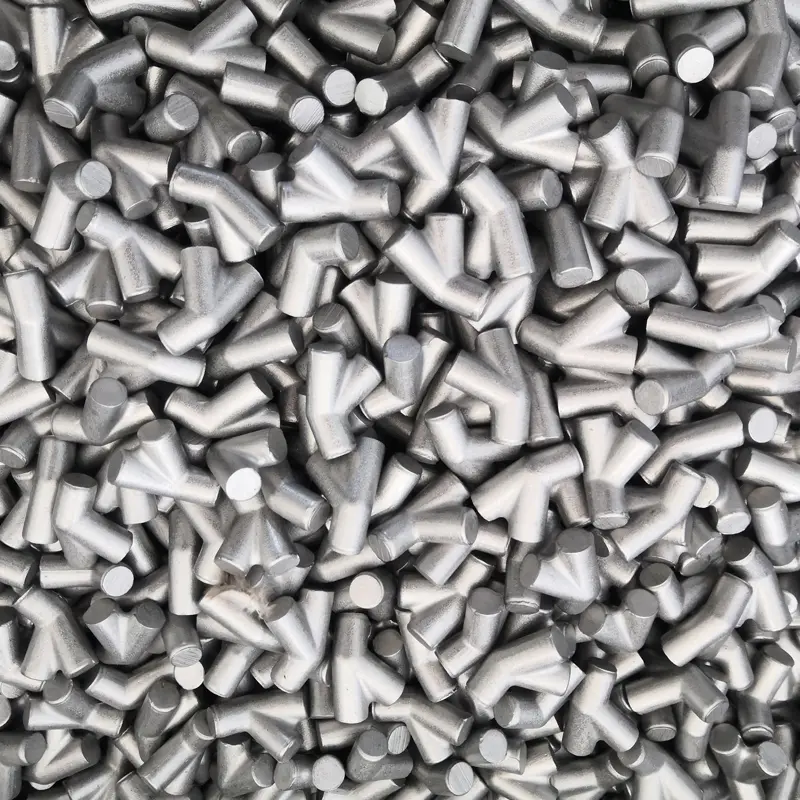
Safety-critical applications, including Aviation Fuel Hydrant Pit Box units, hinge brackets, transmission joints, and turbine intake components.
View Details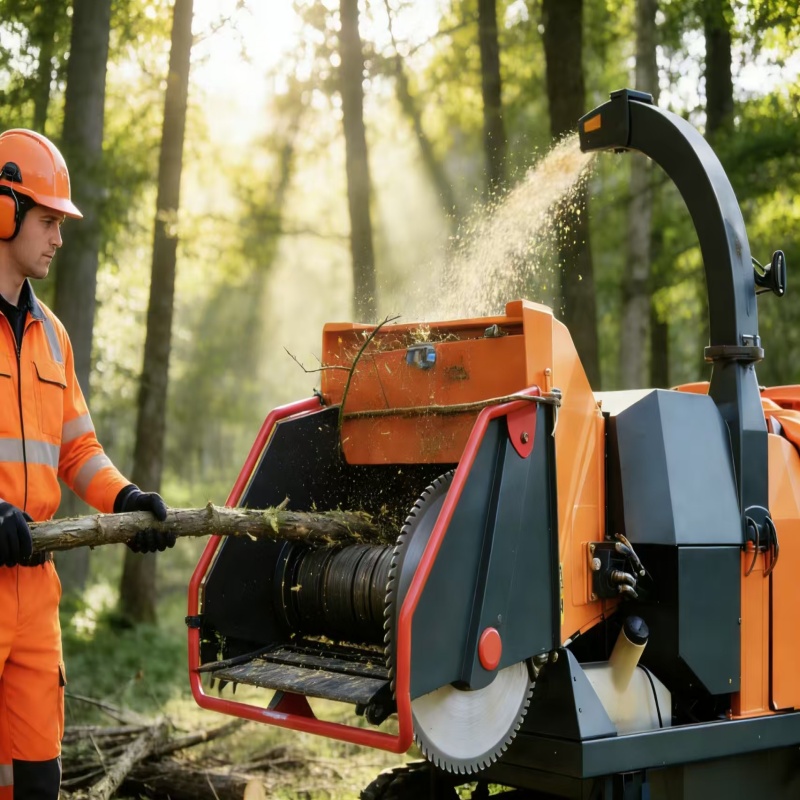
High-durability wood chipper cutter discs and feed rollers, optimized for wear resistance in demanding forestry processing machinery.
View DetailsDeploying automated tool paths is critical to reducing per-part costs while maintaining dimensional consistency across large batches. Our use of advanced turning platforms like the TIPAS H65TMY enables multi-axis operations on complex structural surfaces, reducing production steps.
By using automated systems for both heavy machining and metal forming, we achieve high repeatability, lower defect rates, and consistent delivery schedules for global tier-1 partners.
By managing presses from 300 to 1000 tons, we form high-density forgings with optimal grain alignment. This process improves structural strength compared to standard cast parts, preventing fatigue in high-stress environments.
Our stamping capabilities span from 5 tons to 250 tons, allowing us to form complex metal shapes. This setup is ideal for producing high-precision, deep-drawn enclosures like protective sensor cases.
We work with a wide range of materials, including 304, 316, 410, and 17-4 PH stainless steel, as well as various aluminum alloys. This diversity allows us to deliver optimized performance for specific environment types.
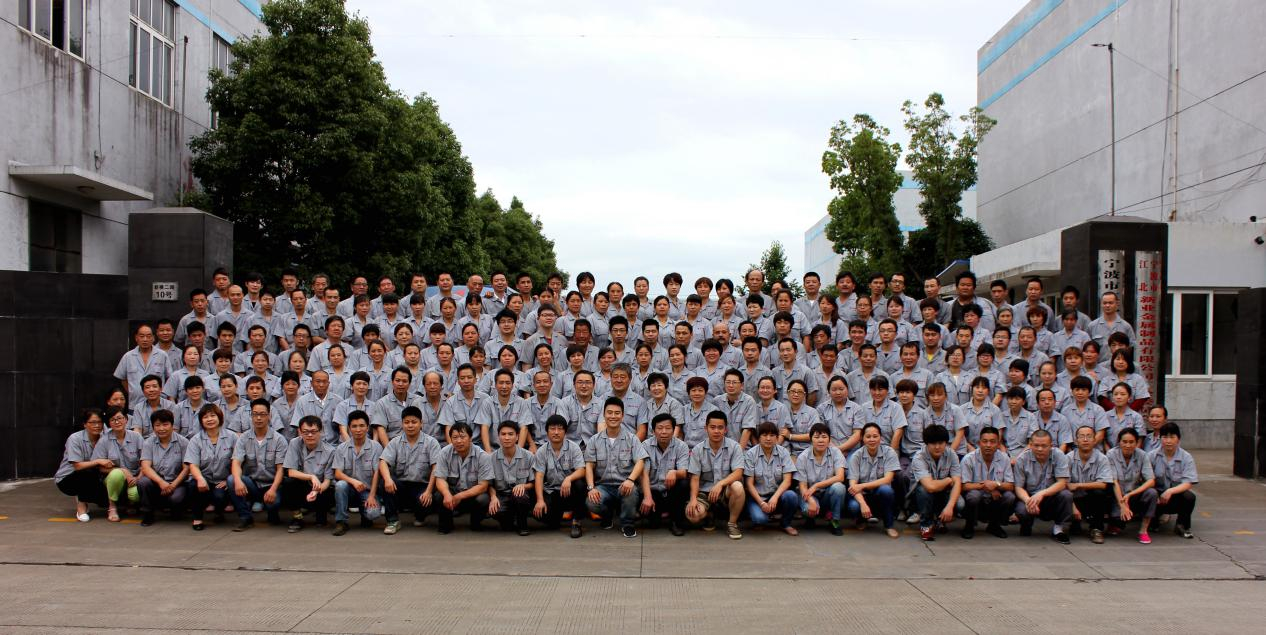
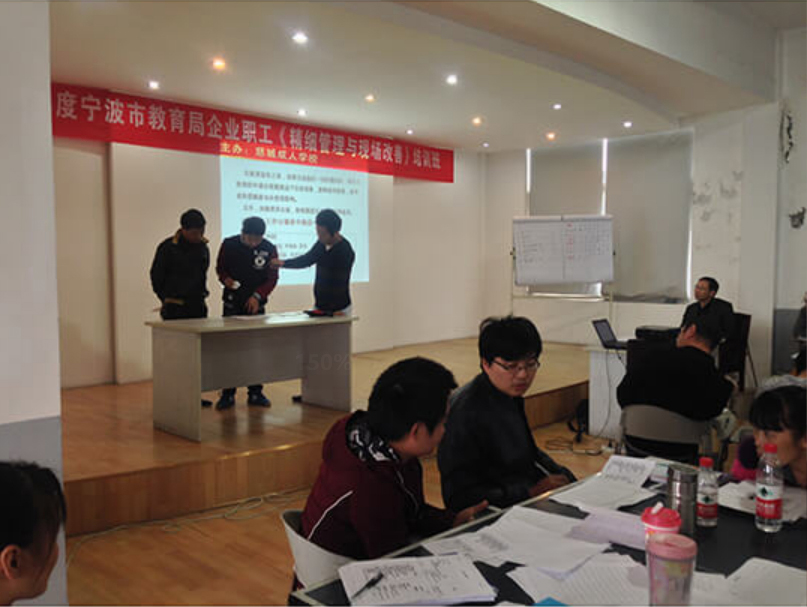
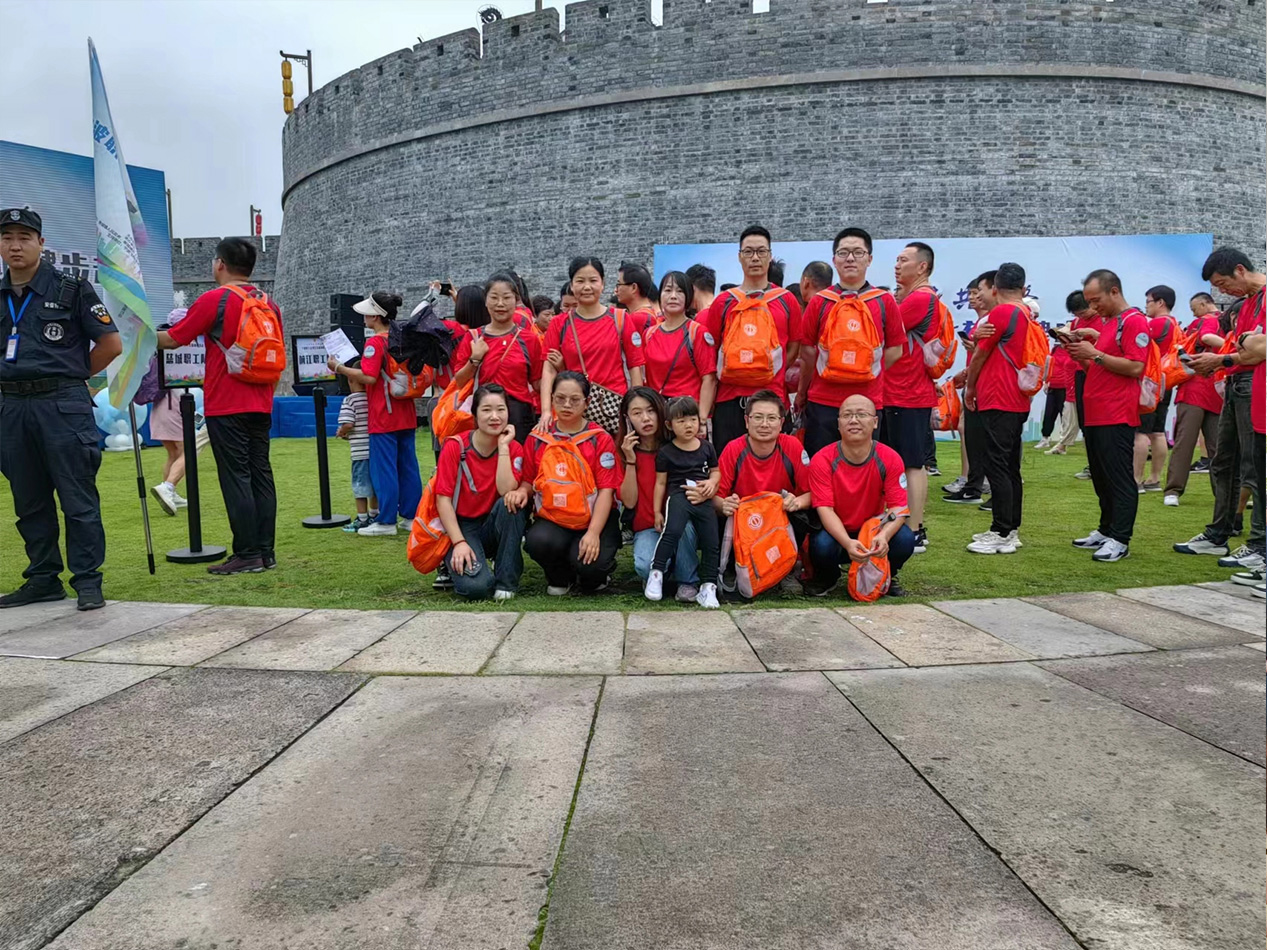
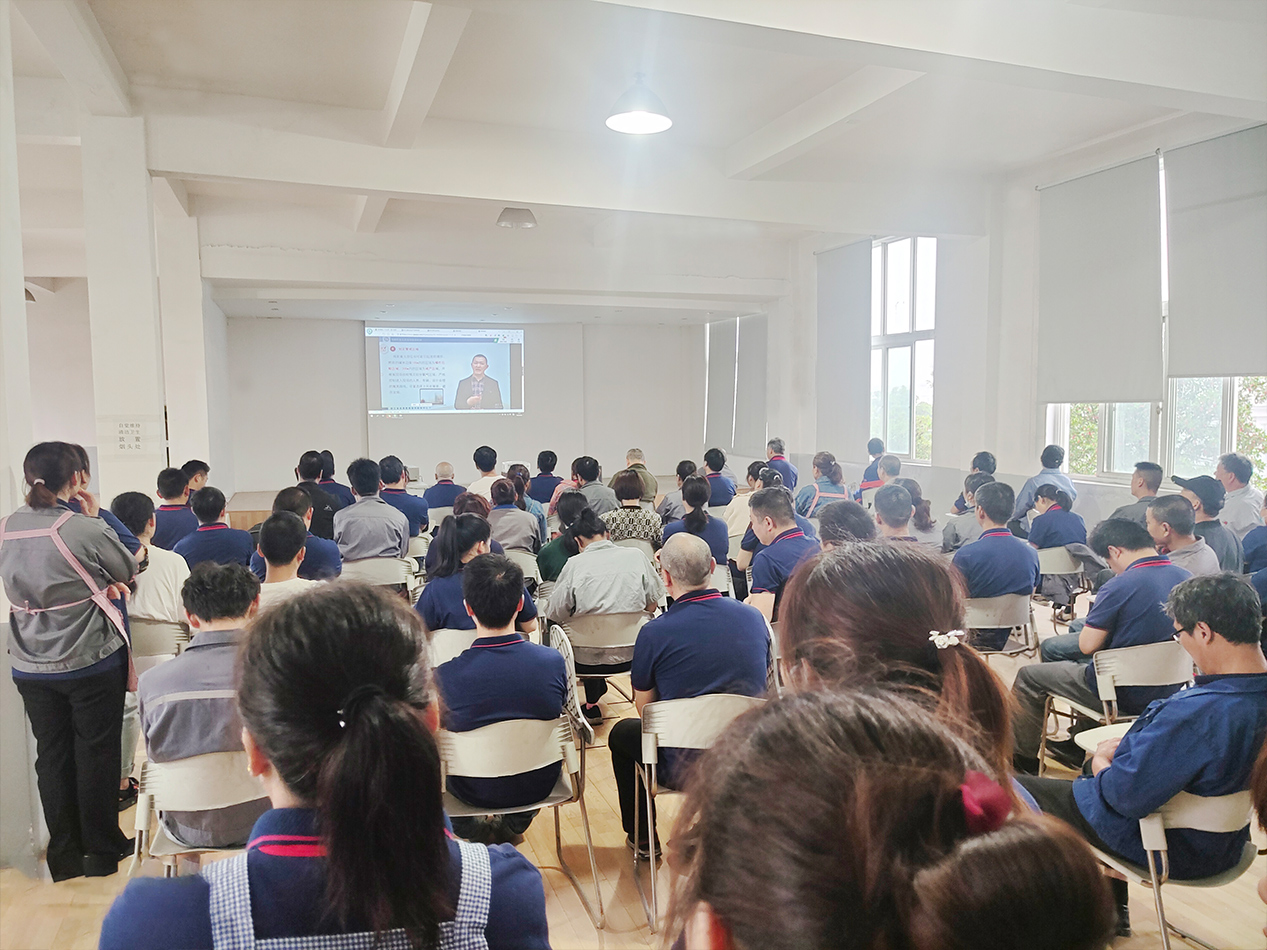
Our workforce is our strongest asset. Out of our 130 employees, 50 serve in product design, engineering, quality inspection, and management roles, allowing us to maintain high control standards. The team is dedicated to manufacturing excellence, driven by professional development and strict attention to engineering details.
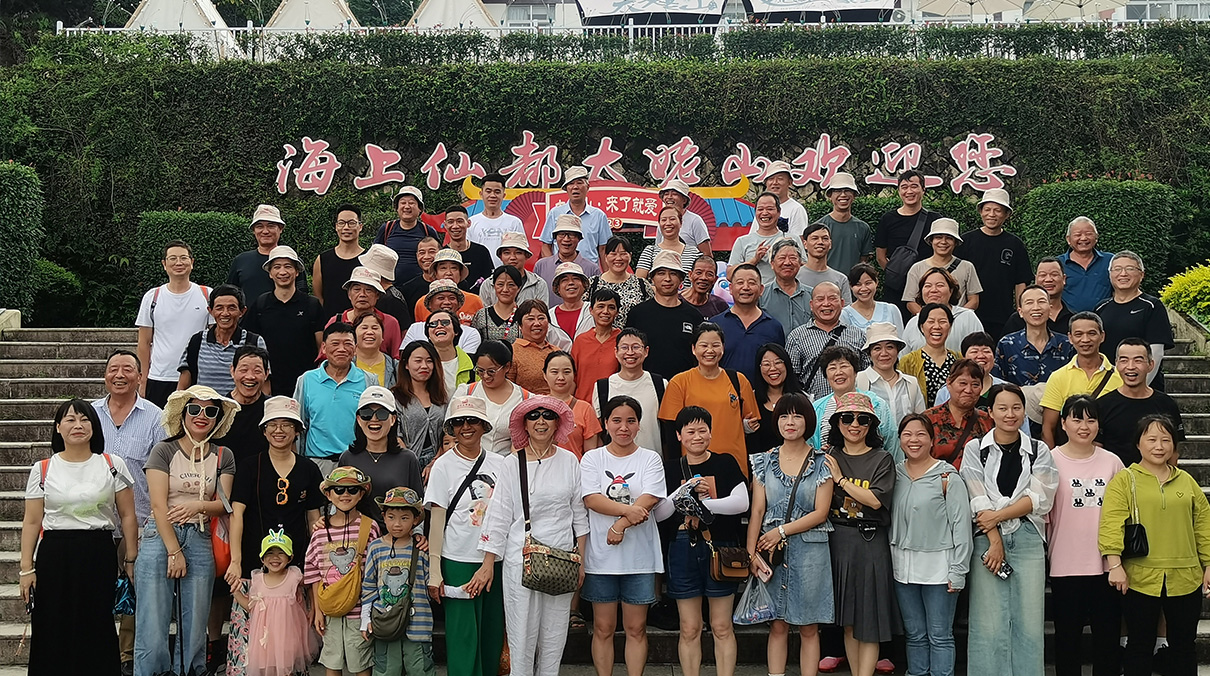
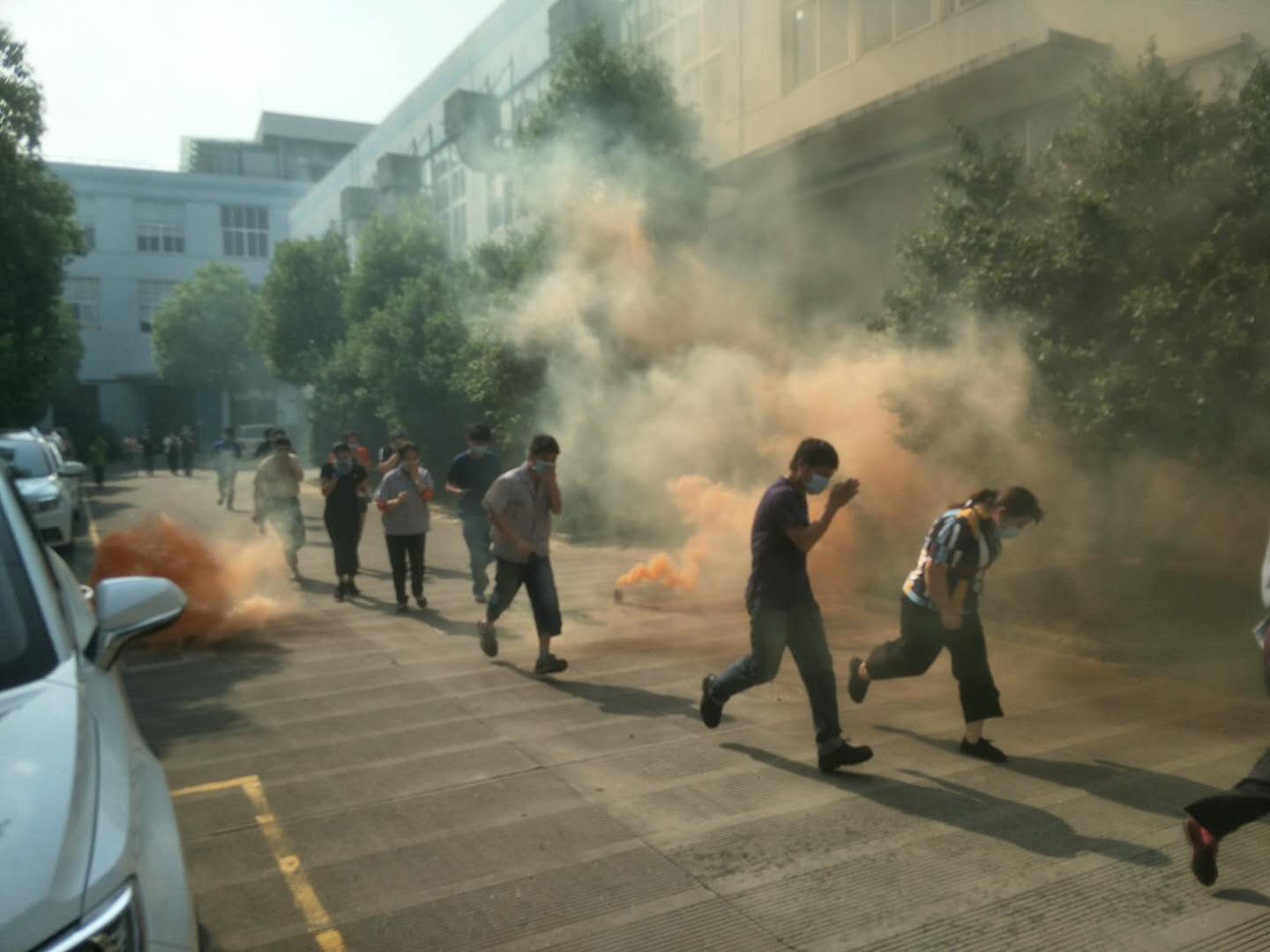
Our core values guide our manufacturing operations and client relationships:
Common questions regarding our OEM metal fabrication, quality processes, and surface finishing technologies.
Our pricing is subject to change based on material markets (stainless steel, copper, aluminum indices) and specific component geometric complexity. Once your engineering team contacts us with detailed 2D/3D drawing specifications, we provide an itemized quote detailing material costs, processing expenses, surface treatment, and tooling within 48 hours.
Yes, we require minimum order quantities for international orders to ensure production efficiency. The specific MOQ depends on the selected production process (e.g., hot forging, casting, or stamping). Please contact our sales team to discuss project-specific requirements, including smaller trial runs.
Yes, we provide comprehensive quality documentation, including Certificates of Analysis/Conformance, raw material mill test reports, CMM inspection sheets, electropolishing surface profiles, and necessary export documents to ensure smooth customs clearance.
For custom engineering samples, the lead time is about 7 days. For bulk mass production, the typical lead time is 20 to 30 days after design approval and deposit receipt. Lead times take effect when we receive the initial deposit and final approval of the reference drawings. We work with clients to accommodate tight schedules whenever possible.
We accept wire transfers (T/T) to our corporate bank account, Western Union, and PayPal. Our standard terms are a 30% deposit in advance, with the remaining 70% balance paid against the copy of the Bill of Lading (B/L).
We provide a one-year warranty on materials and workmanship, starting from the delivery date. We work with our customers to resolve any issues and ensure full satisfaction, regardless of warranty timelines.
Yes, we use high-durability, sea-worthy export packaging, including custom pallets, crates, and vacuum packaging to prevent moisture during transport. We also accommodate specialized packaging requests (e.g., anti-static bags, hazardous material containers, or temperature-stable packaging) for an additional fee.
Shipping fees depend on the chosen transport method. Express air courier is fastest but most expensive; ocean freight is the most cost-effective solution for bulk shipments. We provide shipping calculations based on cargo weight, volume, and destination port after aligning on order quantities.
Yes. Through electrochemical coloring (anodizing of stainless steel), we can create a range of interference colors (bronze, blue, gold, purple) by controlling the oxide film thickness. This process does not use organic dyes, ensuring the colors do not fade under UV exposure or wear off easily.
 XinYe Metal