Explore our core engineering capabilities, integrating top-tier metal processing technologies with pristine anodised finishes.
Anodisation has transitioned from a basic anti-corrosion barrier into a foundational nanostructural engineering discipline. As global industries undergo rapid shifts toward lightweight structures, electric vehicle integration, and high-frequency communication enclosures, aluminum has emerged as the substrate of choice. However, raw aluminum lacks the surface hardness, electrical resistance, and chemical durability demanded by modern field environments.
Anodisation solves this mismatch through controlled electrochemistry, transforming the surface profile into an ordered, highly stable porous anodic aluminum oxide (AAO) layer. This film not only shields the component from environmental corrosion but also offers critical physical benefits, such as excellent thermal dissipation, high dielectric strength, and precise custom coloration.
Offers standard protective thickness (5-25µm), excellent dye absorption characteristics, and general corrosion resistance for architectural, automotive, and consumer goods.
Engineered for high-wear environments. Film thickness ranges from 25-100µm, yielding a surface hardness up to 600 HV to withstand abrasive wear in military, marine, and industrial applications.
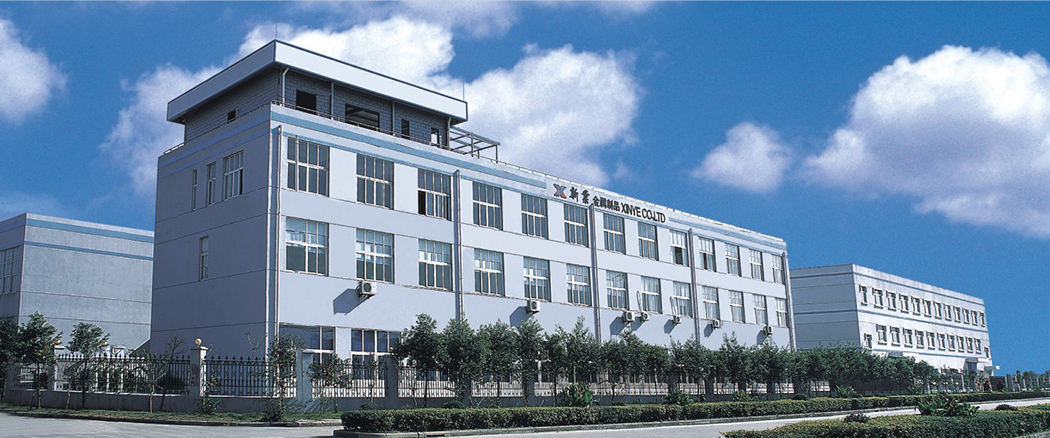
A trusted, vertically integrated partner providing comprehensive metal processing and surface engineering solutions.
Established in 1996 as a family business, Ningbo Jiangbei XinYe Metal Works Co., Ltd. has developed into an owner-managed SME corporation. Located in the Ningbo Jiangbei Industrial Zone, our facility is within a 3-hour high-speed train ride from Shanghai International Airport, providing convenient logistics access for international clients.
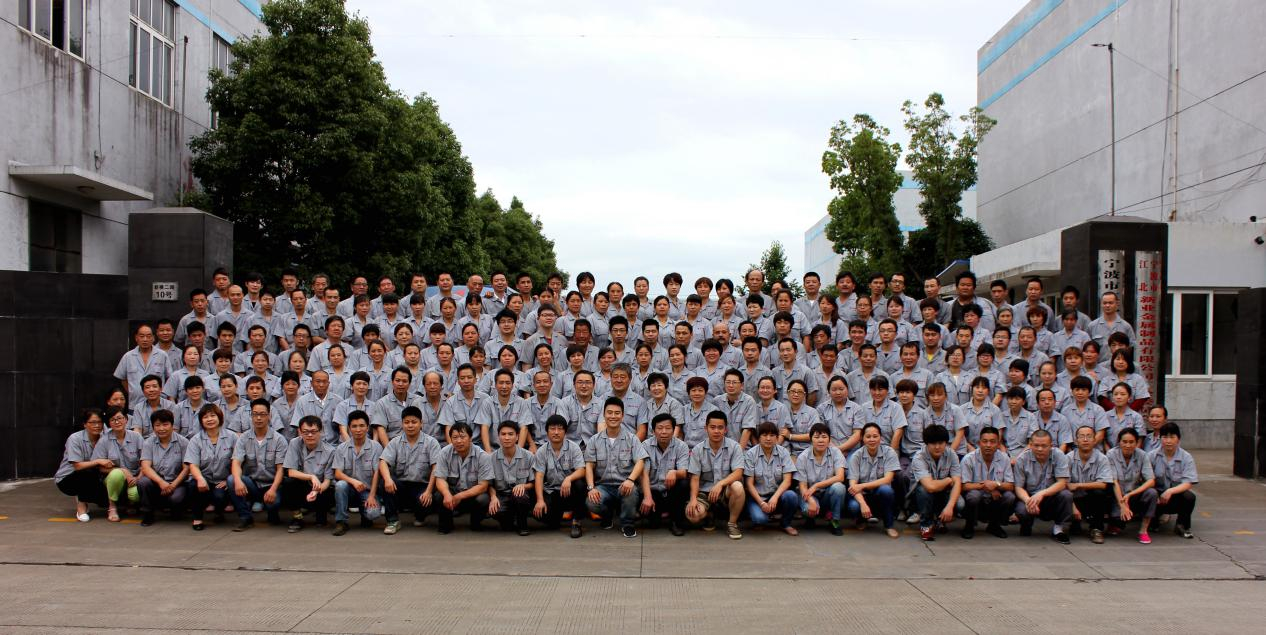
With a total production area of 16,000 square meters and an additional 11,000 square meters of construction space, we maintain a complete technological infrastructure. Our staff of 130 includes 80 skilled production specialists and 50 experts dedicated to engineering, product design, quality control, and global supply chain management.
Our core mission is customer satisfaction through vertical integration. By handling structural production (such as hot forging, die casting, stamping, and multi-axis CNC machining) alongside post-treatment (anodisation, electropolishing, and complex assemblies) within a single factory, we eliminate transit oxidation, minimize lead times, and maintain single-point quality tracing.
A look at the chemical engineering variables that dictate the durability, structure, and performance of our finishes.
| Anodising Parameters | Type II Protective (Sulfuric Acid) | Type III Hardcoat (High Wear) | Electropolishing (Chemical Polish) |
|---|---|---|---|
| Acid Bath Concentration | 15-20% H₂SO₄ (Sulfuric Acid) | 12-15% H₂SO₄ + Additives | Phosphoric & Sulfuric Acid blends |
| Operating Temperature | 18°C to 22°C (64°F to 72°F) | 0°C to 5°C (32°F to 41°F) | 50°C to 75°C (122°F to 167°F) |
| Oxide Film Thickness | 5 to 25 Microns (µm) | 25 to 100 Microns (µm) | Material leveling (0.5 to 2.5 µm removal) |
| Surface Hardness | 250 - 350 HV (Vickers) | 450 - 650 HV (Vickers) | Baseline hardness, increased micro-smoothness |
| Primary Application | Enclosures, brackets, cosmetic parts | Hydrant pit boxes, turbine inlets, gears | Medical tooling, food appliances, sanitised parts |
Degreasing, chemical etching, and desmutting to strip oxides and prepare the surface for electrochemical conversion.
We utilize organic and inorganic dyes that fill the cell cavities of the unsealed anodic layer, ensuring stable color retention.
Hydrating the oxide layer into boehmite using deionized hot water or mid-temperature nickel acetate sealing, ensuring zero leaching.
Tailored engineering and surface treatments optimized for demanding operating environments across major global markets.
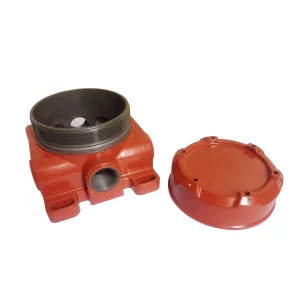
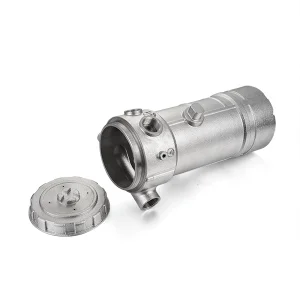
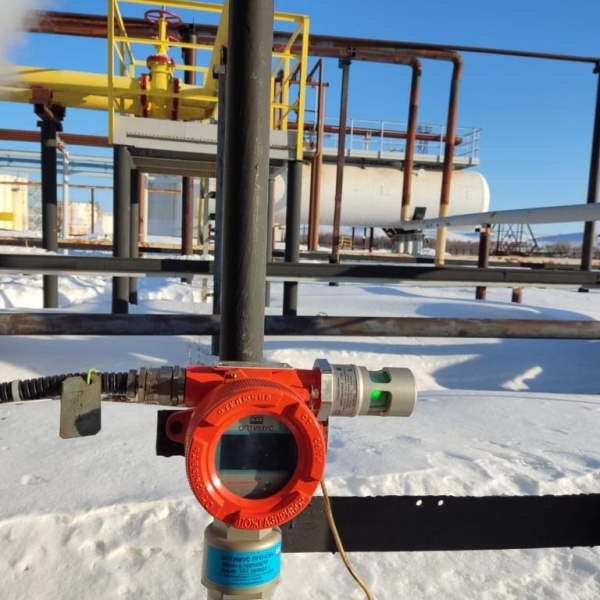
We manufacture safety detection housing kits, flame sensors, toxic gas detection enclosures, and explosion-proof hydrant pit boxes. Built to withstand abrasive mining and oil & gas extraction environments.
Providing turbine inlets, high-temperature transmission components, and customized fuel pit boxes. Components are fabricated under strict quality control to guarantee metallurgical integrity.
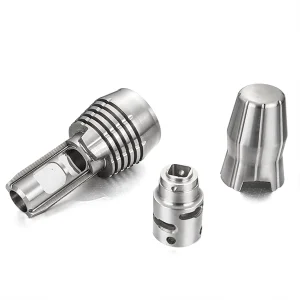
Specialized automotive components, including lightweight transmission components, structural chassis parts, and anodised E-bike parts (connectors, custom tubes, and levers) that resist environmental wear.
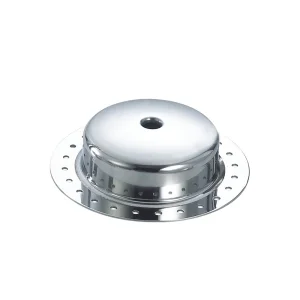
We provide clean-surface engineering for tabletop cooking stoves and cream whippers. Processes are audited to ensure compatibility with food safety standards and chemical cleaning agents.
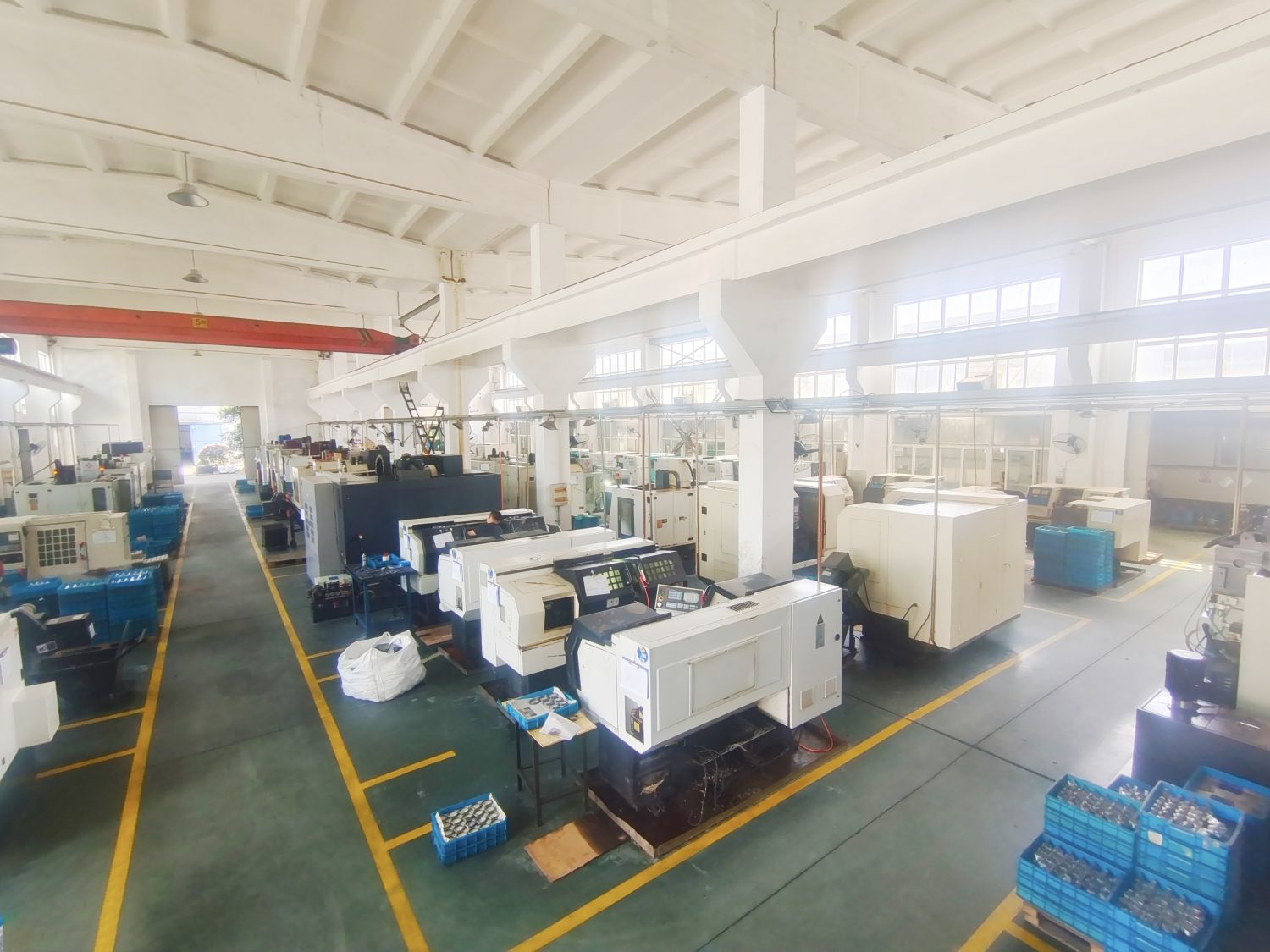
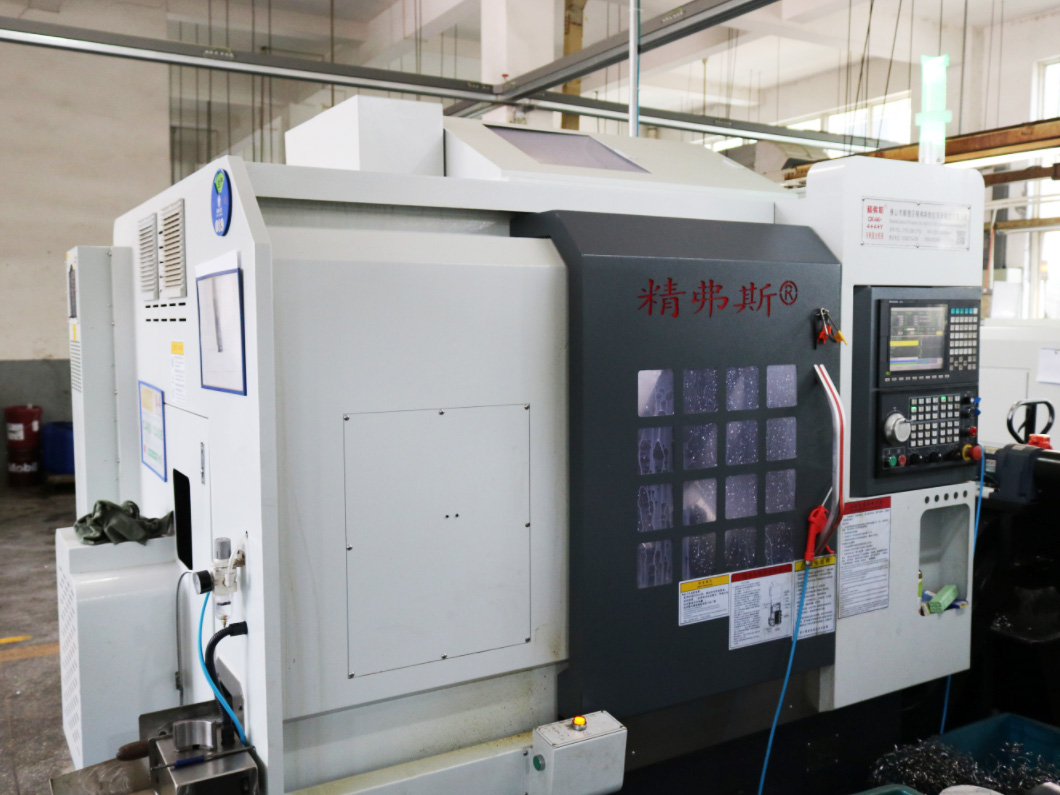
Our 16,000m² manufacturing facility integrates mechanical fabrication with electrochemistry. Explore our physical plant, including the high-capacity press systems, CNC milling rows, and quality inspection bays.
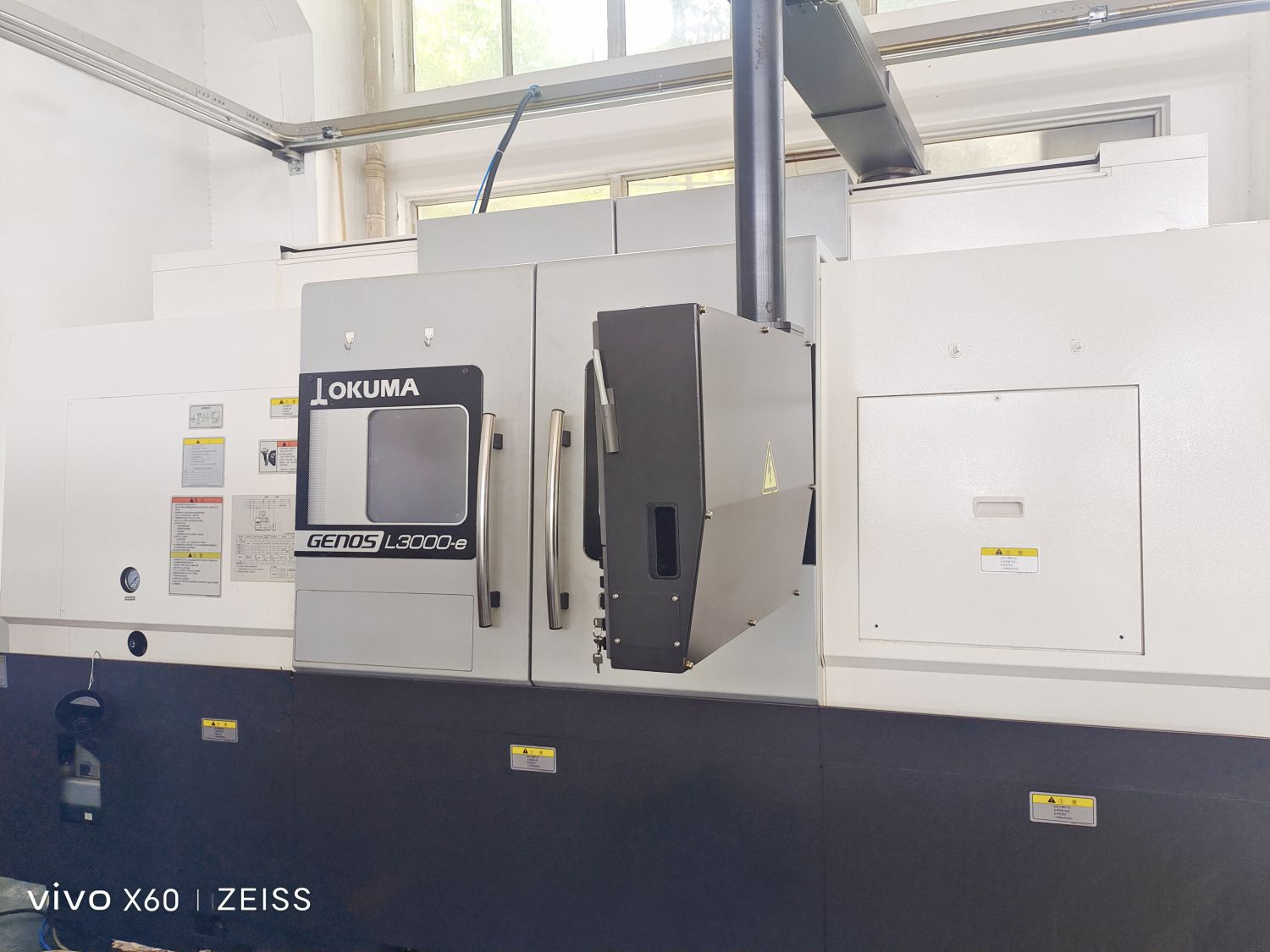
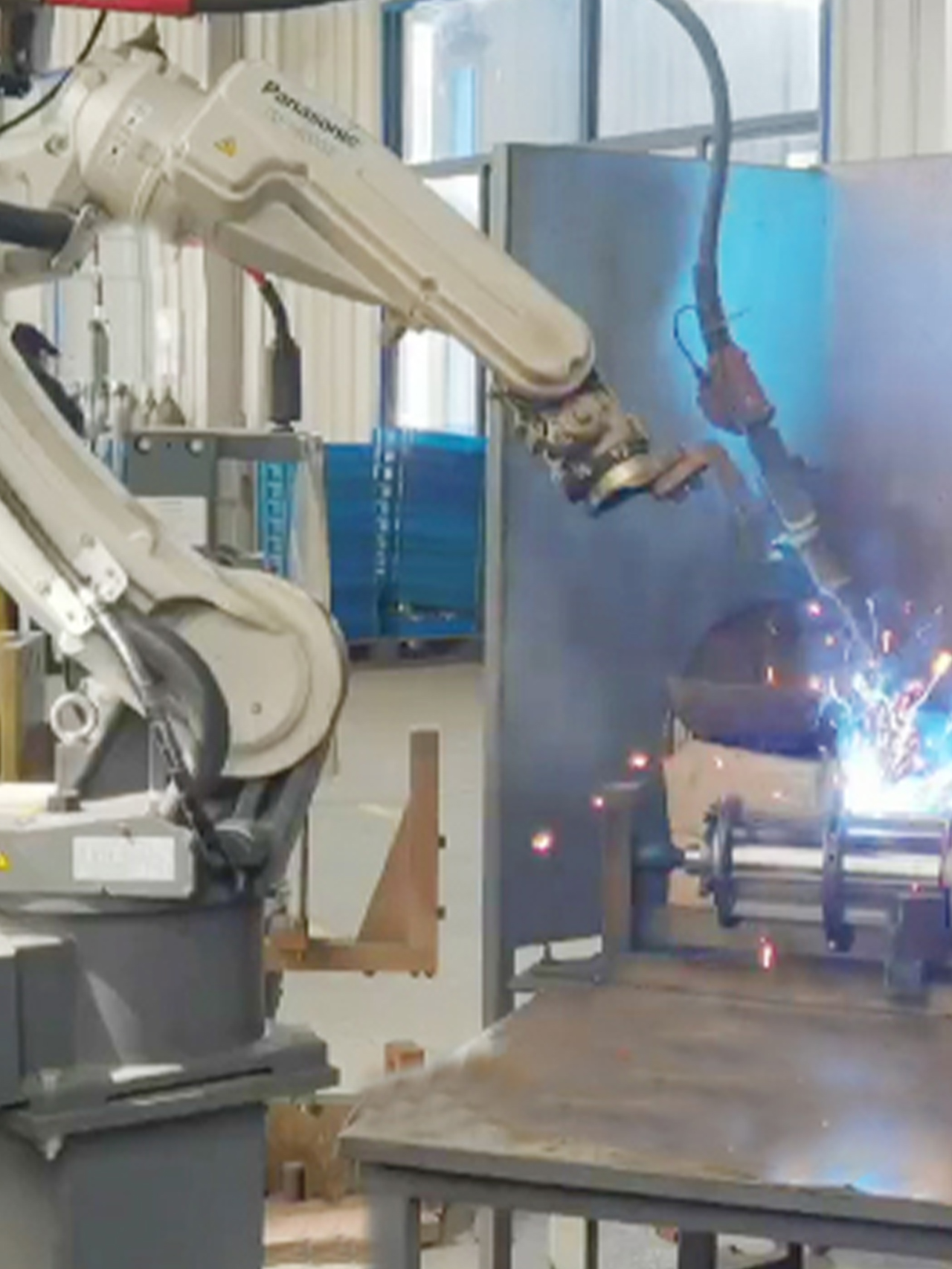
Our manufacturing precision is supported by imported Japanese fabrication machinery and high-tonnage forming lines.
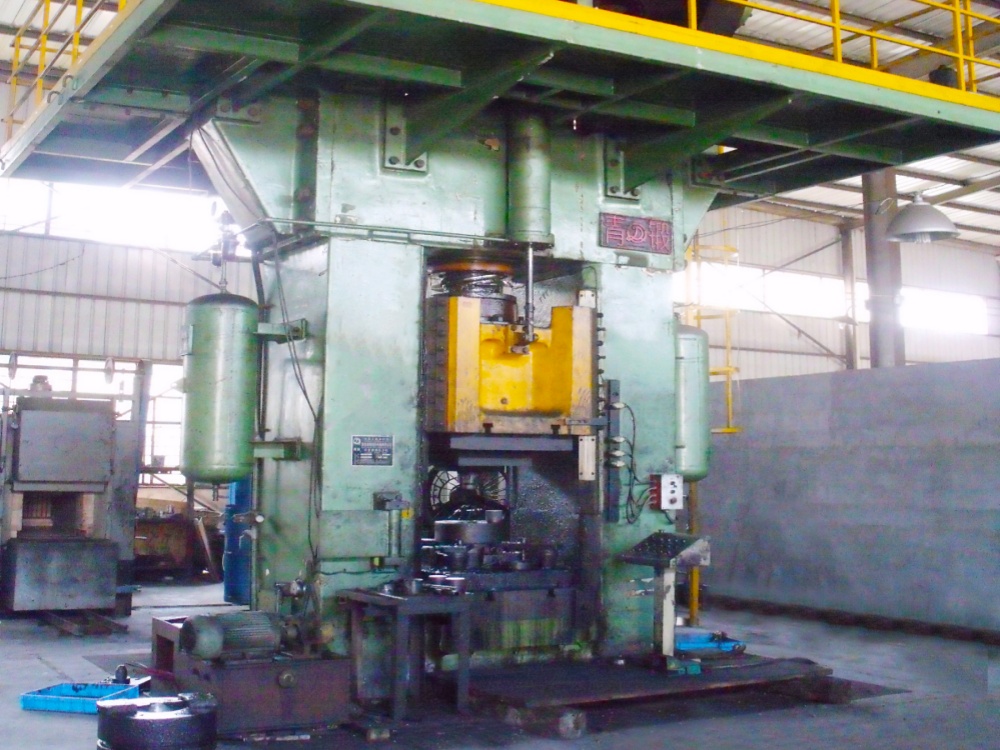
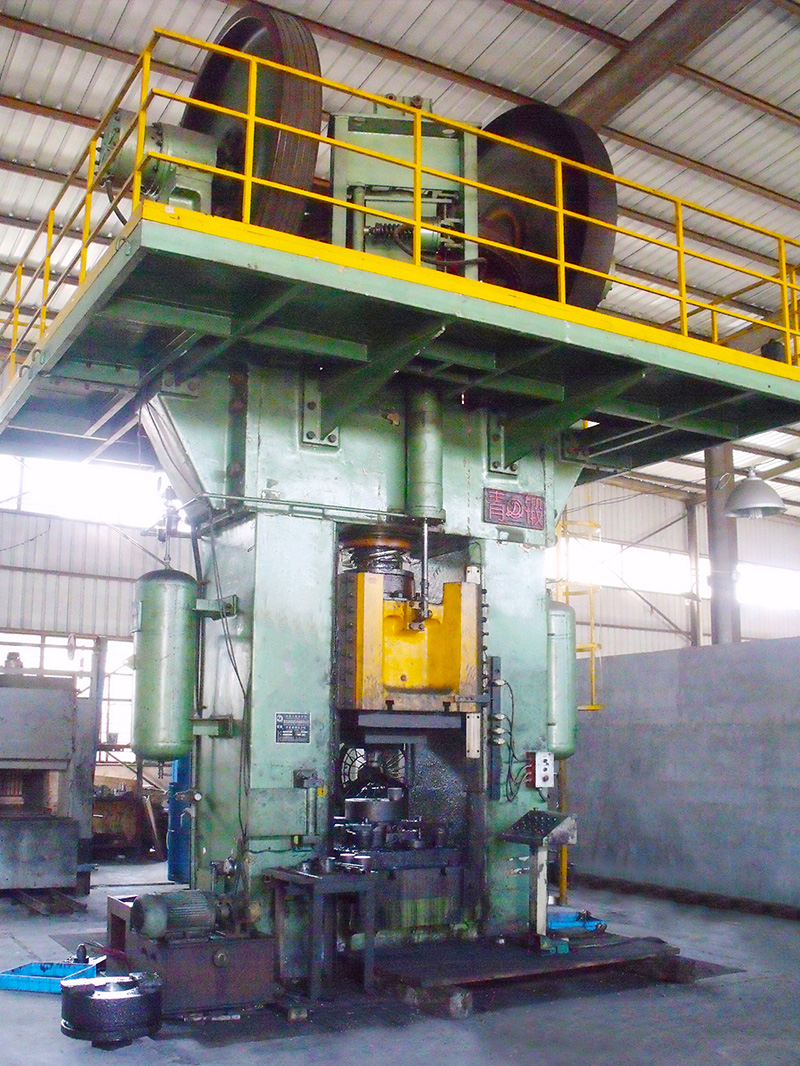
Friction press machinery with force ratings from 300 to 1,000 tons. Ideal for high-density components.
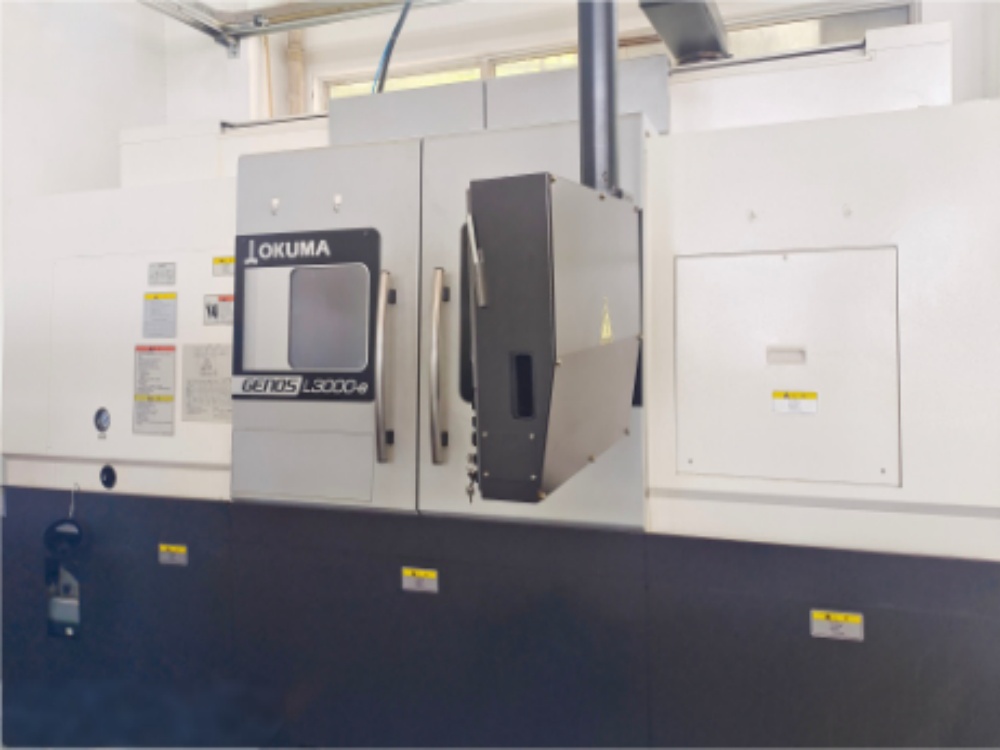
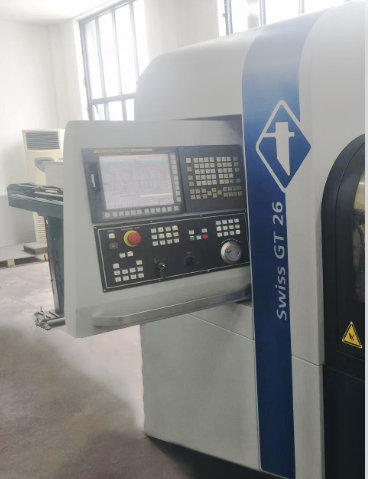
Equipped with 4-axis control pathways, enabling high-precision machining with tolerances down to 0.001mm.
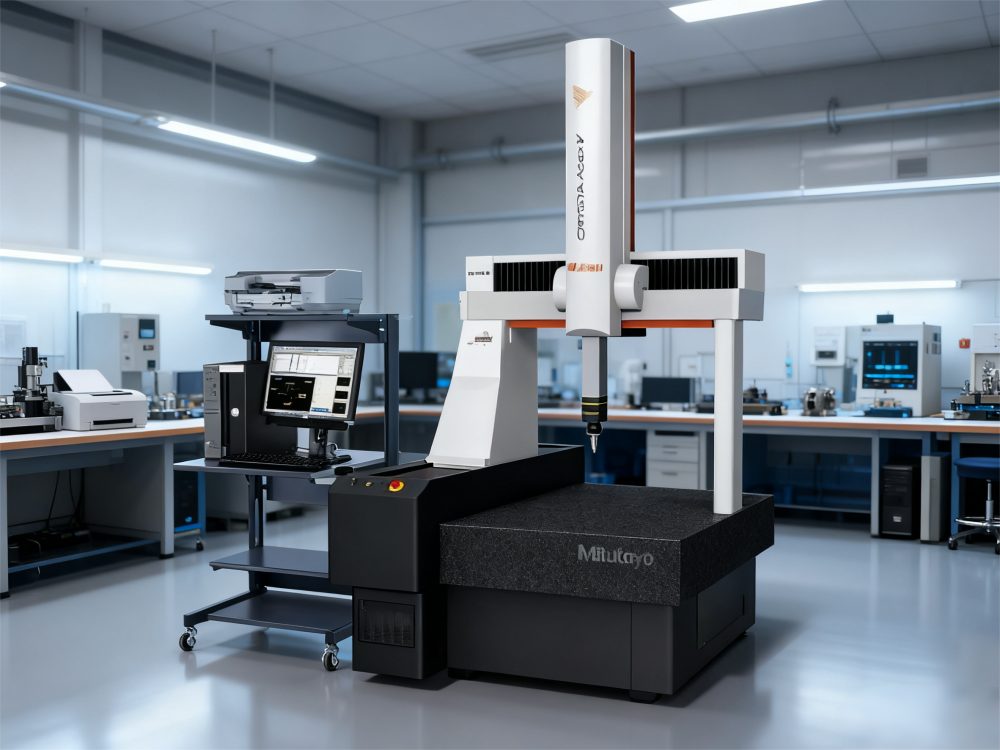
Equipped with coordinate measuring machines (CMM) and surface roughness testers to ensure tolerance compliance.
Providing automated, high-precision metal processing for complex geometric parts.
Press capacity ranges from 300 to 1,000 tons. Ideal for hot forging dense, porous-free aluminum alloys.
Column hydraulic press equipment rated from 100 to 630 tons, supporting custom drawing and forming projects.
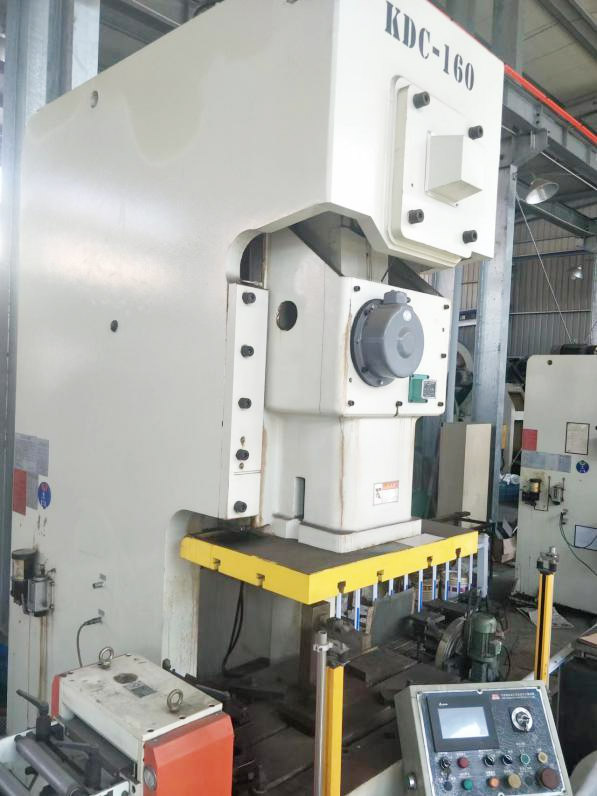
Press capacity from 5 to 250 tons, configured for stamping copper, steel, and aluminum alloys.
Implementing ISO 9001:2015 and SA8000 compliance across our entire production line.
At Xinye, quality is structural. With our customers' guidance, we have established a strict traceability framework. From incoming material analysis to post-treatment surface checking, each stage is documented, creating a clear history for every production run.
Our factory holds ISO 9001:2015 and SA8000 certifications, reflecting our commitment to standardized quality management and ethical operational practices. To maintain these standards, we invest in advanced inspection instrumentation and provide ongoing training for our engineering and manufacturing staff.
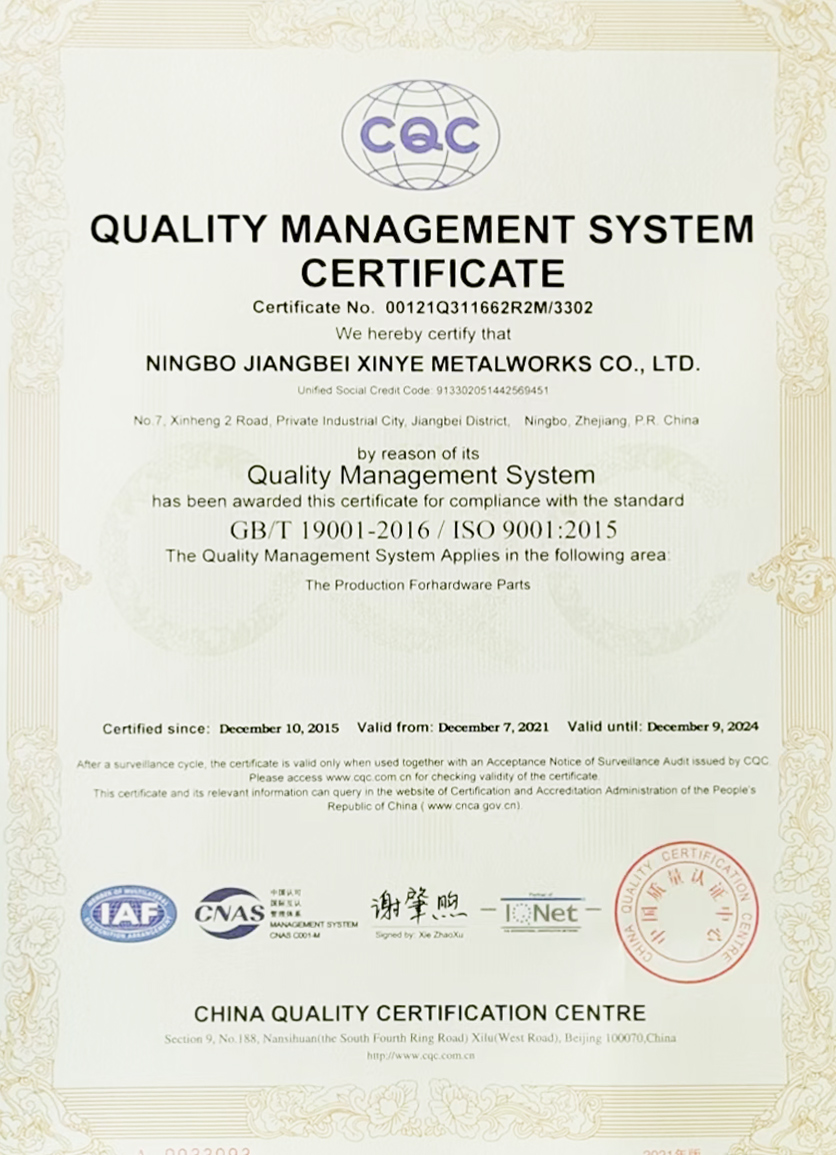
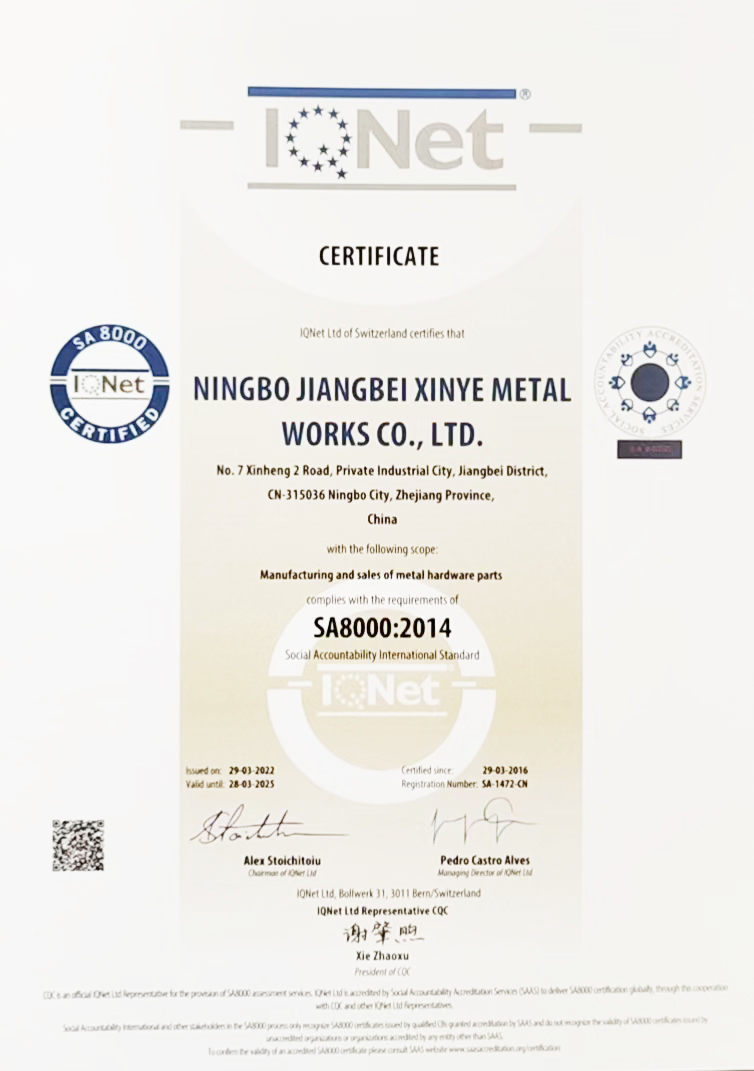
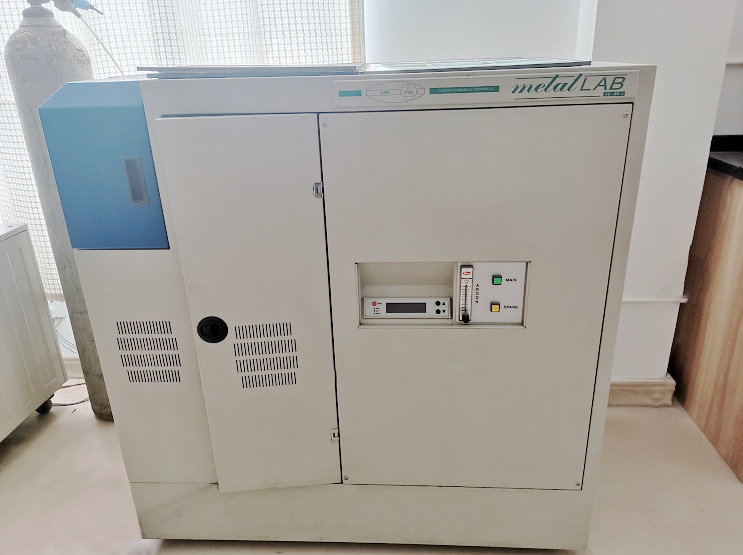
Analyzes incoming raw metals to verify chemical and alloy composition.
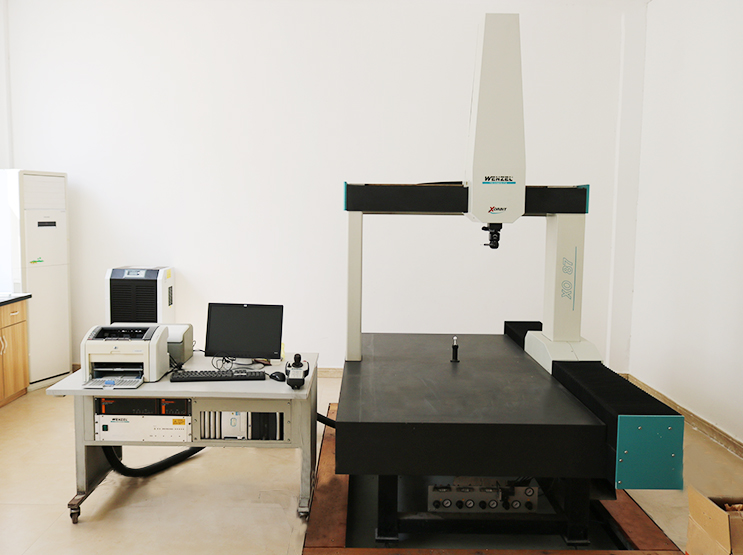
Measures coordinate profiles to confirm dimensional tolerances.
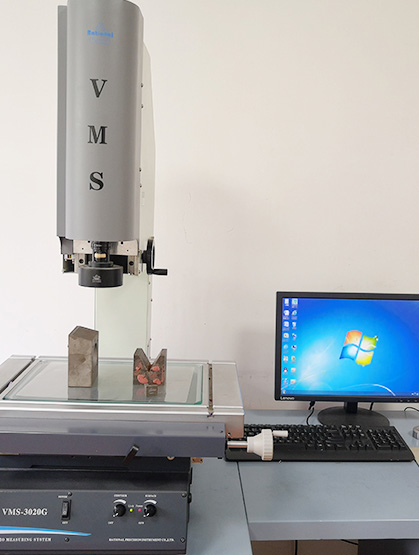
Non-contact optical inspection system for detailed part geometries.
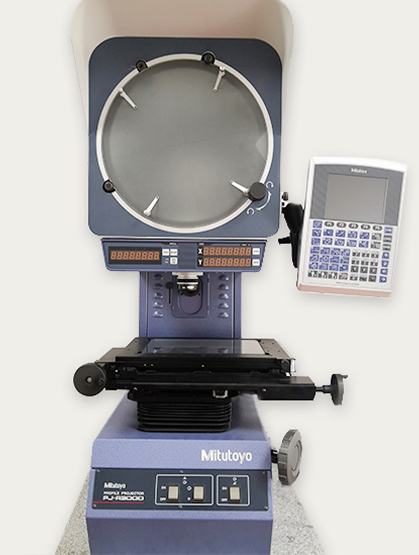
Verifies tolerances and edge profiles under magnification.
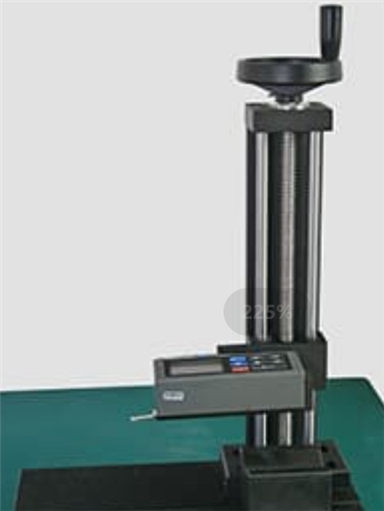
Measures surface roughness (Ra) to ensure specification compliance.
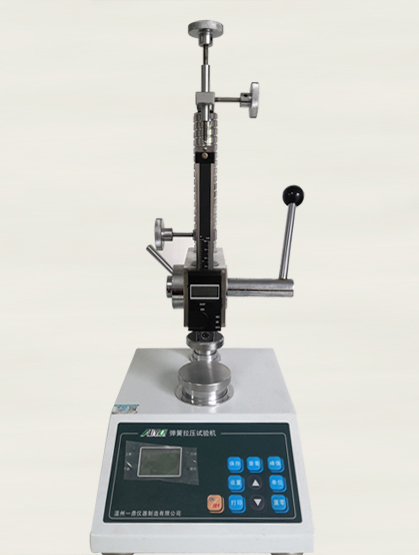
Evaluates tension and compression limits on assembly spring components.
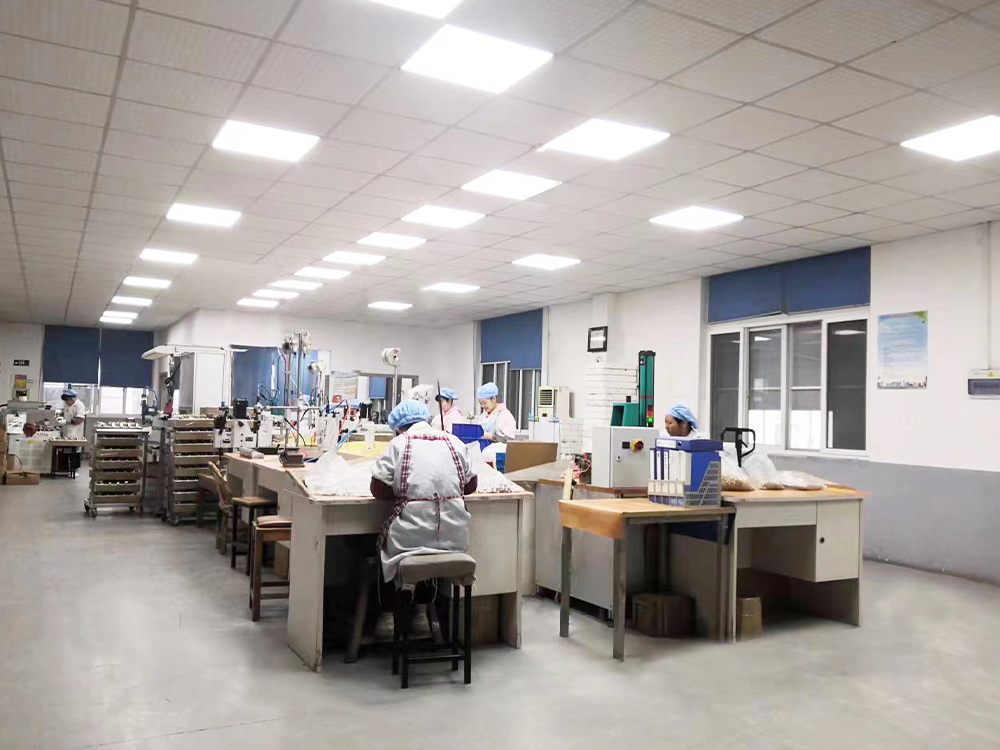
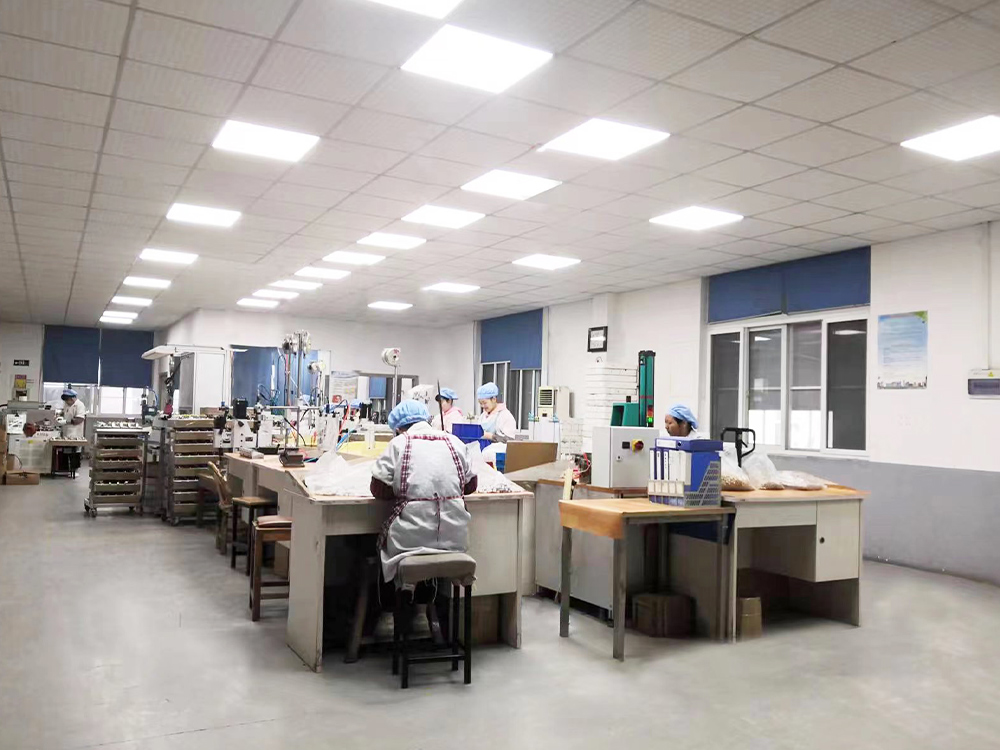
A view inside our integrated production line, from mechanical metal forming to electrochemistry departments.
Review actual engineering solutions we've delivered for demanding industrial applications worldwide.
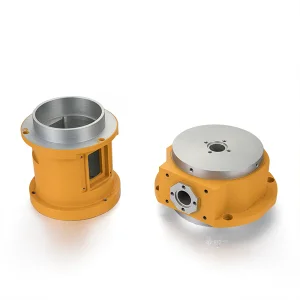
Hot-forged, high-strength aluminum structural parts designed for industrial machinery. Anodised to resist wear in abrasive environments.

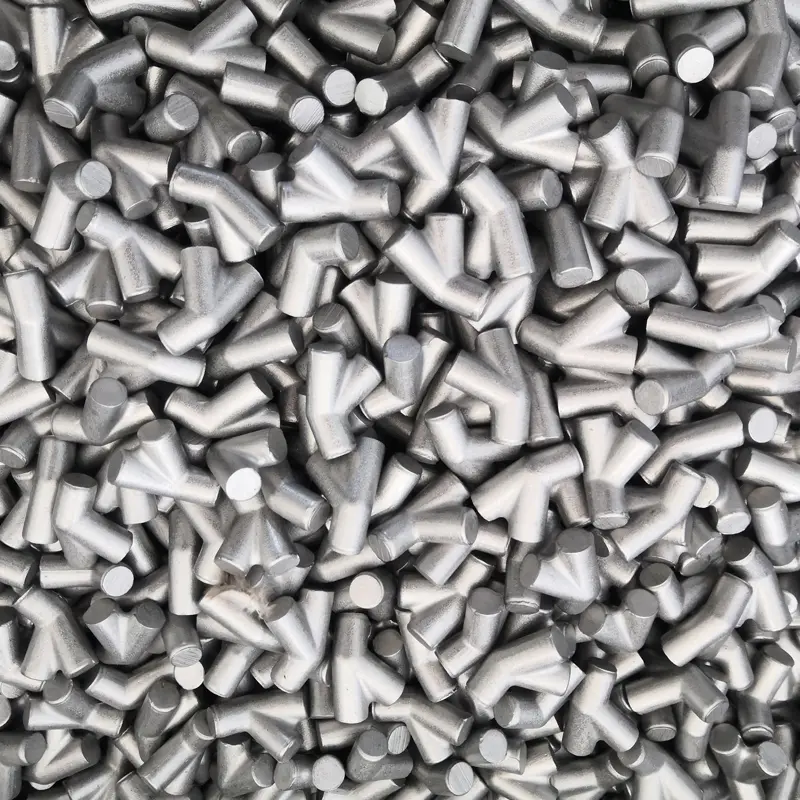
Forged aluminum components meeting strict dimensional tolerances for automotive suspension systems.
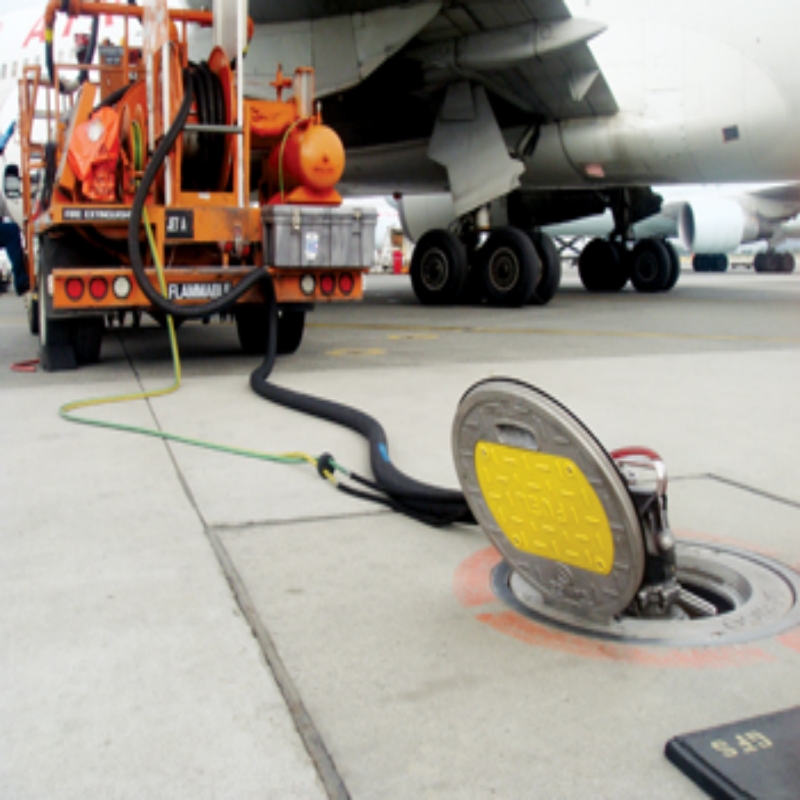
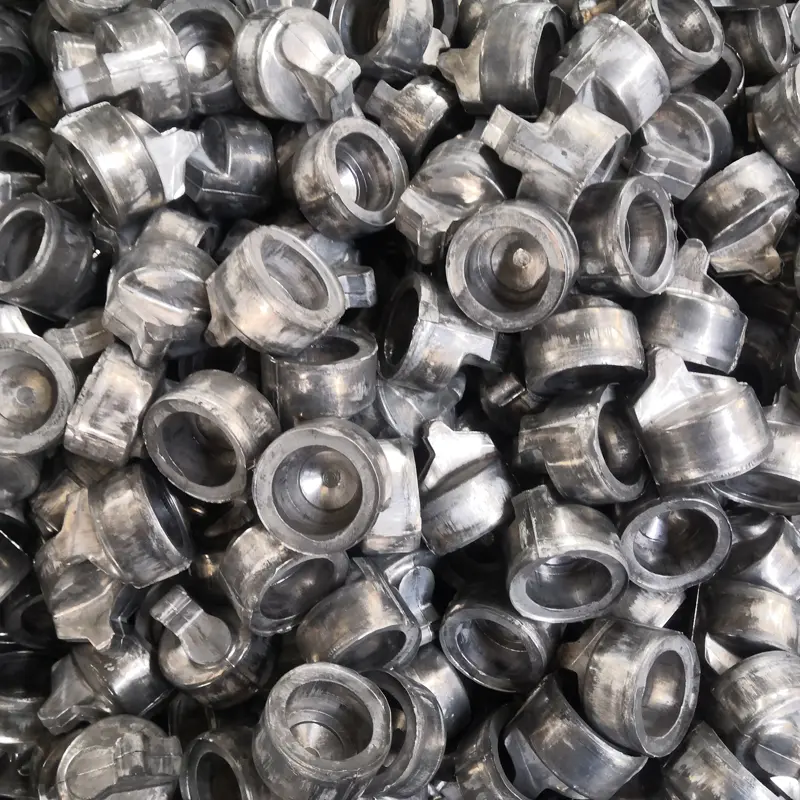
High-strength, wear-resistant hinge brackets, turbine inlet housings, and fuel hydrant boxes designed for the aerospace industry.
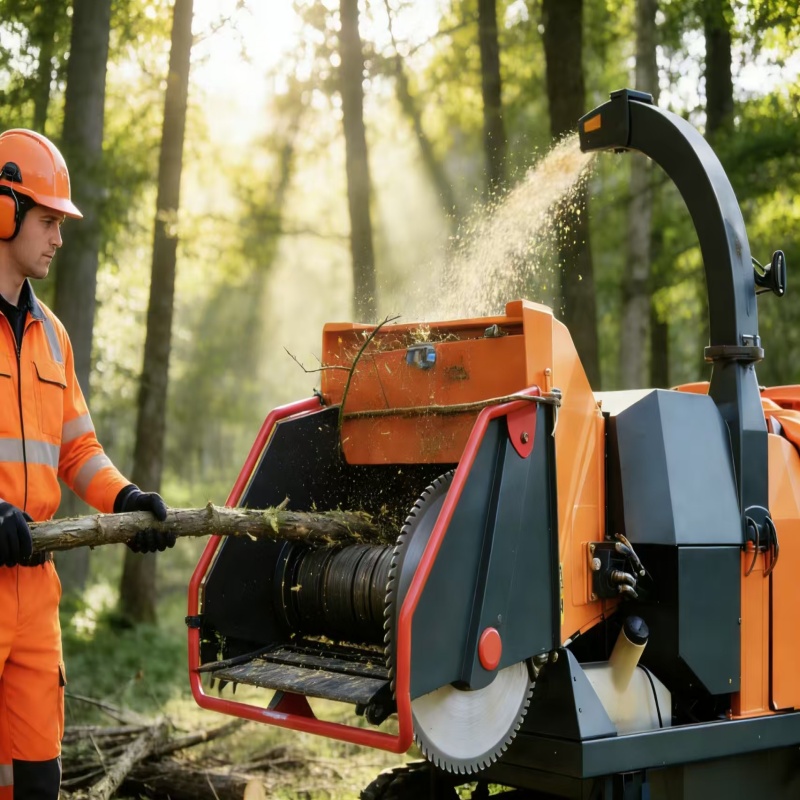
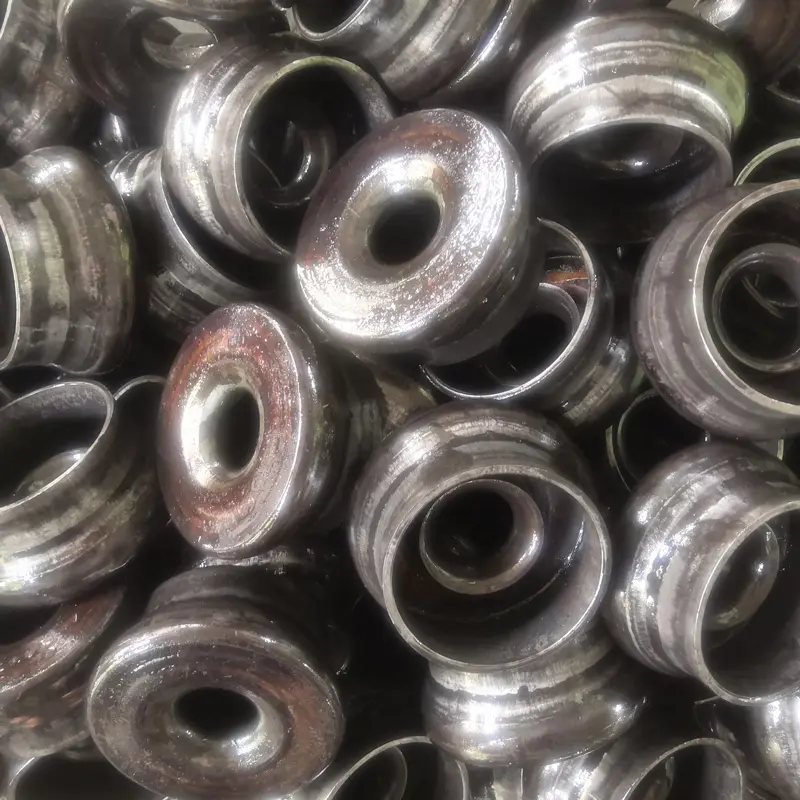
Heavy-duty wood chipper cutter discs and feed rollers fabricated from high-strength Q345B and 42CrMo steel alloys.
From initial design evaluation to raw material verification, mechanical fabrication, and final quality control check.

Our technical team reviews client-supplied files to align on geometric tolerances, chemical requirements, and thickness profiles.

We fabricate initial prototypes to verify geometry and finish quality. We provide material certifications and CMM reports for approval.

We review client evaluation results to make any necessary minor tool or path adjustments before beginning mass production.

We transition to mass production, establishing multi-stage inspection checks to monitor tolerances and coating consistency.

Components are individually packed to prevent transit wear, and we prepare all required export documentation.

We provide technical support and a 1-year manufacturing warranty against defects starting from the delivery date.

How we are adapting our processes to meet modern environmental and industrial performance demands.
We are moving away from traditional nickel-based seals, adopting hot water sealing and organic-acid alternatives to comply with REACH and RoHS standards.
By adjusting bath voltages and electrolyte chemistry, we control pore sizes to optimize adhesion for specialized paint, adhesive, or Teflon coatings.
Developing thin-film, high-density oxide layers that provide electrical insulation for electronic and automotive component housings.
Answers to common questions about our capabilities, processes, and service policies.
Contact our engineering team to review your technical drawings, material specifications, and production timelines.
Request A Technical QuoteExplore our main product offerings, linking casting, forging, and stamping processes with high-quality surface finishes.
 XinYe Metal