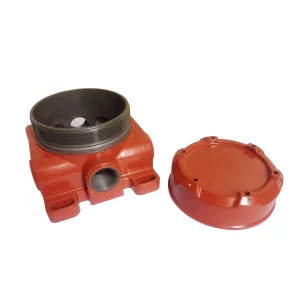
Why Fortune 500 OEMs Require High-Accuracy Surface Treatments for Structural Aluminum Substrates
In modern industrial design, structural weight reduction is crucial. Lightweight alloys are replacing traditional steel components in fields like aerospace engineering, e-mobility, health care instrumentation, and heavy material processing. However, light weight often means compromising surface hardness and wear resistance. Aluminum alloys, if untreated, are vulnerable to abrasive friction, chemical oxidation, and mechanical wear. This is where advanced Type III Hardcoat Anodizing (also referred to as Hard Anodizing or Hard Coating) plays a vital role.
Global procurement teams in Europe and North America look beyond basic metal suppliers; they seek comprehensive partners with vertical integration. High-performing OEM components require integrated production processes, from raw metal hot forging to precision multi-axis CNC machining, followed by professional electro-chemical surface finishing. Ningbo Jiangbei XinYe Metal Works Co., Ltd. delivers this total solution, mitigating logistics risks, shortening lead times, and maintaining quality control across the supply chain.
Technical Value: Type III Hardcoating creates an extremely dense, wear-resistant, and dielectric alumina (Al2O3) ceramic layer on the aluminum substrate. It increases surface hardness to 400-600 HV, comparable to hardened tool steel, and provides excellent electrical insulation up to several thousand volts depending on thickness.
| Coating Specification (MIL-A-8625 Type III) | Target Properties | Suitable Alloys | Common Industrial Applications |
|---|---|---|---|
| Hardcoat Anodizing (Unsealed) | Maximum wear resistance, microhardness up to 600 HV, porous structure for lubricant retention. | Al 6061, Al 6082, Al 7075 | Pistons, sliding mechanism guides, valves, wood chipper components. |
| Hardcoat Anodizing (Sealed - PTFE/Nickel Acetate) | Enhanced corrosion resistance (336+ hrs salt spray), low friction coefficient, hydrophobic. | Al 6061, Al 5052, Al 6063 | Marine fittings, offshore instrumentation enclosures, health care tooling. |
| Type II Standard Anodizing (Colored/Clear) | Corrosion resistance, decorative appearance, variable colors. | Al 6000 & 5000 series | Consumer devices, e-bike connectors, stove housings, cosmetic plates. |
| Electropolishing (E-Polish) | Ultra-clean micro-roughness reduction, brilliant reflective finish, passivation. | Stainless steel (304, 316) | Food manufacturing appliances, pharmaceutical vessels, sterile tubes. |
Over 25 Years of Owner-Managed Metal Processing and Advanced Engineering
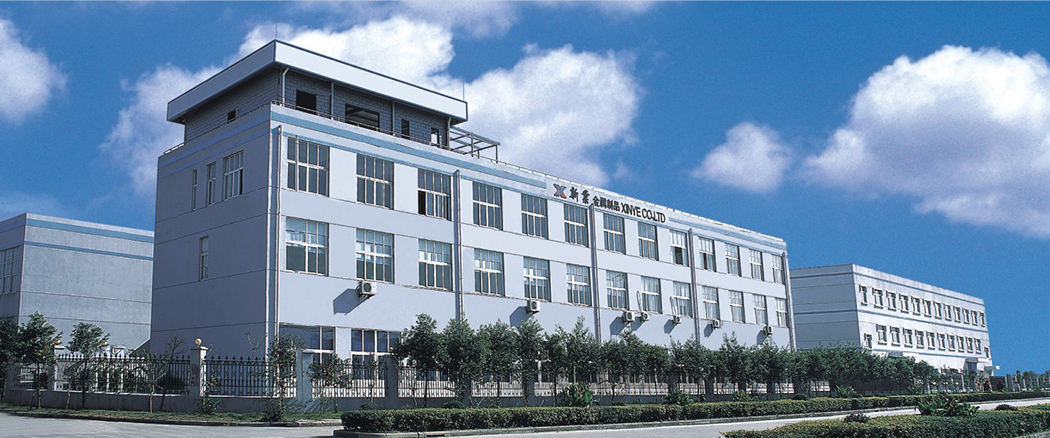
Ningbo Jiangbei XinYe Metal Works Co., Ltd. was founded in 1996 as a family business and remains today an owner-managed SME corporation. Located in the Ningbo Jiangbei Industrial Zone, our facility is within a 3-hour journey of Shanghai International Airport via the high-speed rail network, offering convenient logistics access for visiting global partners.
The company operates a 16,000 square meter production floor with an additional 11,000 square meters of construction. Out of our 130 employees, 80 are dedicated production staff, and 50 specialize in product development, engineering, quality assurance, and management. This ensures that every engineering project receives detailed technical support from proposal to volume production.
State-of-the-Art Machining, Hot Forging, and Advanced Surface Finishing Capabilities
Our scope of capabilities has grown alongside our customers' complex design requirements. Beyond traditional metal forming, we support clients through co-development, rapid prototyping, mass manufacturing, and global supply chain management. Our main customer footprint spans Europe, North America, and Russia across critical industries like automotive engineering, aviation fueling safety systems, medical device housings, and food processing equipment.
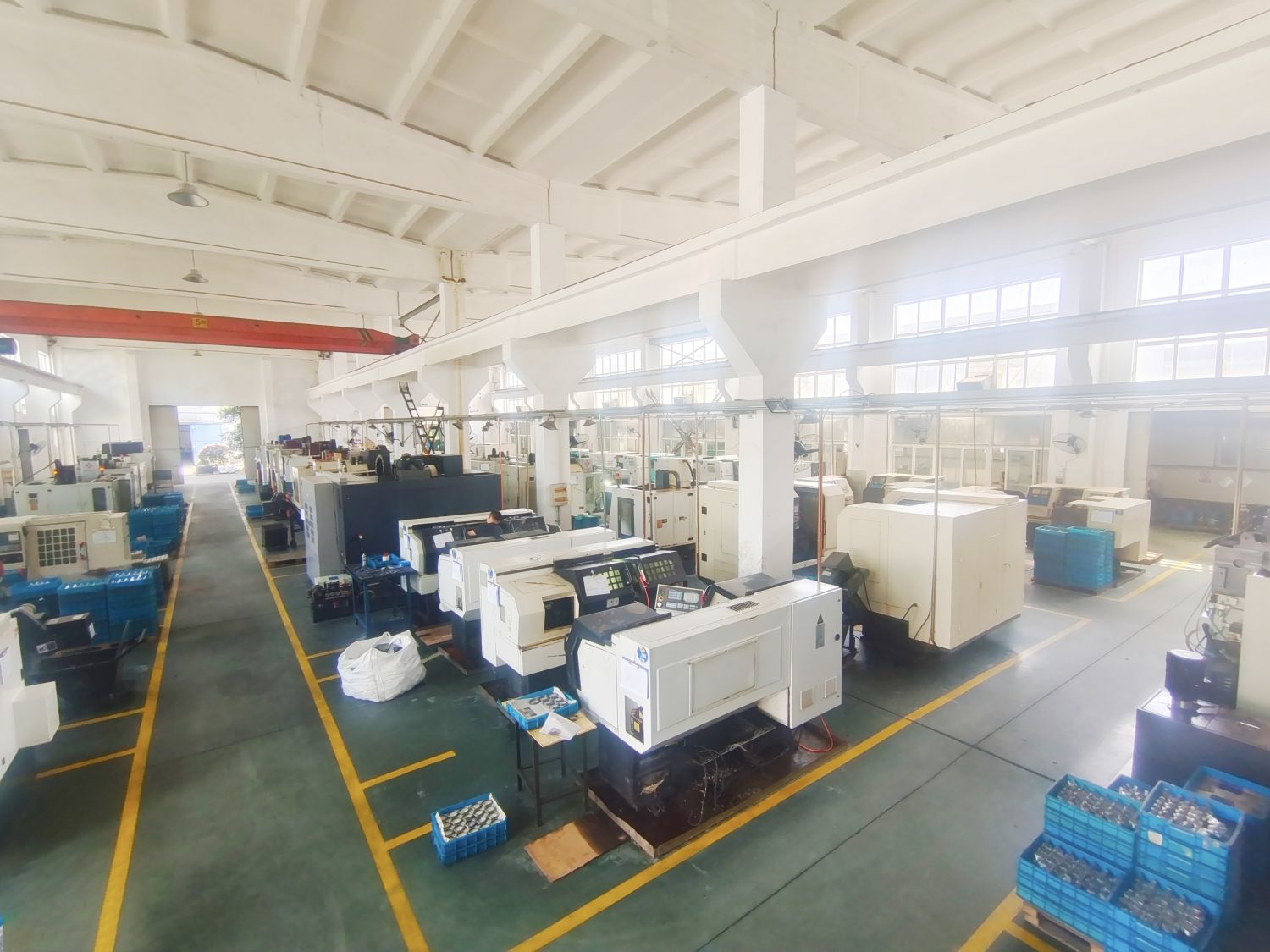
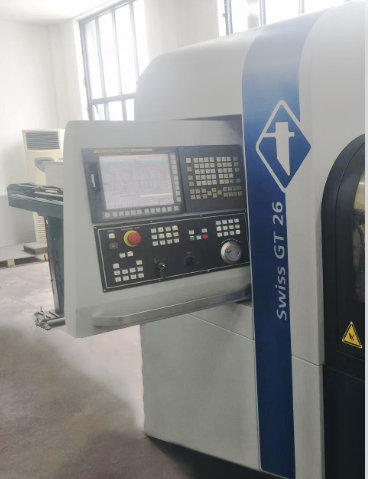
Equipped with multi-axis CNC machining centers (including 4-axis control), turning, and milling machines. We achieve precision down to 0.001mm tolerances for complex geometries.
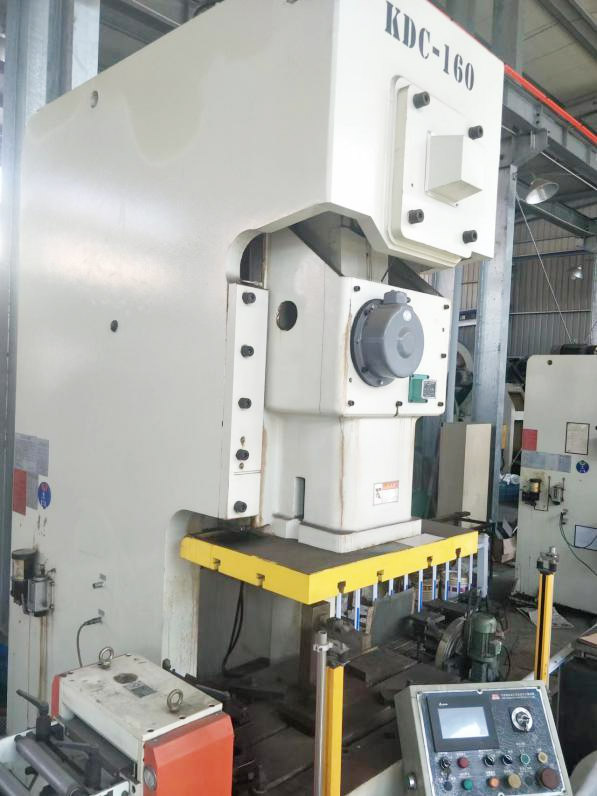
Friction press equipment ranging from 300 to 1000 tons, and hydraulic presses from 100 to 630 tons. High-density forging refines grain flow, maximizing mechanical strength.
Premium lost wax stainless steel and high-alloy casting. This process delivers near-net-shape parts with clean surface finishes, reducing final machining requirements.
Punching press equipment with forces from 5 to 250 tons. Processing steel, copper, custom alloy, and engineering plastics for industrial brackets and enclosures.
In-house anodizing, Type III hardcoating, and chemical electropolishing (E-polish). We ensure optimal coating thickness, hardness, and corrosion resistance.
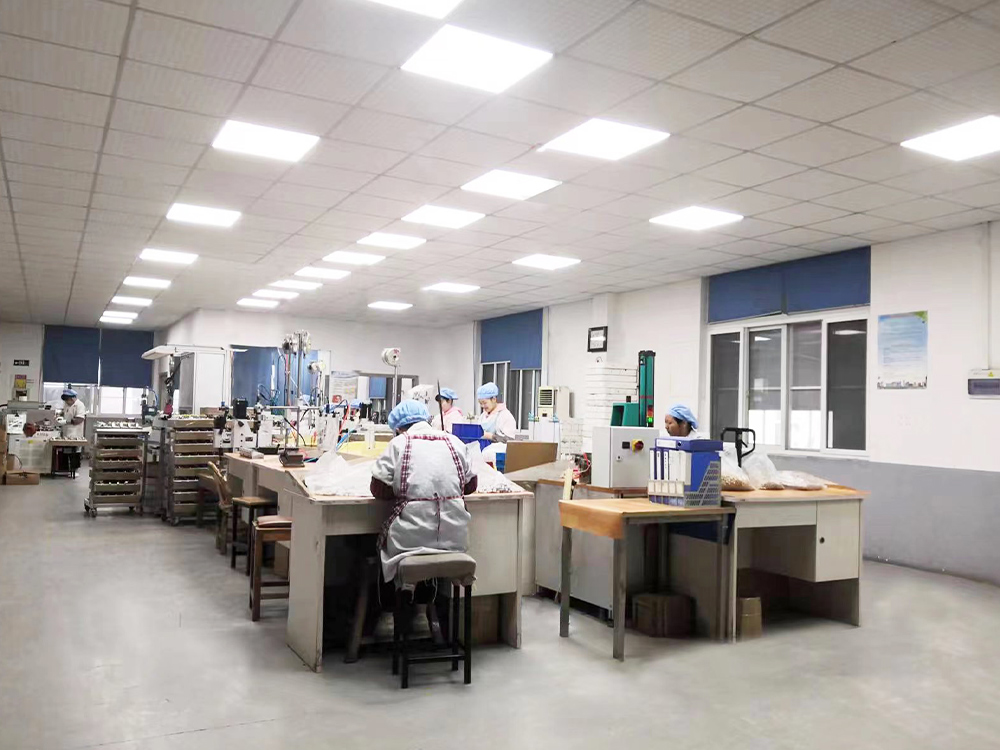
Take a Look at Our Production Floor, Machining Center, and Forging Capabilities
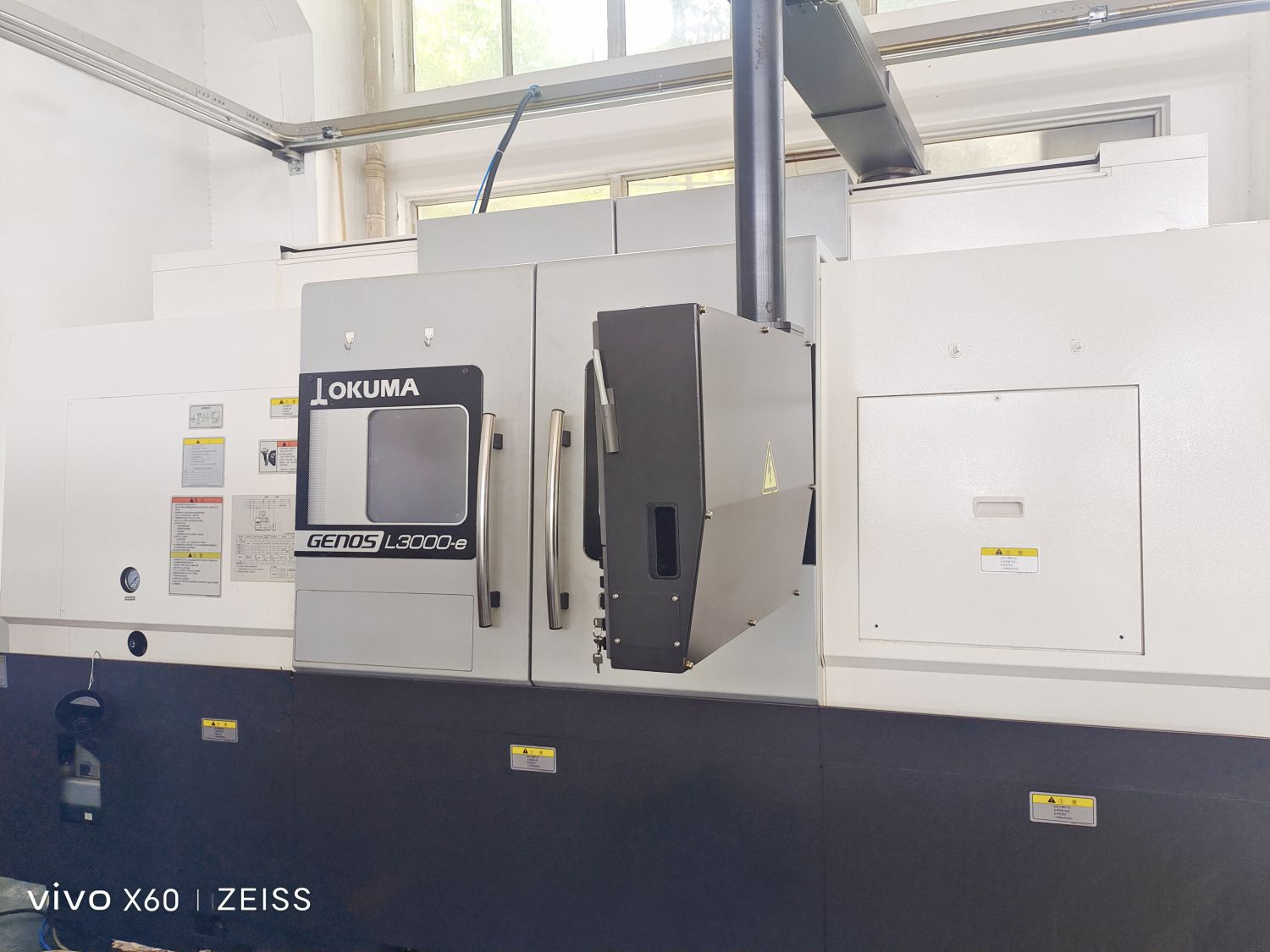
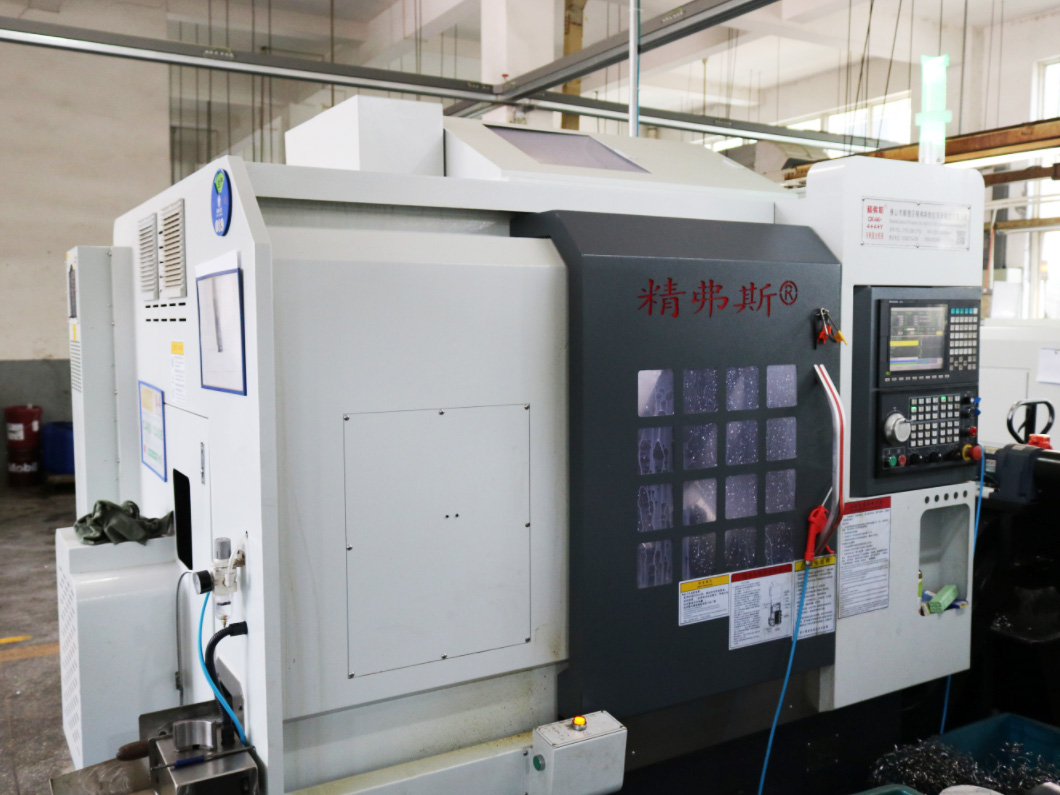
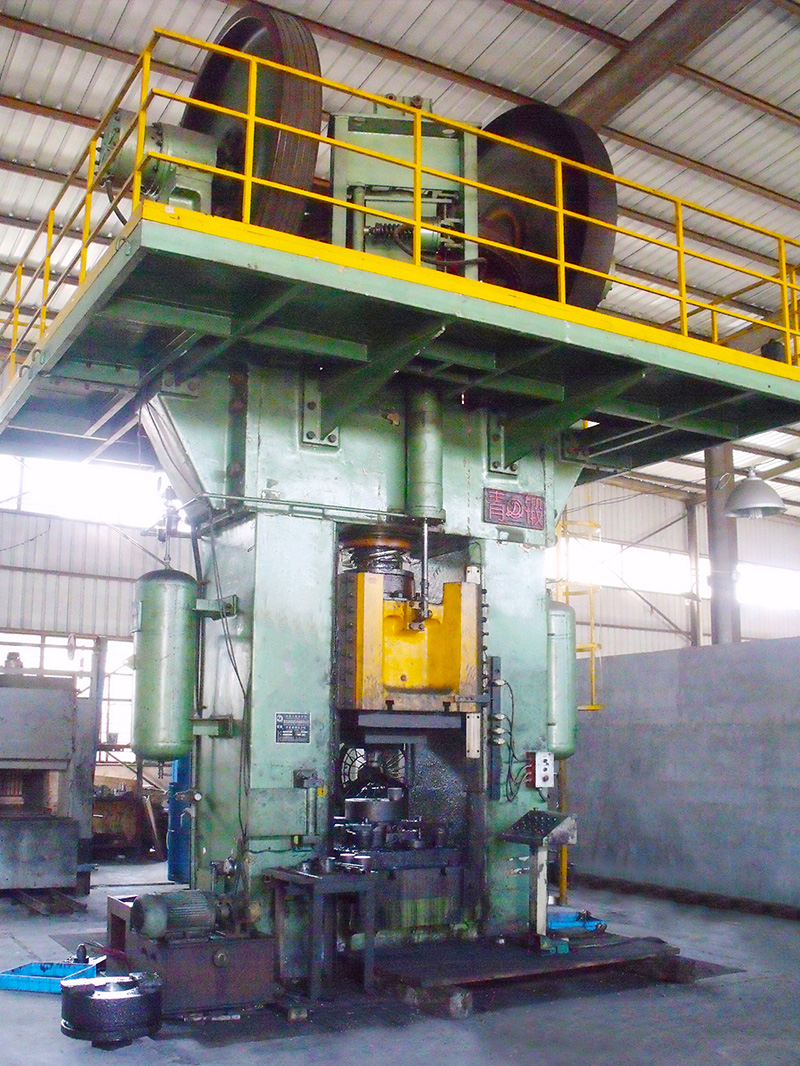
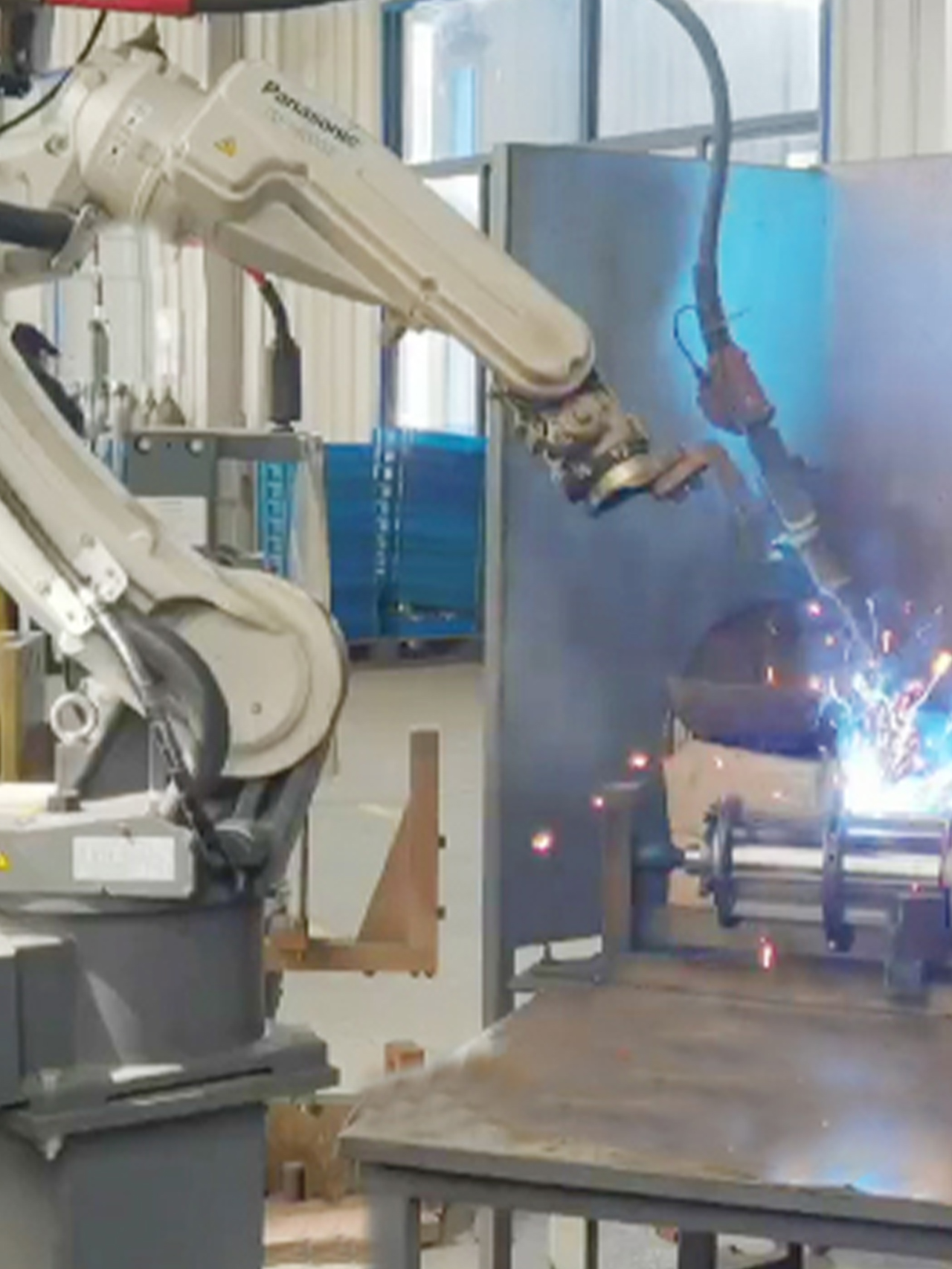
Understanding the Metallurgy of Hard Coat Layer Generation and Precision Controls
Hardcoating is an electrochemical process that converts an aluminum surface into a hard, wear-resistant, and chemically stable aluminum oxide coating. Unlike traditional plating, this oxide layer grows both inward and outward from the original metal boundary. Maintaining dimensional precision requires strict control over processing temperatures (typically between -5°C and 0°C), current densities (between 2.5 and 4.0 A/dm2), and acid concentration levels.
Our dedicated chemical engineering department oversees the entire surface treatment process. They ensure the bath remains clear of contaminants like dissolved copper or iron, which can compromise the integrity of the oxide layer. Below is the step-by-step technical roadmap we follow for B2B procurement projects:
We clean the raw forged or CNC machined parts using alkaline solutions to remove grease, oils, and particulate contaminants. The parts are then micro-etched in a mild acid solution to remove the natural oxide layer. This step ensures clean, uniform contact between the metal and the anodizing electrolyte.

Proper electrical contact is critical, as hardcoat anodizing operates under high current densities (up to 4.0 A/dm²). We design custom aluminum or titanium jigs to secure each part. This ensures uniform current distribution and prevents localized burn defects on critical dimensions.



Parts are immersed in a temperature-controlled sulfuric acid bath (approx. 0°C). By passing direct current through the solution, oxygen ions migrate to the aluminum surface, forming a dense ceramic coating. We monitor bath temperature, acid concentration, and voltage rise curves to achieve the target thickness (typically 50-75 microns).


For components that require maximum corrosion resistance, we seal the porous oxide structure using hot deionized water, nickel acetate, or PTFE impregnation. PTFE impregnation fills the pores, providing a low-friction surface (coefficient of friction down to 0.1) that is ideal for moving parts.

After treatment, parts undergo inspection for coating thickness, microhardness (Vickers method), and surface roughness. If required, parts are assembled in our dedicated assembly workshop, packaged for export, and shipped with complete quality documentation.


Traceable Testing from Raw Material Influx to Outbound Shipments
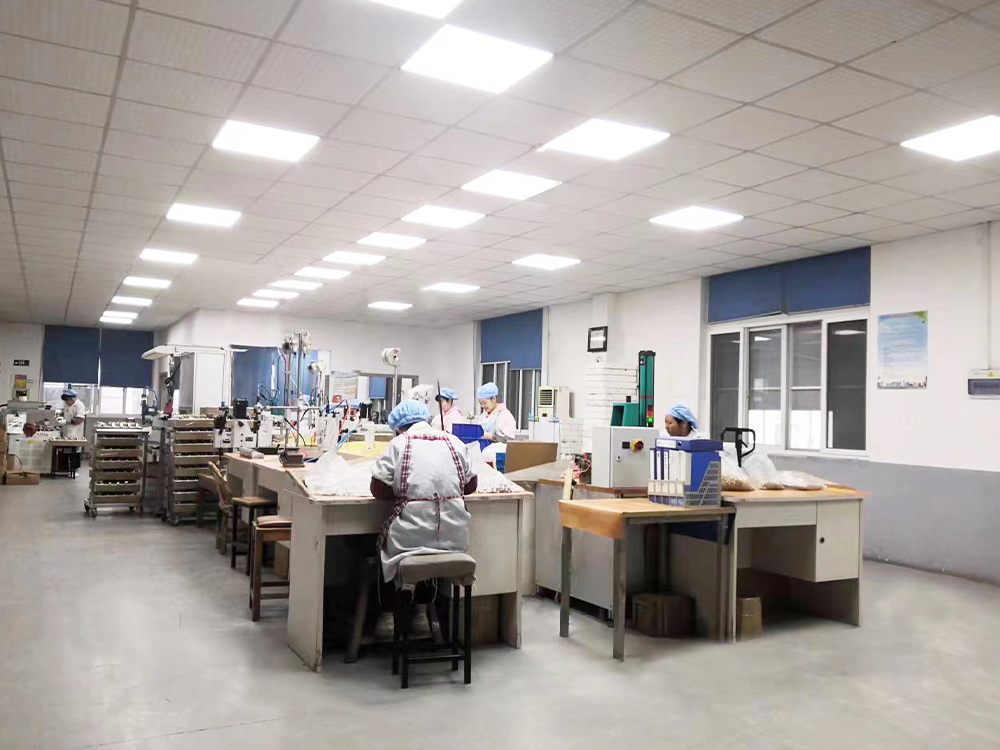
At Xinye, quality is a core priority. Supported by customer feedback, we have established a strict quality control system. From raw material intake to final packaging, every step is inspected and documented with traceable quality records.
Xinye holds ISO 9001:2015 and SA8000 certifications, ensuring high-quality products and services that align with international social accountability standards. Our internal quality control team utilizes advanced testing equipment to verify mechanical and chemical specifications.
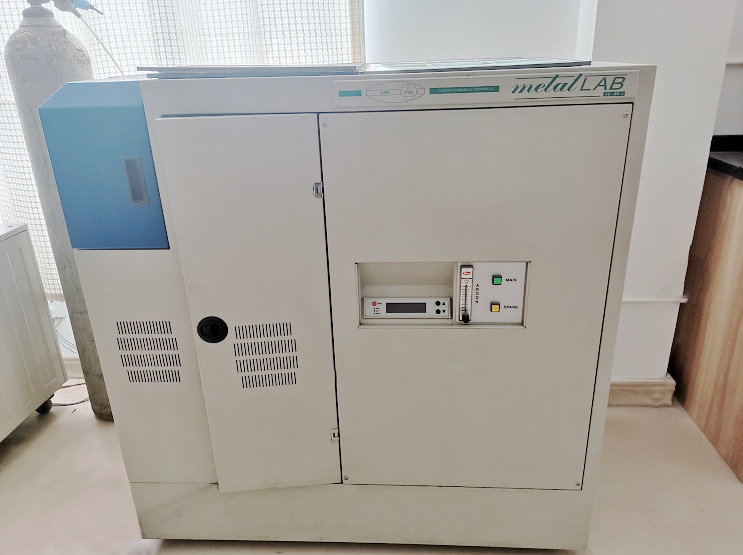
Analyzes incoming alloys to verify chemical composition and prevent out-of-spec materials.
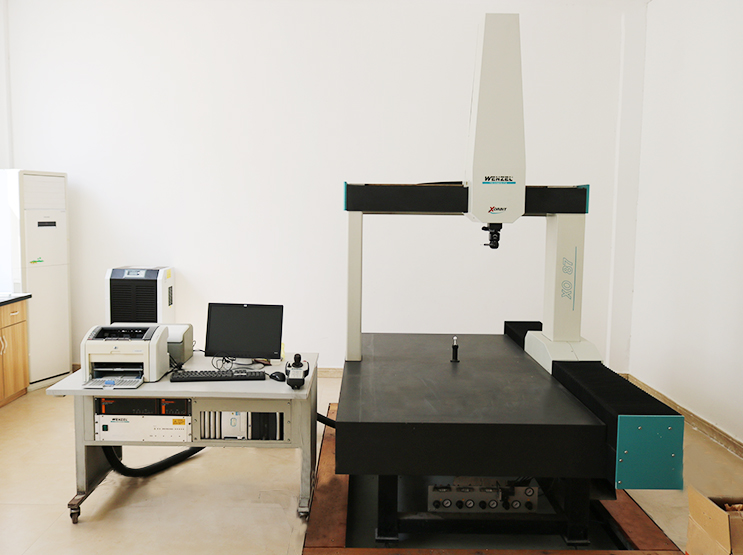
Coordinate Measuring Machine (CMM) measures complex dimensions with micron-level precision.
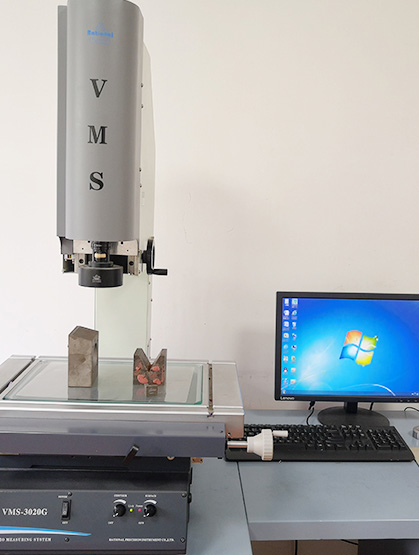
Provides non-contact optical measurements for delicate surfaces and micro-geometries.
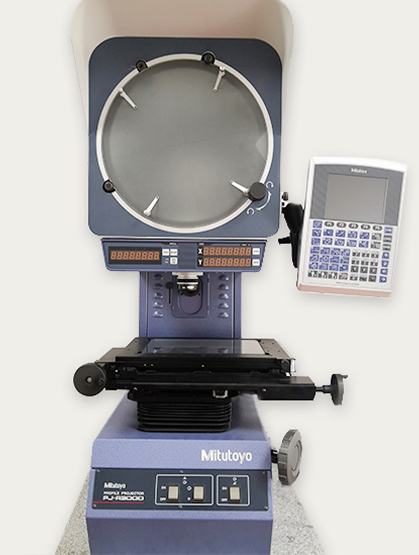
High-magnification optical measurement for verifying surface finishes and edge conditions.
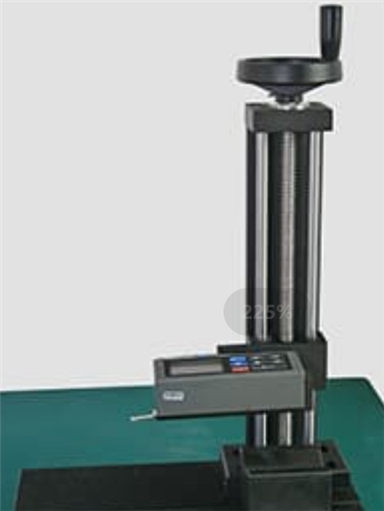
Measures surface micro-roughness (Ra, Rz) to confirm compliance with finish requirements.
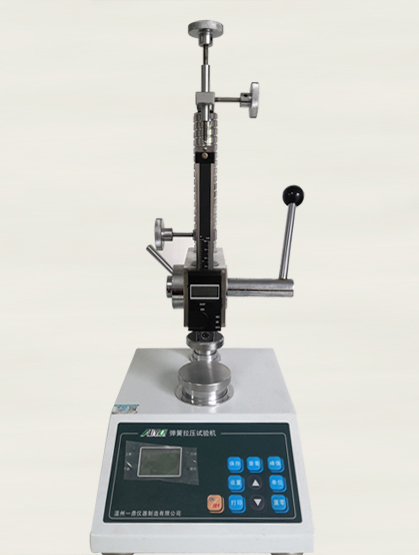
Measures mechanical loading profiles, spring rates, and structural load values.
High-performance applications engineered for durability and precision.
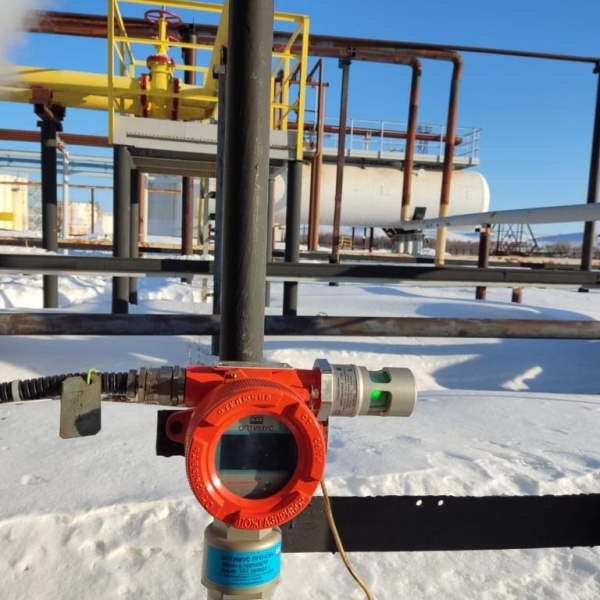
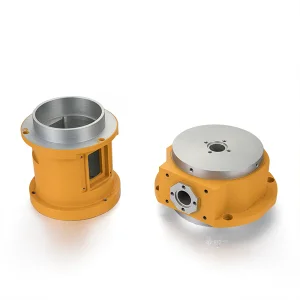
Heavy-duty structural components forged from premium aluminum alloy and finished with Type III hardcoat anodizing for wear resistance under load.
Material: Stainless Steel, Aluminum Alloy
View Details
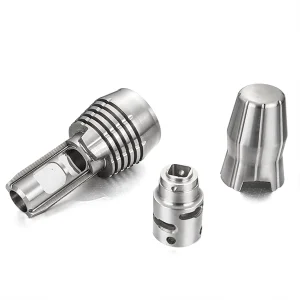
High-tolerance components for transmissions and drivetrain systems. Designed for low friction and wear resistance under continuous heat cycles.
Material: Stainless Steel, Aluminum Alloy
View Details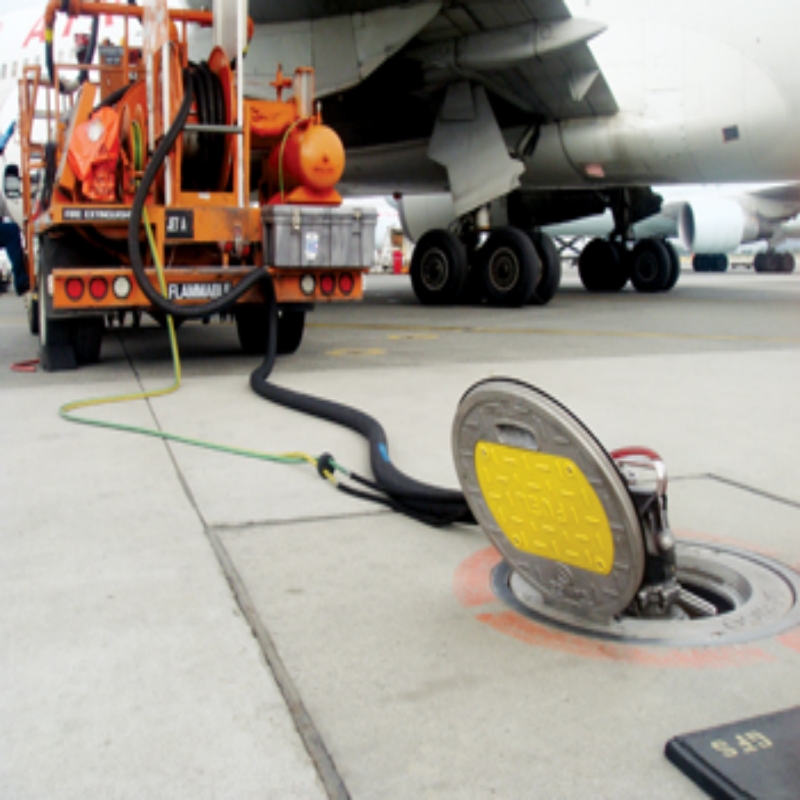
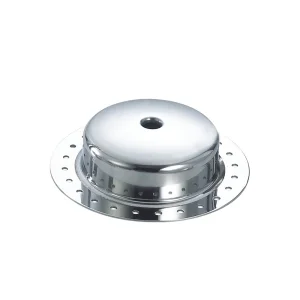
Components for high-stress applications, including aviation fuel hydrant pit boxes, hinge brackets, turbine inlets, and transmission assemblies.
Material: Stainless Steel, Aluminum Alloy
View Details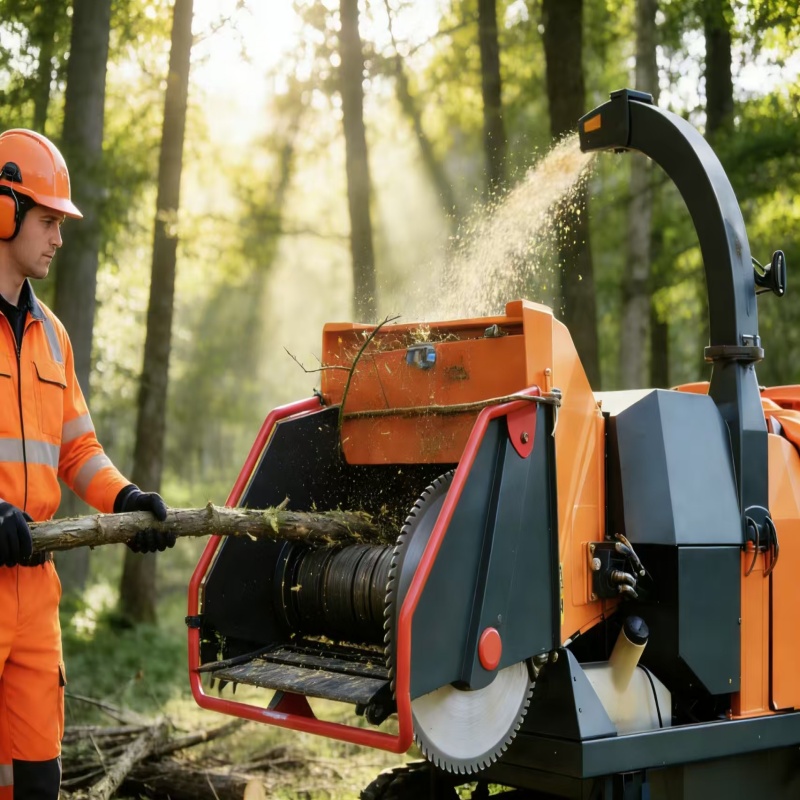
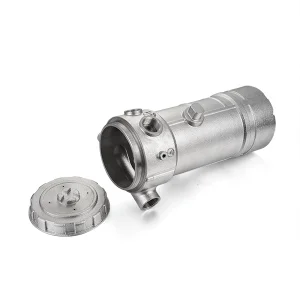
Cutter discs, feed rollers, and shafts designed for abrasive wood crushing environments. Heat treated and hardcoated for extended service life.
Material: Q345B, 42CrMo, NM400 for shaft
View DetailsCommitted to Professionalism, Social Responsibility, and Continuous Improvement
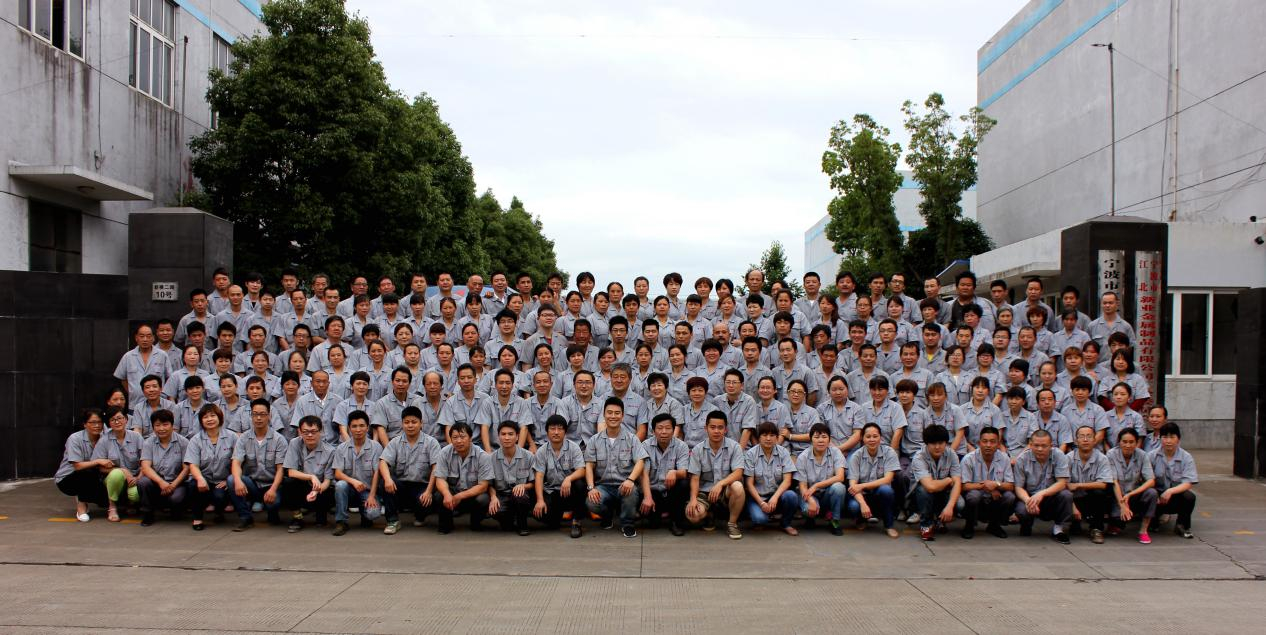
Out of our 130 employees, 50 specialize in product development, engineering, and quality control. Xinye holds over 20 technical utility model patents, highlighting our team's engineering capability.
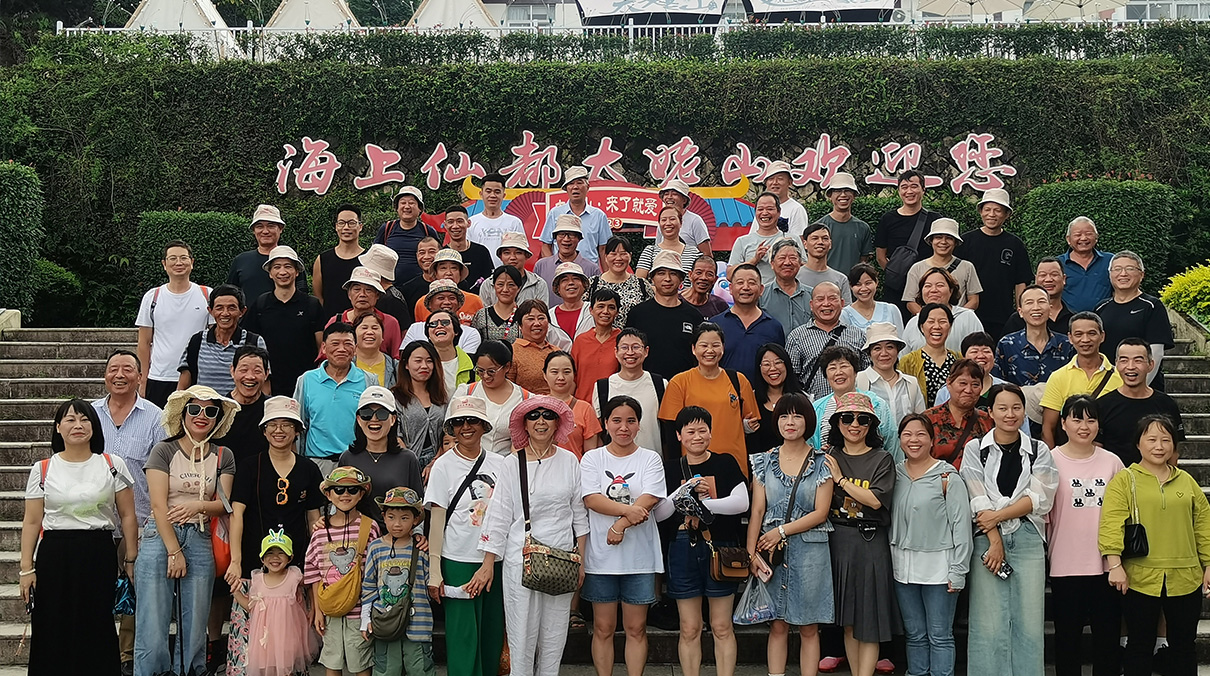
Trust: Exceeding expectations is our responsibility.
Responsibility: Providing end-to-end solutions that support our customers and employees.
Professionalism: Driven by continuous process improvement.
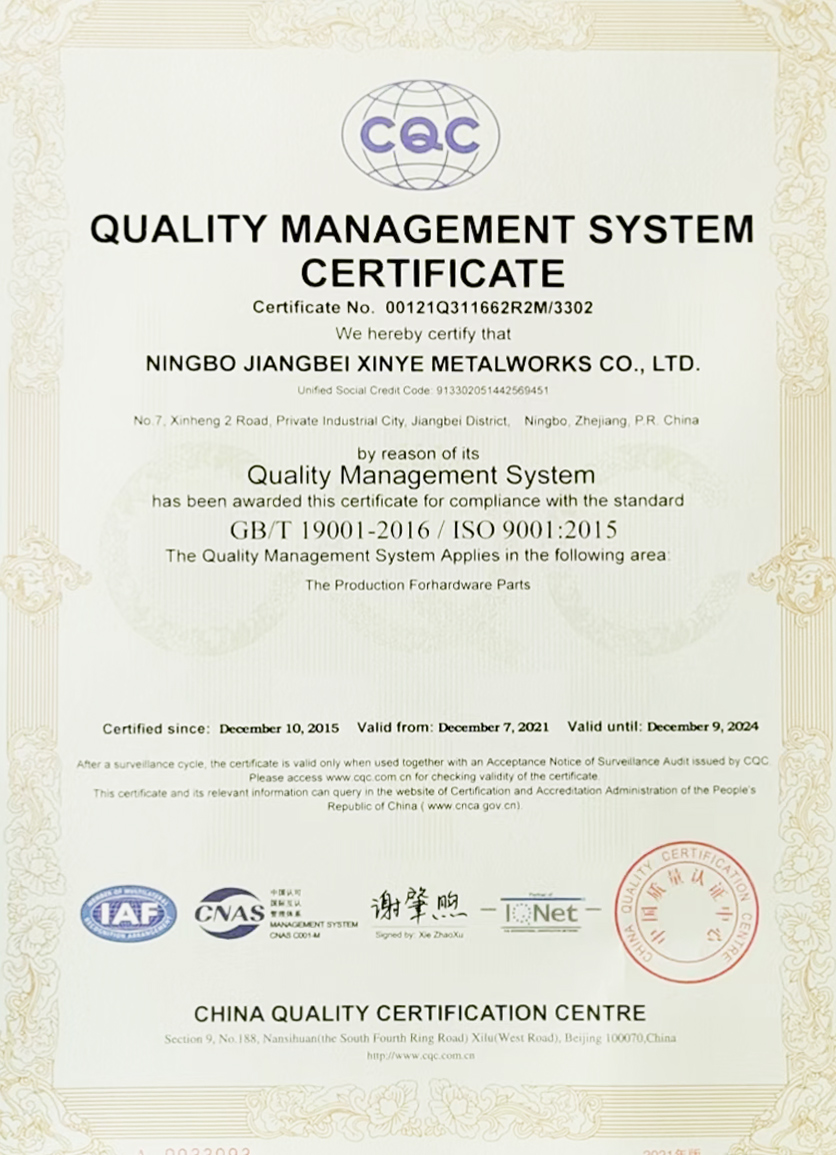
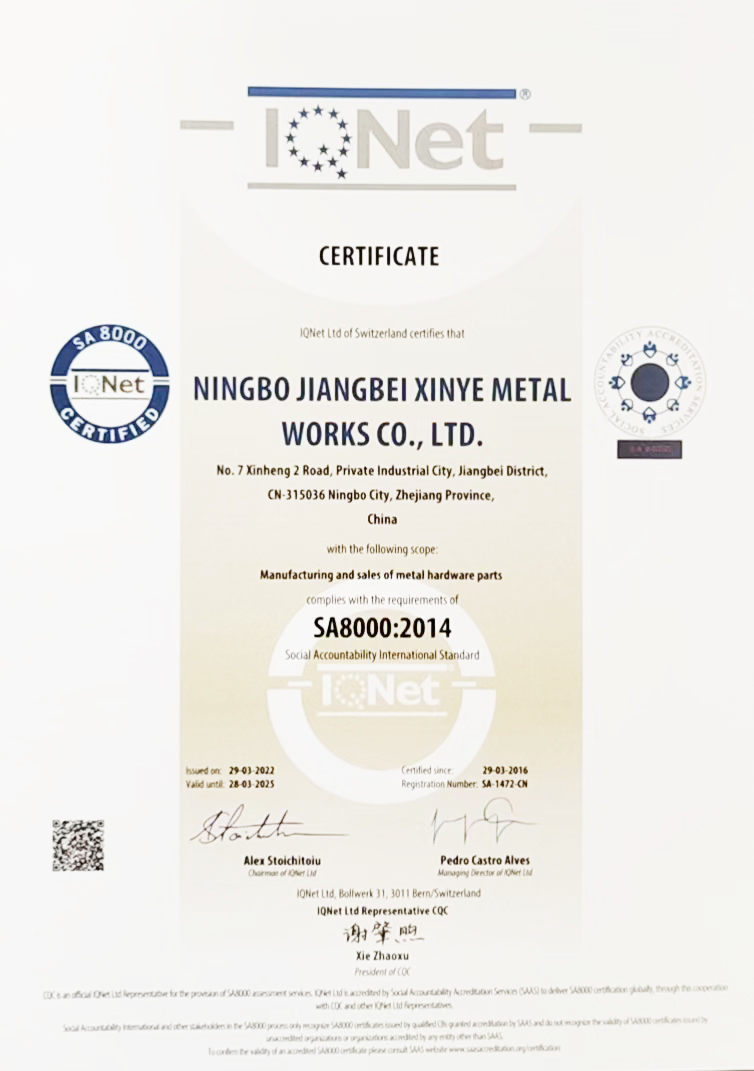
Xinye maintains ISO 9001:2015 and SA8000 certifications. We operate 16 hours a day, 6 days a week, with the ability to transition to 24/7 production within 30 days to meet demand spikes.
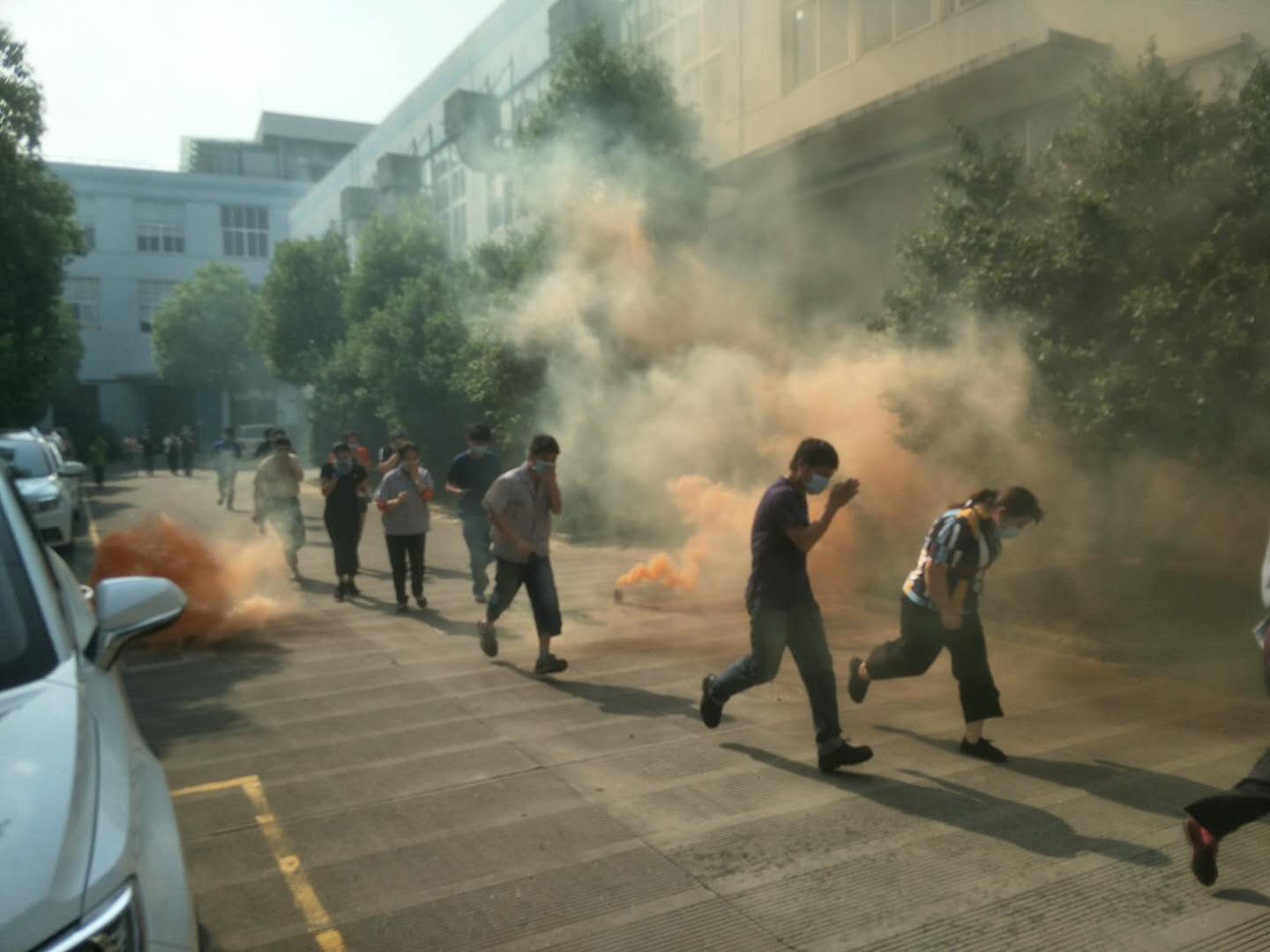
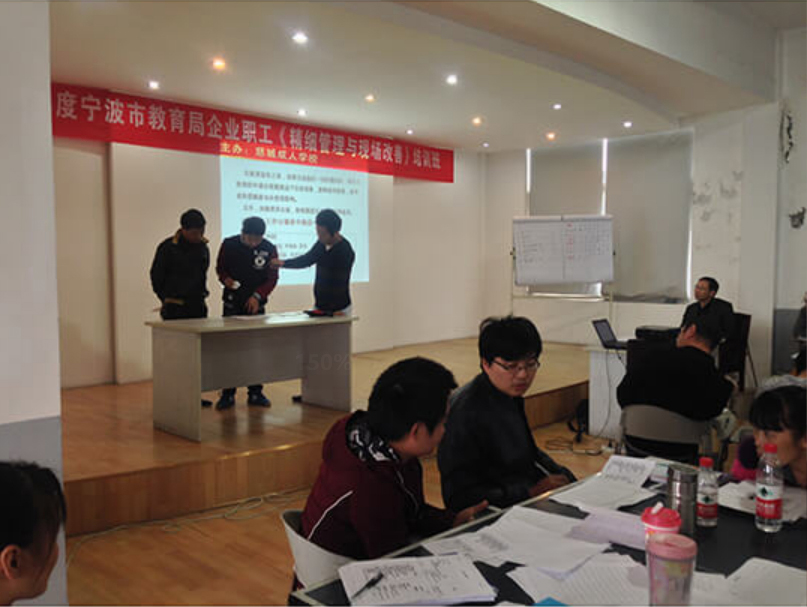
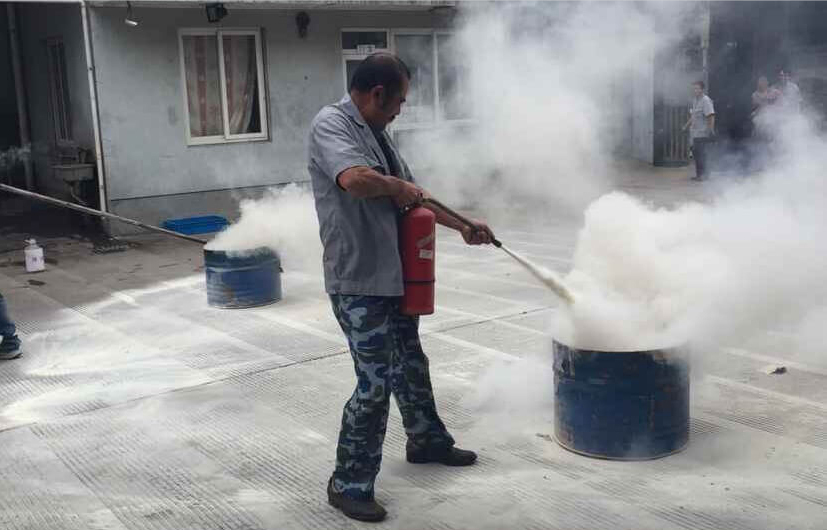
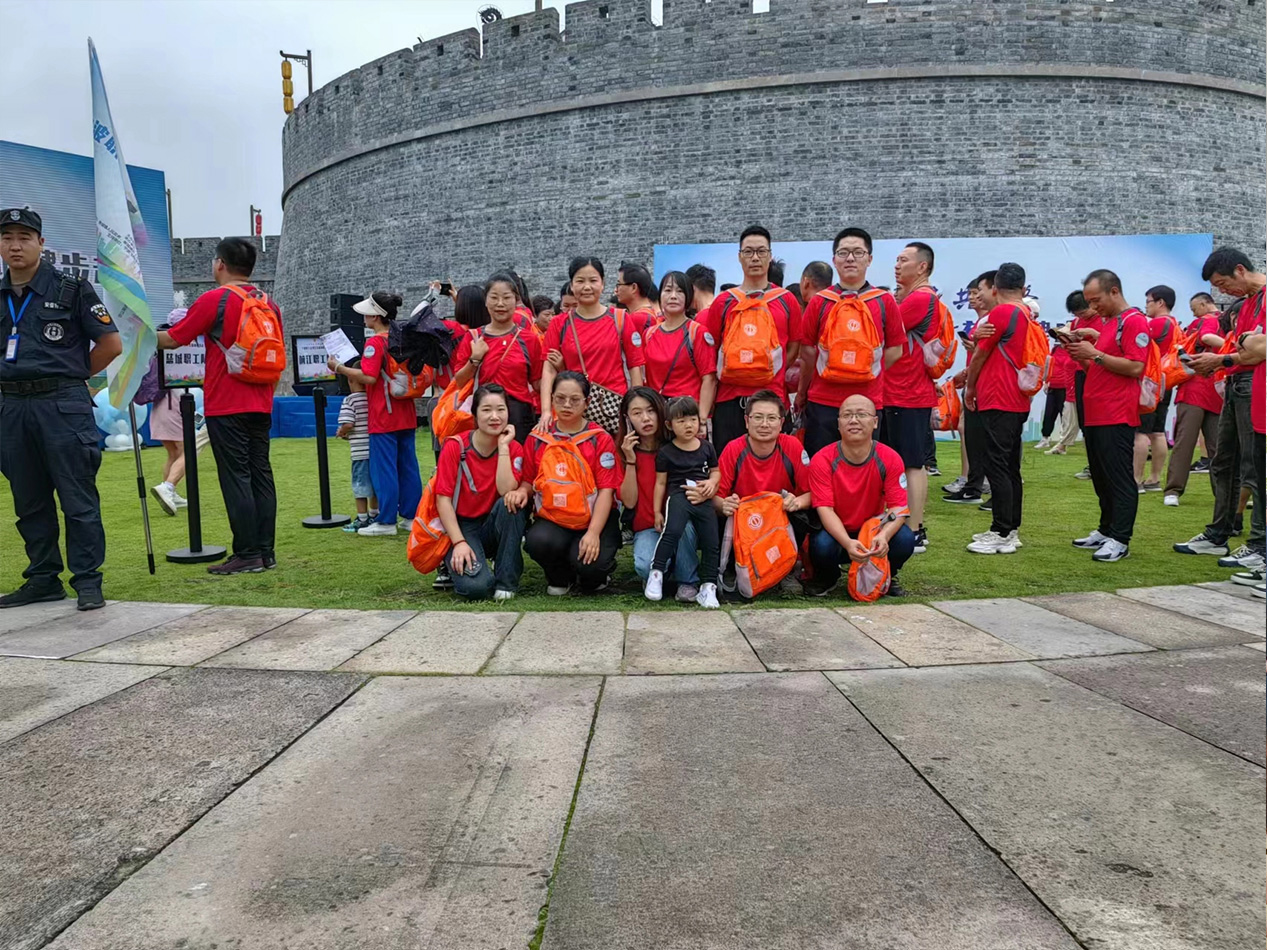
Comprehensive Metal Forming and Processing Services
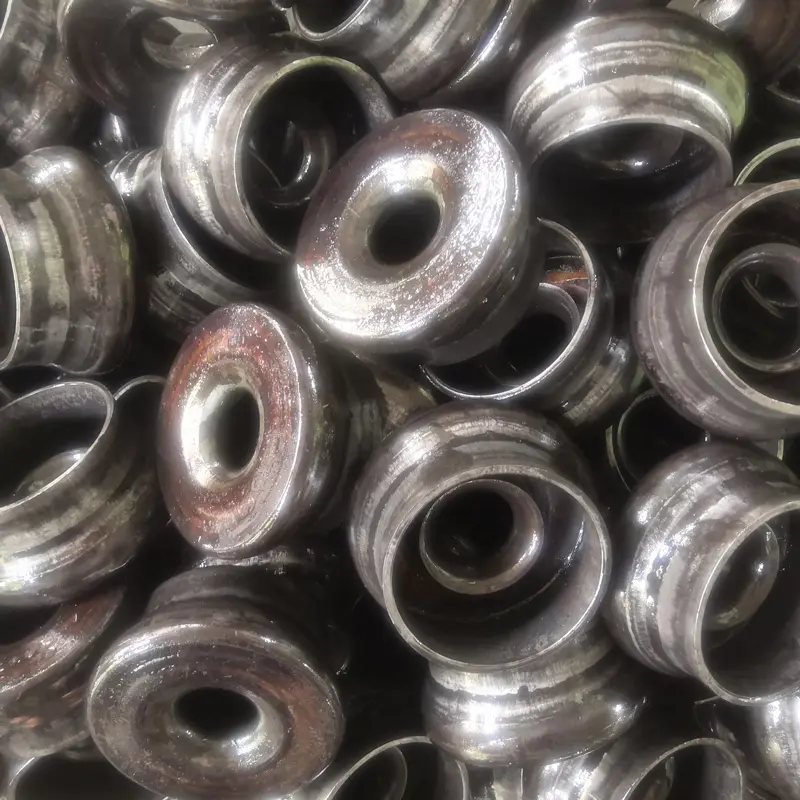
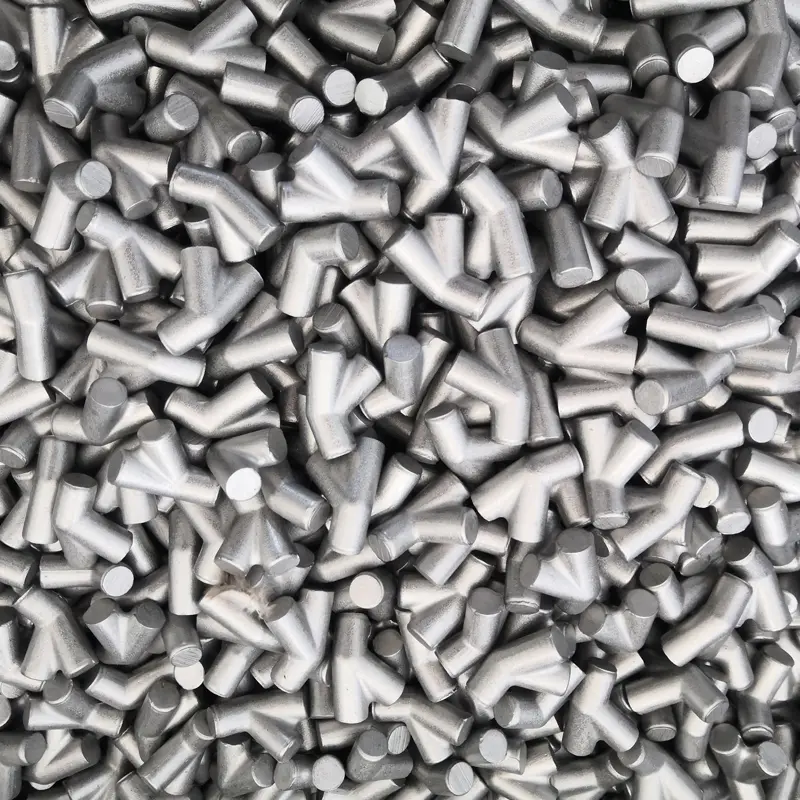
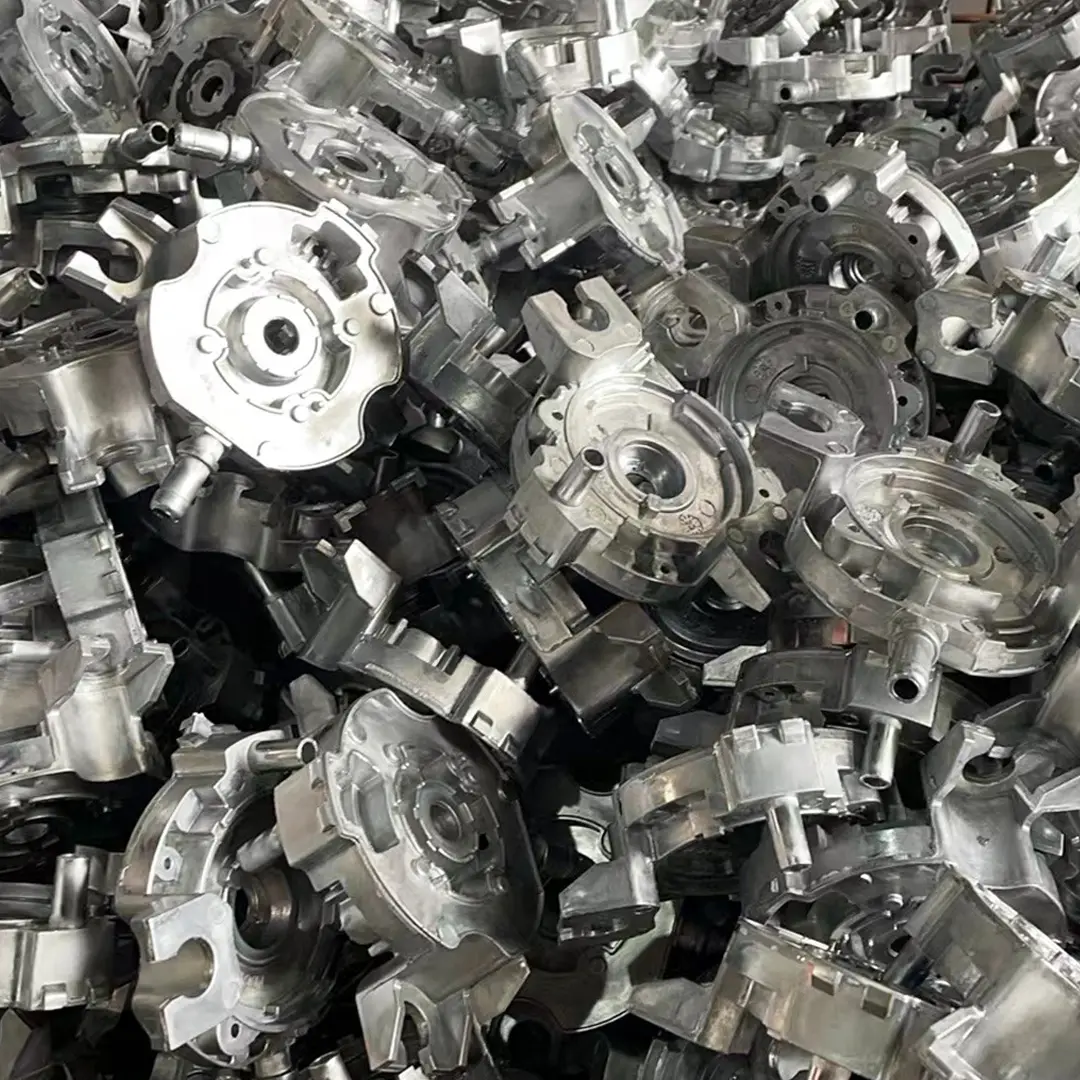
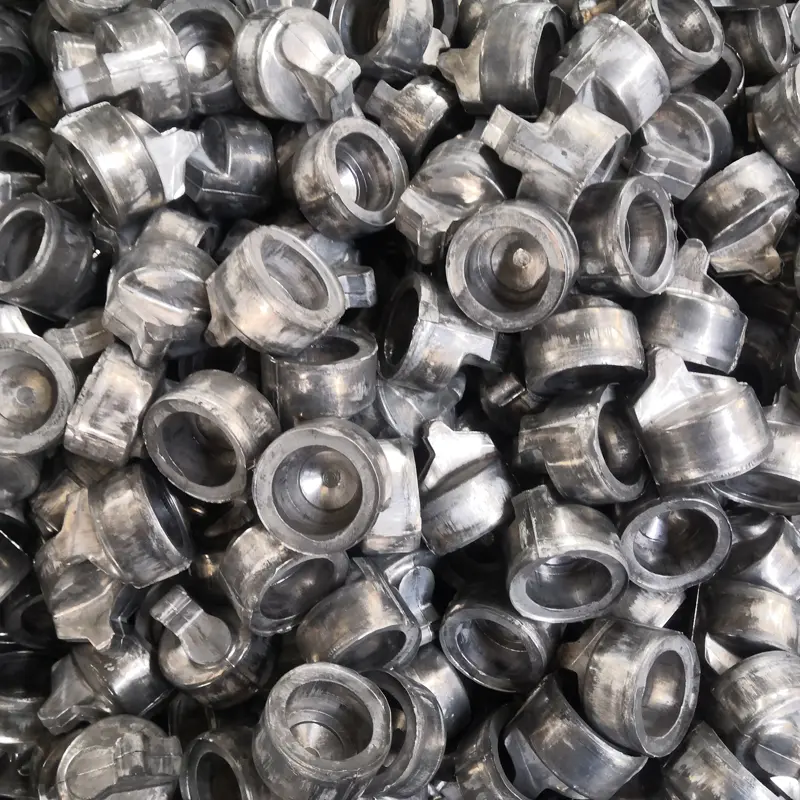
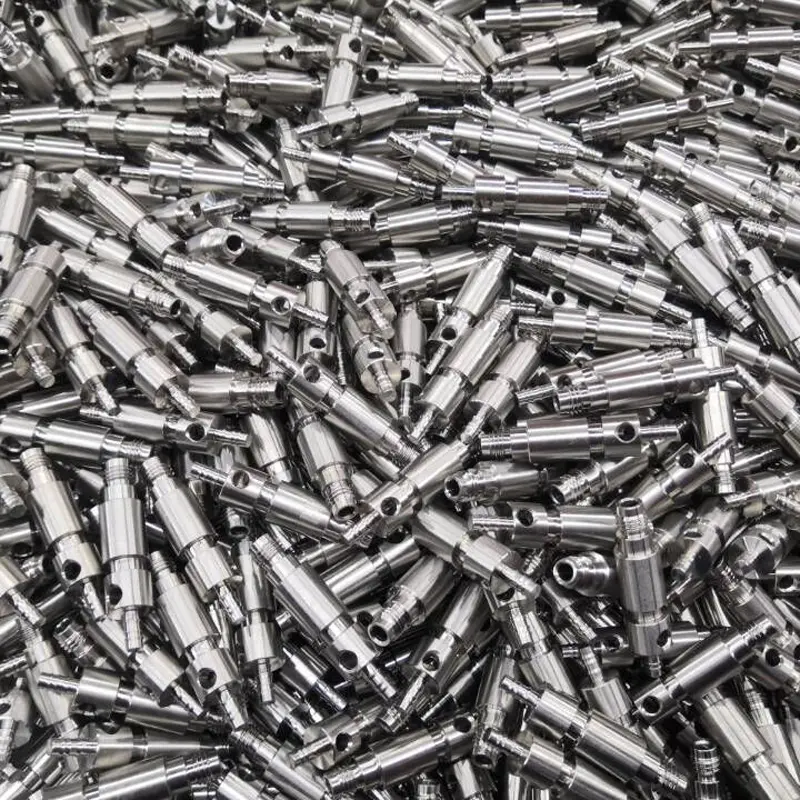
Technical Note: Our vertical integration links forging, stamping, casting, and machining with in-house Type III hard anodizing. By managing all processing steps under one roof, we eliminate intermediate oxidation risk and ensure consistent plating thickness on machined surfaces.
Addressing Procurement, Technical Quality, Pricing, and Logistics Inquiries
Our pricing depends on raw material costs, machining complexity, tooling requirements, and surface coating specifications. Hardcoat anodizing cost factors include total surface area, racking complexity (electrical contact points), and whether masking is required to protect specific areas from anodization. Contact us with your 2D/3D drawings for a detailed quotation.
We require ongoing minimum order quantities for international orders to ensure manufacturing efficiency. MOQ requirements vary depending on component size, weight, and material class. We support initial prototype runs, with volume requirements discussed during the RFQ process.
We provide full quality documentation with each shipment, including Certificates of Analysis / Conformance (COA/COC), material chemical composition reports (via our GNR Spectrum Analyzer), CMM dimensional dimensional reports, and coating thickness measurements. Export documents, including origin certificates, are provided as needed.
For custom samples, lead time is typically about 7 days. For mass production, lead time ranges from 20 to 30 days after receipt of deposit and final engineering sign-off. We work with clients to accommodate tight schedules and can adjust capacity as needed.
Our standard B2B payment terms are a 30% deposit in advance, with the remaining 70% balance due against the copy of the Bill of Lading (B/L). We accept payments via bank wire transfer (T/T), Western Union, and PayPal for sample runs.
We guarantee our materials and workmanship. If a manufacturing defect occurs, we offer a one-year warranty starting from the delivery note date. We work with clients to resolve quality concerns through replacement, rework, or credit adjustment.
We use heavy-duty export packaging designed to protect hardcoated surfaces from scratching and denting during transit. Components are individually wrapped in bubble sleeves or vacuum sealed, then packed into partitioned cartons and secured on export-compliant pallets.
 XinYe Metal