High-precision automotive, industrial, and aerospace components manufactured to exacting specifications.
High-speed progressive stampings and extreme-draw depth cylinders designed for heavy industry applications.
Explore Stamping & Drawing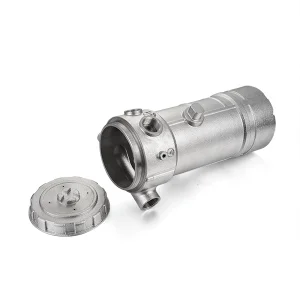
Stainless steel and carbon steel investment castings showcasing premium tolerances and refined finishes.
View Wax Casting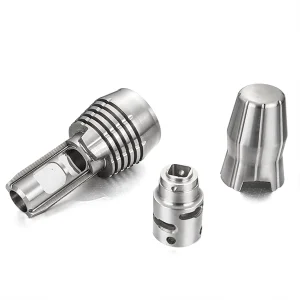
Ultra-precise 4-axis CNC milling and high-volume turning services for complex geometry matching.
Examine CNC Machinery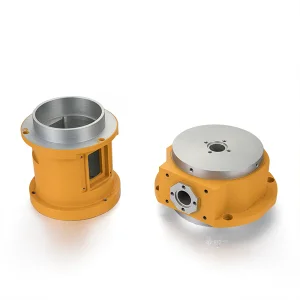
Structural and chassis components hot forged from strong aerospace-grade aluminum alloys.
See Forging Capabilities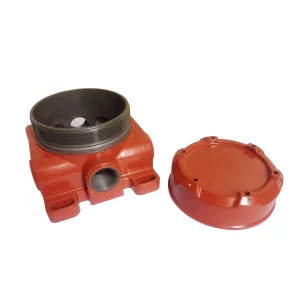
Lightweight, thin-walled structural aluminum casings optimized for automotive and electrical products.
View Die Casting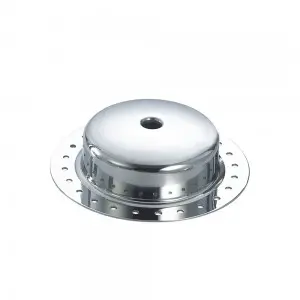
Multi-station stamping dies featuring carbide inserts for millions of hits and reliable high output.
Explore Tooling Options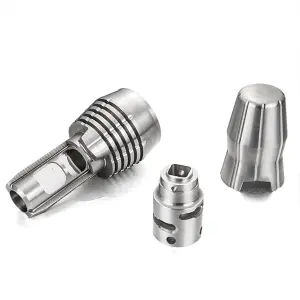
Symmetrical structural components with sub-micron tolerances for sensors and instrumentation.
Browse CNC turning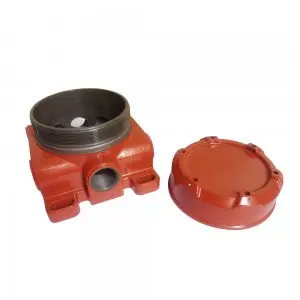
Post-processed, CNC machined, and anodized hardware combinations for critical environment deployments.
Examine Assembly LinesIn high-volume metal manufacturing, progressive die stamping serves as the primary system for engineering efficiency. Unlike individual line operations, a progressive die integrates a sequential set of operations—blanking, piercing, forming, coining, and drawing—within a single tool block. As the raw metal strip feeds step-by-step through the press, each stroke performs a specialized deformation process.
This consolidation delivers notable benefits: it reduces cycle times, minimizes manual material handling, optimizes strip layout to lower raw material scrap rates, and ensures dimensional consistency across millions of production units. At Ningbo Jiangbei XinYe Metal Works Co., Ltd., we combine decades of stamping experience with modern tooling materials (such as D2, SKD11, and tungsten carbide inserts) to build progressive dies that resist structural wear and meet tight tolerance constraints.
Our engineering team assesses strip layout design through simulated metal-flow analysis, preventing material splitting and micro-cracking in highly-stressed regions. This careful planning enables us to manufacture robust tooling systems for demanding industrial components, gas sensor enclosures, and structural automotive brackets.
Established
Production Footprint
Technical Engineers & Crew
Technical Model Patents
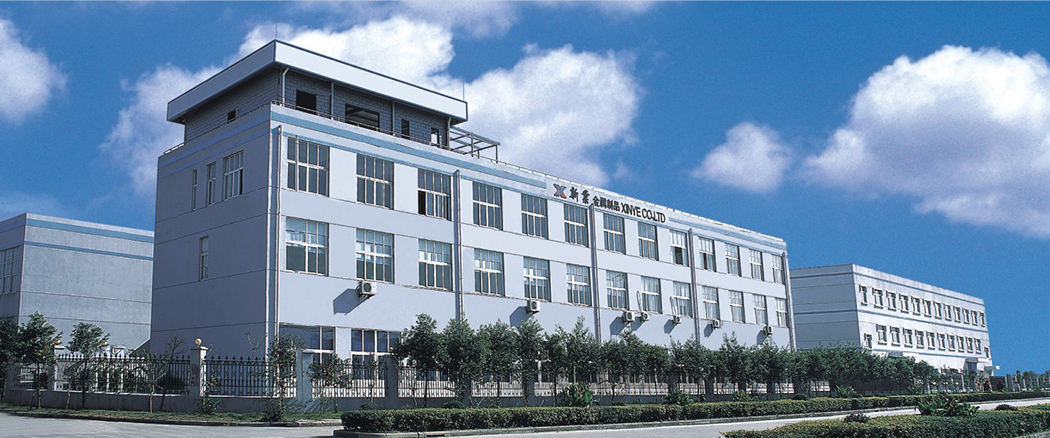
Founded in 1996 as an owner-managed SME corporation, XinYe has evolved from a regional machine shop into an integrated manufacturing center. Operating from a 16,000 square meter factory floor with an additional 11,000 square meters of facilities under construction, we manage production workflows to support industrial supply demands.
We employ 130 skilled staff, including 80 production specialists and 50 team members dedicated to engineering, product design, quality control, and global supply chain management. This technical density supports our core manufacturing operations: CNC machining, aluminum alloy hot forging, investment casting (lost wax stainless casting), extrusion, progressive metal stamping, and surface treatments like anodizing and electro-polishing.
Situated inside the Ningbo Jiangbei Industrial Zone, our plant is located within 3 hours of the Shanghai international airport network by high-speed rail. This proximity simplifies shipping logistics and international client audits.
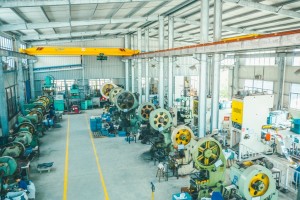
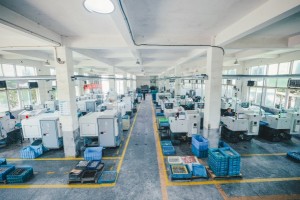
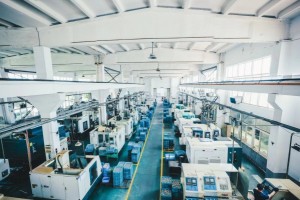
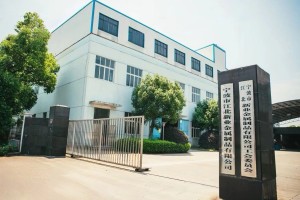
Why global OEMs choose Ningbo XinYe as their metal fabrication partner.
Located near the Port of Ningbo-Zhoushan, the world's busiest container port. Our direct access enables containerized ocean freight to reach global markets without long inland transits.
The Yangtze River Delta provides a dense supply chain network. Raw steel, precision tool tooling materials, and anodizing agents are sourced locally to keep production moving smoothly.
Operating on a standard 16-hour, 6-day production schedule, our plant can scale to 24/7 continuous operations within 30 days to handle seasonal spikes or large-volume order increases.
Take a virtual tour of our production floor and watch our metal processing machinery in real time.
Video Demonstration: Inside XinYe Metal Works - High-Capacity Metal Press and Precision Fabrication Workshops.
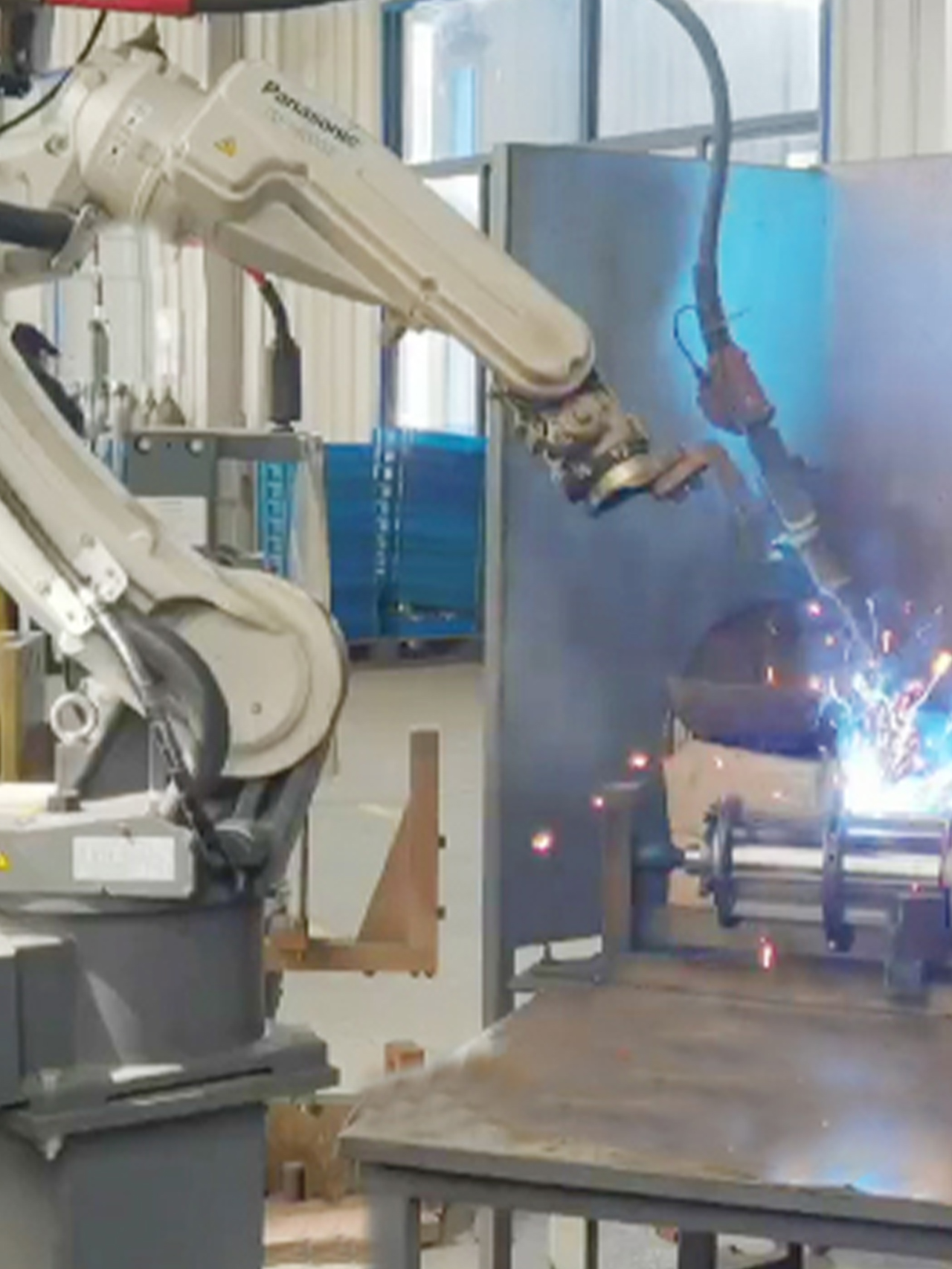
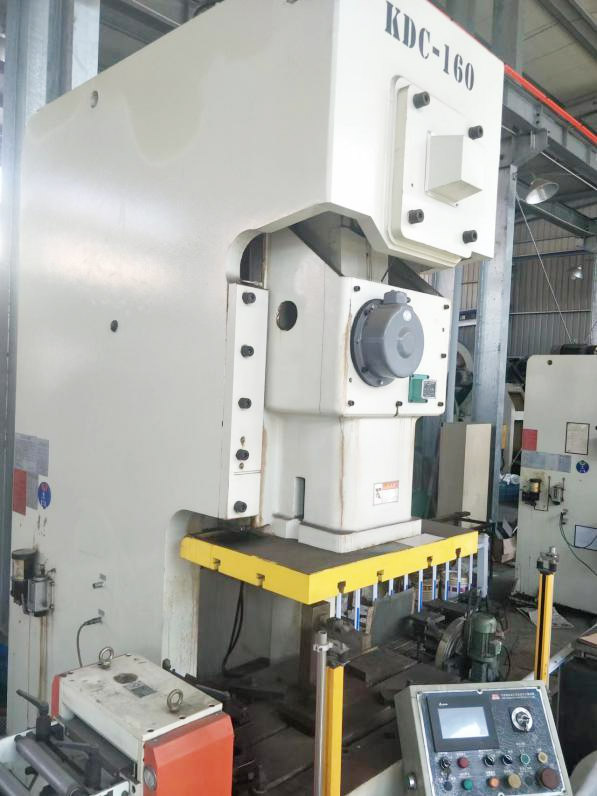
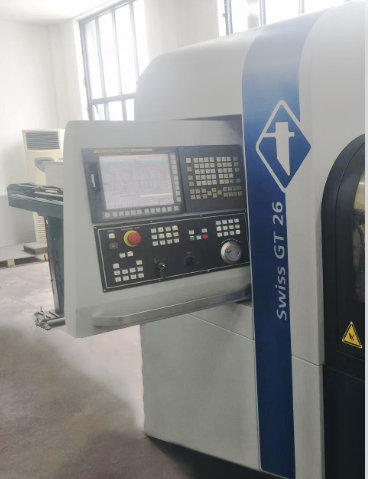
Our machinery allows us to manage manufacturing processes in-house, ensuring consistency from start to finish.
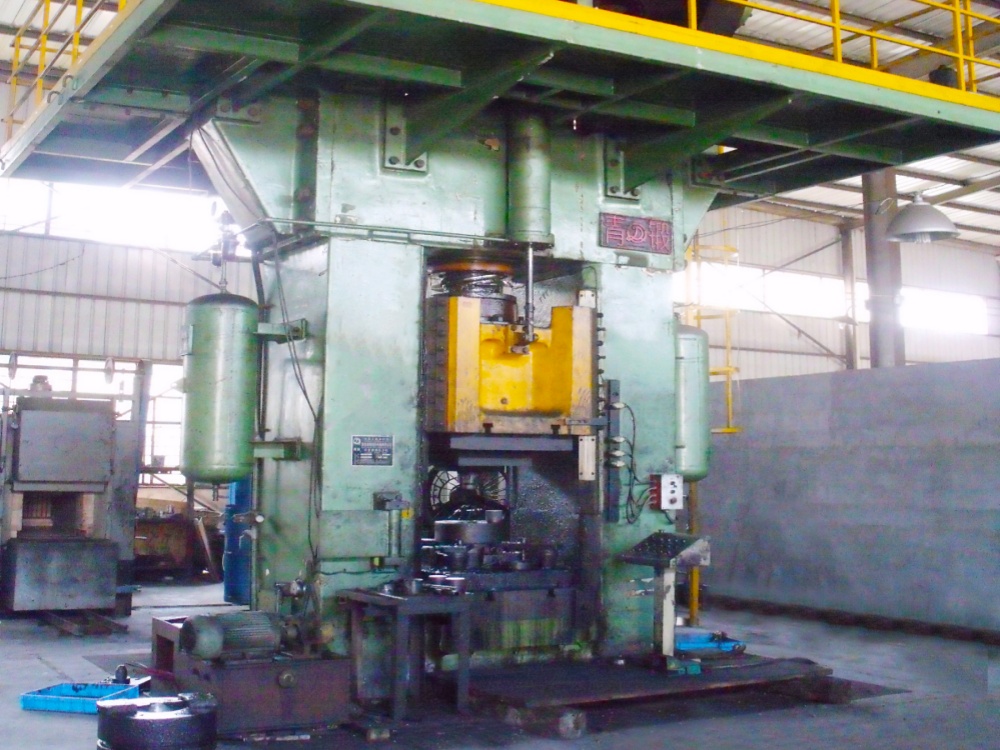
We utilize heavy-duty friction presses to shape robust, structural metal profiles.
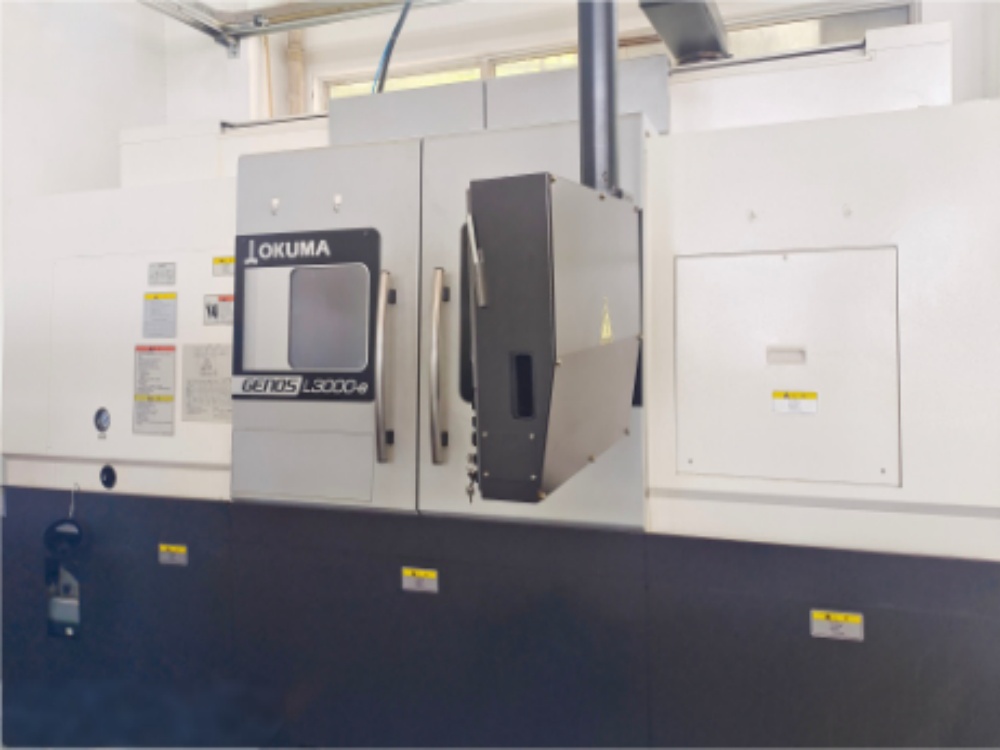
For post-forging detailing, casting cleanups, or complete billet machining.
The foundation of our high-volume progressive die metal production.
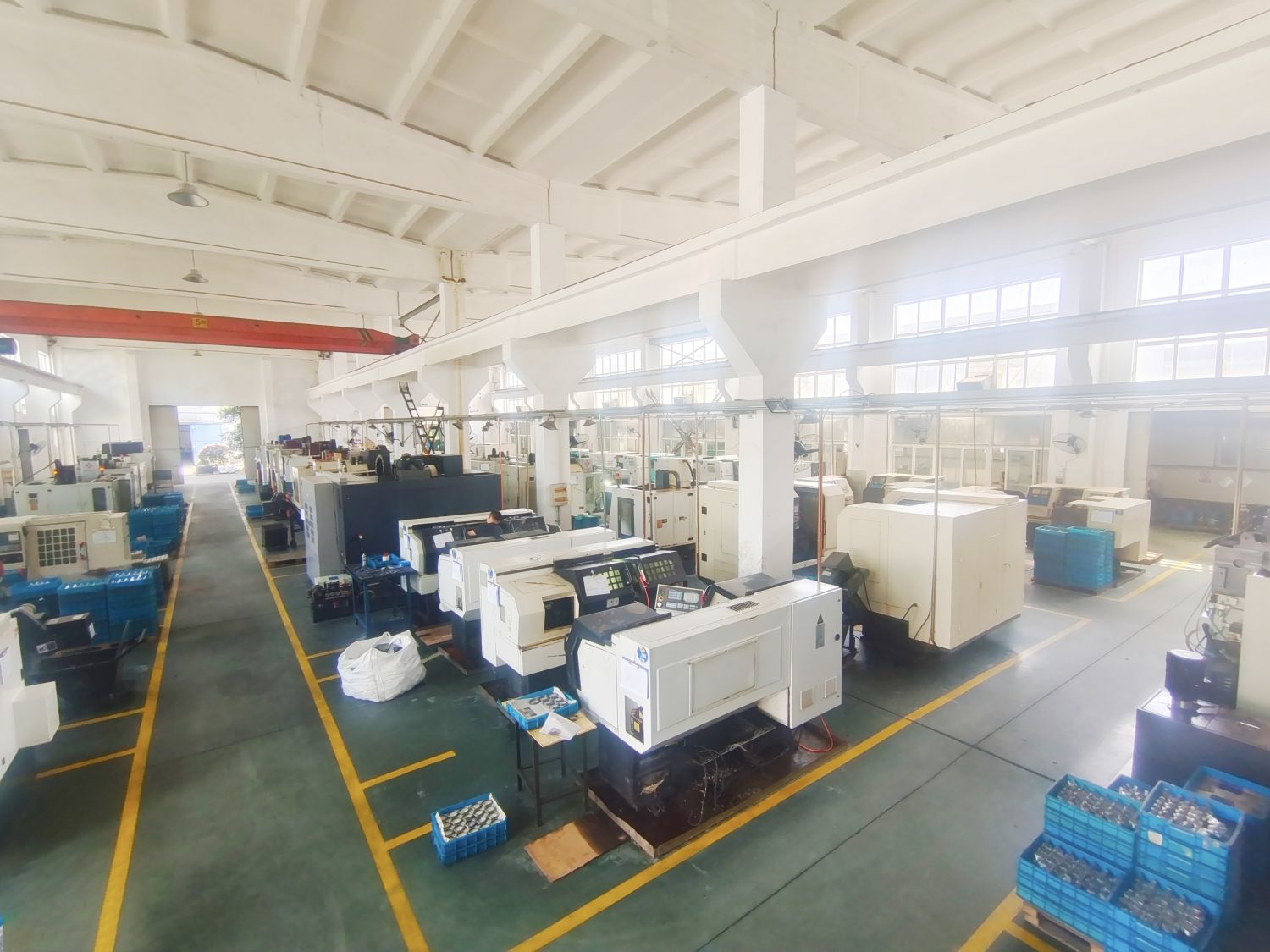
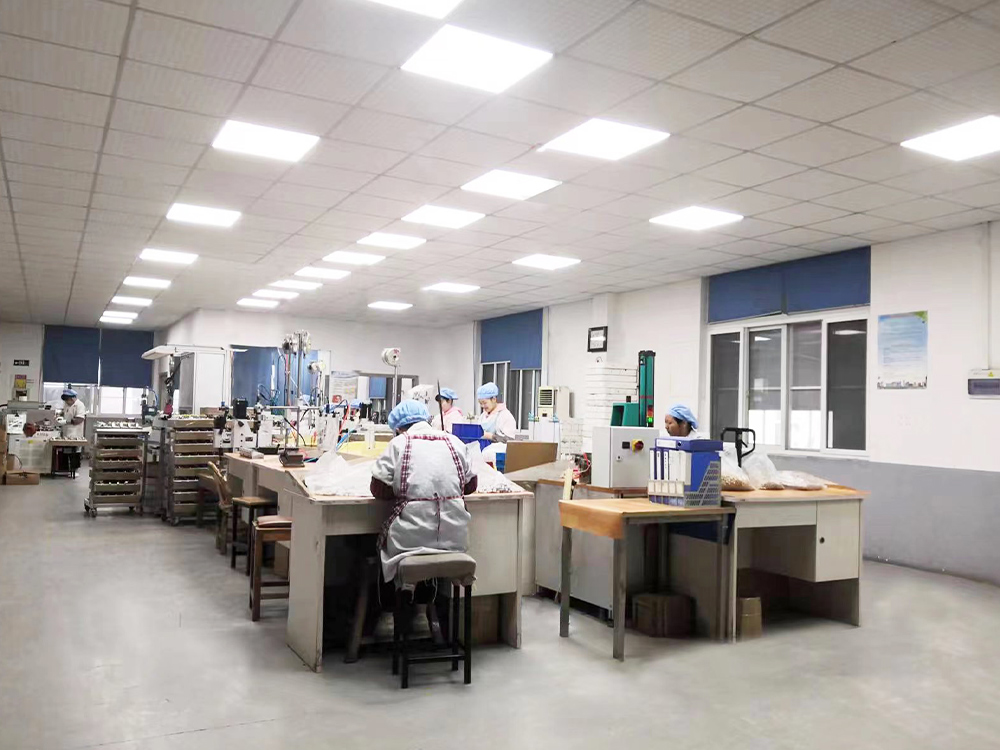
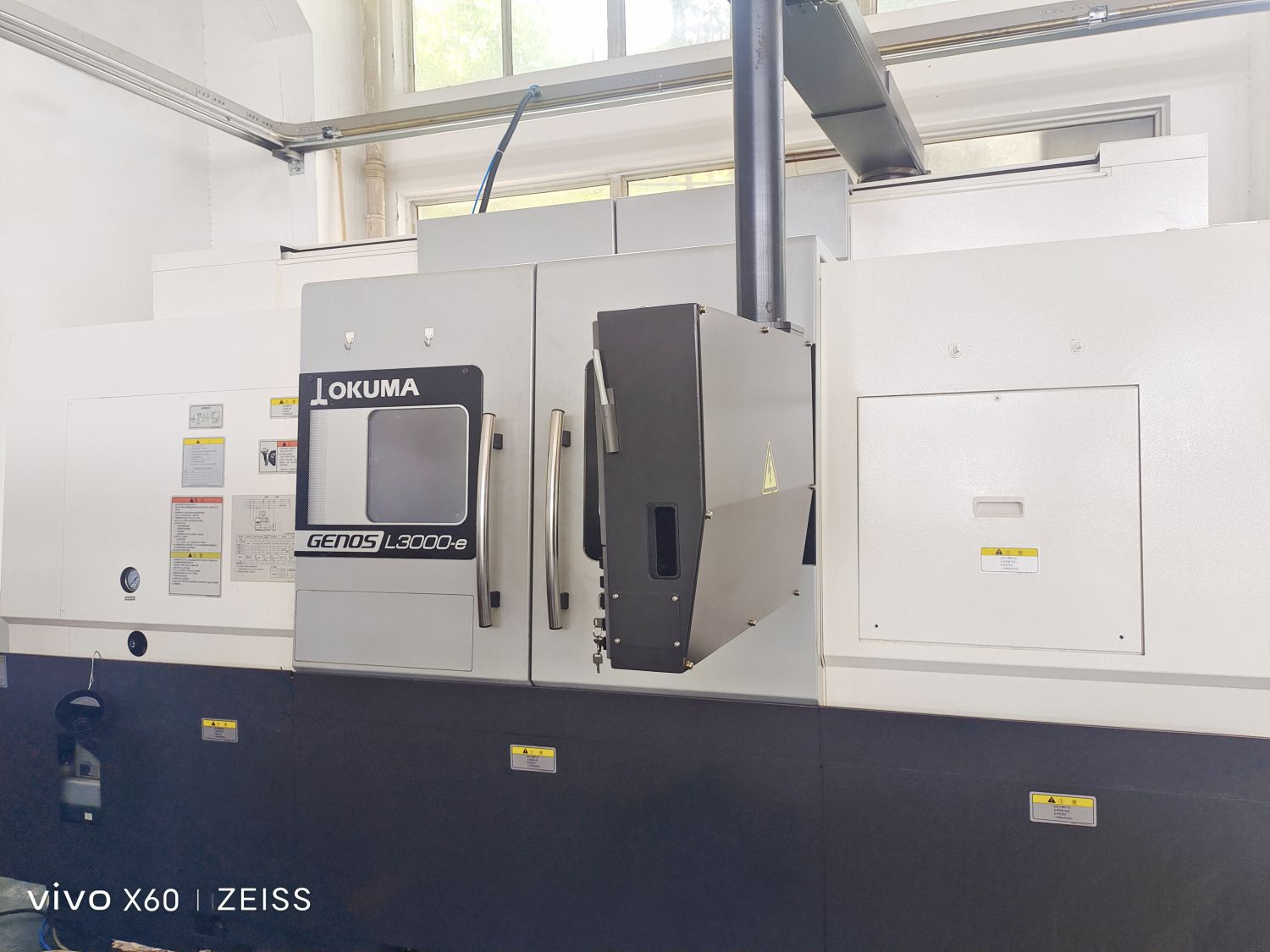
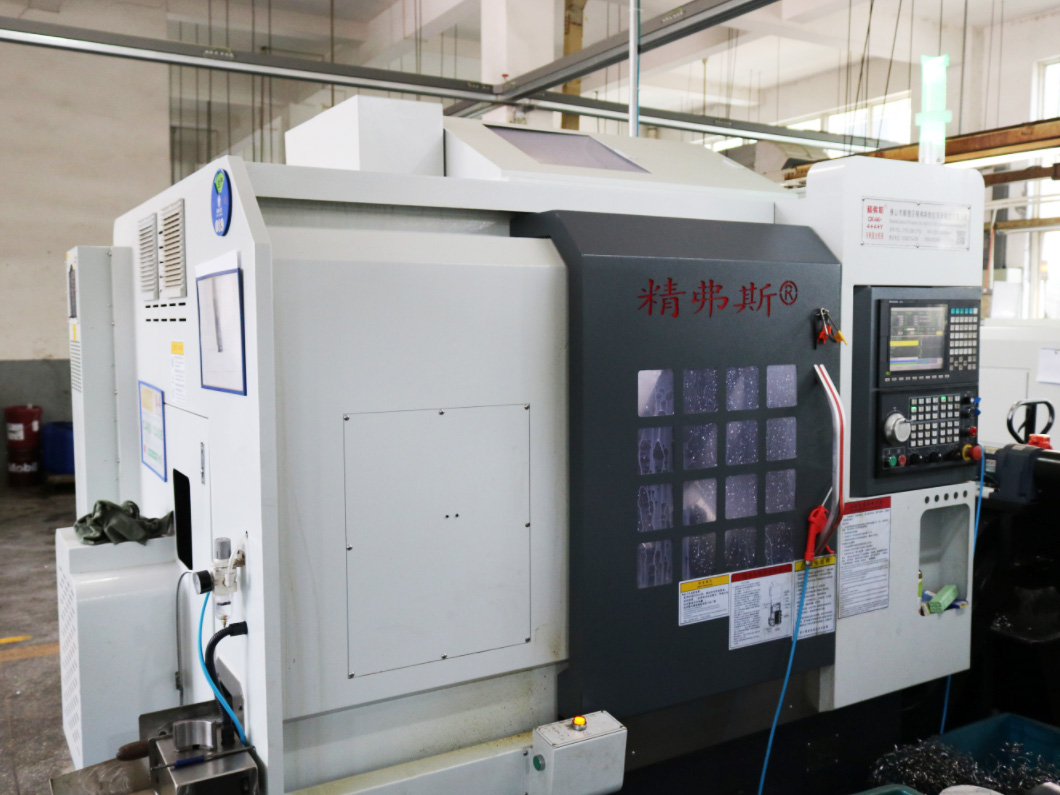
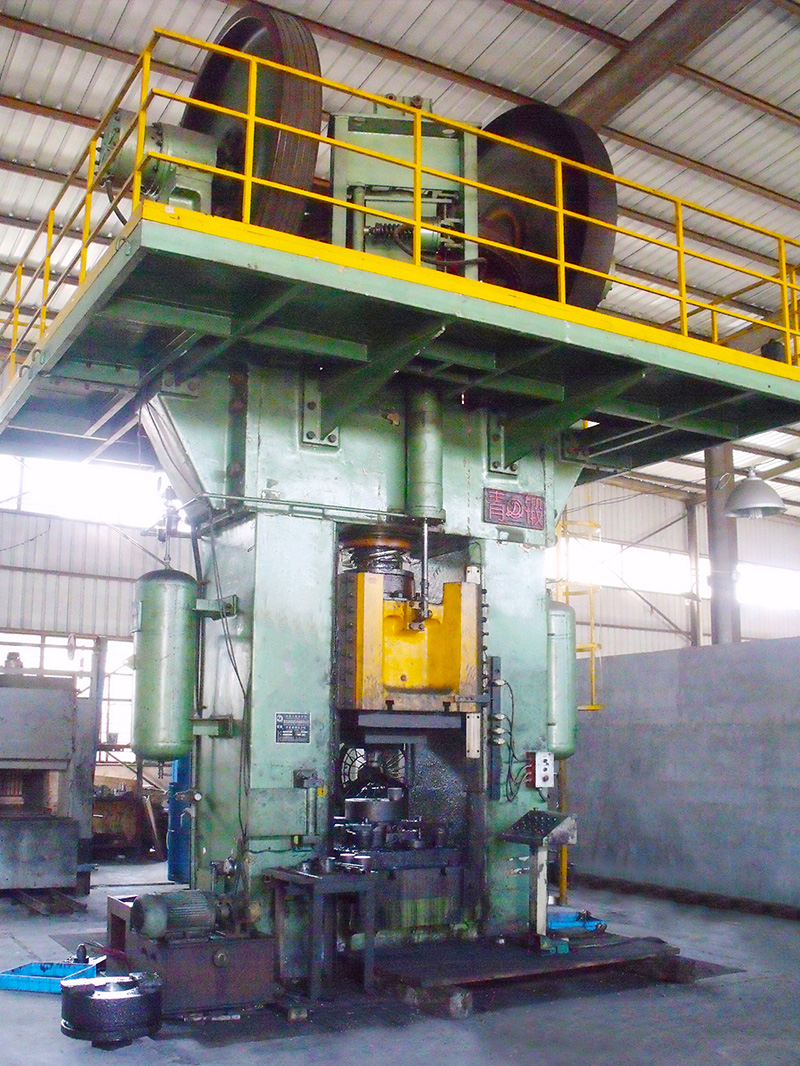
At XinYe, we maintain strict quality control at every stage of production. From testing incoming raw materials to inspecting final assemblies, each phase is fully documented to ensure part traceability.
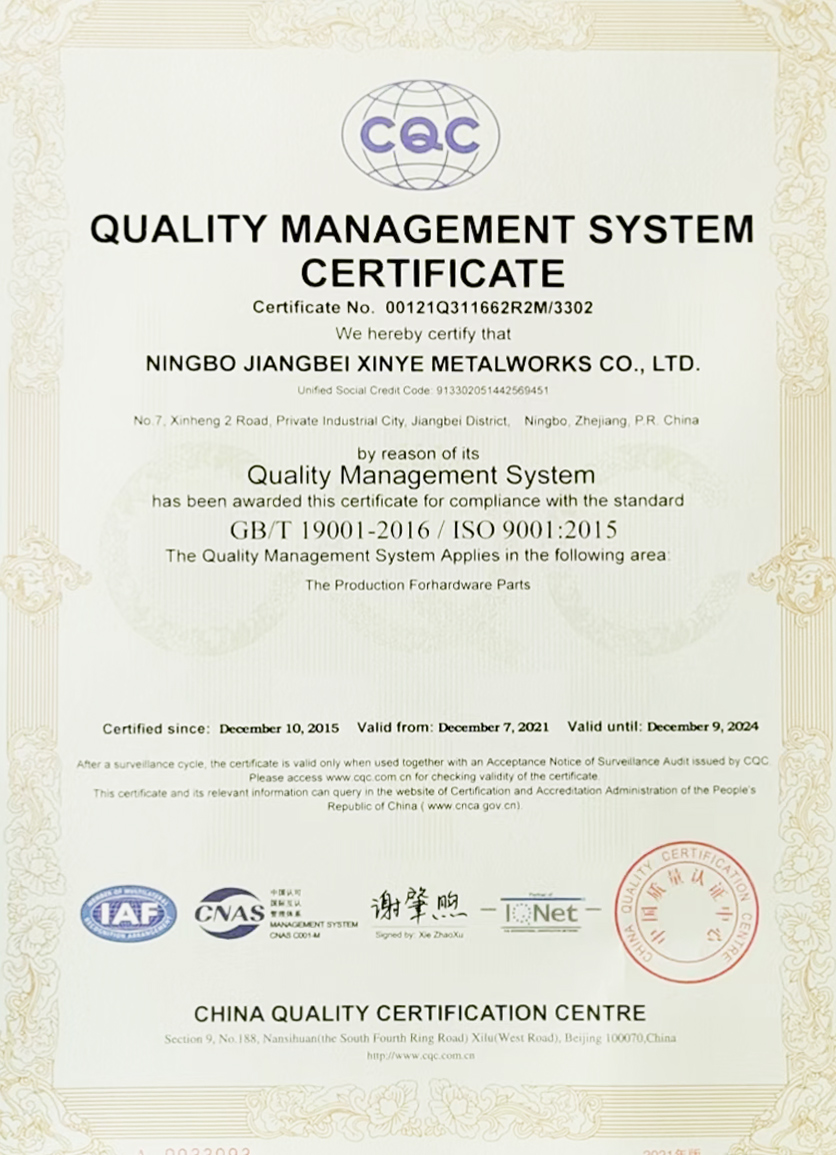
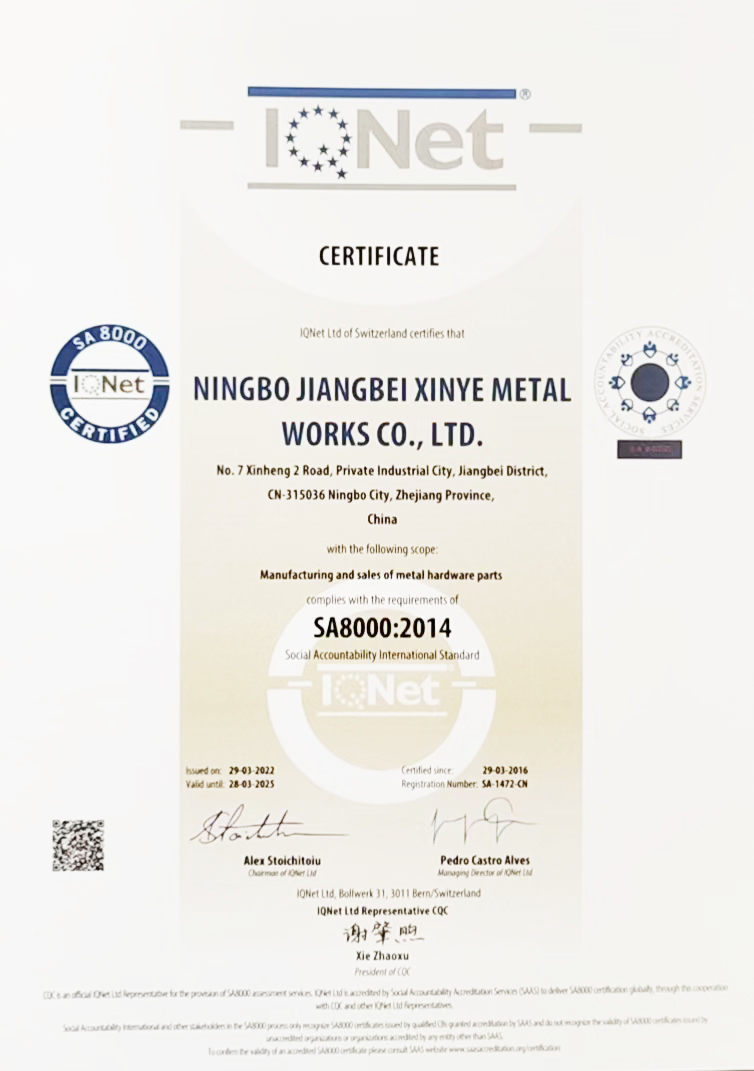
We operate in compliance with international management and social responsibility guidelines, backed by our ISO 9001:2015 and SA8000 certifications. These systems define our internal audits, employee safety protocols, and calibration cycles.
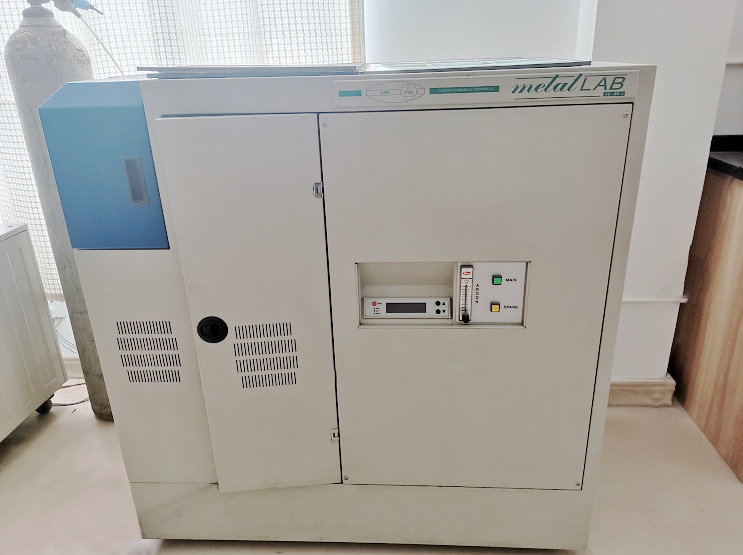
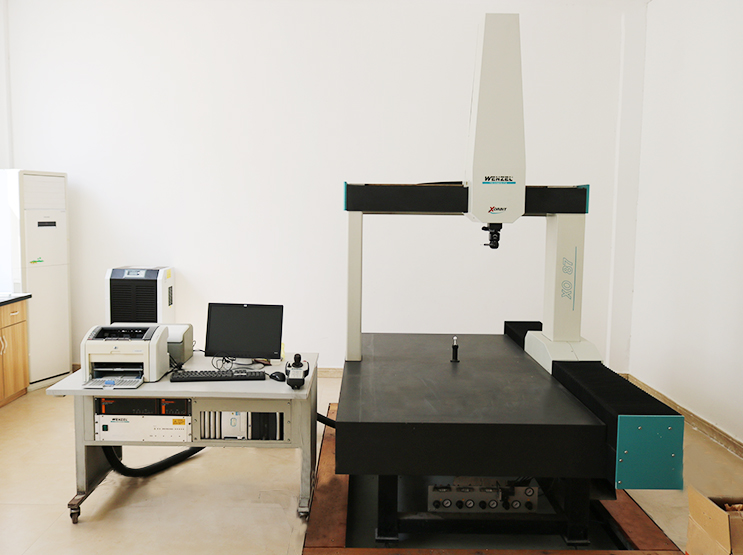
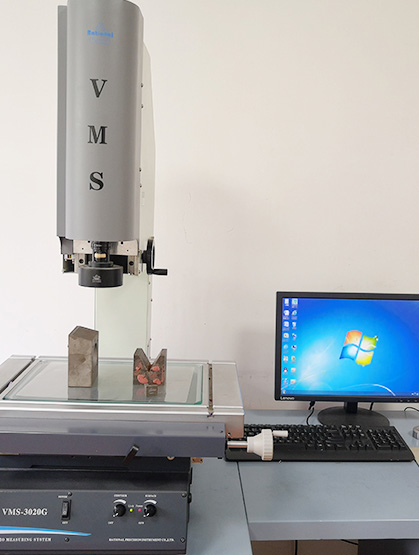
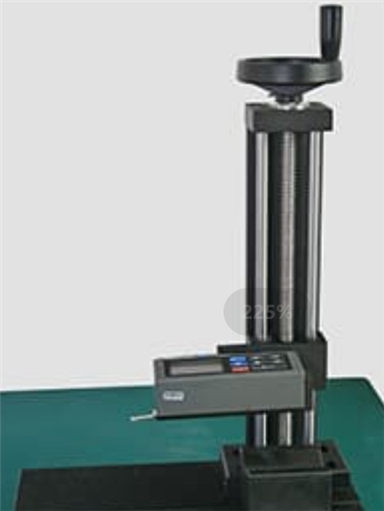
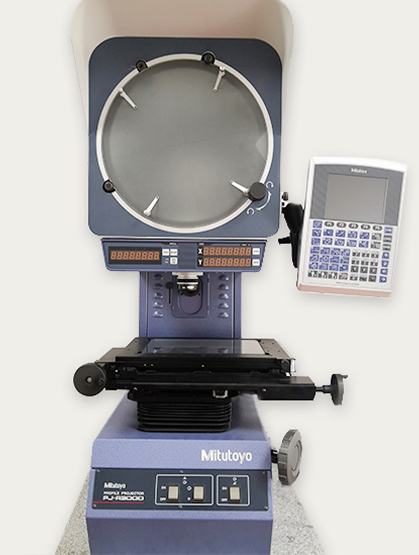
Our quality control department utilizes modern inspection machinery to verify complex dimensional layouts:
GNR Spectrum Analyzers identify trace elements in alloy raw materials to prevent out-of-spec batches.
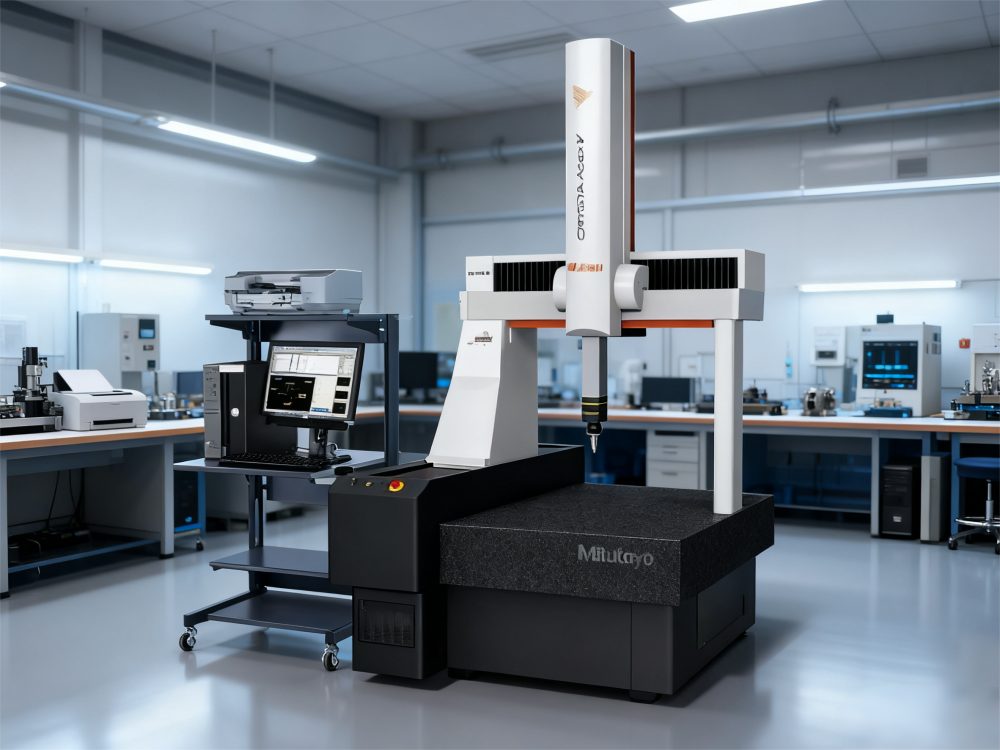
3D Coordinate Measuring Machines (CMM) analyze physical part positions relative to original CAD drawings.

Our metal components are engineered to perform in demanding environments.
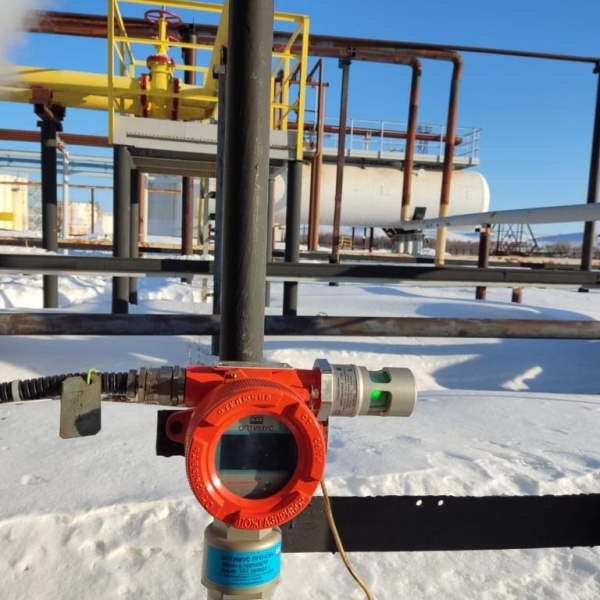
Flame sensors, fire detectors, explosive gas sensor housings, and hydrant pit box enclosures designed for the mining and oil & gas industries.
Precision gear plates, transmission system components, and custom E-bike connector brackets built to withstand high operational loads.
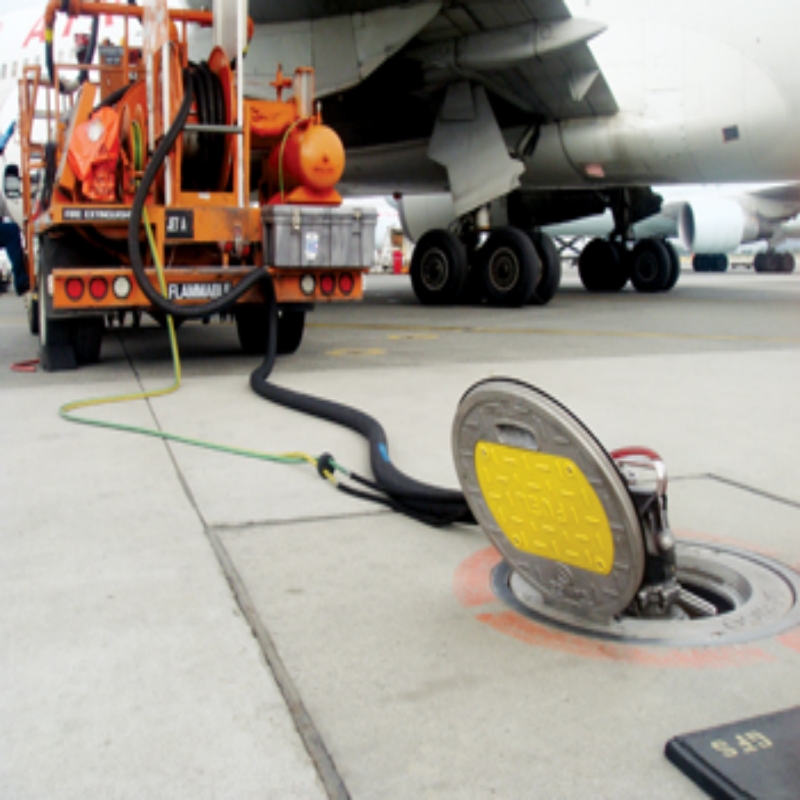
Aviation fuel hydrant pit components, turbine air inlet modules, transmission linkages, and structural hinge brackets.
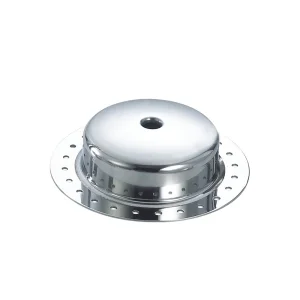
Anodized aluminum alloy parts for commercial cream whippers, cooking stoves, and machinery requiring food-grade surfaces.
Examples of products developed in collaboration with our customers.
Watch our high-speed machinery process and form custom aluminum components.
From preliminary engineering layouts to final packaging and delivery, each step is optimized for quality and efficiency.
The client shares component drawings, dimensional tolerances, and material requirements. Our design team conducts feasibility assessments and coordinates tooling layouts directly with the customer's engineers.

We procure tool steel (such as D2, H13, or carbide grades) and assemble the initial prototypes. The engineering department inspects trial samples and generates CMM report sets and material certificates for client verification.



We submit physical prototype parts to the client for functional testing and structural verification. Tooling modifications are made as needed to achieve design approval prior to mass production.


Once approved, we release the project for mass production. Automated progressive feed stamping lines run in sequence with in-process inspections to ensure stable and repeatable production runs.

Finished parts are processed in our assembly workshop, cleaned, packaged, and prepped for shipping. All shipments are accompanied by detailed QC certificates and delivery notes.


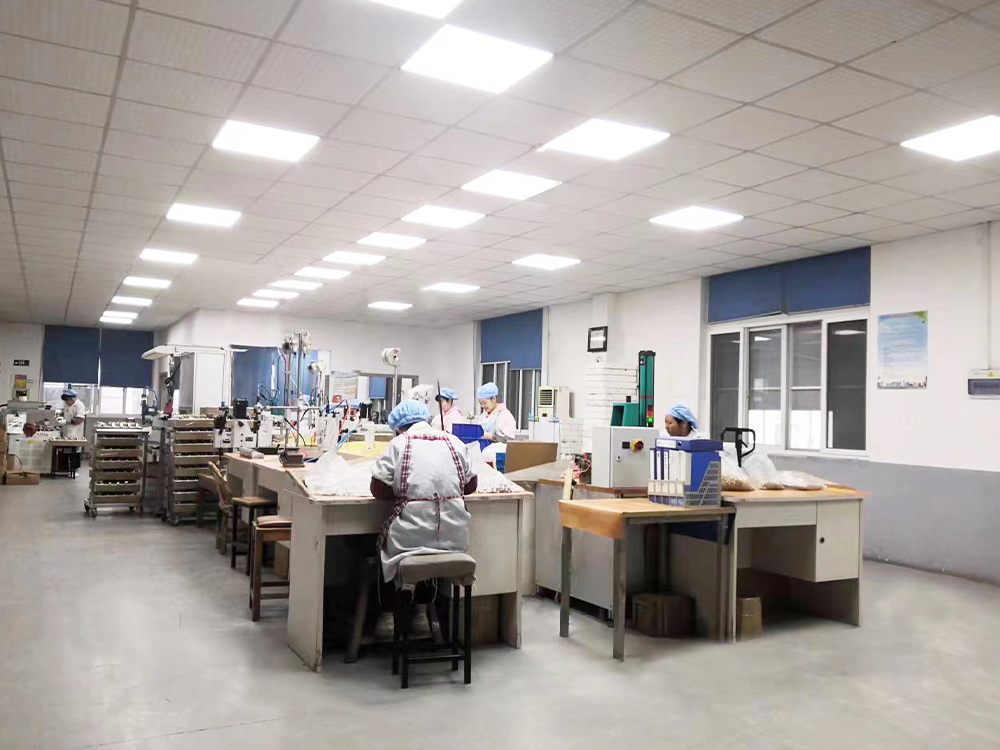
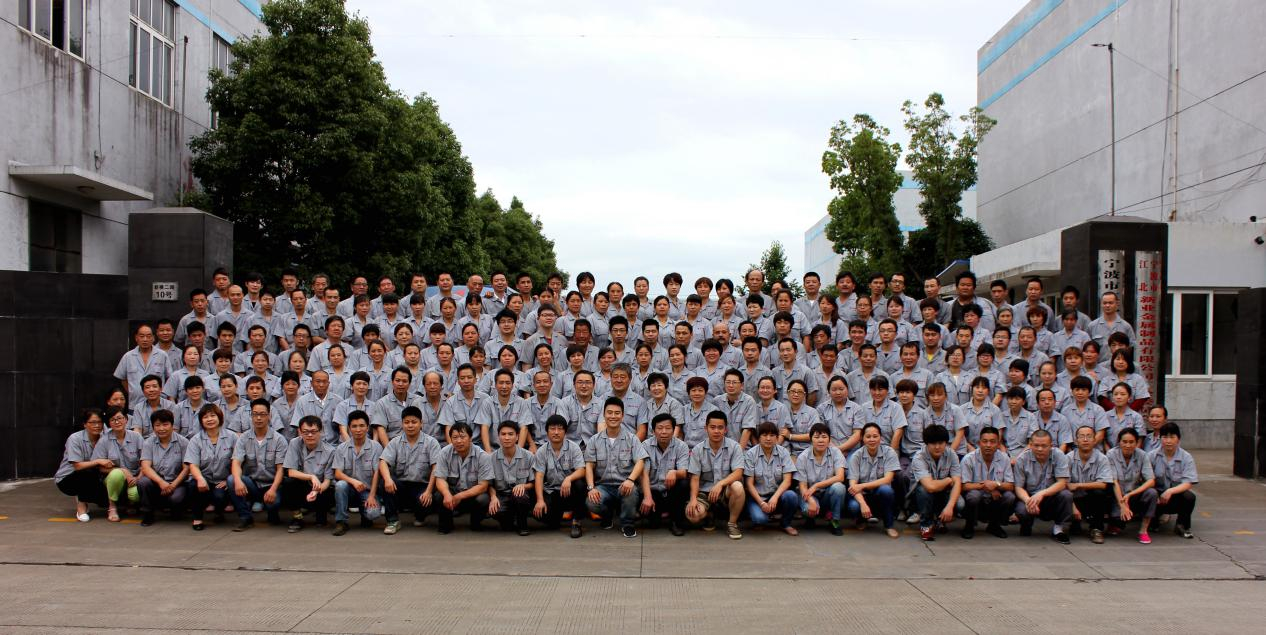
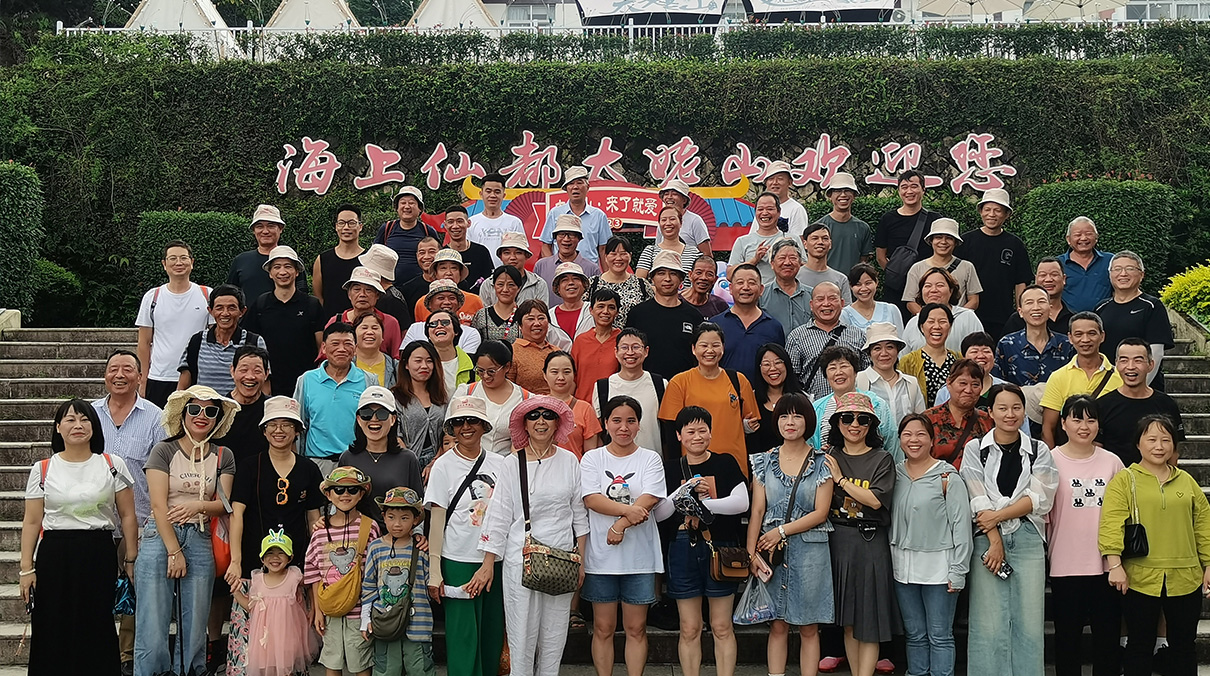
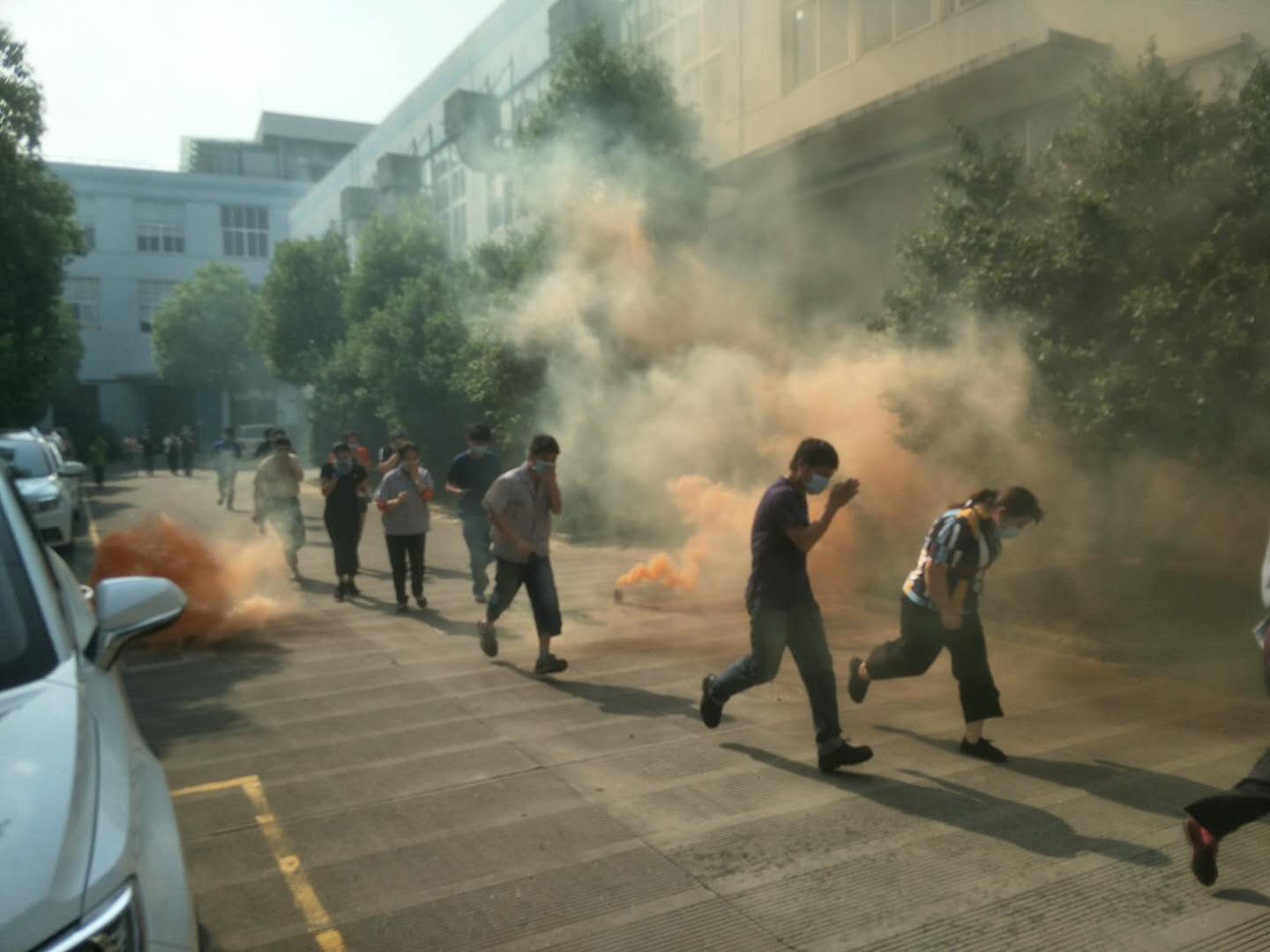
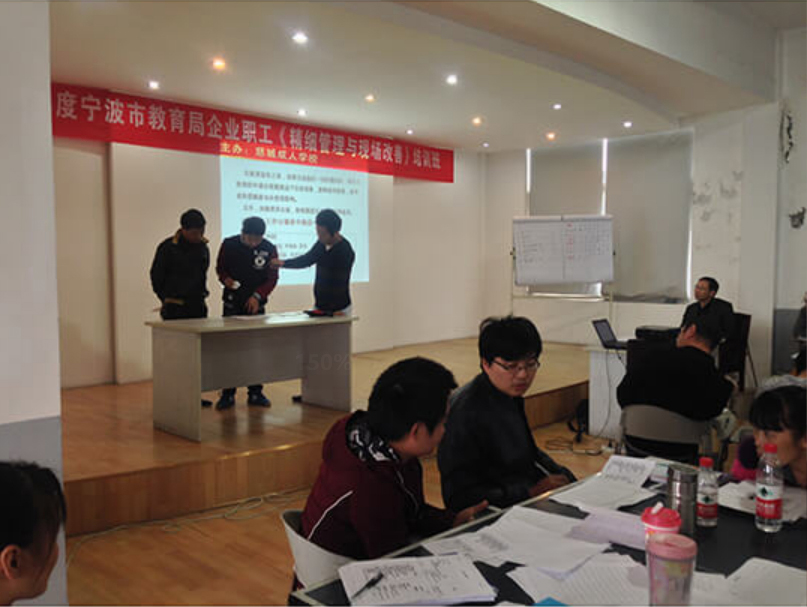
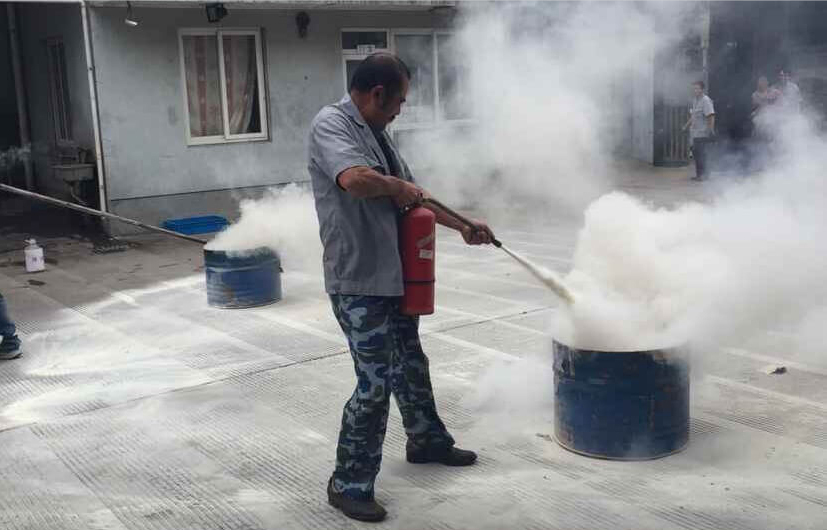
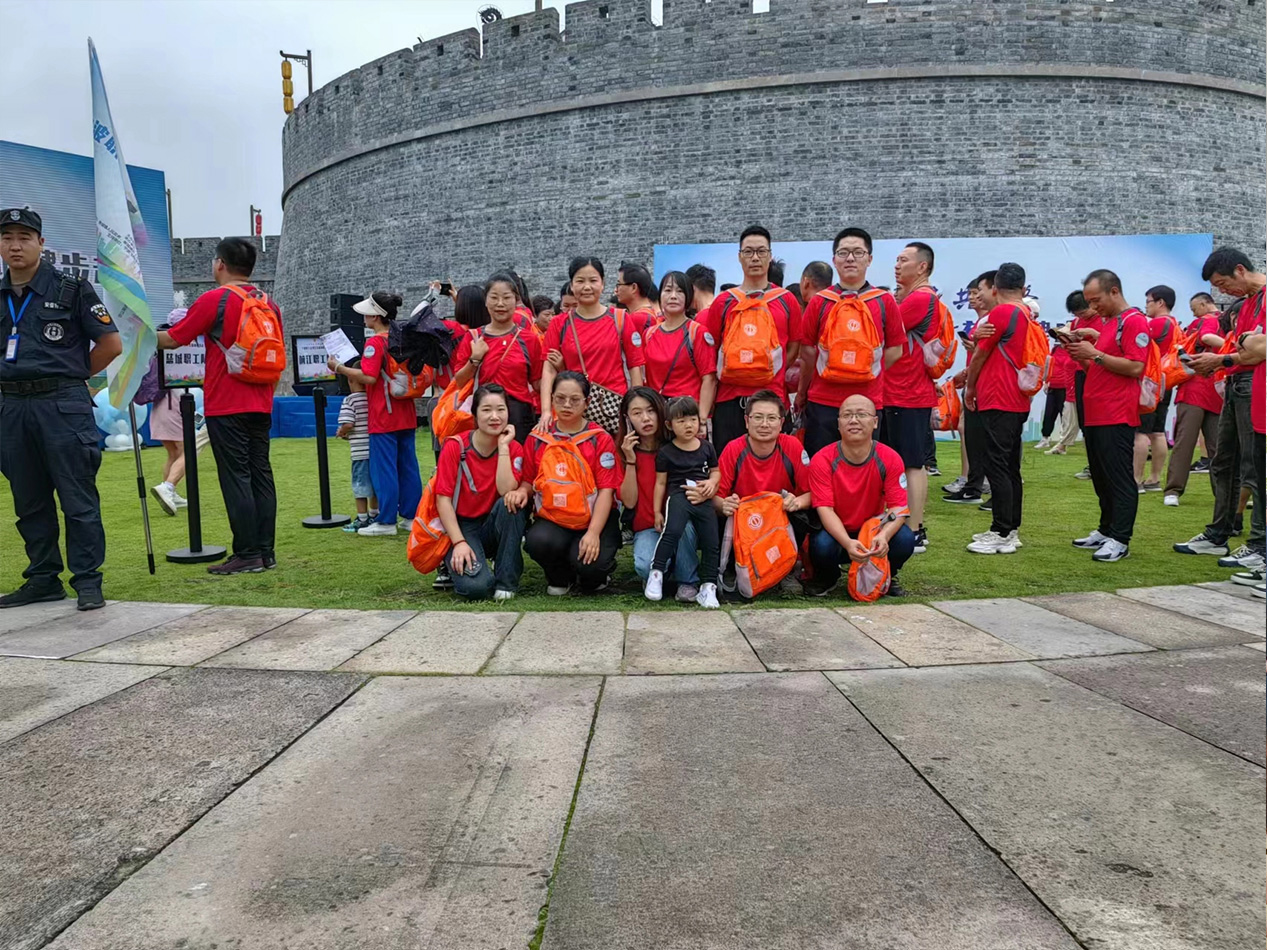
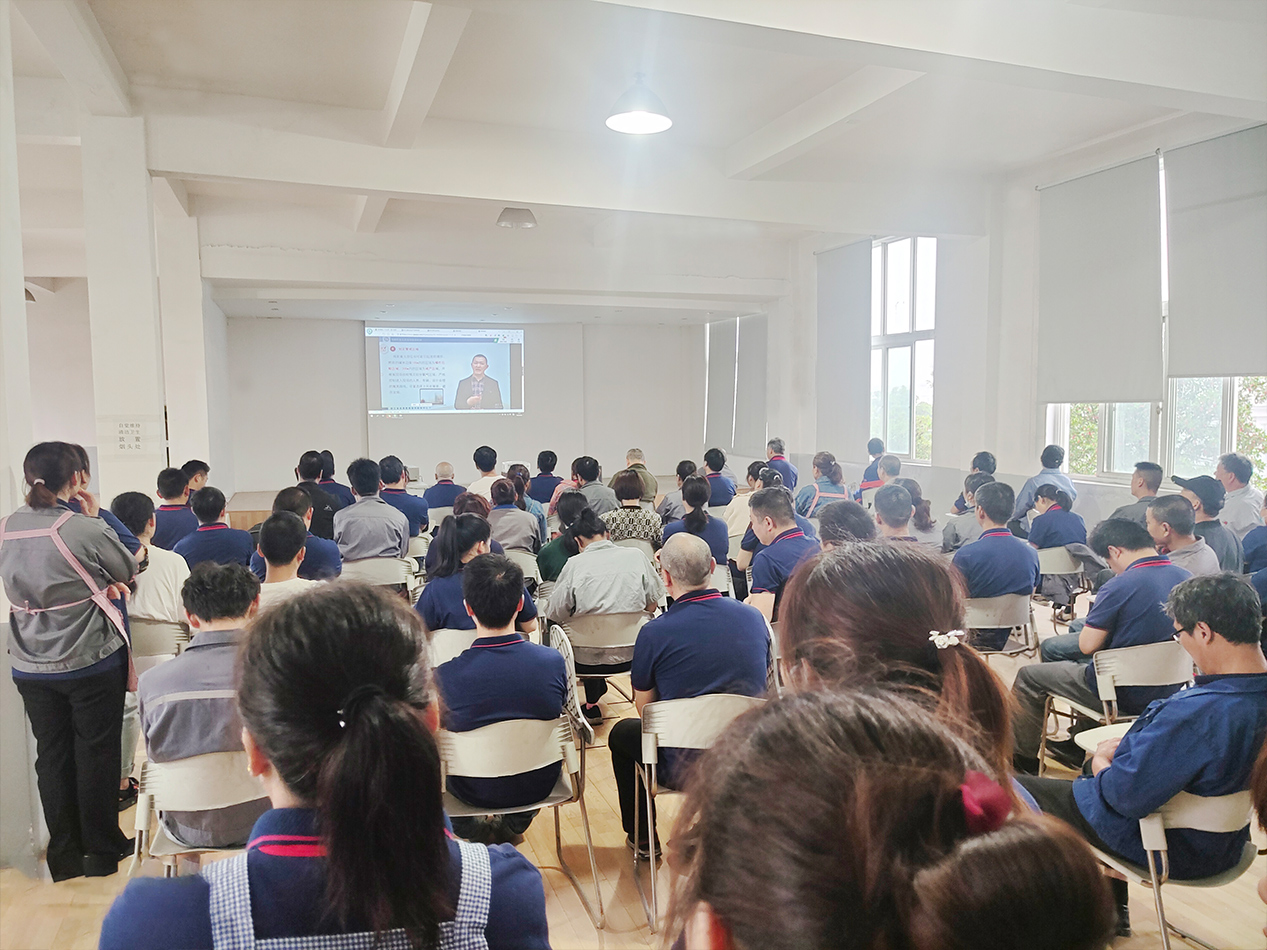
At XinYe, we believe that manufacturing reliability depends on both our production equipment and our team. We focus on continuous training to help our staff maintain high technical and quality standards.
Our core values shape how we operate:
Key design trends improving performance in modern metal stamping.
To process high-strength materials like stainless steels and high-strength low-alloy (HSLA) steels, modern progressive dies use specialized tool steel grades. Materials such as D2, M2, and CPM powder metallurgy steels are selected to withstand abrasive wear and chipping under high mechanical loads.
Modern tooling systems incorporate dynamic electronic sensors to monitor strip position, part ejection, and tooling deflection. These sensors detect feed misalignments in real time, stopping the press automatically to prevent damage to the die or the machine.
Progressive stations can combine stamping and fineblanking techniques to produce parts with clean, shear-fracture-free edges. This helps eliminate the need for secondary machining steps like deburring or milling, reducing total cycle times for complex geometries.
Technical information, ordering details, and logistics policies for our international clients.
Tooling costs are determined by the complexity of the part, the number of process stations required, tolerance requirements, and the tool steel grades specified. We provide detailed tool design mockups along with structural cost breakdowns for approval before starting construction.
Initial prototype samples are typically delivered within 7 to 10 days, depending on geometry complexity. Mass production runs generally require 20 to 30 days following sample validation and deposit confirmation.
We provide full inspection documentation, including Certificates of Analysis (COA), Certificates of Conformance (COC), CMM dimensional layout reports, material composition certificates, and export documentation as required by the destination country.
We require an ongoing minimum order quantity for international orders to optimize production efficiency. Please contact our sales team with your project details to discuss specific MOQ options.
We accept wire transfers (T/T), L/C, and major international trade payment systems. Our standard terms are a 30% deposit in advance, with the remaining 70% balance due upon presentation of the Bill of Lading (B/L) copy.
We warrant materials and workmanship for a period of one year from the date of the delivery note. Defective components resulting from manufacturing errors will be assessed and replaced according to our quality guidelines.
Shipping costs depend on the delivery method, shipment weight, and destination. We offer FOB, CIF, and DDU options. Ocean freight is recommended for high-volume orders, while air freight is available for urgent prototypes.
Yes, we use standard export-grade packaging, including fumigated wooden pallets, corrosion-resistant VCI bags, and heavy-duty reinforced crates to protect components during transit.
Access our full range of stamping, casting, and precision machining services.
High-speed progressive stampings and extreme-draw depth cylinders designed for heavy industry applications.
Explore Stamping & Drawing
Stainless steel and carbon steel investment castings showcasing premium tolerances and refined finishes.
View Wax Casting
Ultra-precise 4-axis CNC milling and high-volume turning services for complex geometry matching.
Examine CNC Machinery
Structural and chassis components hot forged from strong aerospace-grade aluminum alloys.
See Forging Capabilities
Lightweight, thin-walled structural aluminum casings optimized for automotive and electrical products.
View Die Casting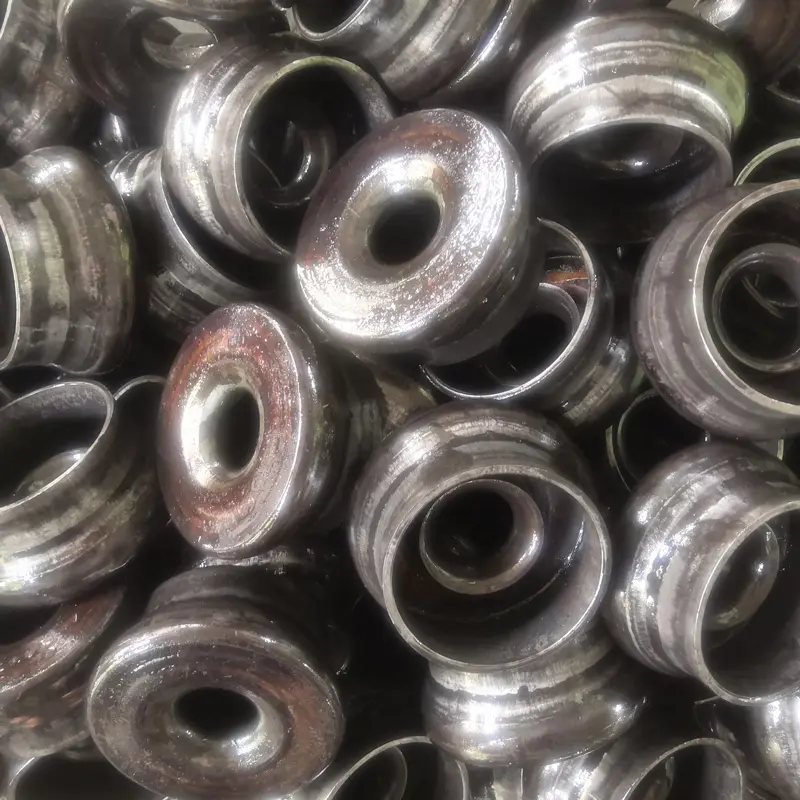
High-speed tooling systems designed to maintain strict geometry requirements across long production runs.
Explore Tooling Options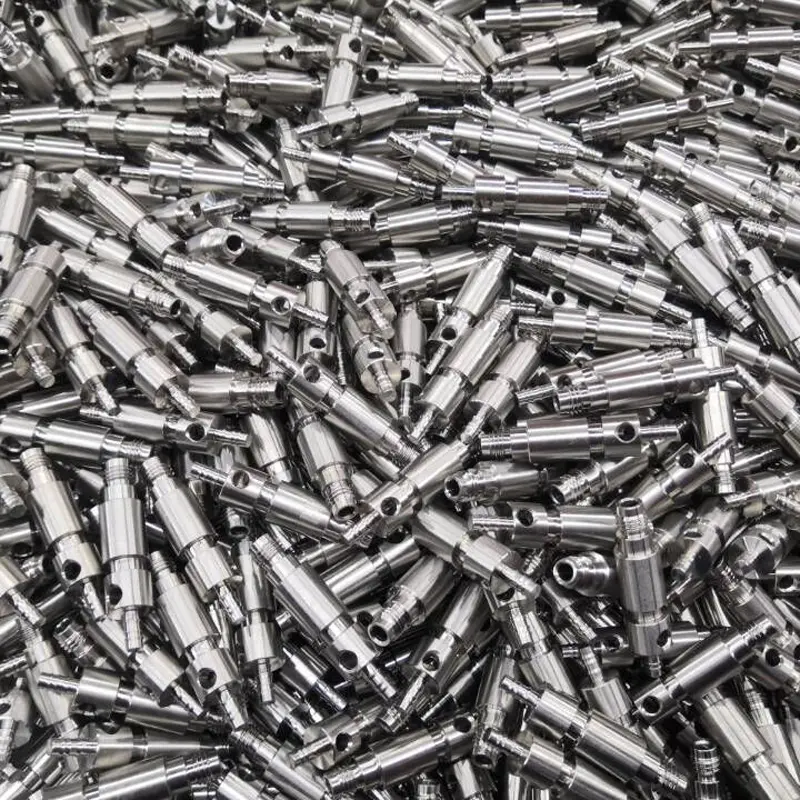
Symmetrical structural components with sub-micron tolerances for sensors and instrumentation.
Browse CNC turning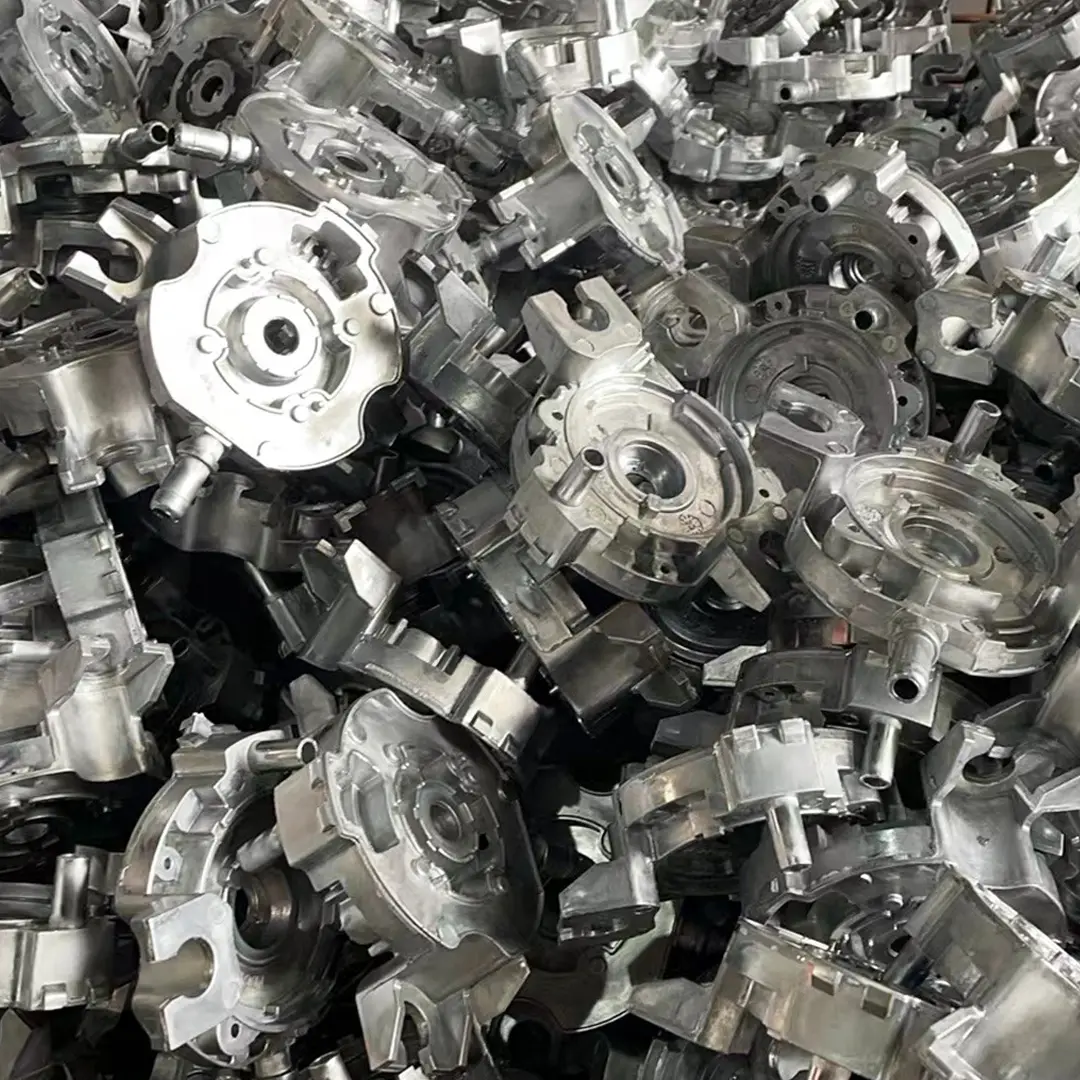
Post-processed, CNC machined, and anodized hardware combinations for critical environment deployments.
Examine Assembly Lines XinYe Metal