In the contemporary industrial ecosystem, the global demand for custom metal stamping and precision fabrication has transitioned from simple component sourcing to strategic value-chain integration. Ningbo Jiangbei XinYe Metal Works Co., Ltd. stands at the forefront of this progression. Rapid globalization, combined with the stringent requirements of industry verticals such as aerospace, automotive, healthcare, and infrastructure safety, has redefined what OEMs require from Chinese stamping suppliers.
Today, advanced manufacturers do not merely produce parts; they must act as integrated engineering hubs capable of dynamic prototyping, predictive tool wear analysis, strict social and ecological compliance (SA8000 & ISO 9001:2015), and lean global logistics. Located in the Ningbo Jiangbei Industrial Zone, within 3 hours of the Shanghai international transport corridor, XinYe leverages high-speed logistics and automated machinery imported from Japan to address global supply chain risks and minimize lead times.
Furthermore, as supply chain models pivot towards localized security and regional hubs, our capacity to seamlessly shift into 24/7 operating schedules within 30 days provides multinational corporations with the resilience required to manage volatile market requirements.
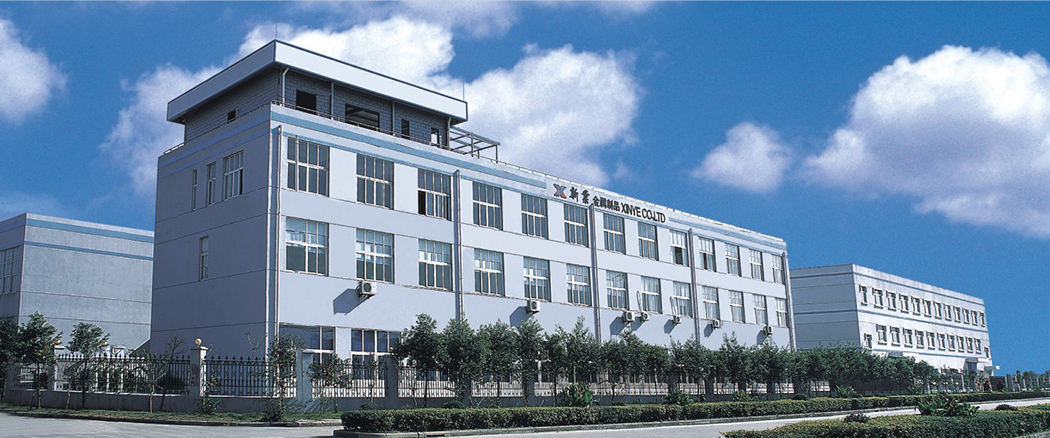
Established in 1996, Ningbo Jiangbei XinYe Metal Works Co., Ltd. has developed from an owner-managed family enterprise into a highly structured small-to-medium enterprise (SME) specializing in advanced metal fabrication. Today, the corporation features a state-of-the-art facility tailored to demanding product developments and international delivery schedules.
Our internal operational structure balances execution and engineering. Out of our 130 employees, 80 specialists operate our advanced manufacturing floors, while 50 dedicated engineers and quality controllers manage product development, metrology, customer support, and supply chain logistics.
XinYe integrates precision tooling and drawing technologies. Utilizing advanced stamping presses, we perform steel, alloy, copper, and specialized plastic deformations. Our capability covers traditional progressive dies up to deep-drawn components requiring high structural integrity and tight dimensional tolerance control.
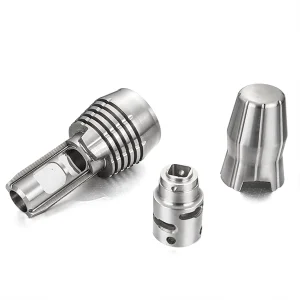
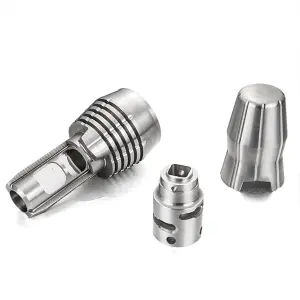
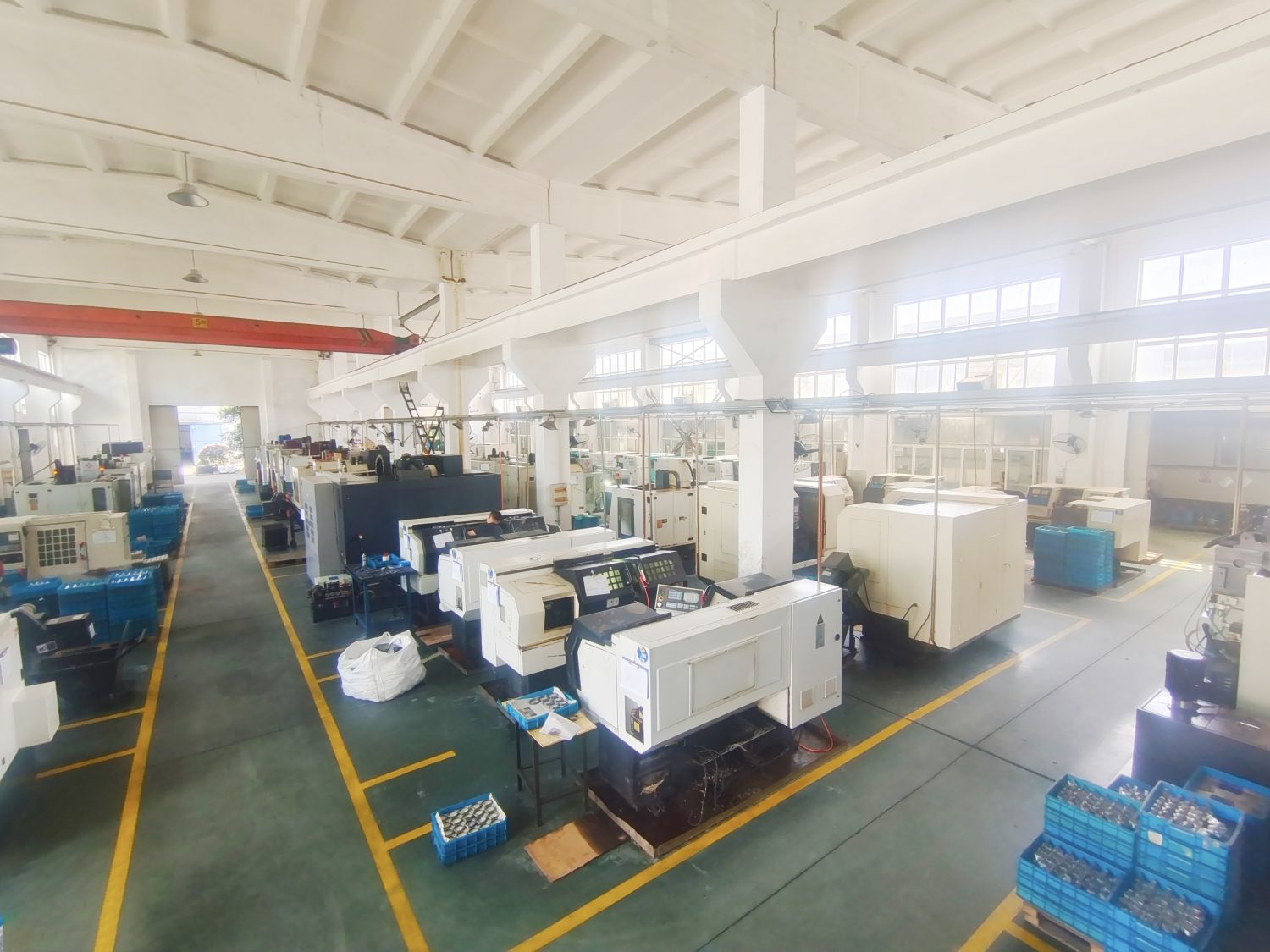
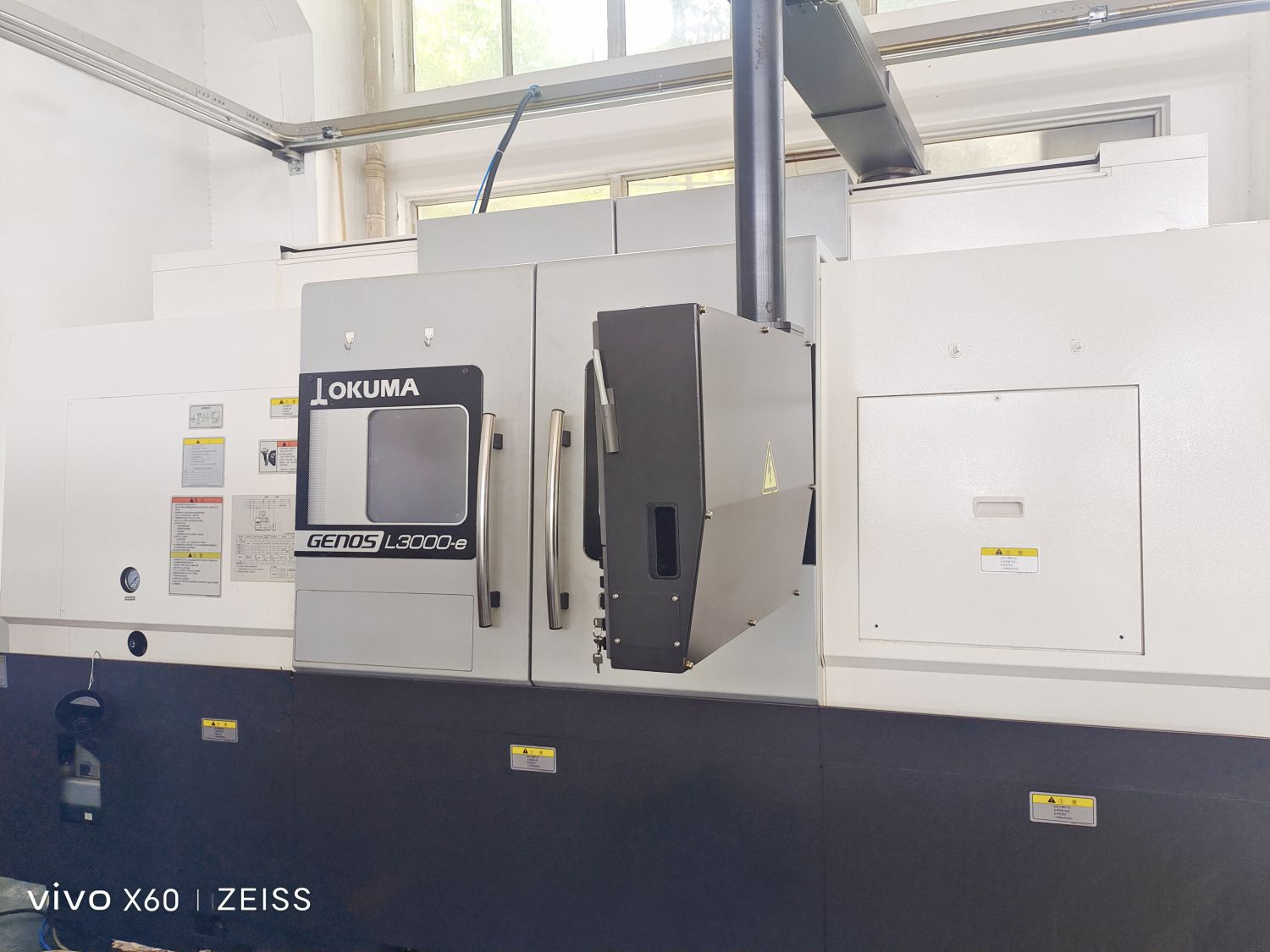
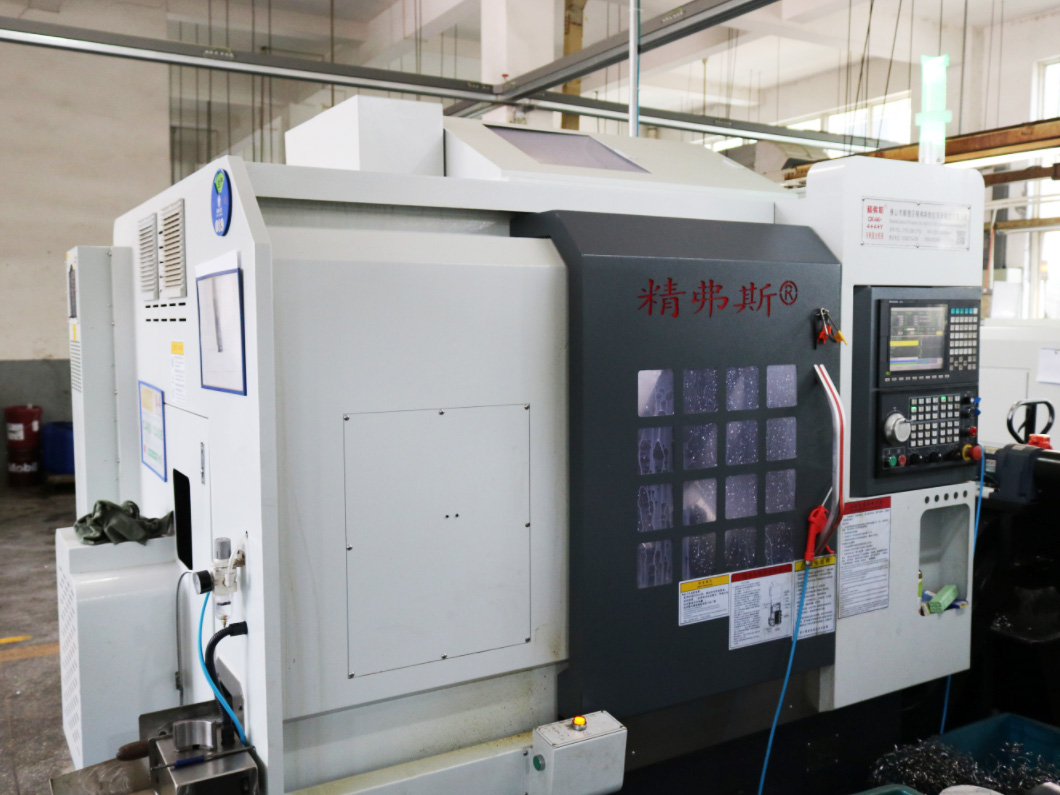
Our fleet of CNC turning, milling, and high-performance machining centers with 4-axis control handles complex geometries. We guarantee consistent tolerance execution down to 0.001mm, facilitating seamless post-stamping or post-forging secondary operations.
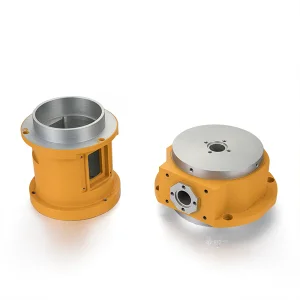
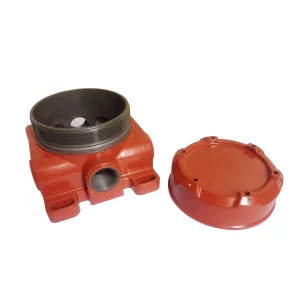
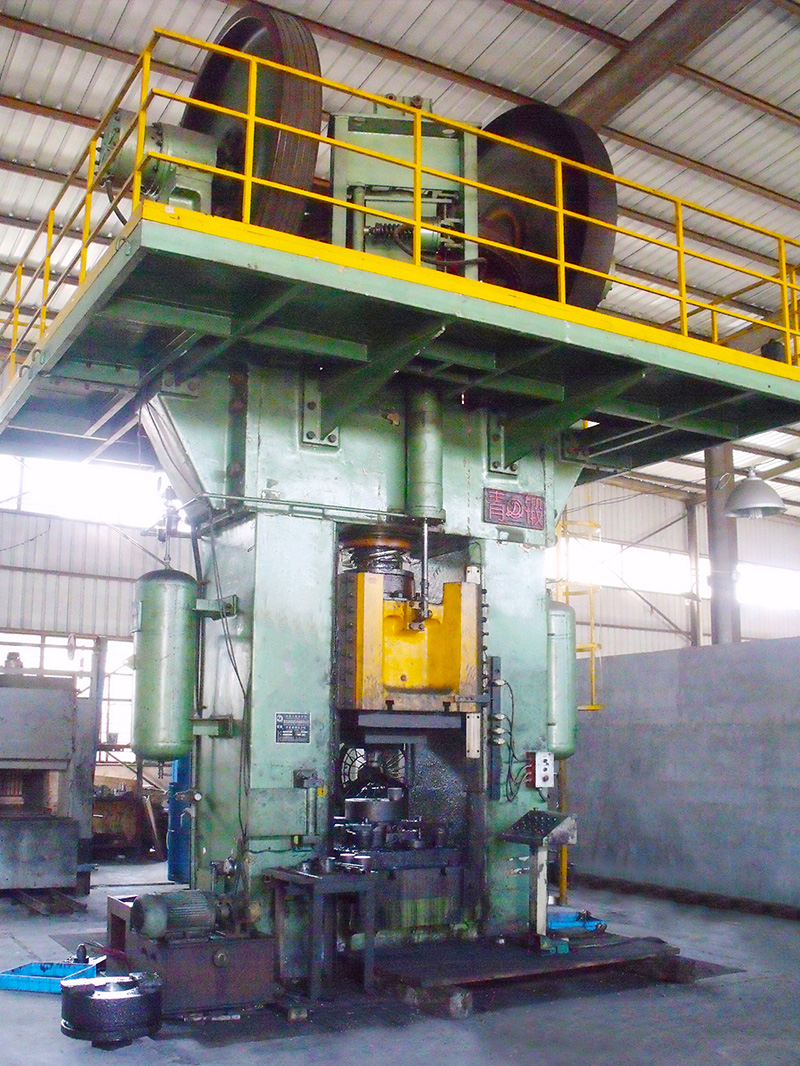
Utilizing high-power friction presses ranging from 300 to 1,000 tons alongside column hydraulic machines from 100 to 630 tons, we forge high-strength aluminum alloy components designed to perform under extreme structural stress conditions.
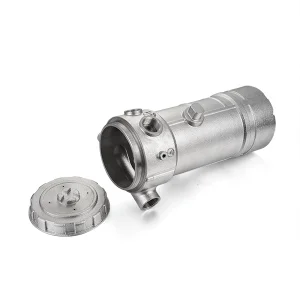
Our wax die stainless casting capabilities offer complex, near-net-shape configurations. Ideal for intricate parts intended for corrosive or high-temperature environments, eliminating extensive machining requirements.
We supply specialized finish coatings in-house, including protective and decorative anodizing, chemical conversion, electro-polishing (E-polish) for stainless steel, and anti-corrosive passivation procedures.
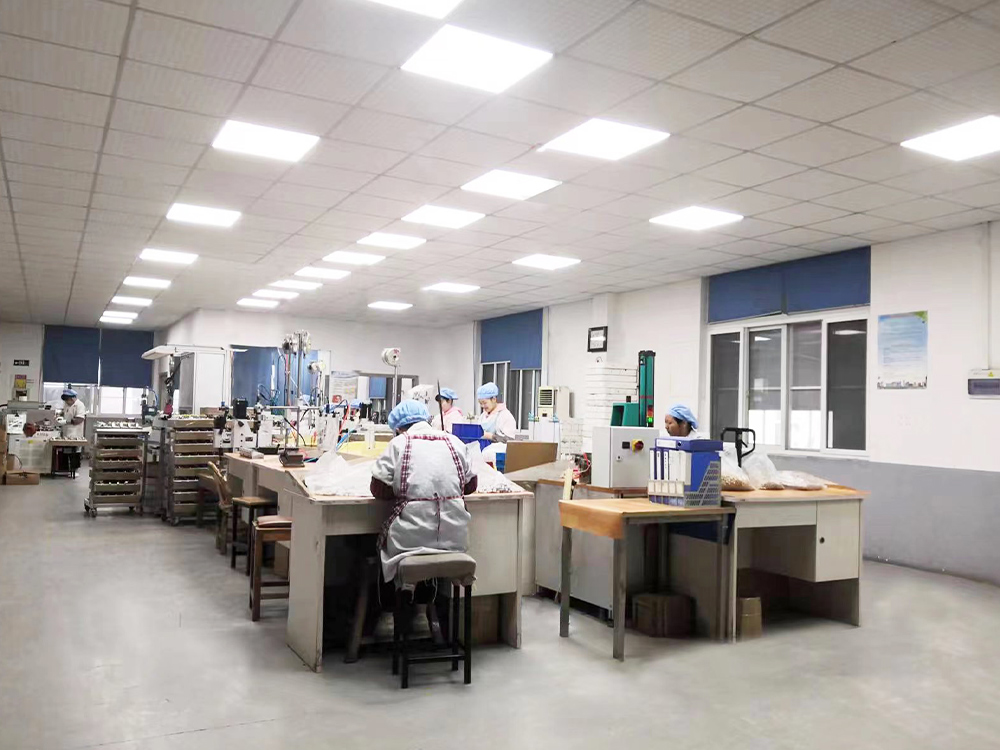
Supported by a dedicated, climate-controlled assembly workshop, we execute complex sub-assembly designs, merging stamping parts with fasteners, seals, sensors, and electronic packages to streamline client operations.
XinYe components operate globally. Our technical engineering solutions cater to markets demanding stringent compliance, traceabilities, and long-term durability:
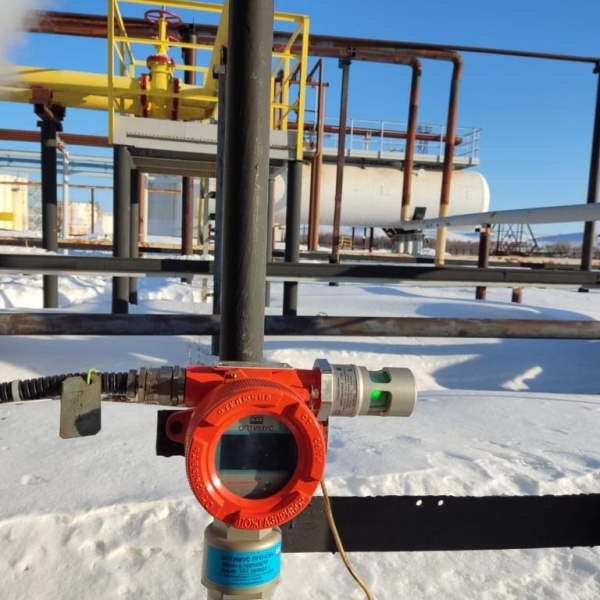
We manufacture advanced flame sensors, toxic gas detection housings, explosive-proof enclosures, and specialized hydrant pit box kits for high-risk gas, petrochemical, and mining sectors. Precision alignment and zero-defect tolerances ensure reliable performance in volatile environments.
Our transmission components, safety brackets, and lightweight structural e-bike components (including connectors, levers, and frame tubes) are designed to withstand high mechanical dynamic loads and meet strict weight target constraints.
We supply turbine inlets, high-pressure transmission components, and fuel distribution assemblies that withstand high thermal strains and maintain integrity across demanding cycle counts.
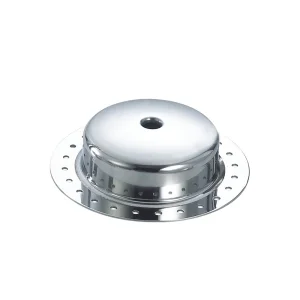
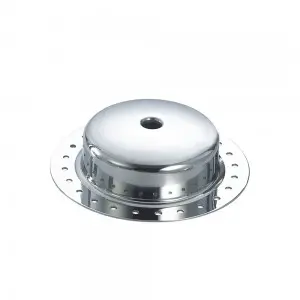
Using culinary-grade stainless steel and sanitary aluminum, we manufacture robust appliances such as tabletop cooking stoves and pressurized cream whippers using deep-drawing and precise electro-polishing techniques.
XinYe Production Floor Capabilities and Technology Overview Video
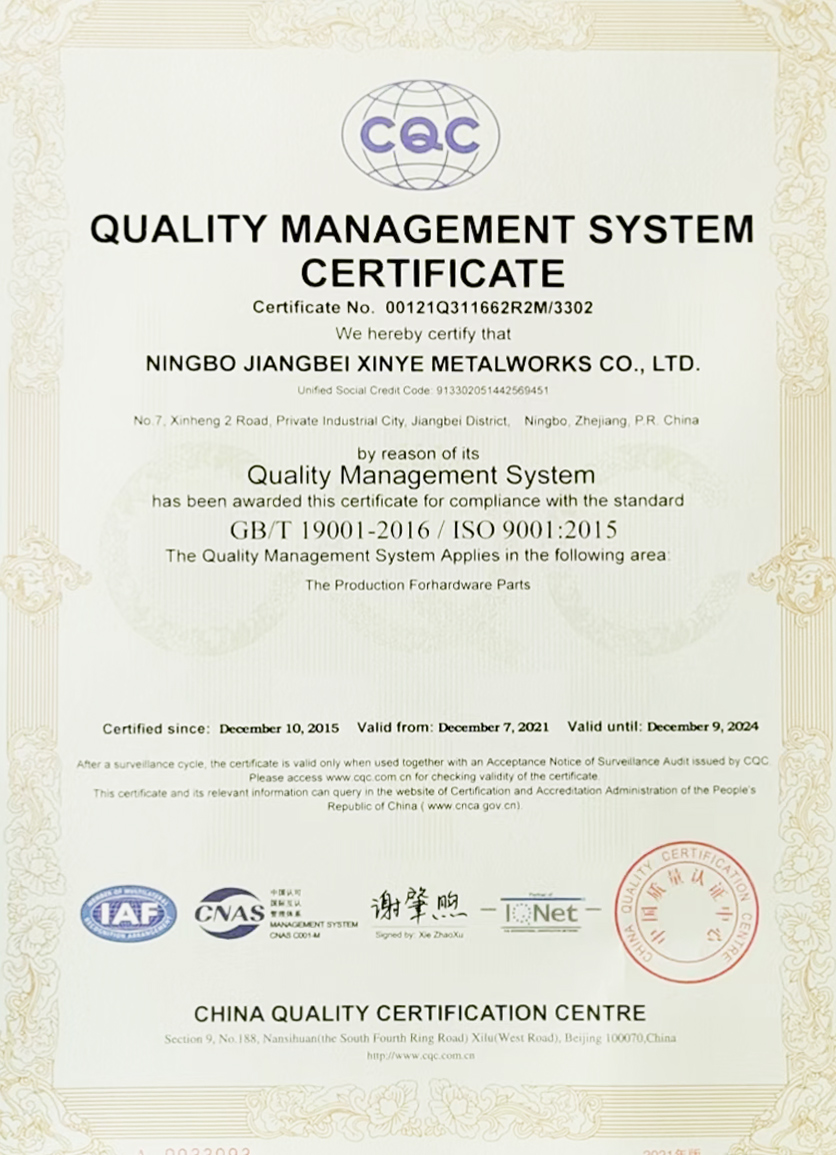
At XinYe, quality is not a post-production check. We operate an advanced, traceable quality management system certified under ISO 9001:2015 and SA8000 social compliance standards.
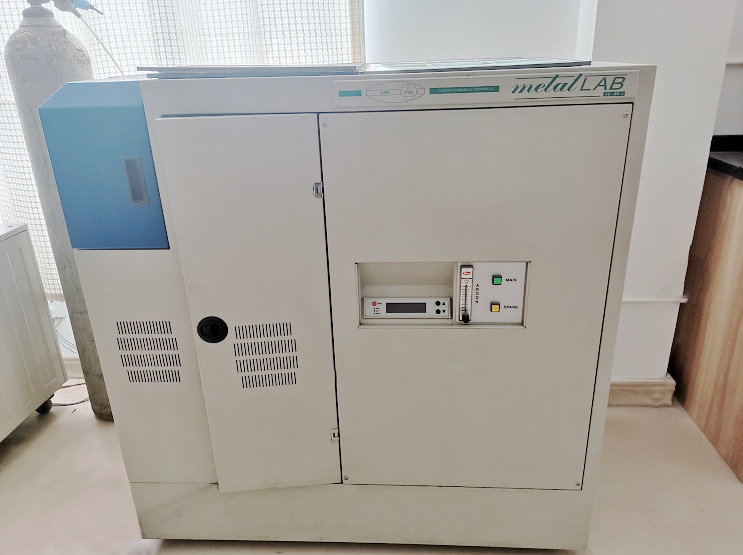
Used for raw material chemical verification to prevent grade contamination before production.
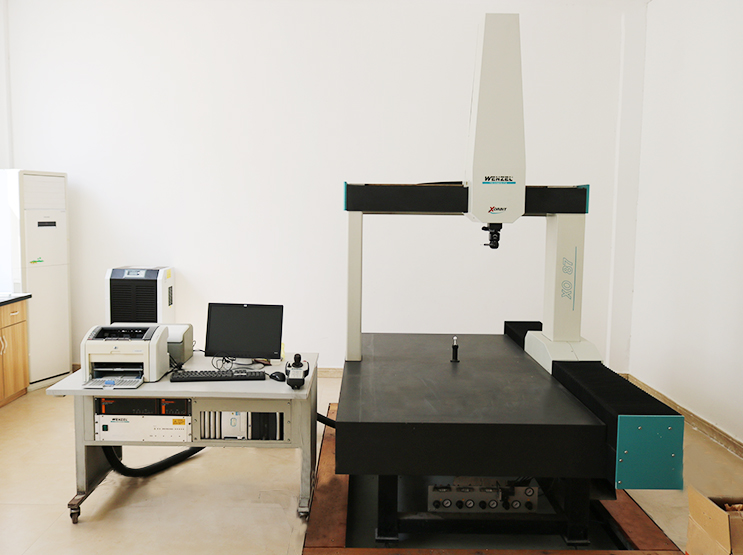
3D Coordinate Measuring Machine validation ensuring geometric and dimensional conformity to drawings.
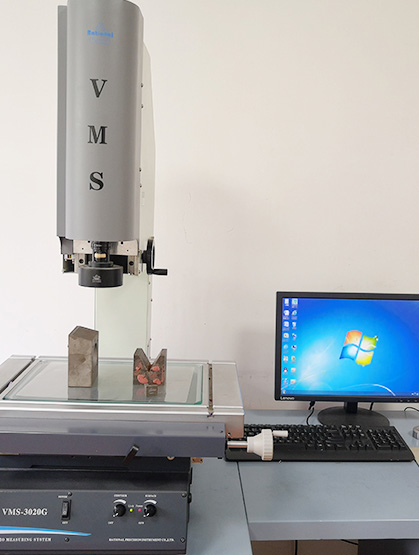
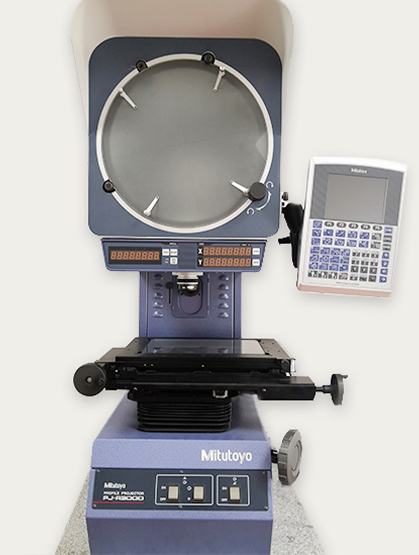
High-magnification optical inspection for microscopic dimensional details and complex edge profiles.
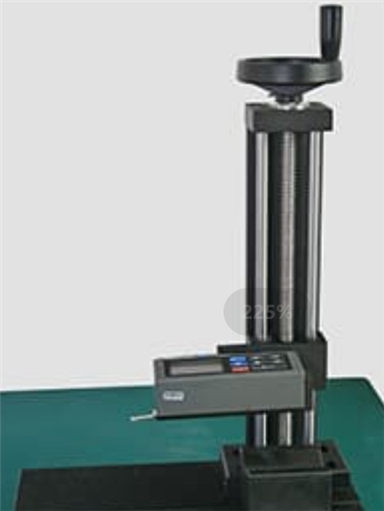
Ensures component surface roughness meets specification requirements to avoid premature friction wear.
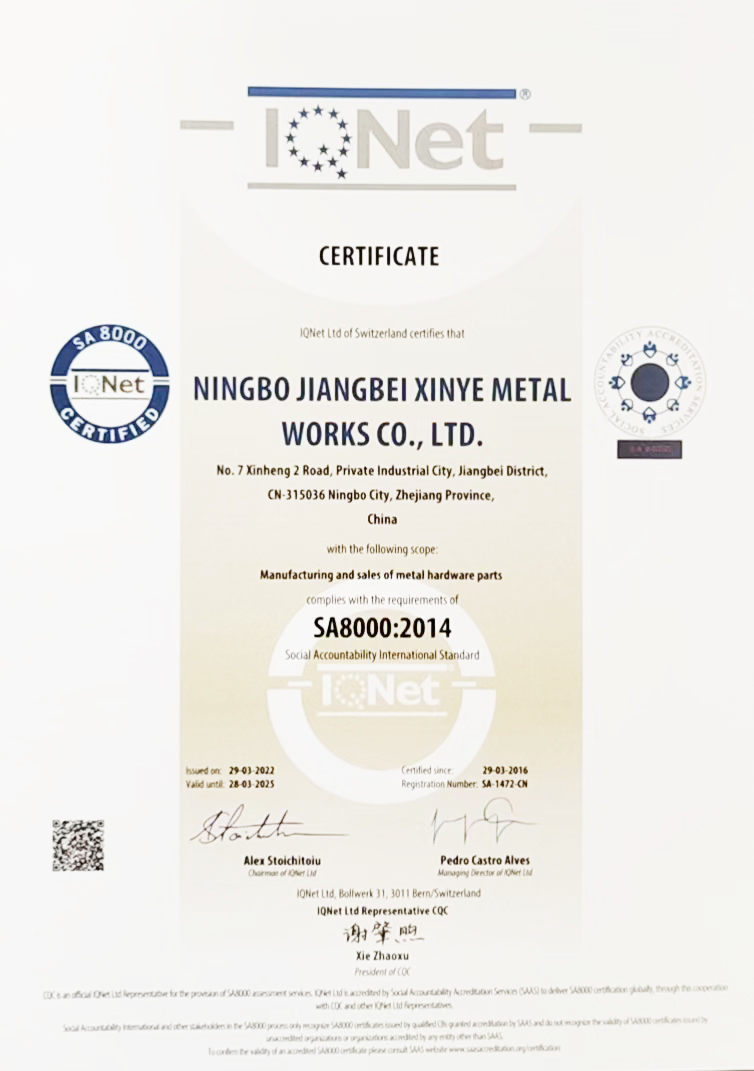
Our commitment to social compliance is certified through the SA8000 framework. We ensure ethical working conditions, fair pay, and environmental responsibility, which are crucial compliance metrics for global OEMs sourcing components.
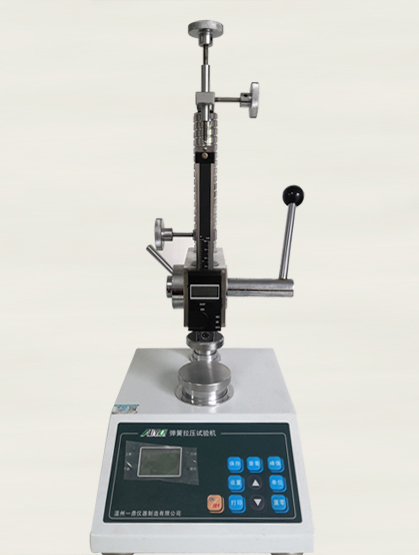
Through our Spring Tension & Compression Testing equipment (exemplified by the Spring Tension/Compression Testing Machine utilizing the asset: 5e96a309d949eb89dd5dcd9bb0b1d615.jpg), we perform structural failure analysis to verify spring resilience, yield strength, and fatigue resistance under critical pressure cycles.
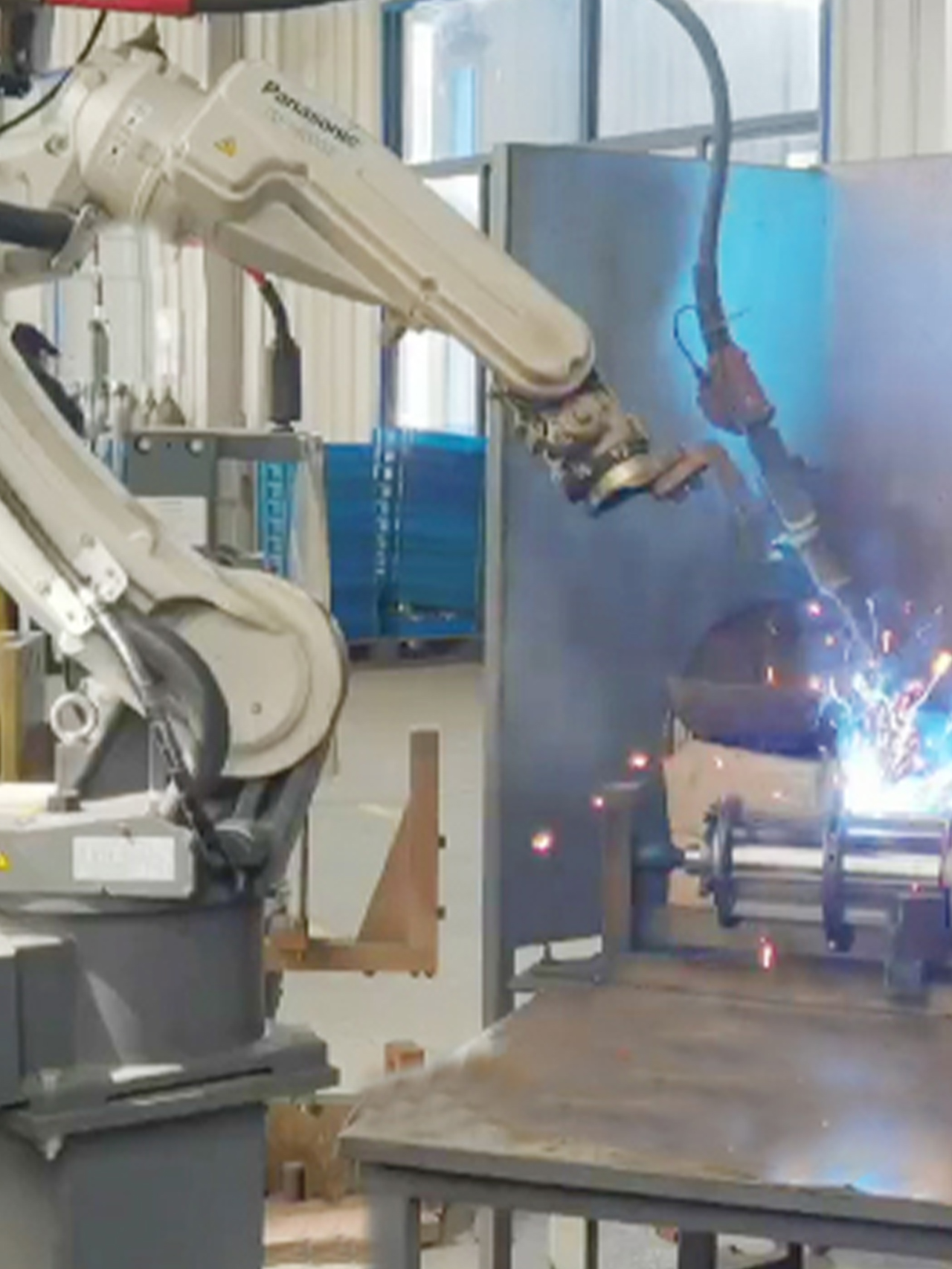
Our engineering integration process ensures each order transition, from custom prototyping to volume production, is documented and meets regulatory compliance.
During initial contact, the client shares precise specification requirements, CAD files, material preferences, and tolerances. Our engineering group evaluates parameters for manufacturability, analyzing spring-back rates for stampings and metal flow characteristics for forgings.

Our tooling workshop designs and manufactures precision stamping dies or forging molds. Detailed calculations estimate raw material usage, processing cost, tooling parameters, and surface finish metrics to supply a comprehensive cost quotation.

Samples are manufactured using the designated production tooling. These parts undergo dimensional inspection and chemical checks. The physical components are shipped to the customer alongside material certifications, dimensional analysis, and testing documents.


We analyze the client's prototype evaluations. Upon final inspection approval, we freeze the tooling configuration, set the inline quality controls, and finalize the mass production schedule.


Following final validation, production commences. Automated quality checks monitor dimensions throughout the production run. Standard product packaging protects components during export shipping.

We handle export compliance, arrange custom packaging configurations, and provide a 1-year manufacturing defect warranty. The warranty periods begin from the delivery note date.

The metal stamping sector is undergoing significant changes driven by digitalization, automation, and environmental sustainability requirements. As a supplier, XinYe is executing a long-term strategic plan based on the following pillars:
XinYe integrates quality control and ethical social practices within our business operations. Our certifications serve as key indicators of our manufacturing standards:
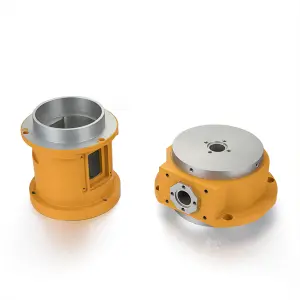
Precision aluminum components for heavy machinery, produced using hot forging technology.
Material: Stainless Steel, Aluminum Alloy View Details
Mechanical parts for transmission systems meeting critical dimensional tolerance specifications.
Material: Stainless Steel, Aluminum Alloy View Details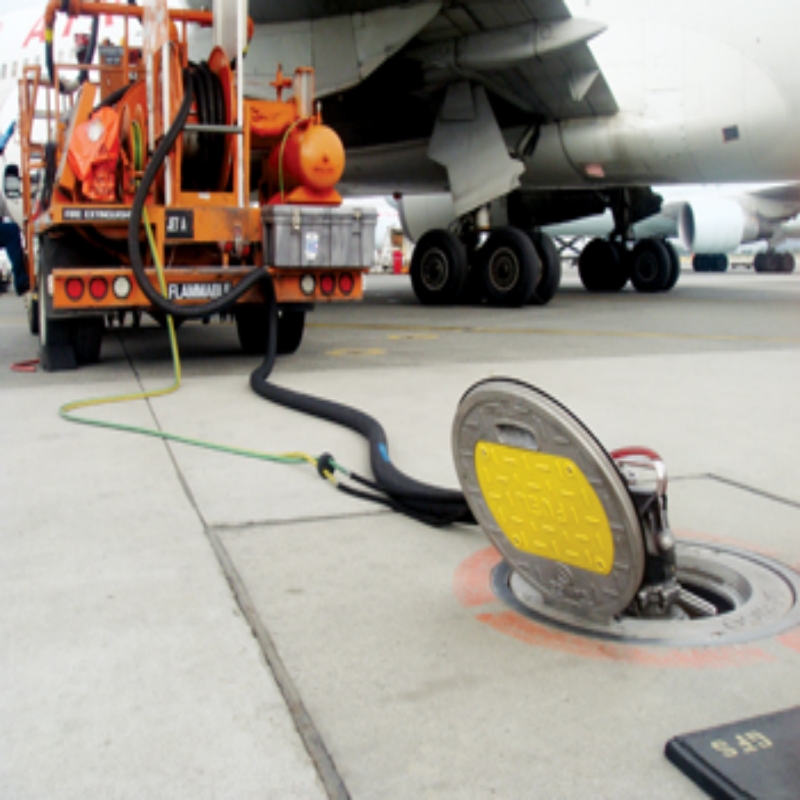
Components including Aviation Fuel Hydrant Pit Box units, hinge brackets, and transmission parts.
Material: Stainless Steel, Aluminum Alloy View Details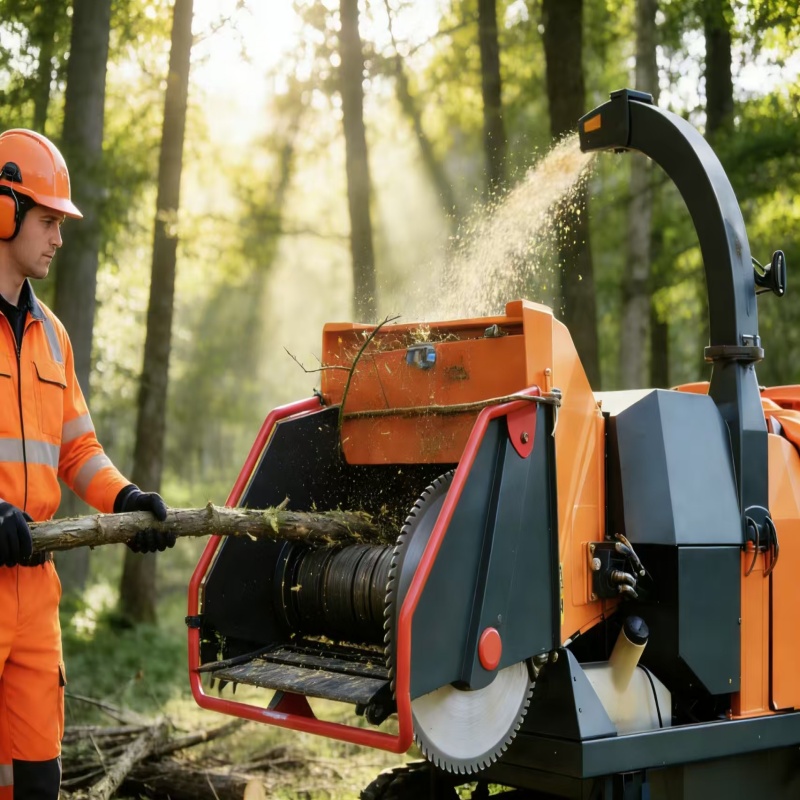
Heavy-duty, wear-resistant components engineered for high-impact industrial wood processing machinery.
Material: Q345B, 42CrMo, NM400 for Shaft View DetailsOur tooling and production floor features imported precision machinery. This support allows us to fulfill custom requests while maintaining tight tolerances.
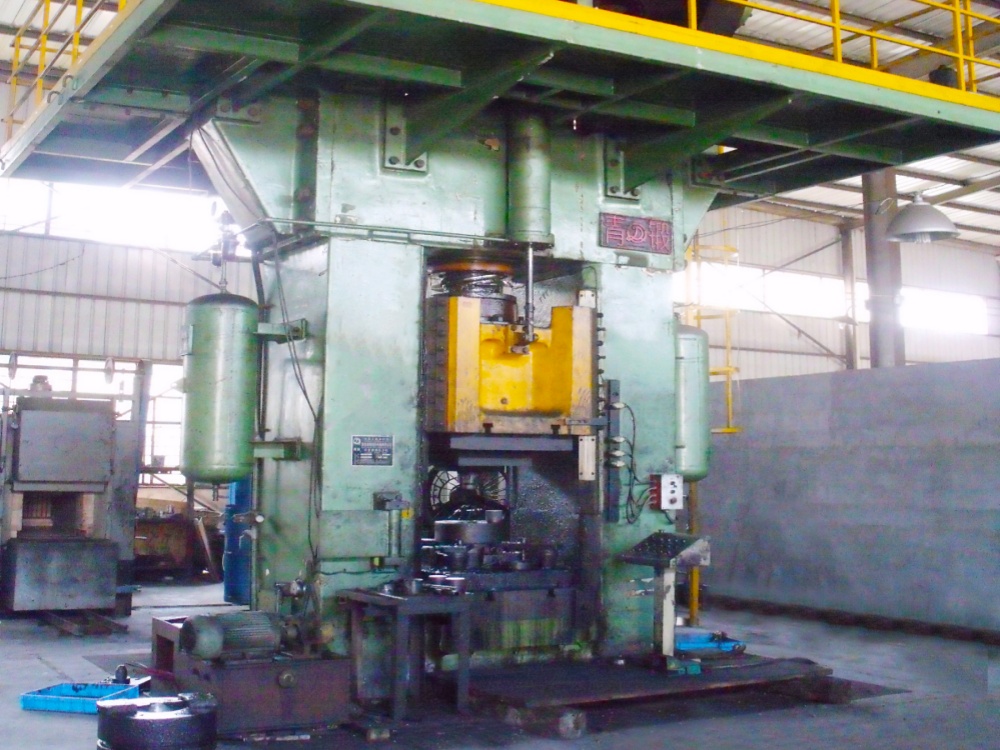
High-capacity friction press machinery suited for high-strength component deformation configurations.
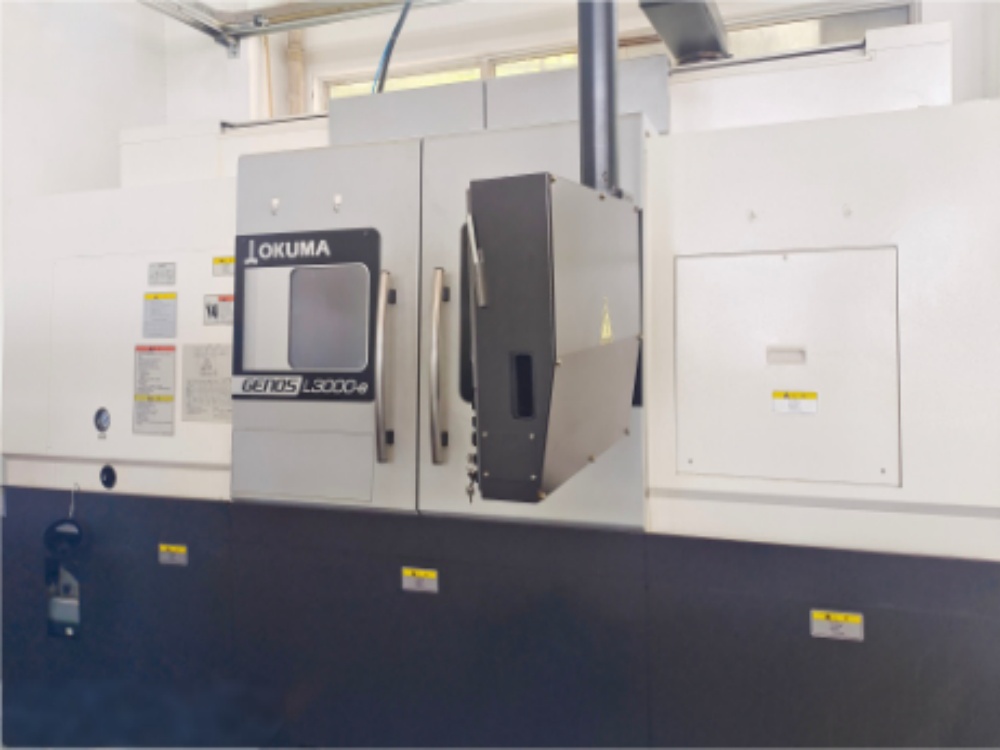
Milling, turning, and multi-axis machining centers delivering tight tolerance control.
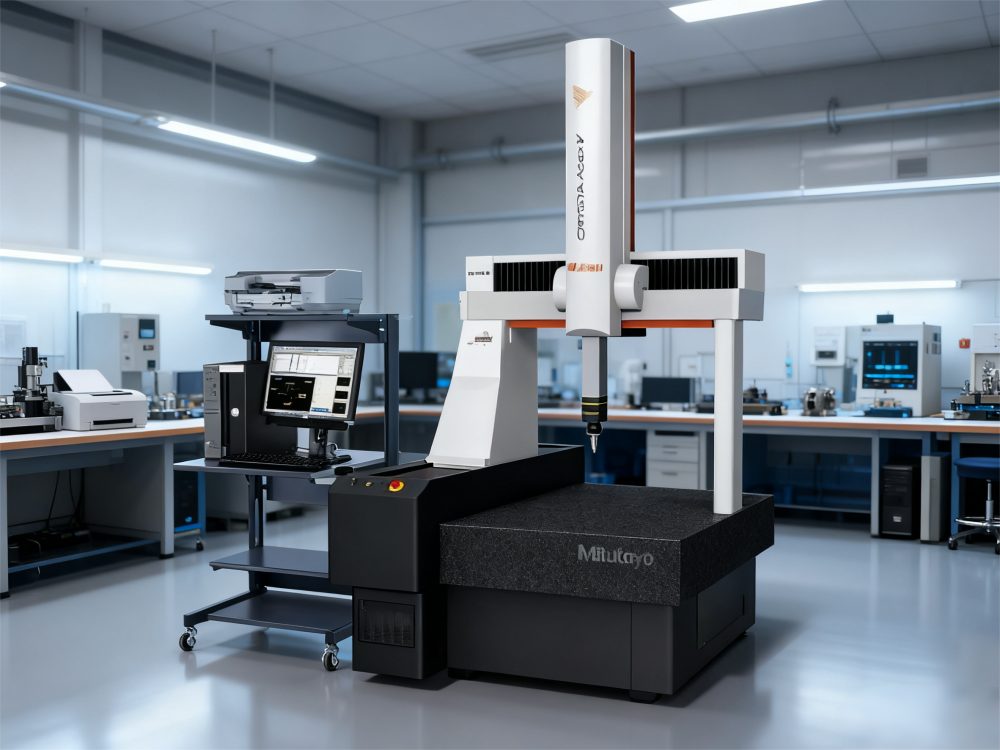
Advanced geometric testing instrumentation verifying coordinate matches to customer designs.
We utilize specialized manufacturing equipment like the TIPAS MACHINE h65TMY to maintain efficiency and accuracy in manufacturing cycles. This technology supports production consistency for complex geometries.
Explore Technical SpecificationsFind answers to typical operational and engineering questions below.
Our pricing parameters are based on raw material market costs, manufacturing processing complexity, order volumes, and finish specifications. We adjust our options relative to standard raw material indices. Upon receipt of your engineering designs, specification requests, and volume parameters, our engineering group will supply a detailed quote listing material, tooling, processing, and assembly costs.
Yes, we require ongoing minimum order quantities for international export shipments. These MOQ thresholds justify the setup costs of our production lines, progressive tooling preparation, and inline quality validation procedures. Specific component MOQ levels vary by category and material class. If you are seeking smaller initial quantities for validation or regional distribution, please contact our support group to review scheduling options.
Yes, we supply comprehensive quality control and trace document verification packages. These packages include raw material chemical analysis certificates (via GNR Spectrometry), dimensional testing reports (via CMM and Video Measuring Systems), surface roughness certifications, heat treatment logs, Certificate of Conformance (CoC) documents, import/export certificates of origin, and transit safety documents.
Our standard manufacturing lead times are as follows: Prototype sample production generally requires approximately 7 business days. Mass production cycles typically take 20 to 30 days following engineering sign-off and receipt of deposit payment. These timelines depend on: (1) receipt of final deposit confirmation, and (2) technical customer approval of samples. If your project schedule requires expedited processing, please contact our sales group to discuss production options.
We accept bank wire transfers (T/T), Western Union, and PayPal. Our standard commercial payment terms are: a 30% advance deposit to initiate production tooling/raw material purchases, with the remaining 70% balance paid upon presentation of the Bill of Lading (B/L) copy.
We provide a 1-year warranty covering material defects and manufacturing errors, starting from the delivery note date. We inspect and trace raw materials from intake through production. If performance issues arise during the warranty period, our quality control and technical teams will work with you to resolve them.
Yes, we employ robust export packaging systems. Components are individually packed using vapor-corrosion-inhibitor (VCI) bags or custom thermoformed trays to prevent corrosion and physical movement damage during transport. Cargo loads are secured on standard pallets with moisture-proof wrapping. Specialized packaging requests can be accommodated upon request.
Shipping fees depend on the selected logistics method, cargo weight, and destination. Air express offers fast delivery times for smaller volumes, while ocean freight is typically more cost-effective for large-volume container loads. We calculate freight rates based on container layout, port destination, and shipping schedules. Contact our logistics division to request a detailed shipping estimate.
 XinYe Metal