Explore our primary industrial production lines, combining state-of-the-art tooling with advanced Japanese technology for automotive, aerospace, and medical engineering.
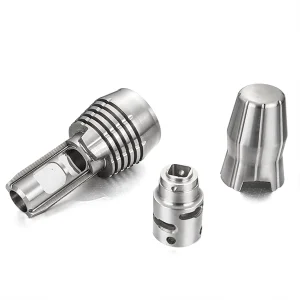
Ultra-precision machined components utilizing multi-axis control centers to meet tolerances within 0.001mm.
OEM Factory Page →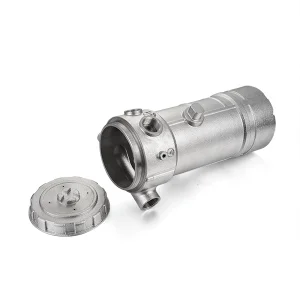
Premium stainless steel components crafted via high-density investment wax die casting models.
OEM Factory Page →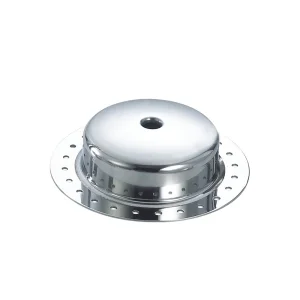
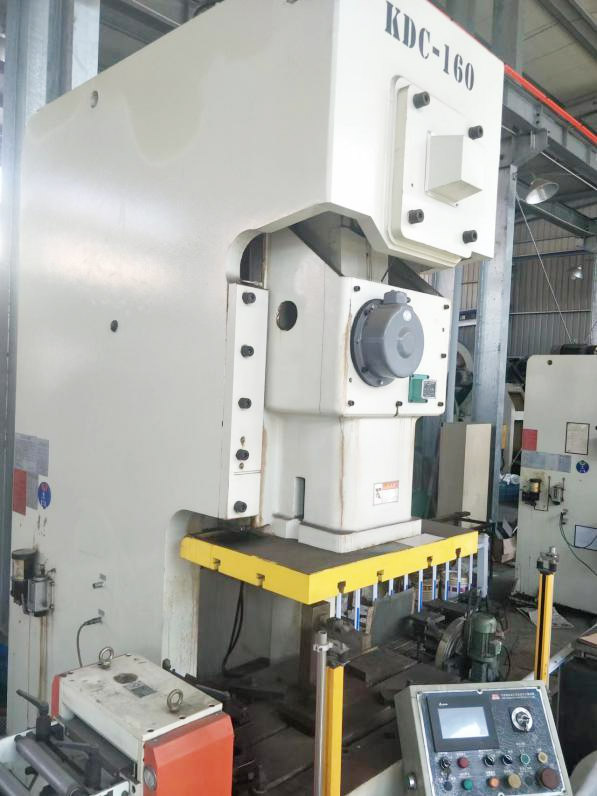
High-speed punching press solutions optimized for continuous high-strength shell and container formwork.
OEM Factory Page →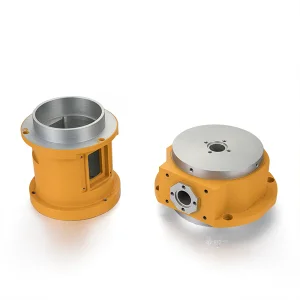
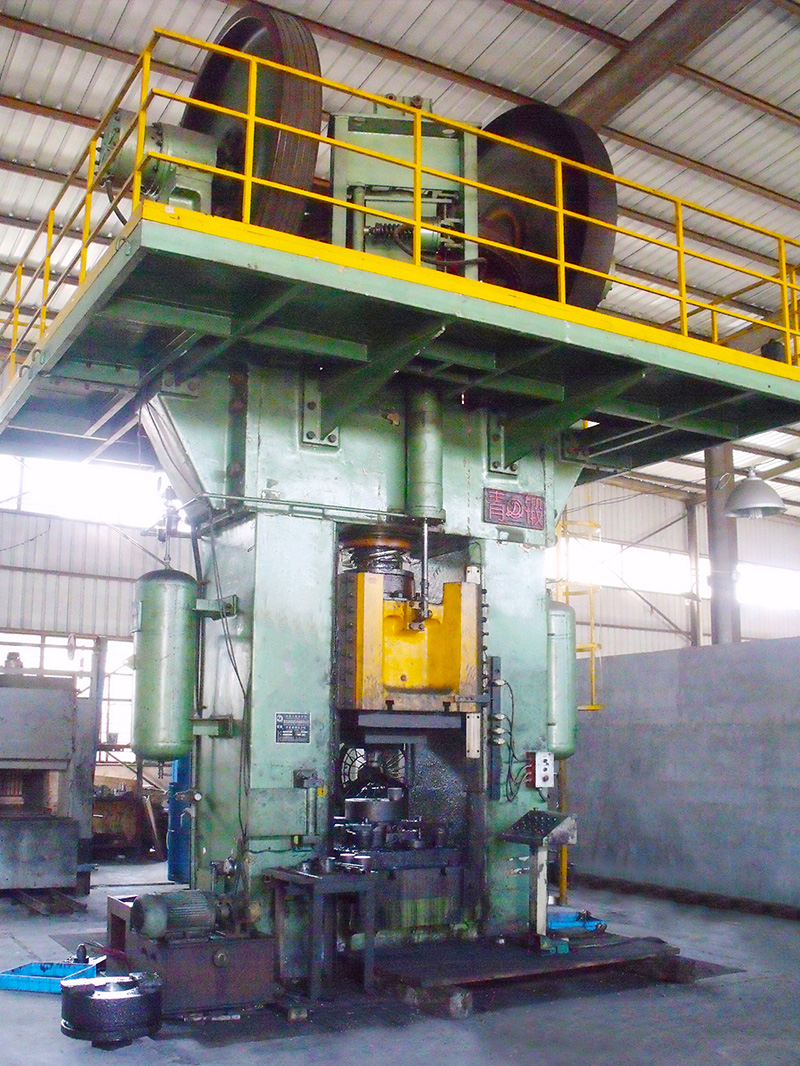
Refined structural density parts forged with mechanical friction presses (300T to 1000T force capacity).
OEM Factory Page →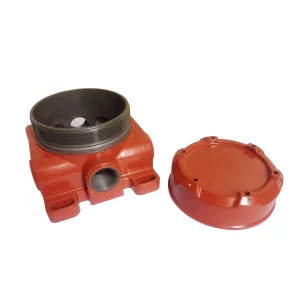
Wholesale light alloy solutions with high dimensional repeatability and premium exterior surface treatments.
OEM Factory Page →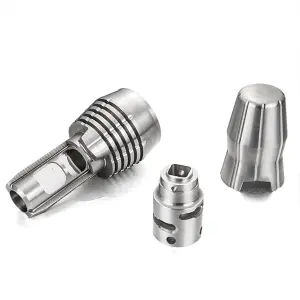
Engineered for aviation components, transmission parts, and oil/gas pipeline manifolds.
OEM Factory Page →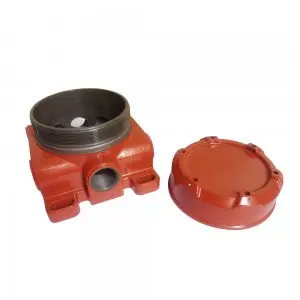
Premium structural components for automotive assemblies, featuring micro-crack proof validation.
OEM Factory Page →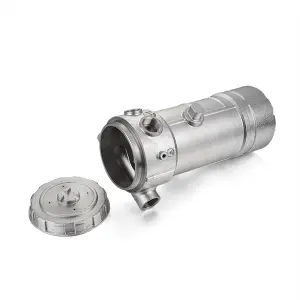
Extremely complex shapes cast with impeccable dimensional stability for food and chemical plants.
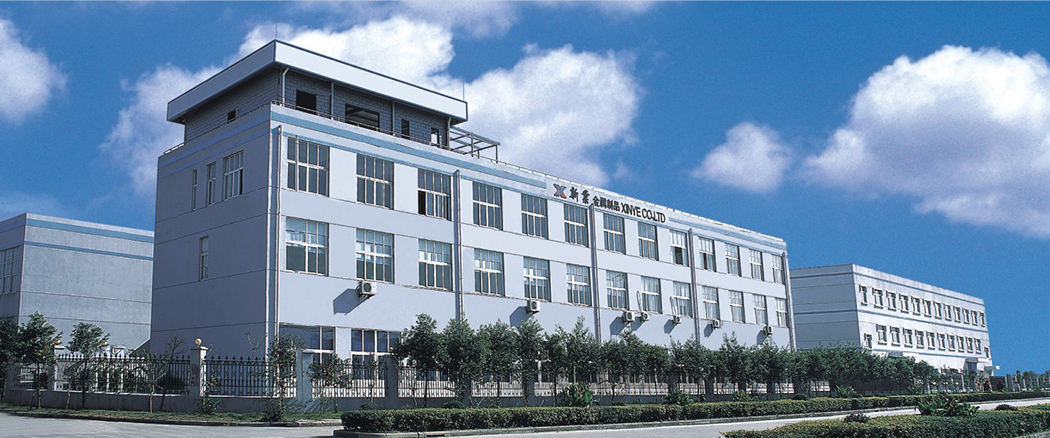
OEM Factory Page →Established in 1996 as a family-owned metal fabrication business, XinYe has evolved into an owner-managed SME corporation specializing in elite CNC precision machining, aluminum alloy hot forging, investment casting, and advanced surface treatments.
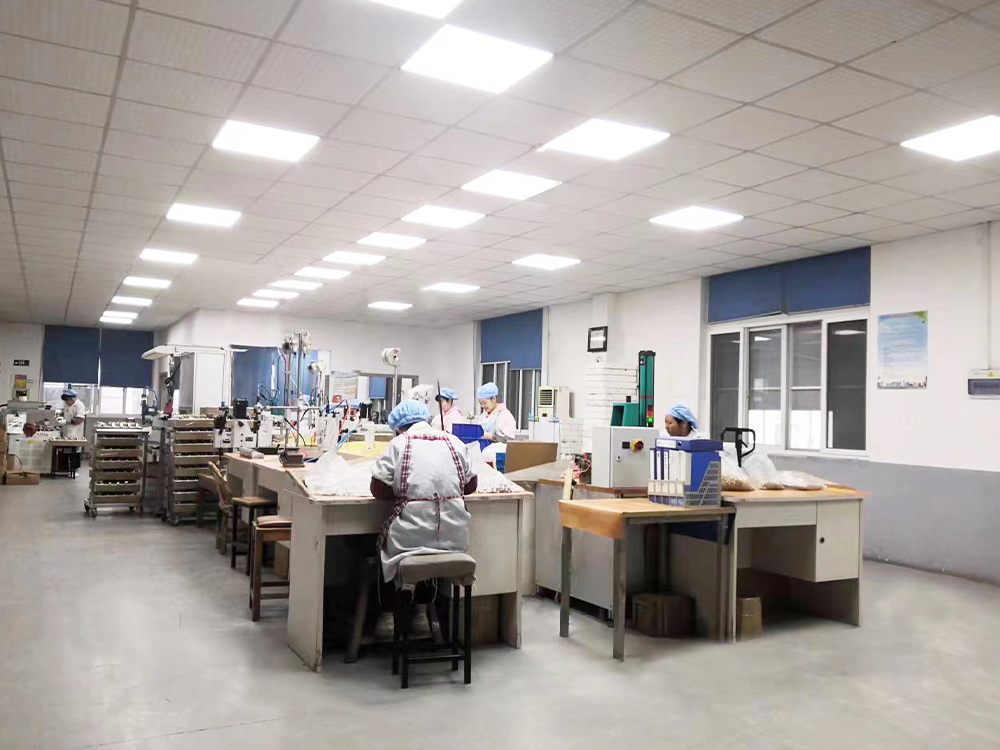
Conveniently located within the Ningbo Jiangbei Industrial Zone, our facilities are strategically positioned within a 3-hour commute from Shanghai Pudong International Airport via China's high-speed railway grid network. Spanning over 16,000 square meters of active manufacturing floor space and an additional 11,000 square meters of planned structural construction, XinYe is a hub of technological competence.
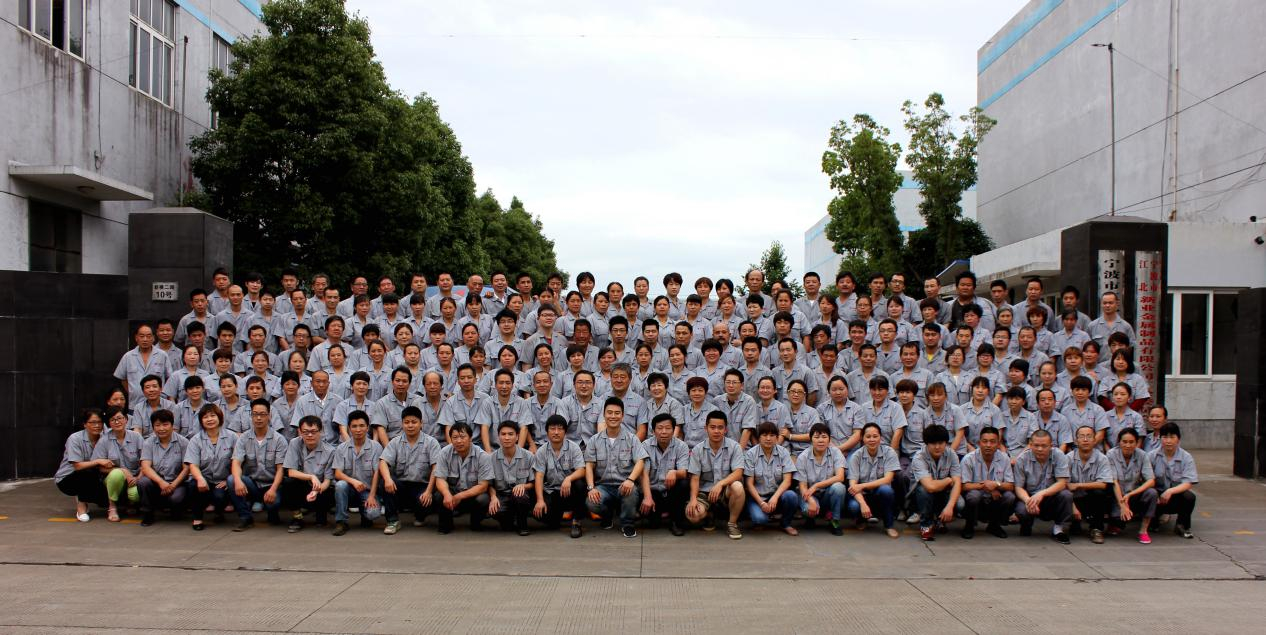
We host a dedicated team of 130 industry specialists—featuring 80 highly skilled production technicians and 50 dedicated engineers in R&D, product development, global quality control, and logistics management.
In modern heavy industries, hot forging presses are the backbone of high-stress component manufacturing. As engineering demands scale toward lightweight yet exceptionally robust materials, the global forging press infrastructure is undergoing a technical revolution.
Automotive OEMs and aerospace contractors are increasingly shifting from steel casts to closed-die forged aluminum. The goal is to achieve an unmatched strength-to-weight ratio. As electric vehicles (EVs) require lightweight chassis components to prolong battery life, hot forging technologies in China are rapidly adapting to produce structural links, suspension levers, and motor casings that withstand extreme stress.
China continues to lead the global supply chain as a central hub for forging. The combination of cost-efficiency, comprehensive raw material procurement, and localized high-density industrial clusters makes cities like Ningbo key sourcing bases. Our facilities connect domestic primary smelters with international shipping channels, reducing global procurement lead times by up to 25%.
Modern quality assurance systems mandate total structural accountability. Leading industrial buyers in Europe and the Americas require suppliers to present digital chemical composition mapping, non-destructive crack-detection checks, and microstructural grain flow analytics. At XinYe, we embed these standards directly into our process flow to guarantee zero-defect shipments.
Choosing the right forging equipment and thermodynamic profile is critical to achieving microstructural homogeneity in aluminum and steel alloys. The table below outlines how our technical team determines the ideal production route based on design constraints and load expectations.
| Forging Equipment Class | Press Force Range | Deformation Rate & Control | Target Applications | Microstructure Output |
|---|---|---|---|---|
| Friction Screw Presses | 300 Tons - 1000 Tons | Impact energy-controlled deformation. Ideal for quick, intensive grain alignment. | Flanges, brackets, e-bike levers, transmission connectors. | Highly aligned grain flow; exceptional fatigue limit improvement. |
| Column Hydraulic Presses | 100 Tons - 630 Tons | Constant velocity compression. Precise stroke, height & dwell-time regulation. | Complex shapes, aviation fuel hydrant pit boxes, thick-walled valve shells. | Reduced residual stress, ideal for large cross-sectional parts. |
| High-Speed Mechanical Punching | 5 Tons - 250 Tons | Rapid reciprocal cycle rates. Tailored for thinner plates and structural stamping. | Deep drawn casings, shielding plates, connector clips. | Uniform strain distribution across cold/warm rolled sheets. |
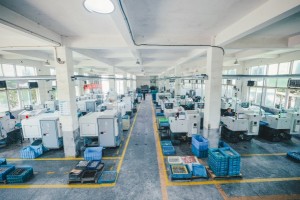
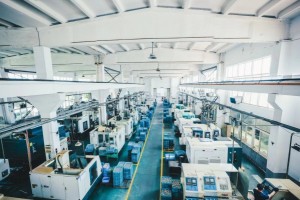
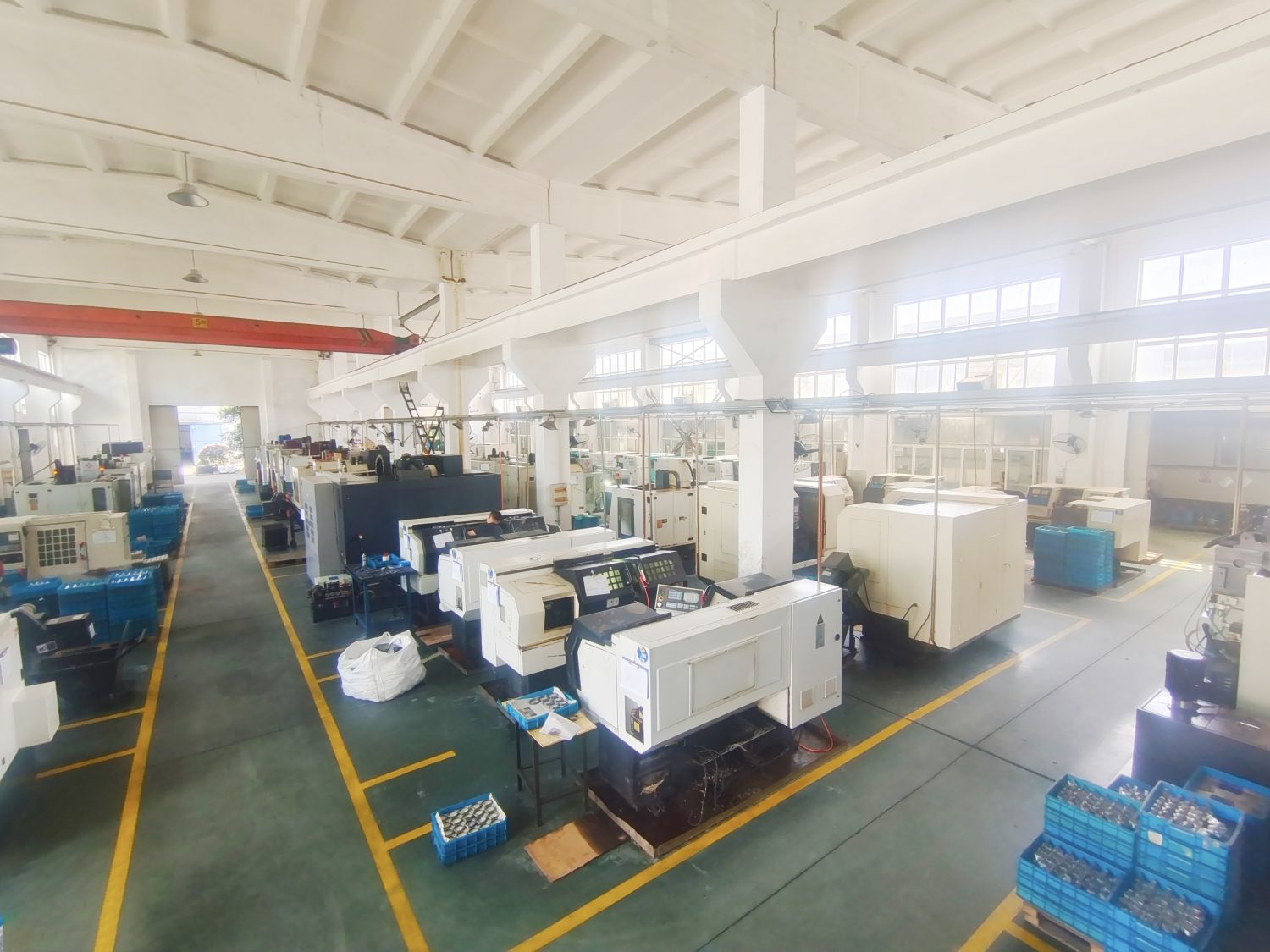
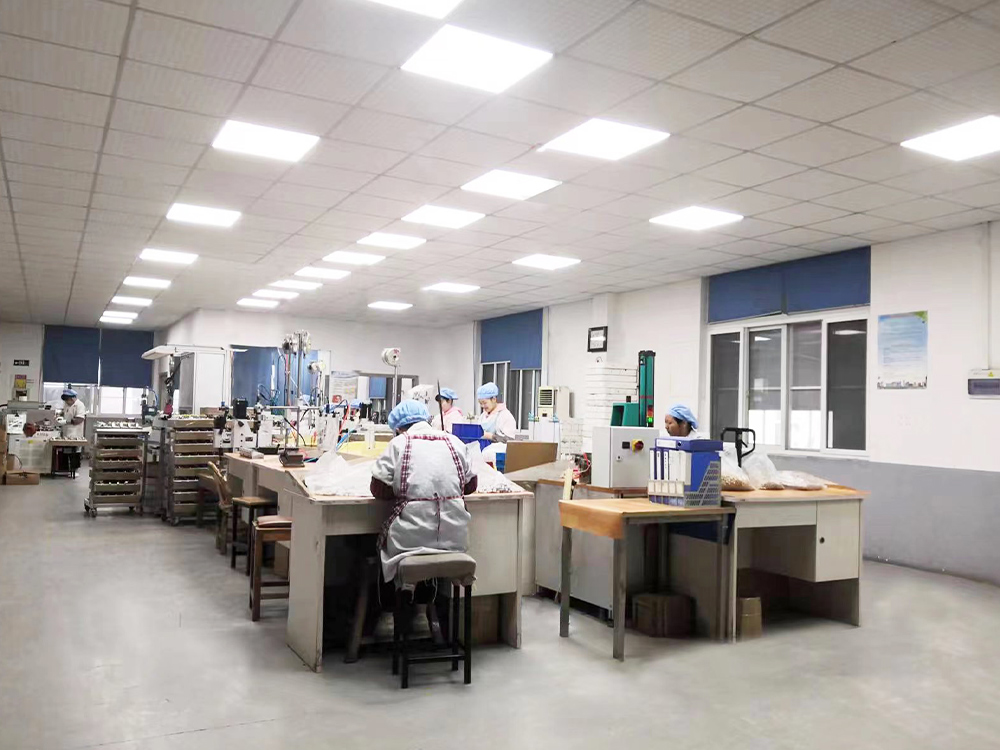
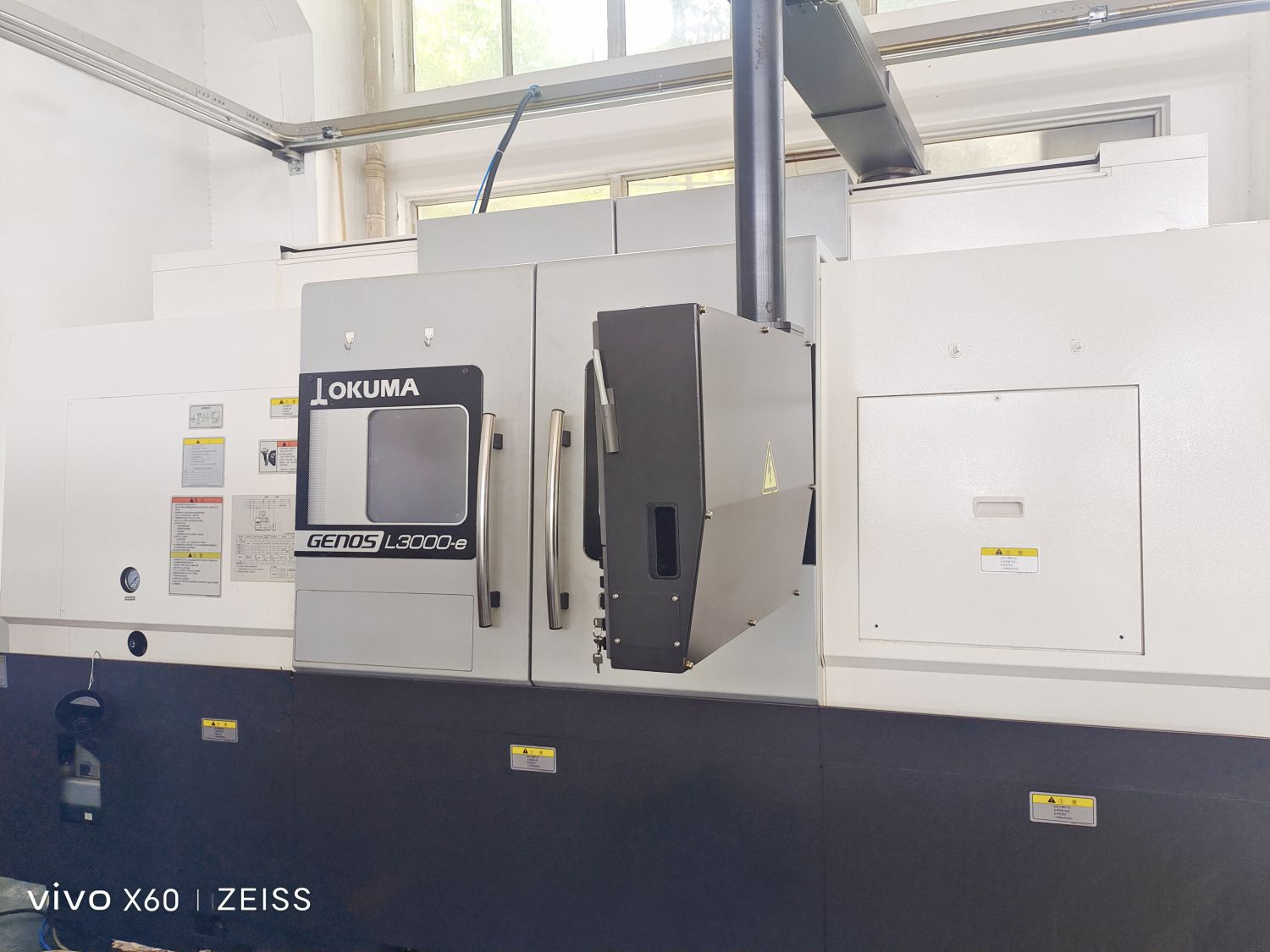
Our manufacturing capabilities utilize advanced machinery imported from Japan. This technology enables our team to deliver high-quality components designed for complex applications.
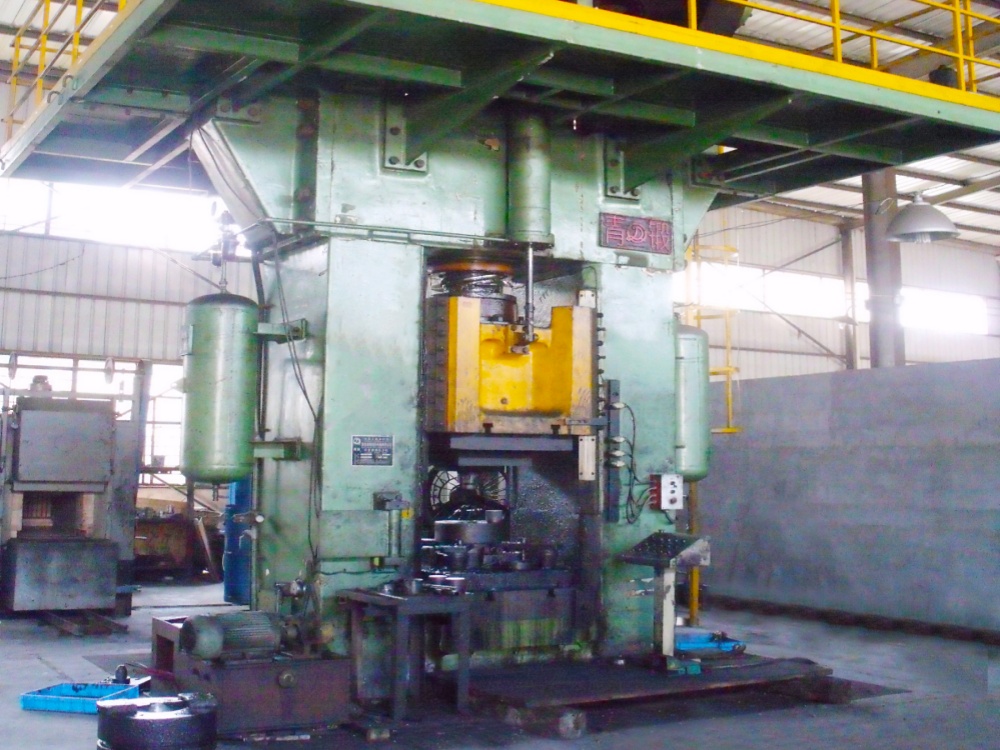
Our heavy-duty friction and hydraulic line provides temperature-controlled environments. This ensures minimal grain segregation during deformation.
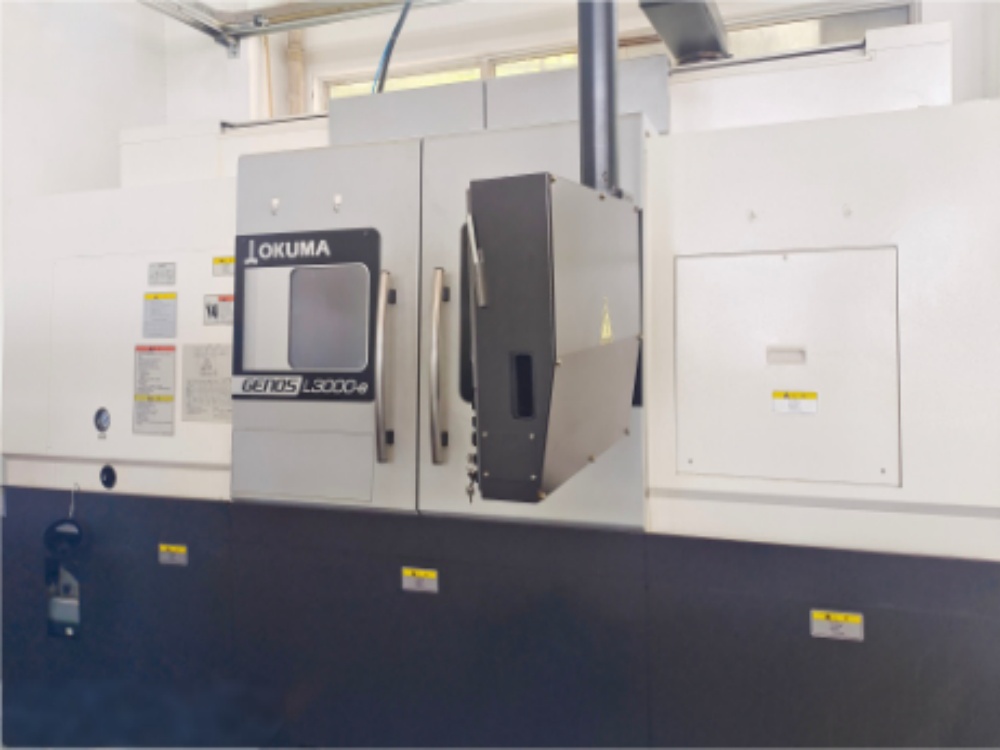
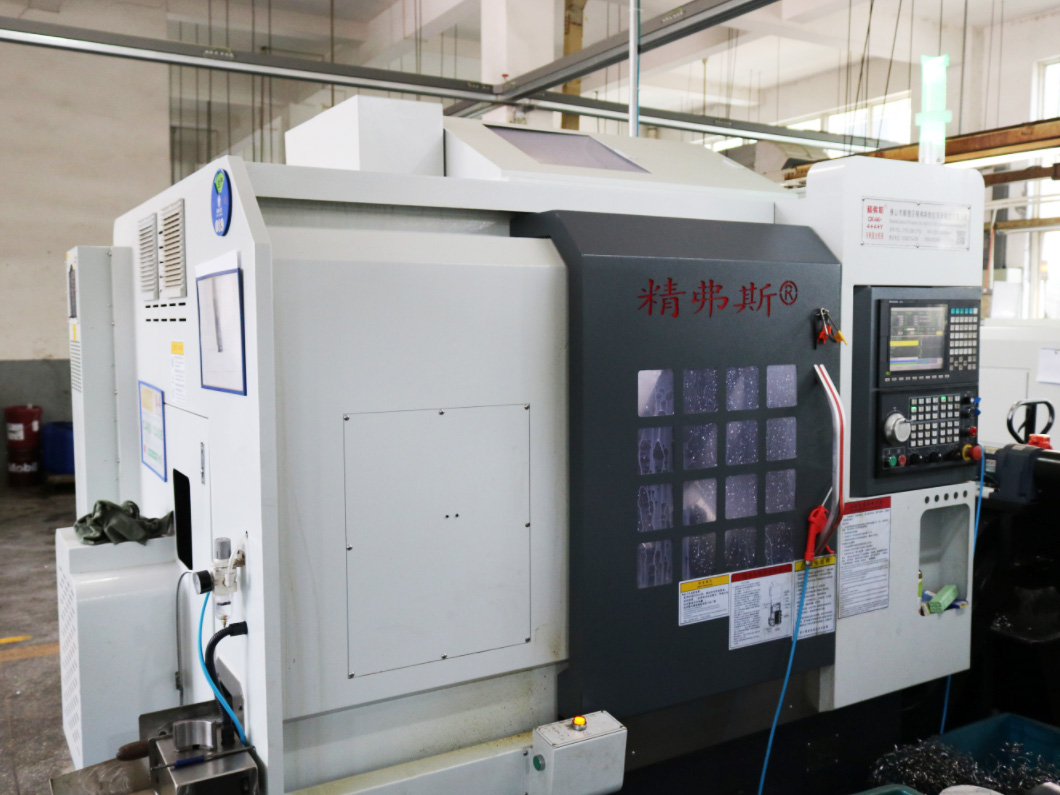
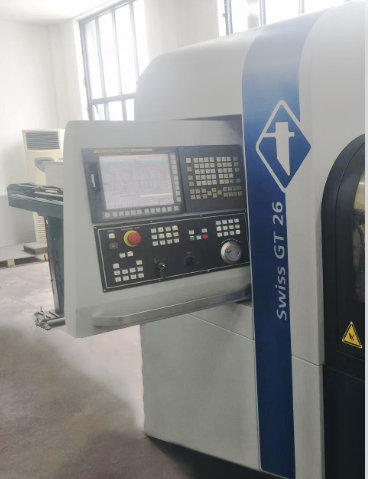
Equipped with 4-axis control units, these machining platforms perform precision turning, milling, boring, and tapping operations in a single setup.
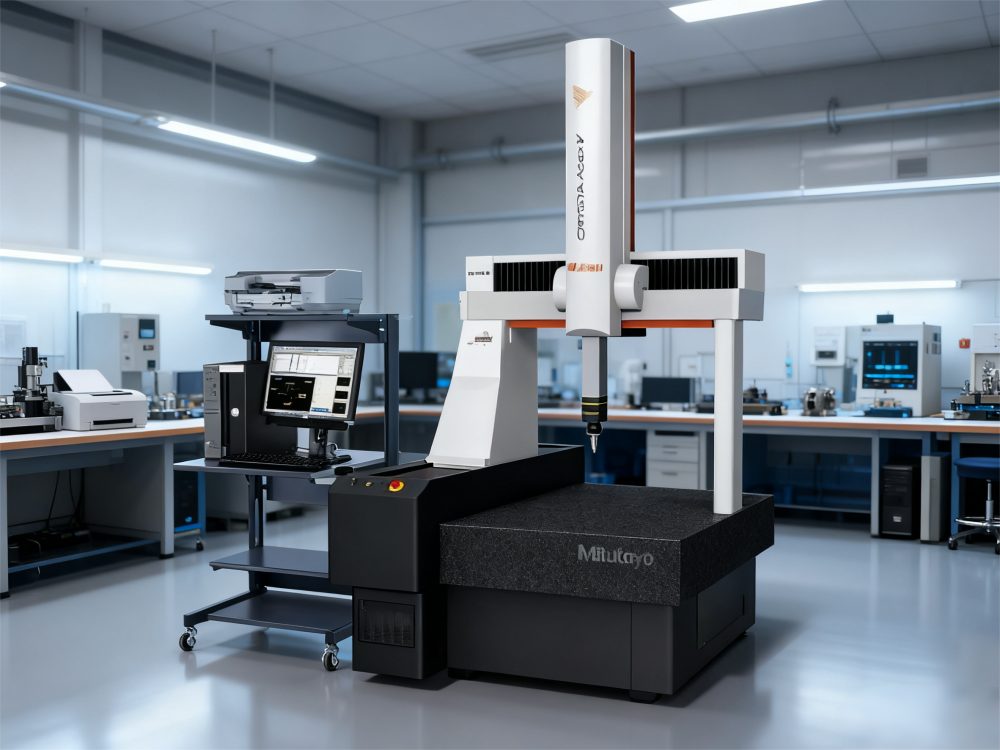
We feature state-of-the-art metrological testing equipment to confirm compliance with global drawings and metallurgical parameters.
Watch our plant operations, including metal raw material blanking, forging operations, and precision secondary CNC post-machining.
Explore our high-speed multi-axis turn-mill center executing complex metal components with extreme geometric tolerances.
Our standard manufacturing schedule operates 16 hours per day, 6 days a week. For urgent global production demands, we can scale to full 24/7 continuous operation within 30 days. Backed by capital reserves and available land expansion, XinYe is prepared to invest in dedicated machinery to support high-volume contracts.
XinYe's components are engineered for challenging operational environments. The case studies below detail our engineering approach across multiple sectors.
Forged components designed for agricultural, mining, and oilfield equipment subject to high friction and heavy load pressures.
Materials: Stainless Steel, Aluminium Alloys
Lightweight control arms, steering knuckles, and transmission gears engineered to reduce unsprung weight.
Materials: 6000 & 7000 Series Aluminum Alloys

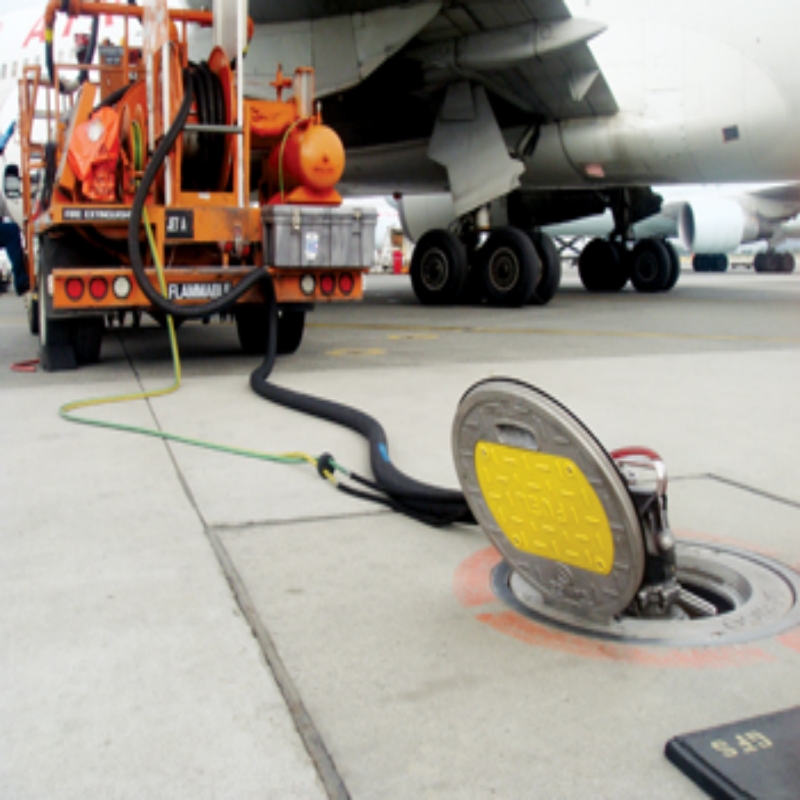
Critical parts including turbine inlets, transmission housings, hinges, brackets, and aviation fuel hydrant pit boxes.
Materials: Aerospace Grade Aluminum Alloys
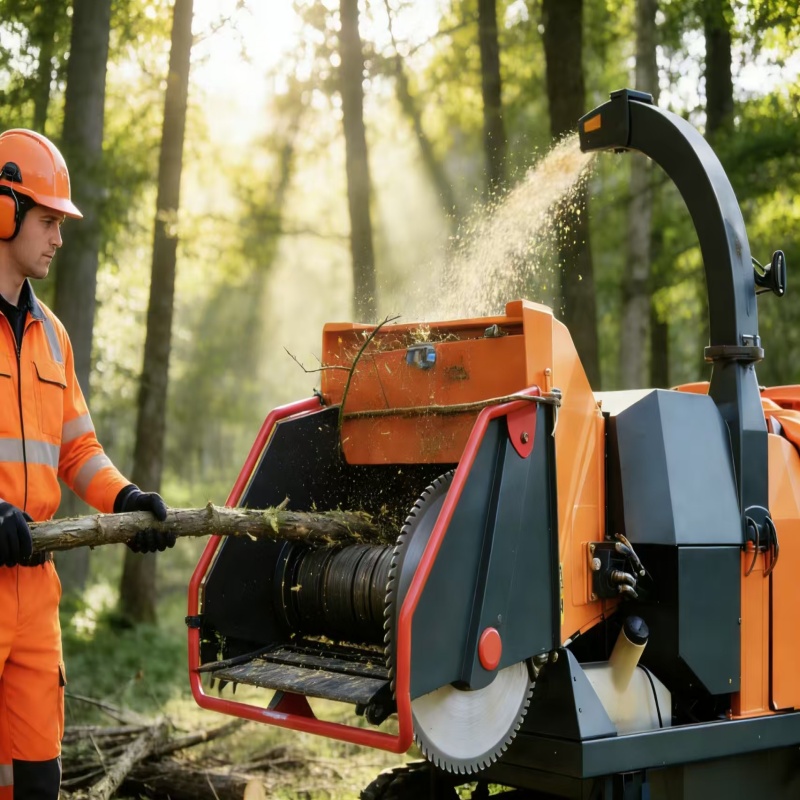
Heavy-duty feed rollers and chipper cutter discs designed to withstand high impact, shear force, and mechanical wear.
Materials: Q345B, High-Carbon 42CrMo, NM400
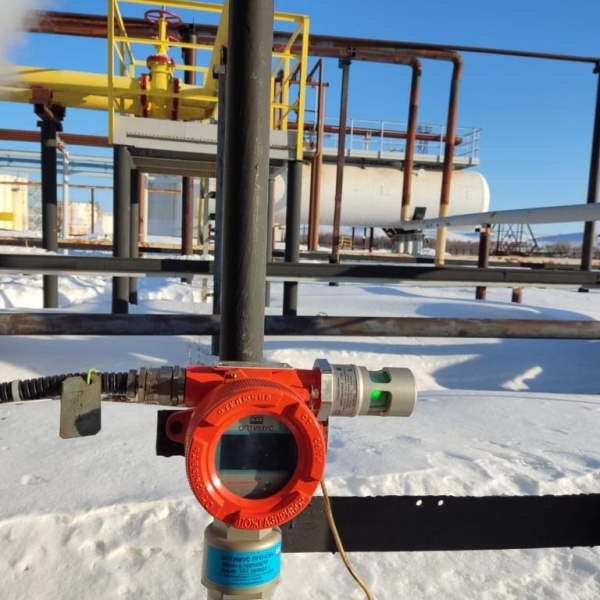
Explosion-proof casings for mining and gas detection systems, flame sensors, toxic gas enclosures, and hydrant pit box assemblies.
Forged connectors, head tubes, structural linkages, and brake levers for lightweight electric bicycles and e-scooters.
Stainless steel cream whippers, high-pressure cooking stove bases, and mixing components requiring electropolished finishes.
XinYe manages a structured development process to support accuracy and speed across both prototype creation and full-scale production runs.
Our engineering team reviews client 2D/3D CAD models, material requirements, and expected tolerances. We discuss optimization options for forging and CNC machining to balance structural integrity and manufacturing efficiency.

We source certified raw materials and establish processing parameters. Tooling designs are generated and tested on our presses, followed by sample fabrication and dimension mapping.



Samples are dispatched along with metallurgical analyses and coordinate inspection reports. Production begins once client approval is finalized.


Our production scheduling coordinates raw material blanking, forging cycles, and CNC machining steps. Quality control inspection checkpoints are positioned throughout the line to monitor process consistency.

Components are cleaned, treated, assembled if required, and packaged for export transit. A dedicated assembly workshop supports secondary sub-assembly operations to deliver complete components ready for the assembly line.


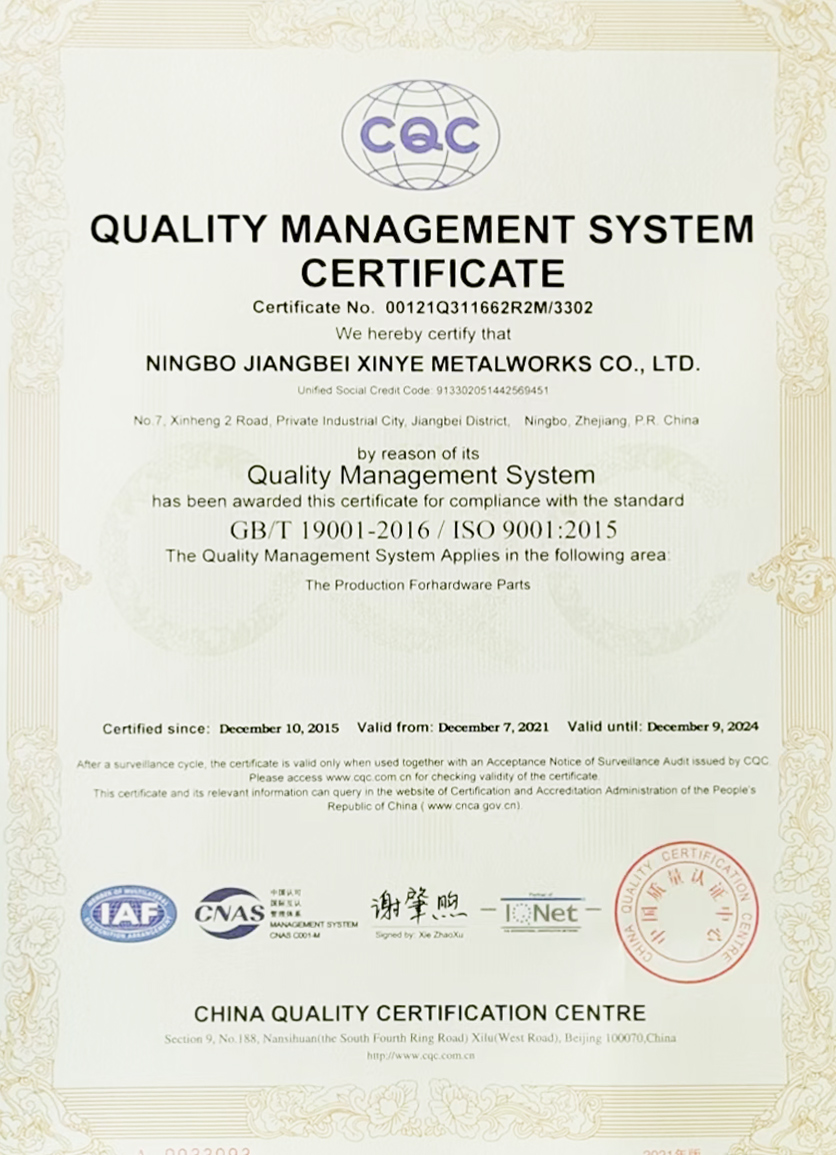
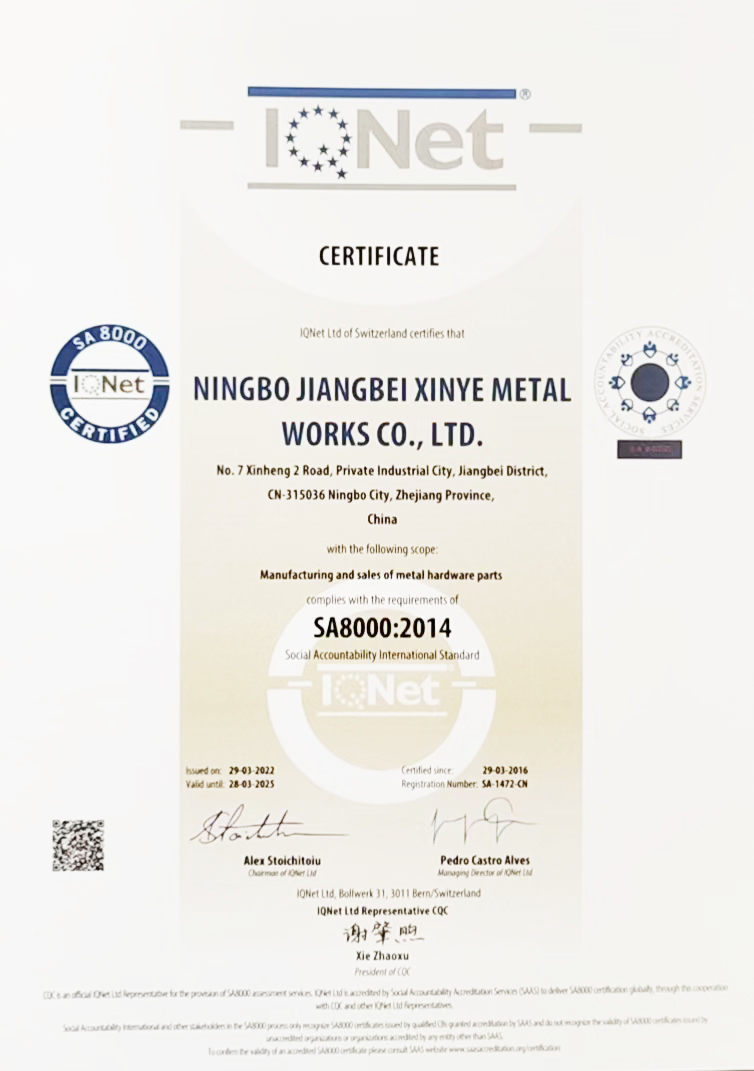
Quality is the foundation of our engineering services. With traceably documented workflows and advanced metrology instrumentation, our factory holds ISO 9001:2015 and SA8000 certifications.
We maintain strict quality control from raw material arrival to final inspection. Chemical compositions are verified, and dimensional accuracy is tracked through our CMM and video system platforms.
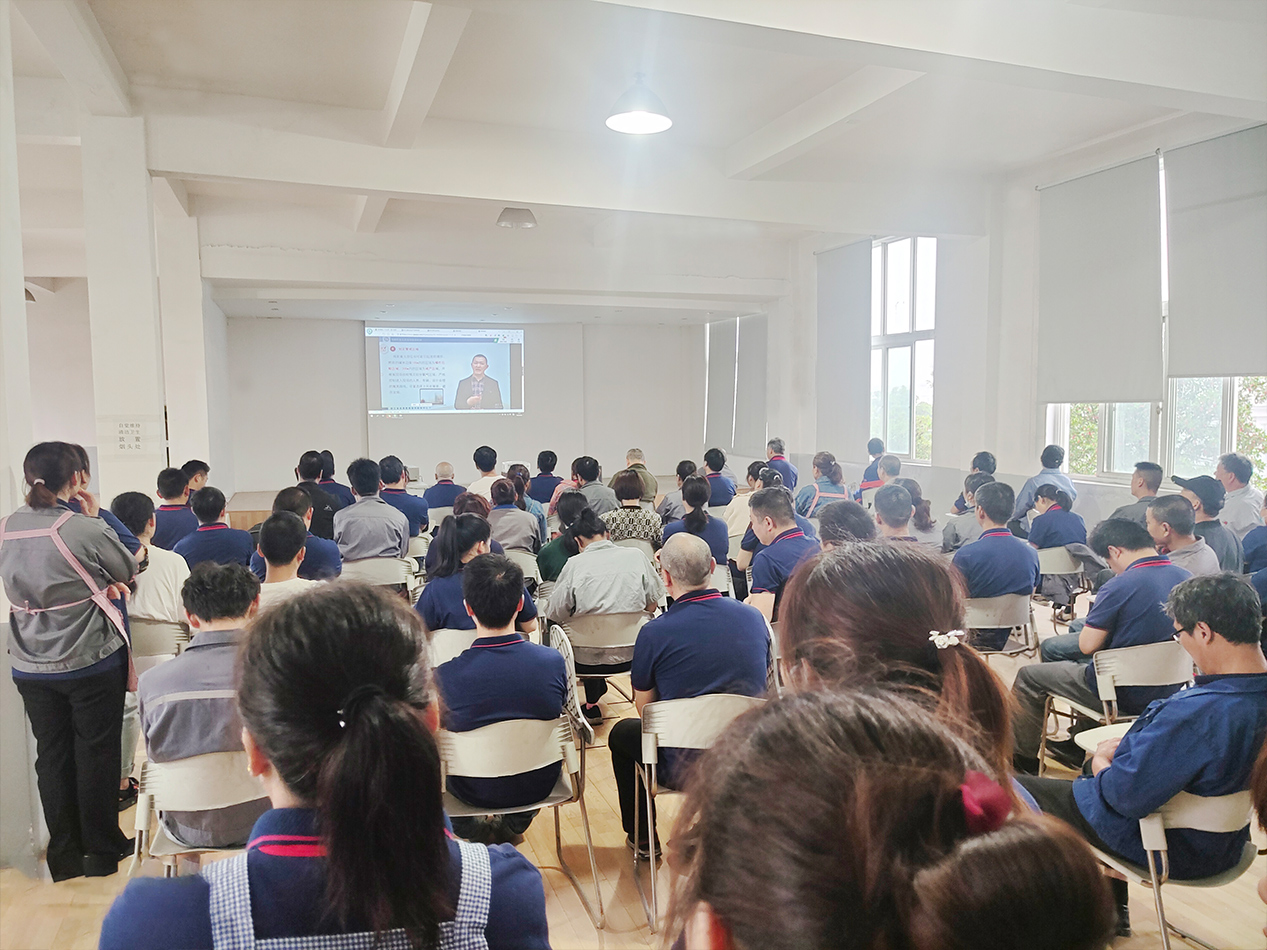
Our quality control system relies on continuous technical training, regular calibration schedules, and detailed documentation. Every batch of forged and machined components includes traceably mapped material certificates, inspection reports, and coordinate measurement validation sheets.
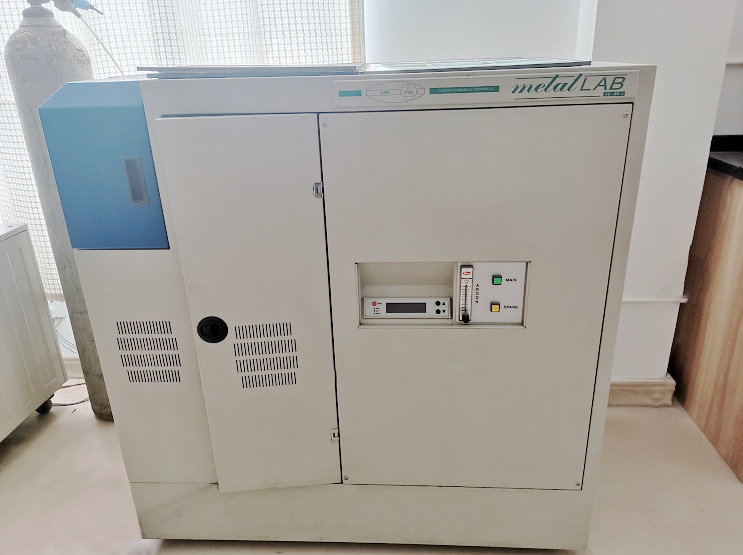
Verifies material chemistry profile against mill specification thresholds prior to production.
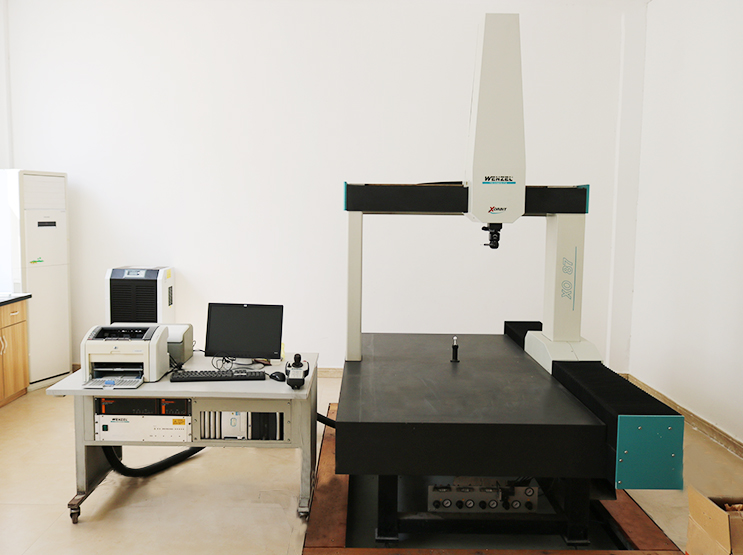
Provides high-accuracy 3D dimensional verification for tight geometric features.
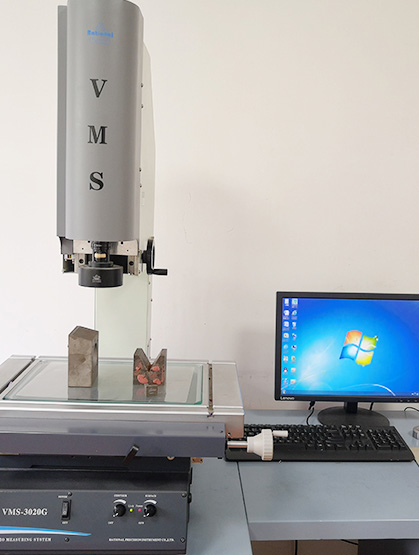
Performs non-contact optical checks for complex micro-profiles.
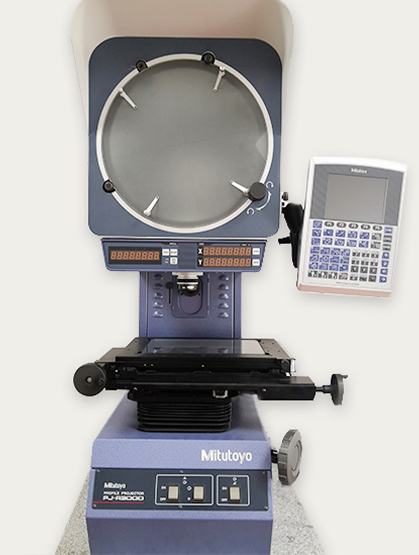
Ensures thread forms, radii, and chamfer alignments match drawings.
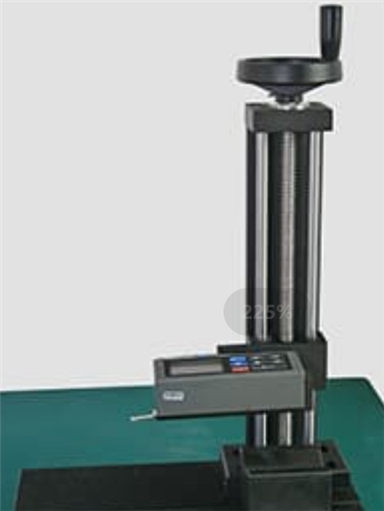
Measures Ra surface finishes to verify post-machining specification limits.
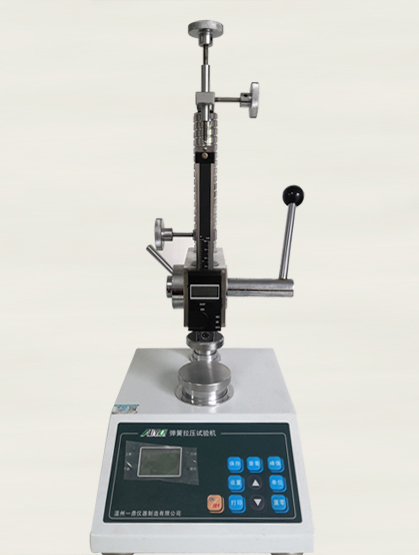
Performs tensile, compression, and shear testing to verify structural mechanical performance.
Our engineering team manages prototype development, machining operations, and quality assurance processes. With over 20 utility patents, we focus on continuous engineering improvement.
We build long-term commercial relationships by meeting expectations across delivery schedules and quality control standards.
We maintain records from initial raw material blanking through to final packaging. Each production batch includes traceable inspection trails.
We invest in machinery upgrades and coordinate operator training to maintain production standards.
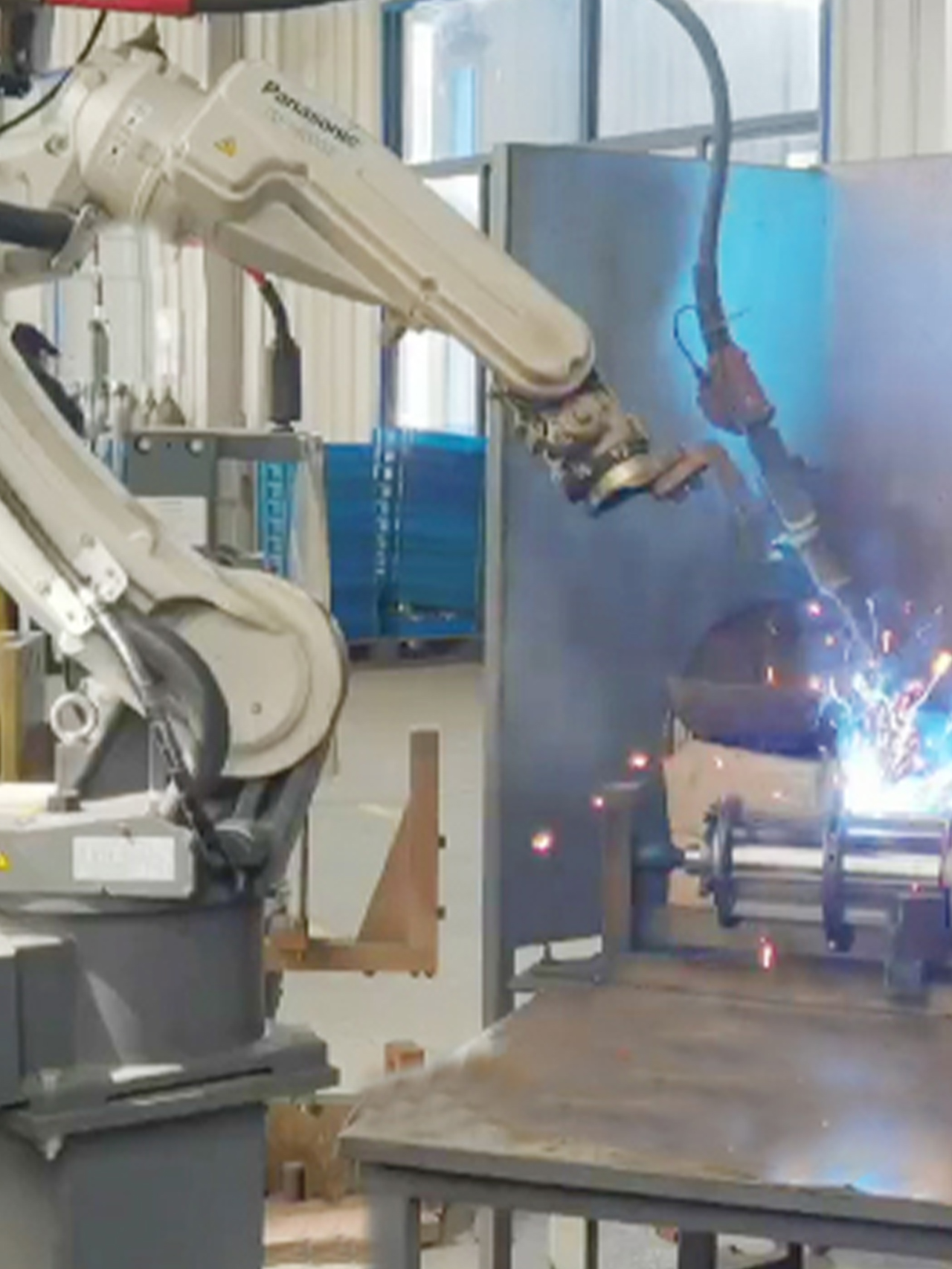
We utilize 3D visualization modeling during the tooling design phase. This simulation helps our engineers analyze material flow and identify potential defect risks before tooling fabrication begins.
Find answers to common questions about our technical capabilities, quality standards, and logistics workflows.
Select from our manufacturing categories to view standard specifications, material options, and tolerance capabilities.
 XinYe Metal