Engineered metal components tailored for industrial smoke detectors, optical chambers, and explosive hazard safety hardware.
Founded in 1996 as a highly dedicated family enterprise, Ningbo Jiangbei XinYe Metal Works Co., Ltd. has developed into a premier owner-managed SME corporation specializing in high-performance metallurgy, structural engineering, and precision fabrication solutions. Located within the Ningbo Jiangbei Industrial Zone, our facility is within a 3-hour transit range from Shanghai International Airport via high-speed rail.
Operating a manufacturing footprint of 16,000 square meters of production space with an additional 11,000 square meters configured for structural and commercial facility development, Xinye maintains a dedicated roster of 130 industry specialists. Our workforce is strategically distributed to prioritize technological advancement, with 80 expert production line professionals and 50 dedicated personnel specializing in hardware research and development, design engineering, advanced quality control, and executive management workflows.
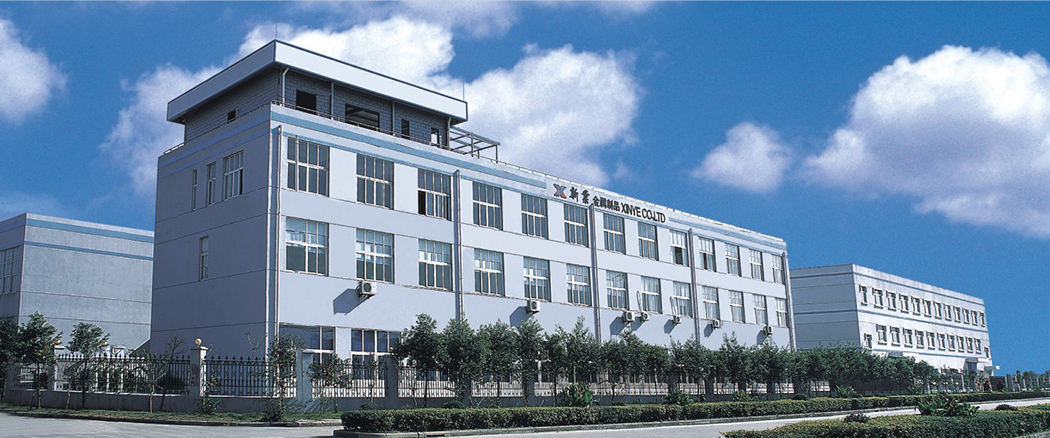
Our components are engineered for severe application environments requiring absolute failure-preventative reliability.
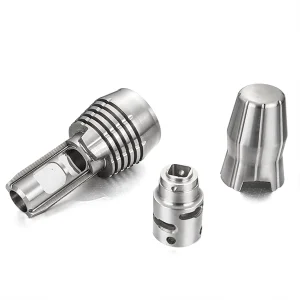
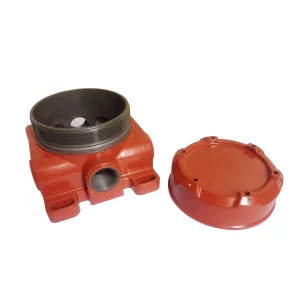
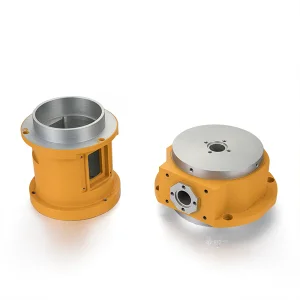
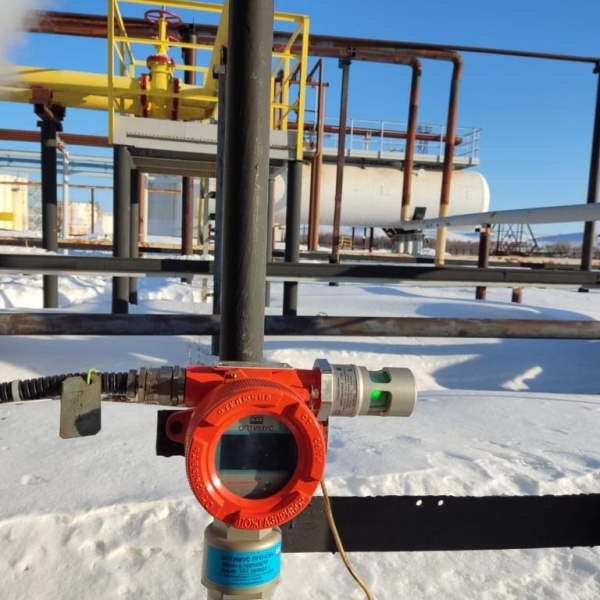
Specialized processing for explosive oil & gas environments, refinery installations, and extraction mining zones. We manufacture complex flame sensor casings, custom optical housings, explosive and toxic gas sensor enclosures, and specialized hydrant pit box kits.
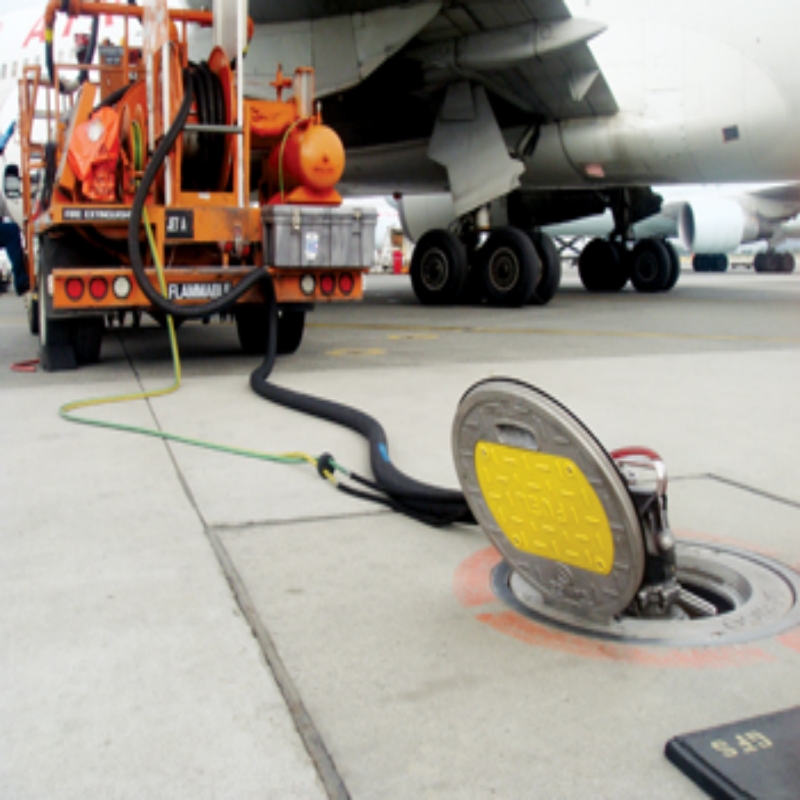
Ultra-reliable, high-strength structural fabrication featuring aviation-grade components including high-pressure aviation fuel hydrant pit boxes, mounting brackets, turbine inlets, and internal transmission components engineered to withstand extreme stress profiles.
High-volume manufacturing of safety-critical components including transmission assemblies, lightweight E-bike parts (highly structured tube frames, connectors, and brake levers) optimizing weight-to-strength performance metrics.
Analyzing the evolution of hardware engineering required for advanced sensing technology and IoT integrations.
Traditional single-chamber photoelectric smoke detectors are rapidly being replaced by advanced multi-sensor arrays. Modern smoke detectors must now integrate photoelectric, thermal, and electrochemical carbon monoxide (CO) sensors. This multi-sensor approach requires high-precision structural housings that isolate the sensors to prevent cross-contamination while ensuring optimal airflow.
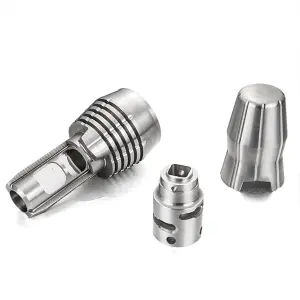
Our engineering team works closely with leading R&D teams to design and manufacture dual-ray (blue and infrared) optical chambers. By hot-forging aluminum and using 4-axis CNC milling, we maintain optical-path alignments with tolerances within 0.005mm. This prevents light scattering inside the chamber, reducing false alarms and improving the detection of both fast-flaming and slow-smoldering fires.
In high-risk industrial facilities like petrochemical plants, gas compressor stations, and extraction mines, smoke and fire detection systems must operate under extreme conditions. The hardware housing must serve as a certified explosion-proof enclosure (Class I, Div 1 / Zone 1) capable of containing internal explosions while preventing sparks from escaping into the surrounding environment.
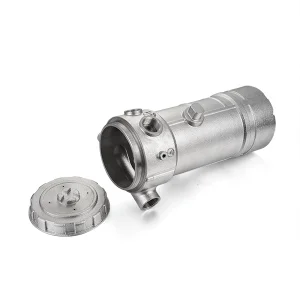
Xinye addresses these harsh environments by casting and precision-machining flame detector housings using corrosion-resistant grade stainless steel (316L) and specialty aluminum alloys. By using advanced lost wax casting and strict CNC finishing, our enclosures support thick thread paths and tight seal mating. This ensures they meet IP66/IP67 ingress ratings to keep out water, dust, and corrosive industrial gases.
Next-generation smart fire smoke detectors include edge-computing microprocessors, wireless mesh communicators, and diagnostic self-testing units. These components generate internal heat, which can interfere with thermal sensing and reduce the life of internal electronic components.
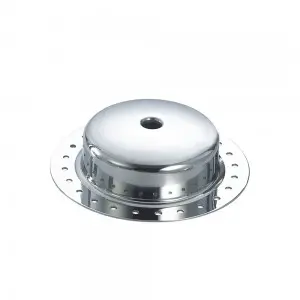
To address this, we design custom aluminum hot-forged heat sinks and heat-dissipating detector bases directly into the structural enclosures. This optimized thermal path prevents heat buildup inside the sensing chamber, ensuring the detector's life-safety sensors remain accurate and reliable.
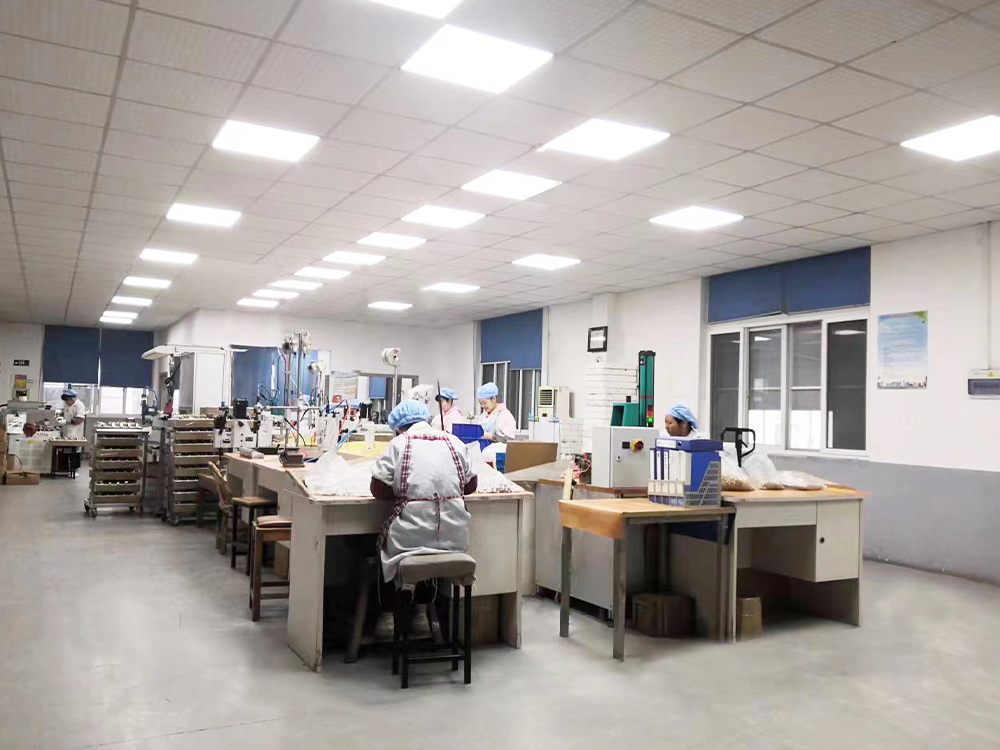
Xinye operates dynamic production schedules. Our default shift rotation is 16 hours a day, 6 days a week, providing immediate reserve capacity. In periods of high demand, we can transition to full 24/7 continuous production within 30 days.
Our location in the Ningbo industrial zone offers convenient access to local deep-water shipping lanes and high-speed rail networks. This close proximity to regional raw material suppliers and surface-treatment specialists reduces logistical bottlenecks and protects the supply chain against market volatility.
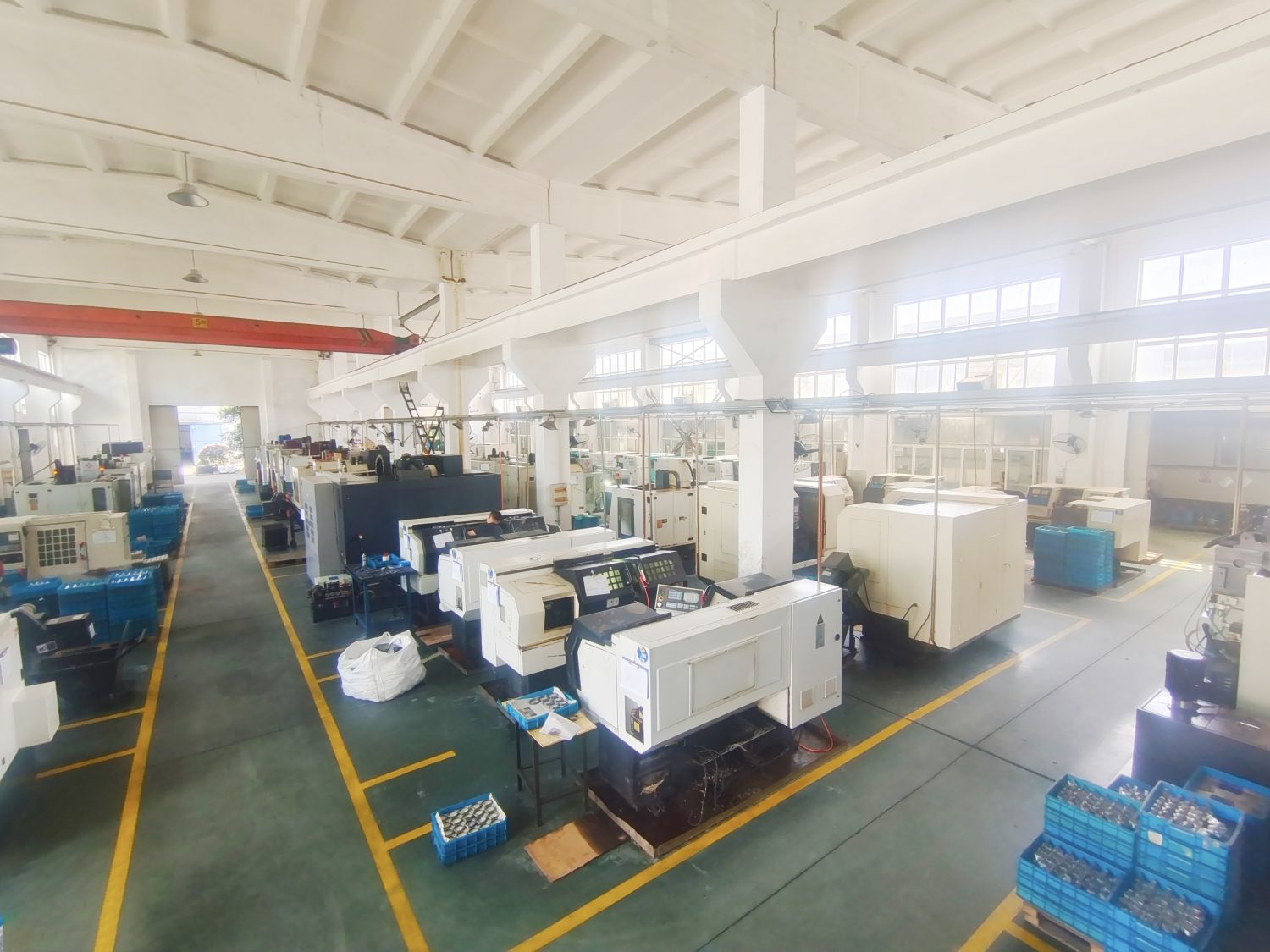
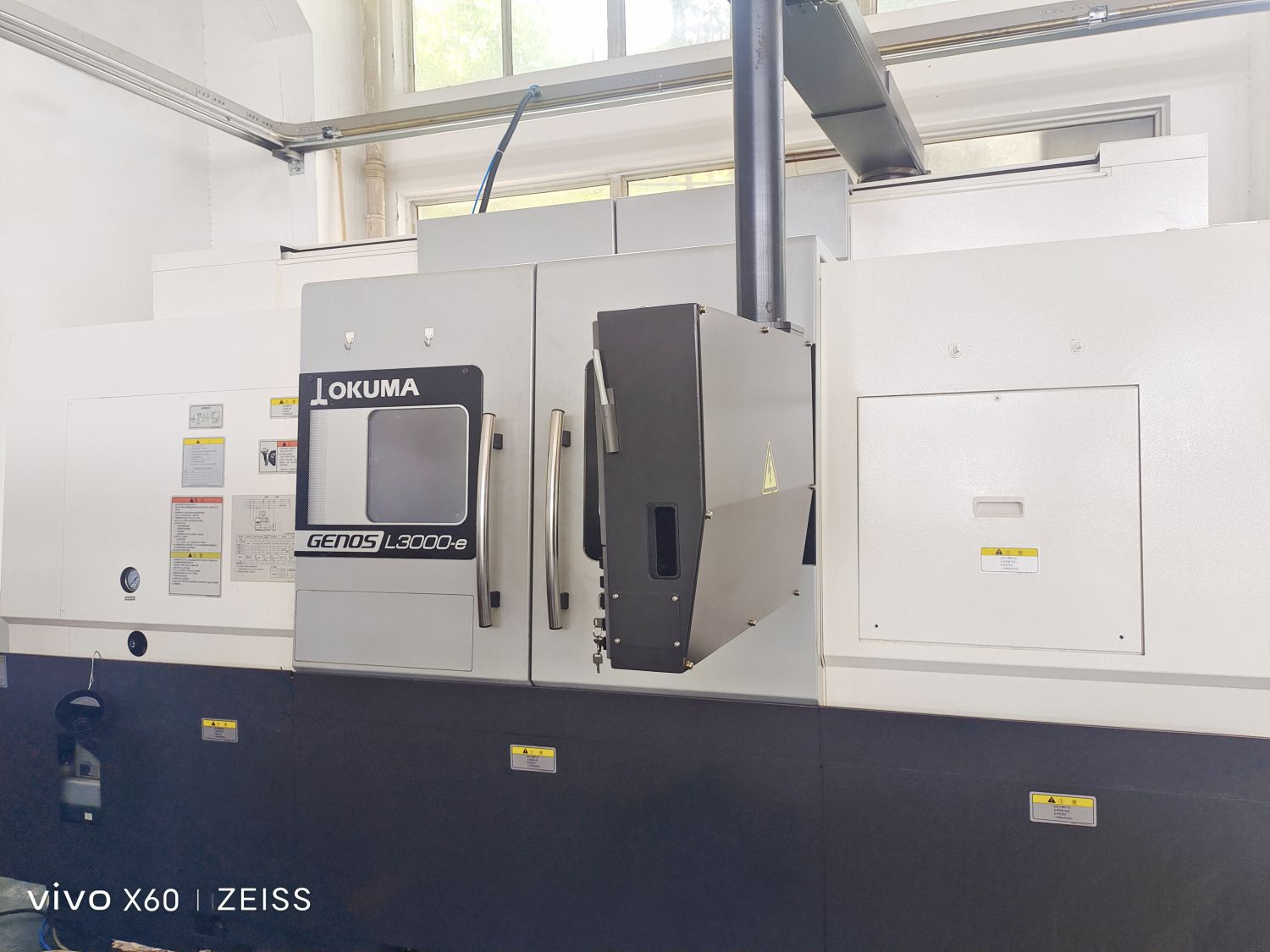
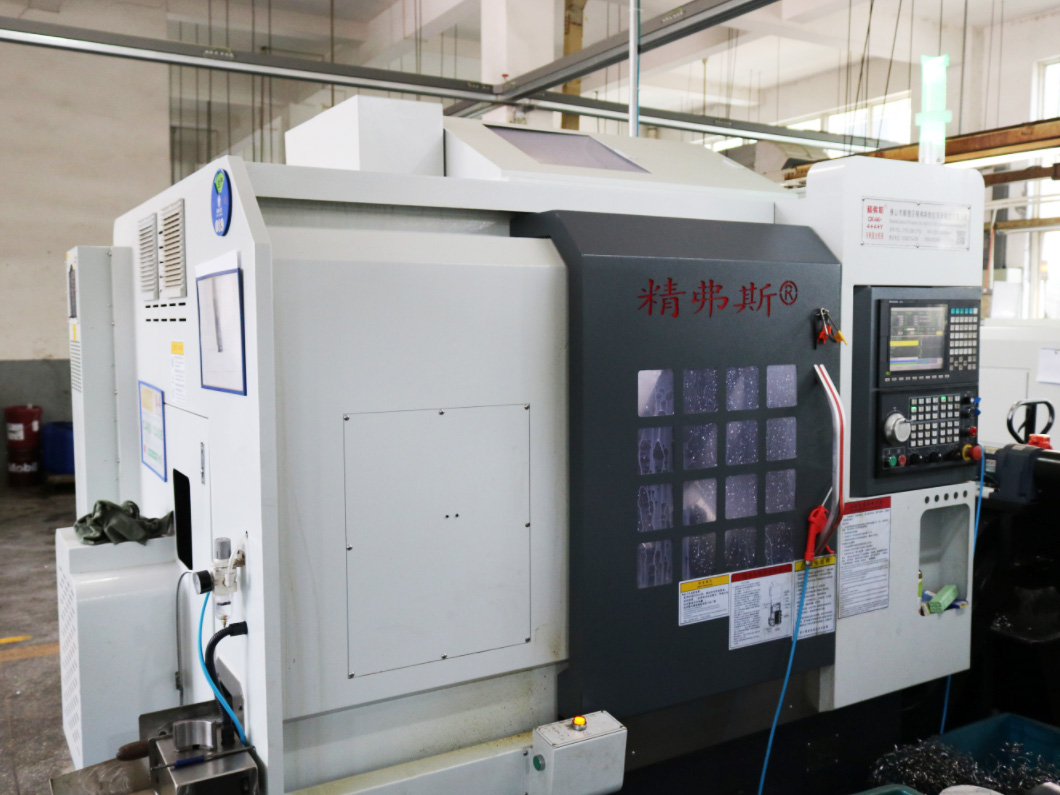
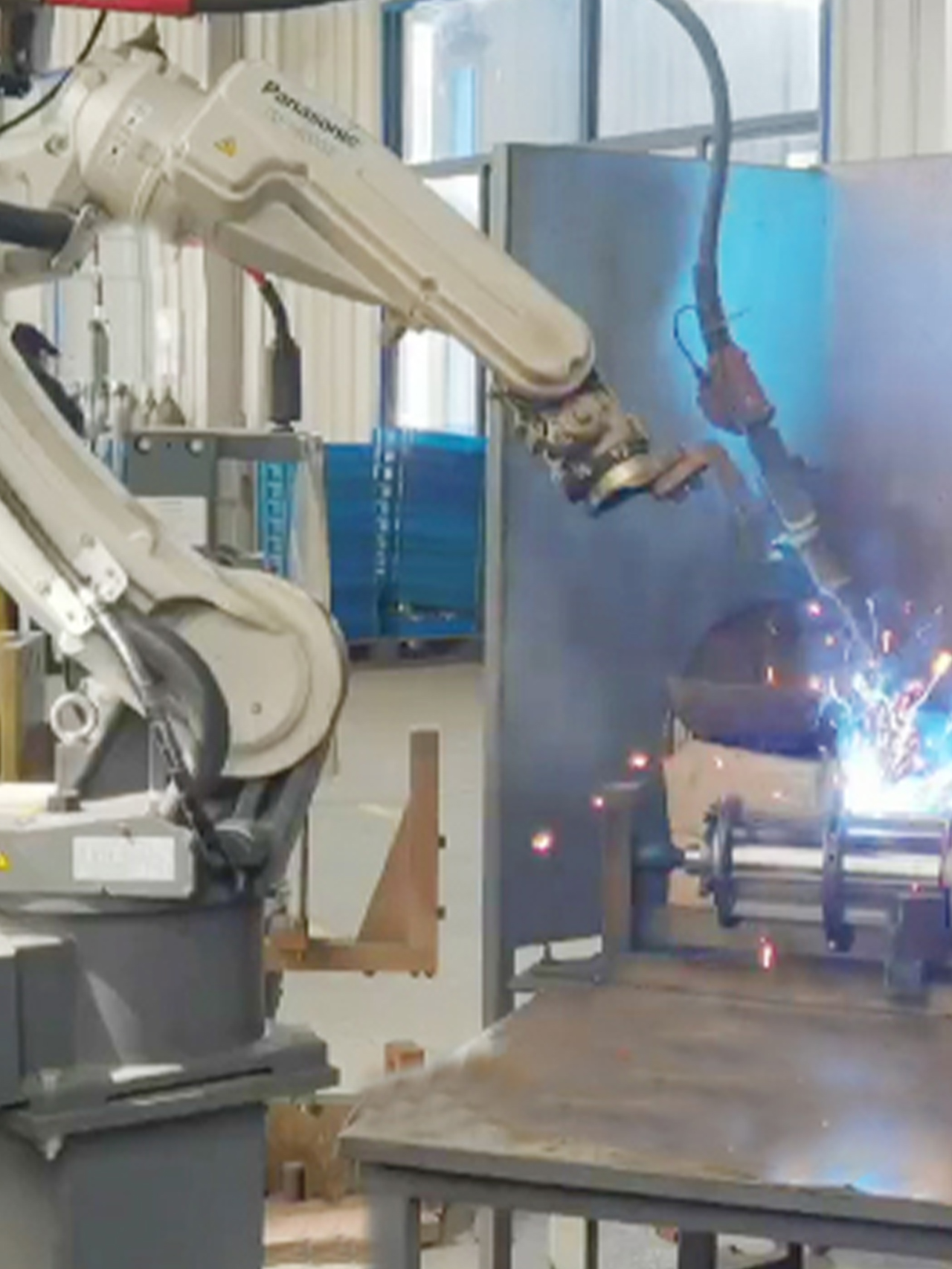
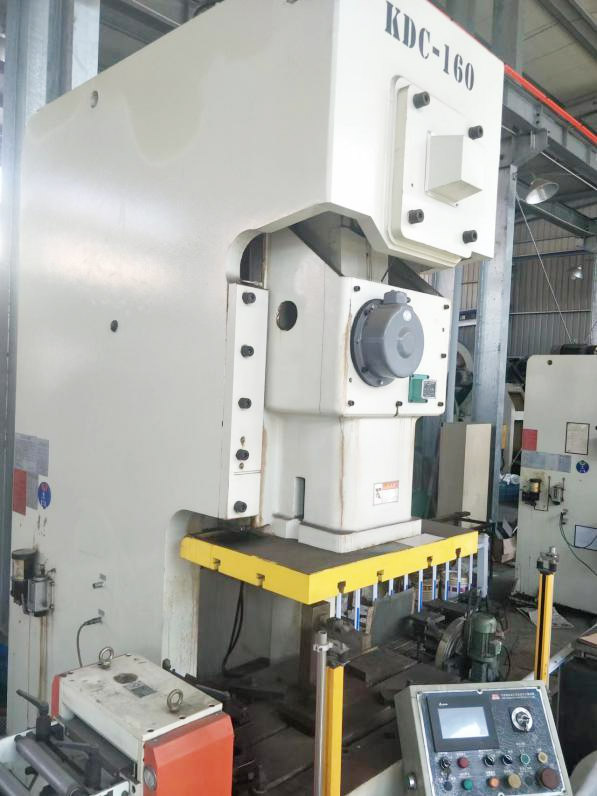
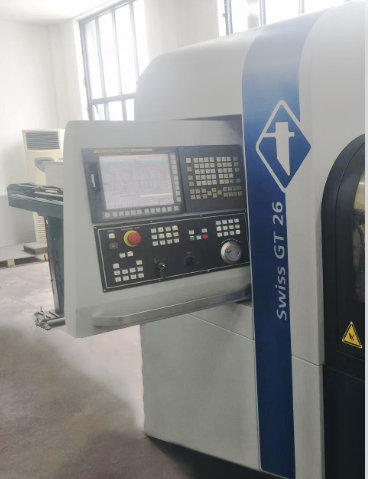
We invest heavily in advanced manufacturing equipment. By importing high-precision machine tools from Japan, we ensure consistent quality, minimal tool wear, and high material yields. This helps keep our pricing competitive for large production runs.
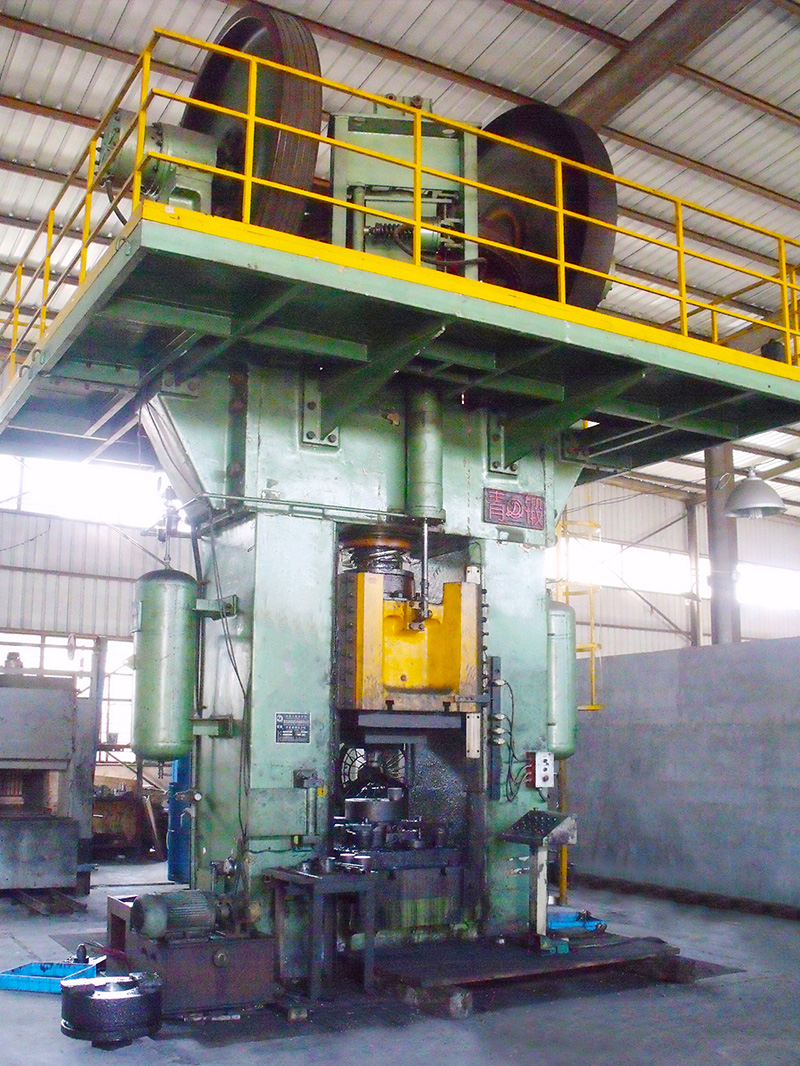
We leverage advanced Japanese tooling and heavy forging equipment to produce components matching strict engineering tolerances.
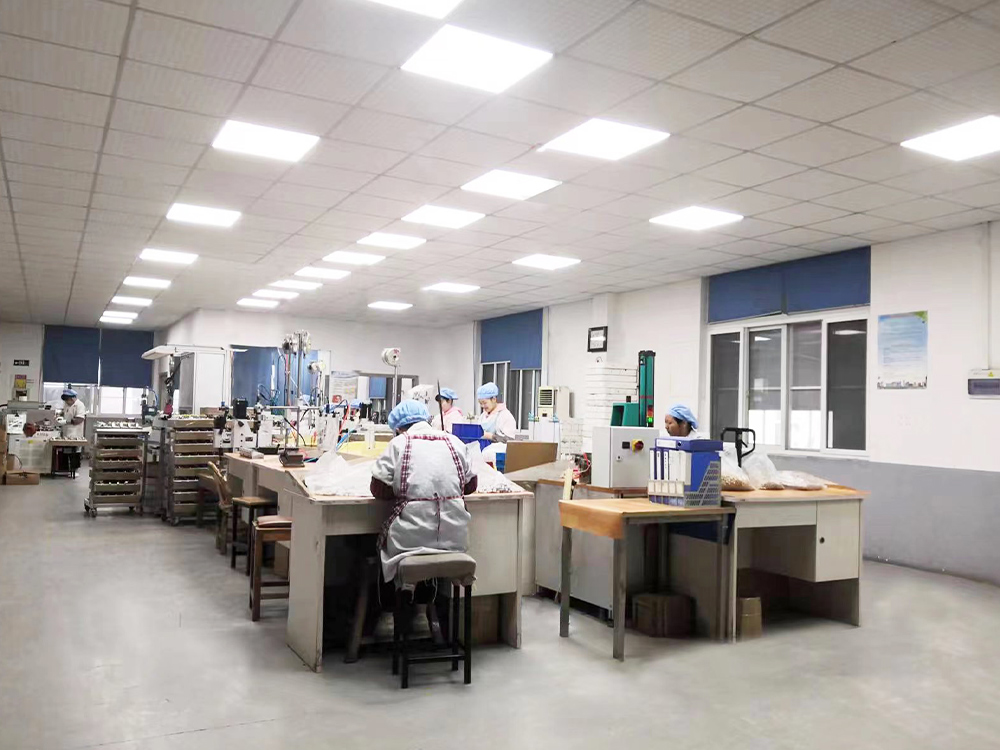
For life safety devices, quality is critical. Our quality management system is fully certified to ISO 9001:2015 and SA8000 standards. This helps ensure consistent product quality, ethical labor practices, and reliable B2B service delivery.
We maintain full material traceability for all components we manufacture. Every product shipment includes raw material mill test reports (MTR), certificate of conformance (CoC), and dimensional inspection reports from our testing laboratory.
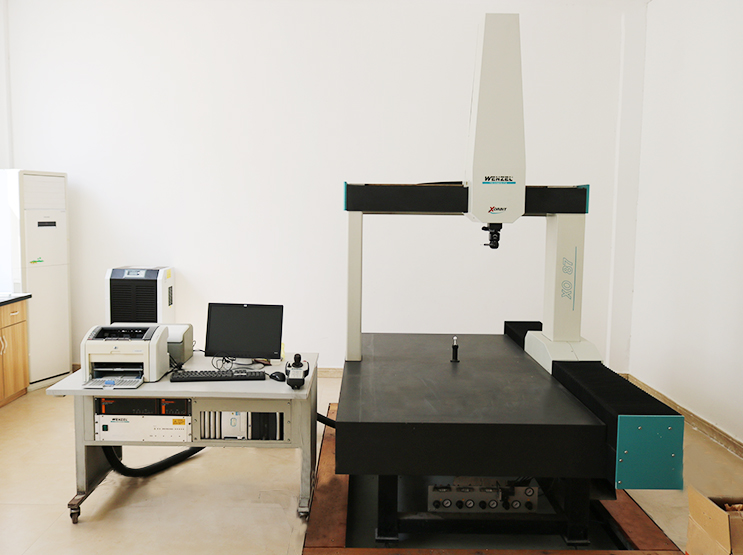
Our quality control department is equipped with coordinate measuring machines (CMM), optical video measurement systems, and GNR spectrum analyzers to verify alloy chemistry. We test each production batch to ensure compliance with international fire safety standards, including UL, EN, and FM.
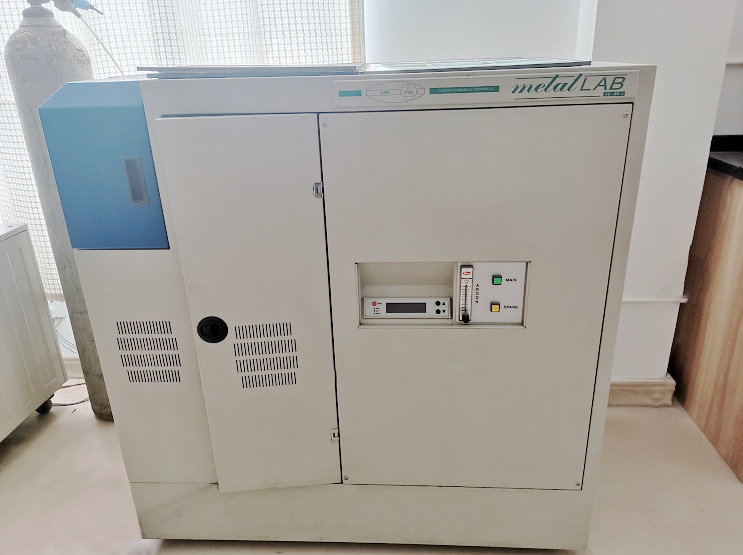
Alloy chemical verification
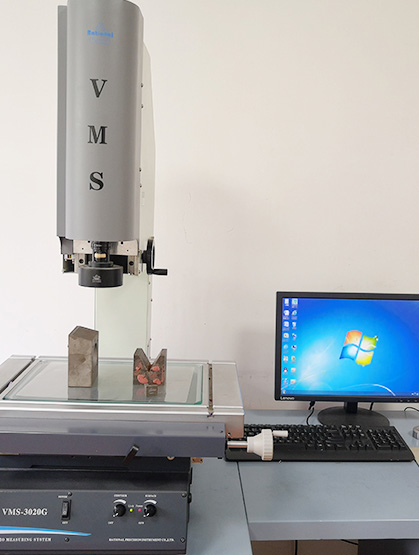
2D optical coordinate checks
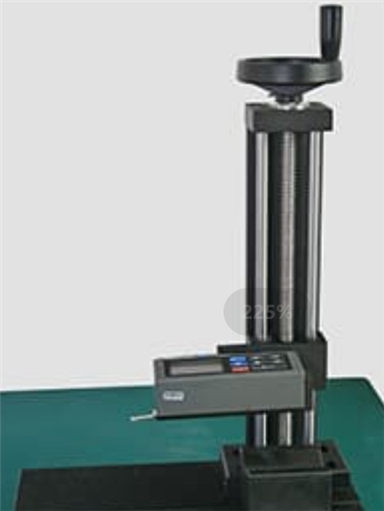
Surface micro-finish measurement
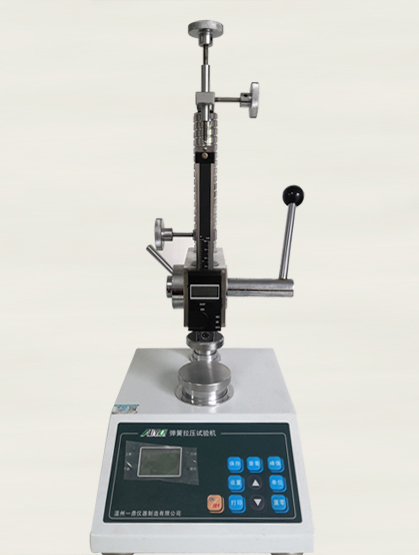
Mechanical property testing
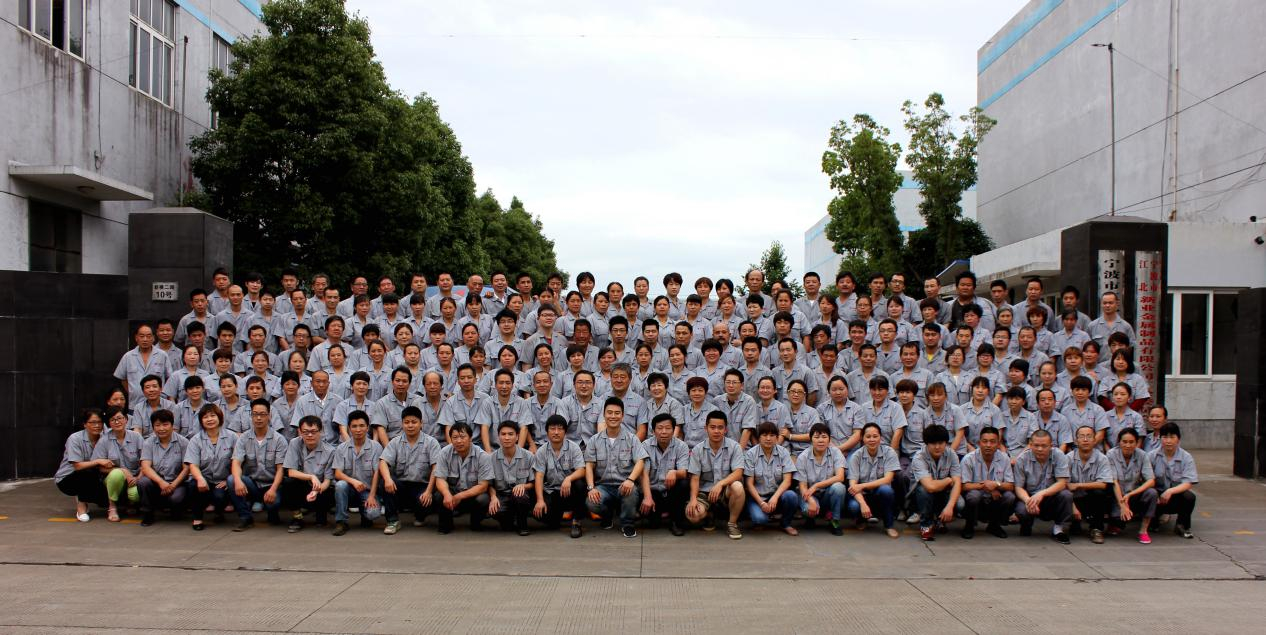
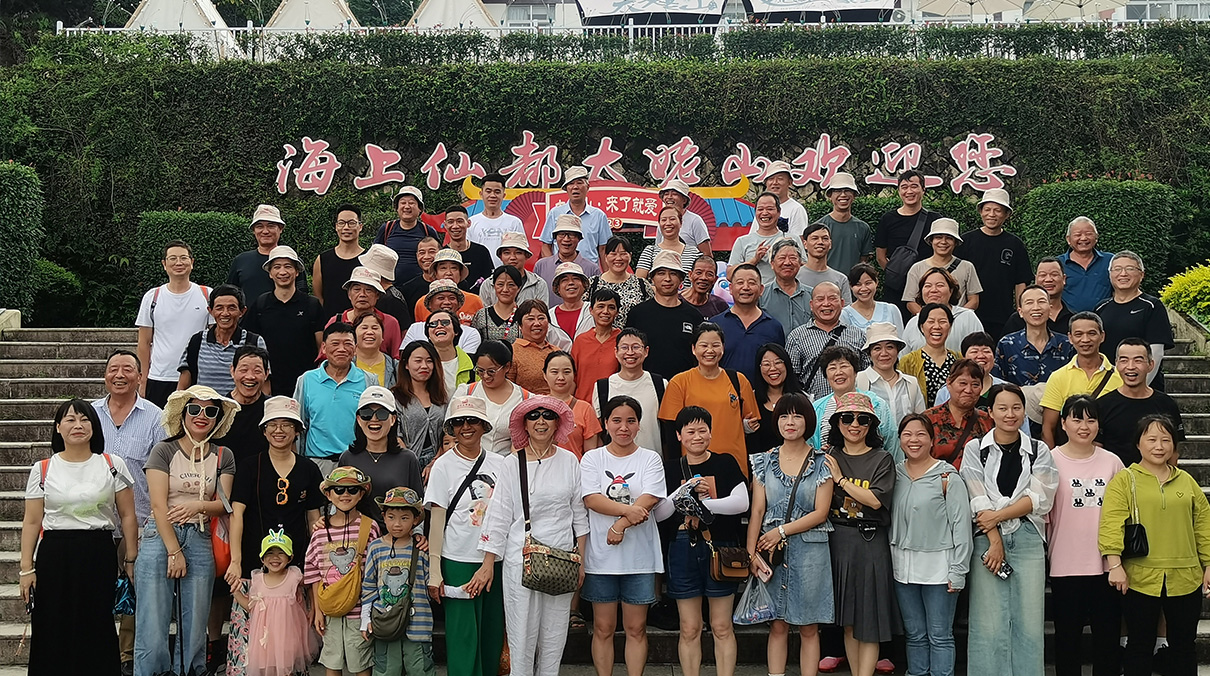
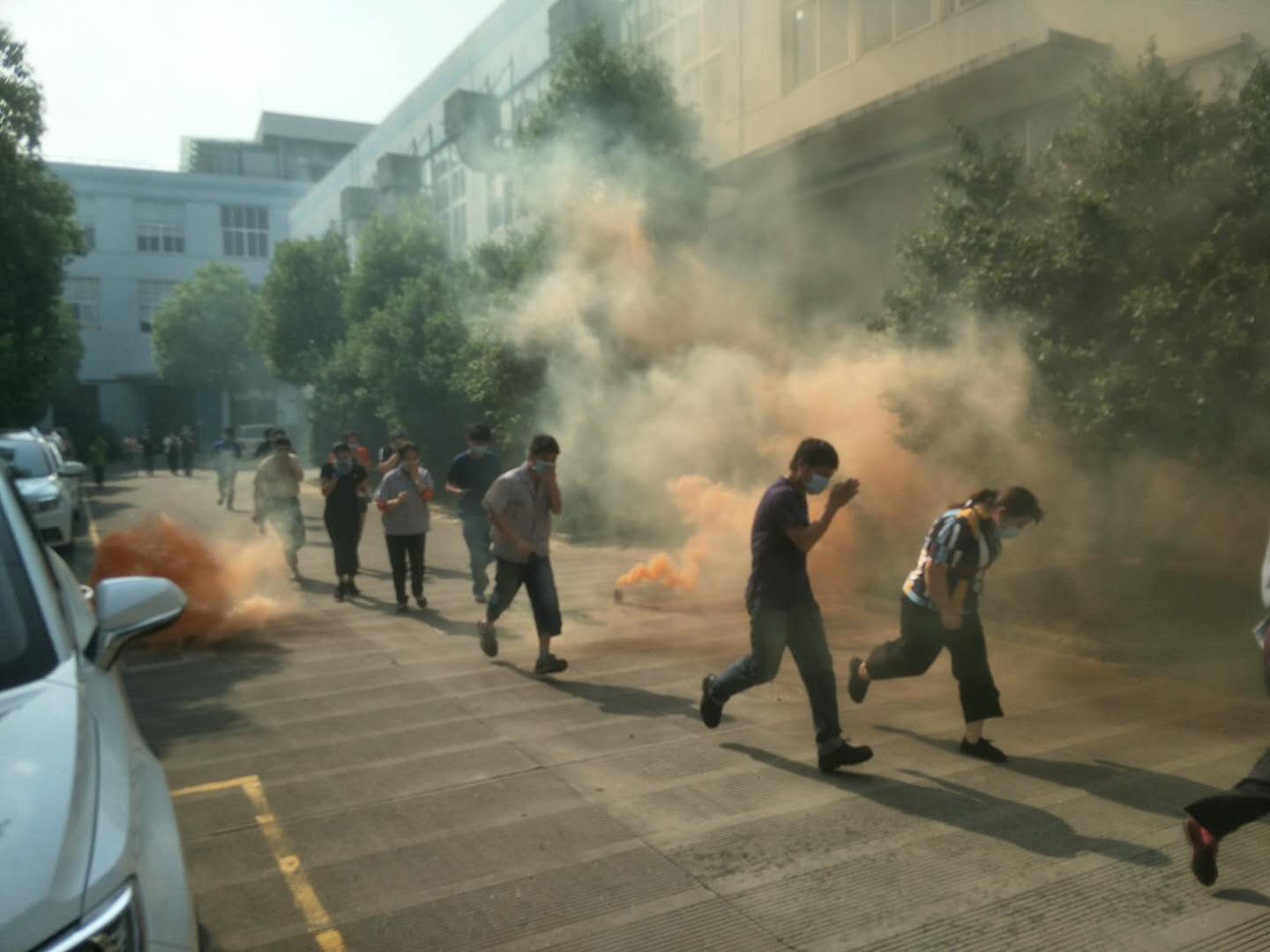
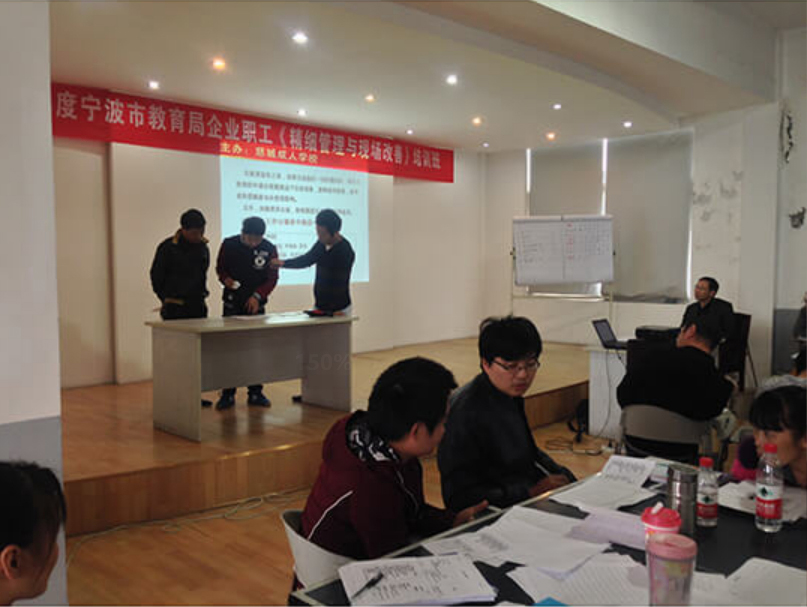
Xinye's core strength is our skilled workforce. Our team includes 50 engineering, quality control, and management professionals who support our production operations. We hold more than 20 utility model patents, showing our commitment to process innovation and structural design.
Our operations are guided by three core values:
A systematic process from initial design review to bulk production, quality testing, and delivery.
The client submits engineering drawings. Our engineering team reviews the design, tolerances, and surface finish requirements to identify cost-saving manufacturing options.
We source raw materials and manufacture high-precision samples using custom tooling. Our metrology lab inspects all critical dimensions before shipping samples to the client.
The client tests the sample parts in their design assemblies. We review their performance feedback and adjust manufacturing parameters if necessary.
Upon sample approval, we schedule bulk production. We set up multiple quality control checks along the assembly and machining lines to maintain product consistency.
We perform final checks on dimensions and materials, issue the quality documentation, package the components in robust export packaging, and arrange delivery.
A closer look at some of the custom components we produce for safety-critical B2B applications.

Answers to common questions about our metal fabrication and custom manufacturing services.
Select a category below to review mechanical specifications, material grades, and design options.
 XinYe Metal