Discover our comprehensive range of high-performance metal components, engineered to meet the strictest industrial tolerances and quality standards.
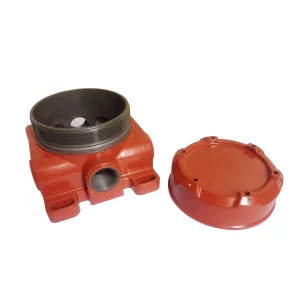
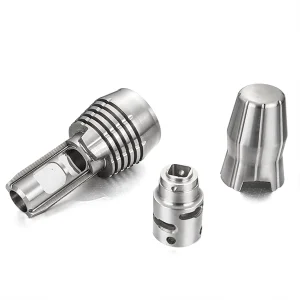
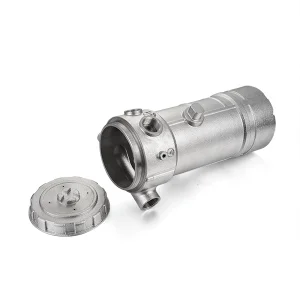
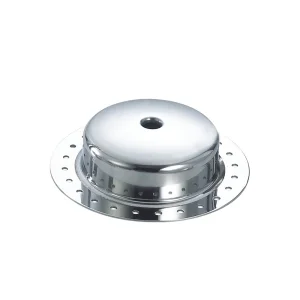
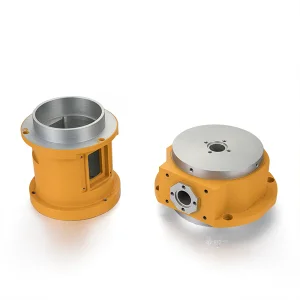
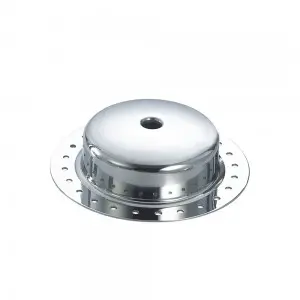
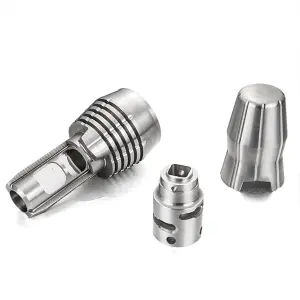
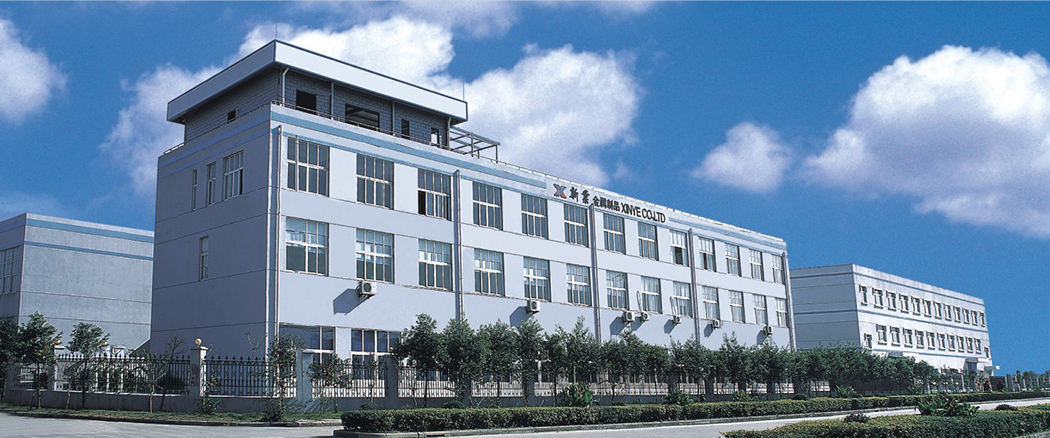
Founded in 1996 as an owner-managed SME family business, XinYe Metal has evolved into a powerhouse of precision metal fabrication. Located in the Ningbo Jiangbei Industrial Zone, our facility benefits from unmatched geographic connectivity, reachable within 3 hours from Shanghai Pudong International Airport via high-speed rail.
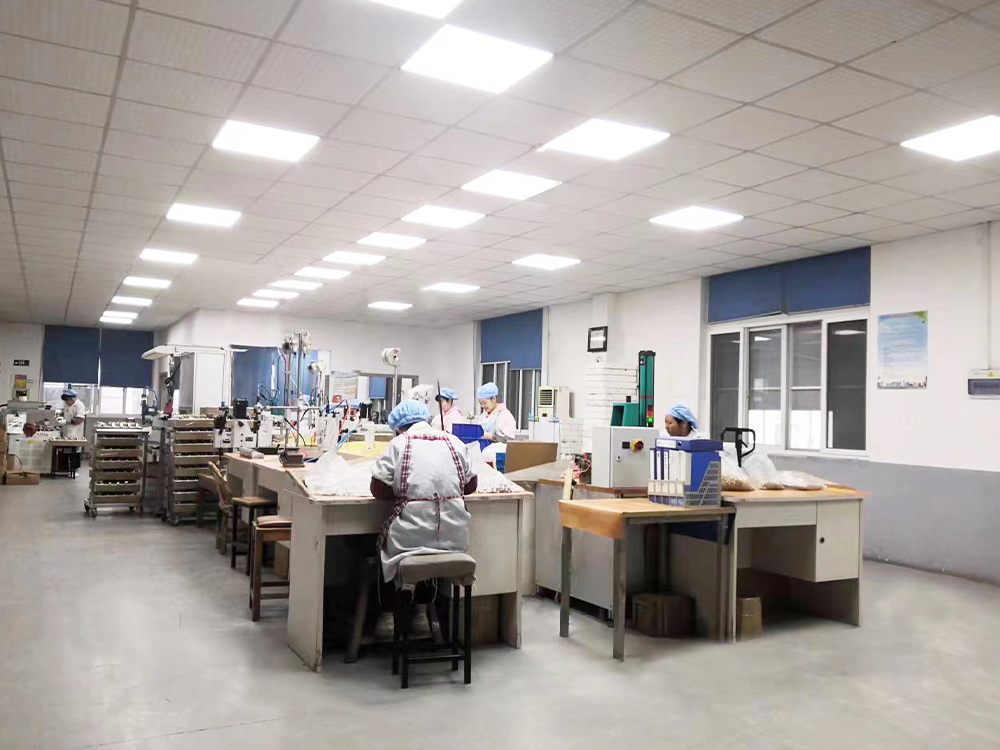
Our operations span over 16,000 square meters of production floor space, complemented by an additional 11,000 square meters of custom engineering and construction facilities. Backed by 130 dedicated professionals—including 80 expert shop floor operators and 50 specialists in R&D, structural engineering, quality assurance, and project management—we provide global industrial buyers with end-to-end reliability and structural innovation.
Specialized in deep-draw, high-tonnage forging, and multi-axis CNC milling.
Exporting to critical medical, automotive, and industrial safety markets in Europe and North America.
An authoritative analysis on sourcing strategies, material science, and manufacturing capabilities of Chinese extrusion partners.
In modern structural engineering, aluminum extruded profiles serve as the structural backbone for sectors ranging from high-speed rail rolling stock to thermal management enclosures in EV powertrains. The extrusion process allows designers to place metal material only where structural load requirements dictate, minimizing overall component weight while optimizing cross-sectional moment of inertia. However, achieving precise dimensional stability across complex geometries demands a manufacturing partner with profound experience in die physics, thermal control, and post-extrusion mechanical processing.
Sourcing extruded profiles from Ningbo, China, provides distinct competitive advantages for global procurement teams:
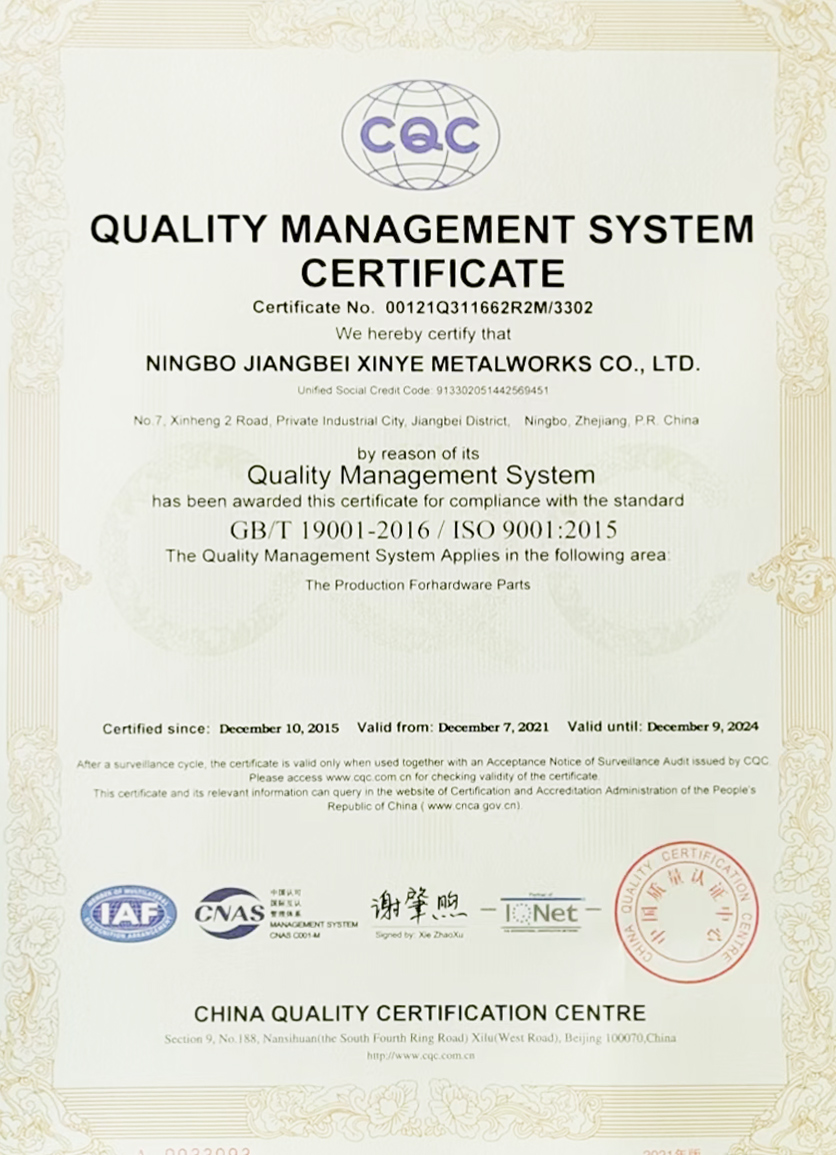
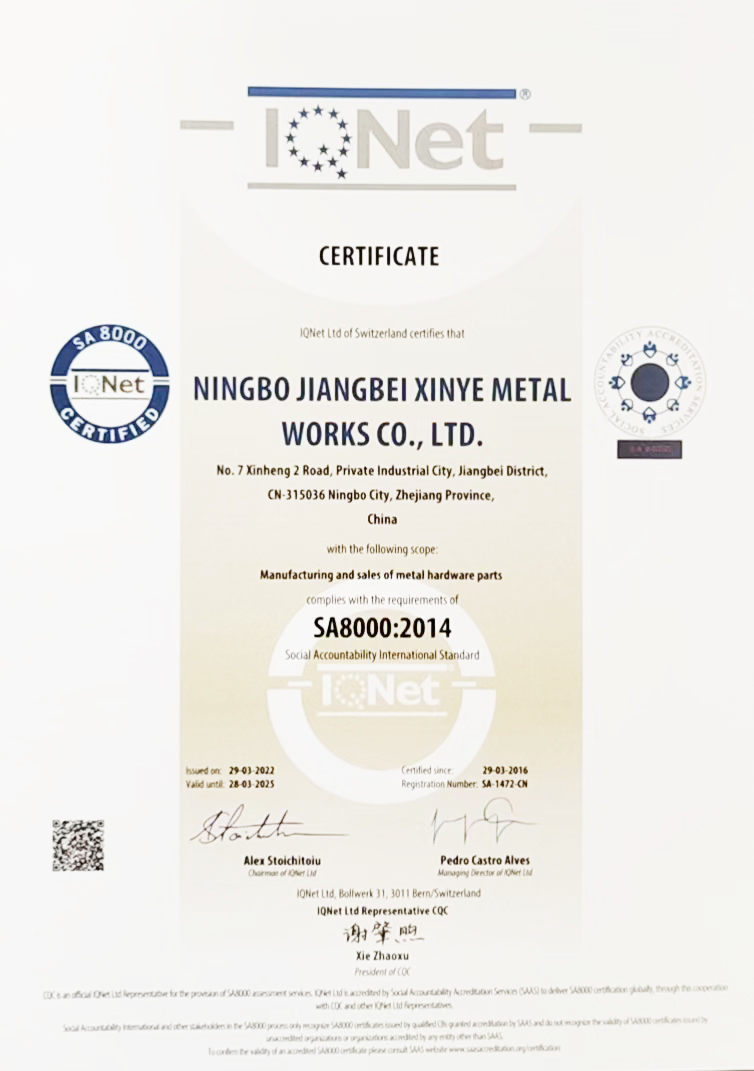
Navigating cross-border regulatory systems requires structured quality frameworks. XinYe addresses strict western environmental and safety regulations through compliance validation:
Year Established
Production Floor Space
Engineering & Production Staff
Technical Model Patents
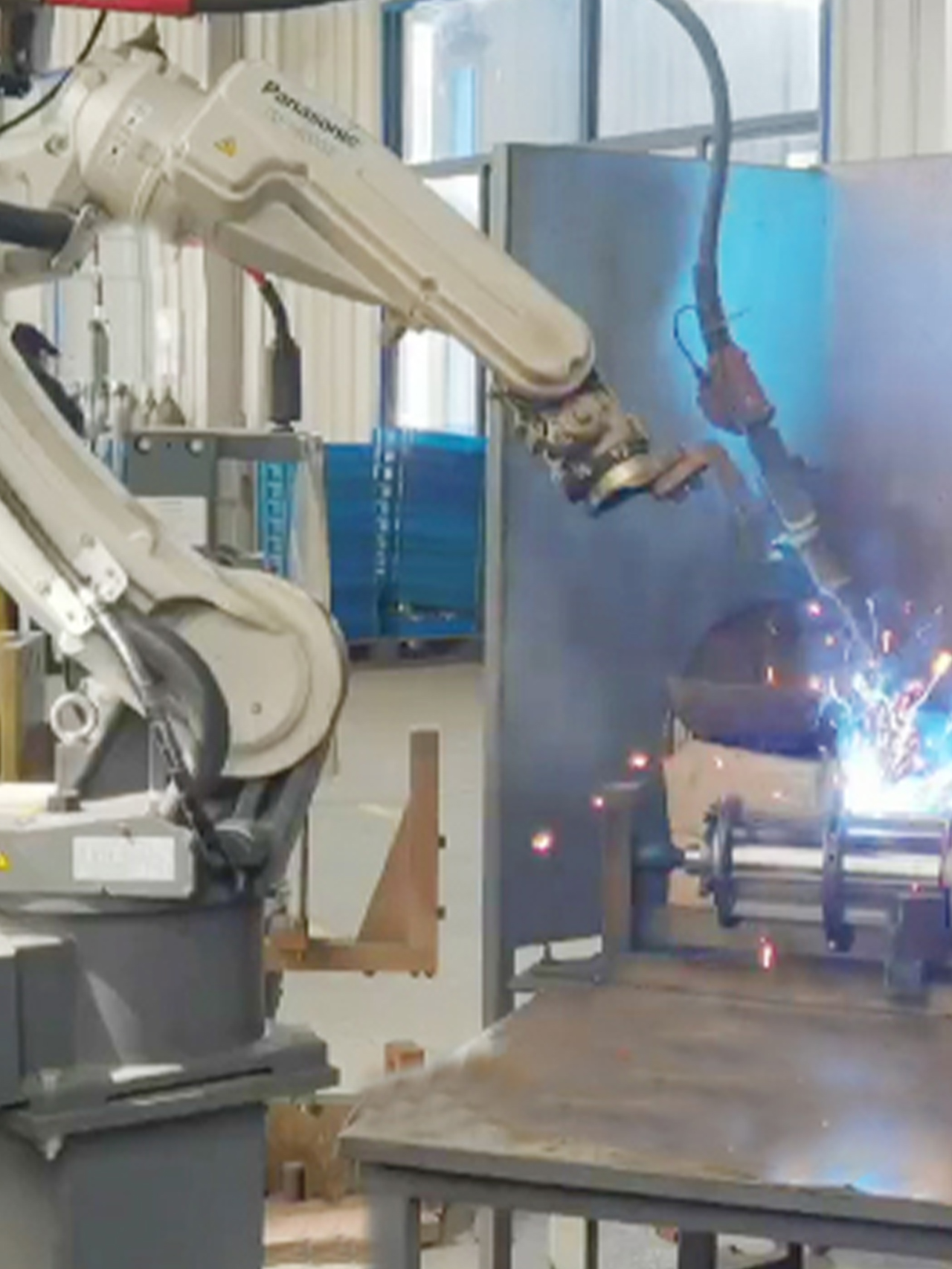
Leveraging advanced machinery imported from Japan and custom toolmaking techniques to shape metals with absolute fidelity.
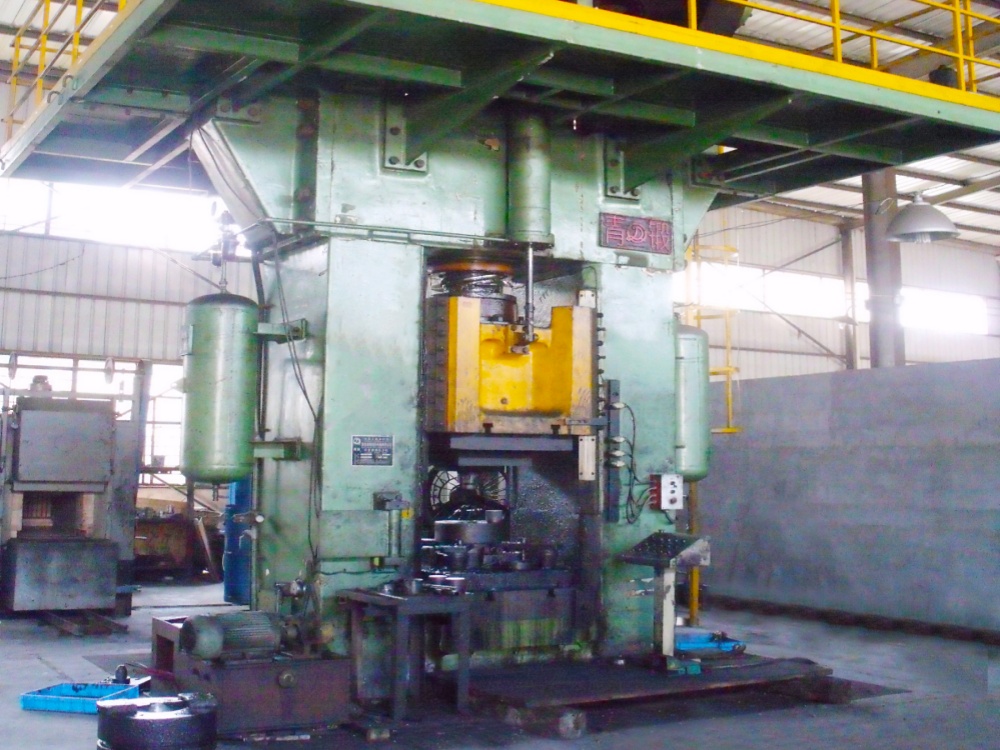
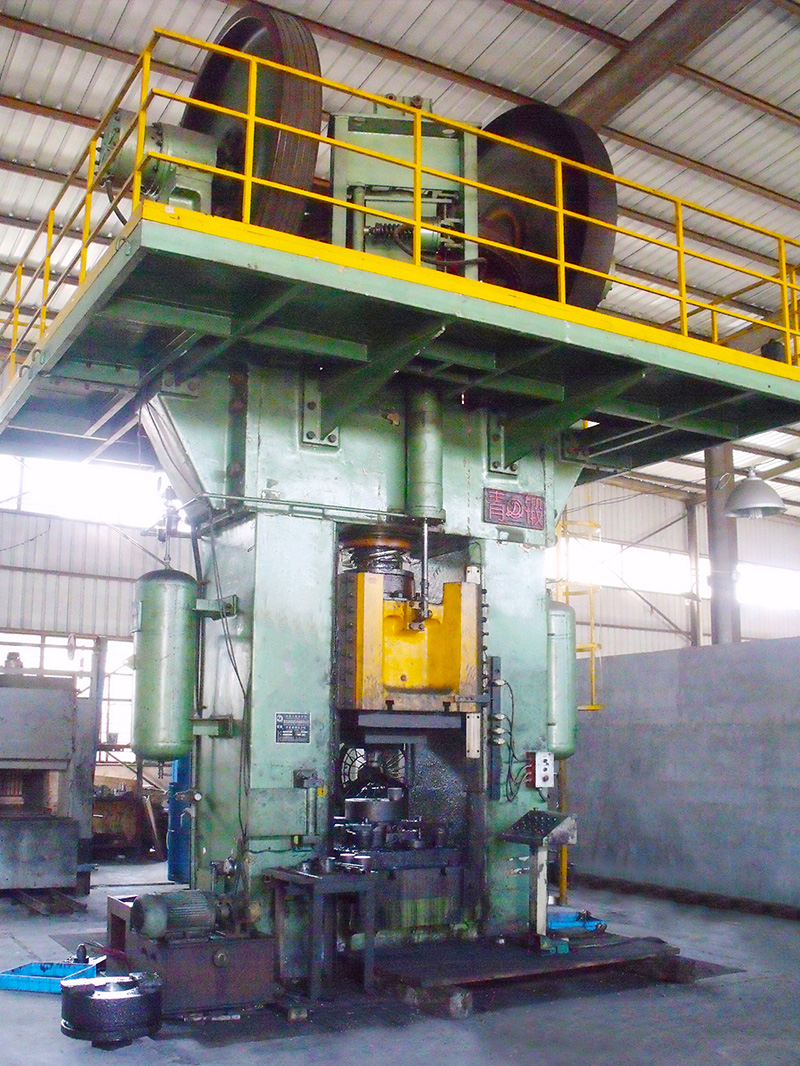
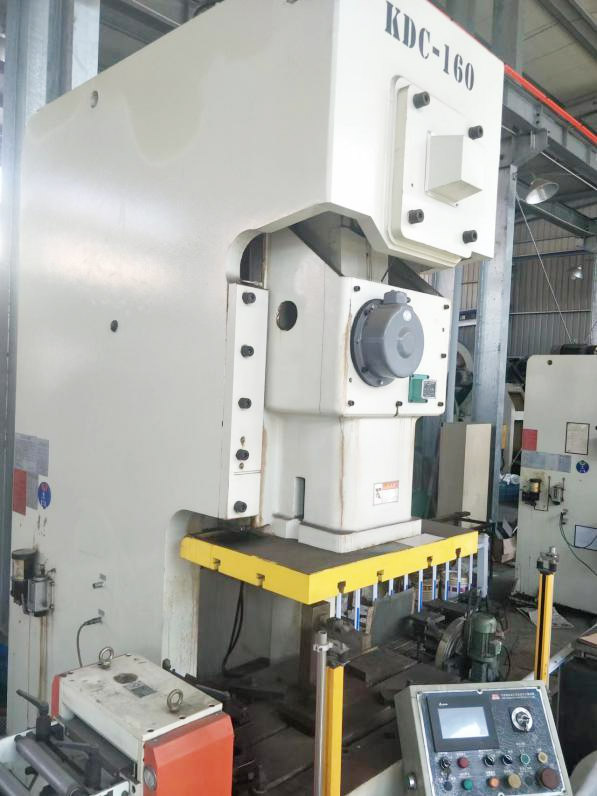
Our floor features high-tonnage friction presses (300T to 1,000T capacity) and column hydraulic systems (100T to 630T capacity). Ideal for structural aluminum parts requiring grain alignment and high impact resistance.
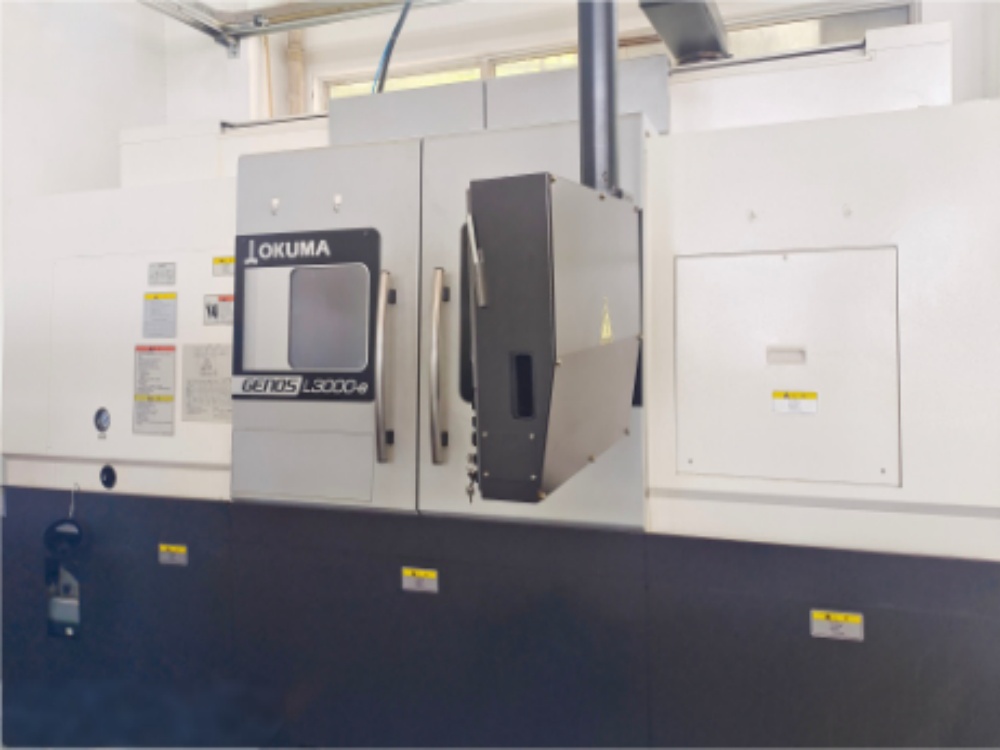
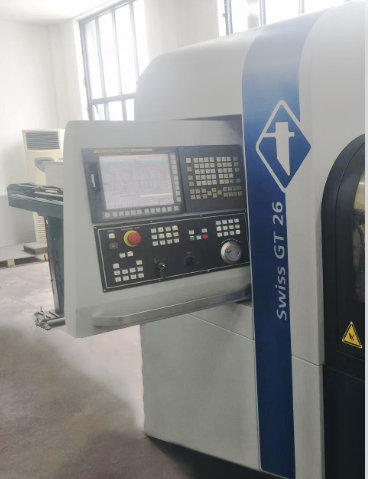
Equipped with state-of-the-art CNC turning and milling machinery. We achieve tolerances as tight as 0.001mm, allowing post-extrusion detailing such as counterbores, localized pocketing, and high-precision slots.
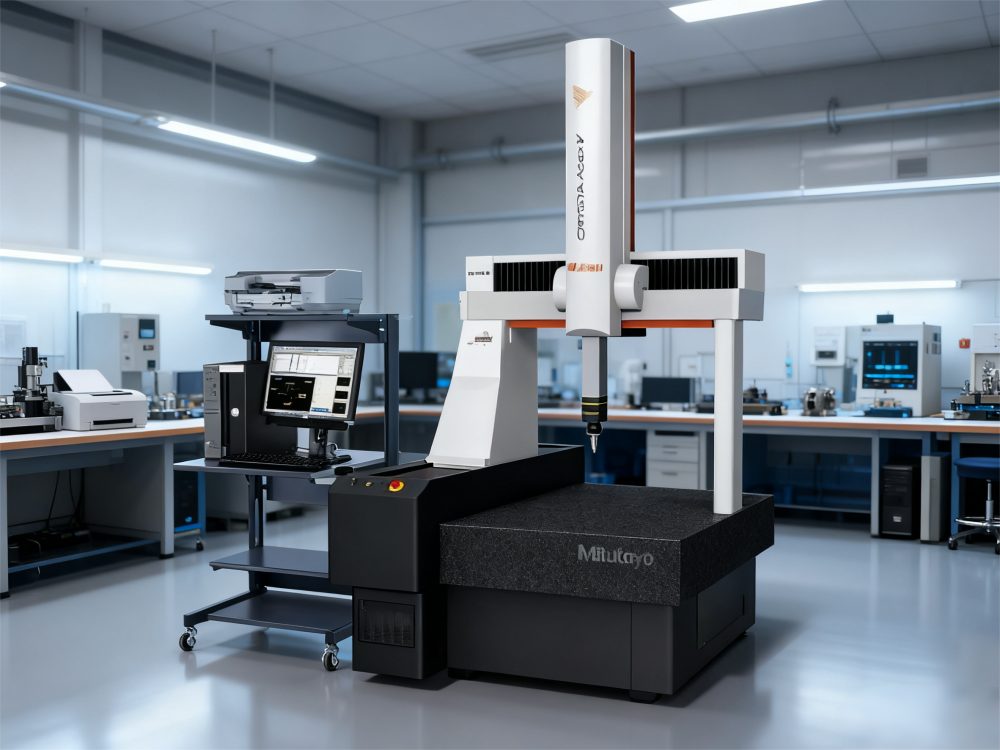
We maintain an in-house laboratory housing modern instrumentation, including spectrometer analysis for alloy composition verification, rough-meters, CMMs, and tension/compression testers.
Take a virtual walk through our state-of-the-art factory and see how we turn raw material into finished industrial-grade components.
Ningbo Xinye Corporate Video Overview
Advanced TIPAS Machine Process
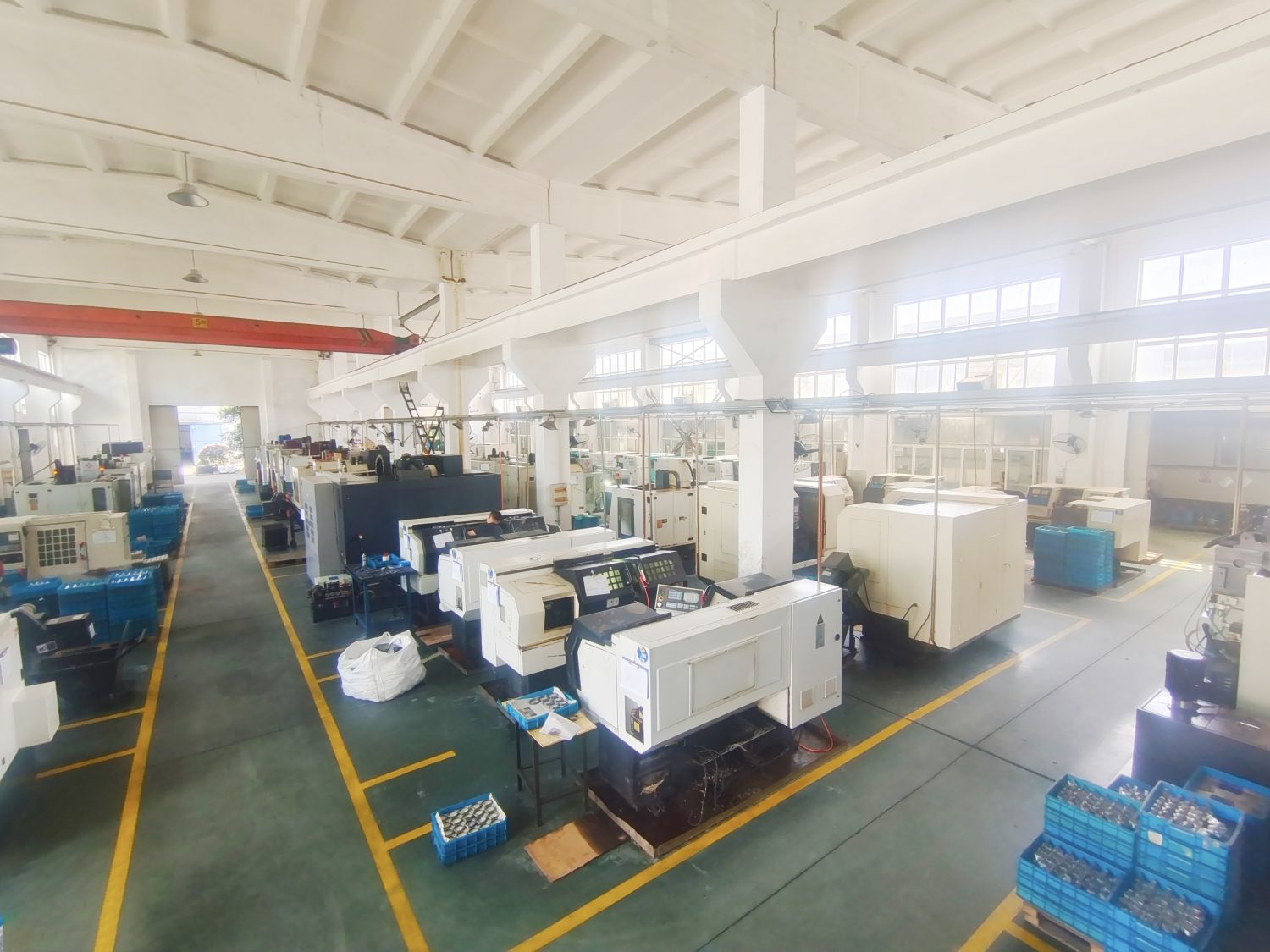
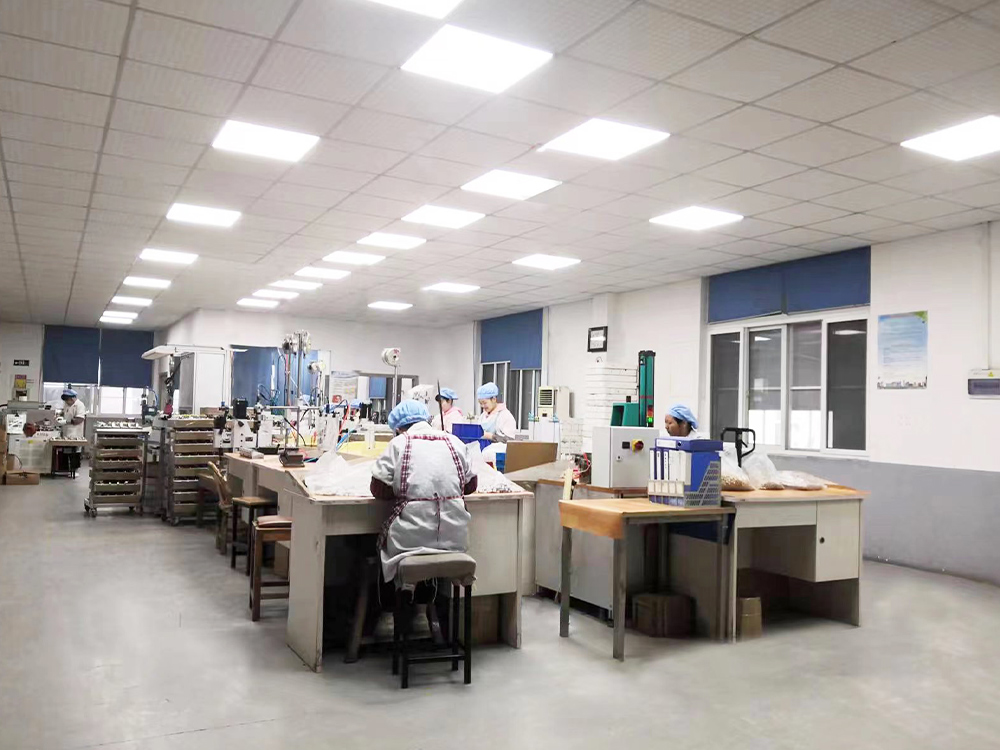
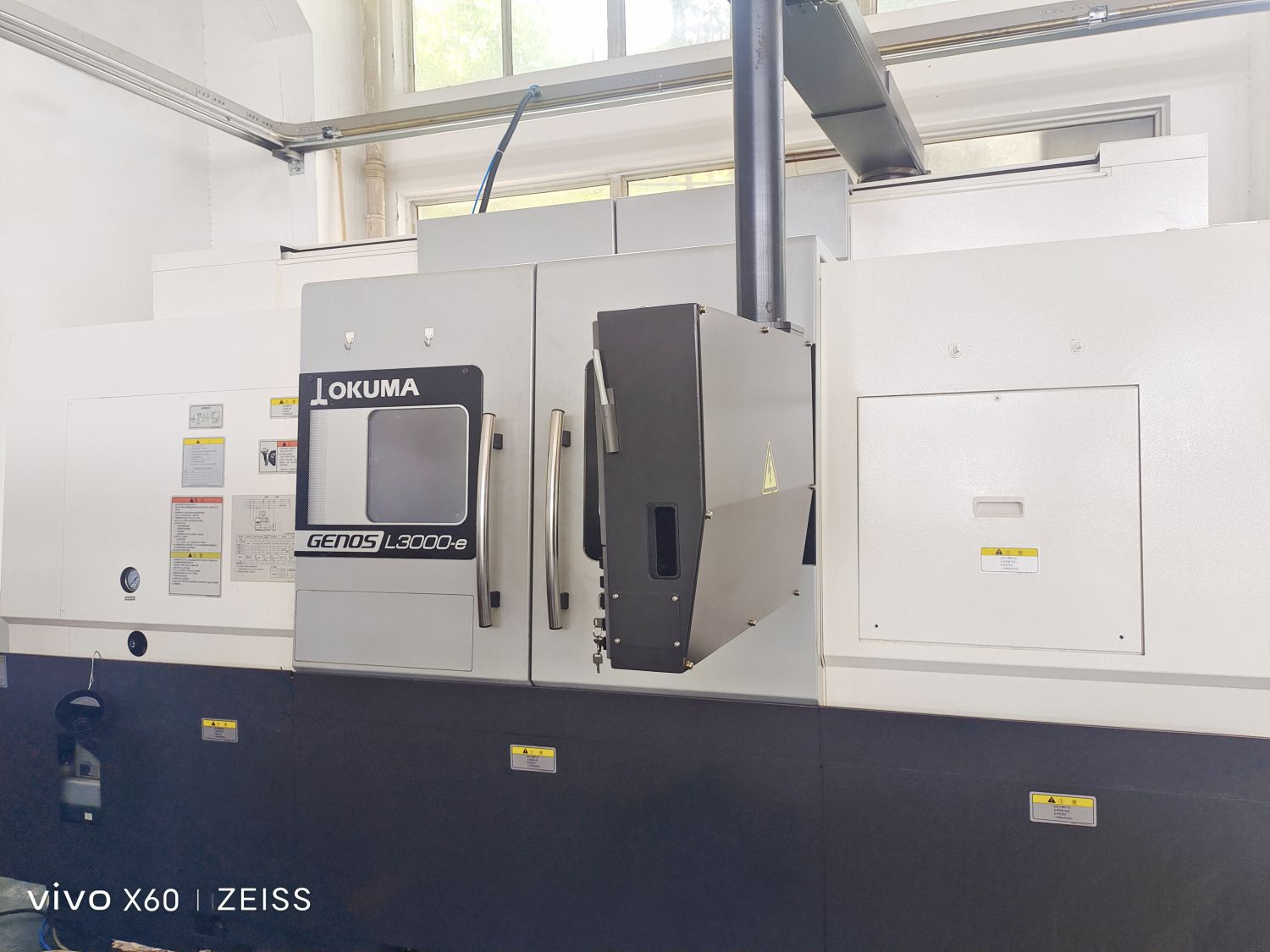
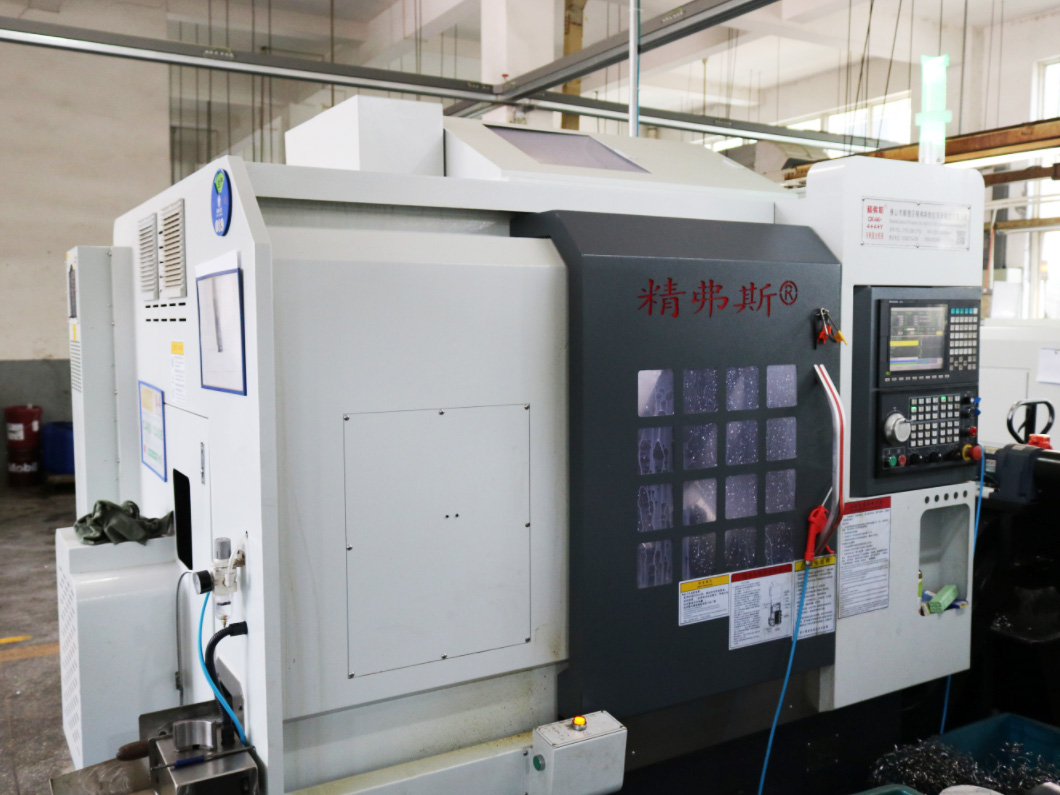
Every process step is documented, and every component measured to achieve zero-defect compliance with ISO 9001:2015 specifications.
Raw Material Inspection: We verify all incoming alloy billets for elemental purity using emission spectrometry before extrusion or forging, ensuring compliance with RoHS standards.
In-Process Control (SPC): Shop floor operators utilize coordinate measurement gauges and optical profile projectors at regular intervals to maintain tight mechanical parameters.
Final Non-Destructive Testing: Before dispatch, parts are subjected to hard checks, roughness testing, and CMM scans to verify complex geometric tolerances.
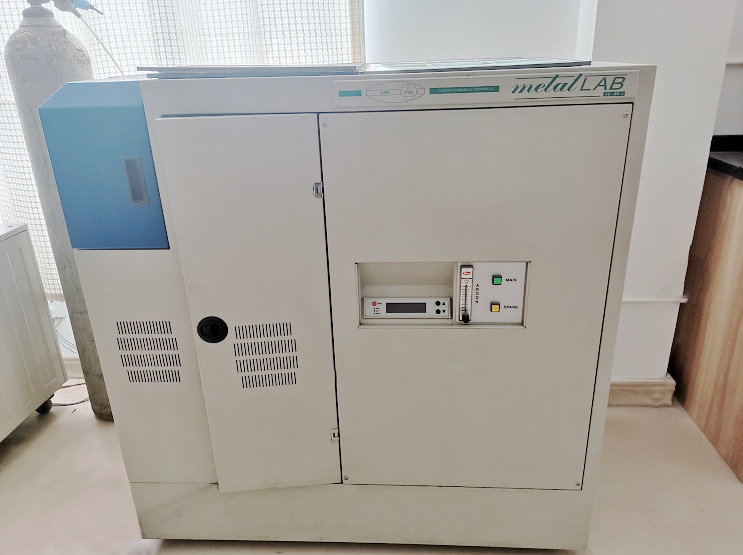
Validates raw material alloy properties, ensuring composition levels match engineering specifications perfectly.
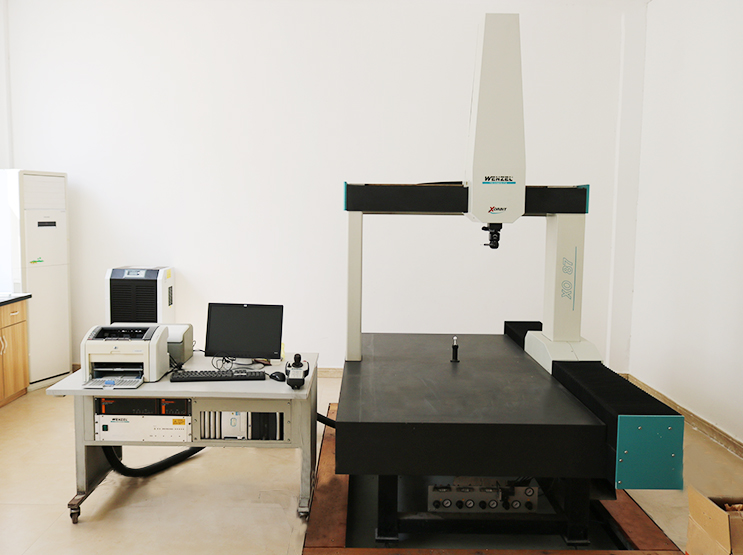
Enables 3D dimensional validation of intricate features with sub-micron precision mapping.
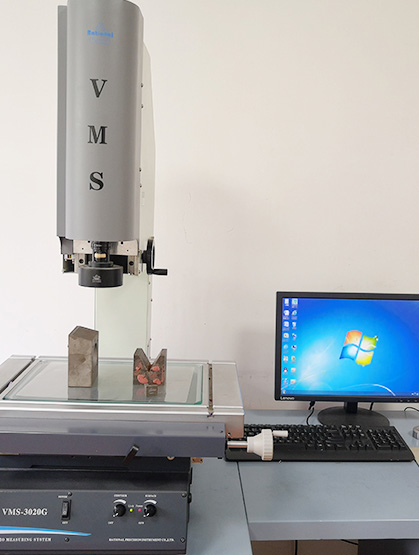
Utilizes non-contact industrial optical sensors to capture complex geometries and edge properties.
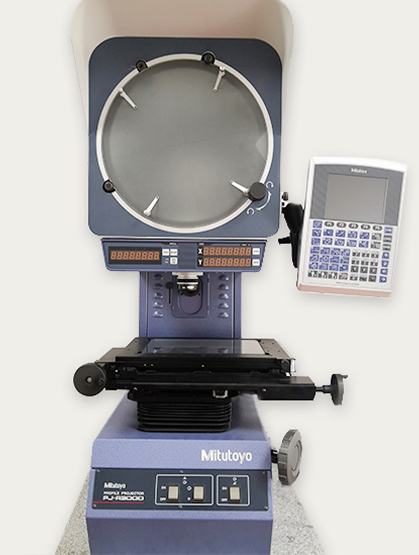
Secondary optical layout for rapid verification of dimensional details on flat stampings and profiles.
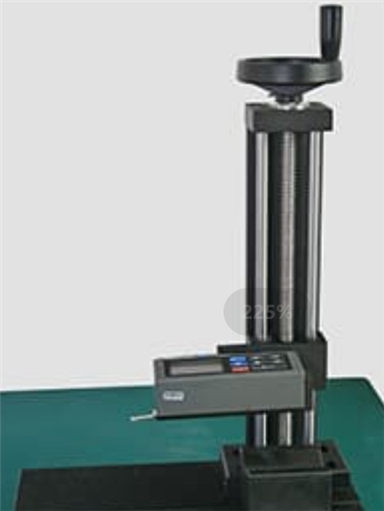
Ensures that specialized anodized, polished, or machined surfaces meet strict Ra profile specifications.
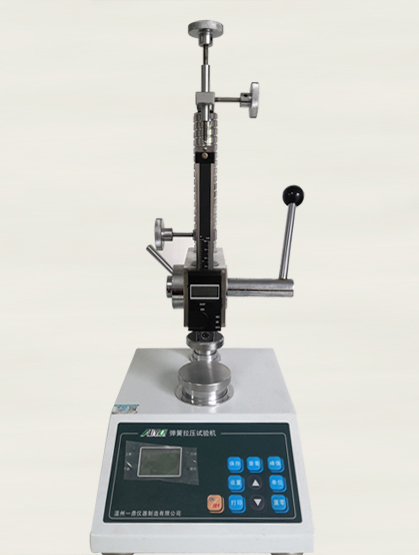
Validates mechanical resistance and stress load capacities of critical structural components.
From aerospace components to safety enclosures, discover how we support global businesses across diverse industrial landscapes.
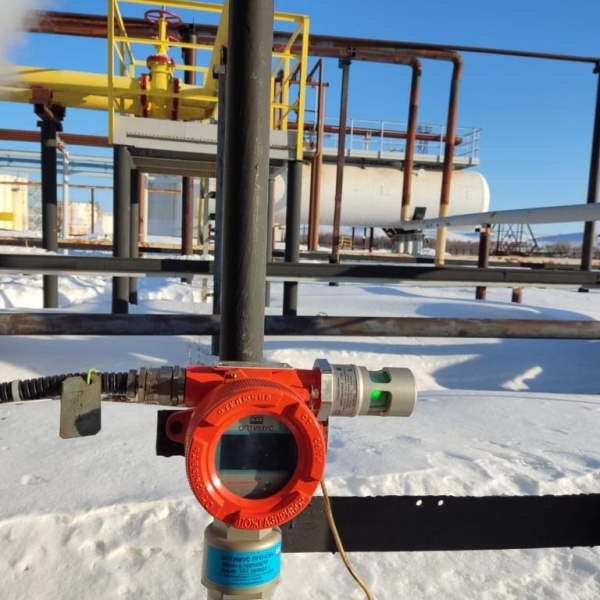
High-integrity structural brackets and joint blocks manufactured through integrated forging and precision CNC machining, providing performance under high structural loads.

Durable components for e-bike powertrains, including complex frame junctions, connection tubes, brake levers, and precision transmission housings with strict tolerance limits.
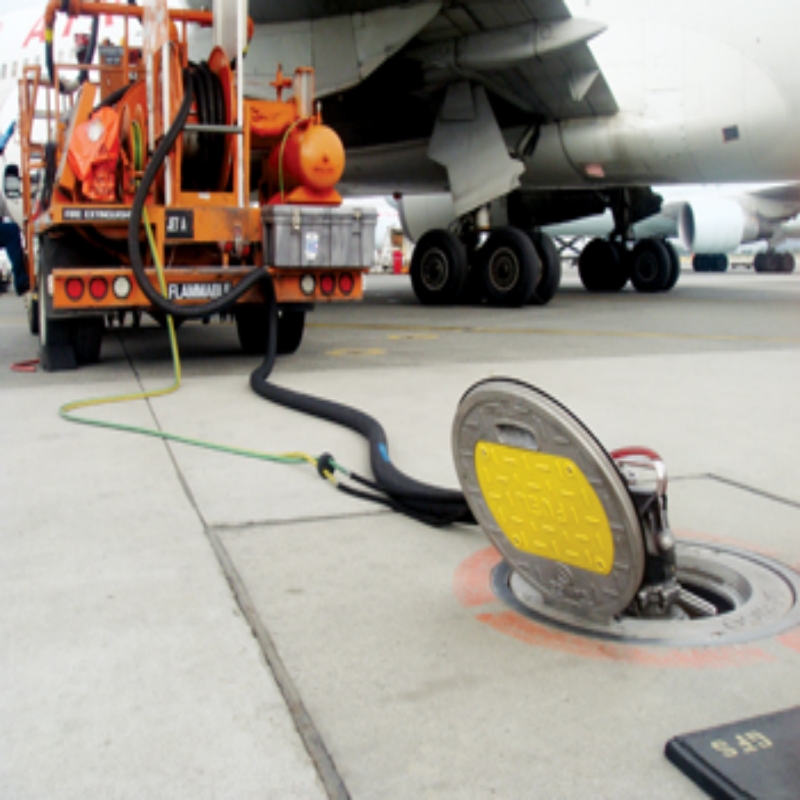
Specialized aviation fuel hydrant pit boxes, hinge brackets, transmission components, and turbine inlet parts engineered to survive chemical corrosion and mechanical pressure.
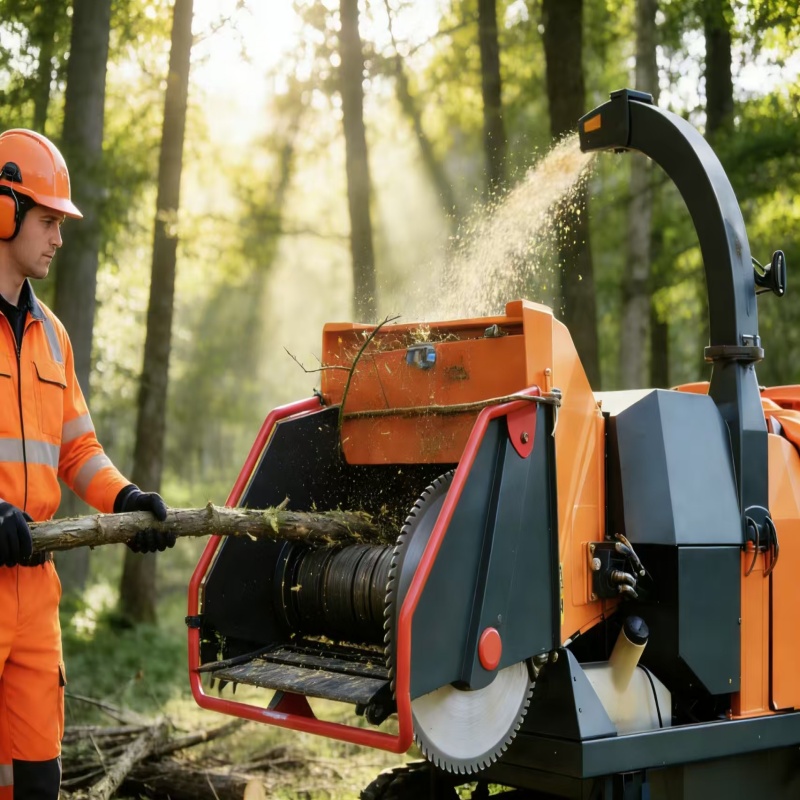
Heavy-duty, wear-resistant feed rollers and wood chipper cutter discs designed to withstand high impact forces and constant industrial grinding cycles.
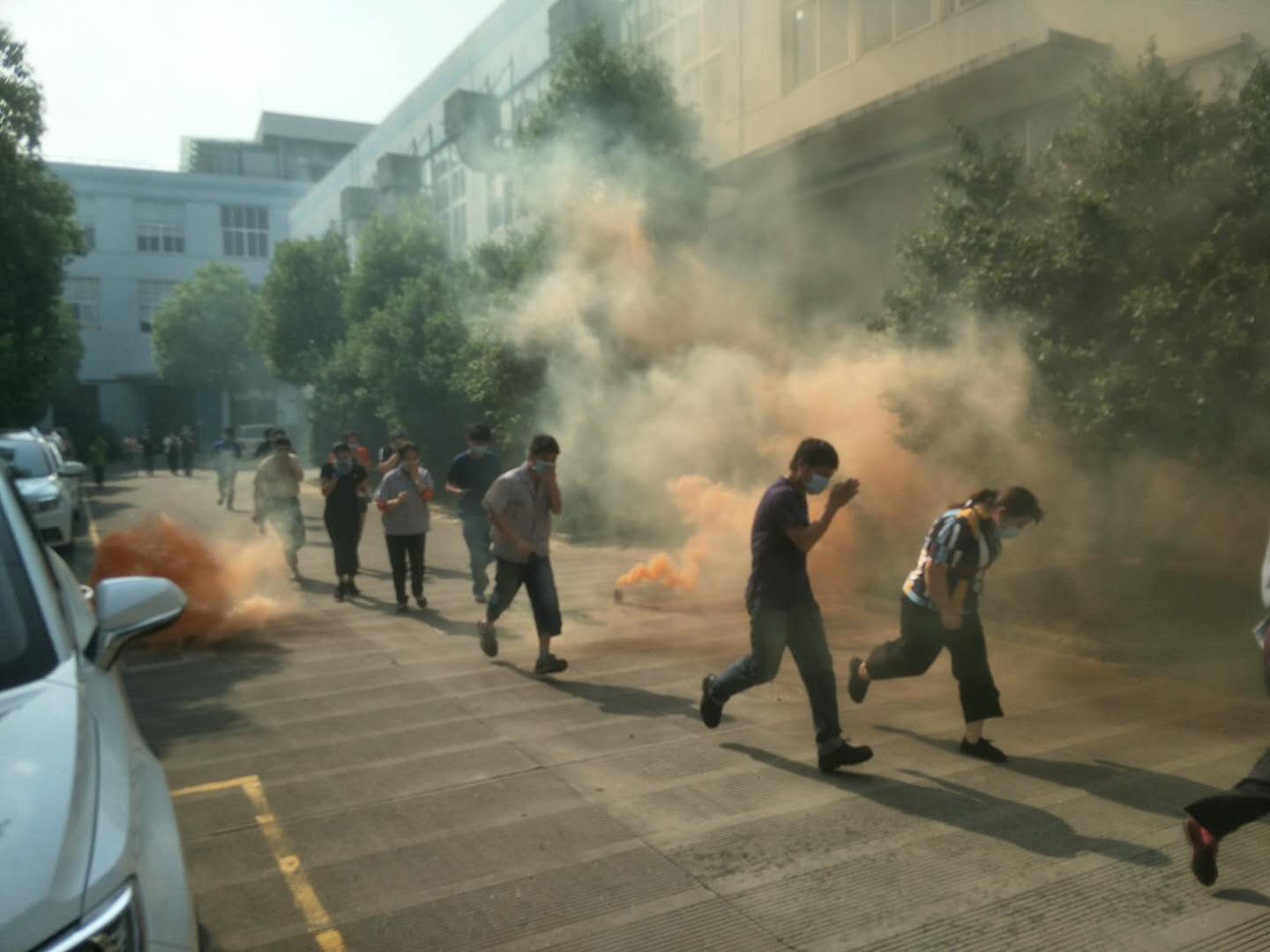
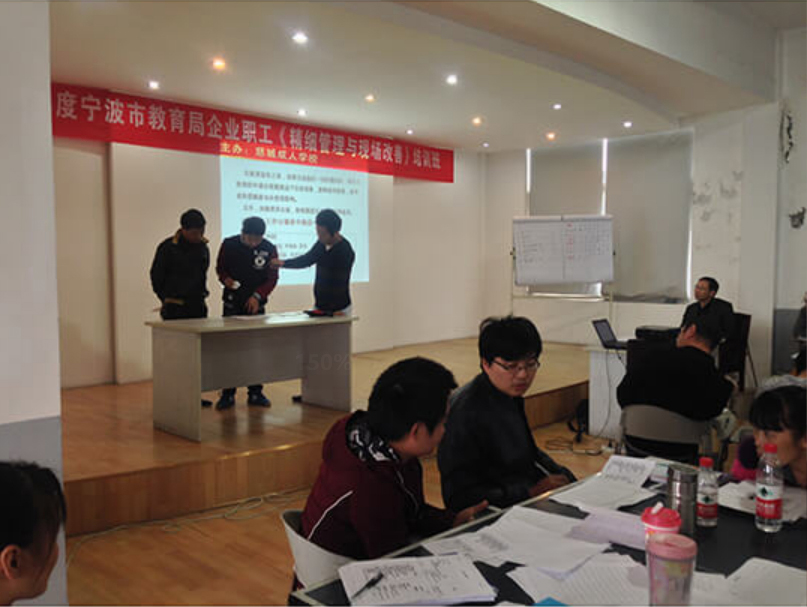
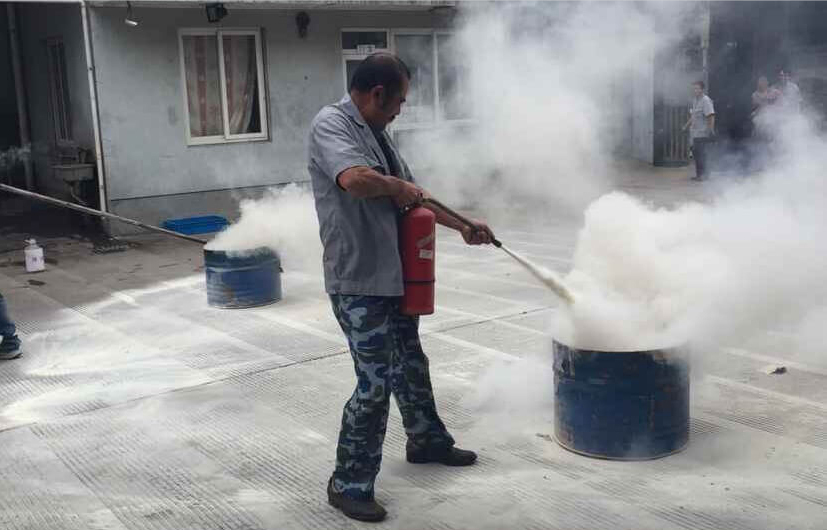
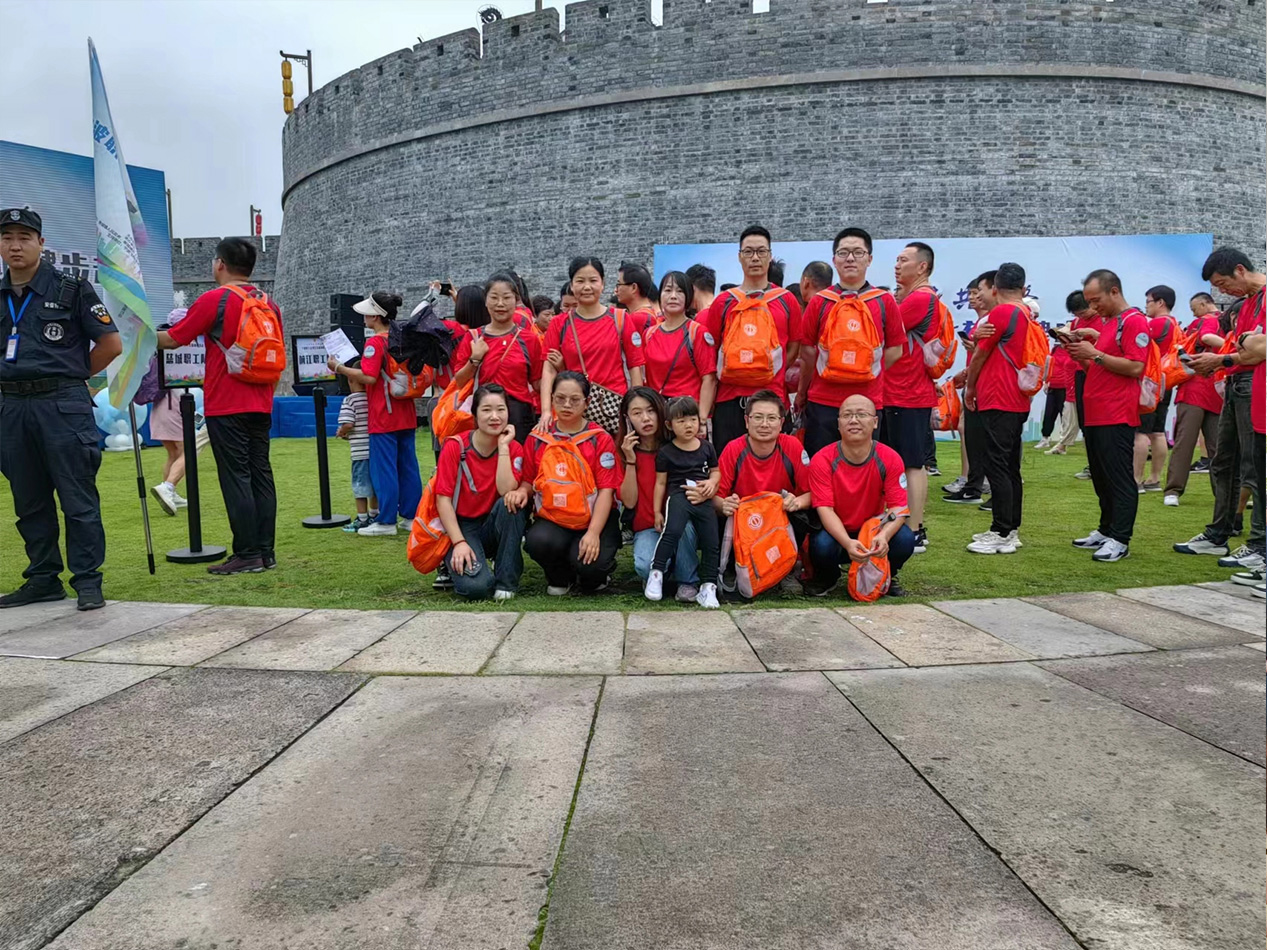
At XinYe, we believe that high-quality production equipment is only as good as the operating culture behind it. We manage our shifts dynamically to meet aggressive shipping dates: by default, our facilities run 16 hours a day, 6 days a week. When customers request high-volume run accelerations, we can transition to a full 24/7 operating cycle within 30 days.
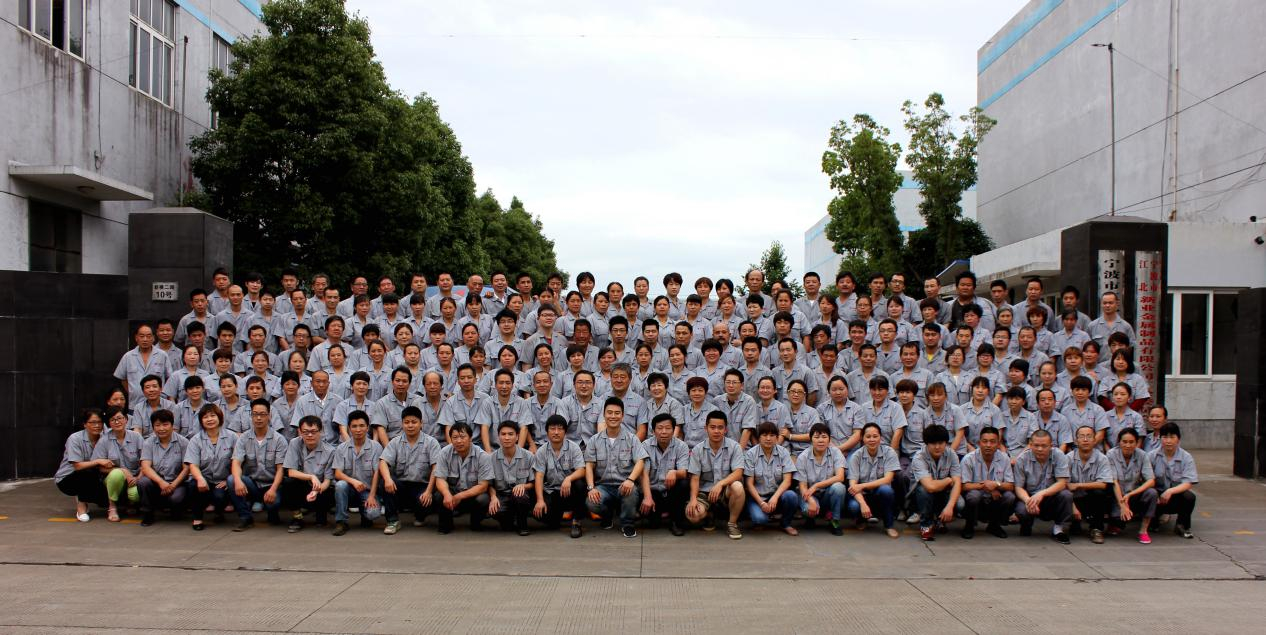
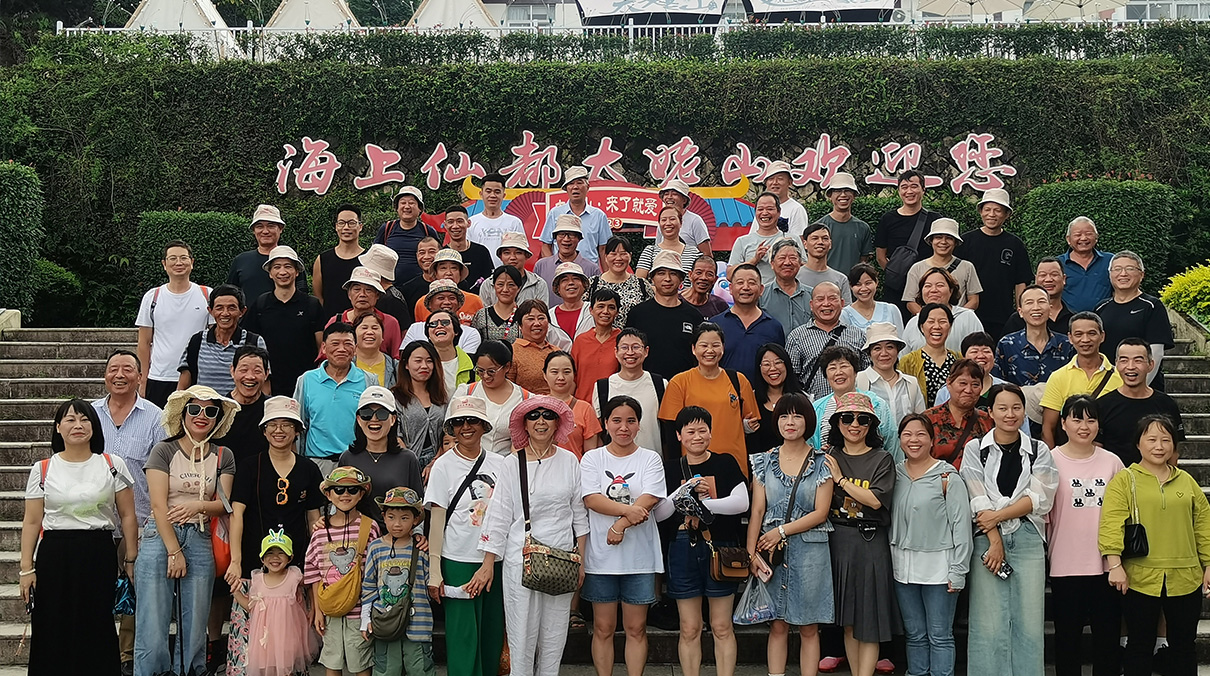
From initial CAD receipt to international freight management, we maintain absolute control over the production timeline.
The client shares CAD drawings (IGS, STEP, DWG) outlining key dimensions, tolerances, alloy properties, and surface finish needs. Our DFM (Design for Manufacturing) specialists evaluate tool access, extrusion ratios, and structural integrity to recommend cost-saving production steps.

Our machine shop fabricates custom extrusion dies and tooling components. We run test extrusions to verify shape accuracy, check dimensional bounds, heat-treat the raw parts, and then deliver pre-production samples accompanied by detailed CMM inspection reports for initial client approval.



The client tests the physical prototypes within their assemblies. Any mechanical modifications, surface adjustments (such as anodizing density or polishing finish), or tolerance shifts are updated in our production routing sheets.


Once prototypes are approved, we schedule bulk manufacturing. Extrusion profiles are pressed, stretched to relieve internal stress, cut to exact lengths, CNC machined if needed, and run through surface treatment baths. Operators conduct periodic dimensional and mechanical checks at predetermined control gates.

Finished components are routed to our dedicated assembly workshop for final inspection and sub-assembly. We package products using custom wooden crates or shock-absorbing wrappers to prevent damage during sea transport.


Clear, engineering-focused answers regarding technical specifications, commercial terms, and global supply logistics.
Our extrusion pricing is structured based on a formula: raw metal base cost (linked to London Metal Exchange or Shanghai Metal Market index prices at the time of order) + fabrication cost + packaging + shipping. Prices remain fixed for the duration of a contract term but are subject to adjustments for spot orders when market raw material costs fluctuate significantly.
For custom profiles requiring dedicated extrusion dies, we typically set a minimum order quantity (MOQ) of 500 kg to 1 ton per profile type, depending on alloy classification and profile dimensions. We support lower production runs during the initial sample phase to help clients complete structural validation tests.
Yes. We supply comprehensive documentation packages for international shipments, including Certificates of Analysis/Conformance (CoA/CoC), REACH & RoHS compliance declarations, material composition reports verified by our spectrometer, and country-of-origin documentation for tariff clearance.
Custom die fabrication and initial pre-production sample output typically take 7 to 10 days. Mass production averages 20 to 30 days once samples are approved and deposit payment is cleared. Timelines depend on geometry complexity and required post-processing (e.g., CNC machining or anodizing).
We accept secure wire transfers (T/T), L/C structures for large scale production runs, and PayPal/Western Union for tooling/sample orders. Our standard payment schedule is a 30% deposit to initiate die fabrication and production planning, with the remaining 70% balance payable against B/L copy presentation.
We guarantee that all materials match chemical specifications and that physical dimensions fall within agreed-upon drawing tolerance boundaries. Should any batch arrive out of specification, our quality engineering team will analyze the trace documentation and arrange replacement batches or issue credits according to our ISO 9001 quality pledge.
Yes. Extruded profiles are separated using interleaving foam to protect surface finishes from abrasion. Profiles are secured in strong, metal-strapped wooden crates or heavy-duty cardboard boxes designed to prevent deformation during crane transfers, container stacking, and long-term ocean shipping.
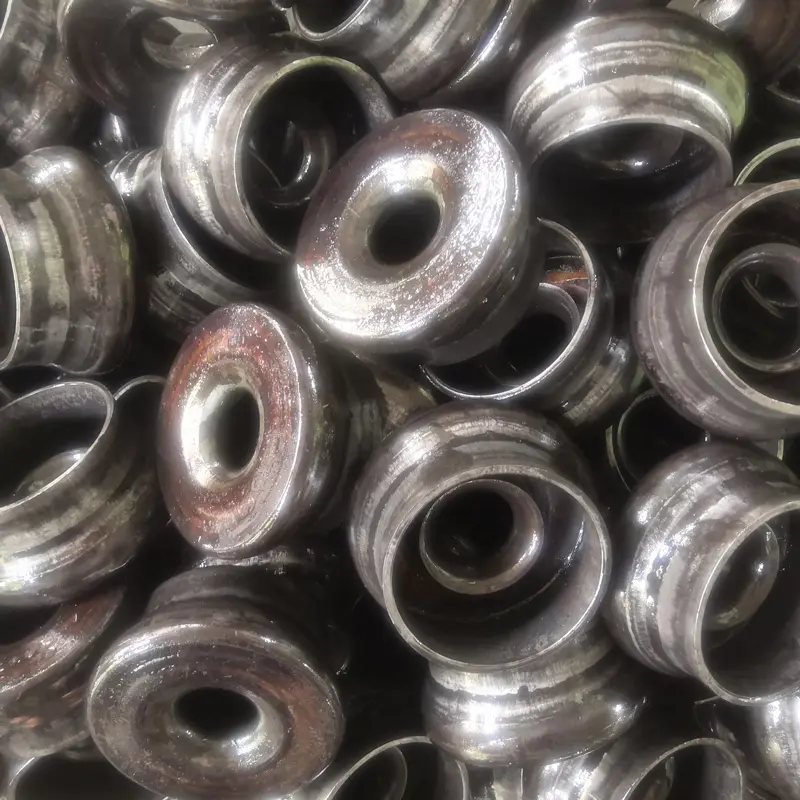
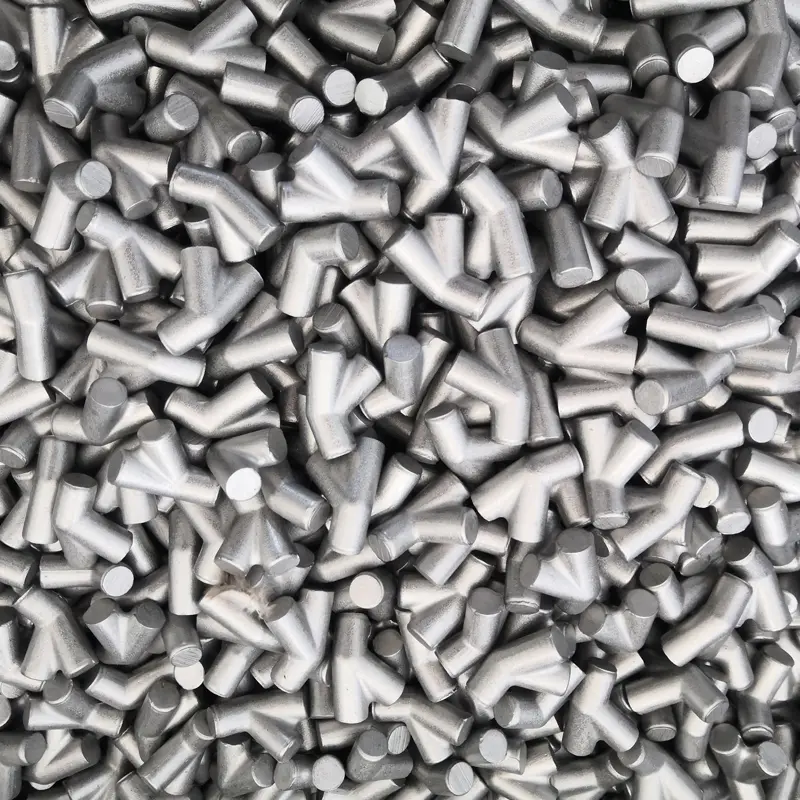
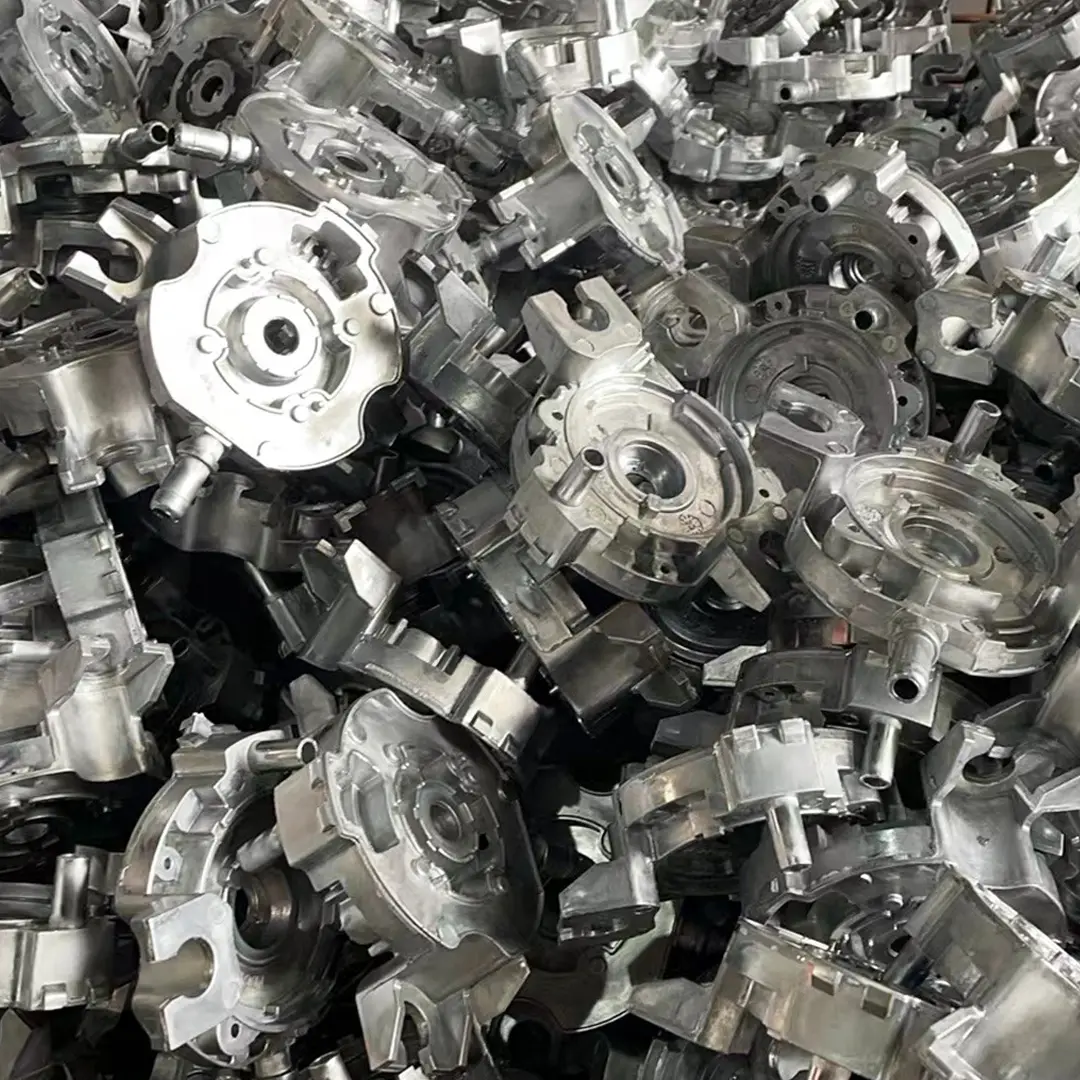
Explore our full line of metal components. Click through to view technical specifications and custom parameters.
 XinYe Metal