Explore our core engineering capabilities and custom metal manufacturing lines.
How lightweight engineering, electro-chemical performance, and strategic sourcing define the modern supply chain.
Clear anodizing is a fundamental manufacturing process that enhances the properties of aluminum substrates. Industrially known as natural anodizing or colorless anodizing, this electrochemical process thickens the natural oxide layer of aluminum components. It does not apply a topical paint layer; instead, it transforms the surface metallurgy of the alloy into a highly integrated, wear-resistant layer of aluminum oxide (Al₂O₃).
Globally, the commercial and industrial demand for clear anodized aluminum is experiencing a major expansion. Key sectors such as automotive manufacturing, aerospace structures, high-performance electronics, and renewable energy depend heavily on the unique properties of this material. The transition toward electric vehicles (EVs) has accelerated the need for light-weight structural components, and clear anodized surfaces provide the necessary corrosion resistance and electrical insulation without adding weight.
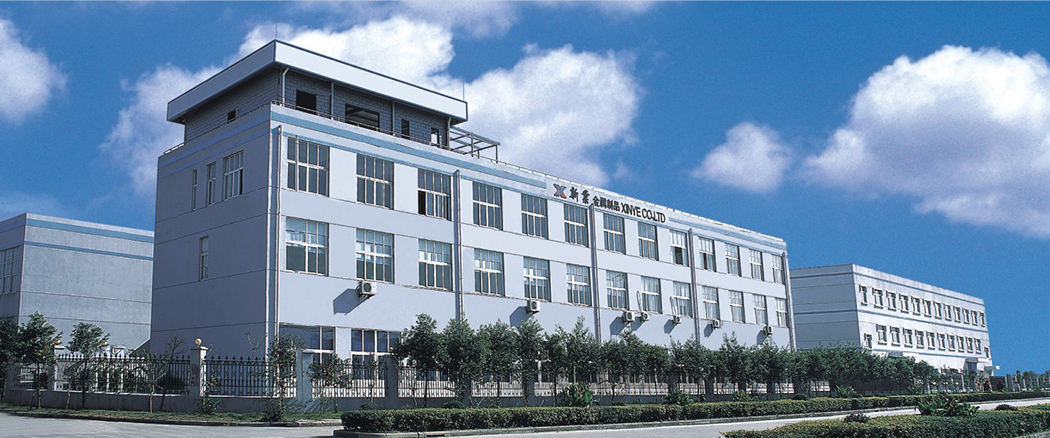
By sourcing from specialized Chinese manufacturers like Ningbo Jiangbei XinYe Metal Works Co., Ltd., global buyers gain access to integrated manufacturing solutions. We manage the entire lifecycle of your components—from raw alloy selection and precision CNC machining, forging, and stamping, to final electro-chemical clear anodizing and testing—all within our ISO-certified facilities.
Understanding coating thickness, hardness, and process parameters for mission-critical applications.
| Anodizing Class / Type | Typical Film Thickness (µm) | Primary Industrial Application | Key Performance Characteristics |
|---|---|---|---|
| Type I (Chromic Acid Anodizing) | 0.5 – 5.0 µm | Aerospace fatigue critical parts, structural assemblies | Thin protective layer, minimal impact on fatigue strength |
| Type II (Sulfuric Acid Clear) | 8.0 – 25.0 µm | Consumer electronics, automotive trim, medical, marine | Aesthetic preservation, excellent corrosion resistance |
| Type III (Hardcoat Anodizing) | 25.0 – 75.0 µm+ | Military components, high-wear industrial machinery | High hardness (up to 400-500 HV), exceptional wear resistance |
| E-Polish (Electro-polishing) | N/A (Subtractive) | Medical instruments, food processing machinery | Super-smooth surface finish, maximum cleanliness, low roughness |
We maintain precise control over the sulfuric acid concentration (typically 15% H₂SO₄ by weight) and bath temperature (maintained at 18–22°C) to ensure a uniform, transparent oxide film without chalkiness.
For clear anodized finishes, we use hot deionized water sealing or nickel acetate sealing techniques to hydrate the porous anodic layer, ensuring maximum corrosion resistance and color stability.
Different alloys react uniquely to clear anodizing. We specialize in processing extrusion grade 6063, structural grade 6061, automotive structural sheet, and forged aluminum alloys.
Over two decades of precision engineering, advanced production capabilities, and global partnership alignment.
Founded in 1996 as a family-owned metal fabrication business, Ningbo Jiangbei XinYe Metal Works Co., Ltd. has grown into an owner-managed SME corporation. Located in the Ningbo Jiangbei Industrial Zone, our facility is within 3 hours of the Shanghai International Airport via high-speed rail, providing a logistics advantage for international shipping and customer visits.
Our 130-member team includes 80 skilled operators and 50 specialists focused on product development, tooling engineering, quality control, and global supply chain logistics. This technical and operational structure ensures we can support complex engineering projects for global markets, including North America, Europe, and Russia.
Vertical integration across forging, stamping, casting, CNC machining, and surface finishes.
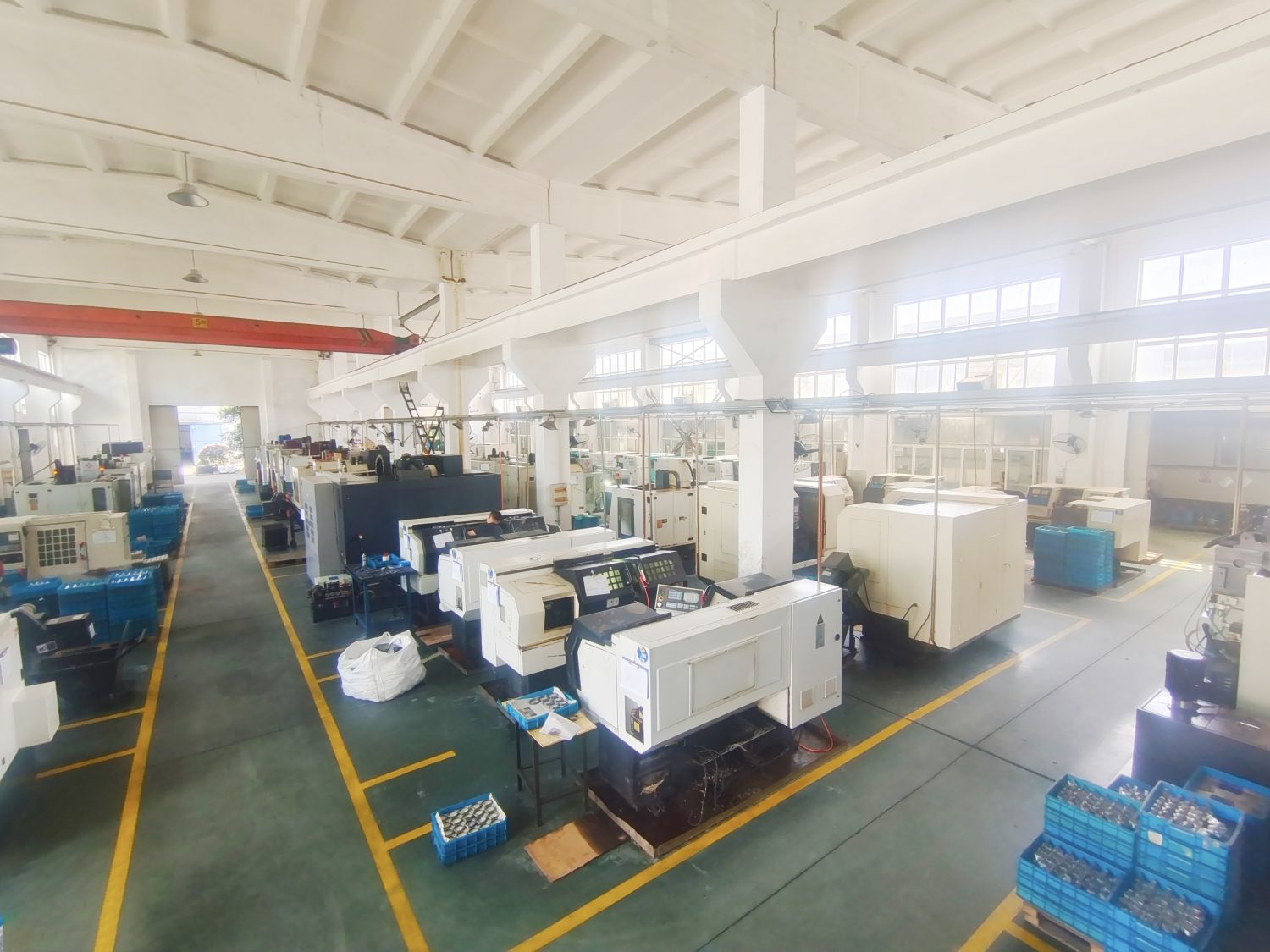
By housing multiple manufacturing techniques in a single facility, we eliminate quality loss and delay issues caused by outsourcing. Our key capabilities include:
Our standard production schedule runs 16 hours per day, 6 days a week. We can adjust to 24/7 continuous operation within 30 days to meet spikes in customer demand.
Traceable, certified, and instrument-backed quality verification.
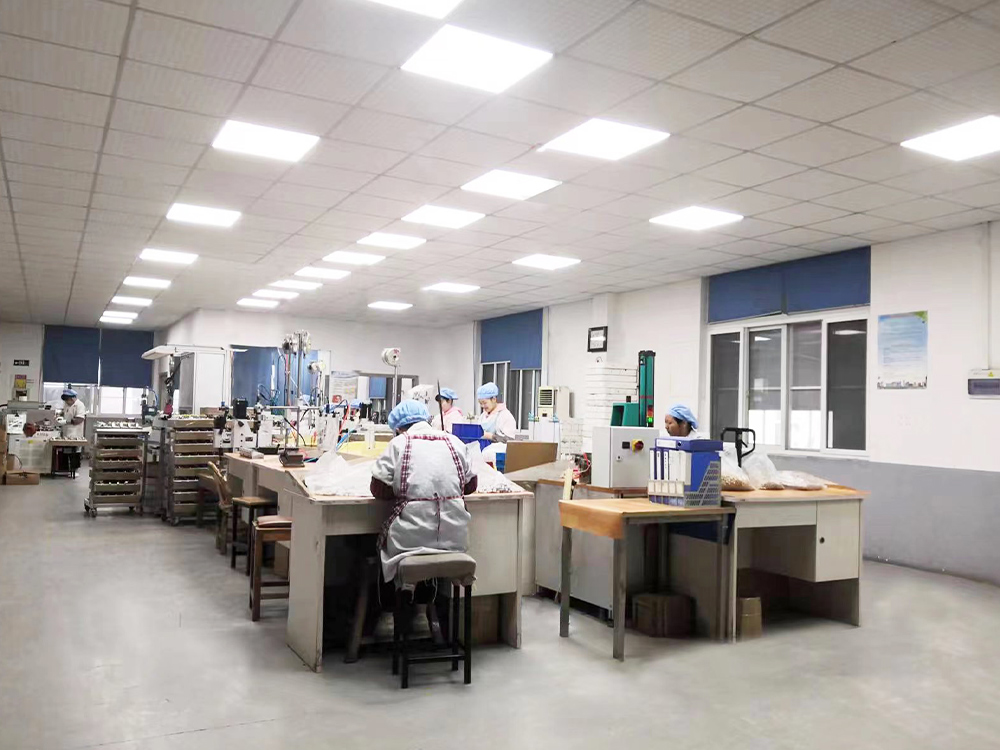
Quality is a core priority at XinYe. Our operations are certified to ISO 9001:2015 and SA8000 standards. From incoming material verification to final surface testing of anodized layers, each step is monitored and recorded for traceability.
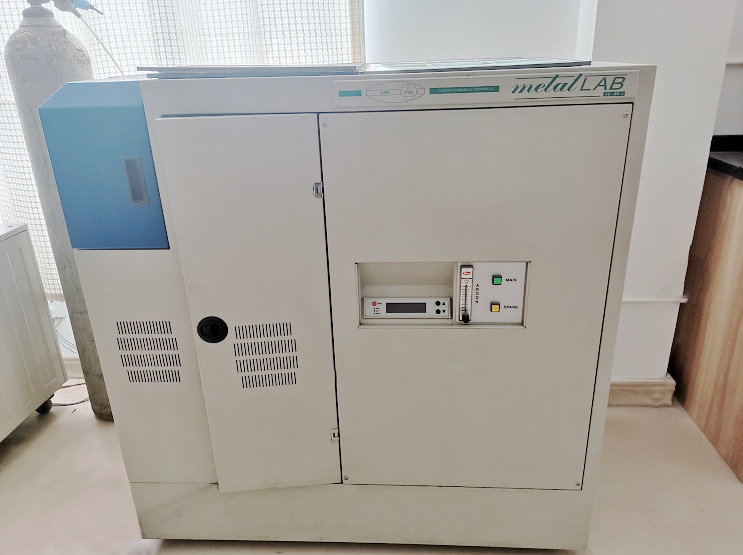
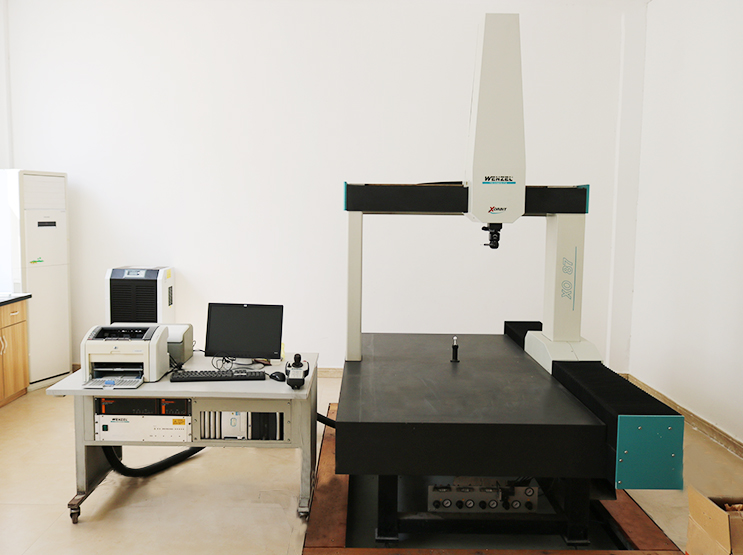
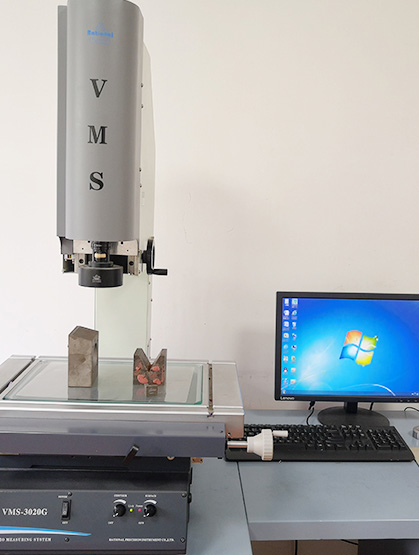
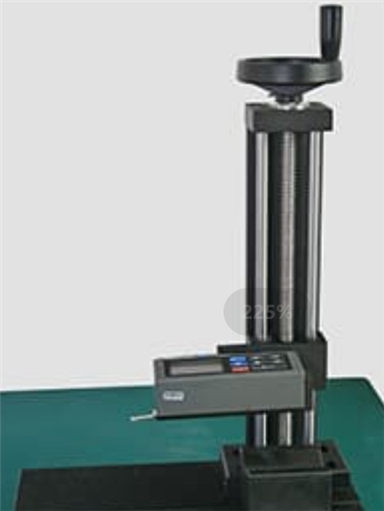
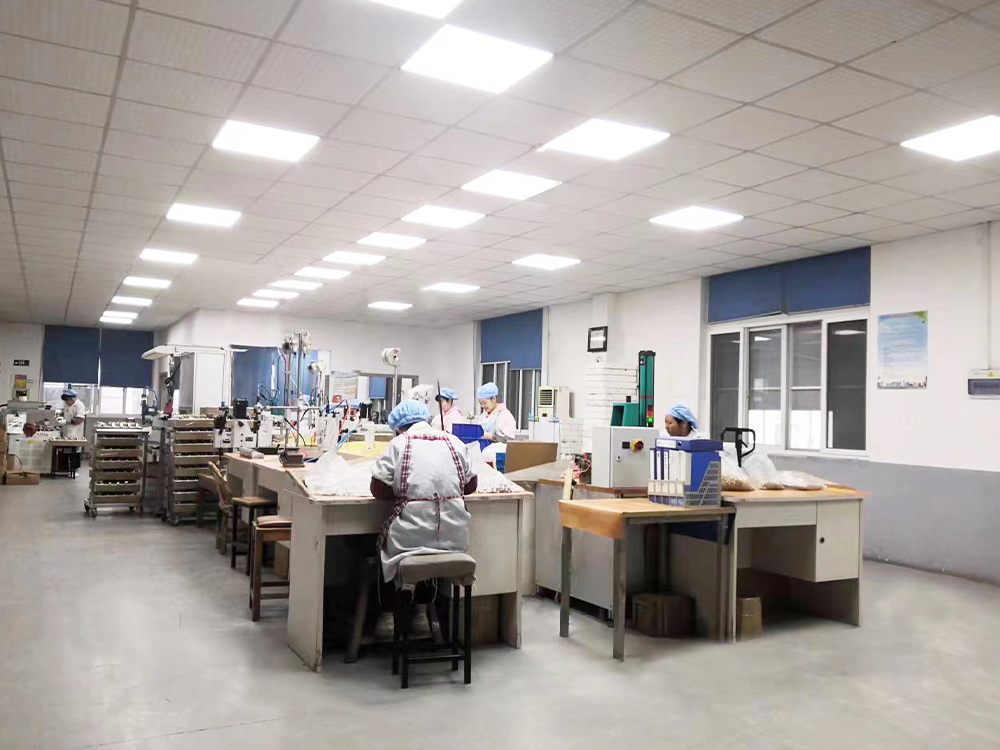
Anodizing quality depends heavily on the grain structure of the substrate. If the raw material contains inclusions or chemical segregation, clear anodizing will highlight these defects rather than covering them up.
We use our GNR Spectrum Analyzer to verify the chemical composition of incoming aluminum billets, ensuring correct iron and silicon ratios. After anodizing, we use eddy-current thickness gauges to verify the oxide film thickness, ensuring compliance with ISO 7599 and MIL-A-8625 Class 1 standards.
Custom component solutions engineered for demanding operating environments.
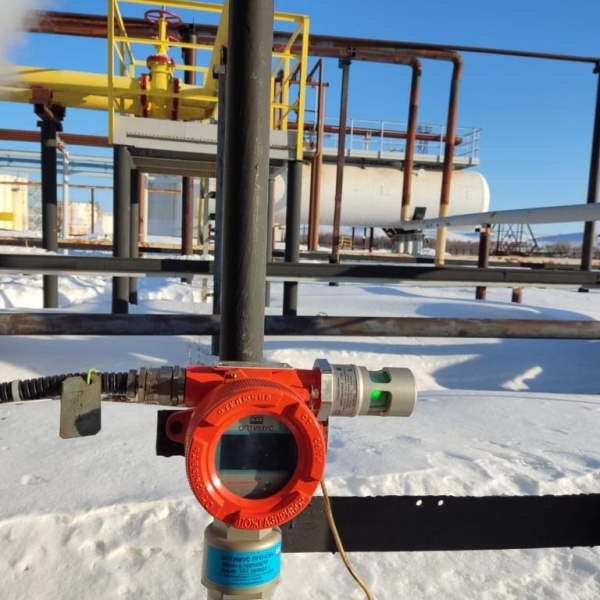
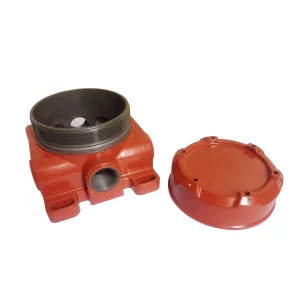
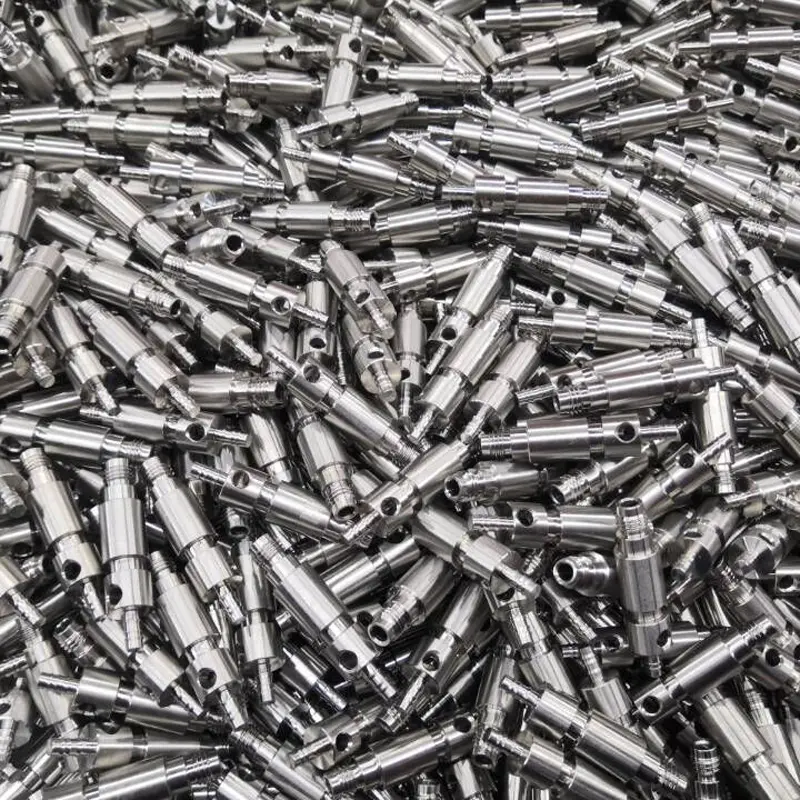
Aplication: Flame sensors, toxic gas detectors, explosion-proof mining enclosures, and fire safety systems.
Material: Aluminum Alloy 6061 / 6063 + Class II Clear Anodizing.
Impact: Provides corrosion resistance in offshore marine atmospheres and petrochemical installations.

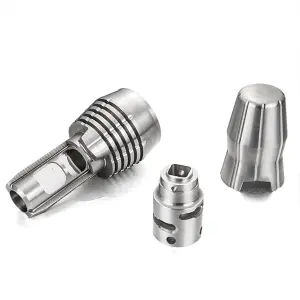
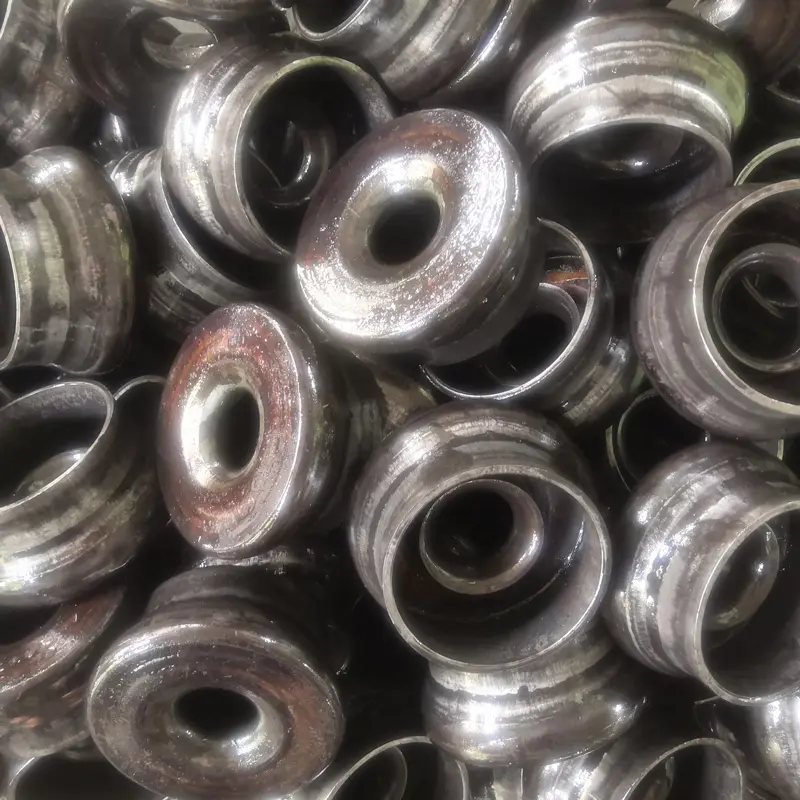
Application: Structural transmission brackets, cooling manifold tubes, and E-bike frame connectors.
Material: Hot Forged 6082-T6 Aluminum with clear chemical seal.
Impact: Achieves high structural strength with a lightweight design, along with galvanic corrosion resistance in assembly.
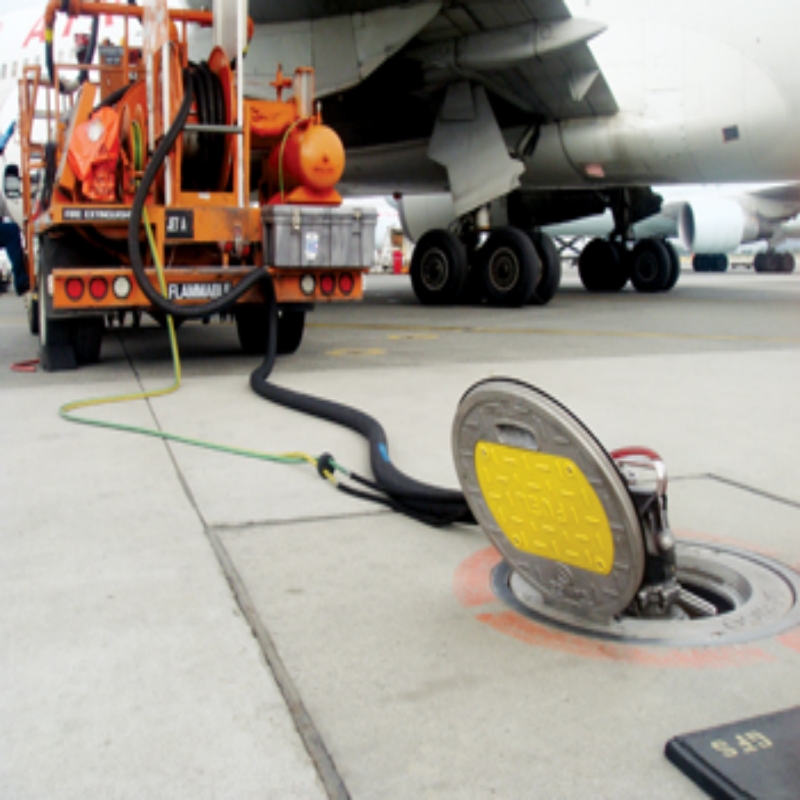
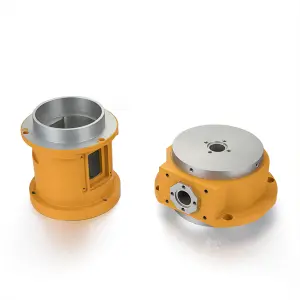
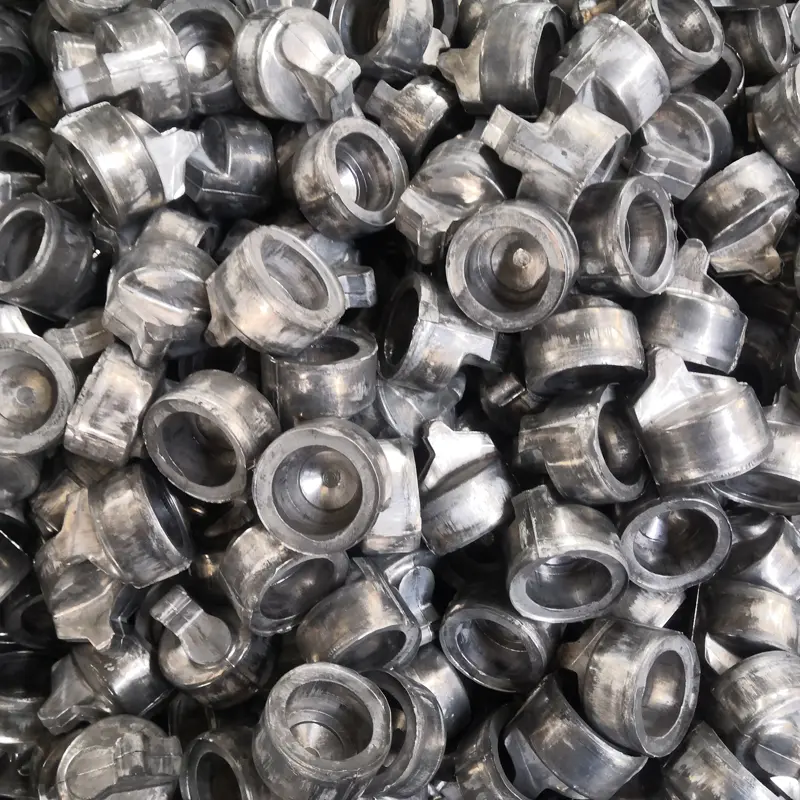
Application: Aviation fuel hydrant pit box, turbine inlets, and structural hinge brackets.
Material: Cast Stainless Steel / Forged High-Strength Aluminum Alloys.
Impact: Engineered to meet strict aerospace safety standards, offering durability under high physical impact.
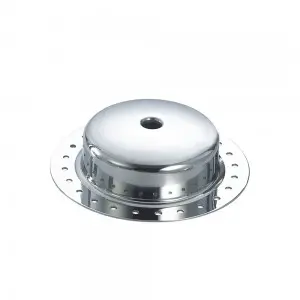
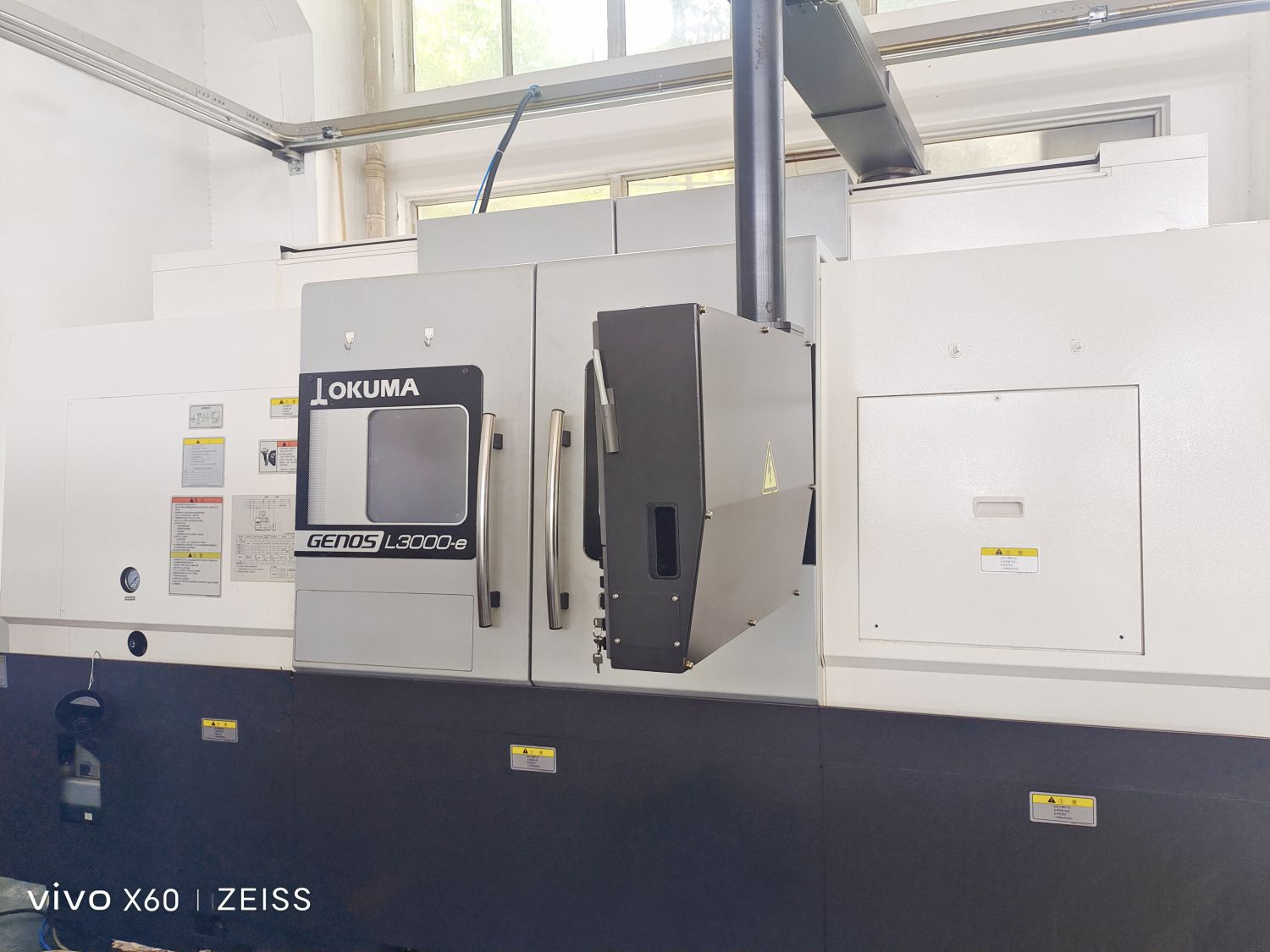
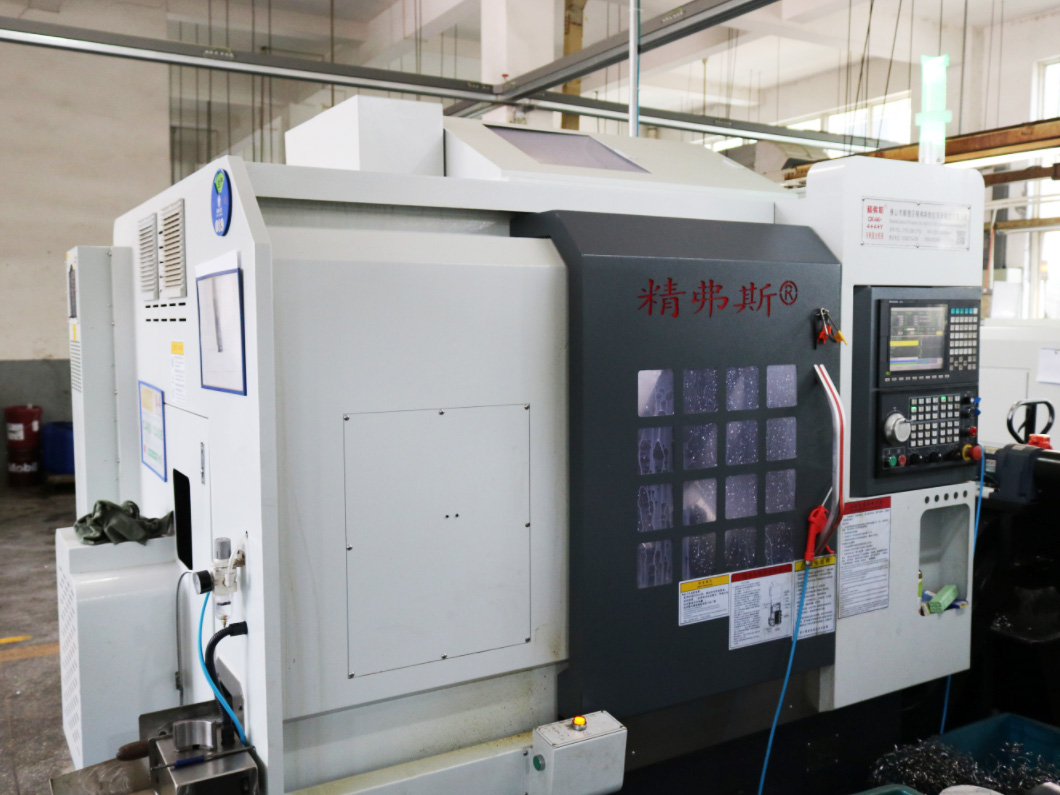
Our turning and milling processes use high-speed, high-precision equipment to maintain exact tolerances. This capability ensures dimensional accuracy for deep-drawn stampings and multi-axis machined parts prior to electrochemical anodization. Correct post-machining tolerances are critical, as the clear anodizing process builds out surface dimensions by approximately 50% of the oxide layer's thickness.
A structured process from design approval to global logistics.

We review customer 3D models and manufacturing drawings to confirm structural geometry and tolerances.

We make initial prototypes and test runs to verify dimensions and validate surface finish parameters.

The client reviews the initial samples and dimension inspection reports to approve production release.

We proceed with large-scale production using strict quality check gates throughout forging, casting, and machining.

We perform final inspections, secure components in export packaging, and provide a one-year manufacturing warranty.
Answers to common technical, commercial, and logistical inquiries.
Providing precision manufacturing and finishing services for global supply chains.
 XinYe Metal