Explore our comprehensive metal manufacturing portfolio. We integrate engineering, fabrication, and surface treatments under one roof.
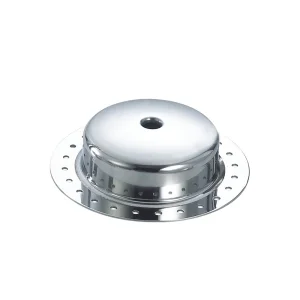
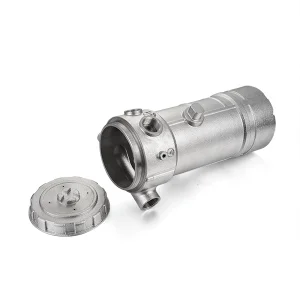
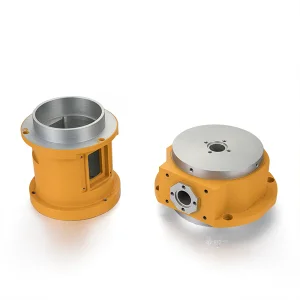
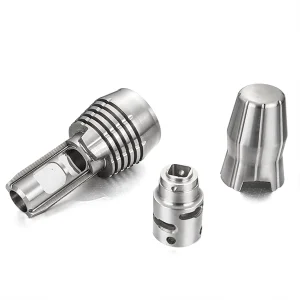
Anodizing is no longer merely a decorative finish; it has evolved into a critical technological barrier essential for modern structural engineering. In today's aerospace, automotive, medical, and electronics ecosystems, surface modification technologies determine the operational lifespan and performance limit of lightweight components. Anodizing converts the aluminum substrate into a highly durable, corrosion-resistant, and aesthetically pleasing aluminum oxide ($Al_2O_3$) anodic layer.
As international markets increasingly prioritize energy efficiency and light-weight designs, aluminum alloys are replacing heavier ferrous metals. The global anodizing market is shifting towards tight-tolerance, thin-film hardcoat anodizing (MIL-A-8625 Type III) and environmentally conscious trivalent sealing techniques.
Ningbo Jiangbei XinYe Metal Works Co., Ltd. sits at the intersection of this global transformation, bridging advanced metal forging, high-precision machining, and structural electrochemical treatments to provide full vertical integration for global supply chains.
By controlling electrolyte concentrations, temperature variables, and current densities, we engineer anodic film layers ranging from decorative 5μm profiles to wear-resistant Type III hardcoats exceeding 50μm, displaying Vickers hardness up to 500 HV.
→ High Wear Resistance | Excellent Dielectric Insulation | Corrosion Mitigation
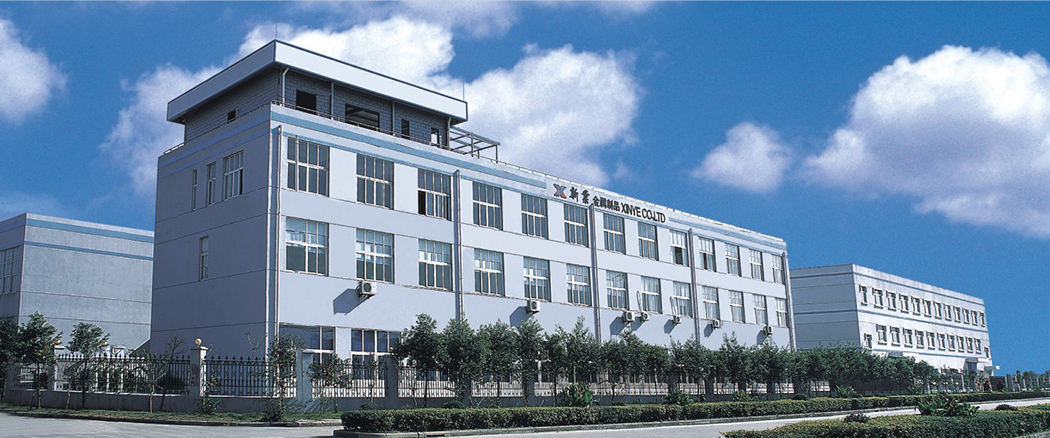
Founded in 1996 as a family-owned venture, XinYe Metal Works has matured into a highly specialized, owner-managed SME corporation. Over the past three decades, we have focused our resources on expanding our technical depth, refining our processing tolerances, and building a reliable quality ecosystem.
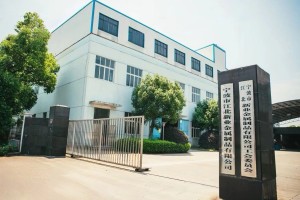
Located strategically in the Ningbo Jiangbei Industrial Zone, our facility is within a highly efficient 3-hour logistics loop of Shanghai International Airport via high-speed train networks. This geographic advantage ensures rapid sample delivery and efficient global export logistics.
Our facility encompasses 16,000 square meters of production floor space, with an additional 11,000 square meters dedicated to construction and future capacity scaling. Among our 130 staff, 80 are skilled production technicians, and 50 specialize in product development, engineering, quality assurance, and global client management. This balanced organizational structure enables us to run concurrent engineering programs for international OEMs with high responsiveness.
Xinye offers a fully integrated technical portfolio designed to eliminate multi-vendor logistics. From metallurgical formation to precise machining and advanced electro-chemical finishing, our production lines deliver finished components directly to your global assembly line.
High-precision milling and turning featuring 4-axis control centers. We execute tight tolerance operations (down to 0.001mm precision) on complex aerospace, industrial sensor housing, and high-strength forged components.
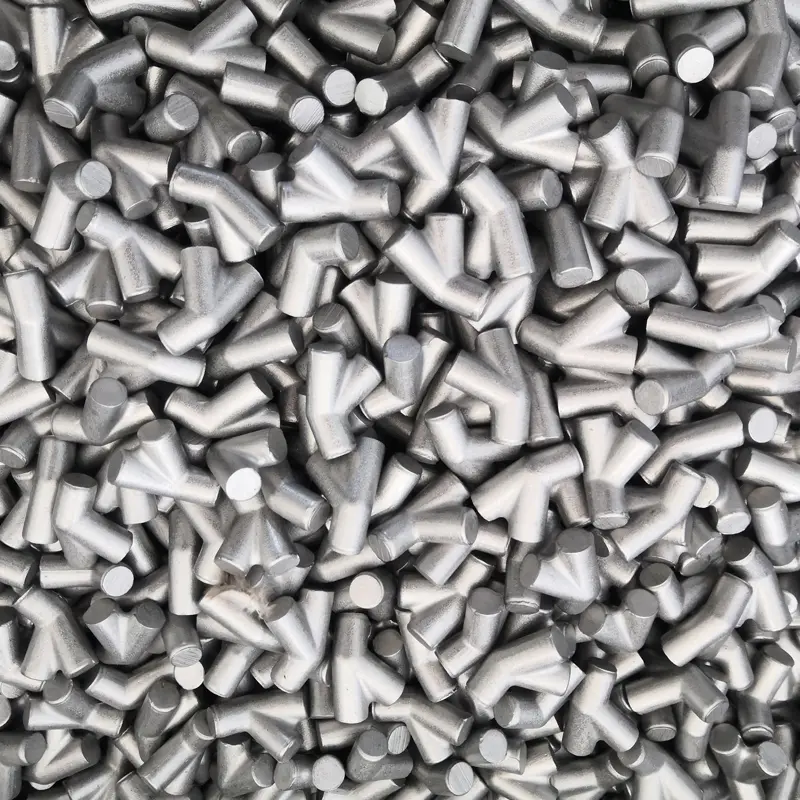
Hot forging technology leveraging friction presses ranging from 300T to 1000T. Hot forging refines structural grain boundaries, yielding superior fatigue resistance and tensile strength compared to cast components.
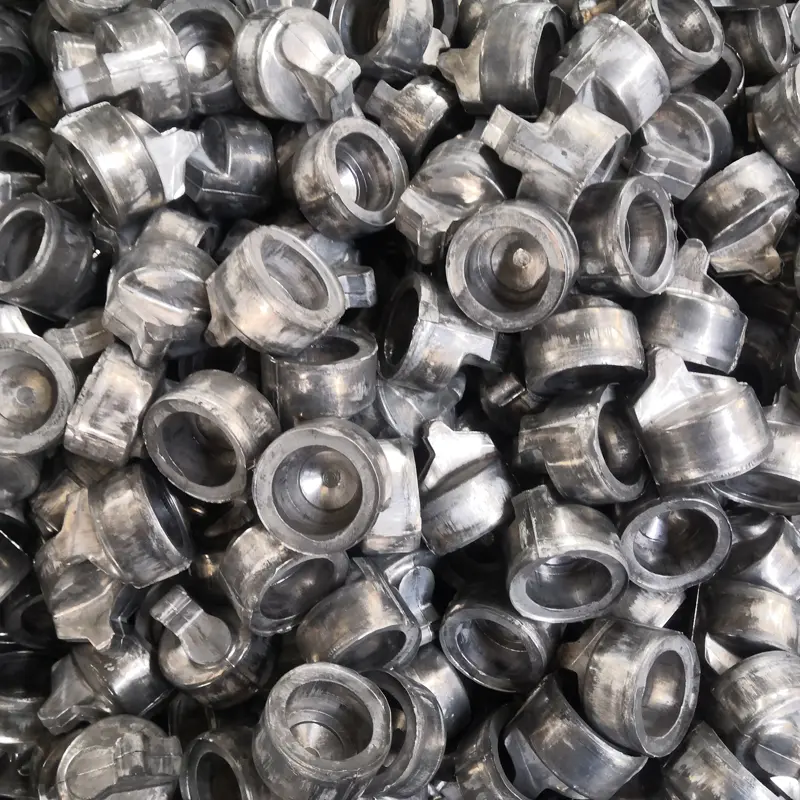
OEM lost wax casting (investment casting) for intricate, net-shape stainless steel parts. We achieve excellent surface finishes and microstructural density required for fluid handling, food processing, and marine applications.
Complete stamping and drawing lines with press forces up to 250 tons, capable of working with sheet steel, aluminum alloys, copper, and specialized plastics to create complex geometric stampings.
State-of-the-art electrochemical lines designed for Type II clear/colored anodizing, Type III hard anodizing, and electrochemical polishing (E-Polish) for stainless steel to satisfy pharmaceutical, food-grade, and optical cleanliness profiles.
Beyond simple production, we provide early-stage product development, tooling design, design-for-manufacturability (DFM) support, quality engineering, and global logistics coordination.
Selecting the appropriate anodizing parameters is critical to achieving target operational lifetimes. MIL-A-8625 Type II sulfuric acid anodizing is typically utilized for aesthetic coloring, atmospheric corrosion protection, and base preparation for painting, resulting in coating thicknesses between 1.8μm and 25μm.
In contrast, MIL-A-8625 Type III (Hardcoat) is performed under precise thermal control (near freezing temperatures of 0°C to 5°C) and higher voltage thresholds. This dynamic encourages rapid cellular growth of the aluminum oxide matrix while minimizing the dissolution rate of the oxide film. The resulting hardcoat layer (typically 25μm to 100μm) exhibits extreme wear resistance, excellent thermal insulation, and a low friction coefficient.
For non-mechanical components, sealing the porous anodic structure is critical to prevent corrosive agent ingress. We implement nickel-acetate sealing, hot DI water sealing, and modern chemical systems that achieve up to 1000 hours of Neutral Salt Spray (NSS) testing under ASTM B117 standards.
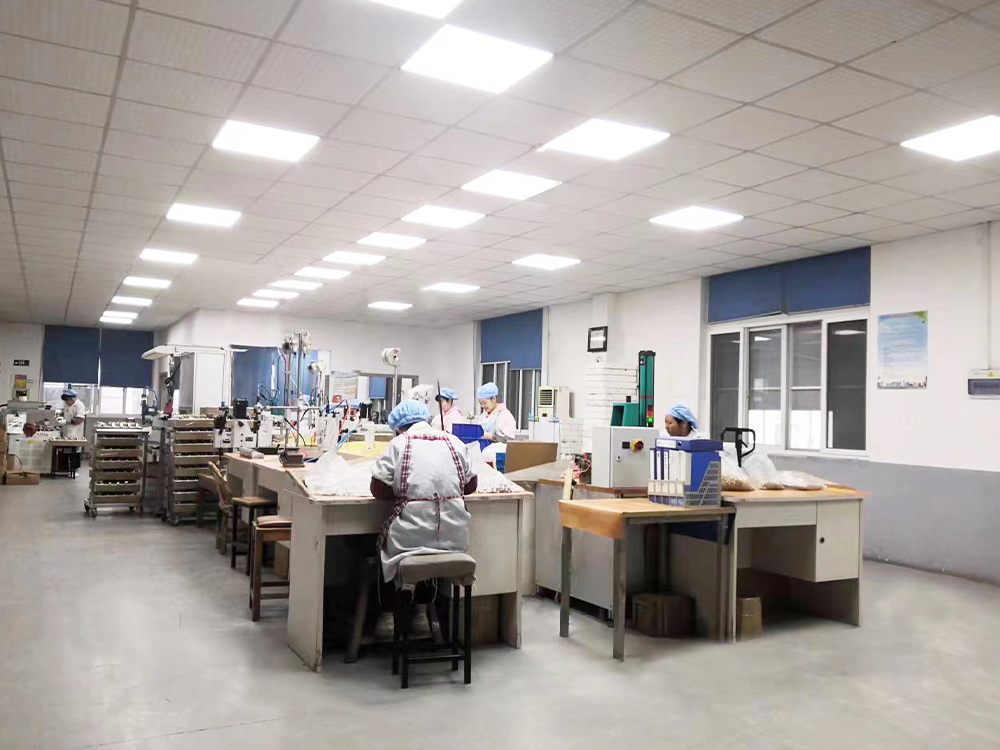
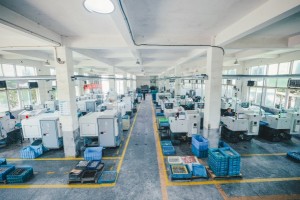
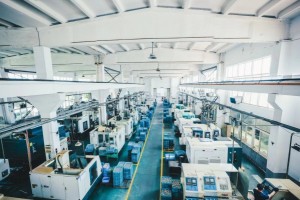
Transparency is central to our corporate operations. Our virtual factory tour highlights our automated machining setups, temperature-controlled metal forming processes, and mechanical surface treatment lines.
Xinye operates with structured flexibility. Our standard facility operating cycle runs 16 hours a day, 6 days a week. To accommodate major automotive or industrial rollouts, we are structured to scale to 24/7 continuous operations within a 30-day window.
Our factory floor layout supports continuous investment. We maintain designated space and clear logistics channels to onboard customer-specific tooling and automated processing lines to support long-term OEM contracts.
Key Equipment Profile:
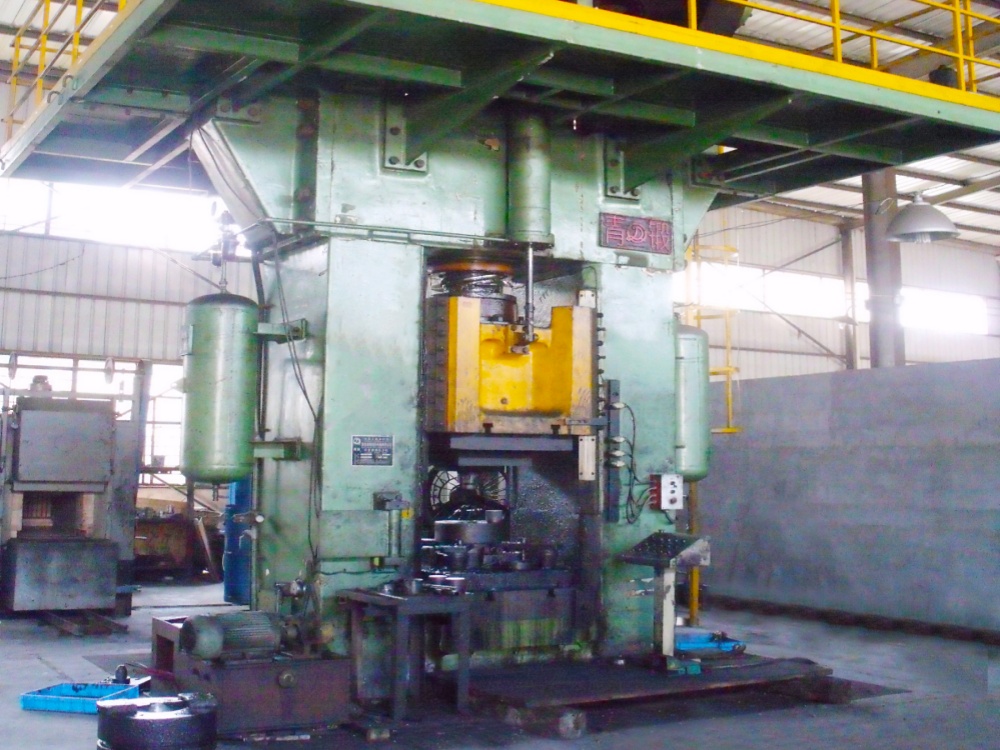
High-tonnage friction press lines engineered to forge high-density aluminum alloy shapes with minimal flash and refined grain structures.
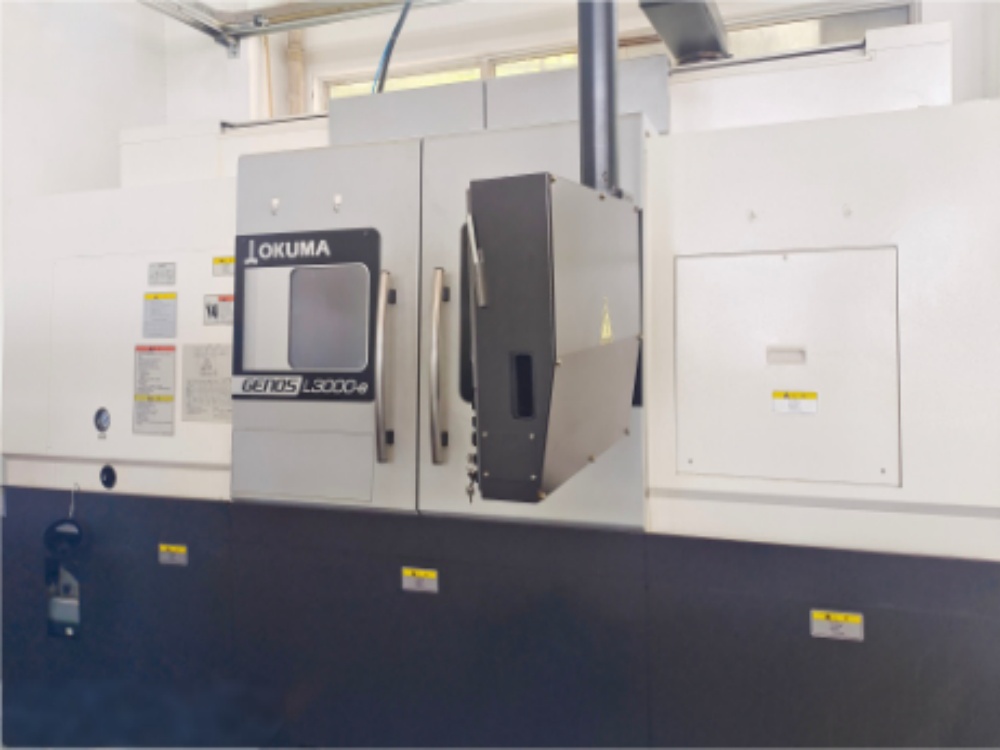
Our turning and milling assets feature multi-axis control to execute complex aerospace and industrial sensor contours in a single setup.
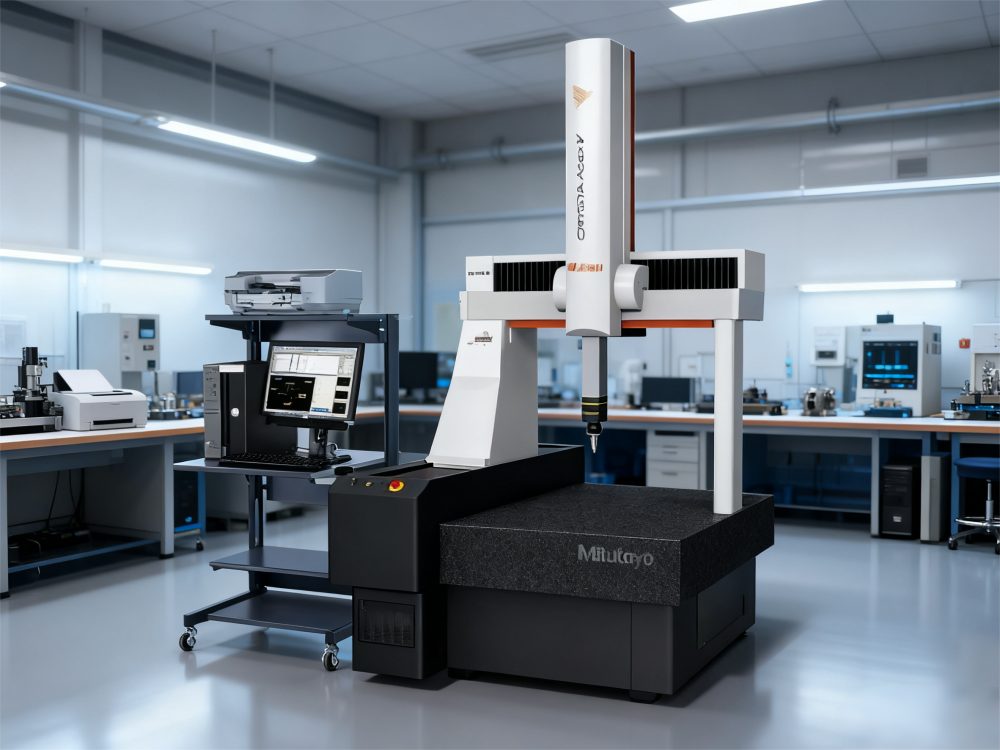
Our climate-controlled metrology laboratory is equipped with high-accuracy CMMs and video inspection tools to verify micro-scale geometric tolerances.
In addition to standard multi-axis centers, our turning capabilities feature the TIPAS MACHINE h65TMY. This platform provides rapid sub-spindle transfers and live tooling, allowing us to perform high-precision mechanical turning and threading on complex parts with minimal setups.
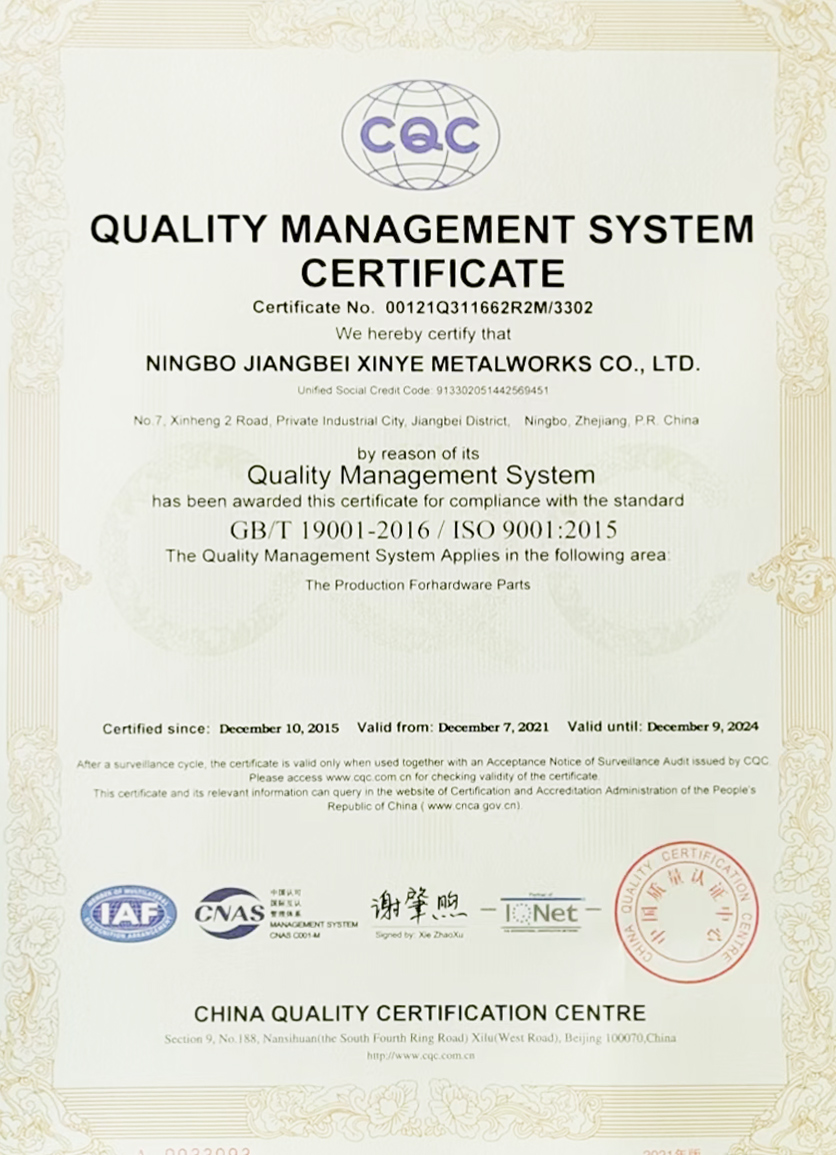
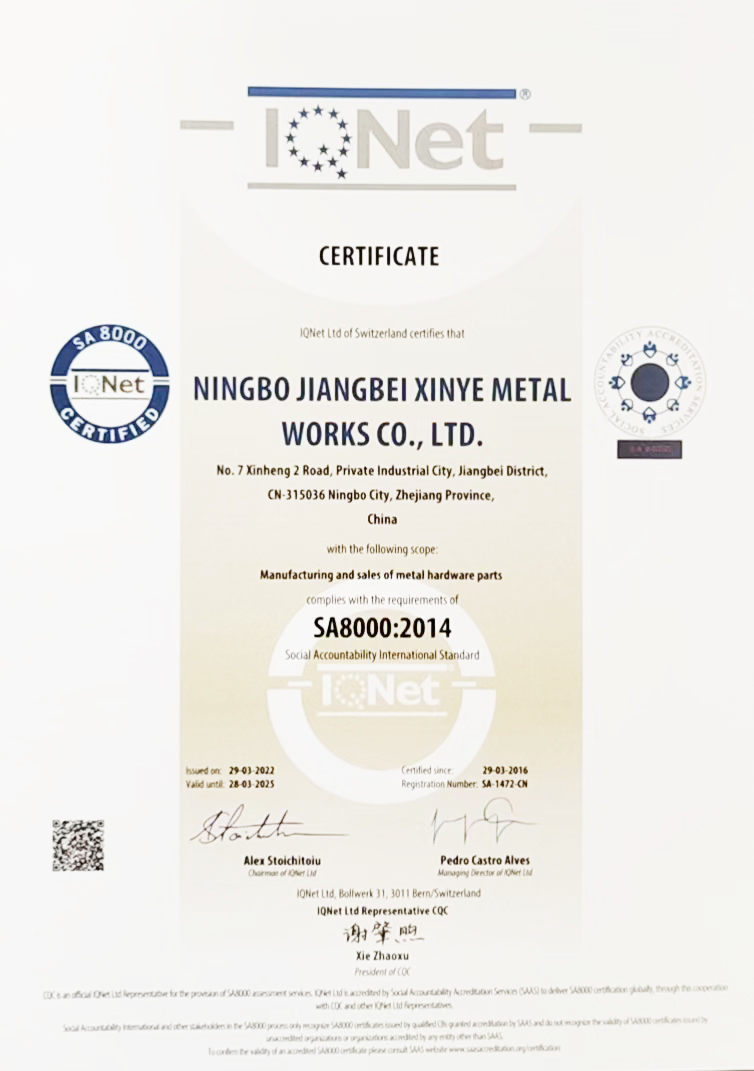
At Xinye, quality control is integrated throughout our manufacturing lifecycle rather than being a post-production check. We operate a structured quality management system certified to ISO 9001:2015 and SA8000 (Social Accountability) standards.
From verifying incoming aluminum alloy certificates to conducting final salt spray and dimensional checks, all inspection data is logged and traceable. The laboratory is maintained under strict climate controls to eliminate temperature-induced measurement deviations.
Our internal quality assurance team utilizes a comprehensive set of measuring and testing systems:
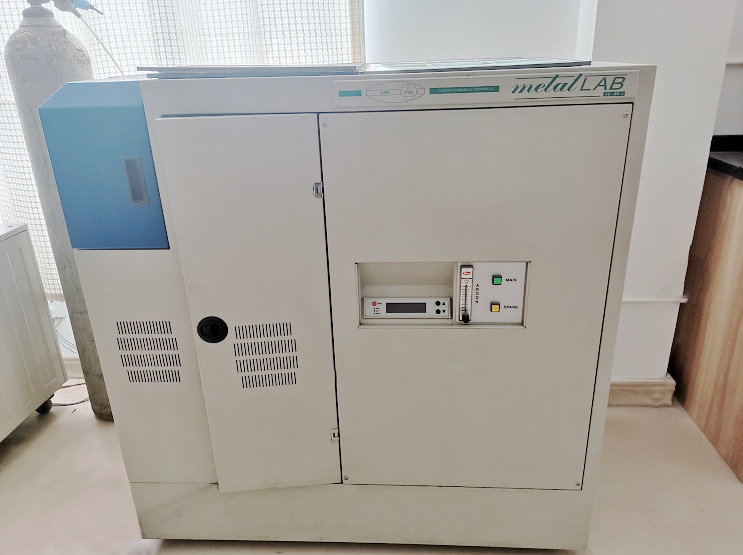
Verifies raw material chemical composition to prevent alloy contamination.
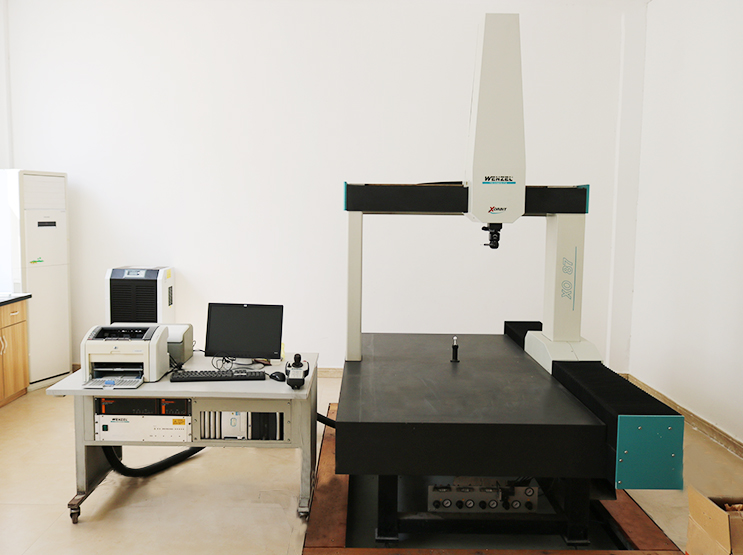
Calculates volumetric deviation on complex machining runs.
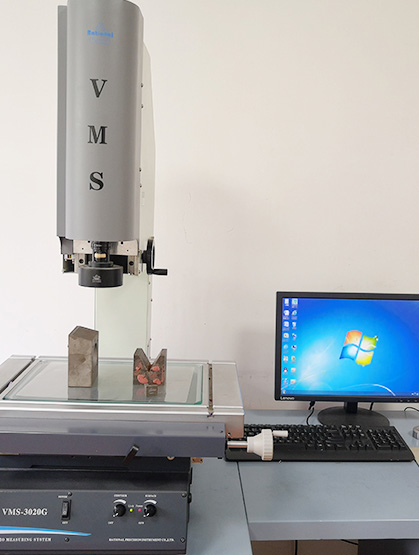
Provides fast, non-contact coordinate testing for complex flat profiles.
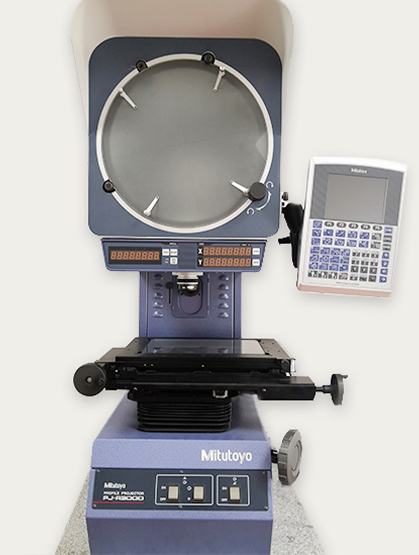
High-resolution zoom capability for micro-radius profiling.
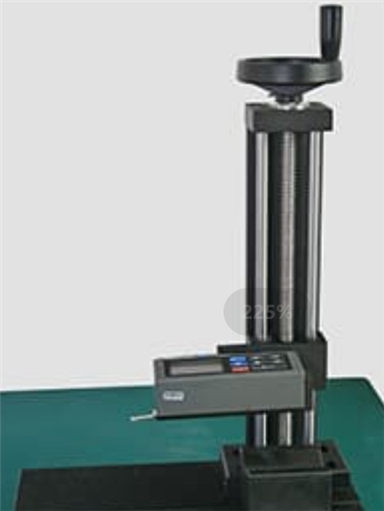
Verifies structural micro-finish parameters (Ra/Rz) after grinding or polishing.
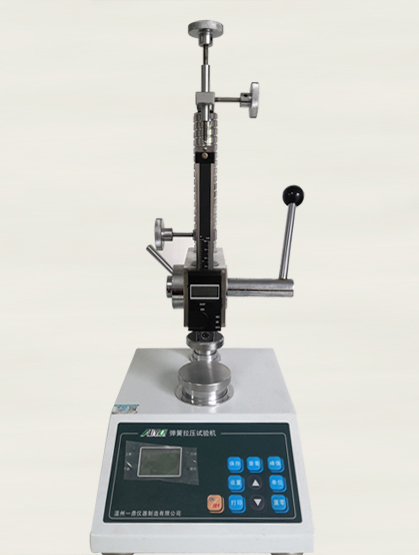
Verifies mechanical spring force profiles on assemblies.
To ensure manufacturing efficiency and prevent project delays, our facility employs a structured five-step engineering workflow.
Our process begins with technical design alignment. The customer coordinates details on the custom drawing, material options, tolerances, anodizing parameters (Type II or Type III), coating color, and delivery timelines with our sales and engineering team.

Our engineering team converts customer specifications into tooling parameters. The process includes drawing review, total tooling and unit pricing calculations, raw material procurement, sample fabrication, and full metrology validation (generating material and dimensional reports).



Physical samples are dispatched to the customer for assembly testing, functional verification, and aesthetic review. This step ensures performance parameters align with expectations before mass production tooling is authorized.

Upon design approval, we schedule the components for volume production. Quality gates are integrated at key manufacturing milestones. Finished parts are cleaned, packed in shock-absorbing or protective industrial packaging to avoid transport damage, and dispatched with export documentation.

We provide a standard one-year warranty covering manufacturing and material defects, starting from the delivery note date. We maintain a spacious assembly workshop and dedicated logistics teams to support custom assembly or post-delivery needs.

Xinye-engineered parts are utilized across demanding operating environments worldwide. Discover how our metal forming and surface engineering processes perform in key industries.
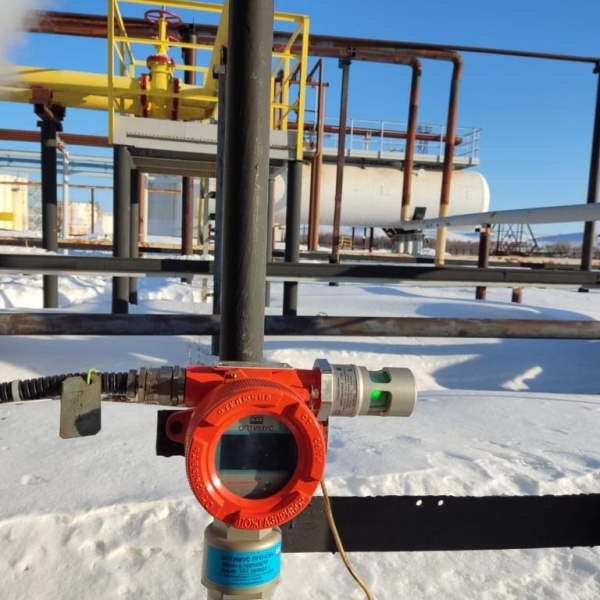
High-strength, forged industrial parts designed to withstand heavy mechanical loads.
Materials: Stainless Steel, Aluminum Alloy

Transmission and structural components engineered to meet tight automotive dimensional tolerances.
Materials: Stainless Steel, Aluminum Alloy
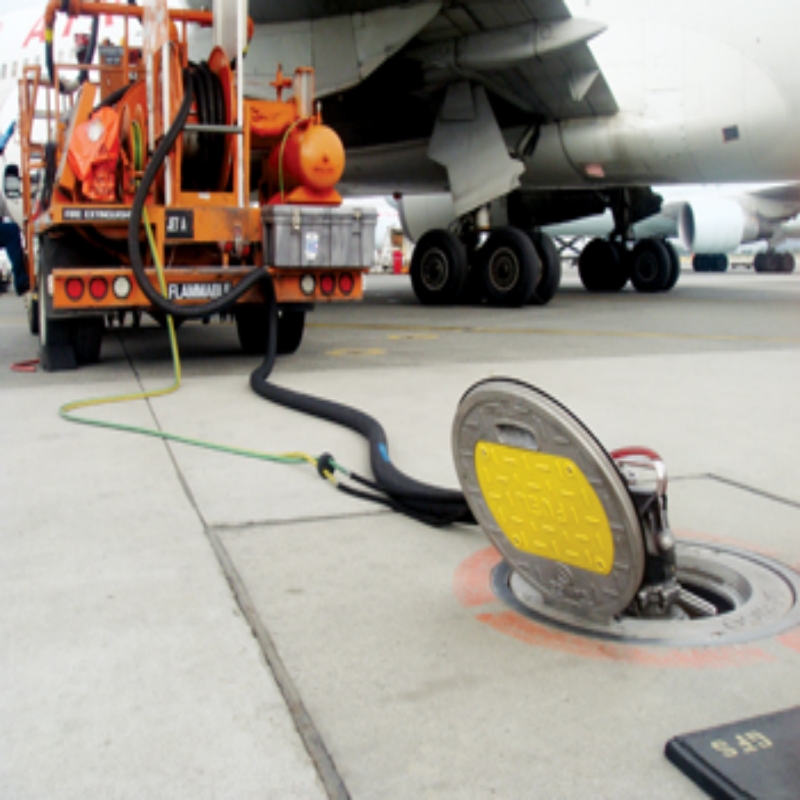
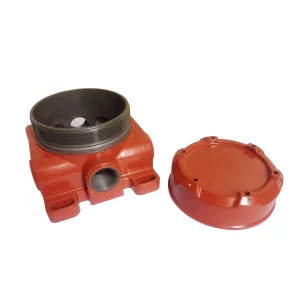
Aviation fuel hydrant pit box, high-stress hinge brackets, turbine inlet cowlings, and transmission housings.
Materials: Specialized Stainless & Aluminum
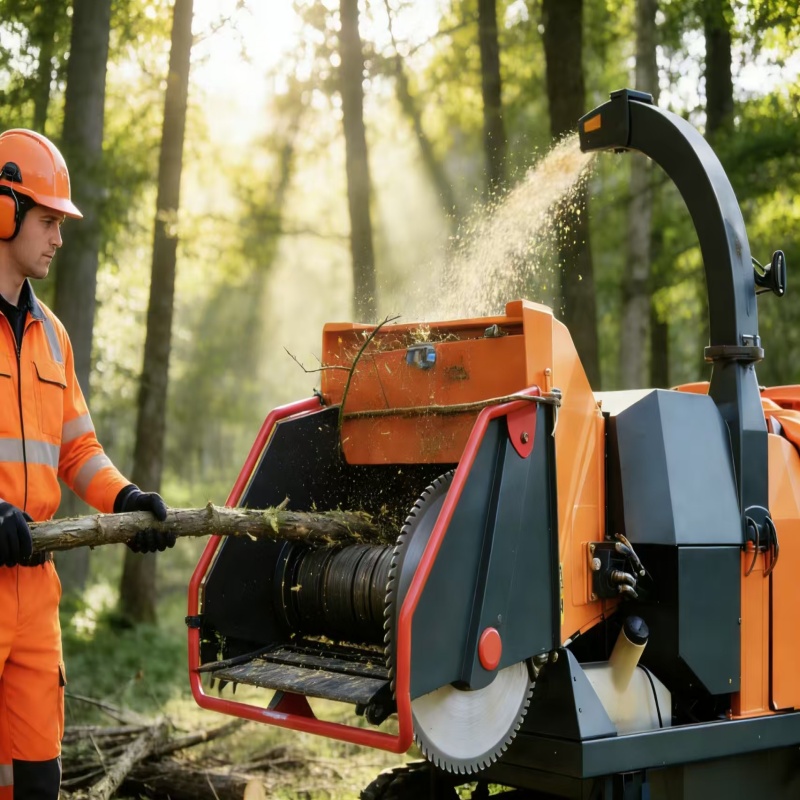
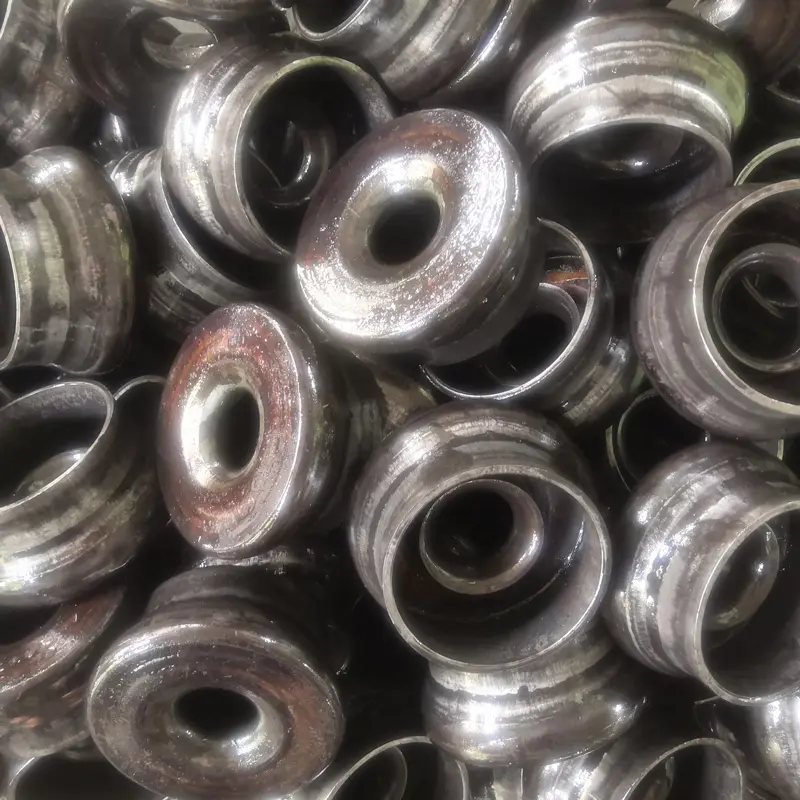
Cutter discs and heavy-duty feed roller mechanisms designed for high wear resistance.
Materials: Q345B Carbon, 42CrMo, NM400 Hardened Steel
Xinye components are exported to Europe, North America, and Russia, supporting projects in the following sectors:
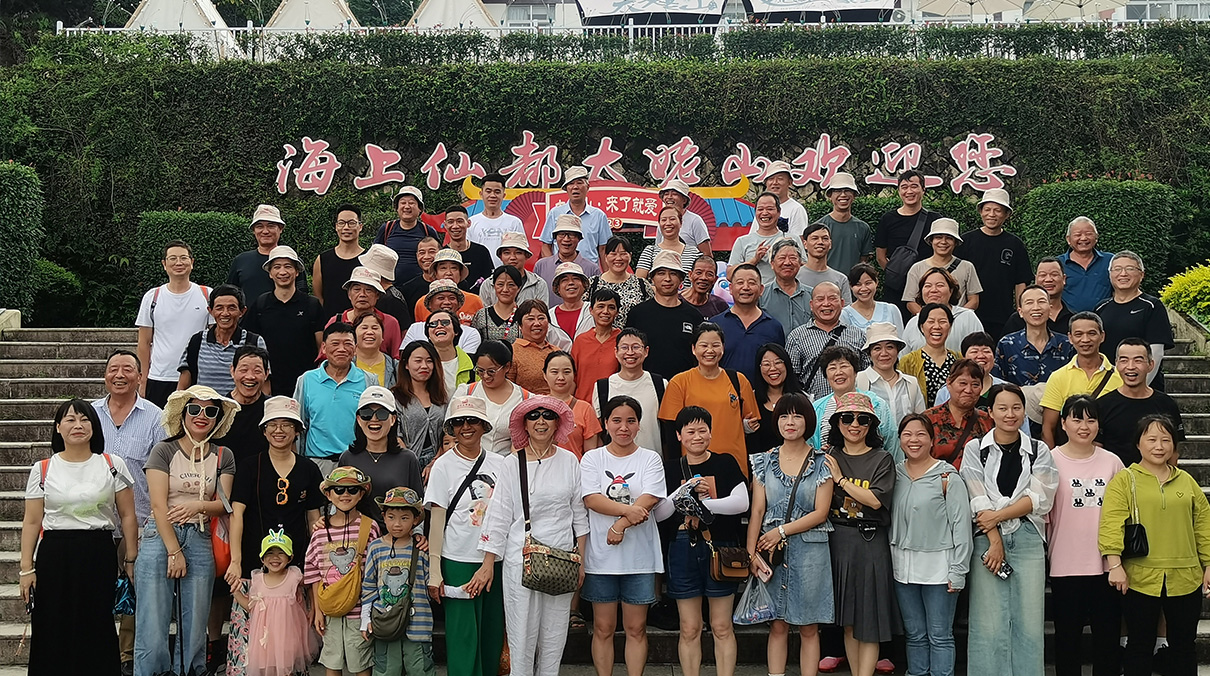
Supported by a professional workforce and more than 20 patented utility designs, the Xinye team is focused on delivering reliable technical service to our partners.
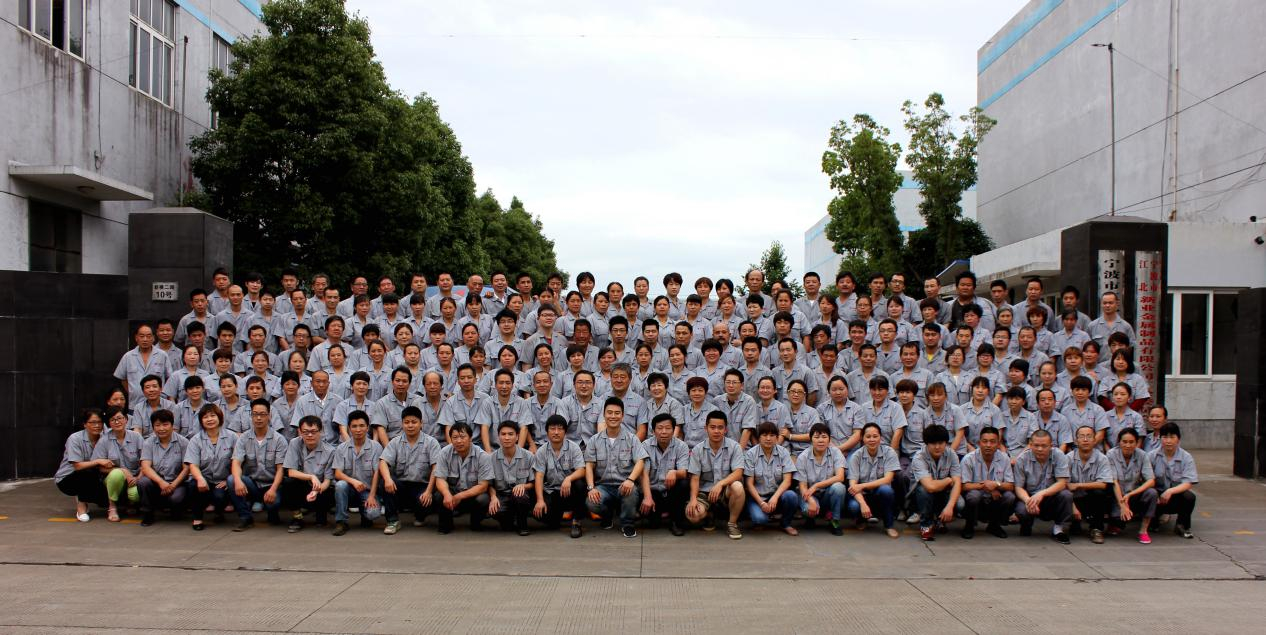
Trust: We prioritize meeting client requirements and providing realistic project schedules, striving to build long-term manufacturing partnerships.
Responsibility: We manage production parameters with care to deliver consistent part quality that supports our clients' product assembly and performance goals.
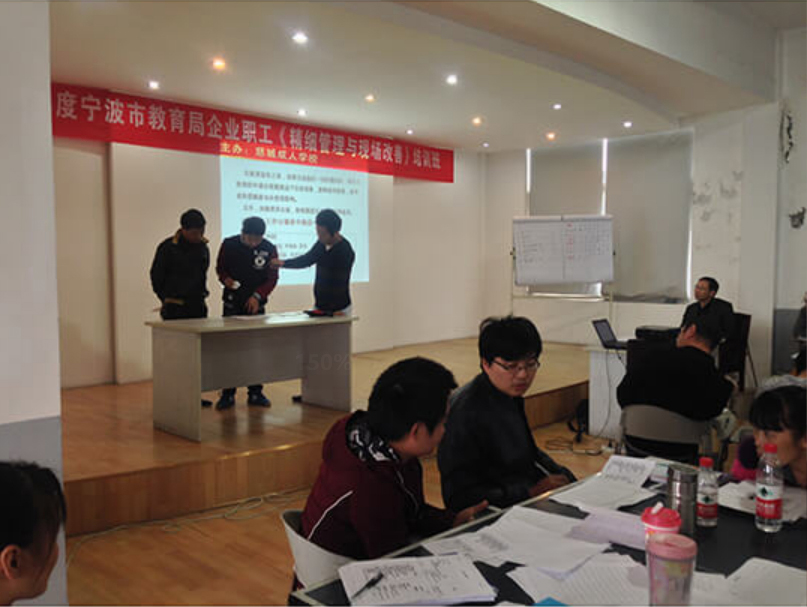
Professionalism: We focus on continuous process refinement, investing in employee training and upgrading our machining assets to maintain production quality.
Browse answers to common questions about our technical capabilities, anodizing specifications, order processing, and logistical arrangements.
Our pricing is calculated based on current raw material markets, tooling complexity, machining cycles, and target electrochemical surface treatments. Please share your detailed drawing package (PDF, STEP, or DXF formats) with our team, and we will provide an updated, itemized quotation.
Yes, we establish minimum order values or quantities to maintain production efficiency, particularly for international orders. The exact MOQ varies depending on the specific manufacturing process (forging, casting, stamping, or anodizing). Please contact our sales team to discuss your project requirements.
Yes. We provide comprehensive documentation packages with our shipments, including Material Certificates of Analysis/Conformance, dimensional measurement reports, salt spray test data, and Certificate of Origin documents for customs clearance.
For custom engineering samples, our typical lead time is approximately 7 days. For volume production, the standard lead time is 20 to 30 days after receipt of the deposit. Lead times commence once the design drawings are approved and the deposit is confirmed. We work with clients to accommodate tight schedules whenever feasible.
We accept wire transfers (T/T), Western Union, and PayPal. Our standard terms are a 30% deposit in advance to initiate tooling and raw material purchases, with the remaining 70% balance payable against the copy of the Bill of Lading (B/L).
We warrant our materials and workmanship. Our commitment is to ensure parts conform to the agreed-upon design prints. In all cases, we work to address and resolve any quality or functional issues to the customer's satisfaction.
Yes. We use standard export-grade packaging, including custom thermoformed trays, bubble wrap separators, and reinforced crates. We can also arrange specialized packaging for sensitive or delicate parts upon request.
Alloy selection directly affects anodizing outcomes. The 6000-series (e.g., 6061, 6063) offers excellent anodizing characteristics, yielding clear, uniform anodic layers. The 7000-series (e.g., 7075) is suitable for high-strength hardcoating, though it can exhibit a slightly darker, yellowish-grey tone. 2000-series alloys containing copper require specialized tank setups because copper can dissolve during processing, resulting in a less dense oxide layer that is best suited for functional Type III hardcoats rather than cosmetic finishes.
We offer integrated manufacturing services to streamline your supply chain. Select from our core capabilities below to learn more about our production equipment and tolerances.
 XinYe Metal