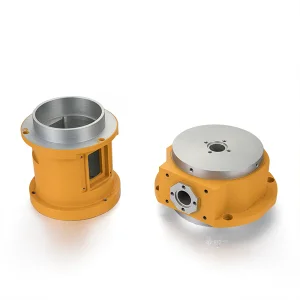
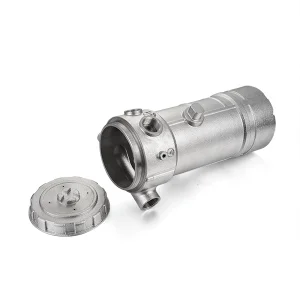
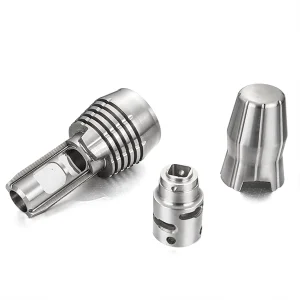
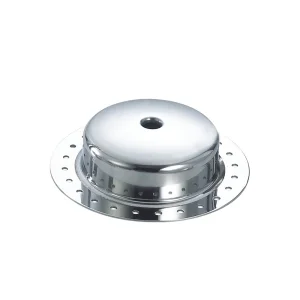
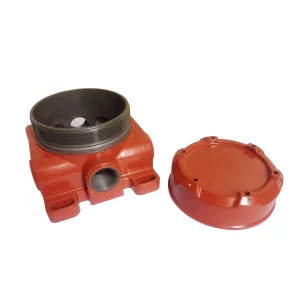
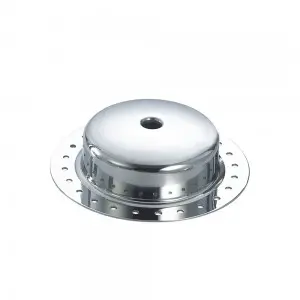
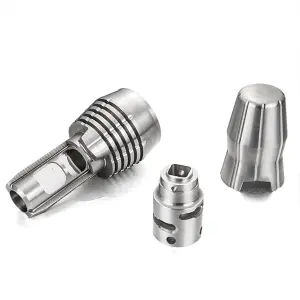
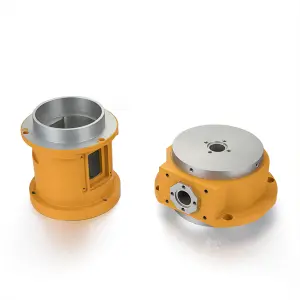
In modern manufacturing, surface treatment is not merely a finishing step; it is a critical engineering process that determines the lifecycle, aesthetic value, and environmental resilience of component systems. Aluminum anodizing—an electrochemical technique that transforms the metallic surface into a robust, integrated aluminum oxide layer—is essential across demanding environments, from high-performance aerospace conduits to micro-precision components used in diagnostic medical equipment.
As global buying companies audit international manufacturing chains, locating a reputable China Anodizers Factory requires understanding the intersection of chemical optimization, structural metallurgy, and multi-tier quality control. A premier supplier must not only possess chemical capabilities but also provide integrated mechanical manufacturing (precision CNC milling, aluminum forging, lost wax casting, and stamping) under strict regulatory guidelines (REACH, RoHS, and SA8000 compliance protocols).
"Anodizing efficiency depends on precision temperature management, dynamic voltage regulation, and constant monitoring of chemical bath concentrations. XinYe Metal integrates raw mechanical forming with advanced surface finishing systems, offering global OEMs a unified point of supply."
For global entities, sourcing finished assemblies from a single source eliminates cross-contamination risks and reduces shipping costs. XinYe Metal coordinates chemical treatments with initial forming states—be it a stamping die, hot forging, or multi-axis machining center—providing superior dimensional control and finish consistency.
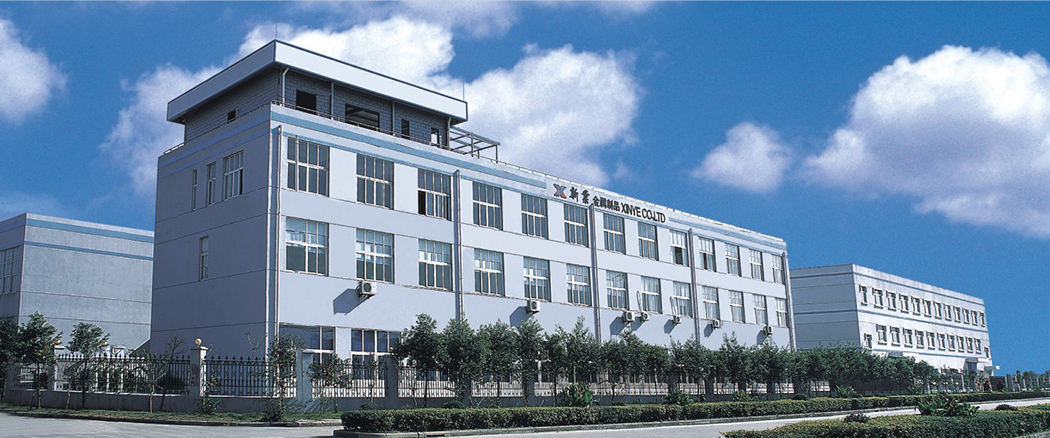
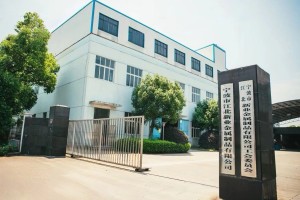
Founded in 1996 as a highly dedicated family enterprise, Ningbo Jiangbei XinYe Metal Works Co., Ltd. has evolved into an owner-managed, SME corporation serving key global markets. Strategically situated in the Ningbo Jiangbei Industrial Zone, our facility is within a three-hour transit of Shanghai International Airport via high-speed train, placing us at the heart of East China's metalworking and surface treatment hub.
Our infrastructure covers 16,000 square meters of production floor space, complemented by 11,000 square meters of technical construction areas. With a team of 130 professionals, including 80 skilled production specialists and 50 dedicated personnel in product development, engineering, quality control, and global supply chain management, we maintain absolute ownership of the manufacturing workflow.
Our service spectrum spans various manufacturing technologies. By maintaining an in-house surface finishing and anodizing plant alongside our casting, forging, and machining divisions, we eliminate the engineering gaps that often occur when dealing with multiple sub-tier vendors.
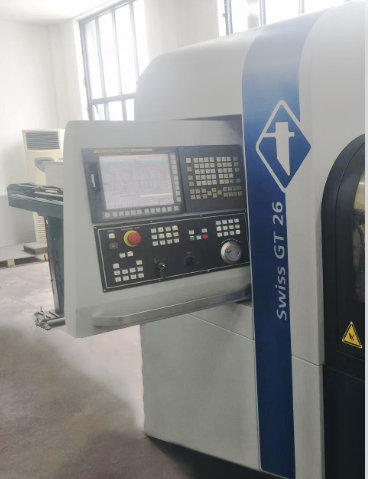
Multi-axis (4-axis and high-speed CNC turning/milling) capabilities to execute geometries with tolerances down to ±0.005mm.
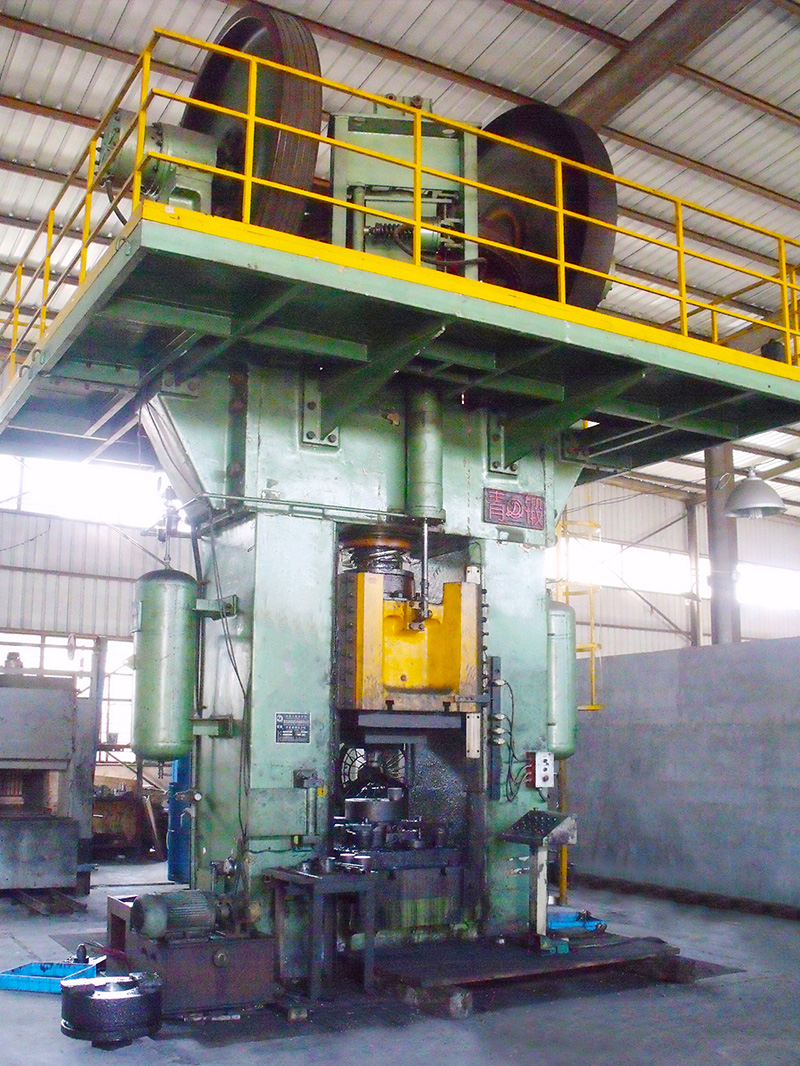
Hot forging using friction presses with capacities from 300 to 1000 tons. Ideal for high-strength component configurations.
Investment stainless steel casting (lost wax) and pressure aluminum die casting for components demanding minimal post-processing.
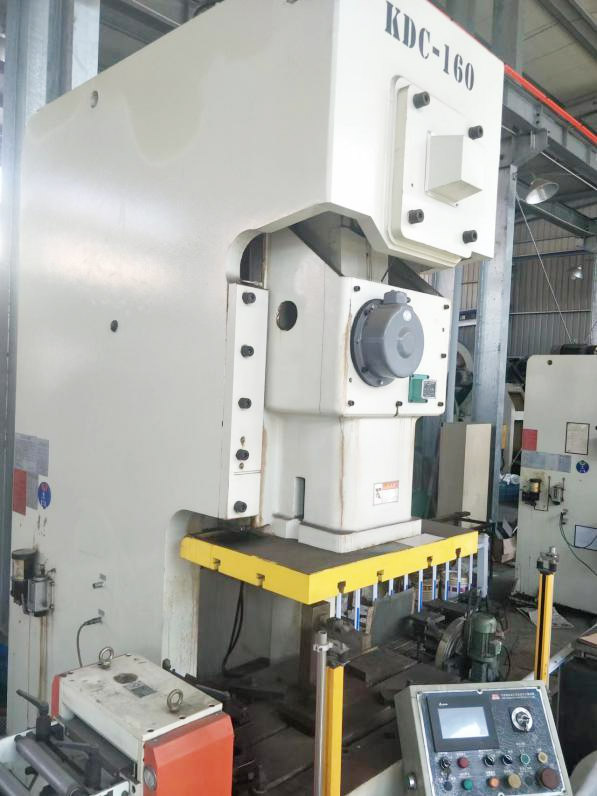
Press capacities from 5 to 250 tons handling steel, light alloys, copper, and engineering plastics for complex thin-walled assemblies.
Specialized sulfuric acid anodizing (Type II / Type III) and electropolishing (E-polish) for anti-corrosion, wear resistance, and cleanability.
From design optimization, prototype iterations, tool tooling fabrication, to supply chain logistics management.
| Anodizing Type | Common Standard Reference | Oxide Layer Thickness | Target Substrate Alloys | Primary Industrial Advantage |
|---|---|---|---|---|
| Type II (Decorative & Protective) | MIL-A-8625 Type II | 5 µm - 25 µm | 6061, 6063, 5052 | Color stability, corrosion resistance, cosmetic uniformity |
| Type III (Hardcoat / Wear Resistant) | MIL-A-8625 Type III | 25 µm - 75 µm | 6061, 7075, 2024 | Extreme surface hardness (up to 60 HRc), electrical insulation |
| Electropolishing (E-Polish) | ASTM B912 | Micro-peaks removal | 304, 316L Stainless Steel | Passivation, removal of free iron, high cleanability (Hygiene) |
Procurement teams from North America and Western Europe often struggle with three challenges when sourcing from Asia: engineering translation errors, lack of process transparency, and environmental compliance risks. Many traditional anodizing plants in developing markets do not have proper wastewater treatment systems, exposing customers to sudden regulatory shutdowns.
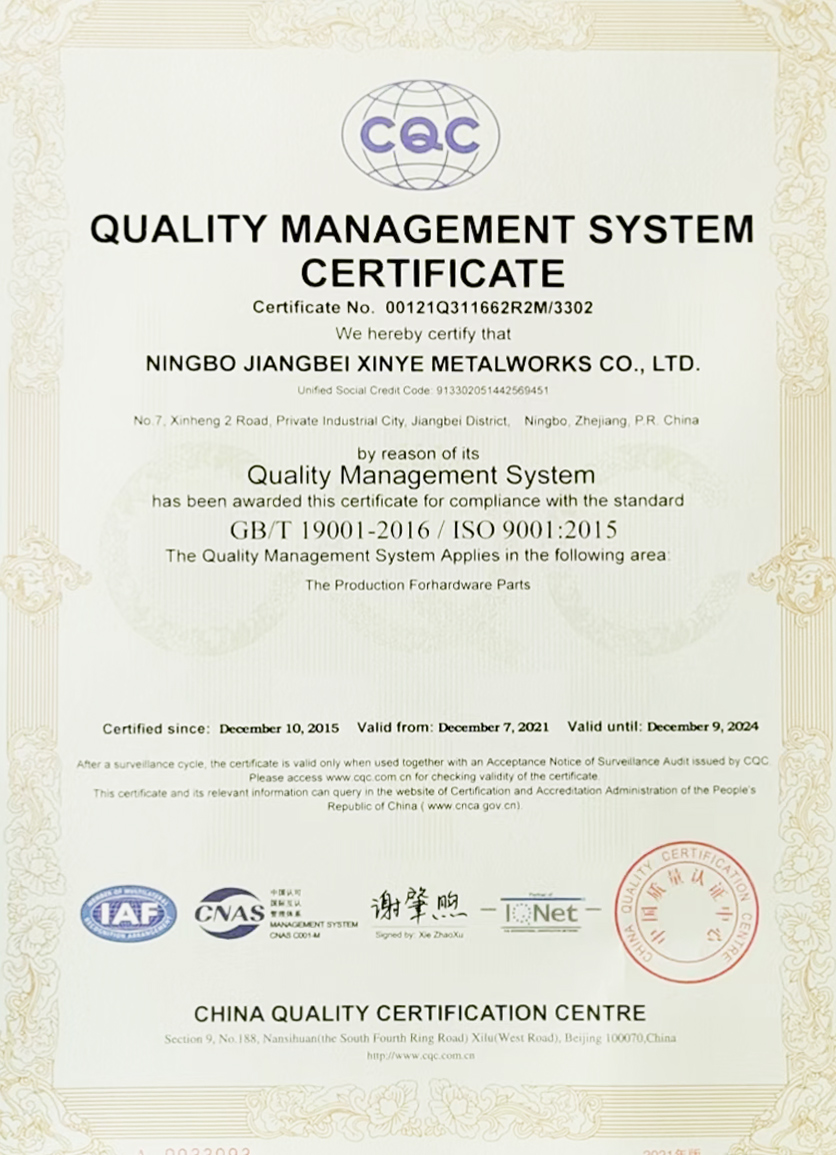
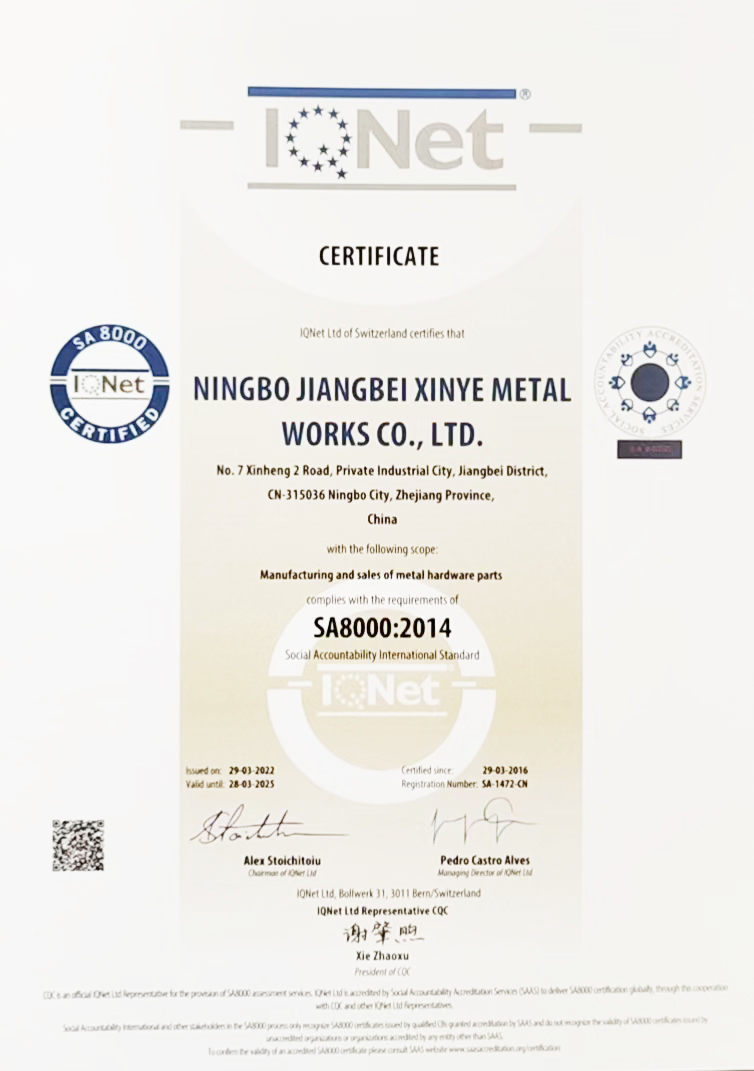
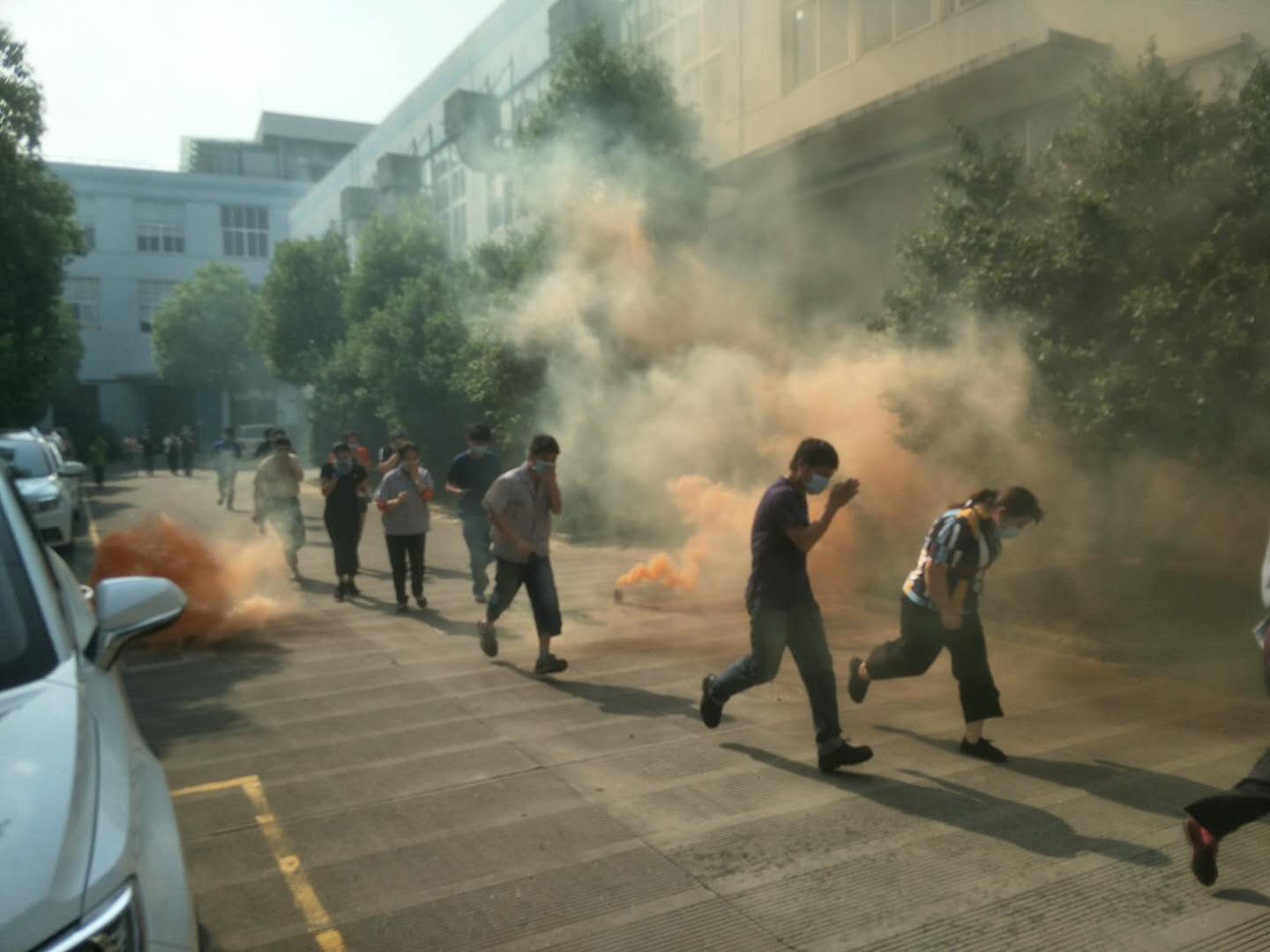
At XinYe Metal, we resolve these challenges. Holding ISO 9001:2015 and SA8000 certifications, our manufacturing facilities adhere to strict social accountability and quality standards. Our environmental control systems satisfy the most demanding municipal chemical discharge regulations, ensuring stable, year-round production.
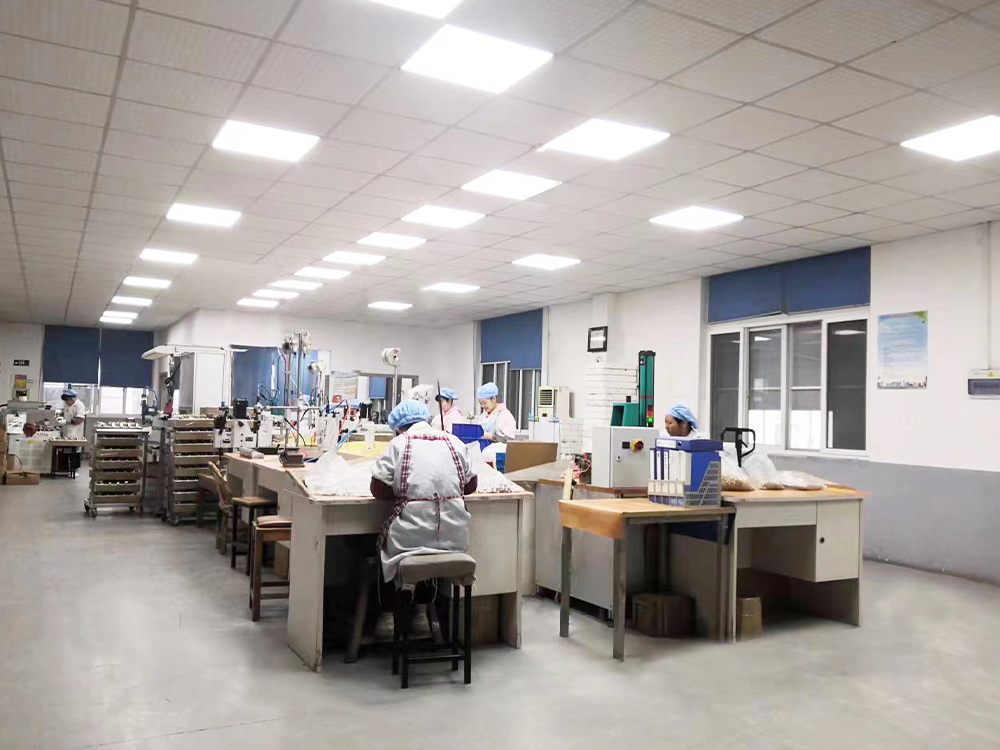
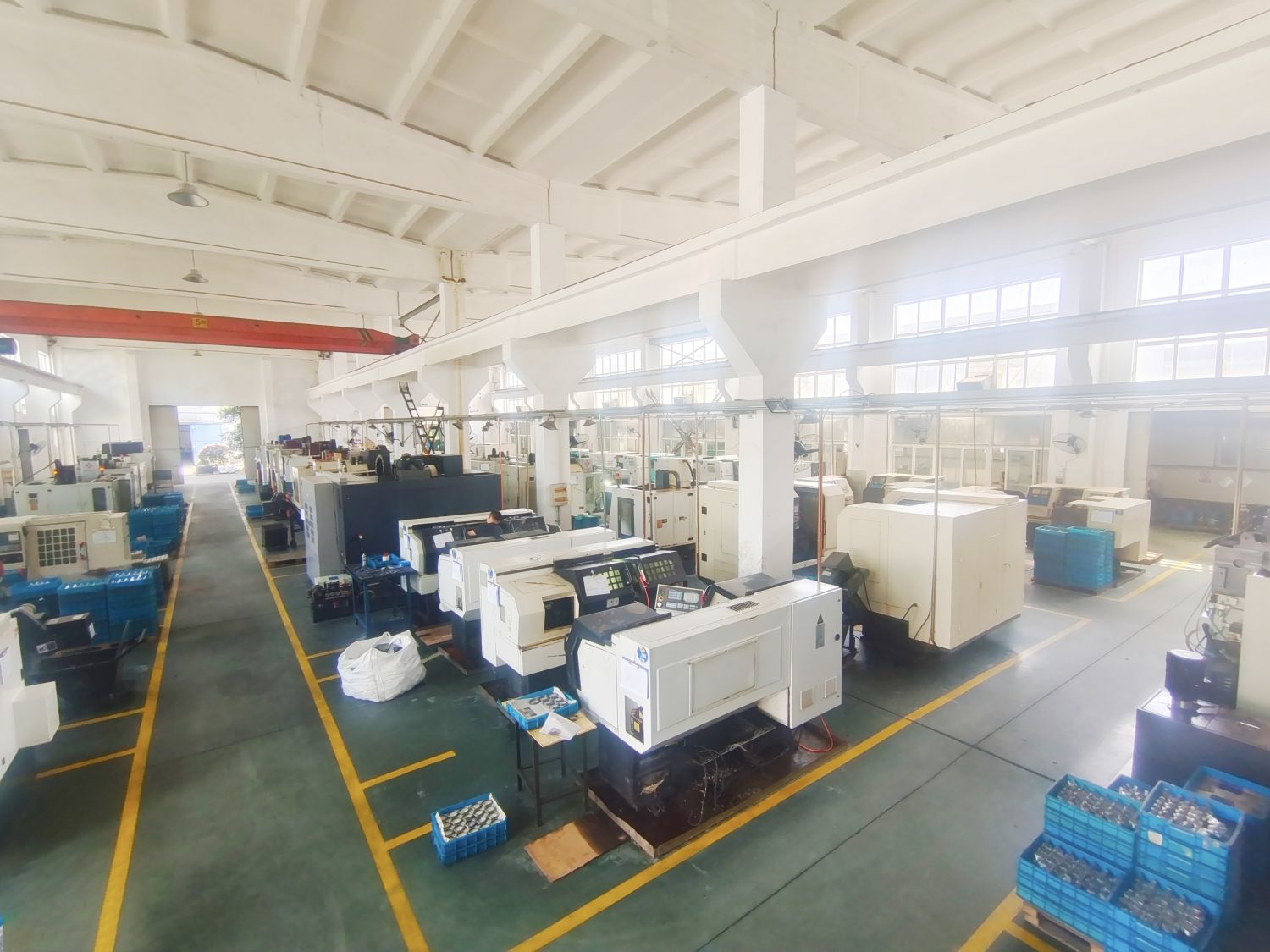
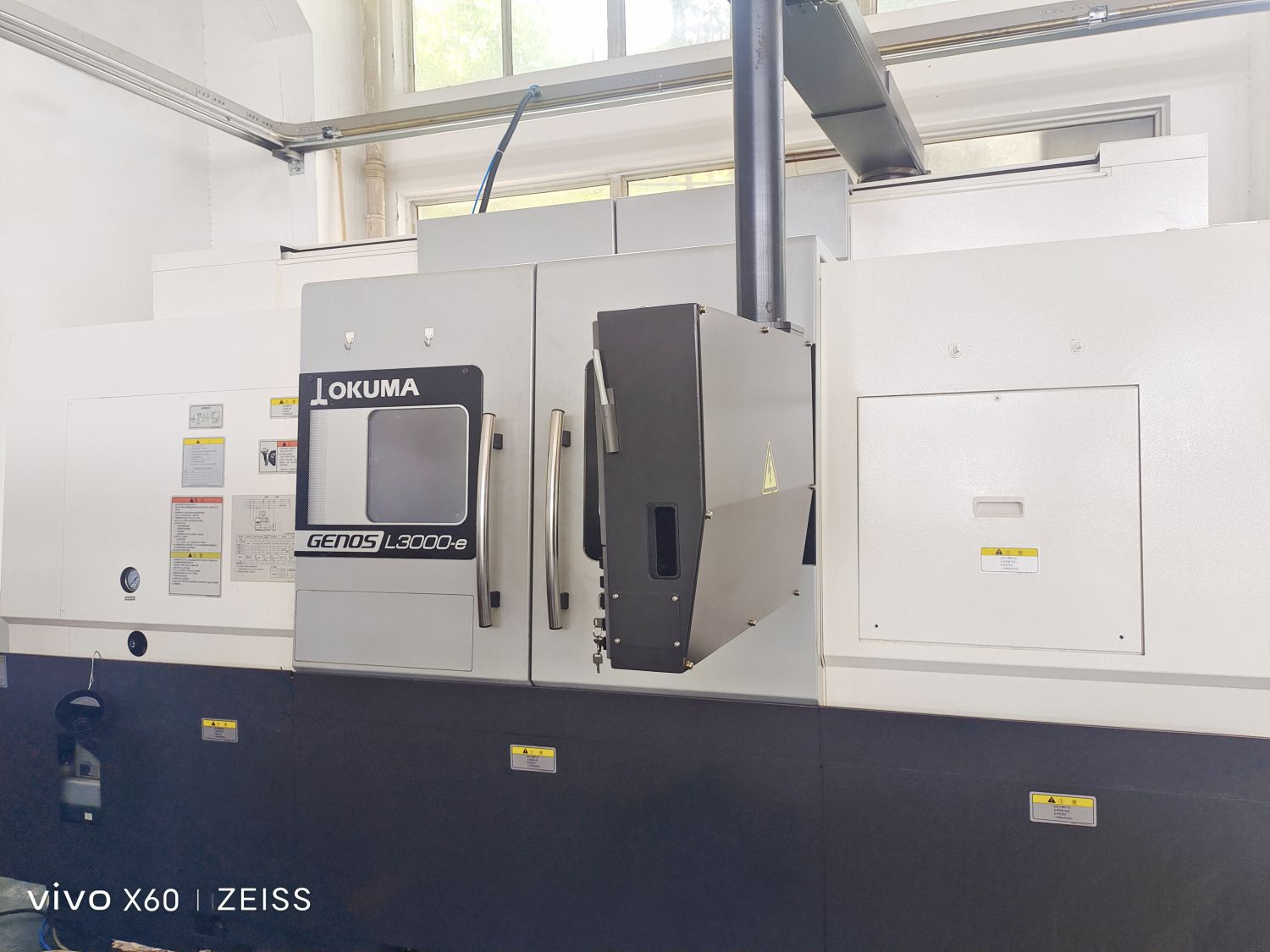
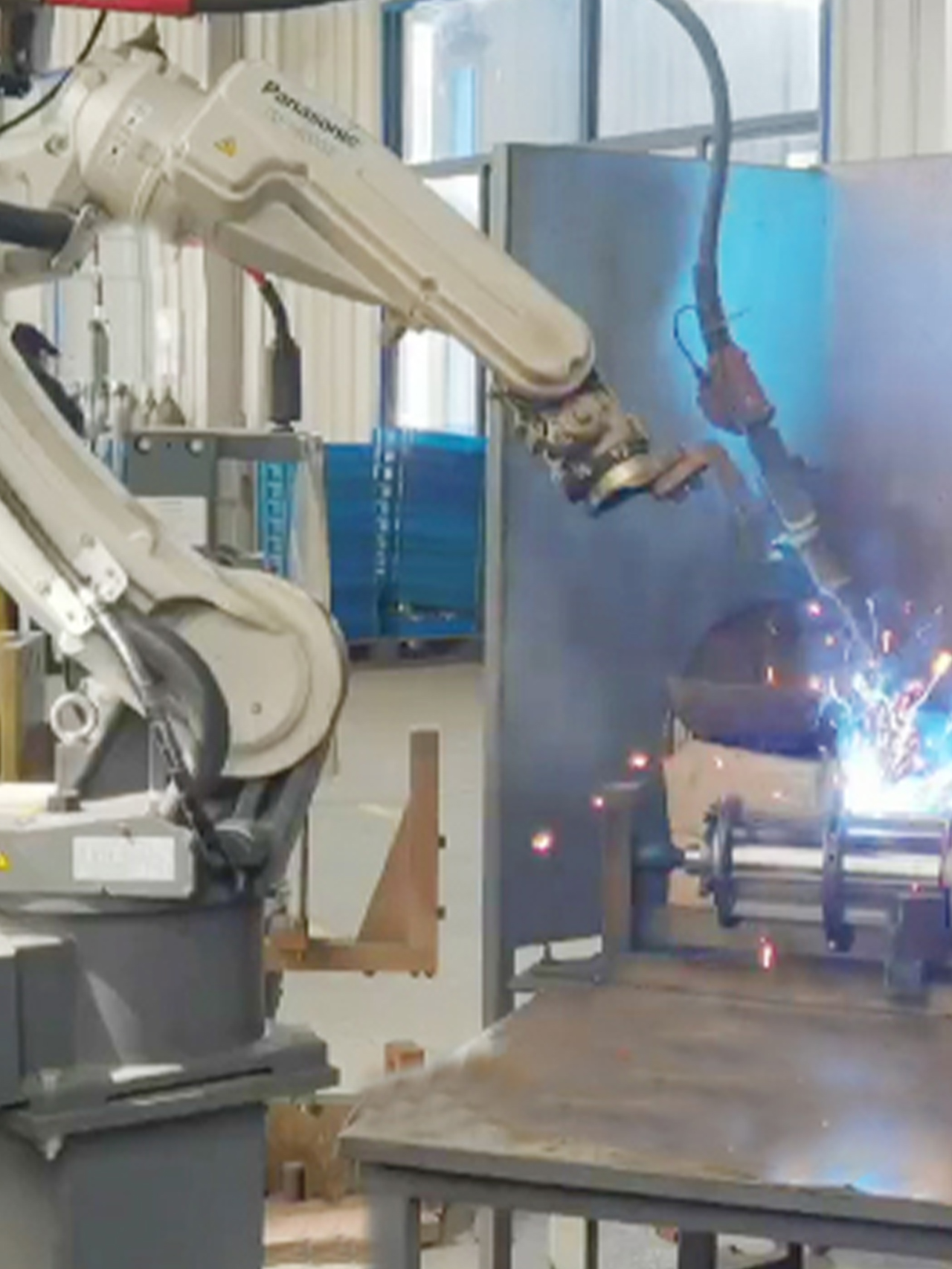
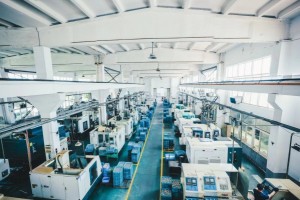
Our manufacturing facility features imported machinery, primarily from Japan. This equipment enables us to fabricate complex metal designs, ensuring our anodizing line receives parts free of structural and surface defects.
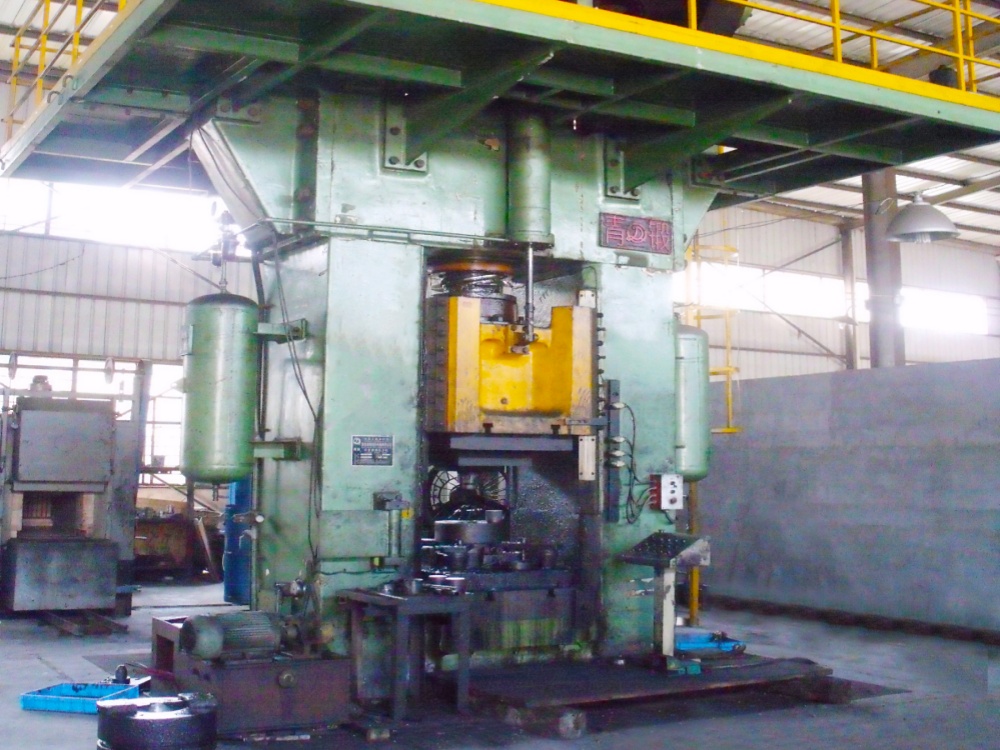
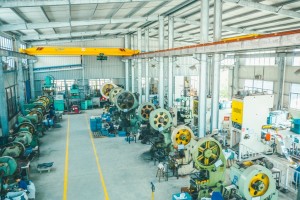
Our heavy forge division features machinery configured for high structural load parts.
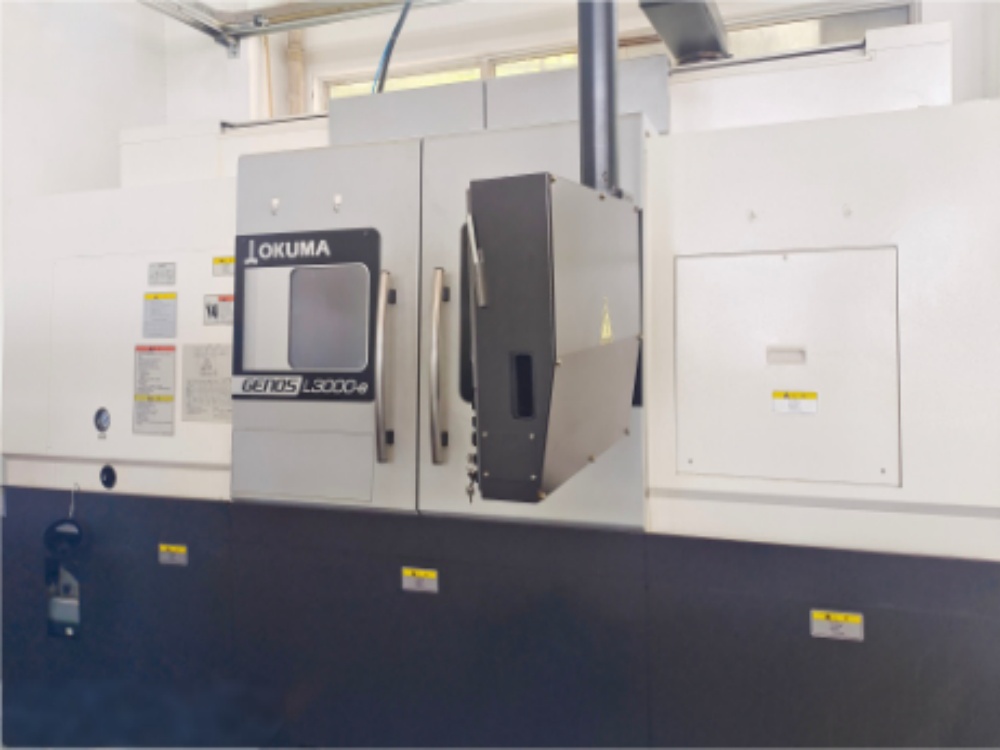
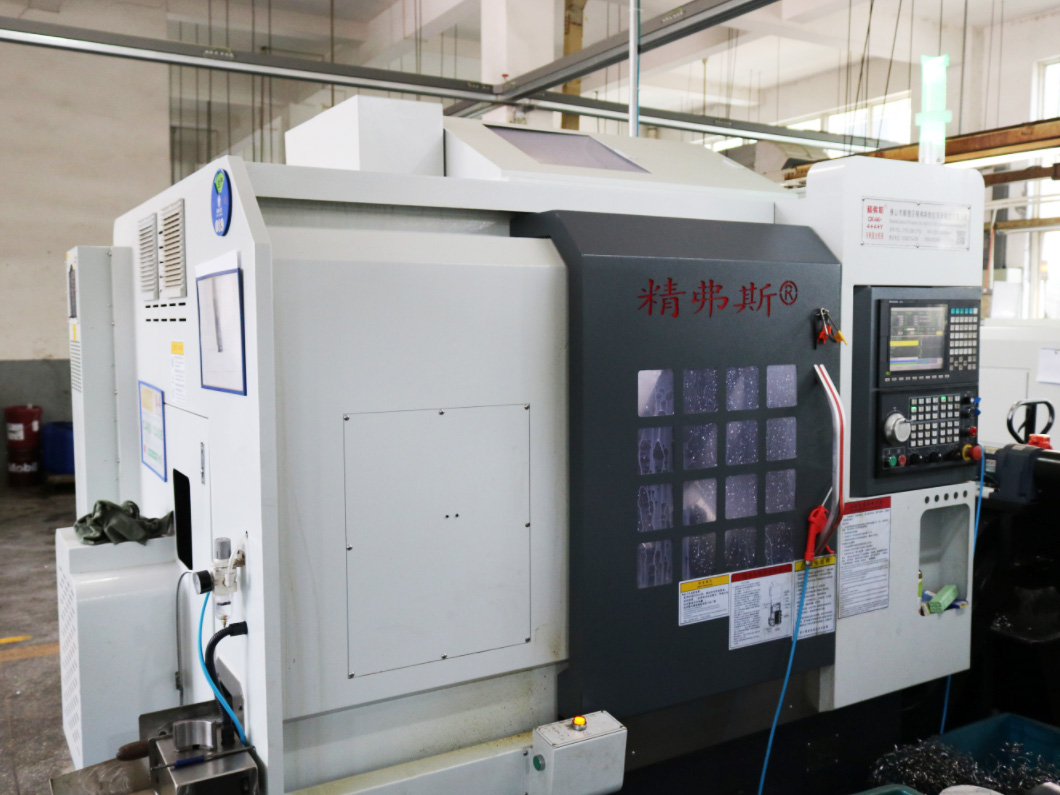
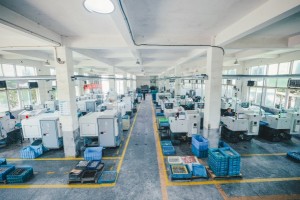
High-speed milling and turning centers capable of holding close tolerances across structural alloys.
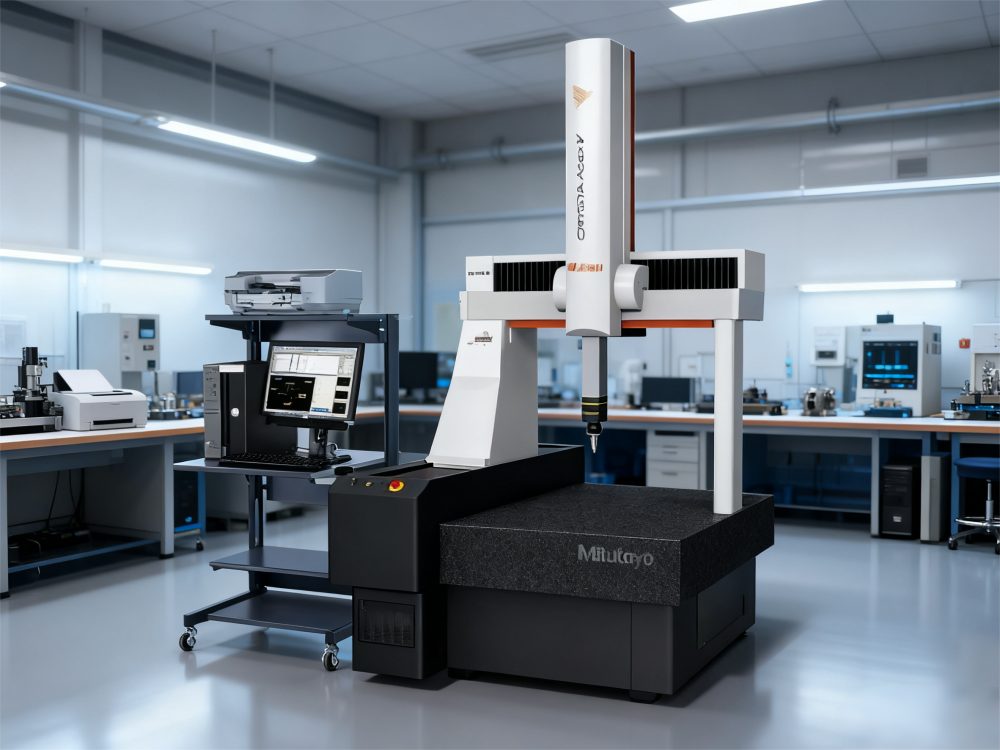
Our quality department uses high-precision testing instruments to confirm structural and surface finish properties.
See our raw materials and advanced forging, stamping, drawing, machining, surface treatment, and packaging workflows in detail.
Our CNC capability features automated setups designed for tight tolerances and consistent dimensional output.
Surface treatment properties like oxide film thickness, dye adhesion, and surface profile roughness cannot be assessed by visual inspection alone. Our facility features a dedicated metrology laboratory that inspects parts at every stage of the production process.
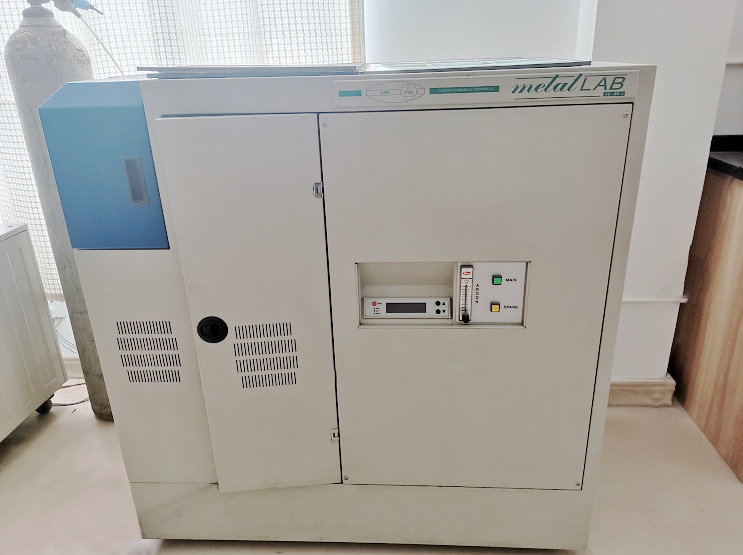
Used to verify chemical compositions of raw materials before forging or casting.
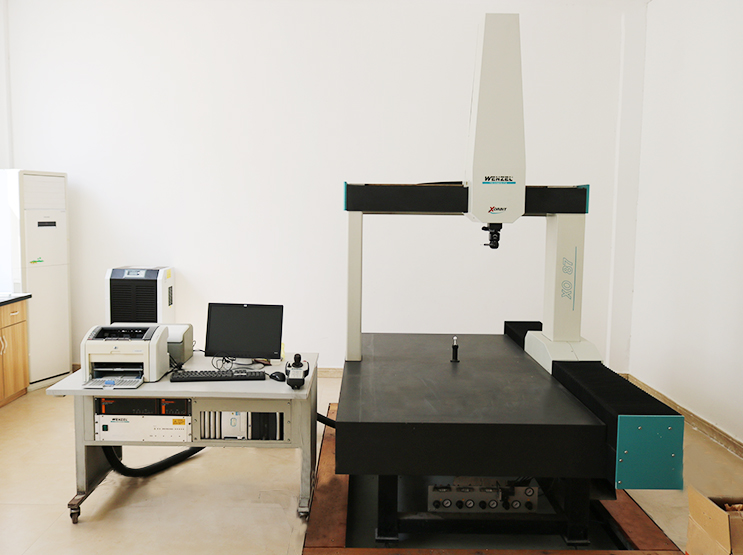
Ensures 3D dimensions match the reference drawing coordinate systems.
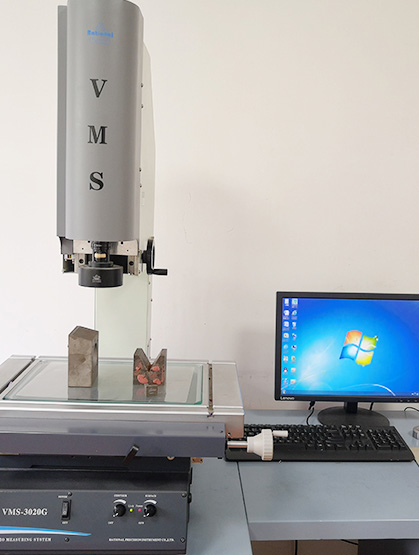
Offers automated optical measurement of micro-machined dimensional features.
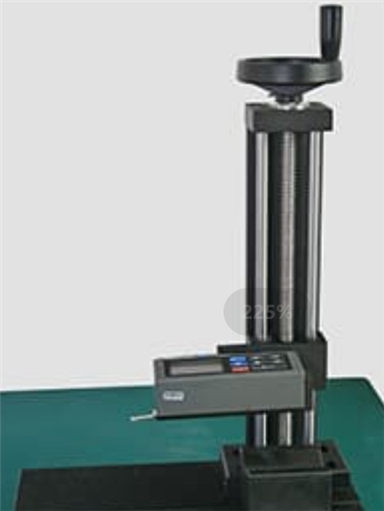
Measures surface micro-roughness (Ra) before and after electropolishing.
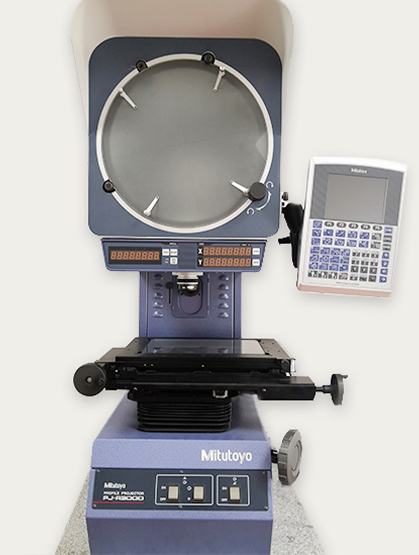
Enables quick, precise non-contact checks for stamping edge geometry.
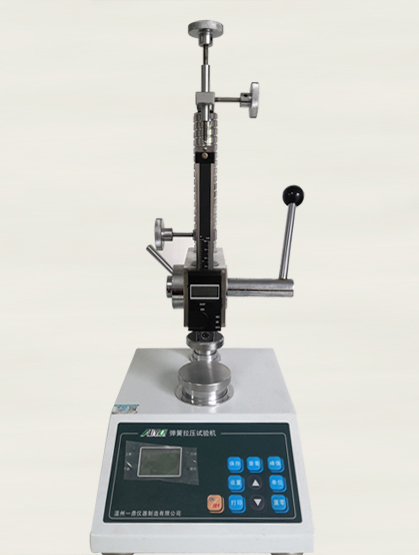
Measures load performance on sprung or formed components under pressure.
Maintaining surface and dimensional consistency requires a reliable production process. We manage every project through five distinct phases to prevent defects before they reach the final delivery stage.

We start by reviewing your drawings and requirements. Our engineering team reviews the tolerances, alloy compositions, anodizing thickness requirements, and packaging specifications to align all variables.

We procure the specified materials, configure our CNC or forging lines, and run test pieces. The samples are then anodized in our baths, inspected for color and layer thickness, and verified against your quality control sheets.



The physical samples are shipped to you along with our measurement reports. We wait for your confirmation and integrate any feedback into the final production plan before initiating the bulk run.


Once the sample is approved, we schedule the full production run. In-process inspection checkpoints monitor dimensional tolerances during machining, while chemistry checks ensure anodizing layer uniformity before packaging.

We pack parts securely to prevent surface damage during transit. All shipments include a one-year warranty against manufacturing defects, and our technical team remains available to resolve any issues.
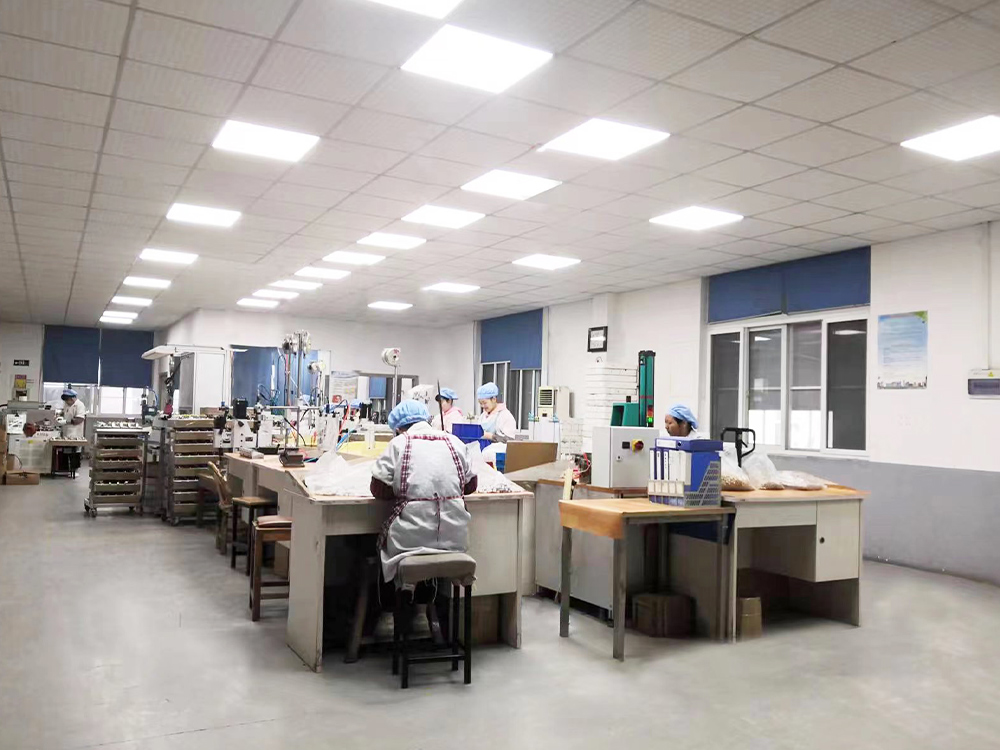
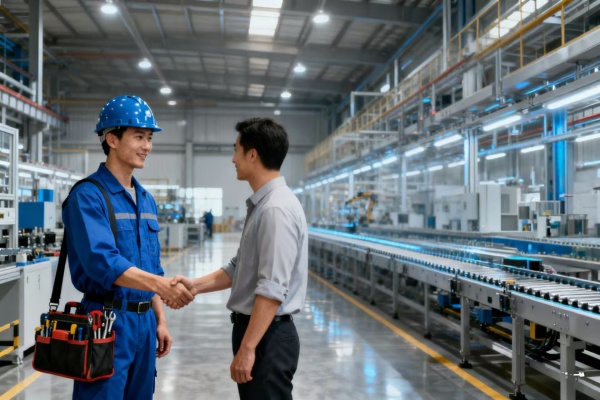 Our clean assembly workshop is configured for multi-part joining and mechanical sub-assembly work.
Our precision machined, forged, and anodized components serve diverse applications across global industries.
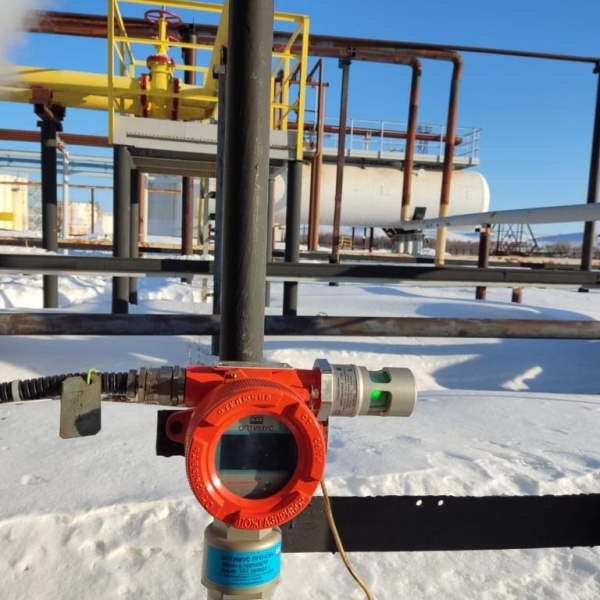
High-precision forged and anodized components designed for heavy machinery applications.

Engineered drivetrain parts and brackets that satisfy strict dimensional tolerance requirements.
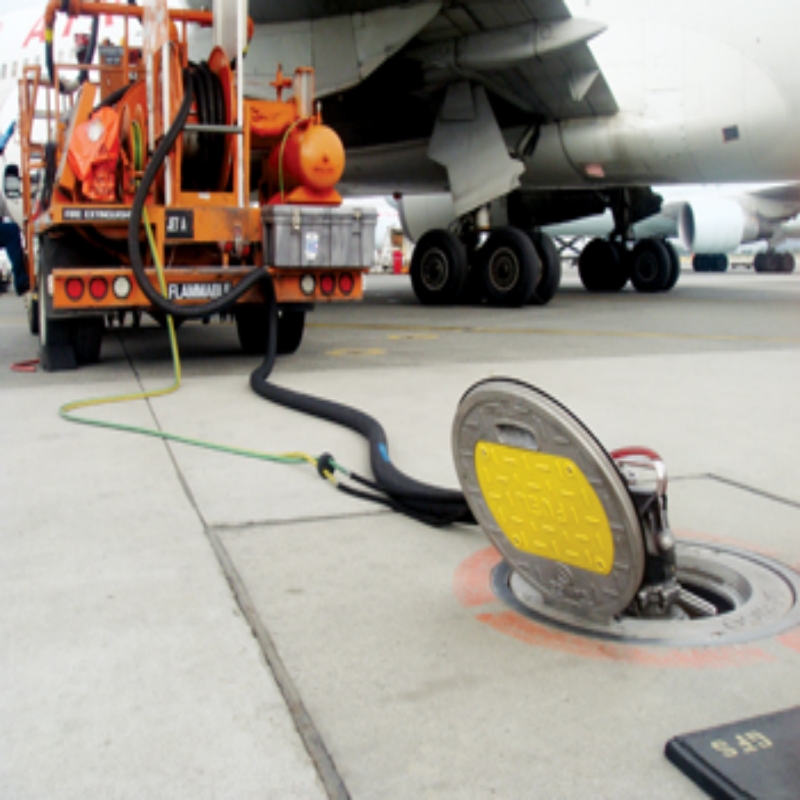
Aviation fuel hydrant pit box, structural brackets, turbine inlets, and transmission parts.
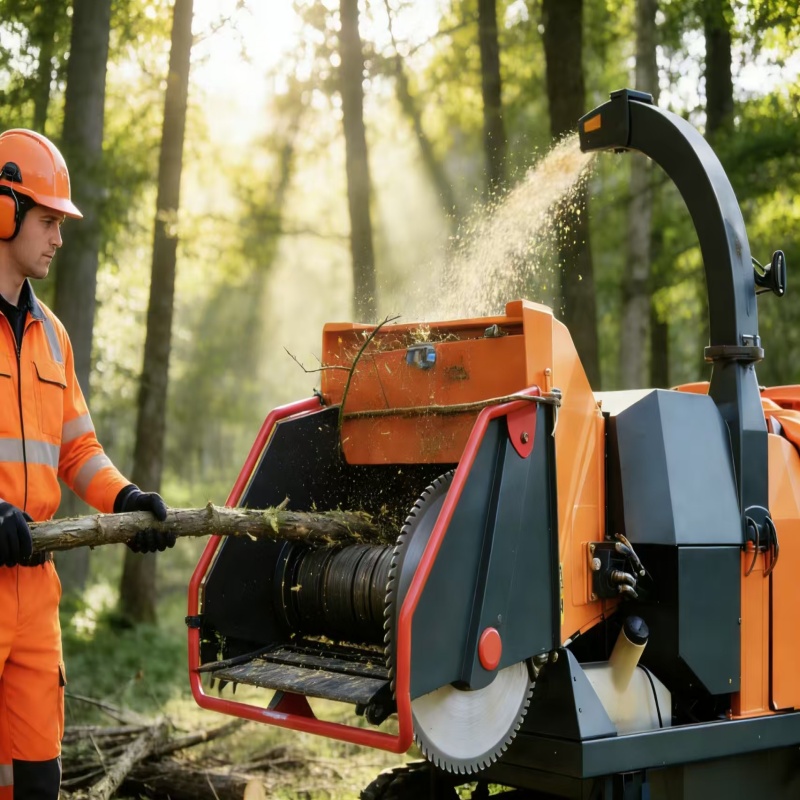
High-strength cutter discs and feed roller assemblies designed for abrasive processing environments.
Our parts are also found in safety systems (fire and toxic gas sensors, mining explosion-proof housings), lightweight micromobility assemblies (E-bike connectors and hydraulic levers), and clean processing lines (commercial food whippers and tabletop cookers).
For global OEMs, compliance is a prerequisite. XinYe maintains an active quality program to support engineering projects, from initial drawing review to shipping.
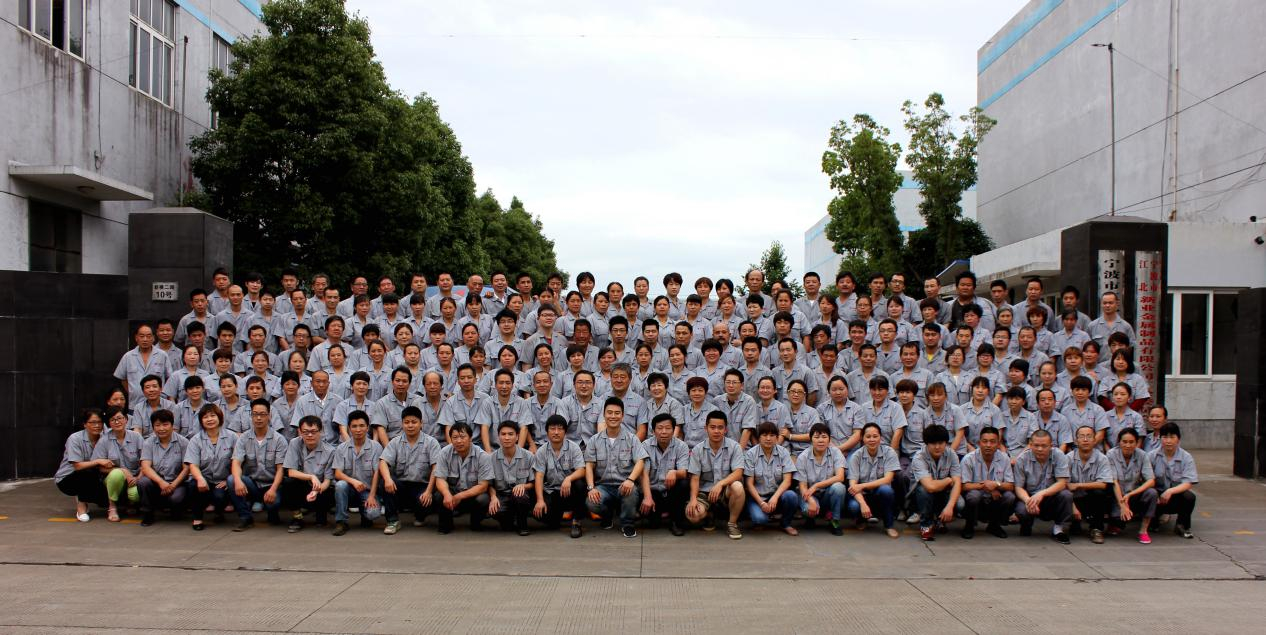
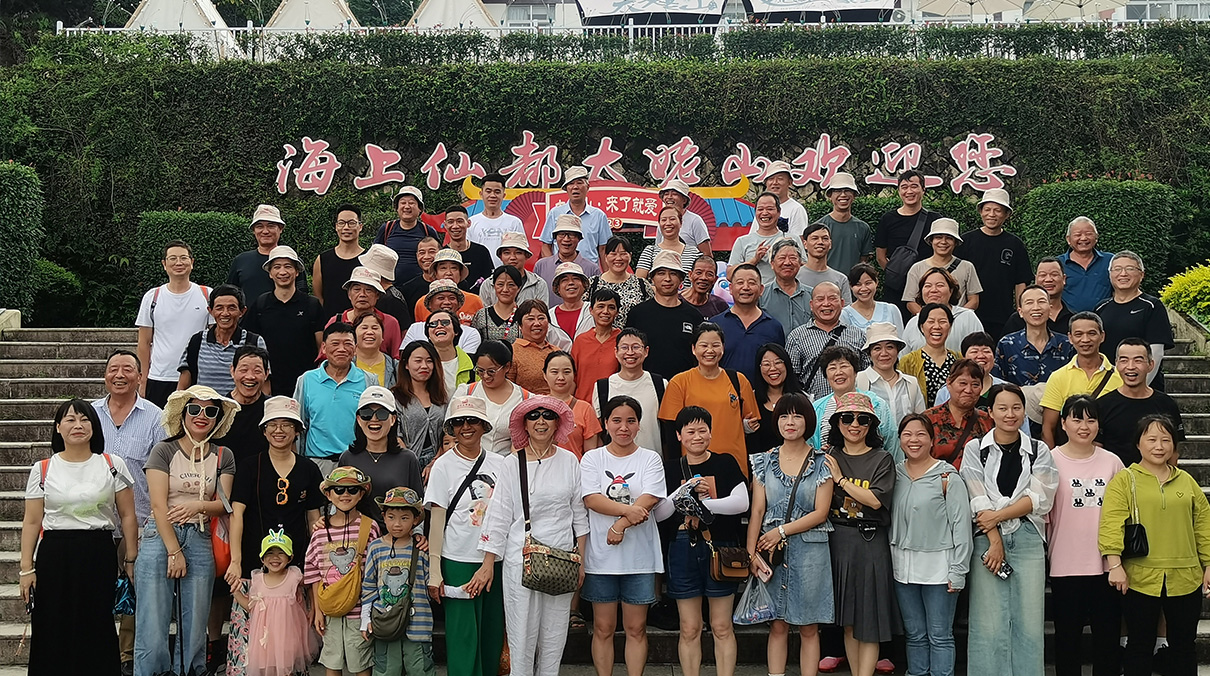
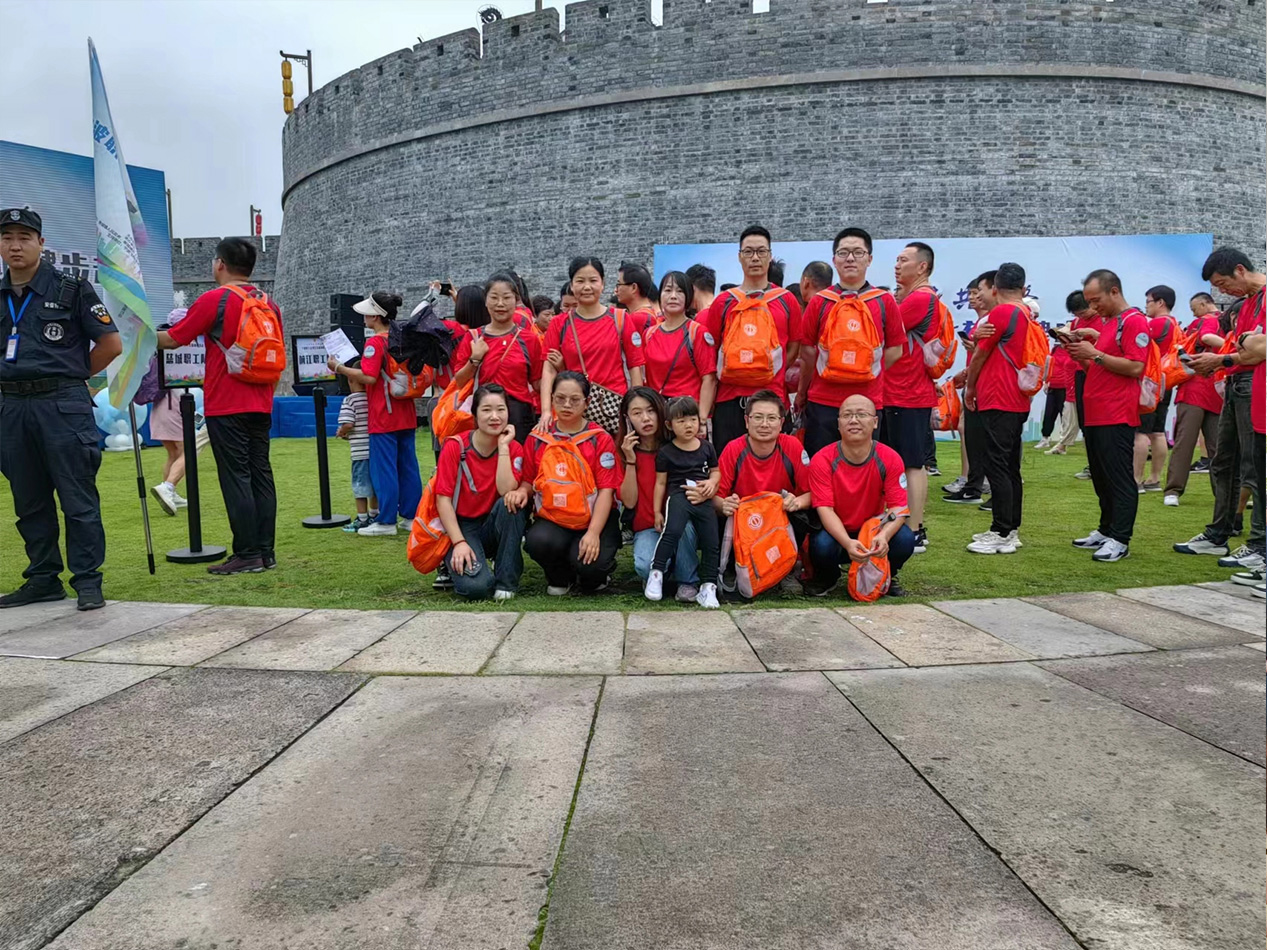
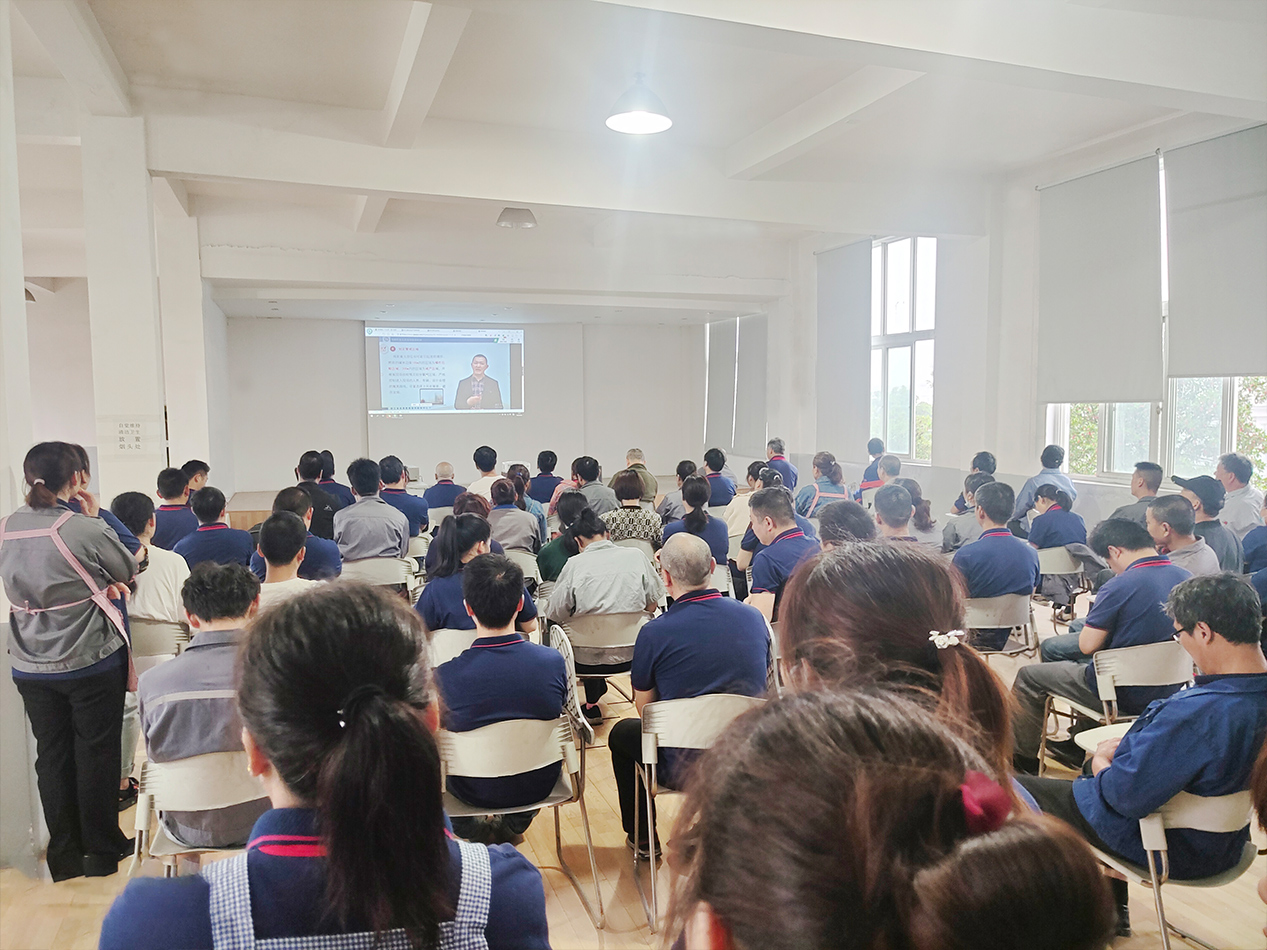
Trust, Responsibility, and Professionalism shape our team culture. With 130 employees—including 50 in engineering, quality control, and administration—we focus on technical precision and transparent communication.
Selecting an anodizer is a key step in product development. Anodizing is an electrochemical process that converts the aluminum surface into a durable, corrosion-resistant, anodic oxide finish. The chemistry involves immersing the component in an acid electrolyte bath (typically sulfuric acid) and passing an electrical current through the setup. The aluminum acts as the anode, releasing oxygen ions that combine with aluminum atoms to form a unified oxide layer.
Unlike paint or plating, which sits on the metal's surface, this anodic oxide layer is fully integrated with the underlying aluminum substrate. As a result, it will not chip, peel, or flake. The oxide's porous structure also allows for secondary processes, such as organic or inorganic coloring, followed by sealing to prevent color leaching.
In modern manufacturing, local support and global compliance are closely linked. OEMs face challenges such as varying alloy chemistry, fluctuating thickness tolerances, and color matching variations (measured using Delta E values). Working with an integrated factory like XinYe reduces these issues. Our engineering team reviews the original design files, checks alloy purity, and selects the optimal anodizing method for your application.
Electropolishing (E-polish) is also a key surface preparation. Often used for stainless steel castings, this process uses a combination of phosphoric and sulfuric acids to dissolve micro-peaks on the surface. This creates a smooth finish that reduces friction, improves cleanability, and makes the component easier to sanitize.
As environmental regulations tighten, companies must evaluate their suppliers' chemical handling practices. Premier factories invest in zero-discharge wastewater recycling systems, acid reclamation units, and automated chemical dosing to ensure consistent finish quality while protecting local water resources.
Our pricing depends on raw material costs, processing requirements, and current market conditions. We supply detailed, line-item quotations for raw metal forming, surface treatment, and quality testing. Please contact our team with your technical drawings for a custom quote.
Yes, we require ongoing minimum order quantities for international orders. This helps cover tooling setup, chemical bath balancing, and quality documentation. We can accommodate small trial batch runs as part of the initial sampling phase.
Yes, we supply complete quality documentation, including Certificates of Analysis/Conformance (CoC), material mill test certifications, ISO quality compliance certificates, and export paperwork.
Samples are typically processed and shipped within 7 days. For mass production runs, the standard lead time is 20 to 30 days following receipt of deposit and final sample signoff.
We accept bank wire transfers (T/T), Western Union, and PayPal. Our standard terms are a 30% deposit in advance of tooling and production, with the remaining 70% balance paid against the copy of the Bill of Lading (B/L).
We offer a one-year warranty on materials and workmanship, starting from the delivery date. We work closely with our customers to resolve any technical issues or dimensional deviations.
We use custom packaging designed for international shipping. Anodized parts are packed with protective film, foam inserts, and reinforced crates to prevent surface scratching and damage during transit.
Shipping costs depend on the delivery method, weight, and volume of the order. Express shipping is fastest for prototypes, while sea freight is the most cost-effective solution for volume production shipments. We can provide shipping estimates once the order details are confirmed.
 XinYe Metal