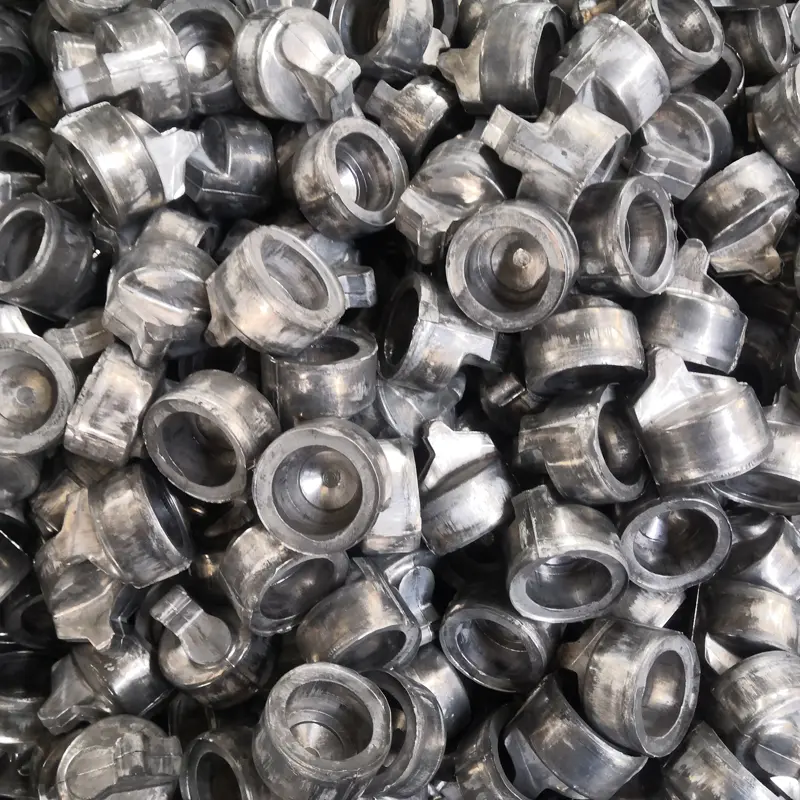
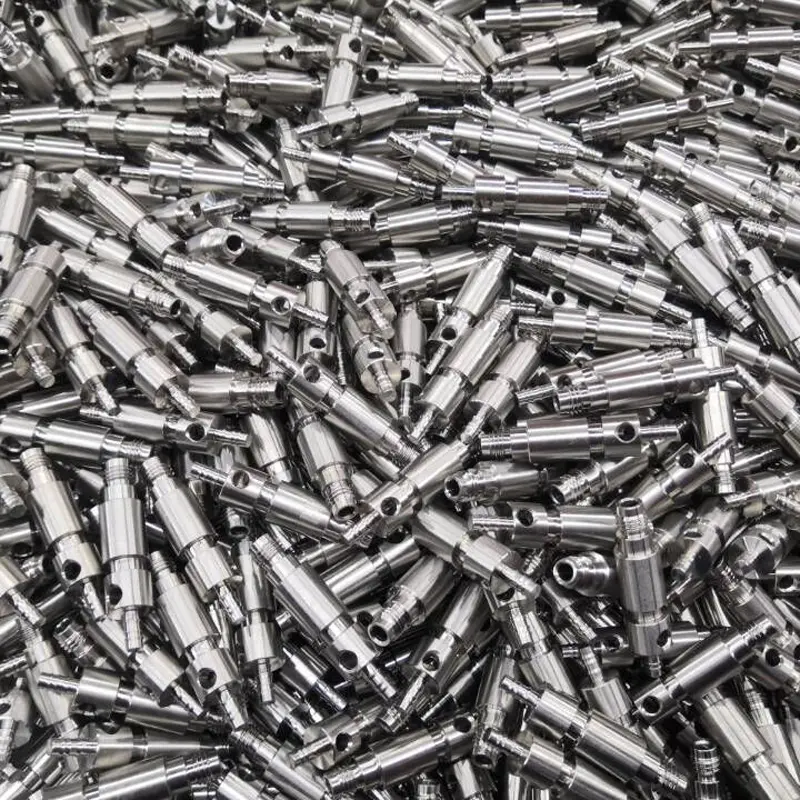
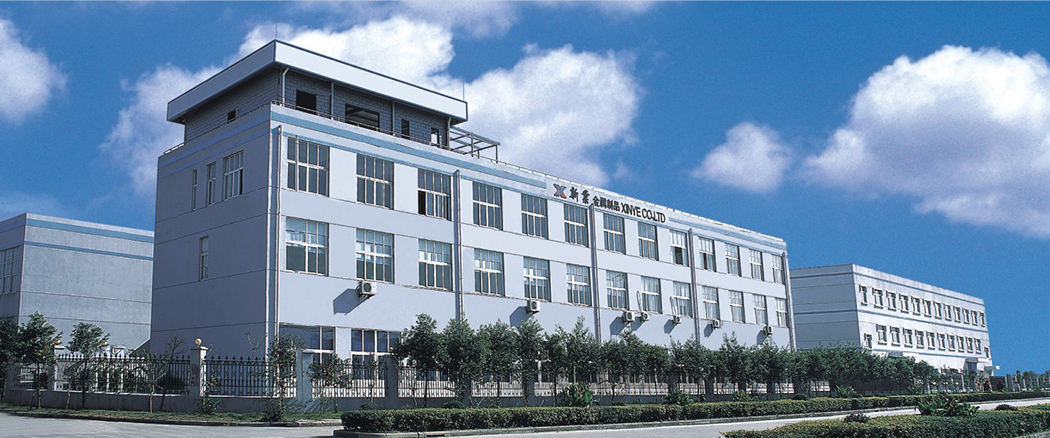
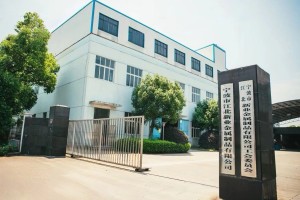
Founded in 1996 as a specialized family-owned business, Ningbo Jiangbei XinYe Metal Works Co., Ltd. has grown into an owner-managed SME corporation recognized globally for engineering excellence. Strategically located within the Ningbo Jiangbei Industrial Zone, our facility benefits from premier logistics networks. We are reachable within 3 hours from Shanghai International Airport via high-speed train, placing us at the heart of China’s advanced metal fabrication and finishing cluster.
Operating a manufacturing footprint of 16,000 square meters of active production floor, with an additional 11,000 square meters of construction area designated for expansion, XinYe balances scale with operational agility. Our team consists of 130 employees, comprising 80 highly trained production staff and 50 dedicated personnel specializing in product development, quality control, structural engineering, and corporate management.
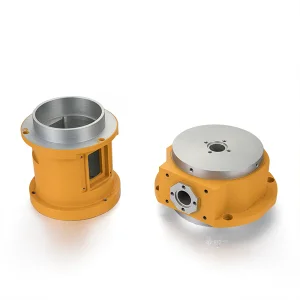
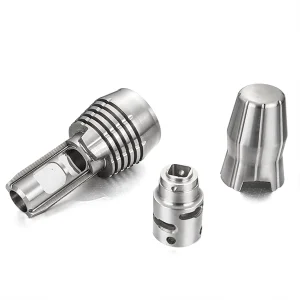
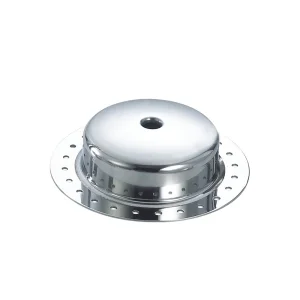
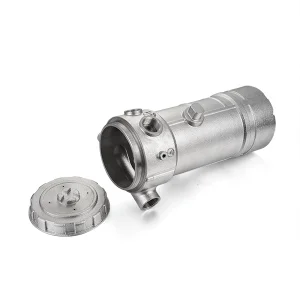
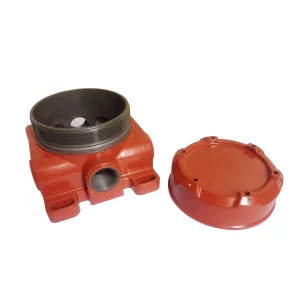
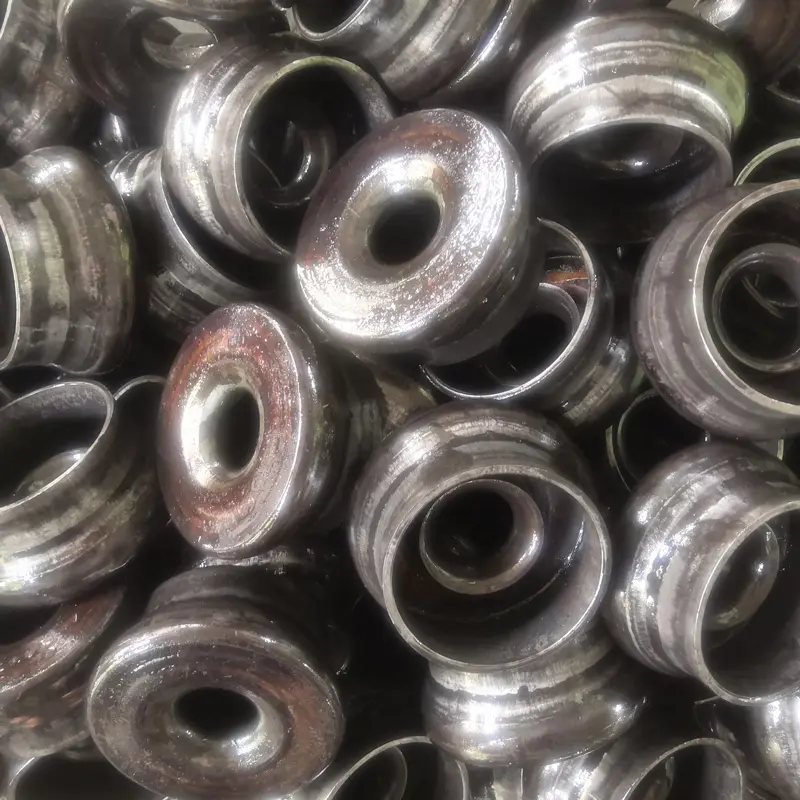
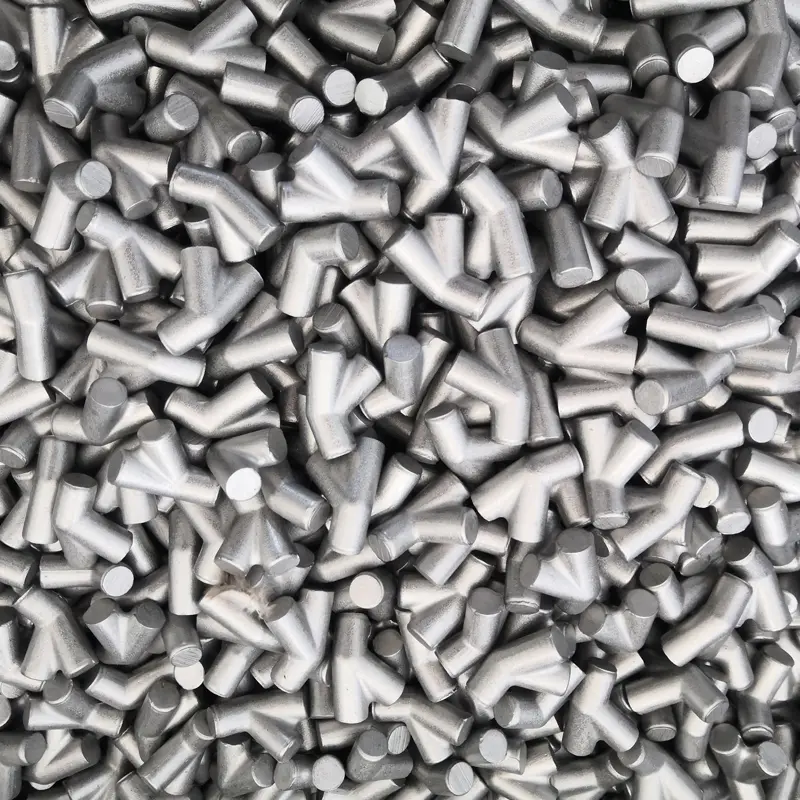
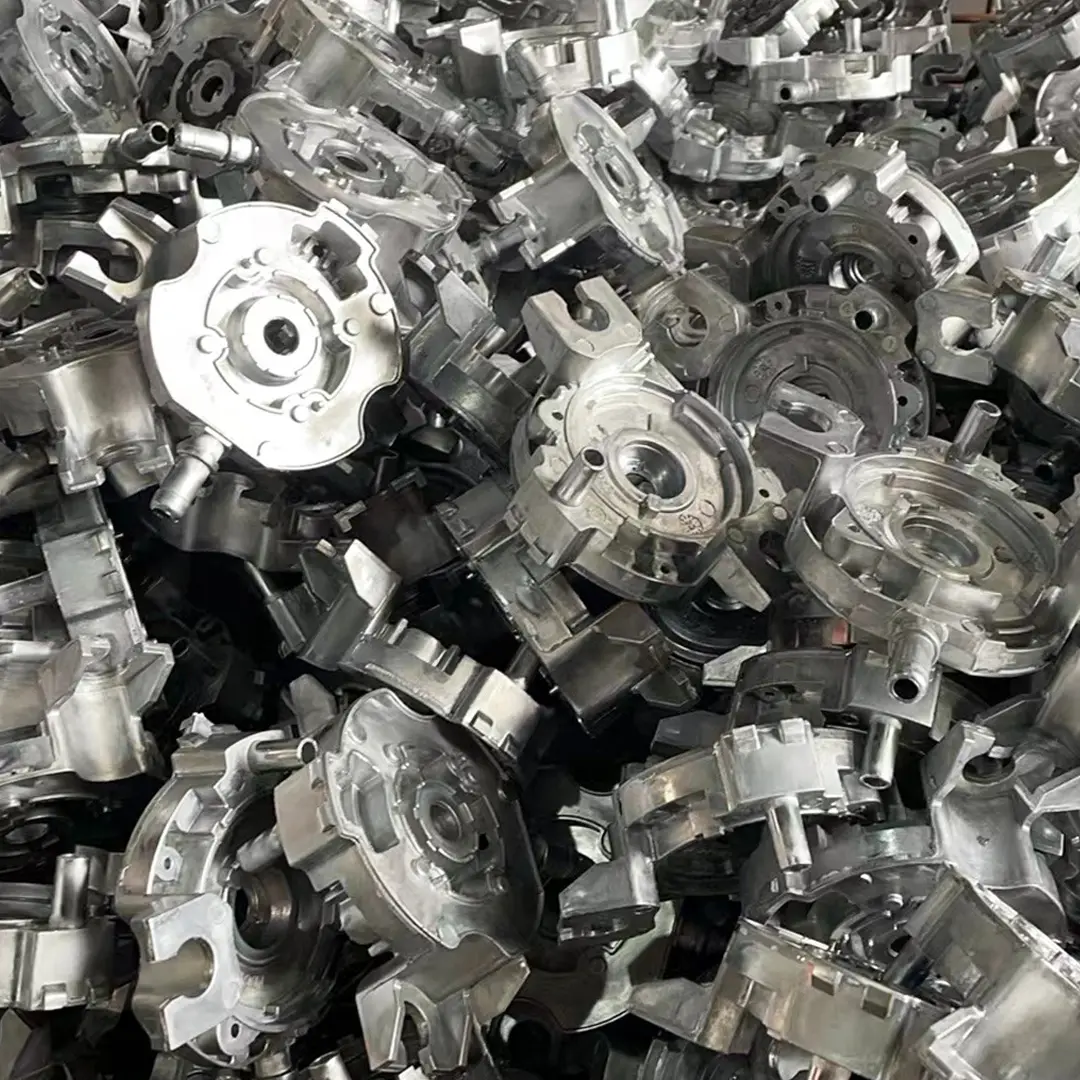
We provide professional, certified qualifications in: CNC machining, Aluminum alloy forging, Wax die stainless steel casting, Extrusion, Stamping, Anodizing, and E-polish surface treatments. Our global client base relies on our engineering integrity to support complex projects across automotive, medical, industrial safety, and aerospace industries.
Anodizing is an electrochemical process that converts the metal surface into a decorative, durable, corrosion-resistant, anodic oxide finish. Aluminum is ideally suited for anodizing, although other nonferrous metals, such as magnesium and titanium, also can be anodized. At XinYe, we integrate state-of-the-art electrochemical technology with mechanical pre-processing to achieve micro-level coating accuracy.
Utilizing controlled sulfuric acid baths ($H_2SO_4$) to produce standard decorative and protective oxides. Thicknesses range from 5 to 25 microns, offering excellent dye absorption properties for custom coloring requirements. Perfect for consumer products, architectural finishes, and automotive accents.
Operated at lower temperatures and higher current densities, Type III anodizing produces a dense ceramic coating (25 to 100+ microns thick) with extreme wear resistance, low friction coefficients, and high dielectric strength. Essential for aerospace, military, and wear-resistant machinery components.
For stainless steel and high-nickel alloys, our electropolishing process selectively removes microscopic peaks from the metal surface. This process enhances corrosion resistance, reduces surface roughness, and creates a high-luster, hygienic finish that prevents bacterial adhesion in food processing and medical applications.
| Metal Finishing Option | Material Compatibility | Standard Coating Thickness | Primary Industrial Benefit |
|---|---|---|---|
| Type II Decorative Anodizing | Aluminum Alloys (6000, 7000 series) | 5 - 25 μm | Aesthetics, standard corrosion protection, color dye acceptance |
| Type III Hardcoat Anodizing | Aluminum Alloys (6061, 7075, 5052) | 25 - 100+ μm | Extreme abrasion resistance, surface hardness, electrical isolation |
| Electropolishing (E-Polish) | Stainless Steel (304, 316, 316L) | Micro-polishing layer | Ultra-clean surface, bacterial resistance, high corrosion protection |
| Chemical Conversion Coating | Aluminum, Magnesium | < 1 μm | Paint adhesion base, electrical conductivity preservation |
As global industries transition toward lightweight alloys, structural parts must withstand harsher operating environments. Anodized aluminum components are replacing traditional steel components in various industrial markets across Europe, North America, and emerging markets. XinYe’s custom-engineered metal finishing solutions find critical applications in these demanding sectors:
For demanding hazardous areas, we produce critical sensor housings and enclosures. Our systems manufacture safety solutions such as fire and gas detection housings, flame sensors, fire detectors, explosive/toxic gas sensors, and hydrant pit box enclosure kits. Hardcoat anodizing provides a barrier against marine atmosphere salt spray and corrosive industrial chemicals.
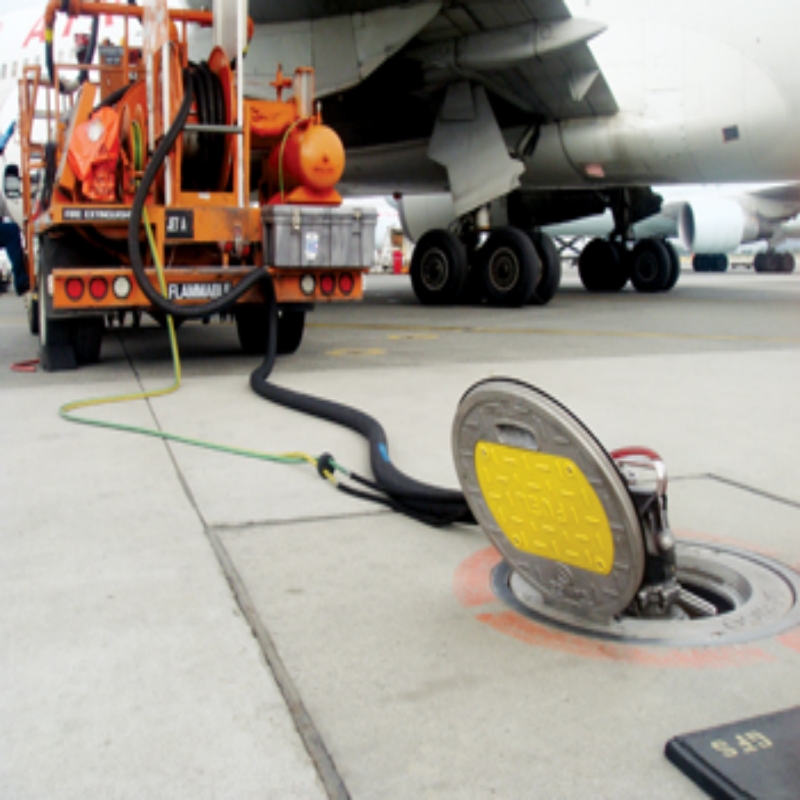
Weight reduction paired with mechanical strength is critical. We forge and machine Turbine Inlets, Transmission components, and Aviation Fuel Hydrant Pit Box hinge brackets. Standardized compliance guarantees that our products withstand high thermal stress and physical shear without surface oxidation or fatigue cracking.
The rise of electric mobility demands precision chassis and structural parts. XinYe supplies transmission components and lightweight E-bike parts, including connectors, structural tubes, and brake levers. Anodized coating layers guarantee long-lasting wear resistance and electrical isolation under constant cyclic mechanical loads.
Sanitation and biocompatibility are paramount. Our components are integrated into consumer and industrial culinary appliances, such as cream whippers and tabletop cooking stoves. Electropolishing and FDA-compliant anodizing processes prevent food residues from sticking and withstand harsh cleaning reagents.
Ningbo is a major deepwater port and logistics hub in China. XinYe leverages this regional ecosystem to secure raw material access, rapid mold fabrication, and efficient logistics. We maintain our competitive advantage through production resilience:
Our default operational schedule is 6 days a week, 16 hours a day. To handle unexpected spikes in demand or to accelerate critical manufacturing timelines, we can scale to a full 24/7 mode within 30 days, backed by a localized pool of skilled machinists.
By housing die-casting, forging, stamping, precision CNC machining, and anodizing under one roof, we eliminate intermediate transit steps, reducing lead times by up to 35% compared to multi-vendor supply chains.
With an additional 11,000 square meters of construction-ready land at our Ningbo industrial zone site, we are prepared to establish dedicated production cells and invest in custom machinery alongside our regular clients.
Our core production tools include Japanese import machinery to ensure repeatable mechanical tolerances:
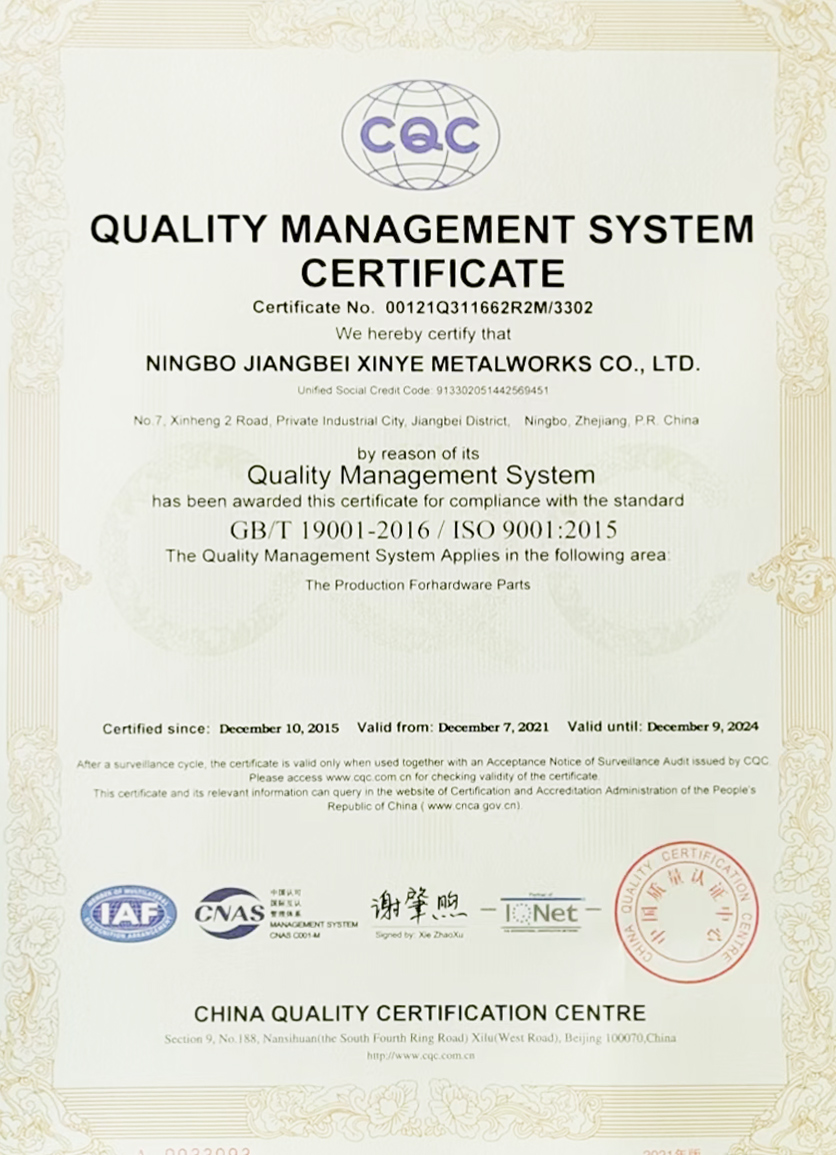
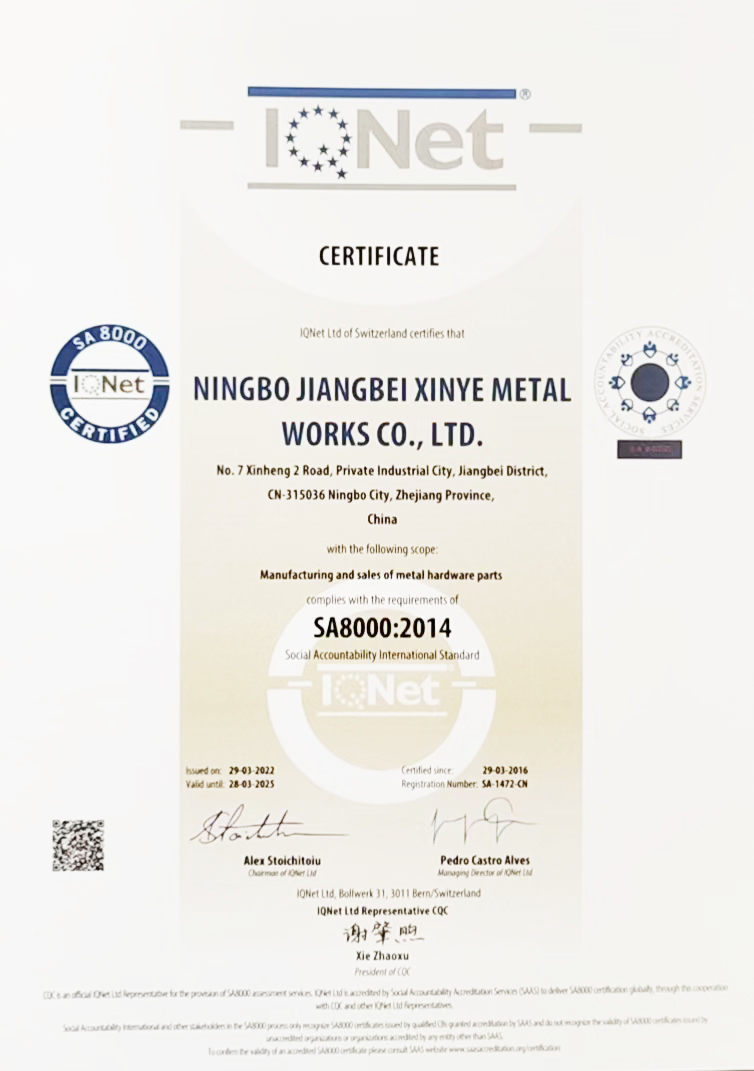
Quality is our core metric. Partnering with global industrial groups, we developed a quality inspection protocol backed by complete material traceability. XinYe is certified under the ISO 9001-2015 Quality Management System and SA8000 Social Accountability Standard, ensuring compliance with global manufacturing, social, and safety norms.
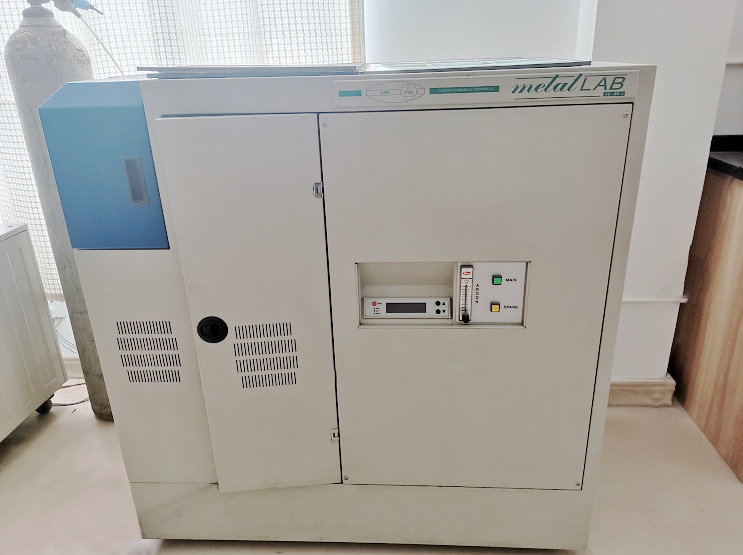
Performs optical emission spectrometry to analyze element distribution and verify incoming material composition.
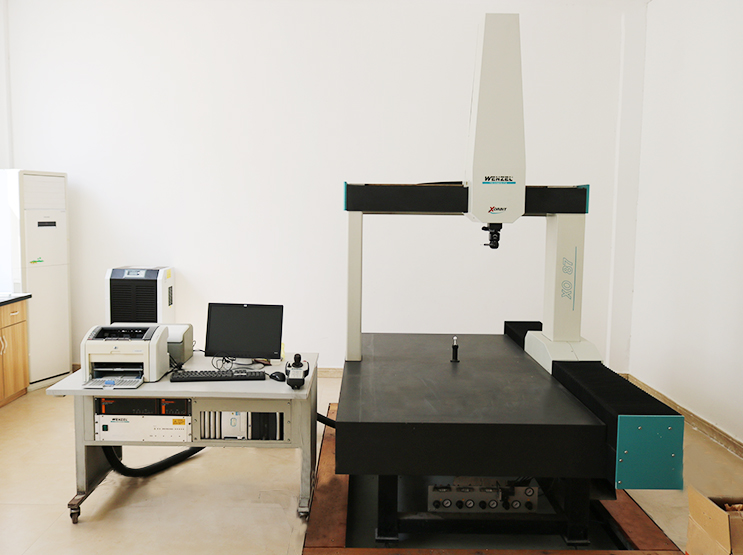
Ensures 3D coordinate validation with sub-micron accuracy for critical automotive and aerospace parts.
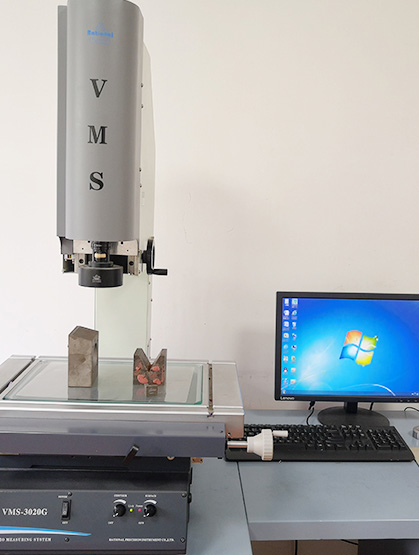
Offers optical edge-detection measurements for micro-machined and stamped products.
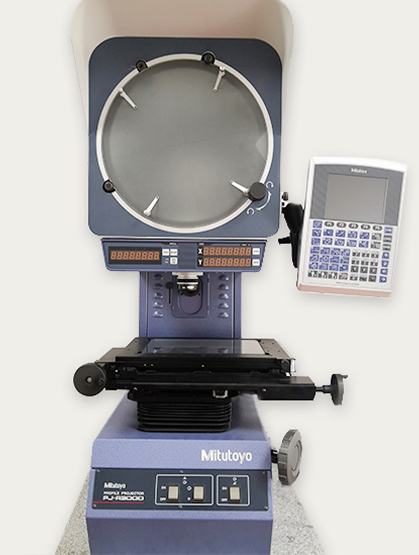
Provides inspection throughput for high-volume automotive production runs.
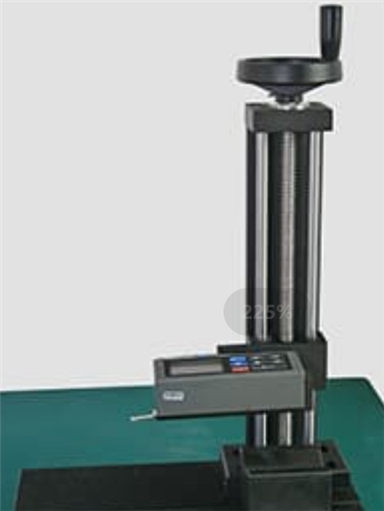
Monitors surface roughness (Ra) post-anodizing and electropolishing, maintaining compliance with aerospace profiles.
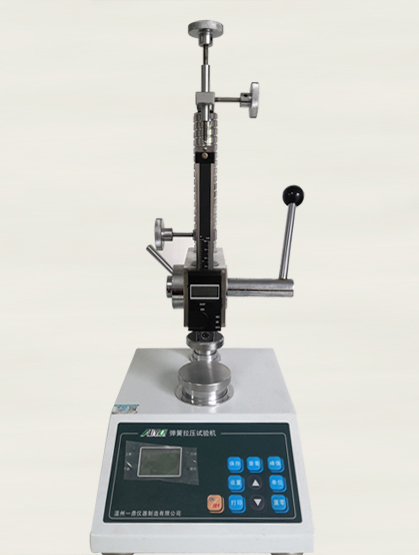
Validates structural deformation metrics under high loads for heavy spring-loaded mechanisms.
From initial design evaluation to final secure transport, our processes optimize manufacturing paths while maintaining material quality.

Our collaborative phase begins with detailed engineering discussions. Here we establish initial OEM-customized sample guidelines, finalize engineering drawing reviews, perform structural analysis, establish pricing agreements, and calculate standard delivery targets.

Using our precision tooling shop, we produce verified initial parts. This phase includes:



Samples undergo verification tests at the client's lab. We analyze this feedback, adjust processing metrics if required, and establish the golden master prototype before starting large-scale mass production.


Upon sample sign-off, we schedule raw material runs. The manufacturing steps include:

We stand behind our materials and fabrication quality. We provide a one-year warranty for products with manufacturing defects, starting from the delivery note date. In our dedicated assembly workshop, we also offer custom kit assemblies and value-added sub-assembly services.

XinYe maintains import manufacturing machinery to handle high-precision specifications. Review our machinery and layout:
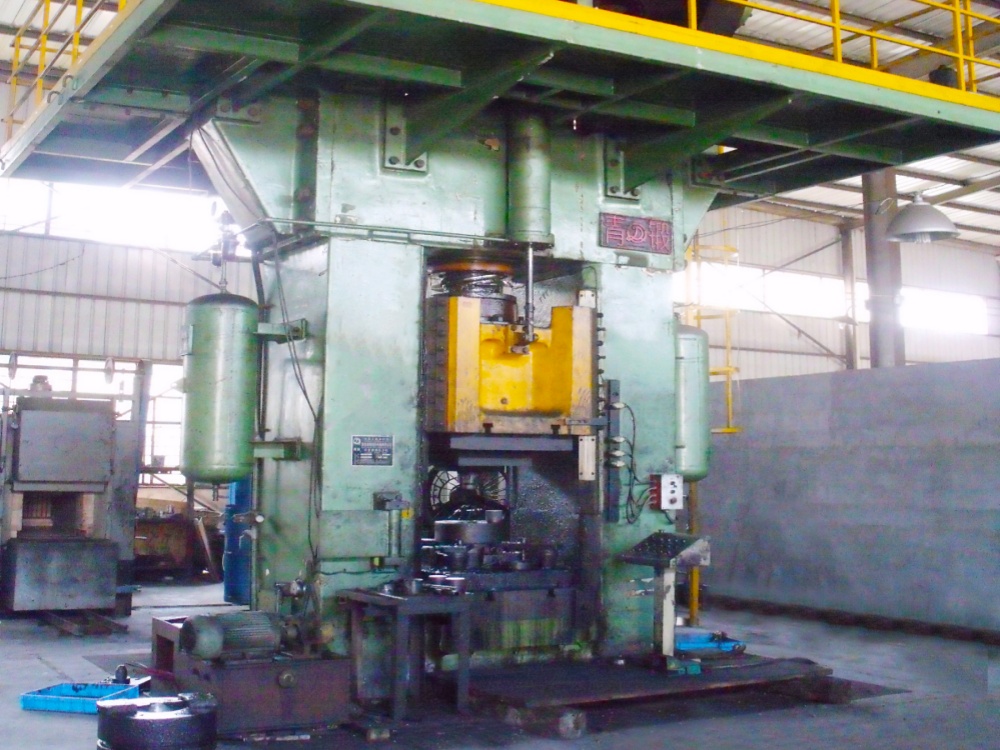
Equipped with 300T to 1000T friction presses, these machines forge complex aluminum shapes, aligning the metal grain structure for high component strength.
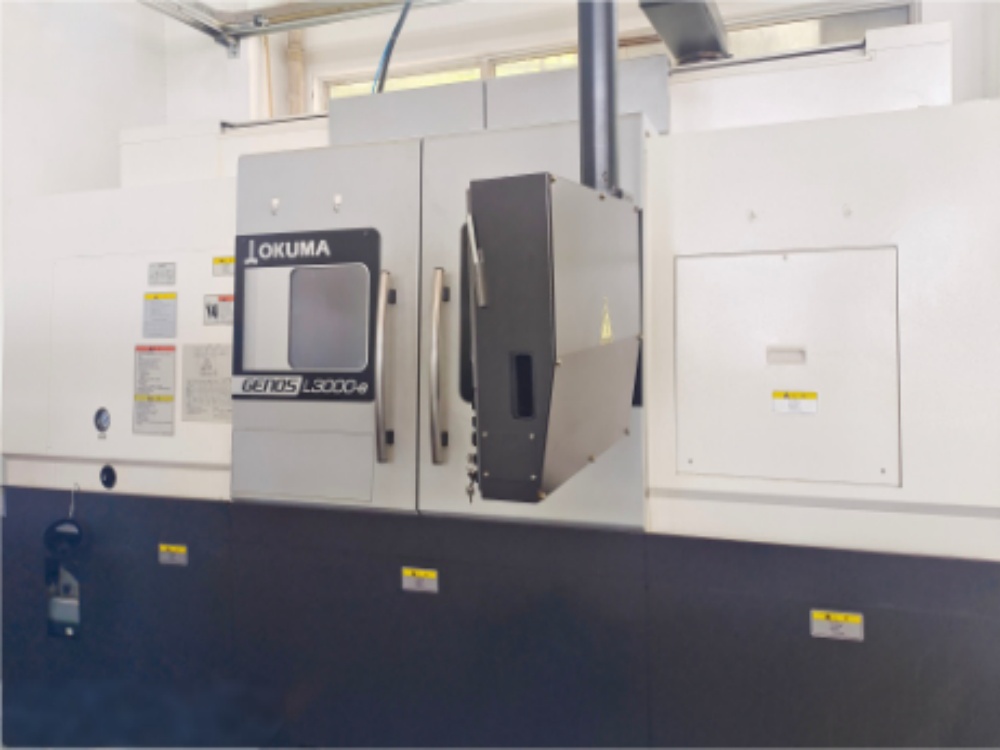
Our 4-axis machining centers run custom toolpaths, achieving dimensional tolerances down to 0.001mm.
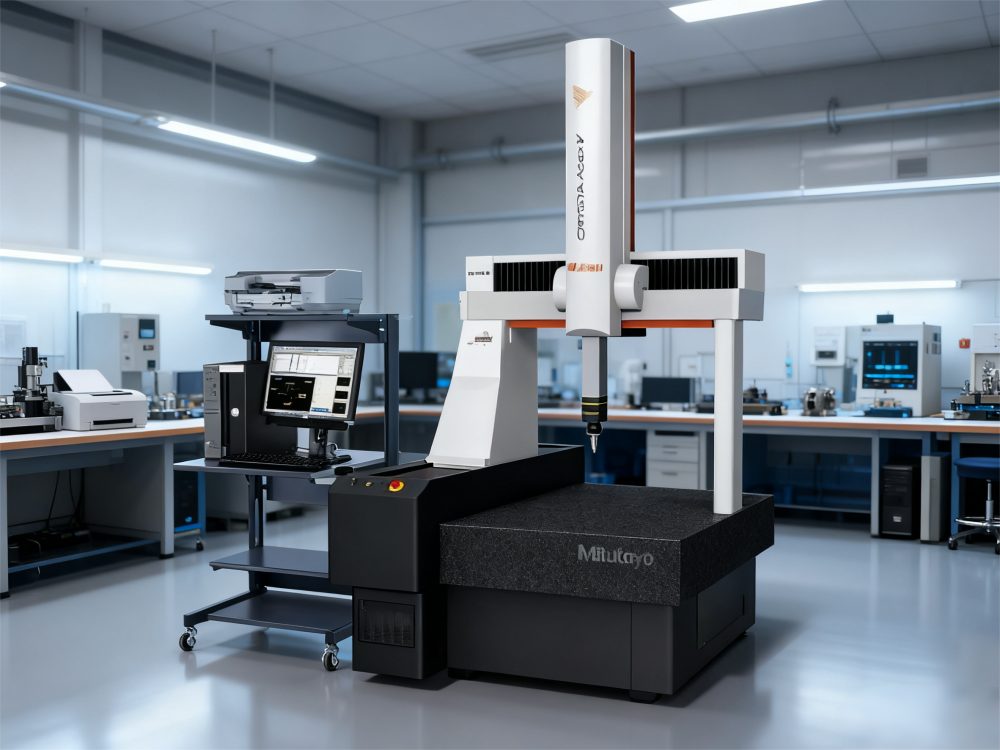
Equipped with spectrum analyzers, CMMs, video measuring systems, and roughness meters to verify every dimension.
Below are examples of how we integrate casting, stamping, forging, machining, and surface finishes for our clients:
Precision aluminum components for heavy machinery, produced using our hot forging technology.
Material: Stainless Steel, Aluminium Alloy
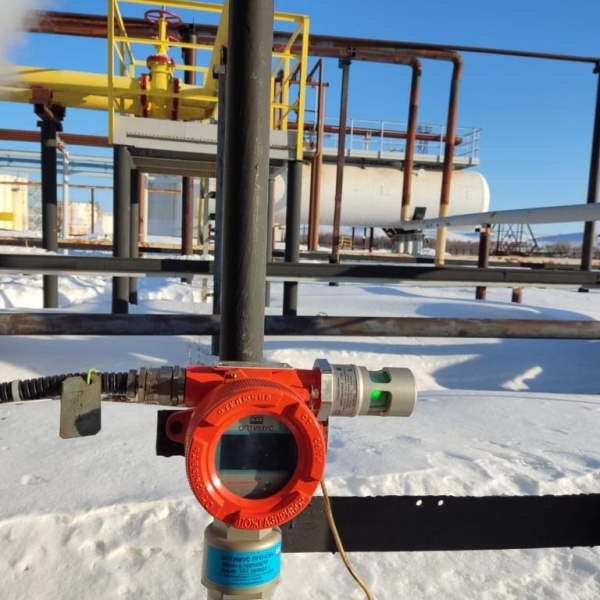
Supplying the automotive industry with strict tolerance requirements and consistent surface quality.
Material: Stainless Steel, Aluminium Alloy

Aviation Fuel Hydrant Pit Box, Hinge Bracket, Turbine Inlet, Transmission parts.
Material: Stainless Steel, Aluminium Alloy
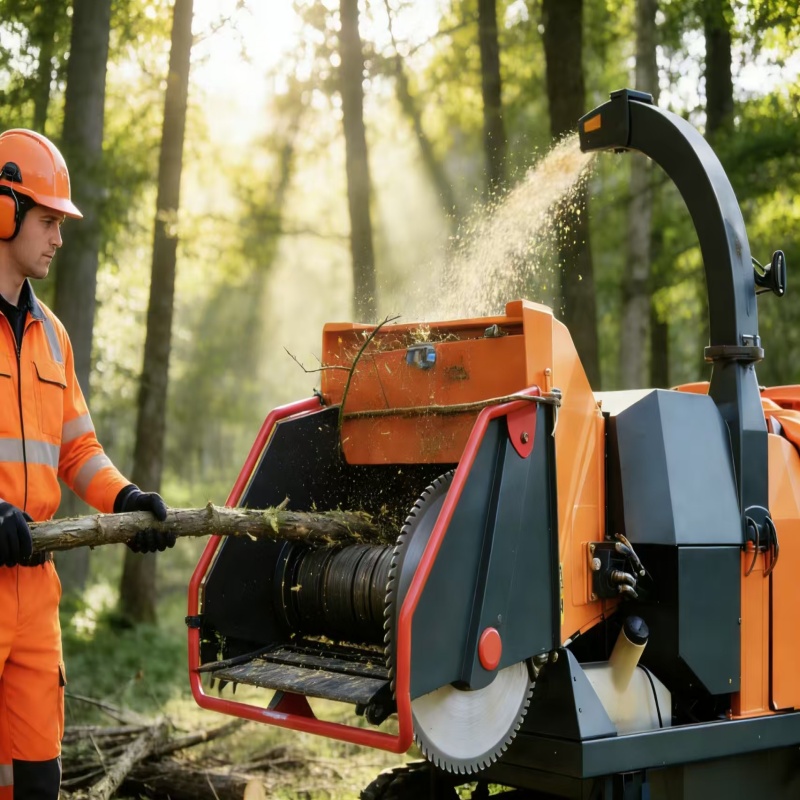
Precision wood chipper crushing system components engineered to withstand high shear forces.
Material: Q345B, 42CrMo, NM400 for shaft
Operating responsibly under owner management, we align our team culture with global expectations. This dedication is reflected in our certifications and values:
"Always comes first, our priority, our responsibility, to exceed your expectations." We build long-term relationships with international clients based on clear communication.
"Taking action with care and precision to deliver solutions and services that meet the needs of our clients and staff." This is backed by our active SA8000 compliance.
"What we do, what we create, what we deliver — all with a focused attitude, dedication, and drive for continuous improvement."
Our quality management systems and working conditions are verified under international standards:
Standards Held:
Find answers to common questions about our prices, lead times, anodizing thickness control, certifications, and payment options:
 XinYe Metal