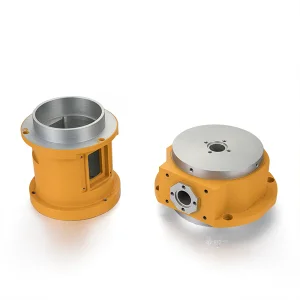
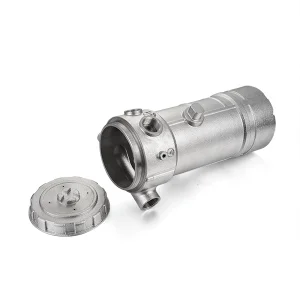
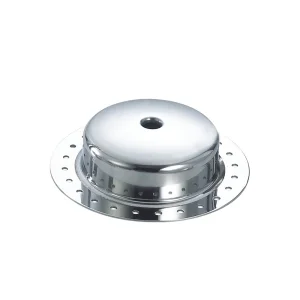
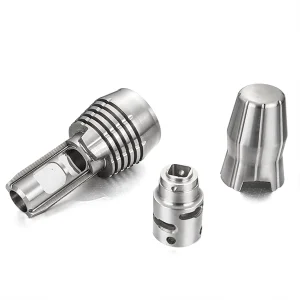
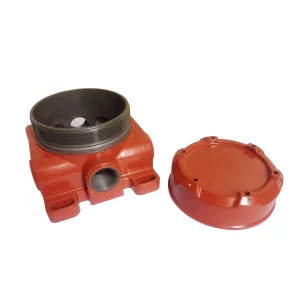
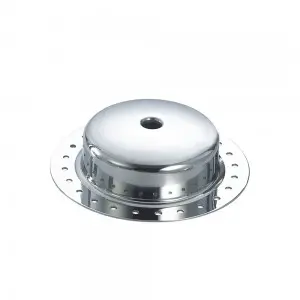
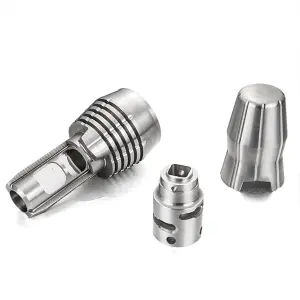
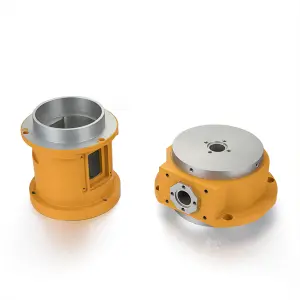
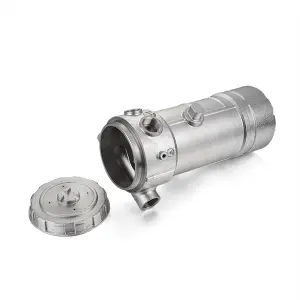
Explore our main component solutions combining proprietary material specifications with high-end surface finishing capabilities.
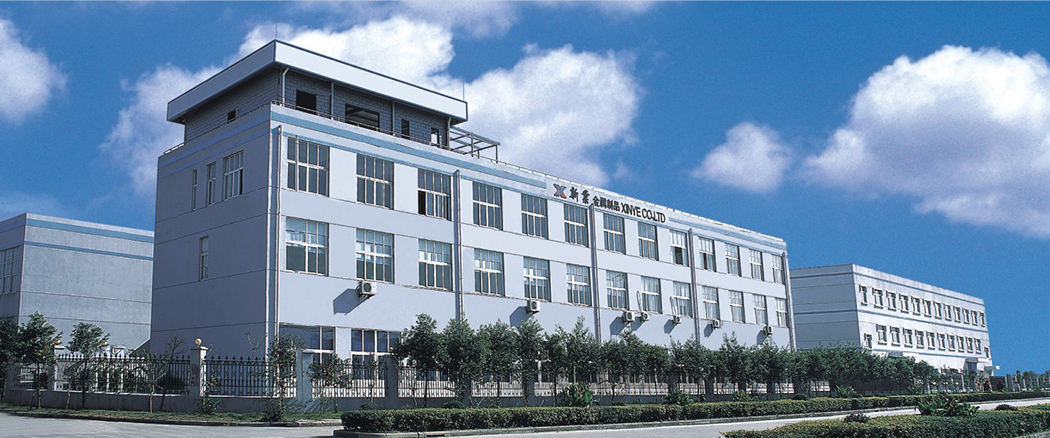
Founded in 1996 as a specialized family-owned enterprise and successfully developed into a leading, owner-managed SME corporation, Ningbo Jiangbei XinYe Metal Works Co., Ltd. stands as a benchmark of excellence in high-precision metal fabrication and anodised surface finish treatments in China.
Strategically situated in the Ningbo Jiangbei Industrial Zone, our modern facilities are positioned for global logistics, accessible within a 3-hour high-speed train connection from Shanghai International Airport. Over the past 28 years, we have transitioned from traditional manufacturing to a high-tech metal engineering hub servicing high-barrier industries worldwide.
Understand the mechanical properties, electrochemical processes, and macroeconomic factors driving the selection of high-grade anodised aluminium.
Anodising is an electrochemical passivating mechanism that converts the surface of raw aluminium into an exceptionally durable, corrosion-resistant, and aesthetically versatile anodic oxide finish. Unlike coating processes like painting or powder coating, the anodised finish is fully integrated with the underlying aluminium substrate, eliminating risks of peeling, chipping, or flaking.
In our specialized surface treatment facility, the process utilizes a controlled direct current (DC) running through an acidic electrolyte bath (typically sulfuric acid, H2SO4). The aluminium component acts as the anode. This reaction releases oxygen ions which combine with the surface aluminium atoms to form a highly structured, porous aluminium oxide layer (Al2O3). This porous layer is subsequently colored using organic/inorganic dyes or metal salts and hydro-thermally sealed at high temperatures to lock in the color and seal the pores.
Not all aluminium alloys react identically under anodisation. Material purity, crystalline grain structures, and alloying elements heavily influence the final film clarity, hard-coat thickness, and aesthetic uniformity:
| Anodising Standard / Type | Typical Film Thickness | Key Properties | Primary Industrial Applications |
|---|---|---|---|
| Type I (Chromic Acid Anodising) | 0.5μm – 2.5μm | Thinnest protective layer, maintains fatigue strength of high-strength alloys. | Aerospace structural assemblies, defense hardware. |
| Type II (Sulfuric Acid Anodising) | 5μm – 25μm | Excellent color dye absorption, high corrosion resistance, decorative finish. | Consumer electronics, automotive trim, medical instruments, household appliances. |
| Type III (Hardcoat Anodising) | 25μm – 100μm+ | Extreme wear resistance, high dielectric insulation, low coefficient of friction. | Engine cylinder bores, hydraulic valves, sliding gears, heavy-duty marine parts. |
Addressing the complex requirements of supply chain risk mitigation, technical compliance, and sustainable production for global engineering buyers.
Global logistics and geographical concentration pose inherent risks to supply chains. XinYe mitigates this by providing a unified solution that manages raw material procurement, hot forging, high-precision multi-axis CNC machining, advanced anodising, and final assembly under one roof, reducing lead times and handling interfaces.
Meeting rigorous international standards like REACH, RoHS, and specialized industrial parameters (such as ASTM-B117 salt spray ratings) is non-negotiable. Our in-house testing lab verifies anodised oxide thickness, sealing quality (via acid dissolution test methods), and color fastness before any batch departs.
With Carbon Border Adjustment Mechanisms (CBAM) coming into effect globally, green production is essential. XinYe has optimized its energy mix and anodising line water conservation loops, ensuring our products carry a lower embedded carbon footprint, helping global OEMs meet scope 3 emission goals.
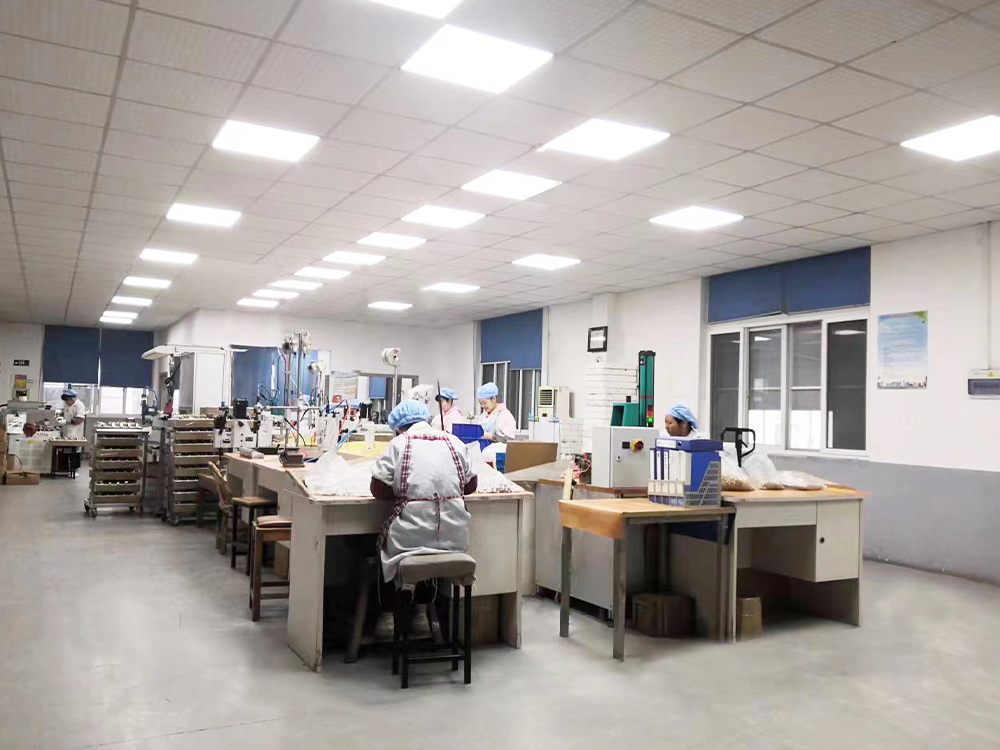
Combining heavy-tonnage forging machinery with high-precision CNC equipment to form complex metallic architectures finished with expert surface treatments.
Our production floor is designed to manage dynamic scaling. While operating a baseline schedule of 16 hours a day across 6 days a week, we can transition to a 24/7 continuous operation mode within 30 days to accommodate surge demands.
Watch our manufacturing processes, including hot forging, multi-axis machining, and quality control steps in action at the Ningbo factory.
Witness our specialized machine machining components with tight tolerance requirements for global industrial applications.
Quality is the cornerstone of our operations. Supported by ISO 9001:2015 and SA8000 certifications, we monitor structural and aesthetic parameters at every phase.
Each batch of raw material undergoes spectral analysis to verify chemical composition before processing. High-precision tooling and automated monitoring ensure components stay within specification during machining.
Our quality assurance department utilizes modern metrological equipment, verifying critical tolerances and functional characteristics prior to packaging.
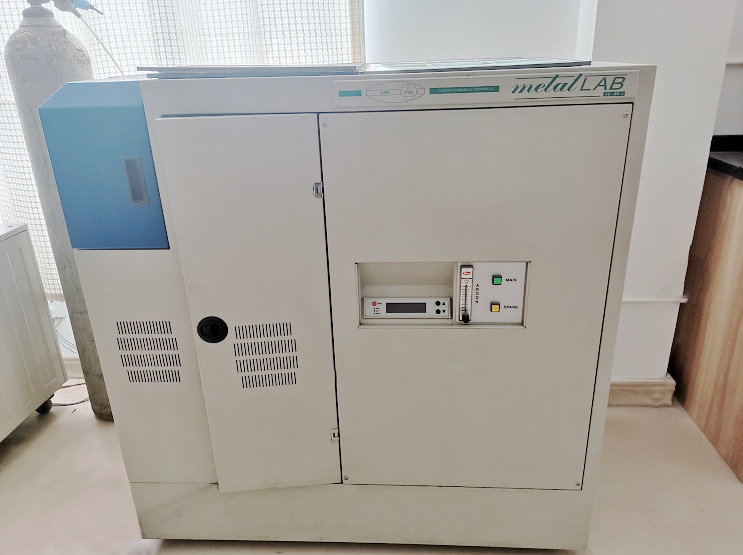
Chemical composition verification.
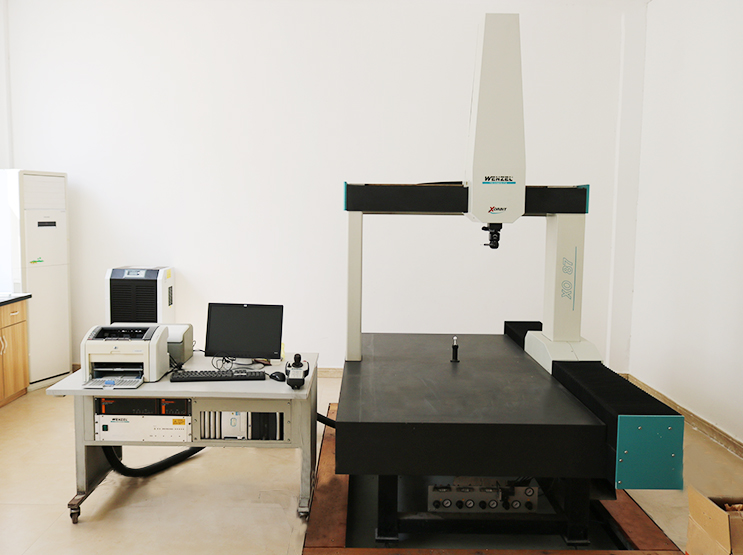
3D dimensional metrology.
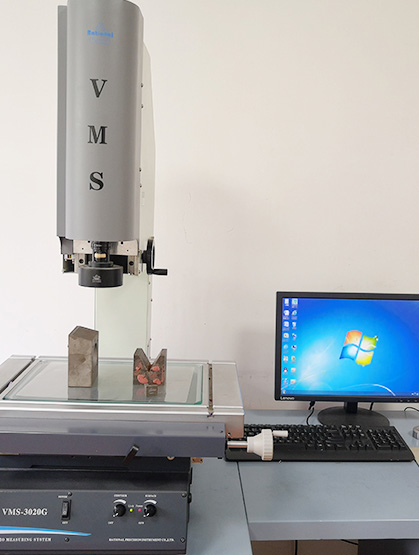
Optical contour analysis.
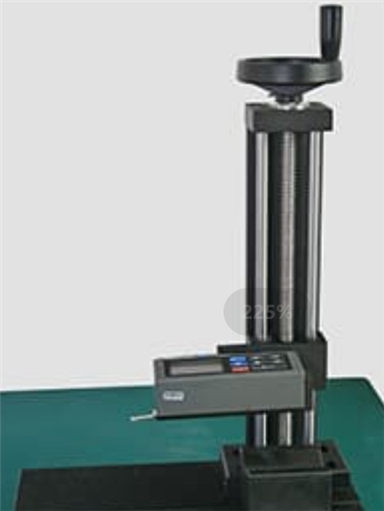
Surface micro-profile measurement.
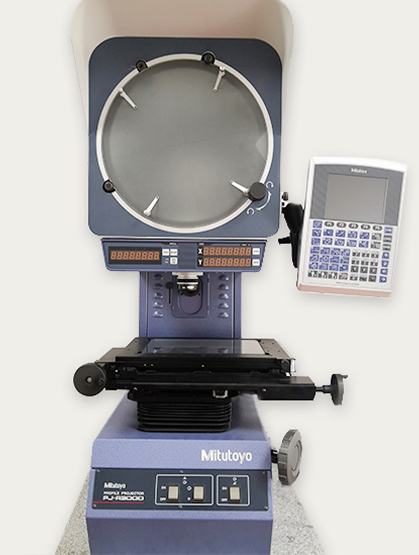
Dedicated inspection for optical verification of high-precision stamped profiles.
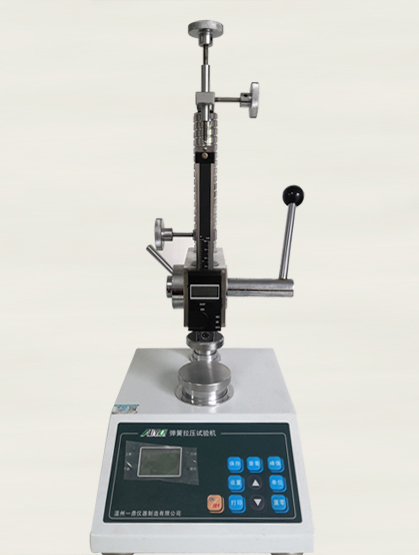
Verifies structural parameters and tensile loading resistance.
From technical review to quality control and logistics management, we coordinate each phase of custom fabrication.
Engineering review of client drawings, material analysis, DFM (Design for Manufacturability) planning, and toolpath simulations.
Small-batch material procurement, prototype forging/machining, initial anodisation validation, and dimensional report generation.
Prototype evaluation, fit-testing, color adjustments, and functional verification prior to production sign-off.
Automated manufacturing scheduling, process-integrated inspection checkpoints, and final surface treatment cycles.
Logistic tracking, material trace documentation delivery, and a comprehensive 1-year manufacturing defect warranty.




Explore examples of our precision manufacturing and surface treatments deployed in high-performance sectors globally.
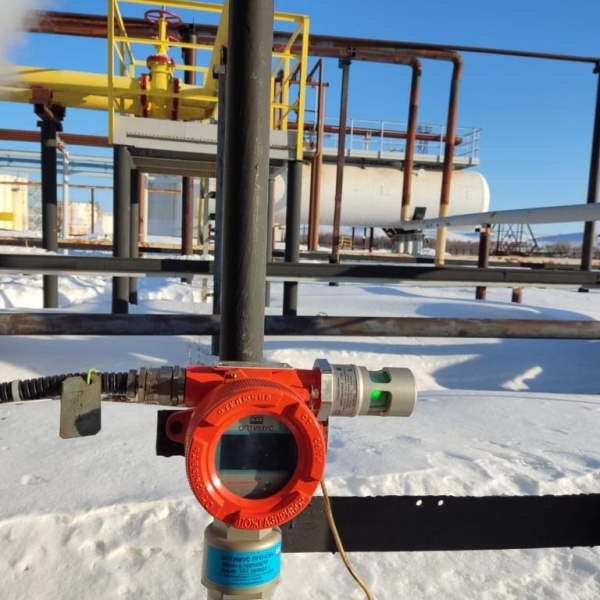
High-load structural connectors requiring hot-forged aluminum cores and type III hard anodised coatings for wear mitigation under aggressive operating environments.
Substrates Utilized: Stainless Steel, Aluminium Alloys (6000 & 7000 Series)

Tight tolerance bracketry, gear covers, and shift components designed to reduce unsprung weight while meeting performance standards for powertrain sub-assemblies.
Substrates Utilized: Aluminium Alloys, Stamped Steel Formings
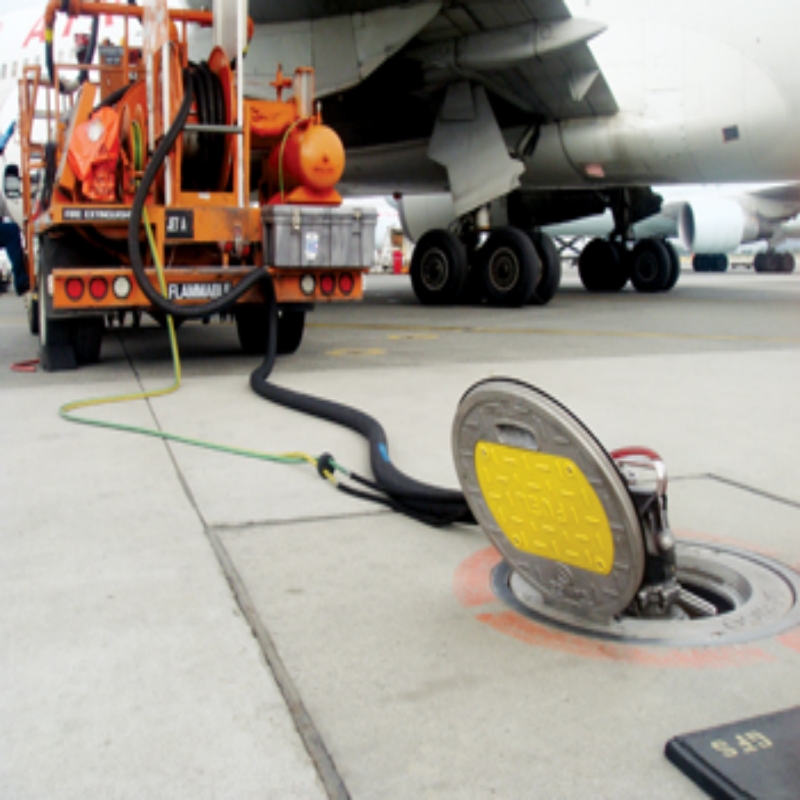
Manufacture of critical components, including Aviation Fuel Hydrant Pit Box systems, hinge assemblies, and turbine inlets demanding chemical compatibility and surface integrity.
Substrates Utilized: Cast Alloys, High-Temp Stainless Steel
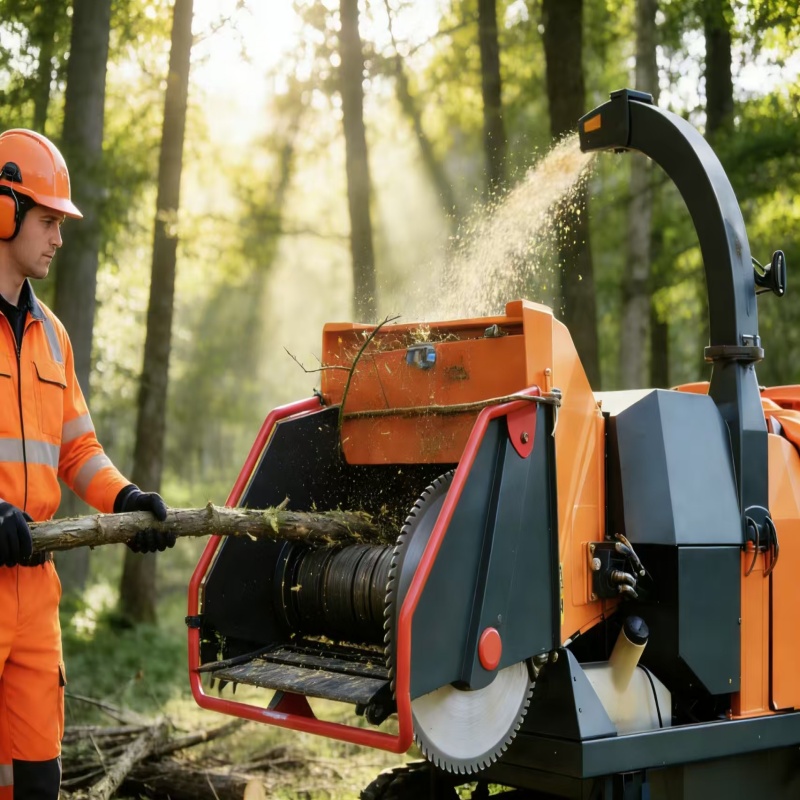
Precision wood chipper cutting discs and feed rollers built to withstand continuous impact loads and abrasive contact profiles.
Substrates Utilized: Q345B Carbon Steel, 42CrMo, NM400 Wear Plates
Driving efficiency and environmental safety through strategic investments in green technology and automated production systems.
Our development focus centers on expanding clean technology infrastructure and automated metal finishing systems. Our research team targets zero-discharge anodising processes to neutralize wastewater profiles and reduce resource consumption.
We are incorporating advanced robotics into our CNC machining cells to increase yield and support manufacturing capabilities for international engineering partners.
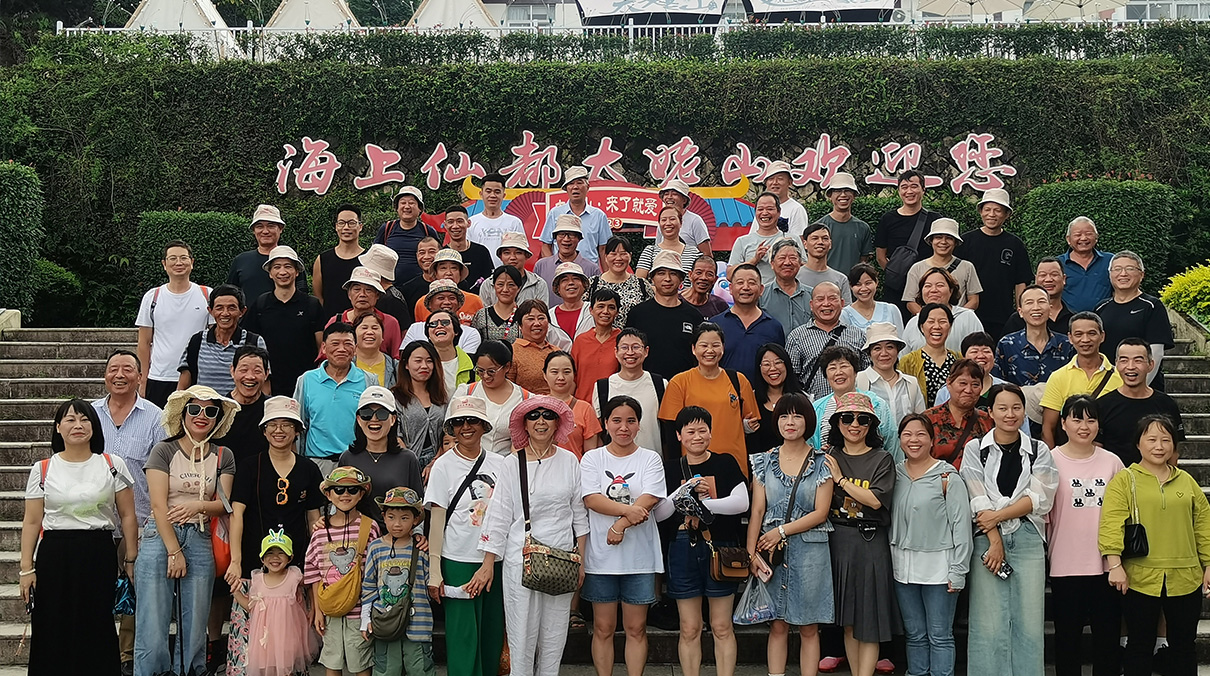
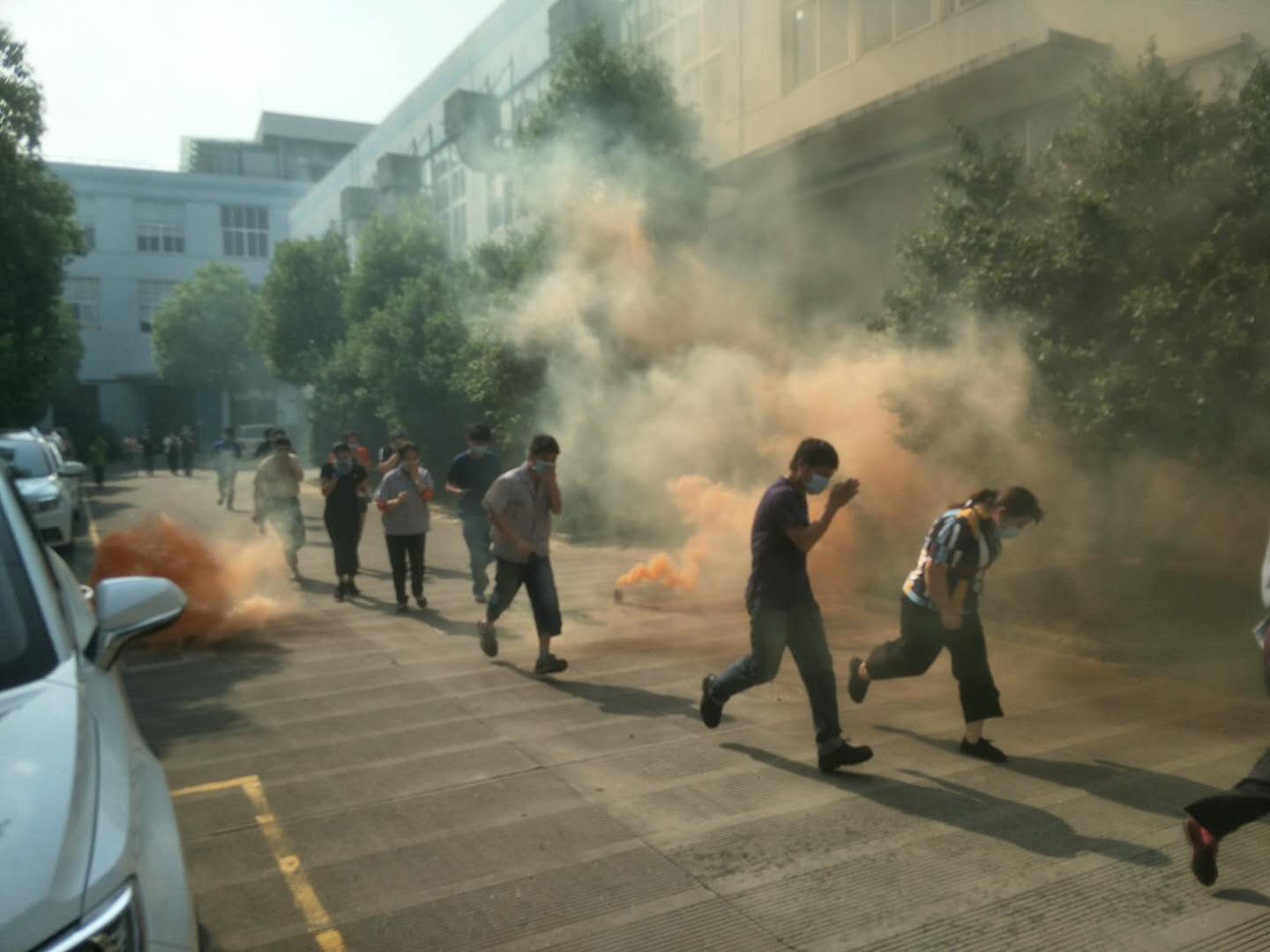
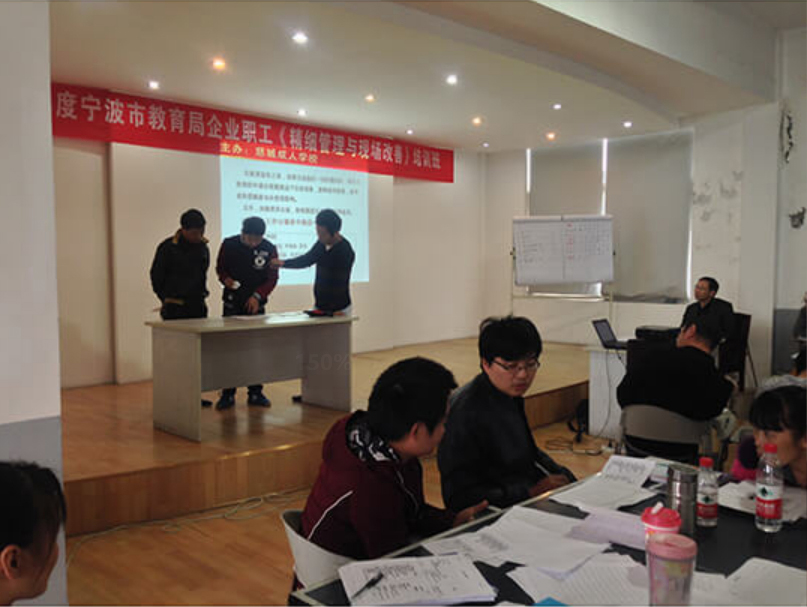
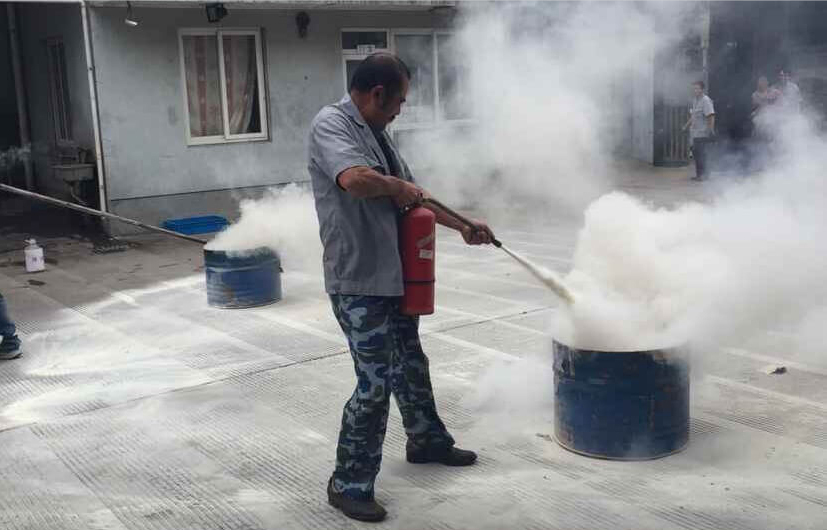
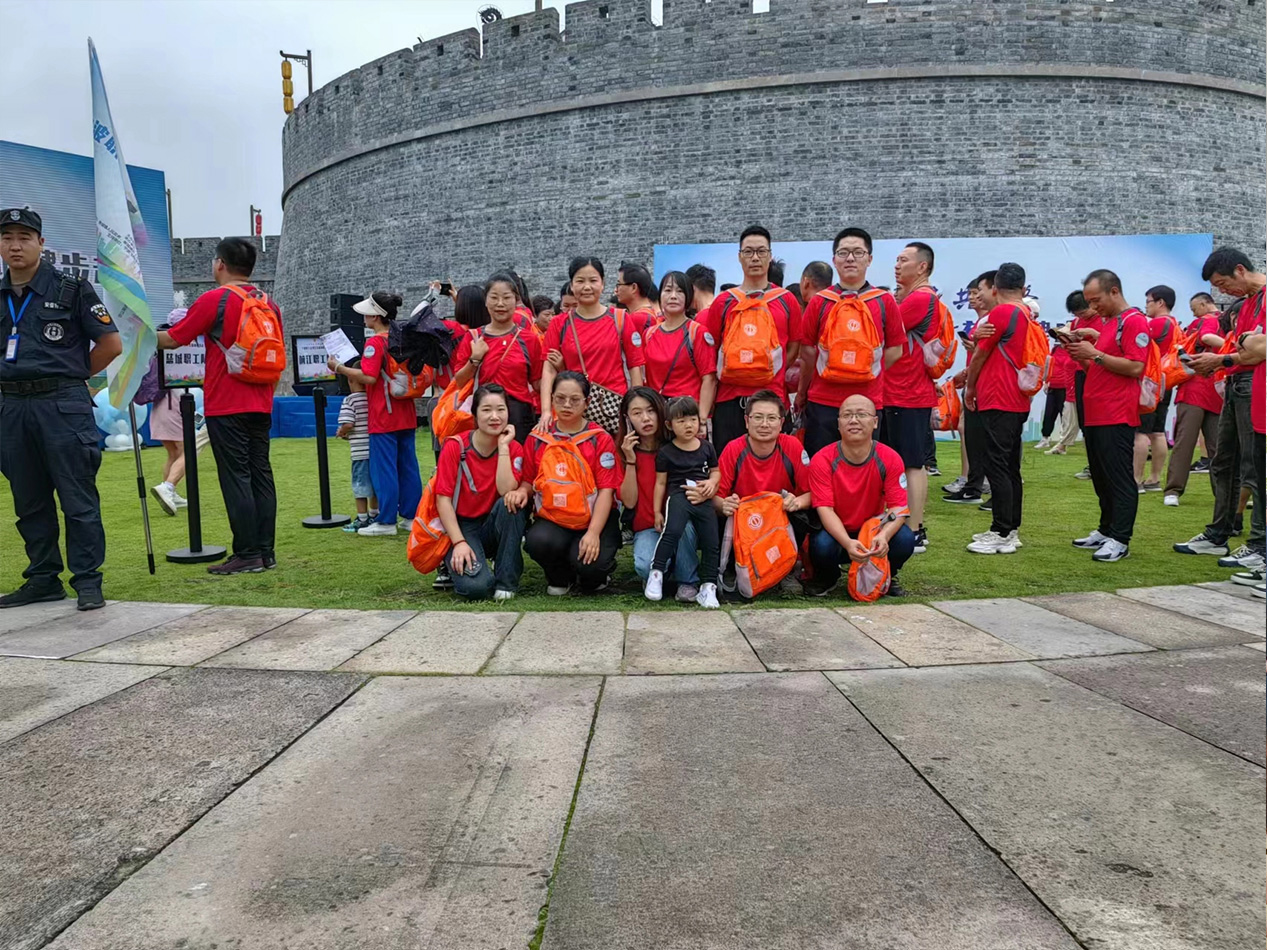
Our workforce is the foundation of our manufacturing consistency and engineering capability.
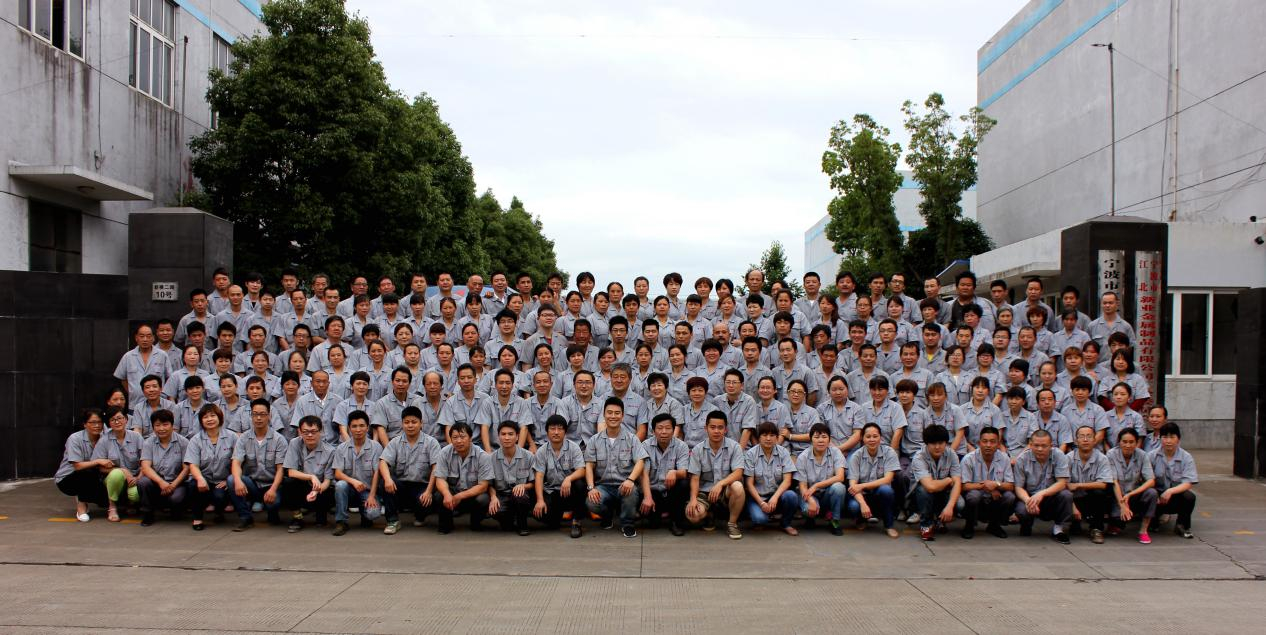
XinYe employs 130 staff members. Our organization maintains 80 skilled production specialists and 50 personnel dedicated to research and development, quality assurance, engineering, and manufacturing management.
We invest in continuous training and support our engineers in achieving professional certifications. This helps us ensure that our manufacturing processes are executed to high standards from initial design to final delivery.
XinYe maintains third-party certified management systems to ensure compliance with quality and corporate responsibility standards.
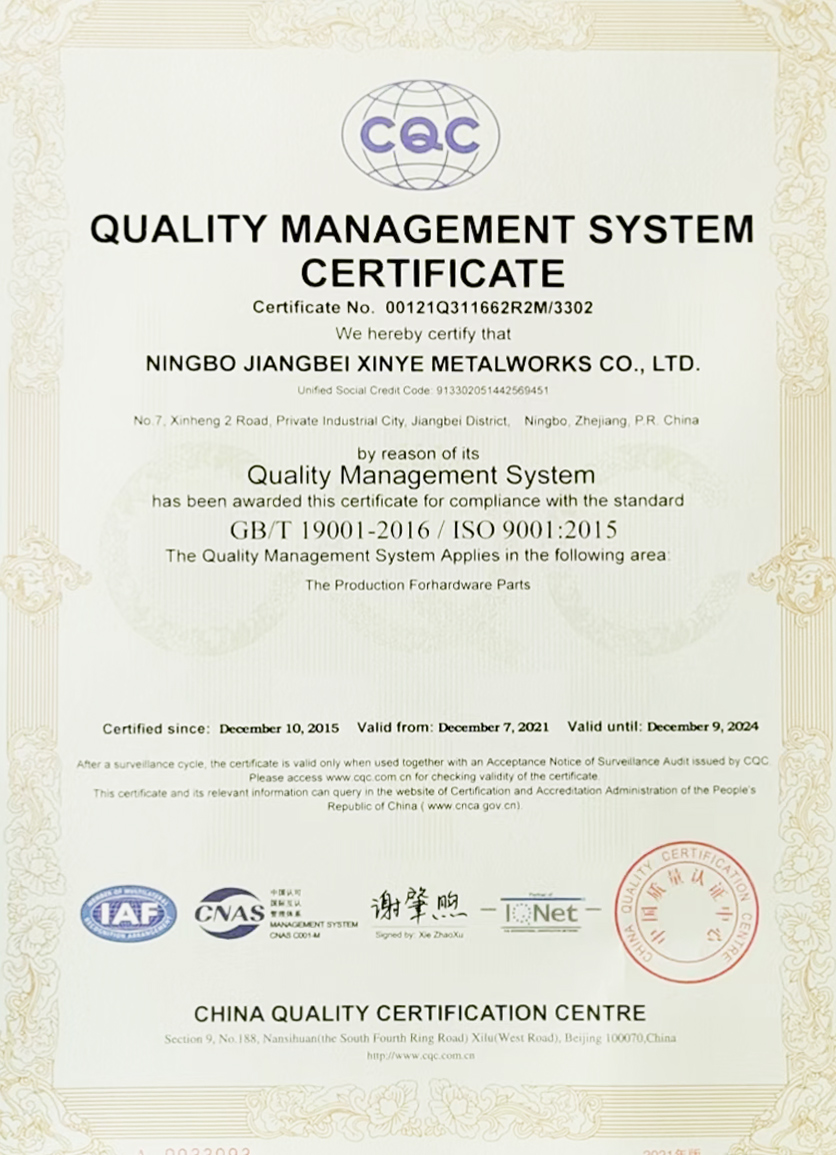
Quality Management Systems
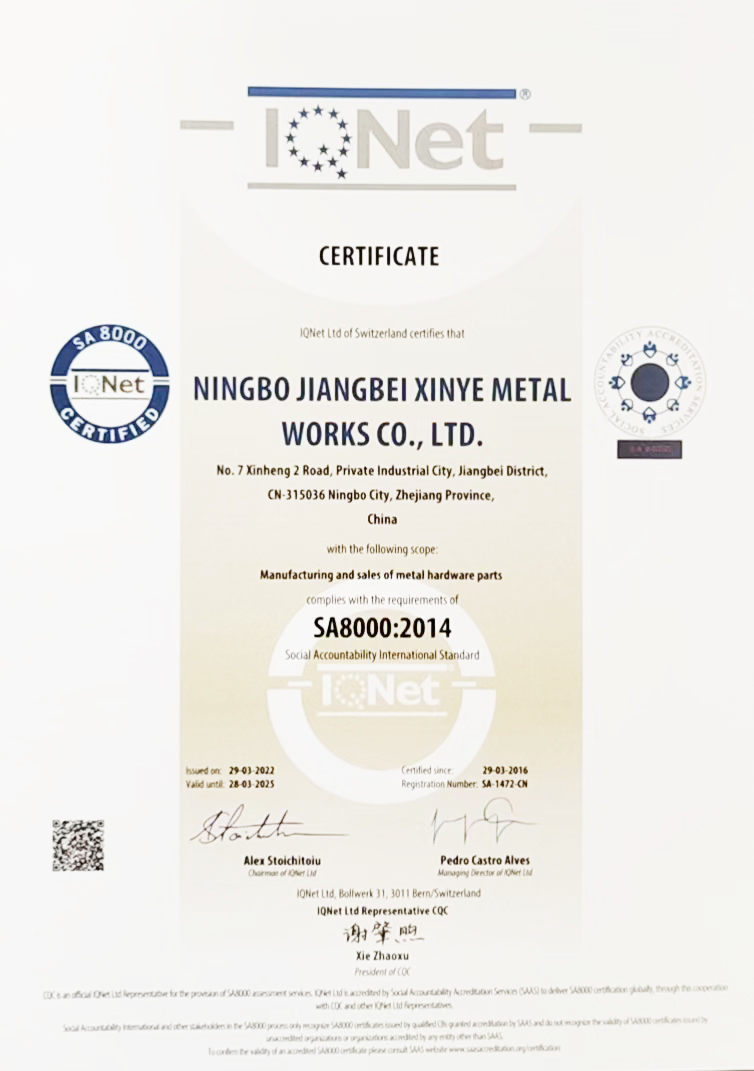
Social Accountability Management
Get answers to common questions about our technical capabilities, pricing, lead times, and surface treatment options.
Get in touch with our engineering team to specify custom alloys, finish tolerances, and structural parameters.
 XinYe Metal