Modern industrial supply chains demand more than raw fabrication; they require high structural reliability, optimized weight-to-strength ratios, and robust material compliance. Aluminum extrusion shapes form the foundational framework for critical infrastructure worldwide—from structural automotive frames and e-bike tube architectures to high-stress industrial safety enclosures and medical diagnostic assemblies.
As international markets shift toward regional manufacturing compliance, decarb goals, and tighter dimensional tolerances, sourcing partners must deliver comprehensive technological capacity. Working with a vertically integrated manufacturer in China like Ningbo Jiangbei XinYe Metal Works enables global procurement teams to bridge structural design, customized alloy blending, 4-axis precision CNC machining, and comprehensive surface treatments under a unified quality system.
This technical briefing analyzes structural engineering parameters, supply chain logistics, and production metrics for global B2B procurement managers seeking reliable, scalable custom aluminum profile manufacturing.
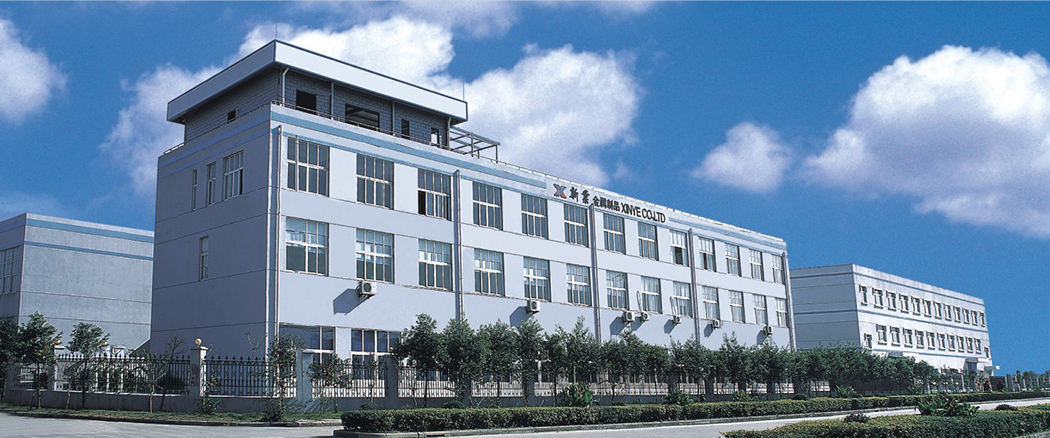
Founded in 1996 as an owner-managed family enterprise, Ningbo Jiangbei XinYe Metal Works Co., Ltd. has developed into a highly qualified, technology-driven medium enterprise (SME). Strategically located in the Ningbo Jiangbei Industrial Zone, our facility is within a 3-hour transit zone of Shanghai International Airport via high-speed rail, granting us seamless global logistics access.
Our operations cover 16,000 square meters of high-density production floor, supported by an additional 11,000 square meters of specialized structural facility. Our workforce consists of 130 highly trained professionals: 80 dedicated production specialists managing automated machinery lines, and 50 personnel focused on metallurgy research, mechanical design, product development, quality engineering, and supply chain management.
XinYe integrates diverse fabrication processes to deliver custom aluminum shapes that meet precise industrial tolerances. Our multi-disciplinary production setup allows our engineering teams to match structural parts to their optimal manufacturing path, maximizing material utilization and component strength.
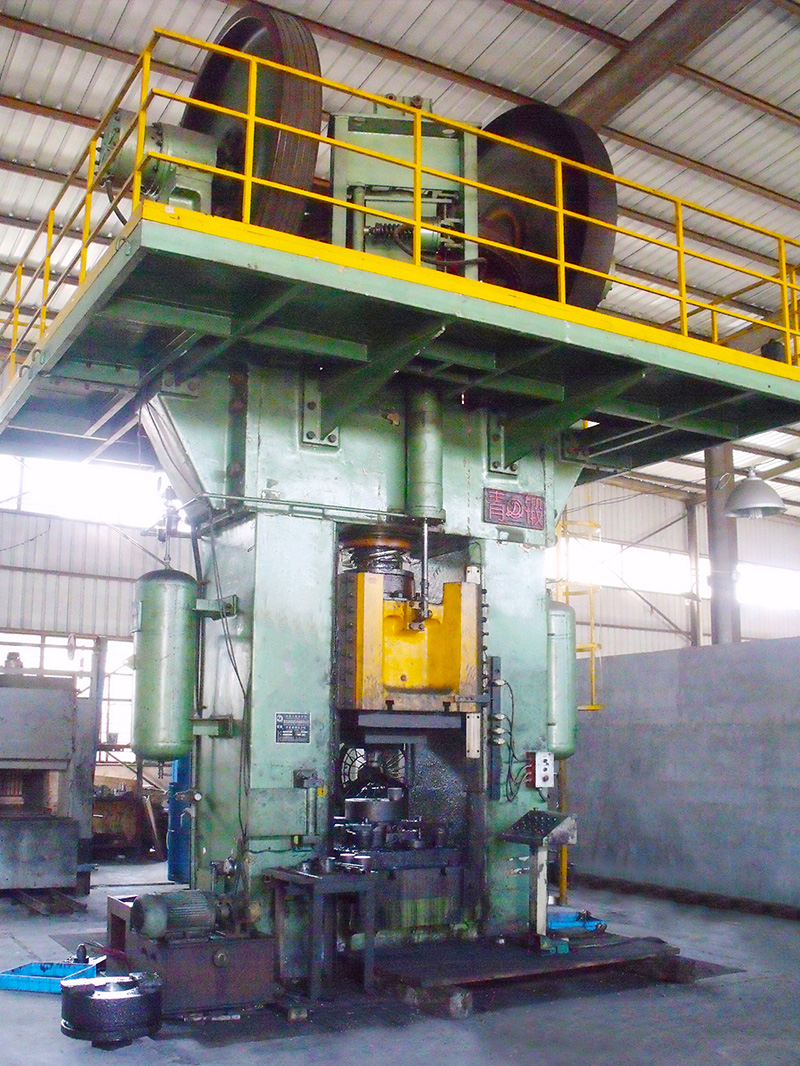
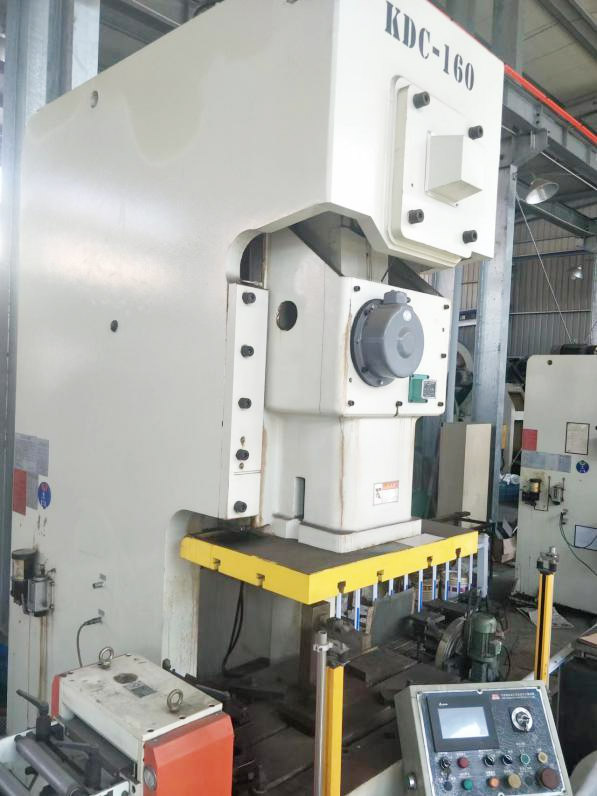
Equipped with friction press lines ranging from 300 to 1,000 tons of compression force, alongside hydraulic column presses with capacities between 100 and 630 tons. Our mechanical punching systems supply force profiles from 5 to 250 tons, accommodating both heavy-gauge industrial profiles and complex deep-drawn stampings.
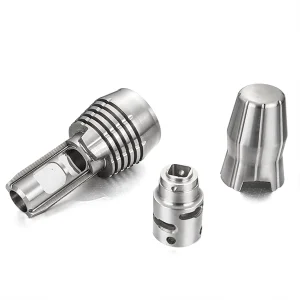
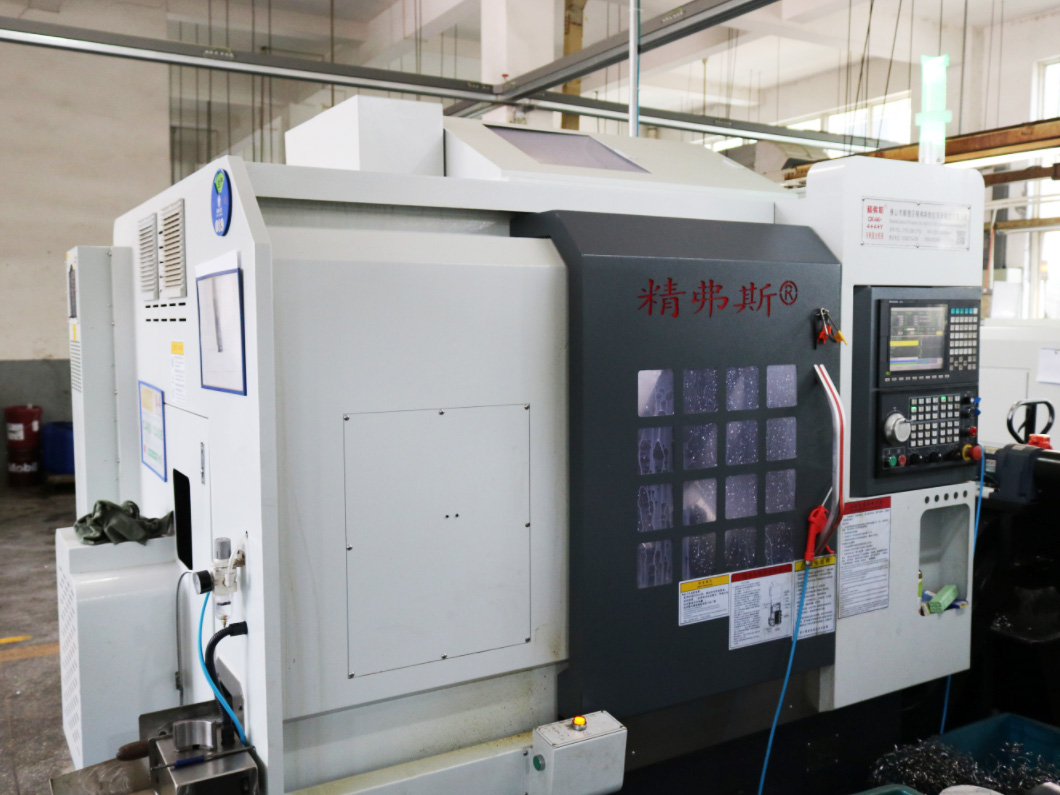
Equipped with 4-axis vertical and horizontal machining centers, precision CNC turning lathes, and robust milling networks. This high-speed equipment allows us to machine extruded and forged parts to tight geometric tolerances down to ±0.01mm on complex features.
In-house chemical processing capabilities, including anodizing and electrochemical polishing (E-polish). We customize surface finishes to meet specific salt spray, color match, thickness, and hardness requirements, ensuring long-term corrosion resistance.
Our facility operates on a standard schedule of 16 hours per day, 6 days per week. To support urgent market demands or unexpected order increases, our operations team can ramp up to a 24/7 continuous run within 30 days. We also maintain adjacent land reserves for future facility expansions, allowing us to align production output with your growth needs.
We supply diverse international markets across Europe, North America, and Central/Eastern Asia. Our engineering team assists procurement specialists in optimizing design parameters and mechanical characteristics for various applications:
Flame sensors, explosive/toxic gas detection housings, fire detectors, and heavy-duty hydrant pit box enclosure kits designed for hazardous oil, gas, and mining facilities.
High-stress transmission components, drive motor frames, and specialized e-bike parts such as structural connectors, frame tubes, and control levers.
Structural turbine inlets, power transmission parts, and safety-certified airfield fuel distribution systems designed to meet demanding operating requirements.
Anodized culinary cream whippers, tabletop cooking stove components, and specialized equipment parts built to strict food-safety and hygiene standards.
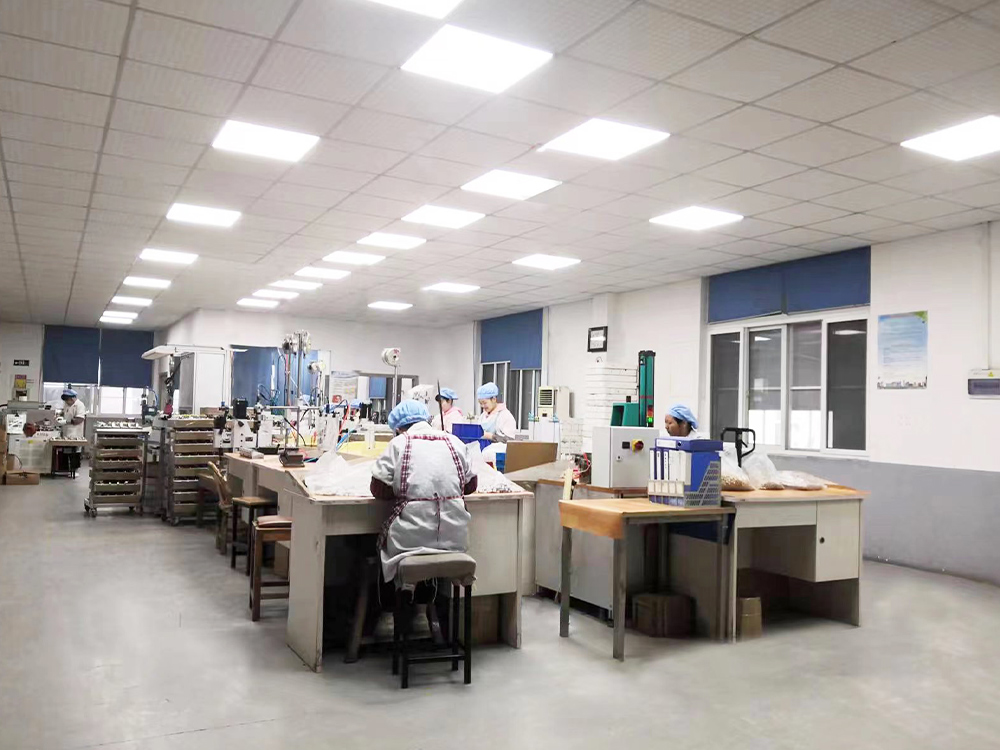
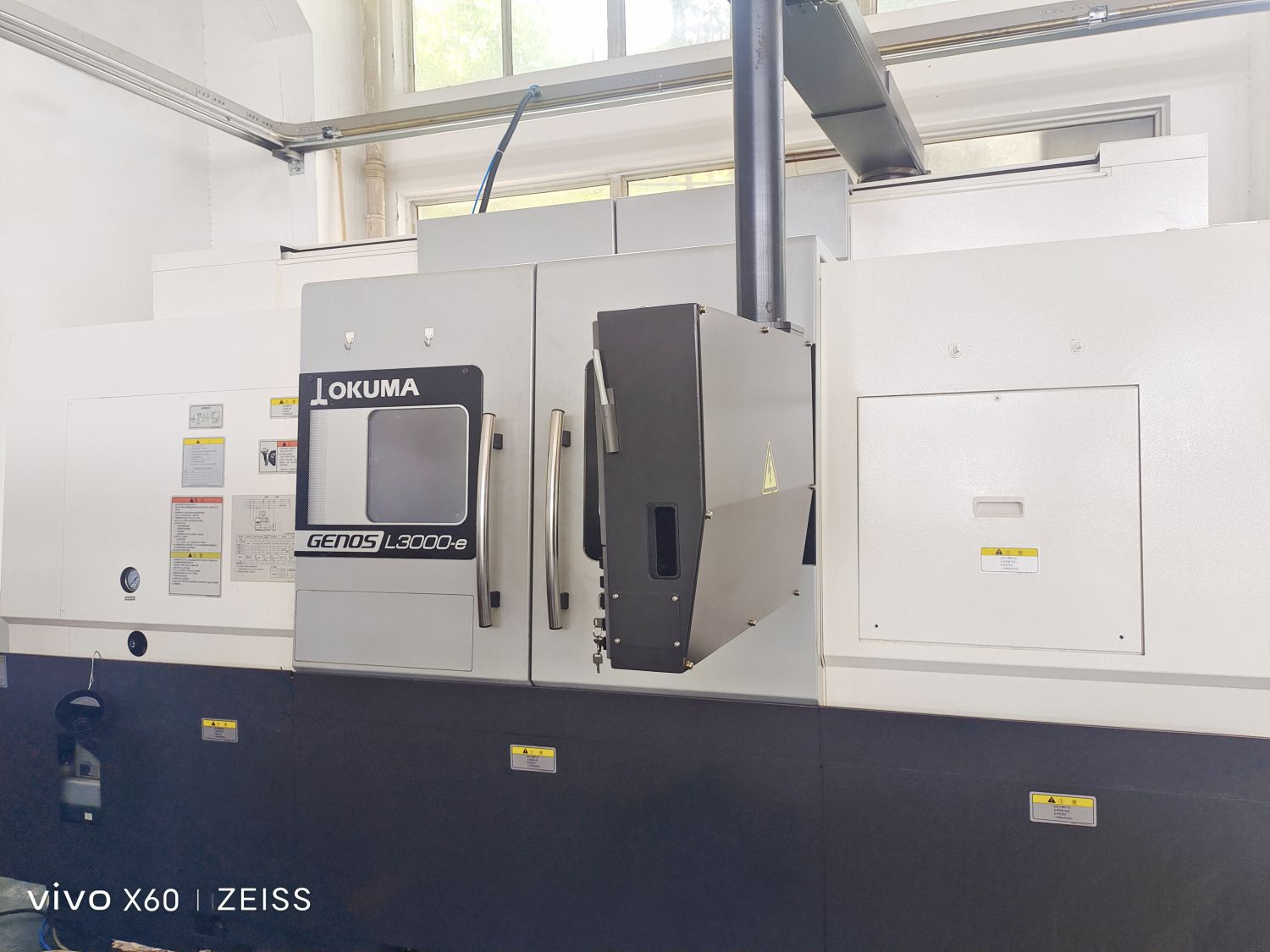
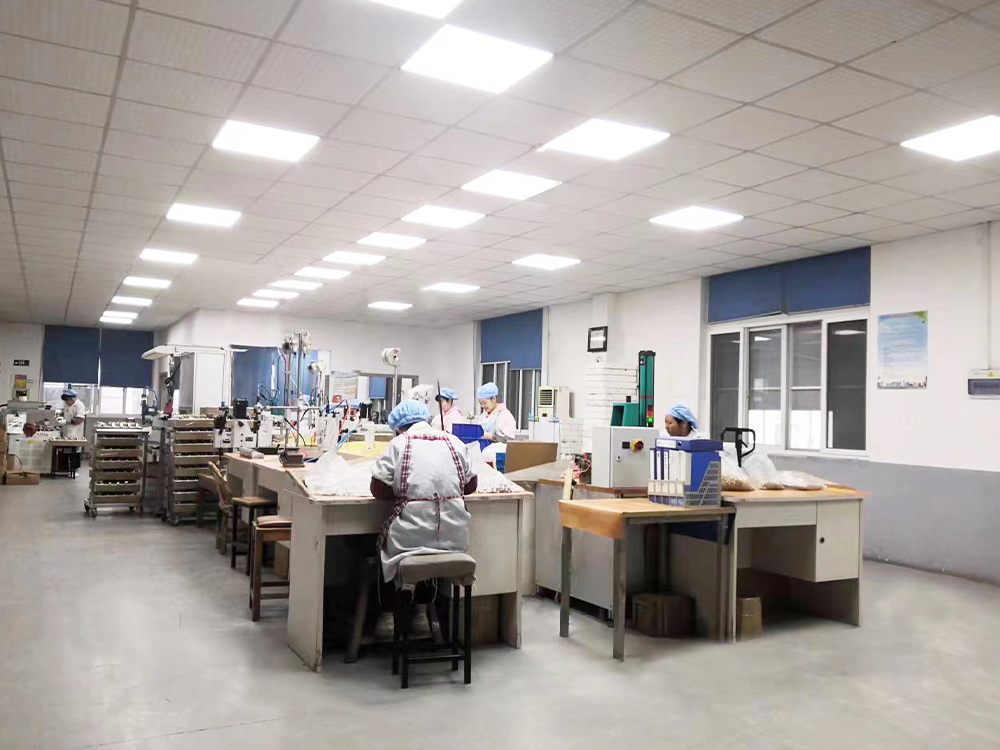
We leverage advanced Japanese tooling and processing equipment to maintain structural precision at every stage of fabrication. Below is a look inside our production halls and inspection workspaces:
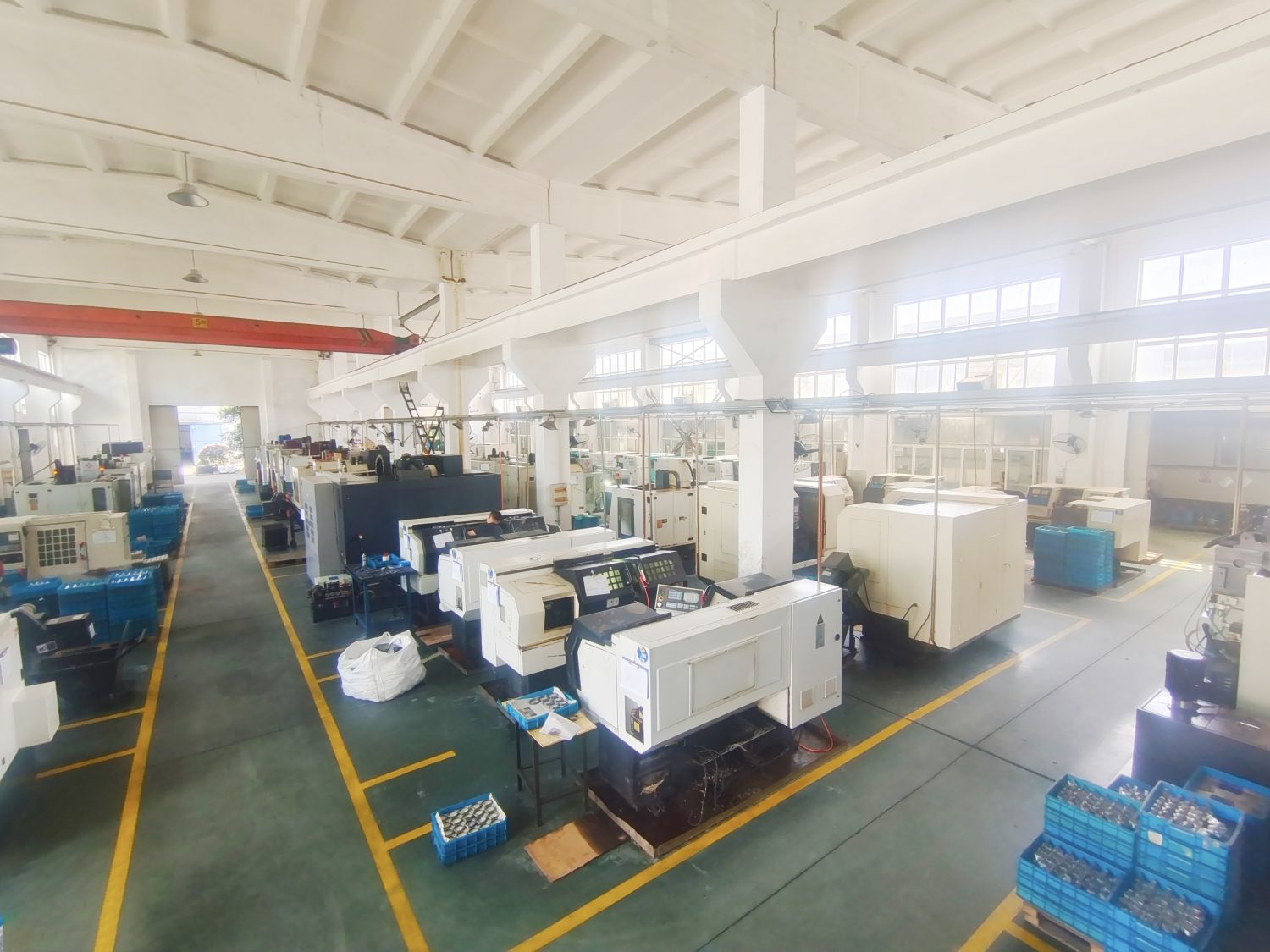
Heavy Forging Press Operations
Multi-Axis CNC Machining Center
Metrology Inspection Center
Precision Die Fabrication Area
Surface Finishing & Anodizing
Stamping Operations Floor
Finished Parts Assembly Workshop
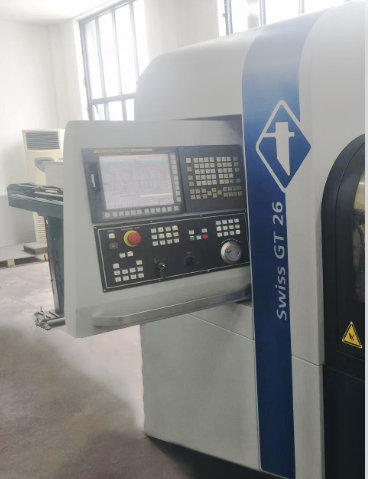
R&D Component Development
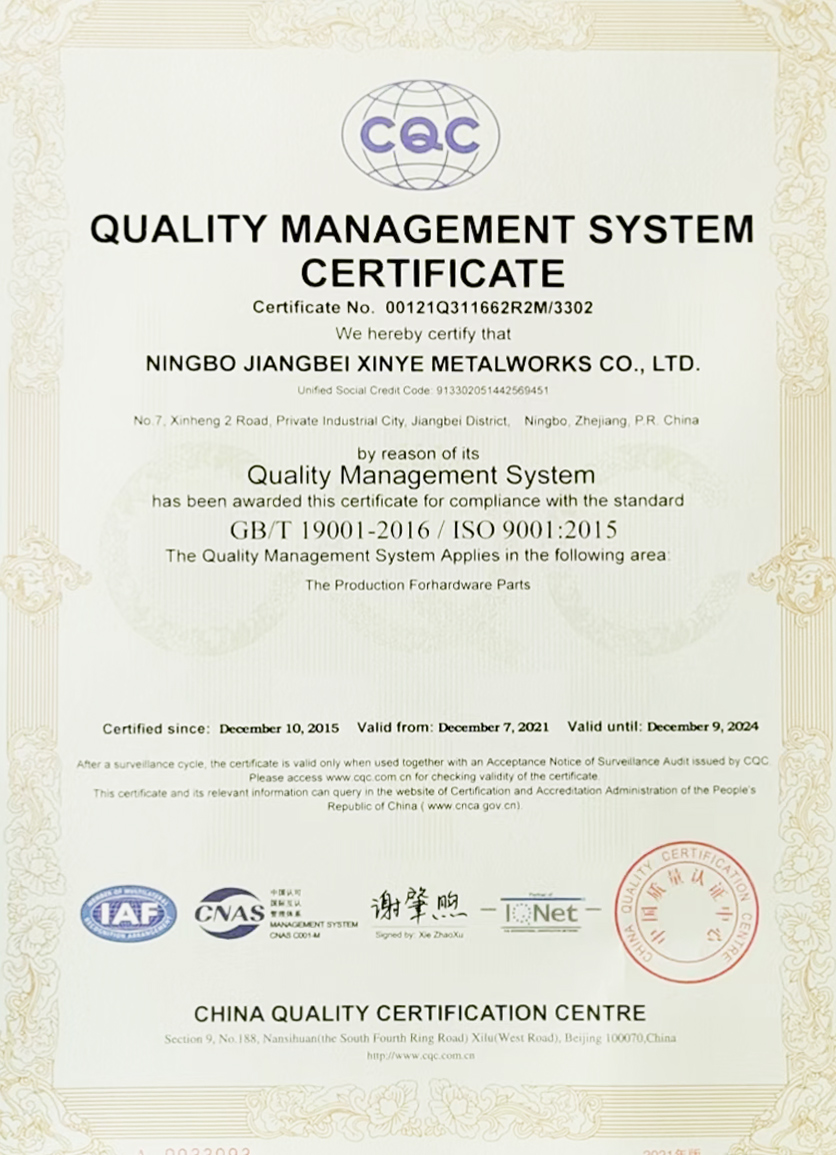
XinYe operates under a documented quality control system certified to ISO 9001:2015. We maintain traceability records from incoming chemical verification through to final packaging. Our internal inspection department utilizes advanced metrological instruments to ensure dimensional and mechanical compliance:
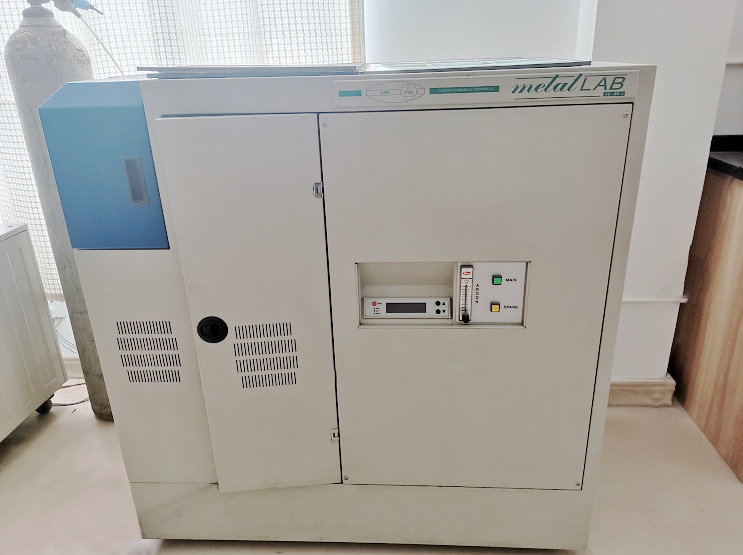
Analyzes raw alloy chemistry before extrusion or casting to confirm compliance with international material specifications (e.g., EN, ASTM, JIS).
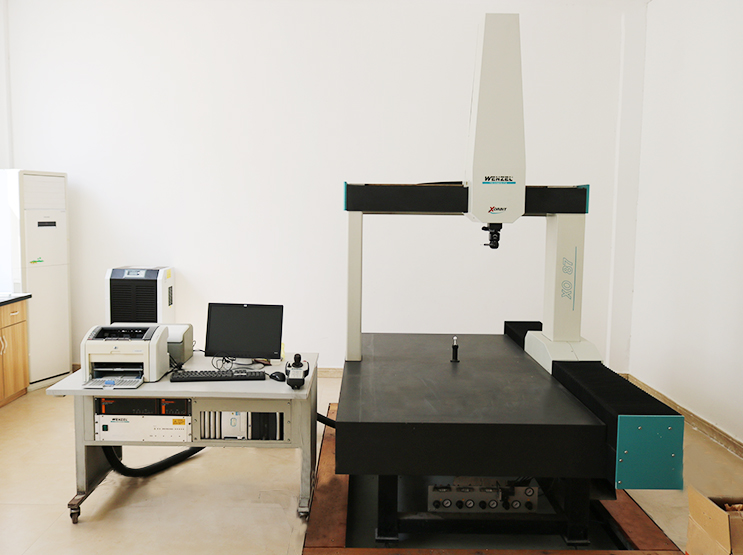
Our Coordinate Measuring Machine provides 3D contact measurement profiles, checking complex geometric tolerances and hole patterns against CAD models.
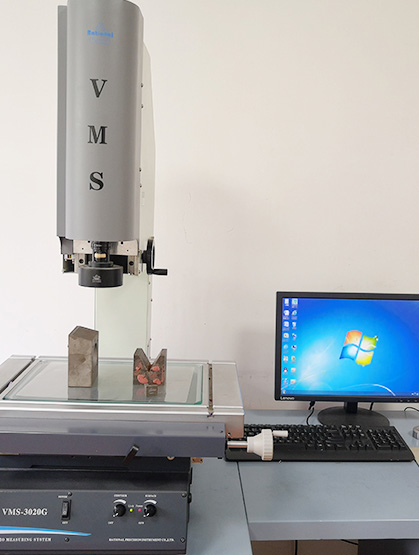
Provides high-accuracy non-contact optical inspection to verify tight linear profiles, thin walls, and delicate geometry details.
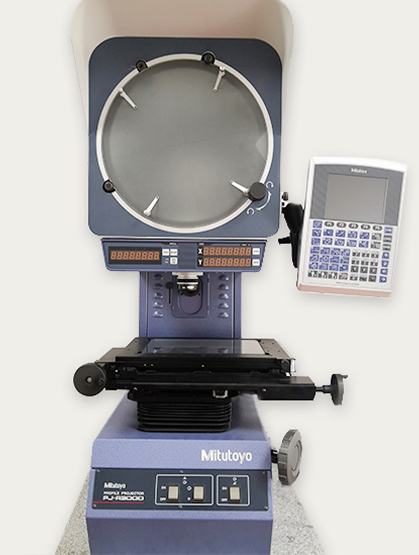
Provides detailed surface measurements, verifying geometric form features and edge radiuses to prevent micro-cracking in high-stress applications.
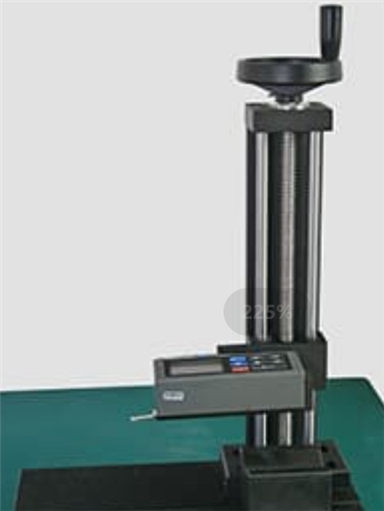
Checks finish parameters (Ra/Rz) after extrusion, milling, or chemical polishing to ensure compatibility with seals and sliding components.
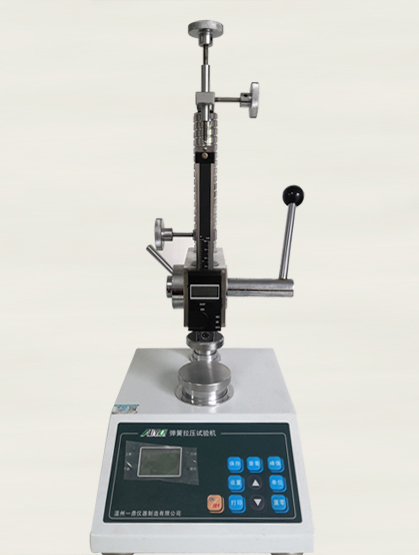
Measures mechanical properties, confirming yield strength, ultimate tensile strength, and elongation profiles under heavy structural loads.
We work closely with client engineering teams to streamline manufacturing transition, optimize raw material usage, and minimize lead times:
Customers provide structural drawings and specifications. Our technical team evaluates design parameters for material choice and manufacturability (DFM).
Tooling is developed and initial samples are run. Parts undergo full inspection, and we provide material certificates and dimensional reports for customer approval.
Upon sample approval, mass production is scheduled. In-process inspection gates ensure consistent dimension and mechanical strength control throughout the run.
Finished products are packed using custom protective packaging (e.g., vapor-corrosion inhibitors, custom wood crates) to prevent transport damage.
We offer a one-year manufacturing warranty from the date of delivery, providing engineering support and resolve issues to customer satisfaction.
Beyond basic fabrication, we maintain a dedicated sub-assembly hall. This space is organized to handle complex component integrations, structural bonding, fastening, and manual packing. This integrated approach allows global customers to receive complete, sub-assembled component groups directly, streamlining their final production lines.

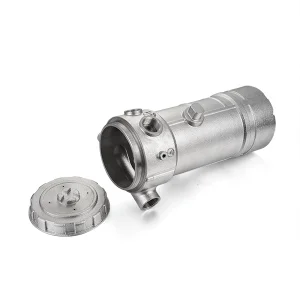
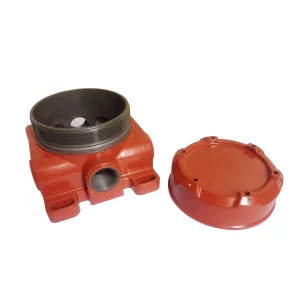
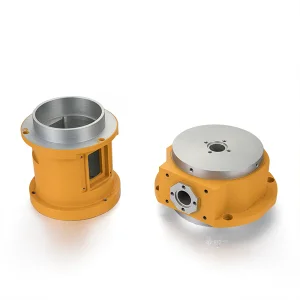
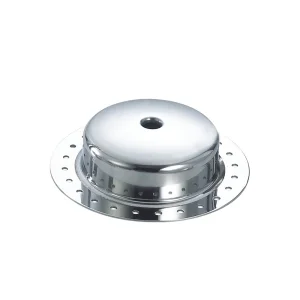
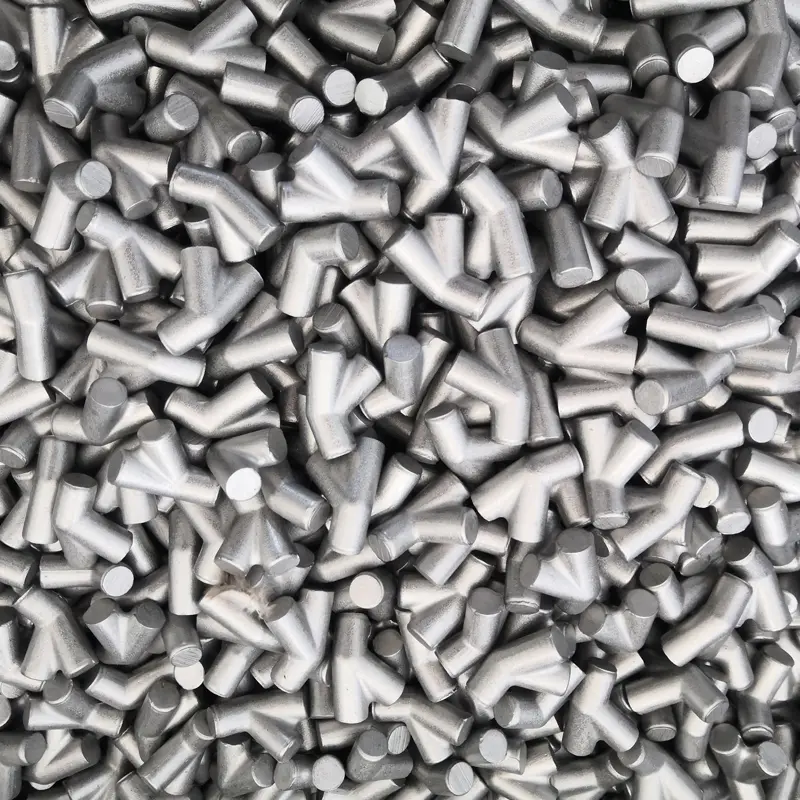
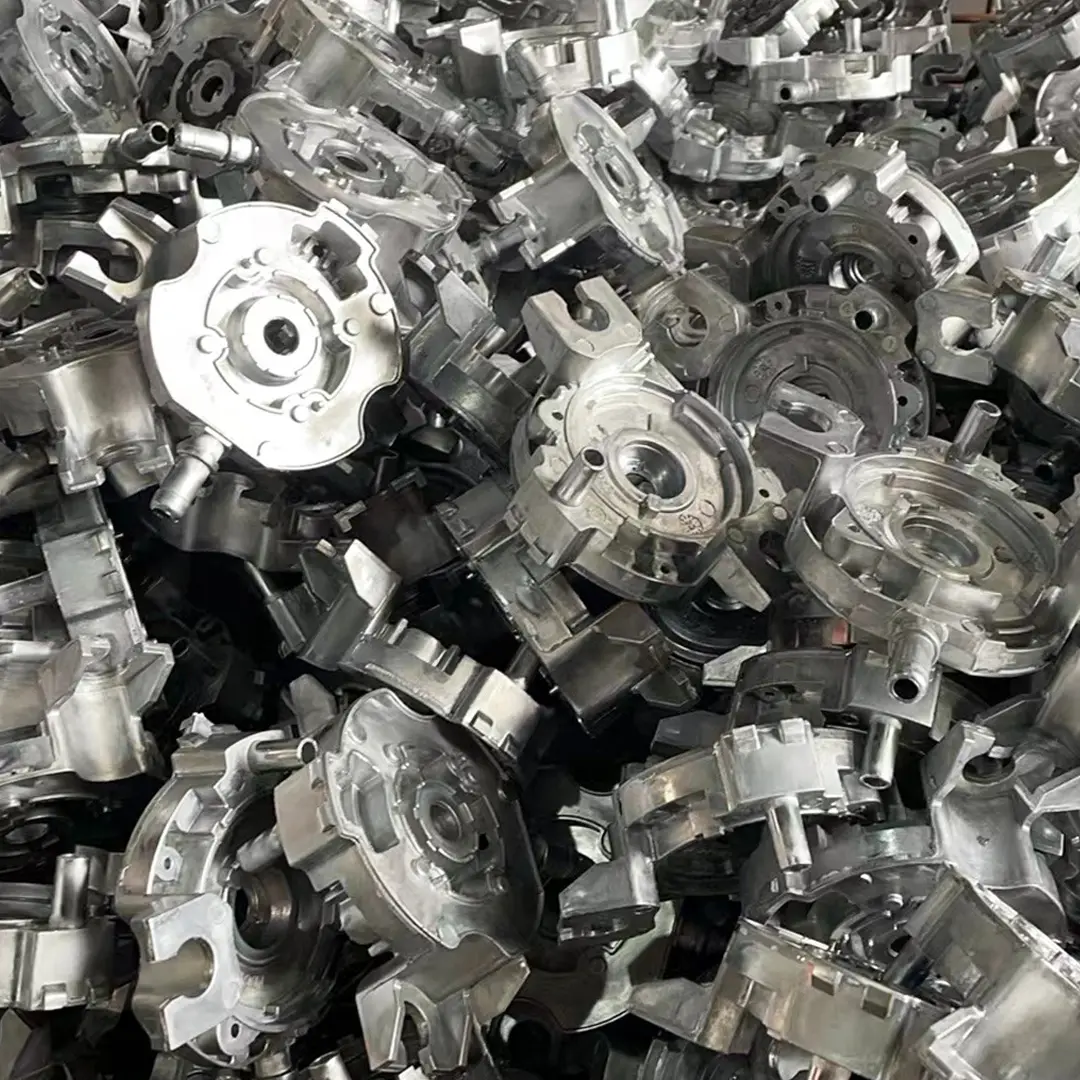
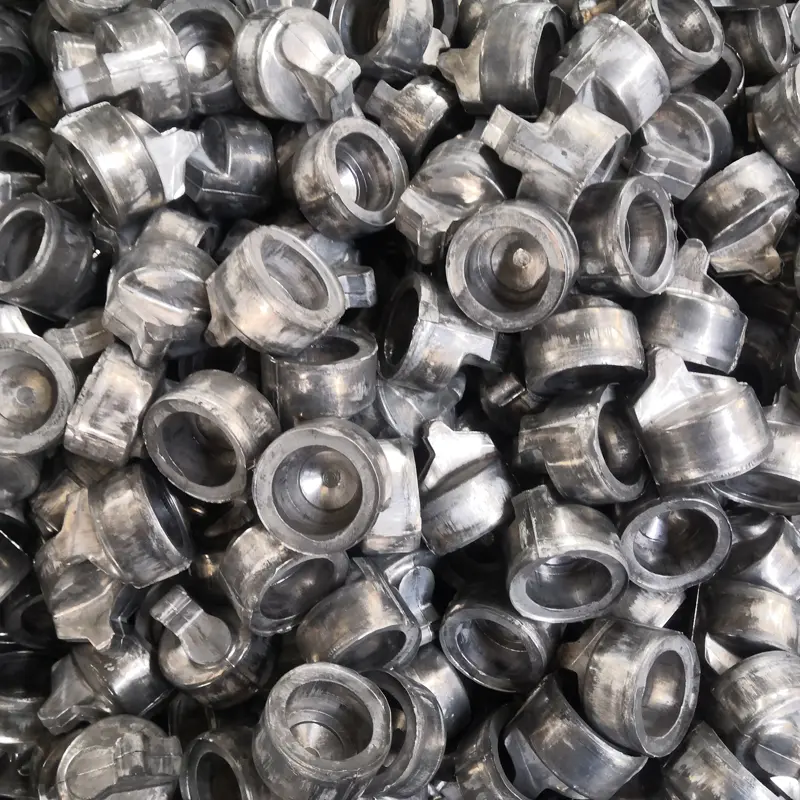
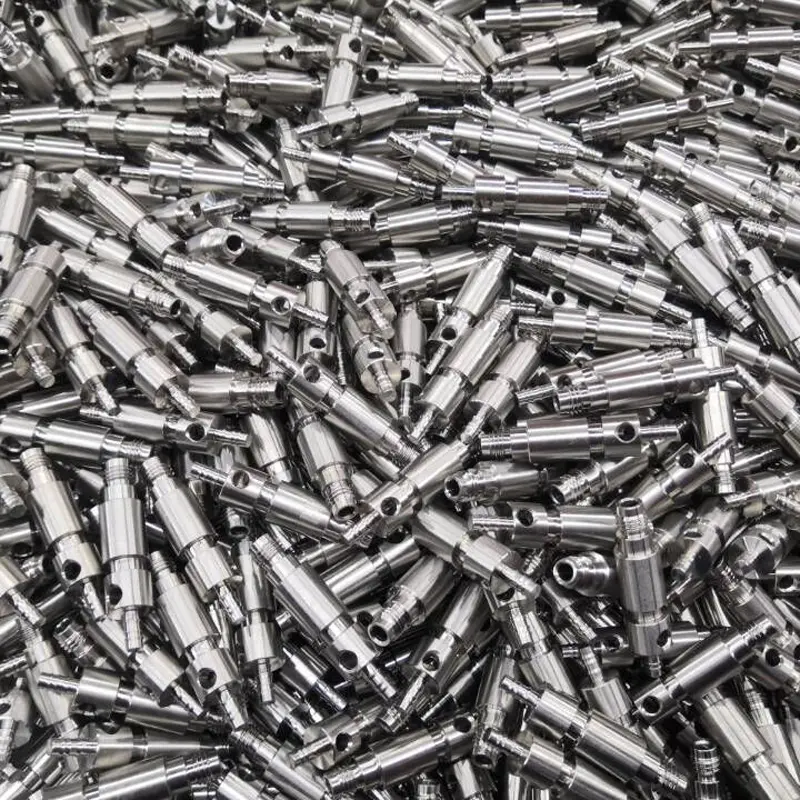
We support diverse demanding industries with customized manufacturing solutions. Here is a look at several key components we produce:
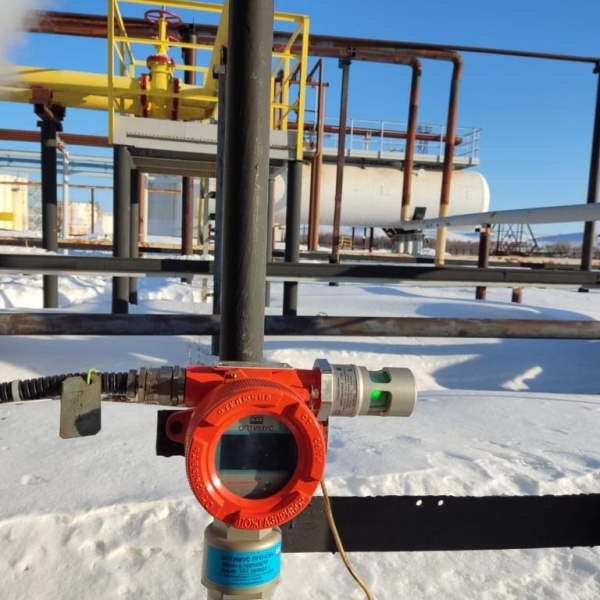
Precision structural parts for industrial machinery, utilizing forged and extruded aluminum alloys to handle high load requirements.
Alloys: 6061-T6, Stainless Steel
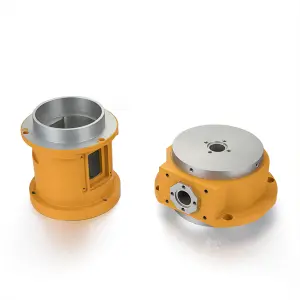
Drive components and shock-absorbing mounts engineered to tight dimensional and performance tolerances.
Alloys: 6082-T6, AlSi10Mg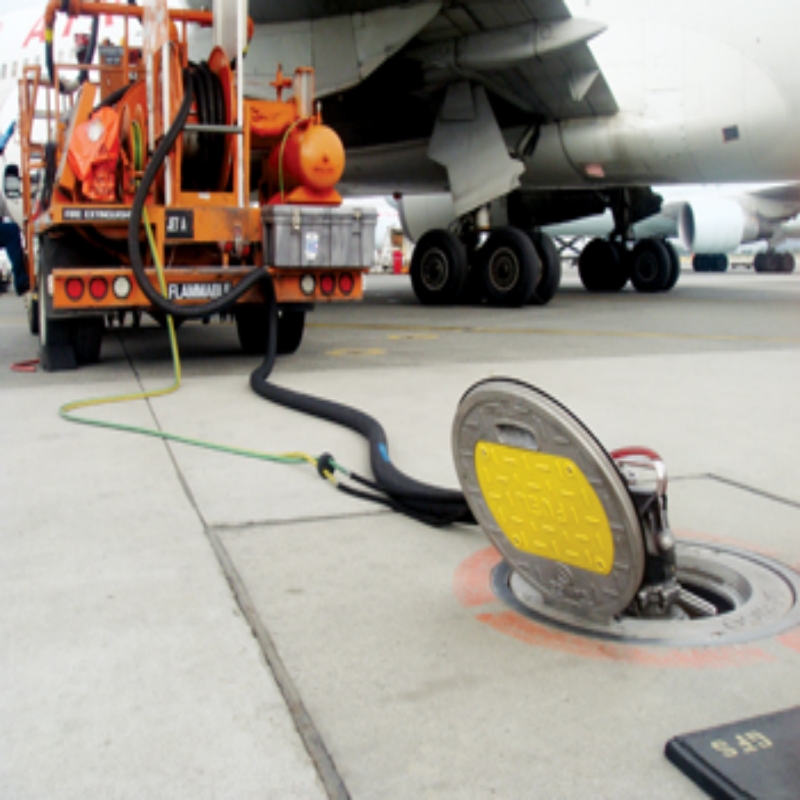
Aviation Fuel Hydrant Pit Box units, structural hinge brackets, and turbine components built to high durability standards.
Alloys: 7075-T6, Stainless Steel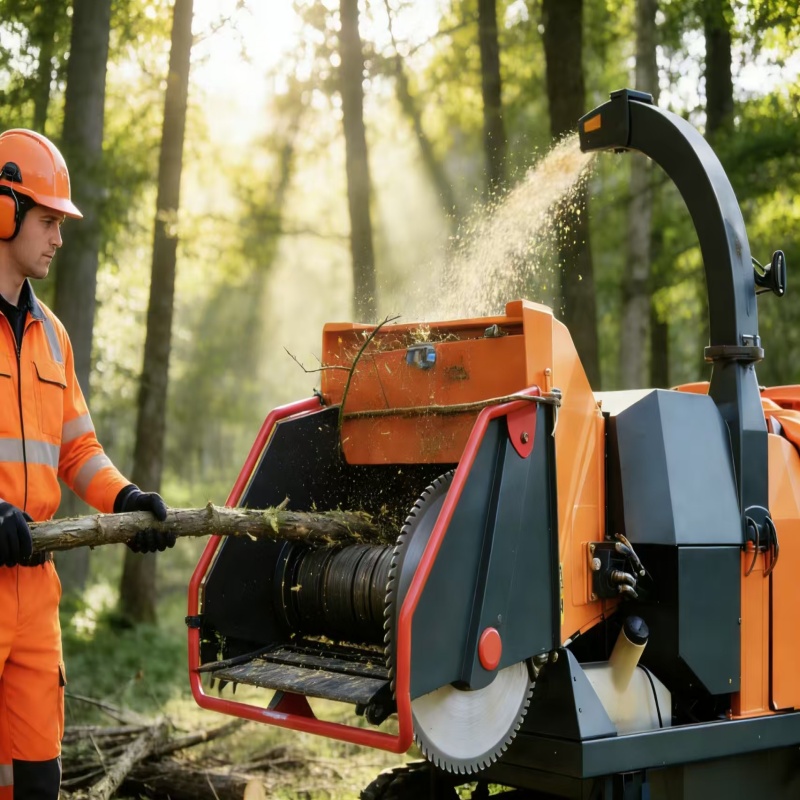
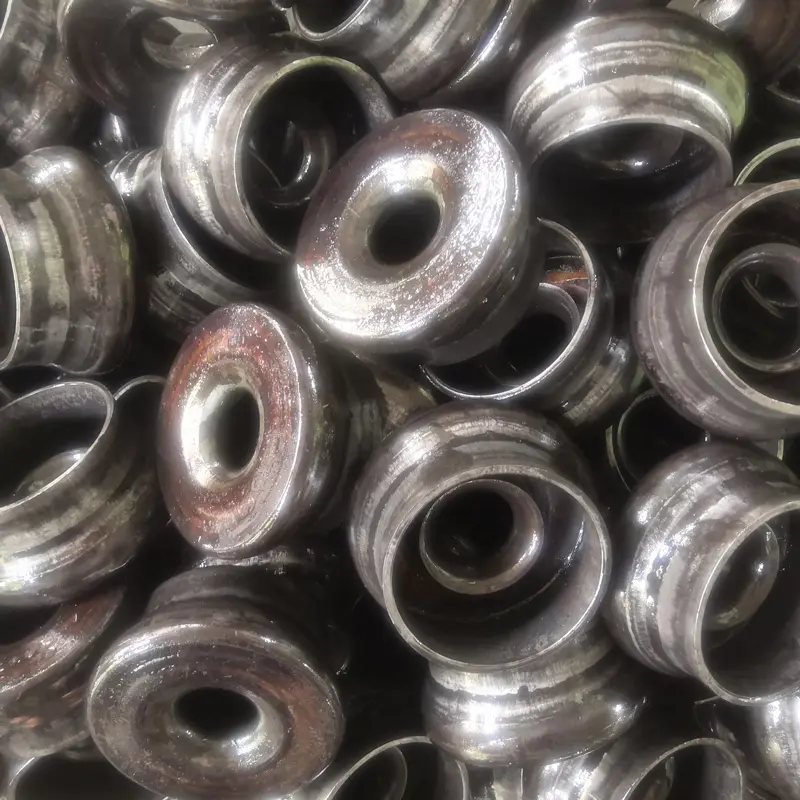
High-stress cutter discs and feed rollers engineered for demanding industrial recycling and wood processing machinery.
Materials: Q345B, 42CrMo, NM400At XinYe, our organizational culture is built on three core values that guide our daily operations and client relationships:
Our engineering division holds over 20 utility model patents, demonstrating our commitment to ongoing process optimization and structural development in metal fabrication.
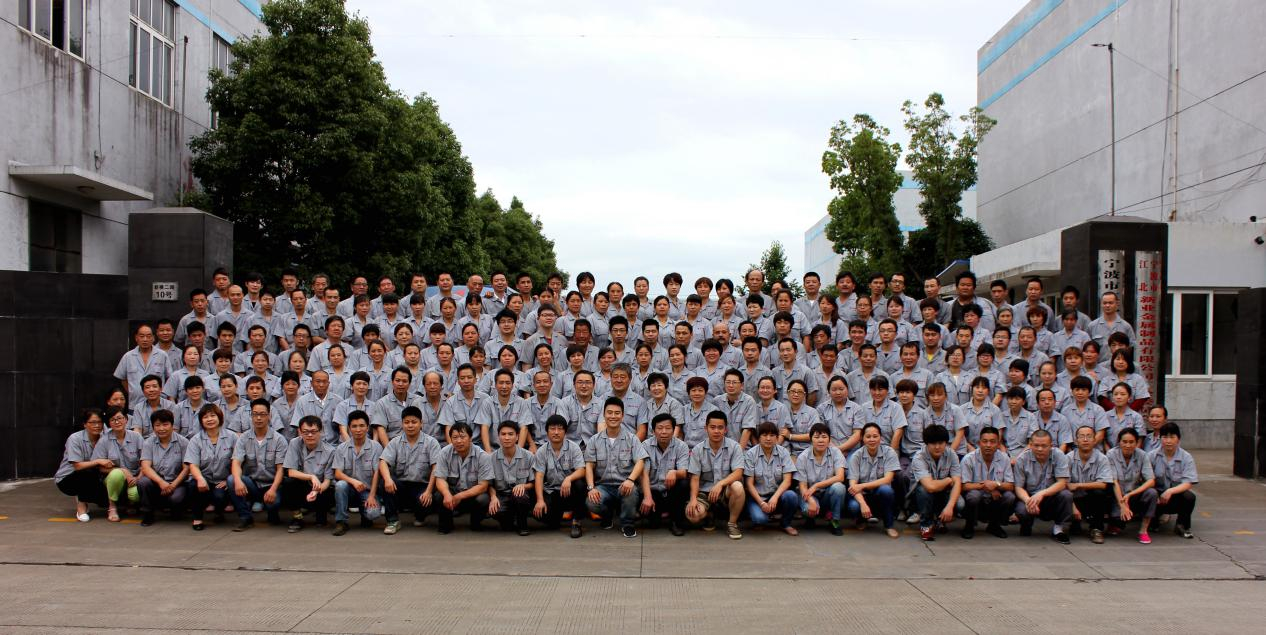
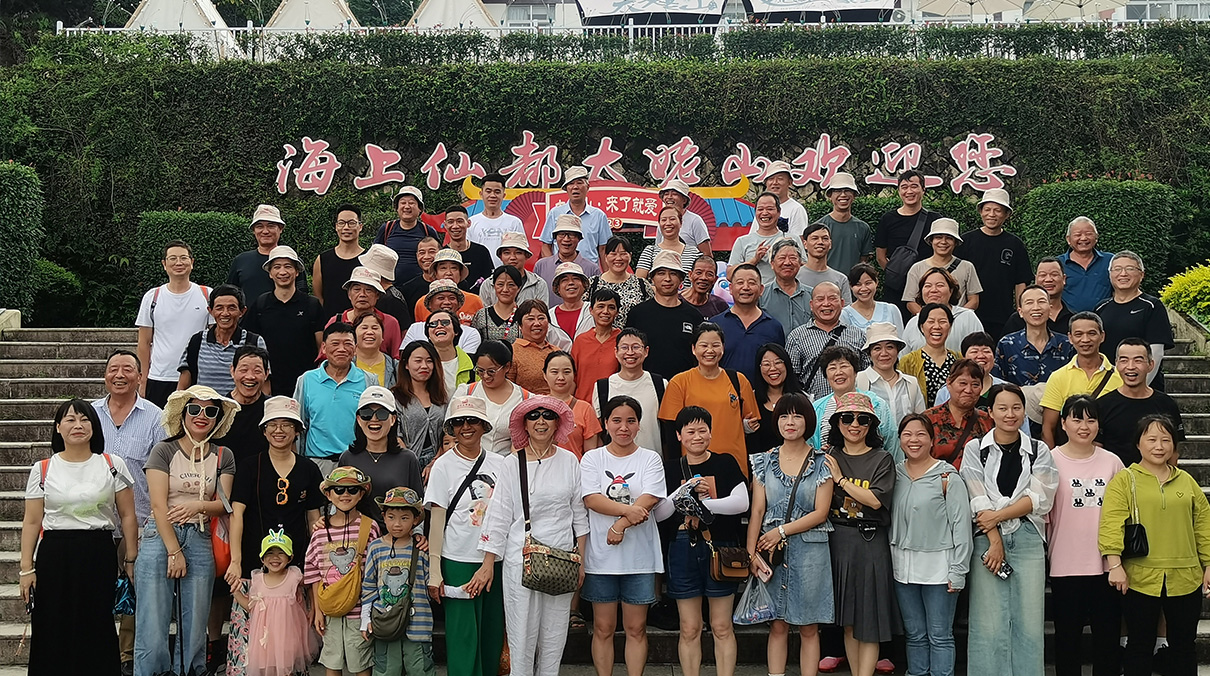
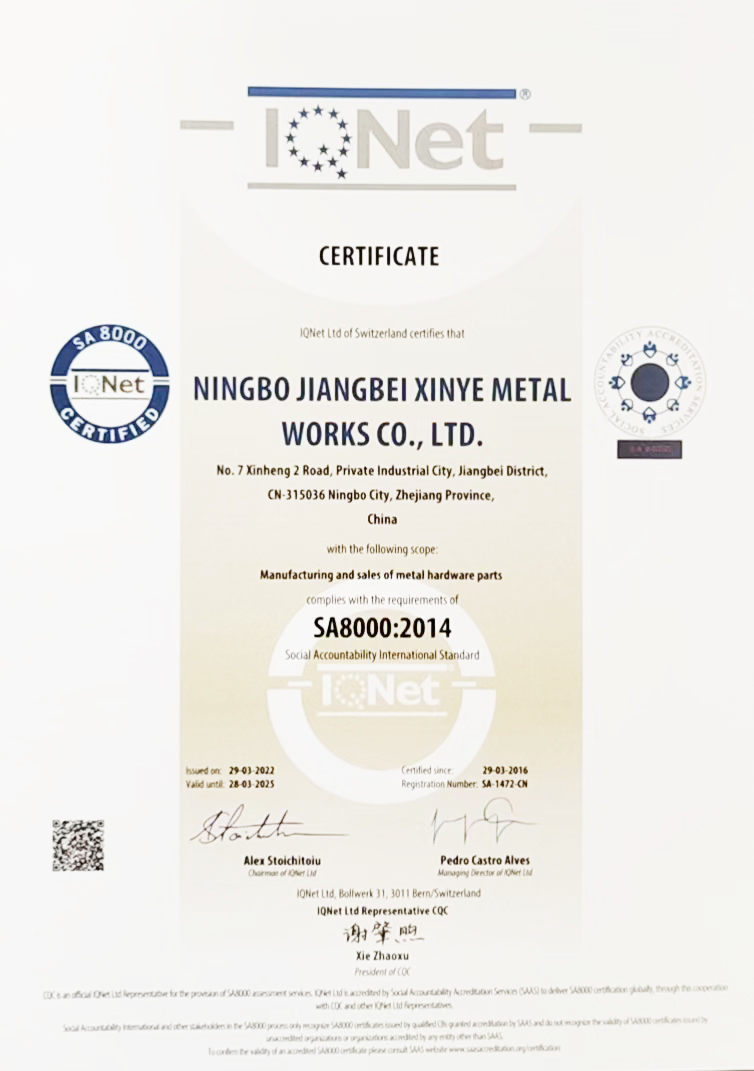
We prioritize social accountability and clean manufacturing practices. Our SA8000 and ISO 9001:2015 certifications verify our commitment to safe working conditions, fair labor practices, and consistent quality management across our supply chain.
We invest in production machinery to support repeatable quality across small batches and high-volume manufacturing runs:
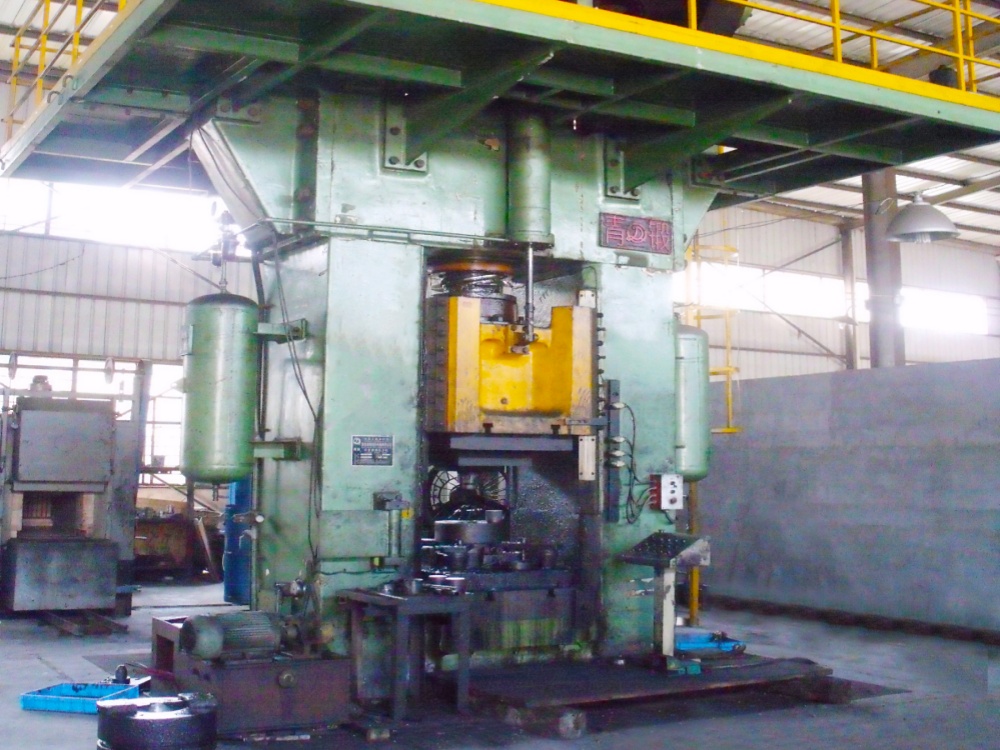
Our friction and hydraulic forging systems press structural shapes with refined grain structures, increasing fatigue limits and shock resistance.
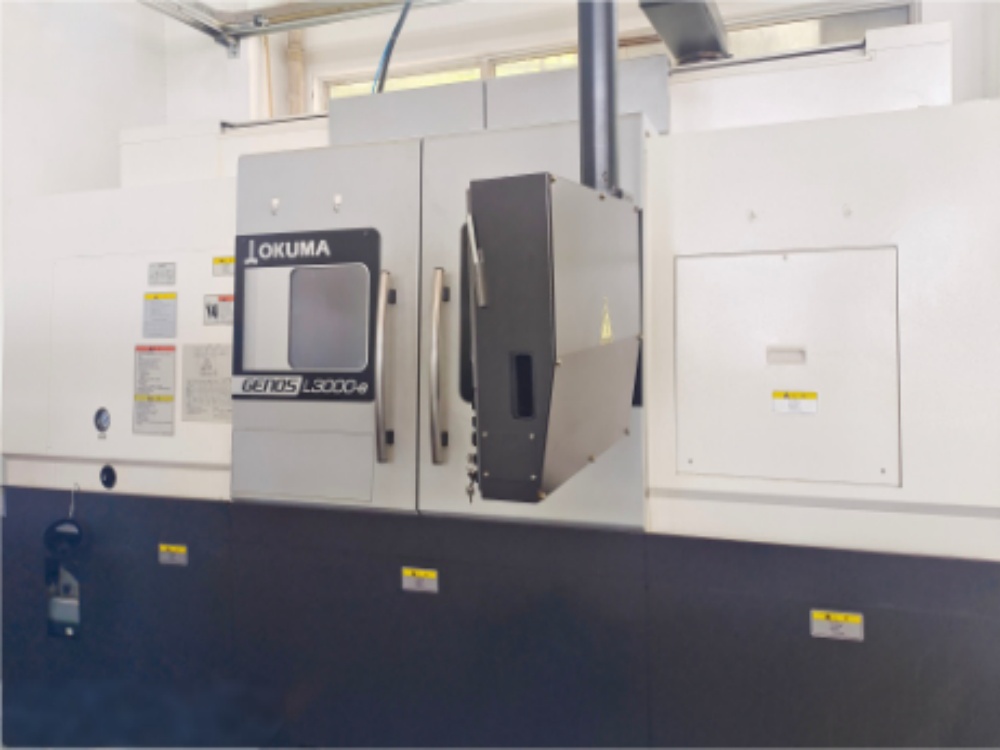
State-of-the-art Japanese CNC mills and lathes perform high-speed cutting, drilling, and pocketing to finish extruded and forged parts.
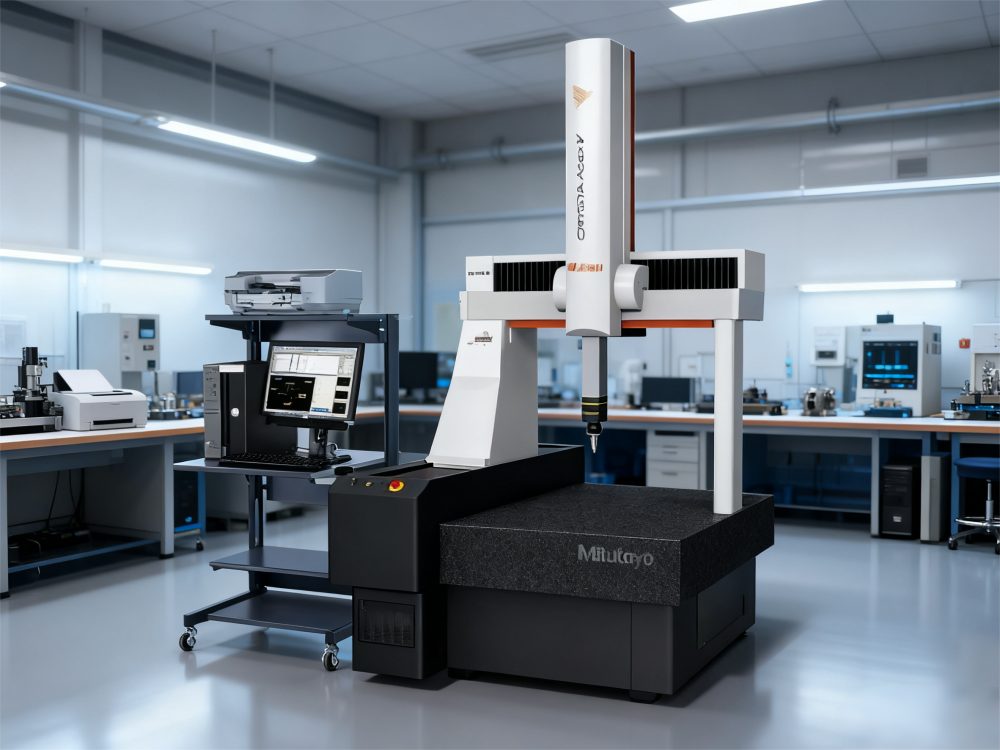
We utilize Coordinate Measuring Machines (CMM) and video measuring systems to verify dimensional precision on finished parts.
Here are detailed answers to common inquiries from international procurement departments and design engineers:
Our pricing is based on the London Metal Exchange (LME) aluminum index, combined with fabrication complexity, tooling amortization, and order volume. We provide updated itemized quotations that detail material costs, processing expenses, and packaging fees. For long-term contracts, we can discuss pricing mechanisms to help mitigate raw material fluctuations.
Yes, we require minimum order quantities for custom international shipments to support production efficiency. MOQs depend on profile size, weight, and the alloy type. For initial projects, we can often adjust early requirements to support validation and prototype testing.
We supply complete documentation packages with our shipments, including chemical analysis reports, certificates of conformance, dimension inspection records, and country-of-origin certificates. When required, we can also provide anodizing thickness measurements and hardness reports.
Tooling design and sample fabrication generally require about 7 days after final drawing confirmation. Mass production is typically completed within 20 to 30 days of sample approval and deposit receipt. Lead times can vary depending on shape complexity and post-extrusion CNC machining requirements.
Our standard terms are a 30% deposit in advance via bank wire transfer (T/T), with the remaining 70% balance paid against the copy of the Bill of Lading (B/L). We also accept payments via Western Union and PayPal for sample runs and initial tooling expenses.
We warrant our materials and manufacturing workmanship for one year from the date on the delivery note. If a component does not meet the agreed drawing tolerances or chemical specifications, our engineering team works to resolve the issue through replacement or technical adjustment.
We use heavy-duty export packaging, including protective wrapping, interleaving paper for anodized surfaces, and reinforced wooden crates. Shipping fees depend on the selected transit method (air freight, sea container, or express courier), shipment weight, and volume. We can ship under FOB, CIF, or DDU/DDP terms to match your logistics setup.
 XinYe Metal