Choosing a Stamping Die Maker for international production is not a simple ranking exercise. A polished website proves very little. Real confidence comes from verified tooling samples, measured tolerances, clear process records, and responsive engineering support.
This guide examines ten leading manufacturers for global buyers. It considers die design experience, steel selection, press compatibility, progressive tooling, transfer dies, and maintenance planning. It also reviews trial procedures, quality documentation, export communication, and after-sales service. A dependable supplier should explain how a die performs under pressure, not only how it looks in a catalogue. Ask for inspection reports, sample parts, and realistic production timelines. Small details matter here.
Lean manufacturing authority Shigeo Shingo once warned, “The most dangerous kind of waste is the waste we do not recognize.” His observation fits die sourcing closely. An inexpensive tool may create hidden waste through burrs, uneven feeding, premature wear, or repeated line stoppages. I have found that supplier comparisons can still be imperfect. Public information is often incomplete, and factory capability may change between projects. That limitation deserves attention. Buyers should verify critical claims directly, preferably through technical calls, factory audits, or witnessed tool trials.
The manufacturers featured here serve different industries, production volumes, and budget levels. Some excel at complex automotive components. Others offer practical solutions for appliances, electronics, or precision hardware. The best choice depends on your material, annual output, tolerance requirements, and local support expectations. Use this list as a careful starting point, not a final verdict.
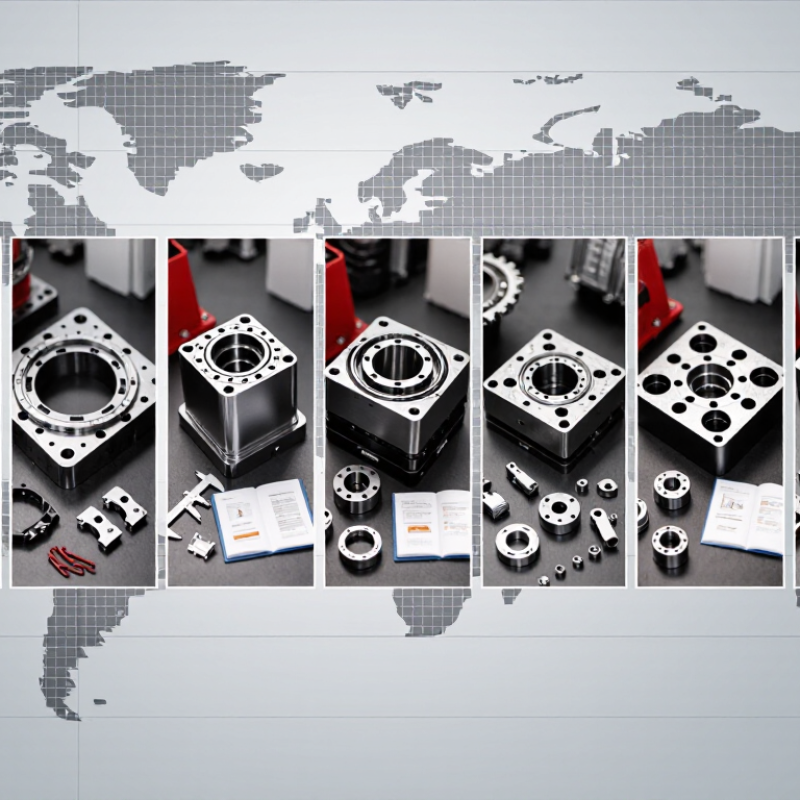
What Defines a Reliable Stamping Die Maker for Global Buyers
A reliable stamping die maker proves capability through repeatable work, not polished promises. Years in the field matter, but documented lessons matter more. Ask for examples involving similar metals, thicknesses, part sizes, and production volumes. An experienced team can explain springback, burr control, die wear, and press limits in plain language. It should review your drawings before quoting. Small questions often reveal real competence. That review may expose an unclear datum or unrealistic tolerance.
Engineering discipline should continue from design to tryout. A capable maker uses simulation, controlled material selection, and measured inspection reports. Critical dimensions need clear gauges and agreed sampling plans. Trial parts should be tested under production conditions, not only shown after a perfect adjustment. Look for traceable revisions, material certificates, maintenance records, and corrective-action reports. These details create accountability. Still, no process is flawless. Even a strong supplier can underestimate forming variation during early trials.
Global buyers also need reliable communication. Confirm response times, technical language, packaging methods, spare-part support, and delivery milestones. A practical maker shares risks early, including delayed materials or tooling changes. Video inspections and digital reports can improve visibility across time zones. Visit the facility when possible, or arrange an independent audit. Check how operators protect surfaces and store finished dies. Clean storage matters. The best decision balances price, evidence, and long-term cooperation, while leaving room to question assumptions.
10 Best Stamping Die Makers for Global Buyers
What defines a reliable stamping die maker? Global buyers typically evaluate suppliers by quality assurance, dimensional precision, engineering capability, delivery reliability, service responsiveness, and total cost control. The neutral benchmark below uses a 100-point evaluation model without comparing or displaying any company or brand data.
How to read the chart: Higher scores indicate greater importance when assessing a stamping die maker for international production projects. Quality systems and dimensional precision are weighted most heavily because they directly affect part consistency, tool life, and production stability.
How the Top 10 Stamping Die Makers Were Selected
The ten stamping die makers were selected through a practical, evidence-based review. We examined documented production experience, engineering capability, and export readiness. A company needed more than polished website claims. We looked for measurable proof.
Our review considered die materials, machining accuracy, inspection equipment, and trial procedures. We checked whether suppliers could explain tolerances in clear technical language. Factory records, sample inspection reports, and project references carried more weight than promotional promises. We also assessed tool design software, maintenance support, packaging methods, and delivery controls. A capable maker should discuss press tonnage, sheet thickness, cycle targets, and expected die life. Small details often reveal real expertise.
Quality systems mattered, but certification alone was not enough. We considered how each supplier handles design changes, failed trials, and replacement parts. Communication was tested through technical questions and quotation requests. Clear drawings and realistic schedules improved confidence. Vague answers reduced it. This approach has limits. Public information is incomplete, and one successful project cannot prove consistent performance. Some scores also rely on supplier-provided evidence, which requires careful judgment. The final selection therefore reflects documented capability, practical risk, and buyer relevance rather than reputation alone.
Profiles of the 10 Leading Stamping Die Makers
These ten profiles reflect makers selected for tooling depth, inspection discipline, and export experience. Each profile considers die design, material control, trial results, and after-sales support. Profile One specializes in progressive dies for high-volume electrical components. Its engineers use digital forming simulations and measure critical gaps with coordinate equipment. Profile Two focuses on automotive panels and performs tryouts with production-grade steel. Fit comes first. Profile Three serves appliance manufacturers with transfer dies, emphasizing stable feeding and quick maintenance access. Profile Four builds precision dies for small hardware parts. Its clean inspection records support reliable repeat orders.
Profile Five combines stamping die design with automated press-line testing. Buyers can review sample parts, cycle data, and correction history before approval. Profile Six is experienced with thick-gauge structural components. Its team checks springback carefully, although some projects may require extra trial rounds. That weakness matters. Profile Seven provides compact dies for electronics and medical-device components, with strong attention to burr control and surface finish. Clear engineering communication is one of its practical advantages.
Profile Eight specializes in deep-drawing tools and studies lubrication, material flow, and wrinkle prevention. Profile Nine supports complex multi-stage dies, offering spare inserts and maintenance drawings for overseas plants. Profile Ten serves varied industries and adapts quickly to low-volume prototypes. Its flexibility is useful, but process consistency should be verified during factory audits. Reliable makers share measurable evidence: inspection reports, signed trial samples, steel certificates, and documented corrective actions. Global buyers should also examine packaging methods, lead-time records, and communication during difficult revisions. Mistakes happen. Honest reporting builds trust.
Comparing Capabilities, Quality, Pricing, and Delivery
Choosing among the ten best stamping die makers requires more than comparing quoted prices. Buyers should examine press capacity, engineering software, die design experience, and production flexibility. A capable maker can support progressive, compound, and deep-drawing dies for different part geometries. Ask whether engineers review your drawings before quoting. That early discussion often reveals hidden forming risks.
Quality depends on measurable controls. Look for documented material certificates, heat-treatment records, dimensional reports, and trial-run samples. Experienced teams usually inspect critical surfaces with coordinate measuring equipment. They should also explain expected tolerances, wear points, and maintenance access. Small details matter. A poorly positioned guide post can create repeated defects and expensive downtime. However, inspection reports alone do not guarantee stable production. I have seen excellent first samples followed by inconsistent batches.
Pricing should include design revisions, tryout costs, spare components, packaging, and technical support. The lowest quote may exclude essential work. Compare steel grades, expected die life, warranty terms, and payment milestones. Delivery estimates deserve equal attention. Confirm design-freeze dates, sample approval stages, shipping arrangements, and progress updates. A reliable maker provides a realistic schedule instead of promising an unusually fast launch. Delays hurt.
Global buyers should also assess communication habits and after-sales responsiveness. Time-zone coverage helps, but clear engineering records matter more. Request references for similar materials, thicknesses, and annual volumes. No supplier is perfect. A thoughtful comparison leaves room for uncertainty, contingency time, and one more design review before production.
How Global Buyers Can Choose the Right Stamping Die Maker
10 Best Stamping Die Makers for Global Buyers
How Global Buyers Can Choose the Right Stamping Die Maker
Choosing a stamping die maker requires more than comparing prices. Review proven experience with your material, part size, tolerances, and expected production volume. Ask for sample inspection reports, tool trial records, and clear dimensional data. A reliable supplier should explain steel selection, heat treatment, surface finishing, and maintenance access. Request a realistic timeline covering design, machining, tryout, corrections, and final approval. Vague schedules create problems later. Communication matters, especially when drawings, units, and technical terms cross languages. Confirm who controls revisions and how changes are documented.
Tips: Check the maker’s engineering process before reviewing the quotation. Send a detailed drawing, material specification, annual volume, and press information. Ask for a design-for-manufacturing review with marked risks. Evaluate whether the supplier can achieve your critical tolerances consistently, not only on one sample. Inspect their quality system, measuring equipment, calibration records, and corrective-action process. Also confirm packaging, spare components, remote support, and after-sales response times. Small details matter.
A low quotation may look attractive. It may also exclude tryout work, spare inserts, or engineering changes. Compare total ownership cost instead of the purchase price alone. Review a sample contract covering delivery terms, acceptance criteria, intellectual property protection, and payment milestones. Factory photos help, but an online audit is stronger. If possible, arrange an independent inspection before shipment. Trust should be earned through evidence, not confident promises. Even a careful selection can miss something; keep contingency time for unexpected adjustments.
Conclusion
Choosing the right Stamping Die Maker is essential for global buyers seeking consistent quality, reliable production, and long-term supply stability. A dependable manufacturer should demonstrate strong engineering expertise, precise tooling capabilities, advanced equipment, rigorous quality control, and clear communication throughout the project. Experience with international specifications, material requirements, packaging, and export coordination is also important when evaluating potential partners.
This guide explains how leading stamping die makers can be assessed through their technical capabilities, production capacity, customization options, quality standards, pricing structures, and delivery performance. It also compares the practical strengths of ten qualified suppliers without focusing solely on low cost. Global buyers can use these criteria to match a manufacturer with their product complexity, required tolerances, order volume, budget, and delivery schedule. By reviewing samples, certifications, project experience, service responsiveness, and after-sales support, buyers can make a confident decision and build a stable, efficient manufacturing partnership.

 XinYe Metal