The demand for Extruded Profiles continues to grow globally, with projections indicating significant market expansion by 2026. According to a recent report from Smith & Jones Analytics, the market is expected to reach $12 billion by 2026, reflecting a compound annual growth rate (CAGR) of 5.7%. This growth highlights the increasing importance of these profiles in various industries, including construction and automotive sectors.
Industry expert Dr. Emily Chen emphasizes, "Extruded Profiles are vital for modern architecture and manufacturing, offering unique design flexibility and durability.” The frameworks created through extrusion processes allow for customized solutions tailored to specific applications. However, challenges exist, including supply chain disruptions and variations in material quality. As manufacturers strive to meet global needs, they must prioritize responsiveness and innovation.
As we explore the top 10 Extruded Profiles for global buyers, understanding these dynamics will be essential. Quality and reliability will dictate market leaders. Engaging with these insights can guide buyers in making informed decisions.
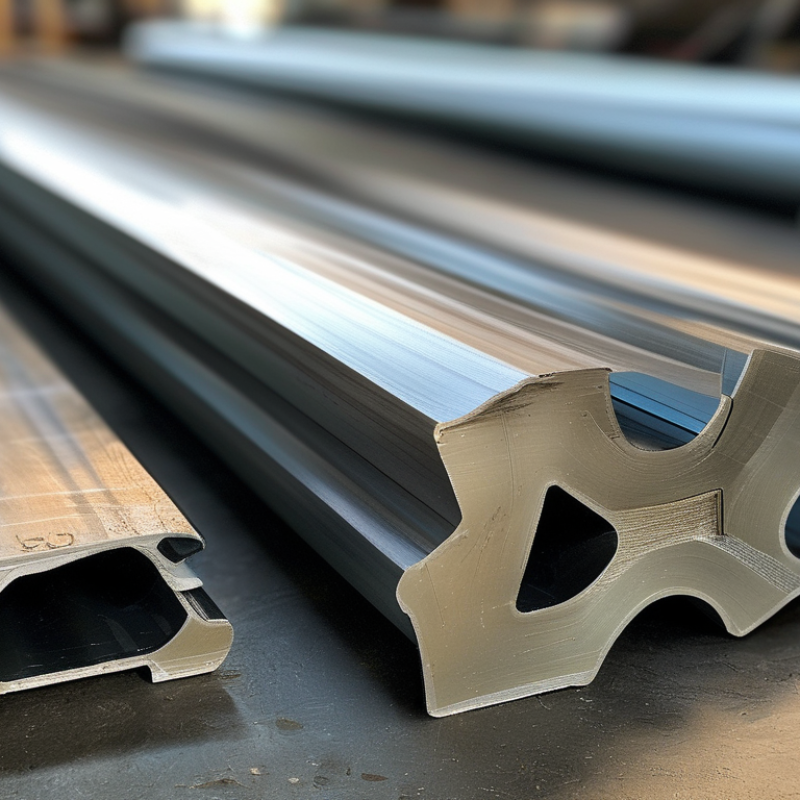
Top 10 Extruded Profiles for Global Buyers in 2026
As global markets evolve, the demand for extruded profiles will shape the landscape of various industries. Extruded profiles serve as foundational elements across construction, automotive, and consumer goods. In 2026, we expect to see trends leaning towards sustainability and lightweight materials that can withstand rigorous conditions.
Manufacturers are innovating to meet these demands. For instance, profiles made from eco-friendly materials will gain traction. Furthermore, enhanced designs will focus on improving energy efficiency. Buyers will need to choose wisely. The right extruded profiles can impact product performance significantly. It’s essential to balance aesthetics and functionality.
While the diversity in extruded profiles grows, challenges remain. Quality assurance and supply chain issues may complicate sourcing. Buyers must navigate these complexities diligently. Assessing the right suppliers will be crucial. Understanding specific market requirements can also help make informed decisions. The path to selecting the best profiles is not straightforward, but careful consideration can lead to fruitful outcomes.
Market Overview of Extruded Profiles in 2026
The global market for extruded profiles is expected to expand significantly by 2026. Companies are increasingly relying on lightweight and durable materials for construction and manufacturing. This shift is driving demand for a variety of extruded profiles across different sectors. Understanding the trends and demands in this market can help buyers make informed decisions.
Material selection is critical. Buyers should focus on profiles that offer strength without adding excessive weight. Innovations in materials will likely dominate the landscape. Consider profiles made from recycled materials, as sustainability trends are becoming more prominent. Keeping an eye on environmental compliance is essential.
It’s vital to assess suppliers closely. Not all manufacturers adhere to the same quality standards. Checking previous projects can give insights into their reliability. Engaging with suppliers who have experience in your specific industry can ensure that the right profiles are chosen. Remember to challenge yourself to seek out new vendors. This openness can lead to find better options and solutions that could enhance project outcomes.
Key Features and Benefits of Extruded Profiles
Extruded profiles offer numerous advantages across various industries. These products are known for their durability and light weight. They are often made from materials such as aluminum and plastic, which add to their appeal. The strength-to-weight ratio makes them ideal for construction and automotive applications. Additionally, extruded profiles can be custom-designed, allowing for innovative solutions to specific challenges.
Cost-effectiveness is another significant benefit. The production processes are efficient, reducing waste and lowering overall costs. Moreover, they require less maintenance, contributing to long-term savings. Buyers should consider the environmental impact of these profiles. Many manufacturers are now focusing on sustainable practices. Recyclable materials are gaining traction in the market.
Despite their benefits, it's essential to approach the selection of extruded profiles carefully. Not all profiles will suit every application. Miscalculating dimensions can lead to structural weaknesses. It may also result in delays during installation. Understanding the specific requirements of a project is crucial. Doing so can help avoid potential pitfalls and ensure optimal performance.
Emerging Trends in Extruded Profile Manufacturing
As the demand for extruded profiles continues to rise, several trends are emerging in the manufacturing sector. Innovations in materials like recycled plastics are becoming significant. These materials reduce waste and promote sustainability. Manufacturers are also experimenting with lightweight composites. This shift supports various industries seeking durable yet efficient solutions.
Automation plays a crucial role in modern extrusion processes. Advanced machinery enhances precision and lowers production costs. However, not all companies adapt quickly to these technologies. Many still rely on outdated methods. This inconsistency can lead to varying product quality. Manufacturers must assess their operations and consider upgrades to stay competitive.
Additionally, customization is on the rise. Buyers are increasingly looking for bespoke profiles tailored to specific needs. This trend challenges manufacturers to be flexible. Not every company can meet these demands quickly. The pressure is on to innovate without sacrificing quality, which can lead to stress in production timelines. Balancing these factors is key for future success.
Top 10 Extruded Profiles for Global Buyers in 2026
This chart illustrates the projected market demand for the top 10 extruded profiles by 2026. Aluminum continues to lead the market, followed by PVC and steel, highlighting emerging trends and opportunities in extruded profile manufacturing for global buyers.
Top Ten Global Suppliers of Extruded Profiles
In the world of extruded profiles, the year 2026 holds promising potential for global buyers. A recent report from an industry-leading research firm forecasts that the global market for extruded profiles will grow significantly. This growth is driven by increased demand across various sectors, including construction, automotive, and consumer goods. The rise in sustainable materials is reshaping the industry landscape, pushing suppliers to innovate continuously.
Global suppliers are already adapting to these trends. Research indicates that companies focusing on lightweight and durable materials will have a competitive edge. In 2026, it is expected that suppliers who embrace advanced technologies and automation will enhance their efficiency and production capabilities. This will likely lead to reduced lead times and lower costs for buyers seeking customized solutions.
However, challenges remain. Not all suppliers can consistently meet rising quality standards. Some may struggle to keep up with technological advancements. This inconsistency can lead to supply chain disruptions and product variability. Buyers must remain vigilant and select partners who demonstrate reliability and expertise in their manufacturing processes.
Top 10 Extruded Profiles for Global Buyers in 2026
| Profile Type |
Material |
Applications |
Global Market Share (%) |
Growth Rate (2021-2026) |
| Aluminum Extrusions |
Aluminum Alloy |
Building, Automotive, Aerospace |
25% |
5% |
| Plastic Profiles |
PVC, Polyethylene |
Construction, Packaging |
20% |
7% |
| Steel Extrusions |
Carbon Steel |
Infrastructure, Manufacturing |
15% |
3% |
| Copper Extrusions |
Copper Alloy |
Electronics, Plumbing |
10% |
4% |
| Composite Profiles |
Fiberglass |
Aerospace, Automotive |
8% |
6% |
| Wood-Plastic Composites |
Wood Flour, Plastic |
Decking, Fencing |
7% |
8% |
| Zinc Extrusions |
Zinc Alloy |
Construction, Automotive |
5% |
2% |
| ECF Plastic Profiles |
Polypropylene |
Food Packaging |
3% |
9% |
| Foam Extrusions |
Polyurethane |
Insulation, Packaging |
5% |
10% |
Conclusion
The article "Top 10 Extruded Profiles for Global Buyers in 2026" provides a comprehensive overview of the extruded profiles market, highlighting key features and benefits that make these products essential for various industries. It outlines the significant trends shaping the manufacturing of extruded profiles, such as advancements in technology and a growing emphasis on sustainability. Additionally, the article identifies the leading global suppliers of extruded profiles, which buyers should consider when making purchasing decisions.
As the demand for extruded profiles continues to rise, understanding the market dynamics and emerging innovations is crucial for global buyers. The article serves as a valuable resource for industry stakeholders seeking to navigate the evolving landscape of extruded profiles, ensuring they are well-informed about potential suppliers and the characteristics that distinguish top products in the market.

 XinYe Metal