Choosing a Natural Anodizing supplier is not simply a search for the lowest quoted price. It is a decision about surface consistency, process discipline, and long-term product performance. A reliable supplier should explain its alloy experience, pretreatment methods, bath controls, sealing process, and inspection standards clearly. Vague promises are warning signs. So are samples that look attractive under showroom lighting but fail under ordinary daylight.
Frank Altmayer, an anodizing specialist and AESF Fellow, offers a useful principle: “Consistency comes from controlling chemistry, temperature, and time.” This idea matters when evaluating Natural Anodizing providers. Ask how the supplier records bath temperature, pH, current density, coating thickness, and sealing quality. Request test panels made from the same aluminum grade as your product. Look closely at corners, drilled holes, brushed lines, and color transitions. These areas often reveal weak preparation or uneven processing.
Experience should also include practical problem-solving. Can the supplier explain why one batch may show shade variation? Can it recommend a realistic tolerance instead of promising perfect uniformity? No supplier is perfect. Natural aluminum can vary slightly between batches, and natural anodized finishes may show subtle differences. That is not automatically failure. However, the supplier should identify risks before production begins. Review certifications, laboratory records, customer references, packaging methods, and response times. A strong partner does not hide limitations. It documents them, tests them, and improves the process when results fall short.
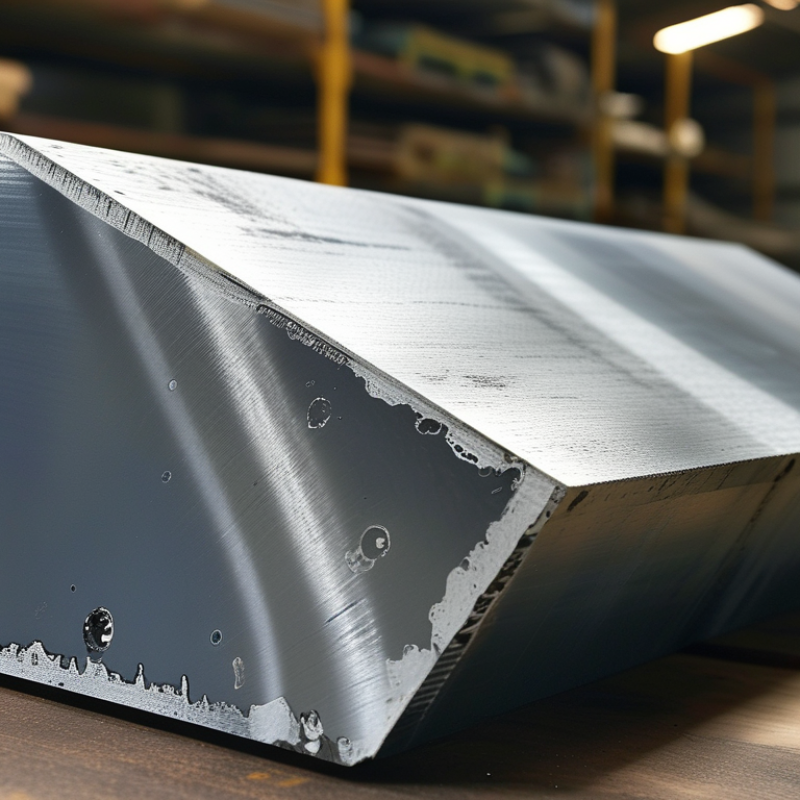
Natural anodizing is an electrochemical conversion process for aluminum, not a paint layer. The metal forms a controlled oxide film in an acidic electrolyte using electrical current. “Natural” usually means clear or lightly tinted anodizing that preserves aluminum’s metallic appearance. It does not mean untreated, chemical-free, or perfectly uniform. Film thickness, sealing quality, alloy composition, and surface preparation shape the final result. A 6063 extrusion may look brighter than a cast component under identical settings.
Natural anodizing is widely used for architectural frames, door panels, lighting housings, electronic enclosures, and machine guards. It helps improve corrosion resistance and surface durability while retaining a clean metal finish. Designers often choose it where color consistency matters less than a restrained industrial appearance. Small scratches can also be less noticeable than they are on painted surfaces. Still, natural anodizing is not indestructible.
When choosing a supplier, ask for sample panels made from your actual alloy and surface texture. Review coating thickness records, sealing tests, cleaning methods, and production traceability. Experienced technicians should explain how racking marks, extrusion direction, and batch variation may affect appearance. Do not judge quality from one attractive sample. That can mislead. A reliable supplier should also define acceptable color differences before production begins. In practice, clear communication prevents more problems than impressive marketing claims.
Choosing a natural anodizing supplier starts with a clear specification sheet. Define the aluminum alloy, temper, part dimensions, and expected service environment. Different alloys can produce noticeably different shades after anodizing. A consistent color is not guaranteed without controlled material sourcing.
Specify the anodic coating thickness, surface preparation, and acceptable color variation. For architectural parts, a thicker coating may improve durability. For precision components, excessive buildup can affect fit and function. Ask how the supplier measures coating thickness and controls dimensions after processing. Request samples from the actual alloy and production method. Small sample panels can reveal streaks, pinholes, edge burns, or uneven brightness.
Finish expectations need precise language. “Natural” may mean clear, matte, satin, or lightly reflective. Include approved reference samples, gloss limits, and visible surface criteria.
I once assumed a clean machined surface would remain visually uniform. That assumption was wrong. Tool marks and handling scratches became clearer after anodizing. Surface preparation matters greatly.
Review sealing methods, cleaning procedures, inspection records, and packaging controls. Confirm whether each batch receives documented checks for color, thickness, adhesion, and appearance. A reliable supplier should explain rejected-part handling without vague promises. Ask for traceability from incoming material to final inspection. Keep testing practical. Independent verification may be worthwhile for critical components, although it can increase lead time and cost. Expect some variation. Natural finishes are processed surfaces, not painted illusions.
Choosing a natural anodizing supplier requires more than comparing quoted prices. Evaluate experience with your alloy, geometry, tolerances, and appearance requirements.
The Aluminum Association’s 2024 Aluminum Statistical Review reports that transportation represented about 36% of U.S. aluminum shipments in 2023. That demand makes finish consistency important, especially for visible components. Ask for recent samples, cross-section records, and references from similar applications.
Inspect the supplier’s equipment. Look for controlled tanks, reliable rectifiers, filtration, temperature monitoring, and documented rinsing systems.
The U.S. Department of Energy reports that compressed-air systems can lose 20% to 30% of output through leaks. Poor maintenance may affect cleaning, drying, and final appearance.
Ask how often instruments are calibrated. Ask to see maintenance logs.
Not just promises.
Process capability matters most.
ISO 7599:2018 defines requirements for decorative and protective anodic oxidation coatings on aluminum. A capable supplier should control pretreatment, current density, bath chemistry, sealing, and color variation.
Request test data for coating thickness, adhesion, corrosion resistance, and sealing quality.
Review how operators handle scratches, rack marks, and inconsistent alloy surfaces.
Natural anodizing can reveal material differences, even when the process is stable. I would not rely on one attractive sample. Production evidence is stronger.
Still, every supplier can miss a variable occasionally, so define inspection limits, corrective actions, and retained samples before approval.
Choosing a natural anodizing supplier starts with evidence, not a polished sales presentation. Ask for a current ISO 9001 certificate, scope, site address, expiry date, and audit status. The ISO Survey 2022 reported 1,265,216 ISO 9001 certificates worldwide. Certification alone cannot prove anodizing expertise. Check whether the certificate covers surface treatment, inspection, and subcontracted processes.
For environmental claims, request ISO 14001 evidence and chemical-management records. Recognized architectural anodizing specifications can also clarify coating class, sealing, and visual uniformity. Verify certificates through issuing bodies or accreditation databases. Do not accept scanned copies without traceable details.
Testing methods reveal how a production line really performs. Require coating-thickness readings using calibrated eddy-current equipment under ISO 2360. Ask for sealing tests, adhesion checks, color measurements, and corrosion testing matched to the end use. ISO 9227 salt spray results are useful, but they cannot predict every outdoor failure.
Request exposure time, specimen preparation, acceptance limits, and laboratory competence. ISO/IEC 17025 accreditation adds confidence when testing is outsourced. Production consistency needs more than a perfect sample.
Review batch travelers, control plans, gauge-calibration records, and first-article data. Ask for capability results, such as Cpk, across several lots. One excellent batch is not enough. Inspect racking marks, shade shifts, and edge build-up on actual production pieces. These small flaws often appear after volume increases.
How to Choose a Natural Anodizing Supplier?
Compare Pricing, Lead Times, Communication, and After-Sales Support
Price should be compared line by line, not by the final number. Ask whether tooling, masking, racking, testing, packaging, and freight are included. Grand View Research projects the global anodizing market to grow at roughly 5% annually through 2030. Rising demand may tighten capacity and increase surcharges. I once treated the lowest quote as the strongest option. It was not.
Request a written lead-time plan with sample approval, production, inspection, and shipping dates. A capable supplier should explain capacity during peak periods. For natural anodizing, ask about alloy preparation, film thickness, sealing, and color variation. Small differences can appear beside bright lighting. A pilot batch often reveals more than a polished presentation. Do not skip it. The 2024 Reshoring Institute manufacturing survey highlights delivery reliability and supplier communication as major sourcing concerns. That matches factory reality.
Communication needs measurable standards. Confirm response times, drawing revision control, inspection reports, and escalation contacts. After-sales support should cover rework decisions, root-cause analysis, replacement parts, and corrective-action reports. The quality response matters after a defect appears. Ask for previous nonconformance examples, with sensitive details removed. A supplier promising zero problems may sound impressive, but it is not always credible. Look for documented learning instead. A practical scorecard can assign equal weight to pricing, lead time, communication, and support, then adjust the weights for project risk.
: Natural anodizing is an electrochemical process that forms a controlled oxide film on aluminum. It is not paint. “Natural” usually means clear, lightly tinted, or metallic-looking. It does not mean untreated or perfectly uniform.
Common uses include architectural frames, door panels, lighting housings, electronic enclosures, and machine guards. It improves corrosion resistance and surface durability. The metal appearance remains visible.
Provide the alloy, temper, dimensions, service environment, coating thickness, and surface preparation. Include approved samples and visible defect criteria. Clear specifications prevent avoidable disputes.
Alloy composition, extrusion direction, surface texture, and preparation affect brightness and color. A 6063 extrusion may look brighter than a cast component. Expect some variation.
Yes. Request panels or parts made from the actual alloy and process. Inspect streaks, pinholes, edge burns, scratches, and uneven brightness. Pilot batches matter. I once trusted one attractive sample. That judgment was poor.
Ask for coating thickness records, sealing tests, color checks, dimensional inspections, and traceability. Confirm cleaning and packaging controls. Independent testing may help critical parts, but it adds cost and time.
Compare tooling, masking, racking, testing, packaging, freight, and processing charges line by line. Request dates for sampling, production, inspection, and shipping. The lowest quote is not always the best choice.
Support should include rework decisions, root-cause analysis, replacement parts, and corrective-action reports. Ask for response times and escalation contacts. A promise of zero problems sounds impressive, but it may be unrealistic.
Choosing the right Natural Anodizing supplier requires more than comparing surface appearance and unit prices. Start by defining how anodized parts will be used, such as architectural components, consumer products, or industrial equipment. Clarify the required alloy, dimensions, color, thickness, surface texture, corrosion resistance, and other finish specifications. These details help ensure that the supplier can meet both functional and visual expectations.
Next, evaluate the supplier’s experience, production equipment, process control, and ability to handle your order volume. Ask about relevant certifications, inspection procedures, testing methods, sample approval, and quality records to confirm consistent results between batches. It is also important to compare total pricing, minimum order quantities, lead times, packaging, communication efficiency, and after-sales support. A dependable supplier should provide clear technical guidance, realistic delivery commitments, transparent quality standards, and prompt solutions when adjustments are needed. By reviewing these factors together, buyers can select a capable partner and reduce quality, scheduling, and cost risks.

XinYe Metal