Choosing the right Metal Casting Wax is crucial for successful casting projects. Metal Casting Wax serves as a foundation for creating molds and patterns, ensuring precision in the final product. The variety and specifications can be overwhelming. With different types and formulations available, understanding the features of each can significantly influence your choice.
Quality is essential when selecting Metal Casting Wax. Some waxes melt easily, while others may need specific temperatures. Each type has unique properties that can affect the casting outcome. It’s essential to consider the project requirements and desired finish. Take time to research and evaluate options that align with your needs.
Ultimately, the right Metal Casting Wax combines functionality with your specific objectives. Consider experimenting with different types to identify what works best for you. Reflection on past experiences can guide future decisions in wax selection, leading to improved results. Choosing wisely is not only about materials but also about enhancing your craft.
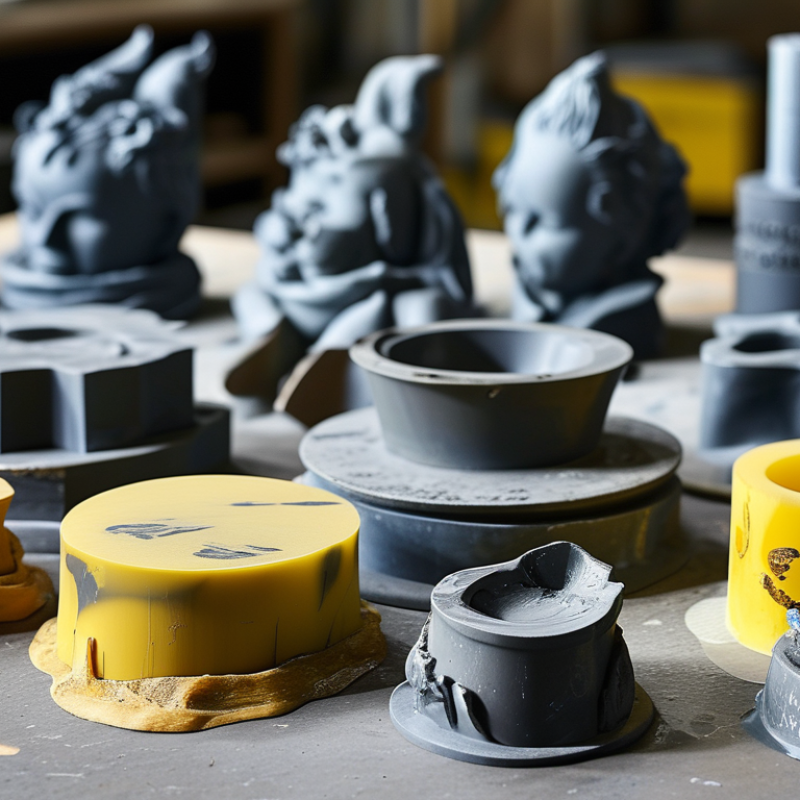
When selecting the right metal casting wax, it’s essential to understand the varieties available. Different projects require different types of wax. Some are designed for high detail, while others are more suited for durability or ease of use. Consider the characteristics of each type closely. For instance, low-temperature waxes melt quickly, making them great for intricate designs. High-temperature waxes, however, withstand more heat and are suitable for foundries.
The choice also depends on your specific needs. Do you need a wax that captures fine details? Look for a product specifically rated for precision. Conversely, if your project involves larger pieces, a more robust wax may be necessary. Additionally, some waxes allow for multiple uses, while others are single-use only. This can affect your cost efficiency in the long run.
Testing various waxes can help refine your decision. Sometimes, a wax that appears perfect on paper might not meet your hands-on expectations. Seek feedback from experienced users in your network. Their insights can highlight attributes that may not be formally documented. Choosing the right wax isn’t always clear-cut; it requires experimentation and reflection.
Choosing the right metal casting wax requires an understanding of its performance characteristics. Factors such as melting point, burn-out speed, and viscosity play crucial roles. A wax with a lower melting point might offer easier processing, but it may also burn out too quickly. Striking a balance is essential for successful casting.
To get the most out of your casting wax, consider the intricacies of your project. Look at the detail required in your mold. More intricate designs may benefit from a wax that holds finer details. Thick waxes can lead to a loss of fine features, such as sharp edges. It's a delicate dance between ease of use and precision.
When evaluating wax, pay attention to its composition. Waxes with added modifiers can enhance performance but may change their behavior. Conduct tests to see how different types donate to your process. This can reveal hidden challenges. Your approach should also reflect on past projects. Reflect on which types caused issues and which allowed for smooth casting. Such reflections can guide you in making better decisions.
Choosing the right metal casting wax requires careful consideration of several factors. Start by understanding the type of projects you’ll be working on. Different waxes cater to various applications, from intricate designs to larger pieces. Assess the melting point and flow characteristics of the wax. Higher melting points often provide better durability but may require more advanced equipment.
Consider the ease of use and working time. Some waxes cool quickly, which can be an advantage for rapid production. However, if you are new to metal casting, a wax with a longer working time may allow you to correct mistakes without stress. Think about flexibility as well; softer waxes might better accommodate detailed molds, while firmer waxes can withstand greater pressure during casting.
It's crucial to test different waxes before making a commitment. You can pour small samples for trial runs. Observing how each wax reacts during the casting process can reveal strengths and weaknesses. Be mindful of your environmental impact by choosing eco-friendly options when available. Not all products perform well in every situation, so experimentation will help refine your choices.
When selecting casting wax, consider the various application methods available. The approach you choose can significantly impact the quality of your final product. For example, traditional pouring methods can yield detailed results, while a spray method enables quicker application for larger projects. Each technique has its own pros and cons. Experimenting with these methods can lead to unique results.
Temperature control is crucial during wax application. Too hot, and the wax may lose fidelity; too cold, and it can become brittle. Make sure to maintain an optimal temperature for your chosen method. Not all waxes are created equal. Some will perform better with specific techniques. Identifying the right wax for your method may take time and testing.
Attention to detail is essential. The way you apply wax directly impacts the mold's integrity. Take notes on your process to identify what works and what needs improvement. Some users find themselves frustrated when their initial attempts don’t meet expectations. Embrace the learning curve; even small adjustments can create significant differences.
When budgeting for metal casting wax, it's important to assess both quality and cost. According to industry reports, the cost of metal casting wax can range widely, from $5 to $50 per pound based on formulation and properties. While cheaper options may tempt newcomers, investing in higher-quality wax often yields better casting results and fewer defects. Defects can lead to significant financial losses down the road, which is crucial to consider.
One key to effective budgeting is to analyze your project requirements. For instance, certain projects may require specialty waxes, which can influence overall costs. Understanding your specific needs will help manage expenses more effectively. A recent study indicated that projects using quality waxes had a 30% reduction in rework costs. This investment in better materials can ultimately save money.
When selecting wax, consider sourcing options. Bulk purchasing often reduces the price per pound. Some distributors offer discounts for larger orders, which can significantly cut costs. Stay flexible with your purchasing plans. If necessary, test different waxes on a small scale before committing to larger orders. This strategy can prevent costly mistakes and ensure you select the right material for your needs.
| Wax Type | Melting Point (°C) | Hardness (Shore A) | Cost per kg (USD) | Best Use |
|---|---|---|---|---|
| Standard Casting Wax | 70 | 85 | 25 | General Purpose |
| Low-Viscosity Wax | 65 | 80 | 30 | Detailed Patterns |
| High-Temperature Wax | 90 | 75 | 35 | Metal Casting |
| Flexible Wax | 80 | 90 | 28 | Complex Shapes |
| Thermal Reusable Wax | 75 | 82 | 40 | Sustainable Casting |
: Consider the project's needs, like detail level and durability. Different wax types cater to specific requirements.
Temperature control is vital. High heat can reduce detail, while low heat may make the wax brittle.
No, some waxes are single-use while others allow multiple applications. This impacts long-term costs.
Reflect on your approach. Take notes and make small adjustments to improve future results.
Choose wax specifically rated for fine details. Experiment with different techniques to find what works best.
Traditional pouring provides excellent detail. However, it may be slower compared to spray techniques for larger projects.
Yes, testing various waxes can help refine your choice. Some might not meet your hands-on expectations.
Absolutely, experienced users can share attributes that you may not find in documentation. Their feedback can be valuable.
It’s crucial. Every aspect of your application impacts the mold's integrity and overall quality of the final product.
Embrace the process. Frustration is common, but small changes can lead to significant improvements over time.
Choosing the right Metal Casting Wax is crucial for achieving optimal results in your casting projects. Understanding the different types of Metal Casting Waxes available is the first step, as each type offers unique properties that can influence the final outcome. Evaluating the performance characteristics, such as melting point, thermal stability, and ease of use, helps in selecting the wax that best suits your needs.
When selecting Metal Casting Wax, consider factors like the specific application method, desired finish, and your budget for materials. Different application techniques, such as pouring or spraying, can also affect the choice of wax. Lastly, being mindful of cost considerations will ensure that you find a wax that not only meets your technical requirements but also fits within your financial plan.

XinYe Metal